❌

Reading view

Trump's 50% Tariffs on Canadian Goods Illegally Rely on a Superseded Statute, a Lawsuit Argues
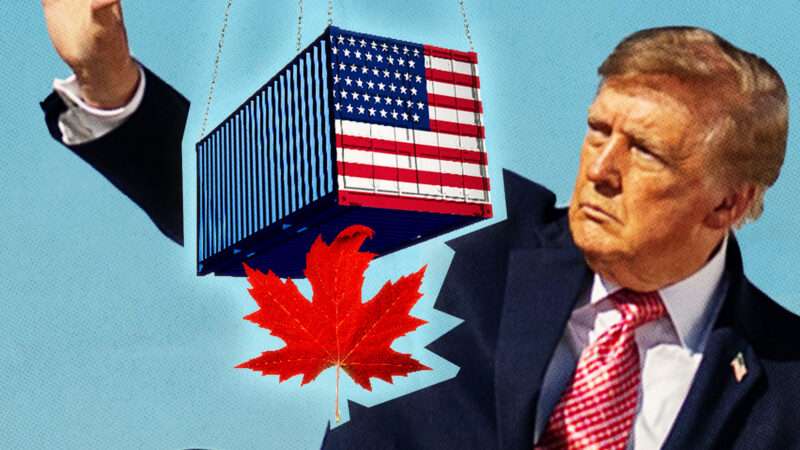
a shipping container and a maple leaf with President Donald Trump in the background | Molly Riley/B66/Avalon/Newscom/Skypixel/Dreamstime

Last July, President Donald Trump imposed 50 percent tariffs on various Canadian goods, a list he subsequently expanded to include additional imports, some of which he banned outright. His legal justification was Section 338 of the Smoot-Hawley Tariff Act, which Congress approved in 1930. Section 338 authorized tariffs in response to discriminatory trade practices. But in the 96 years since it was enacted, no president had ever used it to impose tariffs.

Why is that? According to a lawsuit that the Liberty Justice Center (LJC) filed on Tuesday in the U.S. Court of International Trade (CIT), the answer is clear: Section 338 was superseded by subsequent legislation that likewise targeted discriminatory trade barriers, beginning with the Reciprocal Trade Agreements Act of 1934 and culminating in Section 301 of the Trade Act of 1974. Section 301, the current remedy, includes requirements that Trump apparently sought to dodge by invoking Section 338 instead.

That maneuver is illegal, the LJC argues. "Congress already gave the executive branch a tool for responding to unfair foreign trade practices: Section 301, which requires an investigation, public comment and other safeguards," says Jeffrey M. Schwab, the LJC's director of litigation. "The administration cannot skip those protections by reaching for a 1930 statute that no president had ever used to impose a tariff."

Why not? "Where provisions in two acts are in irreconcilable conflict, the later act, to the extent of the conflict, constitutes an implied repeal of the earlier one," the lawsuit says. "Where a later act covers the whole subject of an earlier one and is clearly intended as a substitute, it operates similarly as a repeal. And a specific policy embodied in a later federal statute controls the construction of an earlier one even absent express amendment."

Even if Section 338 somehow survived congressional approval of contrary laws, the LJC adds, Trump's tariffs exceed the authority it grants. And if Trump's interpretation of Section 338 were correct, the lawsuit says, the provision would violate the nondelegation doctrine, which bars Congress from delegating its tariff power to the president without providing "an intelligible principle" to guide and constrain his exercise of it.

Trump's Section 338 tariffs, in short, are "the Administration's latest attempt to exercise, through a statute never designed for the purpose, the tariff power that the Constitution assigns to Congress." That pattern should be familiar by now.

Shortly after taking office in 2025, Trump claimed to have discovered a previously unnoticed delegation of extensive tariff authority in the International Emergency Economic Powers Act (IEEPA), a 1977 law that does not mention import taxes and had never been used to impose them. That claim was rejected by every court that considered it, and last February the Supreme Court ruled that IEEPA does not authorize tariffs at all.

Trump responded to that decision by immediately announcing similarly broad tariffs under Section 122 of the 1974 Trade Act, which addresses "fundamental international payments problems" caused by "serious United States balance-of-payments deficits." In May, the CIT ruled that the new tariffs were illegal because Trump had failed to "identify balance-of-payments deficits within the meaning of Section 122."

Trump then switched to Plan C, invoking Section 301 of the Trade Act, which authorizes tariffs in response to a foreign "act, policy, or practice" that is "unreasonable or discriminatory" and "burdens or restricts" U.S. commerce. He claimed that provision justified tariffs on 86 trading partners, accounting for nearly all U.S. imports, because they had failed to "impose and effectively enforce a prohibition on the importation of goods produced with forced labor." The CIT is currently weighing challenges to those tariffs, including an LJC lawsuit.

Trump's Section 338 tariffs have now added to the CIT's caseload. The LJC represents Gellert Global Group, an importer that was hit hard by those taxes after Trump added cheese to the list of disfavored Canadian goods. The lawsuit asks the CIT to certify a class of importers, numbering in "the hundreds, if not the thousands," that likewise have been clobbered by Trump's 50 percent tariffs.

Since Trump obviously is aware of Section 301, why did he resort to a never-used, seemingly obsolete provision to justify the tariffs on imports from Canada? As the LJC notes, Section 301 requires an investigation by the Office of the U.S. Trade Representative, "consultation with the foreign country concerned, notice, public comment, a hearing, and determinations within statutory deadlines." It also requires "that action be equivalent in value to the burden imposed, that duties be preferred over other import restrictions, and that actions terminate after four years absent a request for continuation and review."

Can Trump avoid those constraints by invoking Section 338 instead? The LJC thinks not: "Congress did not intend to leave in place a parallel authority that would allow the President to impose the same remedies, for the same conduct, free of every one of those safeguards."

Section 338 has been "impliedly repealed," the LJC argues. "At a minimum, Section 301 controls where, as here, the President seeks to respond to foreign practices within Section 301's scope, and the President may not impose duties in response to such practices while disregarding the procedures and limits Section 301 imposes. Because the President did not proceed under Section 301, the Section 338 Tariffs are unlawful whether or not Section 338 survives."

Even if you ignore subsequent legislation, the LJC argues, the Canadian policies that Trump cited when he announced the tariffs do not qualify as "discrimination" under Section 338. "Canada's motor vehicle surtax and its provinces' alcohol purchasing decisions are responses to tariffs that the United States imposed on Canada, not discrimination by Canada against the United States," it says. Trump also complained that Canada treats European cheese imports more favorably than U.S. cheese imports. But "when Congress enacted Section 338, a preference granted under a reciprocal agreement was not 'discrimination.'"

Section 338 "addresses discrimination: measures that single out United States commerce for worse treatment than the commerce of the world at large," the lawsuit says. "It is not a general authorization to impose tariffs whenever the President disagrees with a trading partner's policies, or whenever a trading partner responds to tariffs the United States has imposed on it."

Trump also was unfazed by Section 338's requirement that the president set duties to "offset" the costs imposed by discriminatory practices, which implies proportionality. Rather than attempt that, the LJC notes, Trump imposed "the statutory maximum rate of 50 percent without tying it to any measured burden."

As interpreted by Trump, the lawsuit warns, Section 338 authorizes the president to "impose tariffs of up to 50 percent on any products of any country that extends better treatment to any other country in any respect—including through any of the hundreds of preferential trade agreements to which the United States is not a party—or that responds to tariffs the United States has imposed on it." Yet Section 338 "contains no clear statement authorizing that power," contrary to the "major questions" doctrine, which applies to assertions of executive authority with "vast economic and political significance."

If Section 338 conferred the sort of unfettered authority that Trump is claiming, the LJC says, it "would supply no intelligible principle constraining the exercise of Congress's power to lay duties." His reading "would convert a narrow, fact-dependent provision into an effectively unrestricted delegation of Congress's tariff power," which would be "an unconstitutional delegation of legislative power."

This case "is not about the president," says LJC CEO Sara Albrecht. "It is about the presidency. No president should have the power to pull a dormant statute off the shelf and use it to impose sweeping tariffs or import bans without the limits Congress required."

The post Trump's 50% Tariffs on Canadian Goods Illegally Rely on a Superseded Statute, a Lawsuit Argues appeared first on Reason Magazine.
  •  

Sea mine crisis re-emerges in Strait of Hormuz as Tehran urges Washington to accept deal

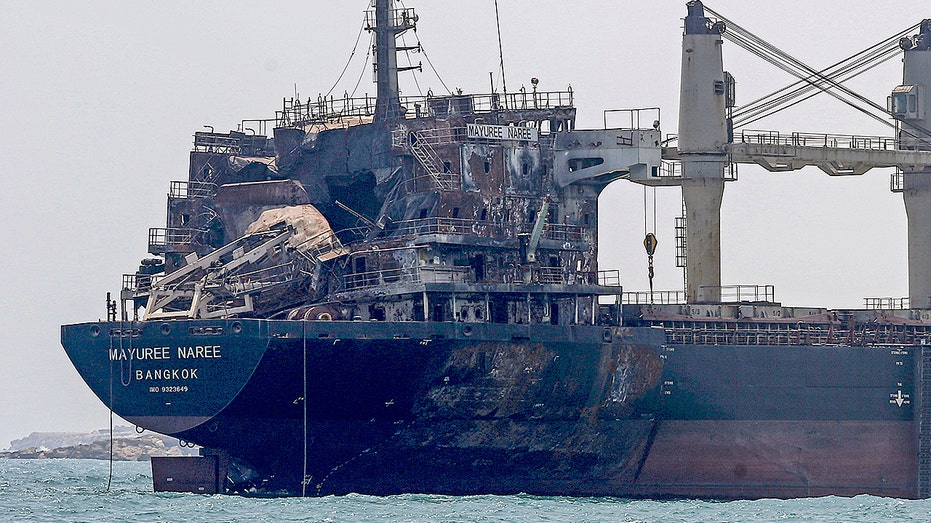
Sea mines have resurfaced as a threat in the Strait of Hormuz, where Iran claimed Oct.17 that two oil tankers caught fire after striking the explosives, raising fresh alarms over the safety of one of the world's most critical shipping lanes.

This came as the International Maritime Organization (IMO) warned that sea mines pose a serious threat to vessels navigating the strategic waterway and while Tehran continues to maintain its own unauthorized shipping corridor inside its territorial waters.

"The traffic separation scheme, the information that we have is that they still have mines. And of course, whilst the conflict is ongoing, it's very difficult for us to use third parties to verify that it is clear of these hazards," IMO Secretary-General Arsenio Dominguez told Fox News Digital.

INSIDE THE DANGEROUS US MISSION THAT CLEARED IRAN’S MINES FROM HORMUZ SHIPPING LANES

"So in the meantime, we cannot guarantee that a vessel that intends to transit that route will not be hit by a mine."

Iran's Islamic Revolutionary Guard Corps (IRGC) navy said Saturday that two oil tankers caught fire after striking naval mines while crossing the Strait of Hormuz, Reuters reported, citing Iran's official Islamic Republic News Agency (IRNA).

State media also said both tankers were carrying about 2 million barrels of crude oil, according to Reuters.

IRNA also reported that the vessels had switched off their positioning and radar systems and attempted to use a route through the strategic waterway that Iran had not authorized.

IRAN WARNS SHIPS OF 'FORCEFUL RESPONSE' AS US-BACKED HORMUZ ROUTE CHALLENGES TEHRAN'S GRIP

The second tanker was left immobilized after striking a mine, according to the Reuters report.

The alleged strikes came as Tehran continued to maintain its transit passageway inside Iranian territorial waters, imposing tolls and safety fees administered by the IRGC — a framework rejected by Washington and the IMO as inconsistent with international maritime law.

International shipping through the narrow chokepoint has historically relied on an IMO-approved traffic separation scheme adopted in 1968.

"Right now there's only one route that was adopted back in 1968 that is approved and recognized for IMO and that appears in all the charts for the vessels to operate," Dominguez explained.

IRAN FAILS TO STRIKE DEAL WITH US AS DEADLINE PASSES AND TRUMP CALLS FOR ‘WHITE FLAG OF SURRENDER'

"There's only one route that should be used for transit, but it's not clear of mines right now, so it's not safe."

"We have received confirmation from Iran about the establishment of its temporary route in the waters," he added before stating that the route was not provided with "an official confirmation or a decision of the organization."

"Any other route needs to actually be sent to the organization to go through the processes, and we have not received that."

"We have received communication from Iran to use that route because of the conflict," Dominguez clarified.

"That's the way that it's been presented. But anything for us to approve needs to go through the mechanisms at the international maritime organizations and the member states need to review it."

The developments also came amid stalled negotiations between Washington and Tehran over ending the conflict and restoring maritime traffic.

DISTRESS CALL CAPTURES TANKER UNDER FIRE, IRAN SHUTS HORMUZ TRAPPING THOUSANDS OF SAILORS

Mohsen Rezaei, secretary of Iran's Supreme National Security Council and a former Revolutionary Guard commander, said Tehran considered Washington's latest response to negotiations "insufficient," Reuters reported, according to IRNA.

Rezaei said the U.S. had accepted some of Iran's seven conditions but that other issues remained unresolved, adding that Tehran was no longer responding to Washington and that the U.S. needed to clarify the outstanding matters.

Iranian Foreign Minister Abbas Araghchi said that Tehran had submitted a proposal to Washington through Qatar, which is mediating the negotiations, outlining conditions under which the Strait of Hormuz could reopen and normal maritime traffic resume within seven days.

"Our situation is clear and based on ⁠the seven-day proposal presented to the US. They shared comments which ​we are reviewing, but our proposal is still on the table ​and if there is any honesty on the US part, which there isn't, the way to reopening the Strait of Hormuz is obvious," Araqchi said in ​Baghdad, Reuters reported

IRAN REQUESTS TALKS WITH US AS WHITE HOUSE WARNS 'VIOLENCE WILL BE MET WITH VIOLENCE'

Meanwhile, attacks on commercial vessels around the Strait of Hormuz have surged over the past two weeks.

Senior Iranian officials also told Reuters that Tehran has shifted its strategy for attacking commercial vessels during that period.

For commercial shipping operators, Dominguez warned that the continued threat of mines and attacks means the waterway has yet to return to normal operations.

The Strait of Hormuz is "not open for business in the way that it was before the conflict started," he said.

"Our role right now is to prepare for when we have the opportunity to go back, resume the operations, follow all the procedures at IMO, but not until the root causes are addressed and those are beyond IMO."

CLICK HERE TO DOWNLOAD THE FOX NEWS APP

Fox News Digital reached out to U.S. Central Command (CENTCOM) for comment.

  •  

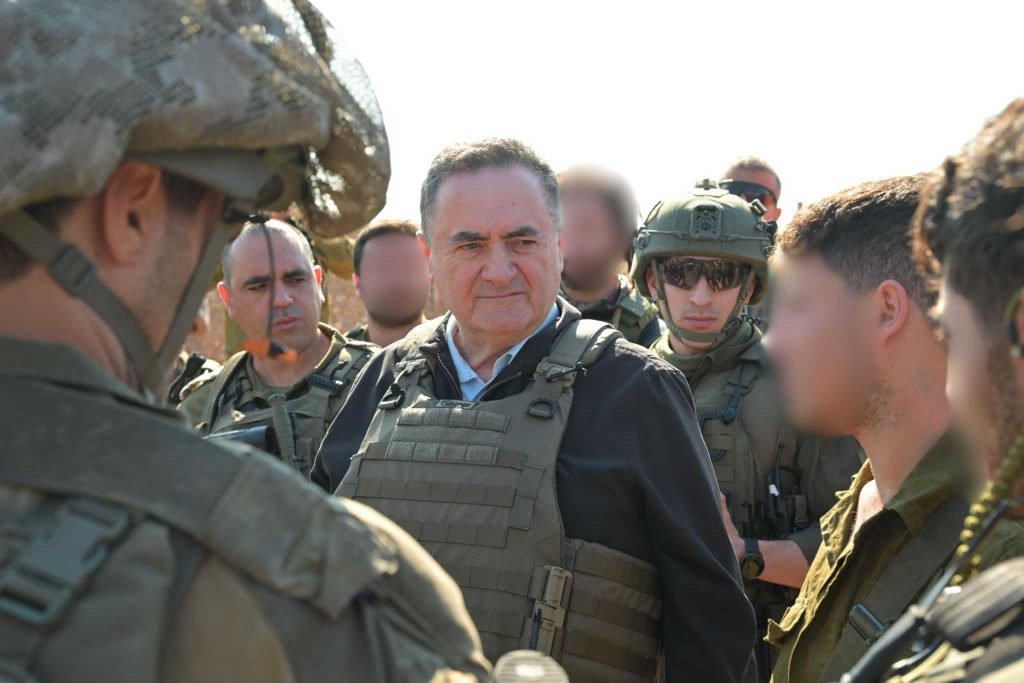
Israeli Defense Minister Katz Says Over 60 Lebanon Villages Have Been Destroyed

“Every single village, we’re talking about 23,000 homes, is in ruins,” Katz boasted before a cheering studio audience, adding “there are no residents left, 200,000 people have been displaced,” using ‘Gaza model’

  •  

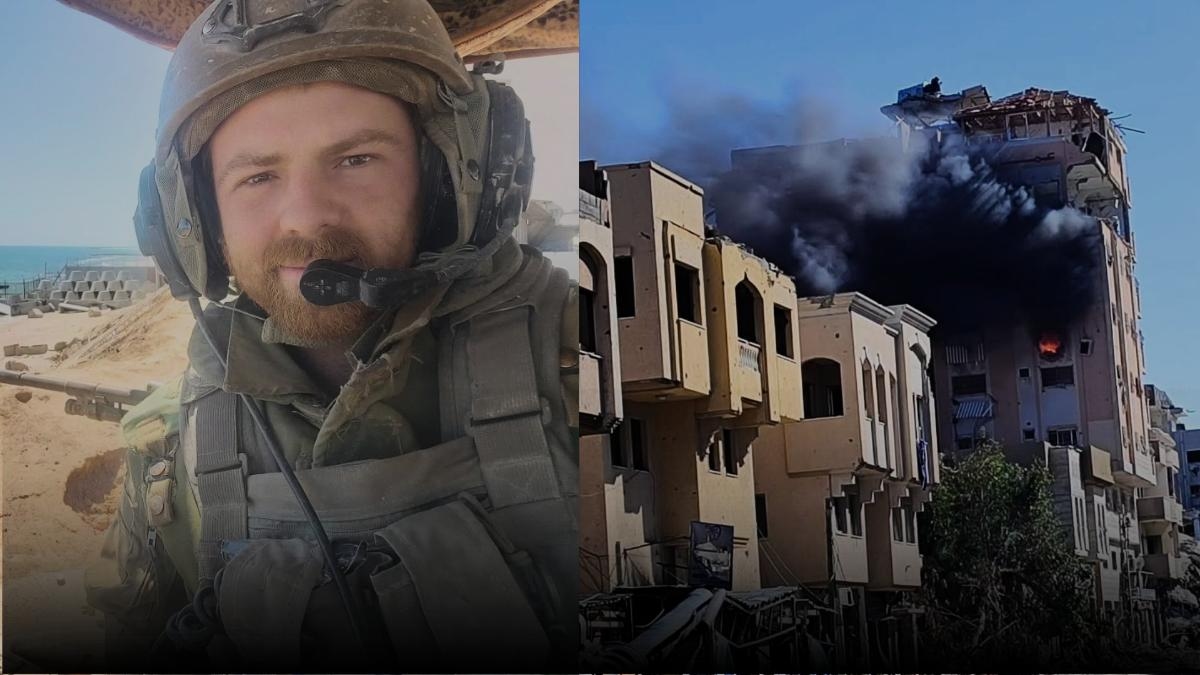
Hind Rajab’s Alleged Killer Is in the United States. HRF Demands His Arrest.

HRF alleges that Sean Glass likely gave the order to open fire. His alleged responsibility extends across Gaza: attacks on Al-Shifa Hospital, destruction of UNRWA headquarters, and the razing of entire neighbourhoods—devastation he publicly celebrated.

  •  

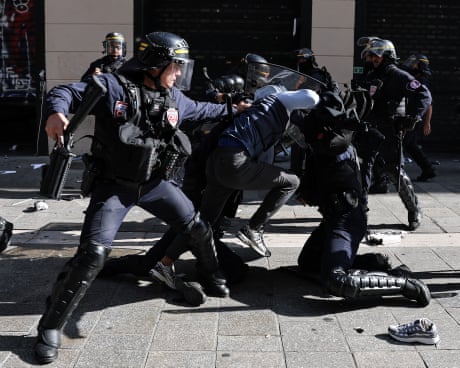
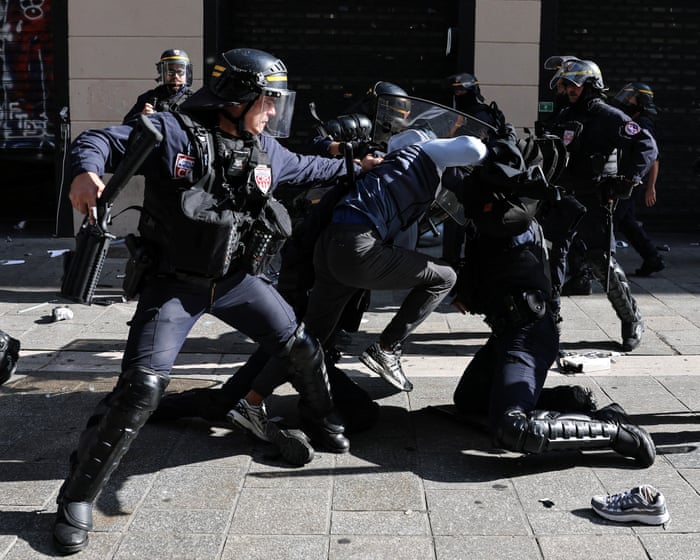
Why are French police so violent? Their job is to protect the state, not the people

Officers are instruments of state whose job is to repress, rather than manage, public dissent

Familiar images of teargas clouds drifting across Paris squares, police baton charges against masked protesters and terrified teenagers floored – and worse – by stun grenades have once again focused the world’s attention on France’s policing methods.

While most of its western European neighbours generally favour police tactics that prioritise crowd containment and de-escalation, France has long responded to social movements that take to the streets with, at times, shocking physical force.

Continue reading...

© Photograph: Thibaud Moritz/AFP/Getty Images

© Photograph: Thibaud Moritz/AFP/Getty Images

© Photograph: Thibaud Moritz/AFP/Getty Images

  •  

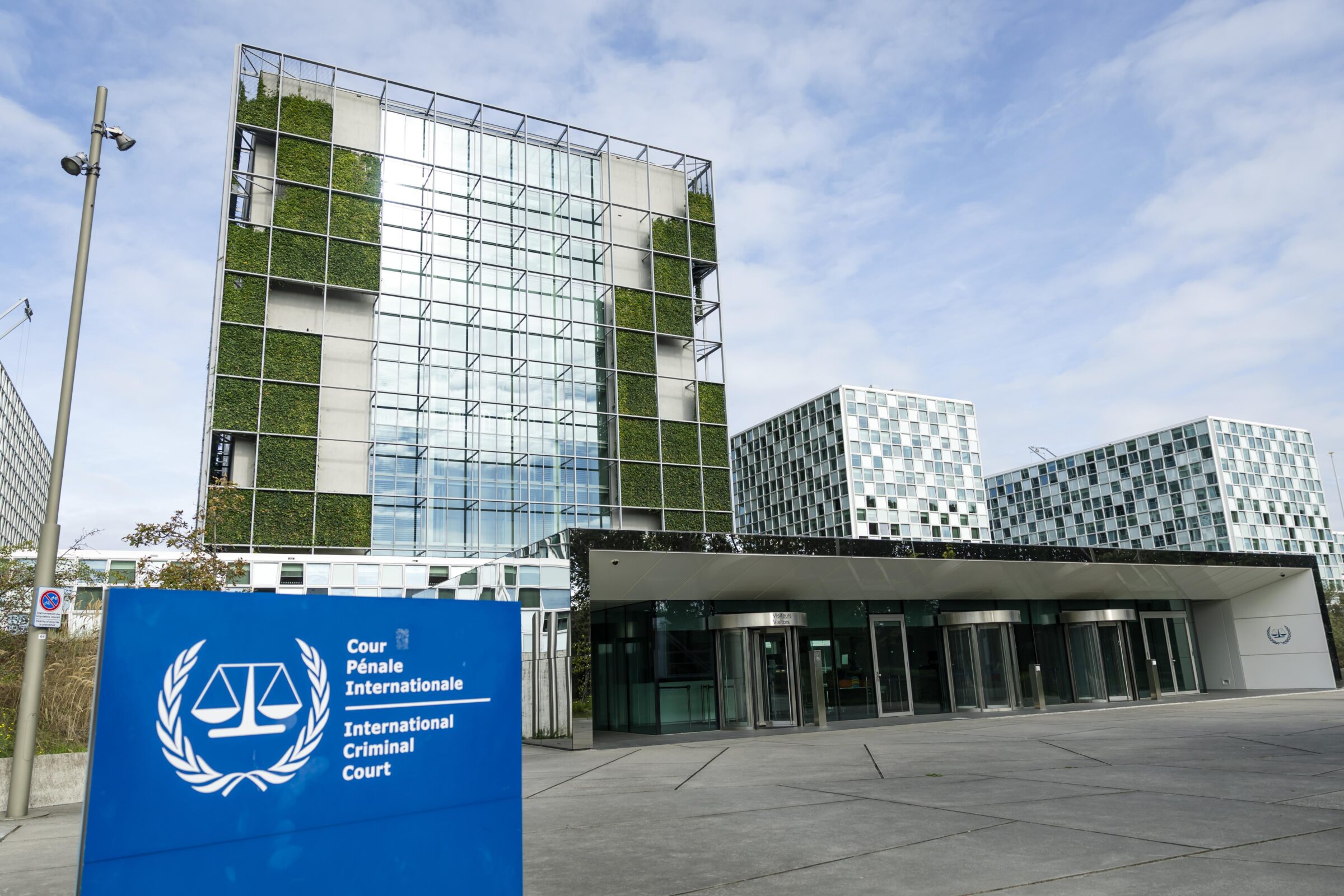
International Criminal Court shortlisted for EU award as MEPs urge protection for its judges against Trump sanctions

The International Criminal Court (ICC) has been shortlisted for the Sakharov Prize for Freedom of Thought, an annual human-rights award from the European Parliament.

The announcement on Monday (19 October) comes after US president Donald Trump put his weight behind Israeli efforts to discredit the international judicial body by extending sanctions against it.

The ICC issued an arrest warrant in 2024 for Israeli prime minister Benjamin Netanyahu for alleged war crimes, as well as other senior Israeli officials and Hamas. The US then responded by targeting its judges by impeding their day-to-day activities such as banking.

New sanctions against the court were announced by the US administration this month after the Nobel Peace Prize went to Navi Pillay, a former ICC judge who wrote a UN report concluding Israel is committing ​genocide in Gaza.

The ICC court labelled the move as an “assault on the rule of law” and called on countries to step up to protect it.

Sakharov Prize finalists named 

Members of the EU parliament’s foreign affairs committee shortlisted the ICC and its members for the Sakharov Prize.

Named after the Soviet nuclear scientist dissident Andrei Sakharov, the award has been previously awarded to the likes of Iranian protest icon Mahsa Amini and to the Ukrainian people enduring Russia’s attacks.

“We stand by the ICC and its officials, and we are committed to safeguarding its work,” said Yannis Maniatis, Greek MEP for the Socialists & Democrats group which nominated the ICC for the award. “If the aggressors become the victims, and if we stand by helplessly as international justice erodes, we risk allowing those who believe themselves above the law to prevail.”

Tundu Lissu, a Tanzanian opposition figure in court for inciting the public to disrupt an election and facing the possibility of death row, is also a Sakharov Prize finalist. “There is no doubt about the political nature of his detention,” said David McAllister, MEP for the European People’s Party who co-nominated Lissu.

This article continues, but the full version is available only to EUobserver.com subscribers. Visit account.euobserver.com/membership

  •  

Dhaka’s silence on Saudi executions puts remittances over lives

Saudi Arabia executed two Bangladeshis on October 14 but Dhaka’s response was conspicuously restrained. Its consulate in Jeddah reportedly sought formal confirmation and the foreign ministry requested details. Officials then reassured Riyadh that bilateral relations would remain unaffected. Public sentiment, reflected in a flood of angry and frustrated social media posts, stands in sharp contrast […]

The post Dhaka’s silence on Saudi executions puts remittances over lives appeared first on Asia Times.

  •  

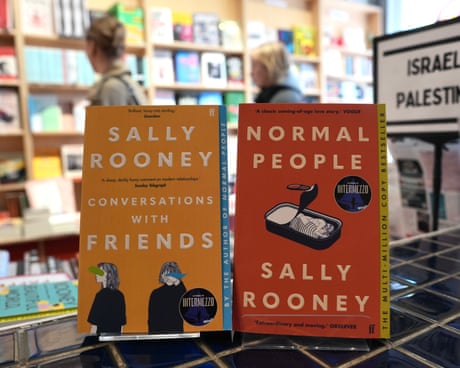
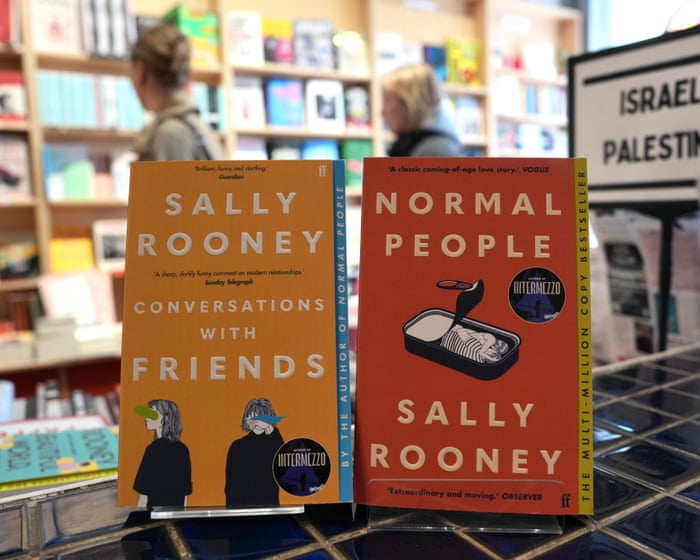
Why terrorism laws stopped Sally Rooney selling books in the UK – podcast

The bestselling author says her books will no longer be supplied to UK bookshops over fears of prosecution. Zoe Williams and Haroon Siddique report

For now there might be a copy or two of Intermezzo left kicking around in your local bookshop – snap it up if you haven’t already, because soon that will be it.

Last year, Sally Rooney said she would be using her royalties to support Palestine Action, a group that is proscribed as a terrorist organisation under UK law. Since then, thousands of people have been arrested for supporting the group. Now, faced with the risk of prosecution under terrorism legislation, Rooney and her publishers have decided to stop supplying her books to retailers in the UK.

Continue reading...

© Photograph: Kin Cheung/AP

© Photograph: Kin Cheung/AP

© Photograph: Kin Cheung/AP

  •  
❌