Lithuania said the drone entered its airspace from the Polish side before exploding on its territory on Oct. 18. Ukraine linked the incident to Russian jamming.
Patrol density along Lithuania’s border with Russia’s Kaliningrad exclave has practically doubled since soldiers joined the border guards there in early October. Lithuanian Armed Forces Commander Raimundas Vaikšnoras told LRT this in an interview. He linked the deployment to provocations and to what he described as Russian preparations for a large-scale mobilization.
Kaliningrad is a piece of Russia wedged between Lithuania and Poland on the Baltic Sea. Lithuanian Defense Minister Robertas Kaunas said people would naturally flee a Russian mobilization. Earlier, on 11 August, President of Ukraine Volodymyr Zelenskyy said that Russia planned to mobilize several hundred thousand people by the end of 2026, after its parliamentary vote.
Commander: Russia lacks troops for a breakthrough
Vaikšnoras said Russia is struggling in Ukraine and needs to fill gaps in its capabilities. Moscow would probably like a breakthrough but lacks people, he added. In July, Ukraine’s Foreign Intelligence Service estimated that Russia had signed about as many new military contracts this year as it had lost troops.
He also cited provocations. In Latvia, armed men recently tried to push migrants across the border, he noted, leaving open whether they were bandits or criminals. Belarusian ruler Alyaksandr Lukashenka denies everything, he added. On 6 October, Latvian Interior Minister Jānis Dombrava wrote that the escorts stood on the Belarusian side, were armed, and threatened Latvian soldiers.
Mission extended to mid-November
Lithuania decided to send troops after that Latvian incident. On 7 October, Interior Minister Martynas Katelynas asked Defense Minister Kaunas for troops to help the State Border Guard Service. Kaunas then approved up to 100 soldiers until 16 October, LRT reported.
On 16 October, Kaunas extended the mission to mid-November at Katelynas’s request. The Defense Ministry cited possible flows of people fleeing Kaliningrad and related illegal border crossings. It also said military intelligence sees no significant changes in military activity in Kaliningrad. Katelynas had earlier called the step preventive, BNS noted. He cited public, non-intelligence reports of a call-up planned after Russia’s parliamentary elections and said the threat level at the border had not risen.
Commander doubts Moscow’s intentions
Vaikšnoras said Russia and Belarus may not want open incidents that leave their traces right now. He added that he does not believe in their good intentions. He noted it has been said publicly that Russia’s capability in Kaliningrad is sharply reduced, because most of its forces are committed to Ukraine. Back in June 2025, Poland’s foreign minister said that, from what he knew, Russia had withdrawn a large part of its troops from the exclave.
Instead, hybrid attacks and sabotage that cannot be traced at once will probably continue, Vaikšnoras said. LRT noted the interview took place before a Ukrainian drone crashed in Pasvalys district on Sunday and before an attempted arson at premises used by SpaceX in Vilnius.
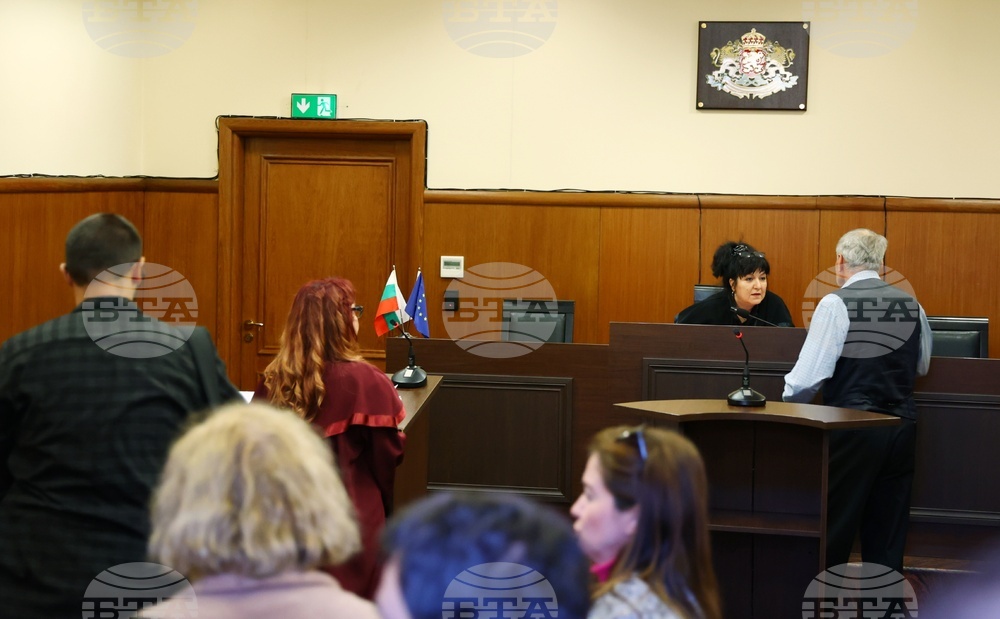
A Sofia court has cleared European arrest warrants for two 19-year-old Germans charged with setting fire to Starlink antennas south of the Bulgarian capital, a court spokeswoman told dpa. Prosecutors named the pair in court, but both had already left Bulgaria. The case adds Bulgaria to a run of attacks on Starlink sites in Europe, which Poland and Lithuania have linked to Russia.
While Russia presses its assault along the front and strikes Ukraine’s cities, Starlink keeps Ukraine’s drone units and front-line troops connected, and Poland pays about $50 million a year for its terminals. The network’s ground links in Europe are now a target in their own right, and ISW has linked the Polish fire to a wider Russian pattern of sabotage. Each attack on a ground station hits a network whose speed caps already disrupted Ukraine’s drone missions this month.
Two names, a few hours in Bulgaria
Prosecutors identified the suspects as Zeka Islam and Tirpan Beytullah, Bulgaria’s state news agency BTA reported, noting the names may be misspelled. Their whereabouts are unknown, according to German authorities cited by the agency. They were charged in absentia on 14 October and face three to 12 years in prison if convicted.
According to the indictment, the two crossed from Serbia at the Kalotina checkpoint at 17:37 on 9 October and told border officers they were tourists. At about 22:25, wearing gloves and masks, they allegedly set fire to antennas at the Plana teleport, a satellite ground station near the village of Plana. They drove back into Serbia through the same checkpoint at 23:55.
Three antennas burned completely, two were partly damaged, and three more were affected, prosecutors say. The pair traveled in a Volkswagen with German plates, and a national warrant followed two days after the charges, ZDF reported.
Explore further
Musk pushed Trump to slow Starlink in Ukraine, weakening air defenses as Russian drones attacked cities – The Telegraph
The court-appointed lawyers argued that investigators had pinned down the vehicle, not the men in it. The court rejected those objections, finding reasonable grounds to suspect the pair. The lawyers said they would appeal. The ruling can be challenged within three days.
A Starlink antenna. Illustrative photo: Christoph Soeder/dpa
An opposition MP made the fire public three days later
The fire became public only on 12 October, when opposition MP Ivaylo Mirchev of Democratic Bulgaria posted about it on Facebook. He said 11 antennas had been set on fire, more than prosecutors later counted.
In parliament two days later, Prime Minister Rumen Radev asked the head of the State Agency for National Security (DANS) not to reveal details, saying disclosure could harm the investigation. DANS head Plamen Tonchev told lawmakers he believes the fire was sabotage and that more such attacks cannot be ruled out, dpa reported.
Explore further
White House ordered limits on Ukraine’s military satellite service — Reuters. Who made the decision remains unclear
After the ruling, Mirchev wrote that Radev personally owes the public an explanation of what has been achieved, BTA reported.
Bulgaria’s case joins attacks Poland and Lithuania tie to Russia
Bulgaria has not said who might be behind the fire. Authorities in Poland and Lithuania have linked similar recent arsons on Starlink equipment to Russia.
In September, fire hit a Starlink ground station south of Warsaw, and Germany later detained two suspects. On 18 October, Lithuania’s prime minister said intruders had tried to burn a company’s Starlink antennas used by Ukraine, calling it part of Russia’s hybrid war. Moscow claims such accusations are baseless, Reuters reported.
 Login