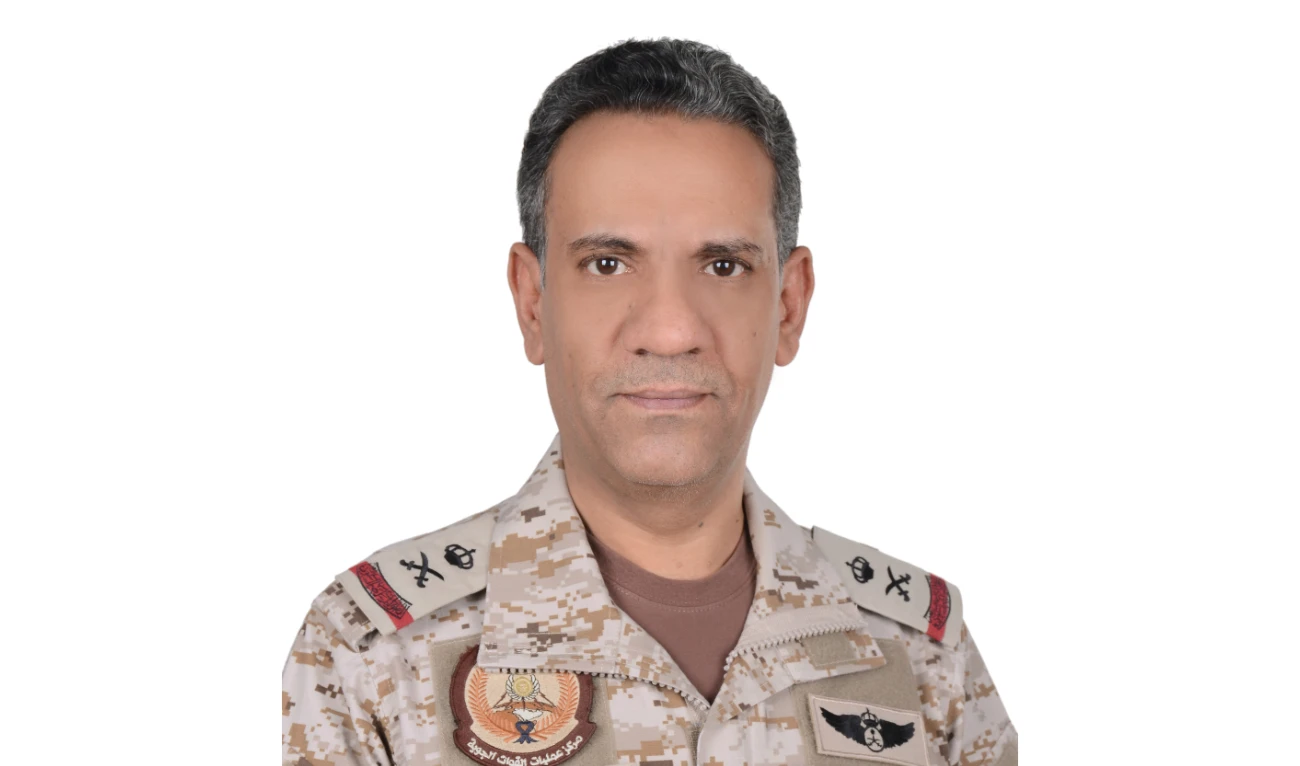
RIYADH: The Coalition to Restore Legitimacy in Yemen has “categorically denied” Houthi allegations that Saudi Arabia was threatening to target tribal and civilian gatherings. The claims are false and completely baseless and reflect continuous attempts to mislead public opinion, a coalition statement posted on the X account of spokesman Maj. Gen. Turki Al-Maliki said. The allegations also aimed to divert attention from the militia's own crises and draw Yemeni tribes into the conflict, the stat
DHAHRAN: Houthi attacks on Saudi civilian and energy infrastructure killed four people in the Eastern Province on Wednesday, underscoring the growing threat posed by the Iran-backed militia’s widening terror campaign against the Kingdom. With airports, residential areas and energy facilities increasingly caught up in the escalation, the attacks are bringing the consequences of Yemen’s war into the lives of ordinary Saudis and foreign nationals living and working in the country. Although the vast
Saudi airstrikes and missile attacks in Yemen have killed at least 155 civilians and wounded 455 since Riyadh reignited the war by bombing the Sanaa International Airport on July 13, according to the Health Ministry within the Ansar Allah-led Yemeni government. The vast majority of the civilian casualties were inflicted in September and October, following […]
Fighting intensified across Yemen over the past week, as the Houthis (Ansar Allah) escalated their missile and drone strikes on Saudi Arabia.
On October 16, two missiles hit Aden International Airport’s perimeter. The Houthis said they targeted a nearby military facility housing a Saudi-led coalition command center and weapons depot. No casualties were reported.
Two days later, October 18, the Houthis shot down a Saudi AH-6i light attack helicopter near Najran. Footage released by the group’s military media showed a missile striking the helicopter before it fell. The crash killed both crew members. The Houthis also downed a Turkish-made Karayel combat drone in Yemen.
On October 19, a ballistic missile hit the Al-Alam training camp in Shabwa province as recruits assembled. The strike killed 73 people and wounded more than 200. The dead were all new recruits. The Houthis claimed the attack. A missile strike also targeted Marib.
The next day, October 20, Houthi military media released footage of an operation on Jabal Han, a mountain overlooking Taiz’s western approaches, and said the group’s forces had stormed the summit and ridgeline, driving out Saudi-backed forces. Fighting also continued around Al-Dhabab, the Old Airport and Madarat, while clashes south of the city extended into Al-Misrakh and Sabr al-Madawim. The mountain overlooks the Al-Dhabab road, a key supply route into Taiz.
On October 21, the Houthis fired a ballistic missile at the Saudi-led coalition’s operations room at Badr Camp in Aden. An explosion was heard and smoke reported near the airport. Three drones also targeted Al-Rayyan Airport in Mukalla.
In addition, the group’s military media released footage from operations east of Raghwan in Marib showing wreckage of Turkish-made STM Kargu loitering munitions. The footage showed at least two of the systems. This was evidence of growing involvement by Ankara in the war.
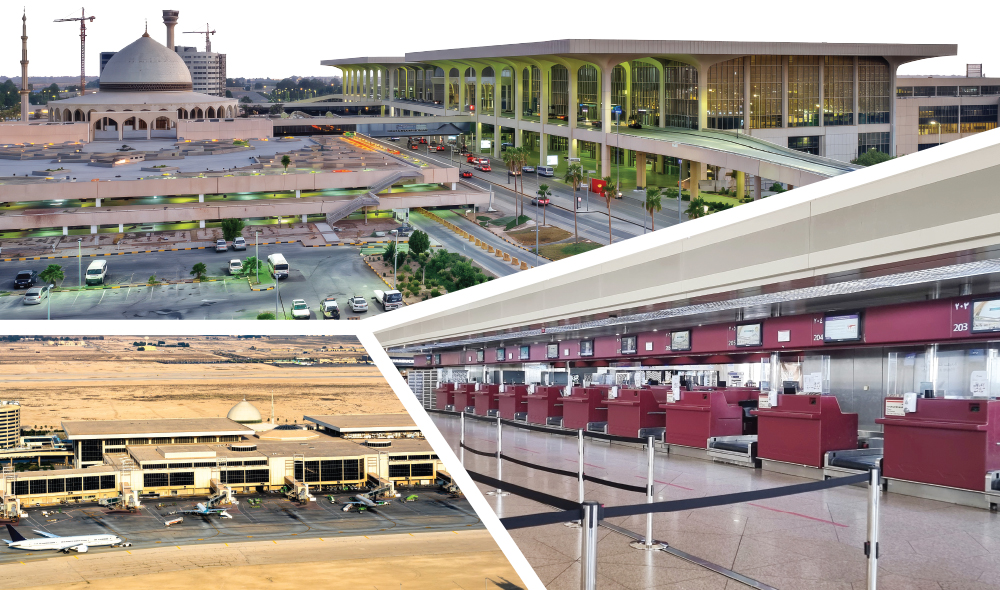
The same day, Saudi authorities said debris from a drone intercepted over the Shaybah oilfield killed two foreign workers, one Filipino and one Nepali, and injured two others, a Pakistani and an Indian. A separate attack on King Fahd International Airport in Dammam killed two people and injured eight; the second death was announced the following day. The airport sustained material damage, prompting flight diversions.
All in all, the Houthis maintain the upper hand on the battlefield, in Taiz, near Bab al-Mandab and on other fronts. The group’s air defenses also remain a credible threat. Meanwhile, strikes on Saudi-backed forces and the kingdom itself are becoming more lethal. Despite all of these factors, Riyadh appears to be determined to go on with the war, with reports indicating it is close to securing more support not just from Turkey, but also from Egypt and Syria.
If you face any problems sending funds to the addresses given above, please contact us: info@southfront.press and southfront@list.ru. Also be aware that many email services such as Hotmail, Yahoo etc. may block correspondence from info@southfront.press and some others put it in spam.
If you want to support SouthFront but have no opportunity to do it via cryptocurrency, please contact us: info@southfront.press and southfront@list.ru.
SouthFront: Analysis and Intelligence
NOW hosted at southfront.press
Previously, SouthFront: Analysis and Intelligence was at southfront.org.
The .org domain name had been blocked by the US (NATO) (https://southfront.press/southfront-org-blocked-by-u-s-controlled-global-internet-supervisor/) globally, outlawed and without any explanation
Back before that, from 2013 to 2015, SouthFront: Analysis and Intelligence was at southfront.com
RIYADH: Arab countries and the Muslim World League on Thursday condemned Houthi attacks the previous night on Saudi Arabia’s King Fahd International Airport in Dammam and the Shaybah oilfield in the Eastern Province that killed four people and injured 10. The UAE, Qatar, Bahrain, Jordan and Egypt denounced the strikes as violations of Saudi sovereignty and international law, and reaffirmed their support for the Kingdom’s efforts to protect its security and territorial integrity. Bahrain’s Minist
The US-Israeli war on Iran has caused an “unprecedented” shock to global energy markets, removing some 3 billion barrels of oil supply, Saudi Aramco CEO Amin Nasser has warned.
The war launched in February effectively shut the Strait of Hormuz, a crucial oil and LNG artery, sending crude prices up roughly 50%. Despite Gulf exports recovering to a reported 80% of pre-war levels, renewed attacks on vessels have kept markets on edge, with Brent hitting a five-month high above $112 this week. Houthi attacks on Saudi energy infrastructure and shipping have compounded the crisis, threatening another vital trade chokepoint, the Red Sea’s Bab el-Mandeb Strait.
In an interview with Al Arabiya Business aired on Thursday, Nasser said the nearly eight-month crisis had deprived global markets of an estimated 3 billion barrels of oil.
“The impact of this crisis on energy markets is unprecedented,” he said. “We have lost around 3 billion barrels since it began. And bear in mind that the Gulf accounts for roughly 20% of global oil demand.”
The figure is equivalent to nearly a month of global oil consumption and reflects cumulative supply losses caused by disrupted shipping, reduced production and logistical bottlenecks.
With global oil inventories already below their five-year average when the war erupted, prices could have soared past $200 a barrel, Nasser warned. He credited emergency reserve releases, China’s sharp cut in seaborne oil imports and Saudi Aramco’s East-West pipeline, which bypasses Hormuz, with averting an even more severe price shock.
Nasser warned, however, that even an end to the crisis could bring fresh pressure on oil markets, as recovering consumption and a rush to replenish depleted reserves will likely fuel another demand surge.
“Once things return to normal, we expect additional demand of around 3 million barrels per day – about 2 million from consumption growth and another 1 million just to replenish the reserves countries have drawn down during the crisis,” he said, noting that the added demand could keep markets under strain long after shipping routes reopen.
Fresh escalation fears
Meanwhile, fears of another escalation are growing as US-Iran talks remain deadlocked. Reports on Wednesday claimed Washington was quietly pulling troops from bases in Jordan, Qatar and Kuwait, evacuating some diplomats and their families from Saudi Arabia and preparing similar withdrawals elsewhere. Similar precautions were taken ahead of the US-Israeli strikes on Iran on February 28.
The moves follow US President Donald Trump’s rejection last month of Tehran’s proposal to reopen Hormuz in exchange for lifting the US blockade of Iranian ports, easing oil export restrictions, unfreezing Iranian assets and ending regional hostilities, including Israeli operations in Gaza and Lebanon.
Washington and Israel have since reportedly discussed another major offensive, potentially soon after the November 3 US midterms. Israeli Prime Minister Benjamin Netanyahu has also openly threatened fresh strikes on Iran, even without US backing.
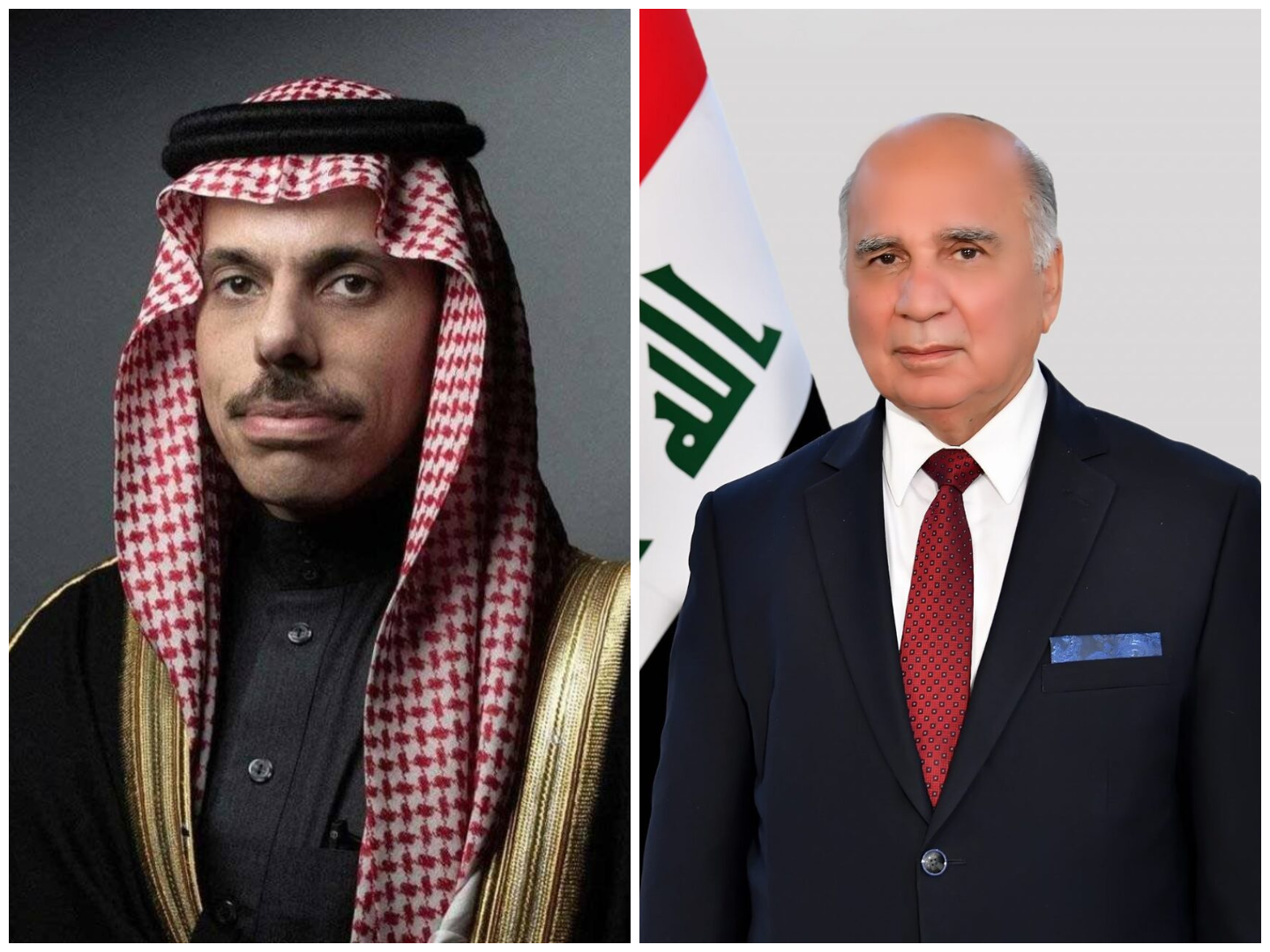
RIYADH: Saudi Foreign Minister Prince Faisal bin Farhan and his Iraqi counterpart on Thursday discussed strengthening security cooperation to address growing regional threats as the Iran-backed Houthis intensified attacks on the Kingdom. During a phone call, Fuad Hussein, Iraq’s foreign minister, reaffirmed his country’s commitment to preventing Iraqi territory from being used to launch attacks against the Kingdom and neighboring countries. The two ministers discussed recent attacks on Saudi Ara
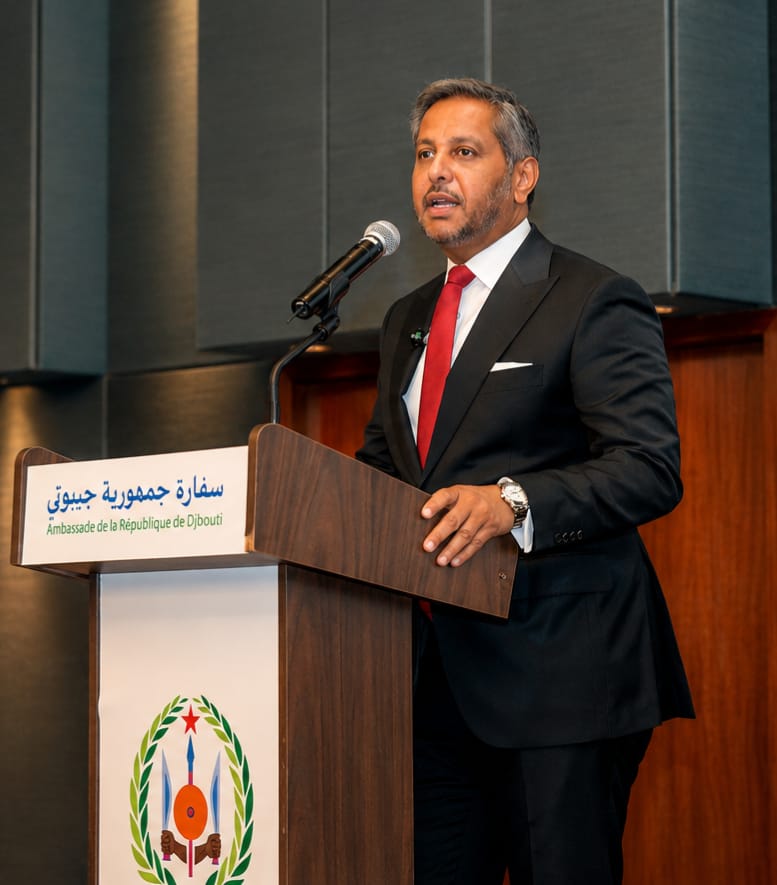
RIYADH: The dean of the Diplomatic Corps accredited to Saudi Arabia, Djibouti Ambassador Dya-Eddine Said Bamakhrama, on Thursday stressed his firm stance against Houthi attacks on holy sites and civilian areas and emphasized the importance of regional security. In an interview with Arab News, Bamakhrama said: “I would like to reaffirm the position of my country, the Republic of Djibouti, in condemning all attacks against the brotherly Saudi Arabia. These are wholly unacceptable acts of aggressio
Earlier this month, Aramco’s chief executive, Amin Nasser, assured the markets that “our system is intact” and that Saudi Arabia could restore its full 12 million barrels a day of capacity within days. It is a comforting message, and Washington, European capitals and oil traders have every reason to want to believe it. It is not true.
Karl Miller has just completed a 37-slide operating assessment of Saudi Arabia’s energy system, covering everything from the oil fields to the fuel depots, as of October 20. I have read it closely. It is the most careful accounting of this damage I have seen, and it is careful in a way that should worry anyone counting on Saudi oil this winter. Miller does not count Houthi boasts, social-media videos or plumes of smoke as damage. He separates confirmed hits from claims, and he refuses to add up the design capacity of every facility that was struck as if it were all offline at once. Even with all of that discipline, the picture is grim.
A quarter of Saudi production is gone
Start with the headline number. In February, before the war, Saudi Arabia produced about 10.88 million barrels of crude a day. In September it was still producing 2.51 million barrels a day less, a drop of 23 percent. In August the shortfall was 4.64 million barrels a day, when output sank to about 6.24 million. From March through September, the Kingdom produced more than 800 million fewer barrels than it would have at its February rate. That is roughly eight days of total world oil consumption that never came out of the ground.
Aramco’s own books say the same thing. In the company’s reported figures, its liquids production fell from 10.56 million barrels a day in the first quarter to 7.57 million in the second, a 28 percent collapse in a single quarter. Natural gas and ethane fell nearly 6 percent. A company whose system was intact does not report numbers like that.
Exports followed production down. In one consistent tracking series, Saudi crude exports fell from 7.27 million barrels a day in February to 3.70 million in August, a 49 percent drop. They recovered to 5.62 million in September, but that is still 23 percent below the pre-war level.
The damage runs through the whole chain
The reason the recovery keeps stalling is that the damage is not in one place. It runs from the wellhead to the gas station.
At the front end, the Abqaiq complex, the plant that conditions most of Saudi Arabia’s light crude before it can be shipped or refined, sustained physical damage in July. In March, some 2 to 2.5 million barrels a day were curtailed across the offshore Safaniya, Marjan, Zuluf and Abu Safa fields. In April, Khurais and Manifa each lost 300,000 barrels a day.
In the middle, five of the Kingdom’s major refineries have been damaged or shut down. Ras Tanura, at 550,000 barrels a day the largest domestic refinery, burned and was shut in March. SATORP in Jubail lost three units in April, restarted at half capacity and was still running at only about 70 percent in May. SAMREF in Yanbu was hit in March. The Riyadh refinery caught fire on October 3. Jazan, a 400,000-barrel-a-day plant designed to turn out 250,000 barrels a day of ultra-low-sulfur diesel, shut down on July 27 after its power plant and tank farm were hit, and Ansar Allah attacks in August and September disrupted every attempt to restart it. Satellite imagery now shows tank damage at Petro Rabigh as well. The Juaymah gas-liquids plant, which feeds Saudi Arabia’s LPG exports, has suffered fires.
At the back end, the system for storing and moving fuel is being picked apart. Imagery of the Abha bulk plant from September 13 shows six tanks apparently destroyed and eight more damaged. A depot near Riyadh’s airport burned on September 19. Jazan’s tank clusters have been hit repeatedly.
And the East-West Pipeline, Saudi Arabia’s only way to move crude to the Red Sea and around a closed Strait of Hormuz, has been hit again and again. In April, 700,000 barrels a day of pumping capacity was knocked out. In September, repeated attacks took out three pumping stations and halted the line until a low-rate restart on September 22. On October 4 and 5, another pumping station near Khurais was reported badly damaged. The energy minister now says the line is running at 5.8 million barrels a day, against a rated 7 million. Even Miller notes that no one outside Aramco is metering the actual flow.
Why repairs don’t stick
Miller’s most important insight is that this is a system, and systems fail at their weakest link. Jazan is the clearest example. Fixing the crude units does no good if the gasification and power plant that run the refinery is still damaged, and fixing the power plant does no good if there are no tanks to put the diesel in. A refinery can be “restarted” on paper and still produce nothing useful. The same logic runs upstream. An oil field with every well intact still has to shut in if the processing plant or pumping station downstream of it is broken.
Every time Aramco gets one link repaired, another one gets hit. That is why restart announcements keep failing to show up in the production numbers.
Saudi Arabia is running out of fuel to sell
The most alarming numbers in Miller’s report are about refined products. By July, the latest month with complete data, Saudi refinery output was down 534,000 barrels a day from February, nearly 18 percent. Diesel output fell 21 percent. Diesel exports fell 47 percent, from 848,000 barrels a day to 446,000. Gasoline exports fell 40 percent.
The Saudis have been covering the gap by draining their tanks. Diesel stocks fell from 25.6 million barrels in February to 16.6 million in July, down 35 percent. Gasoline stocks fell by the same proportion. The world’s largest oil exporter more than doubled its imports of fuel oil, and it is burning more than twice as much crude directly in its power plants as it did in February. Some of that is the summer air-conditioning load, but it is not the behavior of a country with fuel to spare.
Lower stocks mean less cushion for the next attack. And there will be a next attack.
The trap Riyadh is in
Miller’s report spells out one more danger that I have not seen discussed anywhere else. If Saudi Arabia’s export outlets close, its oil has nowhere to go but its own refineries, its own power plants and its storage tanks. In July, domestic refineries and direct burning absorbed about 3.04 million barrels a day. Once the storage is full, that is roughly the ceiling on what Saudi Arabia could keep producing. Close Ras Tanura and Yanbu at the same time, and the Kingdom would have to shut in most of its oil fields. That is exactly the scenario Ansar Allah’s campaign against the pipeline, the Red Sea and the Gulf terminals is built to produce.
Why this matters to everyone else
The rest of the world is already living with the consequences. Saudi diesel exports are down by about 400,000 barrels a day, at the same moment Hormuz is restricted and Russian refineries are under drone attack. The International Energy Agency says the global diesel shortage will last well into 2027. Brent is above $100. Europe, which depends on imported diesel, is already rioting over the cost of living, and winter has not started.
Miller makes no claim that every barrel of lost output was blown up by a Houthi missile, and he is careful to say so. Some of the decline reflects shipping, security and commercial decisions. But the point is that it doesn’t matter to a trucker in Lyon or a farmer in Lombardy whether a barrel was lost to a missile, a closed sea lane or a refinery that has no power. It is gone either way.
So when Aramco says its system is intact, ask what the production figures, the export figures and the fuel stocks say. They say Saudi Arabia is producing a quarter less oil than it did in February, exporting half as much diesel, and drawing down its reserves to keep the lights on. Any new American or Israeli campaign against Iran will land on a Saudi energy system that has no slack left to absorb it.
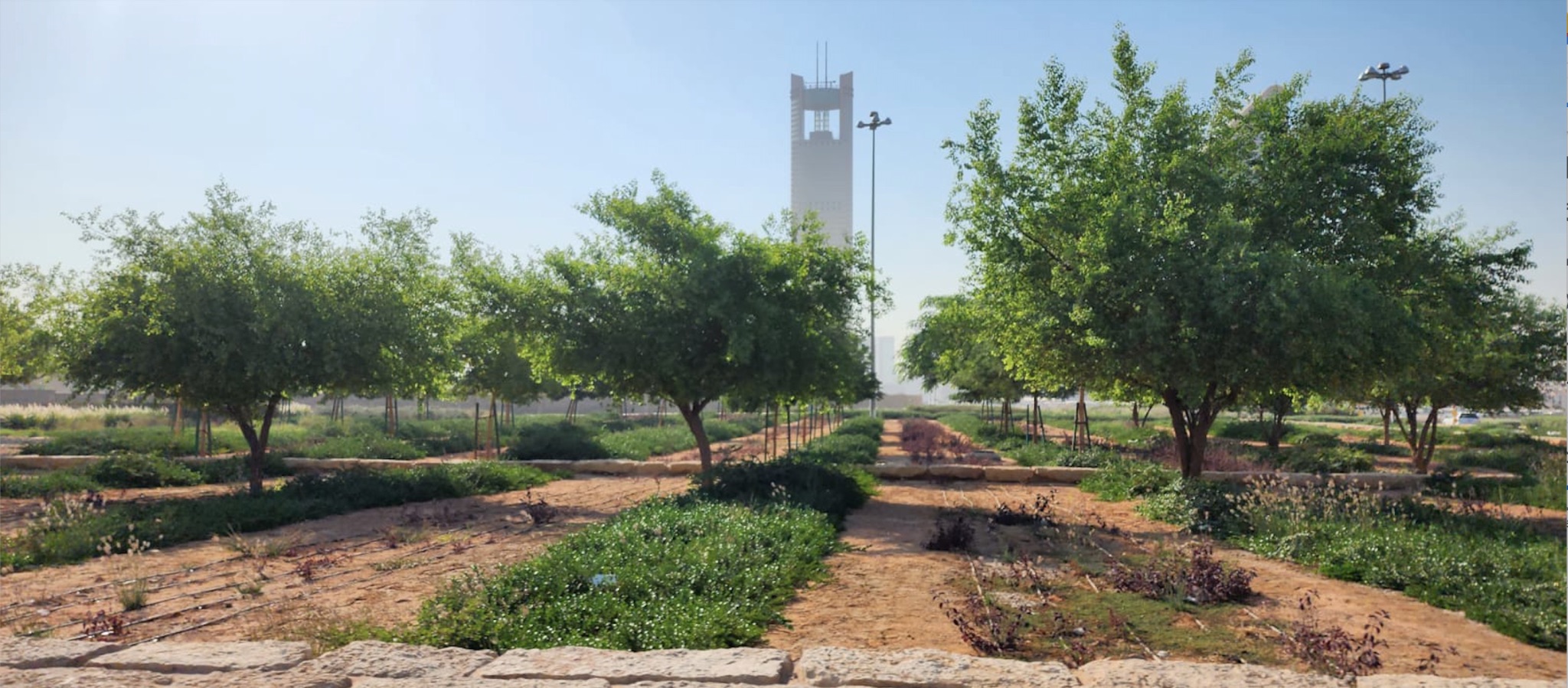
RIYADH: Construction of three major parks in Riyadh’s Al-Qadisiyah, Al-Rimal and Al-Munsiyah neighborhoods has surpassed 85 percent completion as part of the Green Riyadh program, the Saudi Press Agency reported. The parks, being developed under the supervision of the Royal Commission for Riyadh City, will feature sports courts, fitness areas, water-play facilities, cycling paths and skating tracks, providing residents with a range of recreational activities. Landscaping plans for the three park
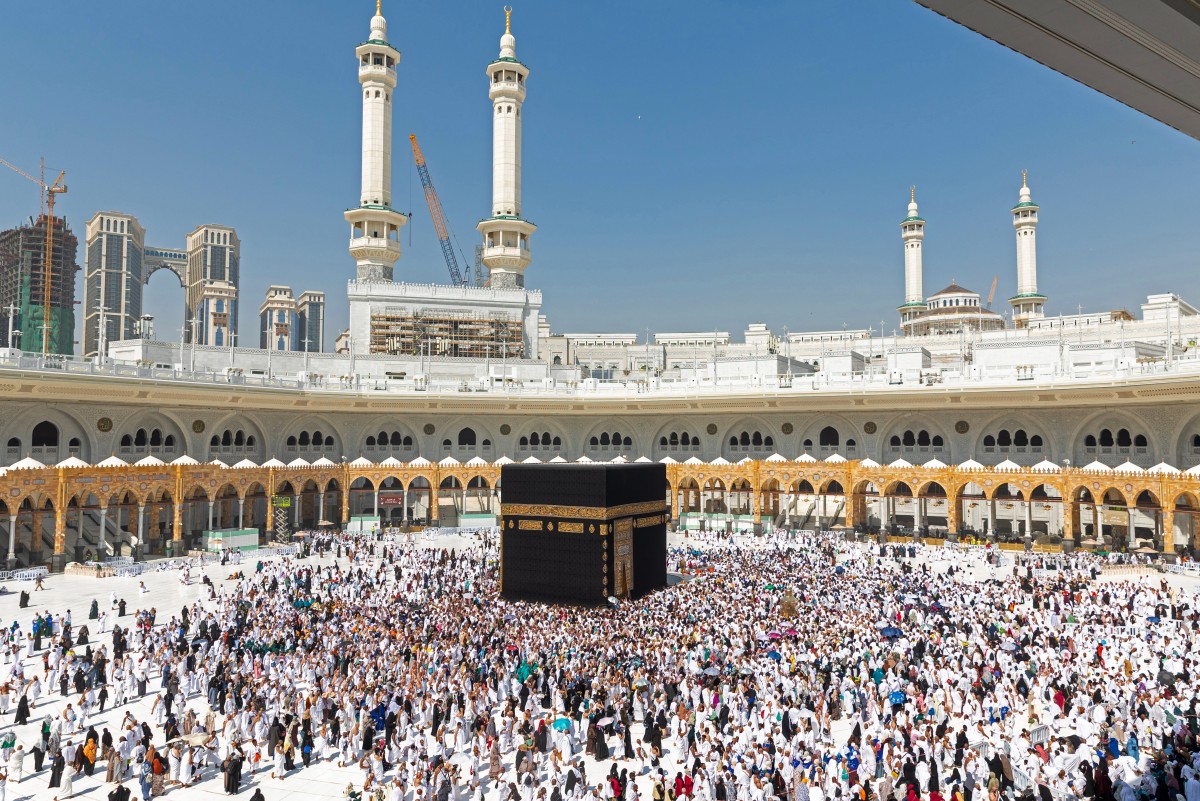
The grand mufti of Malaysia condemned the Iran-backed Houthis for their attacks on holy sites and civilian facilities in Saudi Arabia, describing these actions as grave crimes and acts of aggression against Islam. He emphasized the unprecedented nature of such attacks on sacred sites and warned that those responsible would face severe punishment.
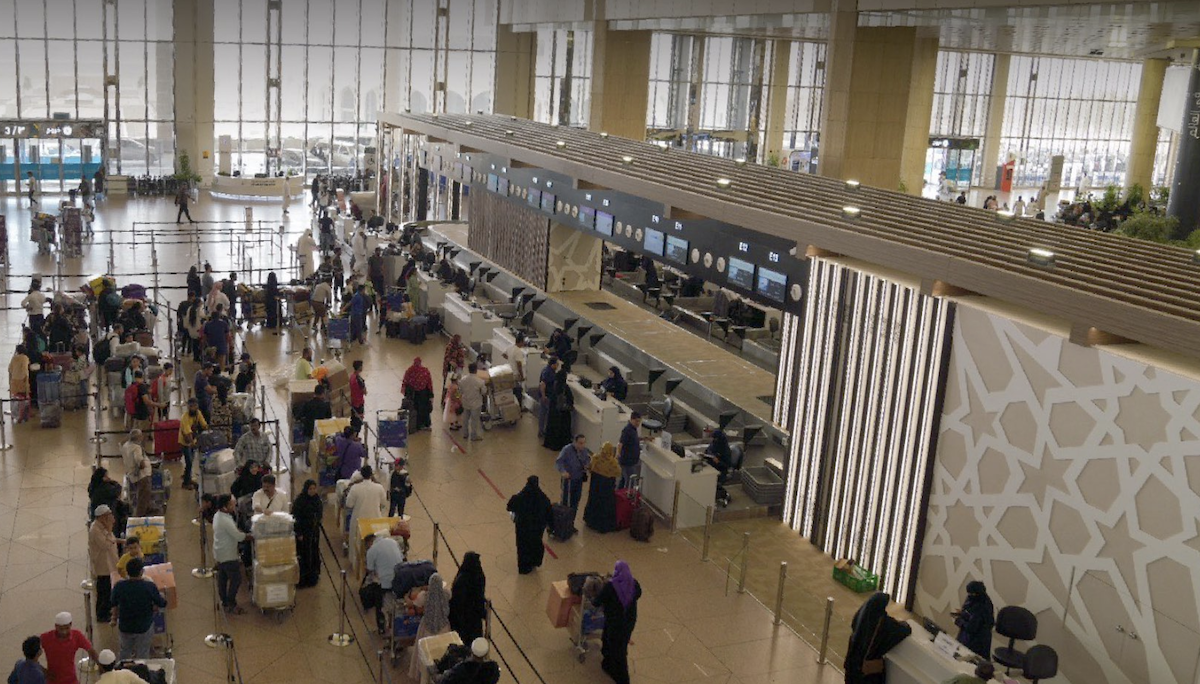
King Fahd International Airport in Dammam has resumed normal operations following an attack on Wednesday that resulted in the deaths of a Saudi citizen and an Indian resident, as well as injuries to eight others. Additionally, a drone attack targeting the Shaybah oil field caused two fatalities and further injuries, but did not disrupt operations at the facility.
RIYADH: A British expatriate has welcomed the UK government’s support for Saudi Arabia amid the attacks from the Iran-backed Houthi militia. Britain is deploying Royal Air Force fighter jets to Saudi Arabia and extending air-to-air refueling support as the Kingdom faces continued missile and drone threats. For Somi Arian, host of Argaam’s OnPoint podcast, the announcement carries both personal and diplomatic significance. “As a British citizen who has made Saudi Arabia my second home, I feel pro
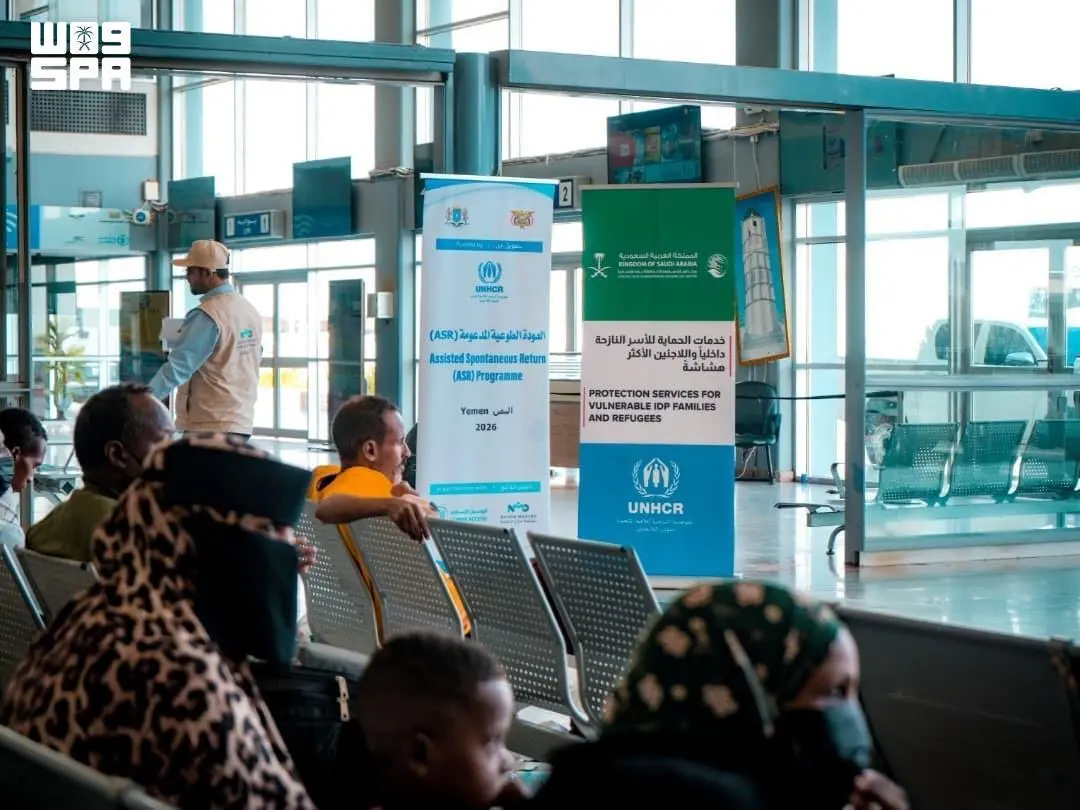
RIYADH: Saudi aid agency KSrelief has facilitated the voluntary repatriation of 140 Somali refugees from Yemen in cooperation with the UN Refugee Agency, reported the Saudi Press Agency. The refugees left from Aden International Airport on Wednesday as part of a humanitarian project to protect and assist refugees and communities affected by displacement. KSrelief also facilitated the return of 154 Somali refugees from Yemen via the same route in August. The repatriations are occurring amid Yemen
Oil prices jumped to a five-month high on Thursday after attacks in Saudi Arabia and hits to tankers in the strait of Hormuz threatened further disruptions to the world’s crude supply.
Brent crude, the international benchmark for oil prices, rose by 3% to hit $112 a barrel for first time since 18 May.
JEDDAH: Saudi Arabia’s maritime and logistics sector has absorbed nine months of regional conflict without interruption to trade, and Red Sea ports are handling record cargo volumes, the group CEO of shipping, logistics and freight company ABSA Al Barrak Group said on Wednesday. Speaking to Arab News on the opening day of the Saudi Maritime and Logistics Congress in Jeddah, Akshay Anand said the geography of the Kingdom provided options few countries in a comparable position would have. “From a
RIYADH: The Aster School has become the 11th establishment to join the Royal Commission for Riyadh City’s International Schools Attraction Program, which aims to expand educational options in the capital. According to the RCRC’s website, the International Schools Attraction Program is an initiative that creates a diverse educational ecosystem in Riyadh. The program is aimed at providing residents with “high-quality education tailored to meet both current and future needs.” The school caters to c
A coaster dares riders to be daring, with steep drops, high speeds and improbably tight curves. But safety has become a concern again after a man was thrown from his seat and died in Georgia.
Saudi Arabia is in talks with foreign governments to give state-owned Aramco access to their strategic oil storage, as the kingdom seeks to make its supplies to customers more resilient during disruptions, Chief Executive Officer Amin Nasser said.

 Login