Login
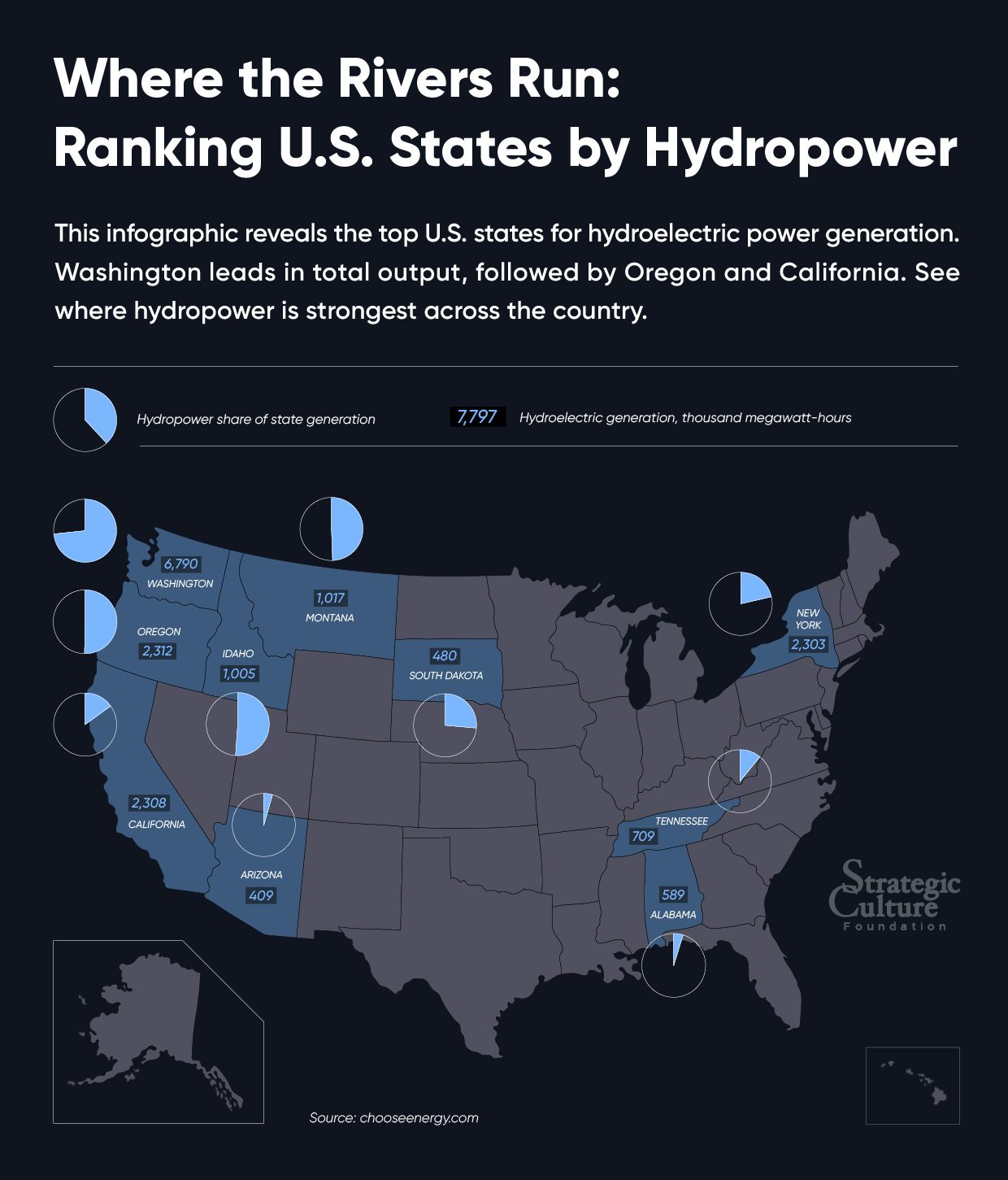
Where the rivers run: ranking U.S. states by hydropower
6 October 2026 at 16:30


A relatively small but energetic protest took place in Sines yesterday, organised by the ‘Hands Off the Alentejo Coast’ platform, which brings together 13 movements and associations from Grândola, Alcácer
The post ‘Hands Off Alentejo Coast’ platform brings together dozens of protesters in Sines appeared first on Portugal Resident.
Ennio Remondino
Petrolio e sanzioni: costo Ue della guerra in Ucraina. Costo anche politico, di consensi. Il prezzo è alto e non tutti sono d’accordo a sostenerlo a quel livello. Scelta politica del vertice ‘Volonterosi-baltici’ di Bruxelles, sostenuto da una maggioranza sofferente di governi alla prese con opinioni pubbliche ed elettori. L’Ucraina fronte difensivo europeo contro le minacce russe? Troppi elettori non sembrano d’accordo.
Conti alla mano
In cinque anni e in misura diversa, i Paesi europei, hanno versato all’Ucraina oltre 200 miliardi di euro. Cifre ufficiali del Parlamento europeo aggiornate alla primavera scorsa, cui si aggiungono i 90 miliardi di prestiti su cui è stato raggiunto un accordo all’inizio dell’estate. Si tratta, solo per le voci più importanti, di 75 miliardi in aiuti militari e di oltre 43 in assistenza finanziaria. Tra i 27, Germania, Francia e Regno Unito sono stati i principali contributori e sostenitori per sforzo economico a favore di Kiev. Tre Paesi alle prese con gravi crisi politico economiche interne. L’Italia quarta in questa graduatoria, anche se cerca di non pubblicizzare molto un impegno così poco elettorale.
Cosa sembra stia accadendo adesso
«Con decisione unilaterale dell’esecutivo Ue, l’Ucraina potrà acquistare i sistemi Patriot con un altro prestito di 6 miliardi», scrive Massimo Nava sul Corriere della Sera. In tutto, conti alla mano, sono oltre 28 miliardi i contributi 2026 soltanto per la difesa, a cui aggiungere 16,7 miliardi al bilancio dello Stato a rischio crack. Questo, nonostante le notizie di scandali in serie per corruzione e mancate garanzie future. A queste cifre, andrebbero sommati i costi sociali del sostegno agli oltre quattro milioni e mezzo di cittadini ucraini fuggiti dalla guerra e attualmente ospitati in diversi Paesi europei. In testa, ancora la Germania, seguita da Polonia e Repubblica Ceca.
Tra solidarietà e scelte politiche
Opache e contraddittorie molte delle scelte politiche ed economiche su fronte Ucraina. Scelte ideologiche a danno spesso rovesciato. La serie di pacchetti di sanzioni contro la Russia che, da un lato, hanno fatto lievitare le bollette europee e rafforzato la dipendenza energetica da Stati Uniti e Paesi arabi, e dall’altro lato, vengono sistematicamente aggirate con la complicità degli Stati che le impongono, ed incidono solo parzialmente sull’economia russa. «Il che fa temere che il conflitto possa avere ancora una lunga fase di stallo», il pessimismo di Nava. In attesa che si capisca che la pace si fa fra nemici e può essere soltanto la conseguenza di un compromesso.
Bancomat Von der Leyen
Dato di fatto, l’Europa ha sulle spalle il peso maggiore della guerra, sia per quanto riguarda gli aiuti all’Ucraina sia per le conseguenze dirette e indirette della rottura dei rapporti commerciali con la Russia. Rottura unilaterale da parte degli europei e non condivisa da molte altre potenze economiche mondiali. Nei primi nove mesi dell’anno, risulta ad esempio che la Ue ha pagato oltre sette miliardi di euro per gas naturale liquefatto russo, con un aumento del 10 per cento delle forniture rispetto allo scorso anno. Fra gennaio e settembre 2026, i porti europei hanno ricevuto 7,28 miliardi di euro di gas naturale dall’Artico russo. E mancano tre mesi alla fine dell’anno.
Ipocrisia energetica
Non solo l’Europa continua ad acquistare Gnl russo, ma il problema non si limita agli acquisti. È dall’Europa che arrivano i mezzi di trasporto che consentono al gasdotto artico russo di funzionare. «Due armatori dominano il trasporto: Seapeak, di Glasgow, e la greca Dynagas. Senza questi servizi, la catena logistica russa risulterebbe compromessa. Dunque è il denaro europeo che finanzia uno dei progetti energetici più strategici del Cremlino proprio in quella stessa regione», scrive Armèes. E il Financial Times aggiunge: «Nella prima metà del 2026 l’Europa ha importato dalla principale struttura russa di Gnl una quantità di gas mai registrata prima, assorbendo quasi tutta la produzione dell’impianto siberiano».
Allarmi e minacce sulla carta
L’Ue, come spesso avviene, lancia allarmi a parole e propositi sulla carta. Al vertice europeo sull’Artico, in Finlandia, i leader europei hanno discusso di sicurezza, geopolitica e strategia comune nel Grande Nord. È stata firmata una dichiarazione congiunta di 12 Stati dell’Unione affinché la Ue assuma un ruolo più strategico nell’Artico europeo. «Si evidenziano le ambizioni della Russia (la più grande nazione artica) di accrescere la propria influenza nell’Artico, unite alla sua ostilità verso l’Europa – compreso l’aumento delle attività ibride –, e la necessità di rafforzare la politica dell’UE per l’Artico». In gennaio, dovrebbe entrare in vigore, nel nuovo pacchetto di sanzioni, il divieto di importazione.
Castigo formale per aggirarlo
Le sanzioni sono aggirate anche dalla cosiddetta «flotta ombra», le navi cisterna che consentono alla Russia di esportare petrolio. Esiste una lista di oltre 600 imbarcazioni che non avrebbero accesso ai porti europei, ma possono accedere ad altri porti nel mondo, in particolare Cina e India, che sostengono Mosca. Anche il 21° pacchetto di sanzioni Ue, prevede deroghe a favore degli interessi dei singoli Stati. La Grecia, ha ottenuto una deroga per i servizi di trasporto del Gnl russo per non favorire la concorrenza cinese e danneggiare più l’Europa della Russia. Francia, Italia e Grecia hanno frenato sui visti turistici. La Germania vuole il merluzzo russo che alimentano l’industria di bastoncini surgelati.
Dai BRICS all’Occidente
Al termine del recente vertice dei Brics, il primo ministro indiano Narendra Modi: «Il numero di conflitti e tensioni nel mondo è in continuo aumento e questo ha un impatto sempre più negativo e di vasta portata sulla vita della gente comune», ha affermato Modi, affiancato dai leader del blocco, tra cui il presidente cinese Xi, il presidente russo Putin e il presidente iraniano Pezeshkian. I leader si sono opposti alle sanzioni unilaterali e alle misure economiche coercitive e hanno criticato le sanzioni non autorizzate dall’Onu. Hanno inoltre criticato l’aumento dei dazi doganali e delle barriere tariffarie che minano il commercio globale e le catene di approvvigionamento. A dire in un colpo solo di Stati Uniti ed Europa.

A major fire was reported at the Volodarskaya linear production and dispatch station in Moscow region early on Tuesday, bringing Ukraine’s campaign against Russian fuel infrastructure to another important point in the capital’s supply network.
Footage published from the area around Konstantinovo showed a substantial blaze at the facility, with reports from local residents that storage tanks were burning. The material identified the site as the Volodarskaya station, operated by Transneft-Upper Volga and connected to the petroleum-products network serving the Moscow region.
The extent of the damage was not immediately clear. There had been no detailed assessment from Transneft by Tuesday morning establishing whether pumping equipment, pipelines or only storage facilities had been affected. This distinction will determine whether the attack produces a temporary disruption or a more significant problem for Moscow’s fuel distribution system.
The strike formed part of a large overnight drone attack on Moscow and surrounding districts. Moscow Mayor Sergei Sobyanin reported repeated interceptions of drones approaching the capital, while air-defence activity continued across Moscow region. Russian aviation authorities temporarily restricted operations at Vnukovo, Domodedovo, Sheremetyevo and Zhukovsky airports for flight-safety reasons.
There is no evidence at this stage that the airport restrictions resulted from fuel shortages. They were imposed during the drone attack itself. The longer-term significance of Volodarskaya lies instead in the station’s role within the pipeline and storage infrastructure serving the Russian capital.
Volodarskaya is connected to Moscow’s ring petroleum-products pipeline, through which petrol, diesel and aviation kerosene can be moved between refineries, storage facilities and major consumers.
Its importance is documented by Transneft itself. In 2024, the company said it had returned a 32-kilometre petroleum-products pipeline between the Moscow refinery and Volodarskaya to operation as part of a project to increase fuel deliveries across Moscow region.
According to the company’s figures, the project allowed aviation-fuel deliveries to Moscow’s airports to rise almost twofold, to as much as three million tonnes a year. Potential diesel deliveries to Moscow region consumers increased to 2.8 million tonnes annually, while petrol volumes reached 1.6 million tonnes. Transneft specifically identified Vnukovo, Domodedovo and Sheremetyevo as airports supplied through the expanded system.
Transneft has also expanded storage at Volodarskaya. The company previously said it had commissioned additional petroleum-product tanks at the station to support fuel supplies to Moscow and aviation-fuel transportation to the capital’s airports.
Those figures do not mean that every litre of fuel consumed by Moscow depends on Volodarskaya. Russia can move petroleum products by rail and road, and the Moscow region has other storage and distribution facilities. But replacing pipeline volumes on the scale handled by the Moscow system would place additional demands on those alternatives, particularly if disruption were prolonged.
The attack also follows repeated Ukrainian strikes against refining infrastructure supplying European Russia. On 20 September, EU Today reported that a mass drone attack had hit the Moscow Oil Refinery at Kapotnya, one of the main fuel-processing plants serving the capital. The strike reportedly affected its ELOU-AVT-6 primary processing unit, increasing pressure on a refinery that had already been targeted earlier in the year.
The broader campaign has moved beyond individual refineries. Ukraine has increasingly targeted different stages of Russia’s energy system, including storage depots, pumping infrastructure, ports and export terminals. Earlier attacks on the Omsk refinery and Baltic export infrastructure illustrated Kyiv’s effort to put pressure on both domestic fuel processing and the logistics through which Russian oil reaches international markets.
That approach is intended to force Russia to repair several parts of the system simultaneously rather than simply compensate for the temporary loss of production at one refinery. EU Today has previously examined how sustained strikes can put physical pressure on Russia’s oil economy where sanctions alone have limits.
President Volodymyr Zelenskyy said on 3 October that Ukraine intended to intensify attacks on Russian oil refineries in response to Moscow’s continuing strikes against Ukrainian cities, while maintaining that Ukrainian operations would not deliberately target civilians.
Volodarskaya adds another element to that campaign. A refinery converts crude oil into usable fuels; a pumping and storage station determines how those products reach consumers. Damaging one without the other may create disruption that can be bypassed. Sustained damage to both processing and distribution infrastructure is more difficult to compensate for.
Much therefore depends on what happened inside Volodarskaya overnight. If the damage is confined to several storage tanks, the Moscow fuel network may be able to absorb the loss. Damage to pumping installations or pipeline connections would have wider consequences, particularly if the facility is attacked repeatedly.
The strike nevertheless demonstrates that a fuel installation closely connected to Moscow’s aviation and transport system can be reached despite the dense air-defence network surrounding the capital. The scale of its effect will become clearer once satellite imagery and operational information show which parts of the Volodarskaya complex were actually damaged.
Carbon Brief claims that wind and solar power saved the UK from gas imports worth £5.9bn during the Hormuz crisis. Not mentioned, says Paul Homewood, is that the wind and solar power cost more.
The post Carbon Brief’s Con Trick appeared first on The Daily Sceptic.