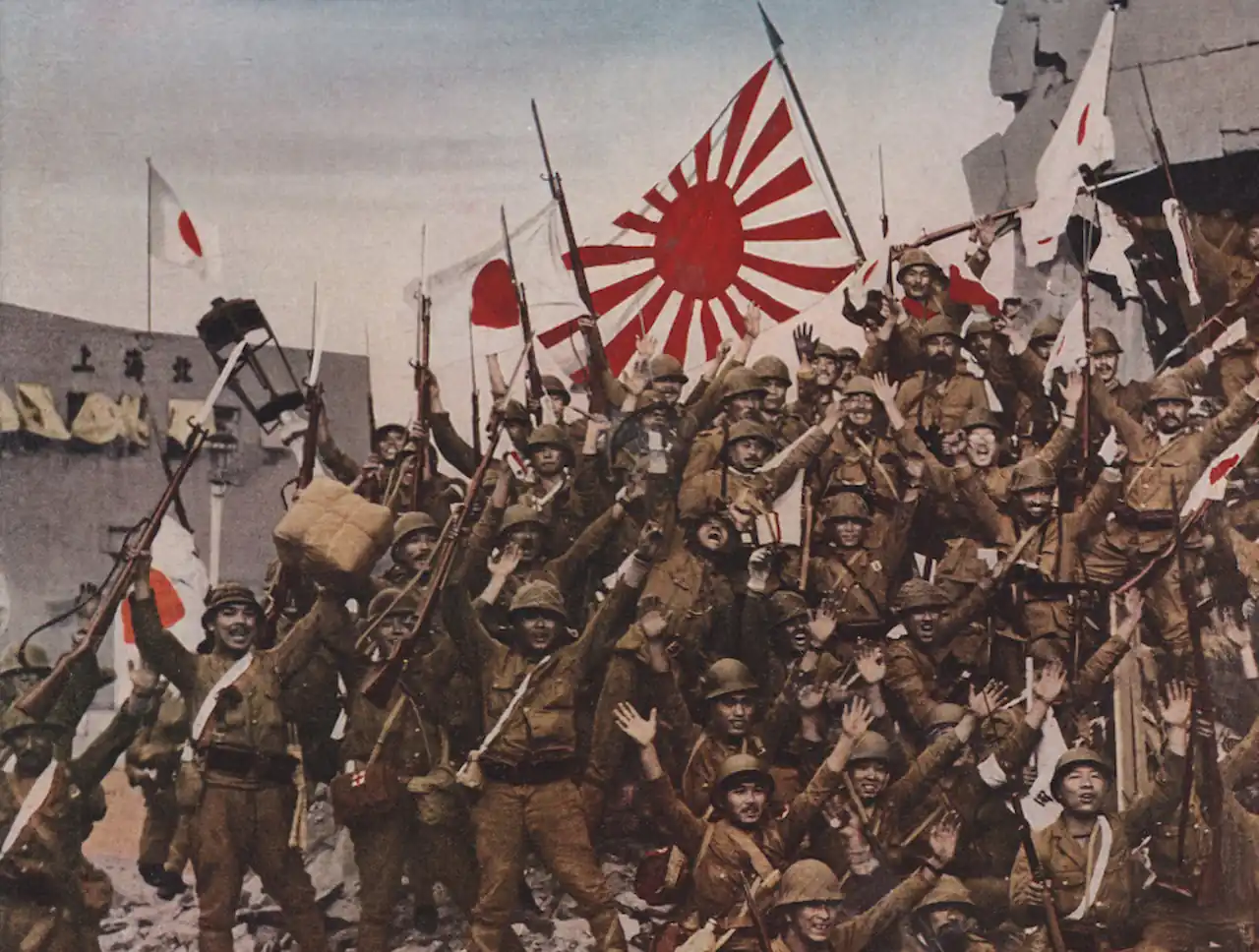
Two of the most prominent belligerents of World War II ended up clashing despite having initially fought on the same side, and it wasn’t until 1951, six years after the end of the conflict, that they signed an unusual peace. One of them was Italy, obviously, where the government that succeeded Mussolini signed an armistice […]
Dos de los beligerantes más destacados de la Segunda Guerra Mundial terminaron enfrentándose pese a haber militado en el mismo bando inicialmente y no fue hasta 1951, seis años después del fin de la contienda, que firmaron una insólita paz. Uno de ellos era Italia, obviamente, donde el gobierno que sucedió a Mussolini firmó un […]
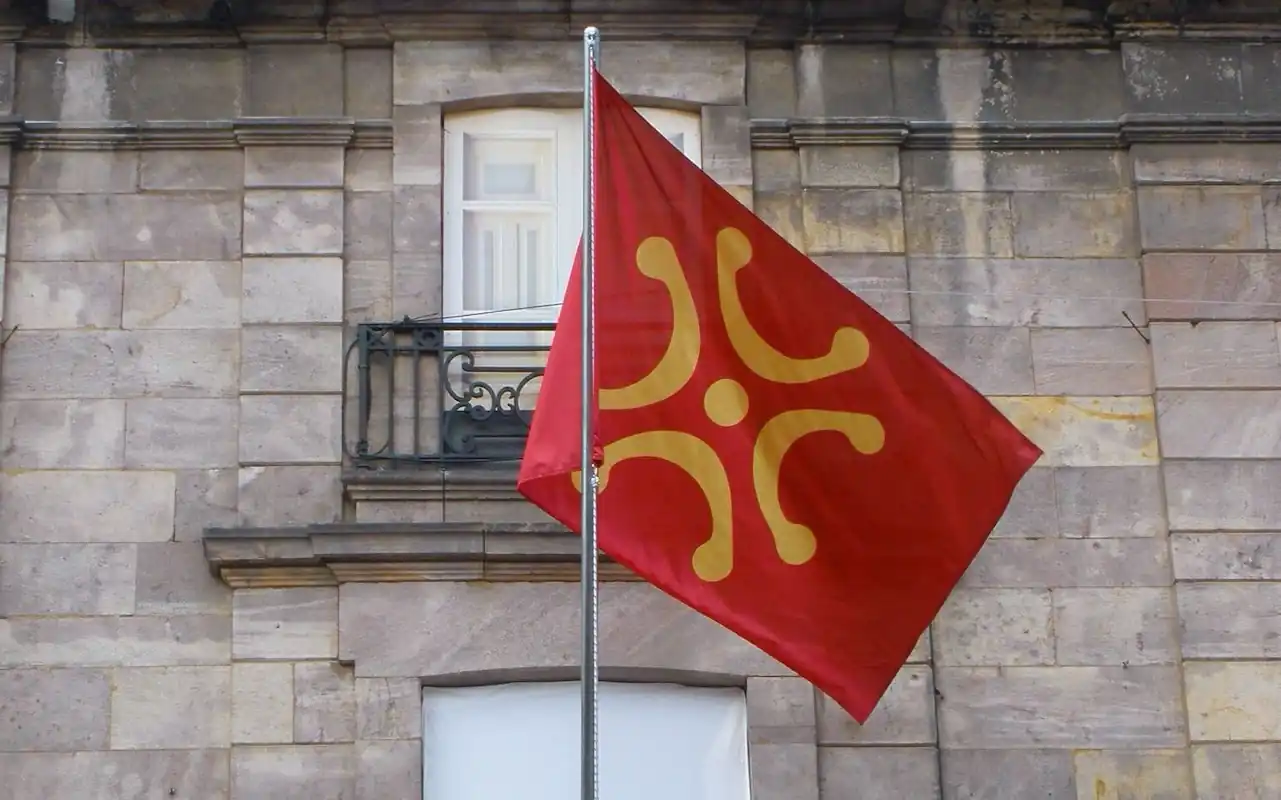
As indicated in its statute of autonomy, the flag of Cantabria (in north Spain) is “formed by two horizontal stripes of equal width, white on top and red on the bottom”, with the coat of arms in the center. It is a banner that traces its origins back to the 18th century, but in recent […]
Como indica su estatuto de autonomía, la bandera de Cantabria está «formada por dos franjas horizontales de igual anchura, blanca la superior y roja la inferior», con el escudo en el centro. Es una enseña que remonta sus orígenes al siglo XVIII, pero de un tiempo a esta parte se ha popularizado otra no oficial […]
It is clear that ethnic differences, like religious ones, have been the origin of countless conflicts throughout the world from Antiquity to the present day. It is not surprising, then, that this also occurred when the Old and New Worlds established definitive contact after Columbus’s arrival in 1492. These differences manifested in Spanish America through […]
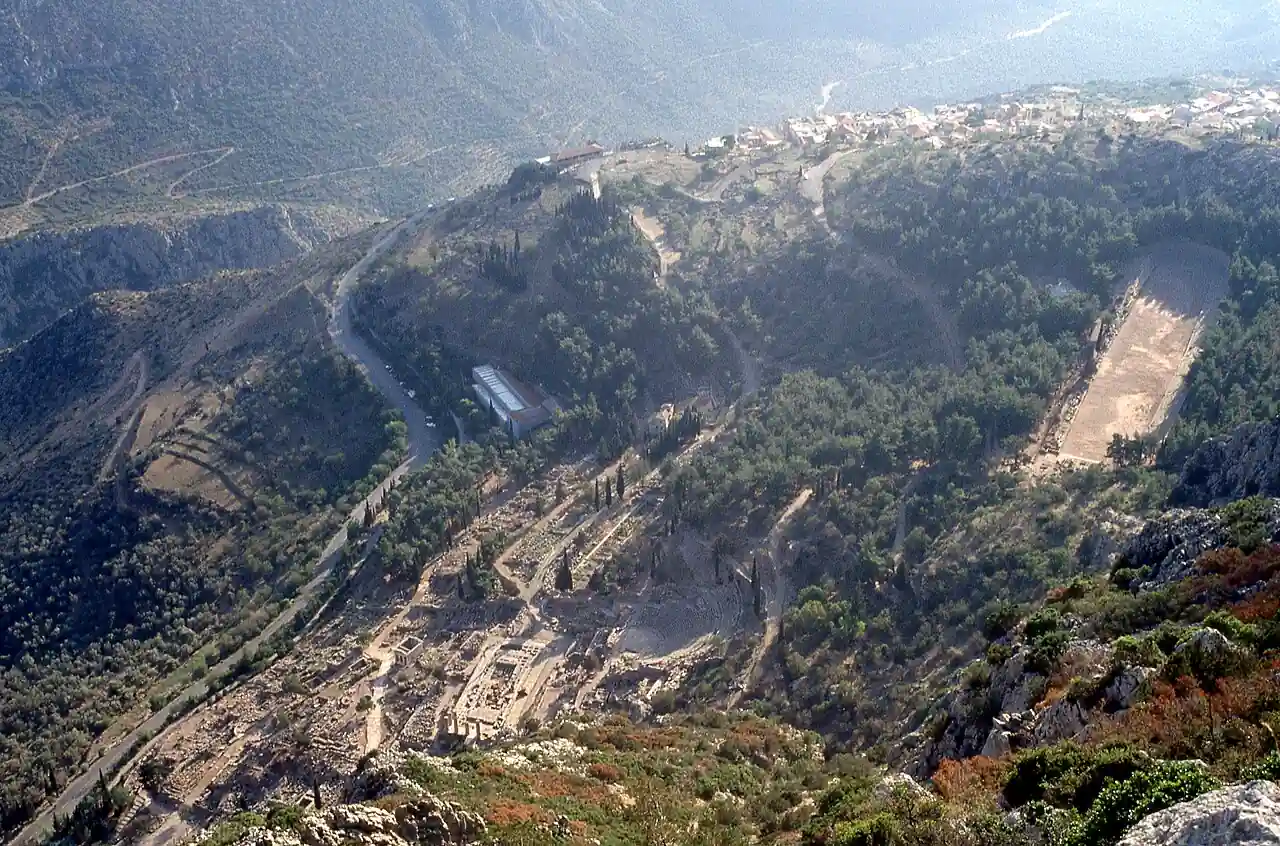
En la mitología griega Delfos estaba considerado el omphalos u obligo del mundo, el útero de la diosa Gea (de hecho, eso significa el nombre original y se supone que los delfines se llaman así por su forma uterina), y aunque era posesión de Apolo, antes había sido compartido por otras divinidades. Su importancia quedaba […]
In Greek mythology, Delphi was considered the omphalos or navel of the world, the womb of the goddess Gaia (in fact, that is what the original name means, and it is believed that dolphins are named after it because of their womb-like shape), and although it was the possession of Apollo, it had previously been […]
It is very common to find images of birds in the art of Ancient Egypt. We see them in paintings and sculptures with species of all kinds, from the ducks hunted on the Nile to the ibis that lent its head to the god Thoth, to the vulture that topped the white crown of Upper […]
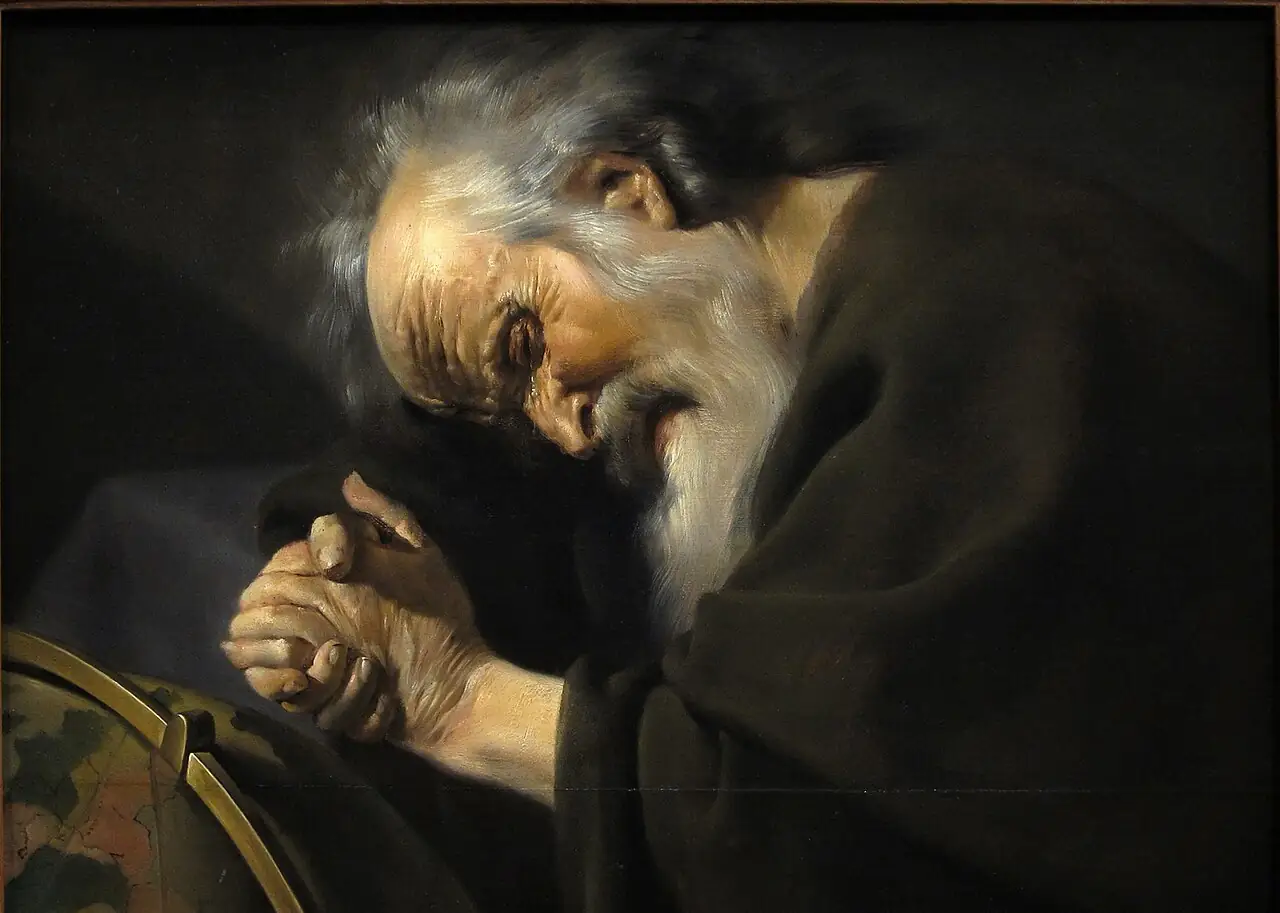
To this Greek philosopher, follower of Pythagoras and teacher of Heraclitus, to whom he instilled the idea that the arché or principle of all things was fire, are attributed—disputably—the discovery of irrational numbers, the construction of a dodecahedron inscribed in a sphere, and several works on acoustics. He also founded a mathematical section in the […]
A este filósofo griego, seguidor de Pitágoras y maestro de Heráclito, al que inculcó la idea de que el arjé o principio de todas las cosas era el fuego, se le atribuyen -discutiblemente- el descubrimiento de los números irracionales, la construcción de un dodecaedro inscrito en una esfera y varios trabajos sobre acústica. Además fundó […]
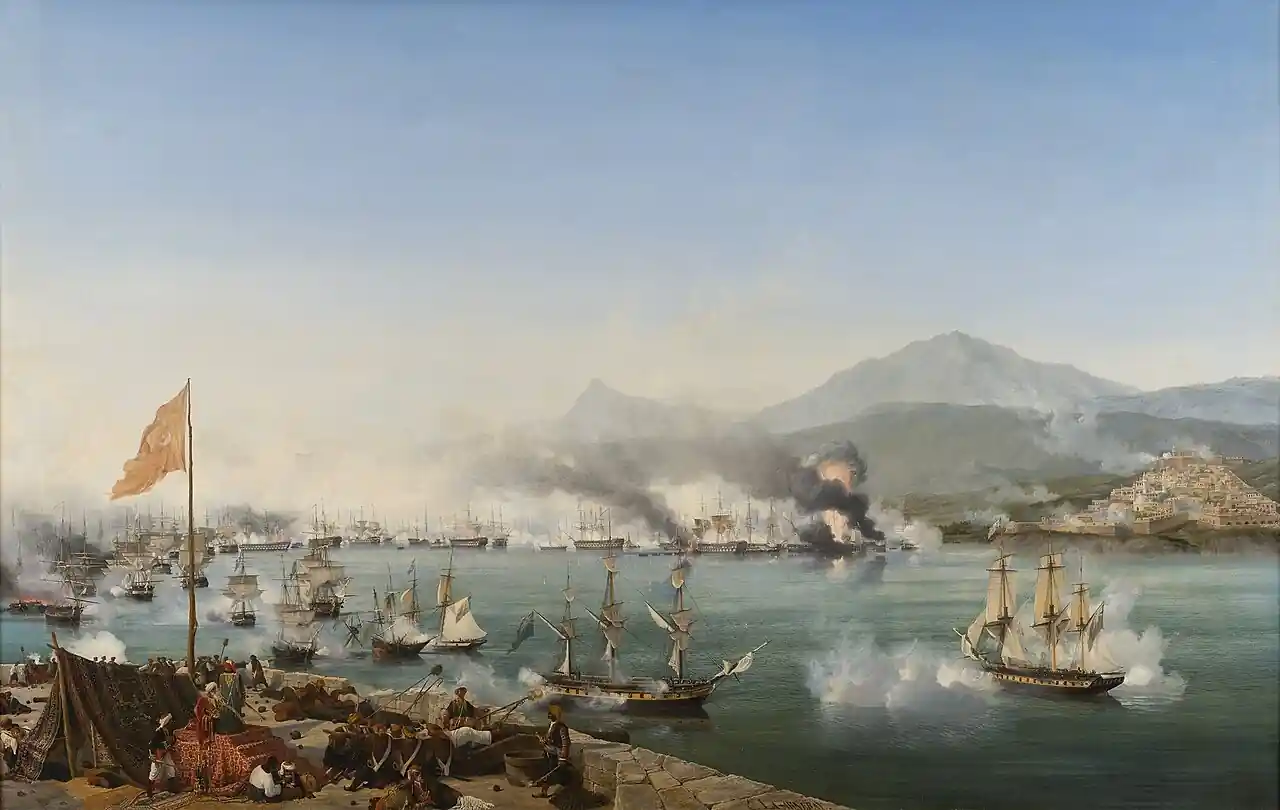
“I have sent him a ribbon when, in fact, what he deserved was a rope.” This phrase is attributed to King George IV of England, and the ribbon in question would be that of the Order of the Bath, which had just been awarded to Edward Codrington, the admiral who had achieved victory in the […]
«Le he enviado una cinta cuando, en realidad, lo que merecía era una soga». Esta frase se atribuye al rey Jorge IV de Inglaterra y la cinta en cuestión sería la de la Orden del Baño, que acababa de conceder a Edward Codrington, el almirante que había obtenido la victoria en la batalla naval de […]
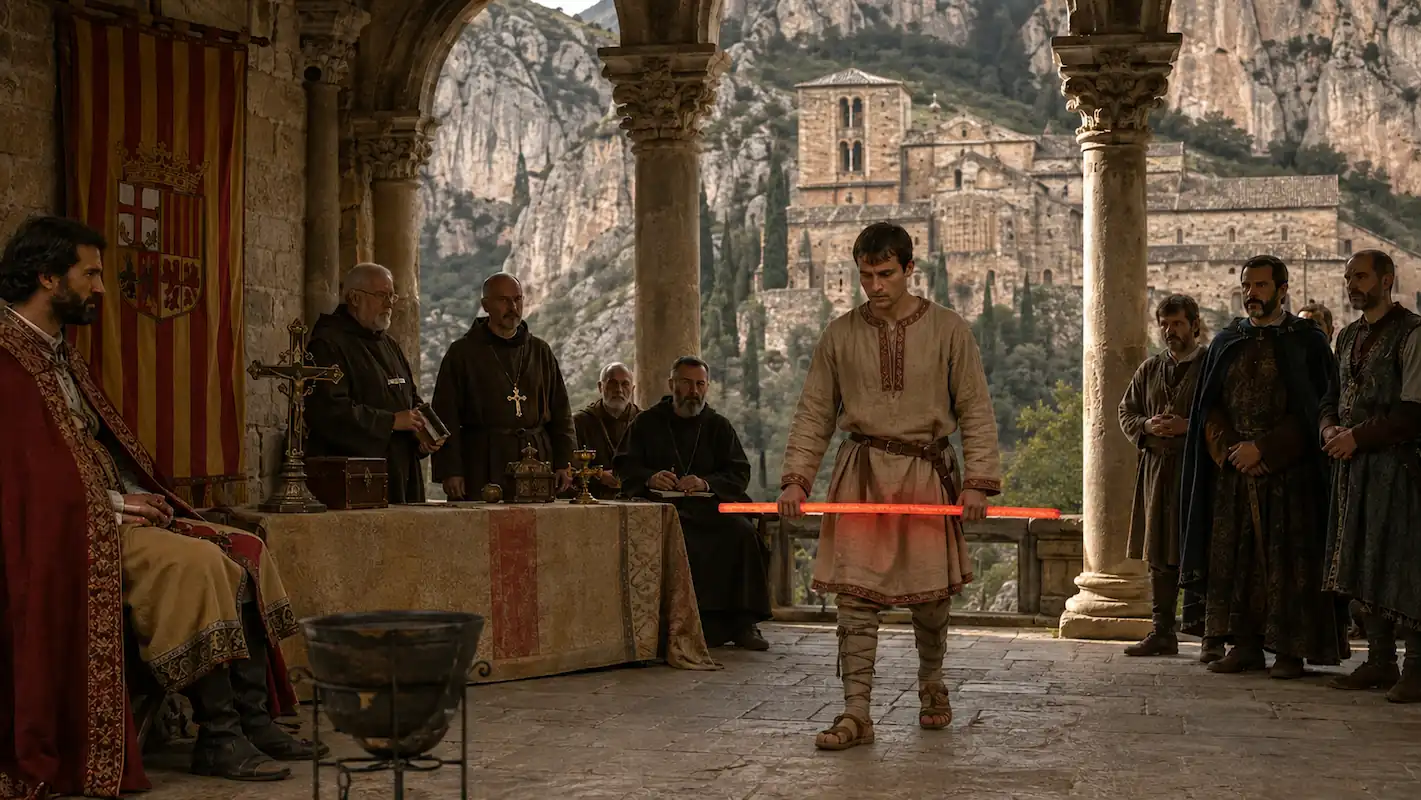
One of the greatest affronts suffered by the Roman legions took place in 321 BC, after the Battle of the Caudine Forks. Not only because of the forced surrender, without even fighting, but also due to the humiliation that officers and soldiers endured afterwards, being forced to pass, dressed only in their tunics, under a […]
Uno de los lugares de Huesca que hay que visitar sí o sí es el Real Monasterio de San Juan de la Peña. No sólo por su peculiar ubicación, encajado entre las pétreas paredes de una montaña de Botaya (Huesca), sino también porque fue el cenobio más importante de Aragón durante la Alta Edad Media […]
At the end of December, many make New Year’s resolutions to implement from the first day of January. As the annual hourglass counts down, people analyze their shortcomings or excesses and consider how to balance them: learning a new language, exercising more, reducing or eliminating vices... However, as the weeks go by, these goals are often forgotten due to daily commitments, laziness, or simply because they stem from excessive ambition.

 Login