Some 2,500 years ago, Babylon trained the sons of its wealthiest families without a single weekly hour devoted to the gods. There was no textbook that worked as a Bible either. Religion was everywhere and in no particular subject, spread through sign lists, writing exercises and arithmetic drills. A study published in the journal Iraq […]
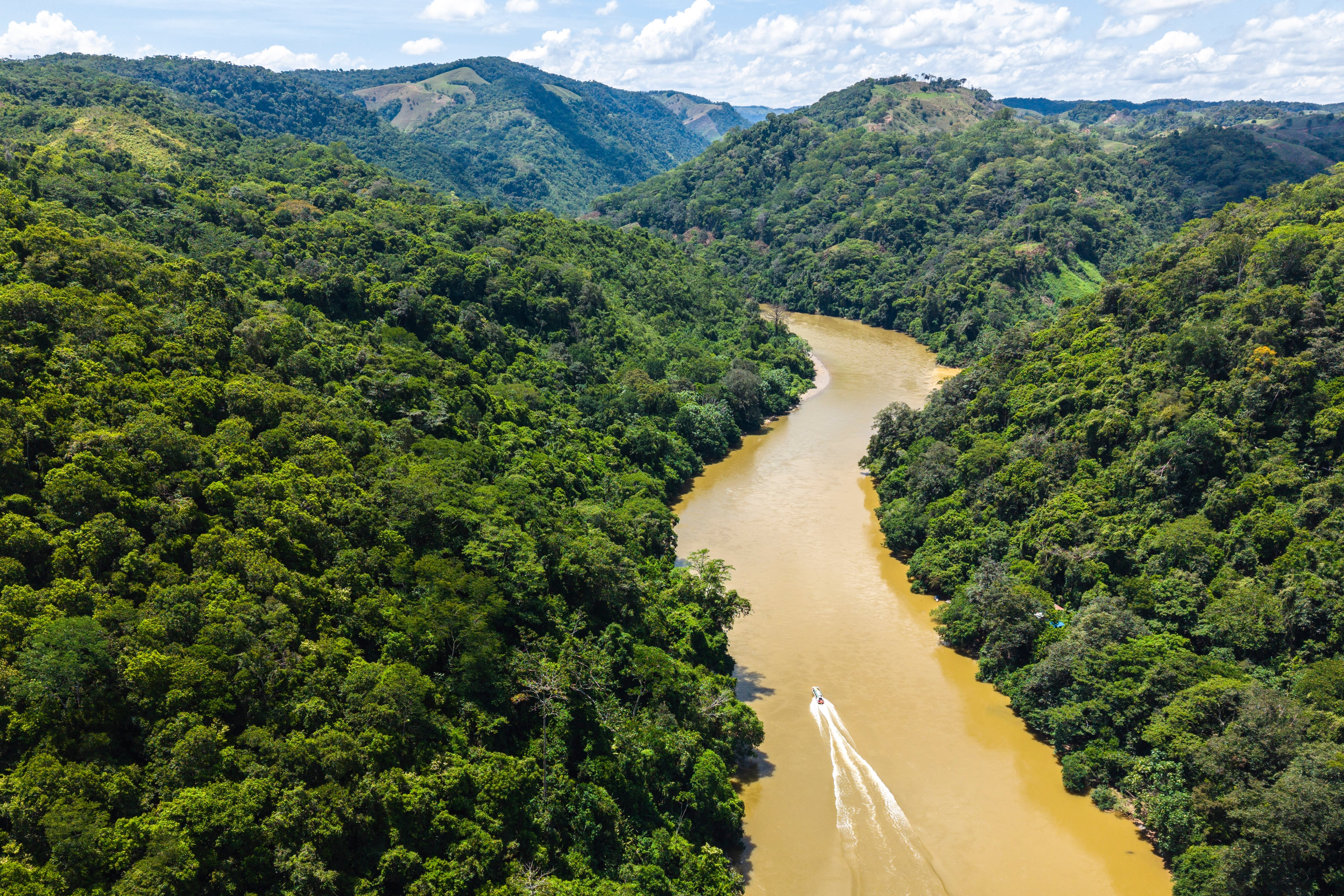
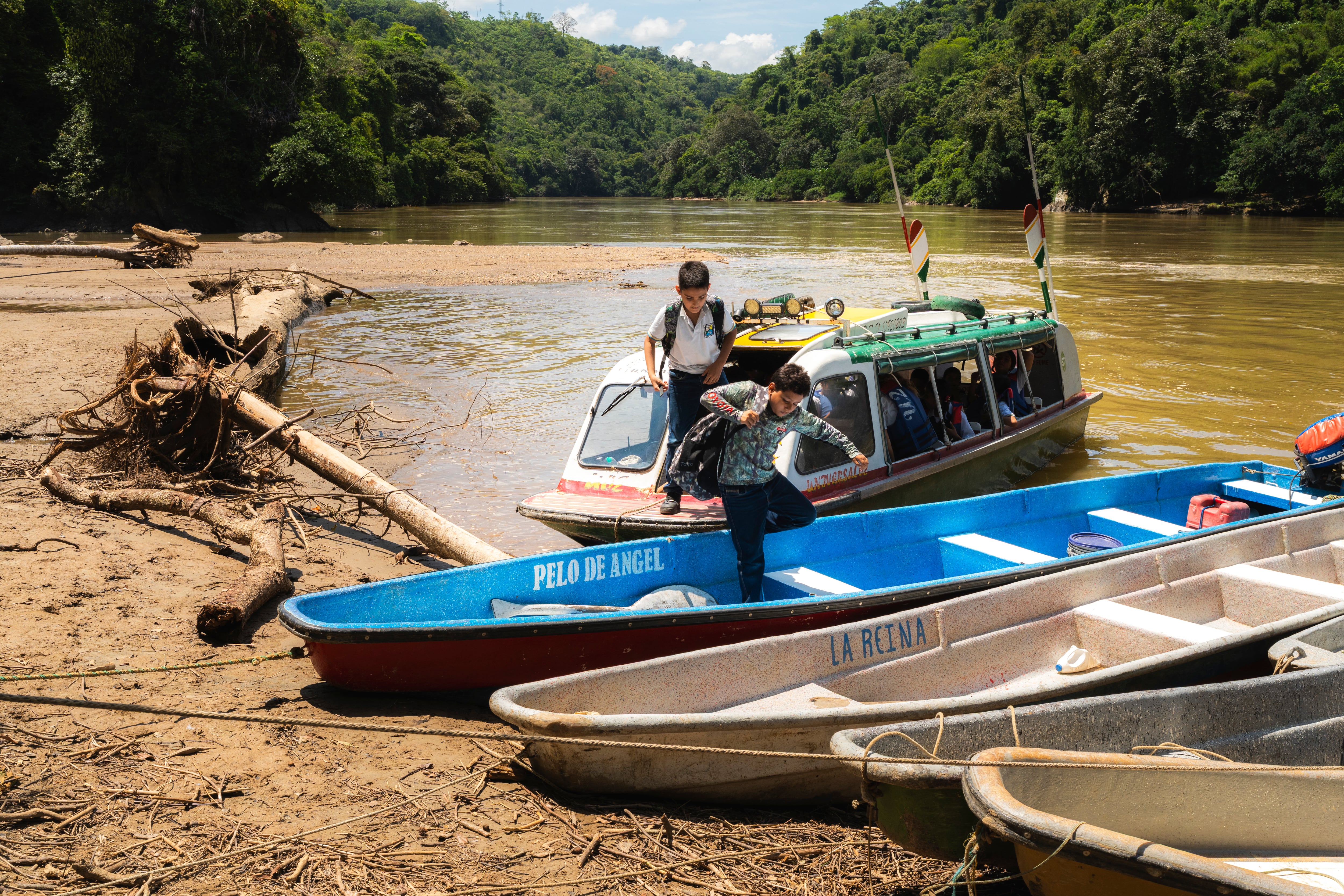
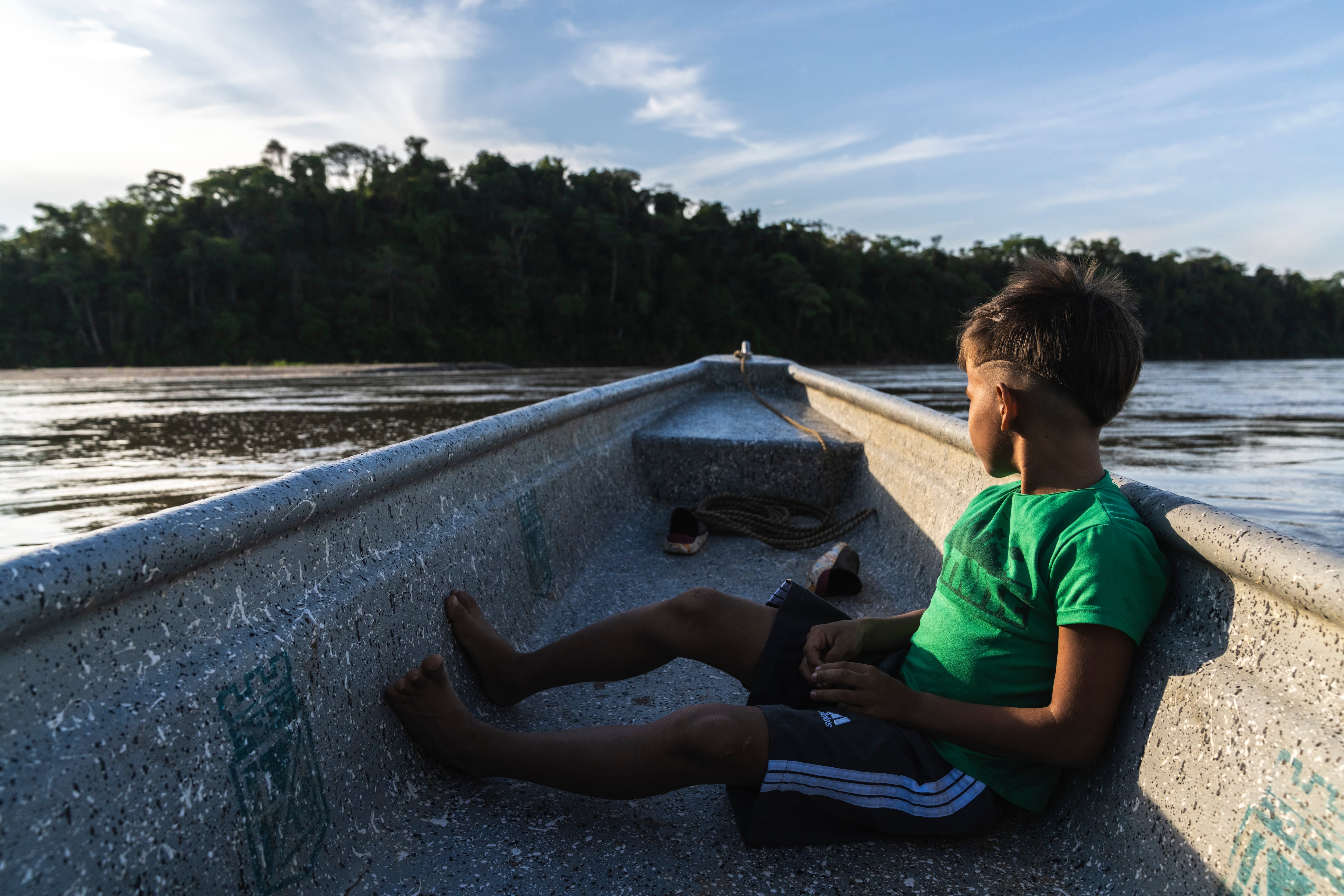
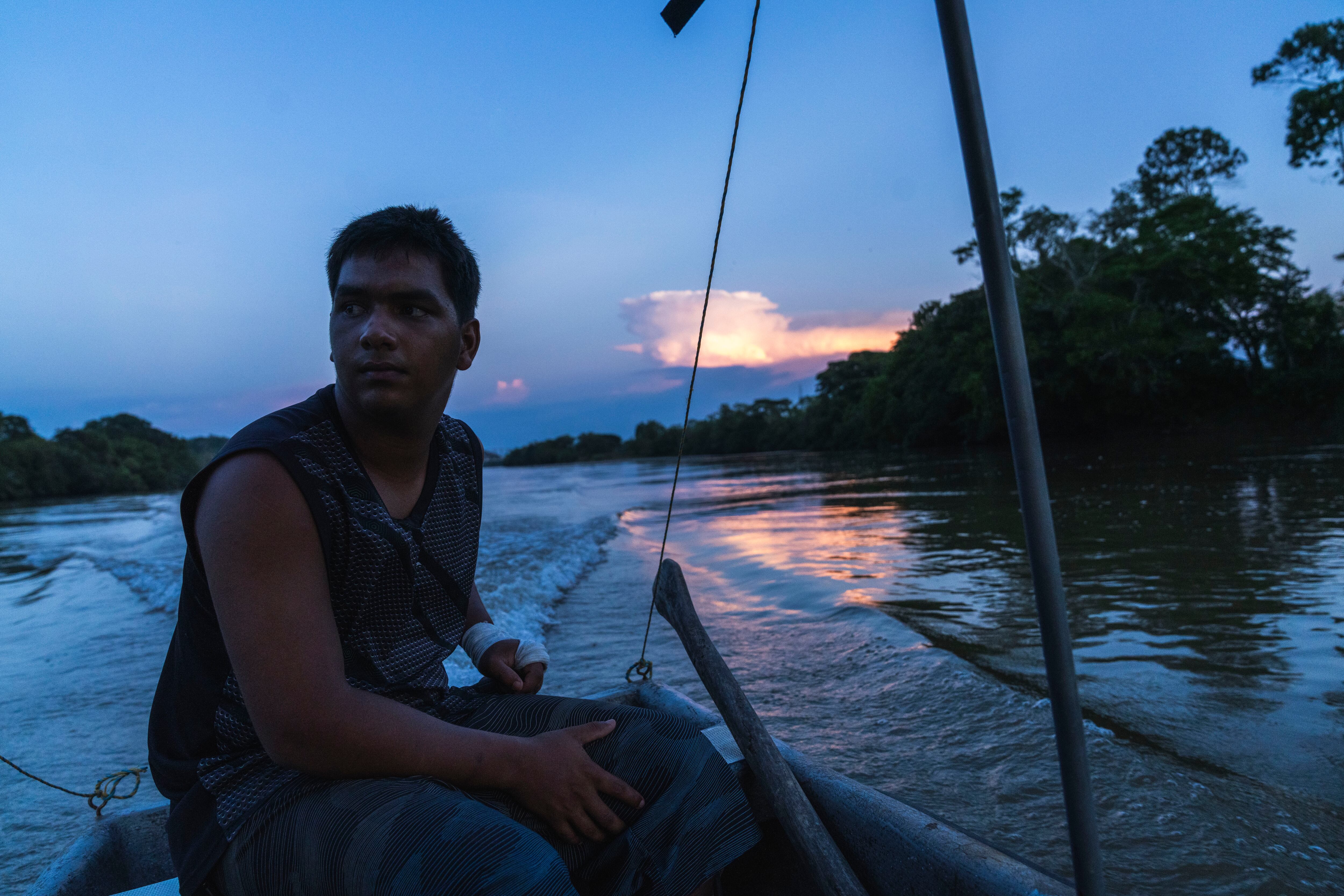
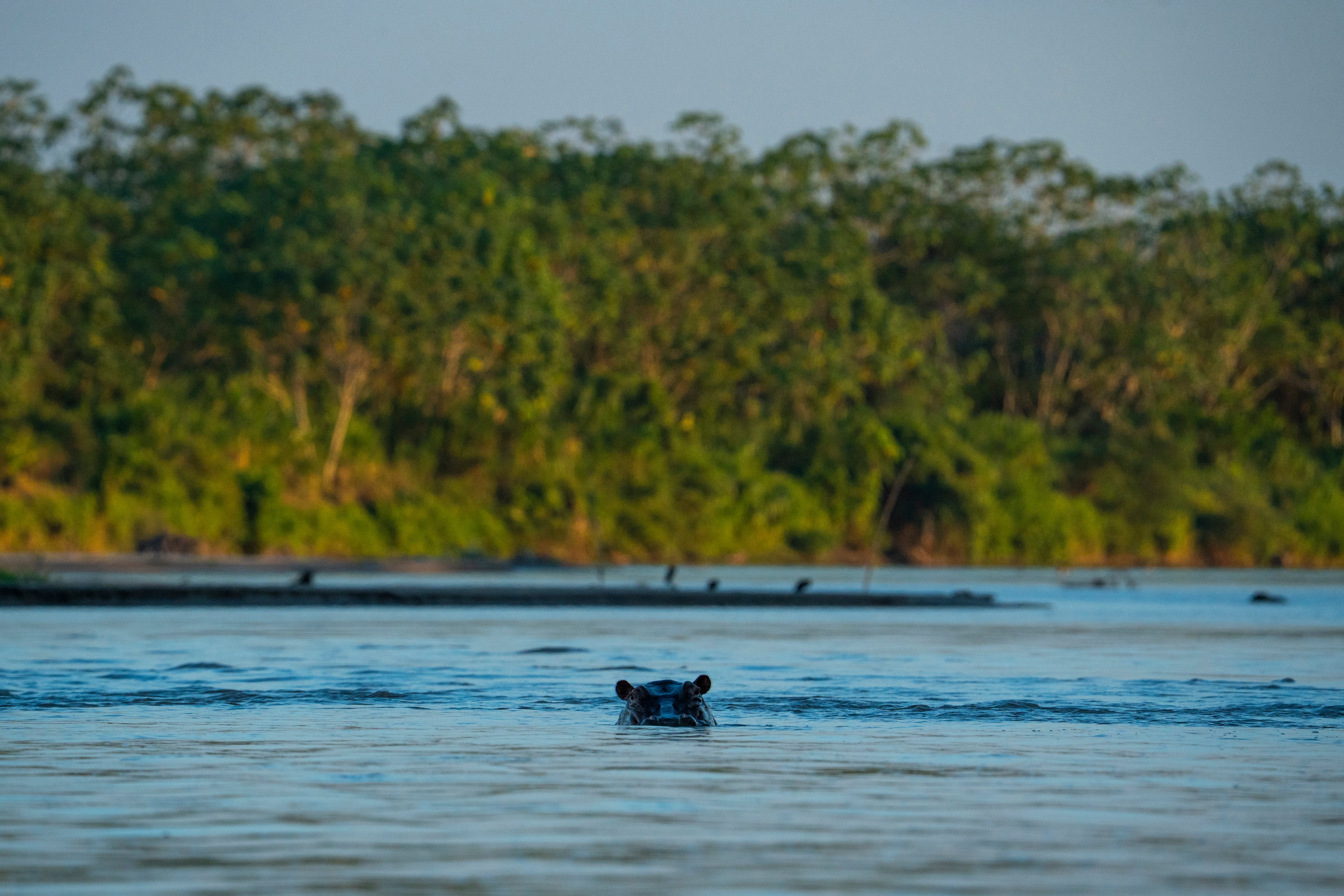
Twenty-three children make their way to school with their eyes glued to the murky water of the Nare River to see if they can see the hippopotamus. The school route has become a kind of safari with the kids scanning the horizon. Everyone in the municipality has a story to tell about the hippopotamus; that his feces scare away the fish, that he eats the banana crops, that his footprints are the size of three palms, that he will capsize a canoe... The Puerto Nare hippopotamus is all that’s talked about here. For Luis and his brother Diego, he is not a stranger. They call him Selmo. Their mother shakes her head and asks them not to get too attached because the judge has allowed just 60 days for the hippo to be removed from the vicinity.
Tourist rentals? Vulture funds? Greedy landlords? Have your say on the issues affecting housing in Spain - let us know who you think is to blame and what solutions there are to the problem of sky-high rents in the country.
In the small village of Qesarat, in southern Albania‘s Tepelenë district, an Italian-Albanian excavation team has just finished a summer season that turned up something unusual: six decorated floors from a Late Roman building, right at the edge of the Vjosa Wild River National Park. Declared in March 2023, the park protects the last stretch […]
Demonstrators camping in a central Madrid square vowed Monday to keep up the pressure on Prime Minister Pedro Sánchez over Spain's housing crisis, as the 87-year-old woman at the centre of the protest called on them to "hold on".
'Los fondos buitre' are very unpopular in Spain currently. But what exactly do these words mean and why do they have a negative connotation in Spanish?
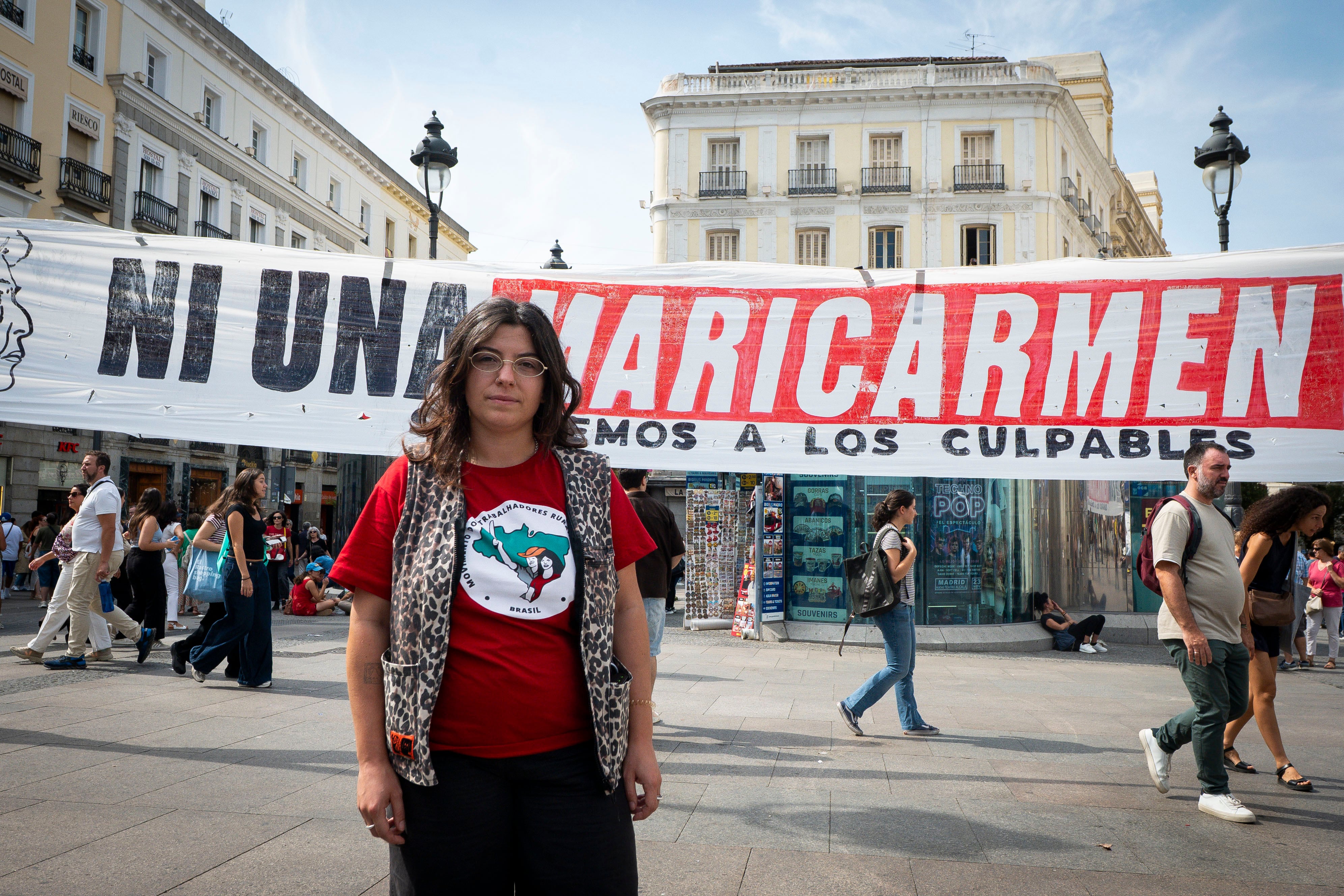
They came to Madrid to counterprogram one of Europe’s largest real estate fairs, The District. What they found was an 87-year-old woman who was about to be evicted from their home — and was, before their eyes. Around 200 housing activists from more than 20 countries across Europe decided to join the demonstrations against the eviction, and later joined a spontaneous encampment in front of the Madrid regional government headquarters at the historic Puerta del Sol plaza.
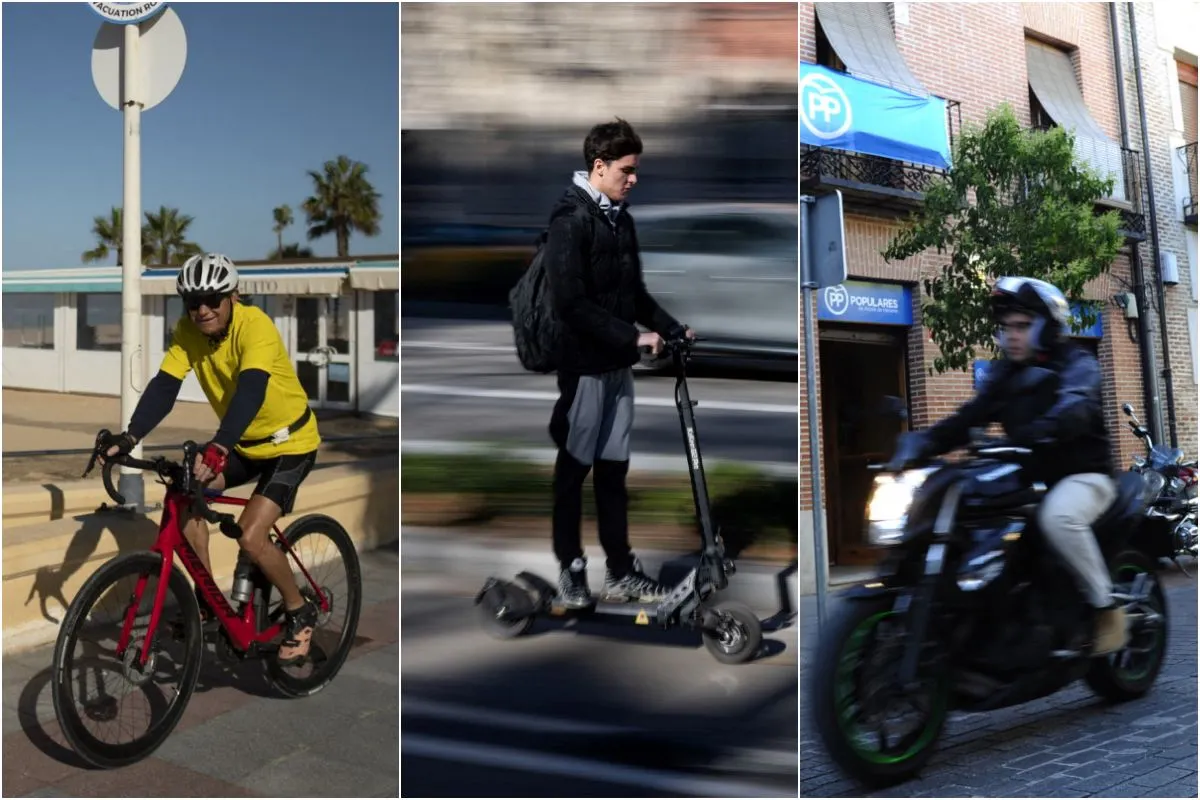
Spain will implement numerous changes to its traffic rules in October 2026, with many important updates for motorcyclists, cyclists and e-scooter riders as well as motorhome and regular motor vehicle drivers.
After the hottest summer on record and some of the highest September temperatures ever seen, the mercury will finally start to fall this week, accompanied by warnings for torrential rain and thunderstorms.
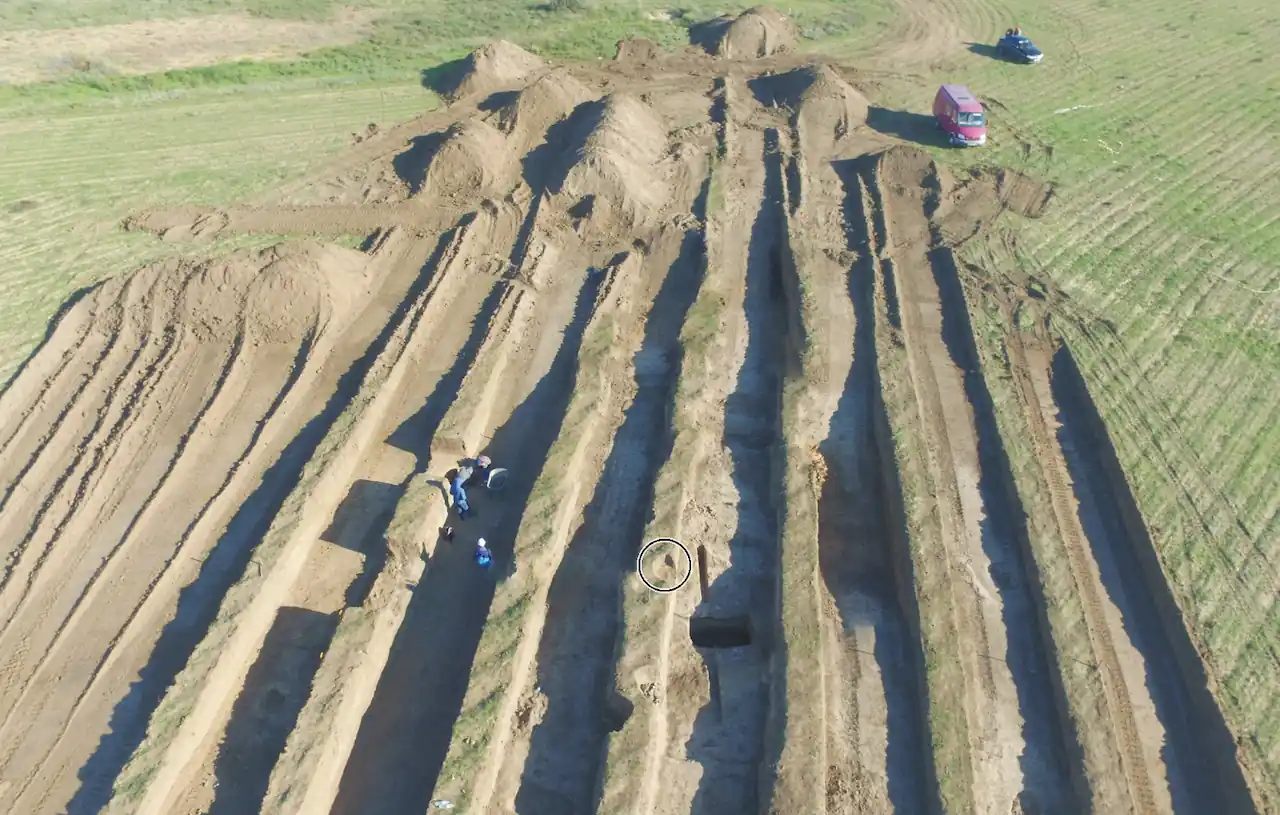
Cuando los arqueólogos abrieron aquel túmulo cerca del mar de Azov esperaban encontrar, sobre todo, tumbas de la Edad del Bronce. Y las encontraron, treinta y una en total. Pero entre ellas apareció algo que no cuadraba con el resto: un hombre de entre 25 y 35 años, tendido boca arriba con los brazos estirados […]
En abril de 2009, varios periódicos de medio mundo publicaron a la vez un titular que parecía sacado de un cóctel, según el cual el centro de la galaxia sabe a frambuesa y huele a ron. La frase salió del Guardian, que la construyó a partir de un comunicado del Instituto Max Planck de Radioastronomía, […]
The archaeologists were not looking for a Sarmatian. When they opened the burial mound near the Sea of Azov, they expected Bronze Age graves — and found plenty: thirty-one of them. But one grave didn’t fit. Inside lay a man in his late twenties or early thirties, stretched out on his back with his arms […]
New York mayor Mamdani posts video playing 'office basketball' with Spain's PM, Spanish director Almodóvar visits Madrid housing protest camp and more news on Monday September 28th.
After spending his first night in a tent in central Madrid, David Muller-Plantenberg said he would remain there as long as needed to press the government to tackle Spain’s housing crisis.
British budget airline EasyJet will operate six new routes between Spain and the UK from 2027, including establishing a new base at Girona airport in the north-east of the country.
In April 2009, newspapers around the world ran a headline that read like a cocktail menu: the center of the galaxy tastes of raspberries and smells of rum. The line came from the Guardian, which built it from a press release by the Max Planck Institute for Radio Astronomy in Bonn. The release was much […]
A growing protest camp in the heart of Madrid over unaffordable housing pushed Spanish Prime Minister Pedro Sánchez on Sunday to pledge swift government action.
For decades, one question has nagged at specialists in ancient Mexico: did Teotihuacan — the city that dominated central Mexico from roughly the first to the sixth century AD, with a population that may have reached 125,000 — actually have a writing system, or were its symbols just decorative emblems? The stakes of that question […]
Durante décadas, los expertos discutieron si Teotihuacan —la ciudad que dominó el centro de México entre los siglos I y VI d. C., con una población que pudo alcanzar los 125.000 habitantes— poseía un sistema de escritura verdadero o si, por el contrario, sus signos eran simples emblemas decorativos. La pregunta no era menor: los […]
India calls it Haifa Day. The regiments that get the credit are the lancers of Jodhpur, Hyderabad and Mysore — cavalry units raised not by Britain directly, but by India’s semi-autonomous princely states, which supplied their own troops to the British war effort. Grouped into the 15th Cavalry Brigade and led into the final charge […]

 Login