❌

Reading view

Russia Pits Citadel Drone Killer Against German and U.S. Systems

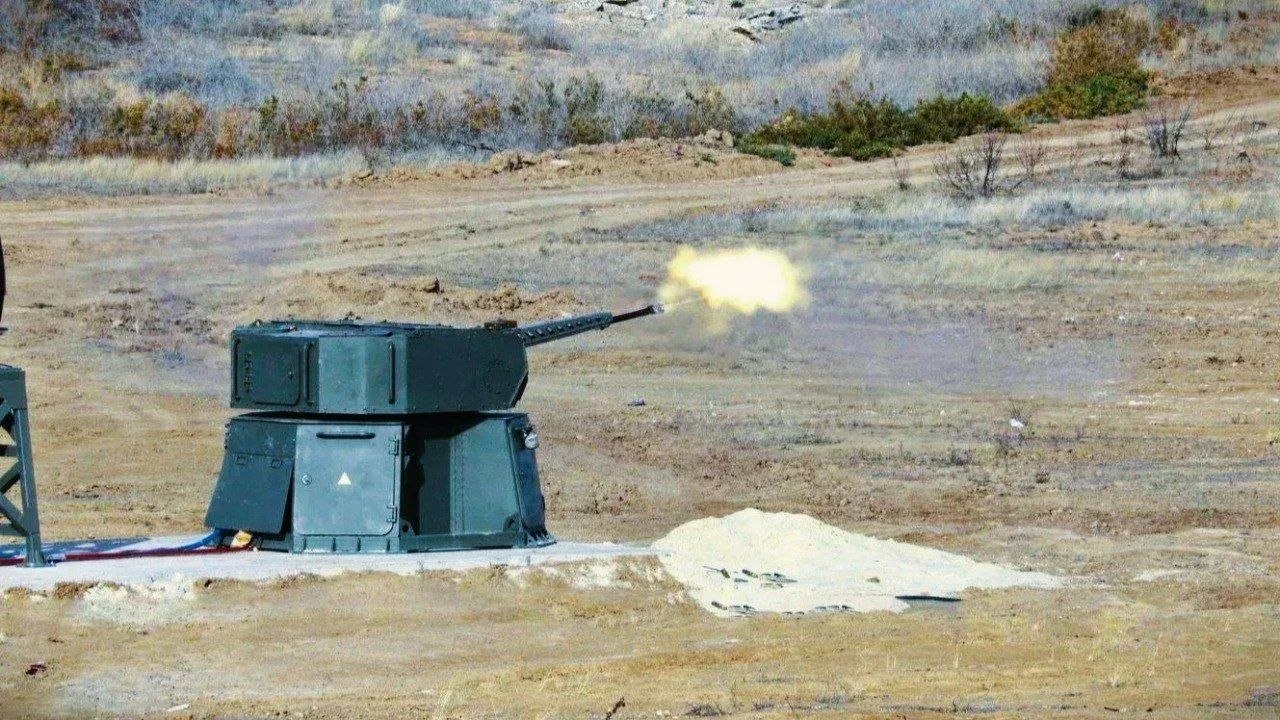
Click to see full-size image. (Rostec)

Russia’s state defense corporation Rostec revealed that its Citadel anti-aircraft gun system can destroy drones while using several times less ammunition in some cases than conventional anti-aircraft artillery.

“Thanks to its fire control system and shells with remote-detonation fuses, the Citadel anti-aircraft artillery system has demonstrated significantly lower ammunition consumption per target destroyed than standard anti-aircraft artillery systems. In some cases, consumption is several times lower,” a Rostec representative told Izvestia, according to the TASS news agency on October 13.

The ZAK-30 Citadel is designed to protect fixed installations against all types of drones. It combines radar and electro-optical sensors operating in visible and infrared spectrums with an automated fire-control system that detects and tracks targets, calculates firing solutions and directs the guns.

The system uses 30 mm programmable fragmentation ammunition with remote-detonation fuses. Rather than requiring a direct hit, the shells detonate at a calculated point along a drone’s flight path, scattering fragments intended to destroy or damage the target.

Each combat module carries 300 rounds and has a stated engagement range of up to 1,000 meters against fixed-wing drones and 800 meters against small multicopters.

The system includes a command post that can control several combat modules positioned approximately 1 kilometer away and has a crew of five.

Rostec also compared Citadel with foreign counter-drone systems, including Germany’s Rheinmetall Skynex, which uses a 35 mm cannon and programmable AHEAD fragmentation ammunition, and the U.S. Phalanx close-in weapon system and land-based C-RAM, both armed with 20 mm Vulcan guns.

The Russian company said Skynex’s larger-caliber ammunition produces a powerful fragmentation field but increases the system’s weight and cost, while Phalanx and C-RAM rely on high rates of fire and consume more ammunition because they do not use the same type of programmable airburst projectiles as Citadel.

Russia’s Defense Ministry announced on October 6 that Citadel systems had been supplied to the armed forces for counter-drone operations. It is still unclear, however, how many have been delivered.

_______________________________________________________________________________________________________________________

SouthFront: Analysis and Intelligence

NOW hosted at southfront.press

Previously, SouthFront: Analysis and Intelligence was at southfront.org.

The .org domain name had been blocked by the US (NATO) (https://southfront.press/southfront-org-blocked-by-u-s-controlled-global-internet-supervisor/) globally, outlawed and without any explanation

Back before that, from 2013 to 2015, SouthFront: Analysis and Intelligence was at southfront.com

SOUTHFRONT.PRESS

MORE ON THIS TOPIC:

 

The post Russia Pits Citadel Drone Killer Against German and U.S. Systems appeared first on South Front.

  •  

Military Situation In Yemen On October 13, 2026 (Map Update)

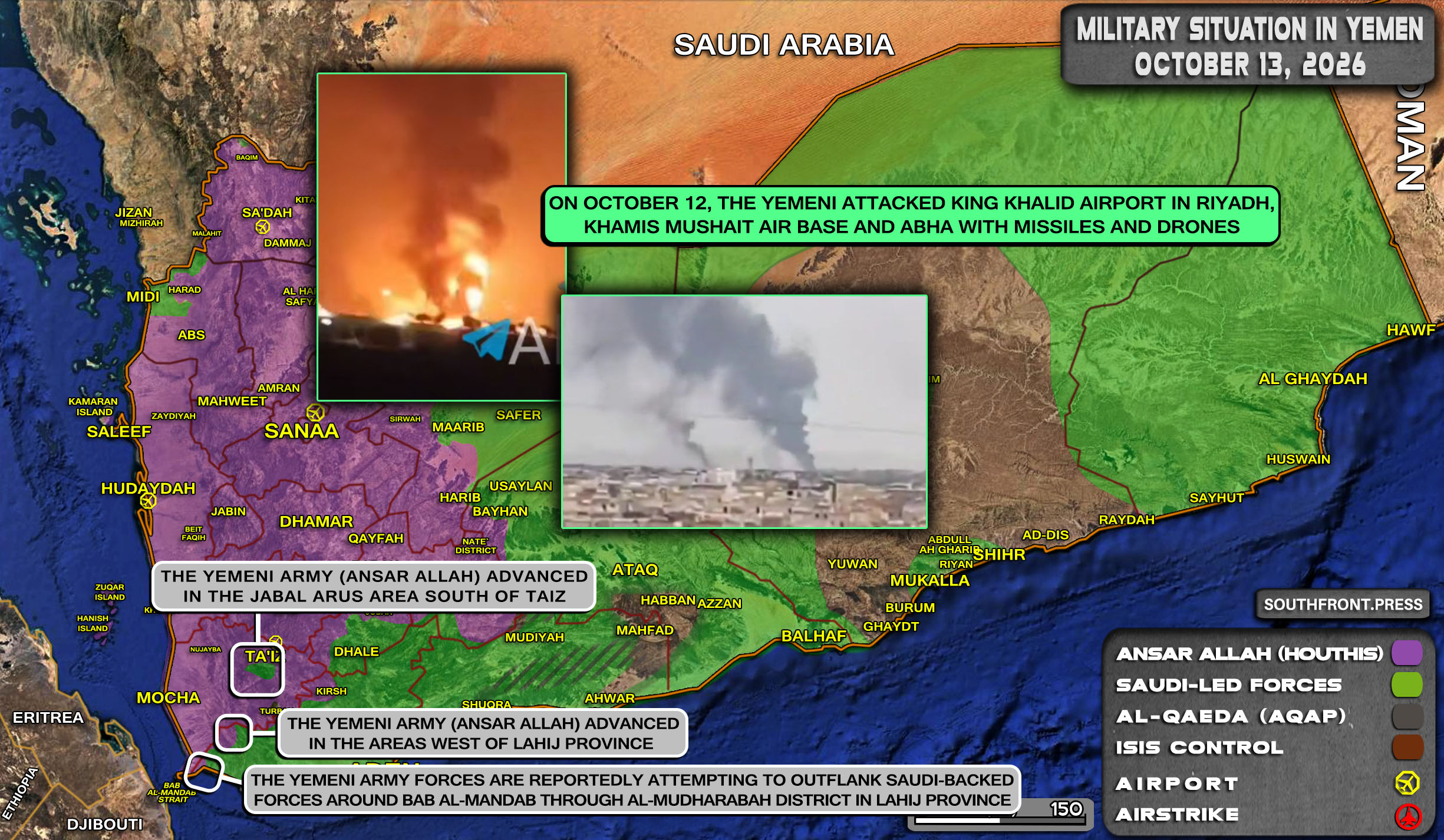
Click to see full-size map.

  • The Yemeni army (Ansar Allah) advanced in the Jabal Arus area south of Taiz;
  • The Yemeni army (Ansar Allah) advanced in the areas west of Lahij province;
  • The Yemeni army (Ansar Allah) forces are reportedly attempting to outflank Saudi-backed forces around Bab al-Mandab through Al-Mudharabah district in Lahij province;
  • On October 12, the Yemeni attacked King Khalid Airport in Riyadh, Khamis Mushait Air Base and Abha with missiles and drones.

_______________________________________________________________________________________________________________________

MORE ON THIS TOPIC:


The post Military Situation In Yemen On October 13, 2026 (Map Update) appeared first on South Front.

  •  

Russia Pits Citadel Drone Killer Against German and U.S. Systems

Click to see full-size image. (Rostec)

Russia’s state defense corporation Rostec revealed that its Citadel anti-aircraft gun system can destroy drones while using several times less ammunition in some cases than conventional anti-aircraft artillery.

“Thanks to its fire control system and shells with remote-detonation fuses, the Citadel anti-aircraft artillery system has demonstrated significantly lower ammunition consumption per target destroyed than standard anti-aircraft artillery systems. In some cases, consumption is several times lower,” a Rostec representative told Izvestia, according to the TASS news agency on October 13.

The ZAK-30 Citadel is designed to protect fixed installations against all types of drones. It combines radar and electro-optical sensors operating in visible and infrared spectrums with an automated fire-control system that detects and tracks targets, calculates firing solutions and directs the guns.

The system uses 30 mm programmable fragmentation ammunition with remote-detonation fuses. Rather than requiring a direct hit, the shells detonate at a calculated point along a drone’s flight path, scattering fragments intended to destroy or damage the target.

Each combat module carries 300 rounds and has a stated engagement range of up to 1,000 meters against fixed-wing drones and 800 meters against small multicopters.

The system includes a command post that can control several combat modules positioned approximately 1 kilometer away and has a crew of five.

Rostec also compared Citadel with foreign counter-drone systems, including Germany’s Rheinmetall Skynex, which uses a 35 mm cannon and programmable AHEAD fragmentation ammunition, and the U.S. Phalanx close-in weapon system and land-based C-RAM, both armed with 20 mm Vulcan guns.

The Russian company said Skynex’s larger-caliber ammunition produces a powerful fragmentation field but increases the system’s weight and cost, while Phalanx and C-RAM rely on high rates of fire and consume more ammunition because they do not use the same type of programmable airburst projectiles as Citadel.

Russia’s Defense Ministry announced on October 6 that Citadel systems had been supplied to the armed forces for counter-drone operations. It is still unclear, however, how many have been delivered.

_______________________________________________________________________________________________________________________

SouthFront: Analysis and Intelligence

NOW hosted at southfront.press

Previously, SouthFront: Analysis and Intelligence was at southfront.org.

The .org domain name had been blocked by the US (NATO) (https://southfront.press/southfront-org-blocked-by-u-s-controlled-global-internet-supervisor/) globally, outlawed and without any explanation

Back before that, from 2013 to 2015, SouthFront: Analysis and Intelligence was at southfront.com

SOUTHFRONT.PRESS

MORE ON THIS TOPIC:


The post Russia Pits Citadel Drone Killer Against German and U.S. Systems appeared first on South Front.

  •  

Military Situation In Syria On October 13, 2026 (Map Update)

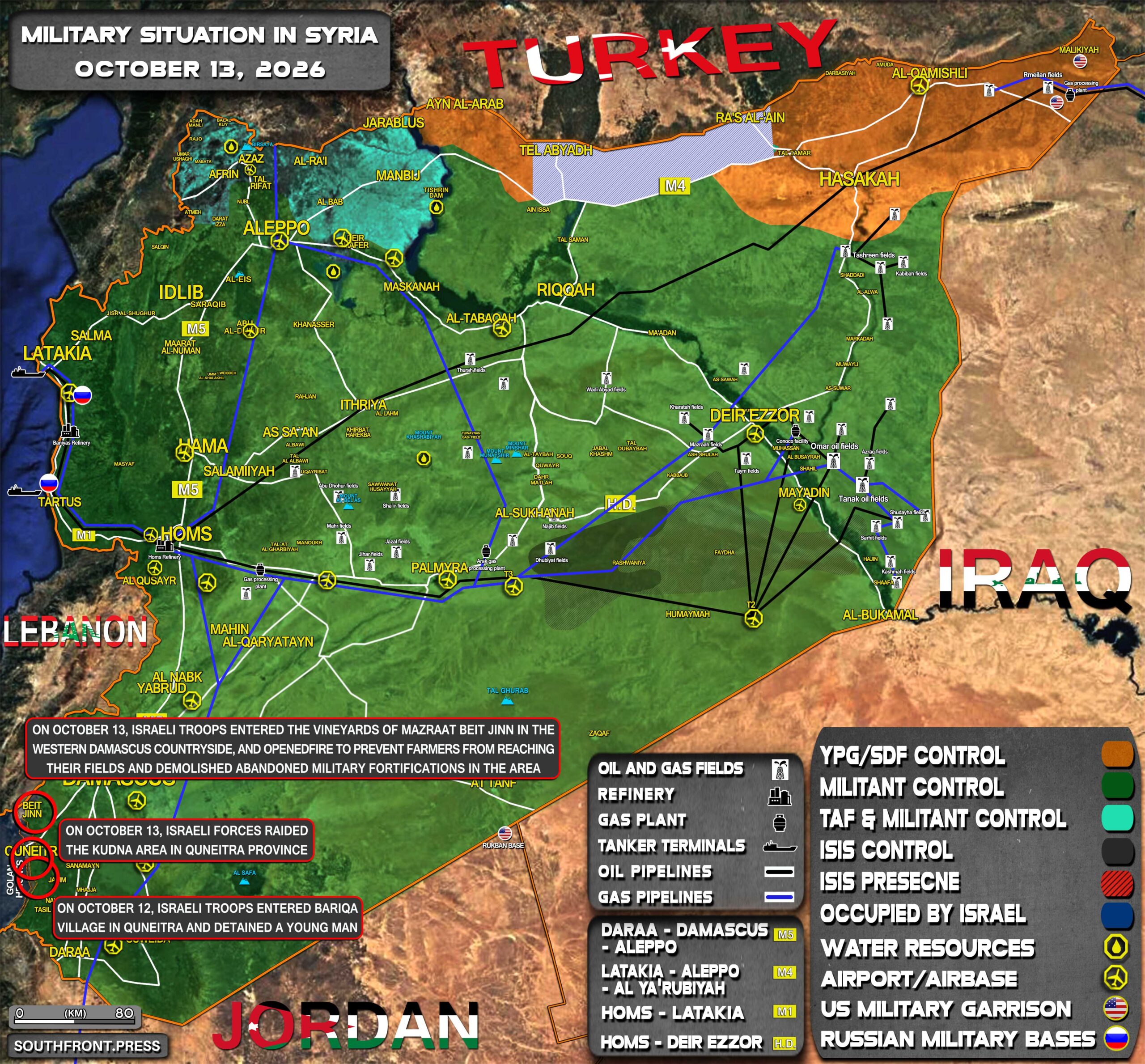
Click to see full-size map.

  • On October 13, Israeli forces raided the Kudna area in Quneitra province;
  • On October 13, Israeli troops entered the vineyards of Mazraat Beit Jinn in the western Damascus countryside, and opened fire to prevent farmers from reaching their fields and demolished abandoned military fortifications in the area;
  • On October 12, Israeli troops entered Bariqa village in Quneitra and detained a young man.

_______________________________________________________________________________________________________________________

MORE ON THIS TOPIC:


The post Military Situation In Syria On October 13, 2026 (Map Update) appeared first on South Front.

  •  

Saudi Arabia Strikes Sanaa Using Israeli Tactics, Houthis Threaten Retaliation (Videos)

Illustrative image. (U.S. Air Force photo by Staff Sgt. Katherine Walters)

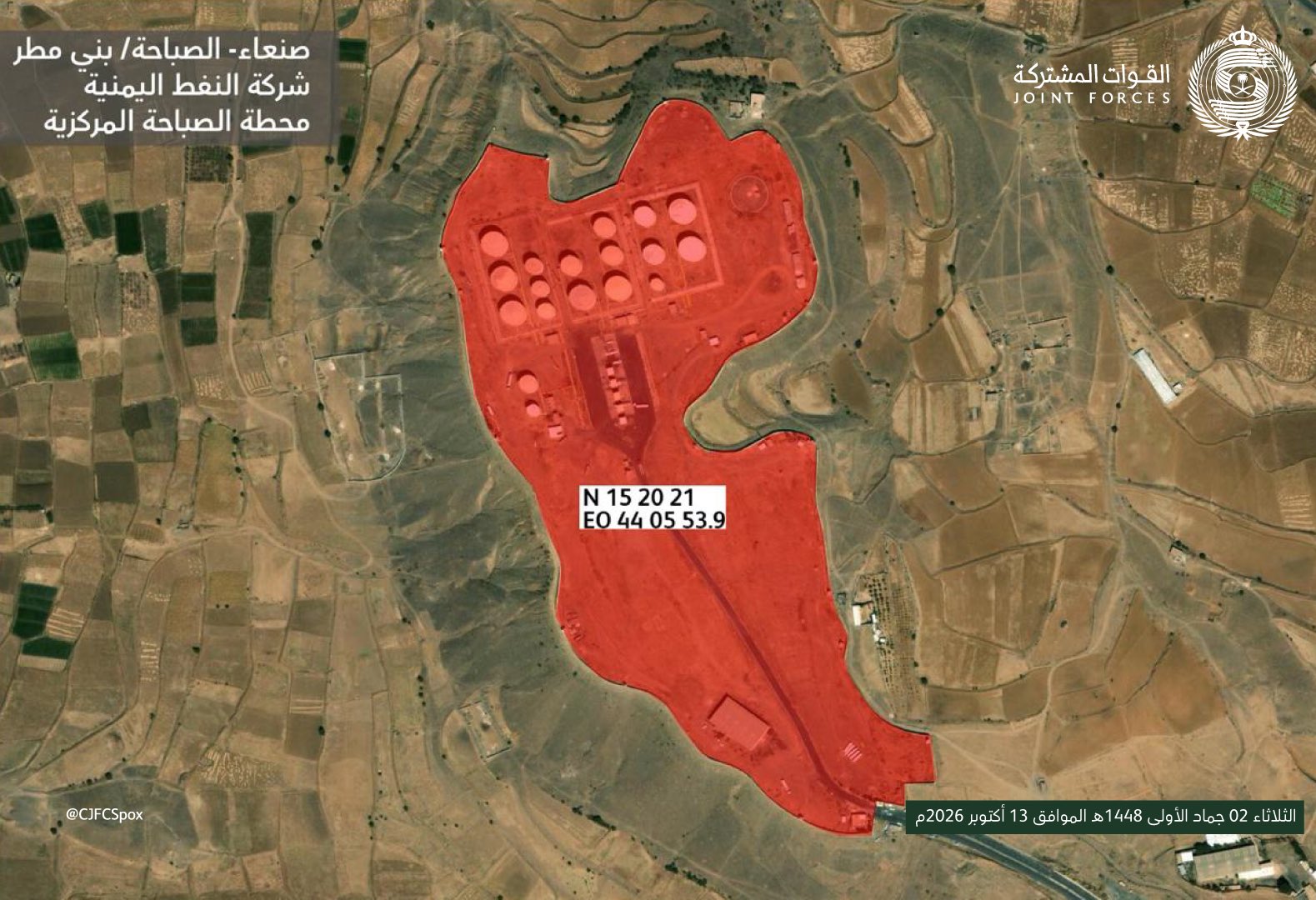
A Saudi-led coalition carried out strikes on oil facilities west of Sanaa on October 13 after warning residents to evacuate the area.

The strikes followed an announcement by coalition spokesman Maj. Gen. Turki al-Maliki urging civilians to leave the Yemen Petroleum Company’s Al-Sabaha Central Station and nearby storage areas ahead of a planned operation. Al-Maliki released a map identifying the area covered by the warning but did not specify the intended military objective.

The Saudi-led coalition appeared to be borrowing a tactic used by the Israel Defense Forces in Gaza and later in Lebanon and Iran, issuing mapped evacuation warnings before carrying out strikes in designated areas.

Click to see full-size image.

Houthi military spokesman Brig. Gen. Yahya Saree said the targeted facility was “empty of petroleum derivatives and has no military value for targeting,” citing a source within the oil company.

The Yemen Petroleum Company separately said its storage facilities were empty and that the strike would not affect oil reserves or fuel supplies for residents. The facility lies on a hill overlooking western Sanaa, where a nearby fuel station is used by the public.

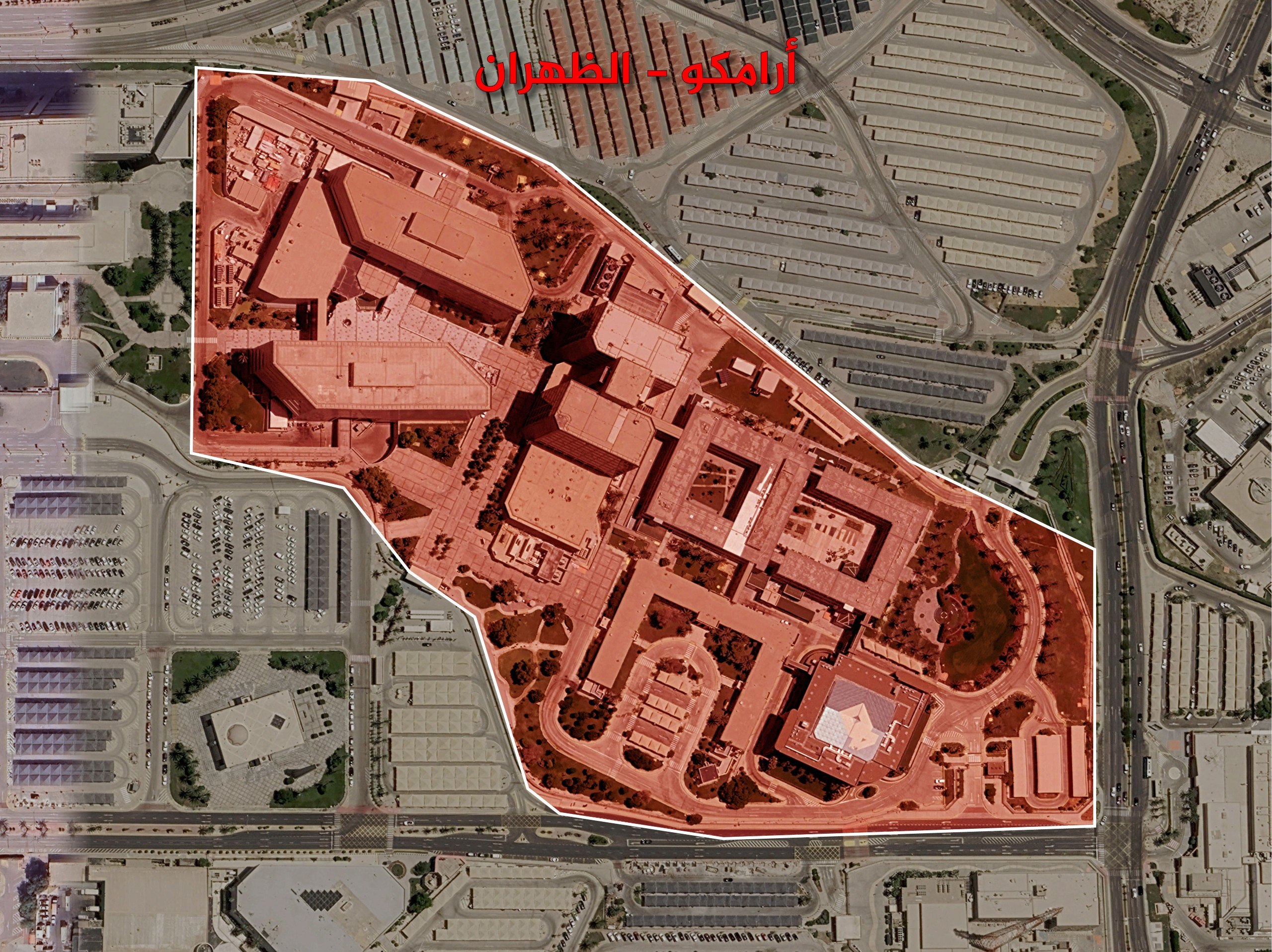
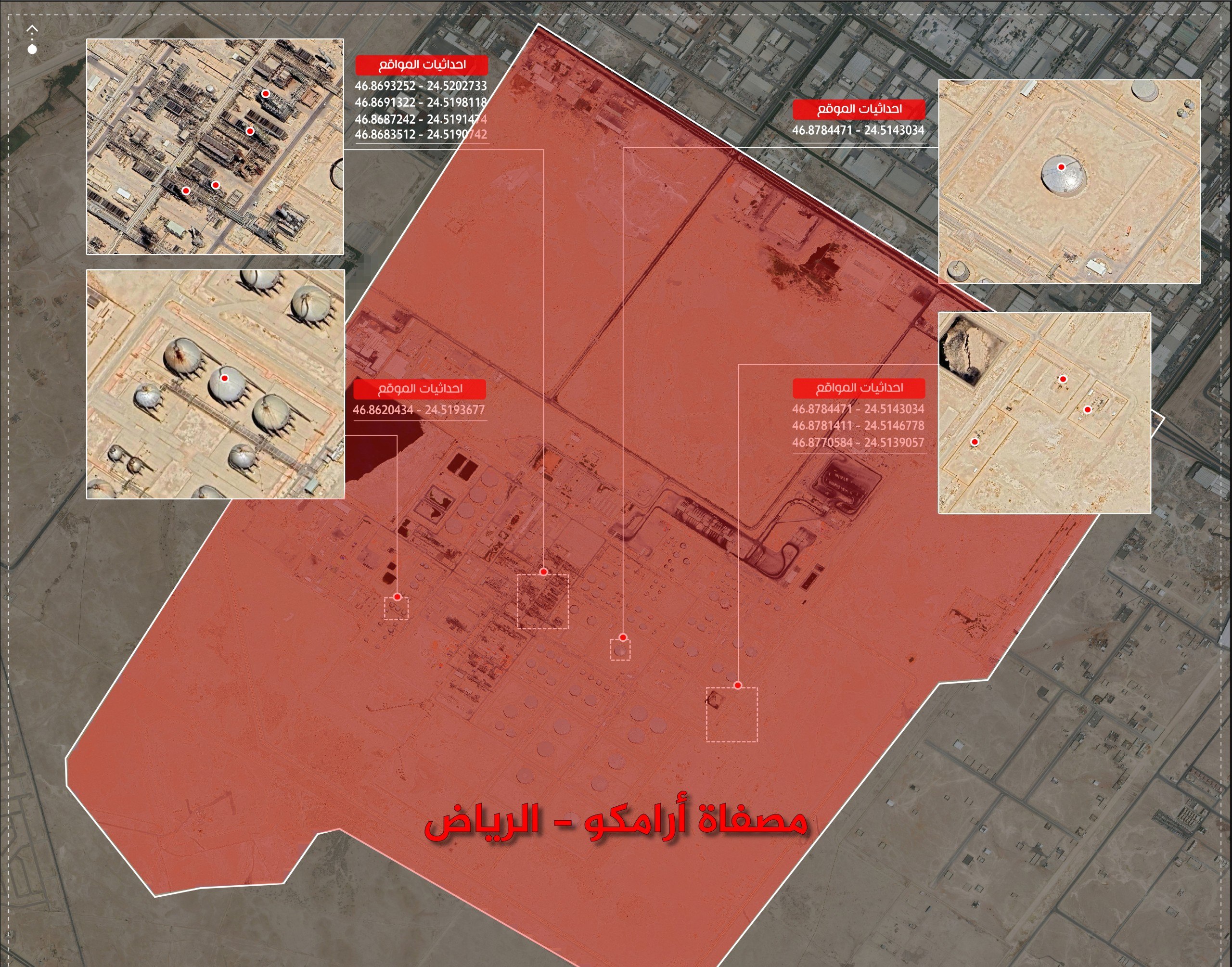
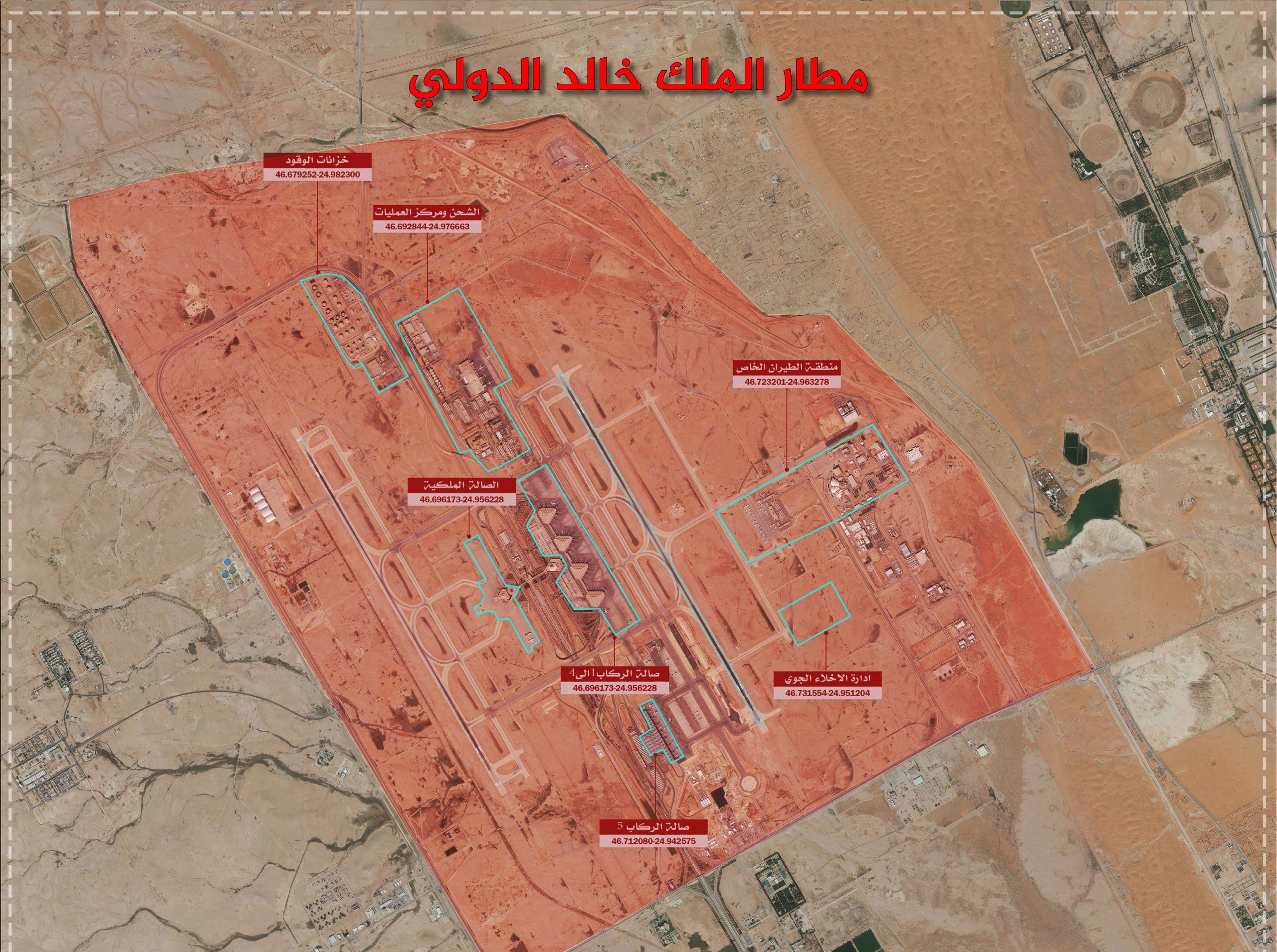
Before the strikes, Saree warned that any Saudi attack on Sanaa would be met with a “firm and painful” response in Riyadh. Following the attack, the Houthis threatened Saudi oil infrastructure, identifying Saudi Aramco’s headquarters in Dammam, an Aramco refinery in Riyadh and King Khalid International Airport as potential targets.

The spokesman described Aramco facilities as “legitimate targets” and urged workers and civilians to stay away from them.

Click to see full-size image.

Click to see full-size image.

Click to see full-size image.

The escalation comes after a series of Houthi missile and drone attacks on Saudi Arabia, including a deadly attack on Riyadh’s international airport on October 10 that killed at least 13 people and injured more than 300.

The attacks have disrupted aviation and heightened pressure on Saudi authorities to strengthen the kingdom’s air defenses.

The latest exchange adds to the widening conflict between the Houthis and the Saudi-led coalition, which supports forces aligned with Yemen’s internationally recognized government. The Houthis will certainly execute their threat and respond with full force, possibly within hours.

_______________________________________________________________________________________________________________________

SouthFront: Analysis and Intelligence

NOW hosted at southfront.press

Previously, SouthFront: Analysis and Intelligence was at southfront.org.

The .org domain name had been blocked by the US (NATO) (https://southfront.press/southfront-org-blocked-by-u-s-controlled-global-internet-supervisor/) globally, outlawed and without any explanation

Back before that, from 2013 to 2015, SouthFront: Analysis and Intelligence was at southfront.com

SOUTHFRONT.PRESS

MORE ON THIS TOPIC:

The post Saudi Arabia Strikes Sanaa Using Israeli Tactics, Houthis Threaten Retaliation (Videos) appeared first on South Front.

  •  

Houthis Tighten Siege on Taiz, Threaten to Encircle Saudi-Backed Forces Near Bab al-Mandab (Videos)

File image.

The Houthis (Ansar Allah) advanced on multiple fronts in southwestern Yemen on October 13, tightening pressure on Saudi-backed forces around Taiz while threatening to outflank government-aligned troops defending their remaining positions near the strategic Bab al-Mandab Strait.

In Taiz, Houthi fighters reached the city’s western entrance and captured the al-Hangar checkpoint, with footage showing their presence at the position.

The advances came as Houthi forces pushed south of the city, clearing the areas of Anbian and Wateer, as well as positions along the approaches to Taiz.

The latest gains threaten to further isolate Saudi-backed forces defending Taiz. The Houthis had already tightened their encirclement of the city after capturing Turbah, south of Taiz, on October 4, cutting off most supply routes from government-held territory.

The advance toward al-Hangar and the fighting south of the city put additional pressure on the remaining positions and routes connecting the city with areas held by the government.

Farther south, in neighboring Lahj province, Houthi forces reportedly cleared al-Sharjan, al-Ka’ala, Harazu and al-Khabakhib in the province’s western areas.

The advance adds pressure on Saudi-backed forces deployed along the approaches to Bab al-Mandab, where the Southern Giants Brigades have been fighting to regain territory lost to the Houthis.

The two fronts pose distinct but connected threats to the Saudi-backed deployment. Around Taiz, the Houthis are tightening their hold on the city and its surrounding approaches. In western Lahj, their advance threatens to outflank the Southern Giants Brigades and other government-aligned units near Bab al-Mandab and Kahbub, potentially cutting those units’ routes for reinforcement or retreat.

If the Houthi advance in western Lahj continues, Saudi-backed forces near the strait risk being isolated as the Houthis pressure the forces’ positions from the north and east.

_______________________________________________________________________________________________________________________

SouthFront: Analysis and Intelligence

NOW hosted at southfront.press

Previously, SouthFront: Analysis and Intelligence was at southfront.org.

The .org domain name had been blocked by the US (NATO) (https://southfront.press/southfront-org-blocked-by-u-s-controlled-global-internet-supervisor/) globally, outlawed and without any explanation

Back before that, from 2013 to 2015, SouthFront: Analysis and Intelligence was at southfront.com

SOUTHFRONT.PRESS

MORE ON THIS TOPIC:


The post Houthis Tighten Siege on Taiz, Threaten to Encircle Saudi-Backed Forces Near Bab al-Mandab (Videos) appeared first on South Front.

  •  

Missing Missile Warning Adds to Growing Rift Between Zelenskyy and Trump

File image.

Ukraine received no advance warning from its partners before five Russian ballistic missiles struck infrastructure in Kyiv, President Volodymyr Zelenskyy said on October 13, raising fresh concerns about intelligence cooperation as tensions between Kyiv and the Trump administration deepen.

Zelenskyy described the attack in a post on X as “particularly vile” and stressed the importance of receiving intelligence from Ukraine’s partners about incoming ballistic missiles.

“This is precisely what helps prevent people from being killed — when there is an early warning about ballistic missiles,” he wrote.

The Ukrainian president did not identify which partners had failed to provide a warning, but the United States is likely playing the main role in providing such intelligence.

His remarks came amid an escalating dispute with U.S. President Donald Trump over Washington’s decision to facilitate Russian diesel exports, its pressure on Ukraine to halt attacks against Russian oil refineries and Trump’s announcement of an energy ceasefire that Kyiv had not publicly agreed to.

Trump announced on October 9 that Russia would supply diesel to the U.S. and global markets following a phone call with Russian President Vladimir Putin.

The agreement marked a reversal of years of U.S. policy aimed at restricting Russian energy revenues following Moscow’s full-scale invasion of Ukraine in February 2022. The U.S. Treasury Department subsequently issued a temporary license easing sanctions on certain Russian diesel shipments.

Zelenskyy criticized the arrangement as “a weak decision, unfortunately, a weak decision by strong partners,” according to a statement released by the Ukrainian Embassy in Washington.

In a separate online statement, he argued that the agreement would benefit Moscow by providing resources to sustain its combat effort.

Trump responded by blaming Ukrainian attacks on Russian refineries for contributing to high American diesel prices and suggesting that Ukraine needed a new president.

The dispute has unfolded as the administration seeks to reduce fuel costs ahead of the November midterm elections, with Trump presenting the diesel arrangement as part of his effort to lower prices and revive negotiations to end the conflict.

The friction intensified further after Trump announced on October 11 that Russia and Ukraine had agreed to an immediate “energy ceasefire,” under which both sides would stop attacking each other’s energy infrastructure.

Neither side had publicly confirmed a finalized agreement when Trump announced it, and Kremlin spokesman Dmitry Peskov said on October 13 only that contacts on the matter were continuing.

Zelenskyy said Ukraine had refrained from attacking Russian oil refineries and other energy facilities during the two days following Trump’s announcement, while accusing Russia of continuing to strike Ukrainian energy infrastructure.

“These are absolutely clear signals that they have no intention of refraining from strikes on Ukraine,” he said.

Against this backdrop, reports have emerged that Washington warned Kyiv it could lose critical military and intelligence support if it continued attacking Russian refineries.

The Washington Post reported on October 12, citing a Ukrainian security adviser and a Western official familiar with the matter, that U.S. officials had urged Ukraine to suspend the attacks and reminded Kyiv of Washington’s role in supplying weapons and intelligence.

The Ukrainian adviser said Kyiv interpreted the message as a warning that Washington “could cut intel and everything going under PURL if you don’t stop.” PURL is a NATO mechanism through which European allies finance purchases of U.S. weapons for Ukraine.

CNN separately reported, citing two European officials, that the Trump administration had warned Ukraine it could suspend intelligence sharing and the mechanism through which European countries purchase American weapons for Kyiv.

Zelenskyy’s latest remarks suggest that the Trump administration may be escalating pressure on Kyiv, with the growing rift potentially beginning to affect the security relationship between the two countries.

_______________________________________________________________________________________________________________________

SouthFront: Analysis and Intelligence

NOW hosted at southfront.press

Previously, SouthFront: Analysis and Intelligence was at southfront.org.

The .org domain name had been blocked by the US (NATO) (https://southfront.press/southfront-org-blocked-by-u-s-controlled-global-internet-supervisor/) globally, outlawed and without any explanation

Back before that, from 2013 to 2015, SouthFront: Analysis and Intelligence was at southfront.com

SOUTHFRONT.PRESS

MORE ON THIS TOPIC:

The post Missing Missile Warning Adds to Growing Rift Between Zelenskyy and Trump appeared first on South Front.

  •  

Hijab Dispute Tests ‘One Nation, Two States’ Alliance Between Turkey and Azerbaijan

Click to see full-size image.

Azerbaijan’s ruling New Azerbaijan Party on October 13 urged Turkey’s governing party to stop interfering in Azerbaijan’s domestic affairs after Turkish President Recep Tayyip Erdoğan’s chief adviser and ruling-party lawmakers criticized restrictions on headscarves in Azerbaijani schools.

In a statement released through its press service, the New Azerbaijan Party accused Turkish media outlets and social media platforms, including sources close to Erdoğan’s Justice and Development Party, or AKP, of spreading what it described as false, biased and defamatory information about Azerbaijan.

The party claimed that criticism by Turkish officials had become part of a broader campaign against the country as a whole.

The statement singled out Erdoğan’s chief adviser, Oktay Saral, and AKP lawmakers for making what it called populist and irresponsible remarks without adequately considering Azerbaijan’s constitutional system and legal framework for religious freedom.

“Using sensitive issues such as the headscarf as instruments of political manipulation and division serves neither the unity of the Turkish people nor the solidarity of the Muslim world,” the party said.

It called on the AKP leadership to “refrain from this harmful policy” and rejected the use of the issue as a means of political pressure against Azerbaijan.

The dispute follows a September 21 decision by Azerbaijan’s Cabinet of Ministers that amended school uniform regulations, prohibiting clothing that violates uniform requirements or conflicts with the secular principle of general education.

The decision does not explicitly mention the hijab, but some schools have prevented girls wearing Islamic headscarves from attending classes. Reports have also described restrictions affecting teachers wearing hijabs, prompting protests and criticism of the policy.

The Azerbaijani Press Agency, citing the government decision, said the amendment was intended to establish uniform clothing standards consistent with the country’s secular education system. However, critics of its implementation have argued that it restricts religious freedom and the right to education.

Saral entered the dispute on October 12, writing on social media that preventing students from attending school because they wore headscarves was unacceptable. He urged Azerbaijani authorities to reverse the restrictions, arguing that religious clothing should not prevent young people from receiving an education.

“Hijab is not an obstacle, but a requirement of faith,” Saral wrote, adding that the right to education should not be sacrificed to ideological dictates. His remarks were reported by Turkish and Azerbaijani media.

The criticism has extended beyond political statements. Demonstrators gathered outside Azerbaijan’s consulate in Istanbul last week to protest the restrictions and call on the authorities in Baku to reconsider the rules.

Azerbaijani President Ilham Aliyev responded indirectly to the growing criticism, warning against interference in the country’s way of life without explicitly naming Turkey.

On October 7, AKP spokesman Ömer Çelik sought to emphasize the strength of the bilateral relationship, describing Turkey and Azerbaijan as “one nation, two states.” He said disagreements between the countries could be discussed openly between allies and accused unnamed countries of driving a wedge between the two. Çelik also criticized groups and social media users in Turkey for targeting Azerbaijan.

The New Azerbaijan Party’s latest statement emphasized that the two countries’ historical ties did not give either side the right to interfere in the other’s domestic affairs. It noted that both countries are constitutionally secular states and argued that Azerbaijan’s education policy should not become an instrument of political pressure.

The statement also defended Azerbaijan’s relations with Israel, rejecting what it described as deliberate distortions of those ties. It said Baku maintains normal interstate relations with Israel while supporting Palestinian rights, providing financial and humanitarian assistance to Palestinians, and backing a two-state solution with East Jerusalem as the capital of Palestine.

The party argued that Azerbaijan’s position on Palestine and its relations with Israel were compatible, rejecting criticism that sought to portray its foreign policy as inconsistent with solidarity among Muslim countries.

Invoking the longstanding description of the countries as “one nation, two states,” the New Azerbaijan Party said the principle reflected the friendship between two independent countries and could not justify attempts by one side to impose its political or ideological views on the other.

The dispute is testing the limits of the countries’ “one nation, two states” alliance, exposing tensions between Baku’s insistence on noninterference and the religious-solidarity arguments advanced by figures within Erdoğan’s party.

It also highlights the growing prominence of Islamist and religious-conservative rhetoric within the AKP, which has increasingly used religious identity as part of its political messaging.

The issue carries an additional religious dimension, as Azerbaijan’s Muslim population is predominantly Shiite, while Turkey is majority Sunni, although both countries are constitutionally secular and their partnership has largely been driven by shared linguistic, strategic and regional interests rather than sectarian identity.

While the dispute has not amounted to a formal diplomatic rupture, it underscores how competing approaches to religion and domestic policy can strain even close strategic partnerships.

_______________________________________________________________________________________________________________________

SouthFront: Analysis and Intelligence

NOW hosted at southfront.press

Previously, SouthFront: Analysis and Intelligence was at southfront.org.

The .org domain name had been blocked by the US (NATO) (https://southfront.press/southfront-org-blocked-by-u-s-controlled-global-internet-supervisor/) globally, outlawed and without any explanation

Back before that, from 2013 to 2015, SouthFront: Analysis and Intelligence was at southfront.com

SOUTHFRONT.PRESS

MORE ON THIS TOPIC:

The post Hijab Dispute Tests ‘One Nation, Two States’ Alliance Between Turkey and Azerbaijan appeared first on South Front.

  •  

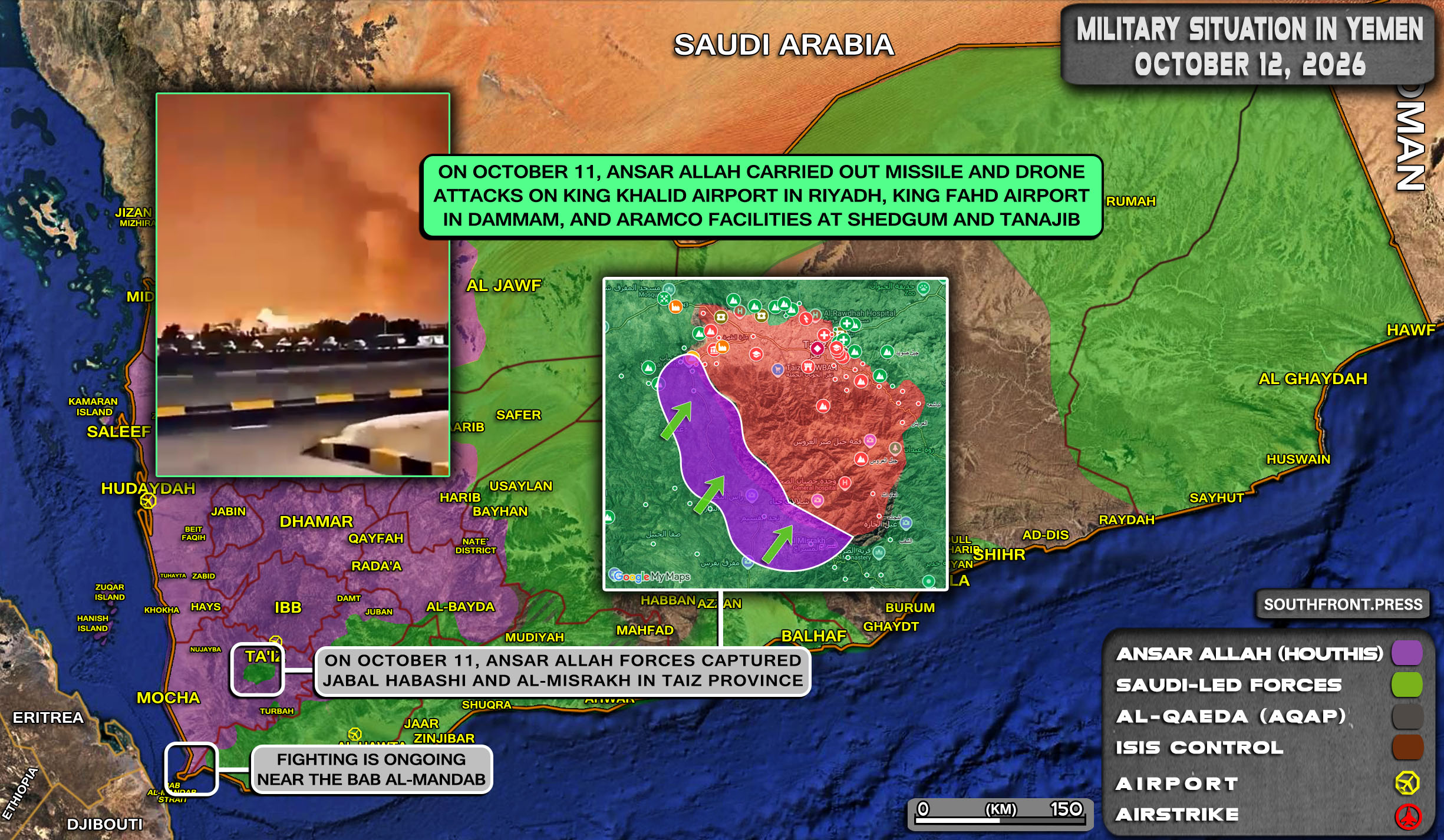
Military Situation In Yemen On October 12, 2026 (Map Update)

Click to see full-size map.

  • On October 11, Ansar Allah forces captured Jabal Habashi and al-Misrakh in Taiz province;
  • On October 11, Ansar Allah carried out missile and drone attacks on King Khalid Airport in Riyadh, King Fahd Airport in Dammam, and Aramco facilities at Shedgum and Tanajib;
  • Fighting is ongoing near the Bab al-Mandab.

_______________________________________________________________________________________________________________________

MORE ON THIS TOPIC:


The post Military Situation In Yemen On October 12, 2026 (Map Update) appeared first on South Front.

  •  

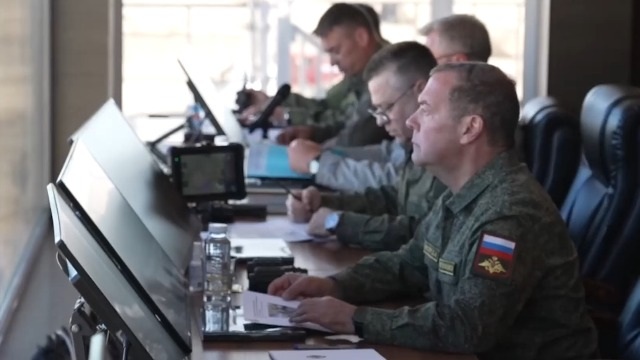
Medvedev Reviews Russia’s New ‘Mak’ Howitzer Among Other Modern Weapons (Video)

Click to see full-size image. (Screengrab\TASS)

Russia is improving the accuracy and range of its weapons and must accelerate the production and delivery of new systems to its armed forces, Russian Security Council Deputy Chairman Dmitry Medvedev said on October 12 after observing weapons tests in the Southern Federal District.

“The accuracy and range of damage are constantly increasing. This opens up additional opportunities for destroying enemy targets in the depth of their defenses,” Medvedev said.

He also praised Russia’s defense industry and scientific capabilities, saying the latest tests demonstrated the country’s ability to develop advanced weapons.

“The results of today’s tests generally show that our science and our industry are capable of creating weapons that have no analogues in the world,” Medvedev said.

Medvedev said work was continuing to improve several categories of weapons, including guided rockets, long-range and artillery munitions, loitering munitions, unmanned aerial vehicles and systems designed to counter drones.

Among the artillery systems shown was the new Mak, a 152 mm wheeled self-propelled gun developed from the 2S44 Giatsint-K. The system is mounted on an eight-wheel BAZ-6910-027 chassis and armed with a 2A36 gun. It is powered by a 470-horsepower YaMZ-849 diesel engine, reportedly capable of propelling the vehicle at speeds of up to 80 km/h on roads, with a range of up to 1,000 kilometers.

The Mak also features additional armor and a Doppler radar designed to measure the muzzle velocity of shells and improve firing accuracy. Full official specifications have not yet been released.

Medvedev called for the rapid introduction of the new systems into service, saying the task was “to launch serial production and supply of such modern and effective weapons to the army as soon as possible.”

“Some of the samples that we have seen today are already being actively used,” he added, describing the discussion during his visit as focused on how those objectives were being achieved.

Medvedev also noted that some of the systems presented during the October 12 visit had been demonstrated a week earlier during the Center-2026 military exercises before Russia’s supreme commander.

_______________________________________________________________________________________________________________________

SouthFront: Analysis and Intelligence

NOW hosted at southfront.press

Previously, SouthFront: Analysis and Intelligence was at southfront.org.

The .org domain name had been blocked by the US (NATO) (https://southfront.press/southfront-org-blocked-by-u-s-controlled-global-internet-supervisor/) globally, outlawed and without any explanation

Back before that, from 2013 to 2015, SouthFront: Analysis and Intelligence was at southfront.com

SOUTHFRONT.PRESS

MORE ON THIS TOPIC:


The post Medvedev Reviews Russia’s New ‘Mak’ Howitzer Among Other Modern Weapons (Video) appeared first on South Front.

  •  

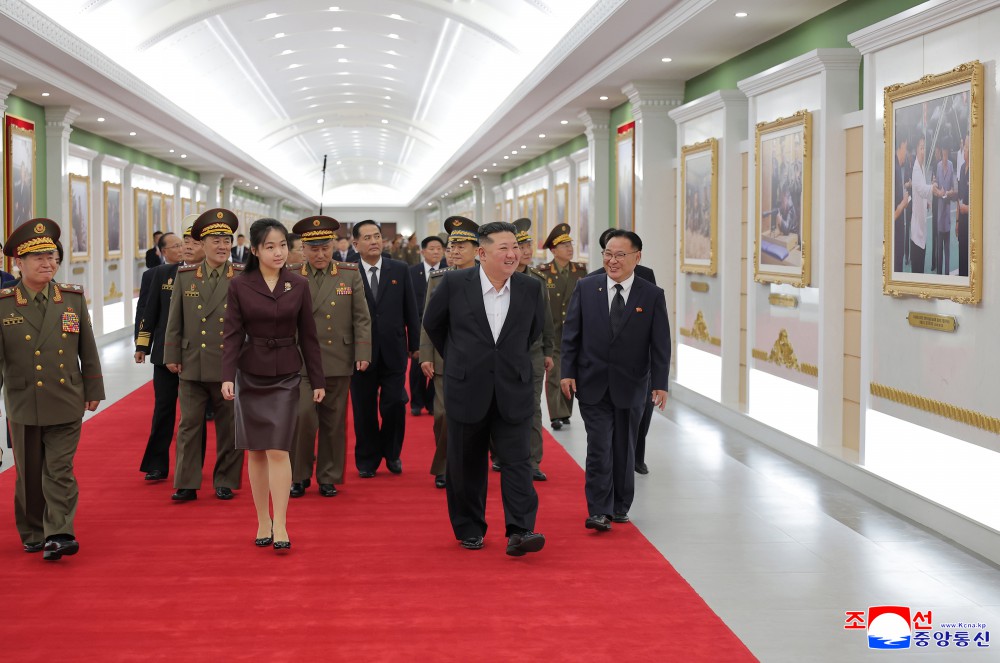
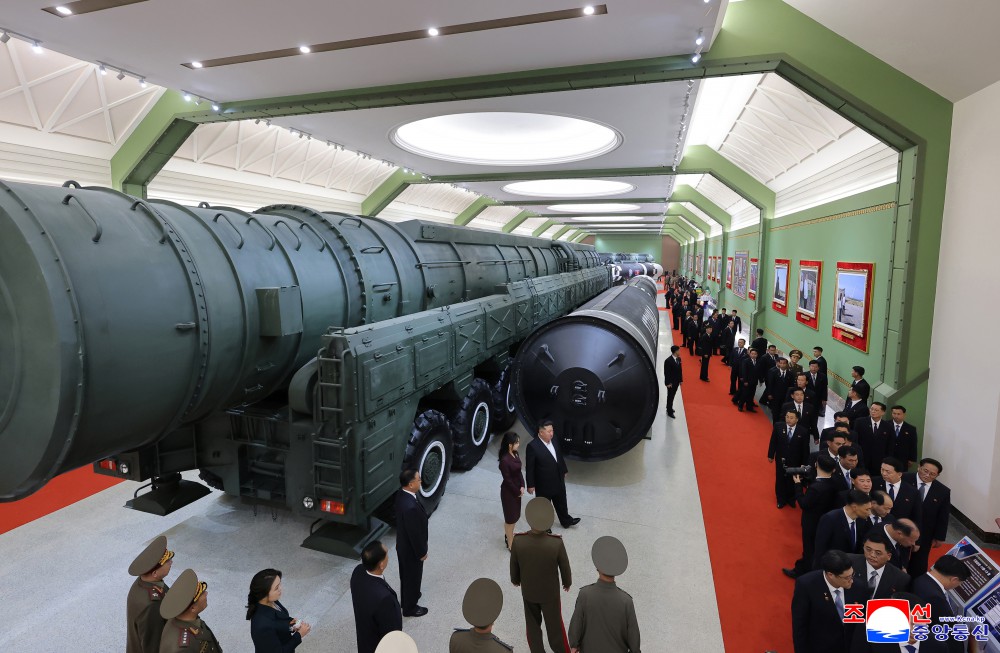
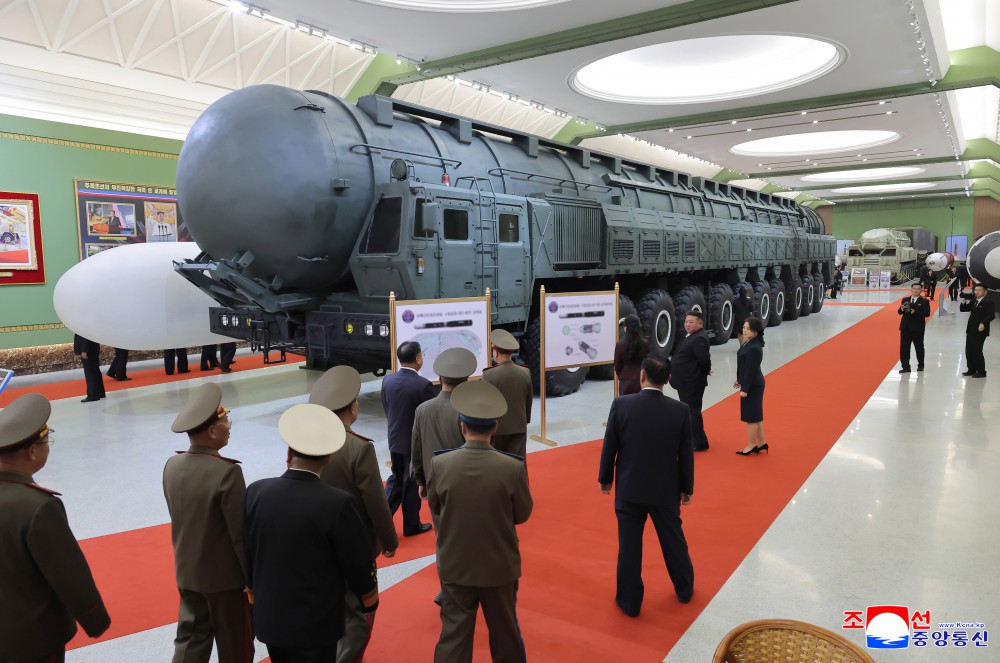
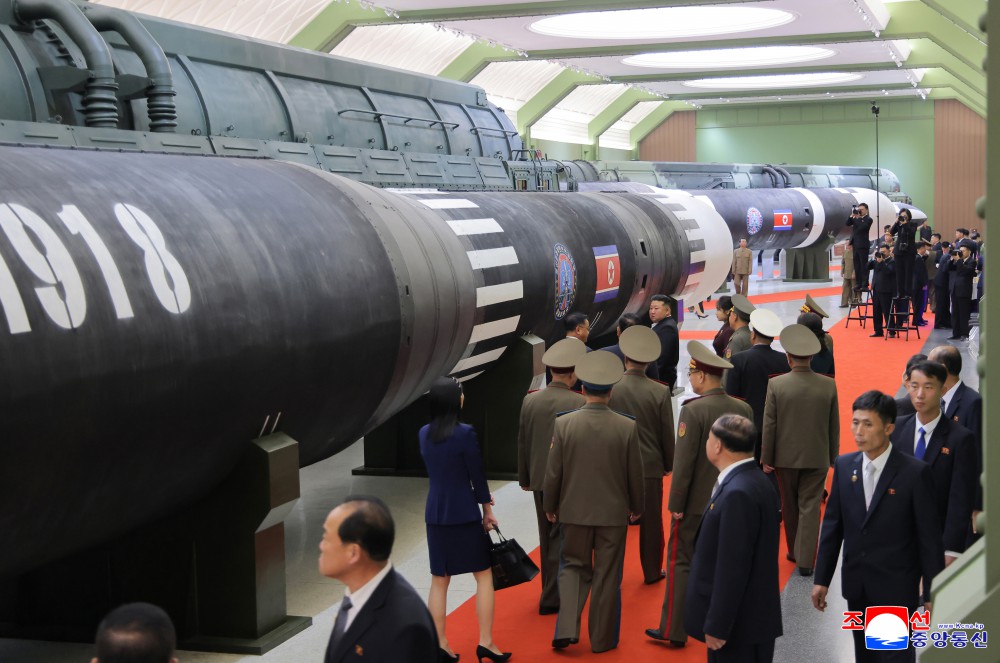
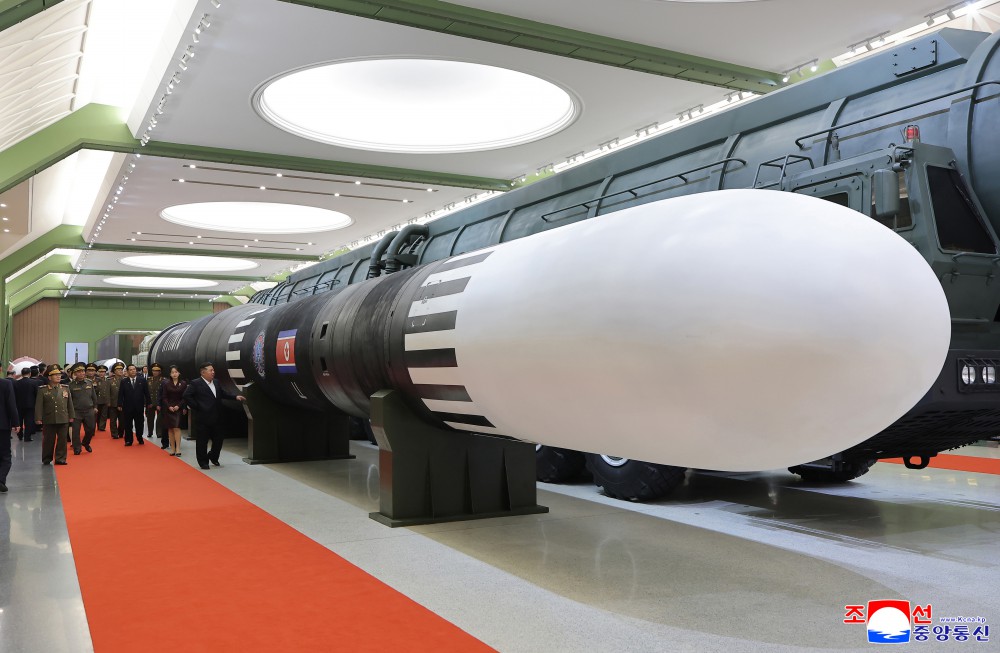
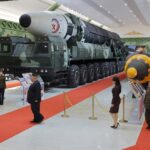
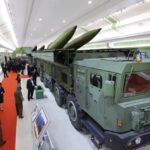
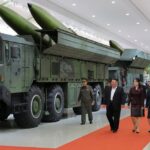
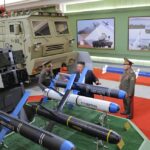
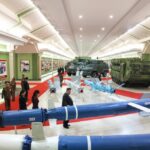
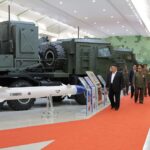
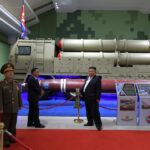
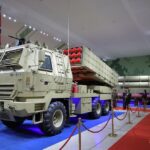
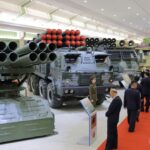
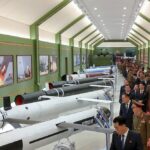
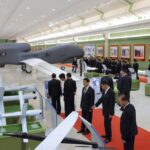
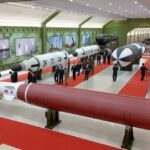
Hwasong-20 ICBM Takes Center Stage at North Korea’s Defense Show (Photos)

Click to see full-size image. (Korean Central News Agency)

North Korean leader Kim Jong Un visited a newly opened defense museum showcasing advanced missiles and other weapons, state media reported on October 13, as United States President Donald Trump raised the possibility of meeting Kim during a visit to Asia next month.

Photographs released by North Korea’s state-run Korean Central News Agency showed Kim and his daughter, Ju Ae, attending the opening of the Defense Revolution Museum.

Notably, the displays included the massive Hwasong-20 intercontinental ballistic missile, which has not reportedly been tested yet.

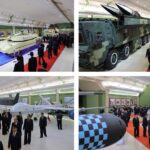
Click to see full-size image. (Korean Central News Agency)

Click to see full-size image. (Korean Central News Agency)

Click to see full-size image. (Korean Central News Agency)

Click to see full-size image. (Korean Central News Agency)

The exhibits also included a new submarine-launched ballistic missile, the Hwasong-16 hypersonic missile, 600-millimeter and 240-millimeter multiple rocket launchers, 155-millimeter howitzers and the Badasuri anti-ship missile.

Other reported displays included Hwasal cruise missiles, reconnaissance and attack drones, an upgraded Chonma-20 tank and anti-tank guided missiles. Some of the more specific weapon designations remain tentative, as North Korea did not publish a complete inventory of the museum’s exhibits.

The visit came a day after North Korea launched two ballistic missiles from its eastern coast. Both were believed to have fallen outside Japan’s exclusive economic zone, according to Japan’s Defense Ministry.

Trump told reporters in Washington on the same day that he might hold talks with Kim during a trip to Asia next month. The U.S. president is scheduled to attend the Asia-Pacific Economic Cooperation summit in Shenzhen, China, on November 18 and 19.

“I may,” Trump said when asked about a possible meeting. “That’ll be exciting, won’t it? But I get along with him.”

Pyongyang had not publicly responded to Trump’s remarks as of October 13. The museum visit could serve to emphasize North Korea’s military advances ahead of any potential meeting.

Kim described the museum as demonstrating “how the dignity and security of the DPRK and the happiness of its people are defended and how peace of this land is achieved,” KCNA reported.

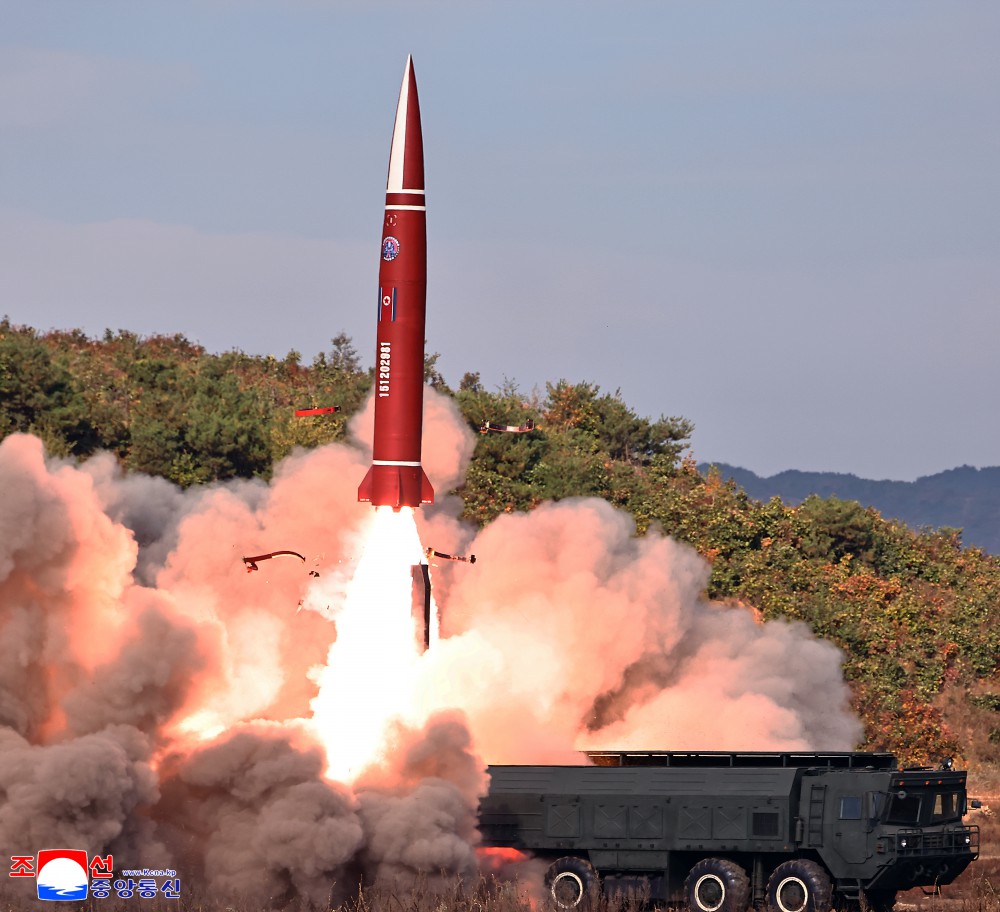
KCNA also reported that North Korea had test-fired a tactical ballistic missile on October 12 to validate an upgraded core component of its weapons systems. Observers said the missile may have been a Hwasong-11A, also known as a KN-23, which can follow a quasi-ballistic trajectory and is believed capable of carrying a tactical nuclear warhead.

Click to see full-size image. (Korean Central News Agency)

Japan’s Defense Ministry said the first missile traveled about 220 kilometers, reaching a maximum altitude of 20 kilometers, while the second flew more than 910 kilometers at a maximum altitude of 70 kilometers. Japanese Defense Minister Shinjiro Koizumi said Japan, the United States and South Korea were working together to analyze the second launch, including the possibility that it followed an irregular trajectory.

Koizumi condemned the test, saying North Korea’s frequent missile launches highlighted an increasingly serious security environment around Japan. He said North Korea had launched at least 18 ballistic missiles in 11 launches so far this year, with the number of launches already more than doubling and the number of missiles roughly tripling compared with the same period last year.

North Korea has been developing missiles designed to maneuver during flight, complicating efforts to track and intercept them. The country has also pursued intercontinental ballistic missiles capable of carrying multiple independently targetable nuclear warheads, adding to concerns over the range and sophistication of its weapons program.

_______________________________________________________________________________________________________________________

SouthFront: Analysis and Intelligence

NOW hosted at southfront.press

Previously, SouthFront: Analysis and Intelligence was at southfront.org.

The .org domain name had been blocked by the US (NATO) (https://southfront.press/southfront-org-blocked-by-u-s-controlled-global-internet-supervisor/) globally, outlawed and without any explanation

Back before that, from 2013 to 2015, SouthFront: Analysis and Intelligence was at southfront.com

SOUTHFRONT.PRESS

MORE ON THIS TOPIC:

The post Hwasong-20 ICBM Takes Center Stage at North Korea’s Defense Show (Photos) appeared first on South Front.

  •  

Houthis Strike Saudi Capital Once Again (Videos)

File image.

The Houthis’ military spokesman, Brig. Gen. Yahya Saree, announced on October 12 that the group had targeted King Khalid International Airport in Riyadh with a ballistic missile.

“By God’s grace and assistance, our armed forces targeted King Khalid International Airport in the Saudi capital, Riyadh, this evening with a ballistic missile, and the hit was accurate,” Saree said in a statement.

He separately announced an attack on Khamis Mushait Air Base, saying the operation was carried out using a drone and that “the hit was direct.”

Saree also renewed a warning to international airlines and aviation personnel against operating flights to Saudi airports, declaring them unsafe except for airports and airspace serving the holy cities of Mecca and Medina. The warning extended to experts, employees, workers and travelers from around the world.

The claims came as Saudi Arabia reported further incoming missile and drone threats during the day. Maj. Gen. Turki al-Maliki, spokesman for the Saudi-led coalition, said air defenses had intercepted and destroyed two ballistic missiles launched toward Riyadh. The coalition also reported tracking drone and cruise-missile threats targeting the kingdom.

It was not immediately clear from the statement whether the interceptions involved the same missiles described by Saree or another attack.

The latest announcement follows a series of attacks on Saudi infrastructure in recent days. King Khalid International Airport remained closed on October 12 after a missile strike killed at least 13 people and wounded more than 300 last week.

Saudi Arabia has opened an investigation into how its air defenses failed to prevent that attack, with regional officials telling the AP that the Houthis had used multiple drones followed by cruise and ballistic missiles.

The escalation is unfolding as the Houthis continue in Yemen, mainly in the southwestern province of Taiz, with Saudi-backed forces failing to stop them.

_______________________________________________________________________________________________________________________

SouthFront: Analysis and Intelligence

NOW hosted at southfront.press

Previously, SouthFront: Analysis and Intelligence was at southfront.org.

The .org domain name had been blocked by the US (NATO) (https://southfront.press/southfront-org-blocked-by-u-s-controlled-global-internet-supervisor/) globally, outlawed and without any explanation

Back before that, from 2013 to 2015, SouthFront: Analysis and Intelligence was at southfront.com

SOUTHFRONT.PRESS

MORE ON THIS TOPIC:

The post Houthis Strike Saudi Capital Once Again (Videos) appeared first on South Front.

  •  

Houthis Show New Gains in Taiz as Siege of Saudi-Backed Forces Tightens (Video)

File image.

The Houthis (Ansar Allah) on October 12 released footage they said showed their fighters clearing Saudi-backed forces from the remaining areas of Jabal Habashi district, the al-Birin Triangle and the Yafrus junction in Yemen’s southwestern Taiz province.

The footage showed close-range fighting, surprise attacks and fighters advancing into opposing positions and trenches. It also depicted the use of automatic rifles, sniper rifles, machine guns and 82 mm and 120 mm mortars, alongside the capture of several fighters, weapons and military vehicles.

The Houthi military media said the group’s fighters had driven Saudi-backed forces from the three locations and secured the areas.

Pressure on Saudi-backed forces around Taiz continues to intensify, with fighting on multiple fronts and reported Houthi movements toward the city’s western approaches.

The recent advances tightened the encirclement of government-aligned positions and restricted their movement between frontlines.

Alongside the fighting, tribal leaders in Jabal Saber, south of Taiz city, have been holding negotiations with Houthi forces over a possible handover of local areas without fighting, according to Yemeni media reports. The reported talks aim to prevent villages from becoming military positions or launching points for attacks and to spare populated areas further destruction. No agreement or transfer of control had been confirmed in the reports.

The combination of Houthi advances on the western approaches and negotiations over Jabal Saber indicates the battle for Taiz city is drawing near. The Houthis maintain the upper hand. However, the difficult terrain and the high urban density of the city could play in favor of the defenders.

_______________________________________________________________________________________________________________________

SouthFront: Analysis and Intelligence

NOW hosted at southfront.press

Previously, SouthFront: Analysis and Intelligence was at southfront.org.

The .org domain name had been blocked by the US (NATO) (https://southfront.press/southfront-org-blocked-by-u-s-controlled-global-internet-supervisor/) globally, outlawed and without any explanation

Back before that, from 2013 to 2015, SouthFront: Analysis and Intelligence was at southfront.com

SOUTHFRONT.PRESS

MORE ON THIS TOPIC:


The post Houthis Show New Gains in Taiz as Siege of Saudi-Backed Forces Tightens (Video) appeared first on South Front.

  •  

Military Situation In Yemen On October 12, 2026 (Map Update)

Click to see full-size map.

  • On October 11, Ansar Allah forces captured Jabal Habashi and al-Misrakh in Taiz province;
  • On October 11, Ansar Allah carried out missile and drone attacks on King Khalid Airport in Riyadh, King Fahd Airport in Dammam, and Aramco facilities at Shedgum and Tanajib;
  • Fighting is ongoing near the Bab al-Mandab.

_______________________________________________________________________________________________________________________

MORE ON THIS TOPIC:


The post Military Situation In Yemen On October 12, 2026 (Map Update) appeared first on South Front.

  •  

Two Additional Tankers Struck in Hormuz (Videos)

File image.

Iran’s Islamic Revolutionary Guard Corps (IRGC) said on October 12 that it had struck a third supertanker in the Strait of Hormuz within two days, claiming the vessel caught fire.

In a statement carried by Iran’s state media, the IRGC Navy said the tanker was hit in the morning while attempting to leave the strait. It accused the vessel of disregarding Iranian instructions and disrupting security in the waterway. The statement did not identify the ship, its flag or its operator, or specify what struck it.

The announcement followed an earlier claim by the IRGC Navy that a supertanker had struck a naval mine while attempting to leave the strait through a southern route that Iran considers unauthorized.

The force said in a statement issued late on October 11 that the explosion struck the vessel’s engine room. It described the tanker as capable of carrying about 2 million barrels of oil but did not disclose the tanker’s identity.

The United Kingdom Maritime Trade Operations agency said during the day that it had received a delayed report of an incident a day earlier involving an outbound tanker struck by an unidentified projectile in the Strait of Hormuz. The crew was reported safe, while authorities were investigating. The agency did not identify the vessel or attribute responsibility for the incident.

Preliminary data from maritime analytics firm Kpler, reported on October 12, showed a sharp decline in confirmed oil flows through the Strait of Hormuz toward the end of last week. Volumes fell to 2 million barrels per day on Saturday, down from 6.7 million on Friday and 22.8 million on Thursday.

Confirmed flows averaged 10.5 million barrels per day over the seven days through Saturday, about 38% below the prewar baseline of 17.1 million barrels per day, according to the data.

Kpler cautioned that the figures remained preliminary and could be revised upward. They also excluded Iranian-origin shipments.
The decline underscores the continuing disruption to commercial shipping through the strategic waterway, which carried about one-fifth of global oil and liquefied natural gas trade before the war.

The latest attacks show that Iran is still very much in control of the Strait of Hormuz, well capable of targeting any vessel it deems in violation of its restrictions.

_______________________________________________________________________________________________________________________

SouthFront: Analysis and Intelligence

NOW hosted at southfront.press

Previously, SouthFront: Analysis and Intelligence was at southfront.org.

The .org domain name had been blocked by the US (NATO) (https://southfront.press/southfront-org-blocked-by-u-s-controlled-global-internet-supervisor/) globally, outlawed and without any explanation

Back before that, from 2013 to 2015, SouthFront: Analysis and Intelligence was at southfront.com

SOUTHFRONT.PRESS

MORE ON THIS TOPIC:

The post Two Additional Tankers Struck in Hormuz (Videos) appeared first on South Front.

  •  

Military Situation In Iran On October 12, 2026 (Map Update)

Click to see full-size map.

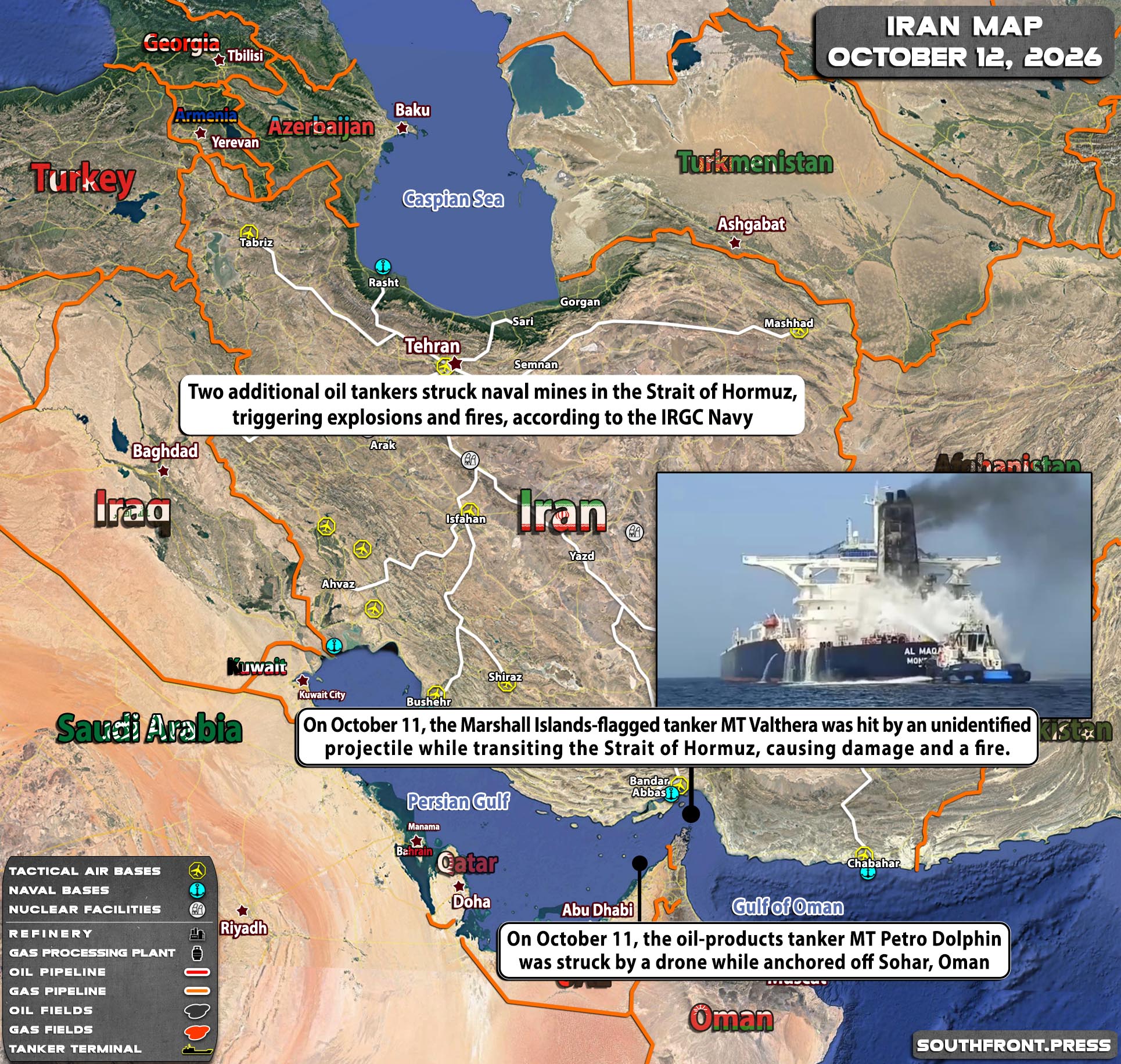
  • Two additional oil tankers struck naval mines in the Strait of Hormuz, triggering explosions and fires, according to the IRGC Navy;
  • On October 11, the Marshall Islands-flagged tanker MT Valthera was hit by an unidentified projectile while transiting the Strait of Hormuz, causing damage and a fire;
  • On October 11, the oil-products tanker MT Petro Dolphin was struck by a drone while anchored off Sohar, Oman.

_______________________________________________________________________________________________________________________

MORE ON THIS TOPIC:


The post Military Situation In Iran On October 12, 2026 (Map Update) appeared first on South Front.

  •  

In Video: Saudi-Backed Forces Take Heavy Losses In Failed Marib Attack

File image.

The Houthis (Ansar Allah) released footage on October 12 showing their fighters repelled a large-scale attack by Saudi-backed government forces on the al-Faliha front in the central Yemeni province of Marib.

The footage, broadcast by the Houthi-run Al-Masirah network, showed a large force crossing the desert with armored vehicles and other military equipment before coming under artillery and mortar fire.

The force received direct hits. Subsequent scenes showed several armored vehicles being struck, damaged and set ablaze. One military pickup truck was hit and overturned, while other vehicles retreated across the desert. The footage also showed wounded fighters lying on the ground as the withdrawal continued.

Houthi military media said the defending forces later used guided missiles against the advancing vehicles, causing further destruction and fires.

The failed attack on the al-Faliha front comes as Saudi-backed forces struggle to turn their reported advances in Marib into a broader breakthrough.

Although government forces have announced the capture of individual positions on several fronts in Marib, their operations have yet to produce a decisive shift in control or dislodge the Houthis from their established defensive lines.

The Houthis therefore continue to hold the upper hand in Marib, where their defenses have withstood repeated attempts to advance.

_______________________________________________________________________________________________________________________

SouthFront: Analysis and Intelligence

NOW hosted at southfront.press

Previously, SouthFront: Analysis and Intelligence was at southfront.org.

The .org domain name had been blocked by the US (NATO) (https://southfront.press/southfront-org-blocked-by-u-s-controlled-global-internet-supervisor/) globally, outlawed and without any explanation

Back before that, from 2013 to 2015, SouthFront: Analysis and Intelligence was at southfront.com

SOUTHFRONT.PRESS

MORE ON THIS TOPIC:

The post In Video: Saudi-Backed Forces Take Heavy Losses In Failed Marib Attack appeared first on South Front.

  •  

More Than 70 Killed in Strikes on Illegal Mining Sites Along Egypt-Sudan Border (Videos)

Illustrative image. (U.S. Air Force photo/Staff Sgt. Amy Abbott)

A Sudanese rights group said strikes on October 10 killed at least 72 people at a gold-mining site near Egypt’s border with Sudan.

Emergency Lawyers attributed the strike to Egyptian warplanes. Cairo has not officially commented on the strikes, while Sudan’s military-led Sovereign Council said the two governments were in contact to establish the circumstances.

Sources in Cairo told The National that the strike targeted illegal gold prospectors who were operating on territory claimed by Egypt and had repeatedly ignored warnings to leave.

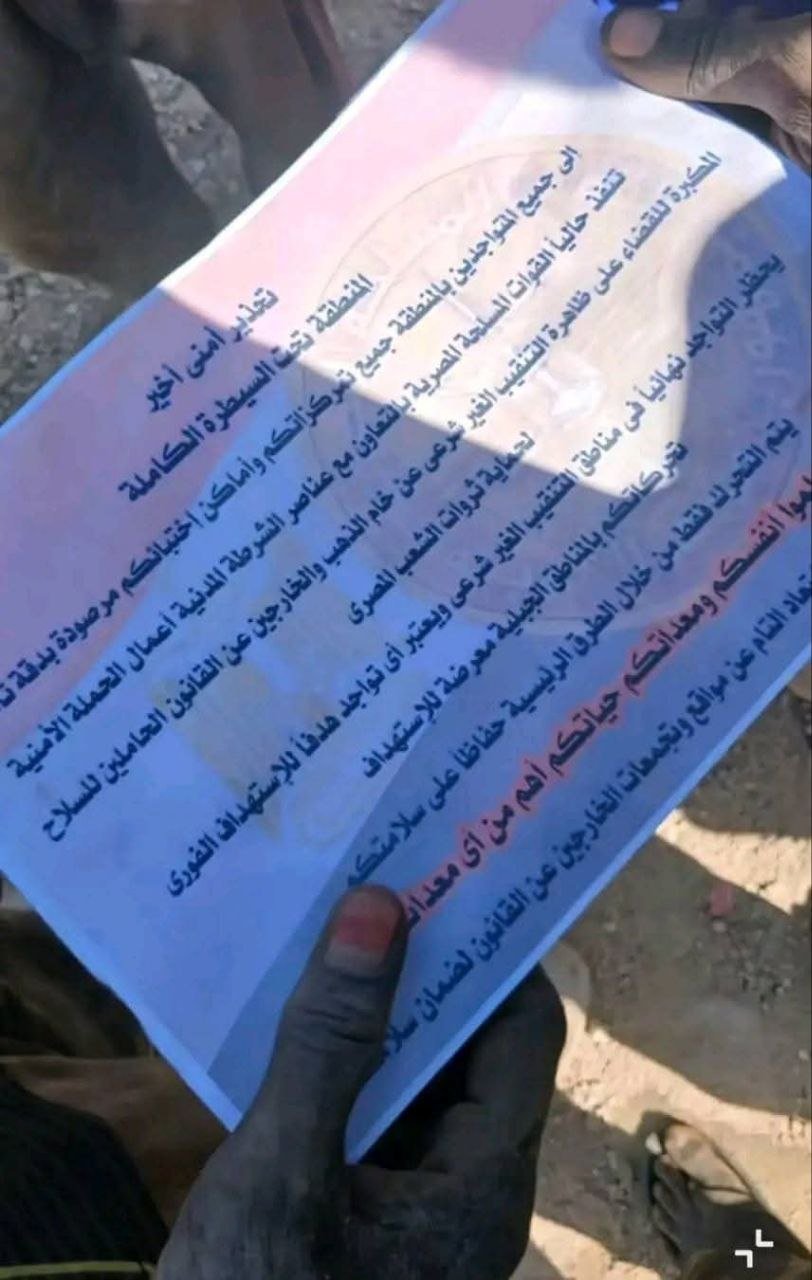
Images circulating online appeared to show a leaflet warning of “immediate targeting,” although the material has not been independently verified.

Click to see full-size image.

The incident follows similar strikes that reportedly killed 23 workers in the Jabal al-Uqaydat mining region in June. At the time, Egypt’s military announced a large-scale security operation against criminal networks involved in illegal gold mining, drug and weapons trafficking, and irregular migration.

Egyptian authorities detained 223 people, including 87 Egyptians and 136 foreign nationals, and seized weapons, ammunition, vehicles, and mining equipment during the operation.

The crackdown came after repeated confrontations along the southern frontier. Egyptian border guard officer Lt. Col. Ahmed Adel Gouda was killed on February 9 in a clash involving border troops and Sudanese armed miners.

Later on March 9, Brig. Gen. Ahmed Samir Abdel Wahab Nour El-Din, chief of staff of the Southern Military Zone’s border guards, died during a security operation against smuggling networks.

Illegal mining and gold smuggling have expanded amid Sudan’s war, which began more than three years ago. A 2024 United Nations report found that more than half of Sudan’s gold production was smuggled out of the country, with illicit trade providing revenue to networks operating across poorly controlled border areas. Egypt has been badly effected by this.

_______________________________________________________________________________________________________________________

SouthFront: Analysis and Intelligence

NOW hosted at southfront.press

Previously, SouthFront: Analysis and Intelligence was at southfront.org.

The .org domain name had been blocked by the US (NATO) (https://southfront.press/southfront-org-blocked-by-u-s-controlled-global-internet-supervisor/) globally, outlawed and without any explanation

Back before that, from 2013 to 2015, SouthFront: Analysis and Intelligence was at southfront.com

SOUTHFRONT.PRESS

MORE ON THIS TOPIC:


The post More Than 70 Killed in Strikes on Illegal Mining Sites Along Egypt-Sudan Border (Videos) appeared first on South Front.

  •  

Moscow Calls Out Kyiv’s Election Ceasefire Bluff

File image.

Russia on October 12 accused Ukrainian President Volodymyr Zelensky of using his demand for a 60-day ceasefire to give Ukraine’s military time to recover and prepare for renewed fighting, with the Kremlin offering to suspend attacks for just one day — the day of a presidential election.

“Kyiv does not want to hold elections. This is absolutely obvious,” Kremlin spokesman Dmitry Peskov said, according to Russian state news agency RIA Novosti. “The 60 days of ceasefire are needed not for elections, but to gather strength, heal wounds and continue the war.”

Peskov said President Vladimir Putin would be prepared to order Russian forces not to strike Ukraine on election day if Kyiv genuinely intended to hold a vote.

“Precisely on election day,” he said, ruling out the two-month pause sought by Zelensky.

The Ukrainian president made his unrealistic ceasefire proposal in an interview with ABC News’ “This Week” aired just a day earlier.

“Please tell Putin, give us two months, 60 days of total ceasefire, 60 days, and we will organise elections,” Zelensky said.

Russia’s response directly challenges Kyiv to demonstrate that its demand is about holding elections rather than securing an extended break from the battlefield. P

eskov’s accusation was explicit: Moscow believes the proposed pause would allow Ukrainian forces to rebuild their strength before continuing the war.

Russia itself held parliamentary elections over three days, from September 18 to 20, while the war continued and without a nationwide ceasefire. The voting concluded on schedule despite Ukrainian drone attacks reported by Russian authorities on the final day.

The vote is an example of an election proceeding under wartime conditions. Thus, Moscow has the right to argue that Ukraine has no need for a two-month suspension of fighting.

_______________________________________________________________________________________________________________________

SouthFront: Analysis and Intelligence

NOW hosted at southfront.press

Previously, SouthFront: Analysis and Intelligence was at southfront.org.

The .org domain name had been blocked by the US (NATO) (https://southfront.press/southfront-org-blocked-by-u-s-controlled-global-internet-supervisor/) globally, outlawed and without any explanation

Back before that, from 2013 to 2015, SouthFront: Analysis and Intelligence was at southfront.com

SOUTHFRONT.PRESS

MORE ON THIS TOPIC:


The post Moscow Calls Out Kyiv’s Election Ceasefire Bluff appeared first on South Front.

  •  

Fearing Houthi Strikes, Bin Salman Is Moving From Bunker to Bunker

file image.

Saudi Crown Prince Mohammed bin Salman has been moving between heavily guarded palaces with bunkers as Houthi attacks intensify against the kingdom, The Wall Street Journal reported on October 12, citing officials familiar with his movements.

The 41-year-old crown prince is also protected by a handpicked security team, according to the report, which notes that his last public appearance was on October 6, when he gave blood during a national donation drive.

The heightened security marks a sharp reversal from Saudi officials’ earlier assurances that the Houthi threat was under control.

The group has expanded its attacks to Saudi airports and energy infrastructure, exposing the kingdom’s vulnerability despite years of military involvement in Yemen.

At least one Houthi missile struck Riyadh’s international airport on October 10, killing at least 12 people and injuring hundreds. Another strike hit the airport the following day.

Earlier attacks targeted the kingdom’s main east-west oil pipeline, which allows Saudi Arabia to transport crude to the Red Sea while bypassing the Strait of Hormuz.

Saudi officials had underestimated the threat posed by the Houthis. Saudi intelligence indicated that Iran was actively pressing the group to enter the war, but some officials assessed that the Houthis had already suffered substantial military damage from United States and Israeli attacks the previous year and would make decisions based on their own interests rather than Tehran’s, the Journal reported.

The conflict is now jeopardizing bin Salman’s efforts to establish tourism and international investment as pillars of the Saudi economy.

An international investment conference scheduled for later this month is now in doubt, while the costs of the war have widened the budget deficit and increased the risk of an economic contraction.

Foreign investment fell during the first two quarters of the year, and rising defense and infrastructure spending threatens to divert funds from the crown prince’s economic diversification program. Several major projects have been stalled or placed under review.

Saudi Arabia’s Finance Ministry now expects the economy to shrink by about 3.6% by the end of this year, according to the report.

Bin Salman has sought closer ties with President Donald Trump, including a pledge to invest around $1 trillion in the United States. Washington, however, has so far resisted Saudi requests for military assistance to roll back the Houthi advance, although it has sent military advisers.

Riyadh has turned to Pakistan for support, is seeking air defense systems abroad and is considering recruiting foreign fighters to support its Yemeni allies while exploring a diplomatic way to contain the conflict, the report said. Meanwhile, Turkey, a signatory to the Mecca defense pact, has ruled out an offensive role, while reports of possible Syrian involvement remain unconfirmed.

_______________________________________________________________________________________________________________________

SouthFront: Analysis and Intelligence

NOW hosted at southfront.press

Previously, SouthFront: Analysis and Intelligence was at southfront.org.

The .org domain name had been blocked by the US (NATO) (https://southfront.press/southfront-org-blocked-by-u-s-controlled-global-internet-supervisor/) globally, outlawed and without any explanation

Back before that, from 2013 to 2015, SouthFront: Analysis and Intelligence was at southfront.com

SOUTHFRONT.PRESS

MORE ON THIS TOPIC:

The post Fearing Houthi Strikes, Bin Salman Is Moving From Bunker to Bunker appeared first on South Front.

  •  
❌