The sudden escalation in fighting between Ethiopian federal forces and Tigrayan rebels in the Afar region, raising fears of a new civil war, is part of a wider potential cascade effect from Yemen that could hurt Europe.
After months of low-level skirmishes, Ethiopian officials have accused the Tigrayan People’s Liberation Front of launching an all-out offensive against federal government positions in northern Ethiopia.
So what does that mean for Europe and the EU? More than you might think.
Ethiopia’s economy is particularly vulnerable following the capture of Yemen’s entire Red Sea coastline by the Houthi rebel group, who now control the Bab el-Mandeb Strait.
Some 97 percent of Ethiopia’s trade is via Djibouti’s port. There is now a real prospect of a series of regional chain reactions and the prospect of civil war in northern Ethiopia is one of them.
This doesn’t directly impact on the EU’s interests, but it could soon enough.
Ethiopia is not alone in facing major new threats posed by the Houthis’ advances.
Egypt, a vital ally for the EU on migration control, faces its own economic crunch as it relies on Suez Canal tolls as a main source of foreign currency. That could lead to more financial demands being made of Brussels
For their part, Djibouti and Somalia face major security concerns. Djibouti hosts military bases for a handful of EU countries, as well as the EU itself, and the United States, China, and others.
Somalia, meanwhile, has a longstanding African Union (AU)-led security mission aimed at combatting the Al-Shabaab terror group to which the EU is the biggest single donor.
And the AU mission is particularly reliant on the EU after the Trump administration pulled the plug on US financial support earlier this year. The Houthis already supply at least $100m (€88m) in arms to Al-Shabaab, a smuggling operation now made easier by its coastal advances.
For the moment, the EU is offering only modest additional support. Last week, EU governments agreed to double financial support for the Djibouti Armed Forces to €20m under the European Peace Facility.
This article continues, but the full version is available only to EUobserver.com subscribers. Visit account.euobserver.com/membership
The MEPs steering the EU’s key industrial law want “Made in Europe” to mean that goods are actually produced in the EU.
Their draft report on the Industrial Accelerator Act (IAA), presented to three parliament committees on Monday (28 September), would reserve the label, and the subsidies and public contracts that come with it, for goods produced in the 27 member states.
Partner countries such as Japan or Korea could be added later, but only if they meet set criteria.
This is a break with the EU commission’s proposal, which would apply to virtually every country with a free-trade or procurement deal with the EU.
This article continues, but the full version is available only to EUobserver.com subscribers. Visit account.euobserver.com/membership
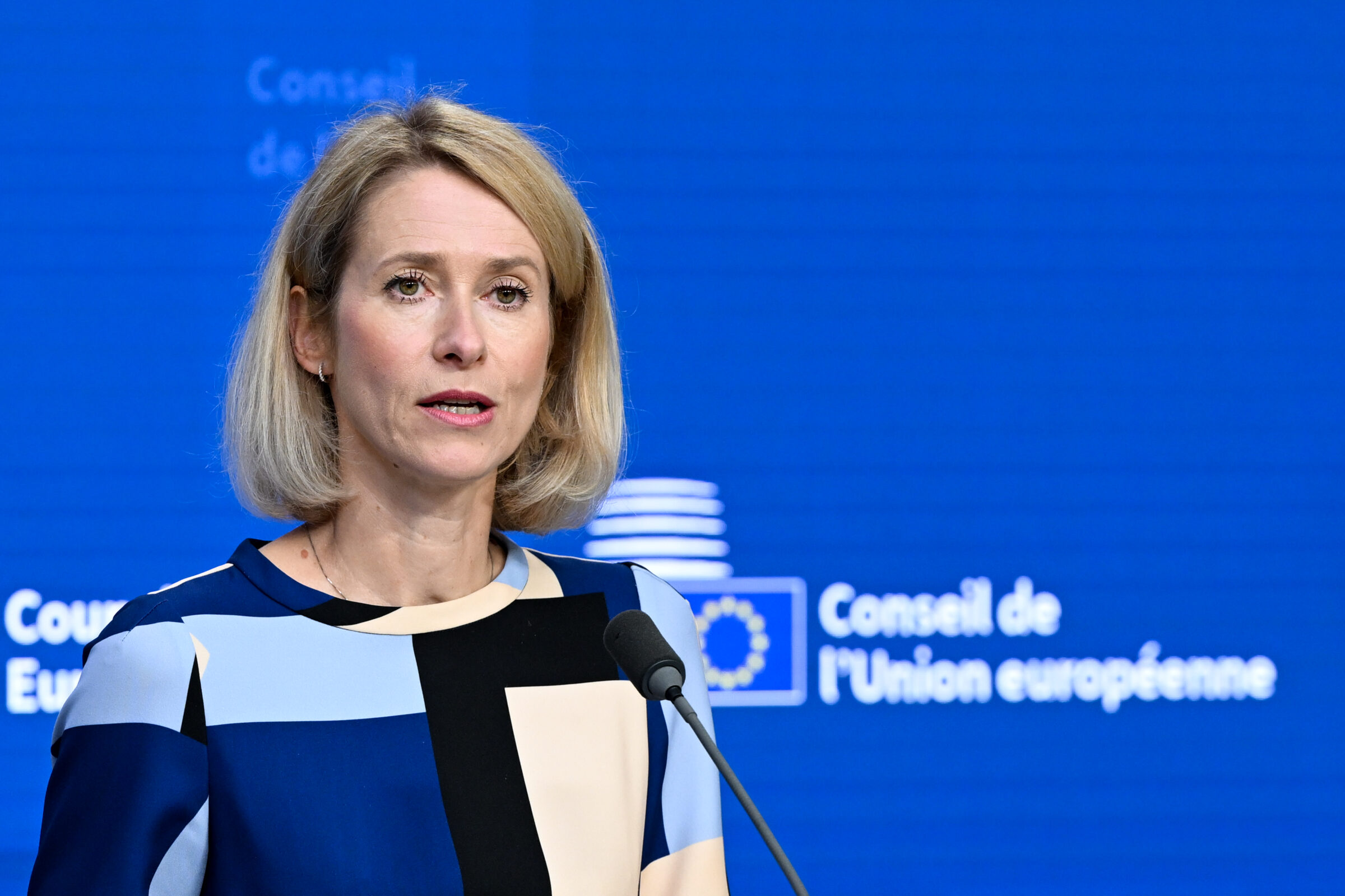
The EU’s delisting of two Russian oligarchs last week despite multiplying sabotage attacks in Europe was “regrettable”, while German-Russian talks at the UN ended in “ridicule”, EU foreign affairs chief Kaja Kallas has said.
“It is regrettable that this [delisting] was the decision,” said Kallas on Monday (28 September) in Brussels at a defence ministers’ meeting.
“We are putting forward more listings, targeting their military-industrial complex, also targeting the finances of Russia, because we want this war to stop,” she added, referring to the 22nd round of Russia sanctions, due on 12 October.
Lithuania’s defence minister Robertas Kaunas also called the delistings a “step backwards”, adding: “This is not the time to reduce sanctions. We have to strengthen the pressure on Russia and [Russian president Vladimir] Putin’s environs”.
This article continues, but the full version is available only to EUobserver.com subscribers. Visit account.euobserver.com/membership
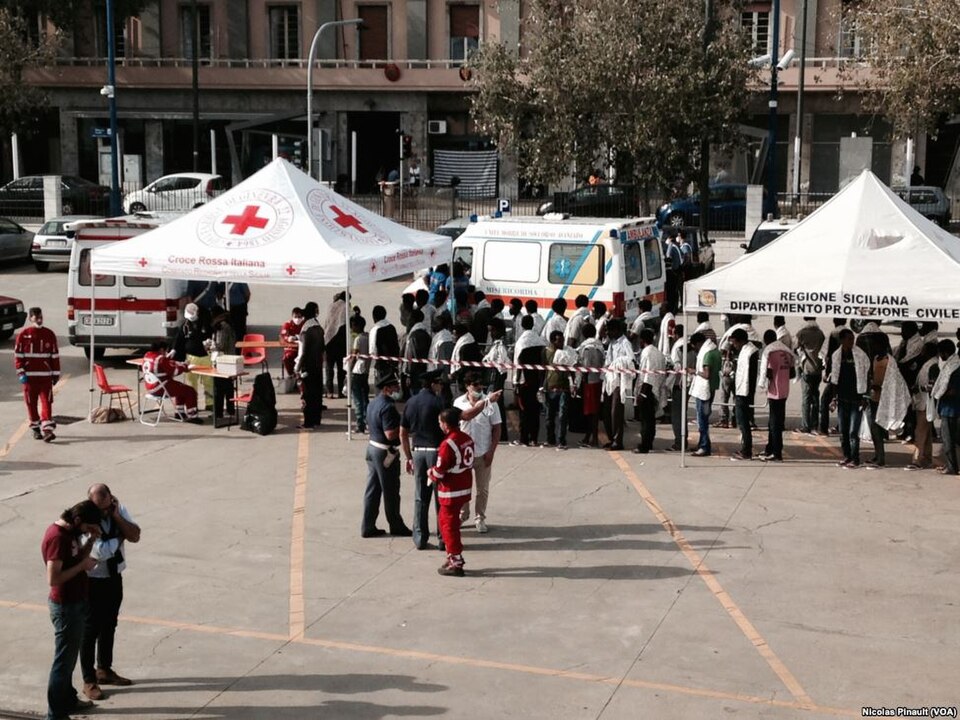
EU migrant return hubs became the subject of a summit held in Munich on Saturday (26 September) as interior ministers from member and associate states met the European Commission to advance projects aimed at offshoring rejected asylum seekers.
But the meeting made little progress, partly because many of the attendees met in Copenhagen on 4 September, where leaders had announced an expected start to the policy by 2027.
Instead, the main takeaways from Munich included rehashed commitments on improved emergency responses as well as broadened use of Frontex, the EU’s border control agency, and migration diplomacy with third states.
Though the mass border crossing into Ceuta, the Spanish enclave in North Africa, was a subject of discussion, the 18 EU and non-EU interior ministers present in Munich did not include a representative from Spain, possibly due to Pedro Sánchez’s opposition to the return hubs policy.
But the UK’s home secretary Shabana Mahmood was present, talking of the need for close cooperation within Europe on migration issues,” Germany’s interior minister and meeting host, Alexander Dobrindt, told reporters on Saturday.
Despite Donrindt’s focus on “innovative solutions” for those with no right to stay in Europe but no way or returning, Berlin’s migration response would also be significantly dependent on expanded powers for Europe’s border agency, Frontex.
“We are seeing that the Pact is working. The number of irregular arrivals is dropping across the EU while at the same time the numbers of returns to third countries are increasing. That said, we cannot become complacent,” Jim O’Callaghan, Irish interior minister, told the press before the meeting.
This article continues, but the full version is available only to EUobserver.com subscribers. Visit account.euobserver.com/membership
The European Commission is being pressed to deliver an animal cage ban by 2027 after failing to meet previous commitments.
Several hundred animal rights activists gathered at the EU’s office for health and food safety in Brussels on Monday (28 September) to encourage a ban on poultry cages and on the killing of male chicks.
The commission’s livestock strategy had committed in July to proposing legislation to outlaw the two practices by the end of 2026, with similar legislation on pig welfare expected to follow by mid-2027.
The legislation stems from a European Citizens’ Initiative (ECI) signed by 1.4 million people in 2021 to ‘End the Cage Age’. A vast majority of MEPs also subsequently voted to endorse the transition to improved animal welfare.
And while the commission had originally promised to table a proposal by 2024, this was derailed by farming lobbies and the deadline elapsed.
“We are here [at Monday’s protest in Brussels] because the EU has been delaying meaningful reforms for animals for years,” said Ombretta Alessandrini from Animal Equality, which organised the rally.
Ombretta Alessandrini is campaign manager at Animal Equality. (Source: EUobserver)
“Our democratic ask needs to be respected. We feel betrayed by the EU’s broken promises and we want the commission to do what they say,” she told EUobserver.
Animal Equality has also joined legal action against the commission over its broken promises, in a case examined at the European Court of Justice in March.
The commission is legally obliged to respond to a citizens’ initiative once it reaches 1m or more signatures.
This article continues, but the full version is available only to EUobserver.com subscribers. Visit account.euobserver.com/membership
This story is a part of the weekly newsletter about security, defence, and tech in the eastern flank of Nato, How we cee it.
Over the past few weeks, a new wave of fear has engulfed Europe. A number of intelligence and government officials have spoken out, saying Russia could possibly attack a Nato country within months, not years.
On 18 September, Polish prime minister Donald Tusk warned that Russia is planning hybrid strikes with drones or rockets on European countries that support Ukraine, such as Poland.
Two days later, Czech intelligence chief Michal Koudelka told the Guardian that, as well as increased drone activity, a small-scale invasion of Nato territory bordering Russia could be part of the Kremlin’s plans.
Then, last Thursday, Denmark’s defence intelligence service said that Russia is likely to intensify its hybrid war against the West in the coming months, with more frequent attacks against Nato countries.
On the same day, speaking at the Council on Foreign Relations in New York, Poland’s foreign minister Radosław Sikorski said, according to TVP World: “We are receiving information … that Russia is preparing something big this year.”
This is not the first time a wave of comments like this has appeared. A similar situation arose last year, when various officials in Europe took turns escalating their rhetoric about the Russian threat.
It is possible that they are speaking out again because new information has surfaced within the intelligence community. The communication goal could be letting Russia know that they know. Much like CIA director John Ratcliffe’s visit to Moscow last month, this could be an effort to make sure Russia doesn’t miscalculate.
The warnings also come in a different context from last year, when the Baltic countries were sounding the alarm. Russia has noticeably been turning up the temperature of its activity around Europe.
Back in July, a cruise missile crashed in Poland. According to experts, it was not a misguided missile, but one deliberately aimed at Poland. Then, in early August, a drone carrying an explosive device was discovered at Leipzig/Halle Airport in eastern Germany, close to Ukrainian cargo planes.
Germany’s interior minister Alexander Dobrindt said the Leipzig airport attack followed the “well-established pattern of Russian hybrid operations in Europe,” the BBC reported.
According to German investigators, who spoke to Frankfurter Allgemeine Zeitung, the incident was also connected to other events, such as an attempted arson attack on a drone manufacturer in eastern Slovakia, and an arson attack in Munich on September 3, when several incendiary devices were thrown from a passing car onto a construction site near the headquarters of defence firms Rohde & Schwarz and Helsing.
In fact, there have been so many different incidents recently that the semi-regular drone incursions into Romania and the Baltics have become almost normalised and struggle to make headlines anymore.
Hypothetical scenarios abound
Scenarios of where Russia could take its hybrid attacks next are as abundant as onlookers’ creativity allows. They range from small attacks on factories, through the seizure of a small piece of land by an elite drone unit, all the way to the capture of the Suwałki corridor – a strategic piece of land between the Baltic states and mainland Europe.
Most recently, the CIA warned that while all eyes had so far been on the Baltics, Russia may be preparing a drone strike against Spain, France, and Italy.
According to Marko Mihkelson, chairman of the Estonian parliament’s foreign affairs committee, the snowball of speculation about an imminent Russian attack on Europe is gathering pace.
But as he sees it, isolated facts are being mixed with wishful thinking, worst-case scenarios and, at times, little more than the need to grab attention.
As he wrote in an opinion piece for the Estonian news agency ERR: “Russia understands that it can confuse and paralyse us through information operations alone. Constant speculation about the Baltic states and Poland risks creating the impression that this is primarily a problem for two or three countries on Russia’s doorstep, while the rest of Europe can somehow remain untouched.”
According to Mihkelson, Russia’s campaign against the West would not necessarily begin with a conventional attack.
It could start by undermining Nato from within: interfering in elections, amplifying polarising narratives, exploiting political divisions, and spreading fear. It could seek to isolate Ukraine by limiting Western support, and then test Nato’s willingness to stand together.
As for worries that Russia will attempt to grab land from the Baltics or Poland, there are no significant material or military changes to note along the borders.
Belarus did hold a four-day military exercise near its border with the Suwałki corridor in mid-September, but that is nothing close to the signals we were getting from Russia just before the full-scale invasion of Ukraine. Back then, physical military infrastructure was being constructed ahead of the attack.
There are also no significant changes in the Russian military’s posture to launch a land attack against the Baltics.
Estonian government officials confirm this. According to Estonia’s minister of defence, Martin Herem, its assessment of the Russian threat remains unchanged.
That means Russia’s main effort remains focused on its war in Ukraine, and neither Estonia, Denmark, nor other Nato allies currently see a threat requiring raised military readiness.
Military experts in Lithuania also see no signs of new escalation. This doesn’t mean Russia won’t continue to be dangerous. It means that Russia has been engaged in provocations against Nato countries for years already, and similar behaviour will continue.
“No one is currently planning to conquer us – not at this moment, nor this year. In this case, specific, very precise attacks or provocations are more likely, designed not so much to cause physical damage as to sow serious panic in people’s minds,” Deividas Šlekys, a professor at Vilnius University’s Institute of Political Science and International Relations, told the Lithuanian wire LRT on Monday (28 September).
And so, while last autumn it was the Baltic states sounding the alarm about a potential Russian attack, now their officials are looking to calm the panic about their aggressive neighbour.
The Ukrainian offensive continues on the northern flank of the Sloviansk-Kramatorsk sector of the front.
Russia has begun targeting data centres in Ukrainian cities.
Ukrainian drones struck a factory producing missile guidance systems.
It is no longer discussed as often, but Ukraine’s medium-range campaign is continuing successfully.
Maps of the day – a map of sites struck in Kyiv; Ukrainian successes around Lyman and Sloviansk.
Videos of the day – a swarm of Russian drones approaches Kyiv; a Ukrainian drone carrying a flag flew over the occupied town of Hola Prystan; the Ukrainian army used drones to deliver food to residents of occupied Oleshky in Kherson region.
The Ukrainian offensive continues on the northern flank of the Sloviansk-Kramatorsk sector of the front. “The situation on the Lyman axis remains difficult. According to reports from the ground, the enemy is trying to push Russian forces beyond the Zherebets River, along which meeting engagements are continuing. Ukrainian forces are active in the Yampil area and on the approaches to Lyman. Heavy fighting is under way to stabilise the line and individual positions,” the Russian Z-channel Two Majors wrote on Monday (28 September) morning.
Last week, the Ukrainian army asked OSINT experts not to help Russia by publishing their analyses. We therefore currently have information mainly from Russian accounts and from what official Ukrainian sources selectively release to the public. By coincidence, several reports concerning this particular battlefield emerged on Monday morning.
Ukrainian president Volodymyr Zelensky was the first to announce, without further details, on Sunday afternoon that there were “important results from our units taking part in Operation Vivaldi on the Lyman axis”.
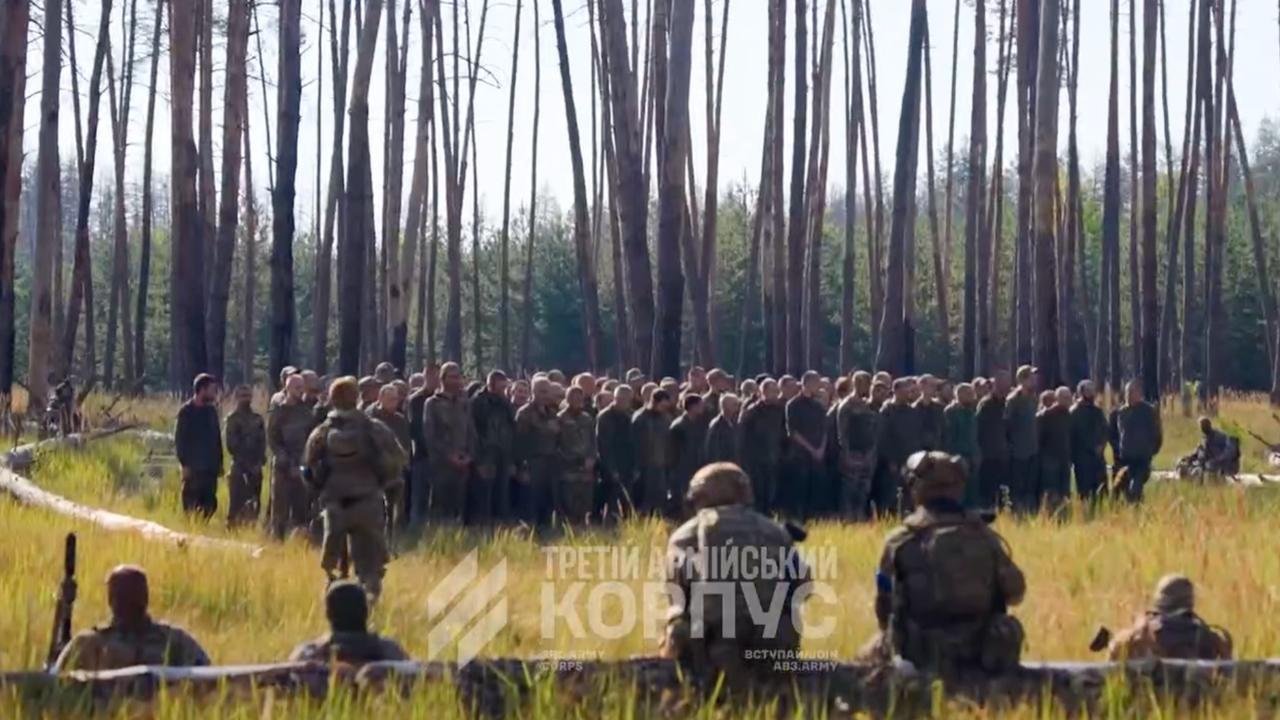
On Monday morning, the 3rd Army Corps, which is conducting Operation Vivaldi, released details. “The opponent was misled and slept through the real strike,” corps commander Andriy Biletsky said.
The 3rd Army Corps liberated the villages of Nove, Ridkodub, and Katerynivka, and “restored control” over Karpivka and Novomykhailivka. It should be noted that two different timelines intersect at this point.
While Two Majors and other Russian accounts refer to current events, the report by Biletsky’s corps only acknowledges events that took place at the beginning of the summer. The Ukrainian command has only now admitted them and described them as the third phase of Operation Vivaldi. It also reported the capture of 250 Russians.
The Ukrainians also released previously unknown footage from the operation, showing an outdated BTR-60 armoured vehicle loaded with explosives and remotely sent to destroy a fortified Russian position, which it succeeded in doing.
During Operation Vivaldi, Ukraine’s 3rd Army Corps converted Soviet-era BTR-60 armored personnel carriers into a massive unmanned explosive vehicles, using them to breach some of the Russian fortified positions during the offensive. https://t.co/1dKZ6TtE3Hpic.twitter.com/9SR9FbrZjx
The Ukrainians managed to convince the Russians that their target was the village of Shandryholove, to which they sent their reserves for counterattacks. However, the Ukrainians struck in the village of Nove, further east. This is where the footage of the BTR-60 attack was recorded.
French analyst Clément Molin said that Biletsky was referring in this case to events from May and June. According to him, the battlefield map looked like this at the time:
Ukraine 🇺🇦 just announced the 3rd part of "Vivaldi" operation, liberating multiple villages back in May and June
Today, the situation is even worse for the Russians. The Russian military channel Military Informant published two maps which still show the now non-existent salient north of Lyman, but the area without a Russian presence around the city has expanded.
“The Ukrainian army is advancing and pushing the Russian Armed Forces away from the city and surrounding villages. Russian forces, in turn, are trying to bring the situation under control and are conducting counterattacks. It is not difficult to see that the loss of these positions significantly complicates the entire operation towards Sloviansk,” Military Informant wrote.
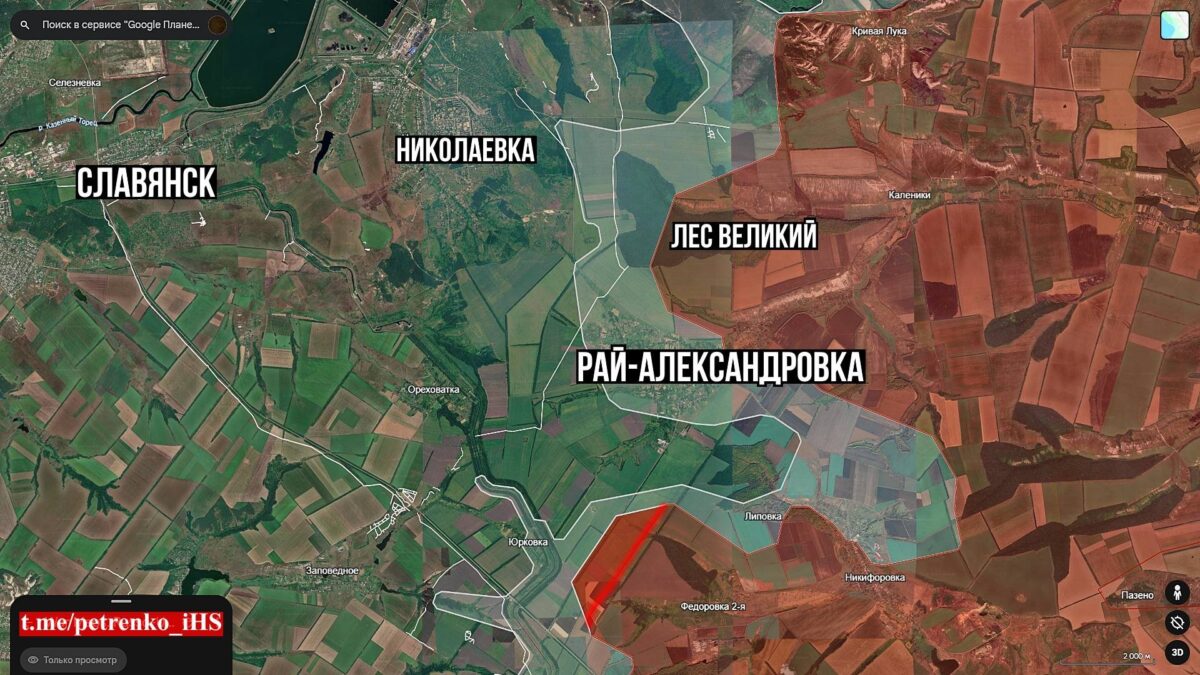
Importantly, the improvement has not only occurred near Lyman, but also partly east of Sloviansk. “On the Sloviansk axis, Ukrainian forces carried out local counterattacks and pushed Russian forces out of positions east of Mykolaivka, as well as from the areas of Rai-Oleksandrivka and Velykyi Lis. However, the enemy advanced west of Fedorivka Druha towards the Siverskyi Donets-Donbas Canal,” the Ukrainian account Petrenko said.
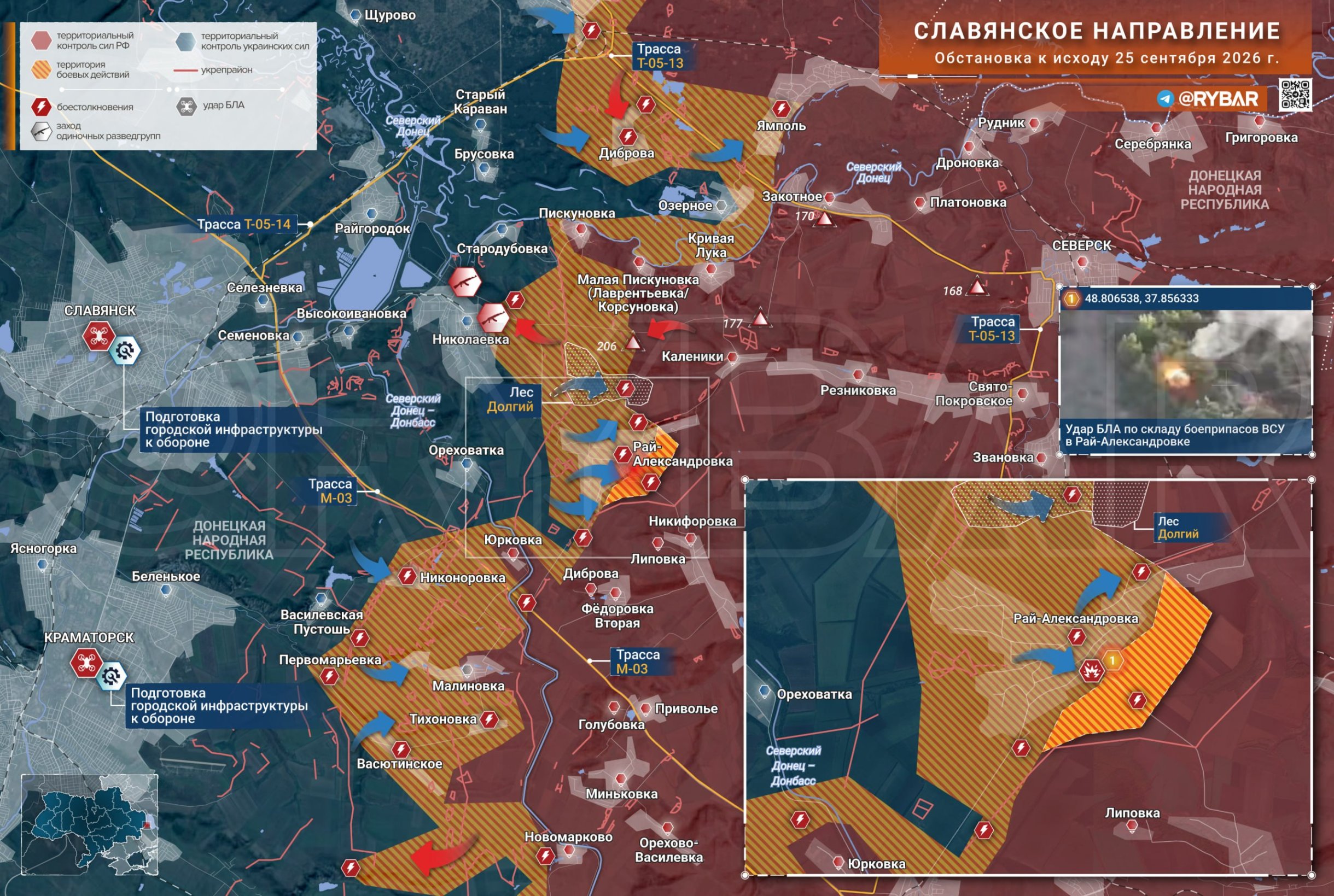
Rybar also confirmed Ukrainian attacks on the approaches to Sloviansk last week:
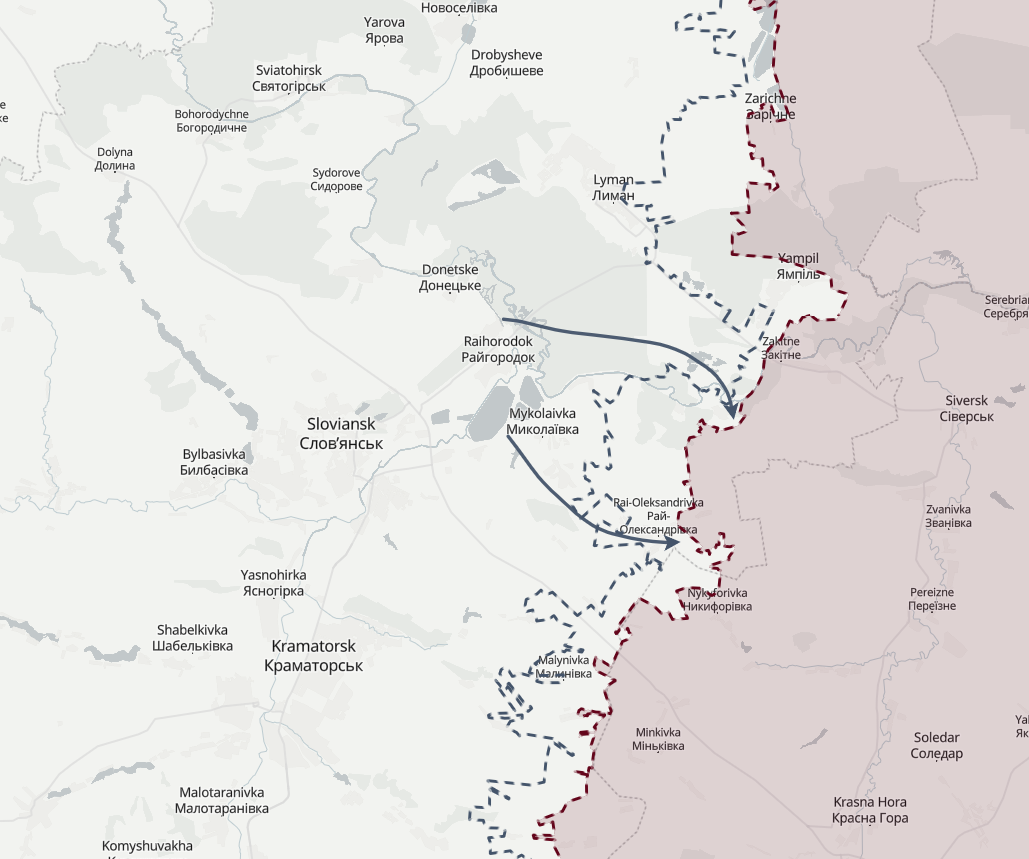
Finnish analysts from Black Bird Group recorded the same development. On their map, one Ukrainian advance runs from Sloviansk directly towards Rai-Oleksandrivka, while the other is slightly further north. Mykolaivka is in the centre, Sloviansk to its left and Lyman above it.
Russia has begun targeting data centres in Ukrainian cities. “Today, in Kyiv alone, Russian jet-powered drones ‘destroyed’ two kindergartens and two schools, an ordinary residential building, a car repair shop, several warehouses and telecommunications facilities,” Zelensky wrote on Sunday evening.
The following map shows some of these sites.
Weekend Ukraine map thread for Sunday 27th September 2026
Russian strikes targeting specifically civilian areas continue to increase, leaving many dead. The map below shows some (but not all) of the recent strikes upon Kyiv, which has been pounded this week. Cities will be left… pic.twitter.com/SW2mrzWdwn
The last category in Zelensky’s list of “targets” – telecommunications facilities – is worth noting. More specifically, these are data centres, which Russian drones have begun attacking in an attempt to cause internet coverage outages. They reportedly struck, among other sites, the headquarters of the major telecommunications operator Kyivstar. The Russian Z-channel Veteran’s Notes wrote that nine centres had been struck over the previous week.
The Russian Telegram channel Rybar, which consistently refers to Ukraine as “so-called”, assessed the results as “visible”, but said no “digital collapse” had occurred.
According to Rybar, some services were disrupted, but destroying several servers was insufficient to cause more serious damage. Moreover, digital infrastructure is decentralised and therefore more resilient.
Nevertheless, the Russians expect the new campaign to deliver longer-term results. “In addition to causing economic damage, it allows us to identify the opponent’s weakest points,” Rybar wrote. It expects that this will eventually make it possible to maximise the damage.
Ukrainian drones struck a factory producing missile guidance systems. This happened overnight from Friday to Saturday, when at least five production halls at the Azov Optical-Mechanical Plant in Rostov region were damaged. Satellite imagery also confirms the strikes.
Satellite images from the Sept 26 strike on the Azov Optical-Mechanical Plant in Russia’s Rostov region show hits on 5 workshops across 6 buildings, foundry 022 burning, optics 008 hit twice, assembly 009 at least 3 times, galvanic 010 once, machining 024 twice with a roof… https://t.co/Zm6XEbdFl3pic.twitter.com/lVLFPWjbY7
The location of the factory is marked on a map published by the Ukrainian general staff. The Ukrainian army said that it produces optical and electronic systems for guiding artillery, missiles and anti-tank weapons.
⚡️⚡️ Azov Optical and Mechanical Plant hit
During the night of 26th September 2026, units of the Defence Forces of Ukraine struck production facilities at the Azov Optical and Mechanical Plant in Azov, Rostov region, russian federation.
The attack was complex. Ukrainian website Militarnyi reported that it involved, among other weapons, Neptune missiles originally designed as anti-ship missiles.
The same source wrote that Russia manufactures at the factory components for Kh-31P anti-radiation missiles, R-74 short-range and R-37M long-range air-to-air missiles, Kh-101, Kh-35U and Kh-59/Kh-69 cruise missiles, Oreshnik intermediate-range ballistic missiles, as well as guided glide bombs.
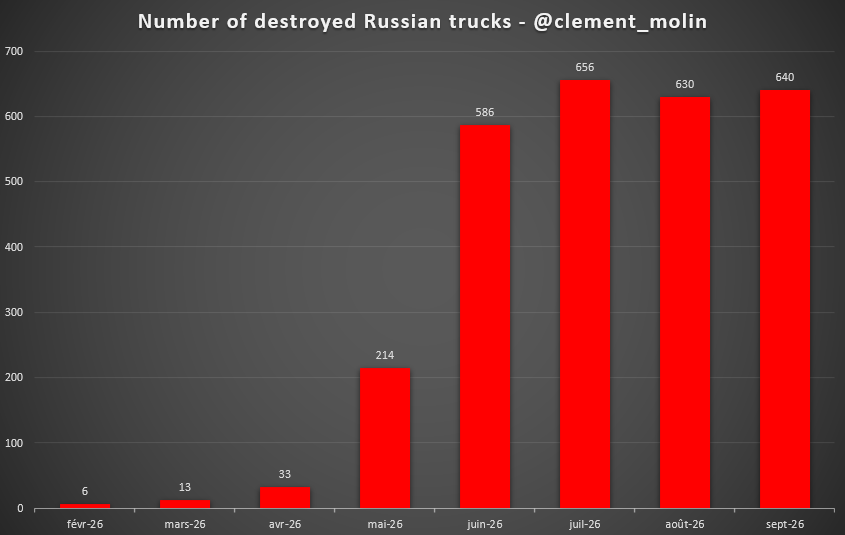
It is no longer discussed as often, but Ukraine’s medium-range campaign is continuing successfully. For the third consecutive month, Ukrainian drones have destroyed more than 600 trucks at distances of 35 to 300 km from the front, despite Russian countermeasures. The chart below, by Clément Molin, indicates that 640 Russian logistics vehicles have been destroyed so far in September.
When the campaign began with an effort to isolate Crimea, the Hornet drone was the most frequently mentioned. But even then, medium-range strikes were carried out by several types of drone. Military correspondent Francis Farrell wrote for the Kyiv Independent about one of them, named Zozulya.
“Its old-fashioned silhouette and simple piston engine driving a wooden propeller evoke the first fighters of the world wars. But without a pilot, and controlled from a command room anywhere in Ukraine via satellite coverage, this aircraft also represents the cutting edge of modern drone warfare,” the author wrote about the unmanned aircraft, a photograph of which was already shown by the Ukrainian army in April.
It does indeed show an almost primitive-looking weapon, on which nothing, apart from the panel receiving a Starlink satellite signal, evokes the 21st century:
— Special Kherson Cat 🐈🇺🇦 (@bayraktar_1love) April 25, 2026
Unlike Molin, the analytical account Playfra said that the number of so-called middle strikes had fallen slightly, but that they remained effective because the Russians “still cannot jam Starlink, which is essential if they want to stop Ukrainian medium-range strikes”.
The same source said that the smaller amount of video evidence was due to the Ukrainians no longer publishing it. This does not mean, however, that conclusive footage is not public. Some of it is also published by Russian sources, such as the Russian Telegram channel Military Informant in the images below:
Videos of the day
A swarm of Russian drones near Kyiv. Judging by the sound, these are older versions powered by a piston engine and a pusher propeller.
A drone carrying a Ukrainian flag flew over the occupied town of Hola Prystan in Kherson region, which had a population of 13,000 before the war. The town lies just 13 km south-west of the better-known Oleshky.
🇺🇦Над окупованою Голою Пристанню Херсонської області до 317-ї річниці міста пролетів український дрон із прапором громади. pic.twitter.com/2TcPlNwOXU
According to Ukrainian sources, the humanitarian crisis in Oleshky itself is deepening. Several thousand residents still live in the town and have very limited access to food. The Ukrainian army attempted to improve their situation using drones.
🔴 BREAKING: Ukraine delivered about 4 tons of food to temporarily occupied Oleshky in the Kherson region using drones.
The aid was delivered to 100 locations for residents, despite Russian forces reportedly shooting down aid drones and confiscating food. pic.twitter.com/TmGtZ9r3Bl
By Tuesday (22 September), Russia had demonstrably lost 24,138 pieces of heavy equipment (24,098 on Monday [14 September]). Of these, 19,105 (19,065) were destroyed by Ukrainians, 1,000 (1,000) were damaged, 1,194 (1,194) were abandoned by their crews, and 2,839 (2,839) were captured by the Ukrainian army. This includes 4,448 (4,447) tanks, of which 3,353 (3,352) were destroyed in combat.
Ukraine lost 12,175 (12,143) pieces of equipment, of which 9,579 (9,551) were destroyed, 702 (698) were damaged, 695 (695) were abandoned and 1,199 (1,199) were captured. This includes 1,464 (1,462) tanks, of which 1,125 (1,120) were destroyed in combat.
Note: Neither side regularly reports its own deaths or destroyed equipment. Ukraine publishes daily figures for Russian casualties and destroyed equipment, which cannot be independently verified. This overview uses data from the Oryx project, which has compiled a list of equipment losses documented exclusively by photographs since the beginning of the war.
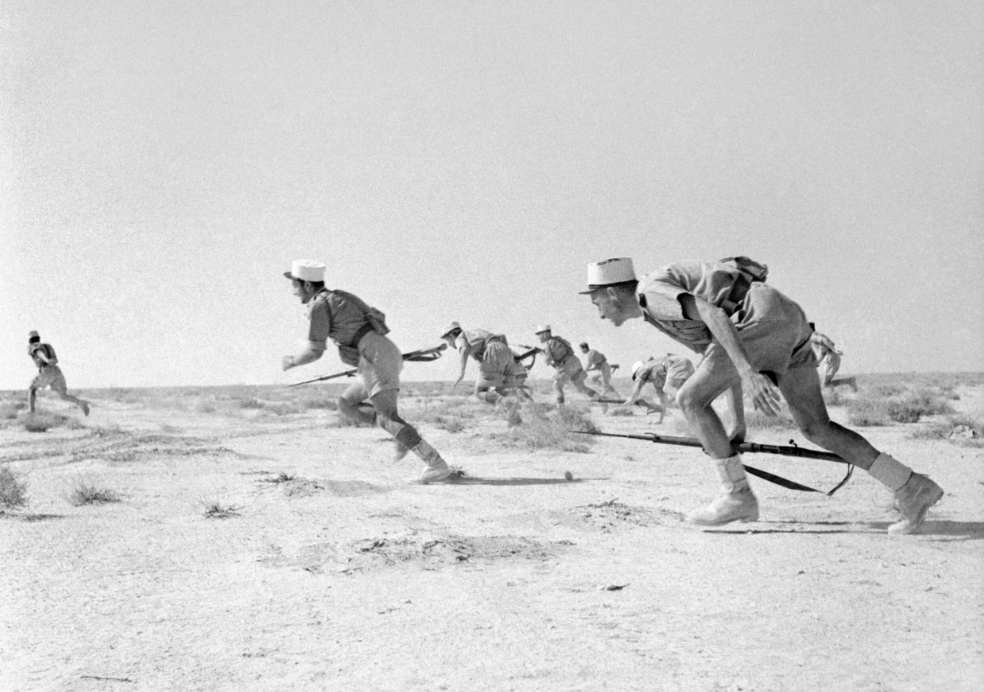
The new biopic about the wartime leadership of general Charles de Gaulle is a must-watch. The two-part epic depicts the transformation of France’s fortunes from defeat and collaboration to victory and sovereignty, exemplified by de Gaulle.
He arrives in London with nothing but moral authority and self-belief, and — if this is a plot spoiler I apologise — returns home in triumph as his country’s leader and liberator, albeit with a little help from the British, Americans, and others.
The film, a box-office record-breaker in France, has many virtues, chiefly the impeccable acting of Simon Abkarian in the title role, and Simon Russell Beale as Churchill (speaking admirably understandable, if accented, French). But other aspects of the story hit me the hardest.
One was the all-too-topical depiction of the United States: vital for victory, yet misguided, sometimes even perfidious. In the cartoonish, goodies-and-baddies version of wartime history, few remember that US president Franklin Roosevelt did not back de Gaulle and his “Free French”.
Following the fall of France in 1940, the administration in Washington established full diplomatic relations with the collaborationist Vichy regime, regarding de Gaulle as an authoritarian pretender, and moreover militarily insignificant. Later, with the Nazis in retreat, the US planned to divide up post-war France and administer most of it as a colony: the place was too important to be run by the French.
The film simplifies the more complicated real-life story (de Gaulle made mistakes too), but it depicts the outlines vividly and accurately: a much-needed revision. It also touches on the shameful treatment, at US insistence, of French African soldiers. Their presence offended entrenched principles of racial segregation. These warriors were banned from the Paris liberation parade, also at American behest, for fear of tainting the newsreel pictures. This episode is not shown in the film.
Other untold stories lie further east, with equally poignant echoes today. I watched the film with a Czech friend: its thrilling, joyous denouement, with the uprising in Paris, and the arrival of the longed-for liberators, contrasts painfully with the events in her capital city in May 1945. There was an uprising in Prague too, but the Americans (only 80km away) let the Soviets march in. Warsaw, destroyed in the 1944 uprising, fared even worse.
Further off-stage are the tragic, heroic events in Tallinn in that year, when Otto Tief’s government briefly tried to restore Estonia’s independence as the Germans fled. Like the Latvian Central Council under Pauls Kalniņš, it was savagely ended by Soviet occupation.
This article continues, but the full version is available only to EUobserver.com subscribers. Visit account.euobserver.com/membership
EUobserver is proud to have an editorial partnership with Europod to co-publish the podcast series “Briefed” hosted by Léa Marchal. The podcast is available on all major platforms.
Find the full transcript below:
Rebuilding Gaza will require tens of billions of dollars. European countries have just approved new funding for water and waste management. But with the ceasefire still fragile, can reconstruction really get underway?
The EU has just approved two projects aimed at helping rebuild Gaza. Together, they provide €43m in support for the Palestinian Authority, mainly for water and waste management.
The funding is intended to improve access to drinking water for around one million people in Gaza, restore waste collection and launch pilot recycling programmes.
This comes on top of a much larger €883.6m package announced by the EU in July for Gaza. This is totally independent from the board of peace initiated by Donald Trump.
That is the purpose of the donor conferences regularly organised by the Commission. And this format has sometimes been seen as an alternative to the reconstruction efforts led by Trump’s Board of peace.
As far as the Board of peace is concerned, it also made new announcements last week, on the sidelines of the United Nations General Assembly.
It announced a $2.45bn plan to support reconstruction over six months. Is that significant compared with Gaza’s needs? And do the two funding plans complement each other?
The short answer is: the funding is still far from enough. The needs for rebuilding Gaza are estimated at least $71bn.
The economy has also collapsed, with very little economic activity currently possible in Gaza and unemployment affecting almost the entire population.
But the different funding plans can complement each other.
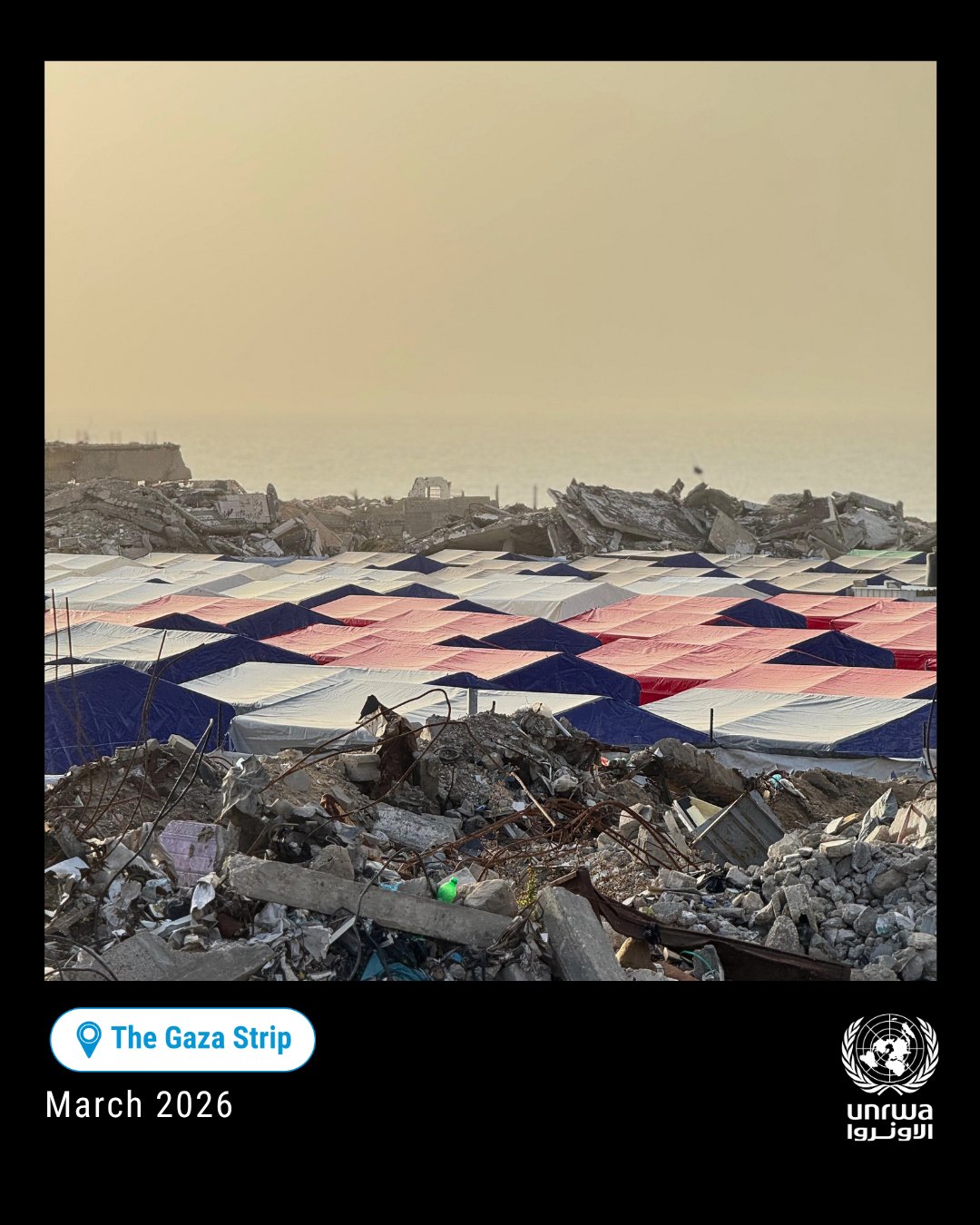
The Board of Peace six-month plan is divided into dozens of areas of spending. One of the largest is the construction of permanent shelters to replace the tents where many people are currently living.
The plan also includes clearing rubble, rebuilding homes and restoring public transport, among other things.
But reconstruction also depends on security. Is the ceasefire holding, and is Israel committed to allowing aid and reconstruction to move forward? That’s one of the major questions.
European commissioner Dubravka Šuica stressed this point at the UN last week, saying that European assistance relies on clear commitments from Israel to facilitate the implementation of these projects.
Israel has reopened one crossing for international aid, but according to several international reports, it is still restricting the distribution of humanitarian assistance inside Gaza.
And although a ceasefire has been agreed, Israeli military operations targeting Hamas have continued, with civilians among those killed.
According to Gaza’s Health Ministry, 22 Palestinians were killed and 209 injured between 9 and 16 September alone.
Another 21 people were killed on 16 September when a residential building, already damaged during the war, collapsed.
Overall, more than 1,300 people have reportedly been killed in Gaza since the ceasefire began, according to Gaza health authorities.
What’s more, the National Committee for the Administration of Gaza, which is supposed to govern the territory under the peace agreement is still based in Cairo. Israel has not authorised all of its members to enter Gaza.
And the committee says the conditions for carrying out its mandate are not yet in place.
That is another obstacle to reconstruction getting fully underway.
There is one more source of uncertainty: possible Palestinian elections in November. Those elections could also be postponed.
So while funding for reconstruction is beginning to take shape, there are still major questions over security, governance and political stability.
Tens of thousands of autoworkers in Germany protested last week against the car giant’s drastic cuts – spanning job losses and plant closures – even as Volkswagen benefited from some €1.48bn in state subsidies to entice people to buy their brand of electric cars.
The figure, released to EUobserver via a parliamentary demand tabled by German Green MP Julian Joswig, revealed that the German state has doled out €10.1bn in environmental bonuses between 2020 to 2026 to lure people into purchasing electric cars.
As an individual named brand, Volkswagen received the most, followed by Tesla with €889m ahead of other brands like Mercedes-Benz, BMW, Audi, Renault, Hyundai, Opel, SEAT and Kia.
“When more than €10bn in public funding is involved, it must be possible to trace where the money goes and what economic impact it generates,” said Joswig, in a statement.
German domestic interest in electric cars has shown a steady increase over the years. Last month, over 30-percent of all new cars registered in Germany were electric. That is a new record, according to Germany’s Federal Motor Transport Authority.
Even so, the German car industry, including Volkswagen, are shedding workers amid plans to cut plants after being caught off guard by US tariffs and China, whose own industry is now pushing into the European market.
On Monday (21 September), Volkswagen was removed from the Euro Stoxx 50 index given its shrinking market valuation.
Volkswagen, which is a state-owned company, recently announced plans to repurpose its Osnabrück factory in north-west Germany in order to manufacture weapons for Israel’s Rafael Advanced Defense Systems.
The irony is not lost given that Volkswagen was founded by Hitler largely on the back of Jewish slave labour, which is now set to produce arms for an Israel accused of having itself committed a genocide.
“I haven’t seen that being discussed here. Certainly not in the media. People do discuss it, but it’s not anywhere out in the public debate,” said Holger Görg, a professor of International Economics at the University of Kiel.
The car company also announced plans to close its plants in Emden, Hanover, Zwickau and Neckarsulm amid discussions of massive layoffs, potentially affecting some 100,000 people as well as job losses among numerous suppliers.
This article continues, but the full version is available only to EUobserver.com subscribers. Visit account.euobserver.com/membership
Interior ministers will discuss how to secure borders and deport more immigrants this week, while foreign affairs chief Kaja Kallas takes EU diplomacy to Syria.
Home affairs ministers meeting in Brussels on Thursday (1 October) will discuss “the overall state” and “security” of the Schengen free-travel area, as well as the adequacy of EU asylum law, after thousands of people entered the Spanish enclave of Ceuta in north Africa in July, prompting a border row between Italy, Denmark, and Spain.
The talks come ahead of the first post-Ceuta EU summit, due on 15 October, where rightwing EU leaders aim to drum up support for harsher measures.
The interior ministers will also “exchange views on how to improve returns of persons who do not have the right to stay in the EU through enhanced cooperation on readmission with priority non-EU countries”, the EU Council said, referring to potential deportations to Rwanda.
And they will examine how to increase surveillance of people’s movements, in order to get “early warning” of future “crisis situations”.
For her part, the EU foreign affairs chief, Kaja Kallas, will visit Syria, together with a large security detail, on Tuesday.
This article continues, but the full version is available only to EUobserver.com subscribers. Visit account.euobserver.com/membership

 Login