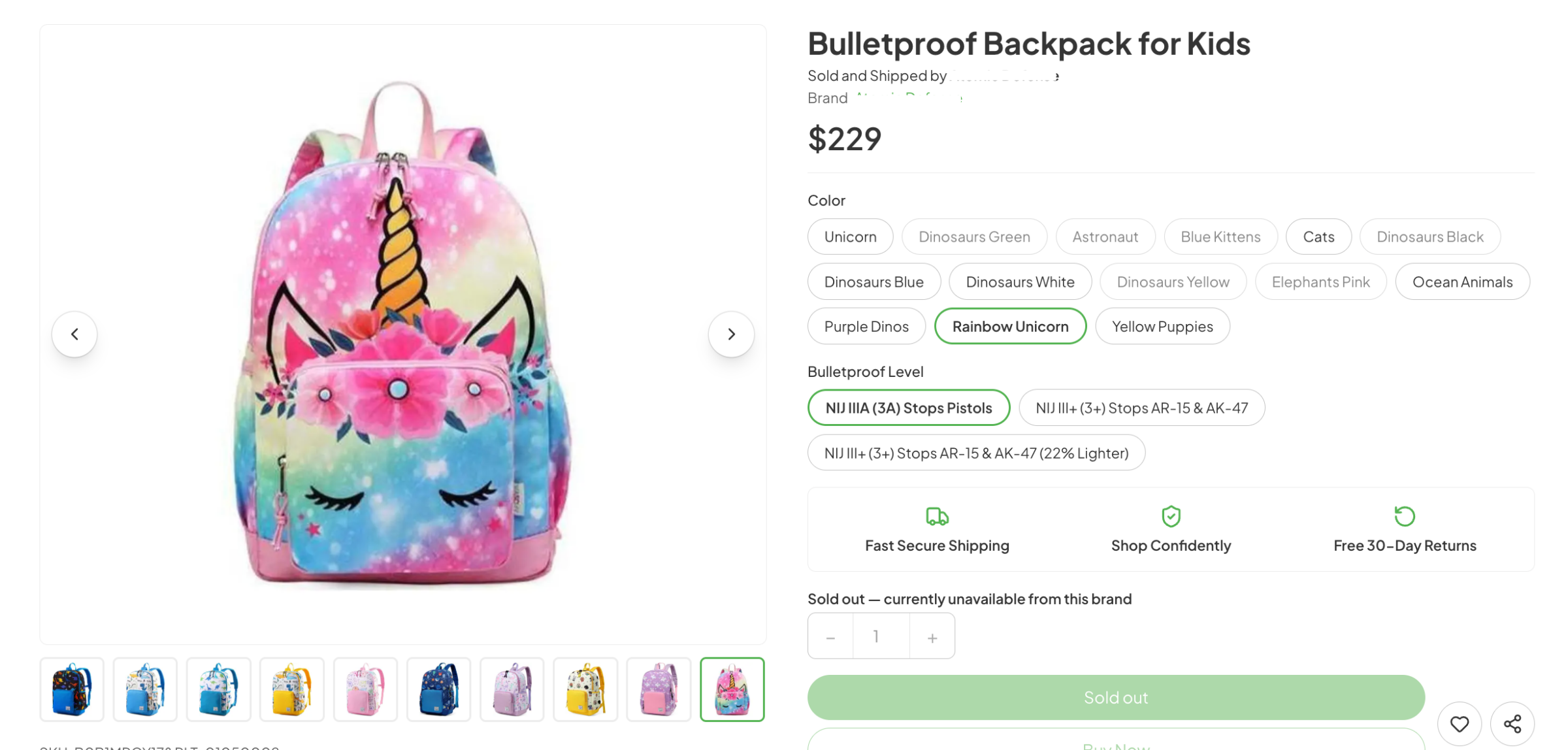
Years ago I was flipping through the ads of a ‘Black Friday’ sale from a large US retailer, while visiting a relative in North Carolina. Amid the pens and pencils was a child’s school bag with a large neon printed unicorn surrounded by lollipops and or hearts.
It was bullet proof.
I can’t recall what caliber of bullet it promised to stop. But the same paper had a semi-automatic Bushmaster rifle for sale at only $549.99 [€490], which normally retails at almost $1,000. I snapped a photo of it.
Guns for sale in North Carolina, including a Bushmaster which had been used to kill small children at an elementary school prior to the sale (Pic: Nikolaj Nielsen)
A few years earlier, a Bushmaster had been used to gun down 20 small children at Sandy Hook Elementary. Most of them were only six-years old.
A Benenlli 12-gauge tactical shotgun was also on sale. Last week, five-year-old Rhoam Summer and two others, aged 8 and 11 were shot dead at a school in Oregon by a 16-year old with a shotgun.
I mention this as someone who grew up in the United States and went to school there but can’t identify with a normalisation of violence splashed out as one-off specials and deals ahead of Christmas, a holiday that is cynically meant to celebrate peace and kindness.
This article continues, but the full version is available only to EUobserver.com subscribers. Visit account.euobserver.com/membership
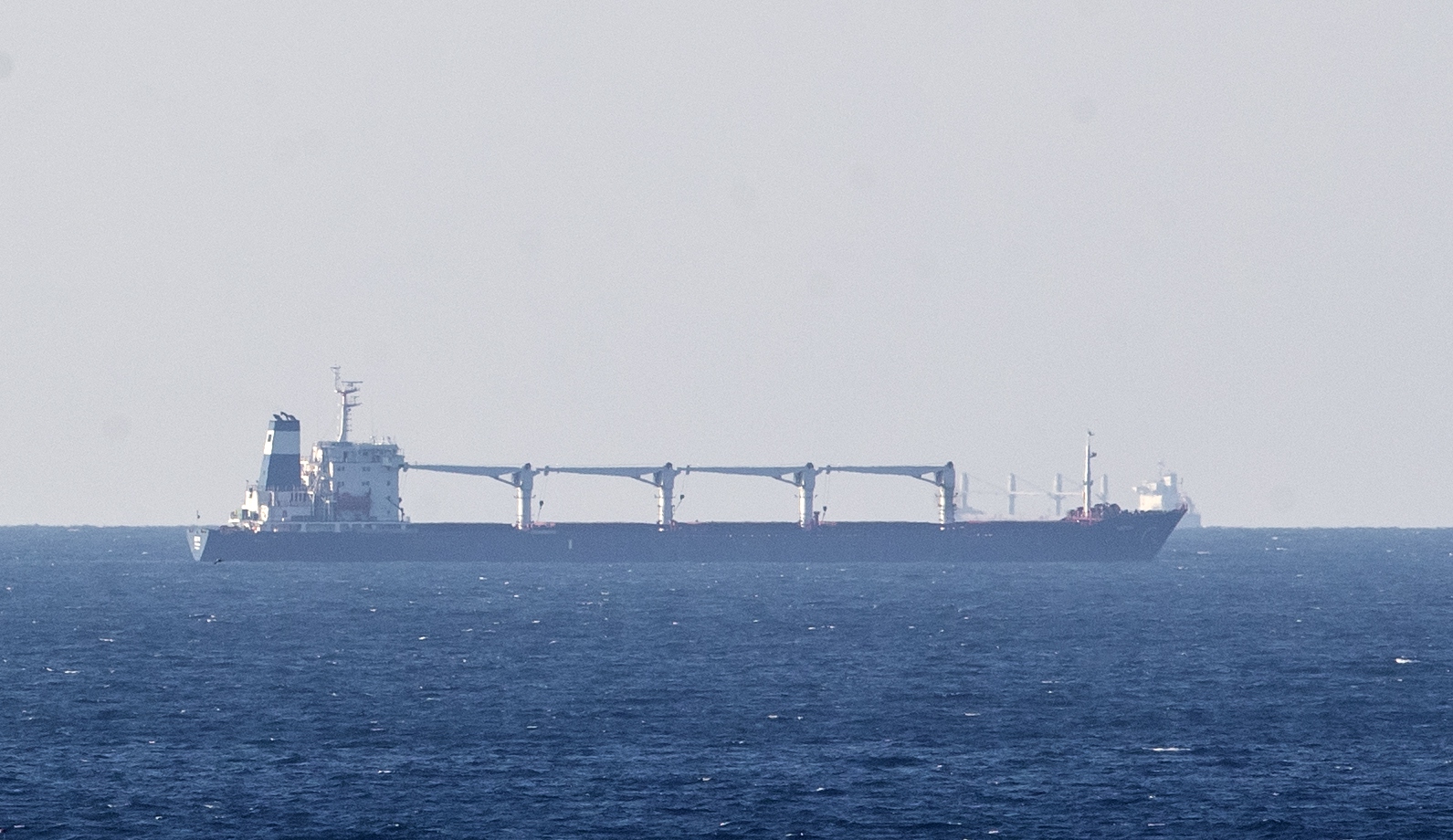
The EU’s top diplomat has backed the idea of a Black Sea naval mission to protect grain ships from Russian drones – but this would require a much bigger effort than Europe’s existing Red Sea operation, while air-policing might be more effective.
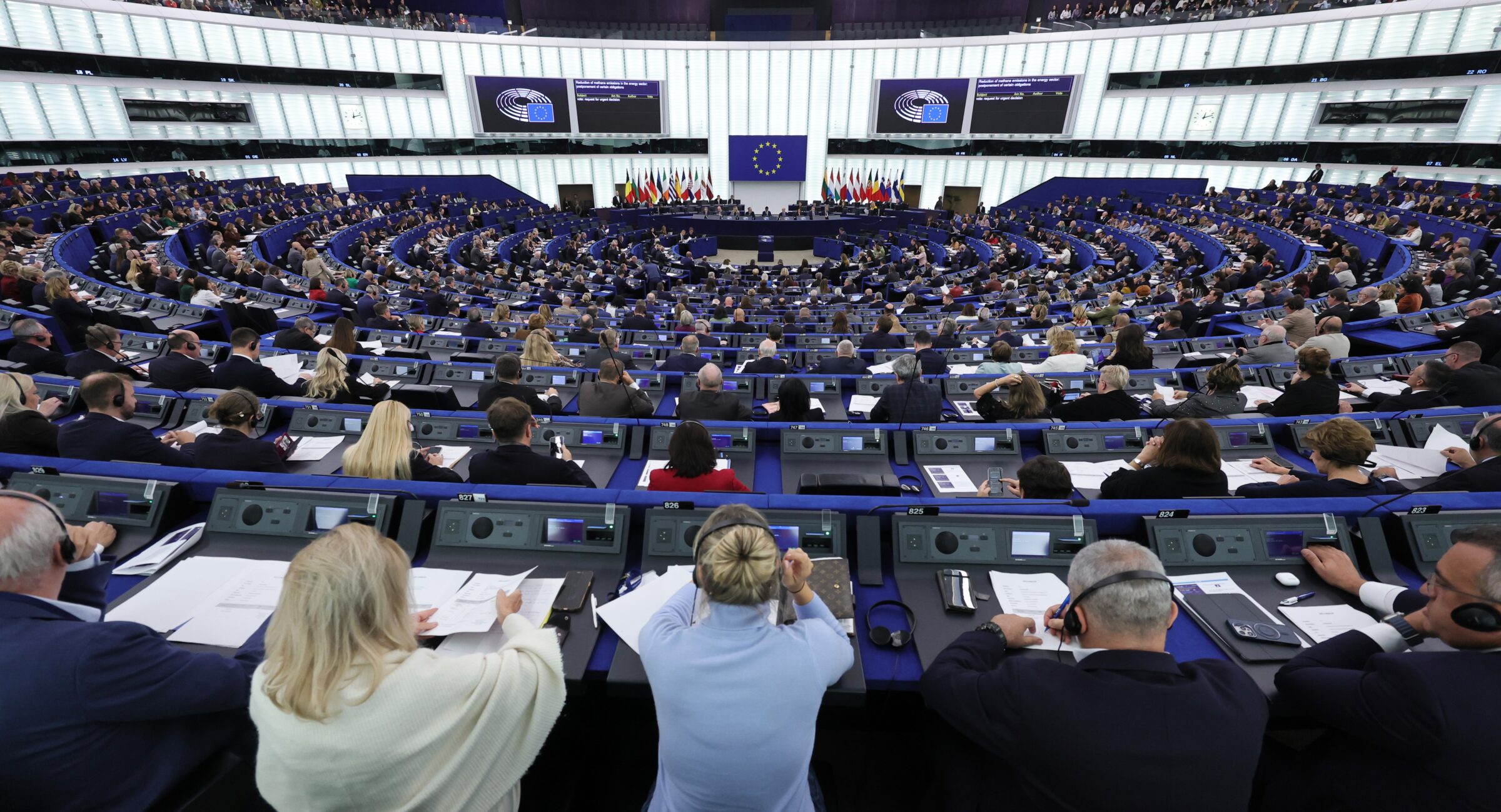
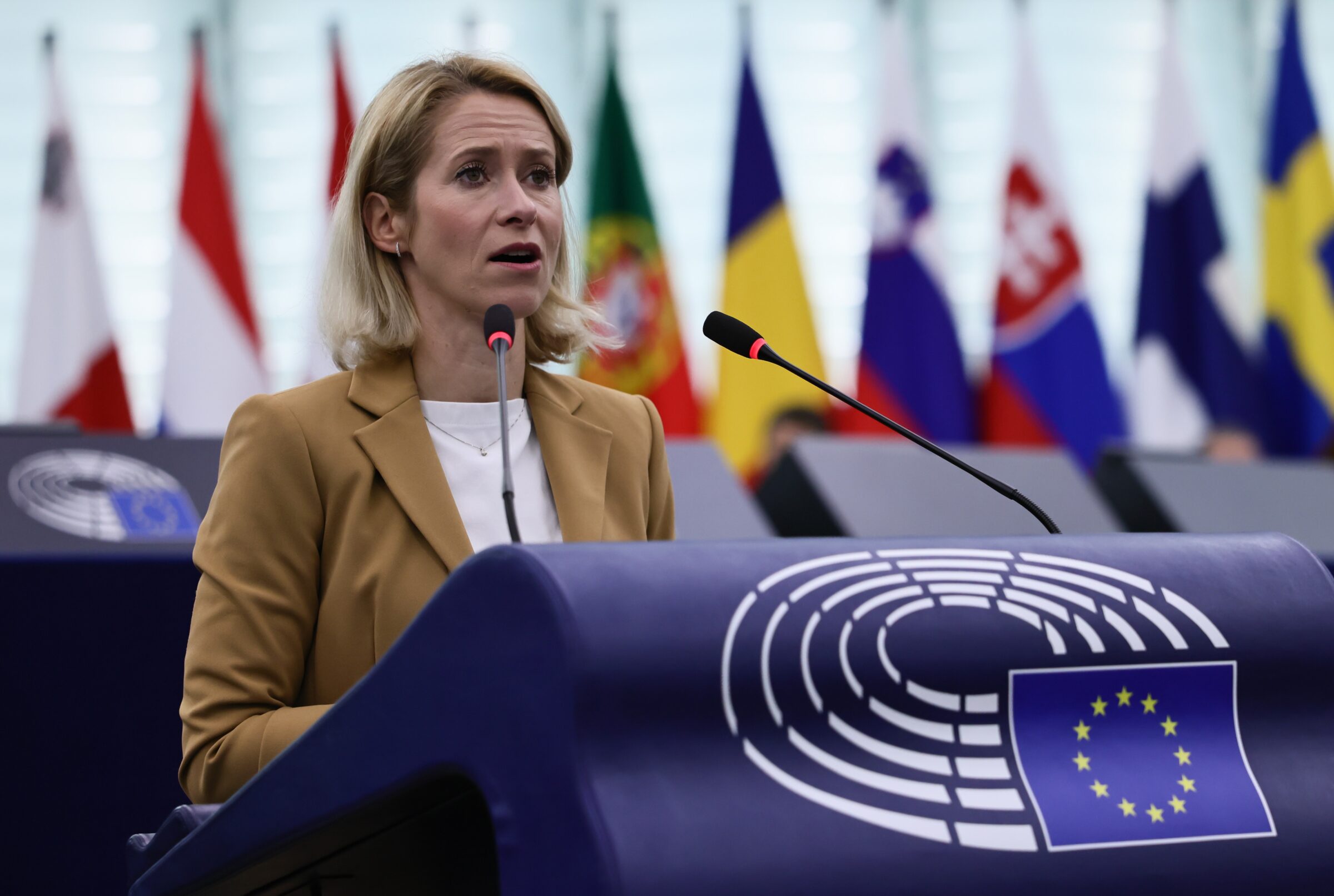
“The EU should send a mission to the Black Sea,” said EU foreign affairs chief Kaja Kallas in the European Parliament in Strasbourg on Tuesday (20 October).
“To protect merchant shipping, not to escalate, not to scare anyone, but to make sure that we will supply safely fuel, merchandise at normal prices, anything we need. This is how it should be,” she said.
Some “six attacks in 10 days by suspected Russian drones marks a dangerous and unacceptable escalation,” in the region, Kallas added, with “rescuers still searching for seven sailors missing after the drone attack on two tankers near Romania’s Black Sea coast”.
The Russian attacks were costing Ukraine €60m a day in lost exports of grain and fertiliser, Kallas also said.
And Russia had changed its tactics to start targeting people instead of cargo, said Sidharth Kaushal, from the Royal United Services Institute (RUSI) defence think-tank in London.
“Before, they targeted ports, not civilians, or vessels at sea. They realised that threat to life is a much more effective deterrent to commercial shipping than threat to cargo,” he told EUobserver.
This article continues, but the full version is available only to EUobserver.com subscribers. Visit account.euobserver.com/membership
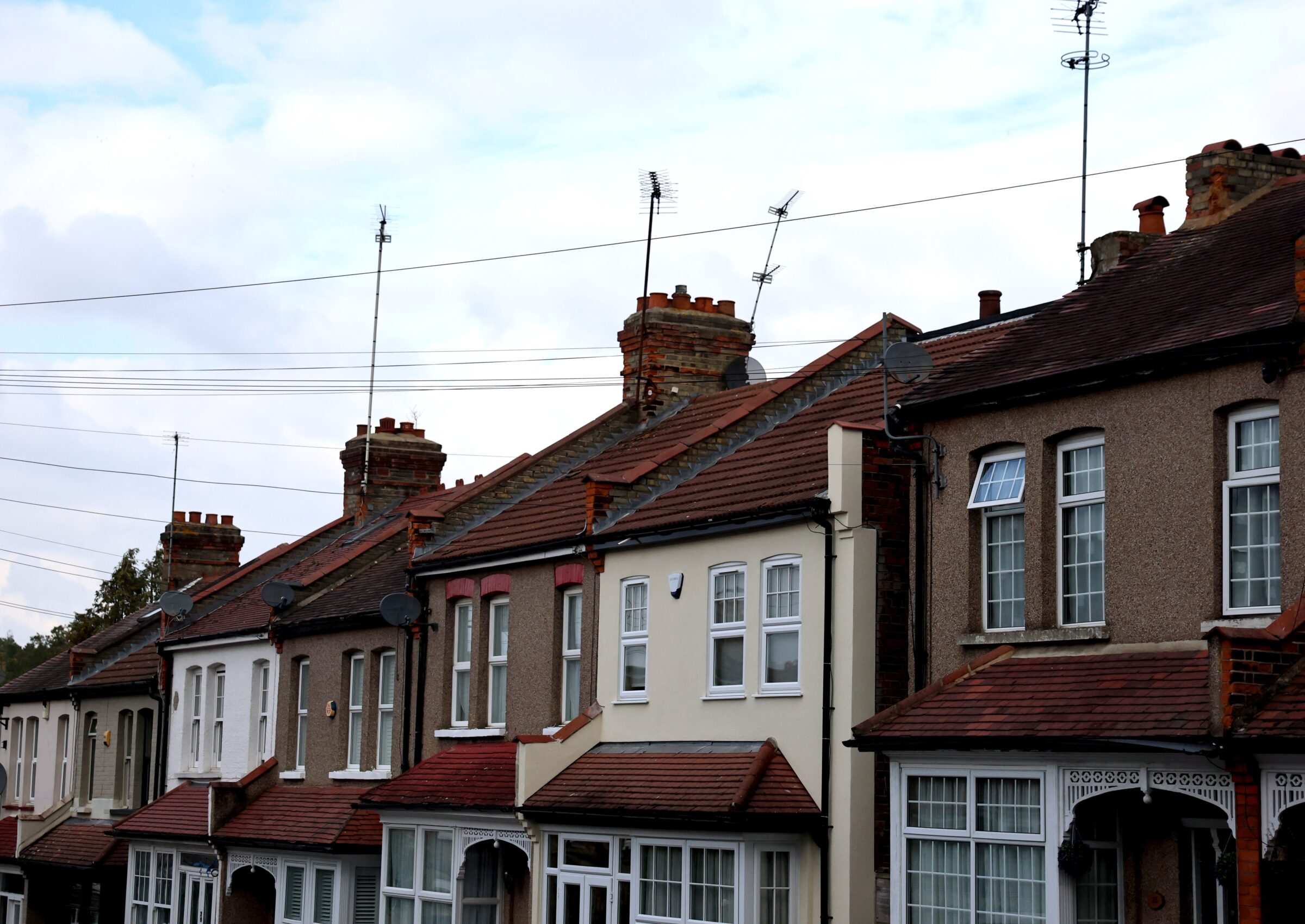
The European Parliament has called for more spending to build affordable houses — using funds for regional development that currently make up a third of the EU budget.
Cohesion funds should be used to protect the ‘right to stay’ in rural areas or in small cities, a principle that the parliament wants to write into the new budget legislation.
Peripheral regions often face depopulation due to few job opportunities, according to a parliamentary non-binding report passed with 601 votes in favour, 20 against, and 36 abstentions on Tuesday (20 October).
MEPs are also calling for strong cohesion funds that would allow cities to better prepare for climate emergencies and provide a budget for additional investments in housing.
Cohesion funds, which account for a total of €48.03bn in the existing 2021-2027 EU budget, usually finance infrastructure projects, like bridges, roads, or railways in countries with a lower-than-average per capita gross national income.
The commission proposed significant cuts to reduce regional funds in the next multi-annual budget, set to cover 2028-34, but a group of 16 member states, often benefitting from the funding, opposed the reduction.
Regional development plays a key role in European integration since it is the “only instrument which can unite all of us,” and should not be reduced in the next EU budget, said Left Lithuanian MEP Vytenis Povilas Andriukaitis during a plenary debate on Monday (19 October).
Cohesion funds “could be the response to the radicalisation of Europe,” Fredis Beleris, a German centre-right MEP said.
For that to happen, cohesion funds must be accessible for small and medium-sized cities, who often struggle with formalities linked to EU funds, said Denis Nesci, Italian conservative MEP spearheading the file.
Small municipalities should be able to access cohesion funds “on an equal footing as bigger cities,” he said, echoing the dominant centre-right commission’s position and its aim to simplify regulations.
A diverse array of MEPs on Tuesday (20 October) expressed their enthusiasm for the UK ‘correcting the mistake’ of Brexit by rejoining the European Union 10 years after its people narrowly voted to leave.
“Trump, Xi and Putin might form a troika of iliberalism standing in defiance of the achievements of liberal democracy”, warned Barry Andrews, an Irish MEP for Renew, saying that the EU should not treat the United Kingdom “like any other third country”.
His party ally Sandro Gozi, an Italian MEP, added: “Every option must be on the table, from a special partnership to full EU membership.”
The debate on EU-UK relations in the Strasbourg parliament came a month ahead of a highly-anticipated EU-UK summit in Brussels on 20 November.
Although the UK rejoining the bloc is still a distant prospect, it is back on the agenda because of new prime minister Andy Burnham.
Brexit had “done more harm than good”, Burnham told delegates at the Labour party conference in late September, adding that “we will not give Britain the clear path we need into the rest of the century until we decide on a long-term relationship with what is still our largest market.”
Britain could “go all the way” back into the EU, added Burnham.
European parliament president Robert Metsola has given an open invitation for Burnham to address MEPs, her office told EUobserver, in another sign of goodwill.
The UK Treasury, meanwhile, is expected to publish a study in the coming days detailing the scale of the hit to the UK economy from leaving the bloc.
Burnham’s predecessor Keir Starmer, who resigned in July primarily because of dismal opinion poll ratings, had promised a ‘reset’ of EU-UK relations when his government took power in July 2024. But apart from rhetoric, little has changed, though the UK now has access to the Erasmus+ student exchange programme.
Brexit is a “mistake that can be corrected by all of us” and admitting it is “a sign of strength”, said German Green MEP Terry Reintke.
New deals agreed should be “the floor and not the ceiling” of bilateral relations, said David McAllister, a German MEP for the centre-right European People’s Party (EPP).
On the right, Polish MEP for the European Conservatives and Reformists Jadwiga Wiśniewska also welcomed new talks with the UK, calling for them to be based on “concrete elements” like agriculture deals, defence and Erasmus+.
This article continues, but the full version is available only to EUobserver.com subscribers. Visit account.euobserver.com/membership
The EU “will not drill and will not buy” Arctic oil and gas, EU officials said on Tuesday (20 October), as the European Commission presented its new Arctic strategy.
“Our position on Arctic oil, gas and coal has not changed,” a senior EU official told reporters. “It’s fairly simple. We will not drill in the Arctic, and we will not buy hydrocarbons from the Arctic.”
The strategy follows months of heavy lobbying by Norway’s prime minister Jonas Gahr Støre and his cabinet.
Oslo used the energy supply disruption caused by the Iran war to push the EU to drop its 2021 support for a moratorium on oil and gas drilling in the Arctic, insisting that it was crucial for future energy security.
But EU officials made clear on Tuesday they did not buy that argument. “We do not need Arctic resources to keep our energy supply secure,” the official said.
What happened to the moratorium?
This article continues, but the full version is available only to EUobserver.com subscribers. Visit account.euobserver.com/membership
For the first time, Ukrainians rescued a wounded soldier by air.
He spent 500 days at the front, during which he had to amputate his own legs.
How the operation unfolded and what Ukrainians had to do to distract Russian drones.
Rubio repeats Putin’s claims about occupied territory in the Donetsk region.
Videos of the day: the first capture of a Russian tank this year; a swarm of Ukrainian drones.
The information in this text is a summary of events on Monday (19 October). The situation may have changed since then.
Hardly a week passes without some new development being reported on the frontline of Russia’s war in Ukraine. This time, Ukrainians demonstrated something truly unique. For the first time, they succeeded in evacuating a wounded soldier using a heavy rotary-wing aerial drone.
The story was published by the 30th Separate Mechanised Brigade and reported by a journalist from the Oboronka website, who spoke to both the operators and the wounded soldier. The evacuation took place near Kupiansk in the Kharkiv region, on the left, or eastern, bank of the Oskil river.
Infantryman Kostiantyn ‘Magura’ Vlasenko of the 2nd Mechanised Battalion of the 30th Separate Mechanised Brigade was tasked, together with a comrade, with heading into the grey zone in early June 2025.
Initially, they hid in one place, but when their position was flooded, they had to leave the building and take shelter elsewhere. Returning was impossible because of the dangerous situation. His comrade later died.
In February this year, Magura was also wounded by a Russian drone. Munitions dropped from the drone injured both his legs. According to Oboronka, he had to amputate his own lower limbs in order to survive.
The website did not give details of how he managed to do this. Similar cases have, however, occurred in the past.
In 2018, for instance, during an exercise in Slovakia, an American soldier was trapped beneath a tank. He amputated his own leg to save a fellow soldier, for which he was named Soldier of the Year in 2021.
In Magura’s case, this meant he was left immobile, and it was clear that he would not return from the front by himself.
Ukrainian units considered how to help him. The situation was extremely difficult in this respect.
This article continues, but the full version is available only to EUobserver.com subscribers. Visit account.euobserver.com/membership
Europe is supposed to be financing its defence together. It barely is.
Of the €800bn announced under ReArm Europe in March 2025, €650bn is not common money. It is an estimate of the extra room governments get under the national escape clause to spend up to 1.5 percent of GDP more on defence for four years.
Each country still pays for that spending itself.
The room is also temporary: EU Commission simulations suggest that maintaining higher defence spending after 2028 could require additional annual fiscal adjustment of 0.25 to 0.4 percentage points of GDP from 2029.
The other €150bn is SAFE, and it is loans, not grants.
The EU borrows and lends the money on, and each country repays its share. Grants are small: €1.5bn from the European Defence Industry Programme for 2025-2027, plus the European Defence Fund for joint research.
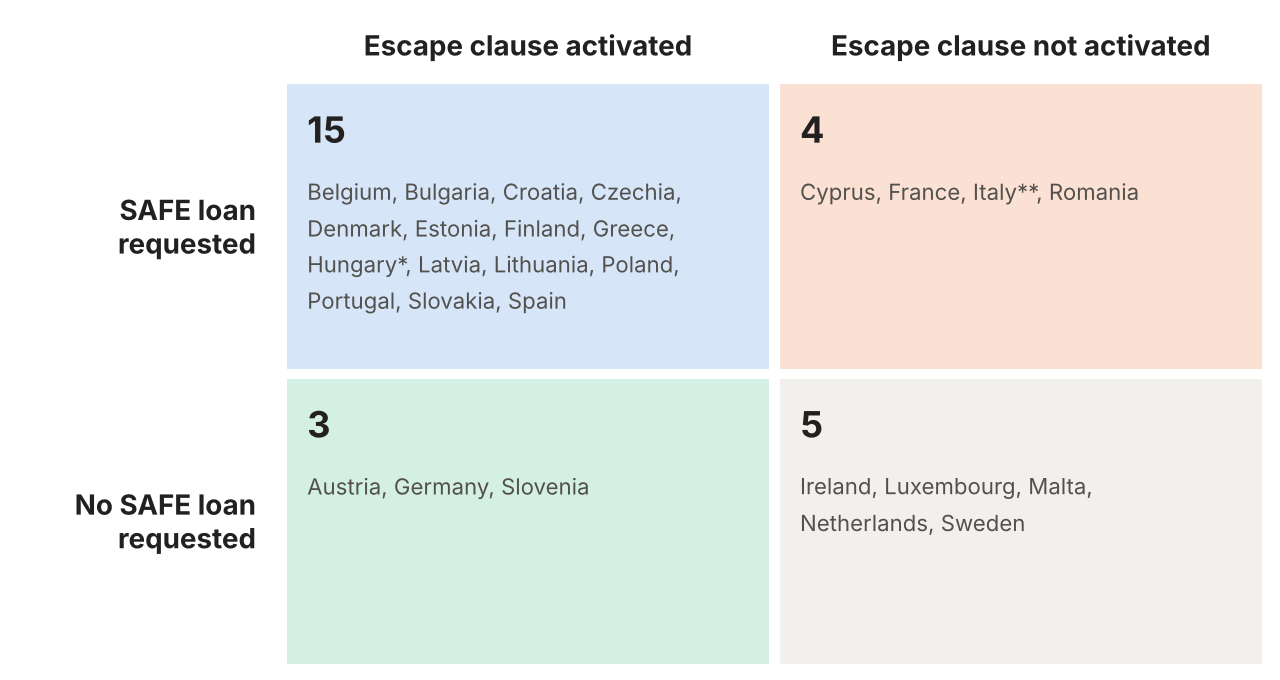
Not every country has used these tools, as Table 1 shows. The Netherlands and Sweden have used neither. Like Germany, which has taken only the clause, they can borrow at least as cheaply as the EU, so SAFE gets them nothing.
France has taken SAFE but not the clause, to protect the credibility of its budget plans.
Table 1. Who uses SAFE and the national escape clause
Source: Council of the EU, European Commission. Data as of 17 October 2026. * Hungary: allocated €16.2bn, now requesting €5.4bn; still pending. ** Italy: the Commission backed its request on 8 October 2026; the Council has yet to decide.
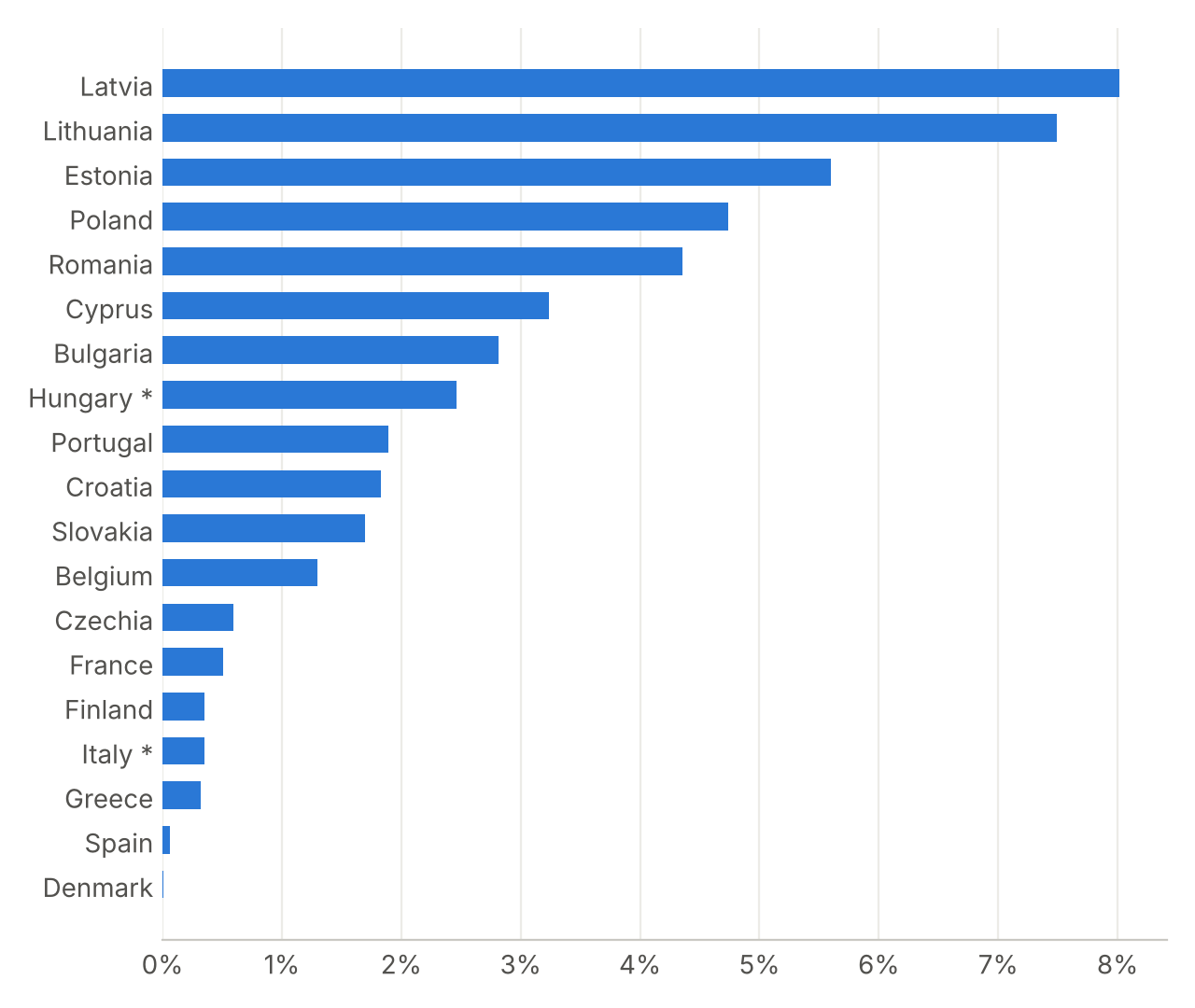
Where SAFE does matter is on the eastern flank. Latvia, Lithuania and Estonia can borrow the equivalent of five to eight percent of their GDP, and Poland almost five percent.
Graph 1. SAFE loans as a share of GDP, by country (%)
Source: Council of the EU, European Commission, Eurostat. SAFE loans only, as a share of 2025 GDP. Amounts approved by the Council, except Italy and Hungary (* revised requests of €8bn and €5.4bn, September 2026). Data as of 17 October 2026.
But defence is almost a monopsony: the state is nearly the only buyer. Without a clear flow of public orders, private investment will be hard to come by.
So Europe barely borrows together. And it buys alone.
This article continues, but the full version is available only to EUobserver.com subscribers. Visit account.euobserver.com/membership
MEPs have put themselves on a collision course with EU governments by rejecting plans for a 17-percent cut in foreign spending – instead demanding additional spending worth €25bn.
Earlier this month, the Irish government, which holds the six-month rotating EU council presidency, proposed that €38bn of cuts be made from the ‘Global Europe’ heading, which covers foreign aid, as part of an overall package of €141bn of cuts to the seven-year EU budget, known as the multi-annual financial framework (MFF).
But in a vote on Monday evening (19 October), the European Parliament’s development committee instead backed a dedicated minimum budget of €25bn for humanitarian aid, as well as dedicated budget lines for a Gaza reconstruction fund and for candidate countries. Put together, that would mean a €25bn increase on the EU Commission’s original budget of €200bn for the Global Europe heading.
The position agreed by MEPs, by a 61-to-34 vote margin, will eventually form the basis of negotiations between MEPs and ministers when EU governments agree their position on the budget.
This article continues, but the full version is available only to EUobserver.com subscribers. Visit account.euobserver.com/membership
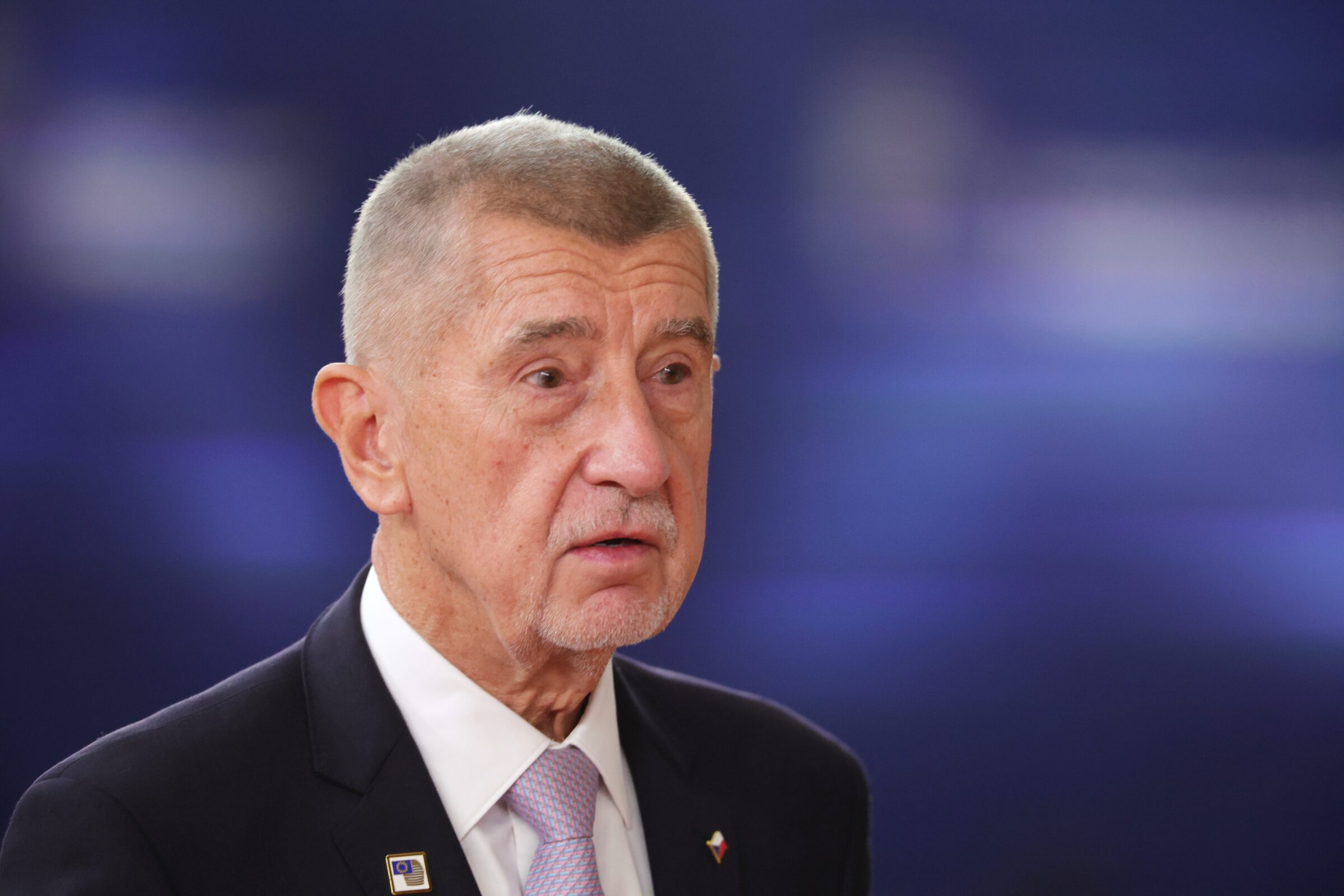
Before the Czech election results were announced, a WhatsApp group used to alert journalists of prime minister Andrej Babiš’s public appearances went quiet. Reporters asking if and when the ANO leader would make a statement, were met with the same answer from party officials: ‘we don’t know’.
Anticipating poor run-off results for the Senate (upper house), the party had not planned any major press events. Instead, Babiš arrived at his local polling venue – a sports hall – on Saturday (17 October) afternoon, to concede defeat.
In the 2024 Senate elections, ANO had gained eight seats, but this year lost the one seat it was defending.
The opposition party of Mayors and Independents (STAN) performed best, winning ten of the 14 seats it contested.
Having climbed in the polls in recent months, the party now believes it could lead the opposition into the next general election against the ANO-led government.
Pro-Babiš candidates defeated
Babiš and his supporters could hardly have asked for a better starting position this year: ANO was defending just one mandate, and its senate group had 15 seats before the vote.
Babiš said his party had an exceptional chance to break the opposition parties’ long-standing majority to take control of the upper house.
But that goal was quickly out of reach. ANO would have needed to win in all 27 districts, but fielded candidates in only 24 of them.
When only 13 ANO candidates advanced to the second round, the prime minister’s appearances in the days before the vote suggested he no longer believed ANO could win. “The second round will see the same old story – everyone will join forces against us,” Babiš said.
ANO also fielded low-profile or inexperienced candidates, while STAN party leader Vít Rakušan personally travelled to support candidates throughout the campaign.
Analysts have attributed ANO’s poor performance to its poor choice of candidates. They point, among others, to Sandra Tsoukernik, the wife of a controversial businessman in the gambling industry who ran in the Tachov and Cheb district against incumbent senator Miroslav Plevný, a professor of economics.
Tsoukernik diligently toured her district, but unlike Plevný she did not speak about her programme at meetings with voters — or anywhere else.
Although Tsoukernik managed to fill town squares by hiring the pianist Michal David, this was widely viewed as a publicity stunt.
This article continues, but the full version is available only to EUobserver.com subscribers. Visit account.euobserver.com/membership
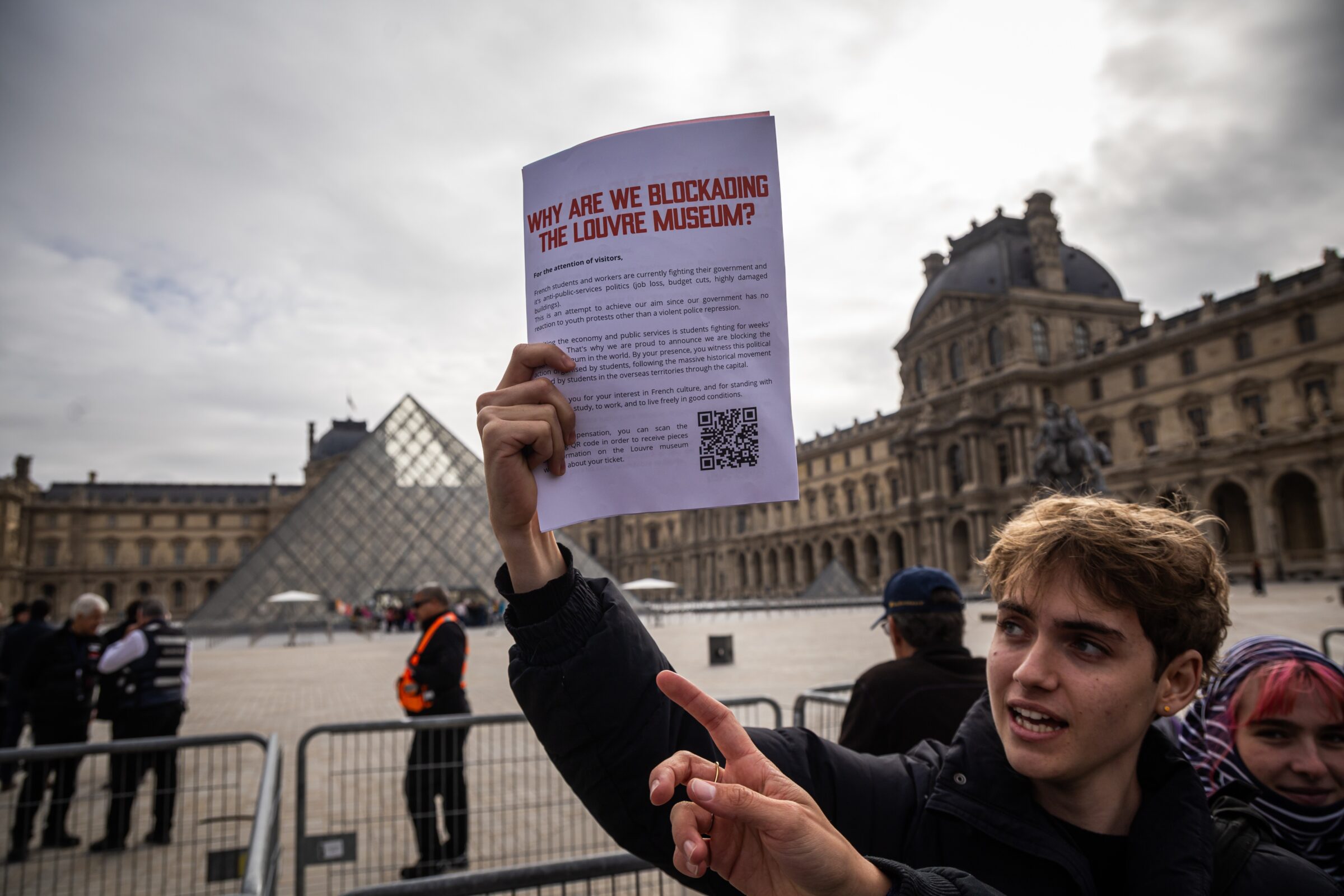
In Paris, students have protested over shortages of teachers, overcrowded classrooms and deteriorating school buildings.
In Spain, the eviction of 87-year-old Maricarmen Abascal — who died on 7 October — became a rallying point for housing protests.
In Tirana, students joined wider demonstrations over education costs and corruption allegations.
These are not parts of a single movement, and the protests do not have one common cause. But they bring into focus a shared challenge: whether young people can see a credible route from education to decent work, and from financial dependence to a life of their own.
France: school conditions shape the starting line
Since September, French students have demonstrated over teacher shortages, overcrowded classes and deteriorating school buildings. Their demands concern more than the day-to-day running of schools. They also raise a question about equal opportunity: can public education give every student the tools to move forward, regardless of where they live or what their family can afford?
The wider figures help explain why that question matters.
In 2025, 25.5 percent of people aged 15–29 in France were at risk of poverty or social exclusion, compared with 24.2 percent across the EU, according to Eurostat.
In August 2026, unemployment among under-25s stood at 20.6 percent, against 8.2 percent for the population as a whole. The corresponding EU rates were 15.4 percent and 6.1 percent.
These figures do not show that school shortages cause youth unemployment. They do show how difficult the step from education into work remains for many young people and why well-resourced schools matter most in areas with the fewest opportunities.
Housing can make that transition harder still. In Paris, one-in-two private tenants under 30 spends more than 51 percent of their income on rent. A Eurostat indicator also shows that 70 percent of 20–24-year-olds and 25 percent of 25–29-year-olds either live with their parents or are financially connected to their household.
France scored 66 out of 100 and ranked 27th of 182 countries in Transparency International’s 2025 Corruption Perceptions Index. The index measures perceptions of public-sector corruption, not the number of proven incidents. It does not explain the school protests, but it underlines why transparency and accountability matter when public services and resources are at stake.
Spain: when housing delays independence
Abascal’s eviction from the Madrid flat where she had lived for decades prompted demonstrations in several Spanish cities and renewed calls for stronger tenant protections. Her case was not a youth protest, but it put a human face on a housing crisis that also shapes whether younger people can leave home and build an independent life.
In 2025, 67.1 percent of Spaniards aged 18–34 lived with at least one parent, according to Spain’s National Statistics Institute.
Among those living with a parent, 28.3 percent said they could not afford to rent. The average age at which young people left home was 30.2, compared with 26.3 across the EU, according to Eurostat.
Housing pressure does not operate in isolation. In 2025, 27.6 percent of Spaniards aged 15–29 were at risk of poverty or social exclusion, above the EU rate of 24.2%.
In August 2026, unemployment among under-25s was 22.7 percent, more than twice the overall rate of 10 percent. When joblessness is so much higher among the young and rent is beyond the reach of many, delayed independence cannot be reduced to personal preference.
Spain scored 55/100 in the 2025 Corruption Perceptions Index, ranking 49th of 182 countries. That score does not establish a link between corruption and housing protests. But when people are asking for effective action on housing, transparency over how decisions are made — and accountability for whether they work — are part of the debate.
Albania: growth is not enough if young people see no path forward
In October, students in Tirana protested over education costs and corruption allegations, joining a broader anti-government movement. Their participation brought education and young people’s prospects into a wider debate about living costs, employment and trust in public institutions.
Albania’s official figures show that 19 percent of the population was at risk of relative poverty in 2025, while 31.2 percent experienced severe material and social deprivation, according to INSTAT. The two measures describe different aspects of hardship: one compares household income with the national poverty threshold; the other captures enforced inability to afford basic goods and activities.
Young people also face a difficult entry into the labour market. The World Bank’s ILO-modelled estimates put overall unemployment at 10.9 percent in 2025, rising to 25.6 percent among 15–24-year-olds. The estimated average age of leaving the parental household seemed to be 30.9, compared with 26.3 in the EU, according to Eurostat’s dataset. Together, however, these indicators describe the hurdles between education, employment and independence.
Albania scored 39/100 and ranked 91st of 182 countries in the 2025 Corruption Perceptions Index. The measure is not a count of actual cases, but corruption allegations are part of the protests themselves. That makes transparency, accountability and public trust more than abstract principles: they shape whether people believe institutions respond fairly to their concerns.
Behind the statistics
Behind the statistics are millions of young people struggling to turn their ambitions into reality. The obstacles reinforce one another: under-resourced schools can narrow choices, unemployment can delay financial independence, and high housing costs can prolong dependence on family.
Across the EU, house prices rose by 55.4 percent and rents by 26.7 percent between 2010 and 2024, often outpacing income growth, according to Eurofound.
That is why the response cannot be confined to one policy area. It means properly staffed and maintained schools, routes from education into decent work, more affordable and social housing, targeted help with rent, and stronger protections for tenants.
Young people should also have a meaningful say in policies that shape their education, employment and housing.
A strong welfare state and effective social protection can help ensure that a young person’s prospects are not determined solely by family income or place of birth. If a low-income family cannot support a young person’s move towards independence, financial dependence can pass from one generation to the next. Tackling that cycle is part of building social justice and societies in which young people can plan a future with greater confidence.
The future will show whether today’s protests lead to lasting policies. The test will be whether young people can study, find decent work and afford a home without their prospects being set by the circumstances into which they were born.
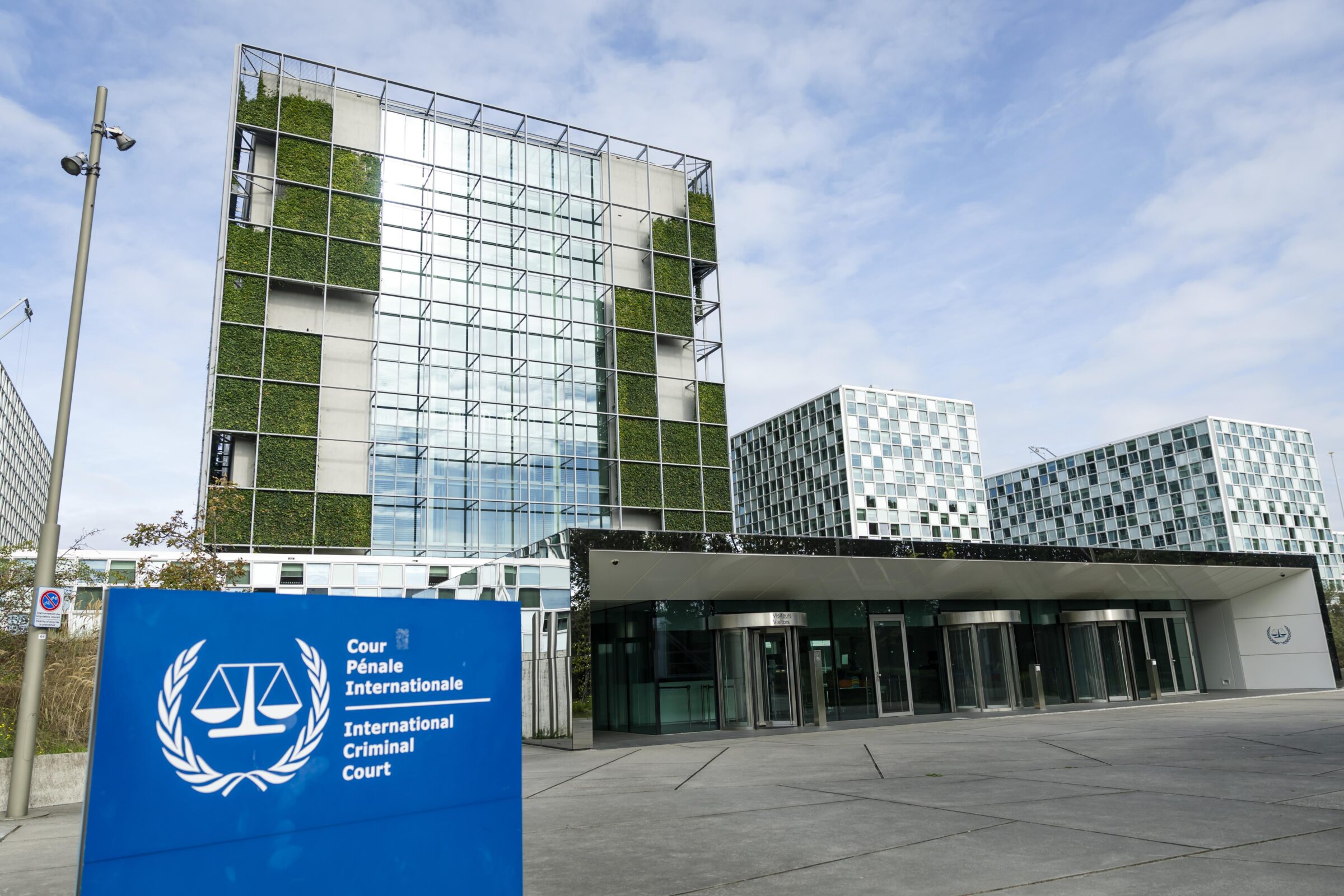
The International Criminal Court (ICC) has been shortlisted for the Sakharov Prize for Freedom of Thought, an annual human-rights award from the European Parliament.
The announcement on Monday (19 October) comes after US president Donald Trump put his weight behind Israeli efforts to discredit the international judicial body by extending sanctions against it.
The ICC issued an arrest warrant in 2024 for Israeli prime minister Benjamin Netanyahu for alleged war crimes, as well as other senior Israeli officials and Hamas. The US then responded by targeting its judges by impeding their day-to-day activities such as banking.
New sanctions against the court were announced by the US administration this month after the Nobel Peace Prize went to Navi Pillay, a former ICC judge who wrote a UN report concluding Israel is committing genocide in Gaza.
The ICC court labelled the move as an “assault on the rule of law” and called on countries to step up to protect it.
Sakharov Prize finalists named
Members of the EU parliament’s foreign affairs committee shortlisted the ICC and its members for the Sakharov Prize.
Named after the Soviet nuclear scientist dissident Andrei Sakharov, the award has been previously awarded to the likes of Iranian protest icon Mahsa Amini and to the Ukrainian people enduring Russia’s attacks.
“We stand by the ICC and its officials, and we are committed to safeguarding its work,” said Yannis Maniatis, Greek MEP for the Socialists & Democrats group which nominated the ICC for the award. “If the aggressors become the victims, and if we stand by helplessly as international justice erodes, we risk allowing those who believe themselves above the law to prevail.”
Tundu Lissu, a Tanzanian opposition figure in court for inciting the public to disrupt an election and facing the possibility of death row, is also a Sakharov Prize finalist. “There is no doubt about the political nature of his detention,” said David McAllister, MEP for the European People’s Party who co-nominated Lissu.
This article continues, but the full version is available only to EUobserver.com subscribers. Visit account.euobserver.com/membership

 Login