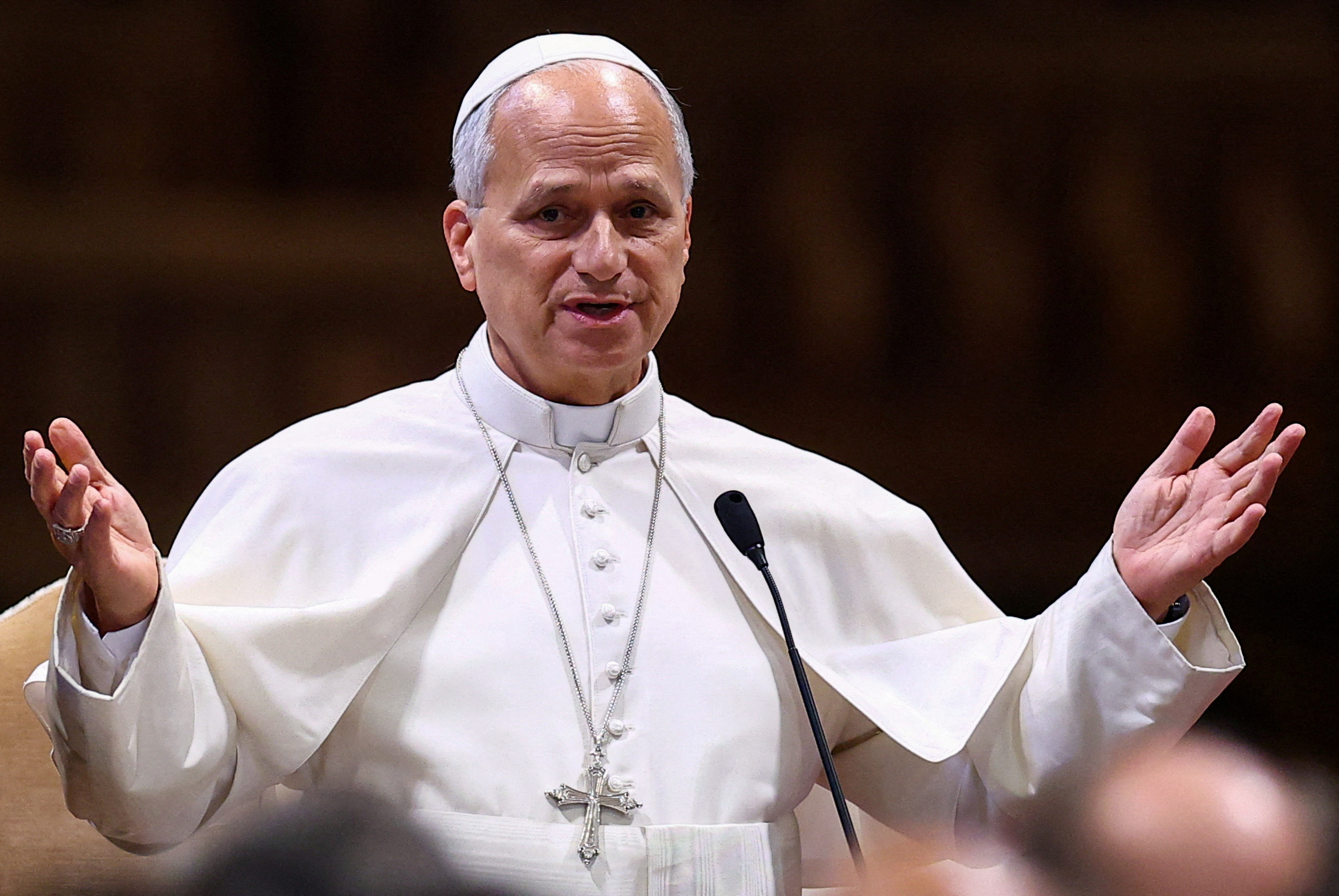
Pope Leo XIV does not need any further treatment after surgery for lung cancer, the Vatican announced on Wednesday evening.
The Vatican press service said a new biopsy, carried out on tissue removed in the operation, led his doctors to conclude that more therapy is unnecessary.
The 71-year-old pope had the lower lobe of his right lung removed at Rome’s Gemelli Hospital on 13 October.
The Vatican described the operation as successful and free of complications. It followed examinations that found a suspicious nodule.
After the surgery the Vatican said doctors were not considering chemotherapy or other treatment while awaiting further test results.
The pope was expected to remain in hospital for about a week, and his public schedule was cleared until at least 20 October.
Israeli prime minister Benjamin Netanyahu said on Wednesday that he has directed the military and the Mossad to bring down the Iranian government.
Speaking at a graduation ceremony for IDF officer cadets, Netanyahu said his instruction to the Israel Defense Forces and the Mossad was “to overthrow the regime in Iran”, saying that Tehran “has not yet learned its lesson”.
He accused Supreme Leader Ayatollah Mojtaba Khamenei of following in his father’s footsteps by “unlocking the weapon”, and said Iran was again trying to build a nuclear bomb.
The remarks follow similar language in September, when Netanyahu told the IDF General Staff that toppling the regime was “within reach”.
Israel and the United States have been in an intermittent conflict with Iran since earlier this year, during which Ali Khamenei was killed.
Israel’s Channel 12, citing US officials, reported that dozens of Israeli fighter jets and refuelling aircraft flew over Syria and Iraq towards the Iranian border earlier this week on a route suggesting an attack, though the aircraft turned back shortly before reaching Iranian territory.
According to Channel 12, Israel told Washington in advance that the flight was an exercise and a show of force meant to deter Iran.
The channel said some sources believe certain Israeli officials may have hoped Iran would fire on the aircraft, giving Israel a pretext to attack.
The Financial Times has reported that Netanyahu sought to launch strikes against Iran earlier this month, but that US president Donald Trump opposed a new conflict ahead of the US midterm elections.
Channel 12 also reported that IDF chief of staff Eyal Zamir warned his American counterpart, General Dan Caine, that a war before Israel’s elections next week would probably force a postponement of the vote.
The US State Department is preparing to issue an ordered departure of some personnel and family members from US embassies across the Gulf region, three US officials said on Wednesday.
The move was due to a possible resumption of hostilities, particularly with Iran-aligned Houthi militia in Yemen, two of the US officials said.
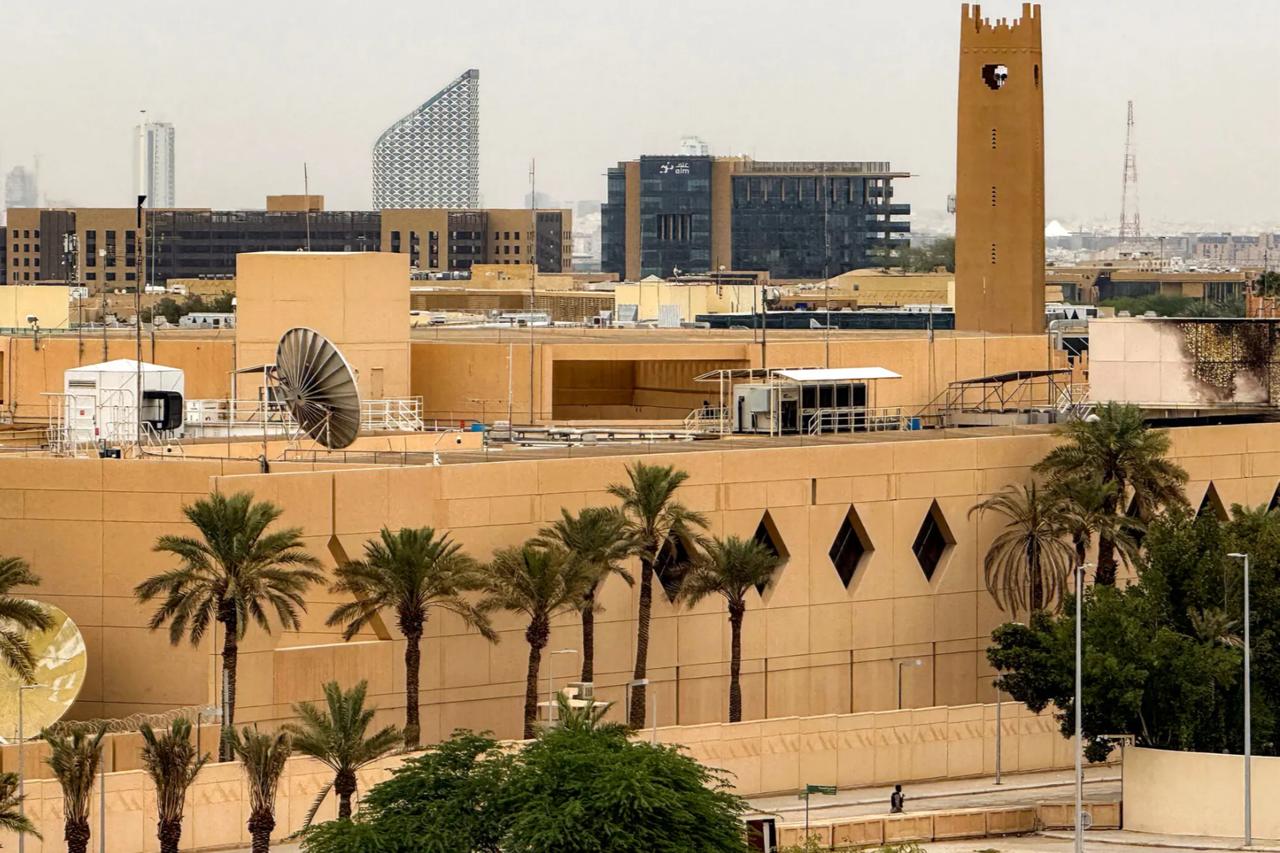
The US Embassy in Riyadh issued a security alert on Wednesday about possible further attacks by the Houthis on Saudi Arabia, after recent deadly strikes including on Riyadh’s airport.
Two of the US officials said the ordered departures would potentially involve the evacuation of all personnel and their families from the US Mission to Saudi Arabia.
Palestinian president Mahmoud Abbas is expected to visit Cyprus on October 29, barring unforeseen circumstances.
Talks are expected to cover bilateral relations, the humanitarian situation in Gaza, and developments in the West Bank and East Jerusalem.
The visit was first reported by the Palestinian ambassador to Cyprus, Abdallah Attari, in an interview with Phileleftheros.
The trip comes as the government faces criticism over its increasing support for Israeli interests in Cyprus.
Akel has attacked the creation of a Cyprus chapter of the Israel Allies Foundation by six MPs from Disy, Diko and Elam, which the party has said undermines the credibility of Cyprus in its efforts to press Turkey internationally on its ongoing occupation.
Cyprus and the Palestinians drew close in the 1960s and 1970s, when Archbishop Makarios steered the island away from its expected trajectory towards NATO and instead into the Non-Aligned Movement alongside Egypt and the Palestine Liberation Organisation.
In September 1985 three gunmen from the PLO unit Force 17 killed an Israeli couple, Reuven and Esther Paltsur, and their friend Avraham Avneri aboard a yacht in Larnaca marina.
President Spyros Kyprianou condemned the killings and urged both sides to keep their conflict off Cyprus.
Cyprus rejected an Israeli extradition request and tried the three men itself, and Israel bombed the PLO headquarters in Tunis days later.
In February 1988 the PLO bought the Cypriot ferry Sol Phryne at auction in Limassol, renamed it Al Awda, “the Return”, and planned to carry 135 Palestinian deportees to Haifa.
Three PLO officials were killed by a car bomb in Limassol that weekend, and a limpet mine crippled the ship within days.
Cyprus recognised the State of Palestine immediately after its declaration in 1988.
A Cypriot representative office opened in Ramallah in 2009, and after the UN General Assembly vote of 2012, was upgraded to a full embassy, among the first in the EU to do so.
When Abbas visited in June 2022, then President Nicos Anastasiades pledged that close ties with Israel “would not be to the detriment of the legitimate rights of the Palestinians”.
President Nikos Christodoulides visited Ramallah in 2023 and laid a wreath at Yasser Arafat’s tomb, and in March 2024 the first aid ship for Gaza left a Cypriot port.
Israel once declared Androulla Vassiliou, wife of former president George Vassiliou, persona non grata after a delegation she led tried to meet Arafat, who was confined to his compound in Ramallah.
Abbas, has led the Palestinian Authority since 2005, with his Fatah-dominated authority governing parts of the West Bank, while Hamas ran the Gaza strip.
Many Palestinians regard the authority as corrupt and criticise its security cooperation with Israel.
Communities have been invited to submit projects for a new €3.5 billion funding round, President Nikos Christodoulides said on Wednesday during a visit to the village of Sykopetra in Limassol.
Speaking at the opening of the Prophet Elias community park and mini football pitch, Christodoulides said the government would decide on projects across Cyprus worth that sum in the new period.
He urged the community council to put forward projects, alone or with neighbouring communities, so they could be approved next September.
He said the government had shown through its projects that rural and mountain areas were a priority.
He cited the 2024 decision to keep Kampos primary school open when it had only one pupil.
Many more children now attend, he said, because the school drew young parents to the village.
He said communities needed infrastructure, especially in Limassol, so that young couples could return, and that the aim was for villages to grow beyond 120 residents.
The community council’s contribution to development projects has been cut to 5 per cent.
Christodoulides said support for equipping the clinic at the community stadium should be taken for granted.
For community toilets, he asked the council to say how much was needed for studies, to be handled through the commissioner for mountainous communities.
A house renovation for an office and a thematic museum would be supported once plans were mature and permits secured.
He said the Palaichori to Sykopetra road widening, or a new link to Apliki, concerned the Nicosia district governor Constantinos Yiorkadjis, and promised to return to see whether work could proceed in phases.
Manchester United were beaten 4-1 by Como at the Stadio Giuseppe Sinigaglia, a result that heaps further pressure on manager Michael Carrick.
Argentina playmaker Nico Paz scored after 118 seconds, set up Tasos Douvikas for the second on 49 minutes and added his own second on 57.
Jacobo Ramon headed in a fourth on 76 minutes, while Joshua Zirkzee, who beat the offside trap to meet a cross from Amad Diallo, scored a consolation in stoppage time.
The early goal made United the first English side to concede inside the first two minutes of consecutive major European matches.
Eight days earlier they had let in after the first minute against Atletico Madrid.
Como led 1-0 at half-time and the margin could have been wider, with United at one stage threatened with equalling their record European defeat, a 5-0 loss to Sporting in 1964.
Carrick made changes at the interval, withdrawing Matheus Cunha and Andrey Santos, who cost a combined £110m, for Diallo and Carlos Baleba.
Captain Bruno Fernandes made way for Zirkzee on 67 minutes, as defender Matthijs de Ligt, playing on his return from 11 months out, was replaced by Harry Amass on 79.
Goalkeeper Senne Lammens made a near-post save on a slippery surface and was rated the visitors’ best performer, though he could do little about the opener or the third.
Noussair Mazraoui struggled most, losing his footing under pressure and being beaten by Como’s Alberto Moreno da Cunha.
When United last won the Champions League in 2008, Como were in Serie D.
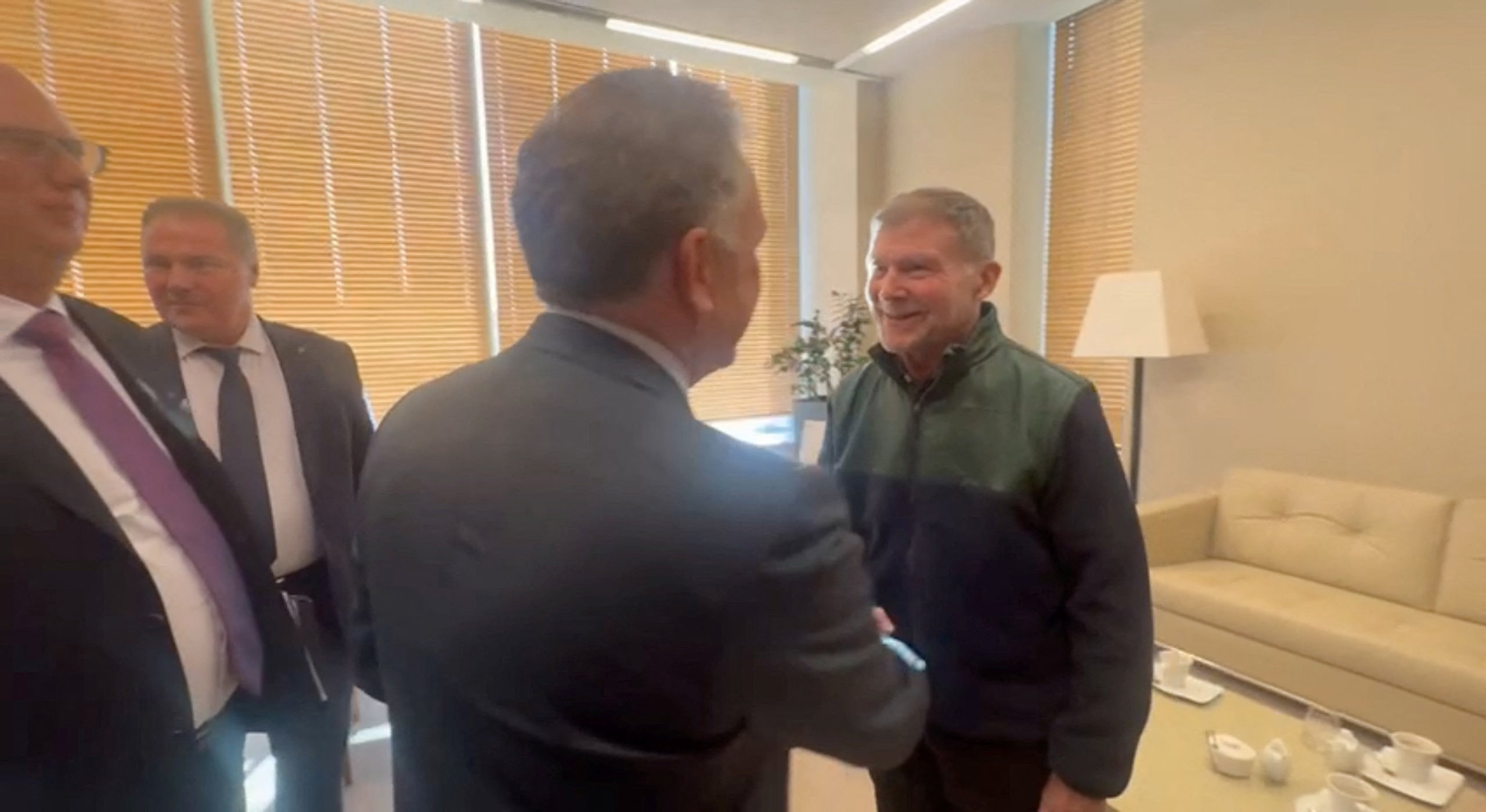
Russia freed Stephen Hubbard, a 74-year-old retired US schoolteacher in custody since 2022, from prison on Wednesday and took him to St Petersburg to fly back to the United States, after talks that Washington said were a step toward ending the war in Ukraine.
Russian President Vladimir Putin made the announcement at a meeting in St Petersburg with US envoy Steve Witkoff, who later said the talks will continue toward planned technical-level discussions involving the US, Russia and Ukraine.
Witkoff thanked Putin for Hubbard’s release and called the Russian leader a “humanitarian”, in footage of the exchange, a remark that drew sharp rebuke from Republican and Democratic lawmakers given Russia’s full-scale invasion of Ukraine in 2022.
Putin’s spokesman, Dmitry Peskov, said Putin had freed Hubbard at the request of US President Donald Trump, and had also taken into account the American’s poor health.
“The president sends his thanks, our whole nation sends their thanks, because of Stephen Hubbard,” Witkoff told Putin in a meeting shown on state TV. “Because of you he’s going home to his family.”
A video shared with Reuters showed Witkoff and Kremlin envoy Kirill Dmitriev meeting Hubbard, who wore a dark fleece and was clean-shaven, in an undisclosed location. He shook Witkoff’s hand and said: “Thank you very much for all your efforts.”
Hubbard’s son, Joseph Coleman, told Reuters in a voice message that he spoke briefly by phone with his father before he boarded the airplane in Russia.
“Today he seemed light in his step, a sense of happiness in his voice”, Coleman said.
Witkoff called the talks with Putin “constructive” and said in a post on X that he had also met Ukrainian and European leaders in Oslo to advance Trump’s mission to end the war.
Norwegian Prime Minister Jonas Gahr Stoere, who met Witkoff, told public broadcaster NRK that the agreement to hold another “high-level tripartite meeting” between Washington, Moscow and Kyiv will likely happen in mid-November and focus on a potential post-conflict security structure.
Witkoff’s praise for Putin over Hubbard’s release was scorned by some in Washington. Republican US Senator Thom Tillis said in an X post directed at the US envoy: “Look up the definition of ‘humanitarian.’ What an embarrassing and outrageous thing to say.”
In a statement, Hubbard’s US-based lawyer, Martin De Luca, thanked Trump, Witkoff and other US officials for securing Hubbard’s release, calling it “a dividend earned along the hard road to peace”.
Trump said in a Truth Social post that the US had not been required to give anything in return for the release.
“The United States, out of respect for President Trump, was not required to give anything in return — an unprecedented situation for Russia. There was no ‘swap’ necessary for this release. This major return should have taken place long ago through the Biden Administration, which got nowhere in its negotiations with the Kremlin,” the post said.
“Welcome home Stephen, it’s great to have you back,” wrote Trump, who later also posted a picture of Hubbard appearing inside a plane with others and holding an American flag.
Hubbard, a native of Michigan, had been serving a prison sentence of six years and 10 months in Russia following a conviction for mercenary activity in a closed-door trial.
He was arrested in April 2022 in the eastern Ukrainian city of Izyum, where Russian prosecutors alleged he had been manning a Ukrainian military checkpoint.
Prosecutors said Hubbard had joined a Ukrainian territorial defence unit, received training, weapons and ammunition, and was promised $1,000 a month.
Russian state media reported he pleaded guilty to the charges. But De Luca previously told Reuters that Hubbard had told him the charges against him were false and that he was not in any combat or military unit.
In a 2024 interview with Reuters, Hubbard’s sister, Patricia Hubbard Fox, also disputed the idea that her brother took up arms for any government, calling him “so non-military” and pointing out his advanced age.
As of Wednesday, Hubbard was the only US prisoner held by Russia who was designated by Washington as “wrongfully detained”.
The Trump administration secured the release last year of another American jailed in Russia, schoolteacher Marc Fogel, who had been serving a 14-year prison term for drug smuggling.
Police deported 19 third-country nationals on Wednesday, a day after arresting them in Limassol for residing in Cyprus illegally.
Twenty individuals were arrested on Tuesday during an operation in the city, after officers found them in an apartment complex.
The immigration service carried out the removals, working with the deputy migration ministry, while procedures to deport the twentieth person are ongoing.
The US Treasury Department imposed sanctions on Wednesday on Karnakis & Karnakis, a law firm based in Greece and Panama, saying it had for years provided legal assistance to Iranian shipping networks.
The US Financial Crimes Enforcement Network also issued an administrative subpoena to advance an investigation into a Greek bank over potential ties to Iran, according to a Treasury statement, which did not name the bank.
FINCEN also issued requests for information to six other European banks that it did not name over relationships with Iranian financial institutions under US sanctions.
“Whether you are conducting illegal oil transfers at sea or sitting in the corner office of a law firm, if you are supporting the Iranian regime, we will find you and sanction you,” Treasury Secretary Scott Bessentsaid in a release.
Karnakis & Karnakis did not immediately respond to a request for comment.
Treasury also imposed sanctions on Singapore- and UAE-based shipping agents that it said directly aid Iranian shadow fleet operations.
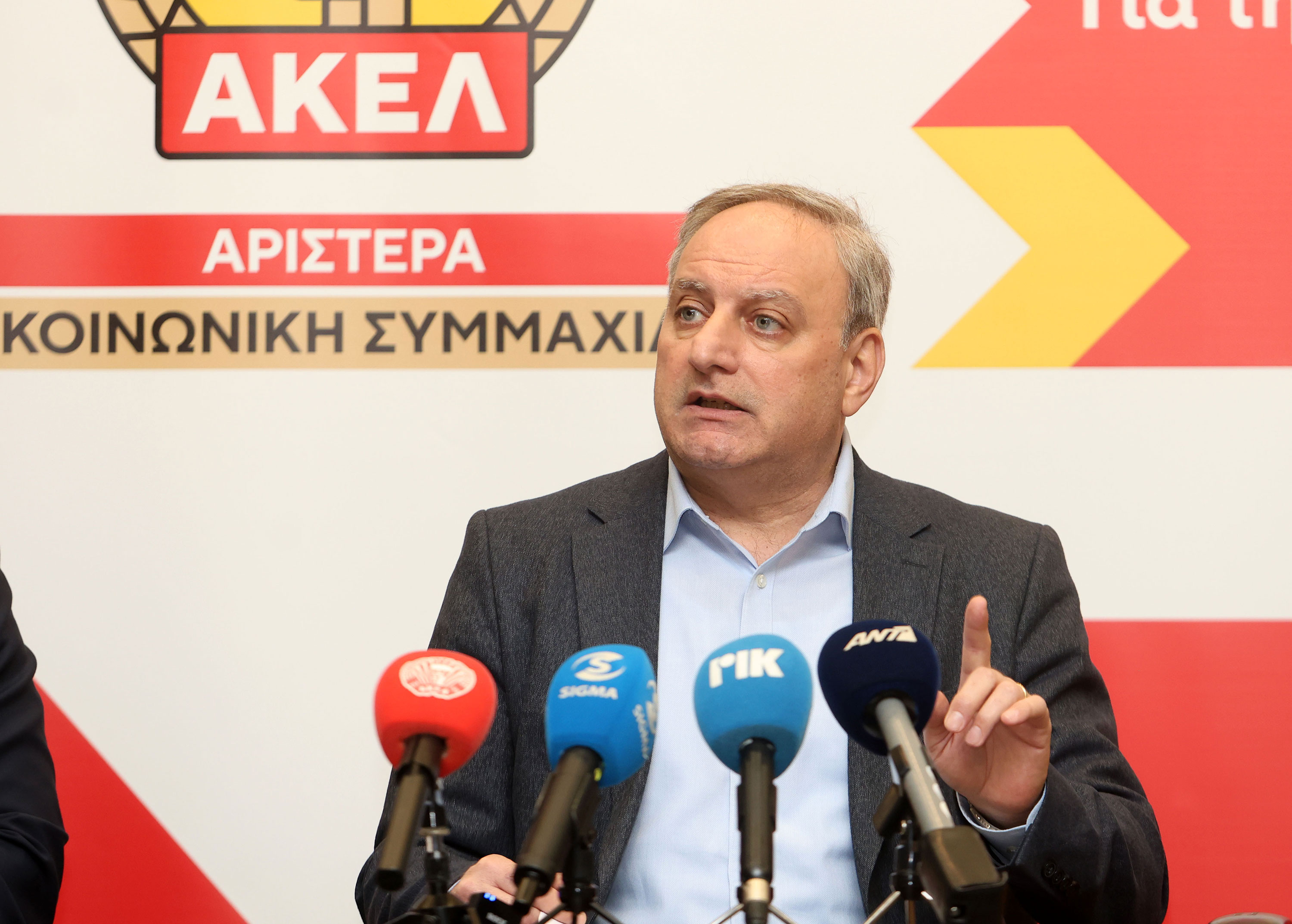
Akel’s central aim in the 2028 presidential election is “progressive change” delivered by a united effort of forces, secretary-general Stefanos Stefanou said on Wednesday.
Speaking in Nicosia at the presentation of the book “Studies on the History of the Left in Cyprus”, Stefanou said the change must rest on “a common progressive programme” and end in victory at the polls.
“Experience had shown that in a world dominated by the institutions, policies and power of big capital, a left-wing government faces great challenges and dilemmas”, he said.
Stefanou said Akel’s ability to shape a political agenda with broader goals was “the objective basis of collaborations”.
He recalled earlier alliances, among them the United Front of Workers and Employees of Limassol in 1943 and the National Liberation Coalition, which operated from 1948 to 1953.
He traced the party’s relationship with power to 1962, when its 10th Congress decided to give Archbishop Makarios critical support.
Akel claimed no part in government and set no conditions beyond “the defence of Cypriot independence”.
It later made agreement on a programme for governance a condition of backing any candidate, he said, as with the Minimum Programme of 1983 in support of Spyros Kyprianou and again in 1988 with Giorgos Vassiliou.
The next stage was Akel’s entry into a governing coalition, with its own cadres serving in the government of Tassos Papadopoulos.
Stefanou said the left wing “must listen to the needs of society, firmly defend workers, democracy, peace and other universal values, join forces and transform demands into collective action”.
Parliament republished the asset declarations of MPs on its website on Wednesday afternoon, a day after withdrawing them over the accidental posting of material the law does not allow to be made public.
By 8.30pm, statements for 53 of the 56 MPs were online, those missing being Michalis Kounounis, Michalis Paraskevas and Demetris Souglis.
The House said on Tuesday that all former, newly elected and re-elected members had submitted the required statements, which its services would post gradually.
Parts of the statements that the legislation does not provide for publishing were then found to have been posted by mistake, and the declarations were temporarily taken down.
House president Annita Demetriou has ordered an investigation. She asked the services for a report of facts on exactly what happened and for strict compliance with all that the law requires. The issue is expected to go before the House institutions committee.
Alma MP Irene Charalambides wrote to Demetriou saying the House had breached its own legislation.
According to her letter, the site carried material the law expressly bars from publication, including personal data of spouses and reconciliation statements submitted to the tax commissioner.
The statements stayed online until late on Tuesday, despite Parliament’s announcement that they had been withdrawn.
Charalambides said the law was passed by the House “to serve transparency without sacrificing the rights of third parties”.
“The issue is not technical. It is a question of accountability,” she wrote, adding that “a simple apology would not close the matter”.
Disy MP George Pamboridis raised the prospect of criminal liability, saying the Attorney General’s office should prosecute if the data was found to breach the law, and called the presentation of declarations “populism” that “feeds gossip and nothing more”.
The Personal Data Protection Authority has asked for the disputed data and links to be removed from websites where they remain accessible.
It is awaiting formal notification of the breach under Article 33 of the General Data Protection Regulation, which requires this without undue delay and, where feasible, within 72 hours.
The republished statements include those of the party leaders, with Demetriou’s declared net worth being €239,550 as of 4 June 2026, with real estate worth €222,500, deposits of €133,100 and four loans totalling €144,050.
Akel secretary general Stefanos Stefanou declared €116,488, while Elam president Christos Christou declared €52,345.
Diko president Nicolas Papadopoulos declared €958,124, mostly in property received through inheritance.
Alma leader Odysseas Michaelides declared €212,783, including 22 inherited properties declared at zero value, among them property and plots now in the occupied north.
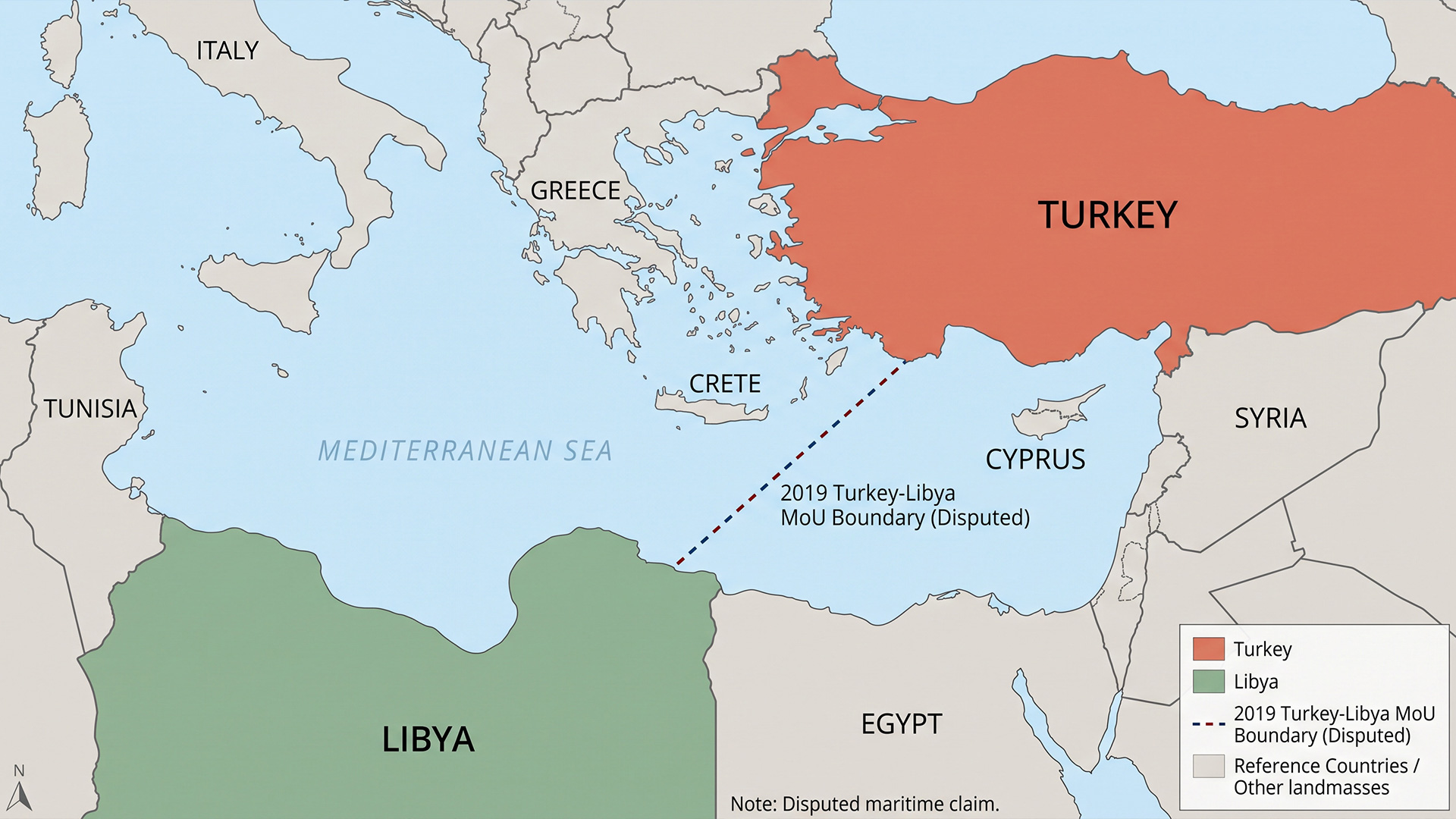
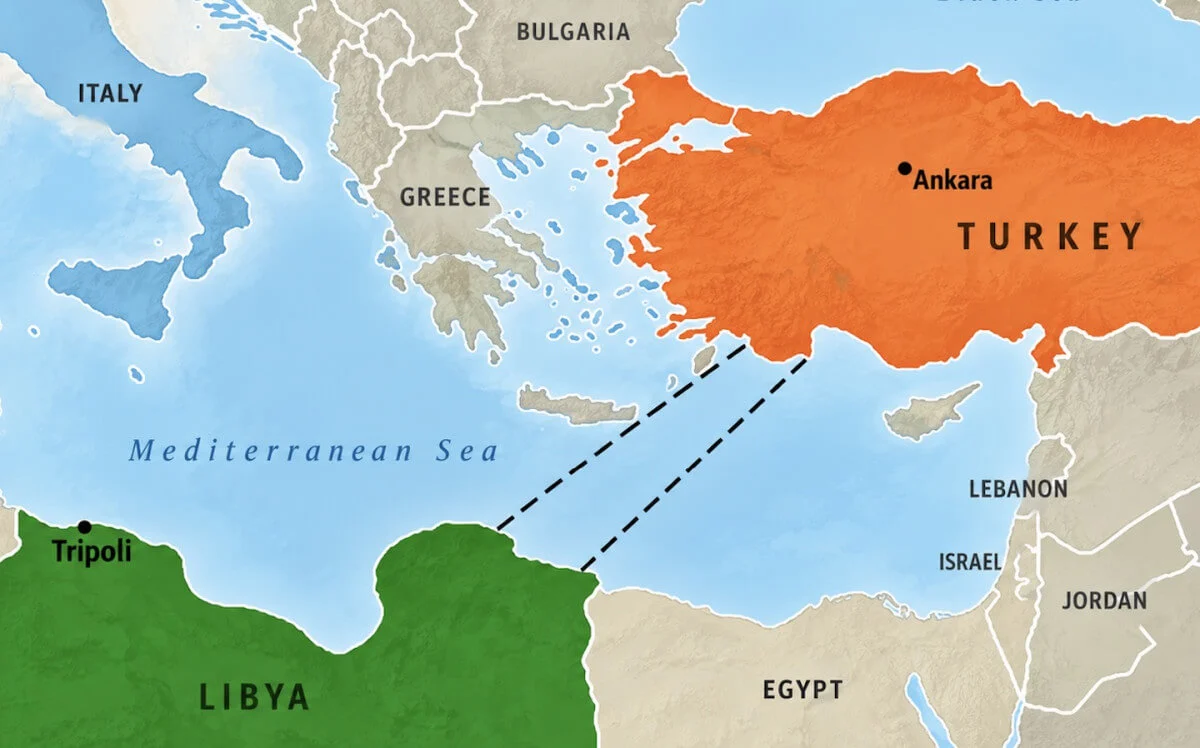
All 27 EU member states have backed a joint statement rejecting the Turkey-Libya maritime memorandum, which the EU said on Wednesday, “violates the sovereign rights of third States” and “does not comply with the Law of the Sea”.
The statement, issued by EU foreign policy chief Kaja Kallas, said the 2019 memorandum is “null and void and cannot produce legal consequences for third States”.
The EU said it “deeply regrets” its ratification by the Libyan parliament on 20 October.
The bloc said its position was “firm and clear” and had been set out in European Council conclusions in December 2019 and repeated in June 2025.
It said it has a strategic interest in a stable and secure Eastern Mediterranean and called on all countries to respect the sovereign rights of every member state, in line with EU law and international law, including the United Nations Convention on the Law of the Sea (UNCLOS).
Kallas added that good neighbourly relations and progress on the Cyprus settlement process were of high importance.
European Council president Antonio Costa and European Commission president Ursula von der Leyen offered “solidarity” to Greece and Cyprus.
They said the agreement “does not comply with the law of the sea” and reiterated the EU’s “well-known position against any outside interference in Libya”.
The Libyan parliament voted unanimously on Tuesday to adopt the agreement.
It states that the exclusive economic zones of Libya and Turkey share a border in the Mediterranean, located south-east of the Greek island of Crete.
Turkey signed the deal in 2019 with the Libyan government of national accord, but it had not been ratified by Libya’s legislature until now.
The government of national unity replaced that administration in 2021 and is the only internationally recognised government of Libya.
Turkey’s MIT intelligence chief Ibrahim Kalin was in Libya on Tuesday to meet Prime Minister Abdulhamid Dbeibah.
The Cypriot foreign ministry called the memorandum “illegal, null and void”, while Athens said, “geography and the international law of the sea do not change with unilateral, legally unfounded parliamentary decisions”.
Both countries are signatories to the UN convention on the law of the sea, though Turkey is not, and Libya signed it in 1984 but never ratified it.
Egypt said on Wednesday that it categorically rejects the ratification by the Libyan parliament of a 2019 maritime memorandum with Turkey, warning Ankara that it will not allow its sovereign rights in the Eastern Mediterranean to be questioned.
In a Foreign Ministry statement, Cairo said the memorandum is “absolutely null and void” and produces no legal effect for Egypt.
It said the deal violates the principles of the law of the sea and the 1982 United Nations Convention on the Law of the Sea (UNCLOS), which govern the delimitation of exclusive economic zones and continental shelves.
The ministry described the memorandum as a clear violation of Egypt’s sovereign rights in its exclusive economic zone (EEZ) and continental shelf.
It said Egypt had opposed the agreement before and rejects any act by any party based on it.
As the memorandum contradicts Egypt’s declared maritime borders, Cairo said it “reserves its right to protect its rights” under international law and to confront any attempt to violate them.
The Libyan parliament voted unanimously on Tuesday to ratify the agreement, about seven years after it was signed by the internationally recognised Libyan government and Turkey.
Israel also condemned the vote, with its foreign ministry saying on X that the decision “violates the sovereign rights of our close allies in the region”, and that “unfortunately, once again we see Turkey acting with the aim of destabilising the Eastern Mediterranean region,” it said.
European Union foreign policy chief Kaja Kallas raised the issue with Turkish Foreign Minister Hakan Fidan in Brussels on Wednesday.
She said she told him the vote “infringes upon the sovereign rights of third states”.
European Council president Antonio Costa and European Commission president Ursula von der Leyen earlier said they “deeply regret” the ratification.
They likewise said the deal “does not comply with the law of the sea” and “is null and void”.
Greece and Cyprus object to the agreement on the grounds that Turkey and Libya do not share a maritime border, since islands are each entitled to a full exclusive economic zone.
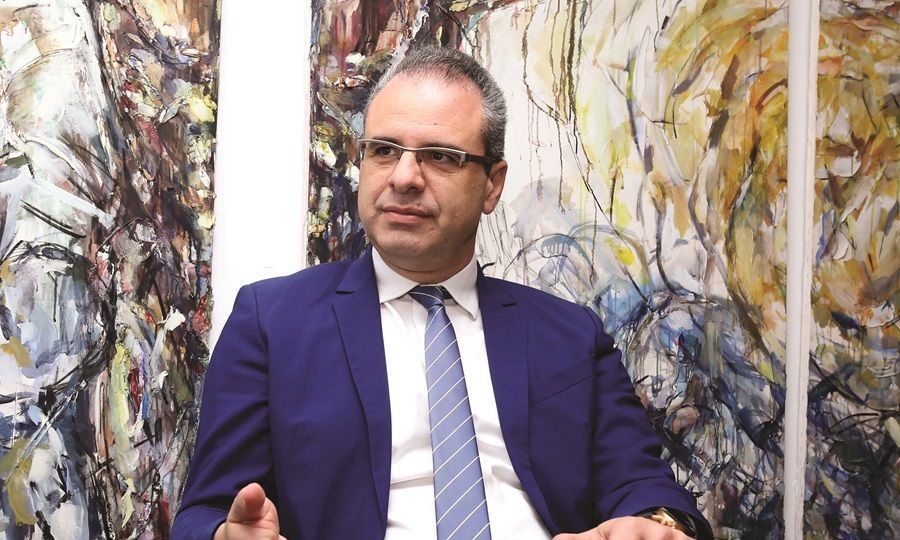
Greek Cypriot negotiator Menelaos Menelaou said on Wednesday that problems over the routing of the Pyroi crossing point “have been overcome”, although a dispute over a second crossing point still stands in the way of an agreement.
Speaking to the Cyprus Mail, Menelaou said the remaining obstacle was the Turkish Cypriot demand that the Louroujina to Lympia crossing be included in any such deal.
He said the Louroujina issue remains open and has not yet been reconciled with the Greek Cypriot proposal for a crossing at Kokkina.
The earlier dispute concerned the route of the proposed road from Athienou through Pyroi to the Nicosia suburb of Aglandjia.
The Greek Cypriot side treats it as a single crossing, while the Turkish Cypriot side objected to a road running through so many kilometres of the buffer zone, arguing that it created security complications.
Menelaou told the Cyprus Mail the route now sits roughly evenly, between the government-controlled areas and the occupied north.
Pyroi is a ruined village in the north, inside a Turkish military zone, whose residents have been displaced since 1974.
Athienou lies on the government-controlled side, and a crossing would cut the drive from there to Nicosia from up to an hour to about ten minutes.
Christodoulides said on Tuesday that he had given Turkish Cypriot leader Tufan Erhurman two new proposals on crossing points, one of which had already been rejected.
Erhurman separately confirmed late on Tuesday that he had rejected a proposal to open the fenced-off area of Varosha under United Nations administration and the port of Famagusta under European Union control.
He said formal negotiations could not begin until the sides agree on methodology and make progress on confidence-building measures.
New crossing points are the most concrete of those measures, as both sides agreed on a package of four after an enlarged meeting in Geneva in March 2025, when UN Secretary-General Antonio Guterres told each side to suggest two.
The Greek Cypriot side proposed the Athienou to Aglandjia road, with a crossing at each end, while the Turkish Cypriot side proposed Mia Milia and Louroujina.
The package has since stalled, for during Guterres’ visit in July, sources told the Cyprus Mail that the Greek Cypriot side suggested opening only two of the four, with Louroujina shelved, which the Turkish Cypriot side refused.
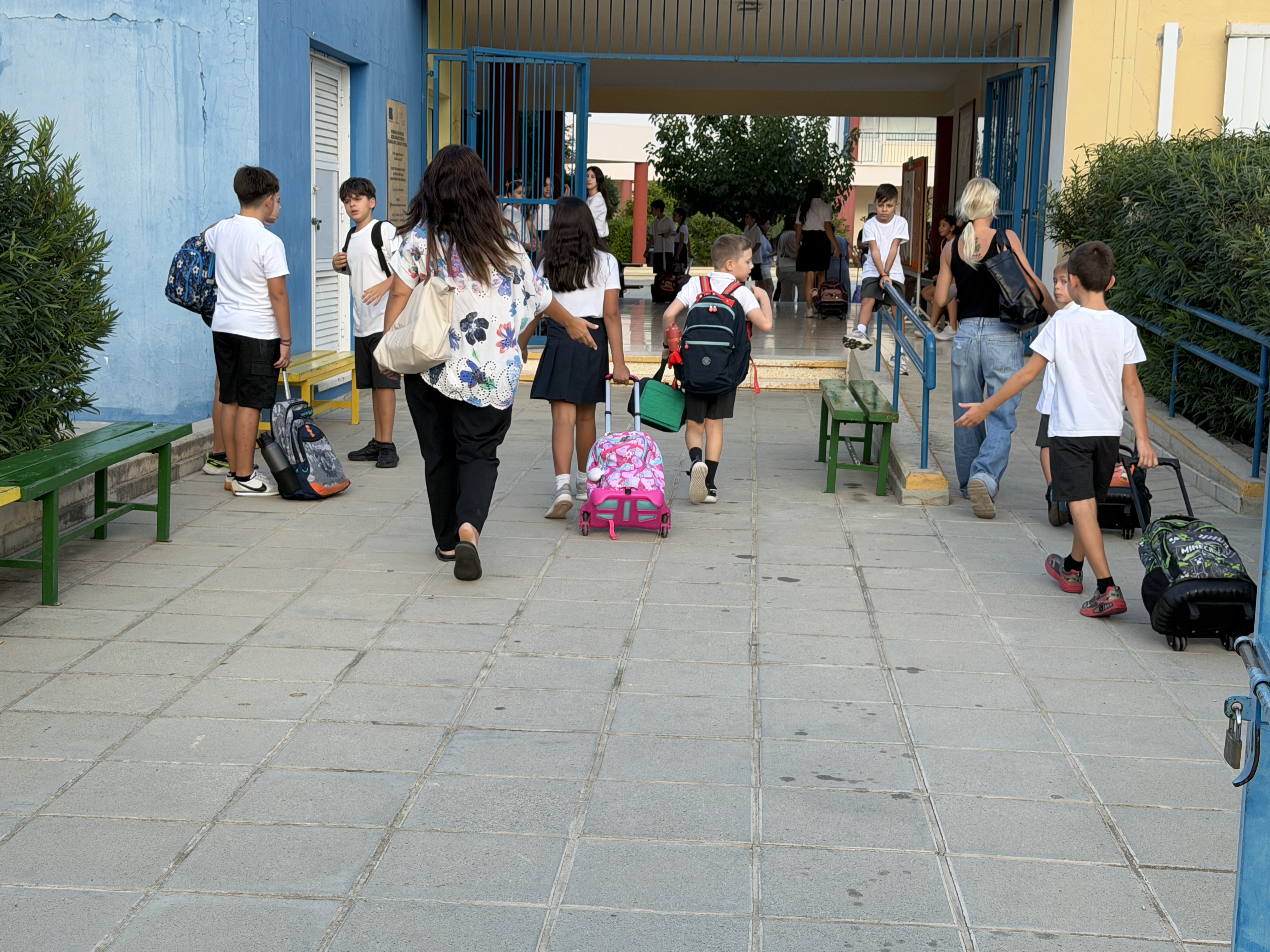
Staffing shortages of about 10 per cent persist in all-day schools in primary and secondary education, MPs heard at the House education committee on Wednesday.
Committee chairman and Diko MP Chrysanthos Savvides said the scheme began in 1999 with nine school units and now covers 383, with participation having risen from 7,000 pupils to 18,000.
“Something right is being done” by the education ministry, he said, but urged that the staffing gap “should be eliminated by next year”.
A new list of appointees has been created for the schools in the hope of easing the problem.
He said technical and vocational schools had shown interest but had no units available.
Akel MP Christos Christofides said the ministry should now make sure all-day schools open on the first day of term and that teachers know their postings by the end of summer.
“It is not possible for parents who planned to take their children to all-day schools to not know what to do with them for about a month,” he said.
Late hiring was pulling teachers from full-time schools and from private schools, which had reported closing classes when staff left mid-year.
Disy MP Prodromos Alampritis said steps had been taken “in the right direction”, with the optional schools now opening a week earlier.
Ninety teacher positions in optional all-day schools had still not been requested. He said teachers should be told by June where they will work in September, and proposed converting most contracts to 29 hours “so that they are more attractive to teachers”.
Elam MP Sotiris Ioannou, whose party registered the issue, said parents were entitled to “a more substantial and supportive approach” from the state.
He said a child’s right to withdraw from the programme, for tutoring or sport, should be respected, and that its optional nature should not stop the search for solutions so that children do not leave.
British Cypriot businessman John Christodoulou said on Wednesday that he believes he can find a solution to the Cyprus problem, as he considers standing in the 2028 presidential election.
Speaking to ANT1, Christodoulou said he could not accept that no decision had been reached in 52 years.
“I am a refugee, we need to go back to our homes, we must confront the Turk who stole our land. For 52 years, no one has managed to do it, I think I can.”
He said he would make a final decision on standing for election in January after speaking to his family.
“If I am ultimately a candidate and the people want me, then I will be there to help.”
Christodoulou said colleagues and friends had warned him against standing. remarking that “they tell me that my life will change and that I might ruin it”, he said.
The interview followed a statement issued on Tuesday in which he confirmed his interest in the presidency.
He said Direct Democracy leader Fidias Panayiotou was not the only individual urging him to stand, and that he would serve only “if he could make a genuine difference”.
“I am not a politician. I have never wanted to become one,” he said.
He said his aim was “a country where nobody goes hungry, nobody is left homeless, and nobody is afraid to walk home at night”.
Local media reported that Panayiotou had raised his name with party leaders, including Akel, to explore a joint candidacy, and had received no answer.
Akel secretary general Stefanos Stefanou played down speculation that his party was sounding out candidates, while Direct Democracy is also in talks with Odysseas Michaelides’ Alma party regarding a joint candidate.
Christodoulou owns Yianis Group, which holds hotels and flats in Canary Wharf and elsewhere in Britain.
The Sunday Times Rich List 2026 puts his wealth at £2.7 billion. In Cyprus he is active mainly through the Yianis Christodoulou Foundation.
In 2021 he was reported to be close to a £30 million takeover of Omonia football club, but talks with majority owner Stavros Papastavrou reportedly collapsed.
His British business affairs have drawn scrutiny, for in 2012 hotel owning companies in the group went into administration, costing him a Manchester Marriott and a Park Inn near Heathrow.
In 2022 he reportedly admitted to a tribunal that residents at 1 West India Quay had been overcharged by 26 per cent on utilities.
In March 2024 the UK government began legal action seeking £20.5 million from his companies towards fixing unsafe blocks at Canary Riverside.
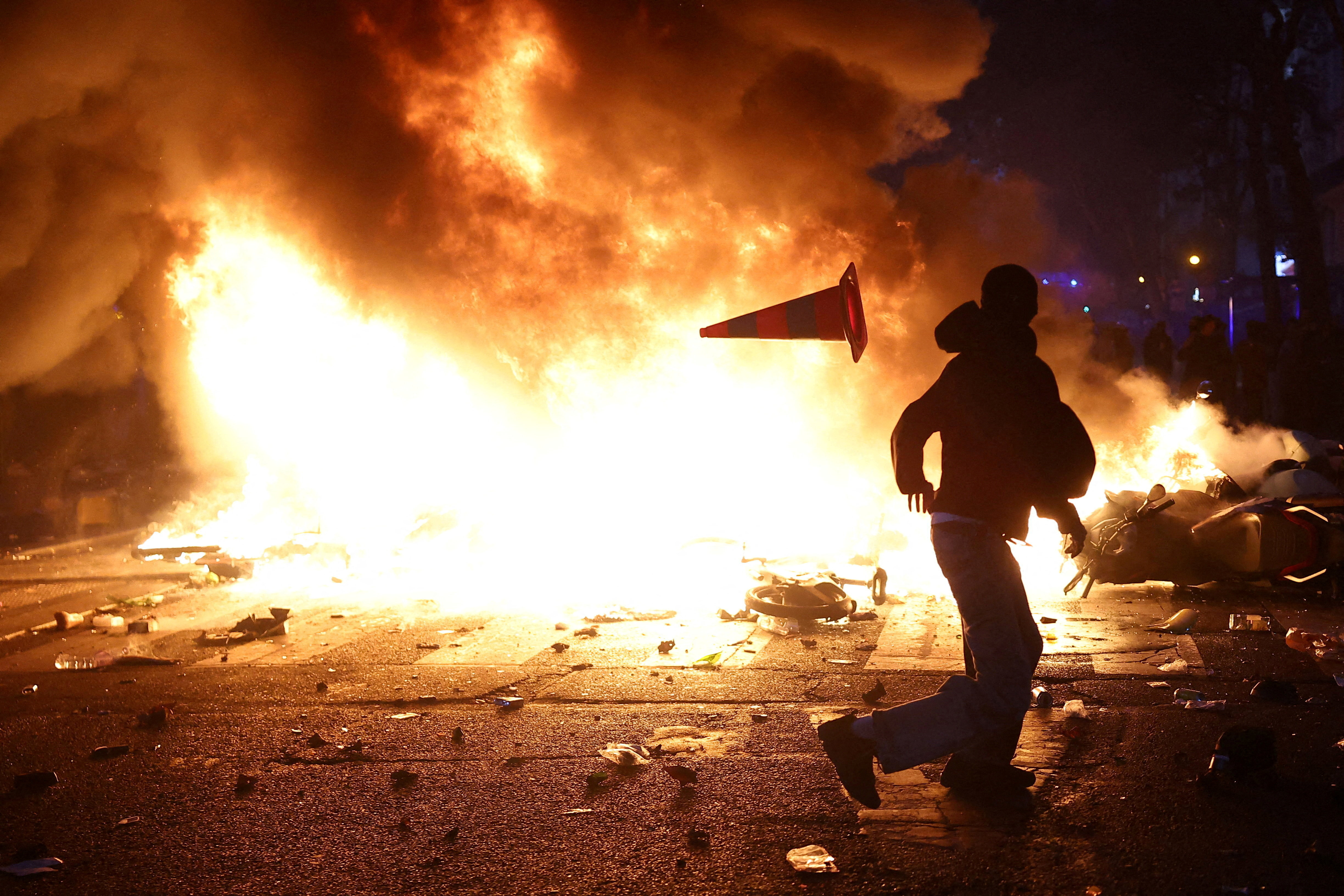
President Emmanuel Macron vowed on Wednesday to prevent a repeat of last weekend’s violence at protests planned in the coming days, and dismissed as “stupid” and “unacceptable” comments from some foreign leaders about the unrest.
France’s main student union, UNEF, has called for further rallies on Saturday, while the Yellow Vest group, which emerged as a potent anti-establishment movement in 2018, has filed plans for a march through central Paris the same day.
Efforts to ease social tensions showed little sign of progress, as unions pledged to press ahead with a general strike on November 5 to denounce the high cost of living and cuts to public services after government talks ended inconclusively.
France was hit by some of the worst urban tumult in years on October 17 on the fringe of nationwide protests, shocking the nation both because of its scale and the apparent inability of police to contain it.
Macron said he would meet intelligence officials and senior ministers on Thursday to discuss the crisis.
“Those who want to cause disorder in city centres next Saturday will be prevented from doing so,” Macron told reporters during a visit to Qatar, where he has been seeking energy deals as France grapples with rising fuel costs.
He also accused some foreign leaders of spreading misinformation about what had happened. US President Donald Trump in particular has blamed immigrants and radical Islam, without providing evidence, and said the turbulence was a warning for Americans.
Asked whether he was referring to Trump, Macron said: “Among others”, adding that some foreign politicians were looking to make political capital at the expense of France.
“There was foreign disinformation in the aftermath, which prompted comments that were as unacceptable as they were stupid from many people, including foreign leaders,” he said.
BORROWING COSTS RISE AS INVESTORS FRET
Highlighting investor concern over the situation, French government borrowing costs have jumped this week, pushing benchmark 10-year bond yields to 5%, their highest level since July 2002.
Analysts said the move reflected worries that the unrest could complicate government efforts to repair strained public finances at a time of already mounting budget pressures.
Prime Minister Sebastien Lecornu met union leaders in an effort to defuse the crisis, but there was no sign of a breakthrough, with labour groups saying they had received no concrete response to their demands on wages and public services.
“There has been no consideration whatsoever of our demands,” said Sophie Binet, head of the left-wing CGT group.
“The time has come to take the mobilisation to the next level,” she added, confirming next month’s national strike.
The protests reflect a deeper malaise in France, where high energy costs, pressure on household budgets and concerns about the state of public services have fed a growing sense of frustration among workers and young people.
A second consecutive night of local curfews passed without major incidents in areas hit by the mayhem, offering the government some respite as it prepared for fresh demonstrations.
Government ministers have promised a vastly reinforced security operation this coming Saturday after acknowledging shortcomings in their initial response, with troops expected to be deployed alongside additional police.
Justice Minister Gerald Darmanin said on Wednesday around 2,500 people had been taken into custody following the October 17 protests, adding that 917 suspects had been referred for prosecution and 174 people already jailed.
PROTESTS ELSEWHERE IN EUROPE
The unrest has triggered a political backlash ahead of presidential elections next year, with candidates from the far right and hard left performing strongly in polls.
“The government has lost control of everything,” far-right leader Marine Le Pen told Franceinfo radio.
The hard-left France Unbowed (LFI), which has denied allegations by ministers of fueling the unrest, criticised plans to deploy troops on the streets of Paris.
“Demonstrators are not enemies within. The French government must not go to war against its own people,” LFI’s parliamentary group said in a statement.
Protests in other European countries have added to concerns that anger over living standards risks spreading at a time when many nations are struggling with budget woes.
In Greece, thousands of students and teachers took to the streets on Wednesday, demanding higher state funding for education, better facilities and less-crowded classrooms, echoing protesters in other European countries.
Meanwhile Italy approved a raft of security measures on Tuesday, including a new offence of violent participation in a demonstration and tougher penalties for rioters in response to turbulence last weekend.
Government websites in Europe and elsewhere went offline on Wednesday after the disclosure of critical vulnerabilities in a widely used programming language sent website operators around the world scrambling to protect their systems.
Developers of the PHP programming language on Wednesday released urgent new fixes to vulnerabilities that had been lurking in their software for years until they were uncovered using AI, saying all users were “encouraged to update immediately.”
With tech firms warning that some hackers were already exploiting the flaws, government agencies across Europe were among those that took sites offline as a precaution.
Because a fix is now public and artificial intelligence tools are able to reverse engineer the bug with little effort, experts said they were bracing for a wave of intrusions as hackers jumped to get ahead of the updates.
AI was powering a “race to exploit,” said Costin Raiu, co-founder of cybersecurity research and incident response firm TLP:Black. He said the next step was the “mass compromise of every vulnerable web server on the internet.”
PHP — a language that dates back to the early 1990s and initially stood for “Personal Home Page” — underpins huge parts of the public-facing web and is baked into WordPress, Drupal, Joomla and Magento sites, meaning any critical vulnerability potentially has enormous knock-on consequences.
“All servers using any version of PHP released in the last 20 years will be vulnerable,” said Tiffany Farriss, the interim chief executive of the Drupal Association. “This issue impacts the majority of the internet.”
Cybersecurity agencies around the world have urged PHP users to update immediately or take websites offline until patches can be applied.
According to data from Censys, the internet intelligence firm, about 1.5 million out of 2.6 million hosts report running a version of PHP for which there is no fix.
The Dutch cybersecurity agency itself went offline, saying it had done so as a precaution because of the vulnerabilities. The operator of the online encyclopedia Wikipedia also said it had taken down an unspecified number of systems until they could be safely patched, while the Internet Archive, the sprawling online library, said it also briefly went offline to deal with the issue.
Even some world leaders weighed in. The Dutch prime minister said he was closely monitoring the situation. Japanese Prime Minister Sanae Takaichi in a post on X said website owners should “check whether your live site uses PHP and prepare to apply the new fix.”
BUG FOUND WITH AI
The flaw in PHP was discovered using artificial intelligence, two cybersecurity companies said in independent reports. Calif said in a blog post it found the flaws with the help of a large language model on August 1 and had been working on a fix ever since. Alphabet-owned GOOGL.O cybersecurity company Wiz said in a blog post that it too had discovered it with the help of Wiz Atlas, its autonomous AI vulnerability research tool, as well as Google’s Gemini 4 Argon and OpenAI’s GPT-5.6 Sol.
The vulnerabilities remained hidden in the PHP codebase for more than a decade and would have been extraordinarily complicated for a human hacker to take advantage of, Wiz’s post said.
“Pre-AI, this manual work would be difficult to implement and even harder to scale,” it said. “With AI, this is no longer a barrier.” Calif and Wiz said they coordinated with one another and the PHP team and OpenAI on the discovery.
In a statement, the White House said it was made aware of the flaw on Friday.
In a blog post late on Wednesday, Amazon AMZN.O security chief CJ Moses said the tech giant’s security team detected an attempt to exploit the vulnerabilities against one of its decoy “honeypot” systems on October 17, four days before public disclosure.
The attempt on the system came from an anonymous internet address, suggesting the activity was conducted by a threat actor, Moses said, adding it was unclear how the actor learned of the flaws while they were under embargo.
More attempts followed on Wednesday by multiple actors before the embargo lifted. Amazon said it was still unclear whether any of the attempts would have worked against real websites, adding the flaws were “now being broadly exploited in the wild.”
CRITICAL SOFTWARE
PHP is a programming language used to run websites. When a visitor loads a page, a server running PHP assembles the content and sends it to the browser. It is free, open-source software maintained by volunteers.
Its ubiquity — PHP runs roughly 75% of websites whose programming language can be identified, according to web technology tracker W3Techs — has made experts anxious. AI-assisted hacking campaigns, which have proliferated in recent weeks, could wreak havoc on unpatched servers, said Lukasz Olejnik, a visiting senior research fellow at King’s College London.
“The scale is huge, and with AI, exploitation may happen instantly,” Olejnik said.
WordPress.com operator Automattic said users of its hosted solutions and Tumblr were safe from the bug. Risks were higher for small PHP-powered websites run by individuals or organizations with limited technical resources, often on shared hosting services where customers do not directly manage the underlying servers.
MASS OUTAGES
In the Netherlands, several organizations followed the example of the National Cyber Security Centre and took public-facing websites offline, including the Port of Rotterdam, government portal Overheid.nl, the national soccer association KNVB, the websites for the country’s five largest political parties and several hospital websites.
Danish municipal IT company Kombit said it had shut down several services, including the national school communication platform.
Disruption was even more widespread in Finland, where state IT services provider Valtori said government public network services had been taken offline “as a precautionary measure.”
France’s Interior Ministry said it had placed all of its websites into preventive maintenance.
Dust from Syria and Lebanon is reaching Cyprus this week, with more episodes expected in the coming days.
Met office spokesman Andreas Chrysanthou said that it was unusual to see dust this often at this time of year.
Dust is expected to blow in from the east tonight and tomorrow, though Chrysanthou said the island was under no significant burden for now and concentrations should stay low in the coming days.
The weather will stay mostly clear and warm, with highs of 28C expected in Nicosia, up from 25C earlier this week.
In Troodos temperatures should stay at around 9C, after dropping to 6C, while Limassol and Paphos will see 16C to 18C.
Chrysanthou said temperatures would stay one or two degrees above recent levels until Friday, close to normal for the time of year.
Next week is expected to look very different, with rain and storms possible from the middle of the week.
A heartfelt event is organised this Thursday, October 22 to honour Ruth Keshishian, the beloved Moufflon bookshop owner who passed away in August of 2025. ‘A Cascade of Messages for Ruth’ was conceived by Yianna Tsolaki, inspired by one of her last conversations with Ruth.
The two had been planning to take a walk through Agios Andreas, the neighbourhood where they had lived at different times, with the aim of exploring the personal and collective memories held by this particular place. The walk never took place, but the idea behind it now lies at the heart of the event.
Embracing Tsolaki’s invitation, friends of Ruth’s now take part in a shared, imagined walk on October 22, each sharing their personal memories of Ruth and the neighbourhood.
As such, Dance House Lefkosia in the Agios Andreas neighbourhood will host the event with doors opening at 6.30pm and the event starting at 7pm.
Through personal stories, reflections and memories, the invited guests lived experiences with Ruth will gently weave a collective journey through time and place, focusing on the mark Ruth left on those who knew her.
The event brings together Ruth’s friends and collaborators, as well as people from the worlds of culture, the arts and literature, including Arianna Economou, Vasukhan BX, Gabriel Koureas, Garo Kehechian, Chris Connaris, Mary Plant, Natia Anaxagora, Sevina Floridou, Stella Evangelidou, Stefanos Stephanides, Khourig Torosian, Nouritza Matossian, Haris Pellapaisiotis, Constantinos Economides and Diana Wood Conroy. The event is complemented by photographs by Andreas Drousiotis and music by Tasos Papamichael.
A Cascade of Messages for Ruth
Friends and collaborators of Ruth Keshishian (owner of Moufflon Bookshop) share memories and stories. October 22. Dance House Lefkosia, Nicosia. 7pm. Free. Tel: 99-573420, 99-486772

 Login