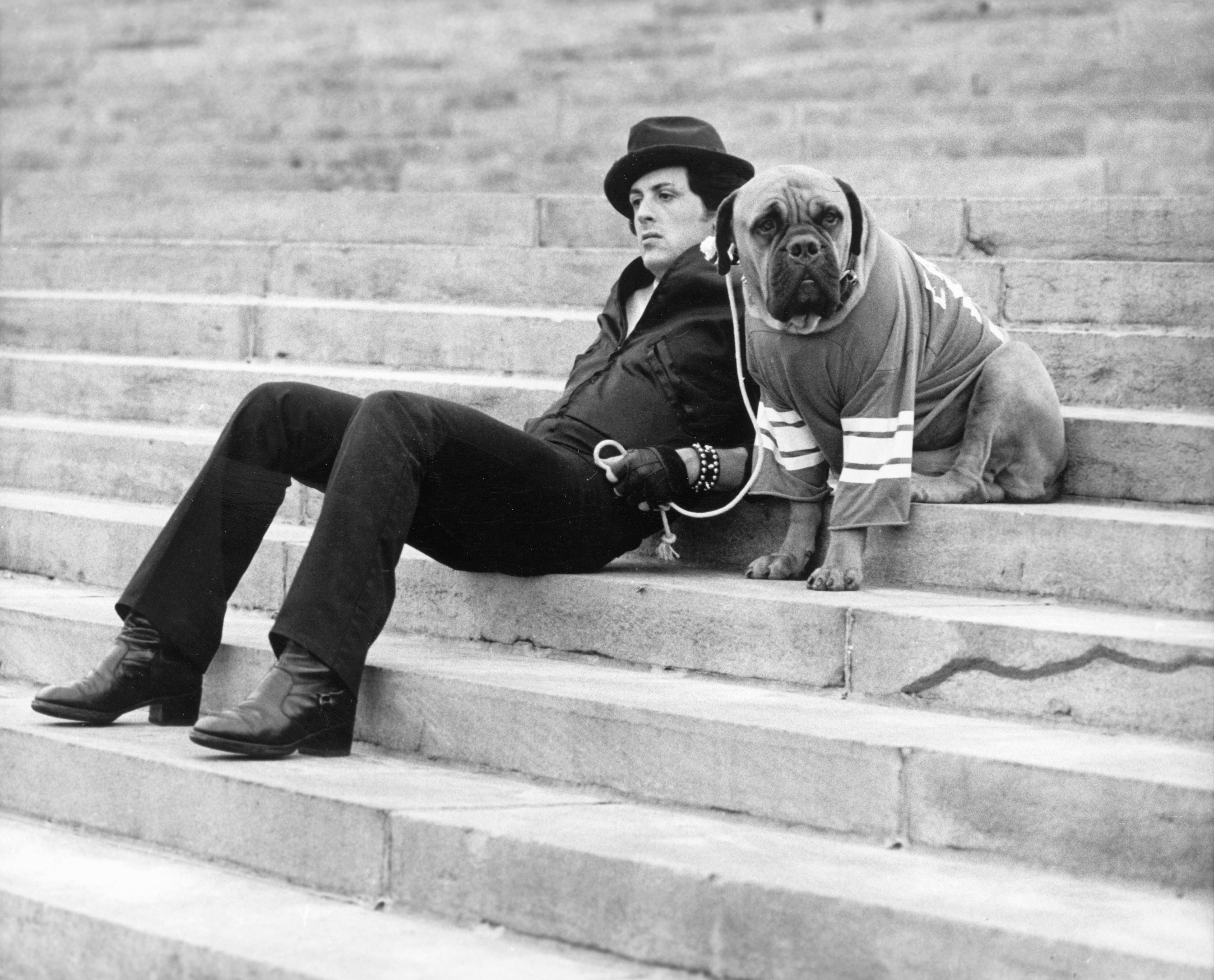
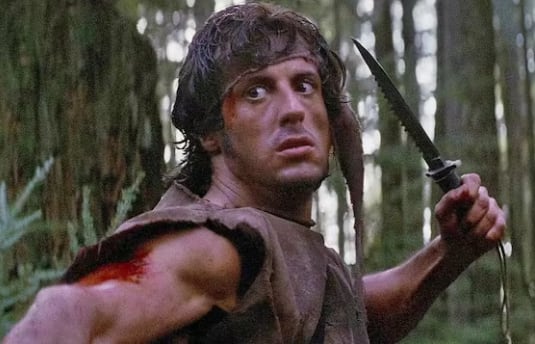
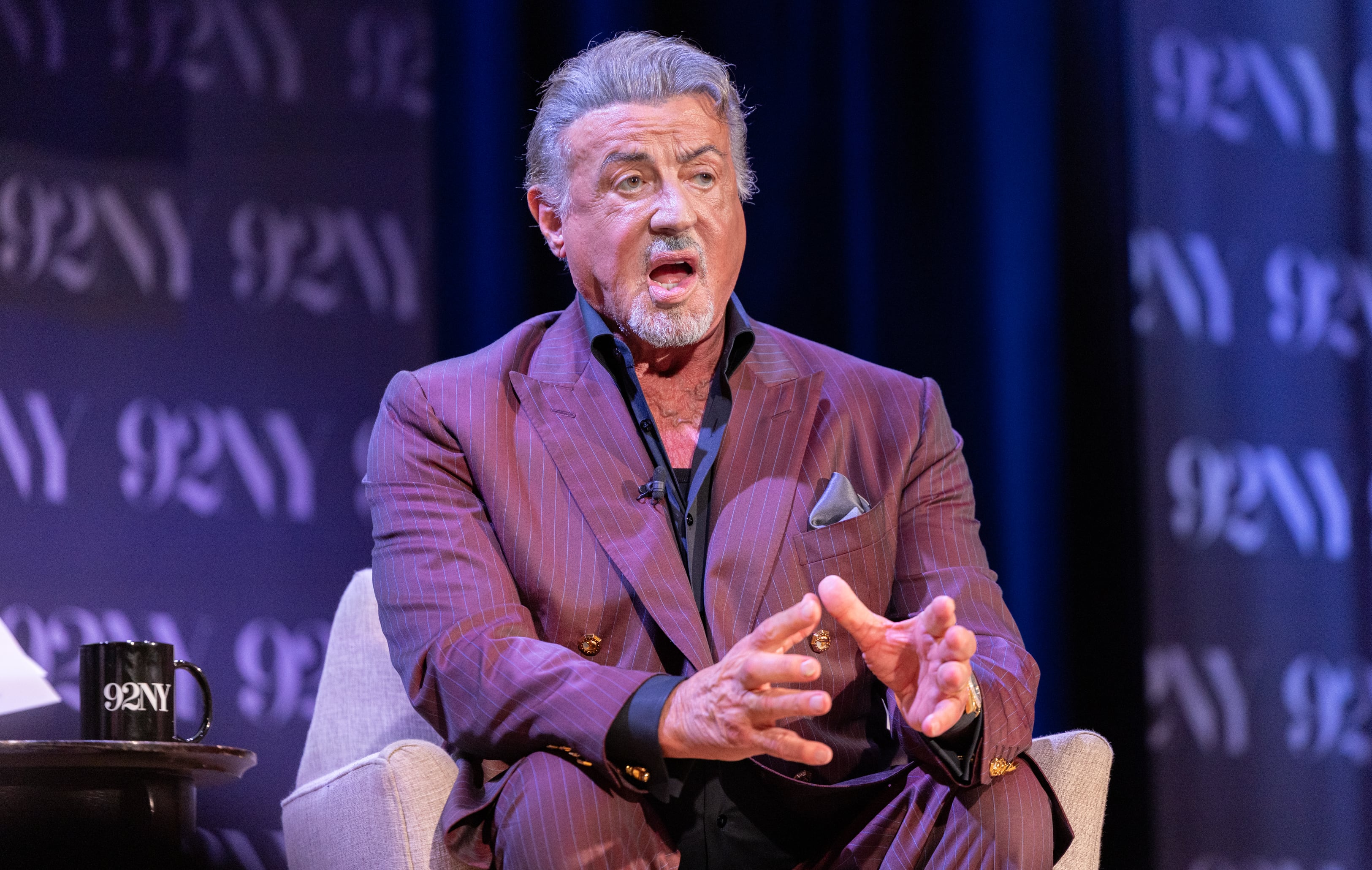
It is Sylvester Stallone’s fourth interview of the day. Is he tired of talking yet? “No, because this is the first one about my memoirs,” he replies from a hotel room in New York, his hometown, overlooking Central Park, where he is meeting with EL PAÍS.
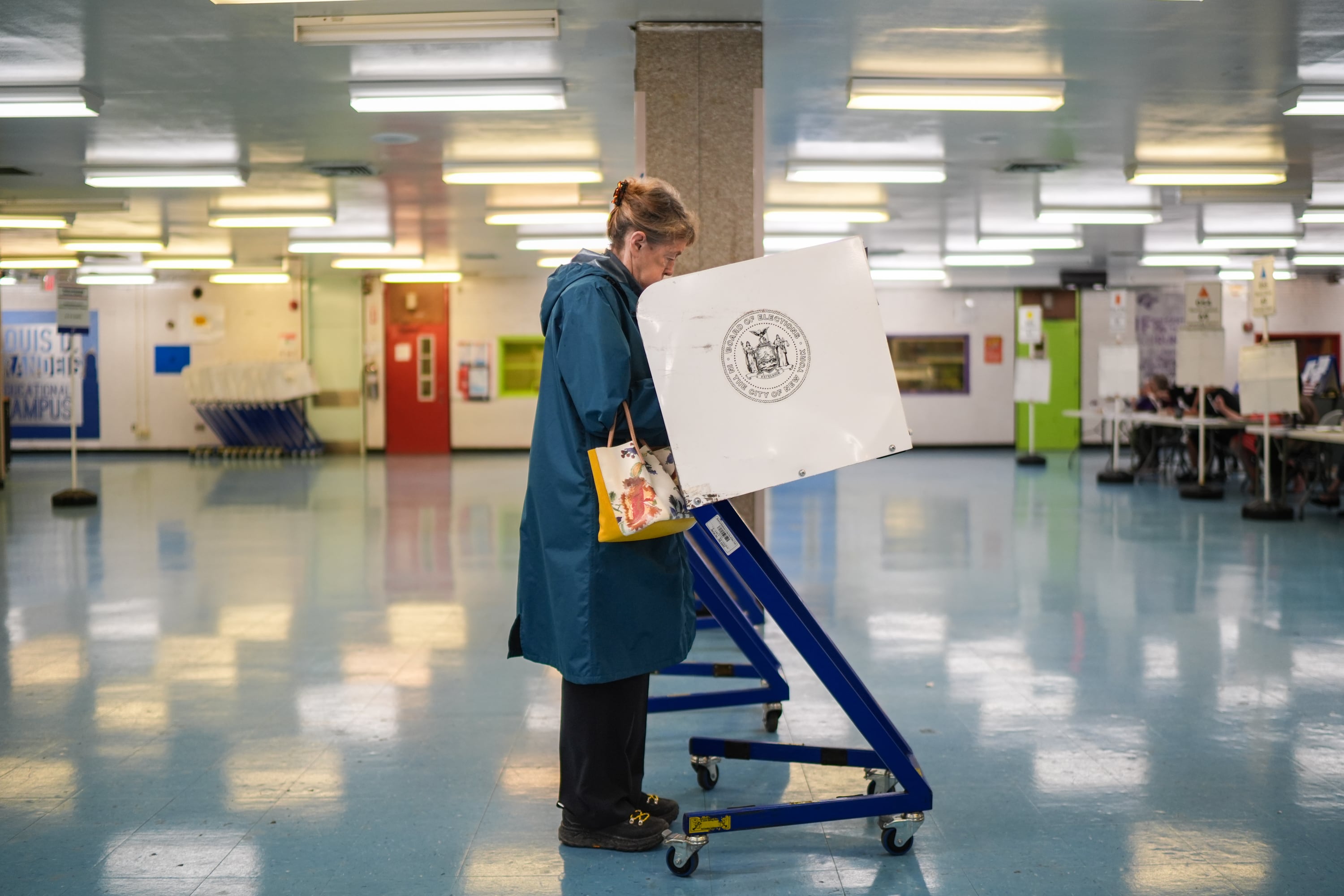
The U.S. midterm elections will not only determine who will occupy the Congressional seats and governorships up for grabs in November. In several states, voters will also find ballot measures seeking to amend laws, approve tax changes, or add new provisions to state constitutions.
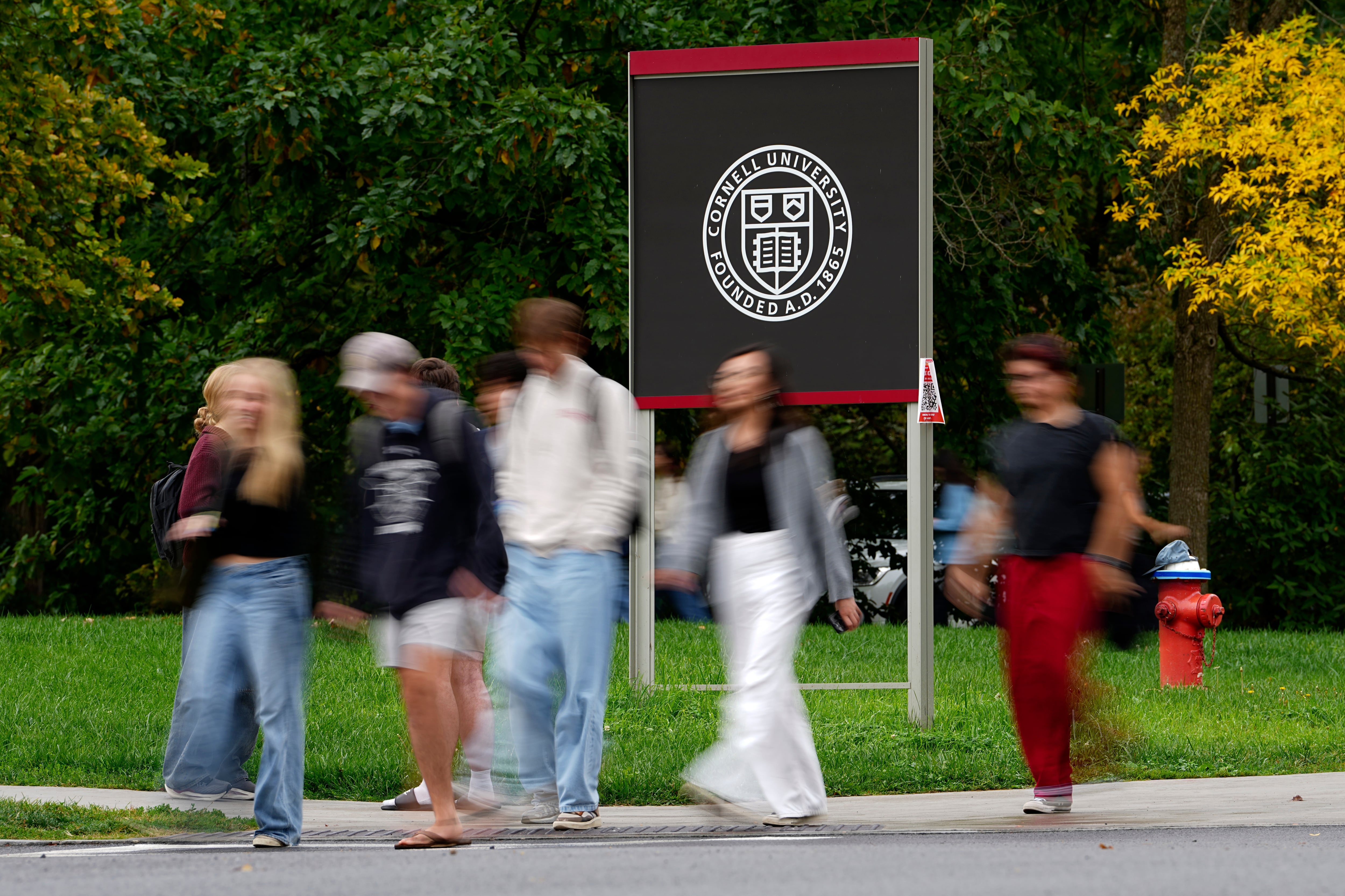
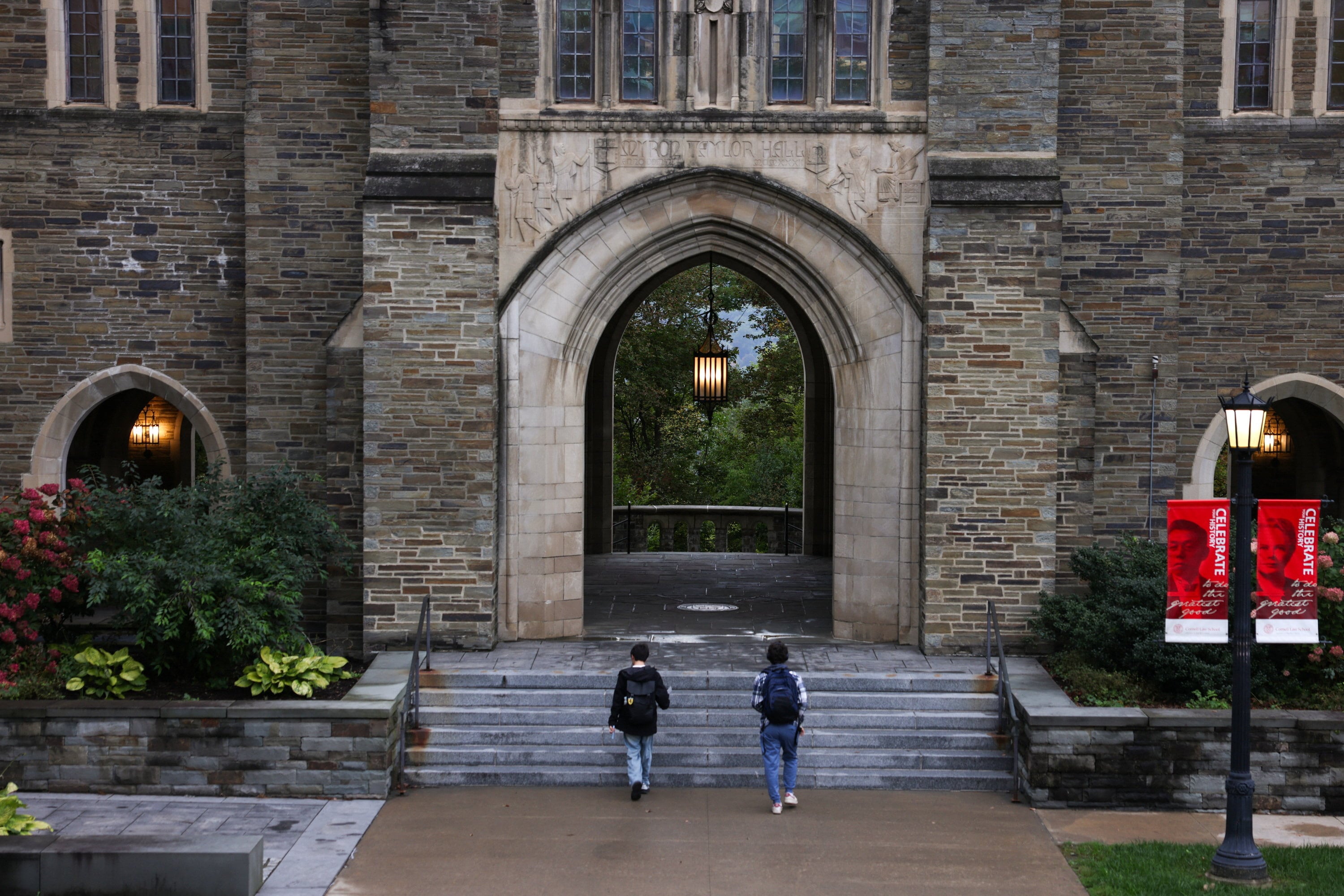
“Let’s defeat the patriarchy.” “Cornell protects rapists and expels protesters.” Graffiti like this appeared Monday morning on the facade of Day Hall, one of Cornell University’s administrative buildings. This is the latest sign of outrage among many students over a case that has shaken not only this elite New York State university but the entire United States — a country that is increasingly viewing with concern how sexual violence against women on college campuses is a structural problem for which no solution has been found.
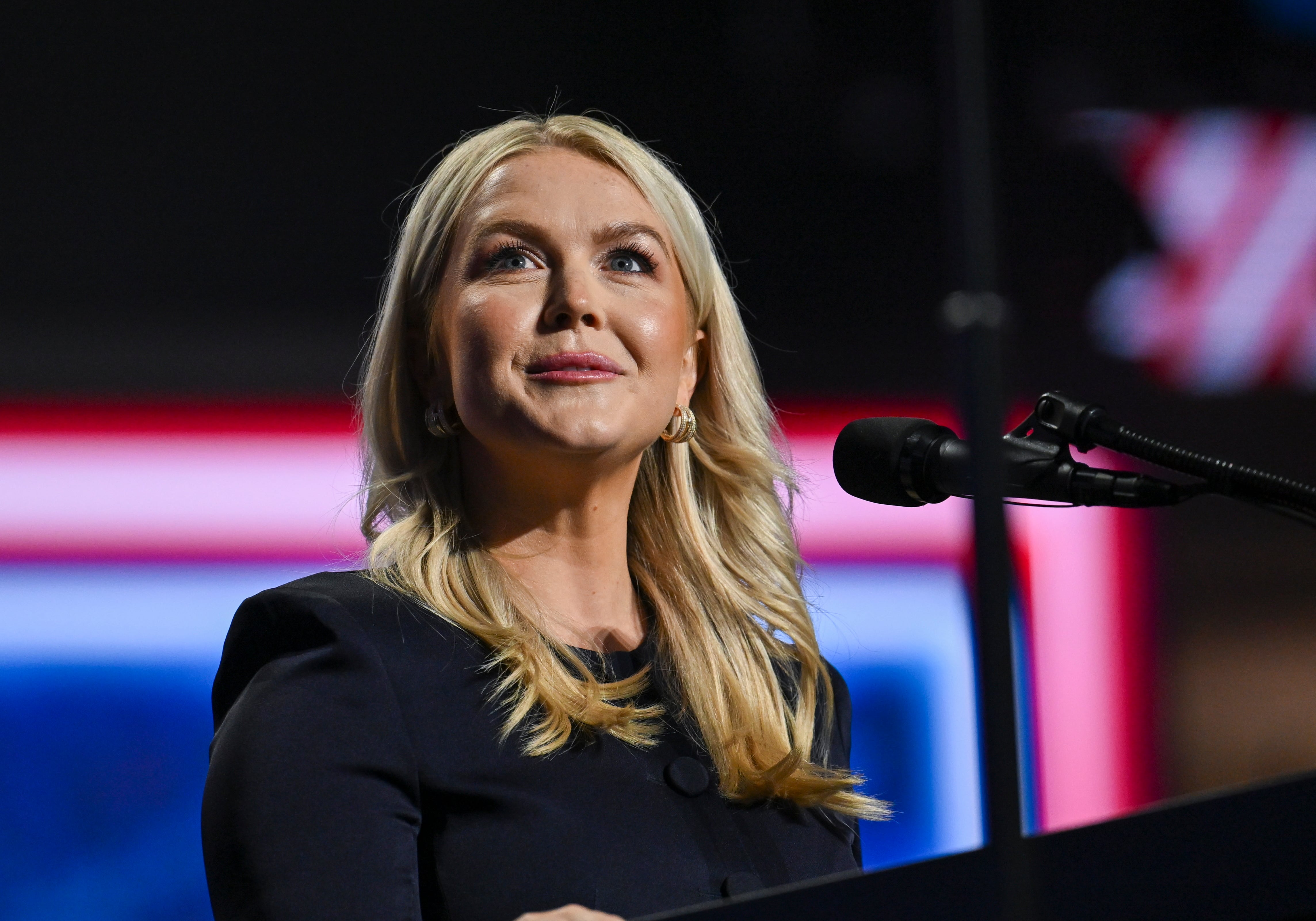
The White House press secretary is one of the most exposed jobs in the world, but with a $195,200 salary it is not among the highest paid. In Washington it is assumed to be a thankless task that often, like many roles that require rolling up your sleeves in the administration, serves as a prelude to more lucrative work: million-dollar book deals, senior private-sector posts, or a jump to the media. This Monday Karoline Leavitt, who resigned her post last August, chose the latter option: she will join Fox News, the conservative network confirmed.
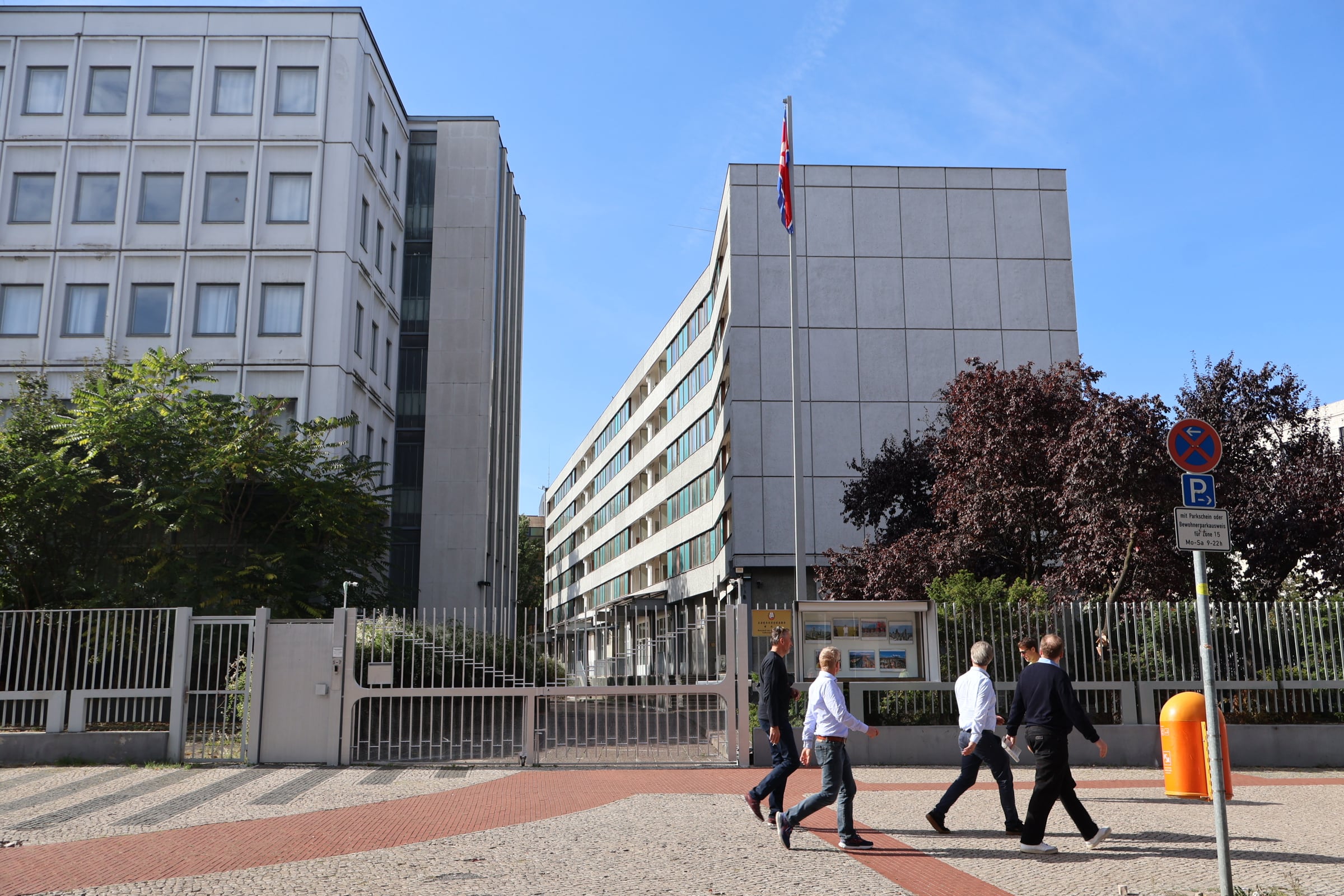
In the morning, when I get up, the first thing I see from my bedroom window is North Korea. I live in the heart of Berlin but my next-door neighbor is the embassy of the Democratic People’s Republic of Korea. In its huge facilities, inherited from when communist Germany (the GDR) existed, German law does not apply. The person who calls all the shots in there is a diplomat named Kim Chol Jun who, according to the German foreign ministry, does not hold the rank of ambassador.
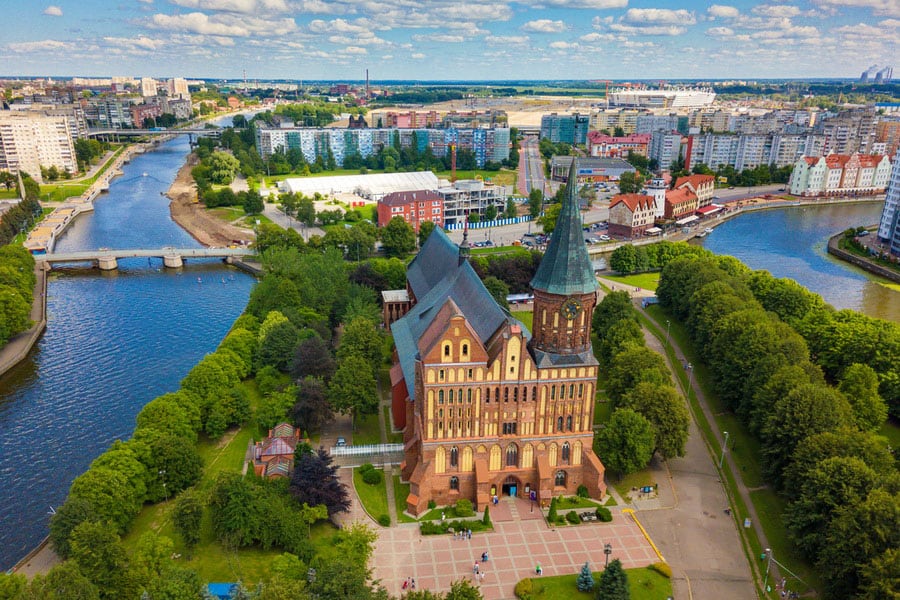
Kaliningrad, the militarized Russian exclave wedged between NATO and EU members Poland and Lithuania and a constant flashpoint between the Kremlin and the Atlantic Alliance, has become the center of Vladimir Putin’s nuclear threat against Europeans. Last week Moscow accused NATO of seeking to block Kaliningrad and threatened to use nuclear weapons if the military organization moves forward with that alleged plan. For the Kremlin, the exclave, which gives it a strategic outlet to the Baltic Sea (it is the only port it can use year-round) and is a key node in its hybrid war against Europe, is an advanced bastion. For NATO, it is a piece on the board that shapes any crisis in the Baltic because it could hinder allied military movements.
In the early 1980s, the surname Zambada did not openly resonate in the drug-trafficking world. That allowed Ismael “El Mayo” Zambada, patriarch of the criminal dynasty, to move through California without worrying too much about hiding his tracks. He was 32 then and beginning to weave a network of warehouses, transporters, distributors, customers, and money launderers. Over time, the Los Angeles metropolitan area would become the Sinaloa Cartel’s main hub in the United States for drug distribution and collection of illicit proceeds. El Mayo has been serving a life sentence imposed by a New York judge since July.
There are moments in the life of democracies when parliament, because of its divisions and deadlocks, is unable to respond to the urgent needs of a country — and when that happens, it means it is time to give citizens a voice. Spain is living through one of those moments.
There is a generation of filmviewers that cannot separate Vincent Cassel, 59, from the 1995 movie La Haine (Hate), where he dominated the screen. Although more than three decades have passed, Mathieu Kassovitz’s film was already exposing the seams of modern France. A Jewish kid from the Parisian suburbs, inflamed by frustration, resentment, the poison of social exclusion, a constant sense of injustice and a desire for revenge after a friend gets killed by the police. Vince, but also Saïd and Hubert, his closest friends, formed a trio that would be unlikely today in the banlieues of the Paris periphery. An Arab, a Black man and a Jew united by that prescient smell of fracture, exclusion and identity conflicts that began to feed the hatred and stoke the fire of the far right.
Production: Nono Vázquez. Photography assistants: Emilio Azevedo and Adrián Wong. Production assistants: Laura Gimenez and Isabel Orozco. Makeup and hair: Anne Bochon. Movement direction: Pauline Gudet. Video: Daniele Vaia. Studio: Paul Le Cacheux Photographer.
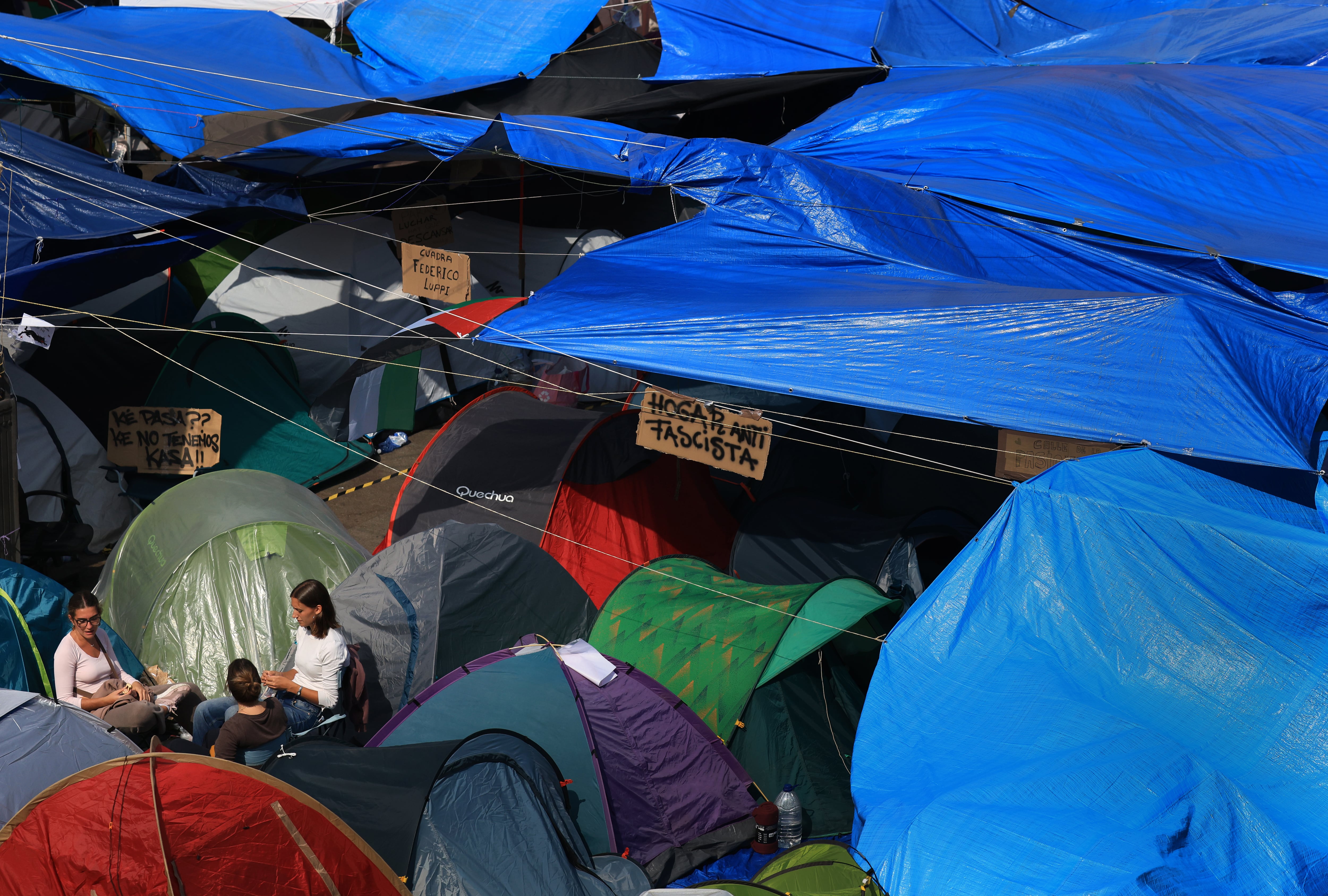
It’s Friday night in Madrid. Walking down Preciados street towards Sol square, the tents and the huge banners announcing the protest encampment can already be seen some distance away. Suddenly, a voice cries out amid the crowds from an indeterminate spot on the street. It belongs to an old man with white hair, his nose and chin almost touching. His name is Héctor, he is Ecuadorian, he is going hoarse, and he deserves some credit for what he is attempting to do: standing next to the epicenter of Spain’s mass protests for decent housing, with a country convulsed and fed up with prohibitive prices and home evictions, Héctor is preaching the end of the world and urging people to return to God. “What do you think of what’s happening over there, in Sol?” the reporter asks, pointing to the packed square. Héctor, escorted by a woman named Noemí, approaches and whispers mysteriously: “The final times are always dangerous times. Uncivilized times.” He then asks Noemí to show the reporter some texts from Timothy. “The first thing people must do is repent and return to God,” he concludes. He says goodbye with a smile and goes back to his shouting.
Elon Musk is stepping on the gas with Starship. His flagship spacecraft, the largest ever built, entered orbit for the first time on Monday, and his space company, SpaceX, has already received approval from the U.S. federal government to accelerate the current testing phase and launch it twice more in October if it wishes.
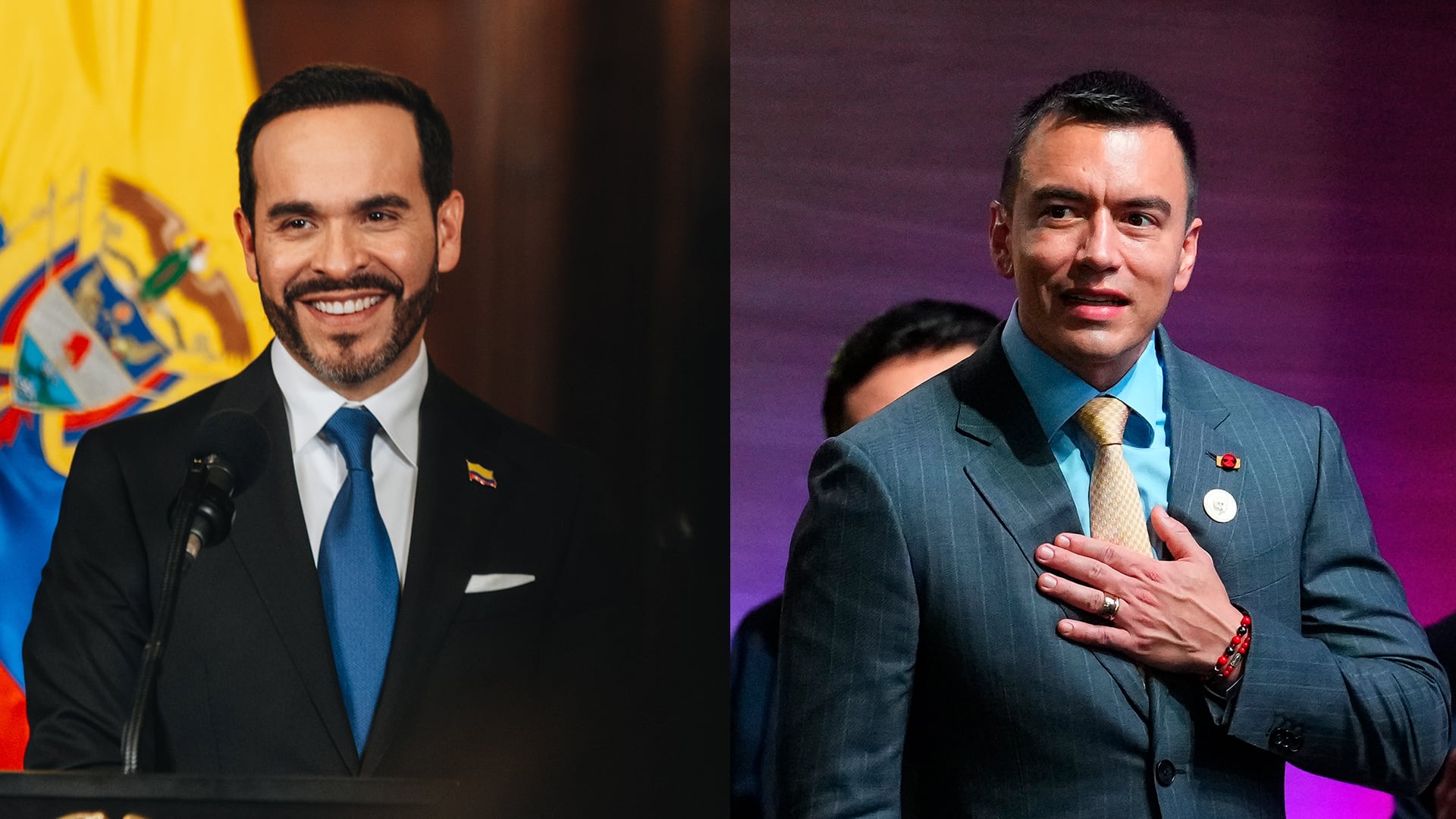
A development that passed largely unnoticed in Colombia has generated major attention in Ecuador. Authorities last week announced the arrest of Inda Mariela Peñarrieta Tuárez and Michelle Macías Peñarrieta, the wife and daughter of José Adolfo Macías, alias “Fito,” the leader of the Los Choneros gang, who is currently imprisoned in the United States. Colombian President Abelardo de la Espriella welcomed the arrests and said he would “gladly” send the two women to his “friend” Daniel Noboa. “That’s how it’s done, Abelardo,” the Ecuadorian president replied.
Ten years ago, Brock Turner, a student-athlete at Stanford University in California, was convicted of three felonies for sexual assault against an unconscious woman whom he attacked, in front of witnesses, behind a trash container after a fraternity party on campus.
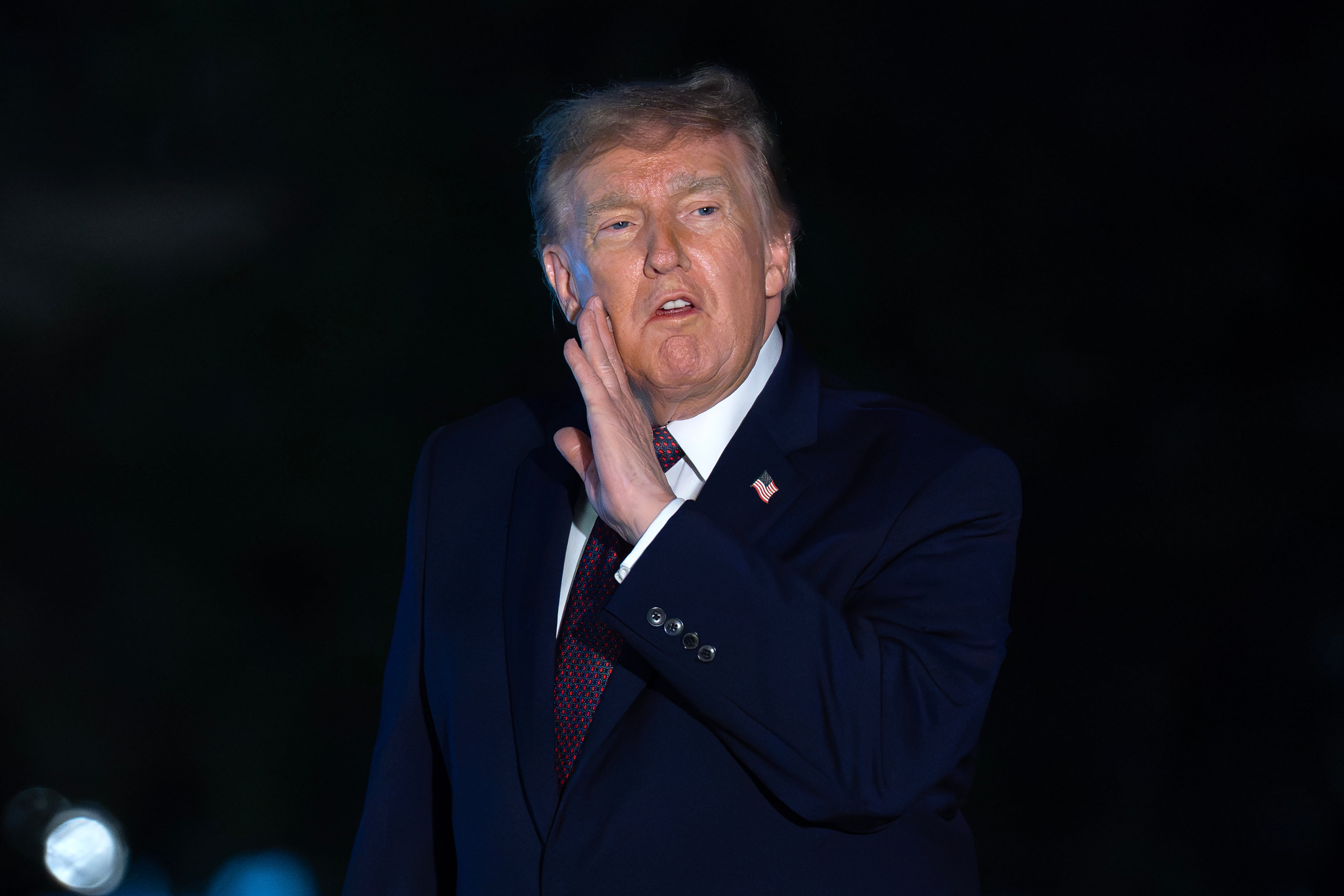
Tradition holds that the first Monday in October marks the start of the nine-month term of the United States Supreme Court. But it is well known that Donald Trump is not a man given to honoring every tradition.
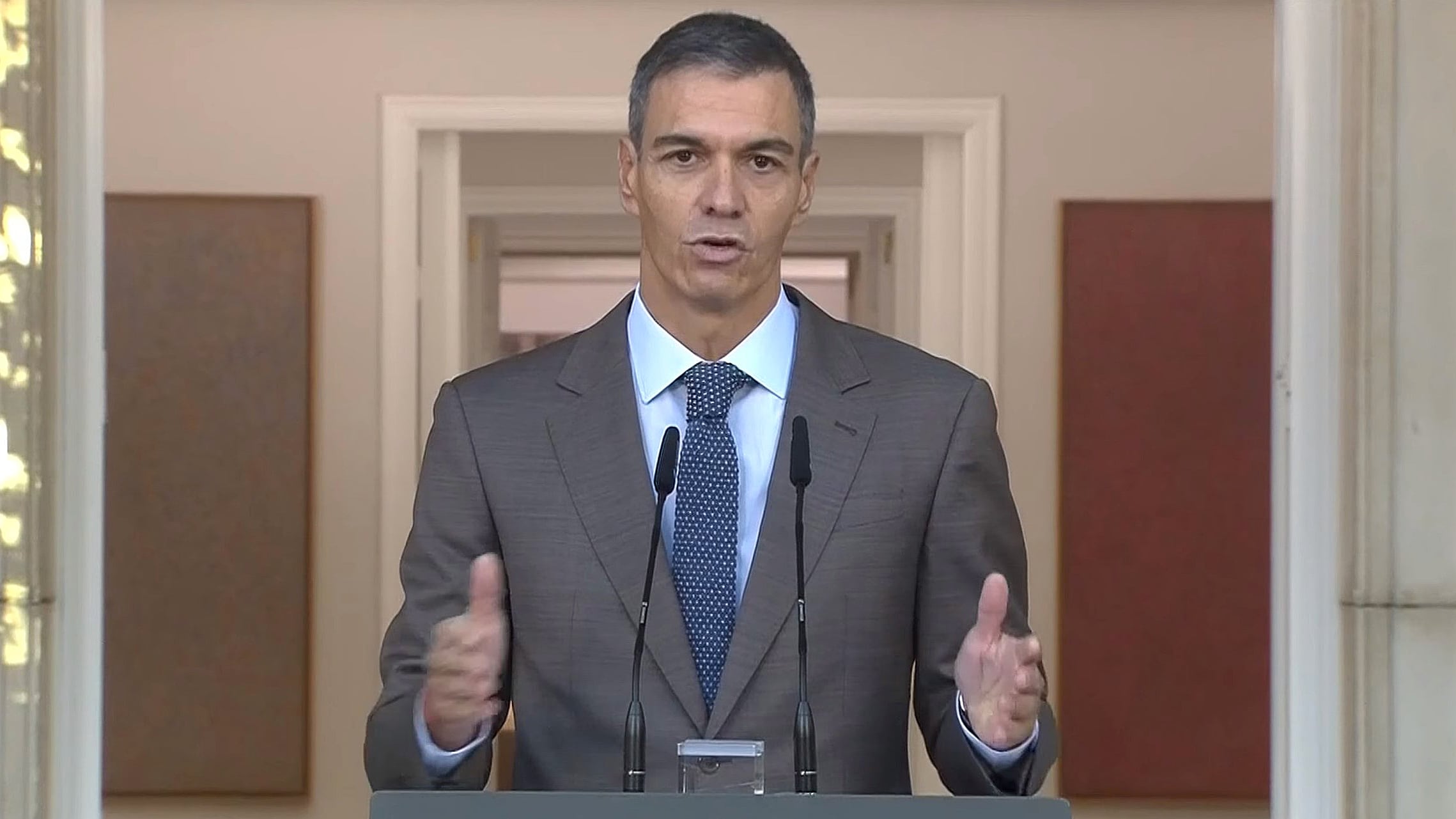
Spanish Prime Minister Pedro Sánchez delivered an institutional address from La Moncloa, the seat of government in Spain, to announce that a snap general election will be held on November 29.
The ultraconservative wave sweeping across Latin America scored a crucial victory in Brazil on Sunday, one that appears likely to become definitive in three weeks’ time.
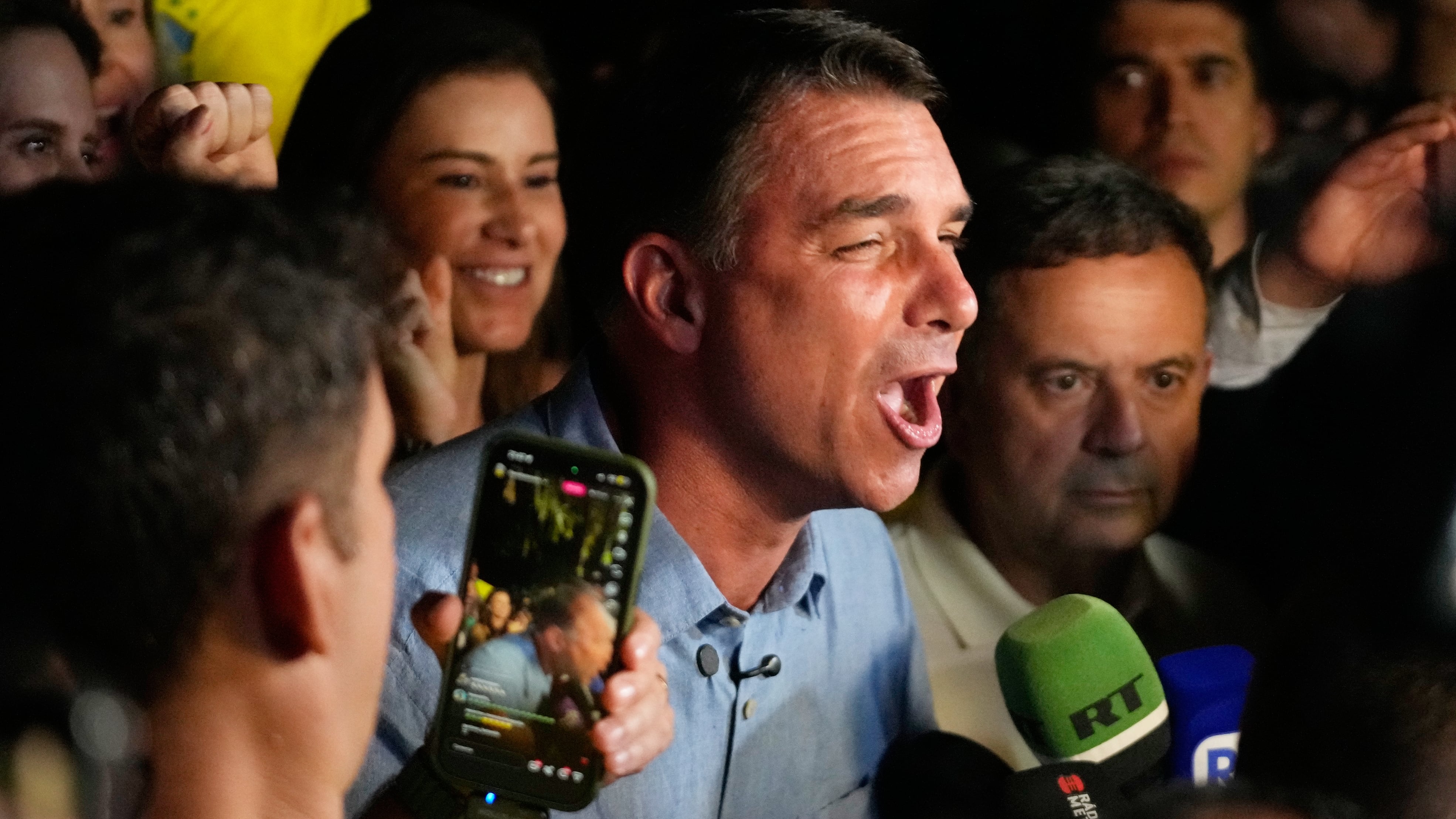
Flavio Bolsonaro speaks after advancing to a runoff election following the first round of the presidential election in Brasilia, Brazil, Sunday, Oct. 4, 2026.
Brasilia, 2016: Congressman Jair Messias Bolsonaro votes in favor of impeaching left-wing President Dilma Rousseff. And he dedicates his vote to the military officer who tortured her during the dictatorship (1964-1985), when she was a guerrilla fighter.
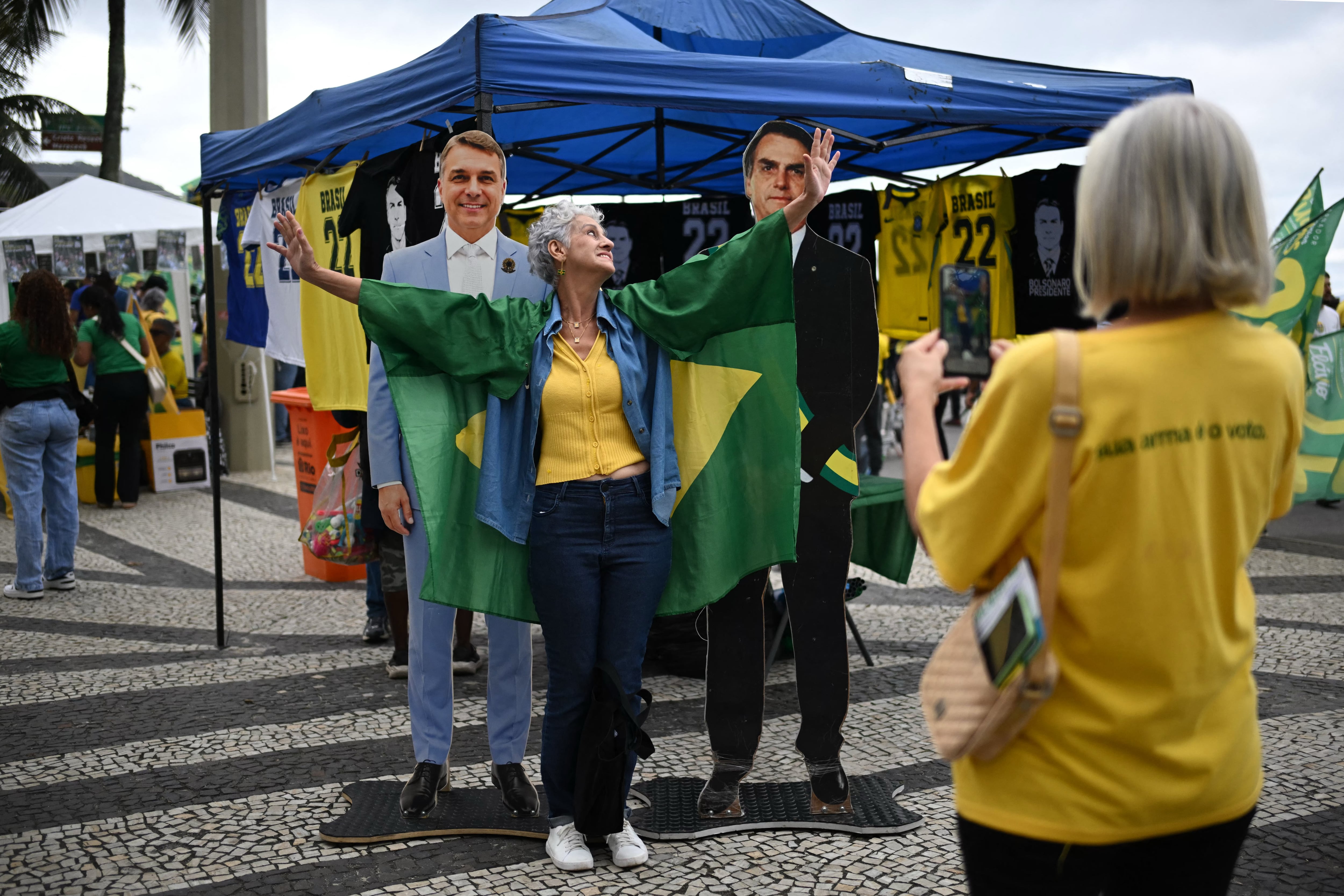
A supporter of the right-wing Liberal Party poses for a photo with cutouts of Flávio Bolsonaro (left) and his father, Jair Bolsonaro, at a campaign event in Rio de Janeiro, in August.
If there is one thing no one can deny about Donald Trump it is that he is a lucky man. The president has beaten the odds more than once. Notably, when he left the presidency in January 2021 after the shameful assault on the Capitol, his political career seemed to have hit rock bottom. But not only was he acquitted in a second impeachment trial, and spared from an AR-15 rifle round that came within millimeters of blowing off his head (to name just two examples of his extreme luck); he also easily defeated Democratic candidate Kamala Harris in the presidential election.
The Russian invasion of Ukraine is approaching its fifth year. Since February 24, 2022, Europe and the United States have rolled out a battery of sanctions intended to strangle the Russian economy to the point where regime change would be the only viable outcome for the Kremlin. The wave of restrictions, however, has several loopholes — some deliberately left by the West to preserve certain exchanges, such as a limited purchase of hydrocarbons.

 Login