By Emran FEROZ
Contact us: info@strategic-culture.su
The war inaugurated a terrible new global order in which armed drones kill civilians who are neither named nor counted.
Honest, paywall-free news is rare. Please support our boldly independent journalism with a donation of any size.
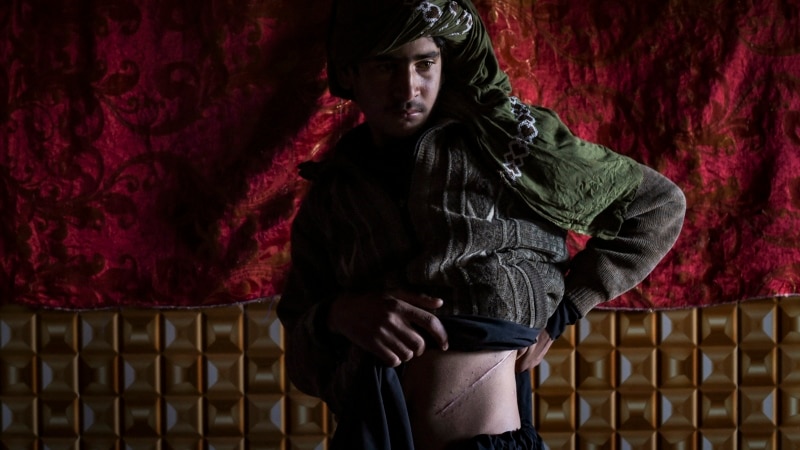
There were nights full of terror. Our village was bombed constantly,” says Zalmay Khan. Afterward, he goes to pray. Because of his wounds, he cannot kneel, so he prays sitting down.
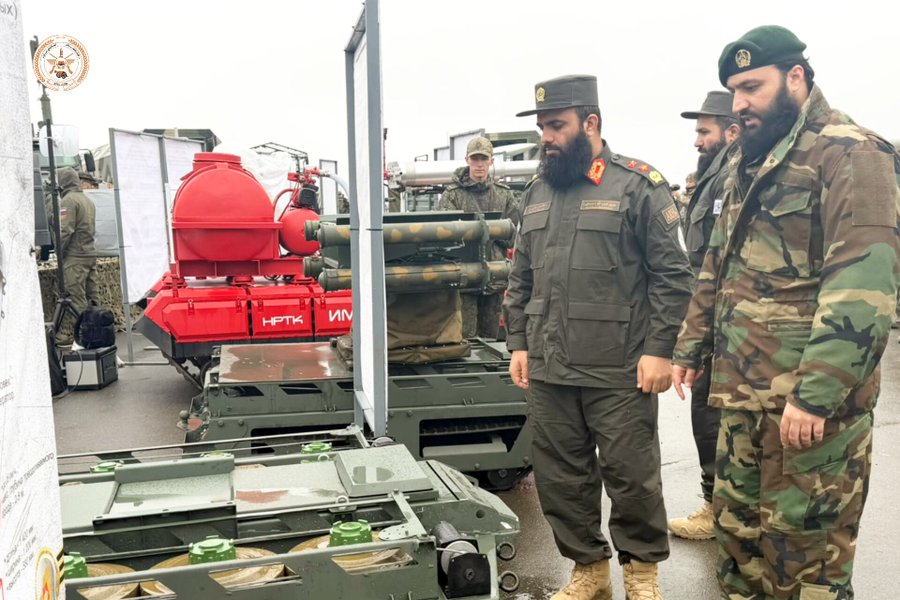
Khan is in his early twenties and now works as a Taliban intelligence officer. As a boy, he says, he learned to read the sky before he learned to read words. His village in Wardak province, near Kabul, was bombed, then bombed again. First came American planes, then NATO’s, then those of the Afghan army the West had built. By night it got worse, when jets and armed foreign contractors hit villages and killed civilians seemingly at random.
“I became a Mujahed [a Taliban fighter] naturally,” Khan tells me.
He is not an outlier. In village after village on my most recent trip to Afghanistan a few weeks ago, I met men who grew up as the so-called war on terror’s raw material. Some wear the Taliban’s turbans, and some do not. Almost all of them say the same thing, with remarkable calm: The American narrative of this war belongs to the past. After two decades of war and destruction, it is their turn to control narratives and to rule the country.
October 7, 2026, marks exactly 25 years since the United States began bombing Afghanistan. The anniversary will pass in Washington with little reflection. In Afghanistan, the reality of it is lived daily.
Drones and Ghosts
The war on terror made history in a way few people remember. In its opening weeks, the United States used an armed drone against a target in Afghanistan, one of the first such attacks ever, in an attempt to kill the Taliban’s founder, Mullah Mohammad Omar, in Kandahar. Omar was not hit on October 7, 2001. He survived and reportedly died of natural causes a decade later, which the Taliban kept secret for years.
Who died instead? The record offers almost nothing: no definitive or officially confirmed names, ages, villages. One news report cites unnamed Kandahar residents suggesting the raid killed Omar’s 10-year-old son and the child’s stepfather, but the Taliban’s ambassador to Pakistan declined to confirm or deny this report.
In other words, the first known attempt to kill a man with an armed drone killed people no one has ever definitively identified, and it set the template for the type of warfare that would dominate over the next decades. No one can say who the victims were. But if the pattern of the following years is any guide, many were likely civilians, like the thousands of victims who came after them. During the Obama years, Afghanistan officially became the world’s most drone-bombed country.
That template repeated itself so often that Afghans developed names for the many men who were declared dead after supposed “surgical strikes,” but who then reappeared alive: mord-e zinda (the living dead) in Farsi and khyali marr (the not truly dead) in Pashto. I call them “Taliban ghosts.”
It continued across successive U.S. administrations, even across the bureaucratic, supposedly methodical “kill lists” infamously used by the Obama administration used to mark people for death from the skies.
The obvious question was almost never asked: If Omar was not the victim, who was killed instead? In the logic of the drone war, a body is a statistic, and a body in a targeted area becomes a militant by default. The dead were not counted, and the stories of their families, who were left to count for themselves, largely continued to go unknown.
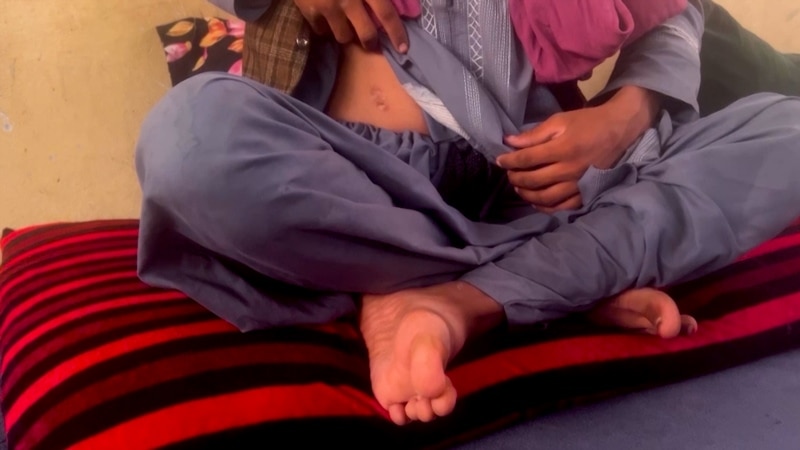
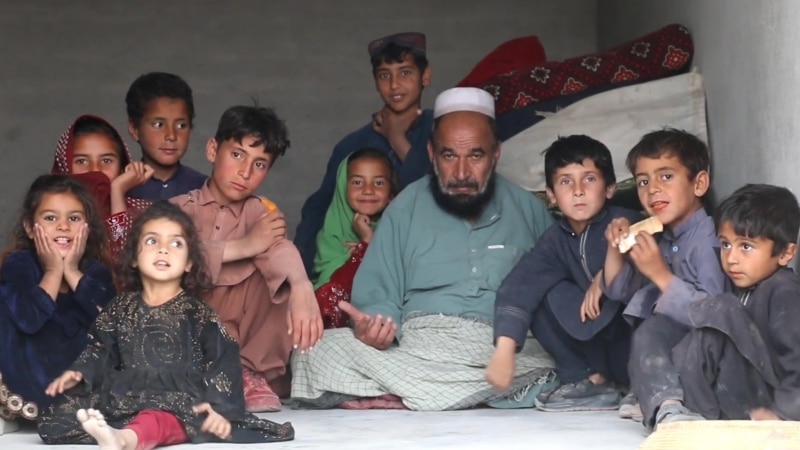
Strikes did not only create ghosts. They also created recruits. Researchers, journalists, and Afghan elders have long described the same pattern: A village is hit, a family is destroyed, and the Taliban offer the survivors the only form of justice made available to them. By the end of the war, entire districts had made that choice, not out of ideological conviction but out of grief.
Democratic Torture
One of the people I talked to on my recent trip was a Taliban official who had been held at Bagram, the American prison north of Kabul, for several years. He told me what the Americans wanted from him. “Accept our democracy or get tortured and rot here. That’s what they told me,” he recalled.
The aim, as he described it, was reeducation by coercion: Accept our system, our ideology, and the pain stops. He refused. By his account, he left more committed than when he arrived. He was freed in 2020 under the prisoner exchange the United States negotiated with the Taliban, part of the same Doha process that handed the country back to the movement the war was purportedly meant to destroy.
Consider the sequence. A man is imprisoned and tortured to make him embrace a political order. He then walks out of the prison and eventually helps govern. The war’s own methods created much of its failure.
I make no argument here that the Taliban’s rule is benign. Women and girls have been shut out of education and public life, and dissent is severely punished. These facts belong in any honest account. But an honest account also includes what the war did, who did it, and whom they harmed; the powers that waged it have shown little interest in reckoning with that part.
A War Passed On
Here is the part that does not fit the story that the war on terror ended in August 2021: someone else is still fighting it.
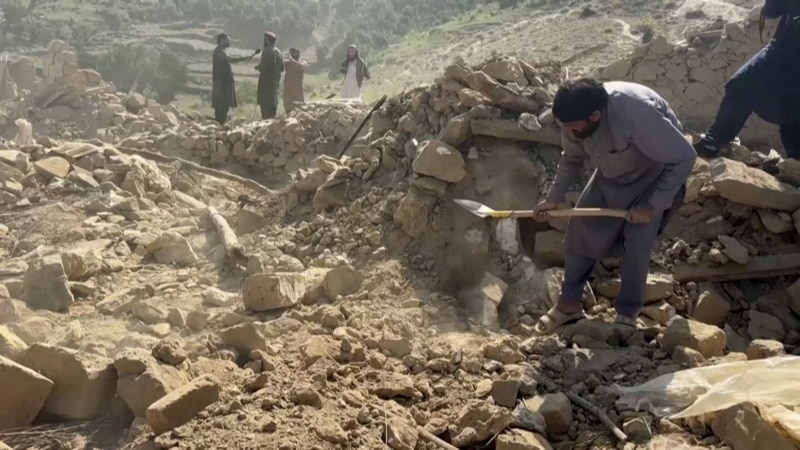
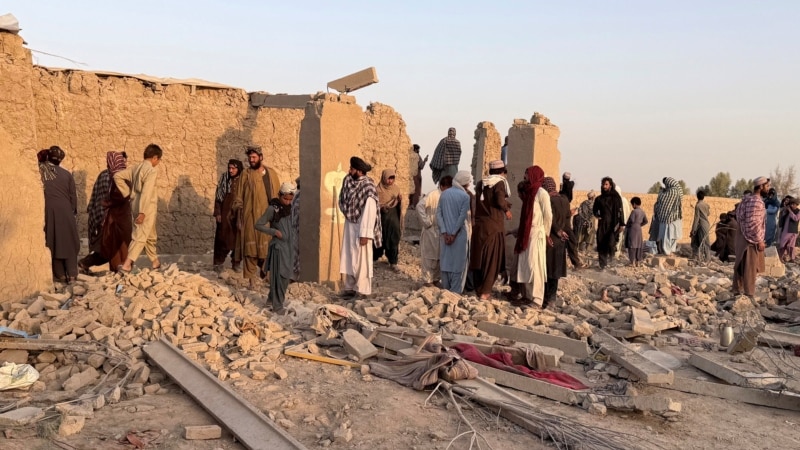
Pakistan is currently bombing Afghanistan. Just a few days ago, Pakistani airstrikes killed at least 10 civilians, most of them children, in the provinces of Helmand and Kunar.
Pakistani authorities say they are targeting militants of the Tehrik-e-Taliban Pakistan, or TTP, often known as the Pakistani Taliban. Afghans on the ground, and independent reports, repeatedly describe civilians as being among the dead. Islamabad has also forced hundreds of thousands of Afghans, many of them born there, out of Pakistan.
The phrasing used to justify these attacks is familiar: “Terrorists were eliminated.” Anyone who covered the American war has heard that sentence before, and the same pattern follows. The claims are hard to verify, the dead are hard to identify, and the people left behind are not asked.
Pakistan has run this game before, and it has historically done well for itself out of it. In the first days of the war on terror, Islamabad aligned itself with Washington while, according to critics and many former officials, hedging its bets with the Taliban. The United States poured billions into Pakistan in military aid and reimbursements. A double game paid for itself.
For a military establishment that benefits from a war to fight, an enemy is an asset. That helps explain why the army has so little tolerance for those who challenge its role. This pattern goes beyond the foreign policy of one country alone. It is a system — one created by the U.S. but now adopted globally — that requires a threat to warrant its continued expansion and removes the people who question its logic.
If Pakistan again needs an Afghan threat to justify its budgets, its alliances, and its hold on power at home, the logic is the same as in 2001. The war on terror, seen from Islamabad, is a renewable resource.
The Violence That Made the TTP
The TTP itself is not a mystery. It did not appear from nowhere, and it cannot be blamed on Kabul alone. It grew out of Pakistan’s own tribal areas, where decades of military operations, drone strikes with Islamabad’s tacit consent, and brutality under former Pakistani President Pervez Musharraf shattered communities. Many of these massacres have been forgotten outside the region. In the tribal belt they are not.
The result was a generation radicalized by state violence, in much the same process I heard described in Afghan villages. The TTP is, in significant part, a product of the very policies now used to justify the continued bombing of Afghanistan. Without Pakistan’s violence in the tribal areas, the group would not look as it does. Accountability for that history will not come from the same army that carried it out.
The war on terror in Afghanistan was sold as a campaign against a specific enemy. What it produced was a country scarred by airstrikes, night raids, and detention, and an enemy that outlasted the world’s strongest military. It also produced a new precedent: That a state can kill from the sky, in secret, and rarely be asked who died, much less held accountable for its deathmaking.
That precedent traveled. Drones have gone from being an innovation in killing, one shrouded in secrecy, to a mainstay of battlefields on multiple continents.. The language of “surgical” strikes and “militants eliminated” has become standard, notably throughout the genocide in Gaza. And in Afghanistan, the war continues in new hands, with the same justifications and the same result.
On October 7, if this anniversary is marked in the U.S. at all, there will be speeches about sacrifice and lessons supposedly learned. The real lessons are available to anyone who asks the people who lived under the sky, and the most critical question is still the one nobody answered in 2001: Who was killed instead?
Original article: truthout.org

 Login