 Login

Baltic Block Of Russian Grain May Open Black Sea, Latvia Says
By Milda Seputyte and Aaron Eglitis Oct 16, 2026 (Bloomberg) –Europe should block the transit of Russian grain through Baltic ports as that may force Moscow to seek ways to open...

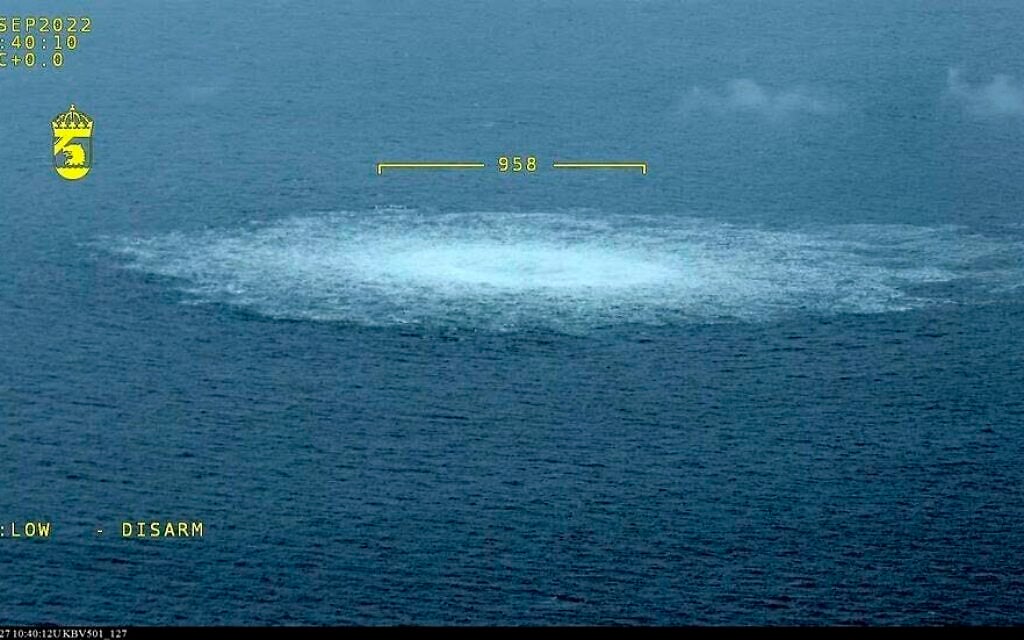
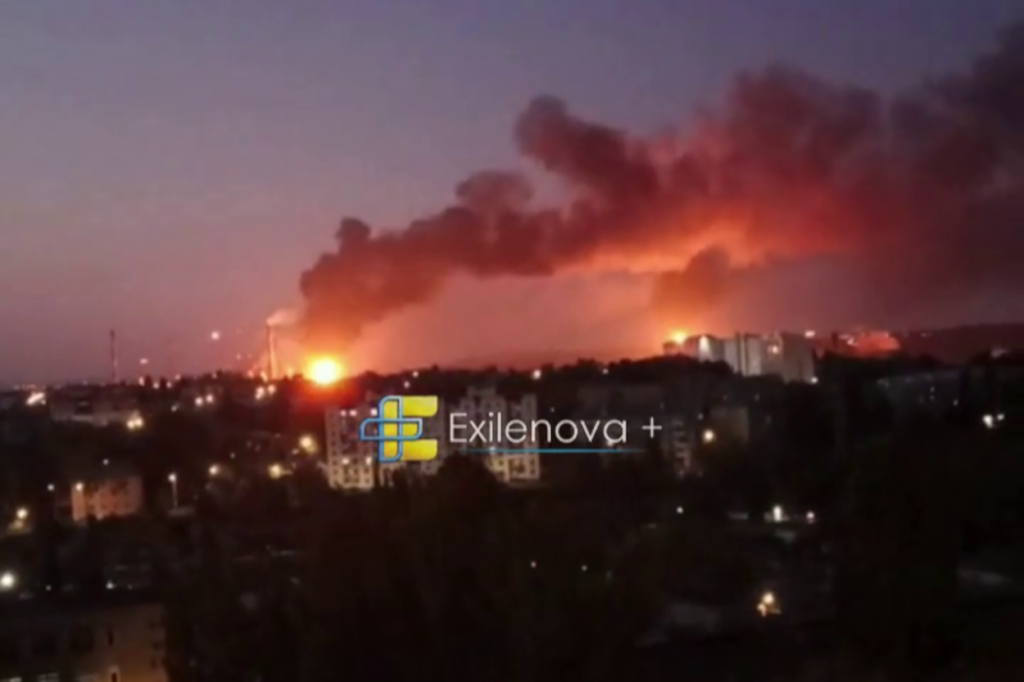
Russia's seaborne exports of refined oil products rose to a three-month high in September, but the growth came from cheaper fuel oil and naphtha as diesel shipments fell to their lowest in more than a decade, Bloomberg reported, citing Vortexa data. Russia kept diesel at home after Ukrainian refinery strikes and paid oil companies to supply its pumps, while high crude prices lifted its crude export earnings.
During the ongoing deep-strike campaign, Ukraine's long-range drones have knocked out more than half of Russia's oil refining capacity, Kyiv says, and Russia's budget oil revenues are falling even as it raises war spending. High global crude prices are softening that blow.
Total seaborne product exports reached about 1.17 million barrels a day in September. Fuel oil shipments rose 6% to about 613,000 barrels a day, the highest since April. Naphtha, a feedstock for petrochemicals, jumped 35% to 363,000 barrels a day. Exports of refinery feedstocks, including vacuum gasoil, rose to about 32,000 barrels a day, according to Bloomberg.
The trade has moved north. Almost 80% of fuel oil cargoes left from Baltic ports, and naphtha loadings there rose almost 50% as Ukrainian attacks disrupted Black Sea infrastructure. In September, Ukraine reported hitting an oil terminal in Novorossiysk, Russia's main Black Sea oil port—one in a string of attacks on Russia's Black Sea ports and oil sites.
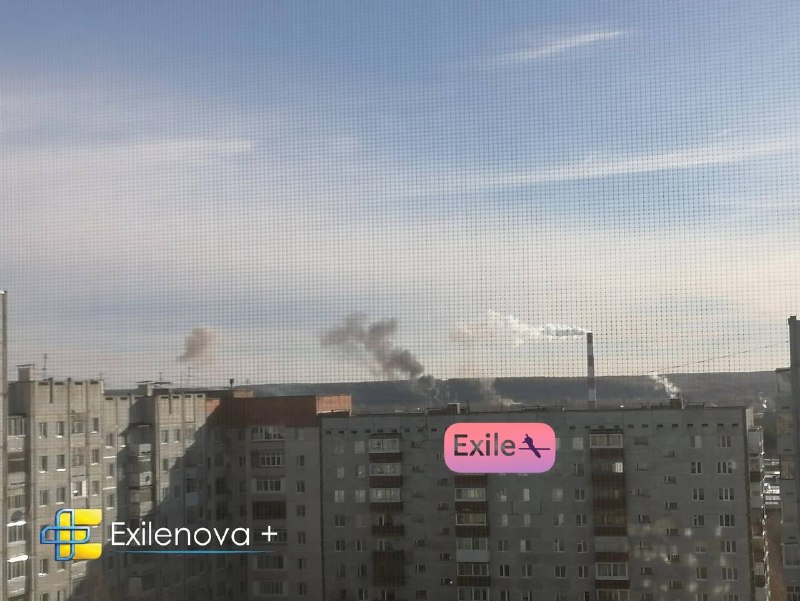
Diesel and gasoil exports fell 28% to 144,000 barrels a day, the lowest monthly volume in Vortexa data going back more than a decade. Russia has restricted diesel exports to protect domestic supply after Ukrainian attacks on its refineries. Drones kept hitting them into October, from a Lukoil refinery in Volgograd to Gazprom's Salavat complex in Bashkortostan.
In September, Russia paid oil companies the biggest subsidy in more than four years to keep road fuel on the domestic market. It also imported about 350,000 tonnes of motor fuel by sea, mostly gasoline from India, Morocco, and Türkiye, Reuters calculations showed. Officials are considering letting some producers resume diesel exports in October to avoid overstocking, according to Interfax.
The diesel squeeze has reached the White House. US President Donald Trump stated on 30 September that diesel was hurt "not by the Middle East, but by what's going on in Russia, because those diesel refineries are being knocked out at a pretty alarming rate."
Russia's crude exports reached about 3.99 million barrels a day in the week to 27 September, and the estimated value of its seaborne crude shipments neared its highest since the full-scale invasion began, Bloomberg reported. Brent crude traded at about $102.60 a barrel on 9 October, according to Trading Economics data.
Zelensky et son régime à Kiev sont les « plus grands obstacles à la paix », selon son ancienne porte-parole.
Cela aurait dû faire la une des journaux la semaine dernière, mais cela n’a pas été le cas. L’ancienne porte-parole du pseudo-président de l’Ukraine, Vladimir Zelensky, s’est vu interdire de s’adresser au Parlement européen.
Pourquoi ? Parce qu’Iuliia Mendel devait livrer des révélations accablantes sur la corruption endémique dans le régime de Zelensky et sur la façon dont la guerre soutenue par l’OTAN dans son pays est une combine pour s’enrichir.
Quelle ironie que un tel témoignage ne soit pas autorisé dans ce qui est censé être le siège de la démocratie et des valeurs européennes. Si la liberté d’expression remet en cause le récit officiel, alors elle est interdite. Le seul récit autorisé est que l’Ukraine est un modèle de démocratie cherchant à adhérer à l’Union européenne et à l’OTAN, mais qu’elle est contrariée par « l’agression russe ». Combien fragile est cette représentation, pour que quiconque ayant un point de vue différent et des faits soit purement et simplement réduit au silence et diffamé comme propagandiste russe ?
Remarquablement, presque aucun média occidental n’a rapporté ce fiasco.
Iuliia Mendel a été conseillère personnelle de Zelensky pour les médias de 2019 à 2021, date à laquelle elle a démissionné, désillusionnée par sa corruption. Elle a observé de près les tractations, le comportement maniaque de Zelensky et de ses acolytes, et son mépris pour la démocratie. Elle décrit son témoignage comme un « devoir moral » de dire à ses concitoyens ukrainiens et au reste du monde la vraie nature de son ancien patron. Qu’il est un escroc aux tendances psychopathiques qui se moque éperdument de la vie du peuple ukrainien. Sa seule préoccupation est de rester au pouvoir le plus longtemps possible et de s’enrichir avec les milliards d’argent des contribuables occidentaux qui sont acheminés vers son régime.
Zelensky et son régime à Kiev sont les « plus grands obstacles à la paix », dit Mendel, qui a donné cette interview à Weltwoche, après avoir été empêchée d’entrer au Parlement européen. La corruption en Ukraine, dit-elle, dépend de la poursuite de la guerre, et c’est pourquoi le régime de Kiev oppose son veto à tout effort diplomatique visant à mettre fin au conflit qui dure depuis près de cinq ans. Quiconque s’oppose à la guerre et appelle à la diplomatie est sanctionné, emprisonné ou envoyé au front pour mourir. Zelensky supervise une junte militaire (que l’Occident appelle « démocratie ») dans laquelle ses sbires traquent les gens dans les rues pour la conscription. Pour échapper au hachoir à viande, ils doivent payer un pot-de-vin pouvant atteindre 20 000 dollars.
Mendel a d’abord fait sensation lorsqu’elle a été interviewée en mai de cette année par le diffuseur américain Tucker Carlson. Dans cette interview, elle a décrit Zelensky comme un dictateur toxicomane émotionnellement instable, bien que dissimulé par ses talents d’acteur d’ancien artiste de divertissement. Les partisans politiques et médiatiques occidentaux, bien sûr, jouent le jeu en fermant les yeux sur cette mascarade et le célèbrent comme un « héros churchillien de guerre ».
Tout cela est une combine méprisable jouée aux dépens des contribuables occidentaux et du peuple ukrainien qui souffre depuis longtemps.
Pour avoir révélé les secrets de son ancien patron, Mendel a été immédiatement inscrite sur la liste noire Mirotvorets, soutenue par l’État ukrainien, comme « propagandiste russe ». Mirotvorets a acquis une triste réputation de liste de morts, car plusieurs personnes qu’elle a blacklistées ont fini mortes. Elle dit qu’elle est interdite de diffusion publique vers ses concitoyens ukrainiens par des entreprises médiatiques occidentales comme Meta/Facebook.
Plus tôt cette semaine, quelques jours avant qu’elle ne s’adresse au Parlement européen, le régime de Zelensky a annoncé des sanctions contre Mendel. Elle ne peut pas accéder aux avoirs ukrainiens et ne peut pas rentrer dans le pays de peur que sa vie soit en danger. Elle craint que sa famille en Ukraine ne soit persécutée, envoyée au front en représailles pour sa prétendue « trahison ».
La décision de lui interdire de parler devant l’assemblée de Strasbourg aurait été prise par la présidente du Parlement européen, Roberta Metsola. Metsola, comme d’autres dirigeants de haut rang de l’UE, tels que la présidente de la Commission, Ursula von der Leyen, et le président du Conseil, António Costa, est une supportrice inconditionnelle de l’Ukraine, acheminant des milliards d’aide au régime.
Mendel apparaît comme une personne d’intégrité, de décence morale et de véritable indépendance. Elle rejette catégoriquement l’accusation d’être « pro-russe ». En effet, dans ses interviews avec Carlson et Weltwoche, Mendel critique vivement la Russie pour ce qu’elle appelle une invasion cruelle de son pays. Il semble parfaitement clair que sa préoccupation constante est d’empêcher la guerre de détruire sa patrie.
Cependant, la guerre ne peut pas être arrêtée parce que le régime de Zelensky et ses partisans européens de l’OTAN sont investis dans sa prolongation. La corruption du régime est mariée à l’idéologie de la russophobie qui est endémique dans l’élite européenne.
Cette perspective a été corroborée par deux autres sources impeccables cette semaine. Comme Mendel, ces deux autres figures sont également ignorées par les médias occidentaux.
Le professeur Ivan Katchanovski de l’Université d’Ottawa a été interviewé par Lena Petrova, dans laquelle il a passé en revue la corruption flagrante et la politique néonazie du régime de Kiev.
Les recherches révolutionnaires de Katchanovski ont révélé comment le massacre des snipers de Maidan, au cours duquel plus de 100 manifestants et policiers ont été tués à Kiev en février 2014, était une opération sous fausse bannière menée par des éléments néonazis et leurs sponsors de l’OTAN, qui a précipité le coup d’État. Le coup d’État a conduit à la prise de contrôle de l’État ukrainien et des forces de sécurité par des forces fascistes, ce qui a à son tour conduit à la guerre avec la Russie en 2022.
Zelensky, qui est nominalement juif, s’appuie sur les forces néonazies pour sa survie politique et la poursuite de la corruption qui sévit au sein du régime. Le professeur Katchanovski, qui est originaire d’Ukraine, souligne que de nombreux ministres, conseillers et hauts responsables judiciaires proches du cercle de Zelensky ont dû démissionner ou fuir le pays à la suite d’innombrables scandales de corruption. Il est difficile de croire que Zelensky ne soit pas lui aussi jusqu’au cou dans le racket. Corruption, guerre et néonazisme sont tous inextricablement liés en raison de l’implication de l’OTAN dans le pays depuis son indépendance en 1991 vis-à-vis de l’Union soviétique après l’effondrement de cette dernière.
Une autre vue corroborante est celle de l’éminent universitaire américain le professeur John Mearsheimer. Il a donné cette semaine un compte rendu très large d’une récente visite en Russie au cours de laquelle il a rencontré de hauts responsables gouvernementaux, des décideurs politiques et des diplomates. Mearsheimer a déclaré, peut-être à la surprise de certains, que lors de ses nombreuses conversations, il n’a décelé aucune animosité profonde envers l’Ukraine ou le peuple ukrainien parmi ses interlocuteurs russes, ni d’ailleurs parmi les Russes ordinaires. « Beaucoup de Russes que j’ai rencontrés ont de la famille en Ukraine… partagent un héritage culturel », a-t-il remarqué.
Mearsheimer attribue la disparition tragique de l’Ukraine et de ses liens historiques avec la Russie à la politique de l’OTAN visant à faire entrer le pays nouvellement indépendant dans l’alliance militaire dirigée par les États-Unis en 2008 avec la Déclaration de Bucarest. Cette politique a garanti que les deux pays seraient désormais sur une trajectoire de collision menant au conflit, qui a finalement éclaté en 2022. L’objectif occidental plus large était d’utiliser l’Ukraine comme proxy pour mener la guerre et déstabiliser la Russie. En bref, pour la « défaite stratégique de la Russie ».
En poursuivant cet objectif impérialiste, l’Ukraine a été infectée par le néonazisme, la corruption et une dictature de facto dirigée par un clown toxicomane qui réprime impitoyablement toute opposition. Des millions de personnes ont été déplacées, tuées et mutilées ; la société et l’économie sont en ruines abyssales.
Mais cette vérité ne doit pas être permise par les idéologues occidentaux et leurs médias contrôlés, qui persistent dans leurs fantasmes russophobes malgré la destruction et la souffrance déchaînées et le danger très réel d’une guerre totale explosant en Europe. Les élites occidentales se livreront à toutes sortes de maux dans leur poursuite de la tentative de vaincre la Russie. L’Ukraine a été totalement détruite par les objectifs impérialistes occidentaux. Et pourtant, la Russie est blâmée comme le méchant dans cette entreprise horrible et criminelle.
War is highly probable, but it is not inevitable.
Contact us: info@strategic-culture.su
We are living in an extremely dangerous moment in history. We are also living in an extremely irrational time, at least when it comes to evaluating the mentality, conduct, and words of Western politicians and media in the face of disaster.
On the one hand, Western leaders, pundits, and military commanders clamor with predictions of war with Russia as being imminent. Yet on the other hand, there is an astounding dereliction to avert it. Diplomacy and understanding are boorishly shunned. Indeed, there is an absolutely irrational choice of escalation towards war, especially among European politicians.
Underlying this, of course, is an ideological supremacist belief, a contempt for Russia and other officially designated enemies (China, Iran, and so on), whereby the Western political class sees itself as superior, not as equals. That mentality makes for war and precludes diplomatic engagement and dialogue.
In any objective reading of the situation, there is little doubt that the danger of all-out world war is upon us. Incredibly, for the third time in just over a century, the planet is facing the specter of a massive international conflict. But on this occasion, the outcome would be nuclear conflagration with the extinction of life as we know it. This repeated destruction is a damning indictment of the Western system, its capitalist and imperialist engines for violence, domination and, inevitably, conflict. Surely, such a system should be abolished.
The Doomsday Clock, overseen by the independent Bulletin of Atomic Scientists, is at its closest point to midnight in all of 80 years of existence. The clock was inaugurated following the U.S. atomic horror attacks on Japan in 1945. It was meant to serve as a warning of the increasing risk of nuclear war. It is truly a frightening spectacle that today’s danger of global disaster surpasses the many perils that were encountered during the Cold War decades. Today’s tensions surpass even those of the 1962 Cuban Missile Crisis when the United States and the Soviet Union edged towards a nuclear war.
Many Western scholars, legal experts, analysts, and seasoned diplomats have increasingly added their voices warning of the ultimate disaster. We pay respect to the sane voices of people like Alfred de Zayas, Jeffrey Sachs, Larry Johnson, and Scott Ritter, voices in the West that, unlike their political class, are passionately warning of the path to perdition the world is on and needs to urgently get off.
The warning words are flashing like a red light, yet Western leaders keep making decisions and issuing belligerent statements that are driving the world to the precipice.
This week, European politicians have again openly advocated attacking the Russian Federation by blockading Kaliningrad, the Russian exclave between Poland and Lithuania. Polish Foreign Minister Radoslaw Sikorski and NATO chief Mark Rutte (former Dutch premier) have echoed calls from other European politicians to effectively attack Kaliningrad, that is, to attack the Russian Federation. Russia’s nuclear doctrine explicitly states that such an assault compels it to use nuclear weapons in response.
So, why do NATO leaders keep pushing provocation? Such moves are merely an extension of the NATO proxy war in Ukraine. Their war is a failure. But the Western pro-war politicians cannot admit they are wrong. They are willing to incite a wider war rather than admit defeat and face the political repercussions from their own citizens.
Russia this week issued a grave warning, saying that any attack on Kaliningrad would result in Russian retaliation with nuclear weapons.
Instead of coming to their senses and sobering up, European politicians haughtily dismiss Russia’s warnings as a “bluff” or accuse Moscow of nuclear saber-rattling.
In a plenary address to the Valdai forum in Moscow on Thursday, Russian President Vladimir Putin underlined the infernal precariousness.
“If it comes to a direct attack on the Russian Federation – in this case, Kaliningrad, although it could potentially involve other territories as well – the question of Russia using all the weapons at its disposal would inevitably and immediately arise. That is inevitable,” said Putin.
In an ominous assessment of the reckless direction, he noted:
“We must realise that the moment when nothing can be changed any longer may come very quickly and unexpectedly for everyone. The logic of escalating, increasingly harsh retaliatory measures leads to a fatal point of no return.”
The Russian leader is saying that the West’s relentless escalation in words and deeds is leading to an abyss. Incredibly, the Western politicians refuse to restrain themselves. “At the heart of this escalation lie arrogance and overconfidence… The spiral is tightening, and the devastating consequences are growing.”
This appalling dynamic is redolent of the prelude to the First and Second World Wars, when Western political establishments were insouciant about the impending doom.
But a Third World War is truly a point of no return.
“All the more so today, when the arsenals of the world’s leading powers contain weapons capable of destroying all life or, at the very least, reducing the Earth to a catastrophic state,” Putin said.
What is deplorable is the total propagandizing of public discussion in the West. Anyone who dares to speak about the objective historical causes that have given rise to the current tensions is censored or pilloried as a Russian stooge.
There are eminent voices of sanity in the West, as noted above. But they are systematically excluded from public discourse by the mainstream media and academia. The public has to rely on alternative media sources for information. That has, thankfully, energized critical views among citizens in ever greater numbers, who are questioning the whole warmongering policy of inordinate military spending and weapons for Ukraine to fight a futile war against Russia. Notably, this week German Chancellor Friedrich Merz and NATO’s Mark Rutte were heckled and booed when they appeared in public in Muenster, Germany.
Increasing numbers of people understand that we have been pushed to an existential crisis by Western governments (regimes) who took undemocratic, secret decisions to wage war against Russia years ago.
As former British diplomat Ian Proud pointed out in an excellent podcast this week while attending the Sochi forum, the rulers in London made a conscious decision to go to war with Russia as far back as 2014, when the West sponsored the fascist coup in Kiev.
Other Western figures, like former U.S. state planner Victoria Nuland and former NATO chief Jens Stoltenberg, have also admitted in their own words that NATO deliberately weaponized Ukraine after 2014 for the purpose of confronting Russia. This was before the hostilities erupted in Ukraine in February 2o22.
Thus, the world has been pushed to a nuclear “extinction event” all because of Western policy to pursue confrontation with Russia, using Ukraine as a proxy.
War is highly probable, but it is not inevitable. Western politicians and media, through their arrogance and Russophobia, are certainly doing their worst to make it inevitable. But these criminal elements may not prevail.
There are international structures and laws; there is still diplomacy, albeit abused and trashed; perhaps more importantly, there is mass public opinion against the odious warmongers; and there is a burgeoning social and political uprising against the evidently bankrupt Western political system.
The political elite in the West who are pimping for war may seem dominant, owing to apparently dominant media narratives. But their power is vastly overrated against the huge public opposition to their criminal agenda.
History may rhyme, as with lead-ups to previous infamous wars. This time, however, a crucial difference is that there may be sufficient public awareness so as not to fall for the warmonger ruse of bailing out the rotten system.
We are on the eve of destruction, but there is every sound hope that rather than war, the destruction tomorrow could be that of the Western imperialist system, thereby giving way to a truly better, more just and peaceful world.
NATO member Latvia is moving toward acquiring Anduril Industries’ Barracuda family of long-range strike missiles, with Latvian President Edgars Rinkēvičs highlighting the effort during a visit to the U.S. defense technology company and a series of new defense-industry cooperation agreements involving Latvia. If the acquisition goes through, Latvia would be the first of the Baltic states to field a strike weapon in this category.
“It was great to visit Anduril to meet with Palmer Luckey and to witness signing of memoranda of cooperation with MOD of Latvia and Origin Robotics,” Rinkēvičs said in a post on X. “Looking forward to complete acquisition of Barracuda long-range missiles and [Latvian-U.S.] defense industry cooperation.”
It was great to visit @anduriltech to meet with @PalmerLuckey and to witness signing of memoranda of cooperation with MOD of Latvia and @OriginRobotics. Looking forward to complete acquisition of Baracuda longe range missiles and
— Edgars Rinkēvičs (@edgarsrinkevics) September 25, 2026
defense industry cooperation pic.twitter.com/JafnNy5RAe
The statement does not specify the precise Barracuda variant involved, the number of missiles Latvia intends to acquire, the expected delivery schedule, or the value of the prospective purchase. We have reached out to Anduril for more details.
A likely candidate weapon is the Barracuda-500M, one member of Anduril’s family of autonomous, jet-powered cruise missiles, alongside the Barracuda-100M and -250M variants. Official descriptions put its range at more than 500 nautical miles, with a stated speed range of approximately 190 to 500 knots. The missile can be air-launched, for which it has received the official U.S. military designation AGM-189A. But with only a handful of utility biplanes and helicopters in its inventory, Latvia would acquire the surface-launched version, designated SLB-500M.
The announcement points to a potentially significant expansion of Latvia’s precision-strike capabilities as NATO’s eastern flank continues to build out longer-range conventional fires.
Latvia has already ordered the U.S.-made Army Tactical Missile System, or ATACMS, which will be fired from M142 HIMARS launchers. The system is expected to enter Latvian service in 2027 and has a maximum range of about 186 miles.
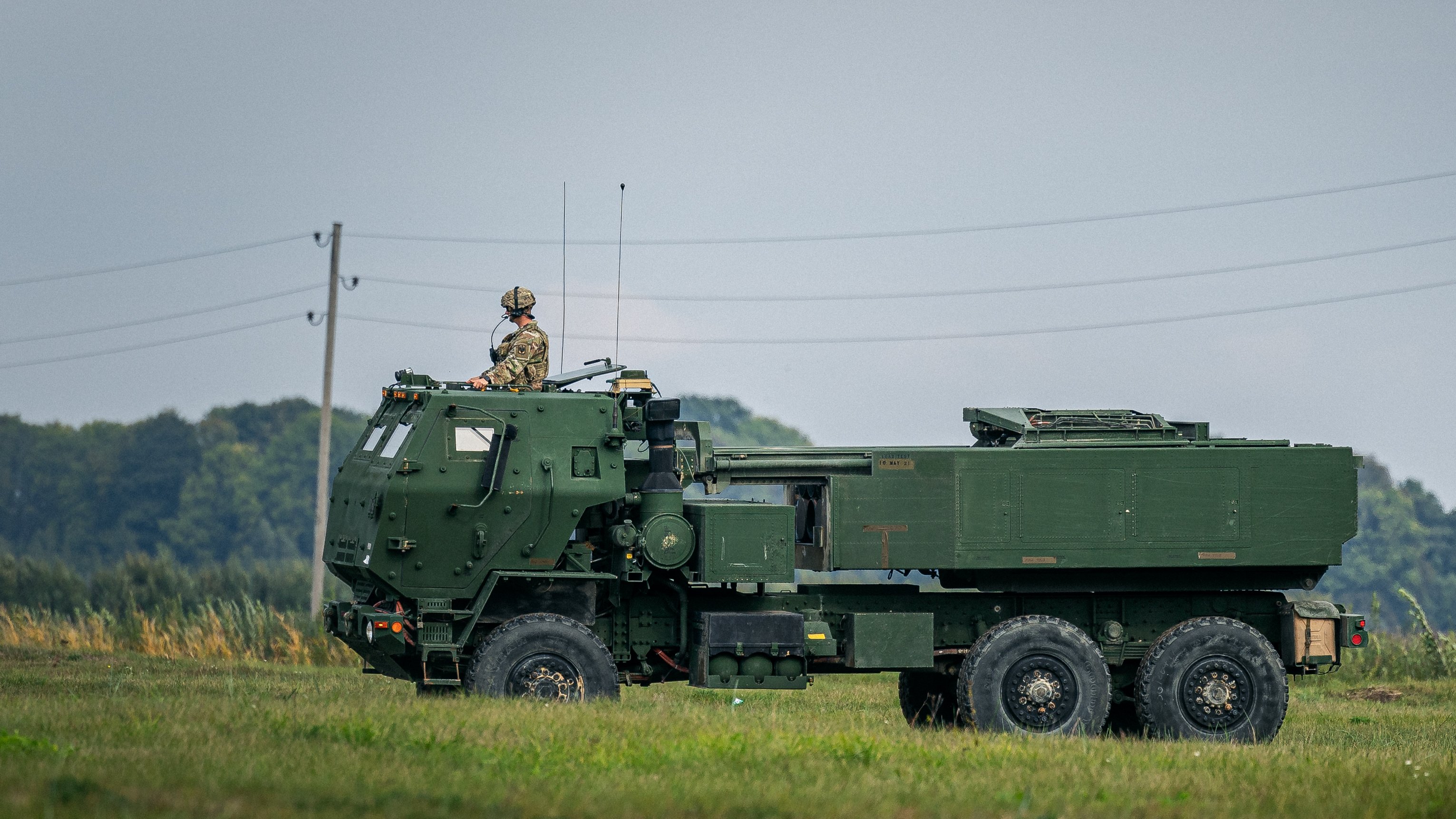
Latvia’s ATACMS capability will give the country a foundation for ground-launched precision fires, but the broader European trend is toward significantly greater reach.
Ground- and sea-launched cruise and ballistic missile systems capable of hitting targets at between 1,000 and 2,000 kilometers (620 and 1,242 miles) or more are an emerging target for several European NATO members. France, Germany, Poland, Italy, Sweden and the United Kingdom are pursuing combinations of indigenous development and foreign procurement to address this requirement.
Latvia’s neighbor Poland, for example, has been building a layered long-range strike architecture combining JASSM/JASSM-ER air-launched cruise missiles with HIMARS and ATACMS. Warsaw’s ambitions are extending toward ground-launched weapons with ranges potentially reaching 3,000 kilometers (1,864 miles) and the country has previously expressed openness to hosting U.S.-owned nuclear weapons on its territory, too.
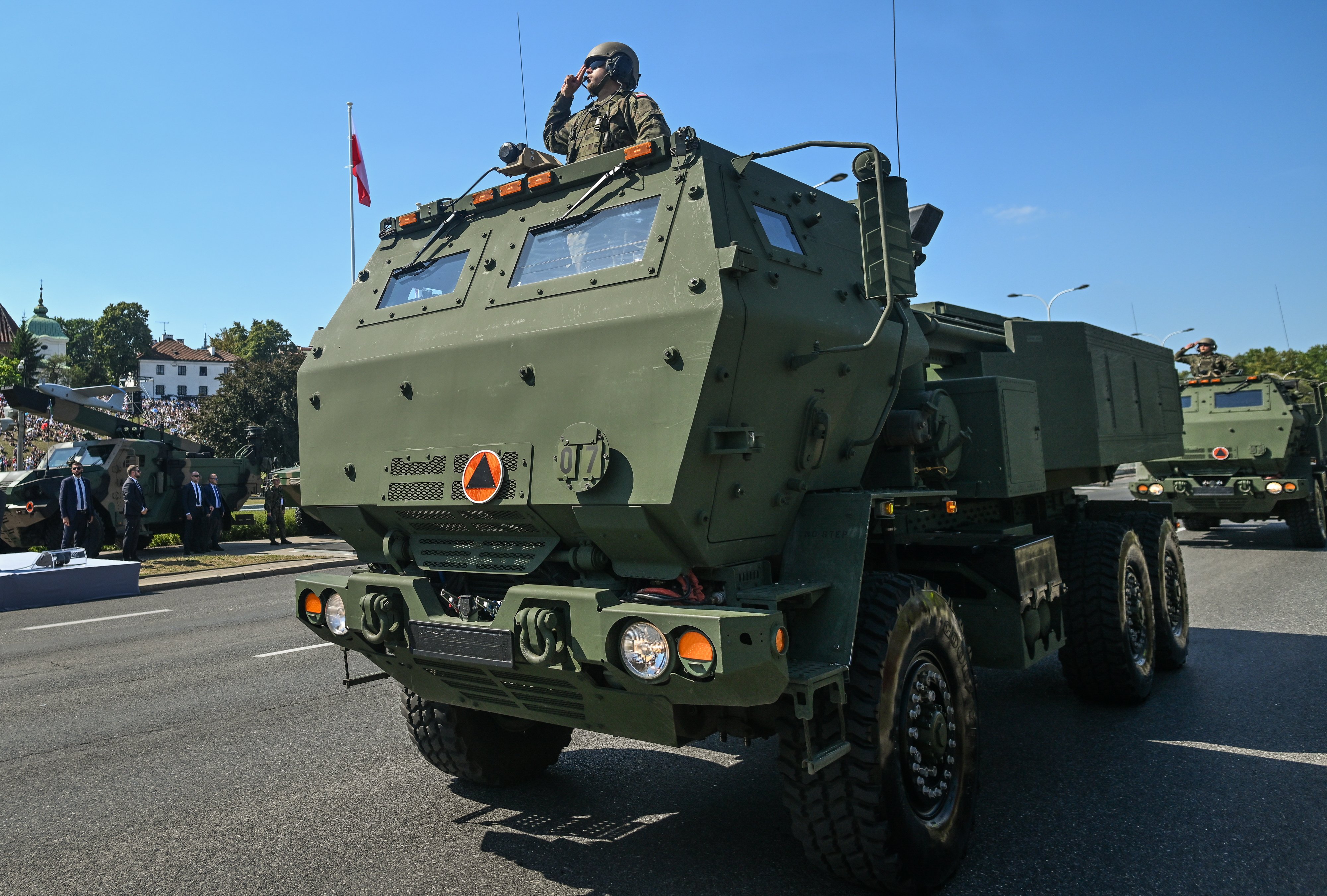
Latvian interest in Barracuda fits into the same larger transformation in European conventional strike capabilities.
For NATO’s Baltic members, the logic is particularly straightforward, with mobile, ground-launched weapons providing an additional means of striking military targets at depth without requiring control of the air over the launch area.
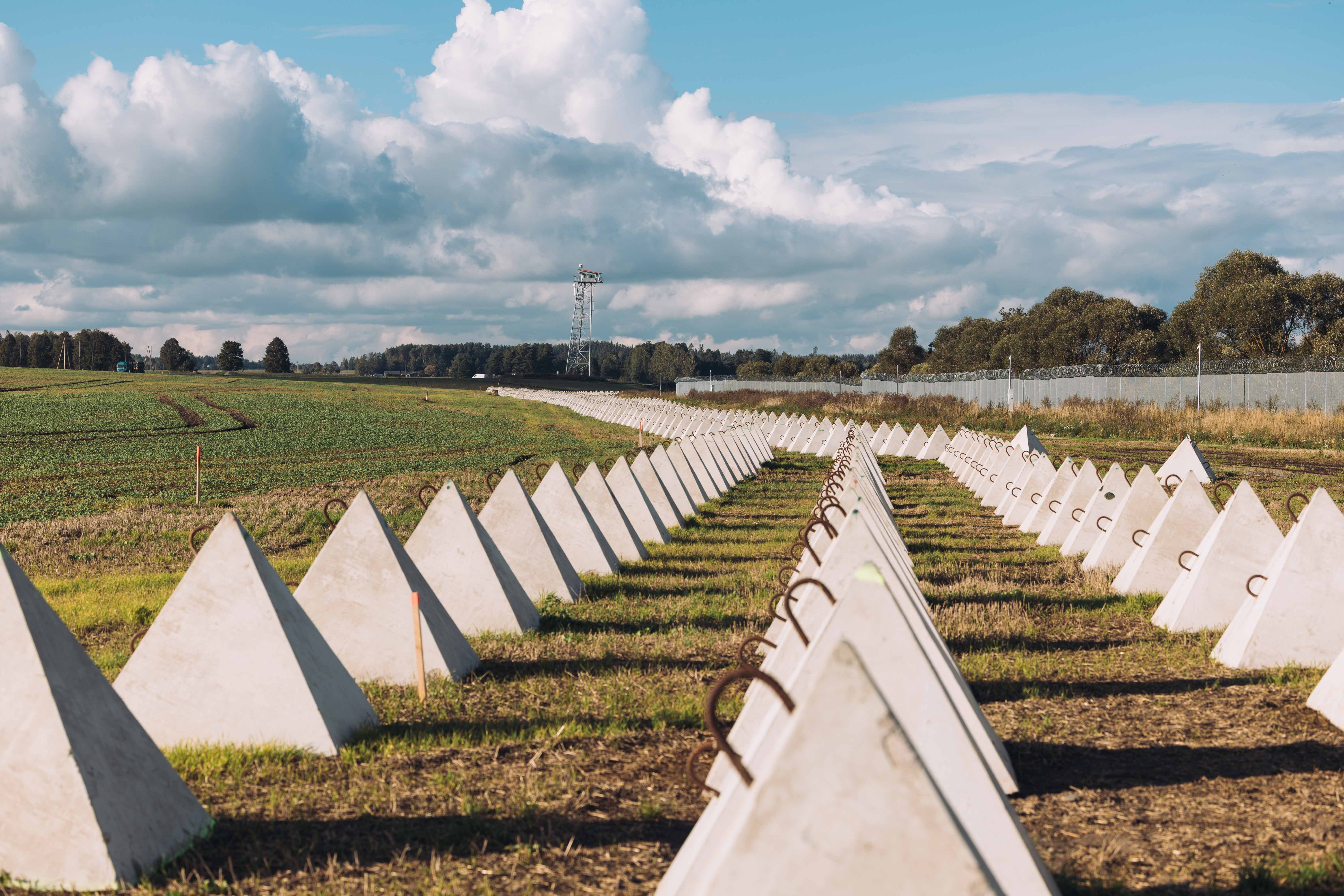
The potential Barracuda acquisition would represent another step in a broader European shift toward deep precision strike, a term increasingly used to describe conventional weapons capable of holding targets hundreds or thousands of miles away at risk.
Deep precision strike is widely acknowledged as an increasingly important European capability gap. European NATO members have historically relied heavily on air-launched cruise missiles and other aircraft-delivered weapons, while ground-launched long-range systems have been comparatively scarce.
The deterioration of the European security environment following Russia’s full-scale invasion of Ukraine, together with the 2019 collapse of the Intermediate-Range Nuclear Forces Treaty, are important factors behind renewed European interest in long-range conventional strike.
A key driver behind Europe’s push for longer-range conventional strike is the desire to build a credible deterrent capable of holding targets deep inside Russia at risk, potentially including Moscow. Ukraine’s long-range strike campaign has demonstrated the strategic value of being able to impose costs at significant distances, while also underscoring the importance of having sufficient stocks of precision weapons. For NATO’s eastern flank, systems such as the ground-launched Barracuda could therefore provide not just another fires capability, but an additional means of imposing costs on an adversary without relying exclusively on airpower.
Importantly for Latvia, the emerging European approach is not limited to large air forces. NATO’s prospective deep-strike requirements are likely to place significant emphasis on mobile ground-launched systems because they can be dispersed and offer survivability advantages while avoiding the cost and vulnerability associated with relying exclusively on aircraft or ships as launch platforms.
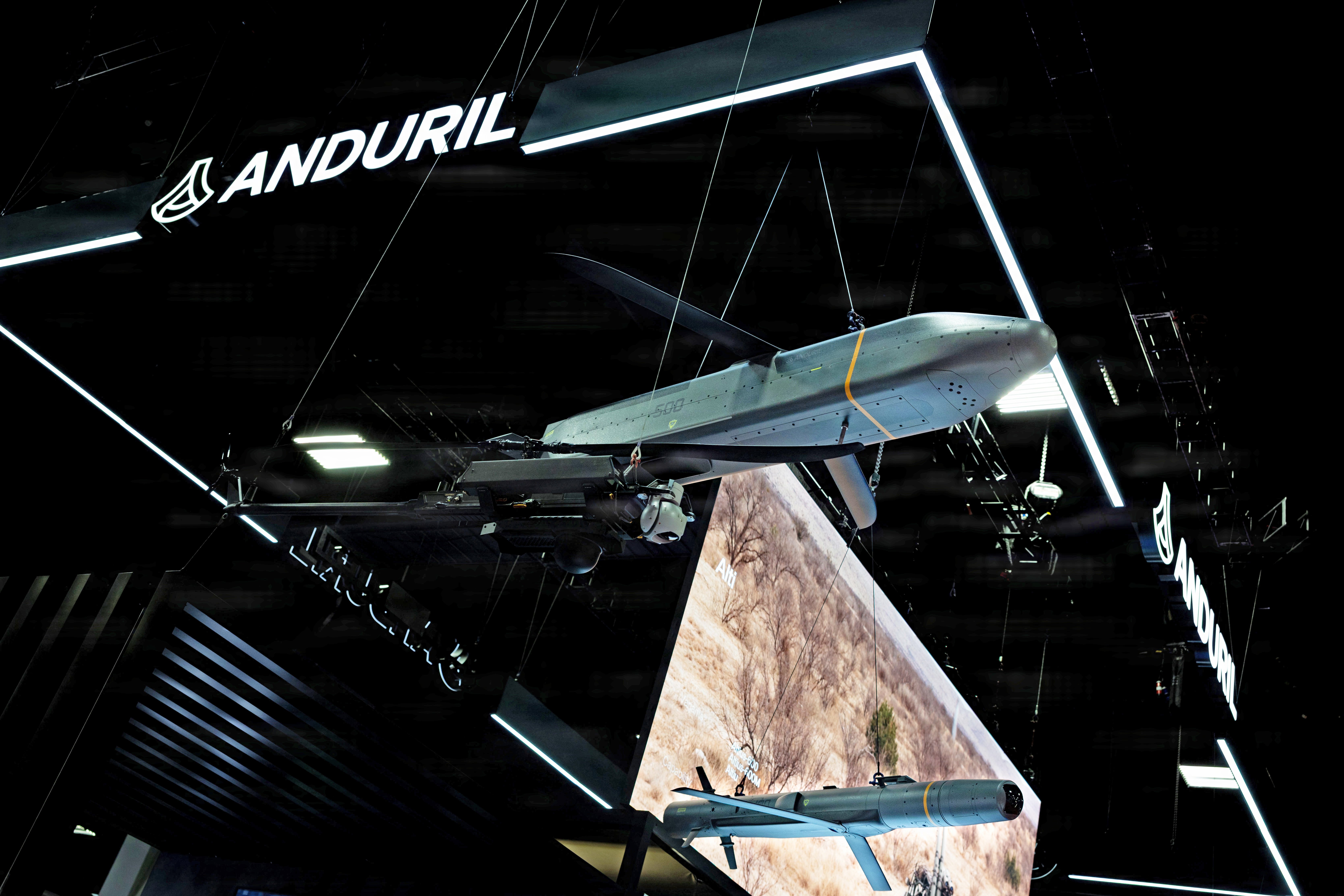
That makes systems such as the surface-launched Barracuda particularly relevant to countries on NATO’s eastern flank.
Anduril has positioned Barracuda as part of an effort to address what it describes as a shortfall in affordable, producible long-range precision weapons. A prototype surface-launched Barracuda-500 successfully demonstrated its launcher, missile, and booster concept in testing in 2025. Anduril has emphasized that the family is intended to be more producible and affordable than many existing “exquisite” long-range weapons.
The emphasis on production capacity is notable in light of lessons emerging from the war in Ukraine, where both sides have demonstrated the importance of maintaining substantial stocks of precision weapons and relatively inexpensive one-way attack systems.
European governments are increasingly wrestling with the same issue. However, there is a fundamental tension between rapidly filling capability gaps through off-the-shelf purchases and developing indigenous European weapons that can strengthen the continent’s defense-industrial base, which is also a critical political consideration.
Latvia’s emerging relationship with Anduril appears to combine elements of both approaches, by acquiring an American-developed strike capability while simultaneously pursuing industrial cooperation with U.S. defense companies.
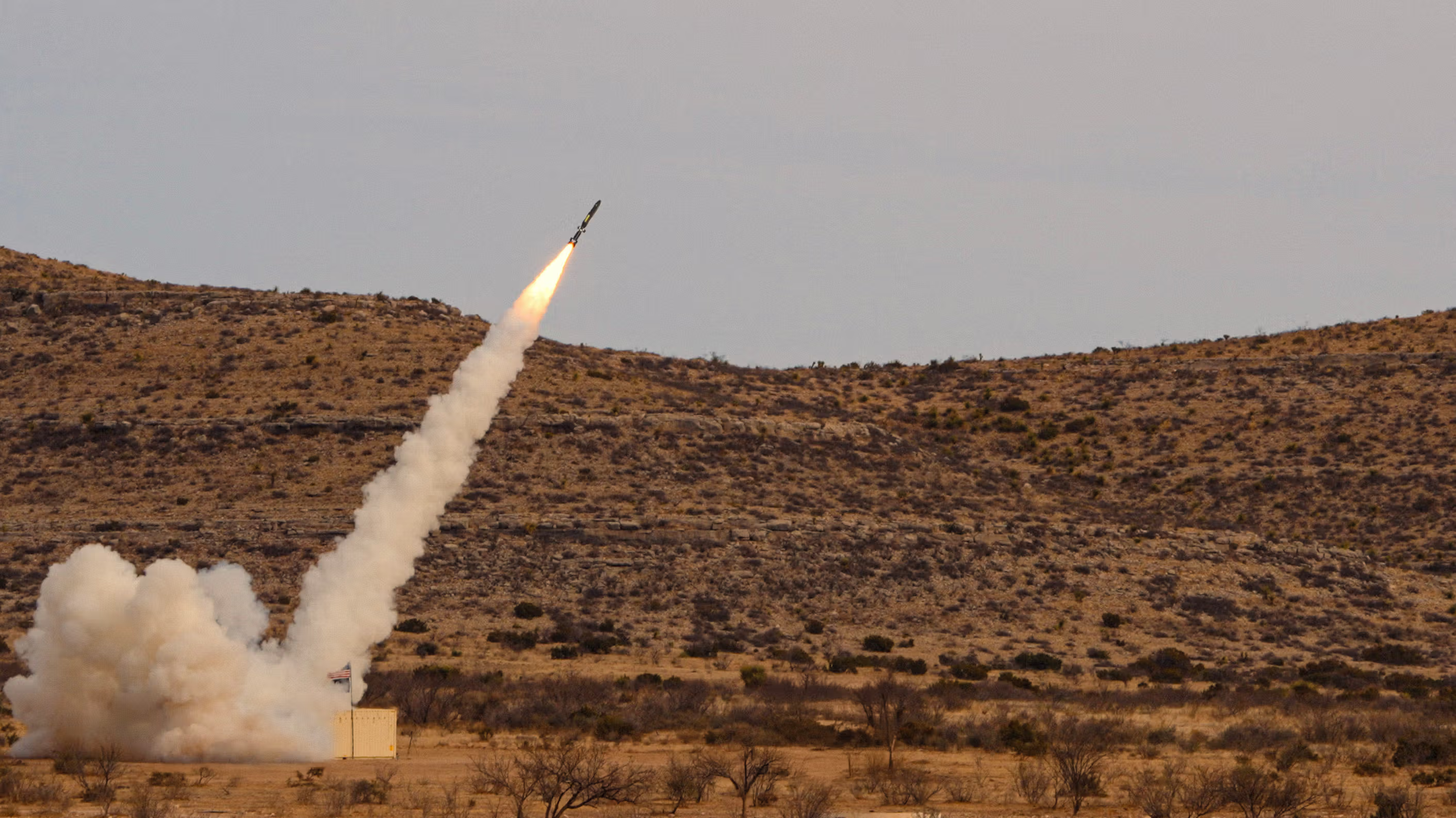
There is also a recent European precedent for combining Barracuda procurement with local industrial participation.
In July 2026, Anduril signed a strategic agreement with Polish national maintenance, repair and overhaul provider Wojskowe Zakłady Lotnicze Nr 2 (WZL-2) to establish production of the Barracuda-500M at WZL-2 facilities in Bydgoszcz, Poland. Polish state-owned defence group Polska Grupa Zbrojeniowa said Poland was the first European country to sign such an agreement with Anduril.
Bezpieczeństwo zaczyna się od silnych sojuszy.
— Ministerstwo Aktywów PaństwowychDziś została podpisana umowa o współpracy @PGZ_pl i WZL-2 z firmą Anduril Industries, która umożliwi utworzenie w Polsce miejsc montażu i produkcji autonomicznych rakietowych pocisków manewrujących dalekiego zasięgu… pic.twitter.com/JnmM6lQZ7L
(@MAPGOVPL) July 6, 2026
Polish officials have also emphasized the missile’s intended low production cost relative to higher-end U.S. cruise missiles. The planned Polish program is expected to progressively increase Polish content and eventually incorporate broader European elements, including software solutions from Anduril.
Latvia has not publicly detailed whether any Barracuda-related production, assembly, or other industrial work would be conducted in the country.
However, Latvia’s Investment and Development Agency says the country’s defense-technology delegation in the United States is seeking opportunities involving joint development, testing, manufacturing, system integration and supply chains. Origin Robotics is among the Latvian companies participating in that effort.
The broader Latvian delegation includes companies working across unmanned and counter-unmanned systems, communications, electronics, sensors, software, artificial intelligence, cybersecurity, and manufacturing.
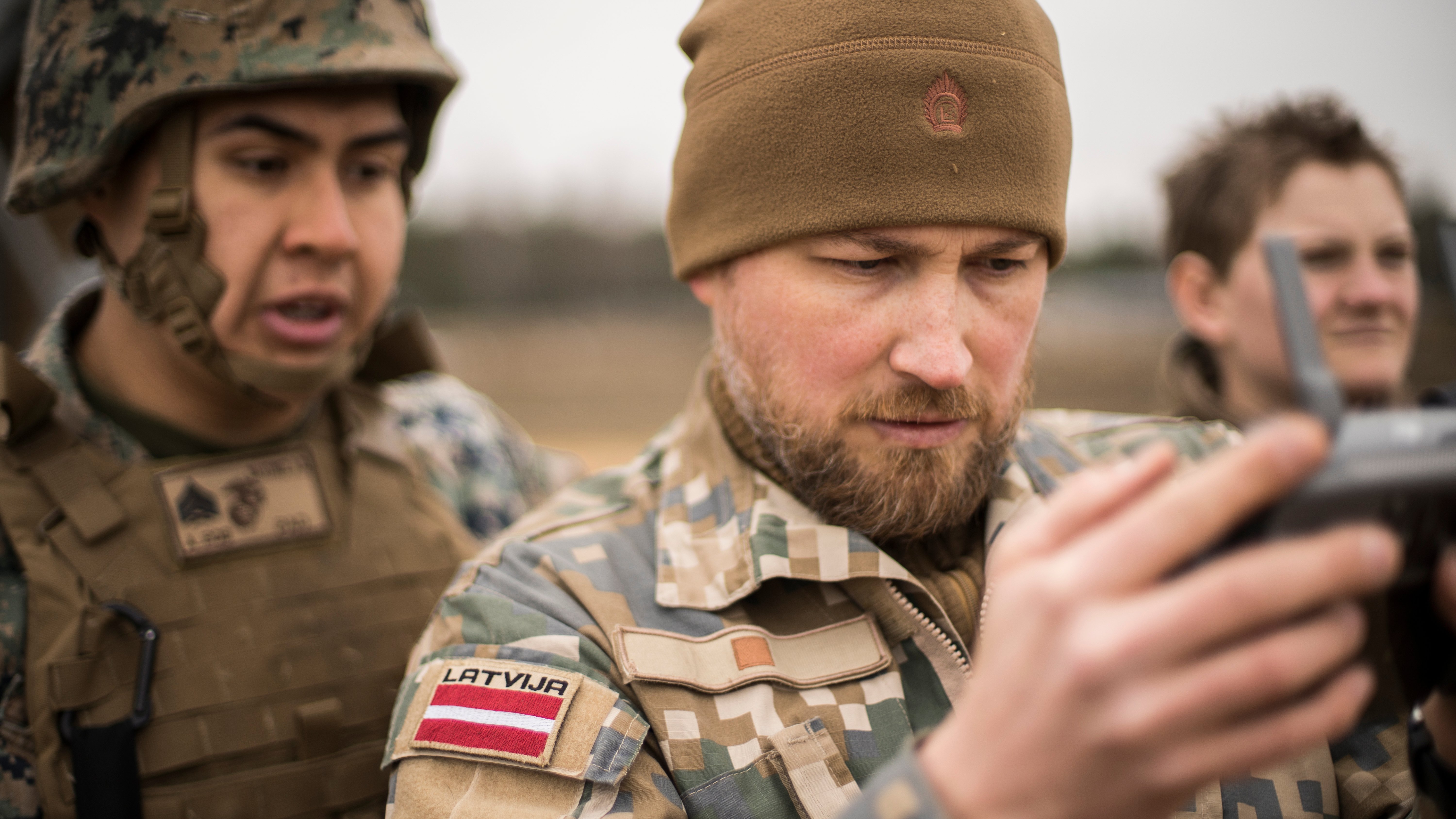
Exactly how Latvia intends to employ Barracuda, how many missiles it plans to acquire, and whether any portion of the system will eventually be produced or integrated in Latvia remain unclear from the president’s announcement.
For now, the development marks another indication that long-range precision fires are moving from a capability concentrated among Europe’s largest military powers toward a broader requirement across NATO’s highly strategic eastern flank.
Contact the author: thomas@thewarzone.com
The post Latvia To Order Anduril’s Barracuda Cruise Missile For Long-Range Strike Capability appeared first on TWZ.
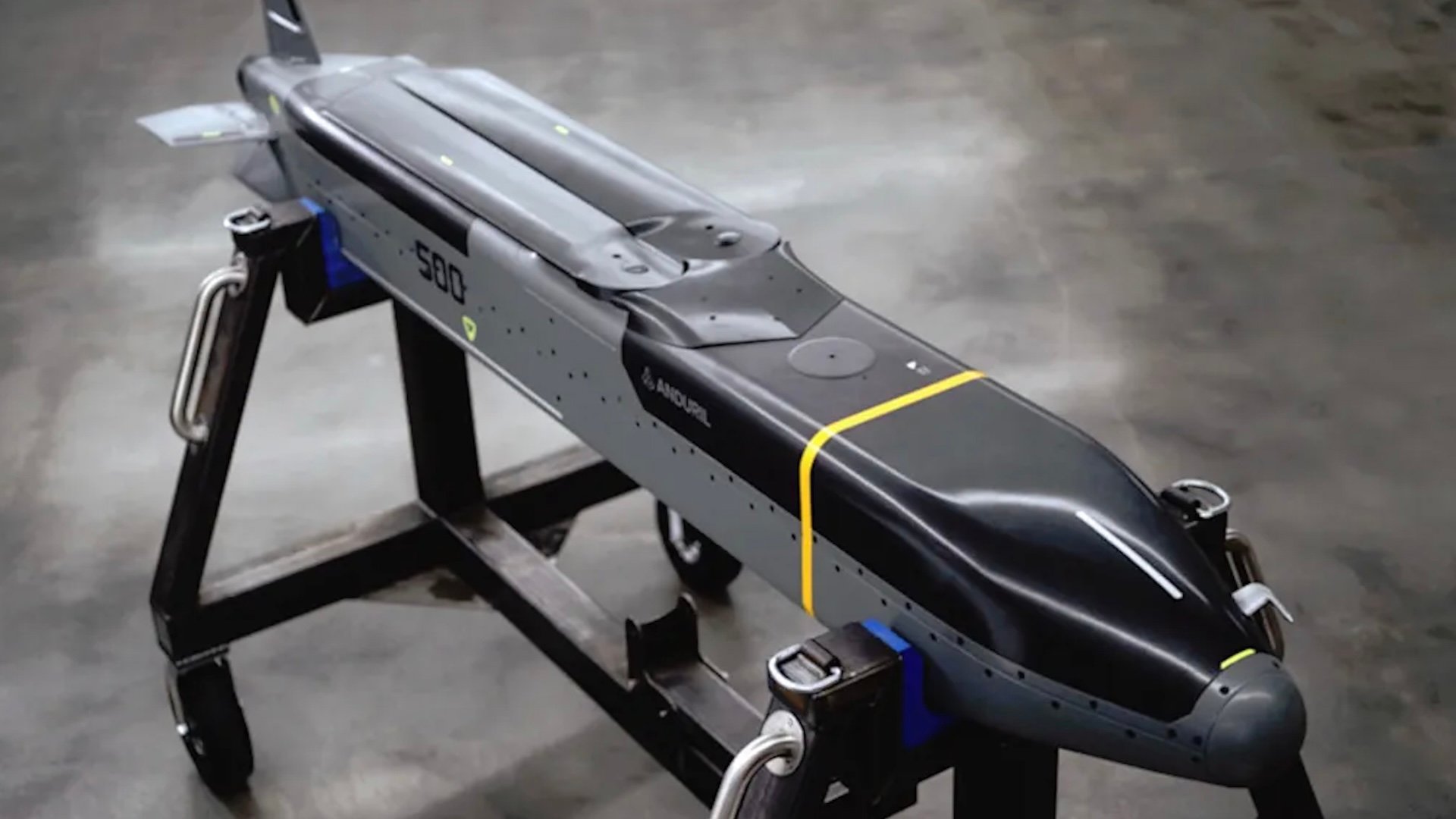
Swedish and German forces are conducting what appears to be the first joint rehearsal of their rapid-reinforcement plans for the Baltic island of Gotland. The exercise is another step in Sweden’s defense planning for an island whose position in the middle of the Baltic gives it an outsized strategic importance for controlling access, protecting the Baltic states, and maintaining NATO’s freedom of movement in a region where Russian military activity remains a persistent concern.
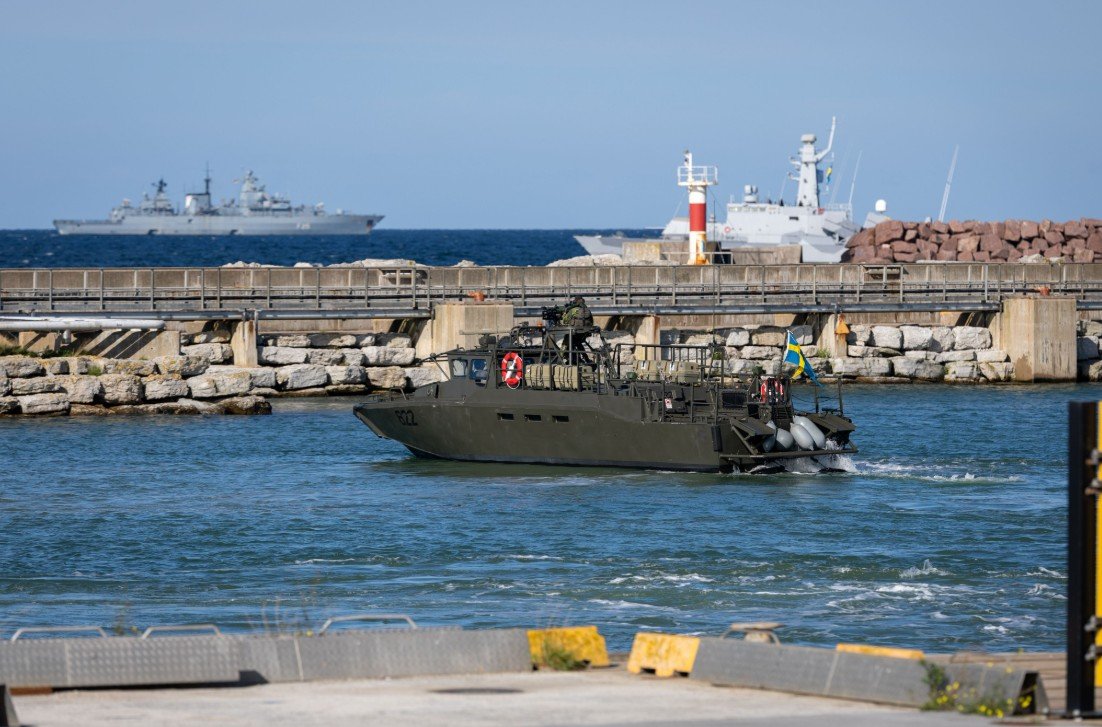
The exercise, Silver Wotan 2026, running between September 14-23, brings together Swedish and German forces across the land, maritime, and air domains. The scenario is built around a Swedish request for allied assistance, with German forces moving personnel and equipment across the Baltic before integrating with Swedish units already defending the island. The operation is testing the entire process of getting allied combat power to Gotland, protecting it during the movement to Visby, and rapidly incorporating it into the island’s existing defensive network.
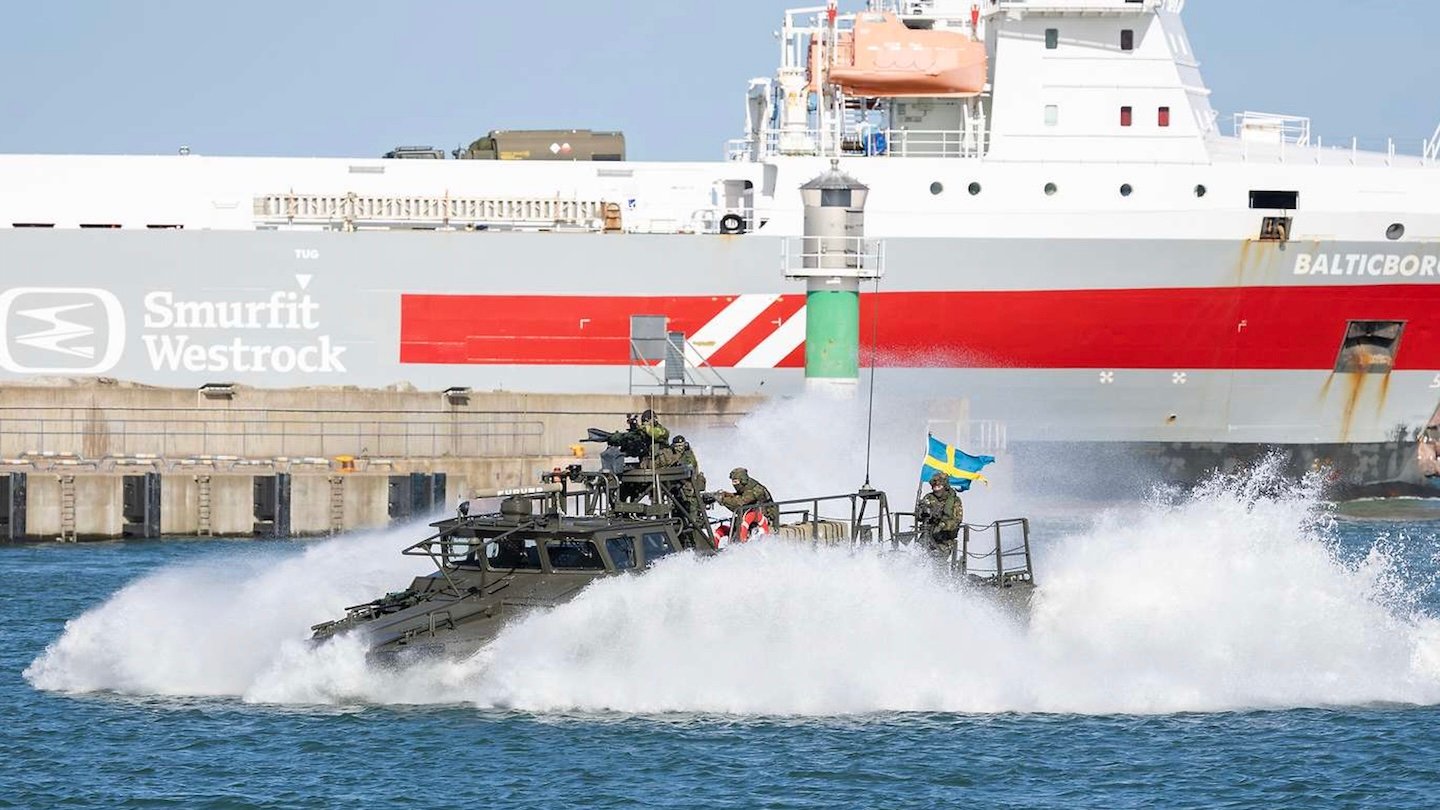
A video shows troops coming ashore on Swedish CB90 fast assault craft, a type that German soldiers are also trained to operate:
A rapid deployment of German and Swedish forces to Gotland island is being carried out today. Units from
— Försvarsmakten (@Forsvarsmakten) September 18, 2026and
are rehearsing the swift reinforcement of the strategic island in order to ensure the security of the Baltic Sea.#SilverWotan#NATO pic.twitter.com/A0r3LF8XUP
The strategic importance of Gotland has grown considerably following Sweden’s accession to NATO in March 2024, which was a direct response to the full-scale Russian invasion of Ukraine.
Located approximately halfway between mainland Sweden and the Baltic states, the island occupies a central position in the Baltic Sea, close to the maritime approaches to the Gulf of Finland and within reach of the Russian exclave of Kaliningrad. Its location gives forces operating from Gotland a potentially significant position from which to conduct surveillance, air defense, and maritime operations, while also making the island an important part of the wider network connecting NATO’s northern and eastern members.
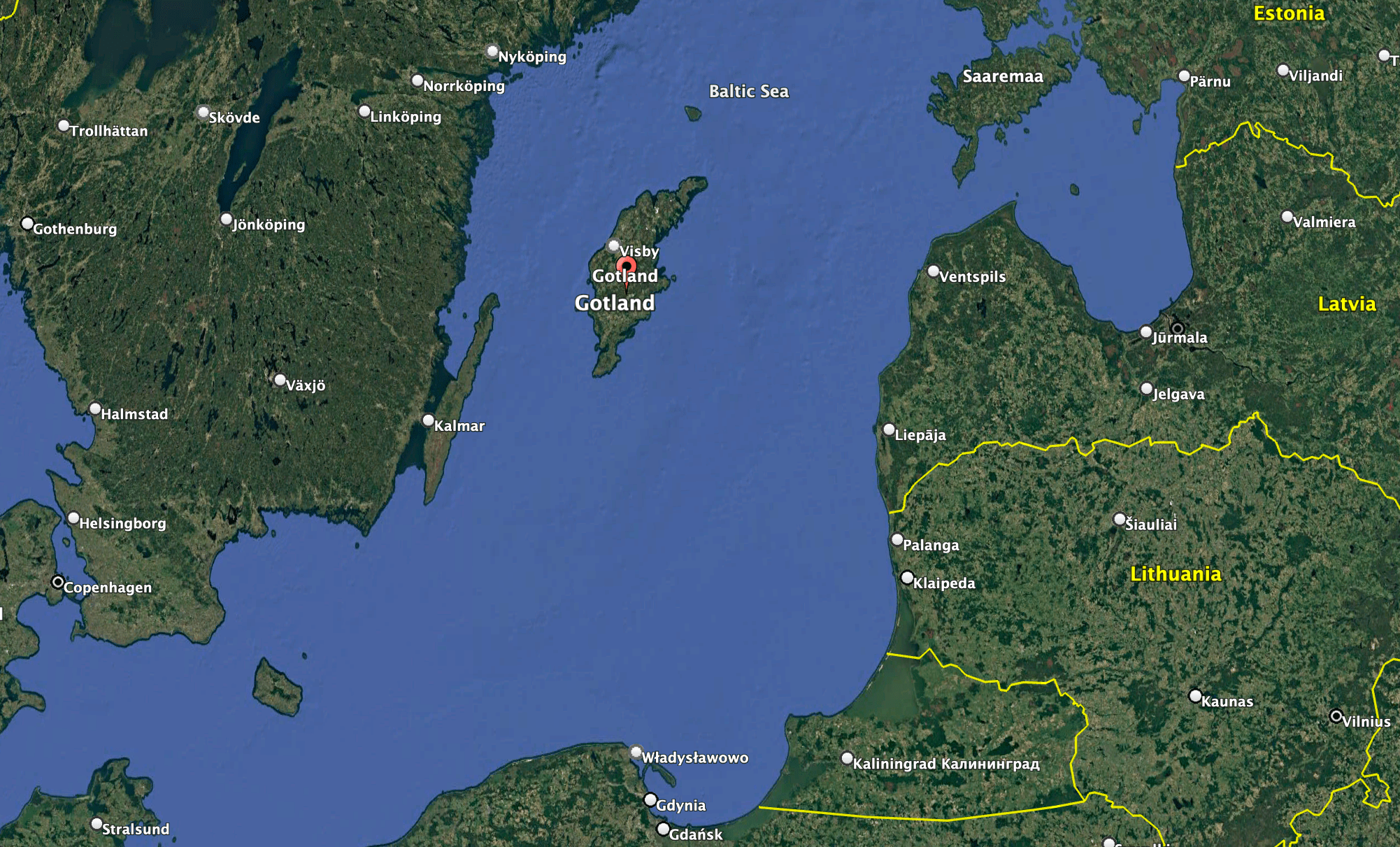
At the same time, Gotland sits within an extremely complex littoral environment, where shallow waters, islands, narrow maritime approaches, and the proximity of multiple states can make both offensive operations and defensive planning more difficult. The region has also been shaped by longstanding Swedish concerns about Russian clandestine activity, including intelligence gathering and other forms of covert or deniable activity. The complexity of the Baltic operating environment can make such activities harder to detect and attribute, adding another layer of uncertainty alongside the more conventional military challenges facing the region.
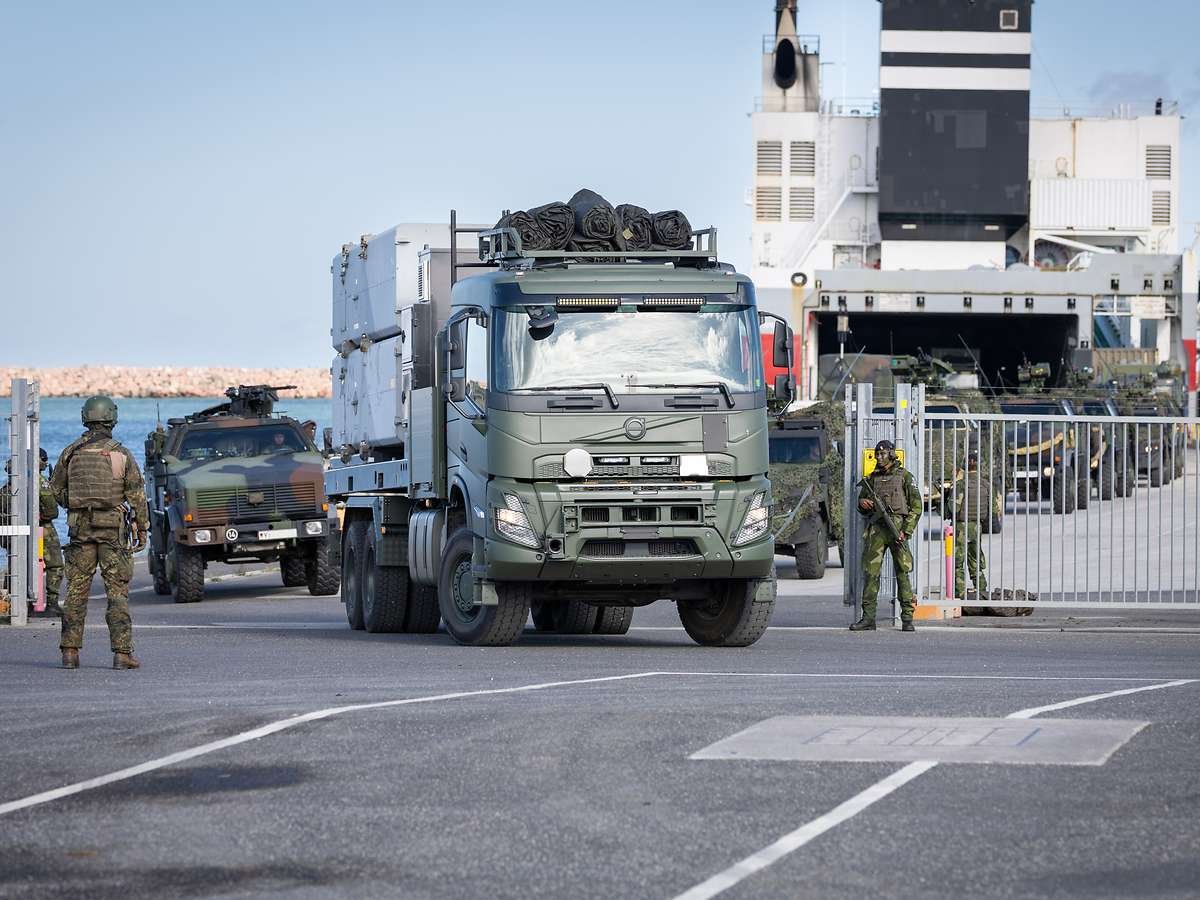
Geography has long made Gotland important to Swedish defense planning, but its significance has taken on a broader dimension since Sweden joined the alliance. NATO has described the island as strategically important to its freedom of maneuver in the Baltic, while Swedish officials have highlighted its potential role as a hub for military operations and logistics in the region.
The current exercise is designed around the practical difficulties of reinforcing such a position.
Military equipment is being transported by sea to Visby, Gotland’s principal port, including by commercial ferry. In Visby, Swedish and German personnel are securing the harbor and conducting the reception of the arriving force. Among the equipment being moved are air defense systems, while Swedish forces are also operating coastal defense systems armed with anti-ship missiles.
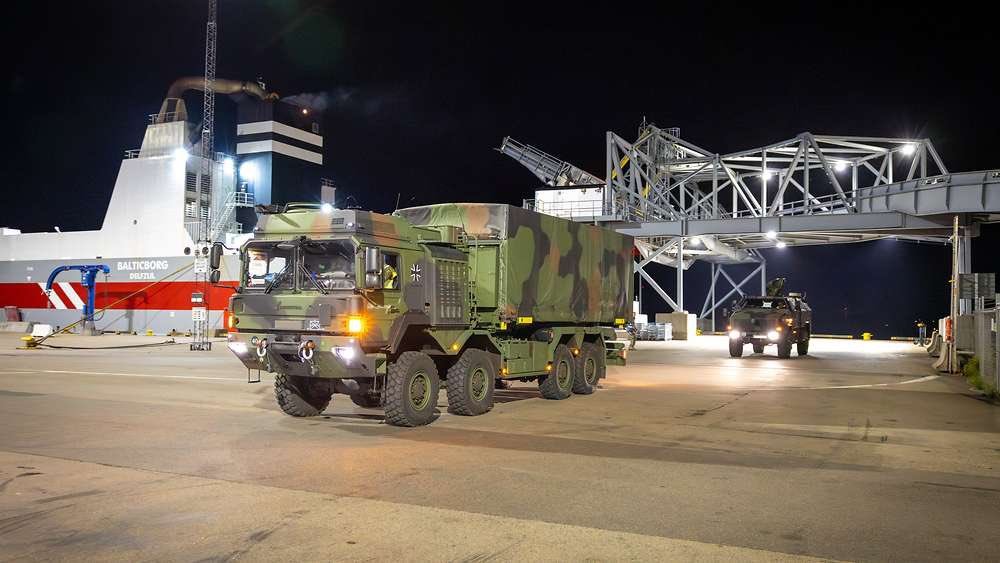
Meanwhile, publicly available flight-tracking data showed German Luftwaffe transport aircraft, including at least one Airbus A400M airlifter, apparently involved in the effort. The commercial airport at Visby has long also been used for military activities related to Gotland and the wider Baltic region.
”A rapid deployment of German and Swedish forces to Gotland island is being carried out today” https://t.co/z6oLs1LCT4 pic.twitter.com/n18MdST6r1
— Jamming (@balticjam) September 18, 2026
The movement is supported by Swedish and German naval forces and other aircraft, creating a scenario in which the maritime transit, protection of the port, air operations, and subsequent movement of troops and equipment ashore all form part of the same military problem. Once ashore, the arriving forces have to be moved into position and integrated with Swedish units already responsible for defending the island.
The Swedish Gotland Regiment, P 18, provides the core of the island’s permanent military presence. The regiment, Sweden’s youngest and smallest, has been rebuilding its capabilities since Sweden began expanding its military presence on Gotland. Its forces form the basis of the ground-defense structure into which allied reinforcements would be incorporated.
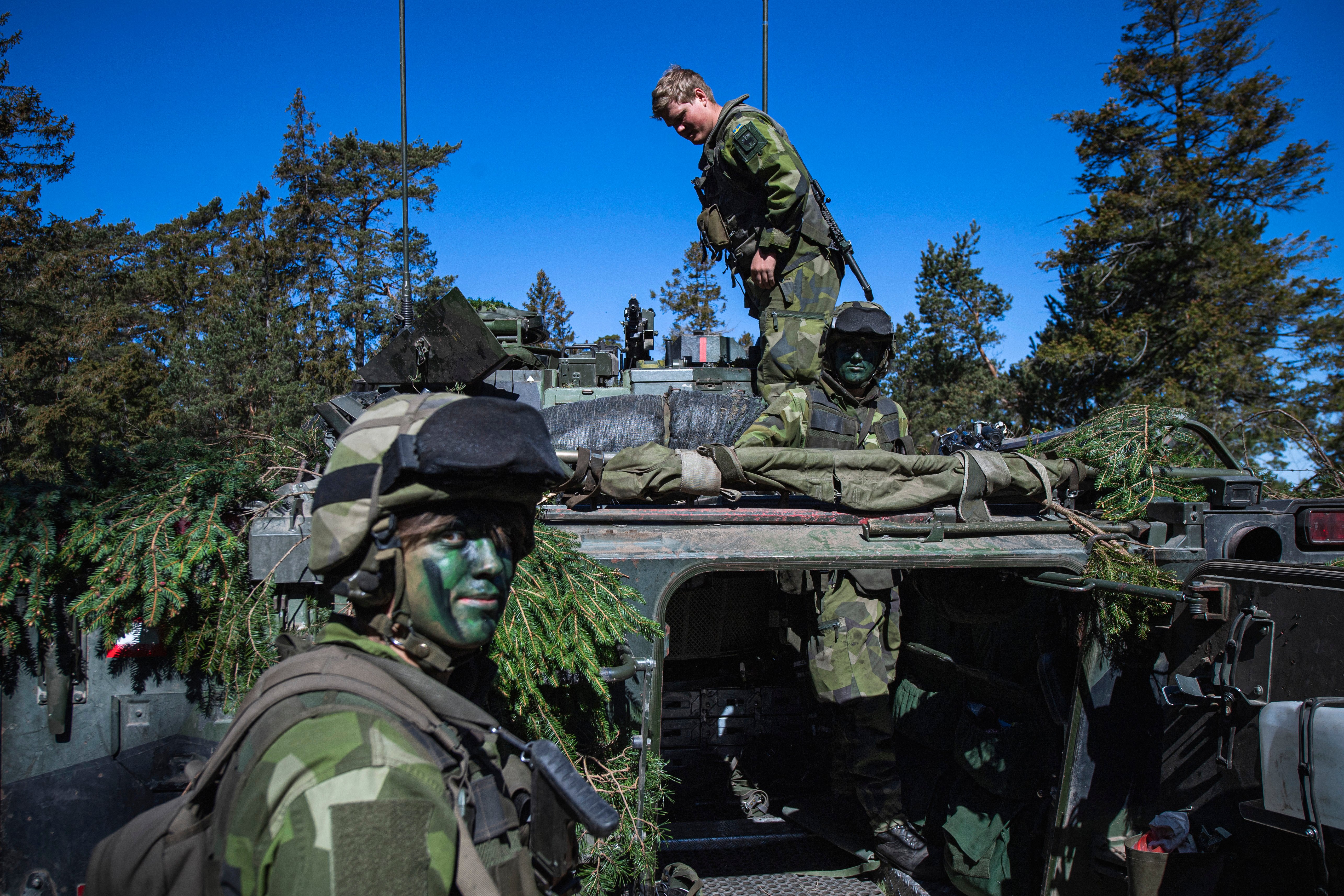
Swedish coastal defense capabilities are another important element of the drill. Land-based anti-ship missiles provide the island with a means of threatening hostile surface vessels operating in the surrounding waters, giving the defense of Gotland a direct connection to the wider maritime battle for the Baltic. During Silver Wotan, Swedish and German forces are also conducting anti-surface warfare activities alongside the broader reinforcement operation.
Germany is contributing more than 500 troops to the exercise, part of approximately 2,000 Bundeswehr personnel involved, including elements from the army, navy, and air force. The German Luftwaffe has deployed Panavia Tornado aircraft for surveillance, while German naval forces are participating in the maritime component, and German ground personnel are involved in the reinforcement and security activities on Gotland.
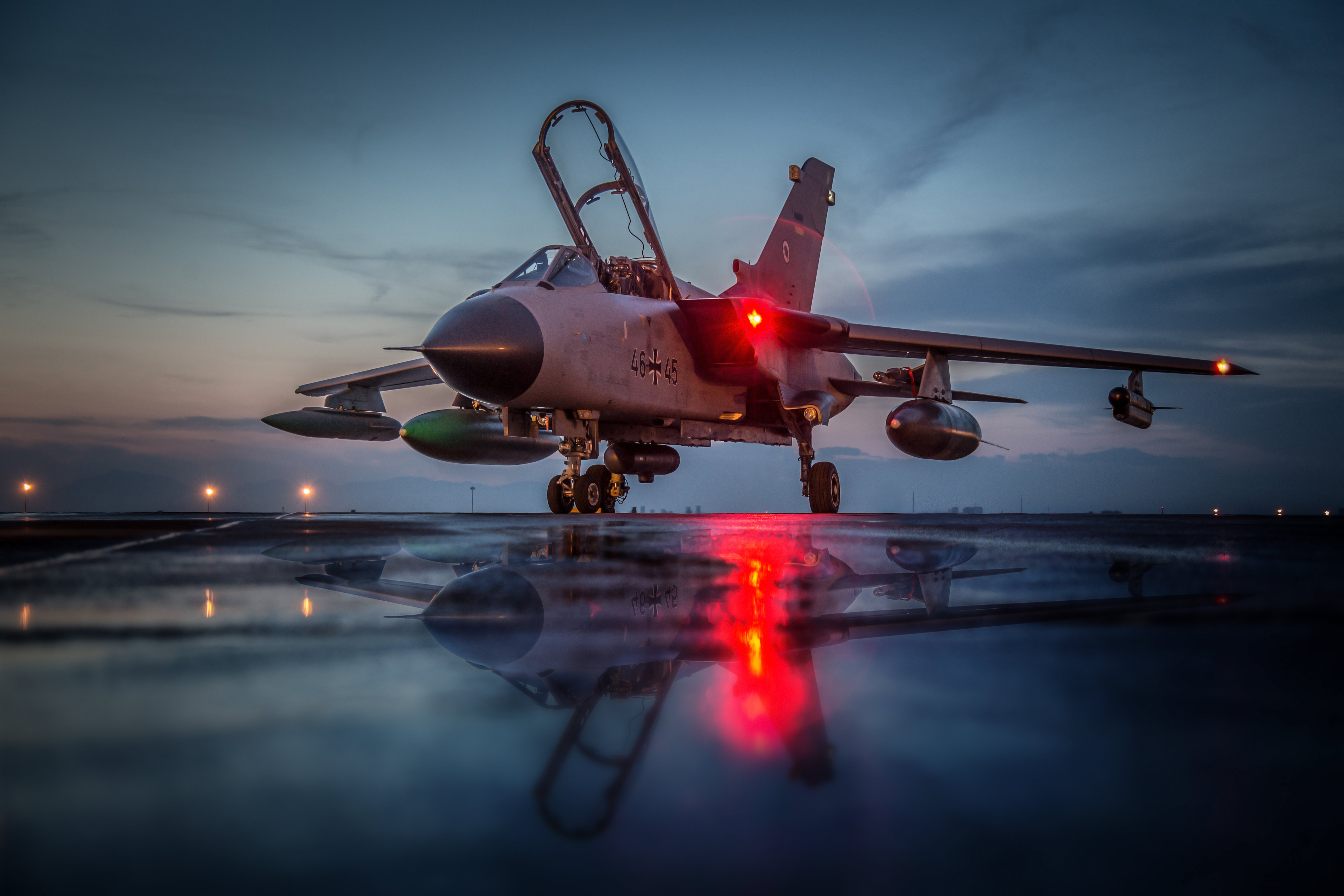
The exercise scenario is particularly relevant against the backdrop of Russia’s continuing military presence in the Baltic region.
Russia maintains major military infrastructure in Kaliningrad, including naval, air, missile, and air defense capabilities, while the Russian Baltic Fleet operates from bases in the region. Kaliningrad’s position between Poland and Lithuania gives Moscow a significant military foothold inside the NATO area, while Russian forces and military infrastructure elsewhere along the Baltic add to the complexity of operating and reinforcing allied territory in the region.
The security environment around the Baltic has also deteriorated considerably since Russia’s full-scale invasion of Ukraine. NATO has increased its surveillance and military activity in the region, including the launch of Baltic Sentry in January 2025 following a series of incidents involving critical undersea infrastructure. The alliance has subsequently expanded efforts to monitor maritime activity and protect infrastructure and sea lines of communication.
Swedish authorities have stressed that Silver Wotan was planned in advance and is not being conducted in response to a specific imminent Russian threat. The exercise nonetheless reflects the operational environment in which Swedish and NATO planners now have to consider the possibility that maritime and air movements across the Baltic could be monitored, disrupted, or contested.
The exercise also builds on a series of increasingly large Swedish-led activities designed to test the reception of allied forces on Swedish territory. During Aurora 26 earlier this year, more than 18,000 troops from 13 countries participated in operations across Sweden, including the deployment of allied forces to Gotland alongside the Gotland Regiment and Swedish Home Guard. NATO described that activity as an emergency deployment intended to test the reinforcement of the island.
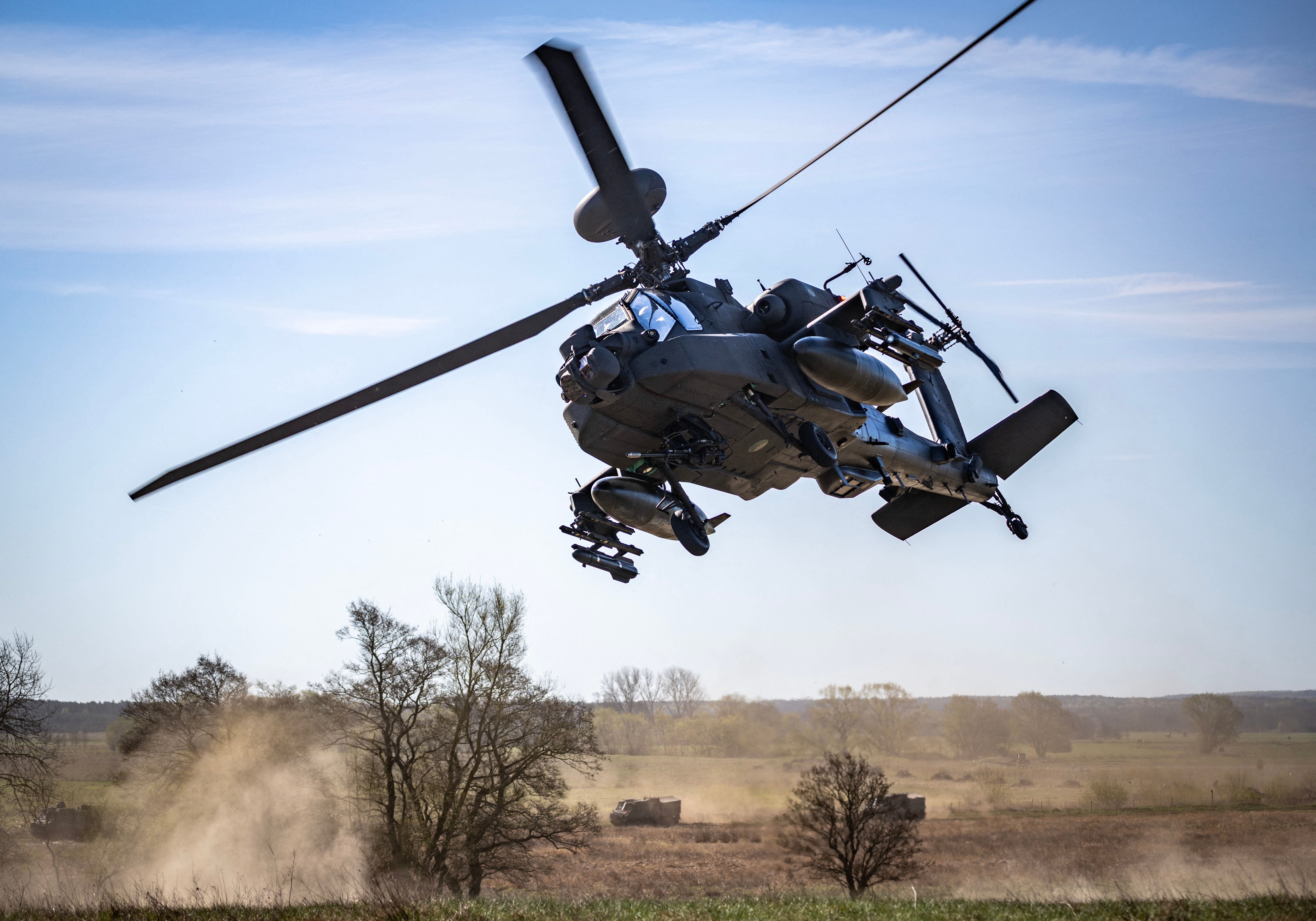
Silver Wotan places a more concentrated emphasis on the Swedish-German relationship and on the movement of an allied force into the island’s existing defensive structure.
Germany’s participation is also consistent with its growing military role in the Baltic and along NATO’s northeastern flank. Berlin is already providing forces for NATO’s forward defense in Lithuania and has increasingly emphasized the ability to move German forces rapidly across northern Europe in support of allied operations.
For Sweden, meanwhile, Gotland has become one of the clearest examples of how NATO membership has changed the country’s defense planning. The island remains a Swedish responsibility, but its location means that what happens there has consequences well beyond Sweden’s territorial defense.
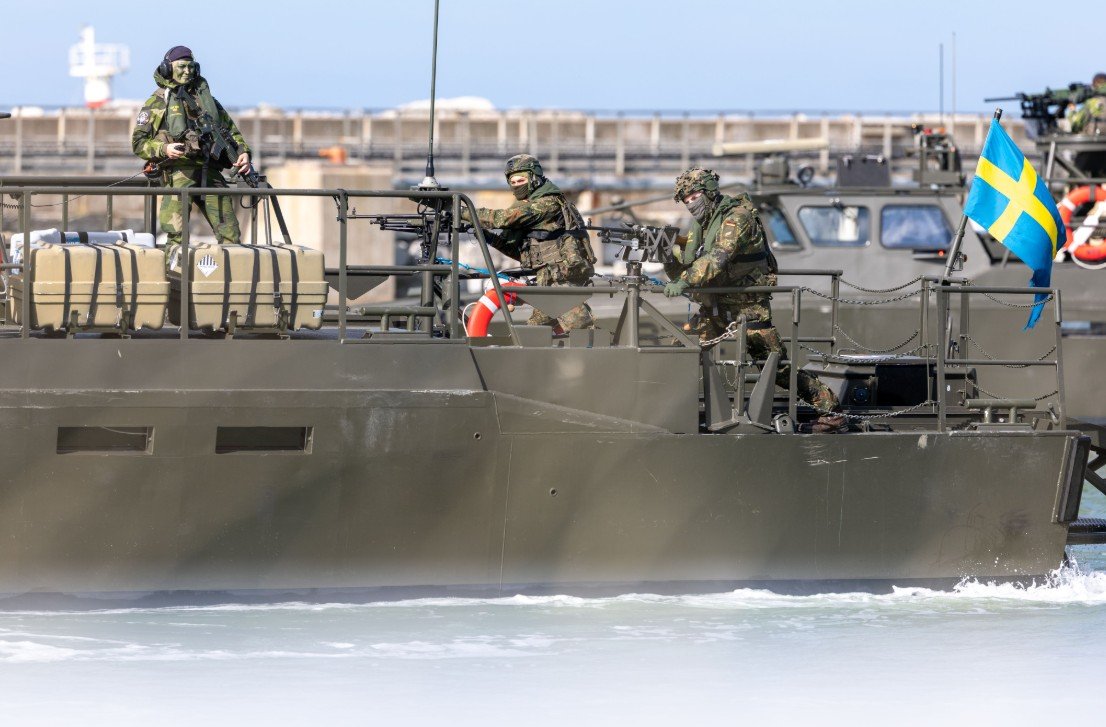
A defended and adequately supplied Gotland provides NATO with a strategically positioned base for surveillance and defensive operations in the Baltic, while the ability to reinforce it demonstrates that the alliance can maintain access to the island even as the surrounding maritime and air environment becomes more contested.
The exercise comes as European allies are being forced to plan for a NATO in which the United States may provide less of the conventional military weight it has supplied for decades. The Pentagon is reviewing the size and posture of U.S. forces in Europe, including the forces and capabilities Washington would make available in a European crisis, while NATO’s top commander has said further U.S. troop withdrawals should be expected as European allies build up their own conventional capabilities.
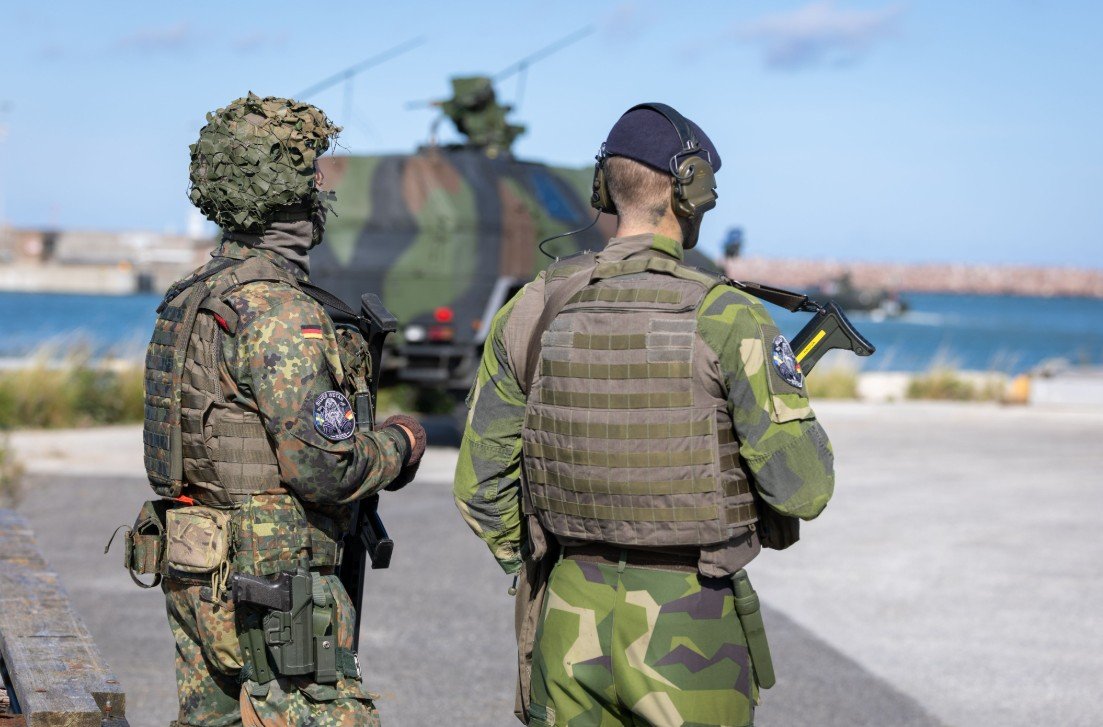
At the same time, the alliance now describes Russia as its most significant and direct security threat, citing military activity alongside airspace violations, sabotage, cyber operations, and other forms of hybrid pressure. There are also growing concerns that Russia could try something in the Baltics, while it continues to step up its gray-zone activities regardless. NATO officials have warned that Russia could rebuild enough military capacity to pose a more serious conventional challenge to the alliance before the end of the decade.
There are escalating warnings from Poland that Russia is preparing to widen its war against Ukraine, with "accidental" missile and drone strikes on NATO territory.
— Deborah Haynes (@haynesdeborah) September 18, 2026
Such a move – Russia falsely claiming air strikes that hit NATO allies happened by accident – would be designed to…
For Sweden and Germany, the Silver Wotan exercise is a practical test of how quickly European forces can reinforce and defend one of the Baltic’s most strategically important positions. As the security environment grows more contested and Europe prepares for a future in which U.S. forces may not be as readily available, the ability to move allied combat power across the region and integrate it into existing defenses is becoming an increasingly important part of NATO’s deterrence.
Contact the author: thomas@thewarzone.com
The post German Forces Surge Onto Baltic Island In First-Of-Its-Kind NATO Drill appeared first on TWZ.
On 24 August, the Commission adopted its proposal for the 2027 fishing opportunities for the Baltic Sea. The proposal sets the total allowable catches (TACs) and quotas for the ten EU-managed fish stocks in the Baltic Sea: Bothnian herring, central Baltic herring, Gulf of Riga herring, sprat, plaice, Main Basin salmon, Gulf of Finland salmon, western Baltic cod, eastern Baltic cod, and western Baltic herring.
It responds to scientific assessments that highlight the critical state of several fisheries and allows for continuing the rebuilding trajectories for relevant stocks.
The Commission proposes to increase fishing opportunities for Bothnian herring (+3%), central Baltic herring (+49%), Gulf of Riga herring (+11%) and sprat (+44%). Catches of plaice, salmon in the Main basin and in the Gulf of Finland would remain unchanged compared to this year. In addition, based on the latest reporting by Member States, the Commission proposes to reduce the allocations of unavoidable by-catches – fish unwantedly caught by fishers - of western Baltic cod (-88%), eastern Baltic cod (-51%) and western Baltic herring (-45%).
These proposed TACs are based on the best available scientific advice from the International Council on the Exploration of the Seas (ICES) and follow the Baltic Sea multiannual management plan adopted in 2016 by the European Parliament and the Council.
Cod
For eastern Baltic cod, the Commission has proposed to keep a catch limit for unavoidable by-catches and all the accompanying measures in place already for several years. However, since the stock continues to be in bad condition, the by-catch limit should be adjusted, based on the number of by-catches reported by each Member State in 2025. Despite the measures taken since 2019, when scientists first warned about the poor status of cod, the situation has not improved.
The situation is similar for western Baltic cod. The Commission therefore proposes to adjust the by-catch TAC to address a deteriorated condition of the stock, and to keep all the accompanying measures.
Herring
The stock size of western Baltic herring remains significantly below minimum levels. The Commission proposes removing the exemption for small-scale coastal fisheries and adjusting the TAC to unavoidable by-catches only.
The stock size of Bothnian herring is larger than previously estimated but still below sustainable levels. With the maximum catch levels contained in the ICES advice, the stock size would continue to decrease. In order to continue the rebuilding trajectory, the Commission proposes a TAC level which keeps the fishing mortality rate stable and increases the stock size. The Commission also proposes to keep the three-month spawning closure – restricting fishing during reproduction periods - in shallow coastal waters.
The stock size of central Baltic herring has increased but remains below sustainable levels. ICES forecasts a positive stock development due to high estimated recruitment. In order to continue the rebuilding trajectory, the Commission proposes a cautious approach and to set the TAC at the level which keeps the fishing mortality rate stable. In addition, the Commission proposes to keep the three-month spawning closure in shallow coastal waters.
Herring in the Gulf of Riga is healthy, and the Commission proposes to set the catch limits according to the maximum advised by ICES.
Plaice
Scientific advice recommends a slight increase, but the Commission proposes to keep the TAC unchanged due to the bad condition of individual fish. In addition, new measures for flatfish fisheries, including plaice, entered into force last year. These measures will help improve the sustainability of flatfish fishing, notably by reducing unwanted cod by-catches – which still occur frequently.
Sprat
After several difficult years the size of the sprat stock has increased significantly due to recent very high reproduction rates. ICES estimates that the stock will continue to increase. The Commission therefore proposes setting the TAC at the advised maximum and to discontinue the three-month spawning closure.
Salmon
ICES did not publish a new advice for 2027. The Commission therefore proposes to maintain the (by-catch) TAC levels and the accompanying conditions for the two salmon TACs, with the exception of recreational fishing on reared salmon which should stop.
Next steps
Based on these proposals, EU countries will take a final decision to determine the maximum quantities of the most important commercial fish species that can be caught in the Baltic Sea. The Council will examine the Commission's proposal in view of reaching a political agreement during its meeting on 26-27 October 2026. The formal adoption by the Council will follow later in the course of November.
Background
The fishing opportunities proposal is part of the European Union's approach to adjust the levels of fishing to long-term sustainability targets, called maximum sustainable yield (MSY), as agreed by the European Parliament and the Council in the Common Fisheries Policy. The Commission's proposal is also in line with the Multiannual Plan for the management of cod, herring and sprat in the Baltic Sea and with the policy intentions expressed in the Commission's Communication 'Sustainable fishing in the EU: state of play and orientations for 2027'.
The current situation is difficult for fishers as stocks are subject to various pressures which have led to the degradation of the Baltic Sea's biodiversity, such as high nutrient inputs and persistently high levels of contaminants. These stressors, in part, stem from failures to implement EU legislation. Furthermore, the scientific advice also recognises the impact of misreporting of fishing, without being able to quantify it. Misreporting potentially leads to hidden overfishing.
The Baltic Sea is the most polluted sea in Europe. It is affected by biodiversity loss, climate change, eutrophication, past and probably current hidden overfishing, and elevated levels of contaminants such as pharmaceuticals and litter. Concerned about this dire situation, the European Commission organised several editions of the Our Baltic Conferences in 2020, 2023 and 2025 to bring together Ministers from the eight EU countries surrounding the Baltic Sea (Denmark, Germany, Estonia, Latvia, Lithuania, Poland, Finland and Sweden).
For more information
Proposal fishing opportunities Baltic Sea 2027
Table: Overview of TAC changes 2026-2027 (figures in tones except for salmon, which is in number of pieces)
| 2026 | 2027 | |
| Stocks and ICES fishing zones; subdivision | Council agreement (in tonnes & % change from 2025 TAC) | Commission proposal (in tonnes & % change from 2026 TAC) |
| Western Cod 22-24 | 266 (0%) | 31 (-88%) |
| Eastern Cod 25-32 | 430 (0%) | 211 (-51%) |
| Western Herring 22-24 | 788 (0%) | 437 (-45%) |
| Bothnian Herring 30-31 | 55 869 (-16%) | 57 308 (+3%) |
| Central Herring 25-27, 28.2, 29, 32 | 96 463 (+15%) | 143 860 (+49%) |
| Riga Herring 38.1 | 34 367 (-17%) | 28 183 (+11%) |
| Sprat 22-32 | 201 975 (+45%) | 291 590 (+44%) |
| Plaice 22-32 | 10 973 (-3%) | 10 973 (0%) |
| Main Basin Salmon 22-31 | 25 537 (-27%) | 25 537 (0%) |
| Gulf of Finland Salmon 32 | 10 232 (+1%) | 10 232 (0%) |
* Updated on 25 August 2026, at 14:16 CEST


