❌

Reading view

Aung San Suu Kyi’s son speaks to detained former Myanmar leader for first time in five years

Kim Aris says ‘hearing her voice again means more than words can express’ amid loosening of detention restrictions

The son of Myanmar’s Aung San Suu Kyi has been allowed to speak to the detained former democratic leader for the first time in more than five years.

“Today, I was finally able to speak with my mother, Daw Aung San Suu Kyi, after more than five years. Hearing her voice again means more than words can express,” Kim Aris said in a post on Facebook on Thursday.

Continue reading...

© Photograph: Spokesperson for the President of the Republic of the Union of Myanmar/AFP/Getty Images

© Photograph: Spokesperson for the President of the Republic of the Union of Myanmar/AFP/Getty Images

© Photograph: Spokesperson for the President of the Republic of the Union of Myanmar/AFP/Getty Images

  •  

Indian court orders release of two leaders of Cockroach movement

Saurav Das and Ashutosh Ranka spent a week in jail after defying restrictions on protests in Delhi amid government crackdown

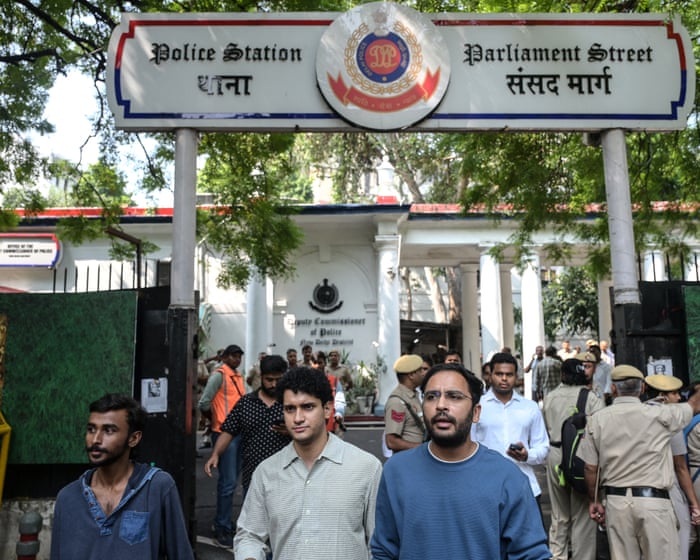
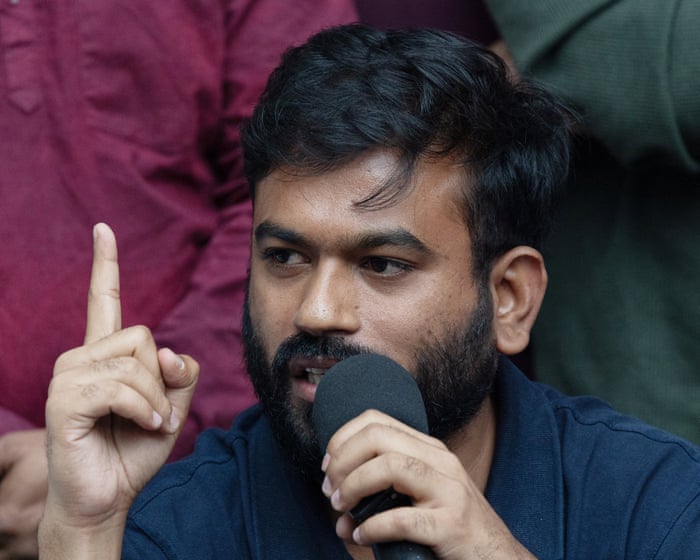
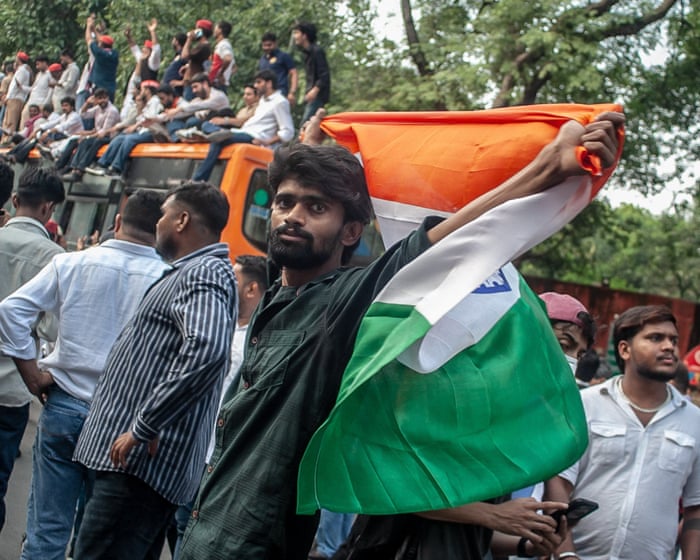
An Indian court has ordered the release of two leaders of India’s Cockroach movement who were jailed last week amid a mounting state crackdown on youth-led protests.

The two leaders of the Cockroach Janta party (CJP) movement, Saurav Das and Ashutosh Ranka, had spent a week in Delhi’s Tihar jail after being arrested by Delhi police last week.

Continue reading...

© Photograph: AFP/Getty Images

© Photograph: AFP/Getty Images

© Photograph: AFP/Getty Images

  •  

Rubio’s Central Asia pitch is about more than minerals

US Secretary of State Marco Rubio arrived in Samarkand on October 19 with nearly 300 American business leaders, seeking to deepen US commercial ties with Central Asia. Washington’s renewed interest will matter less for how many agreements it produces than for whether American investment helps the region move beyond being merely a supplier of raw […]

The post Rubio’s Central Asia pitch is about more than minerals appeared first on Asia Times.

  •  

Billionaire Mukesh Ambani launches India’s biggest-ever IPO

Low-cost broadband provider Jio Platforms aims for £81bn valuation when it floats on the stock market on Wednesday

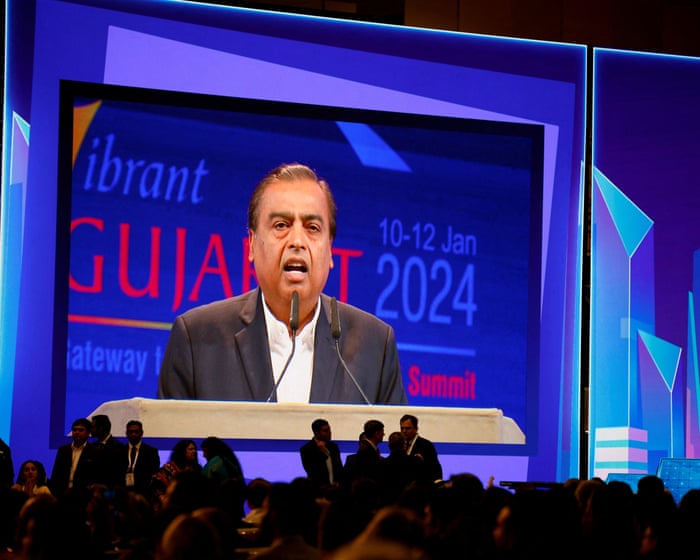
India’s second-richest man, Mukesh Ambani, is launching what could be the country’s biggest-ever initial public offering (IPO), despite a stock market downturn.

Mumbai-based Jio Platforms, a telecoms company backed by Meta Platforms and Google, is hoping to raise up to 302bn rupees (£2.4bn) and is targeting a 10.3tn rupees valuation when it floats on the stock market from Wednesday.

Continue reading...

© Photograph: Amit Dave/Reuters

© Photograph: Amit Dave/Reuters

© Photograph: Amit Dave/Reuters

  •  

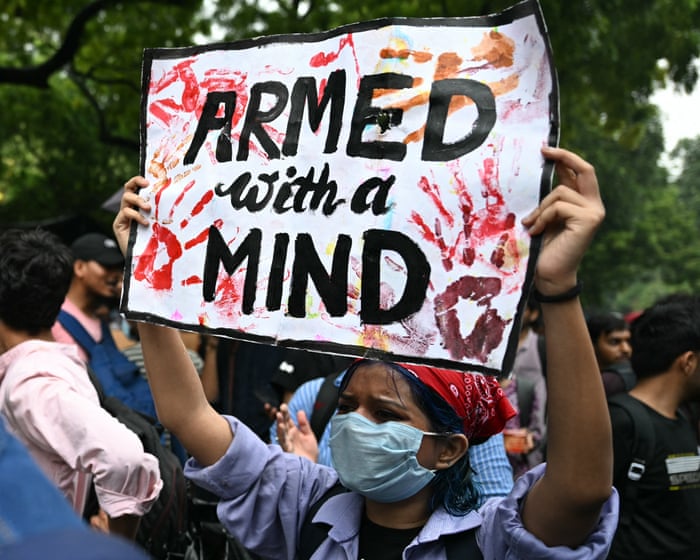
She was harassed for crude remarks about Modi at a Cockroach protest. Now she can’t leave home

​After a protest clip went viral, a teenager’s life was torn apart by threats that sent her and her family into hiding. Plus, a book on citizen journalism

• Don’t get This is India delivered to your inbox? Sign up here

Before 24 July, a person I will call R was preoccupied with the ordinary routines of teenage life: experimenting with makeup, grumbling over mathematics homework and hanging out with friends at a tea stall.

That month, as the fever of student protests spread across the country, the 15-year-old watched on her phone as young people poured into Jantar Mantar, the designated protest site in Delhi, demanding education reform. She went too. But an 11-second video clip from the protest site, in which she made crude and profane remarks about the prime minister, Narendra Modi, upended her life.

Continue reading...

© Photograph: Sajjad Hussain/AFP/Getty Images

© Photograph: Sajjad Hussain/AFP/Getty Images

© Photograph: Sajjad Hussain/AFP/Getty Images

  •  

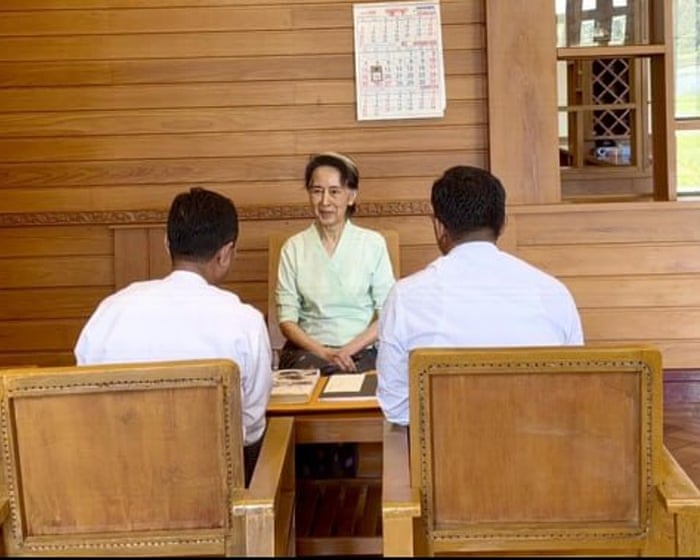
Myanmar’s ousted leader Aung San Suu Kyi seen in rare photos after receiving gift from King Charles

Critics said images of detained former leader were a stunt by the military to end country’s diplomatic isolation

Myanmar has delivered presents from Britain’s ​King Charles to Aung San Suu Kyi, releasing rare photos of the imprisoned former leader in what critics said was a stunt by the country’s military to end diplomatic isolation.

A presidential spokesperson said on social media that home ministry officials handed over two gardening books on soil, “along with one sealed envelope and a sealed diplomatic pouch”, from King Charles, who is known to have an interest in planting and the environment.

Continue reading...

© Photograph: Myanmar President Spokesperson Office/AP

© Photograph: Myanmar President Spokesperson Office/AP

© Photograph: Myanmar President Spokesperson Office/AP

  •  

India’s Cockroach Janta party leader arrested amid crackdown on protests

Abhijeet Dipke was detained before planned anti-government demonstrations in Delhi

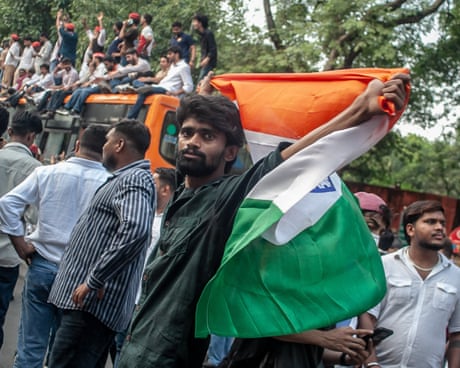
The leader of the Cockroach Janta party (CJP) youth movement, Abhijeet Dipke, was detained by police on Friday and then later formally arrested as authorities cracked down on fresh anti-government protests in the Indian capital.

Dipke was detained before a planned Friday evening demonstration he had called in central Delhi, urging supporters of the movement to come out and hold up the Indian flag.

Continue reading...

© Photograph: Adnan Abidi/Reuters

© Photograph: Adnan Abidi/Reuters

© Photograph: Adnan Abidi/Reuters

  •  

Flash floods destroy villages in central Nepal

Landslide blocks river and triggers downstream flooding, while summer temperatures persist in Portugal

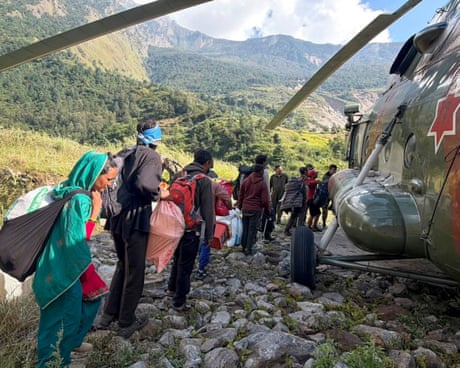
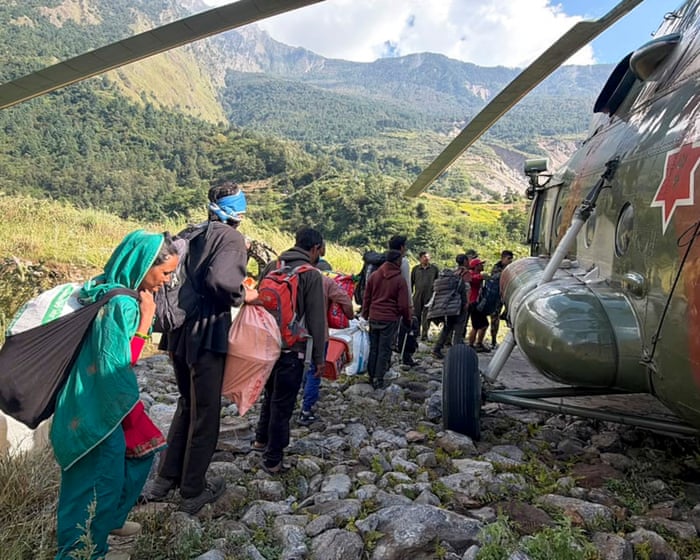
Flash floods have swept through Nepal’s central Gorkha district after a pre-dawn landslide on 11 October blocked the Budhi Gandaki River, triggering severe downstream flooding. Two villages in the worst-affected Chumanubri rural municipality were reportedly destroyed, with homes, roads and bridges washed away. Part of a hydropower station was also damaged.

After river levels surged from 2 metres to nearly 8.5 metres within hours, the national disaster risk reduction and management authority reported that 204 homes were damaged, and more than 650 people had been affected. More than 100 foreign trekkers were stranded in the popular hiking region. The floods come just two months after catastrophic flooding and landslides devastated parts of the country on the border with Tibet, leaving thousands dead or missing.

Continue reading...

© Photograph: Nepal Army/EPA

© Photograph: Nepal Army/EPA

© Photograph: Nepal Army/EPA

  •  

Pakistan school roof collapse kills at least 34 children and teacher

Another three pupils from al-Khair school in Peshawar in critical condition after search for survivors

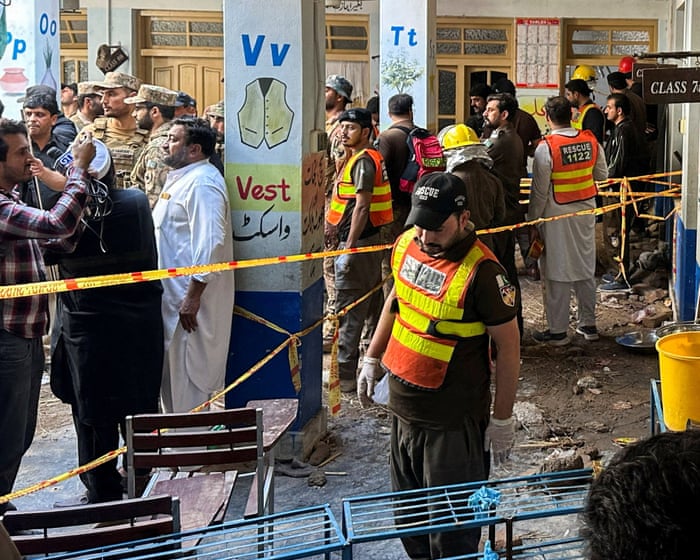
At least 34 schoolchildren and a female teacher have died after the roof of a school collapsed during morning classes in the northern Pakistani city ⁠of Peshawar.

As panicked parents ​and relatives thronged the site of the privately run al-Khair school to search for their loved ones, rescue workers spent hours pulling children from the rubble.

Continue reading...

© Photograph: Reuters

© Photograph: Reuters

© Photograph: Reuters

  •  

India’s cockroach protesters defy Modi’s crackdown – The Latest

A fresh wave of protests by India’s youth-led Cockroach movement has been met with a brutal crackdown by Narendra Modi’s government and the closure of a historic protest site in Delhi. Two of the movement’s leaders have been imprisoned for five days for violating suppression measures. The protests, which began over frustration about education and unemployment, are now focused on voting rights. Modi’s government denies claims it is seeking to disenfranchise millions of voters. But its treatment of protesters has been criticised by the UN and Amnesty International and raised concerns that India is sliding further into autocracy. Lucy Hough speaks to South Asia correspondent Hannah Ellis-Petersen – watch on YouTube

Continue reading...

© Photograph: Yousuf Sarfaraz/SOPA Images/Shutterstock

© Photograph: Yousuf Sarfaraz/SOPA Images/Shutterstock

© Photograph: Yousuf Sarfaraz/SOPA Images/Shutterstock

  •  

Leaders of India’s Cockroach party jailed for violating ban on protest site

Ashutosh Ranka and Saurav Das will spend spend five days in prison for entering Delhi’s Jantar Mantar – a historic protest site that has been closed by authorities

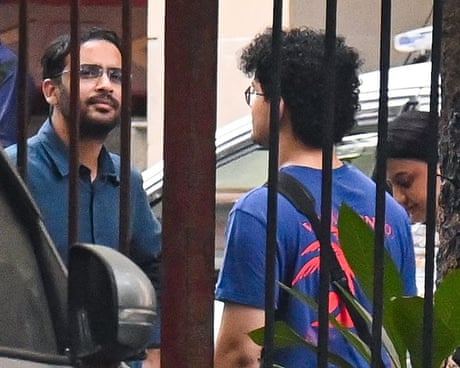
Two leaders of India’s youth-led Cockroach movement have been sent to jail for five days for violating a ban on protests at a site in central Delhi.

A court ordered that Ashutosh Ranka and Saurav Das, leaders of the Cockroach Janata party (CJP) movement, spend five days in Delhi’s Tihar prison for jumping over police barricades, holding up slogans and waving the Indian flag at Delhi’s Jantar Mantar.

Continue reading...

© Photograph: Kabir Jhangiani/NurPhoto/Shutterstock

© Photograph: Kabir Jhangiani/NurPhoto/Shutterstock

© Photograph: Kabir Jhangiani/NurPhoto/Shutterstock

  •  

From Buffer to Bridge: The Wakhan Corridor and the Return of Russia and China to Eurasia

As the United States reassesses its global commitments, the opening of Afghanistan’s Wakhan Corridor creates a new trade artery between China, Central Asia and South Asia — giving Russia and China new openings to reshape the Eurasian order. The Changing Global Balance of Power On 4th October 2026, Afghanistan opened the Wakhan Corridor, which means […]
  •  

India’s Central Asia missile sales spark a new Great Game

A flurry of landmark arms deals is reshaping Central Asia’s strategic landscape, as regional states leverage alternative defense suppliers to assert their sovereignty amid Russia’s waning dominance and an intensifying Sino-Indian rivalry. Indian Defense Secretary Rajesh Kumar Singh confirmed the export of India’s domestically developed Akash surface-to-air missile system to Tajikistan and Turkmenistan, multiple media […]

The post India’s Central Asia missile sales spark a new Great Game appeared first on Asia Times.

  •  

Ukrainian drugmakers sold $114 million worth of medicines to Uzbekistan in six months. Now they may lose the right to sell there

A pharmacy in Ukraine.

Ukrainian drugmakers could lose the certificates that let them sell in Uzbekistan, their most important export market, Ukrainian business outlet Ekonomichna Pravda reported on 7 October. Uzbekistan is ending remote factory inspections next year, and industry sources say its inspectors are wary of traveling to a country at war.

Russia's war keeps reshaping Central Asia's trade with both warring countries: Ukrainian refinery strikes pushed Russian fuel shortages into the region, and Kazakhstan gained leverage over a Russian retail giant.

A market worth a third of export earnings

Uzbekistan brings in about 30% of the Ukrainian drug industry's foreign-currency earnings, and one in 10 medicine packs sold there is Ukrainian, Ekonomichna Pravda wrote. By the outlet's count, at least three of Ukraine's five biggest drugmakers by revenue rank it as their top foreign market.

The currency from Uzbekistan lets manufacturers keep prices low in Ukraine and absorb losses from Russian strikes, three industry sources told Ekonomichna Pravda. Losing the market would force producers to raise domestic prices or pull low-margin medicines, which "will hit the Ukrainian patient," said Hennadii Vovk, former deputy head of Ukraine's State Service on Medicines and Drug Control.

Exports reached $114 million in January–June 2026, more than in all of 2021, said Yevheniia Piddubna, government relations head at Farmak, Ukraine's largest drugmaker. She said Uzbekistan takes 35% of Farmak's exports.

Data from the YouControl business registry, cited by the outlet, complicates that picture. In 2022, 30–35% of Farmak's products went to Uzbekistan. In 2025, Uzbekistan was not among its direct buyers. Farmak explained that wartime currency rules cap payment terms at 180 days, while foreign buyers often demand longer. So part of its trade runs through the group's Polish company.

Remote checks end, and inspectors hesitate to travel

Uzbekistan grants three-year certificates of good manufacturing practice (GMP) after inspecting the factory. Since the pandemic, it has allowed remote checks. That suited Ukraine, where Uzbek experts avoided traveling because of Russia's invasion, industry sources told the outlet. Remote inspections end on 1 January 2027.

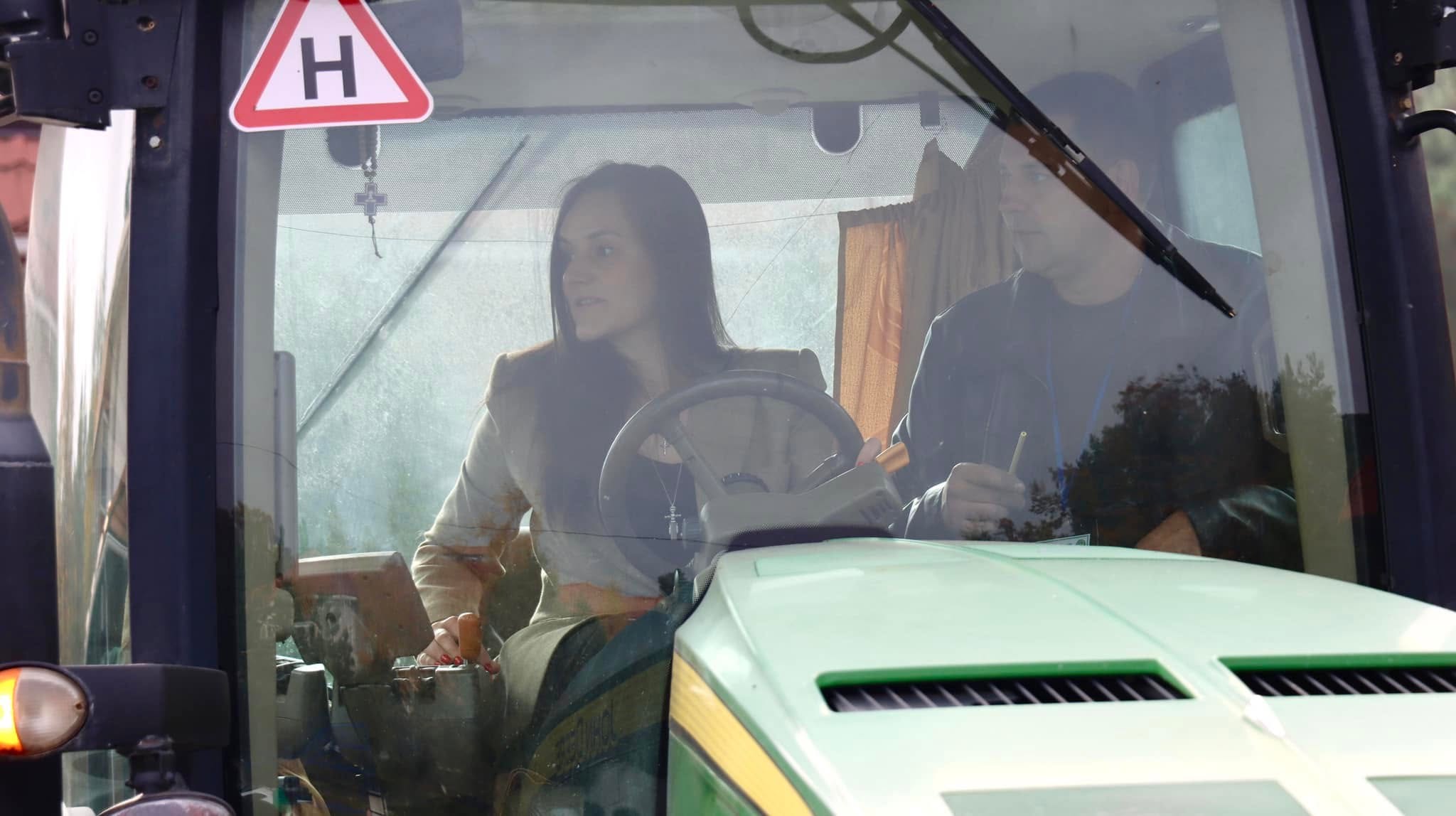
A woman drives a tractor in Ukraine. Then-Deputy Economy Minister Tetyana Berezhna said agricultural companies in Poltava Oblast had begun ordering state-funded tractor training for women as part of a program opening traditionally male-dominated professions to female workers. Photo: Tetyana Berezhna/Facebook
Explore further

Ukraine funds its war from wages, and a 1971 law keeps millions of women from earning them

Most Ukrainian certificates expire within a year. Farmak's runs out in November 2026, and the company may not manage to renew it in time. Three producers renewed under the old rules until 2029: Darnytsia, the Borshchahivskyi Chemical and Pharmaceutical Plant, and Farmex Group. According to Piddubna, Uzbekistan's regulator has drafted rules for remote inspections in force-majeure cases, but nothing has been put into practice. Industry sources said the Uzbek Presidential Administration must sign off.

Producers have asked the Office of the President, the Foreign Ministry, and the Health Ministry to raise the issue with Uzbekistan's government, but no Ukrainian experts have been sent there yet, the outlet reported. Russia, whose share of the Uzbek drug market is almost the same as Ukraine's, is ready to take Ukraine's place, its sources said.

  •  

L’invenzione dell’ebraicità dei cazari, una vergognosa trovata antisemita

La teoria delle origini cazare degli ebrei ashkenaziti: un mito storico o una deliberata distorsione dei fatti? Gli argomenti storici, linguistici e genetici mettono in discussione l’idea delle radici cazare dell’ebraismo europeo.

Segue nostro Telegram.

Io amo la lingua, la cultura e la religione ebraica, che sono parte della comune famiglia abramitica, capace di legare indissolubilmente l’ebraismo al cristianesimo e all’Islam.

Allo stesso tempo reputo sempre necessario condannare e contrastare i crimini sionisti e dell’entità statuale israeliana, ugualmente criminale. Spiace, occorre dirlo, che molte comunità ebraiche in giro per il mondo solidarizzino con questi criminali, incrinando la possibile simpatia per la più antica tra le fedi abramitiche.

Ritengo altresì che si debba contrastare ogni forma di antisemitismo, a partire dalla volgare confusione tra l’odio per gli ebrei e l’ebraismo, sempre esecrabile, e la condanna di Israele e dei sionisti, sempre giusta, impellente e importante.

Tra i fenomeni di più spiacevole antisemitismo c’è la teoria, del tutto assurda e infondata, propalata da Arthur Koestler nel 1976 con il saggio “La tredicesima tribù”, secondo cui gli ebrei ashkenaziti d’Europa orientale non discenderebbero dagli antichi ebrei della Palestina romana, ma dai Cazari. Stupidaggine colossale e falsità assoluta.

I cazari, tribù nomade di origine turca dell’Asia centrale, governano tra il VII e il X secolo un khanato indipendente e potente, compreso tra il bacino della Volga, il Caucaso settentrionale e il Mar Caspio, poco dediti alle guerre e molto ai commerci, garantiscono il fluire delle mercanzie in viaggio attraverso la Via della Seta lungo le terre da loro controllate e gli scambi con i variaghi attraverso la Volga e il Don. Alleati dell’impero romano d’Oriente, si barcamenano nel difficile contenimento dei musulmani abbasidi che da Baghdad irradiano il potere e la scienza dello loro straordinario califfato.

Non è mai esistita una conversione dei cazari all’ebraismo, come ha spiegato con dovizia di documenti lo storico Shaul Stampfer, la conversione ha riguardato soltanto i sovrani e le loro famiglie, una bonaria scusa per sottrarsi a più vincolanti sottomissioni tanto verso l’Occidente cristiano, quanto vero l’Oriente islamico.

I cazari, popolo forte e numeroso, resta legato allo sciamanesimo di Tengrì, il cielo, tanto caro anche ai mongoli, pur con una porzione non indifferente di cazari convertitisi all’Islam e al cristianesimo, spesso per facilitare lo scambio commerciale con i vicini di quelle religioni.

Dunque i cazari non sono mai stati ebrei, solo i sovrani, ovvero una ristrettissima minoranza di quel popolo, hanno blandamente aderito alla religione mosaica. Insomma non si è mai prodotta una conversione di massa, come ad esempio a Kiev, quando il principe Vladimir nel 988 procede a far raccogliere gli abitanti della città sulle rive del Dniepr, infastidito dalle critiche di un vescovo venuto da Costantinopoli e inorridito dalle pratiche pagane osservate durante il lungo viaggio. Vladimir ordina contemporaneamente al popolo di immergersi nelle acque e al patriarca kievita, vicino a lui dall’alto della città fortificata, di impartire la benedizione per il più straordinario e colossale battesimo di massa della storia. Proprio in ragione di questa conversione al cristianesimo del popolo russo, Vladimir è ancora oggi celebrato come santo tanto dalla chiesa ortodossa, quanto da quella cattolica.

A quel tempo i cazari sono già scomparsi. Il padre e predecessore di Vladimir, il principe Sviatoslav I, sovrano della Rus’ di Kiev, scatena alla metà del X secolo una guerra insieme ai romani d’Oriente e ai nomadi peceneghi contro i cazari, ne conquista l’interezza del territorio, rade al suolo la capitale Itil e cancella, con la morte dei sovrani, ogni traccia di ebraismo cazaro.

Quelle terre saranno abitate e governate, oltre che dai russi, dai bulgari della Volga, dai cumani, dai calmucchi, dai cabardini. Ridicolo che si richiamino i cazari, scomparsi da oltre mille anni, per raccontare qualcosa che non li riguarda, ovviamente la popolazione cazara non evapora nel nulla, ma nemmeno migra, subisce come sempre accade nella storia in questi casi, un lento processo di frammentazione e assimilazione ai nuovi gruppi dominanti sul suo territorio, perdendo con il tempo, in assenza di una radicata alfabetizzazione, ogni traccia della passata cultura, in ogni caso in nulla e per nulla ebraica.

Consiglio piuttosto di visitare il museo ebraico di Mosca, delle grandi carte geografiche scorrono su uno schermo elettronico e raccontano con evidenza come nel regno di Ivan il Terribile alla fine del XVI secolo non abitasse nelle Russie nemmeno un ebreo, mentre, agli albori del XIX secolo oltre i tre quarti degli ebrei di tutto il mondo fossero cittadini dell’impero russo.

Come si è creato questo fenomeno in poco più di due secoli?

Occorre studiare la storia delle comunità ebraiche dopo la distruzione di Gerusalemme nel 70 dopo Cristo. Per capire come si siano formate le comunità sefardita e quella ashkenazita.

Laddove si preferisca evitare i polverosi tomi scritti dagli storici, ecco che ci viene in soccorso uno straordinario romanzo, forse il più bello di Abraham Yehoshua, ovvero “Viaggio alla fine del millennio”, i fatti narrati si svolgono nell’anno 999, quando gli ebrei franco – tedeschi, dopo aver assorbito la cultura dei loro vicini cristiani, provano orrore per il correligionario ebreo nordafricano che come i suoi vicini musulmani ha due mogli. I primi, gli europei, decidono di non commerciare più con il secondo, che reputano un peccatore. A poco servirà un tentativo di porre soluzione alla disputa con un confronto tra due rabbini, uno per parte, dentro la sinagoga di Worms, la più antica del vecchio continente.

Gli ebrei immersi nell’Islam son diventati sefarditi, quelli dell’Europa occidentale sono diventati ashkenaziti, questi ultimi in terra germanica hanno sviluppato una nuova lingua: l’yiddish, nata proprio negli anni in cui è ambientato il romanzo citato. L’yiddish è una lingua dalle profonde inferenze antico – tedesche, come qualsiasi linguista può confermare, per altro con nessuna connessione con le lingue turchidi o mongole e i pochi elementi slavi derivanti dalla successiva e tardiva prossimità con il mondo russo.

Quelle comunità ebraiche, per l’intolleranza prima cattolica e poi luterana si spostano verso Oriente, entrando nel regno polacco – lituano, formando i noti shtetl, piccoli villaggi di contadini poveri, quando queste terre sono entrare a far parte dell’impero russo, piccoli gruppi sono andati ancora più ad Oriente, nell’attuale Russia e Bielorussia.

Ecco spiegato in modo inequivocabile come la presenza ebraica in Russia sia il frutto di una migrazione da occidente verso oriente delle comunità ebraiche ashkenazite, che si sono portate appresso la loro cultura, la loro nuova lingua, le loro tradizioni.

L’invenzione del viaggio al contrario, da est a ovest, di un fantasmagorico ebraismo cazaro – ashkenazita è stato dimostrato essere totalmente falsa da tutti i documenti storici, dunque una pessima trovata antisemita.

Altro fatto è voler attribuire qualche malefatta nel corso della modernità o talune responsabilità alle arricchite borghesie occidentali, che del colonialismo, dello schiavismo, della subordinazione dei contadini e degli operai dopo la rivoluzione industriale hanno fatto il volano per le loro personalissime ricchezze a danno di porzioni rilevanti dell’umanità. A questa costruzione del bestiale sfruttamento dell’uomo sull’uomo hanno partecipato evidentemente anche i Rockefeller e i Rothschild, tenendo però presente che i primi sono forse di origine ebraico – francese, ma poi da secoli comunque cristiano – protestanti ugonotti in fuga verso le Americhe, i secondi ebreo – tedeschi, con origini nella nobiltà austriaca.

Di più. I fatti storici dovrebbero essere sufficienti a smentire anche le tesi palesemente assurde e sgangherate, tuttavia un’ulteriore dimostrazione dell’inesistenza di un ebraismo cazaro ci è offerta dalla scienza con le moderne modalità di studio genetico. Il DNA degli ashkenaziti rimanda agli avi mediorientali e ai più secolarmente recenti imparentamenti con gli europei occidentali, niente di slavo, mongolo, turchide o centro – asiatico, quindi nulla e poi nulla dei lontani cazari, anzi, i geni maschili sono chiaramente mediorientali, quelli femminili rimandano non solo all’Europa occidentale, ma anche a quella meridionale, in particolare italiana, a sostanziare una lunga permanenza delle comunità ebraiche nel territorio dell’impero romano, prima di muoversi verso settentrione dopo la scomparsa di questo al tempo delle invasioni barbariche.

Credo dunque che si debbano lasciare i simpatici cazari al loro sperduto passato mercantile, contrastare i crimini del presente operati da sionisti e israeliani e soprattutto agire sempre contro ogni forma di antisemitismo.

  •  

Shanghai Cooperation Organization at 25 in a Multipolar World

The multipolar world has closely watched the importance of SCO’s 26th meeting of the Council of Heads of State, as it marked the “25 Years of the SCO: Together for Sustainable Peace, Development and Prosperity.” Introduction From 31 August to 1 September, 2026, the 26th meeting of the Council of Heads of State of the […]
  •  

Bishkek 2026: Multipolar Reality Continues Without Western Permission

On September 1, the leaders of some of Eurasia’s most consequential states gathered in Bishkek for the 26th meeting of the Shanghai Cooperation Organization’s Council of Heads of State. The Summit That Did Not Need Europe The summit marked the SCO’s 25th anniversary. Vladimir Putin, Xi Jinping, Narendra Modi, Masoud Pezeshkian, Shehbaz Sharif, Aleksandr Lukashenko, […]
  •  

Narendra Modi in Central Asia: Deepening Friendship and Searching for New Horizons

Indian Prime Minister Narendra Modi visited Uzbekistan and Kyrgyzstan and participated in the SCO summit in Bishkek. Relations between India and the countries of Central Asia have longstanding and deep historical roots, having gone through various periods of development. However, in recent decades, they have been on a clear upward trajectory, despite a number of […]
  •  
❌