France and Germany have teamed up to press the EU to relax its looming combustion car ban. It’s the latest sign the EU's climate agenda is running on empty, says Ben Pile – and the UK isn't far behind.
China’s Ministry of Ecology and Environment said on Wednesday that it will send a delegation to the COP31 climate conference in Antalya, Turkey, in November to “actively promote the international climate negotiations.”
With the prospect of an unprecedented El Niño event over the coming months, the UN is warning of widespread disruption to global weather patterns, increased drought and flooding.
Hurricanes in the North Atlantic have largely disappeared this year, leaving bitterly disappointed scientists without fuel for their climate alarm and having to admit the role of natural variation, says Chris Morrison.
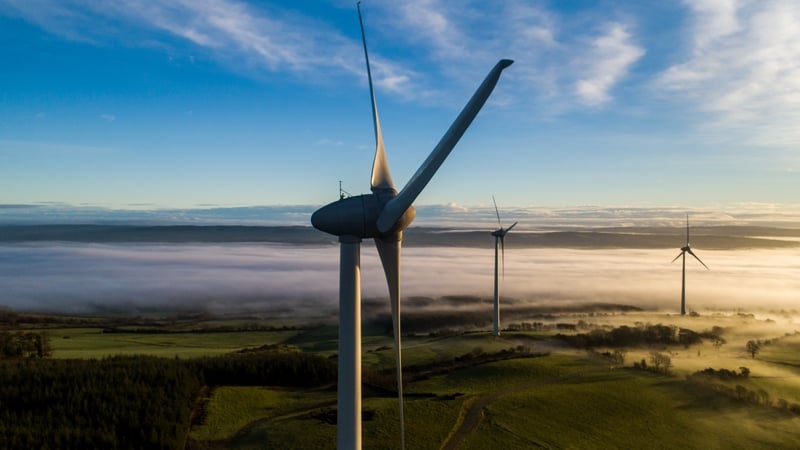
Enough renewable electricity to power almost half a million Irish homes was lost during the first nine months of this year because of limitations on the electricity system.
In just two years Labour has seen the closure of two of Britain's six oil refineries due to green levies. The remaining four are much too important to sacrifice to Net Zero, says Ted Newson.
World leaders, diplomats and nature experts gather in Armenia this week to assess lagging efforts to halt biodiversity loss, with countries off track on most global targets and divisions over funding still unresolved.
The 17th UN “Conference of the Parties”, dubbed COP17, is the first major review of progress under the Kunming-Montreal Global Biodiversity Framework, the landmark 2022 agreement that aims to protect 30% of land and sea by 2030. The climate-focused COP31 begins on November 9 in Antalya, Turkey.
While the world is likely to reach an estimated 27.5% of land protection by 2030, scientists say many of the broader goals needed to halt biodiversity loss remain well off track. From pesticide use to unsustainable fishing and subsidies for a host of damaging activities, the deterioration of ecosystems threatens food production, water security and economic stability across the planet.
Countries are currently not on track to meet 22 of the 23 goals set out in the Kunming-Montreal framework, a draft UN report showed.
While the UN says 144 countries including Brazil and China have so far created action plans, who pays and how much towards a $30 billion public finance goal is less clear and will be central to two weeks of talks in Armenia’s capital Yerevan.
The broader goal is to mobilise at least $200 billion per year by 2030.
Reforming subsidies that harm nature
Another major focus is reforming $500 billion a year of subsidies for activities that damage nature, with governments urged to set a two-year timeline to identify and redirect the most damaging ones. That could, for example, include those that encourage farmers to cut down rainforest or the offer of state discounts on synthetic fertilisers and chemical pesticides which damage soil and water.
Doing so would help governments address nature loss and related issues like food and energy security without committing more public money at a time of war, energy crises and other inflationary pressures.
“This isn’t primarily a story about conservation,” said Eva Zabey, CEO of the non-profit Business for Nature at a media briefing. “It’s an economic, fiscal, political and competitiveness story, which is grounded in resilience and resource security.”
More than 130 businesses including retailer H&M HMb.ST and consumer goods company Nestle NESN.S issued an open letter ahead of the talks urginggovernments to set clearer policies and a plan to reform incentives over the next 12 months, arguing that it would help make it more attractive to invest.
Subsidies ultimately cost governments between $11 trillion and $24.7 trillion a year, non-profit Conservation International estimates, as they often pay twice – once for the subsidies and again to patch up the damage that follows including cleaning up pollution, treating illness and repairing infrastructure.
Private sector urged to help fund conservation
With public money tight, many are looking to the private sector to play a bigger role, including through the Cali Fund. That fund was set up in 2025 to get companies which rely on digital databases of biological samples for their products, such as in the pharmaceutical, cosmetic and commercial agriculture industries, to help pay to preserve nature.
Details still to be ironed out include how funds should be shared between countries and Indigenous communities, and whether companies should contribute based on total revenue when only part of their business relies on these genetic resources.
For Cristián Samper, managing director and leader of Nature Solutions at the Bezos Earth Fund, the talks are also an opportunity for governments to do more to halt the extinction of species.
“We know recovery is possible. The decisions we make in Armenia should give more conservation teams the backing to make it happen,” he said.
Seven Tory MPs who skipped a vote on leaving the ECHR also belong to the pro-Net Zero 'Conservative Environment Network'. Coincidence? Paul Homewood thinks not and reckons Kemi Badenoch has a serious problem on her hands.
Cabinet ministers are turning on Ed Miliband, accusing him of blocking AI investment to protect Net Zero – while families pay the price in lost jobs and holidays.
Indonesia, Brazil and the Democratic Republic of Congo together hold more than half of the world’s tropical rainforests. In 2022, when Indonesia hosted the G20 summit in Bali, the three countries pledged to cooperate on how to pay to protect those forests. The promise was one of South-South cooperation: developing countries working together rather than […]
Climate change is making your home uninsurable! That's the headline, but look behind it and you find a press release by a PR outfit touting some very dubious claims about floods and finance, says Tilak Doshi.
'Extreme heat putting babies at risk'; 'Climate change driving up coffee prices': why does the Daily Telegraph keep falling for all the climate propaganda put out by activists, asks Paul Homewood.
Peak oil is real and we must prepare for its exhaustion now as it'll be too late once the price is spiking, says Richard Lyon as he responds to Tilak Doshi's review of his book The Energy Trap.
Have we passed peak oil – are fossil fuels running out? Richard Lyon says yes, and the transition to 'renewables' is making it worse. But peak oil is a myth, says Tilak Doshi, as he reviews Lyon's book The Energy Trap.
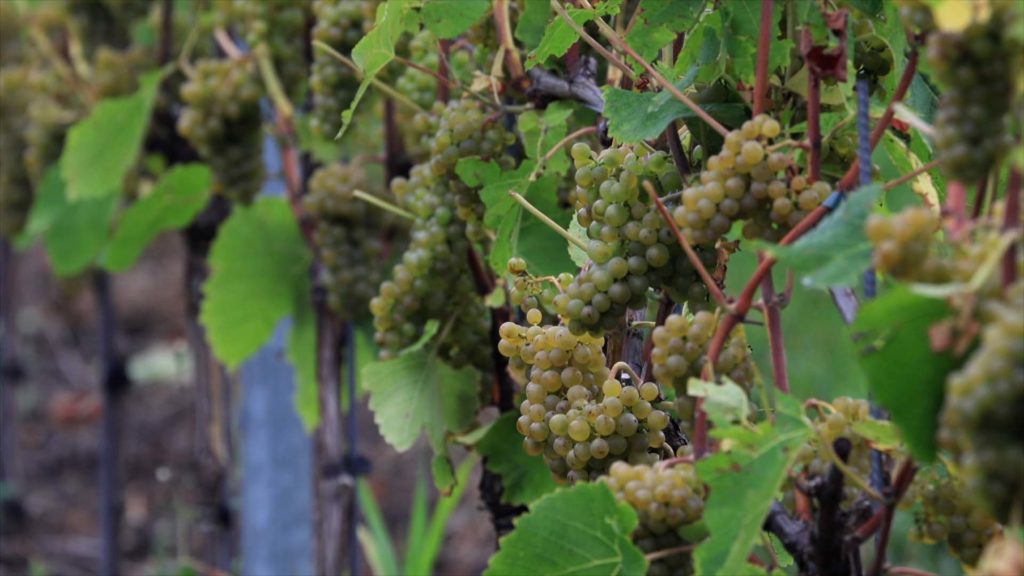
Record high temperatures this year forced European wine producers to harvest grapes much earlier than usual. French wineries fear it will lead to the worst season in 30 years. But Nordic newcomers to the world of wine are toasting what they believe will be a vintage harvest, thanks, in no small part, to climate change. Special correspondent Malcolm Brabant reports from Sweden.
Further exclusive extracts from Chris Morrison's new book on the invented 'climate crisis' are published today on the Daily Sceptic. Read about the role of the BBC and Met Office in driving the hysteria.
Read an exclusive extract from the explosive new book by the Daily Sceptic's Environment Editor Chris Morrison. It will send shock waves through the climate science community as it exposes scads of elite misinformation.

 Login