 Login

Protesta en Costa Rica rechaza recortes presupuestarios a la educación pública
La protesta se enmarca en las discusiones sobre el presupuesto nacional del 2027 y del reciente anuncio de una reducción presupuestaria de ¢8 mil millones.

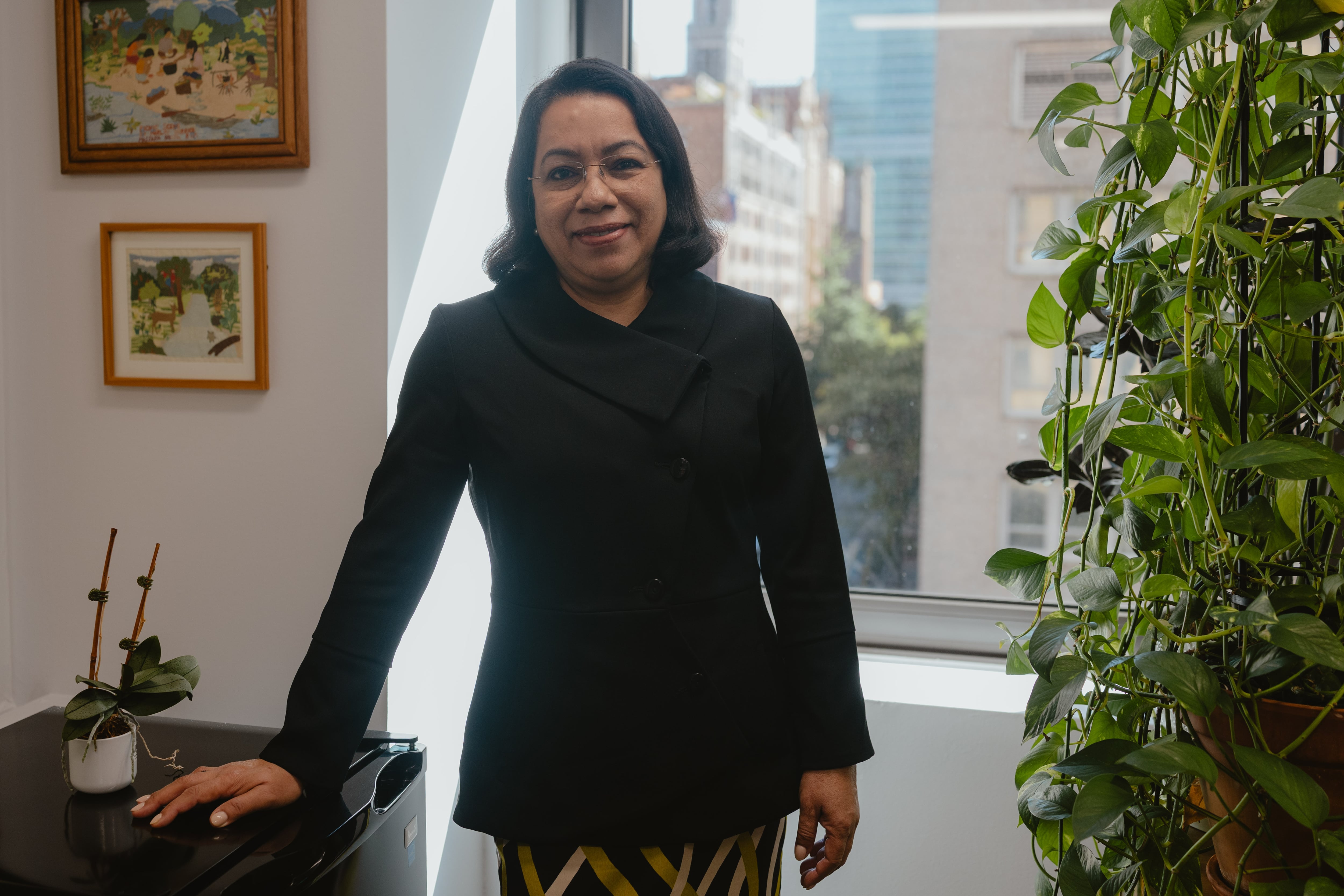
The race to succeed António Guterres as head of the United Nations (UN) from next January 1 is a long-distance one with very few certainties. Among the seven current candidates, Carolyn Rodrigues-Birkett, a former minister of Guyana and that country’s ambassador to the United Nations, stands out alongside Costa Rica’s Rebeca Grynspan and, to a lesser extent, Argentina’s Rafael Grossi. Rodrigues-Birkett, who received EL PAÍS in her New York office last Tuesday, avoids speculation but does speak of a campaign against her that caused her to lose ground in the last vote.
© Jaclyn Licht
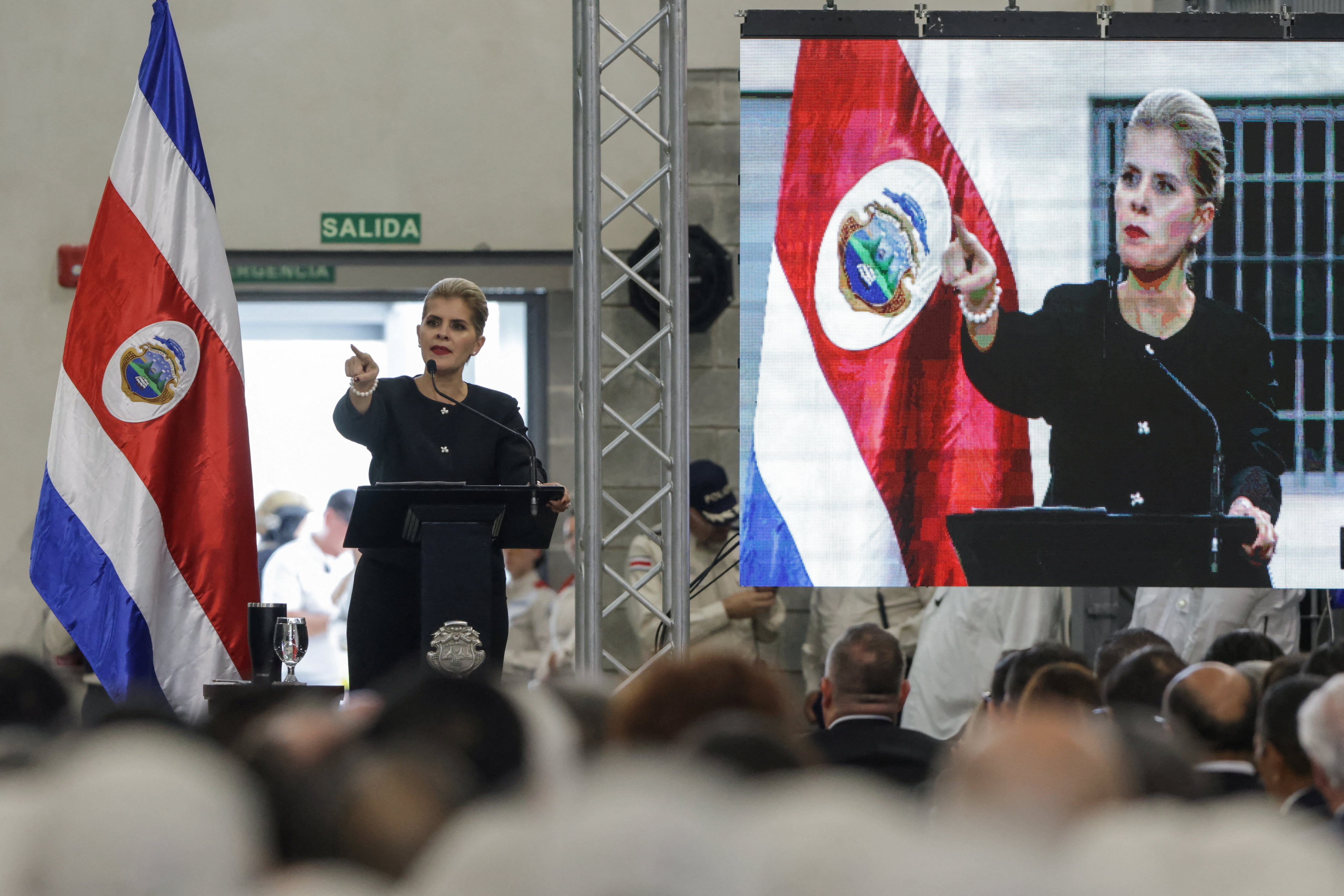
President Laura Fernández of Costa Rica on Wednesday inaugurated the so-called High-Containment Center Against Organized Crime (CACCO), a mega-prison designed to hold 5,100 inmates under maximum-security conditions with the aim of isolating narcotics-trafficking gangs. The Costa Rican government seeks with this move to consolidate its tough-on-crime policy, the centerpiece of propaganda amid the security crisis, which is symbolized by the enormous penal complex modeled on Nayib Bukele’s approach.
© Mayela Lopez (REUTERS)
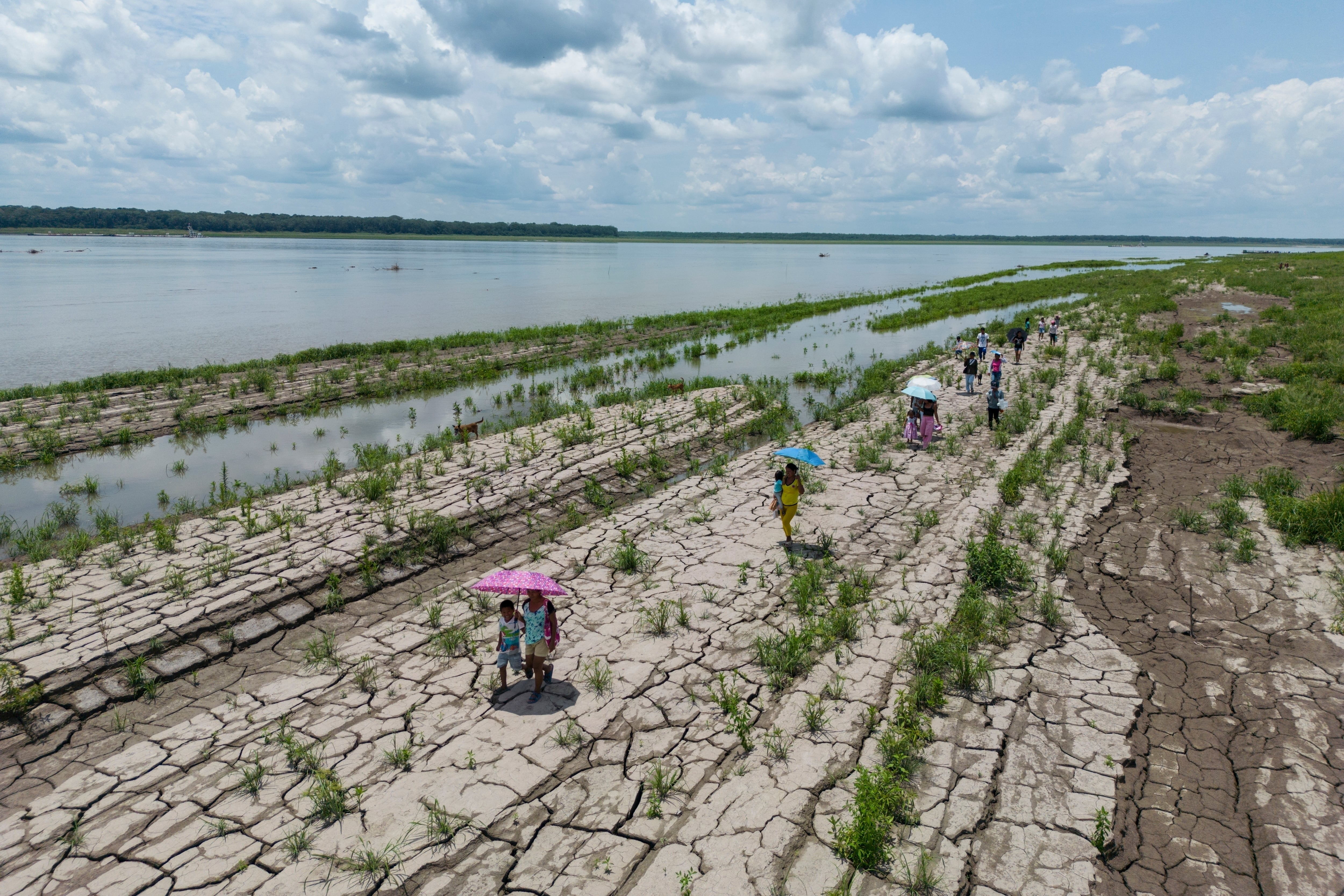
This is the driest year on record in Tegucigalpa. Eighty percent of Honduran territory is on red alert, and the capital has had a potable water rationing system every 12 days for a month. The lack of rain is making maize and bean crops in Guatemala — the main food source in a country with the region’s highest rate of chronic child malnutrition — even more vulnerable. The Panama Canal has begun restricting vessel traffic because of water stress in the basin, and the parched Amazon rivers are isolating dozens of riverside communities in Brazil and hampering fishermen’s work.
© Ivan Valencia (AP)

Costa Rica’s Minister of Foreign Affairs, Manuel Tovar, was dismissed from his post last week by the country’s president Laura Fernández. Tovar was considered one of the “heavyweights” of the country’s dominant political faction, having previously served as Minister of Commerce under President Rodrigo Chávez.
The decision was made by Fernández on September 24, because, according to a statement, her foreign minister failed to inform her of an invitation to a meeting held in New York City aimed at strengthening the so-called Shield of the Americas.
Shield of the Americas is a political-military alliance led by Donald Trump that seeks to secure Washington’s geopolitical leadership in the region, and which right-wing and far-right Latin American governments have joined enthusiastically.
Right-wing President Fernández said that failing to report such an important meeting constituted an act of negligence on Tovar’s part. The Costa Rican president also said that Shield of the Americas is a “fundamental platform in the fight against drug trafficking and organized crime.”
The president did not travel to the United States to deliver her speech at the UN General Assembly because she was on an official visit to Colombia with her counterpart, the far-right Abelardo de la Espriella.
The Costa Rican presidency reported that the invitation – which was not extended to her – came from US Secretary of State Marco Rubio himself. Several heads of state from Shield of the Americas member states participated, including Javier Milei of Argentina, José Antonio Kast of Chile, Rodrigo Paz of Bolivia, Daniel Noboa of Ecuador, Irfaan Ali of Guyana, Nasry Asfura of Honduras, Santiago Peña of Paraguay, Luis Abinader of the Dominican Republic, and Keiko Fujimori of Peru, among others.
In this regard, Fernández publicly apologized to the US ambassador to the Central American country, Melinda Hildebrand: “I reiterate to your country my firm and resolute commitment to continue supporting the Shield of the Americas alliance… I regret my absence… The failure to forward that invitation from your government to me did not go unnoticed, and today the foreign minister of the Republic was dismissed,” which clearly demonstrates the enormous importance San José attaches to an invitation from Washington.
Tovar’s dismissal comes on the heels of a series of dismissals of key ministers in Fernández’s government, a development the opposition has used to highlight a certain instability in the very young administration.
“We are concerned about serious foreign policy mistakes that need to be corrected… Second, we are concerned about the stability of the cabinet: in less than five months, five senior officials – including ministers and deputy ministers – have already been dismissed. That instability is not in her best interest, nor in that of her government or Costa Rica,” said the leader of the National Liberation Party caucus.
For his part, the former foreign minister did not explain the reasons behind his decision not to inform Fernández about the invitation. In a post on X, he said briefly: “I thank Laura Fernández for the opportunity to serve the Costa Rican people from the Casa Amarilla, and I wish her every success as President of the Republic for the good of the country. Finally, I would like to commend the team at the Ministry of Foreign Affairs for the passion and dedication with which they undertake every mission on behalf of the country. To them, I offer my eternal gratitude. I accept this moment with great peace of mind. I will always stand by the just causes of the Costa Rican people and the international community.”
The reasons behind Tovar’s decision remain unknown, although several sectors of the opposition have raised suspicions about an alleged ulterior motive on Fernández’s part for not attending the Shield of the Americas meeting – which, if true, could reveal political and diplomatic contradictions deeper than they might appear at first glance.
The EU welcomes Cambodia’s decision to join the Multi-party Interim Appeal Arbitration Arrangement (MPIA) for WTO members, contributing to efforts to uphold a rules-based multilateral trading system.
With Cambodia’s participation, the MPIA now covers 62 World Trade Organization (WTO) members and 60.4% of world trade.
The MPIA brings together participants from all continents and at different levels of development, united by a shared commitment to upholding the rules-based trading system.
The MPIA preserves the right to appeal in trade disputes among participating WTO members, at a time when the WTO’s Appellate Body remains non-functioning. It helps ensure that disputes can continue to be resolved in an orderly and binding manner, avoiding appeals 'into the void'.
“I welcome Cambodia to the MPIA. The arrangement plays an important role in upholding the rules-based trading system. Each new participant helps reinforce the predictability, stability and credibility of global trade rules. I encourage other WTO members to join the MPIA,” said EU Trade and Economic Security Commissioner Maroš Šefčovič.
The MPIA was established in 2020 and has proven its effectiveness in many WTO disputes.
Under the MPIA, appeals are heard by arbitrators randomly selected from a pool of 10 standing appeal arbitrators set up by the participating WTO members. These arbitrators are persons of recognised authority, with demonstrated expertise in law, international trade and WTO agreements.
The MPIA is open to all WTO members as a practical tool for appeal arbitration, pending the restoration of a reformed and fully functioning WTO dispute settlement system.
As of 1 June 2025, the MPIA has an updated pool of appeal arbitrators to ensure that appeals continue to be heard by independent arbitrators of the highest calibre.
At the WTO Ministerial Conference that took place earlier this year, MPIA ministers stressed the importance of the MPIA for the security and predictability of the multilateral trading system.
The current MPIA participants are Australia, Barbados, Benin, Brazil, Cambodia, Canada, China, Chile, Colombia, Costa Rica, Ecuador, the European Union (and its Member States), Guatemala, Hong Kong (China), Iceland, Japan, Liechtenstein, Macao (China), Malaysia, Mexico, Moldova, Montenegro, New Zealand, Nicaragua, Norway, Pakistan, Paraguay, Peru, the Philippines, Singapore, Switzerland, Ukraine, the United Kingdom, Uruguay and Vietnam.
MC14: Supporting the rules-based multilateral trading system: the role of the MPIA
