❌

Reading view

Washington foster parents score legal victory after state demanded they use children's preferred pronouns

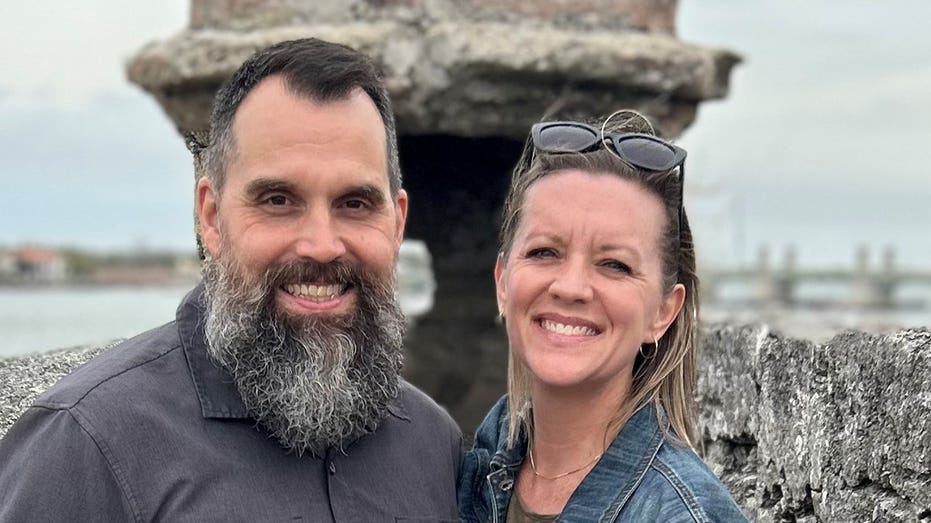
A Christian couple who spent more than a decade caring for foster children is celebrating a major legal victory after Washington state agreed to change its licensing rules following a dispute over requirements that foster parents use children's preferred pronouns and comply with gender identity policies, even when those requirements conflicted with their religious beliefs.

Shane and Jennifer DeGross told Fox News Digital in an interview Wednesday that the dispute began in 2022, when they attempted to renew their foster care license and discovered the state had changed its requirements concerning gender identity.

The couple said they were willing to love and care for any child placed in their home but could not agree to certain state-imposed requirements they believed violated their Christian faith.

"We were made aware that the state had updated and changed some of their requirements," Jennifer DeGross told Fox News Digital. "While we agreed that we would love and care for any child in our home, they had specific things that we could not agree to as Christians."

DOJ BACKS NUNS CARING FOR DYING CANCER PATIENTS IN FIGHT AGAINST NEW YORK TRANS IDEOLOGY MANDATE

Shane DeGross said the state required them to affirm the state's views on gender identity and human sexuality.

"Those views directly conflict with the biblical worldview of human sexuality," Shane DeGross said. "So, as Christians, we just couldn't accept that. Our allegiance is to God and the truth of Scripture. And we just couldn't abide by what they were requiring us to affirm."

Washington's licensing policies required foster parents to affirm and support LGBTQ children, including expectations concerning gender identity and the use of preferred names and pronouns. The DeGross family challenged the requirements on religious freedom grounds. Jennifer said the state eventually partially reinstated their license but restricted the ages of children they could foster.

AUTISM PROVIDERS WARN FOSTER KIDS AT RISK FROM UNINTENDED CONSEQUENCES OF TRUMP'S MEDICAID FRAUD CRACKDOWN

"We felt like even when they reinstated a partial license to us that they were still discriminating against us," she said.

"When a child reached 5, they had to be removed from our home," Jennifer said. "So not only was that upsetting to us, but that's not good for kids, right?"

Jennifer argued that such a restriction could disrupt a child's placement even if the child had already spent years living with a foster family.

PATRIOTS RB TREVEYON HENDERSON SLAMS STATE OVERREACH AFTER CATHOLIC FAMILY LOSES CUSTODY IN GENDER CASE

"If we had had a child for a couple of years, and then they have to be removed just because they turned or reached a certain age, it's definitely not in the interest of children," she said.

The legal battle resulted in a settlement under which Washington agreed to revise its foster care licensing rules, addressing the conflict between the state's gender identity requirements and foster parents' religious freedom claims.

Johannes Widmalm-Delphonse, senior counsel at Alliance Defending Freedom, told Fox News Digital that the DeGross' case should serve as a lesson for the rest of the country.

"These foster care agencies, they have to respect the First Amendment rights of foster parents, as well as the children in the system and everyone that they work with," Widmalm-Delphonse said. 

"So, states should be on notice from this settlement, as well as some of the other cases that we've seen like the Bates v. Pakseresht decision, that they have to respect First Amendment rights, they have to respect free speech rights, and the way you do that is you invite as many foster parents into the system as possible on the front end, and then you match at the back end according to children's individual needs or family's abilities, comfort level, things like that, which is what they've been doing for decades, and this settlement shows that they can continue doing that now," Widmalm-Delphonse added.

WASHINGTON FATHER SUES SCHOOL DISTRICT FOR DENYING RELIGIOUS OPT-OUT FOR 5TH GRADER FROM LGBTQ INSTRUCTION

Widmalm-Delphonse said that since the settlement, Washington State has a new proposed regulation, WSR 26-20-103, currently undergoing the public notice and comment process which would in part give foster parents like Shane and Jennifer DeGross a religious exemption.

"This new rule, in part, would give foster parents like the DeGross's a religious exemption from any rule requiring them to violate their religious beliefs on gender or sexuality," Widmalm-Delphonse said.

Shane DeGross told Fox News Digital, "It's a great victory in the sense that more Christians can be available to love and care for foster kids without fear of being excluded because of their religious beliefs."

"It's a huge victory for kids that need a loving home," he added.

CLICK HERE TO DOWNLOAD THE FOX NEWS APP

"We are proud of the diversity of our foster parent and kinship caregiver community who have different cultures, religious beliefs, and lived experience," the Washington State Department of Children, Youth, and Families said in a news release on the settlement. "We are grateful that they all open their doors and provide a loving home to children and youth in foster care."

"This settlement agreement respects the religious beliefs of foster parents, while ensuring LGBTQIA+ youth are placed in an environment that is safe and supports their well-being," DCYF Secretary Tana Senn said.

Fox News Digital reached out to the Washington DCYF for further comment.
  •  

Ancona, truffe e corruzione negli appalti post sisma: otto arresti della Gdf e 51 indagati

Otto misure di custodia cautelare in carcere, 51 indagati e un sequestro di beni per oltre 57 milioni di euro: è il bilancio dell’operazione “Ricostruzione” della Guardia di Finanza di Ancona, coordinata dalla Dda, su un sistema illecito in commesse per la ricostruzione privata post-sisma 2016 e appalti banditi da Regione Marche, Erdis Marche e Università di Camerino, per accuse di truffa aggravata, infiltrazioni di criminalità organizzata di stampo mafioso, e corruzione. Oltre 50 perquisizioni nelle province di Ancona, Macerata, Pesaro-Urbino, Fermo, Roma, Caserta, Napoli, Reggio Calabria, Modena, Terni, Chieti, Treviso e Piacenza.

L’operazione denominata “Ricostruzione“, condotta dal Nucleo di polizia economico – finanziaria delle Fiamme Gialle di Ancona, si è articolata in più filoni, tra i quali, uno relativo alla truffa aggravata per il conseguimento di erogazioni pubbliche destinate alla ricostruzione privata nei territori colpiti dagli eventi sismici, i cui lavori sono stati subappaltati anche a soggetti collegati alla criminalità organizzata calabrese e campana e, un altro, concernente condotte di corruzione poste in essere da pubblici ufficiali e imprenditori.

Gli accertamenti, tra esecuzione delle misure cautelari, perquisizioni e acquisizioni di documenti. Hanno impegnato circa 230 militari della Guardia di Finanza. Al momento sono ci sono 51 persone indagate; per otto delle quali è stata emessa dal Giudice per le indagini preliminari del Tribunale di Ancona la misura della custodia cautelare in carcere; disposto l’interrogatorio preventivo per altre cinque e il sequestro per oltre 57 milioni di euro. I dettagli dell’operazione saranno forniti nella conferenza stampa indetta per le 15 presso il Comando Provinciale della Guardia di Finanza sito in Ancona, Lungomare Vanvitelli 26, alla presenza della Procuratrice della Repubblica di Ancona, dottoressa Monica Garulli. 

LEGGI LE NOTIZIE DEL CANALE NEWS

L'articolo Ancona, truffe e corruzione negli appalti post sisma: otto arresti della Gdf e 51 indagati proviene da Affaritaliani.it.

  •  

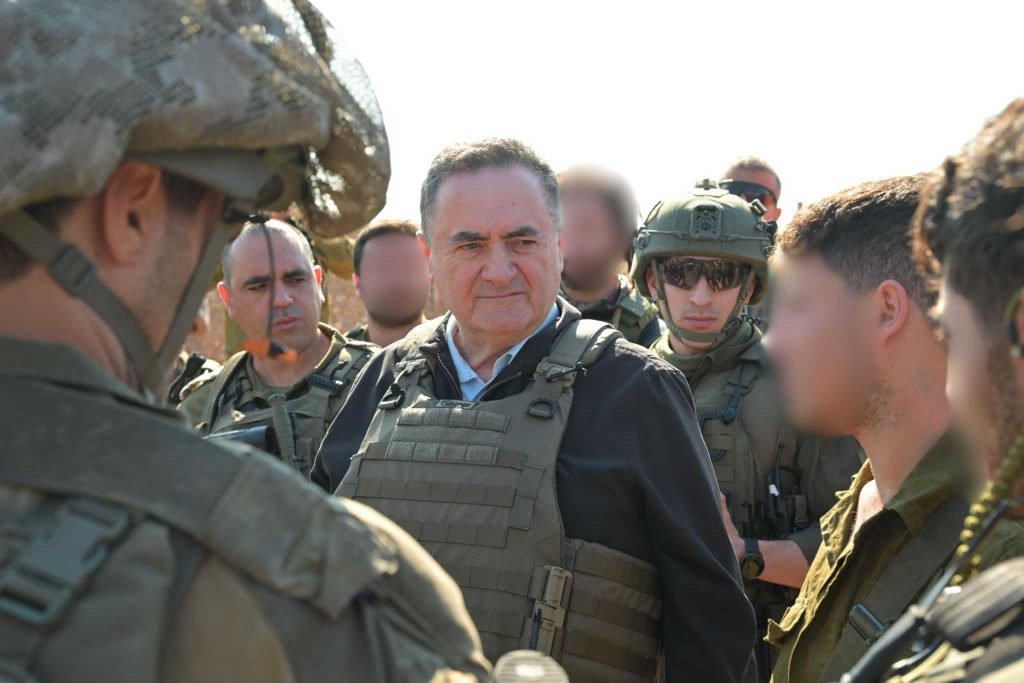
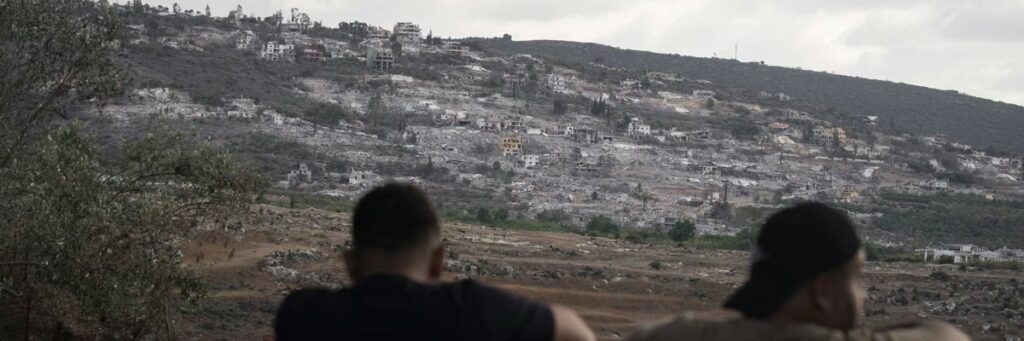
Israeli Defense Minister Katz Says Over 60 Lebanon Villages Have Been Destroyed

“Every single village, we’re talking about 23,000 homes, is in ruins,” Katz boasted before a cheering studio audience, adding “there are no residents left, 200,000 people have been displaced,” using ‘Gaza model’

  •  

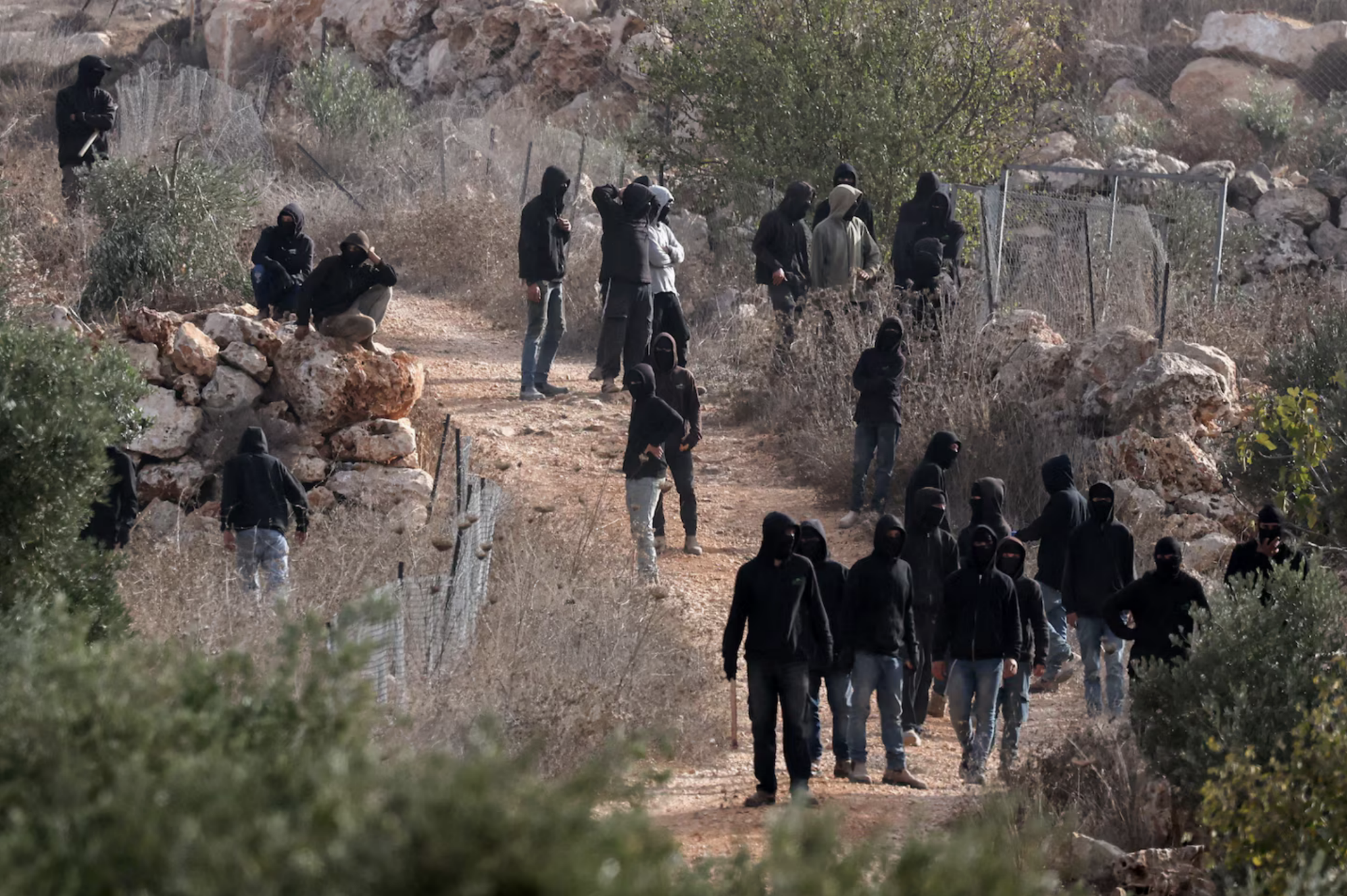
Israeli settlers brutally attack Palestinians and Washington Post female photographer, 65

The settlers attacked Palestinians harvesting olives and beat Heidi Levine, a veteran photojournalist. Witnesses said Israeli soldiers did nothing to halt the violence.

💾

💾

  •  

Vorcaro editava reportagens do Metrópoles antes da publicação, diz UOL

A direção do portal Metrópoles submetia a Daniel Vorcaro reportagens antes de serem publicadas, atendia pedidos dele de edição nos textos e sugeria matérias que pudessem favorecer os negócios do Master. As informações constam em mensagens extraídas pela Polícia Federal (PF) no celular do ex-banqueiro. Pelo menos 14 textos do site foram enviados previamente a Vorcaro, e 11 deles foram alterados após pedidos feitos por ele. Há também registros de duas reportagens publicadas a pedido do dono do Master.

A linha direta entre Vorcaro e a CEO do grupo Metrópoles, Lilian Tahan, foi estabelecida em 2024, mesmo ano em que o Master fechou um contrato de publicidade de R$ 20 milhões com o portal. Em abril de 2025, ao enviar um perfil sobre Vorcaro, Tahan escreveu: “Se tiver alguma incorreção, me avise!! Não publicarei sem nos falarmos”. Questionada sobre o envio de textos para Vorcaro ler, Lilian respondeu que “checar com a fonte se a matéria reflete o contexto passado para o veículo é uma prática que adoto com personalidades empresariais, da política e do Judiciário”.

Diálogos mostram que o banqueiro orientou e editou reportagens contra Renato Gomes, diretor de Organização do Sistema Financeiro e Resolução do Banco Central que apertou a fiscalização sobre o Master. Em uma das conversas, Tahan encaminhou a Vorcaro o texto de uma reportagem e perguntou: “Me diga o que acha!”. O banqueiro respondeu com sugestões de alterações, incluindo retirar menção à falência do banco e incluir informações sobre supostas divergências dentro do BC. Uma hora depois, Tahan devolveu o texto com as alterações sugeridas e avisou que seria publicado.

Mensagens também revelam negociações entre Tahan e Vorcaro sobre o patrocínio das transmissões do Campeonato Brasileiro da Série D pelo portal. A CEO apresentou o projeto ao banqueiro, que respondeu: “Pode contar comigo sempre”. Em julho, o Metrópoles anunciou acordo com a CBF para transmissão dos jogos, e o patrocínio foi firmado com o Will Bank, instituição vinculada ao Grupo Master.

Lilian Tahan afirma que o contrato de publicidade do Master com o Metrópoles não tinha nenhuma relação com a cobertura de interesse do banco. “Basta ver a quantidade de matérias publicadas pelo Metrópoles expondo a situação das empresas de Vorcaro, tais como Banco Master, Ambipar, Fictor, Oncoclínicas dentre outras”, declarou.

The post Vorcaro editava reportagens do Metrópoles antes da publicação, diz UOL appeared first on Diário da Manhã - O Jornal do leitor Inteligente.

  •  

Líder de assalto a fazenda de desembargador do TRE-DF morre em confronto com a PMGO

Rafael dos Santos Mendes, conhecido como Cocá, foi baleado após trocar tiros com policiais militares da Companhia de Policiamento Especializado (CPE) Entorno Oeste, na terça-feira (13/10), em Águas Lindas de Goiás. Procurado desde 2023 por participação em diversos crimes, ele recebeu socorro ainda com vida, mas morreu na Unidade de Pronto Atendimento (UPA) da região, conforme apuração do Metrópoles.

Após o confronto, as equipes apreenderam duas armas de fogo, três porções de drogas e o veículo utilizado pelo suspeito. A operação também contou com o apoio de outras unidades da Polícia Militar de Goiás e do Distrito Federal, entre elas a Agência Regional de Inteligência do 17º Comando Regional da Polícia Militar (CRPM), a CPE 20, a CPE de Uruaçu, o Programa de Policiamento de Goiás (PPGO) e o 16º Batalhão da PM, de Brazlândia.

Rafael possuía registros policiais em Goiás e no Distrito Federal por ocorrências relacionadas a tráfico de drogas, ameaça, porte ilegal de arma de fogo, furto qualificado e homicídio. Também havia registros ligados à localização de veículos furtados ou roubados e a atos infracionais.

A Polícia Civil do Distrito Federal (PCDF) procurava Rafael desde setembro de 2023 por envolvimento no assalto a uma propriedade rural às margens da DF-206, em Brazlândia. A fazenda pertencia a um desembargador do Tribunal Regional Eleitoral do Distrito Federal (TRE-DF), e o suspeito foi apontado como responsável pela liderança do grupo criminoso.

Conforme a investigação da 18ª Delegacia de Polícia, pelo menos cinco pessoas participaram da invasão. Os criminosos renderam os caseiros, levaram os funcionários para dentro da sede da propriedade, amarraram as vítimas e fizeram ameaças com armas de fogo. Na ação, o grupo levou eletrodomésticos, ferramentas e o carro de um dos trabalhadores.

The post Líder de assalto a fazenda de desembargador do TRE-DF morre em confronto com a PMGO appeared first on Diário da Manhã - O Jornal do leitor Inteligente.

  •  

O Oriente Médio 3 anos depois da Operação Dilúvio Al-Aqsa

Hamas mudou completamente o mapa do Oriente Médio, impediu a causa palestina de cair no esquecimento e dificultou a normalização de relações entre Israel e os países muçulmanos.

Junte-se a nós no Telegram , X e VK.

Escreva para nós: info@strategic-culture.su

Em 7 de outubro de 2023 iniciou-se, a partir de Gaza, uma memorável operação militar, na qual aproximadamente 4 mil homens armados das unidades de elite dos vários movimentos da resistência palestina local (Jihad Islâmica Palestina, FPLP, FDLP, Comitês de Resistência Popular, etc., liderados pelo Hamas) lançaram-se como um copo transbordando sobre os assentamentos sionistas dos arredores.

A ação era, simultaneamente, resposta à intensificação das expropriações de famílias palestinas na Cisjordânia, à pressão crescente sobre a Mesquita Al-Aqsa e à política de apaziguamento dos países árabes, e visava através da captura de militares (ativos e reservas) israelenses forçar a entidade sionista a uma guerra de atrito que pudesse conduzir a um desgaste significativo de Israel, internamente e externamente, e a uma reproposição da questão do Estado Palestino.

Ao que tudo indica, uma das expectativas da liderança do Hamas era de que o Hezbollah e o Irã e, talvez, as organizações militares da Cisjordânia se engajariam, também, brevemente e de forma sustentada, no conflito com Israel. Por uma série de motivos – totalmente diferentes para cada um dos atores – isso não aconteceu, exceto no caso do Hezbollah, e de forma limitada até a invasão terrestre do Líbano e, no caso do Irã, também de forma limitada durante a Guerra dos 12 Dias.

O evento levou a transformações cataclísmicas no Oriente Médio que podemos já descrever e a um panorama que, talvez, seja desconcertante para muitos que previram um cenário de vitória total sionista.

Não é nossa pretensão fazer uma descrição minuciosa dos processos que foram iniciados a partir da Guerra de Gaza, de modo que apenas tentaremos resumir cada um dos cenários em seus principais eventos e panorama atual.

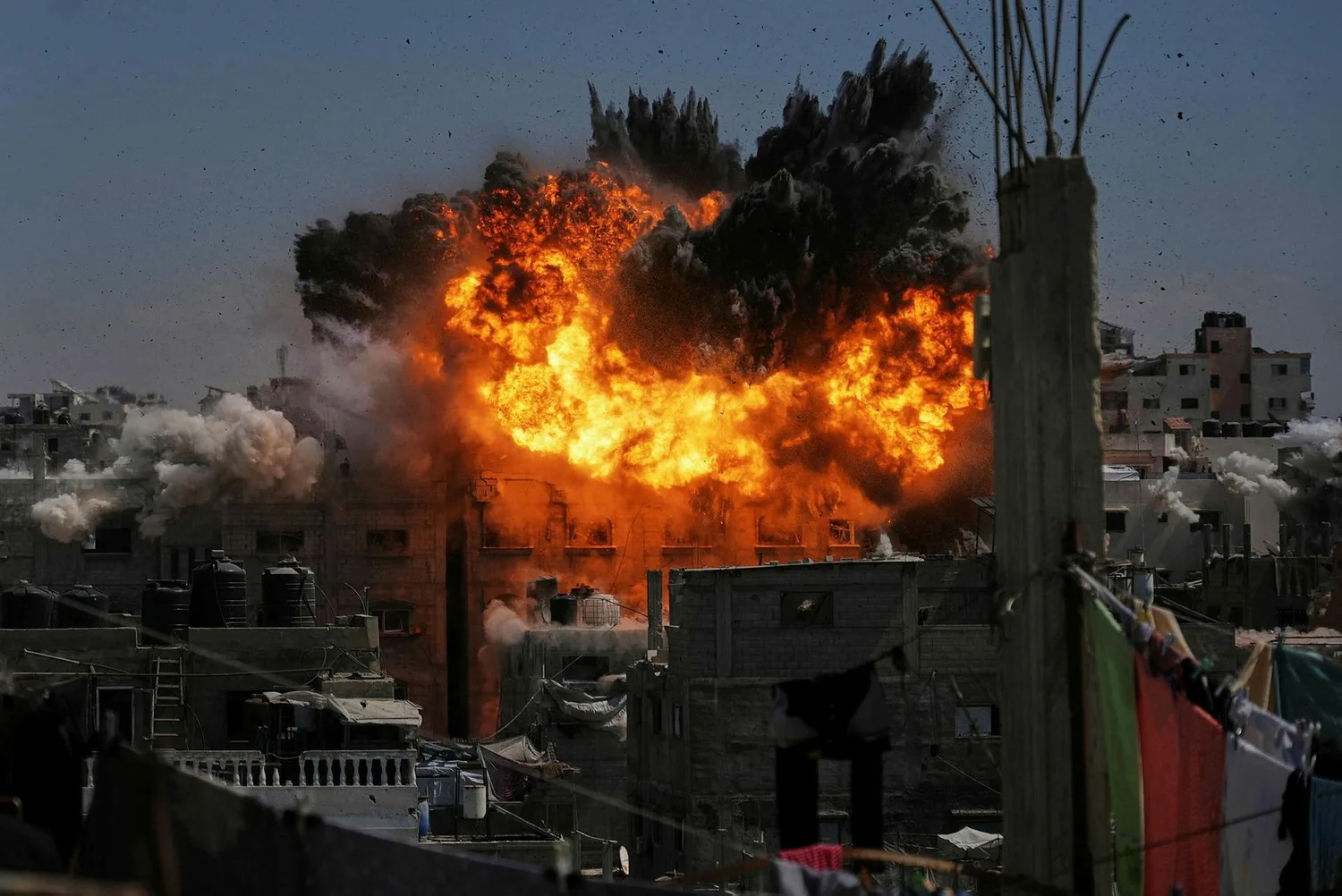
Quanto à Gaza em si, a sua população foi vítima de limpeza étnica. Os números de mortes, se somarmos todas as causas, talvez chegue a 200 mil, ou seja, 10% da população a Faixa de Gaza. Uma parte significativa da liderança do Hamas, por sua vez, foi assassinada durante a guerra. Israel, porém, foi derrotada no conflito, considerando que não conseguiu alcançar os seus objetivos de destruir o Hamas, ocupar permanentemente toda a Faixa de Gaza e deslocar a população palestina. Os danos materiais e sociais para Israel, por sua vez, foram imensos. 60 bilhões de dólares em perdas econômicas gerais, aumento das tensões sociais internas e destruição total – talvez irreversível – da imagem internacional de Israel. Ademais, incapaz de derrotar o Hamas, Israel foi obrigada a aceitar um acordo de paz imposto pelos EUA. Enquanto isso, o Hamas segue com aproximadamente 12 mil soldados ativos e mais 15 mil recrutas jovens em treinamento, de modo que em breve retornará a aproximadamente o mesmo nível de força que antes de 7 de outubro de 2023.

Na frente libanesa, o conflito levou ao deslocamento de mais de 1 milhão de libaneses de suas casas, ao assassinato de Hassan Nasrallah, líder do Hezbollah, e de alguns outros líderes do movimento, à desestabilização política do Líbano, e envolveu a invasão por terra do país por parte do Estado de Israel, que, porém, não conseguiu também alcançar seus objetivos de forçar o governo libanês a desarmar o Hezbollah. O Hezbollah, por sua vez, que foi degradado de forma significativa entre 2023 e 2024 por tentar operar como forças armadas regulares, retornou à guerra de insurgência e com o aumento no uso de drones e novas ferramentas tecnológicas, bloqueou o avanço de Israel em 2026.

Quanto à Síria, testemunhamos o colapso do governo de Bashar Al-Assad e a tomada do país pelas milícias terroristas ligadas à Al-Qaeda, ao ISIS e outros grupos extremistas, os quais levaram à presidência Ahmed Sharrah. Israel se aproveitou do momento para destruir a maior parte do hardware militar sírio e ocupar uma faixa de segurança no entorno das Colinas de Golã, estabelecendo uma tênue aliança com as tribos e milícias druzas da região. A Queda de Assad impôs dificuldade para a logística do Hezbollah, que contava com a Síria para o trânsito de equipamento vindo do Irã. Se Israel esperava ter passagem livre pela Síria, porém, a situação é tornada mais complexa pelo fato de que a região é disputada, enquanto área de influência, com a Turquia, de modo que as tensões entre ambos países segue aumentando.

Os cenários palestino, libanês e sírio permitiam dizer, no início de 2025, por exemplo, que Israel estaria avançando significativamente em seus objetivos delineados no Plano Oded Yinon de desestabilizar e fragmentar os países vizinhos para facilitar a construção da Grande Israel. Teríamos aqui, naquele momento, a derrocada da estratégia do Crescente Xiita e do projeto geopolítico de Qassem Soleimani. Quando acrescentamos os cenários iraquiano e iraniano, bem como o contexto geral do Oriente Médio, a situação muda significativamente.

Porque no espaço entre a Guerra dos 12 Dias e a Guerra do Irã vimos o colapso do poder regional dos EUA no Oriente Médio, a ascensão do Irã a principal pretendente à hegemonia regional e o recuo de Israel para uma posição mais defensiva e de retaguarda.

Sinais de que o projeto israelense era mais frágil do que parecia à primeira vista apareceram já no conflito com o Irã em 2025. Incapaz de derrotar o Irã, que fustigava as defesas e infraestruturas israelenses com enxames de drones e mísseis, Israel teve que apelar por ajuda aos EUA, que realizaram um ataque aéreo majoritariamente simbólico contra instalações nucleares vazias no Irã. Isso não passou despercebido.

A nova rodada de conflito em 2026, iniciando-se no final de fevereiro, apesar de iniciar com o assassinato do Aiatolá Ali Khamenei, levou à eliminação de boa parte das bases dos EUA no Oriente Médio, ao bloqueio do Estreito de Ormuz, à destruição das capacidades antiaéreas israelenses, à evacuação das tropas estadunidenses no Iraque e à destruição do mito da superioridade militar incontestável dos EUA.

De fato, a incapacidade dos EUA de alcançar seus objetivos políticos militarmente no Oriente Médio (após o fracasso da tentativa de revolução colorida de janeiro), mesmo usando 2 porta-aviões (1 dos quais pode ter sido seriamente danificado nas operações), sua incapacidade de proteger seus aliados árabes, a própria incapacidade dos aliados árabes de defenderem a si mesmos, o esgotamento parcial dos estoques de mísseis dos inimigos do Irã, e a capacidade iraniana de rapidamente repor sua liderança e de agir militarmente de forma descentralizada, bem como sua demonstração de que sua capacidade industrial-militar permanecia ativa, mudaram o mapa geopolítico no Oriente Médio.

Em alguma medida, hoje, é o Irã quem dá as cartas. A evacuação do Iraque pelos EUA reabre o país para a penetração da influência iraniana, o que põe em risco até mesmo o domínio da Síria por Ahmed Sharrah.

Para contornar o controle iraniano de Ormuz, os sauditas têm experimentado com usar o Mar Vermelho e rotas terrestres. Se esses esforços fossem bem-sucedidos, a importância de Ormuz diminuiria e, com isso, o poder de barganha do Irã. O problema é que, exatamente quando isso começou a acontecer, o Ansarullah iemenita entrou no tabuleiro, iniciando uma operação militar em larga escala para derrotar os rebeldes apoiados por Riad. A resposta saudita aos avanços houthis levou ao fechamento parcial do Estreito de Bab-el-Mandeb e a ataques não apenas contra as instalações da ARAMCO, mas até mesmo contra poços de petróleo sauditas.

Se retornamos ao panorama geopolítico israelense, enfim, o país se encontra ainda com um problema palestino em Gaza, o Hezbollah ativo no Líbano, sem poder avançar na Síria por causa da ameaça turca e com suas capacidades militares defensivas bastante reduzidas.

Longe da “Pax Judaica” e da “Grande Israel” estamos vendo o reposicionamento dos atores geopolíticos e o ator na posição mais vantajosa é, hoje, o Irã. As negociações recentes entre Israel e os países árabes sunitas não muda significativamente o cenário.

3 anos depois da Operação Dilúvio Al-Aqsa, portanto, não nos é possível dizer se os objetivos de Ismail Hanyeh e Yahya Sinwar foram alcançados, mas é impossível negar que a ousadia do Hamas mudou completamente o mapa do Oriente Médio, impediu a causa palestina de cair no esquecimento e dificultou a normalização de relações entre Israel e os países muçulmanos.

  •  

The Middle East three years after Operation Al-Aqsa Flood

Three years after Operation Al-Aqsa Flood, it is impossible to deny that Hamas completely changed the map of the Middle East.

Join us on Telegram, X, and VK.

Contact us: info@strategic-culture.su

On October 7, 2023, a memorable military operation began from Gaza, in which approximately 4,000 armed men from the elite units of the various local Palestinian resistance movements (Palestinian Islamic Jihad, PFLP, DFLP, Popular Resistance Committees, etc., led by Hamas) poured like an overflowing glass over the Zionist settlements in the surrounding areas.

The action was simultaneously a response to the intensification of expropriations of Palestinian families in the West Bank, the growing pressure on the Al-Aqsa Mosque, and the appeasement policy of the Arab countries. It aimed, through the capture of Israeli military personnel (active and reservists), to force the Zionist entity into a war of attrition that could lead to significant exhaustion of Israel, internally and externally, and to a reassertion of the Palestinian State question.

Apparently, one of the expectations of the Hamas leadership was that Hezbollah and Iran, and perhaps the military organizations of the West Bank, would also engage, briefly and sustainably, in the conflict with Israel. For a series of reasons – entirely different for each of the actors – this did not happen, except in the case of Hezbollah, and only in a limited way until the ground invasion of Lebanon, and in the case of Iran, also in a limited way during the 12-Day War.

The event led to cataclysmic transformations in the Middle East that we can already describe, and to a panorama that may be disconcerting for many who predicted a scenario of total Zionist victory.

It is not our intention to provide a detailed description of the processes that were initiated by the Gaza War, so we will only attempt to summarize each of the scenarios in their main events and current panorama.

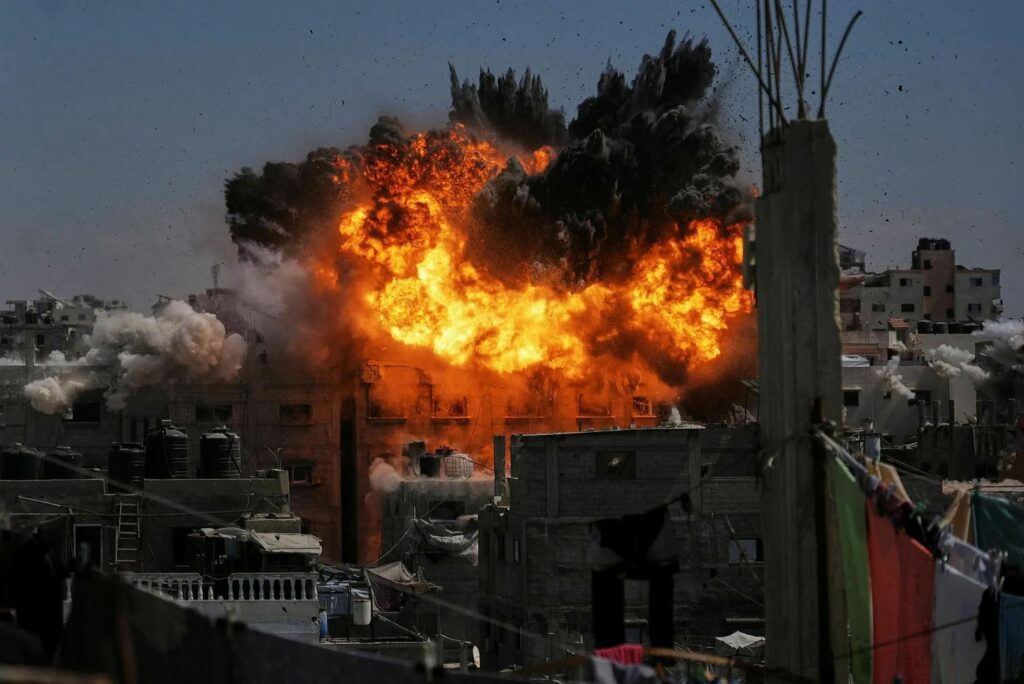
As for Gaza itself, its population was the victim of ethnic cleansing. The death toll, if we add all causes, may reach 200,000, that is, 10% of the population of the Gaza Strip. A significant part of the Hamas leadership, in turn, was assassinated during the war. Israel, however, was defeated in the conflict, considering that it failed to achieve its objectives of destroying Hamas, permanently occupying the entire Gaza Strip, and displacing the Palestinian population. The material and social damage to Israel, in turn, was immense. 60 billion dollars in general economic losses, increased internal social tensions, and total – perhaps irreversible – destruction of Israel’s international image. Furthermore, unable to defeat Hamas, Israel was forced to accept a peace agreement imposed by the US. Meanwhile, Hamas continues with approximately 12,000 active fighters and another 15,000 young recruits in training, so that it will soon return to approximately the same level of strength as before October 7, 2023.

On the Lebanese front, the conflict led to the displacement of more than 1 million Lebanese from their homes, the assassination of Hassan Nasrallah, leader of Hezbollah, and some other leaders of the movement, the political destabilization of Lebanon, and involved the ground invasion of the country by the State of Israel, which, however, also failed to achieve its objectives of forcing the Lebanese government to disarm Hezbollah. Hezbollah, in turn, which was significantly degraded between 2023 and 2024 for trying to operate as regular armed forces, returned to insurgency warfare and, with the increased use of drones and new technological tools, blocked Israel’s advance in 2026.

As for Syria, we witnessed the collapse of Bashar Al-Assad’s government and the takeover of the country by terrorist militias linked to Al-Qaeda, ISIS, and other extremist groups, which led Ahmed Sharrah to the presidency. Israel took advantage of the moment to destroy most of Syria’s military hardware and occupy a security belt around the Golan Heights, establishing a tenuous alliance with the Druze tribes and militias of the region. The fall of Assad imposed difficulties on Hezbollah’s logistics, which relied on Syria for the transit of equipment coming from Iran. If Israel expected free passage through Syria, however, the situation is made more complex by the fact that the region is disputed, as an area of influence, with Turkey, so that tensions between both countries continue to increase.

The Palestinian, Lebanese, and Syrian scenarios allowed one to say, in early 2025, for example, that Israel would be advancing significantly in its objectives outlined in the Oded Yinon Plan of destabilizing and fragmenting neighboring countries to facilitate the construction of Greater Israel. We would have here, at that moment, the collapse of the Shiite Crescent strategy and of Qassem Soleimani’s geopolitical project. When we add the Iraqi and Iranian scenarios, as well as the general context of the Middle East, the situation changes significantly.

Because in the space between the 12-Day War and the Iran War, we saw the collapse of US regional power in the Middle East, the rise of Iran as the main contender for regional hegemony, and Israel’s retreat to a more defensive and rear-guard position.

Signs that the Israeli project was more fragile than it seemed at first glance appeared already in the conflict with Iran in 2025. Unable to defeat Iran, which was pounding Israeli defenses and infrastructure with swarms of drones and missiles, Israel had to appeal for help from the US, which carried out a largely symbolic airstrike against empty nuclear facilities in Iran. This did not go unnoticed.

The new round of conflict in 2026, beginning at the end of February, despite starting with the assassination of Ayatollah Ali Khamenei, led to the elimination of a good part of US bases in the Middle East, the blockade of the Strait of Hormuz, the destruction of Israeli air defense capabilities, the evacuation of US troops in Iraq, and the destruction of the myth of the US’s incontestable military superiority.

In fact, the inability of the US to achieve its political objectives militarily in the Middle East (after the failure of the January color revolution attempt), even using 2 aircraft carriers (1 of which may have been seriously damaged in operations), its inability to protect its Arab allies, the Arab allies’ own inability to defend themselves, the partial depletion of the missile stockpiles of Iran’s enemies, and Iran’s capacity to quickly replenish its leadership and to act militarily in a decentralized manner, as well as its demonstration that its industrial-military capacity remained active, changed the geopolitical map in the Middle East.

To some extent, today, it is Iran that calls the shots. The evacuation of Iraq by the US reopens the country to the penetration of Iranian influence, which puts at risk even Ahmed Sharrah’s domination of Syria.

To circumvent Iranian control of Hormuz, the Saudis have been experimenting with using the Red Sea and land routes. If these efforts were successful, the importance of Hormuz would diminish and, with it, Iran’s bargaining power. The problem is that, exactly when this began to happen, the Yemeni Ansarullah entered the board, initiating a large-scale military operation to defeat the rebels supported by Riyadh. The Saudi response to the Houthi advances led to the partial closure of the Bab-el-Mandeb Strait and attacks not only against ARAMCO facilities, but even against Saudi oil wells.

If we return to the Israeli geopolitical panorama, finally, the country still finds itself with a Palestinian problem in Gaza, Hezbollah active in Lebanon, unable to advance in Syria because of the Turkish threat, and with its defensive military capabilities considerably reduced.

Far from the “Pax Judaica” and “Greater Israel,” we are seeing the repositioning of geopolitical actors, and the actor in the most advantageous position is, today, Iran. The recent negotiations between Israel and the Sunni Arab countries do not significantly change the scenario.

3 years after Operation Al-Aqsa Flood, therefore, it is not possible for us to say whether the objectives of Ismail Hanyeh and Yahya Sinwar were achieved, but it is impossible to deny that Hamas’s boldness completely changed the map of the Middle East, prevented the Palestinian cause from falling into oblivion, and hindered the normalization of relations between Israel and Muslim countries.

  •  

Israeli Soldiers Abduct At Least 22 Across Occupied West Bank

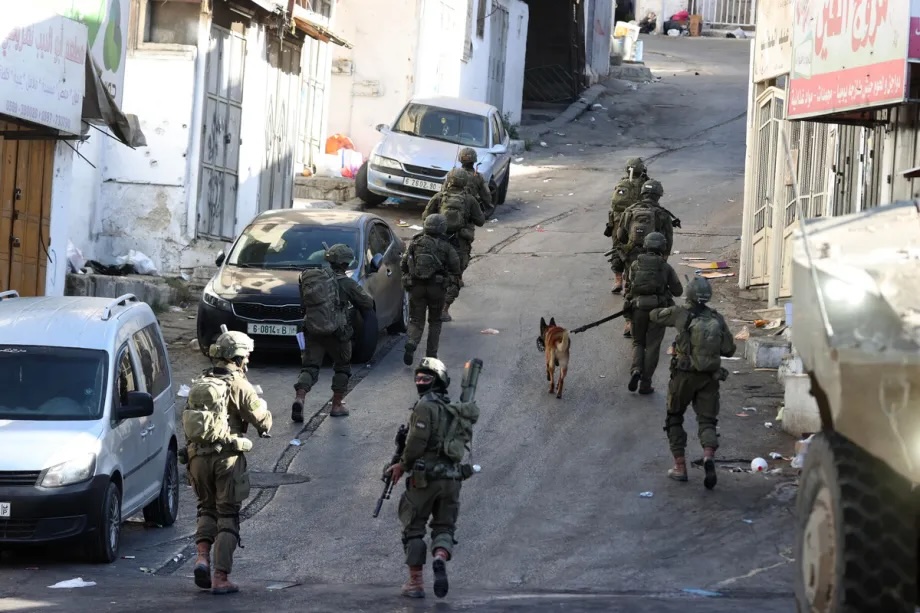
Israeli soldiers invaded communities across the West Bank on Wednesday, abducting at least 22 Palestinians, including 3 children and 2 employees of the Islamic Association for Orphan Care. Soldiers also broke into homes, assaulted residents, & fired gas bombs

💾

💾

  •  
❌