The Panama Canal reported growth in vessel traffic, tonnage and revenue in fiscal year 2026, as stronger demand from energy carriers and containerships helped lift volumes despite ongoing concerns over...
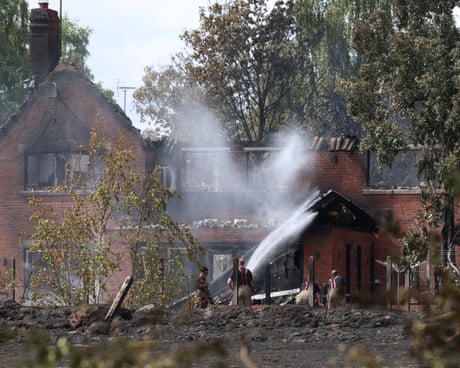
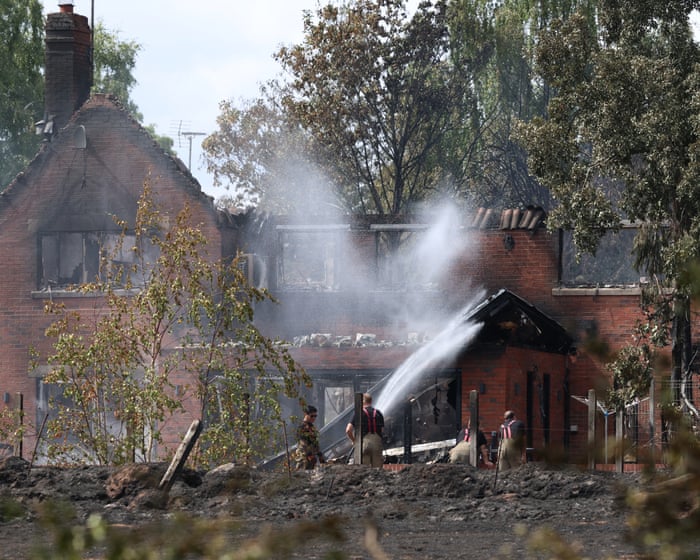
During a summer fire that destroyed homes in Stourbridge, low pressure meant filling a water carrier took 40 minutes
Concerns have been raised about how drought affects the UK’s ability to cope with wildfires after MPs were told firefighters struggled for water supplies during this year’s record summer.
The government has been urged to set out water companies’ statutory responsibilities during major fire incidents to improve the country’s preparedness for the years ahead.
The dire projections come from the state’s Climate Change Assessment, which analyzes the impacts of changing weather patterns on the nation’s most-populous state.
The report finds that without major intervention, as much as three-quarters of California’s beaches could disappear — either seasonally or permanently — by 2100 because of coastal erosion.
A poor sugarcane crop in India, the world’s second-largest producer, is hurting consumers and farmers — plus undermining the country’s energy security goals.
A worker tending to a sugarcane crop in Maharashtra, India, in September.
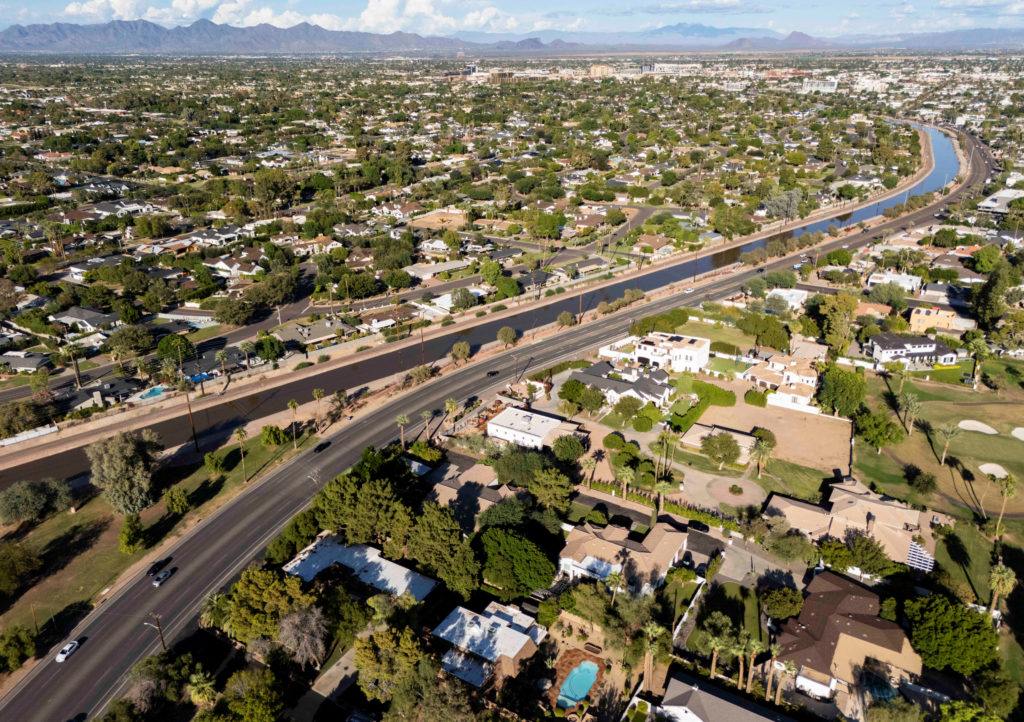
For many Arizona voters, the top concern heading into the midterms isn't inflation, immigration or education. It's water. With the state gripped by prolonged drought, candidates are facing growing questions about how to secure its water future. Stephanie Sy reports for our series, Tipping Point.
Maritime traffic through the Strait of Magellan jumped more than 70% both in August and September from year-ago levels as ships diverted from the drought-stricken Panama Canal, Chilean Navy data requested by Bloomberg show.
The Panama Canal is expanding its long-term transit reservation program to the Panamax locks for the first time, giving more shipping customers the ability to secure passage months in advance...
The Panama Canal is easing restrictions on vessel draft and daily transits after improved rainfall and water-saving measures helped stabilize conditions in the waterway’s drought-sensitive watershed. The Panama Canal Authority said the...
By Eva Brendel and Marilen Martin Sep 26, 2026 (Bloomberg) –The halls of the Development Center for Ship Technology and Transport Systems in Duisburg, Germany are lined with model ships, small-scale...
By Ben Welsh, Simon Jessop and Kate Abnett LONDON, Sept 26 (Reuters) – As drought spread and wildfires raged across Europe this summer, the extraordinary heat didn’t stop at the shoreline. European...
Heat, drought and water scarcity could fundamentally change agriculture in parts of Europe, with some crops no longer viable in the driest areas of the Mediterranean, European Environment Agency (EEA) Executive Director Leena Ylä-Mononen said.
“Some crops will not grow anymore, especially in the most arid Mediterranean, southern European area,” Ylä-Mononen said in an interview with correspondents of the European Newsroom (enr) published Tuesday. More intensive irrigation would not necessarily provide a solution because of water possible water scarcity. Some land currently used for farming might therefore no longer be suitable for agriculture in some regions in Europe, she said.
This summer gave the “clearest possible illustration” of what Europe is facing, she told the enr. “Severe droughts have disrupted agriculture, our transport, and even energy infrastructure. And we have seen intense heatwaves across many parts of Europe that have had huge impacts on the infrastructure, health and well-being of people.” Harvests were coming in late and smaller, “so we may have even food security issues this winter,” Ylä-Mononen warned.
The effects are spreading beyond Europe’s traditional dry zones, according to Ylä-Mononen. She pointed to drought in Ukraine and Hungary, as well as unusually dry conditions in the United Kingdom and her home country, Finland. Although northern Europe could become suitable for some additional crops, it was unlikely to compensate for recurring losses caused by drought, floods and extreme weather elsewhere, she added.
Ylä-Mononen urged European politicians to look beyond the next election and plan for the climate risks already foreseeable over the next decade. “This kind of short-termism is not going to help us,” she said, arguing that infrastructure and agricultural investment decisions needed to take account of ten-, 20- and 50-year time horizons.
The warning comes as the EU’s Joint Research Centre reports drought conditions across half of the EU and the United Kingdom, with low river flows and deteriorating conditions for some crops in several parts of Europe.
In an assessment released in March – ahead of this year’s summer heatwaves – the EEA said “at present, drought (54%), heavy rain (21%), frost (16%), and hail (9%) together account for 80% of agricultural losses in the EU.”
Ylä-Mononen said Europe could no longer treat climate adaptation as an optional policy to be addressed when budgets allow. Heat and drought are already affecting agriculture, water resources, transport and energy systems, and some damage could have been avoided through earlier investment, she said.
The EEA chief stressed that adaptation must complement, not replace, mitigation: Europe needs both to reduce emissions and to prepare for climate impacts that will continue even under ambitious emissions cuts. But the costs of both action and inaction are rising.
Estimates of adaptation costs in the sectors transport, energy and agriculture cited by the EEA range from 53 billion Euro to 137 billion Euro per year until 2050, depending on the scenario of temperature rise above pre-industrial levels.
The European Environment Agency (EEA) is the EU agency that provides independent environmental data, assessments and analysis to support policymaking in Europe.

 Login