❌

Reading view

Compensation for FMD affected livestock units pending

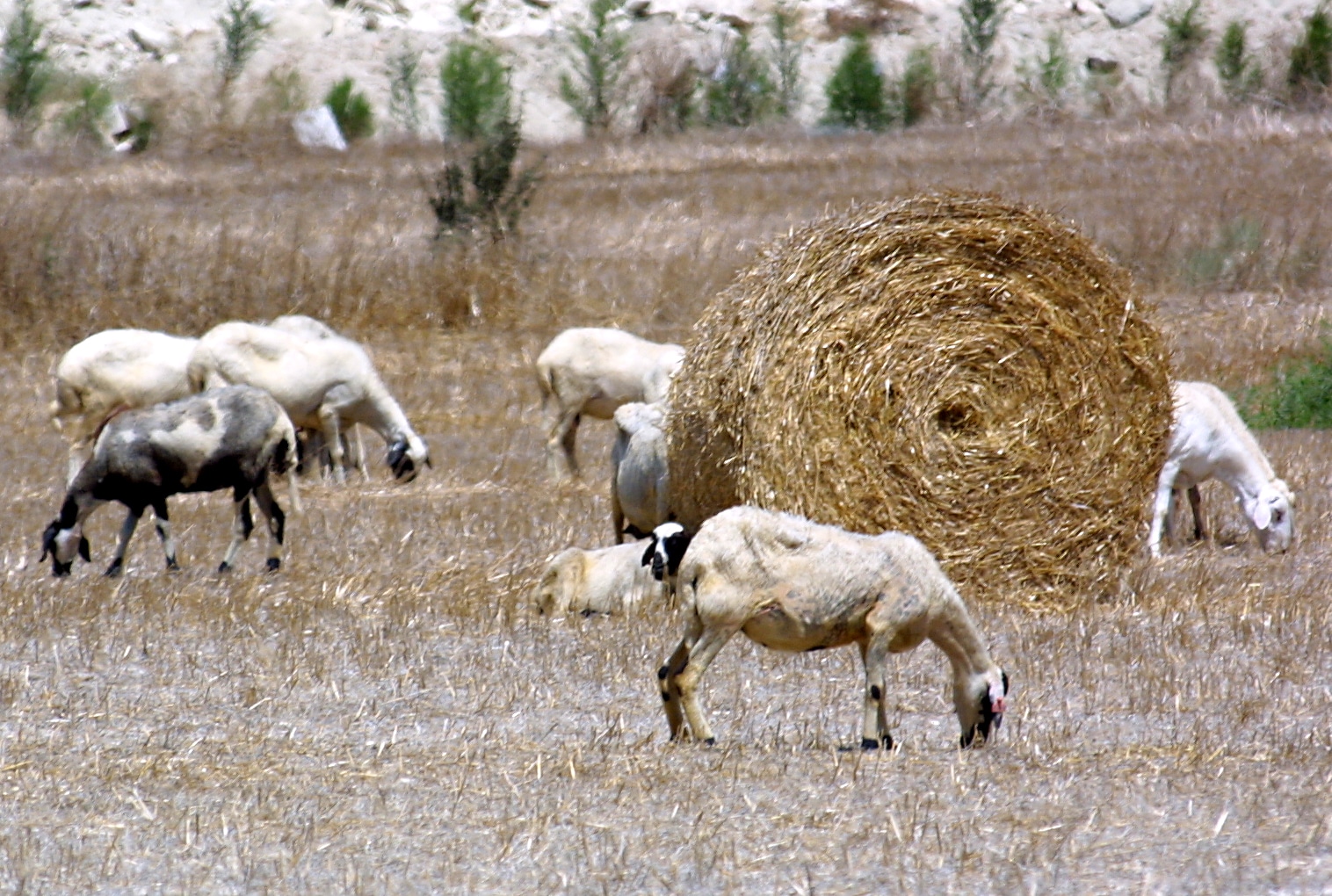
The compensation payments for foot and mouth (FMD) affected livestock units remain pending, Panagrotikos chairman Kyriakos Kailas said on Thursday, pointing out that the delayed payment had prompted concern about the reactivation of the affected farms.

Kailas said that if the reactivation process did not begin within 20 days, the association would request that the compensation for lost income begin without further delay.

“On the issue of compensation, we had mentioned in the meeting held two weeks ago with the authorities that the amount was not satisfactory, the sectors are not benefiting to the extent we would like. The amount of €4.6 million coming from European funds could have been increased by 200 per cent, which was not done. There was a different opinion from the finance minister,” he said.

Kailas explained that this could have made it possible to provide more substantial support and to include sectors that are currently being excluded.

“We are seeing the primary sector wither away day by day. The measures were a step in the right direction; we welcomed them, but they should have been somewhat more generous,” he said.

With regard to the payment of FMD compensation, Kailas said that payments for a total of four units remained outstanding.

“The decision is that everyone should be paid, without exception. You cannot promise someone before their execution that they will be compensated and then find some justified or unjustified reasons not to pay that amount,” he said.

He insisted that the compensation must be paid, and that any irregularities must be investigated, adding that he was concerned about the resumption of operations at the affected livestock units.

“You cannot tell someone after seven or eight months that they won’t be working and then expect them to wait. We understand the difficulties, but on the other hand, those in charge must also understand that people need to get back to work,” he said.

Kailas also expressed his disagreement with the government’s plans for subsidised agricultural diesel.

“We disagree on that point as well. At the end of the day, certain safeguards are being put in place: if some producers have exceeded €5,000 in subsidies, then the scheme is capped; there is a ceiling,” he said.

He said that there is also disagreement regarding the timing of the measure’s announcement.

“Now is when farmers will buy fuel, now are the months of sowing and cultivation. How is it possible to lock it at the end of October? We have suggested to the ministry to leave it open until December,” he said.

Agriculture ministry permanent secretary Andreas Gregoriou had earlier in October announced that outstanding compensation payments would proceed once the culling of a further 2,000 animals had been completed.

  •  

WATCH: President Trump Announces $8 Billion in Relief to Help Farmers with Diesel Costs

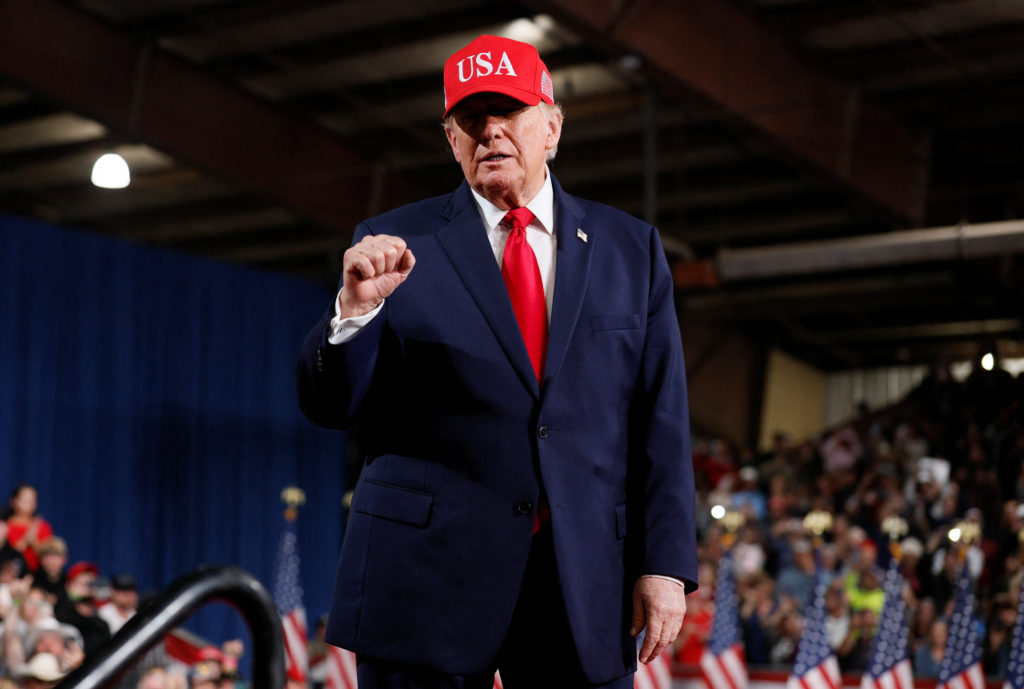
Farmers across the United States will soon get relief from the cost of diesel, President Donald Trump said during his rally near Wichita, Kansas, on Monday evening, CBS News reported.

The post WATCH: President Trump Announces $8 Billion in Relief to Help Farmers with Diesel Costs appeared first on Breitbart.

  •  

EU Ministers Agree New Agricultural Market Rules as Farm Budget Dispute Continues

European Union governments have agreed a negotiating position on new agricultural market rules intended to take effect under the bloc’s 2028–2034 budget, advancing reforms to support arrangements for farmers while leaving the most contentious financial questions unresolved.

The Council approved its partial negotiating mandate on Monday, 19 October, covering changes to the Common Market Organisation regulation, which governs agricultural markets across the European Union.

The proposals include new arrangements for wine producers, protein crops and oilseeds, revised marketing standards, changes to the EU school food programme and provisions intended to improve preparedness for agricultural market disruptions.

However, the agreement does not settle future funding allocations or the broader structure of agricultural subsidies, which remain under negotiation as EU governments attempt to reconcile farming expenditure with competing demands for defence, industrial investment and regional development.

Agricultural markets under review

The Council’s negotiating position retains much of the European Commission’s original proposal while introducing amendments intended to accommodate national differences in agricultural production.

Under the proposed arrangements, sector-specific interventions would become mandatory in several areas, including beekeeping, fruit and vegetables and, under certain circumstances, wine production.

The Council has also proposed flexibility for countries where particular sectors are absent or relatively undeveloped.

For the wine industry, governments would be able to seek exemptions from certain obligations where national circumstances justify different arrangements.

This would allow the framework to retain common European rules while avoiding requirements that would be inappropriate for member states with little or no domestic wine production.

Sectoral interventions form part of the mechanisms through which the EU supports agricultural markets and producer organisations. They can cover measures intended to improve competitiveness, manage production and strengthen farmers’ commercial position.

New provisions for protein crops

The Council has endorsed the establishment of a separate sector for protein crops and oilseeds, replacing existing provisions covering dried fodder.

The objective is to encourage domestic production and reduce dependence on imported agricultural inputs, particularly crops used in animal feed and food production.

European livestock producers rely on protein-rich feed ingredients, including soyabeans, that are often sourced internationally.

Greater domestic production could reduce exposure to fluctuations in global commodity prices, transport costs and disruptions to international supply chains.

Under the Council’s proposal, member states would be encouraged to recognise producer organisations specialising in protein crops and oilseeds.

Such organisations can help farmers coordinate production, marketing and investment, although the effectiveness of the proposed measures will depend on how they are implemented nationally.

The proposals follow broader EU efforts to improve supply security in sectors extending from agricultural inputs to critical industrial materials.

School food and product labelling

The negotiating mandate also preserves the EU school scheme, which provides support for the distribution of fruit, vegetables and milk to schoolchildren.

Under the proposed framework, the programme would move from a school-year financing cycle to a calendar-year system, with transitional provisions intended to prevent disruption during implementation.

The Council has maintained the Commission’s objective of encouraging healthier eating habits by limiting products containing high levels of free sugars and fats.

The proposal also opens the possibility of additional marketing standards for several agricultural products, including protein crops, beef, pork, sheepmeat, goatmeat and rice.

These standards could provide consumers with more detailed information about product origins, subject to the final legislation.

Such measures would also have implications for producers and food businesses, which would need to comply with any new requirements concerning classification, marketing and labelling.

The Council additionally supports the harmonisation of rules covering industrial hemp, while retaining safeguards concerning seed certification and the permitted level of tetrahydrocannabinol.

Farming subsidies remain contested

The agricultural market agreement forms part of negotiations over the next Common Agricultural Policy, which will operate within the EU’s new seven-year financial framework.

Under the Commission’s proposed budget structure, several funding streams, including agricultural and cohesion programmes, would be brought together within national and regional partnership plans.

The restructuring has encountered opposition from governments and agricultural interests concerned that farming could lose protected access to EU funding.

As EU Today previously reported, 17 member states have called for agricultural and regional development expenditure to be protected against further reductions.

The Council’s latest position addresses how agricultural markets should operate rather than determining the size of the financial support available to them.

A separate debate concerns the conditions for receiving direct farm payments, including the definition of an active farmer and the degree of discretion granted to national governments.

Those questions remain central to the continuing CAP negotiations, which are due to return to the Agriculture and Fisheries Council on 26–27 October.

Negotiations move to Parliament

The Council’s partial mandate now provides a basis for negotiations with the European Parliament on the agricultural market provisions.

The legislation will still require agreement between the institutions, while its financing will depend on the eventual settlement of the 2028–2034 budget.

Governments must also complete negotiations on the wider CAP framework, including direct income support and the distribution of responsibility between Brussels and national administrations.

The market agreement reached on 19 October therefore establishes important elements of the proposed agricultural rules, but leaves unresolved the level of financial support available to European farmers after 2027.

  •  

WATCH LIVE: Trump heads to rally in Kansas as Republican voters' frustrations deepen

President Donald Trump is heading to Kansas on Monday and Iowa later in the week, the latest in a series of stops where he's trying to energize his base in the final weeks before the midterm elections. The economic strain is becoming a growing political concern for Republicans in states they have long dominated.

  •  

Guatemalan Farmer Organizations to Hold Mass Demonstrations

They demand measures to curb inflation, nationalize electricity service, and organize a plurinational constituent assembly.

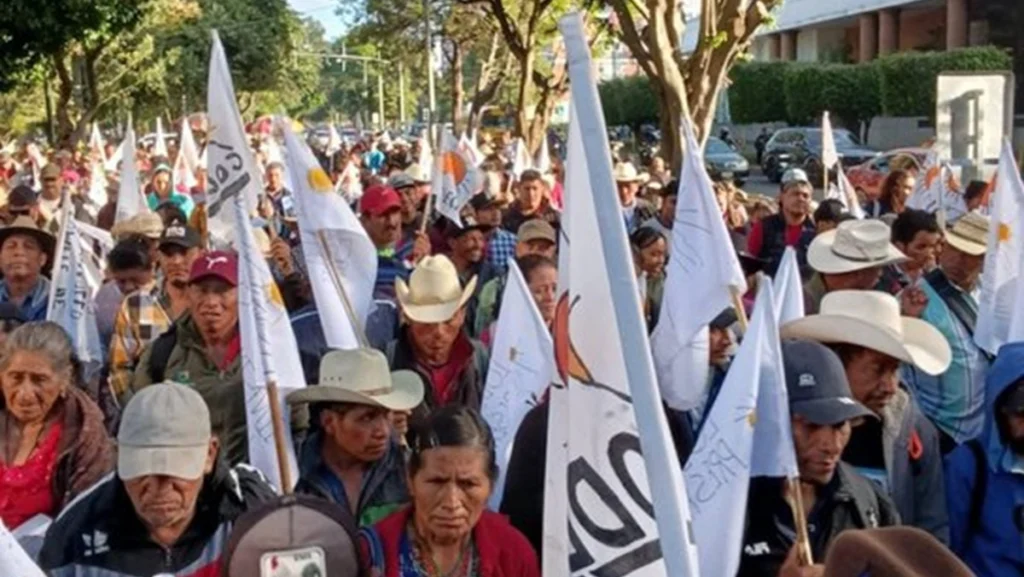
On Monday, the Farmer Development Committee (CODECA), the Altiplano Farmer Committee (CCDA) and the National Front for Struggle (FNL) will hold mass demonstrations in Guatemala’s main departmental capitals.

RELATED:

Guatemala Sets Temporary Fuel Price Caps

The mobilizations aim to pressure authorities to address a broad agenda of economic, social, judicial and political demands.

In a joint statement, the organizations called on the executive branch and Congress to adopt urgent measures to curb inflation and lower the cost of living.

As part of their economic proposals, they criticized subsidies granted to companies that import hydrocarbons and proposed redirecting those funds toward the construction of a national refinery.

They also demanded the nationalization of electricity service, criticizing distributor Energuate for its high rates in communities.

#AHORA Integrantes de los movimientos sociales CODECA, FNL, CCDA y sociedad civil llevan a cabo una caminata con motivo del Día de la Raza, que se conmemora cada 12 de octubre, en protesta "por la grave situación económica, social y política que atraviesa Guatemala" | Vía Omar… pic.twitter.com/3F8OhvWutN

— Emisoras Unidas (@EmisorasUnidas) October 12, 2026

The text reads, “Members of the social movements CODECA, FNL, CCDA and civil society conduct a walk on the occasion of Race Day, which is celebrated every 12 October, in protest ‘for the serious economic, social and political situation that Guatemala is going through’.”

On administrative and budgetary matters, the social organizations proposed capping the salaries of lawmakers and senior public officials at a maximum of five minimum wages. The groups suggested using the savings generated by this measure to finance the purchase of medical supplies and the construction of laboratories across the public hospital network.

On legislative matters, they called for the repeal of Decree 8-2023, which introduced reforms to the Criminal Code and the Law Against Organized Crime. They also rejected Initiative 6816, concerning the Water Law, calling for any water-related legislation to be drafted with the active participation of communities.

The demands also extend to the justice system and the country’s institutions. The organizations called on the Public Ministry to investigate judicial officials, magistrates, and legislators over ties to corruption networks and organized crime.

Likewise, they demanded an immediate halt to evictions and systematic persecution of Indigenous and farmer leaders. They also called for the resignation of Walter Mazariegos, rector of the University of San Carlos (USAC), as well as magistrates of the Supreme Court of Justice and the Constitutional Court.

Finally, the Farmer Development Committee, the Altiplano Farmer Committee and the National Front for Struggle also emphasized the need to coordinate a collective process aimed at establishing a popular, plurinational constituent assembly.

teleSUR/ JF

Source: teleSUR

  •  

Going Home with Wendell Berry

Wendell Berry, who died this week at the age of 92, published dozens of books of poetry, fiction, and essays, any of which might make for meaningful connection with Berry’s ideas about place and how we engage with it. But this conversation with Amanda Petrusich, which bloomed from a personal correspondence between the two writers, feels like an especially vital tribute to Berry. Here, his decades of thought on sustainability and its human limits find gloriously vivid expression; after all, place shapes our voices, too. Throughout, Berry is luminous and pithy and discerning: “We’re alive only in some place in particular.” “Every generation is a bridge between something that’s past and something that’s coming.” “Our conversation is worth more right now than either one of us thinking separately.” The last is a perfect sentiment for any dialogue, including those on the page.

Part of manners used to be to say to somebody you just met, “Where you from?” And I quit asking it, because so many people say they’re from everywhere or nowhere. I’ll tell you a little bit of my history that may be pertinent. My mother was born and grew up in Port Royal, my father about four miles south. Both of their families had lived here since about the beginning of the nineteenth century. When I came to teach at the University of Kentucky, Tanya and I thought we would live in Lexington, and we would have “a country place.” And we hardly had laid our hands to this house, which needed some preservation work, when we realized, we’re not going to have a country place; we’re going to live here. And so we have. We bought this home and twelve acres in the fall of 1964, and moved in, in the midst of renovations, in the summer of 1965. That put our children here, and now we’ve got grandchildren who are at home here. That comes from a decision that we made to be here, and to be here permanently.

  •  
❌