Login

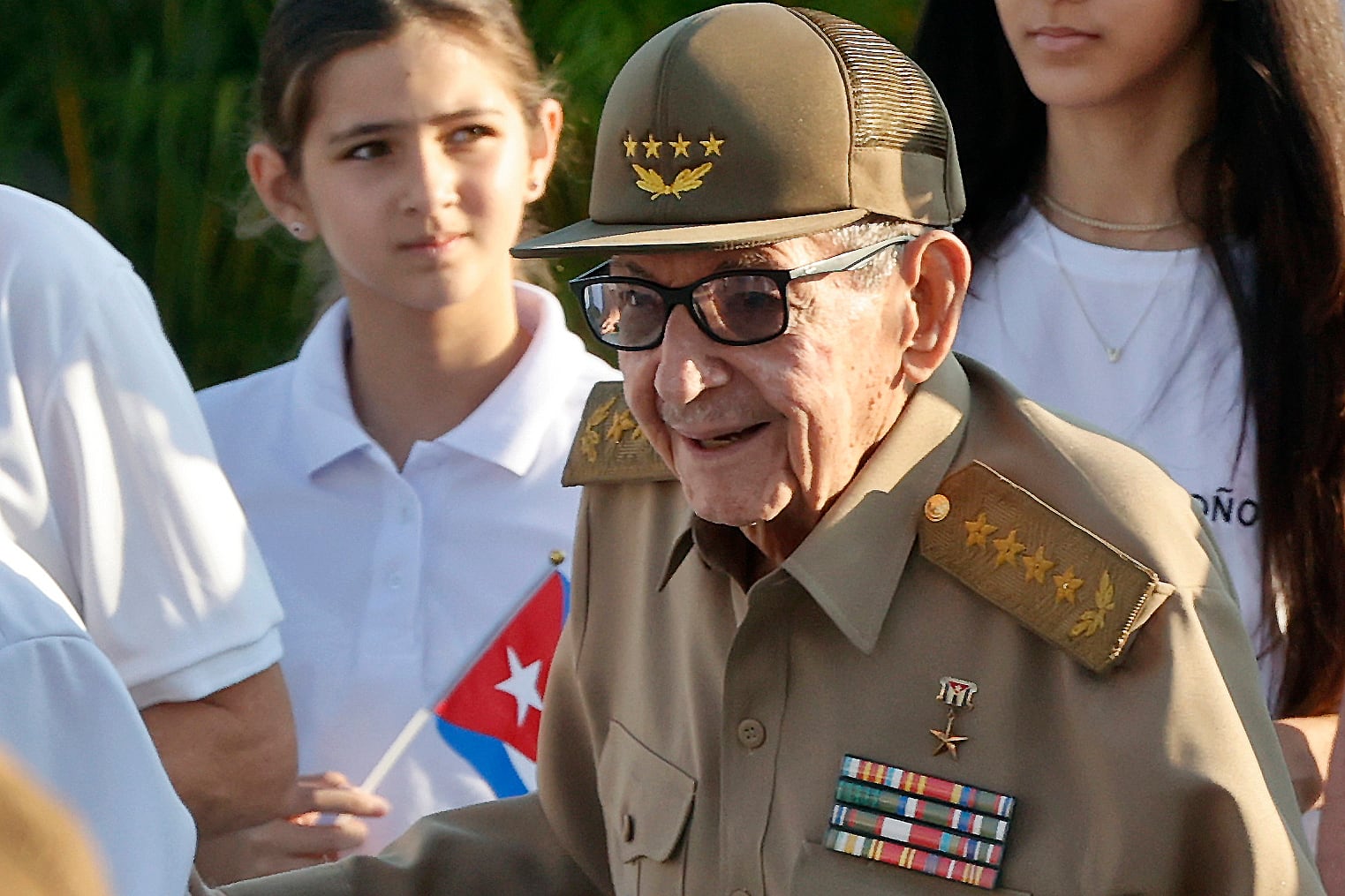
Cuba says arrest warrant against Raúl Castro is ‘pathetic Miami circus, with an electoral agenda’

Last March, the US justice system reopened a case regarding the alleged responsibility of former Cuban President Raúl Castro in the shooting down of small planes belonging to the organization Brothers to the Rescue in 1996.
Cuba has categorically rejected the US accusations. The Caribbean nation argues that the accusation is a distortion of the truth, given that Brothers to the Rescue is considered an organization linked to acts of terrorism and provocation against the country’s government.
According to Havana, the aircraft were conducting illegal flights over Cuban airspace. They were reportedly asked repeatedly to refrain from entering Cuban airspace, but these requests were ignored, according to the Cuban justice system. Furthermore, according to the Cuban Foreign Ministry, Havana asked Washington on 25 occasions to prevent these illegal flights. Subsequently, with no response from Washington or Brothers to the Rescue, Cuba proceeded to fire upon the aircraft flying over its territory.
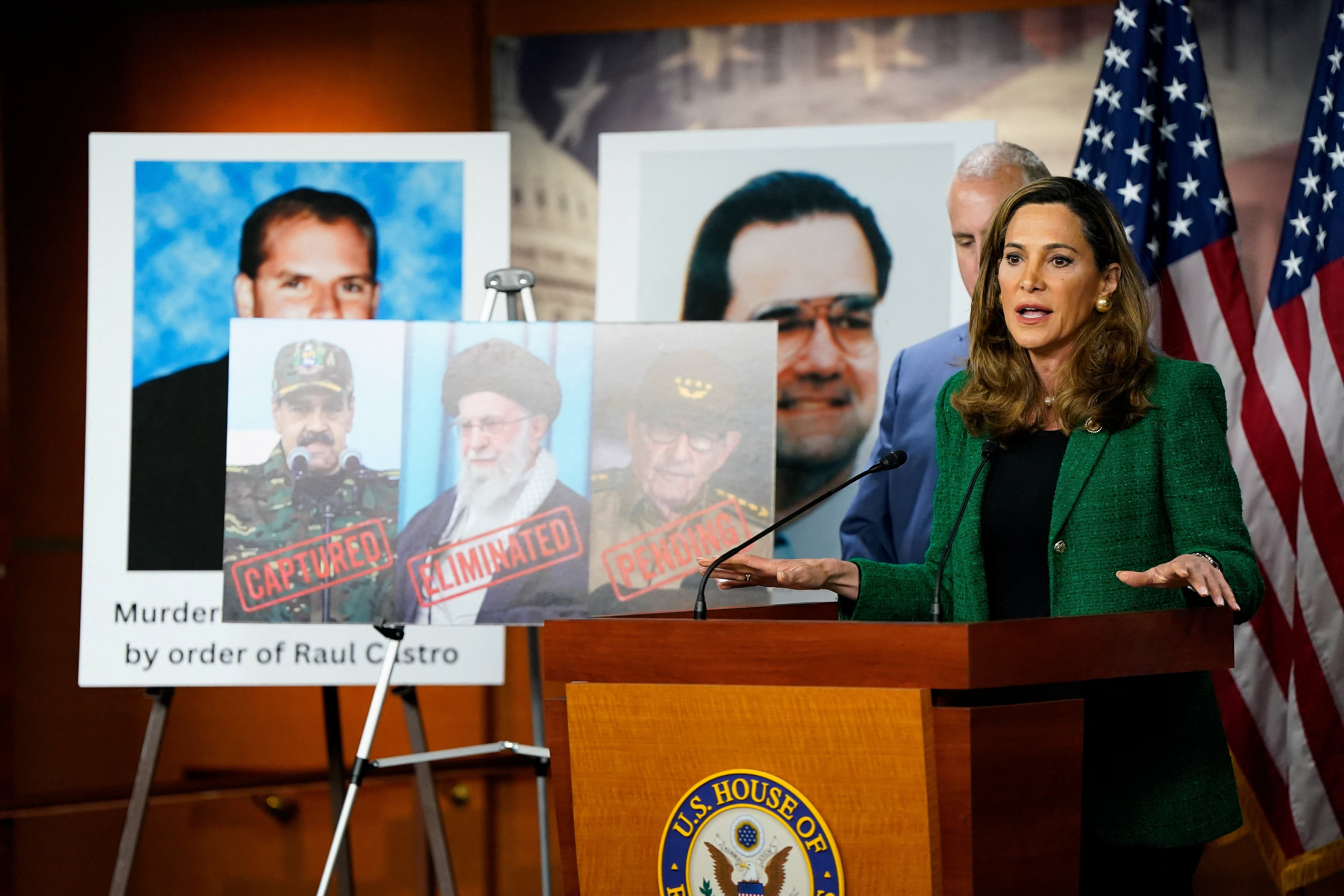
However, the US justice system denies Cuba’s version of events and has sought a conviction for these acts. That is how, on October 19, Florida Attorney General James Uthmeier succeeded in having his state issue an arrest warrant for Raúl Castro, then Cuba’s Minister of Defense.
“Raúl Castro ordered the cold-blooded murder of four Florida residents, and the state will never stop pursuing accountability for that communist conspiracy,” Uthmeier said regarding the arrest warrant.
But the Cuban government maintains that Brothers to the Rescue had a different mission than the one it claimed. Cuban Deputy Gerardo Hernández stated: “Although [Brothers to the Rescue] was founded to spot and report the location of rafters to the US Coast Guard in the 1990s, its role shifted toward provocations following the change in immigration policies agreed upon between Washington and Havana in 1995, with the intention of hindering any diplomatic rapprochement and normalization of relations between the two countries.”
For his part, Cuban President Miguel Díaz-Canel condemned the Florida court’s decision: “The reprehensible action taken against the Army General this morning in a pathetic Miami circus, with an electoral agenda, has no legal basis whatsoever – nor will it ever have one – much less a practical one… In the face of every affront, [Raúl Castro] will always find the determination of a people to defend the Revolution.”
He added: “That maneuver, cloaked in legal pretense and orchestrated by anti-Cuban politicians against Raúl and against Cuba, deserves our firm condemnation. It is part of their aggressive agenda and a response to their failures in attempting to justify the Embargo and the collective punishment against our people.”
For its part, the Mexican government characterized the arrest warrant issued against one of the historic leaders of the 1959 Cuban Revolution as an “electoral maneuver.” This was explained by President Claudia Sheinbaum, who linked the judicial decision to the upcoming midterm elections: “The arrest warrant against Army General Raúl Castro, attributed to the Florida prosecutor’s office, seeks to win the support of segments of the US electorate.”
Russia also condemned the arrest warrant against Raúl Castro, calling it “baseless and false,” and linked it to a powerful political group in Florida: “[It is] revenge by the anti-Cuban lobby in Miami,” said the Russian Ministry of Foreign Affairs.
The decision is part of a series of measures by the Trump administration against the revolutionary government in Havana, which the US president himself has said he would like to see fall and has on some occasions suggested he might launch a military attack on Cuba.
Trump has imposed economic and trade sanctions that add to the historic economic and trade embargo the United States has imposed on the island for more than 60 years – an embargo that has caused losses amounting to tens of billions of dollars for a country with a population of just 10 million.
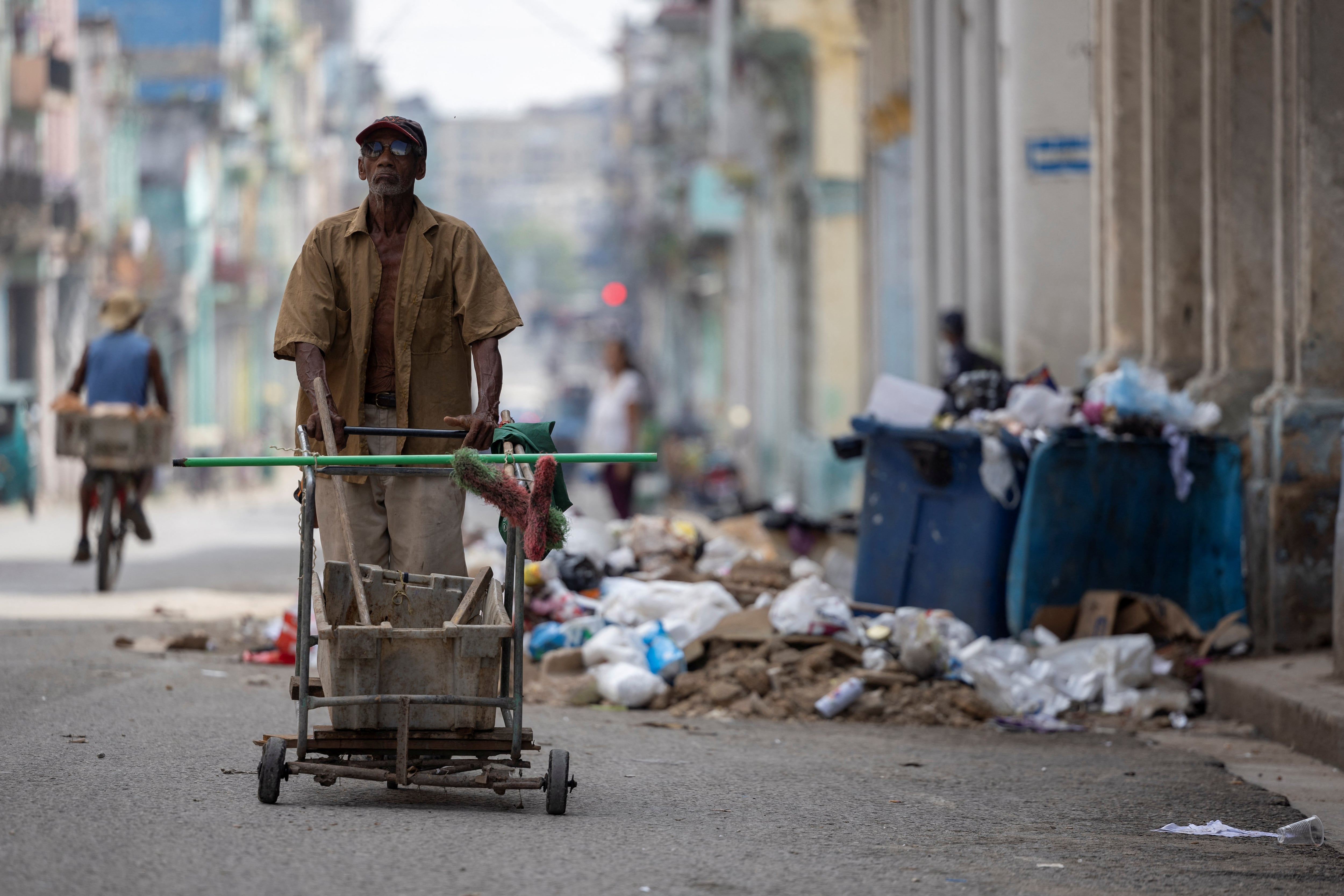
Added to this is the recent oil embargo imposed by the United States on the Caribbean island. As a result, throughout 2026, only one oil tanker entered Cuba, which has brought much of the country’s production, transportation, and electricity generation to a standstill. This has led to an increase in mortality rates and reduced access to basic services for the civilian population.