❌

Reading view

Como a eleição em Israel impacta a negociação pelo fim da guerra no Líbano?

Os conflitos no Oriente Médio são parte central da campanha eleitoral em Israel para o Parlamento, conhecido como Knesset. A votação acontecerá no dia 27 de outubro e definirá o futuro do primeiro-ministro Benjamin Netanyahu.

Tanto o governo quanto a oposição tentam ter controle das narrativas sobre os conflitos. De um lado, o governo de Netanyahu afirma que as ações eram necessárias e garantiram a segurança de Israel; do outro, a oposição critica e diz que os objetivos não foram concluídos e causaram danos ao país.

Uma das guerras que ainda não chegou ao fim é a batalha no Líbano, contra o Hezbollah. Além dos ataques aéreos, que deixaram milhares de mortos, Israel avançou pelo território libanês e capturou uma área que avançava cerca de 10 km pelo país vizinho.

Um cessar-fogo mediado pelos Estados Unidos fez com que a fase mais intensa desse conflito ficasse para trás. Ainda assim, não houve um acordo para o fim definitivo das hostilidades.

Israel quer o desarmamento completo do Hezbollah, enquanto o grupo libanês se nega a baixar as armas e exige que as forças israelenses deixem o Líbano completamente.

Desta maneira, a comunidade internacional acompanha de perto as eleições israelenses para avaliar o futuro das negociações.

A eleição em Israel pode afetar as negociações no Líbano?

Samuel Feldberg, doutor em Ciências Políticas pela USP e pesquisador da Universidade de Tel Aviv, avalia que não haverá grandes mudanças na política externa israelense após a votação, mesmo se a oposição a Benjamin Netanyahu vencer.

O especialista explica que os candidatos de maior relevância são ligados aos militares e têm experiência na área de segurança, como, por exemplo, Gadi Eisenkot. Ele foi ex-chefe do Estado-Maior das Forças Armadas de Israel e é o principal cotado para assumir o cargo de primeiro-ministro, caso vença Netanyahu.

Outros postulantes também ocuparam cargos importantes, como Avigdor Lieberman, ex-ministro da Defesa.

“As negociações com o governo do Líbano provavelmente vão continuar, mesmo se houver uma alternância de governo. E as demandas em relação à pressão sobre o Hezbollah com certeza vão continuar, mesmo que o governo não seja esse de Netanyahu”, pontua Feldberg.
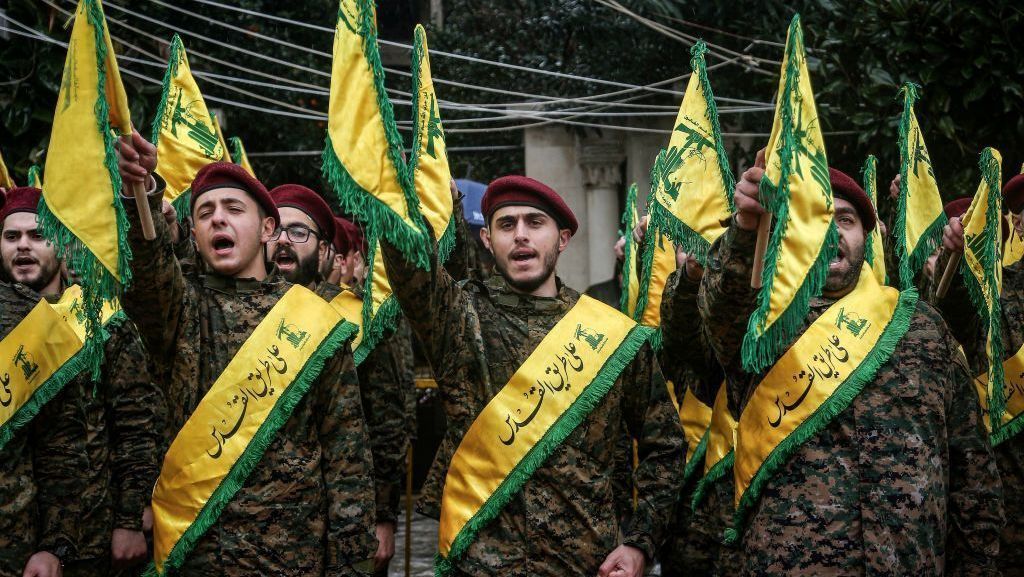
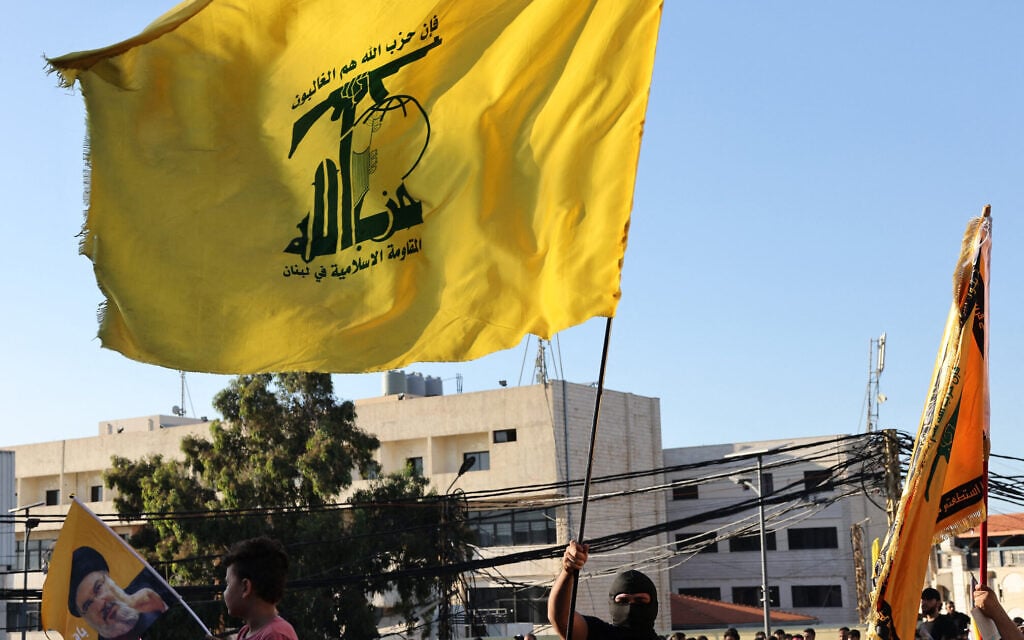
Cortejo fúnebre do então comandante máximo do Hezbollah, Ali al-Debs, morto em um ataque de drone israelense, na vila de Nabatieh, no sul do Líbano, em 16 de fevereiro de 2024
Cortejo fúnebre do então comandante máximo do Hezbollah, Ali al-Debs, morto em um ataque de drone israelense, na vila de Nabatieh, no sul do Líbano, em 16 de fevereiro de 2024 • dpa/picture alliance via Getty I

Karina Calandrin, professora de Relações Internacionais do Ibmec-SP, concorda que ainda haverá pressão da sociedade israelense para que o grupo libanês se desarme e não represente mais uma ameaça para o país.

“A eleição pode mudar os instrumentos e o grau de disposição para negociar, mas provavelmente não eliminará o consenso israelense de que o Hezbollah não pode reconstruir no sul do Líbano a capacidade militar que possuía antes dessas guerras”, analisa.

Uma pesquisa de junho da Universidade Hebraica de Jerusalém, em colaboração com o Instituto Agam, revelou que apenas 12,2% dos entrevistados acreditavam que Israel alcançou a maioria dos objetivos abrangidos pela ideia de “vitória total”, que incluía, segundo a pesquisa, eliminar a ameaça do Hezbollah no Líbano, entre outros pontos.

Outros 61,3% disseram que Israel não alcançou esses objetivos “de forma alguma”, enquanto 26,5% avaliaram que Israel alcançou “alguns” de seus objetivos.

João Miragaya, assessor do Instituto Brasil-Israel e mestre em História pela Universidade de Tel Aviv, diz que é possível que um novo governo israelense tente chegar a um acordo com o governo libanês para o desarmamento do Hezbollah, que poderia terminar em um acordo de paz.

De toda forma, o especialista destaca que o processo seria complicado, ponderando que o “Hezbollah faria de tudo para atrapalhar” as negociações.
 

Entenda o que é o Hezbollah e como surgiu o grupo libanês


  •  

Hidden hands and hired guns: how Iran hits its enemies abroad

Britain’s prime minister, Andy Burnham, has said the recent suspected terror plot targeting RAF Fairford in Gloucestershire was “almost certainly” directed by Iran. The allegation has centered attention on how Iran projects power beyond its borders. The case comes at a time of rising concern about Iranian-linked activities in the UK. In early October, two […]

The post Hidden hands and hired guns: how Iran hits its enemies abroad appeared first on Asia Times.

  •  

Israeli Occupation Army To Remain in Southern Lebanon

It warned of possible military advances toward Nabatieh and the Litani River.

On Tuesday, Israel warned that it could maintain its military presence in southern Lebanon indefinitely and conditioned any withdrawal on the complete disarmament of the Shiite movement Hezbollah, amid stalled negotiations between the two sides.

RELATED:

Lebanon Honors Child Victims, Rejects Israel Peace Deals

Israeli Defense Minister Israel Katz stated that Israeli occupatory forces will not abandon the areas currently under their control. He also warned of possible military advances toward Nabatieh and the Litani River if further attacks occur.

Katz asserted that Israel is applying the so-called “Gaza model” in southern Lebanon. According to his statements, dozens of villages have been destroyed in the occupied area during military operations.

According to United Nations estimates, some 330,000 people remain displaced by the conflict, in addition to another 200,000 who have fled areas occupied by Israeli forces.

The Lebanese Ministry of Health reported at least 4,389 deaths and 12,424 injuries since the escalation of hostilities began in early March. Lebanese President Joseph Aoun accused Israel of violating the ceasefire agreement reached in June with U.S. mediation.

🔴This is life under Israeli occupation and a typical night in south Lebanon.

Machine gun combing and illumination flares in Zouwtar Al Sharqia. pic.twitter.com/l3BqUx42se

— courtneybonneauimages (@cbonneauimages) October 18, 2026

Aoun also maintained that the Israeli military presence prevents the full deployment of the Lebanese army along the border, one of the provisions of UN Security Council Resolution 1701.

Given the lack of progress in implementing the agreement, a Lebanese military delegation will participate in talks in the United States to achieve a cessation of Israeli operations and establish a withdrawal timetable.

The military delegations from Lebanon and Israel will resume direct negotiations at the headquarters of the U.S. Central Command (Centcom), after three months of stalled dialogue.

The process was suspended in August by the Lebanese government, which protested the continued Israeli military actions despite the ceasefire. Six months after the start of the talks, none of the core commitments have been fully implemented.

#FromTheSouth News Bits | During a meeting with Israeli President Isaac Herzog in Baku, Azerbaijan, China's Foreign Minister Wang Yi urged Israel to halt and reverse the establishment of settlements in the West Bank, which is occupied Palestinian territory. pic.twitter.com/xm7RduwpW6

— teleSUR English (@telesurenglish) October 19, 2026

teleSUR: JP

Source: teleSUR

  •  

Hezbollah Confirms Explosives Seized at Lebanon Checkpoint Belonged to Them, Demands Their Return

Earlier this week, Lebanese officials seized a truckload of explosives in the northeastern Hermel region, leading to accusations from some of the officials of an impending Hezbollah assassination campaign involving bombs. On Thursday, Hezbollah MP Hassan Fadlallah confirmed that the explosives belonged to the group, but insisted that there was no assassination program, and that […]
  •  

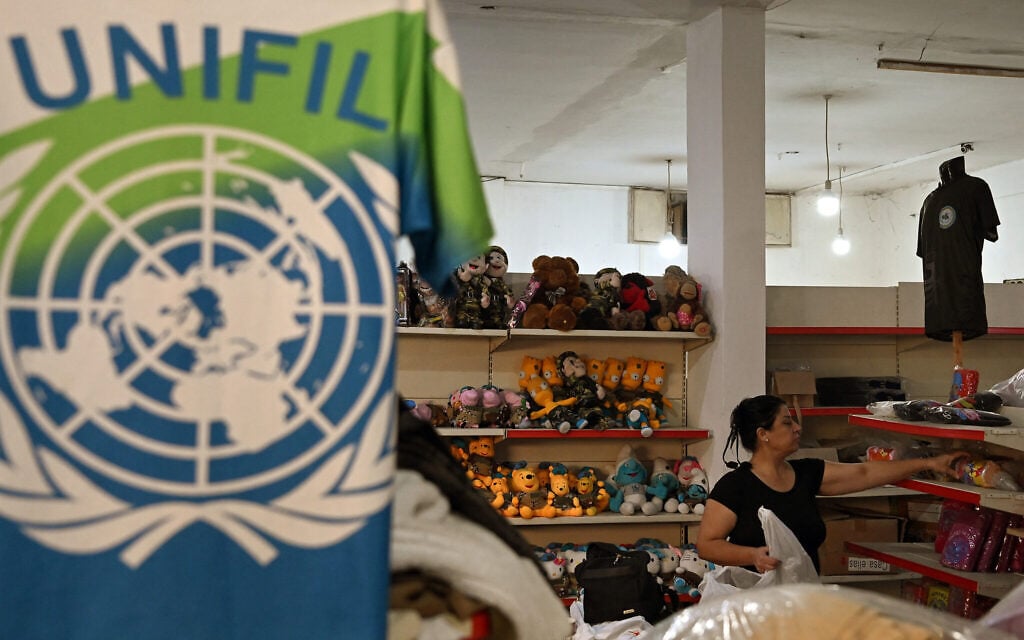
UN reaffirms push for Lebanon stability as Beirut asks to extend peacekeepers’ mandate

UNIFIL mandate set to end in December after nearly 50 years, prompting concern from Lebanese officials who warn withdrawal will create 'vacuum' and harm regional security
  •  

Israeli DM Threatens to Seize More Lebanese Territory, Annihilate Shi’ite Community ‘Completely’

Anticipating another round of war with Hezbollah despite the fact that the current Israeli invasion of Lebanon hasn’t even ended, Defense Minister Israel Katz laid out a litany of threats against Lebanon that would happen if Hezbollah “joins Iran” in any attack on Israel. Katz declared that the territory around Nabatieh and the Litani River […]
  •  

Hezbollah Lays Out Compensation Plan for Lebanese Who Lost Homes in the War

Last week it was reported that Iran had provided Hezbollah with some $200 million to help provide for those Lebanese civilians who lost homes so far during the Israeli invasion. Today, Hezbollah began to provide details about how the program would work. The plan is to provide $14,000 to families that lost homes in Beirut […]
  •  

Iran Reportedly Gave Hezbollah $200 Million to Help Lebanon’s Displaced

With Hezbollah squarely in the political opposition, Lebanese officials have been hoping for awhile that the ongoing Israeli invasion would further alienate Hezbollah from the public, as an active combatant force and, at least by Israel’s framing, the reason for the conflict. That’s been a polarizing issue, however, and Hezbollah is likely to score a […]
  •  

Netanyahu Frames Continuing to Attack Lebanon as ‘An Opportunity for Peace’

In a pair of comments that broadly reflect why the ongoing Israeli invasion of Lebanon shows no sign of ending, Israeli Prime Minister Benjamin Netanyahu and Hezbollah Executive Council head Ali Damoush both addressed their respective crowds and laid out their goals. Netanyahu, who was speaking at an October 7 memorial event, vowed that it […]
  •  
❌