Login

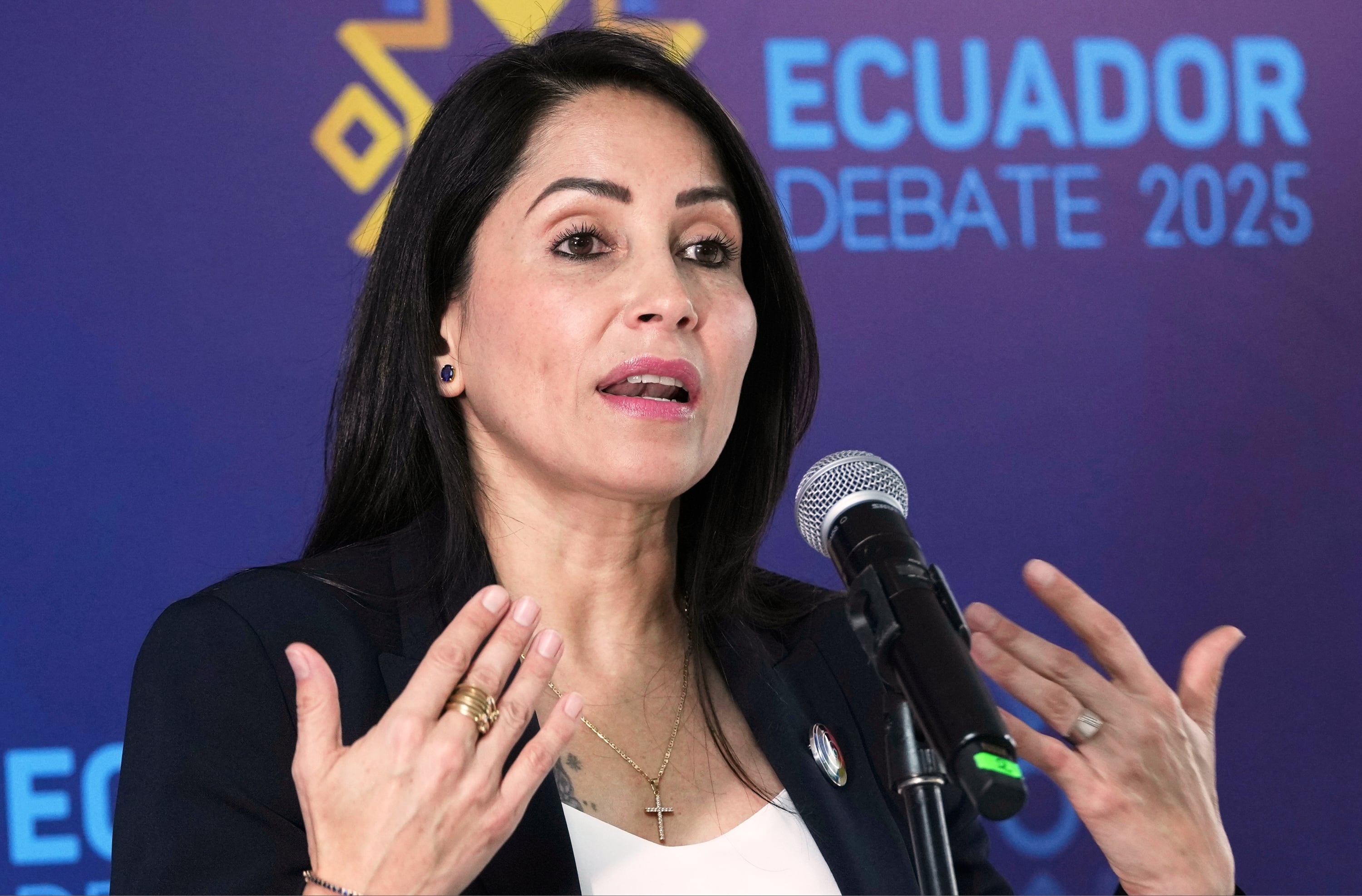
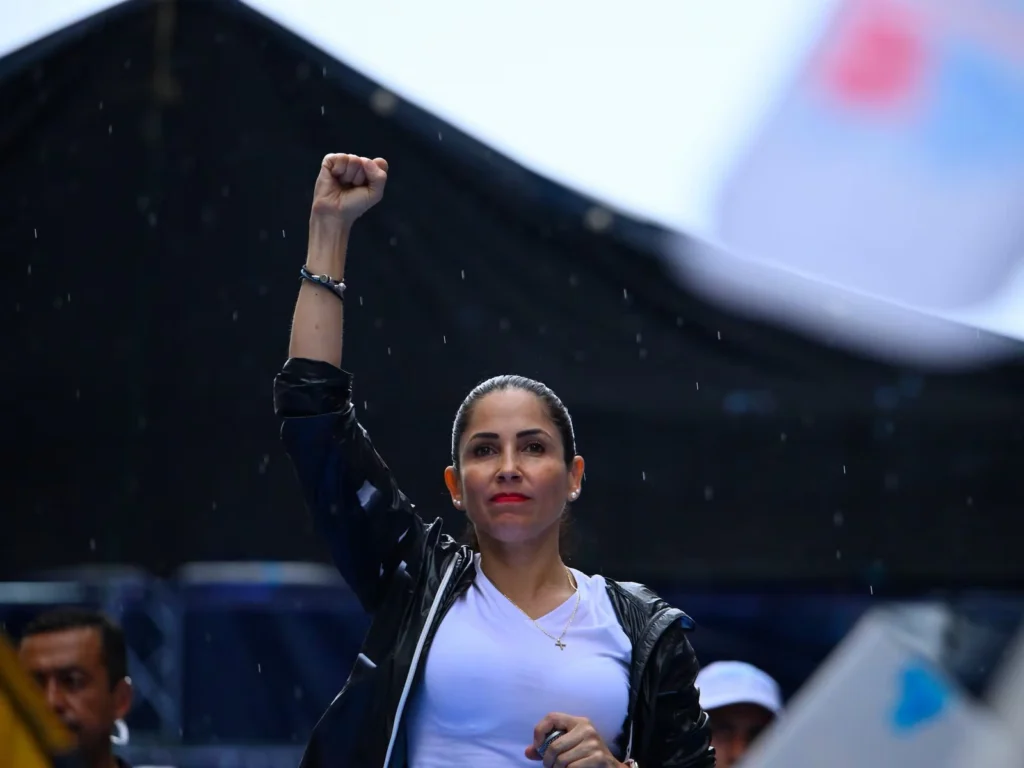
Luisa González, former presidential candidate and opposition leader, is arrested in Ecuador

Former President Rafael Correa (2007–2017) posted on X in the early hours of the morning in Ecuador that Luisa González, a two-time presidential candidate (2023 and 2025) for the Citizen Revolution (RC) party, had been arrested. “They arrested Luisa González. ENOUGH IS ENOUGH!” wrote the former progressive leader.
The National Police confirmed this to the media outlet PRIMICIAS. González was reportedly arrested on suspicion of money laundering. The National Prosecutor’s Office also confirmed this, reporting that the arrest is related to alleged irregularities in political financing and campaign spending in 2023.
González, who advanced to the runoff in both elections and lost both times to the current president, right-wing candidate Daniel Noboa, has repeatedly claimed that the legal proceedings against her are part of a broader campaign of political persecution targeting anyone who criticizes the current government.
A few hours after his arrest, González wrote on X: “We have reached an untenable situation. Noboa’s dictatorship has not only led our beloved country into economic disaster, with rampant violence and corruption, but attacks on civil liberties and political persecution are a constant reality. The dictatorship’s political prisoners are being mistreated and tortured.”
She added: “Today it is my turn to be arrested on an absurd charge. I will respond with the dignity of Ecuadorians who owe nothing and who are committed to securing Ecuador’s freedom and a better future for the country.”
A flood of legal proceedings against González
In January 2026, the prosecutor’s office and the police raided Luisa González’s home as part of the case known as “Caja Chica,” which was investigating an alleged money laundering offense. The prosecutor’s office claimed there was evidence of money flowing in from Venezuela to fund González’s 2023 election campaign.
In August, González said she had been notified of a preliminary investigation into the alleged crime of demanding acts that entail receiving undue benefits.
In September, González was again notified by the Prosecutor’s Office of her inclusion in a preliminary investigation into an alleged crime of failure to report a crime due to her profession, position, or occupation – that is, for allegedly failing to report a crime in the course of her professional duties.
In all three cases, the former presidential candidate and leader of the largest opposition party has denounced these actions as political persecution carried out through the judicial system: “The harassment and persecution don’t stop, but neither does my hope for a better country. Giving up is not an option.”
Political persecution or enforcement of the law?
In addition, González, who intended to run for the office of prefect of Manabí in the upcoming regional elections in November, was unable to register her candidacy due to a refusal by the electoral oversight bodies, citing alleged mismanagement of administrative matters.
The RC once again denounced this obstacle as part of a broader campaign of political persecution aimed at preventing opposition candidates who might win their positions in the elections from participating, whether through administrative sanctions or criminal proceedings.
Thus, according to these allegations, the government has managed to co-opt several oversight institutions with the power to impose sanctions—such as the prosecutor’s office and the electoral courts – and is using them to persecute and prevent the participation of opposition politicians who have a chance of challenging the executive branch for power.
For his part, Ecuadorian President Daniel Noboa has repeatedly denied that his administration has been behind the accusations, sanctions, and arrests targeting his opponents, and he asserted that these are proceedings carried out by institutions independent of his government. “We do not target individuals; we have no interest in targeting individuals – we pursue criminals. There is no political persecution of any kind here,” the Ecuadorian president said in early 2026.
Despite these statements, the opposition remains steadfast in its accusations against the Ecuadorian president, especially following cases in which mayors of the country’s largest cities – Guayaquil, Cuenca, and Quito, the capital – have faced imprisonment, criminal proceedings, and ongoing judicial investigations.
The most notorious case in Ecuador involves the mayor of Guayaquil (the country’s most populous city), opposition figure Aquiles Álvarez, who was arrested and imprisoned in a maximum-security prison several months ago on charges of illegal hydrocarbon trafficking and organized crime.
Similarly, in June 2026, the then-mayor of Cuenca, Cristian Zamora (also a member of the opposition) was suspended by the Contentious-Electoral Court over an alleged case of political violence. For its part, the prosecutor’s office requested that charges be filed against him in September of that same year for an alleged crime of illicit enrichment.
And while there are other high-profile cases in Ecuador, the RC has stated that there is a concerted effort to prevent the current mayor of Quito, Pabel Muñoz (who is seeking reelection) from participating in the electoral process at all costs. Muñoz has so far managed to evade the sanctions and constant accusations against him, but on October 21, the prosecutor’s office and the police raided the mayor’s offices as part of an investigation into an alleged embezzlement offense.
This has led several politicians to believe that the raid is a new ploy to prevent Muñoz—who leads in the polls – from participating in the elections and, even more so, to imprison him, as was done with his party colleague, Aquiles Álvarez. This is what the Prefect of Pichincha, Paola Pabón, said: “People’s lives do not improve by imprisoning opponents; citizens’ circumstances change for the better when there is a political class committed to the common good.”