❌

Reading view

Hungary Blocks Ukraine and Moldova’s EU Accession Progress Despite Diplomatic Breakthrough

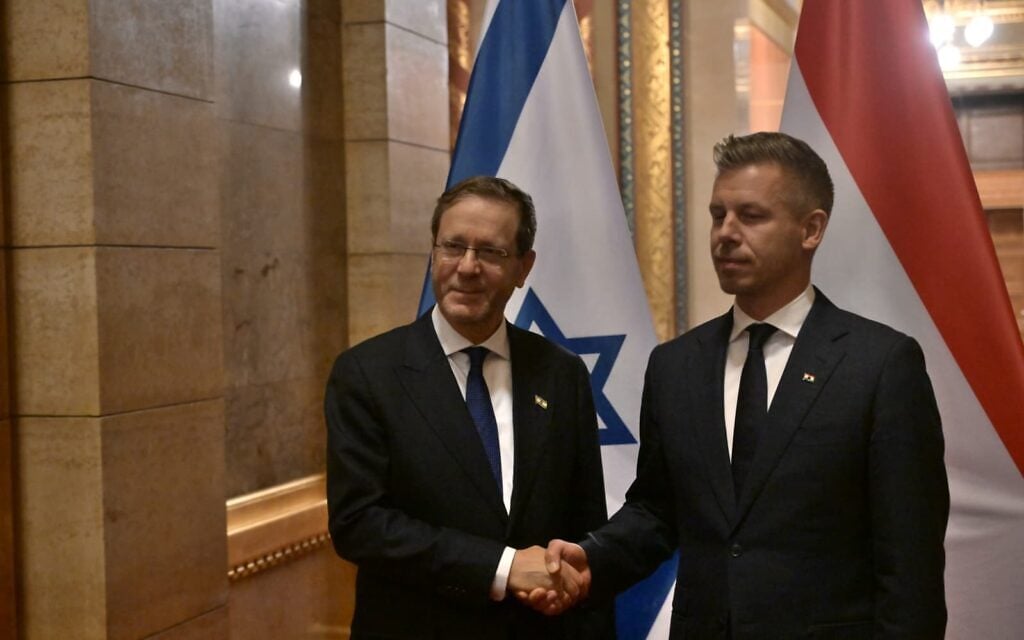
Budapest has unexpectedly obstructed the next stage of EU accession negotiations with Ukraine and Moldova, just a week after approving earlier negotiating chapters and days after Prime Minister Péter Magyar pledged to restore relations with Kyiv.

Hungary has blocked a procedural decision needed to advance Ukraine and Moldova’s European Union accession negotiations, raising fresh questions about Budapest’s position under Prime Minister Péter Magyar, whose government had recently agreed to remove longstanding objections to Kyiv’s membership ambitions.

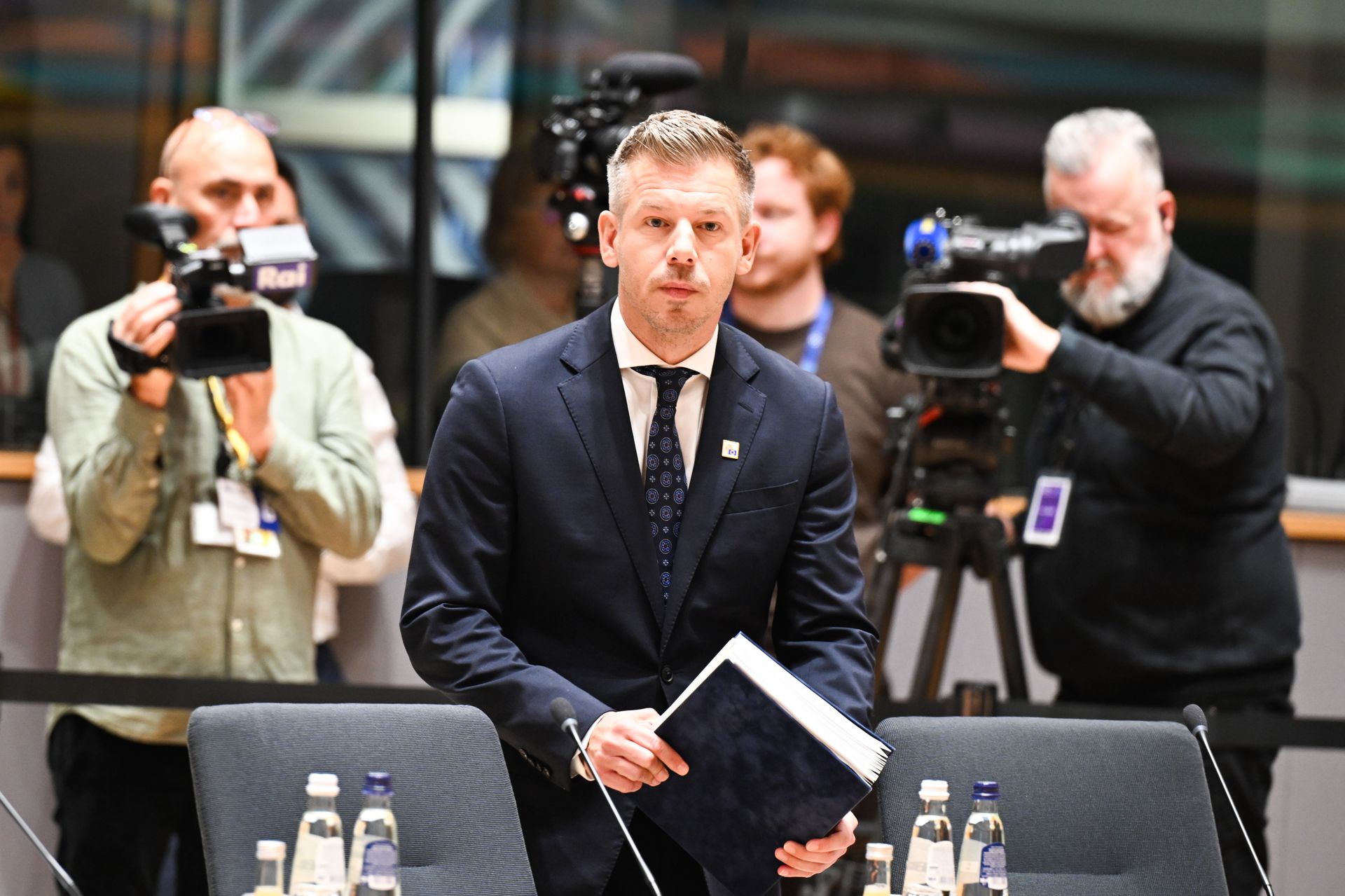
The intervention took place in Brussels on Tuesday, 20 October, during a meeting of the Council of the EU’s Working Party on Enlargement and Countries Negotiating Accession to the EU (COELA). Representatives of the 27 member states were examining the screening results for the final two negotiating clusters, covering environmental policy, transport, agriculture and regional development.

According to diplomats familiar with the discussions, the Hungarian delegation refused to approve the proposed procedural step. When representatives of other member states requested an explanation, Budapest reportedly maintained that its position remained unchanged, without providing further arguments.

An Unexpected Reversal After October Agreement

The obstruction comes only seven days after the EU formally opened two additional negotiating clusters with Ukraine and Moldova.

On 13 October, the Council approved the opening of Cluster 2, covering the internal market, and Cluster 3, dealing with competitiveness and inclusive growth. The decision followed an agreement between Kyiv and Budapest on educational rights for Ukraine’s ethnic Hungarian minority.

Ukraine’s parliament adopted legislative amendments on 12 October extending minority-language education rights, and President Volodymyr Zelenskyy signed the legislation the same day.

The agreement had appeared to remove the principal bilateral obstacle to further negotiations. Ukrainian Foreign Minister Andrii Sybiha and his Hungarian counterpart, Anita Orbán, welcomed the development following discussions in Luxembourg.

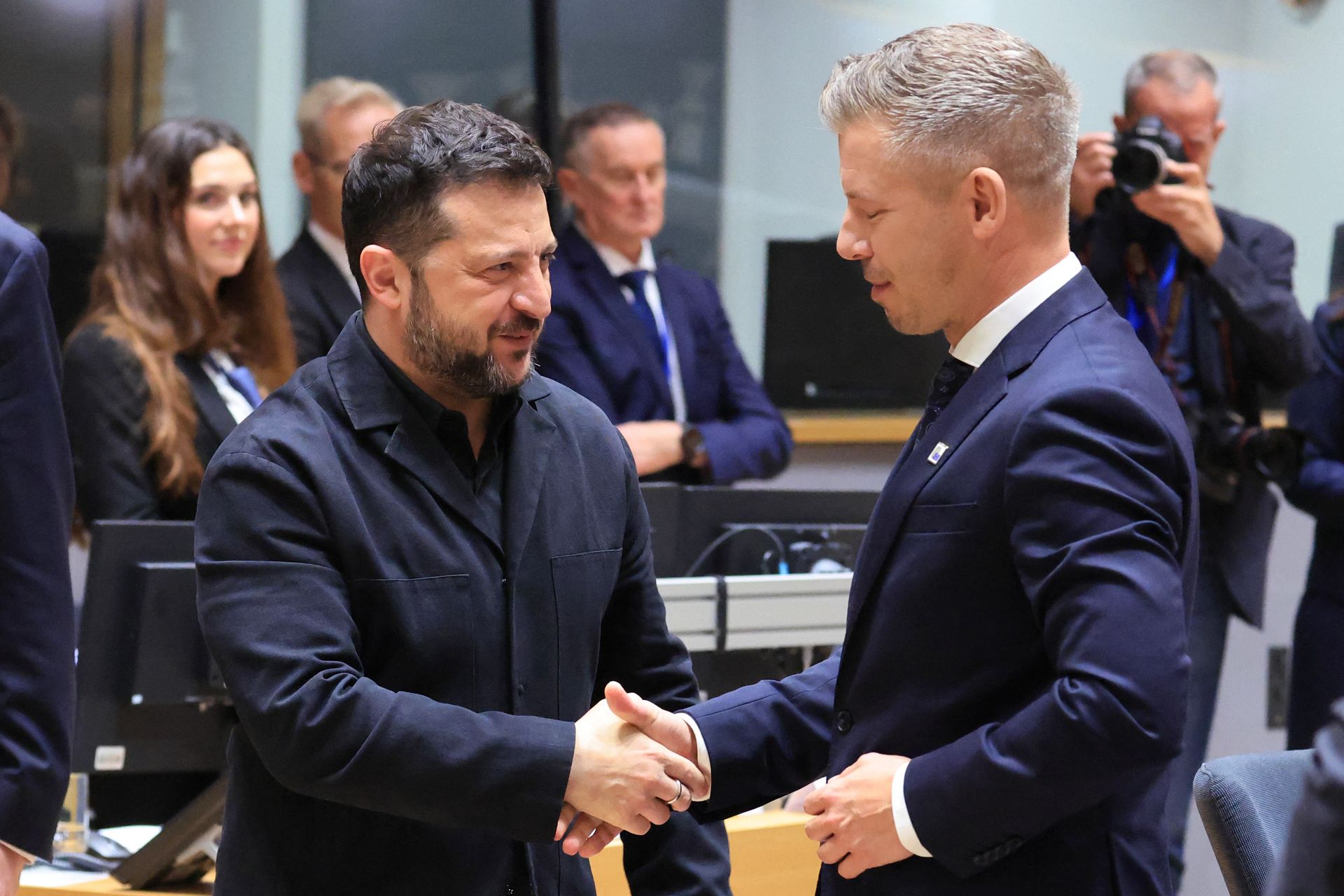
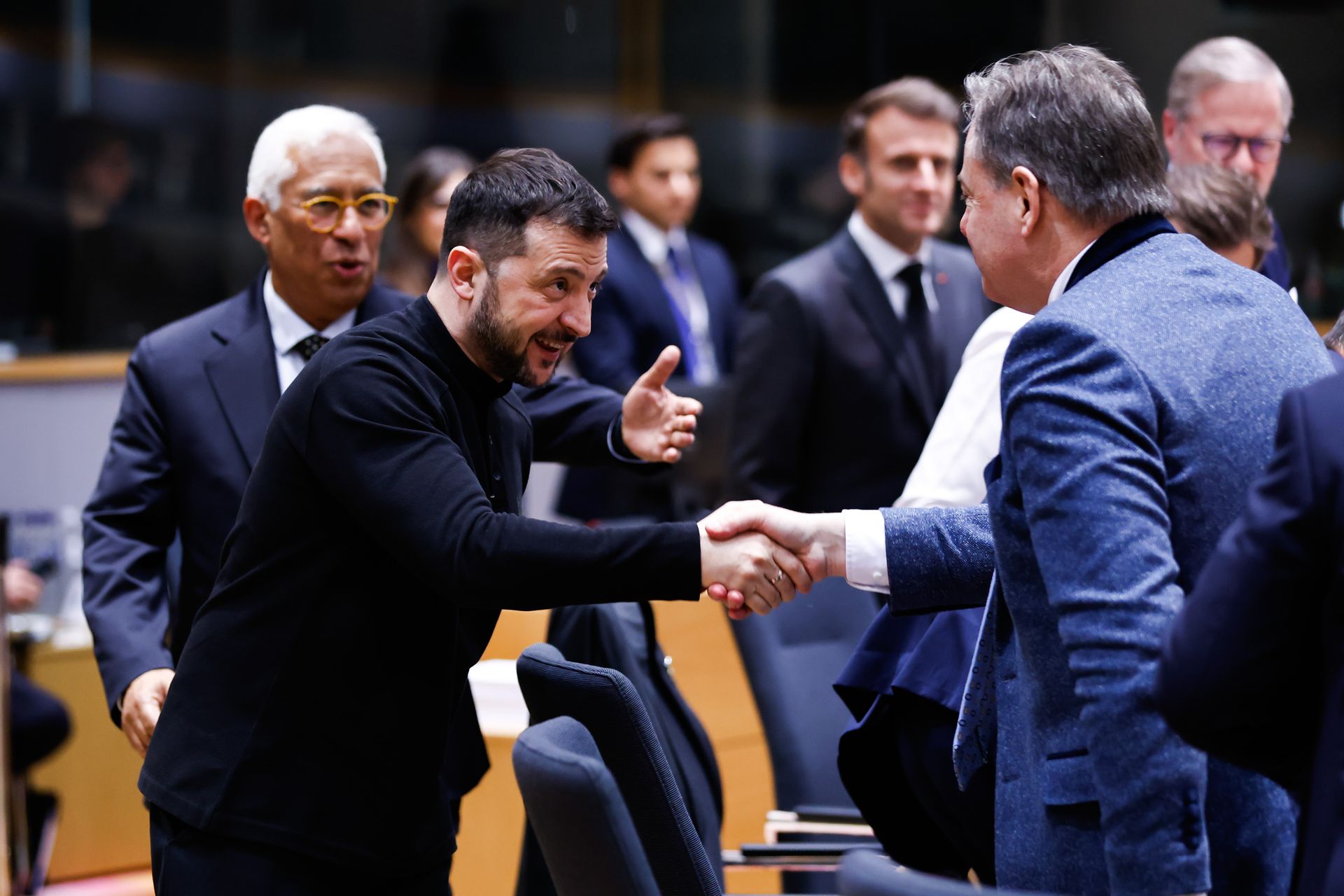
The diplomatic rapprochement continued on 16 October, when Zelenskyy and Magyar held their first official bilateral meeting in Brussels. Both governments expressed an intention to improve relations after years of disputes under former Hungarian Prime Minister Viktor Orbán.

Magyar also invited Zelenskyy to Budapest for commemorations marking the 70th anniversary of Hungary’s 1956 anti-Soviet uprising.

The subsequent Hungarian objection has therefore interrupted a process that Ukrainian and European officials had expected to advance before the end of the year.

Agriculture and Energy Remain the Final Obstacles

Ukraine and Moldova have now formally opened four of the six negotiating clusters required under the EU’s enlargement methodology.

The remaining two are Cluster 4, Green Agenda and Sustainable Connectivity, and Cluster 5, Resources, Agriculture and Cohesion. They cover several of the most economically sensitive areas of prospective Ukrainian membership.

Cluster 4 includes environmental regulation, energy policy and transport infrastructure, while Cluster 5 encompasses agriculture, food safety, fisheries and regional development funding.

Ukraine’s agricultural sector presents particular challenges for the EU’s Common Agricultural Policy. The country’s extensive farmland and substantial grain production could affect agricultural subsidy allocations, market competition and the distribution of EU budgetary resources.

Poland and other agricultural member states have previously expressed concerns about the implications of Ukrainian agricultural integration. Such questions will require negotiation regardless of Hungary’s immediate position.

However, the 20 October meeting was not intended to settle these substantive issues. Its purpose was to advance the procedural preparations for formally opening negotiations on the remaining clusters.

Domestic Politics and the Question of EU Funding

The explanation for Budapest’s latest move may lie in Hungary’s domestic political calculations rather than a new dispute over minority rights.

Diplomatic sources have suggested that Magyar’s government is attempting to avoid accusations from Viktor Orbán’s opposition that it is making excessive concessions to Ukraine.

Although Magyar defeated Orbán in April’s parliamentary elections and has adopted a more cooperative approach towards Brussels, he has consistently opposed accelerated Ukrainian membership.

In an interview conducted on 20 October, Magyar reiterated his opposition to fast-tracking accession, arguing that membership must remain conditional on compliance with EU requirements. He also questioned whether a country at war could join the Union.

Another potential complication concerns Hungary’s financial relationship with Brussels.

The European Commission agreed in May to unlock €16.4 billion in previously frozen funds following reforms introduced by Magyar’s administration. Some disbursements remain subject to conditions, while separate disputes over EU financial penalties continue.

However, there is currently no publicly established evidence that Hungary’s objection on 20 October was intended to secure additional financial concessions. Any connection between the two negotiations remains speculative.

Moldova Caught in Budapest’s Dispute with Kyiv

Hungary’s position also affects Moldova, despite the absence of an equivalent bilateral dispute between Budapest and Chișinău.

The EU has kept the accession negotiations of Ukraine and Moldova politically aligned, seeking to advance both countries through the six negotiating clusters together.

Consequently, an objection directed principally at Ukraine can delay Moldova’s progress even when its own technical preparations satisfy the relevant requirements.

Separating the two accession tracks would allow Moldova to advance independently, but such a move would require political agreement among member states and could raise further questions about the EU’s enlargement strategy.

Ireland Seeks Agreement Before December

Ireland, which holds the rotating presidency of the Council of the EU until 31 December, has made progress on Ukrainian and Moldovan accession a priority.

The disputed procedural decision is expected to return to subsequent meetings of the enlargement working party, with senior EU and national officials still anticipating that the final two clusters could formally open in December.

The latest obstruction does not reverse the four clusters already opened, nor does it terminate accession negotiations. It does, however, demonstrate that the change of government in Budapest has not eliminated Hungary’s capacity or willingness to obstruct individual stages of enlargement.

For Kyiv and Chișinău, the immediate question is whether the 20 October decision represents a short-lived domestic political manoeuvre or the beginning of another prolonged dispute over the conditions of EU membership.

  •  

Arrestato l’ex ministro dell’economia ungherese Matolcsy: è accusato di corruzione e malversazione per oltre 550 miliardi di euro

Gyorgy Matolcsy, ex ministro dell’economia dei governi di Viktor Orban ed ex presidente della banca centrale ungherese Mnb, è stato arrestato con l’accusa di malversazione e corruzione. Secondo gli inquirenti, si tratta del più grande affare di malversazioni di sempre in Ungheria. Al centro dell’indagine ci sono fondazioni private, controllate dalla famiglia di Matolcsy, create dalla Banca nazionale di Ungheria sotto la sua gestione, che avrebbero operato investimenti su cui la Corte dei Conti dello Stato ha sollevato diverse perplessità. Il giro d’affari attorno a queste fondazioni sarebbe di circa 550 miliardi di euro. L’ex ministro respinge le accuse sostenendo che le fondazioni agivano in modo indipendente poiché la banca non aveva mandato per interferire con il loro operato.

Il premier Peter Magyar, che ha sconfitto Orban lo scorso aprile, ha salutato su Facebook l’arresto. Durante la campagna elettorale Magyar ha promesso una lunga e intensa battaglia contro la corruzione dei governi precedenti. È stata istituita una commissione per la revisione delle operazioni della Banca nazionale. Lo scorso maggio, inoltre, sono stati sequestrati 92 miliardi di fiorini ungheresi (l’equivalente di circa 250 milioni di euro) tra fondi e titoli a seguito di un’inchiesta per riciclaggio di denaro che ha coinvolto alcune fondazioni istituite dalla banca centrale negli anni scorsi.

L'articolo Arrestato l’ex ministro dell’economia ungherese Matolcsy: è accusato di corruzione e malversazione per oltre 550 miliardi di euro proviene da Il Fatto Quotidiano.

  •  

Poland, Hungary: France Riots Are Why We Have Border Control

"Perhaps it is now clear" why they "preserve our continent as the most wonderful place in the world for our children and grandchildren".

The post Poland, Hungary: France Riots Are Why We Have Border Control appeared first on Breitbart.

  •  

Hungary’s Magyar to meet Zelensky for first time at upcoming EU summit

Magyar's announcement comes two days after Zelensky signed a law strengthening the educational rights of Ukraine's national minorities, a step Hungary had demanded before allowing Kyiv's EU accession talks to move forward.

  •  

Exclusive: Hungary, Bulgaria, water down ambition on Ukraine's EU membership bid — again

BRUSSELS, Belgium — Ukraine's EU membership bid does not need to advance "as soon as possible" anymore, according to the latest draft conclusions of the Oct. 15-16 summit of EU leaders in Brussels, due to pressure from Bulgaria and Hungary.

Ahead of each summit, common conclusions

  •  

Hungary Remains Under EU Article 7 Scrutiny Despite Progress Under Magyar Government

EU ministers have reviewed reforms introduced by Prime Minister Péter Magyar’s administration but left the Article 7 proceedings against Hungary unresolved. The European Commission has acknowledged significant progress while warning that further changes are required to restore the rule of law.

The European Union has maintained its Article 7 proceedings against Hungary despite acknowledging significant improvements in the country’s rule-of-law situation since Prime Minister Péter Magyar’s government took office earlier this year.

Ministers meeting at the General Affairs Council in Luxembourg on Tuesday, 13 October, reviewed reforms introduced by the Hungarian administration and received an updated assessment from the European Commission.

The proceedings, initiated by the European Parliament in September 2018, remain open eight years after concerns over judicial independence, corruption, media freedom and democratic accountability first prompted action under the EU treaties.

No decision was announced to terminate the procedure following the latest meeting.

Brussels acknowledges progress

European Commissioner Michael McGrath said ahead of the discussions that Hungary had made substantial progress towards addressing the institutional problems inherited from the administration of former prime minister Viktor Orbán.

Speaking in Luxembourg, McGrath acknowledged improved cooperation between the Hungarian government and European institutions.

However, he also indicated that the reform process remained incomplete, noting that the new administration had been in office for only several months.

The Commission’s assessment reflects the changing relationship between Budapest and Brussels following Magyar’s election victory and the subsequent introduction of reforms intended to restore judicial and institutional independence.

As EU Today reported in June, the change of government created an opportunity to resolve long-standing disputes over the condition of Hungary’s democratic institutions and the suspension of European funding.

The latest Council discussions indicate that the EU is prepared to recognise reforms already undertaken without automatically treating them as sufficient to close the Article 7 procedure.

An eight-year institutional dispute

The European Parliament initiated the proceedings in 2018 after raising concerns over developments affecting Hungary’s constitutional system, judicial independence, corruption safeguards and civil society.

Article 7 of the Treaty on European Union provides mechanisms for responding when a member state is considered at risk of seriously breaching the Union’s fundamental values.

Under its preventive provisions, the Council can determine whether there is a clear risk of such a breach.

More severe measures, including the possible suspension of certain membership rights, require additional procedures and higher institutional thresholds.

Hungary’s case has remained within the preventive stage, with successive Council meetings examining the country’s legal and political developments.

The Council’s account of the 13 October meeting confirms that Hungarian representatives presented measures intended to address concerns raised by the European Parliament and member states during earlier proceedings.

The Commission also briefed ministers on its latest assessment.

The meeting did not produce a formal finding that the outstanding concerns had been fully resolved.

Magyar faces the consequences of Orbán’s legacy

Since assuming office, Magyar has sought to reverse elements of the institutional structure established during Orbán’s lengthy premiership.

The reforms have included measures concerning public administration, judicial accountability and the relationship between national institutions and European law.

The new government has also attempted to improve relations with Brussels after years of disputes that affected EU budget decisions, sanctions policy and cooperation over Ukraine.

EU Today has previously examined Magyar’s programme of institutional renewal and the political difficulties involved in changing institutions shaped by the previous administration.

Reforming legislation does not necessarily transform the institutions responsible for applying it.

Judicial appointments, regulatory structures, public procurement procedures and anti-corruption enforcement may all require additional measures before the effects of reform can be fully assessed.

The European Commission must therefore consider not only the laws adopted by the new government but also whether the institutions concerned operate independently and effectively.

EU funding remains a separate question

The Article 7 proceedings are closely associated with wider disputes over Hungary’s access to European funding, although the relevant legal mechanisms are different.

During Orbán’s administration, the Commission and Council used financial conditionality procedures to restrict access to certain EU resources because of concerns affecting the protection of the Union’s budget.

Magyar’s reforms have opened the possibility of reversing some of those restrictions.

As EU Today reported in September, the Commission moved towards releasing €4.2 billion following changes intended to address rule-of-law concerns.

The financial decisions involve compliance with conditions attached to EU funding and can proceed independently of the Article 7 mechanism.

Consequently, the release of money does not automatically establish that all the institutional problems identified in the original parliamentary proceedings have been resolved.

Likewise, the continuation of Article 7 does not necessarily prevent the Commission from recognising progress under separate funding arrangements.

Who can end the proceedings?

McGrath addressed the possibility of terminating the procedure during remarks before Tuesday’s meeting.

He explained that the Commission could provide its assessment but did not have unilateral authority to bring the Article 7 process to an end.

In his recorded statement in Luxembourg, the Commissioner pointed to the responsibilities of the European Parliament, which initiated the case, and the Council, which has conducted the subsequent examination.

The institutional arrangements mean that improved relations between the Commission and the Hungarian government cannot by themselves dispose of the proceedings.

The Council must consider the reforms and the remaining concerns within the framework established by the treaties.

Political agreement among member states will consequently be required to determine how the process develops.

A changed relationship with Brussels

The latest discussions take place against a substantially different political background from previous years.

Budapest has recently withdrawn objections to further steps in Ukraine’s EU accession negotiations following Ukrainian legislation addressing educational rights for Hungarian speakers and other national minorities.

The change has removed one obstacle to enlargement negotiations and reflects the government’s more cooperative approach towards other EU institutions.

Nevertheless, Hungary’s position on foreign policy and enlargement is distinct from the assessment of its domestic rule-of-law arrangements.

The Council’s examination remains focused on the institutional concerns that led to the procedure being initiated.

The Irish presidency’s summary of the October Council meeting confirms that ministers received an update rather than reaching a new formal determination.

The proceedings therefore remain open while the Commission and member states continue examining the measures introduced by Magyar’s administration.

The coming decisions will establish how European institutions respond when a new government undertakes reforms intended to reverse the conduct that originally led to action under Article 7.

For Hungary, the outcome will influence its relationship with Brussels well beyond the immediate debate over EU funding. For the Union, it will demonstrate how its rule-of-law procedures operate when political circumstances change and the member state concerned begins addressing previously identified institutional problems.

  •  

Will the European Parliament Unlock Hungary’s Frozen €4.2 Billion This Week?

The European Parliament’s debate on Monday, October 5th, comes at an awkward moment for Brussels. After years of confrontation with Viktor Orbán, the European Commission now believes Hungary has done enough to justify releasing €4.2 billion in cohesion funding and restoring full access to Erasmus+ and Horizon Europe.

The question before MEPs is therefore deceptively simple: have the conditions really been met, or has Brussels simply found a convenient political moment to declare victory?

The answer matters well beyond Hungary. The original dispute was not some abstract quarrel over Brussels etiquette. In 2022, the EU suspended €6.3 billion in Hungarian cohesion funding after identifying deficiencies in public procurement, conflicts of interest, corruption controls and the effectiveness of prosecutorial action. The conditionality mechanism was deliberately designed to make access to EU taxpayers’ money dependent upon safeguards for the rule of law and the protection of the EU budget.

That principle is important. If membership of the EU means anything, it cannot mean that governments receive billions regardless of whether public money is properly administered.

But Hungary has changed politically. Viktor Orbán’s 16-year rule ended with Péter Magyar’s decisive election victory in April. Magyar campaigned partly on repairing Hungary’s relationship with Brussels and unlocking the billions frozen during the Orbán years. His government subsequently notified the Commission that it had implemented the required reforms.

The Commission has now accepted that argument — albeit partially. Its September 23rd proposal says Hungary has addressed the rule-of-law breaches affecting the EU budget, citing improvements in public procurement, the anti-corruption framework, prevention of conflicts of interest and prosecutorial effectiveness. If the Council approves the proposal, €4.2 billion in cohesion commitments will be reinstated and Hungarian students and researchers will regain full access to Erasmus+ and Horizon Europe.

That is a substantial political prize for Magyar, and a substantial test for the EU.

The danger for Brussels is obvious. Having spent years insisting that European money must not subsidise corruption or institutional capture, the Commission cannot now appear to have changed the rules simply because a more congenial government has arrived in Budapest.

There is, however, an equally serious danger on the other side. If Hungary has genuinely implemented the reforms demanded by Brussels, continuing to withhold money would make the conditionality mechanism look less like a defence of European values and more like a political punishment system. That would be profoundly damaging. Rules that apply only to governments Brussels likes are not rules at all.

This is why Monday’s debate matters – and the €4.2 billion is only part of the story.

The Commission has made clear that other Hungarian funds remain blocked. Around €3.5 billion is affected by a separate mechanism, including approximately €2.7 billion linked to horizontal conditions concerning the EU Charter of Fundamental Rights, including academic freedom, LGBTI rights and asylum.

Meanwhile, Hungary is still seeking access to roughly €10 billion under the Recovery and Resilience Facility. The new Hungarian recovery plan includes measures on anti-corruption, public procurement, transparency, judicial independence and stakeholder participation, with payments tied to the achievement of specific milestones.

So this is not a clean victory for either side.

For Magyar, the release of €4.2 billion demonstrates that his strategy of accommodation with Brussels is delivering tangible results. For the Commission, it provides an opportunity to demonstrate that conditionality can work: reforms are made, the Commission verifies them, and money is released.

But the real test will come afterwards. Brussels must monitor whether the reforms survive political pressure. Anti-corruption bodies must remain genuinely independent. Public procurement must be transparent. Prosecutorial safeguards must work in practice rather than merely on paper. And the judiciary must be capable of challenging the government when necessary.

That is where the European Parliament should concentrate its fire. The temptation will be to turn Monday’s debate into another referendum on Viktor Orbán. That would be yesterday’s argument. Orbán has gone. The more important question is whether Hungary’s new government has actually dismantled the machinery that generated the dispute.

There is a wider lesson here for the European Union.

Conditionality can only work if Brussels is prepared both to withhold money when standards are breached and to release it when standards are met. Anything else undermines the credibility of the entire system.

The Commission says Hungary has crossed that threshold. The Council must now decide whether it agrees.

MEPs should therefore resist both triumphalism and cynicism, if the reforms are real, Hungary should get its money.

If they are cosmetic, Brussels should keep the cheque in the drawer.

Brussels Moves to Release €4.2bn to Hungary as Magyar Unwinds Orbán-Era Dispute

  •  

Warum ein in die Donau geworfenes Handy die ungarische Politik bestimmt

Was in Ungarn derzeit passiert, ist nur schwer zu verstehen. Dort tobt ein Skandal wegen eines banalen Vorfalls aus dem Jahr 2024, bei dem der heutige ungarische Regierungschef Magyar in einem Nachtclub einem Gast, der ihn filmte, das Mobiltelefon entrissen und in die Donau geworfen hat. Das entsprechende Strafverfahren war bereits eingestellt, wurde nun aber […]
  •  
❌