❌

Reading view

Marine Le Pen The Only Presidential Candidate to See Support Rise in Wake of French Riots

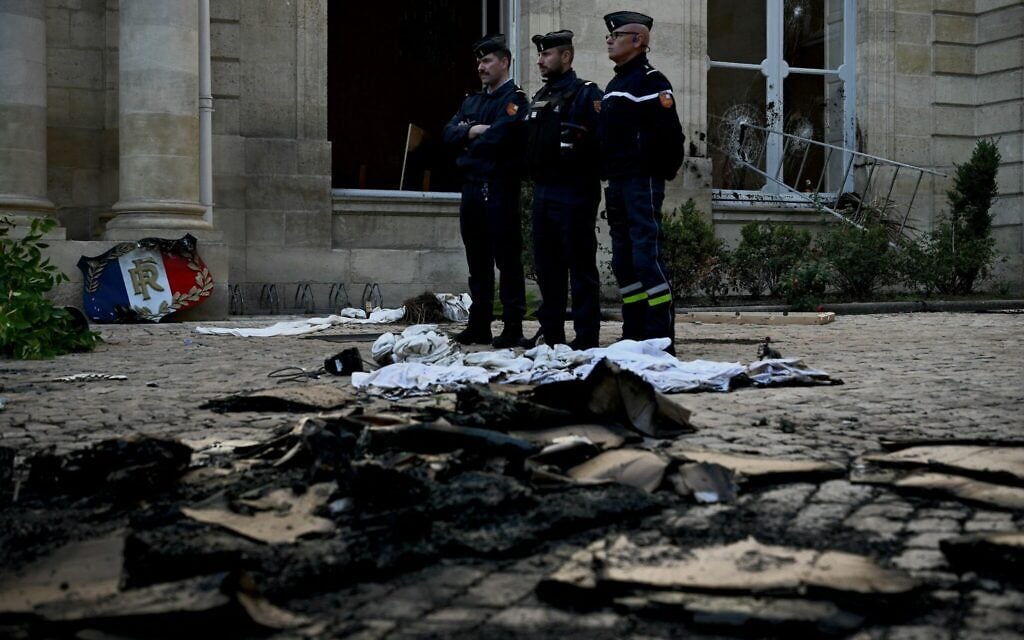
The wave of Islamo-leftist unrest in France has apparently redounded to the benefit of National Rally leader Marine Le Pen, who is the only presidential candidate to see their poll numbers climb after the outburst of violence last weekend.

The post Marine Le Pen The Only Presidential Candidate to See Support Rise in Wake of French Riots appeared first on Breitbart.

  •  

“Interrompa subito la diretta”: in Ue scoppia il caso della consigliera dei Patrioti che trasmetteva all’esterno informazioni riservate sul bilancio

Mentre la Plenaria di Strasburgo iniziava a svuotarsi, con europarlamentari, staff e assistenti che prendono la strada di Bruxelles o dei rispettivi Paesi d’origine, nelle stanze dell’Eurocamera, giovedì mattina, si continua a lavorare. Uno degli incontri in corso, però, si interrompe bruscamente: “Fermi immediatamente quella registrazione o videocall“. A pronunciare queste parole, come hanno raccontato a Ilfattoquotidiano.it due diverse fonti presenti all’incontro, è l’eurodeputato bulgaro del Ppe, Andrey Novakov. La destinataria del messaggio è invece Tamara Volokhova, consulente per gli Affari parlamentari per il gruppo dei Patrioti, di nazionalità franco-russa e legata al Rassemblement National di Marine Le Pen.

L’accusa implicita è grave: trasferire informazioni riservate al di fuori di un ristretto gruppo di politici e funzionari deputati a discuterle. Perché in quel meeting si stavano prendendo decisioni fondamentali sul prossimo, molto discusso bilancio settennale 2028-2034 dell’Unione europea. Si tratta, per la precisione, della riunione congiunta di relatori e relatori ombra delle tre commissioni Bilancio, Sviluppo Regionale e Agricoltura sul Piano Nazionale e Regionale di Partenariato (Nrpp), lo strumento proposto per il prossimo QFP che ha lo scopo di accorpare decine di programmi fino a oggi divisi, come i fondi di sviluppo regionale, di coesione, Pac o sviluppo rurale, per un totale di circa 800 miliardi di euro: quasi la metà dell’ultima proposta di bilancio avanzata dalla presidenza di turno irlandese.

Lo shadow meeting, al quale partecipano parlamentari, loro assistenti, adviser dei gruppi e delle commissioni, è poi proseguito come da programma, con la consigliera dei Patrioti che ha mantenuto il suo posto in sala, come confermano le due fonti, ma la storia si è velocemente sparsa tra europarlamentari e membri dello staff intenti a raggiungere la stazione ferroviaria di Strasburgo o gli aeroporti della città alsaziana o di Francoforte. Non è chiaro a chi la registrazione o videocall fosse destinata. Secondo alcune versioni non confermate, dall’altra parte dello schermo si trovavano giornalisti in ascolto per avere in esclusiva informazioni rilevanti sul dossier riguardante il prossimo bilancio settennale. Ilfattoquotidiano.it ha provato a contattare Volokhova per chiedere un chiarimento anche su questo punto ma, nel momento in cui si scrive, la funzionaria non ha risposto alla richiesta recapitata via mail. Lo stesso è stato fatto con l’eurodeputato Novakov che, ha spiegato un suo assistente, si trovava in viaggio e quindi impossibilitato, al momento, a rispondere.

Le speculazioni sulle motivazioni che hanno spinto la consigliera a trasmettere all’esterno di una riunione a porte chiuse informazioni riservate si rincorrono. E ad alimentarle c’è anche il passato della donna, noto a molti addetti ai lavori a Bruxelles. La consigliera ed ex modella nata a Rostov, nell’allora Unione Sovietica, era finita al centro delle cronache francesi nel 2024, quando il candidato di Renaissance poi diventato primo ministro, Gabriel Attal, nel corso del dibattito per le legislative mise in difficoltà Jordan Bardella (Rassemblement National) ricordandogli che, nonostante il suo partito proponesse di vietare incarichi rilevanti ai cittadini con doppia cittadinanza, allo stesso tempo la sua consigliera nell’allora gruppo europeo Identità e Democrazia era la franco-russa Tamara Volokhova.

Già nel 2019, un’inchiesta di Mediapart aveva rivelato che il nome di Volokhova figurava in una nota della Direzione Generale per la Sicurezza Interna (DGSI) francese sui “centri d’influenza” utilizzati dalla Russia per orientare le elezioni europee, insieme ad altri tre membri (o ex) del partito di Le Pen. Il portale francese ha così ricostruito la vita e la carriera della donna soffermandosi sulla sua assunzione, nel 2014, come assistente parlamentare a Bruxelles. Un incarico che ha destato perplessità nella DGSI, dato che è arrivato nel pieno delle intense attività di lobbying di Mosca in Europa in seguito all’annessione della Crimea. “Nel suo nuovo incarico – scrive Mediapart – Tamara Volokhova accompagna diversi eurodeputati in viaggi in Russia e Crimea e organizza alcuni viaggi per l’eurodeputato Aymeric Chauprade (che compare accanto a lei nella nota della DGSI)”. Senza dimenticare i presunti rapporti economici tra il partito di Le Pen e la Russia che risalgono proprio a quegli anni. Volokhova, scrive ancora Mediapart, era anche in contatto con la segreteria di Alexander Babakov, consigliere di Putin responsabile della cooperazione con le organizzazioni russe all’estero e intermediario per il prestito russo all’allora Front National, e con Alexei Kovalski, all’epoca consigliere politico dell’ambasciatore russo a Parigi ma considerato dalla DGSI un “ufficiale dell’SVR“, i servizi segreti russi all’estero.

Da lì è iniziata la lunga carriera di Volokhova all’interno delle istituzioni europee che oggi la vedono ancora nel ruolo di consigliere politico per il gruppo dei Patrioti, del quale fa parte la formazione di Le Pen. Con il suo nome che, a due anni di distanza dal dibattito interno francese scatenato dalle dichiarazioni di Attal, torna d’attualità per i suoi presunti rapporti fuori dai palazzi di Bruxelles.

X: @GianniRosini

L'articolo “Interrompa subito la diretta”: in Ue scoppia il caso della consigliera dei Patrioti che trasmetteva all’esterno informazioni riservate sul bilancio proviene da Il Fatto Quotidiano.

  •  
  •  

Francia solo autorizará las manifestaciones convocadas por los sindicatos para prevenir nuevos disturbios

Tras el 17-O, como ya se ha bautizado la jornada del sábado pasado, una de las más violentas que ha vivido Francia en décadas, el país teme un 24-O este sábado, pues hay convocadas nuevas protestas en todo el territorio nacional. El presidente francés, Emmanuel Macron, anunció que, para prevenir nuevos disturbios en todo el país, sólo se autorizarán las manifestaciones convocadas por los sindicatos y se prohibirán las propuestas por otras organizaciones o movimientos “que no tienen legitimidad”, en referencia por ejemplo a los chalecos amarillos.

Seguir leyendo

© Jack Taylor (REUTERS)

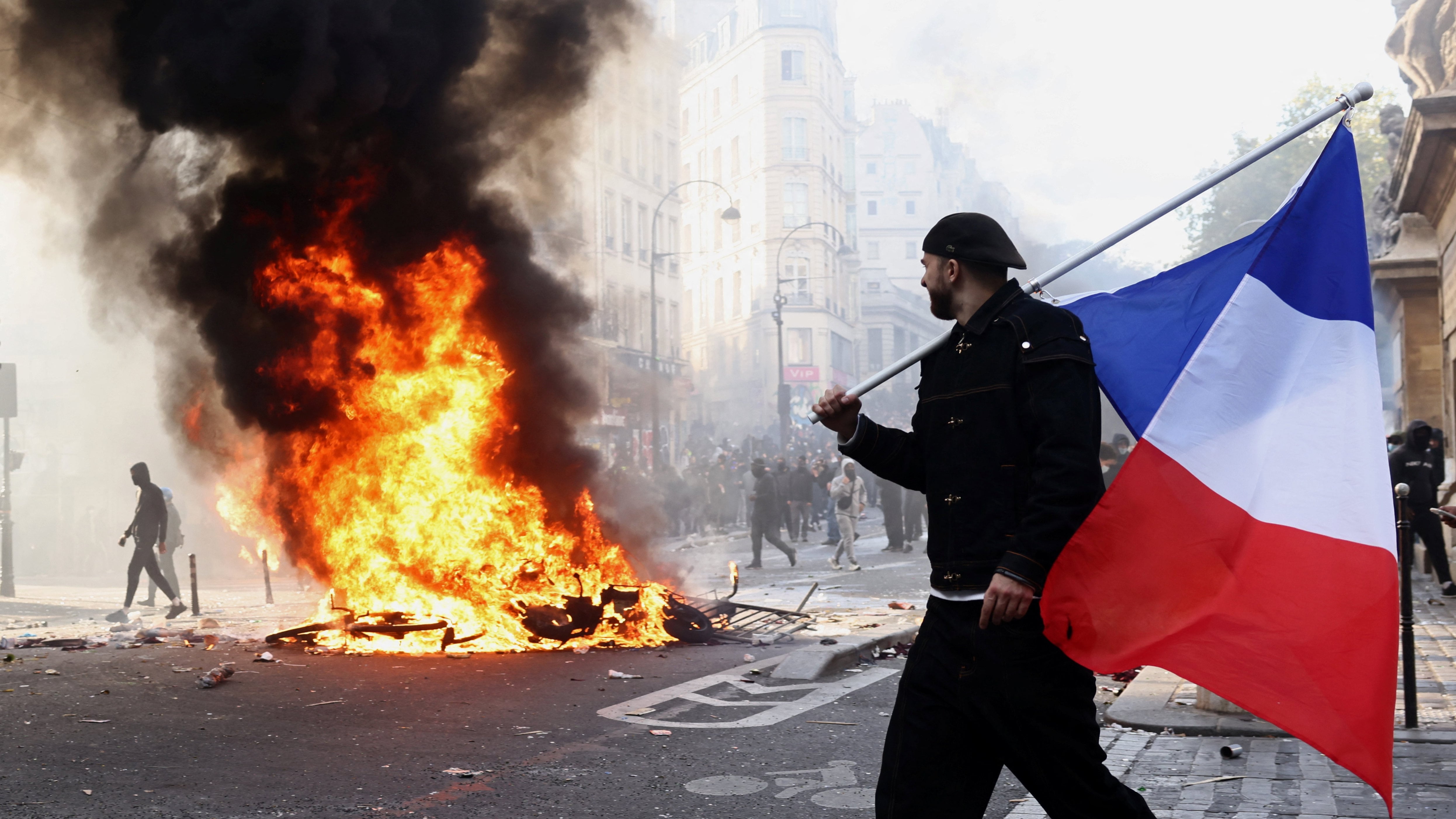
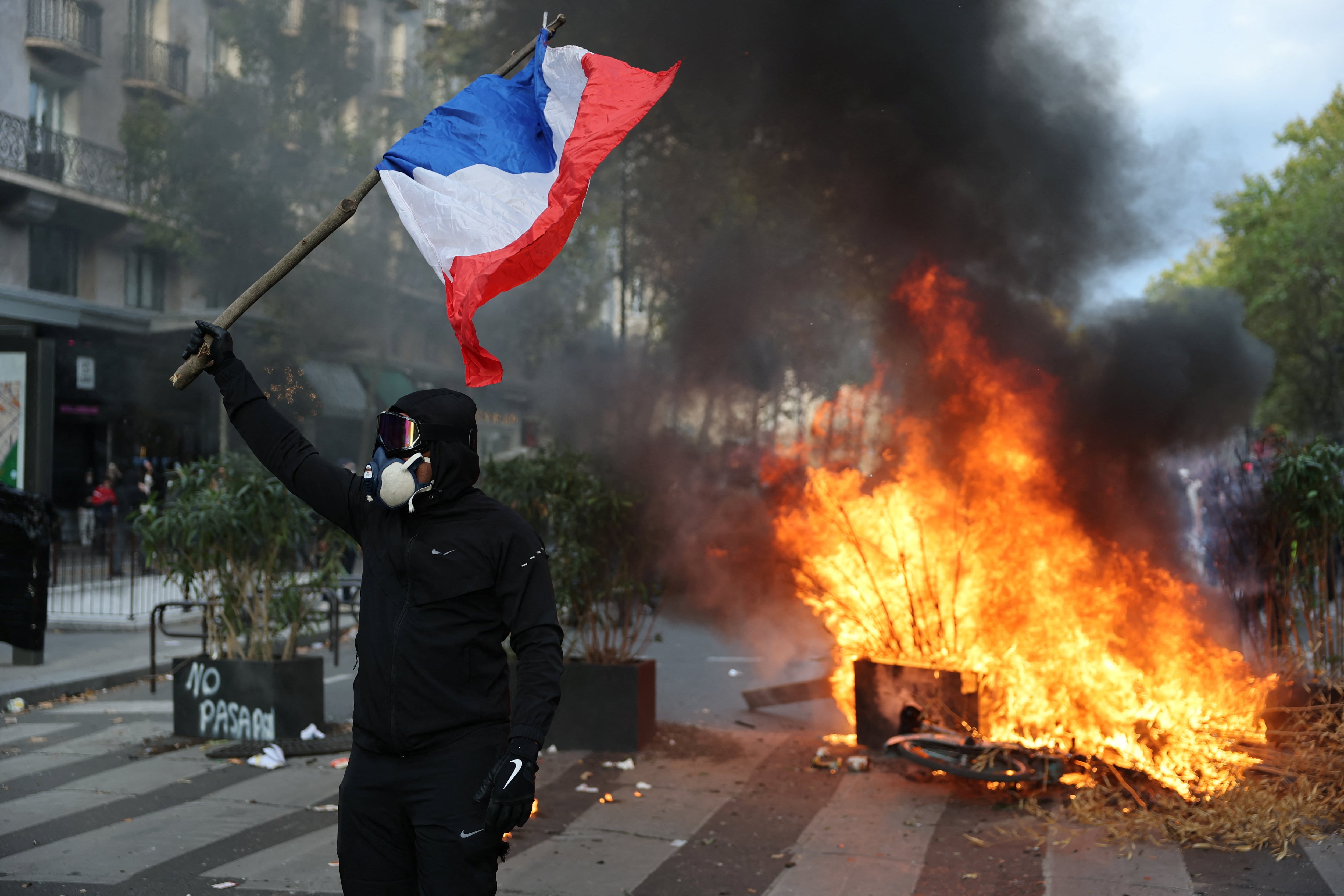
Un manifestante ondea una bandera francesa ante una barricada en llamas, el 17 de octubre en París.
  •  

Francia, dopo le proteste Le Pen cresce nei sondaggi: si rafforza l’ipotesi di un ballottaggio con Mélenchon

Se si votasse oggi in Francia per l’Eliseo, Marine Le Pen sarebbe presidente. È il risultato del sondaggio Ifop-Fiducial realizzato per Le Figaro dopo le violenze e i saccheggi che si sono verificati sabato scorso a Parigi e in altre città a margine della mobilitazione dei Gilet gialli per il carovita. La leader del Rassemblement national otterrebbe tra il 34% e il 38% dei voti al primo turno (+ 2 punti) e vincerebbe al ballottaggio chiunque fosse il suo avversario: con il 56% in un confronto con il centrista Édouard Philippe, con il 57% contro il socialdemocratico Raphaël Glucksmann, mentre arriverebbe al 68% contro Jean-Luc Mélenchon, candidato La France Insoumise. Che si arrivi al 2 maggio 2027 con un ballottaggio Le Pen-Mélenchon sembra l’ipotesi sempre più probabile: Mélenchon raccoglierebbe tra il 18% e il 20% dei voti al primo turno, più di tutti gli altri candidati, di centro e della sinistra. Dalla crisi di questi ultimi giorni è dunque l’estrema destra a uscire più forte. “Il governo ha perso il controllo di tutto”, ha dichiarato ieri Marine Le Pen a France Info.

Per la leader Rn la campagna entra davvero nel vivo il prossimo fine settimana, a Orléans, con il Congresso del partito (in cui Jordan Bardella dovrebbe essere rieletto presidente senza troppe difficoltà, malgrado le rivelazioni sul passato antisemita) e il primo grande meeting in vista del voto del 2027. Sono attesi a Orléans 10mila militanti. Sul posto le autorità si aspettano anche l’organizzazione di una contro-manifestazione con l’arrivo di “diverse decine di migliaia” di persone opposte all’estrema destra. Marine Le Pen si presenterà al meeting come la candidata dell’ordine, mentre il governo deve rendere conto delle falle nella gestione della sicurezza.

Una commissione parlamentare d’inchiesta per fare luce sulle violenze e i saccheggi di sabato e domenica scorsi è stata nominata ieri. I giudici hanno già emesso per direttissima 174 condanne di prigione. Ieri la prefettura di Parigi ha confermato la terza notte di coprifuoco tra la place de la République e Les Halles. I cortei degli studenti previsti per oggi sono stati vietati “di fronte ai rischi seri di turbativa dell’ordine pubblico”. Lo stesso divieto è stato preso anche dalla prefettura di Lione. Il 24, sabato prossimo, Parigi e numerose altre città francesi accoglieranno la seconda mobilitazione dei Gilet gialli contro il carovita e il carocarburante. Questa volta il governo dispiegherà anche i soldati della forza Sentinelle – creata nel 2015 dopo l’attentato terroristico alla redazione del giornale satirico Charlie Hebdo – per proteggere i luoghi più a rischio, come municipi e prefettura. Da Doha, in Qatar, dove ha concluso un breve tour nei Paesi del Golfo per negoziare l’approvvigionamento di carburante e gas alla Francia, Emmanuel Macron ha fatto sapere che oggi riunirà all’Eliseo i servizi di intelligence, insieme al premier Sébastien Lecornu e ai ministri interessati. Sulle ipotesi di ingerenze russe nell’organizzazione delle rivolte per destabilizzare l’Europa e i prossimi scrutini, evocate da alcuni responsabili politici (compreso il ministro della Difesa Guido Crosetto in Italia), il presidente francese ha invece smentito. Per Macron non è stata rilevata “alcuna ingerenza diretta straniera visibile”. Ha invece denunciato la “manipolazione straniera dell’informazione” e criticato dirigenti di altri Paesi che rilanciano falsi video e fake news: “Ci sono persone che fanno campagna elettorale sulle spalle della Francia -ha detto Macron -, che parlano di orde di migranti e di islamisti. È totalmente falso”.

L'articolo Francia, dopo le proteste Le Pen cresce nei sondaggi: si rafforza l’ipotesi di un ballottaggio con Mélenchon proviene da Il Fatto Quotidiano.

  •  

Europe’s far right seizes on protest violence to push authoritarian anti-immigration agenda

Nationalist leaders are framing unrest as consequence of failed liberal governance and open borders

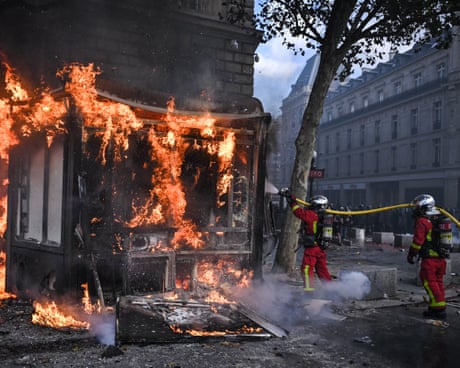
Europe’s far-right leaders have jumped on the violence that rocked numerous cities last weekend, framing it as the inevitable consequence of failed liberal governance and open-border policies and insisting only they can restore law and order.

Months away from key elections in Spain, France and Italy, authoritarian nationalists are eager to weaponise the wave of street unrest, originating in peaceful protests over the cost of living and deteriorating public services but hijacked by violent rioters.

Continue reading...

© Photograph: Abdul Saboor/Reuters

© Photograph: Abdul Saboor/Reuters

© Photograph: Abdul Saboor/Reuters

  •  

The debt crisis leaves the French government with no room to respond to social demands

A little over a month ago, at a high school on the outskirts of Paris, a group of students blocked their school to protest the condition of the facilities and the lack of teachers. Within days, students from other schools joined in, first in Paris and then across the country, complaining of leaks in classrooms and even cockroaches, and of walls that are cracking. They are cold in the winter and hot in the spring. That image of public schools — long considered a pillar of the French Republic, but gradually falling apart — also illustrates the economic decline of recent years.

Seguir leyendo

© Christophe Ena (AP Photo/Christophe Ena)

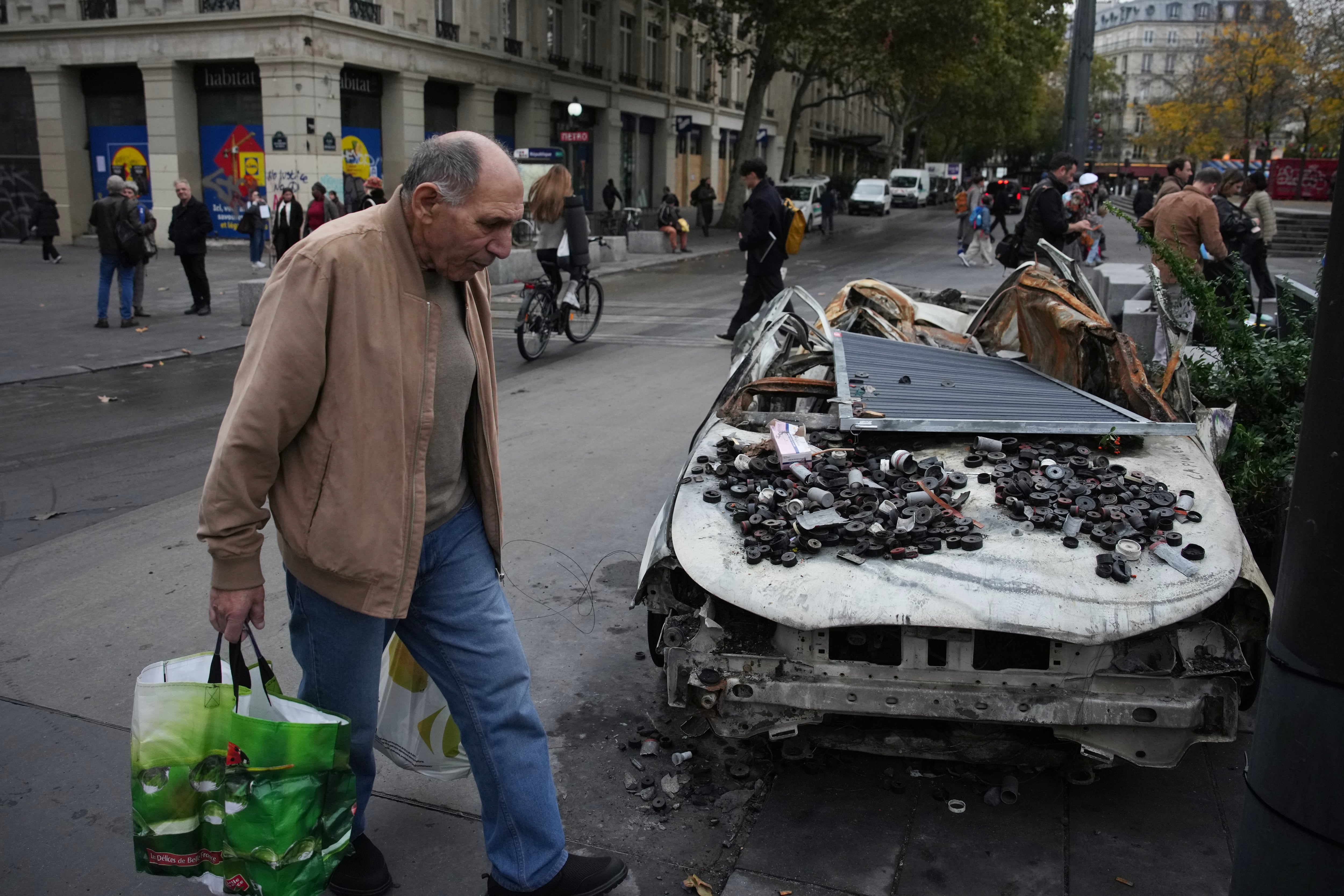
A man walks past a car that was destroyed during the riots in Paris on Tuesday.
  •  

From strife-torn France to the UK, rightwing populists win when they stir chaos while promising order | Rafael Behr

Marine Le Pen and Donald Trump are arsonists who play at being firefighters. Nigel Farage is finding that act harder to pull off in Andy Burnham’s Britain

An election where one side represents chaos will nearly always be won by the party that promises order instead. Public fatigue after years of turbulent Tory rule accounted for Labour’s 2024 landslide victory more than any policy in Keir Starmer’s manifesto. Across the Channel, Marine Le Pen, leader of the far-right National Rally (RN), is currently on course to win next year’s presidential poll with a pledge of “restored authority and security” for a country that has spent years cycling between enervating stasis and explosive crisis.

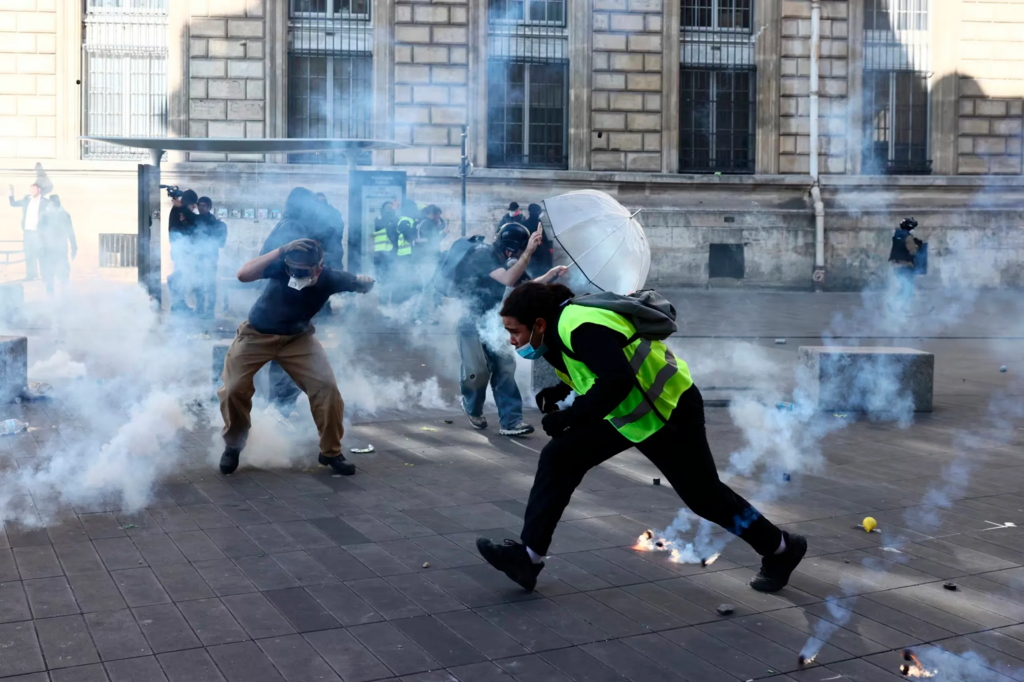
Le Pen has been boosted in recent days by scenes of city centres ablaze and shops being looted as student demonstrations mutated into riots. Street confrontation is a more standard feature of the political repertoire in France than in most settled democracies, but the destruction was disturbing by any measure.

Rafael Behr is a Guardian columnist

Continue reading...

© Composite: Guardian Design/Getty Images

© Composite: Guardian Design/Getty Images

© Composite: Guardian Design/Getty Images

  •  

Trump Refrains from Endorsing Le Pen for the French 2027 Election

He linked protests in France to immigration policy and reiterates warnings to European leaders.

On Tuesday, U.S. President Donald Trump declined to express his electoral support for Marine Le Pen, the French far-right candidate for the 2027 presidential election.

RELATED:

France Reports 855 Arrests in Paris After Protests

“Well, I don’t know her. I’ve never met her personally. But I thought they treated her badly,” he responded when asked in the Oval Office about a possible endorsement of the National Rally (RN) candidate.

The U.S. president criticized Le Pen’s conviction for embezzling European public funds, which resulted in an electoral ban that was later reduced following an appeal, allowing her to regain the possibility of running for president.

“I would consider that political weaponization. When they did what they did, I thought that, you know, she was leading. But after this, she’s definitely the conservative voice,” Trump said and credited his electoral endorsements with contributing to the rightward shift in several Latin American countries, including Abelardo de la Espriella’s victory in Colombia.

Marine Le Pen would win any runoff in France’s 2027 presidential race, poll finds pic.twitter.com/bMGRxRDRbo

— NewsWire (@NewsWire_US) October 20, 2026

The Republican leader again linked the protests in France to immigration policy and accused the French government of encouraging immigration. He said he had conveyed his warnings to French President Emmanuel Macron, with whom he said he had a good relationship.

“I said, if you don’t stop the immigration problem, you’re not going to have a country left. And I said it to Germany, and I said it to the United Kingdom,” Trump said.

On Oct. 17, thousands of French people took to the streets to protest inflation, the loss of purchasing power and support for U.S.-promoted wars. The protests led to violent clashes with police and property damage in several cities.

teleSUR/ JF

Source: EFE

  •  

Los partidos de Francia se unen para culpar al izquierdista Mélenchon de la violencia

Francia está asediada por las protestas y el vandalismo desatado tras las manifestaciones de las últimas semanas. Unas 800.000 personas salieron en unas 110 marchas a la calle el sábado. Después llegaron los saqueos y los incendios. Murió una persona, y los ayuntamientos de Limoges, Marsella y Lille sufrieron gravísimos daños. Hay más de 2.000 detenidos, y las grandes ciudades de Francia decretaron toques de queda por las noches. El Ejecutivo ha admitido haber perdido el control de la situación, el ministro del Interior presentó su dimisión, aunque fue rechazada por el presidente de la República, Emmanuel Macron. Pero antes de que se apagaran los primeros incendios, la clase política ya tenía un culpable: Jean-Luc Mélenchon.

Seguir leyendo

💾

©

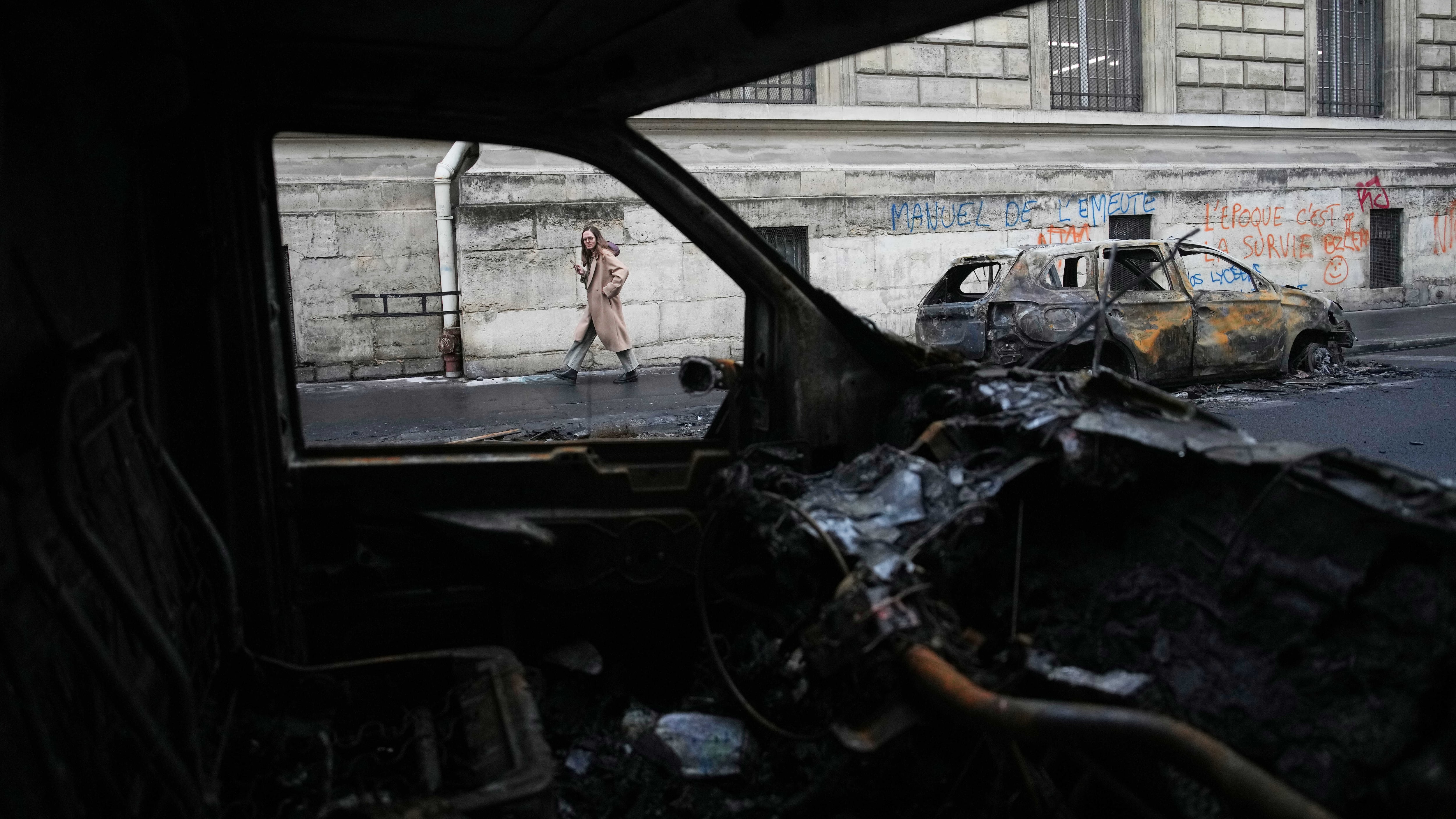
Un mujer observa los coches calcinados en una calle de París, este martes.
  •  

After the violence and chaos in France, there’s only one beneficiary: Marine Le Pen | Paul Taylor

The far-right leader’s promise to restore order will appeal to many ahead of next year’s presidential elections – the stakes are suddenly much higher

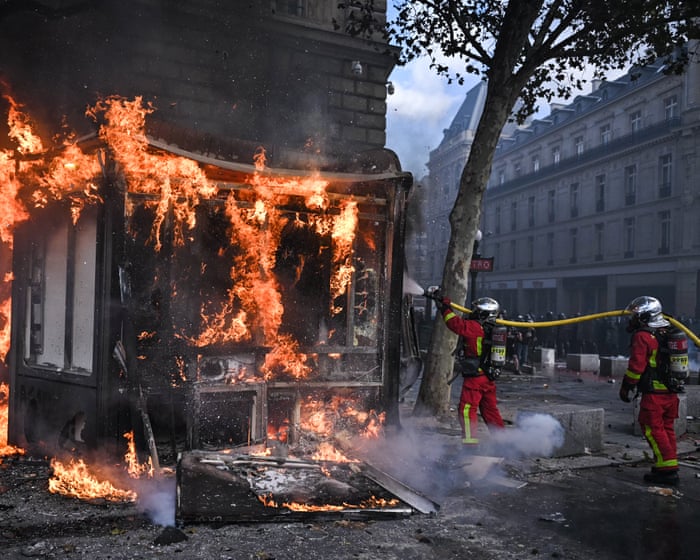
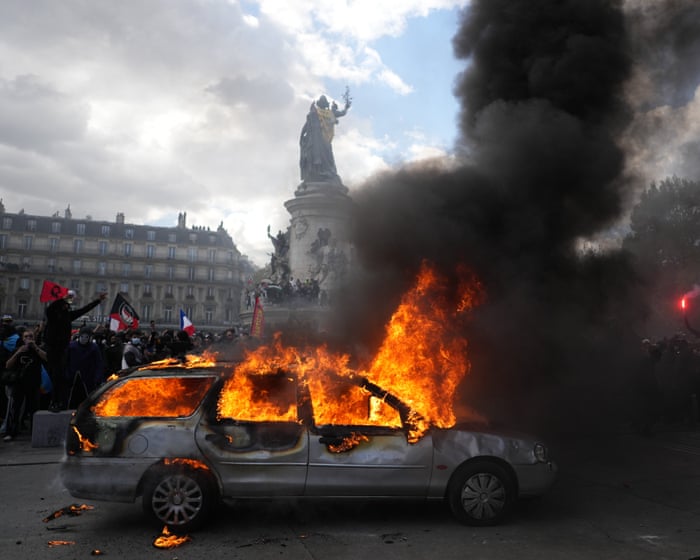
There is only one clear winner so far from France’s chaos: Marine Le Pen. The violence and rioting that engulfed towns and cities across the country over the weekend, six months before a pivotal presidential election, is a godsend for the hard-right, Eurosceptical, anti-immigration candidate. As buildings burned, shops were looted and police attacked, the rioting largely drowned out peaceful mass protests over the dilapidated state of schools , fuel prices and the cost of living.

Across France and the rest of Europe, people are in shock at scenes of arson and pillage in city centres, the wrecking of symbols of the republic such as the 19th-century town hall in peaceful provincial Limoges and the bust of Marianne in Marseille’s city hall, and the looting of more than 2,000 shops.

Paul Taylor is a senior visiting fellow at the European Policy Centre

Continue reading...

© Photograph: Firas Abdullah/Anadolu/Getty Images

© Photograph: Firas Abdullah/Anadolu/Getty Images

© Photograph: Firas Abdullah/Anadolu/Getty Images

  •  

Déficit, polarización política y falta de reformas: ¿Por qué la prima de riesgo de Francia se dispara?

Francia afronta su particular otoño caliente, marcado por una fractura política y social, un elevado déficit y un coste de financiación que se encarece día a día. El país afronta la próxima primavera unas elecciones presidenciales, que según los sondeos ganará en primera vuelta la ultraderechista Marine Le Pen. Para entonces, el actual Ejecutivo de Sébastien Lecornu aspira a tener aprobados unos presupuestos de 2027 que incorporan recortes por 54.000 millones de euros y que acaban de llegar a una Asamblea Nacional más dividida que nunca. Una fractura que ya se ha instalado en las calles de decenas de ciudades, donde a las movilizaciones contra el encarecimiento del coste de la vida y la pérdida de poder adquisitivo se han sumado las protestas estudiantiles.

Seguir leyendo

© Stephanie Lecocq (REUTERS)

Manifestación en París contra el coste de vida y la subida de los carburantes de este fin de semana.
  •  

The Guardian view on France’s protests: a polarised country is in a perilous political moment | Editorial

The scenes of social unrest and violence at the weekend are an ominous portent, ahead of elections which may deliver a far-right presidency

In Emmanuel Macron’s book Revolution, published ahead of the 2017 presidential election that he went on to win, he promised to restore hope to a country that was losing faith in its future. As Mr Macron’s lame-duck second term enters its last phase against a quasi-insurrectionary backdrop of torched public buildings and looted shops, the failure of that political project appears total.

The worst scenes of urban violence for years overshadowed a weekend of protest that gravely undermined what is left of the French president’s authority. As police lost control of the streets, more than 2,000 shops were ransacked. Far-left groups targeted town halls and local buildings, and engaged in pitched battles with the police, whose disastrously heavy-handed response to last week’s high school protests has succeeded only in escalating tensions.

Do you have an opinion on the issues raised in this article? If you would like to submit a response of up to 300 words by email to be considered for publication in our letters section, please click here.

Continue reading...

© Photograph: Thibault Camus/AP

© Photograph: Thibault Camus/AP

© Photograph: Thibault Camus/AP

  •  

França enfrenta onda de violência e governo prepara toque de recolher em cidades

O governo francês anunciou medidas para conter a onda de violência que atingiu diversas cidades do país após manifestações contra o aumento do custo de vida e a deterioração dos serviços públicos. Nesta segunda-feira (19), o primeiro-ministro Sébastien Lecornu pediu que prefeitos adotem toques de recolher em áreas consideradas críticas, enquanto o presidente Emmanuel Macron determinou uma revisão das estratégias de segurança.

Os protestos reuniram mais de 500 mil pessoas no fim de semana, segundo os dados apresentados no balanço das manifestações. Em diferentes cidades, atos inicialmente pacíficos terminaram em confrontos, incêndios, invasões de prédios públicos e saques a estabelecimentos comerciais. Um manifestante morreu, quase mil agentes de segurança ficaram feridos e cerca de 2.400 pessoas foram detidas.

A dimensão dos distúrbios levou o governo a discutir restrições à circulação noturna e à realização de manifestações. Lecornu afirmou que as medidas serão definidas em conjunto com os representantes locais. Marselha já proibiu aglomerações e manifestações entre meio-dia e 20h, enquanto Denain, próxima à fronteira com a Bélgica, estabeleceu toque de recolher noturno até domingo.

O primeiro-ministro descartou, por enquanto, decretar estado de emergência, medida defendida pelo líder dos Republicanos, Bruno Retailleau. Lecornu, no entanto, não excluiu a possibilidade de recorrer ao mecanismo caso as restrições locais não sejam suficientes para conter a violência.

França enfrenta onda de violência e governo prepara toque de recolher em cidades
França tem onda de protestos, incêndios e 272 prisões em apenas um dia | Foto: Rede social

Macron cobra revisão da segurança

Diante da escalada dos confrontos, Macron reconheceu falhas na condução da resposta policial e determinou uma revisão dos procedimentos adotados pelas forças de segurança. O presidente pediu novas estratégias operacionais para impedir a formação de barricadas, os saques e os ataques a estabelecimentos e edifícios públicos.

O ministro do Interior, Laurent Nuñez, admitiu que as autoridades perderam o controle da situação em algumas cidades. Segundo ele, os aproximadamente 60 mil policiais e agentes mobilizados no sábado não conseguiram conter todos os grupos envolvidos nos episódios violentos.

Macron também recusou o pedido de demissão apresentado por Nuñez e cobrou esclarecimentos sobre as falhas de prevenção e inteligência que permitiram a expansão dos distúrbios. Apesar das restrições anunciadas, o ministro afirmou que as medidas não devem afetar a partida entre Paris Saint-Germain e Barcelona, prevista para terça-feira (20), pela Liga dos Campeões.

Manifestações contra o alto custo de vida e a crise na educação se espalham pela França | Foto: Rede social

Louvre fecha as portas após bloqueio

Em Paris, o Museu do Louvre amanheceu fechado nesta segunda-feira após um bloqueio organizado por estudantes da École du Louvre. A direção da instituição confirmou a interrupção das atividades e informou que o fechamento ocorreu em razão da mobilização estudantil.

O movimento também chegou à Sciences Po, universidade localizada no centro da capital, onde estudantes realizaram concentrações e bloquearam acessos. Os atos fazem parte de uma onda de manifestações iniciada semanas antes, com reivindicações por melhores condições nas escolas.

No fim de semana, a mobilização ganhou escala nacional e foi acompanhada por episódios de violência em Paris, Marselha, Lyon e outras cidades. Prédios públicos foram invadidos, uma prefeitura foi incendiada e estabelecimentos comerciais sofreram depredações e saques. Veículos, bicicletas e patinetes também foram queimados.

O impacto econômico preocupa o setor comercial. Mais de 2 mil lojas foram atingidas em todo o país, com prejuízos estimados em centenas de milhões de euros, segundo Alain Di Crescenzo, presidente da Câmara de Comércio. Somente na capital francesa, aproximadamente 400 estabelecimentos foram depredados.

Protesto fecha Louvre, e governo anuncia toques de recolher para conter onda de violência na França | Foto: Divulgação/Rede social

Crise amplia pressão política sobre Macron

A onda de violência também intensificou a disputa política na França, a poucos meses de uma eleição presidencial que não poderá contar com Macron como candidato à reeleição. Marine Le Pen, líder do partido de ultradireita Reunião Nacional, aparece em posição de destaque nas pesquisas de intenção de voto.

Lecornu acusou setores da ultr esquerda de tentar ampliar a instabilidade no país. Le Pen, por sua vez, responsabilizou o partido de Jean-Luc Mélenchon por, segundo ela, legitimar a violência. À esquerda, críticos do governo afirmam que Macron negligenciou as reivindicações sociais que deram origem aos protestos. Já representantes da direita defendem uma reação mais rigorosa contra os responsáveis pelos ataques.

Em artigo publicado no jornal Libération, os prefeitos de Paris, Marselha e Lyon cobraram explicações do governo sobre a preparação das forças de segurança. Os três gestores, ligados à centro-esquerda, afirmaram que a dimensão dos acontecimentos surpreendeu as administrações locais e expôs falhas na proteção de áreas inteiras das cidades.

A crise coloca o governo diante de um duplo desafio: conter os atos de violência e responder às reivindicações que mobilizaram centenas de milhares de pessoas. Enquanto as autoridades avaliam novas restrições, a capacidade de restabelecer a segurança sem ampliar a tensão política permanece no centro do debate nacional.

The post França enfrenta onda de violência e governo prepara toque de recolher em cidades appeared first on Diário da Manhã - O Jornal do leitor Inteligente.

  •  

France’s Unrest Exposes the Failure of Macron’s Centrist Political Model

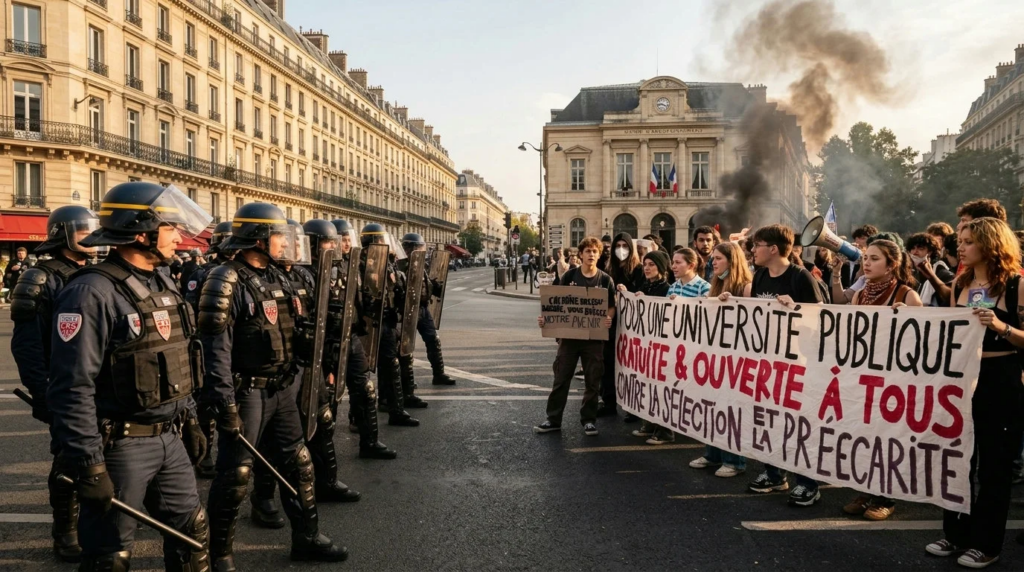
What began as a student protest over deteriorating schools has developed into a nationwide revolt against economic hardship, political paralysis and declining public services. With the 2027 presidential election approaching, the violence has exposed problems that neither the government nor its principal opponents have convincing plans to resolve.

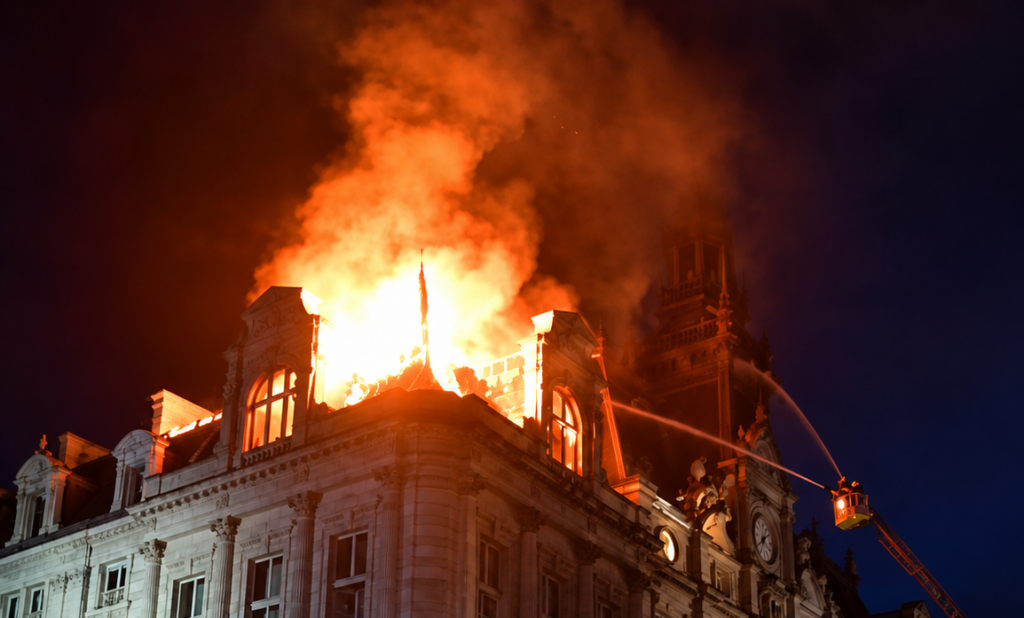
France’s latest wave of unrest has developed into one of the most serious domestic crises of Emmanuel Macron’s presidency. More than 550,000 people participated in demonstrations on 17 October, according to official estimates, before violence spread through Paris and other major cities. Shops were looted, police confronted rioters, and the historic town hall in Limoges was largely destroyed by fire.

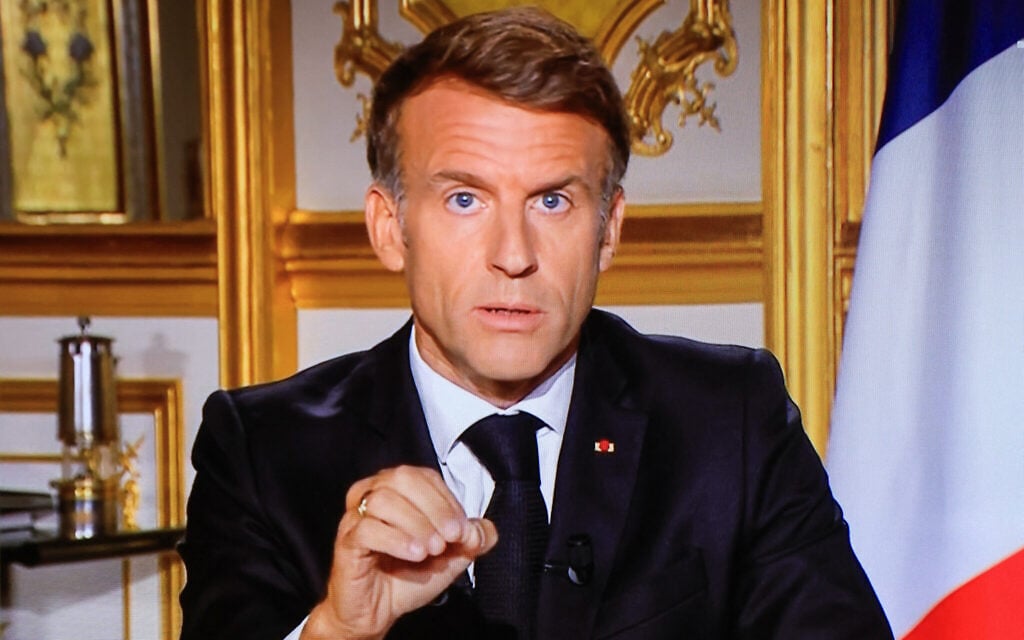
The scale of the destruction prompted emergency government consultations and a televised presidential address. Macron promised to prosecute those responsible, while stopping short of declaring a state of emergency. Yet the immediate security challenge conceals a more difficult political question: why have protests that began with relatively specific demands over education become a confrontation involving such different sections of French society?

From school protests to a national revolt

The movement originated among secondary-school students demanding better facilities, more teachers and improvements in educational standards. Their complaints subsequently attracted trade unions, workers, farmers and elements of the Gilets Jaunes, the Yellow Vest movement that challenged Macron’s government in 2018.

The resulting coalition has no coherent political programme. Students protesting overcrowded classrooms share demonstrations with workers concerned about purchasing power and motorists angered by fuel prices. Their interests are not necessarily compatible, but they reflect a common dissatisfaction with the government’s ability to deliver functioning public services while containing living costs.

This distinction matters. The presence of masked rioters and organised groups engaged in violence does not establish that the hundreds of thousands who demonstrated peacefully supported their actions. Equally, the destruction of public buildings, attacks on police and widespread looting raise legitimate questions about the state’s capacity to maintain public order.

The economic problem behind the protests

At the centre of the discontent lies a structural problem that successive French governments have struggled to confront: the distribution of public expenditure between an ageing population and the services required by younger generations.

A French government budget assessment published in October revealed that pension obligations accounted for approximately 32 per cent of the education ministry’s budget, including €28.5 billion in pension expenditure. These obligations restrict the resources available for other departmental priorities.

France nevertheless remains a substantial spender on education. According to official figures, expenditure reached €199.2 billion in 2025, equivalent to 6.7 per cent of GDP. However, after inflation, the annual increase was only 0.1 per cent.

The issue is therefore not simply how much France spends, but how efficiently resources are allocated and whether expenditure meets changing educational needs.

The OECD’s 2025 PISA assessment found that French pupils’ performance in mathematics and reading had declined compared with 2022. Results were among the country’s lowest recorded, although broadly comparable with the OECD average.

These figures give the student protests a significance extending beyond the immediate condition of classrooms. They raise questions about France’s longer-term economic competitiveness and its capacity to provide younger generations with opportunities comparable to those enjoyed by their predecessors.

The limits of Macron’s reform programme

Macron entered office in 2017 promising to modernise the French economy and overcome the traditional division between left and right. Nearly a decade later, his administration faces a fragmented parliament, constrained public finances and growing resistance to further structural reforms.

The suspension of his pension reform illustrated the difficulty. Raising the retirement age was intended to reduce pressure on the pension system, but parliamentary opposition forced the government to defer the measure until after the presidential election.

The underlying financial pressures have not disappeared. Nor can they be resolved easily through additional spending when public debt, borrowing costs and budgetary obligations already restrict the government’s room for manoeuvre.

This creates an uncomfortable political reality: the state is expected to provide better services, greater purchasing-power protection and stronger security, while the available resources remain limited.

Can the opposition benefit?

The unrest comes approximately six months before the presidential election, with Marine Le Pen’s National Rally and Jean-Luc Mélenchon’s France Unbowed competing to establish themselves as alternatives to Macron’s political centre.

Le Pen has sought to combine support for economic grievances with demands for tougher policing. That position may attract voters concerned by the violence, but it also exposes tensions within a movement that previously supported the Yellow Vest protests.

Mélenchon faces a different difficulty. Supporting demonstrations against government policy is consistent with his political programme, but the involvement of violent groups risks shifting public attention from social demands towards questions of security.

A recent presidential opinion poll even suggested that Le Pen and Mélenchon could contest the final round, illustrating the weakening position of more conventional political alternatives.

Neither, however, can escape the fiscal constraints that have frustrated Macron’s government. A change of president would not automatically provide the resources required to expand public services, reform pensions and reduce the deficit simultaneously.

A wider problem for France and Europe

President Donald Trump has attributed the French unrest to immigration, although the movement’s documented origins lie principally in education, living costs and dissatisfaction with public services. Without established evidence about those responsible for individual acts of violence, broader claims about the demonstrators’ backgrounds remain speculative.

For the European Union, France’s instability carries consequences beyond its domestic political debate. France is central to European defence, fiscal negotiations and support for Ukraine. Sustained political paralysis would complicate its ability to negotiate and implement decisions requiring substantial public expenditure.

The immediate task for Macron’s government is to restore security without allowing the legitimate grievances of peaceful demonstrators to disappear from political consideration. The more difficult task will fall to whoever enters the Élysée in 2027.

France’s crisis is not simply a repetition of the Yellow Vest movement. It reflects a growing conflict over public resources, expectations of the state and the ability of established political institutions to reconcile competing demands.

The violence may subside, but the economic contradictions that brought such different groups onto the streets will remain. The presidential election will determine who inherits them, rather than whether they exist.

  •  

Macron Addresses Nation: Refuses Blame, Ignores Immigration Impact on Riots, 'How Can French People Do This?'

In an address to the nation on Sunday evening, French President Emmanuel Macron refused to take any accountability for the national riots that erupted on Saturday, as he sought to shift the blame onto the far-left and even external forces like the Iran conflict while failing to acknowledge the role mass migration played in creating a groundswell of support for the unrest. 

The post Macron Addresses Nation: Refuses Blame, Ignores Immigration Impact on Riots, ‘How Can French People Do This?’ appeared first on Breitbart.

  •  
❌