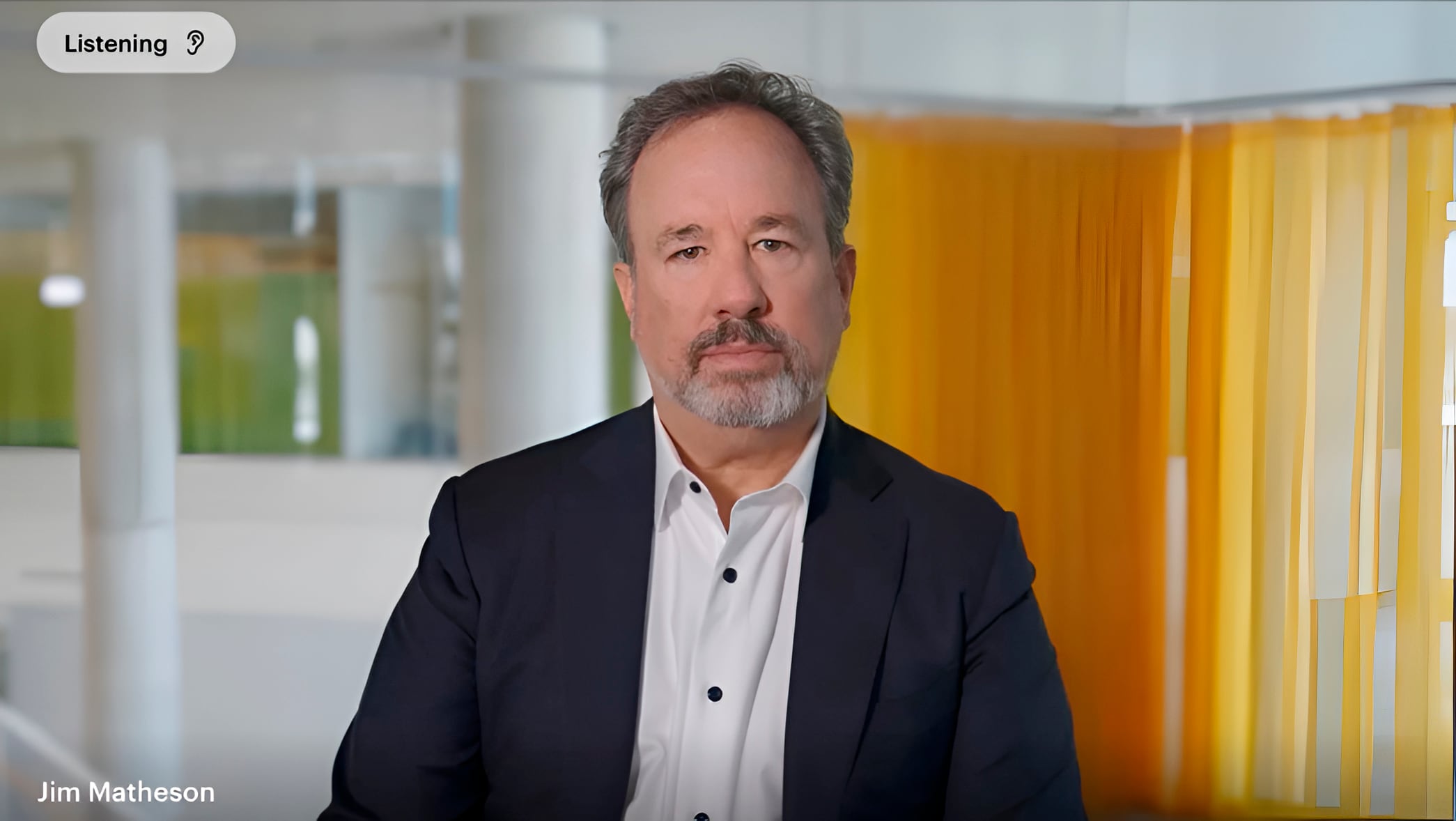
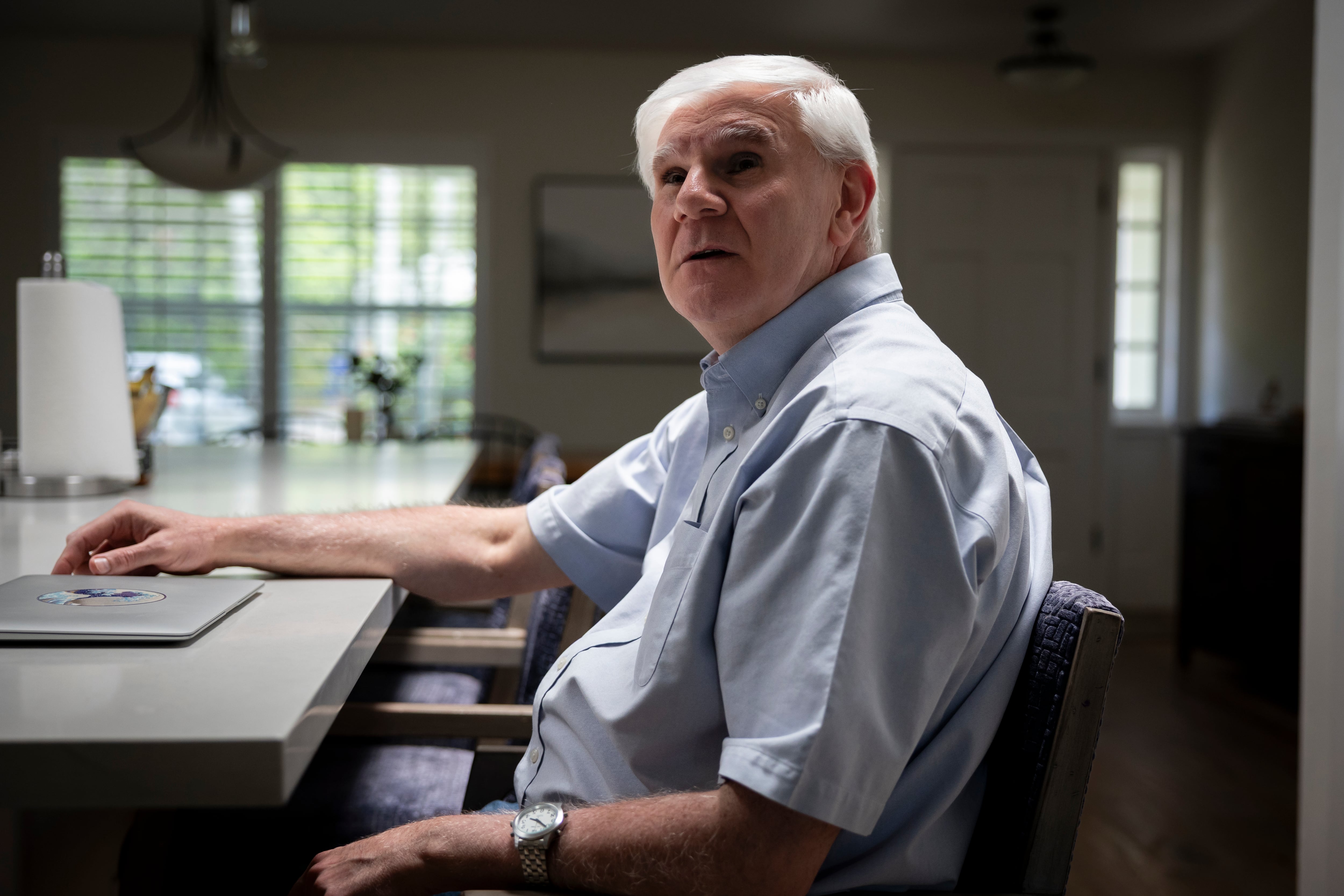
David Shrier has not always controlled his image. When this university lecturer left the institution where he had taught, the school continued using his face to promote an online entrepreneurship course with videos he had recorded, and without paying him. He had to hire a lawyer to have them removed from the internet. But the idea did not disappear after the lawsuit. Today Shrier teaches at Imperial Business School in London and he has a digital replica that answers his students’ questions at any time of the day. They call it Davatar. “What I know is that now my name, my image and my appearance belong to me,” he says.
David Shrier no siempre ha sido dueño de su imagen. Cuando este profesor universitario abandonó la antigua institución académica donde impartía clases, esta siguió usando su rostro para promocionar un curso de emprendimiento en línea, con vídeos que él había grabado y sin pagarle nada a cambio. Tuvo que contratar a un abogado para que los retirasen de internet. Pero la idea no se desvaneció tras el pleito. Hoy Shrier enseña en Imperial Business School, en Londres, y cuenta con una réplica digital que responde a sus alumnos a cualquier hora. La conocen como Davatar. “Lo que sé es que ahora mi nombre, mi imagen y mi apariencia me pertenecen”, afirma.
Mucho ha llovido en la prestigiosa Universidad de Brown (Estados Unidos) desde que su catedrático Roberto Serrano denunciase en este diario en junio un fraude masivo con inteligencia artificial (IA) en uno de sus exámenes, sin que el decanato reaccionase. La noticia fue replicada por los principales medios ―hasta la revista Nature le pidió un artículo―, Serrano ha recibido “cientos” de cartas de apoyo y la persona que estaba al frente del Comité del Código Académico ha sido cesada. Pero lo que más conmueve al eminente economista español es que cree que sus alumnos han aprendido la lección.
Harvard's investment in Elon Musk's SpaceX has paid off.
Matt Rourke/AP
Harvard's endowment returned a five-year high of 27.1% in the 12 months to June 30, besting the S&P 500.
The Ivy League college counted a $2.2 billion SpaceX stake as its top Q2 portfolio holding by far.
Harvard's endowment grew to almost $68 billion after accounting for taxes, gifts, and distributions.
Harvard University delivered its best investment return in five years as its bet on SpaceX boosted its stock portfolio.
The elite college's endowment returned 27.1% in the fiscal year ended June 30, its annual financial report revealed on Thursday. That comfortably outpaced the benchmark S&P 500's 22.3% total return over the same period.
After accounting for taxes, distributions, and gifts, Harvard's endowment grew by $11 billion to nearly $68 billion.
Harvard Management Company's stake in Elon Musk's maker of Starship rockets, Starlink satellites, and AI chatbot Grok was worth $2.2 billion at the end of June, per its second-quarter portfolio disclosure.
SpaceX was its number-one holding, more than six times more valuable than its second-biggest position, a sub-$350 million stake in Taiwan Semiconductor.
Its next-largest positions — each worth over $150 million — were Cerebras, Amazon, Alphabet, and Nvidia. Its 19 holdings at the end of June were together worth about $4.3 billion, more than double the portfolio's $1.8 billion value three months earlier.
Harvard said the strong performance of its endowment, which is nearly 400 years old and comprises about 15,000 individual funds, helped it weather the "abrupt termination of federal research grants" by the Trump administration.
It's worth noting that 13-F portfolio disclosures are a snapshot of a fund's US stock holdings on a certain date. They don't include foreign-listed stocks, non-stock assets like bonds or real estate, private investments, or stocks sold short.
Harvard said that as of June 30, 14% of its endowment was invested in public equities, 29% in hedge funds, 46% in private equity, 4% in real estate, and the balance elsewhere.
Harvard declined to comment when contacted by Business Insider.
SpaceX's valuation has whipsawed since the aerospace company went public on June 12. Its market capitalization topped $2.4 trillion on June 20, then tanked to $1.4 trillion by August 1, and has since rallied to around $2 trillion.
Musk's company posted a 92% year-on-year revenue jump for the quarter ended June, helping narrow its net loss from $1 billion to $541 million.
The world's richest man recently posted on X that he sees a path for SpaceX to be worth "orders of magnitude more than the current Earth economy," implying its stock could rise at least 6,000-fold to $12 quadrillion over time.
He later clarified that wasn't a "statement of extreme confidence," but he believes the probability of achieving that valuation is "not zero." On October 14, he said he expects SpaceX to be worth more than $100 trillion in the next 10 years.
Harvard is one of several shareholders to reveal a sizable stake in SpaceX. Google parent Alphabet reported a roughly 4% stake valued at $94 billion as of the end of June. Longtime Musk associate Peter Thiel disclosed a 3.2% position worth $73 billion held by his Founders Fund and related entities. AI chipmaker Nvidia has a $21 billion stake.

 Login