
❌

Reading view

Patti Smith: los mejores discos y libros de una artista que jamás se dejó domesticar

En el último concierto que Patti Smith ofreció en Madrid, en octubre de 2025 en el ostentoso Teatro Real, ocurrió al final algo que refleja el sentimiento que produce hoy la artista estadounidense. Después de exhortar a una lucha popular tan necesaria siempre, y hoy más, con People Have the Power, y ya en los saludos finales, tuvo el detalle de llamar al escenario a su promotor de siempre en España, Gay Mercader. Levantó su mano y le abrazó. “Ojalá Patti me diera un abrazo a mí”, señaló una espectadora desde las butacas. Seguramente cuando empezó su carrera recitando poesía contracultural en iglesias abandonadas de Nueva York a finales de los sesenta no entraba en los planes de la cantante convertirse en una figura capaz de despertar ese sentimiento de protección y ternura. Pero así es. Patti Smith (nacida en Chicago) cumplirá 80 años el próximo 30 de diciembre y no piensa celebrarlo en el sofá de su casa. Continúa encadenando giras y recorriendo el mundo declamando poesía a la vez que recibe homenajes y premios. En el marco del acto donde recibirá el premio Princesa de Asturias de las Artes 2026 (el 23 de octubre en Oviedo), actúa el martes 20 en el Teatro Jovellanos y el miércoles 21 en el Palacio de Deportes Presidente Adolfo Suárez, ambos en Gijón. Más tarde, será cabeza de cartel del Festival Azkena (17 al 19 de junio de 2027 en Vitoria).

Seguir leyendo

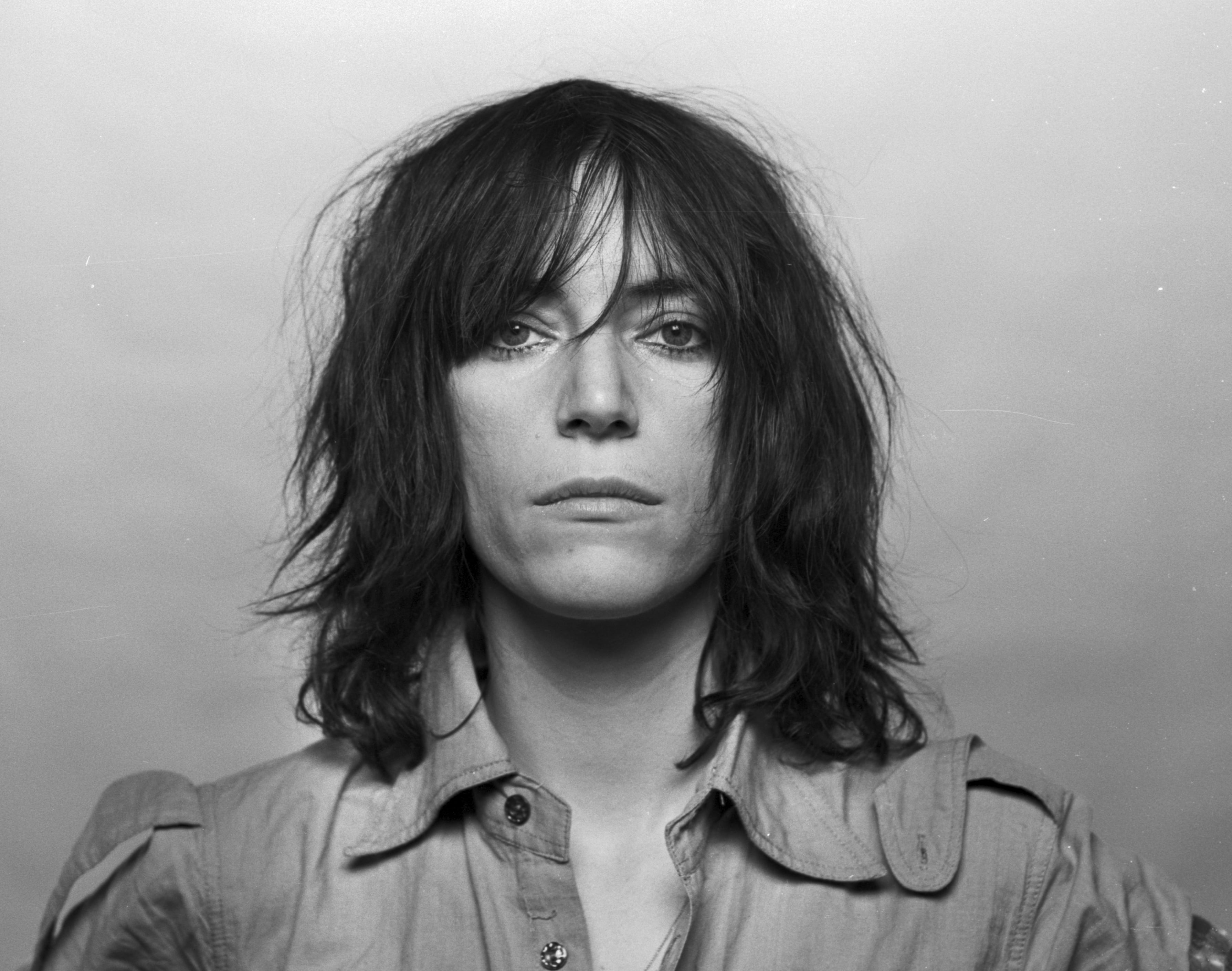
Patti Smith celebrando los 50 años de 'Horses' en el Teatro Real de Madrid el 8 de octubre de 2025. A la derecha, dos de sus fieles compañeros que participaron en el disco en 1975: el guitarrista Lenny Kaye a la derecha y el baterista Jay Dee Daugherty a la izquierda.

© Gijsbert Hanekroot (REDFERNS / GETTY IMAGES) (EL PAÍS)

Patti Smith, retratada en Ámsterdam en 1976.
  •  

The Soviets Drilled the Deepest Hole Ever

For Nautilus, Charles Digges recounts a massive undertaking begun in 1970 by the Soviet Union: As part of its science program, they decided to dig into Earth. Known as the Kola Superdeep Borehole, at 40,230 feet, it was—and is—the deepest human-made hole on the planet. While the hole didn’t go as deep as they planned, the project gave geologists a new understanding of the subterranean world and the earth’s deep continental crust—a place more alive and dynamic than they ever thought possible.

Other discoveries proved just as momentous. Nearly 22,000 feet beneath the surface, drill cores contained microscopic fossils from two dozen species of plankton that had drifted through an ancient sea more than 2 billion years ago. This showed that even after billions of years of burial deep within the continental crust, unmistakable evidence of some of Earth’s earliest life had survived. Between 16,000 and 23,000 feet, the borehole encountered saline water circulating through fractures in crystalline rocks that geologists had long considered essentially dry. Rather than groundwater that had somehow seeped miles underground, the fluids appear to have originated within the crust itself. As ancient minerals were transformed by heat and pressure, they released chemically bound water, while reactions between water and iron-rich rocks generated hydrogen gas, showing that the supposedly inert continental crust was still chemically active billions of years after it had formed.

  •  

Worm Munch Matters

“Sound is a tangible way of connecting to aspects of nature that are hidden from humans. The deep ocean, the dark night, and now the dense earth beneath our feet,” writes Ella Browning. And you can hear underground for yourself in the fascinating recordings she includes in her essay on earthworm “munching.” In this emerging field of soil ecoacoustics, researchers—including Browning—are finding links between ecosystem recovery and the character of underground soundscapes. Healthy soil literally sounds different. This piece will change how you view the ground beneath your feet.

A core principle of ecoacoustics is that complexly noisy natural places are healthier natural places. This means that it’s not just the volume of noise, but the diversity of sound that indicates habitat health. The dawn chorus in an intact Bornean tropical forest is magical in its complexity, especially if you’re lucky to experience it mixed in with the whoops of a troop of gibbons swinging through overhead, as I was during a visit in 2019.

In contrast, cities are generally not ecologically healthy and, while they are incredibly noisy places, they are filled with the harsh, more monotonous sounds of car engines and other machines, and often little biotic sound. Soundscapes dominated by anthropogenic sounds have been linked to poor mental health in people, whereas the opposite has been found for natural sounds like birdsong or forest soundscapes.

  •  
❌