❌

Reading view

From Ukraine to the Strait of Hormuz, the second energy crisis in five years is undermining resistance to the green transition

The second energy crisis in less than five years — both triggered by wars, first in Ukraine and then in the Middle East — is dismantling resistance to a shift away from fossil fuels. Month by month the debate over electrification gains momentum: powering economic sectors that still rely on coal, oil, and gas with electricity. If there were few arguments left —environmental, economic, and strategic autonomy — in favor of a rapid electrification, gasoline and diesel prices in Europe have delivered the final blow.

Seguir leyendo

© ABEDIN TAHERKENAREH (EFE)

An woman walks past an anti-American billboard in Tehran’s Enghelab Square in mid-September.
  •  

Tanker transits through Strait of Hormuz approach prewar figures

The Strait of Hormuz is far from what it was before Donald Trump blew everything out of the water: a maritime route that, although located in a hotspot region, allowed the free and safe passage of huge volumes of oil and gas from the Middle East. However, something has been moving in recent days, with many more tanker transits than over the previous several months. Some analysts even place crude shipments through the area around the levels seen before last spring and near those recorded during the short-lived ceasefire in June.

Seguir leyendo

© Amirhosein Khorgooi (AP Photo/Amirhosein Khorgooi)

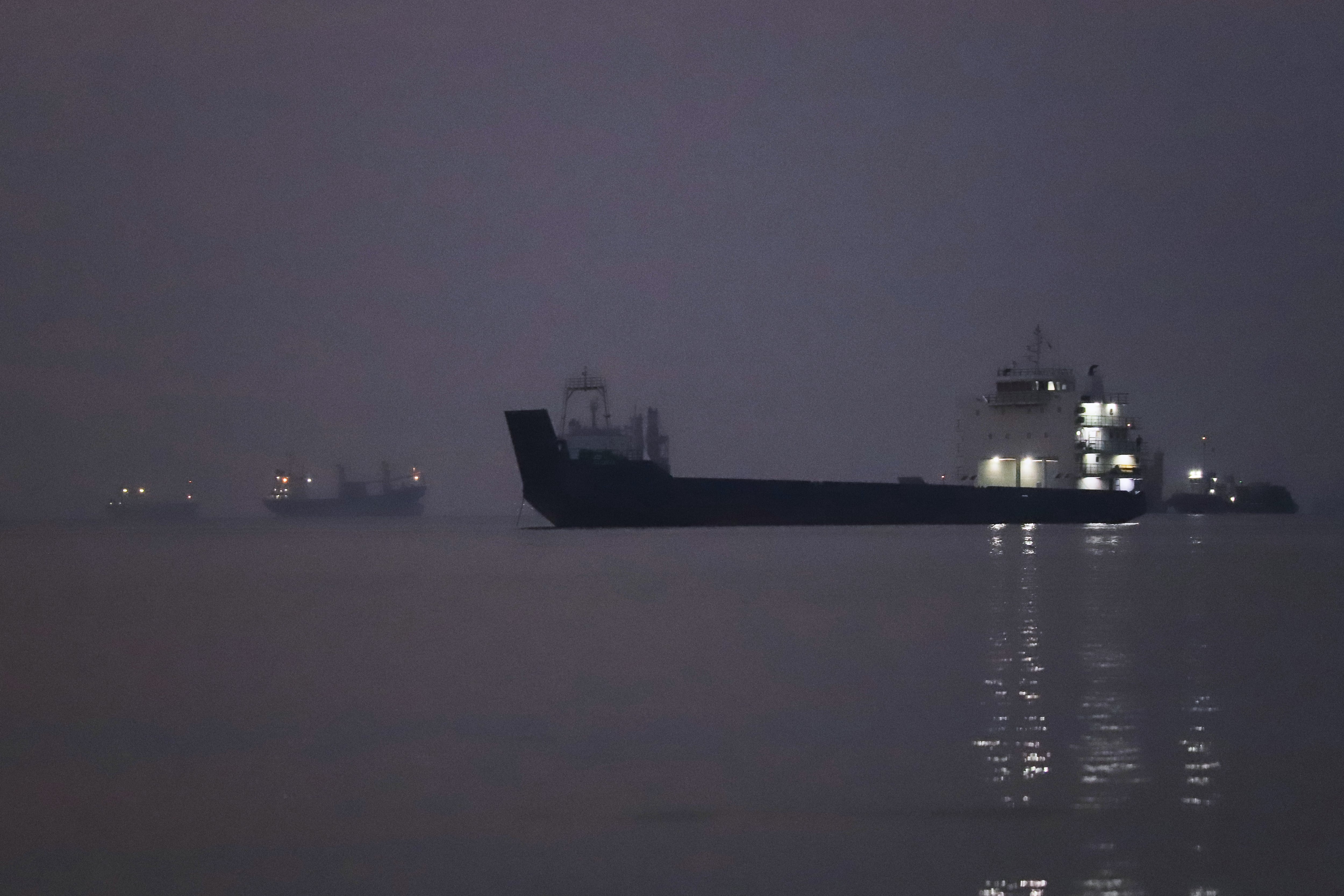
Freighters Monday in the Strait of Hormuz.
  •  

Middle East conflicts push Europe toward a second energy crisis in five years

Donald Trump returned to power in Washington with two major foreign policy promises: to end the war in Ukraine “in 24 hours” and to keep his country out of more “forever wars.” Almost two years after his decisive electoral victory, the Russian invasion continues with no sign of a quick end, and the United States has plunged itself into yet another hornet’s nest in the Middle East. Two conflicts of unpredictable outcome have pushed fossil fuel costs to historic highs worldwide and are increasing doubts about whether — with price signals distorted — supply chains will withstand the pressure.

Seguir leyendo

© Amit Dave (REUTERS)

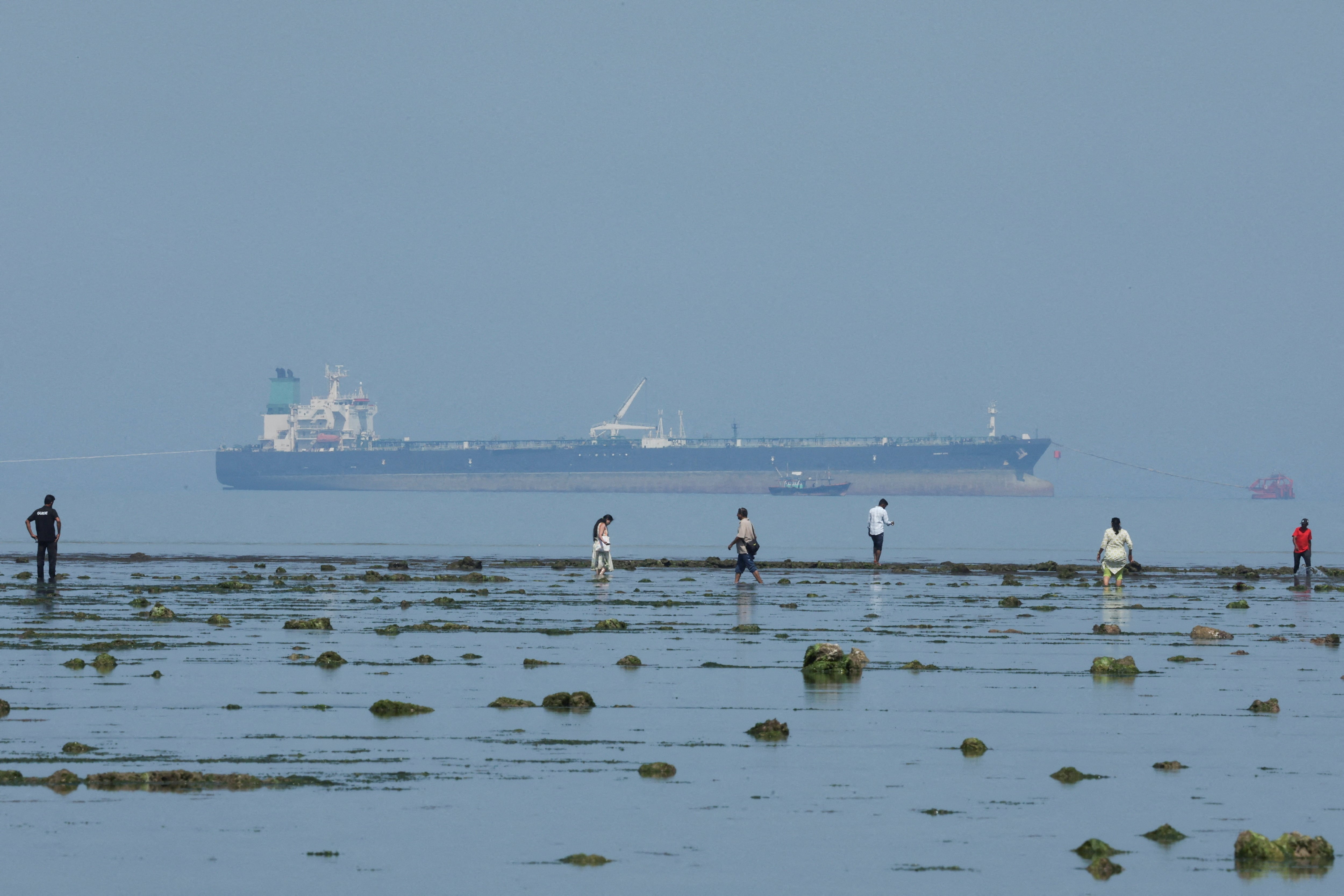
Tourists with the oil tanker 'MT Desert Kite' in the background at Narara Marine National Park (India) on March 11.
  •  

Trump’s plan to ban diesel exports aggravates Europe and Latin America’s energy crisis 

The United States and its energy industry are making a killing selling crude oil and its derivatives to the rest of the world. The world’s largest economy is filling part of the gap left by supply cuts from Gulf countries due to the war in Iran, and from Russia due to Ukrainian attacks on its refineries. But everything has its limits, and the breaking point was reached on Tuesday, September 22, when diesel surpassed $6.50 a gallon at U.S. pumps.

Seguir leyendo

© Mark Felix (Bloomberg)

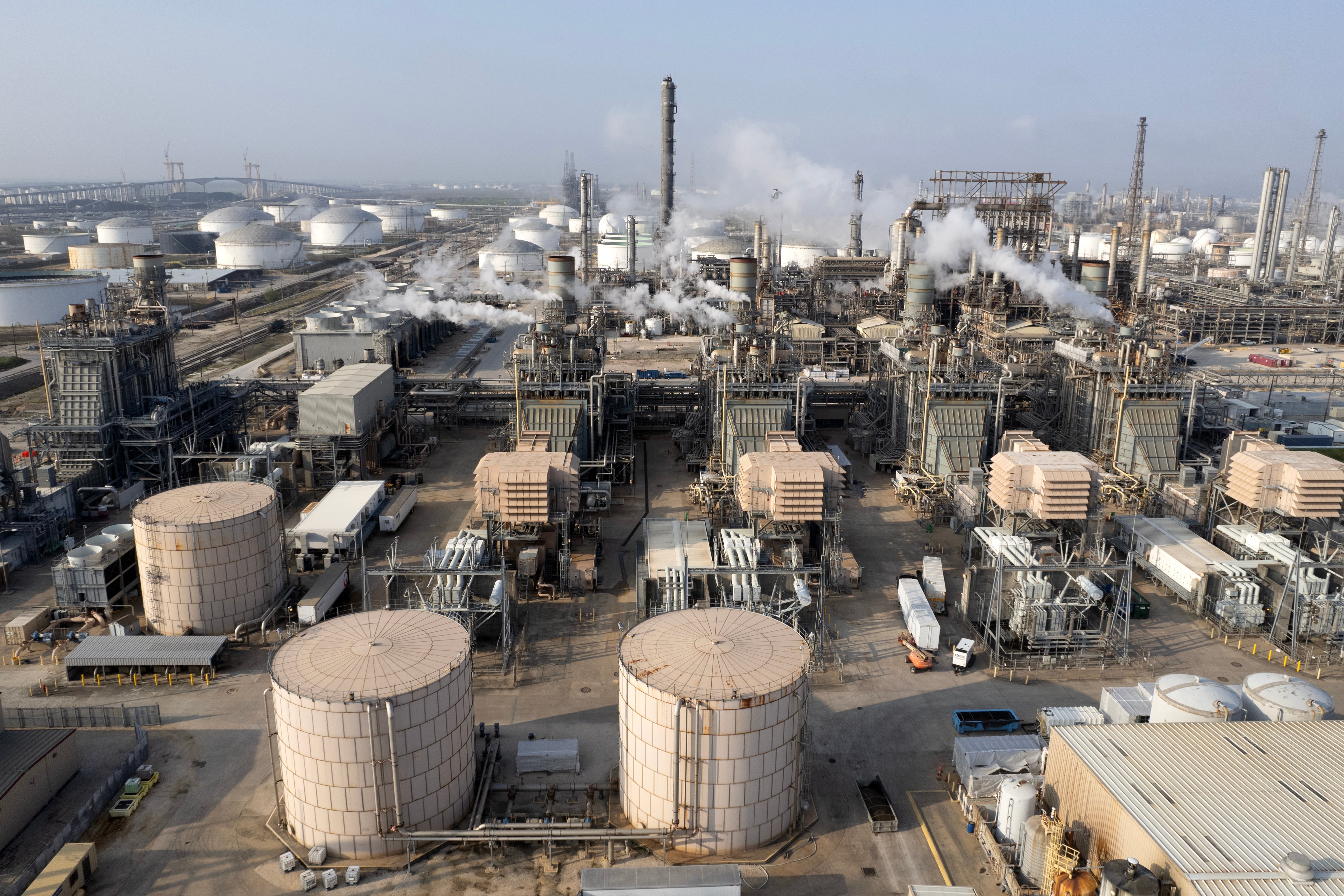
Aerial view of a refinery in Houston, Texas, in March 2025.
  •  
❌