Foreign Affairs Minister Anita Anand said that 30 Canadians and permanent residents remain missing, a number she says may change as the government gets more information.
Foreign Affairs Minister Anita Anand said that 30 Canadians and permanent residents remain missing, a number she says may change as the government gets more information.
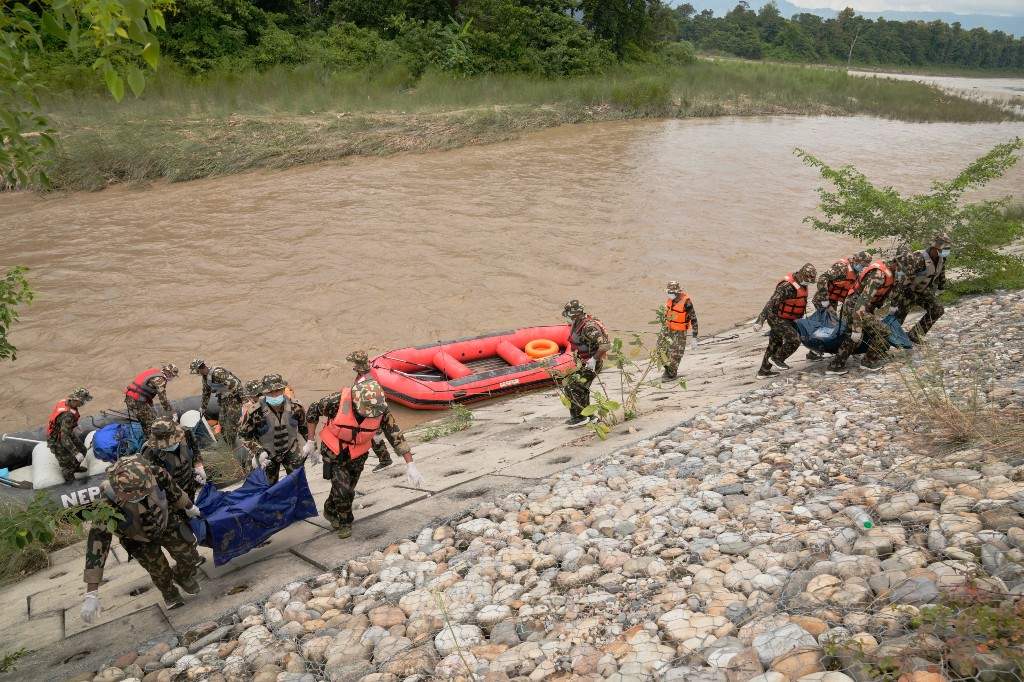
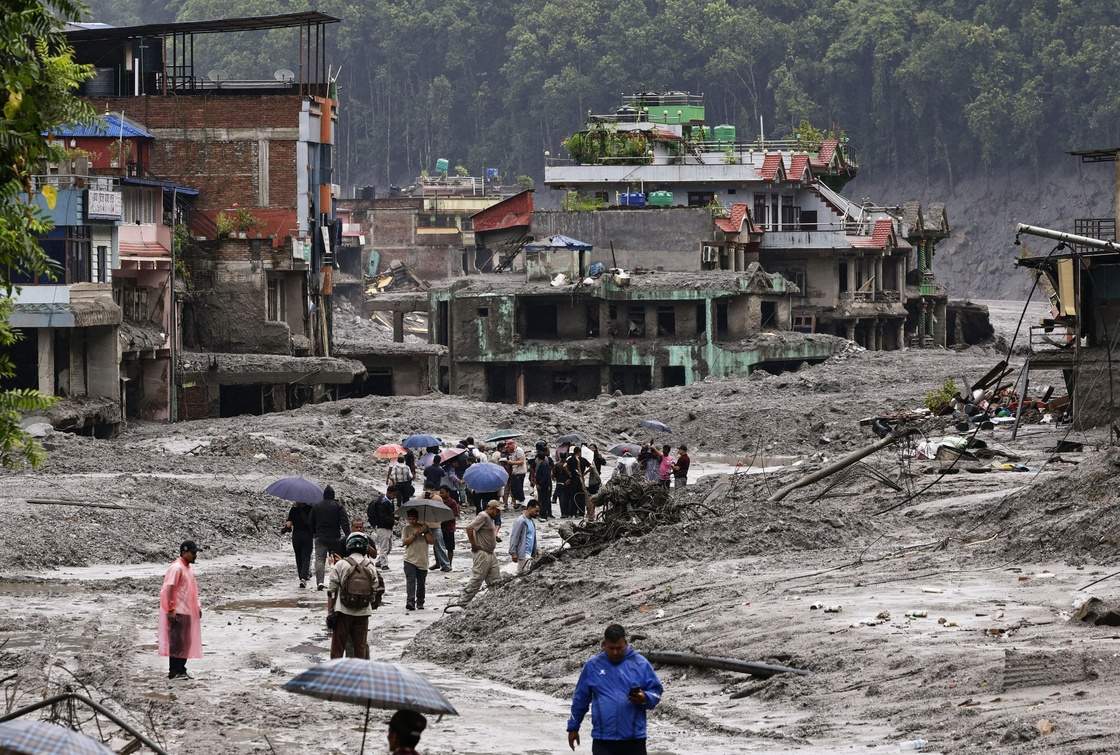
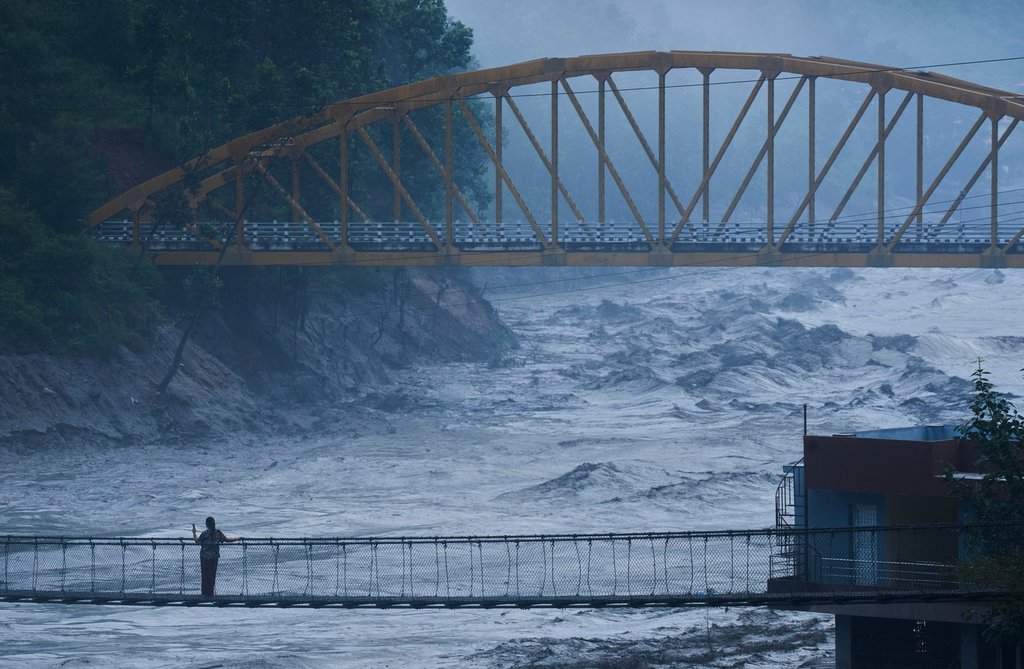
In response to the massive flash flood that has caused over 300 deaths in Nepal, the European Union has allocated €2 million in humanitarian aid to support affected communities. This emergency funding will help address immediate needs including as food, healthcare, clean water and sanitation. EU-funded partners are already providing help on the ground.
This assistance comes in addition to the almost €3 million in humanitarian aid allocated at the start of the year for Nepal for disaster preparedness. EU-funded partners in the country started to provide help immediately after the disaster, with prepositioned shelter and distribution of relief items. The EU is also deploying its Rapid Response Coordinator for Asia to help coordinate the EU's response.
To support the local response, the EU activated the Copernicus satellite service to provide maps of the affected area.
Preparedness and Crisis Management Commissioner Hadja Lahbib said:
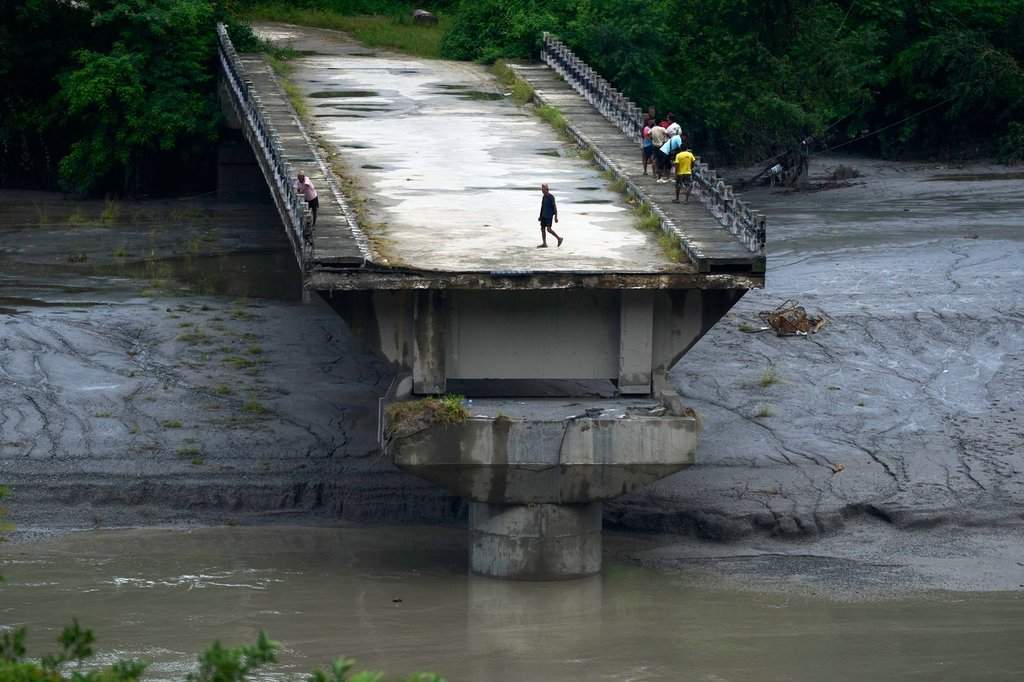
"Roads washed away. Villages cut off. Families searching for missing loved ones. The flash floods in Nepal have shattered communities already rebuilding from past disasters. The EU stands with them, allocating €2 million to bring urgent healthcare, food, water & shelter."
Emmanuel Macron leaves the Élysée in eight months. And, in keeping with the political journalism tradition whereby last-minute criticism apparently makes up for a decade of deference, the brickbats are coming thick and fast. The Economist, having once regarded him as the ‘saviour of Europe', now mocks a ‘lame duck' president. Two Parisian courtiers have devoted a book to ‘the story of an exceptional man … who screwed things up in an exceptional way'. Alain Minc, mouthpiece of the liberal (…)
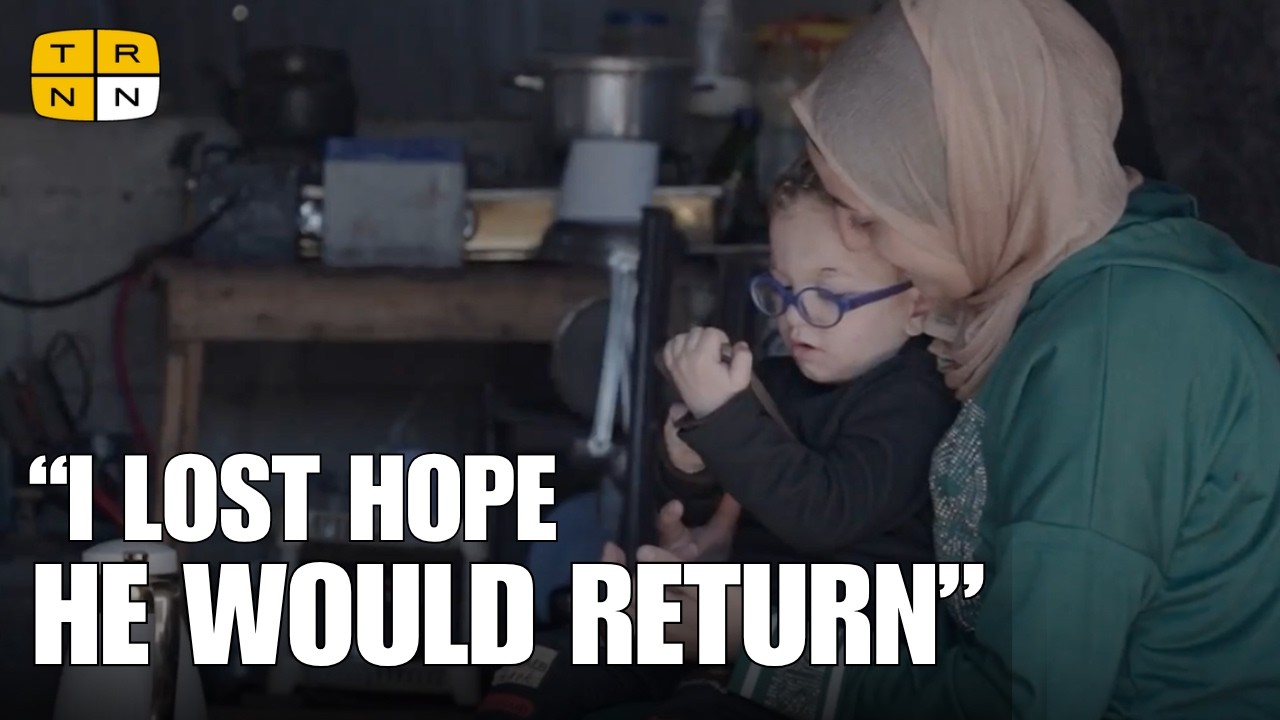
When Israeli forces besieged Al-Shifa Hospital in November 2023, eight premature babies in incubators were evacuated to Egypt under fire. One of them was Joud. His mother, Fatima Dakkeh, spent the next two years and eight months searching for him and fighting to bring him home.
Fatima tells the story of giving birth just months before October 7, losing contact with her son during the first Israeli raid on Al-Shifa, learning a year later that he was alive in Egypt, and a bittersweet reunion with a child who no longer recognized her.
According to the International Rescue Committee, at least 17,000 children in Gaza are unaccompanied or separated from their parents. For many families, there will be no reunion.
Credits:
Producers: Belal Awad, Leo Erhardt Videographers: Ruwaida Amer, Mahmoud Al Mashharawi Video Editor: Leo Erhardt
Transcript
Narrator:
Al-Shifa hospital is the largest medical complex in Gaza. Since October 7, it’s been repeatedly raided, occupied and targeted by Israeli forces. Over the course of the Genocide, hundreds were killed in and around the building and the hospital itself was completely destroyed.
In November 2023, under Israeli fire, 8 premature babies in incubators were hurriedly evacuated to Egypt. Joud was one of those babies.
Fatima Dakkeh:
I gave birth to my son, Joud, in July. Joud needed neonatal care at Al-Shifa Hospital. We placed him in the neonatal unit, but then the war started and Joud was there in the hospital. We couldn’t get in touch with Joud because of the shelling and the war.
Narrator:
Fatima Dakkeh and her son Joud have been unable to have a regular mother-son relationship. Joud was born in Gaza just a few months before October 7th 2023 and so, their story has been shaped by war, displacement and separation. Shaped that is, by Israel’s war on Gaza.
Fatima Dakkeh:
When we tried to get to the hospital to get Joud, we weren’t able to get to him and take him out, because of the situation—things had gotten really bad. There was a lot of shelling and there were airstrikes and quadcopters. We planned to go back another day to get Joud, once the situation calms down. But the situation just kept getting worse. The Israelis entered Al-Shifa Hospital and occupied it— that was the first invasion of Al-Shifa Hospital, and my son was inside.
About a year later, I found out my son was in Egypt. I mean, I didn’t give up; I kept going to hospitals, I went to the Red Cross and places like that to search for news about my son, no one could help me. I went to a doctor I know. I told him my story, he said, “I’ll try to get in touch with your son and see where he is.” Thank God, he was the one who discovered my son was in Egypt. After a few days, they sent us pictures of my son, and we found out he was OK. Thank God. They knew he was our son through my name—they had my name on file. We started communicating with him more through my sister-in-law—my sister-in-law in Egypt. We told her the story, and of course she didn’t hesitate; she visited him in hospital, sent us pictures and reassured us about him, thank God.
Honestly, I was happy and upset at the same time because my son was in Egypt, if he would have been here in Gaza he would have suffered a lot. We were starved, even nappies were cut off. Most children were using scraps of cloth as nappies. And milk too, was cut off—we had no milk at all in northern Gaza. I said to myself thank God my son is in a better place than Gaza. But at the same time, I was upset that my son was far from me. I would see mothers playing with their kids, dressing them, carrying them—and I would feel these feelings. I would miss my son. I wished my son was with me. At the same time, I’d look at my situation—how we’re living, in tents, in all this difficulty. I’d say to myself, hopefully he will return to us in a better situation, there will be a ceasefire and we will make up for the days we lost.
I had lost hope that he would return. With the crossing closed and the Israelis were not letting people return. When they first told us he was returning, I was shocked. My husband and I both. We were surprised—how could he come back just like that, overnight? He’s just going to come back, all of a sudden, after we’d lost hope all these years. I was overjoyed with the news that I would see my son again, it was the best news. When we went to the hospital to collect him, it took a really long time for them to bring him to us—many hours. With each passing hour, I would get more and more excited: about seeing him and about how I would greet him. I mean it was really hard, but at the same time, the moment when I saw him was really beautiful.
Yeh, honestly, when I first saw my son, he wouldn’t come to me; he’d cry and avoid me. He would go to his dad before me. he didn’t want to come to me, so I was afraid that he’d stay that way uncomfortable around us And afraid of living with us, and afraid of the situation we’re in— that he wouldn’t accept us Thank God, little by little, he started to accept us.
Narrator:
According to estimates by the International Rescue Committee, 20,000 children are still living separated from their parents in Gaza. Fatima was reunited with Joud and though their separation which lasted 2 years and 8 months impacted both mother and child, they are now reunited. As for the thousands of other survivors in Gaza, for many there will be no reunion.
When Israeli forces raided Al-Shifa Hospital, Fatima Dakkeh’s newborn baby was evacuated to Egypt without her — one of thousands of Gaza's children separated from their families by Israel's war.
Authorities made shocking findings in an Airbnb apartment in Kypseli district of Athens on Monday:the “frozen” body of an infant inside a container stuck in a suitcase. Three minors aged 9, 12 and 15 with the latter to be pregnant. At least one of the minors, a boy, and the pregnant girl were found positive […]
Dr. Uzma Khan sought an urgent hearing of her contempt petition over the government’s decision to transfer the PTI founder to PIMS instead of Shifa International Hospital.
Four of CQUR’s five original directors came from VTB Capital or RCB Bank, a Cypriot lender then 46.29 per cent owned by VTB. After the Russian bank sold its stake in May 2022, two senior figures from that network remained as chairman and chief executive and later appeared in CQUR’s disclosed ownership chain. Public records show institutional continuity — but not who financed the sale or whether VTB retained any rights.
On 16 May 2022, less than three months after the United States and Britain imposed blocking sanctions, VTB announced that it had sold its 19 per cent stake in Qatar’s CQUR Bank. It disclosed neither the buyer nor the price.
On paper, VTB’s involvement ended there. The corporate record tells a more complicated story.
CQUR was established in the Qatar Financial Centre in 2019. The five directors named in contemporaneous reports citing the QFC were Makram Abboud, Ziad Al-Amin, Vladimir Zrazhevsky, Vladimir Ostrovsky and Nicolas Neophytou. Abboud and Al-Amin came from VTB Capital. Zrazhevsky and Ostrovsky came from RCB Bank in Cyprus, in which VTB then held 46.29 per cent. Four of CQUR’s five disclosed directors therefore came from VTB Capital or a bank nearly half-owned by VTB.
The board later changed substantially: four of its five current members were not on the 2019 list. But continuity remained at the top. Abboud, now CQUR’s chairman, previously ran VTB Capital’s Middle East and Africa business and sat on the board of VTB Capital plc. Al-Amin, CQUR’s chief executive, worked at VTB Capital and later headed RCB’s Dubai office.
Both men have since appeared inside CQUR’s ownership chain. Abboud is a director of Quince Holding, the bank’s current direct shareholder, and the disclosed significant shareholder of Quince Tree, one of the companies above it. Al-Amin is another director of Quince Holding. They did not simply remain employed by CQUR after VTB’s exit; they later took positions in the companies through which the bank is owned.
There was a striking precedent inside the same network. On 24 February 2022, the day VTB was sanctioned, its 46.29 per cent stake in RCB was acquired by Cypriot shareholders representing RCB’s management. Less than a month later, S&P suspended RCB’s ratings, saying it could not assess either the full effect of the management acquisition or the remaining links between RCB and VTB.
Large assets were also moving back towards the Russian bank. In 2020, VTB assigned CQUR rights to a RussNeft loan and a $100 million Kazchrome tranche. CQUR returned both in February 2022, when their reported value was about $1.18 billion. A month earlier, RCB had returned $1.7 billion in Kazchrome claims.
Audited company accounts therefore establish nearly $2.9 billion in transfers from CQUR and RCB back to VTB in January and February 2022. They do not disclose the price or purpose of those transactions. The transfers demonstrate intensive coordination before VTB’s exit from CQUR; they do not, by themselves, prove control after the sale.
Who bought VTB’s stake remains unclear. An archived CQUR page shows that the other 81 per cent of the bank was held by Amathus Investment Fund SPC, a private fund in the British Virgin Islands. After VTB’s departure, Amathus was the only significant shareholder named by the bank. But no public transfer document reviewed for this investigation identifies it as the buyer of VTB’s shares.
CQUR later said that it had been acquired by Middle Eastern private investors led by management. That wording was absent from the bank’s pages archived in November 2022 and February 2024; it appeared by January 2025. The statement does not reveal who paid VTB, how much was paid or where the money came from.
The ownership structure now recorded in Qatar took shape later. As of 25 August 2026, the QFC register named Quince Holding, incorporated four months earlier, as CQUR’s significant shareholder.
Its disclosed shareholders include Quince Tree, linked to Abboud, and MHF Holding, owned by the established Emirati group Al Hail. That offers a plausible independent explanation for the present structure. But all three vehicles were created after VTB’s exit. They show who sits in the chain now, not who bought the stake in May 2022.
CQUR also retained a clear capacity to serve Russia-linked business. Its latest published terms set a 1pm cut-off for payment orders in Russian roubles. Fix Price’s audited accounts show balances with CQUR worth RUB1.65 billion at the end of 2023 and RUB3.87 billion at the end of 2024. Those amounts are rouble equivalents used in Fix Price’s reporting, not proof that the account itself was denominated in roubles. They do, however, document substantial post-sanctions business with a group focused on the Russian market.
None of this proves sanctions evasion. Rouble payments and service to Russian companies are not illegal in themselves. Such a finding would require evidence of a transaction involving a blocked party, a concealed beneficiary or end user, false trade documents, or a regulator’s action. No such public record involving CQUR was found. The bank says it screens customers, beneficial owners and transactions against UN, Qatari, EU and US sanctions lists.
The evidence supports a firm but bounded conclusion. VTB’s departure did not produce a demonstrable institutional break. CQUR had been built around VTB Capital and RCB personnel; large credit assets returned to VTB shortly before the exit; senior alumni remained at the top and later appeared in the ownership chain; and the bank continued to contemplate rouble payments and serve Russia-linked business.
What the evidence does not establish is whether VTB financed the acquisition, retained voting or economic rights, or issued instructions after the sale. The documents that could answer that question remain undisclosed: the 2022 sale agreement, the identity of the original buyer, proof of funds, voting agreements, pledges, options and any nominee arrangements.
Until those records emerge, VTB’s exit from CQUR can be verified as a change of registered ownership — but not as a clean institutional separation.
Flood warning notices were sent to people's phones early Sunday as rescue crews worked to clear a major highway connecting Kathmandu to one of the areas worst hit by the floods.
Flood warning notices were sent to people's phones early Sunday as rescue crews worked to clear a major highway connecting Kathmandu to one of the areas worst hit by the floods.
Após semanas de tensão entre Brasil e Estados Unidos, o presidente Lula conversou por telefone com Donald Trump na última sexta-feira, 21 de agosto. A ligação, que durou mais de uma hora e meia, teve dentro dos principais temas as atuais medidas envolvendo a segurança pública e economia, e também as acusações contra autoridades brasileiras. Segundo nota do Governo Federal, a conversa foi para retomada de um novo canal de diálogo e de negociações entre os países.
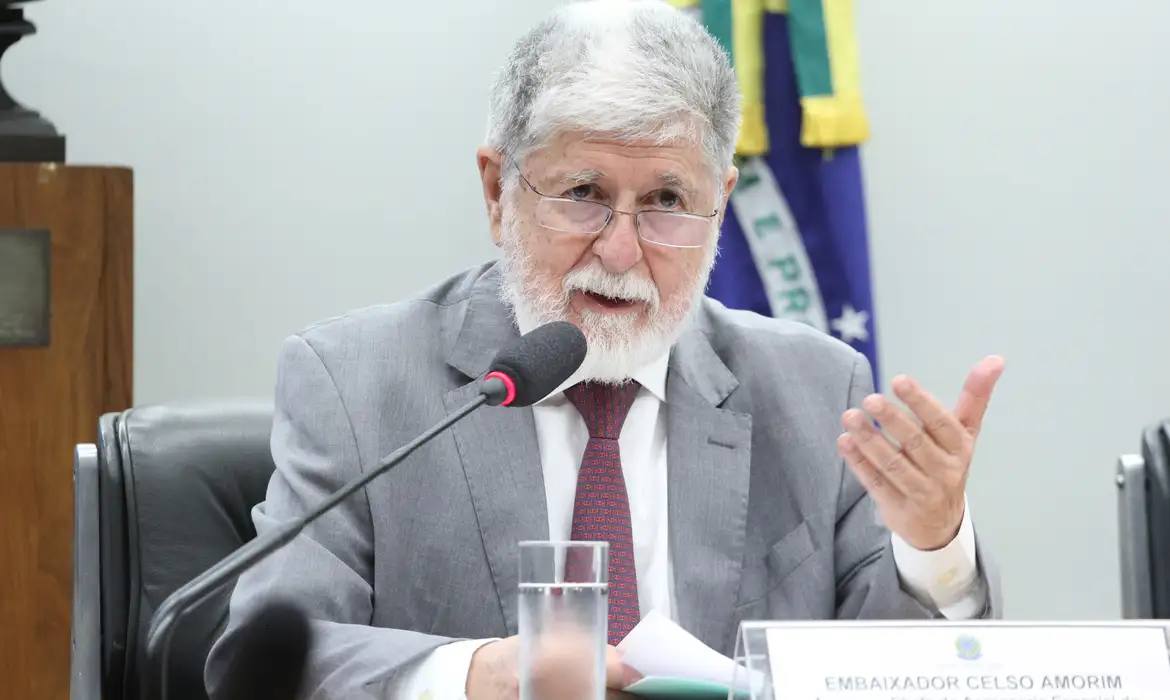
Em entrevista ao Pauta Pública, gravada no mesmo dia da ligação, Celso Amorim, chefe da Assessoria Especial do Presidente da República, reforçou que a conversa teve um tom positivo, que não se limitou aos temas bilaterais, mas reforçaram o compromisso de cooperação sem a necessidade de interferências dos EUA nas questões nacionais. “O presidente Lula e o presidente Trump fizeram a nuvem, agora as equipes técnicas têm que fazer chover”, afirma Amorim.
Na entrevista com Andrea Dip, ele analisa o resultado da conversa, comenta as medidas adotadas pelo governo norte-americano e os desafios das negociações comerciais. Ele também fala sobre as pressões geopolíticas sobre o Brasil e a necessidade de fortalecer a defesa e a independência do país na área industrial e militar. “Diante desse mundo, é como uma apólice de seguro. É evidente que você prefere que não aconteça nada, mas você tem que estar preparado se acontecer.”
Celso Amorim é chefe da Assessoria Especial do Presidente da República
Leia os principais pontos da conversa e ouça o podcast completo abaixo.
EP 231
Lula e Trump: entre a crise e a negociação – com Celso Amorim
28 de agosto de 2026
·
Ex-chanceler e Assessor especial da Presidência analisa a crise diplomática entre Brasil e Estados Unidos
Quais foram os principais temas tratados no telefonema entre Lula e Trump? Qual era o clima e qual seu balanço sobre essa conversa?
O balanço da conversa é o mais positivo possível. Eu acho que os dois presidentes tiveram uma conversa muito respeitosa, com muita empatia. O presidente Lula não se limitou a temas bilaterais, ele falou de temas globais, e o presidente Trump se estendeu em colocar a posição dele, mostrar qual é a visão dele de mediação e o papel que os Estados Unidos têm realizado, o que pode ser feito. O presidente Lula enfatizou a importância do Conselho de Segurança, um lugar onde as grandes potências que podem decidir têm que conversar.
Em geral, dentro do clima desse espírito brasileiro de que, quando possível, sempre coopera para a paz, mas tendo clareza de que os cinco membros permanentes do Conselho de Segurança da ONU [China, Estados Unidos, França, Reino Unido e Rússia] têm uma responsabilidade primária nisso. E, obviamente, os Estados Unidos, como ainda é a maior potência do mundo, têm uma responsabilidade especial.[…] Na parte bilateral, os temas que foram tratados são os que estão na nota oficial, não houve nenhum tema diferente.
Os dois temas principais foram o comércio e a cooperação no combate ao crime organizado, que as equipes se reúnam, voltem a se reunir e trabalhar. O presidente Lula descreveu um pouco o que nós temos feito aqui. E, digamos, foi crítico da medida americana comercial, claramente, que os motivos não correspondiam à realidade.
O presidente Trump não contestou, não posso dizer também se concordou, mas ele concordou com a importância de voltar a conversar e preparar as equipes para isso. Então, o clima foi muito bom. Eu acho que o que se espera de uma conversa entre chefes de Estado é isso, é criar o clima e depois as equipes têm que encontrar a solução. Às vezes, as equipes são mais difíceis do que os governantes, mas isso é um problema para mais tarde.
O senhor avalia as ações tomadas pelo governo Trump, em relação ao Brasil, como ilegais ou inconstitucionais?
Constitucionais segundo a Constituição dos Estados Unidos eu não posso julgar. A Suprema Corte americana já fez isso no passado em relação à primeira onda de tarifaço. Enfim, eu sempre me lembro do primeiro encontro – não o primeiríssimo, porque o primeiro foi antes da posse – mas o primeiro encontro do presidente Lula com o presidente Bush na Casa Branca, no Salão Oval, quando o presidente Lula entrou, o presidente Bush disse assim, “olha, nós temos diferenças, nós vamos tratar daquilo que nos aproxima.”
Enfim, eu achei que o clima foi um pouco também esse, sem necessariamente falar em diferença, mas que é muito respeitoso da parte do presidente Trump. As colocações que nós fizemos, muito interessado em discutir e apresentar a posição norte-americana sobre temas globais. Eu acho muito respeito por um estadista, que o presidente Lula é, não é qualquer pessoa que liga para o presidente dos Estados Unidos. Eu tenho muita vivência nisso, quem liga para o presidente dos Estados Unidos e fala sobre a guerra no Irã, por exemplo, e ele se dá ao trabalho de explicar as posições dos Estados Unidos? Agora, eu tinha um chefe, que era ministro do exterior muitos anos atrás, ele dizia que “a gente faz a nuvem, agora a gente não pode fazer chover.” Então, o presidente Lula e o presidente Trump fizeram a nuvem, agora as equipes técnicas têm que fazer chover.
Vários analistas veem um aumento constante das pressões dos Estados Unidos sobre o Brasil por acesso a recursos nos próximos anos e para conter a influência da China, independente de ser um governo republicano ou democrata. Alguns até pensam na possibilidade de uma escalada militar envolvendo o Brasil pela sua importância geopolítica na nova economia. Como fugir dessa encruzilhada?
O Brasil, como um país grande que é, tem que tratar da sua defesa. Nós temos que trabalhar nessa conversa. Nós conversamos com todos e torcemos, e se pudermos vamos colaborar para que eles tenham uma relação pacífica entre si. Isso não é bom só para o Brasil, isso é bom para o mundo. Diante desse mundo, é como uma apólice de seguro. É evidente que você prefere que não aconteça nada, mas você tem que estar preparado se acontecer. Eu fui ministro da Defesa, como você sabe, e naquela época fizemos investimentos importantes, entre eles o Gripen [aeronave supersônica], mas a Comissão da Verdade foi o tema dominante. Então, as atenções se voltavam mais para isso, mas eu acho que nós temos que dar uma grande importância à defesa nacional.
Isso pode envolver cooperação com outros países, mas tem que envolver também um grau forte de independência na área industrial ou militar. Isso eu acho que é fundamental. Não é para atacar ninguém, não, mas é que se alguém quiser nos atacar, tem que pensar duas vezes. A questão é a seguinte: não é que você vai ganhar uma guerra contra o país A ou contra o país B, que tem bomba atômica, etc. É que você tem que ser capaz de causar um dano que seja suficiente para ele pensar duas vezes antes de te atacar. Senão, você fica dominado a priori.
Experiências de etnobotânica, polinizadores, investigação comunitária e atividades para famílias marcam a temporada de Outono do programa cultural da Cooperativa QRER que alia natureza e cultura no interior do Algarve.
A Cooperativa QRER dá continuidade ao programa Convite ao Interior, que chega à sua 3ª edição com um conjunto de atividades diversificadas a decorrer entre Setembro e Novembro, e estreia uma nova plataforma para divulgação e inscrição.
O programa deste Outono organiza-se em torno de sete eixos temáticos: Artes e Ofícios da Paisagem; Atividades Artísticas para Famílias; Paisagens Rurais e os seus Polinizadores; Algarve, Spoken; Cocriação do Mapa das Hortas, Pomares e Cultivos de Querença; Rodas de Conexão e Finais de Tarde no Jardim. Reúne propostas que vão desde percursos na natureza para reconhecer plantas, polinizadores e ecossistemas locais, as missões de investigação comunitária para iniciar um mapa das hortas e pomares de Querença, oficinas artísticas para famílias e ainda um curso de português para estrangeiros, a partir da vida e da cultura local.
Entre os principais destaques a acontecer brevemente está a atividade “Etnobotânica do Barrocal: Paisagem, plantas e usos”, na Fonte Filipe em Querença e inclui uma prova de produtos locais, e o workshop “Construir Bio-alojamentos para Polinizadores”, no jardim junto à sede da QRER, ambas a 19 de Setembro, ou a saída de campo à Benémola para descobrir “O que vive à volta da água”, assim como o arranque do “Algarve, Spoken: Learn Portuguese through local life”, um curso com 6 módulos, de português para estrangeiros que vivem no Algarve e querem desenvolver a aprendizagem de português ao mesmo tempo que aprofundam o conhecimento da cultura local.
Os meses seguintes trazem novas saídas de campo, atividades de etnobotânica e o arranque da missão de investigação comunitária para a cocriação do Mapa das Hortas e Pomares de Querença, com intervenção entre os sítios do Pombal e da Adega, a 3 de Outubro. Haverá ainda outras novidades e ciclos temáticos a apresentar em breve.
As atividades são coorganizadas por cooperadores da QRER e envolvem convidados especialistas de diferentes áreas e membros da comunidade local. Os preços variam entre os 10€ e os 20€, com exceção do curso de português para estrangeiros que, pela sua natureza e dimensão tem um valor mais elevado. Já as atividades da missão de investigação comunitária não têm custos de participação, na medida em convidam quem se inscreve a dar um contributo concreto para a cocriação do Mapa das Hortas, Pomares e Cultivos de Querença.
Informações para Inscrição:
A programação completa, preços e inscrições estão disponíveis na nova plataforma www.convite.qrer.pt .
O Convite ao Interior é um programa anual cofinanciado pelo Município de Loulé, através do Apoio ao Movimento Associativo Cultural e Recreativo, e pela CCDR Algarve, através do Programa de Apoio a Iniciativas Culturais Regionais de Carácter Não Profissional.
Sobre a Cooperativa QRER
A QRER, Cooperativa para o Desenvolvimento dos Territórios de Baixa Densidade desenvolve projetos de valorização do património natural e cultural do interior do Algarve. O Convite ao Interior é um programa cultural pensado para afirmar o interior do Algarve como um espaço de cultura e criatividade e para dar a conhecer este território através de quem nele vive e trabalha.

 Login