Mary Austin was the woman behind Freddie Mercury, quietly supporting him for decades, from their intense early romance to the long years they remained close friends after accepting that he was gay. The vast legacy he left her—his home, much of his fortune, and his most personal belongings—has been a mixed blessing that she has spent her life trying to navigate with loyalty and discretion. As Simon Hattenstone explores Austin’s life in this interview, the unresolved emotion of the shared past with Mercury is still palpable.
Did the piano change him? “Yes, there was much more purposeful energy. He would sit at the piano, play the odd key, hum a bit and he looked very happy. Transported.” By now they were spending less time together. When she was working at Biba, he would often be sleeping. When she returned home, he would be preparing for a gig.
They’d been living together for four years when Mercury said he had something to tell her. He struggled to get the words out. He said, ‘I think I’m bisexual.’ I said ‘No, Freddie, I think you’re gay.’” He didn’t argue. Was that a huge upset? “No, it was a huge relief, because I wasn’t sure whether we were travelling in the same direction any more. Some time earlier I saw a dress and thought, that would be a really nice wedding dress. I asked Freddie, is it worth me buying it, and he looked at me and shook his head. So I knew from there on …”
The European Commission wants to cut the EU’s public procurement rulebook from around 900 pages to 200, in a sweeping reform that aims to simplify tendering while giving governments greater scope to favour European economic and security interests, writes Catherine Feore.
Executive Vice-President Stéphane Séjourné held up the existing body of rules alongside its much slimmer replacement, to illustrate his point.
“These here are the European rules which currently govern public procurement in Europe: 900 pages,” he said. “And this is what we are proposing today… down to 200 pages.”
The proposed Public Procurement Act would replace three EU procurement directives with a single regulation, with a view to simplifying procurement provisions spread across 26 sectoral laws and cutting the number of procedures from five to three.
The Commission estimates the changes could save businesses and public authorities €650 million a year in administrative costs.
The reform matters because of Europe’s massive purchasing power involved. EU public procurement exceeds €2.5 trillion annually, around 15% of EU GDP, covering everything from trains and hospitals to energy infrastructure, schools and IT systems.
From lowest price to strategic purchasing
The proposal is not just about cutting red tape. Brussels wants governments to use their purchasing power more strategically.
The Best Price-Quality Ratio would become the standard method for awarding contracts, with quality normally accounting for at least 30% of the assessment and 50% for labour-intensive contracts. Authorities could consider environmental and social performance, innovation, security and resilience alongside price.
The commitment to a so-called European preference has been tempered by the EU’s international commitments, but access can be restricted when a country doesn’t reciprocate market access. Restrictions could also be imposed where reliance on foreign suppliers creates security-of-supply dependencies or threatens EU economic security.
“European public money should, wherever possible, create jobs, investment and opportunities in Europe rather than filling the order books of our competitors,” Séjourné said.
Five procurement procedures would become three: open, dynamic and innovation procedures. Each would allow negotiation between buyers and bidders.
The Commission also plans an integrated EU digital procurement marketplace connecting national e-procurement platforms. A company registered through one connected system should be able to bid elsewhere in Europe without repeatedly submitting the same documentation. This is intended to reduce bureaucracy and tackle one of the current system's weaknesses: too little competition, particularly from SMEs and companies bidding across borders.
National, regional and local priorities may appreciate this flexibility in theory, but constrained budgets often mean that price will remain the bottom line for many. This legislation offers greater freedom in determining needs, but it remains to be seen what its impact will be.
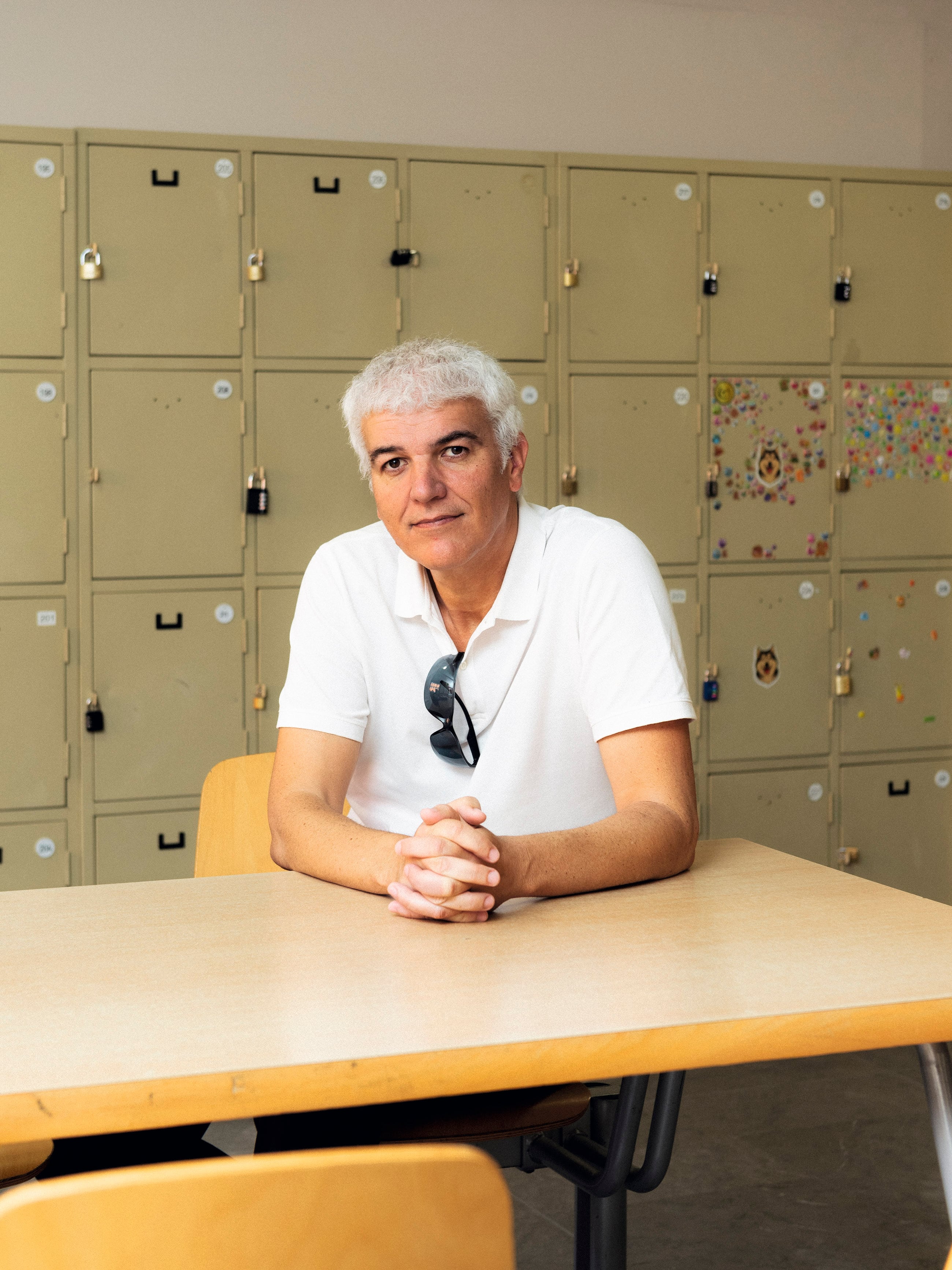
Classes are over at Madrid’s Complutense University, and the corridors of the Faculty of Physical Sciences are nearly empty. But Héctor Socas, 53, a researcher at Spain’s Institute of Astrophysics of the Canary Islands, is spending part of an early summer morning in a meeting of the international AtLAST consortium, which is promoting the construction of a major radio telescope in Chile. Socas also directs the European Solar Telescope Foundation, one of Spain’s most ambitious astronomy projects.
The price of oil surpassed $100 a barrel for the first time since July after attacks on oil facilities and ships in the Middle East threatened an already weakened supply chain.
The price of oil surpassed $100 a barrel for the first time since July after attacks on oil facilities and ships in the Middle East threatened an already weakened supply chain.
The election of Mahnaz Maimanat (pictured) to lead the People’s Mojahedin Organization of Iran highlights more than three decades of continuous female leadership within one of Iran’s principal organised opposition movements. An important development has taken place within the Iranian democratic opposition. On 6 September, the People’s Mojahedin Organization of Iran (PMOI/MEK), the principal organized component of the National Council of Resistance of Iran (NCRI), elected Mahnaz Maimanat as its new Secretary-General, at the beginning of the organisation’s 62nd year.
The election took place through three successive rounds involving PMOI members in seven countries — France, Germany, the United Kingdom, Sweden, Switzerland, the Netherlands and Albania. In the first round, Maimanat received 56% of the votes, ahead of Badri Pourtabbakh and Narges Azdanlou. The position is for a two-year term and may be renewed by the PMOI’s Central Council. Born in Tehran in 1959, Maimanat has spent most of her adult life in the movement.
She became acquainted with the PMOI as a university student and participated in demonstrations against the Shah’s dictatorship. She joined the organization following the 1979 revolution and went on to assume a succession of senior responsibilities: she became a member of the Executive Committee in 1989, the Leadership Council in 1993, the Central Council in 2014, and co-Secretary-General in 2021. Her personal history also reflects the heavy price paid by many PMOI families under the clerical regime. Her mother, Akhtar Mowlavi, a teacher, was killed by the Revolutionary Guards in 1988.
One of her brothers, Massoud, was executed in Evin Prison at the age of 19 after months of imprisonment and torture. Another brother, Mahmoud, an architecture student, was executed during the 1988 massacre of political prisoners. The significance of the election, however, goes well beyond a change of office-holder. Mahnaz Maimanat is the tenth woman to serve as Secretary-General of the PMOI. Maryam Rajavi became the first woman to hold the organisation’s top leadership position in 1989, and for more than three decades every PMOI Secretary-General has been a woman.
Eight women succeeded Mrs Rajavi before Maimanat. This is particularly significant in the Iranian context. Within the PMOI, women’s leadership is not simply a matter of ceremonial representation or political imagery. Its female Secretaries-General have exercised real executive and organisational authority, often during extraordinarily difficult periods involving clandestine activity inside Iran, severe repression, imprisonment and executions, attacks on PMOI members, displacement from Iraq and the subsequent rebuilding of the organisation.
After assuming responsibility for leading the National Council of Resistance of Iran in 1993, Maryam Rajavi ceased to hold a formal organisational position within the PMOI. Nevertheless, she remains the most prominent political figure of the Iranian Resistance and, for many Iranians, particularly women, has become a symbol of resistance to religious fundamentalism and a pioneer of women’s equality and political leadership. This model of female leadership has also had important consequences inside Iran. Women have increasingly assumed leading responsibilities within the PMOI’s underground Resistance Units, which the movement says have played an active role in successive uprisings against the regime, including the nationwide protests of January 2026.
For young Iranian women confronting compulsory veiling, institutional discrimination and a political system that treats women as second-class citizens, the sight of women exercising genuine authority within an organised opposition movement carries considerable political and cultural significance. It also helps explain the intensity of the attacks directed against the PMOI’s leadership by the Iranian regime and, increasingly, by hardline monarchist circles. Both have devoted considerable efforts to portraying the PMOI, and particularly its female leadership, as illegitimate.
Yet the central issue is that the PMOI remains a highly organised democratic opposition movement with an extensive network inside Iran and therefore represents a serious challenge to the survival of the ruling theocracy. The election of its tenth female Secretary-General should therefore be viewed in a broader perspective. It represents more than three decades of continuous female leadership and constitutes a profound ideological and cultural challenge to Islamic fundamentalism: not simply women demanding equality, but women assuming responsibility, exercising authority and leading an organised struggle against a system built upon their discrimination and subordination.
The Kazakh Government has announced the formation of a pool of 215 investment projects totaling 78.6 billion US dollars, marking the start of a new investment cycle, Qazinform News Agency cites the government’s press service.
Kazakhstan is launching a new investment cycle with a strong focus on manufacturing, deep processing, high-tech industries, and localization.
The country has a three-tier investment attraction system in place, where regions compile priority projects and conduct targeted investor searches.
Fast Track procedures were launched to accelerate approvals along with the National Digital Investment Platform.
The next step is to develop Kazakhstan Investment House on the basis of Kazakh Invest, following a “one-stop shop” principle.
66 investment agreements worth 17.8 trillion tenge in investments have been signed.
Since early 2026, 25 agreements worth 4.4 trillion tenge were concluded in pharma, energy, metallurgy, agriculture, infrastructure, and healthcare. Capital investment rose to 23.5 trillion tenge, nearly doubling since 2019.
In manufacturing, investments tripled to 3 trillion tenge, now accounting for 12.7% of total investment.
Foreign direct investments reached 20.5 billion US dollars in 2025, up 14.4%, with capital increasingly directed to non-resource sectors like manufacturing, finance, and communications.
173 billion US dollars invested in four new projects to localize 356 medicines and expand domestic production.
To note, agro-industrial projects by Dalian Hesheng Holdings, Fufeng Group, and Tiryaki Agro focus on deep processing of wheat, corn, and legumes for food, pharma, and biotech.
In Ekibastuz, a Data Center Valley is being developed near GRES-1, with 30 billion US dollars in planned investment and energy capacity from 300 MW to 1 GW. The project will integrate infrastructure for cloud services, processing capacities, and AI.
Earlier Qazinform reported Kazakhstan and Germany aimto implement new joint investment and industrial projects.
The U.S. Navy has lost an advanced uncrewed underwater vehicle (UUV), and it is now in Iranian hands. Here’s what we know about the Dive-LD drone and its apparent seizure, and its implications.
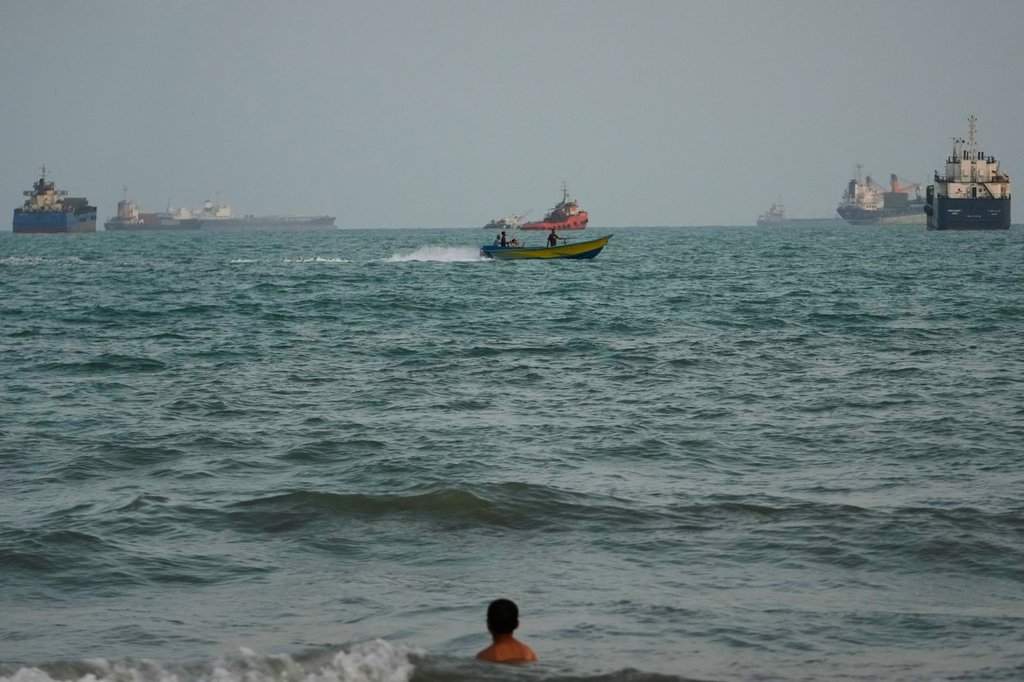
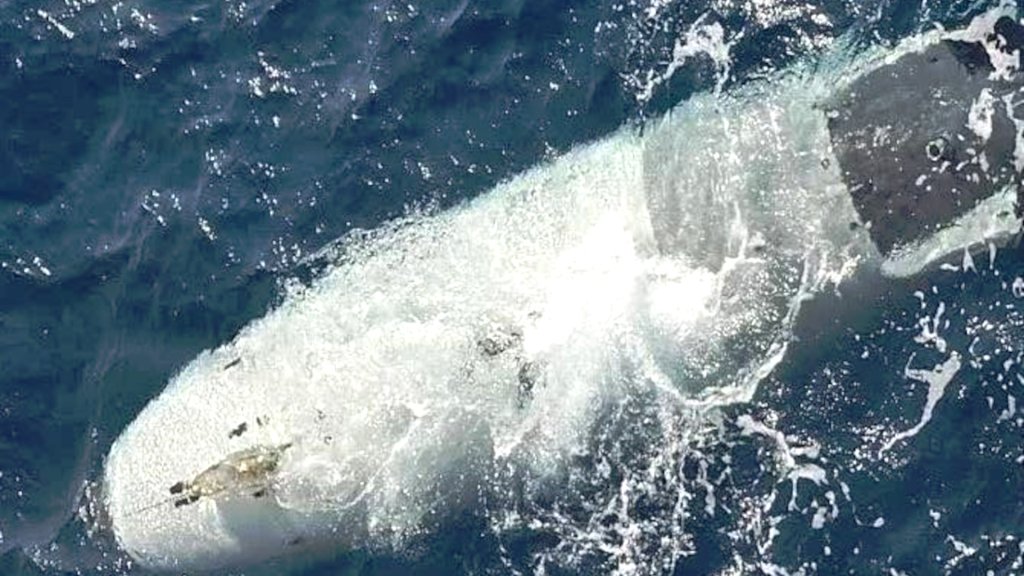
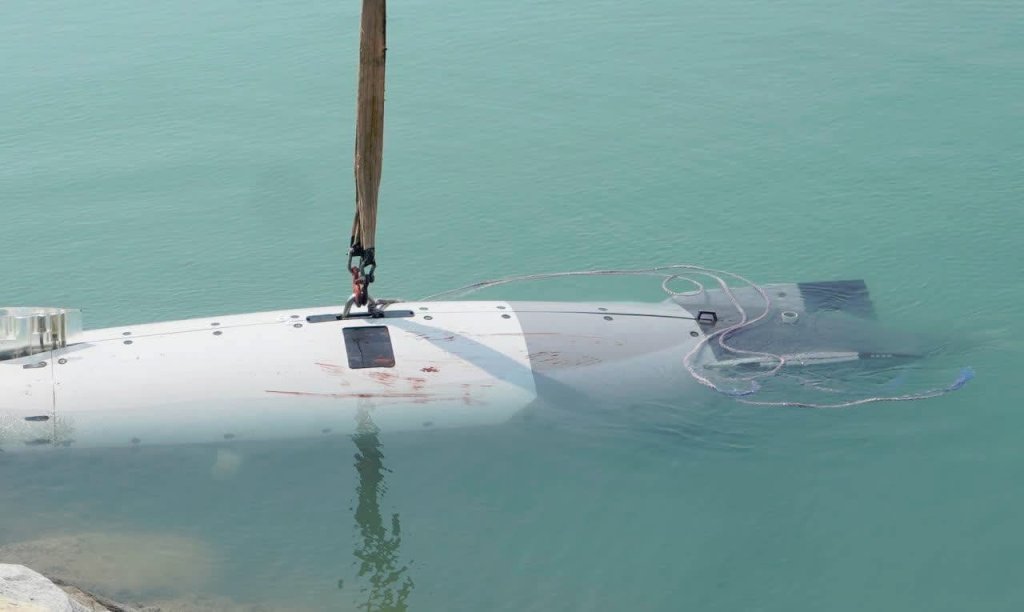
Authorities in Iran said earlier today that they had retrieved a U.S. Dive-LD uncrewed underwater vehicle (UUV) largely intact near the Strait of Hormuz. The regime in Tehran subsequently released pictures and video clips of the UUV being lifted out of the water, seen at various points below. This looks to be the first known instance of an operational deployment of the Dive-LD. This is still a relatively new capability for the U.S. Navy that only began entering service a little more than a year and a half ago. American officials have previously confirmed the use of UUVs, in general, to help keep the Strait of Hormuz free of Iranian naval mines, one of many threats that have dramatically slowed maritime traffic through this critical waterway.
Iran’s Islamic Revolutionary Guard Corps (IRGC) “captured one of the most modern, unmanned, and smart submarines … at the entrance to the Strait of Hormuz in a complex intelligence and operational action at dawn today,” according to a statement shared earlier today via Iranian state media. The exact circumstances surrounding the seizure remain unconfirmed.
“An underwater drone operated by U.S. forces malfunctioned more than a day ago,” a U.S. official said in response to our queries about the Iranian claims. “It was surveying regional waters in support of ongoing operations. The defective drone was an older model that neither collected sensitive data nor carried any classified sonar or radar equipment. U.S. operations in area waters continue.”
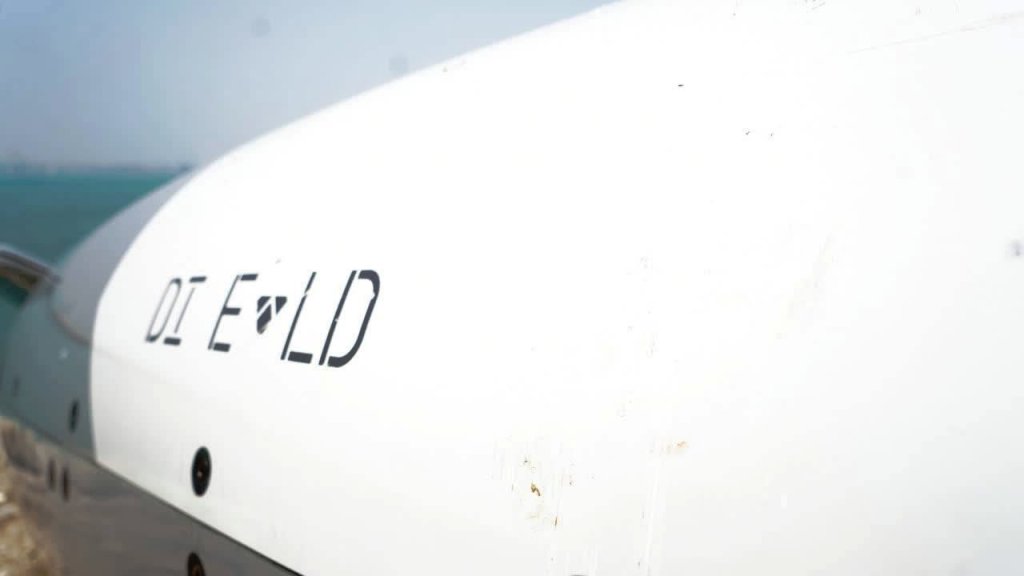
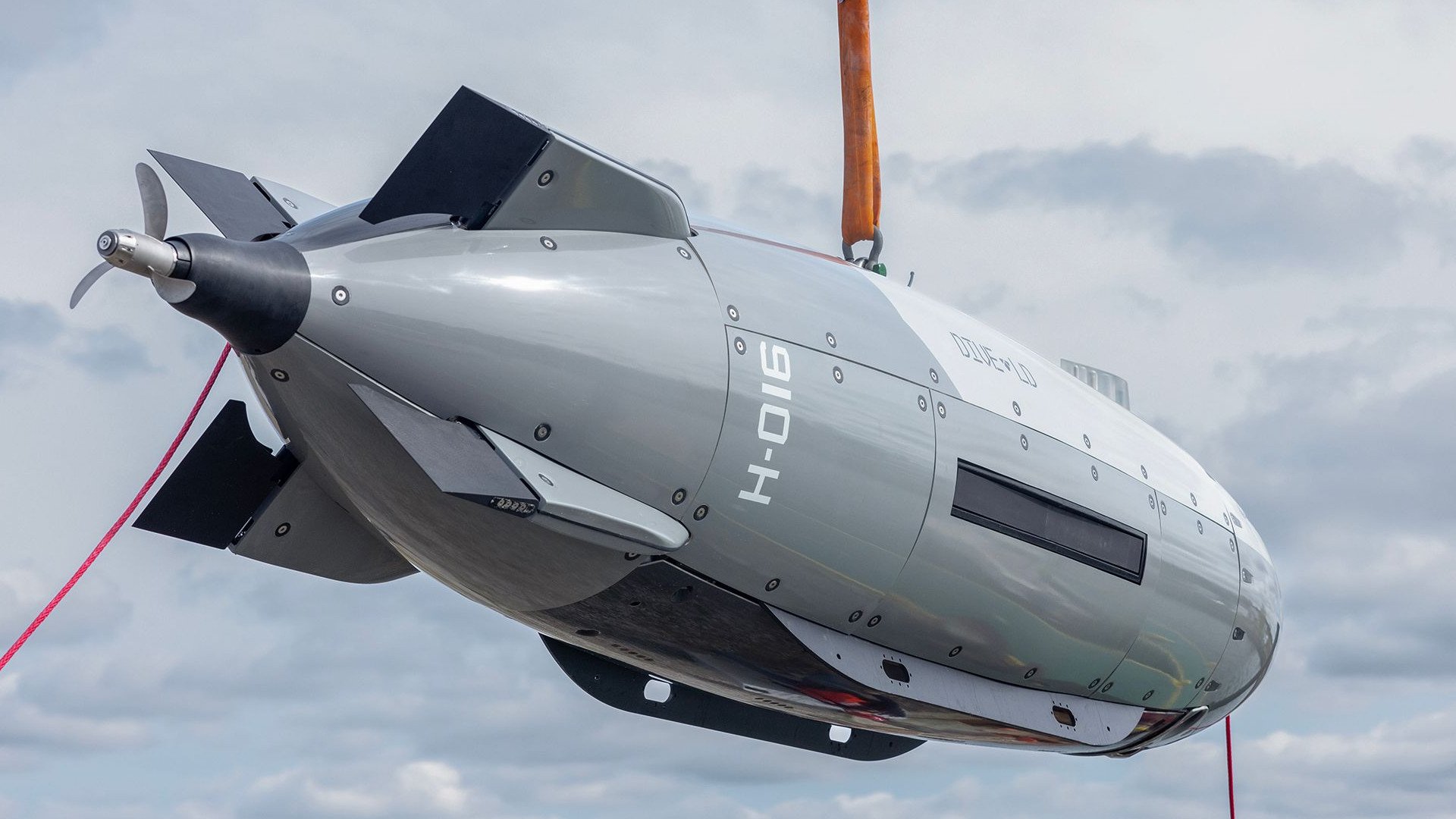
A top-down look at the Dive-LD Iran said it recovered. Iranian quasi-state media via XAn image showing the Dive-LD UUV being hoisted out of the water. Iranian quasi-state media via XThe Dive-LD markings, with the “V” worn away, seen on the side of the UUV. Iranian quasi-state media via X
The official did not confirm or deny the type of UUV in question, or that Iran had retrieved it. They also did not elaborate on the nature of the malfunction. TWZ also reached out to Anduril, which initially deferred any questions to U.S. Central Command (CENTCOM). However, they subsequently confirmed the loss of a Dive-LD operating in the region.
“Dive-LD is an attritable autonomous system, meaning it is designed from the outset to operate in dangerous environments where loss of the vehicle is an expected possibility. Its purpose is to keep warfighters out of the most dangerous parts of the undersea mission,” an Anduril spokesperson told us in a statement. “This vehicle had already delivered significant value operating thousands of hours in months-long operations in CENTCOM.”
Categorized as a large UUV, the Dive-LD is 19 feet (approximately 5.8 meters) long, four feet (around 1.2 meters) in diameter, and has a gross weight of close to three tons. The design features a 3D-printed exterior, but is said to be capable of diving down to depths of some 19,685 feet (3.7 miles or 6,000 meters). The UUVs can also remain at sea for around 10 days at a time, depending on their exact configuration, and do so with a high degree of autonomy. Dive-LD was originally developed by U.S.-based Dive Technologies, which was founded in 2018 and then acquired by Anduril in 2022.
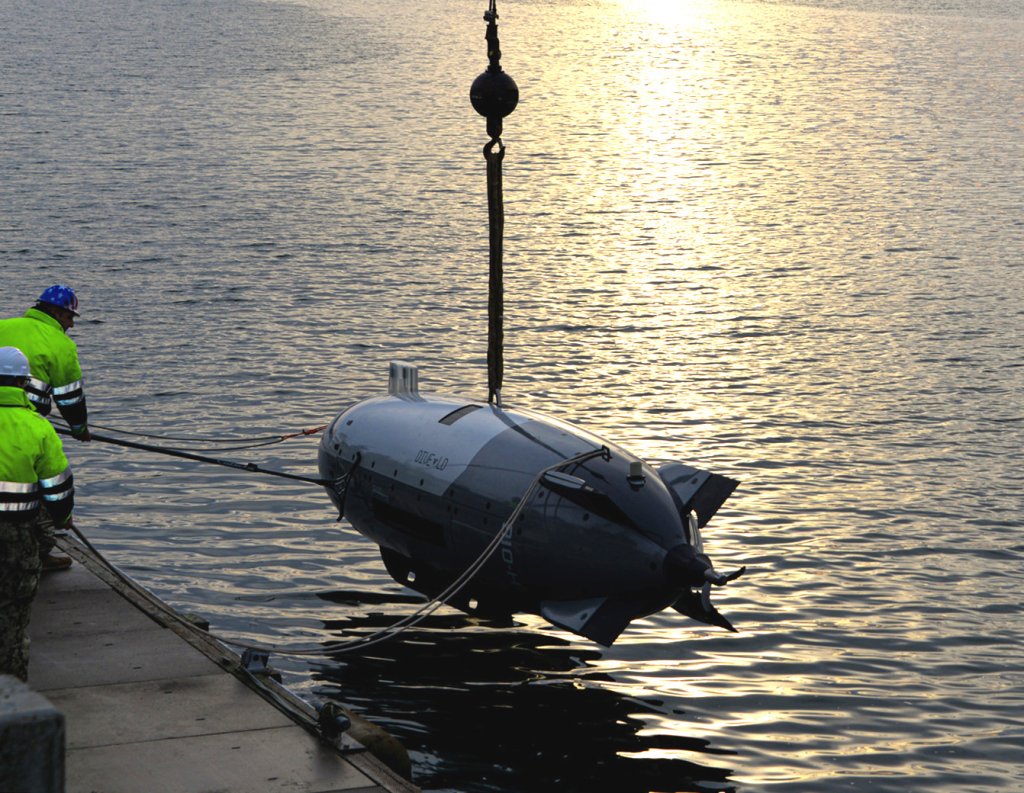
Anduril announced the delivery of the first Dive-LD to the U.S. Navy’s Unmanned Undersea Vehicle Group One (UUVGRU-1) in April 2025. The Navy had already released a picture of personnel training with one of these UUVs five months earlier. How many Dive-LDs are now in U.S. service is unclear.
Members of Unmanned Undersea Vehicle Group One (UUVGRU-1) and Undersea Vehicle Squadron Three (UUVRON-3) train with a Dive-LD UUV in December 2024. USN
The Dive-LD has a highly modular design. Anduril’s website says that the UUV can be configured for various military missions, including so-called intelligence preparation of the operational environment (IPOE); general intelligence, surveillance, and reconnaissance (ISR); mine warfare; and precision placement of objects underwater. IPOE refers to the collection of various types of intelligence on a specific area as part of planning for upcoming operations.
As mentioned, U.S. officials have previously stated that UUVs have been supporting mine-clearance operations in and around the Strait of Hormuz. Broadly speaking, uncrewed underwater platforms offer a way to find and record the location of naval mines using sonars, cameras, and other sensors, while helping keep friendly forces further away from potential threats. Afterward, depending on the type of mines that are found, various methods can be employed to neutralize them. Mine sweeping is time-consuming and dangerous, even in permissive environments, let alone when conducted under the threat of enemy attack.
This past weekend, the Financial Times newspaper in the United Kingdom published a story saying U.S. forces have been using UUVs in exactly this way to help clear Iranian mines, citing “people familiar with the operation.”
“Mostly at night, it [the U.S. military] sent Navy Seal [sic SEAL] divers, robot boats and specialised underwater craft into the perilous strait for a four-month mine-clearance mission,” according to FT‘s report. “U.S. Navy divers worked in small teams using inflatable-hulled craft. They located Iranian mines with the help of robot boats and submersibles – such as the U.S. Navy’s Common Uncrewed Surface Vessel – operating towed sonar arrays.”
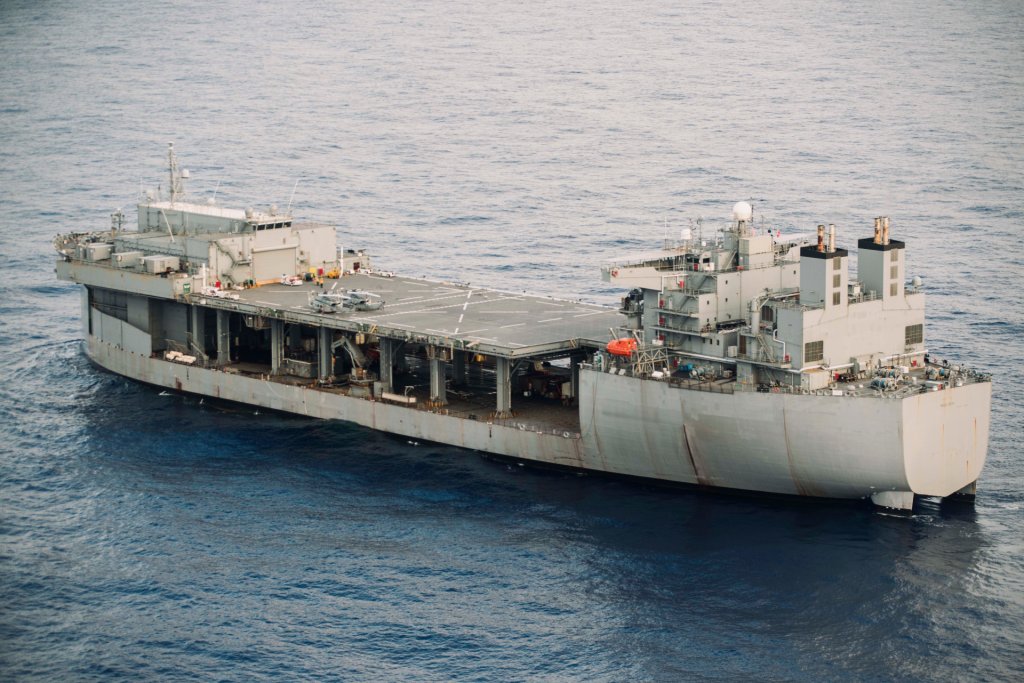
The Common Uncrewed Surface Vessel (CUSV) is a speedboat-sized drone boat that has been in Navy inventory since the early 2020s, explicitly for counter-mine operations. FT‘s story does not say where any USVs, UUVs, and/or boats full of divers were launched from as part of these operations in and around the Strait of Hormuz, but it posited that the Navy’s Expeditionary Sea Base ship USS Miguel Keith could have been involved.
A stock picture of the US Navy’s Expeditionary Sea Base ship USS Miguel Keith. USMC/Sgt. Luis Agostini
A trio of Independence class Littoral Combat Ships specifically configured for mine-sweeping duties, including using CUSVs, had been forward deployed in Bahrain before the start of the conflict with Iran in February. At least two of those ships, USS Santa Fe and USS Tulsa, emerged thousands of miles away in Southeast Asia in March, something TWZ was the first to report on. At the time of writing, those ships currently appear to be in Singapore. The exact disposition of the third of these LCSs, the USS Canberra, is unclear, but USNI News reported today that it is sailing in the South China Sea.
The Navy has a host of other warships in the Middle East that could support counter-mine missions. With a 10-day endurance, Dive-LDs, specifically, could potentially have been launched from locations away from the Strait of Hormuz, including friendly ports.
Dive-LDs could also be used for other missions beyond mine clearance in the region. As mentioned, the U.S. official told TWZ the UUV had malfunctioned while “surveying regional waters.” While this would be a relevant task in the context of a larger mine-sweeping operation, underwater surveys would be valuable for other purposes, too. For months now, U.S. forces have been facilitating the movement of ships in and out of the Persian Gulf via a route that hugs the Omani coastline, keeping them as far from Iranian threats as possible. Having up-to-date and highly accurate maps of the seafloor in these areas would be critical to ensuring they are deep enough for large commercial vessels to pass through safely.
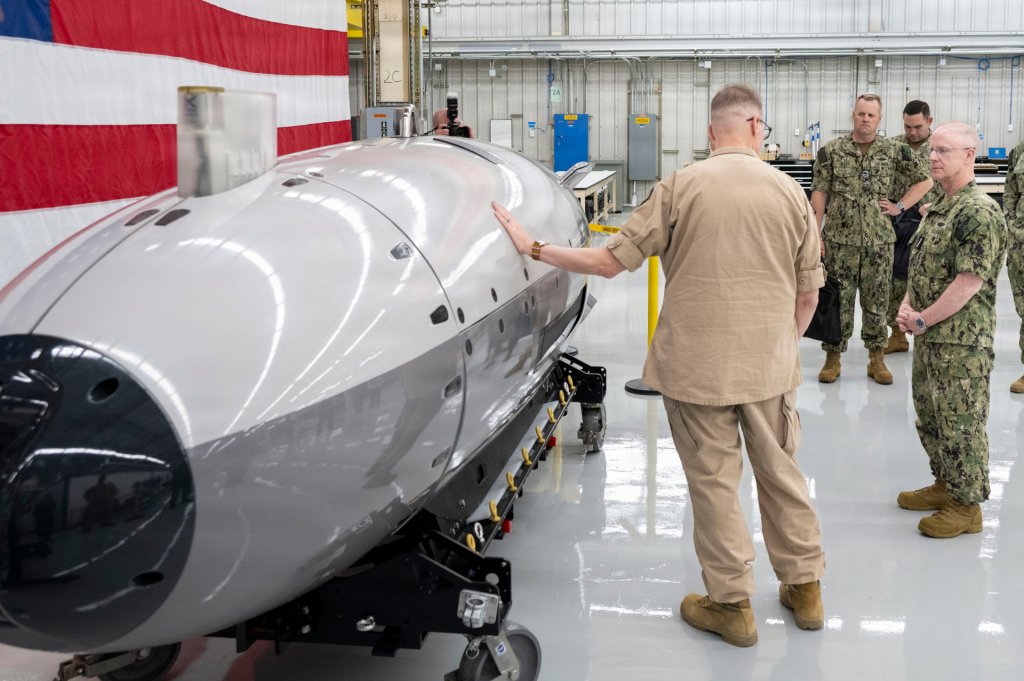
Chief of Naval Operations Adm. Daryl Caudle, at right, is shown a Dive-LD UUV during a visit to Naval Base Kitsap-Keyport, Washington, in June 2026. USN
IPOE and general ISR support, above and below the waves, would be part of any current or future U.S. activities in the region. This includes a new campaign of strikes targeting Iranian tanker ships that began last month and monitoring general port activity in Iran as part of the ongoing blockade.
Employing Dive-LDs in operations against Iran also provides a valuable real-world opportunity to prove out new UUV capabilities and associated tactics, techniques, and procedures, which could prove critical in a future high-end fight against a peer opponent like China. Dive-LD has been feeding into Anduril’s development of an even more capable large UUV called Ghost Shark, the first customer for which is the Royal Australian Navy. Ghost Shark is a militarized version of a design called the Dive-XL that followed the Dive-LD. In March, Anduril announced it was among those selected for the Combat Autonomous Maritime Platform Project (CAMP), an extra-large uncrewed underwater vehicle rapid prototyping effort being run by the Pentagon’s Defense Innovation Unit (DIU) and the Navy. Anduril did not say what platform it would be supplying for that project, but used a picture of Ghost Shark to illustrate the announcement.
The U.S. military is already known to have taken advantage of the ongoing conflict with Iran to demonstrate new weapon systems and other capabilities, including uncrewed maritime systems. In June, a Saronic Corsair drone boat conducted a first-of-its-kind at-sea rescue of the crew of a U.S. Army AH-64 Apache attack helicopter that had gone down in the Gulf of Oman. The following month, U.S. forces launched their first known kamikaze USV attack on Iran’s Bandar Abbas Naval Base using explosive-laden Corsairs.
With all this in mind, it is worth noting that the apparent loss of a Dive-LD intact to Iran is still significant, even if the core design is not brand new and if it does not have any especially sensitive mission systems onboard. It is not necessarily ‘exquisite,’ bleeding-edge technology as it is designed to be optionally attritable, but is still an advanced modern system in operational U.S. service now. Insights into its capabilities and limitations would certainly be of interest to Iran and others. What attempts the U.S. military made to recover the Dive-LD are also unknown. However, the fact that it was not destroyed before or while the Iranians were retrieving it points to American forces having completely lost any sense of its location beforehand.
For its part, Iran has long been a collector of foreign military hardware, primarily U.S. and Israeli, including drones of all types. The capture of a largely intact RQ-170 Sentinel in 2011 is the most famous (or infamous) example. The regime in Tehran also regularly works to reverse engineer what it recovers to varying degrees, and has promised to do the same with the Dive-LD. It could also share its latest prize with its own international partners, including Russia and China, for further analysis and exploitation. The Chinese People’s Liberation Army Navy (PLAN) notably has its own very active UUV programs.
On top of all this, the seizure offers propaganda benefits for the Iranian government, which is already making heavy use of the information space to push back against U.S. military and economic pressure.
The current conflict with Iran has only further underscored the important roles that uncrewed maritime platforms are playing in U.S. operations now, which are only set to keep growing as time goes on. As those same operations expand, so will the risks of capture and other losses.
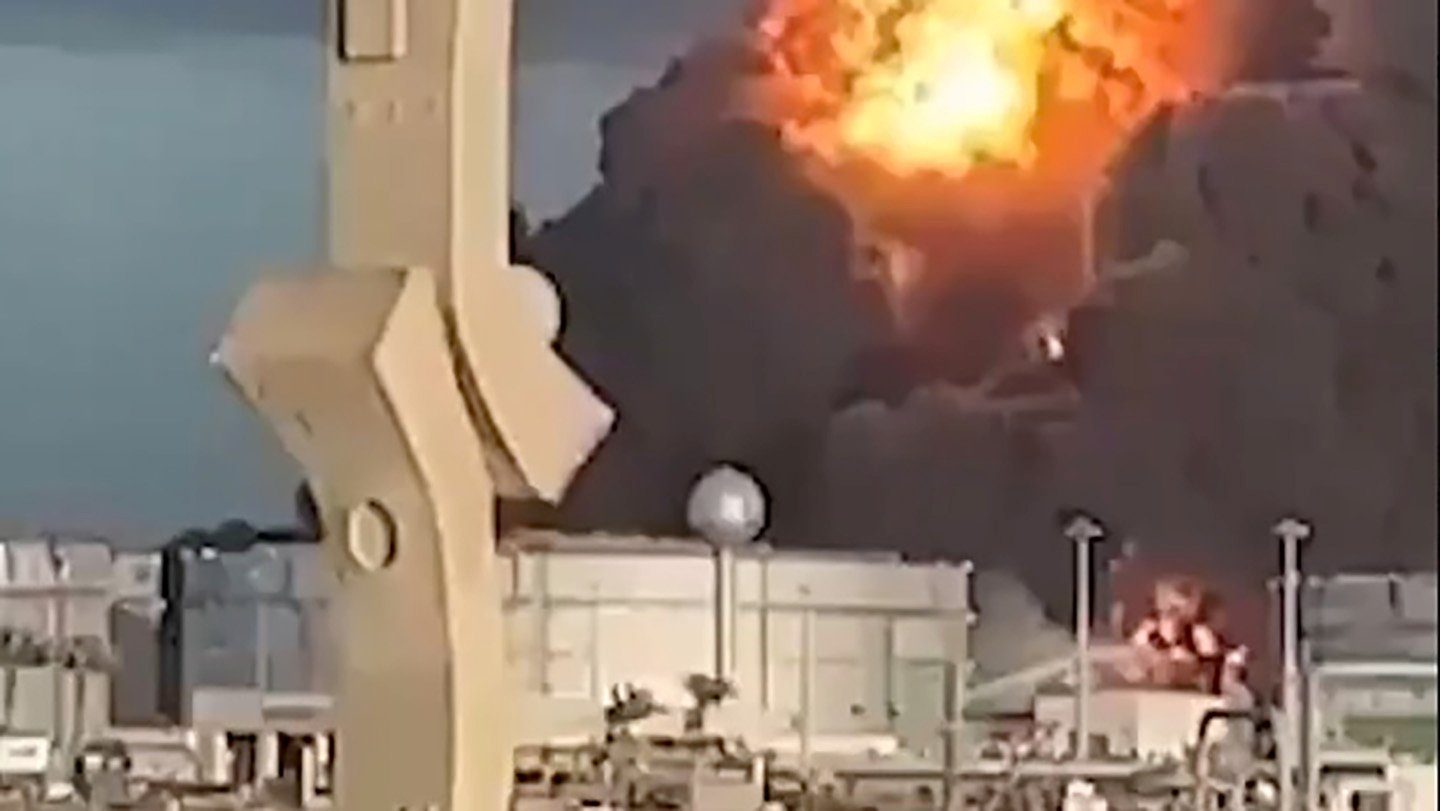
Just hours ago, the Saudi Aramco refinery at Jazan on the Red Sea was engulfed in flames after a Houthi missile and drone attack. Strikes at the heart of the Saudi’s energy infrastructure on the Red Sea, which acts as the remaining primary lifeline of energy exports out of the region, threaten to drastically impact global oil prices further, a concern we have been raising for some time. In the wake of the attack and additional fighting in the Persian Gulf, oil prices surged toward the $100 per-barrel mark.
“The Yemeni Armed Forces carried out a qualitative, large-scale military operation, targeting the Aramco company in Abha, Najran and the Economic City, Aramco in Jizan, and Khamis Mushait Air Base with dozens of ballistic missiles and drones,” Houthi spokesman Brig. Gen. Yahya Saree stated on Telegram. “The strikes were precise, by God’s grace, and direct, causing major damage to those facilities.”
Saree claimed that the strikes were “in response to the Saudi aggression that targeted our people and our country with 121 air strikes over the past three days.”
Saudi officials confirmed Houthi attacks and said they would retaliate.
“The terrorist Houthi Militia’s senseless attacks, the latest of which targeted civilian and economic sites in the cities of (Abha, Khamis Mashait, Jazan and Najran) resulting in injuries to (73) civilians, including women and children, constitute a blatant violation of the Kingdom’s sovereignty and a direct threat to the security and safety of its citizens and residents,” anti-Houthi coalition spokesman Maj. Gen. Turki Al-Maliki stated on X.
“The Joint Forces Command of the Coalition will take all necessary operational measures to deter this Terrorist Militia and resolutely confront its hostile approach, in defense of the Kingdom’s sovereignty, the preservation of its national assets and the safety of its citizens and residents,” Al-Maliki added. “The Command will also take all necessary measures and actions to respond to the sources of the threat and neutralize its danger.”
“…several energy sector facilities and installations in the southern region of the Kingdom were targeted this morning,” the Saudi Ministry of Energy stated on X. The attacks “caused fires at several locations, leading to a temporary halt in some operations,” the ministry added. “Specialized field teams have begun containing the fires, securing the sites and assessing the damage.”
Data from NASA’s Fire Information for Resource Management System (FIRMS) indicates a large amount of ongoing thermal anomalies in and near the massive Jazan refinery.
Houthis appear to have launched a major drone attack on Jazan, SW Saudi Arabia, in recent hours.
The conflict between Saudi Arabia and the Houthis grew out of a civil war in Yemen that erupted in 2014. It expanded a year later when a Saudi-led coalition joined forces with the government ousted by the Houthis and raged on until the parties reached a tenuous ceasefire in 2022. The Saudis held off on getting involved in the recent Red Sea conflict which saw the U.S. and coalition warships duking it out with the Houthis, and eventually led to a U.S.-led air campaign over Yemen. Tensions, however, reignited after that conflict ended when the Houthis joined the U.S.-Iran conflict on the side of their major supporter. The Houthis recently imposed a blockade on the Bab al-Mandeb Strait, and began striking Saudi ships in the Red Sea as well as refineries.
As we have frequently detailed, Houthi attacks on Saudi Arabia’s energy infrastructure put further pressure on oil exports from the Middle East, already drastically affected by the Iranian closure of the Strait of Hormuz and the resumption of the U.S. blockade on Iranian ports. Saudi Arabia has diverted millions of barrels of oil per day through pipelines to its Yanbu port on the Red Sea in an effort to minimize the energy shortages due to the hostilities near the Persian Gulf. This also raised the specter of the U.S. having to get as involved as it did during the previous Houthi campaign against shipping that ended last September, which could pull resources away from Iranian-focused operations, if supporting such an operation is even possible at all at this point. The bottom line here is that if the Houthis stop Saudi oil from transiting through the Bab el Mandeb Strait and the Suez Canal, this last lifeline of energy to Europe and Asia and beyond would be severed. This would drastically exacerbate an already ballooning oil crisis.
The Houthi strikes on Tuesday followed a spike in attacks on shipping in the Strait of Hormuz. Last week, U.S. Central Command (CENTCOM) said it destroyed three Islamic Revolutionary Guard Corps (IRGC) oil tankers after the Iranians fired ballistic missiles at U.S. warships.
On Tuesday, “American forces have struck multiple Iranian tankers tied to the IRGC in response to more attempted missile attacks on a U.S. Navy warship,” a U.S. official told TWZ.
The CENTCOM strikes are part of the Trump administration’s new tanker-for-a-tanker policy of hitting Iranian vessels in response to Tehran’s attacks on shipping in the Strait of Hormuz. This marks a change from previous incidents where ships were only attacked for running the ongoing U.S. naval blockade on Iranian ports. The sinking of one of the Iranian tankers in the most recent strikes is another escalation. Previous incidents following major combat operations during Epic Fury involved U.S. forces disabling Iranian transport vessels, not sinking them.
“Following Iran’s failed attacks, CENTCOM permanently disabled the IRGC crude oil carriers M/T Downy off the coast of Kharg Island and M/T Stark 1 near Jask,” the command stated on X on Saturday. “American forces also completely destroyed the unladen crude oil carrier M/T Kylo (also known as the “Noxen”) in the Gulf of Oman, striking the vessel in multiple critical locations to render it inoperable after the crew was directed to abandon ship.”
The three Iranian crude oil tankers “are part of a multibillion-dollar shadow network that funds the IRGC and its regional proxies,” the command added. “Iran has no means by which to defend them.”
“Let the message to the IRGC be clear: If you shoot at two of our ships, we will impose an even higher economic cost —taking out three of yours,” said Adm. Brad Cooper, CENTCOM commander. “We will not hesitate to defend American forces, and if necessary, destroy Iran’s limited and exposed oil fleet.”
“Let the message to the IRGC be clear: If you shoot at two of our ships, we will impose an even higher economic cost —taking out three of yours. We will not hesitate to defend American forces, and if necessary, destroy Iran’s limited and exposed oil fleet.” — Adm. Brad Cooper,… pic.twitter.com/UGGcSGsUtd
In addition to the tanker attacks, CENTCOM is maintaining its naval blockade of Iranian ports. “As of Sept. 6, U.S. forces have redirected 92 commercial vessels, disabled 3 and boarded 2 to ensure strict compliance,” the command stated on X.
A U.S. Air Force F-35A stealth fighter jet patrols over regional waters as CENTCOM forces continue to enforce the maritime blockade against Iran. As of Sept. 6, U.S. forces have redirected 92 commercial vessels, disabled 3 and boarded 2 to ensure strict compliance. pic.twitter.com/oXNN5zKx1t
As these events unfold, the price of oil is rising further, as we noted earlier in this piece. As of noon on Tuesday, the per barrel price of Brent crude was trading at nearly $98, a $10 per barrel gain from Aug. 26, according to OilPrice.com.
Analysts said the price reflected “the market’s recognition that there is no end in sight for the conflict in the Middle East, which has disrupted oil flows through two vital arteries: the Strait of Hormuz and the Red Sea,” The New York Times reported on Tuesday.
“Oil market participants are now pricing in a more prolonged disruption to shipping flows,” Hamad Hussain, a senior economist with Capital Economics, a research firm, told the publication. “They and other analysts have raised oil price estimates, based on an expectation of increased disruptions.”
Amid the strikes on oil-related targets, Iran claimed it captured an Anduril Dive-LD UUV and is in the process of reverse-engineering it. The IRGC released video and images of the device.
The IRGC Navy has released footage showing the captured U.S. Navy Dive-LD autonomous underwater vehicle (AUV) seized in the Strait of Hormuz. pic.twitter.com/XN379Kcpkh
Additional images showing the U.S. Dive-LD AUV that was captured by the Iranians, following what a U.S. official described as a malfunction a number of days ago. pic.twitter.com/fyuDFJxsuv
The IRGC “captured one of the most modern intelligent and unmanned submarines of the terrorist U.S. military at the entrance to the Strait of Hormuz at dawn today, in a complex operation involving intelligence and operational surveillance,” the organization claimed.
The vessel “possesses the latest technology in the field of underwater systems in the world and was delivered to the fleet of the terrorist U.S. military in 2025,” the IRGC added.
Asked if Iran captured a UUV, a U.S. official denied that the Iranians obtained anything sensitive.
“An underwater drone operated by U.S. forces malfunctioned more than a day ago,” a U.S. official told us. “It was surveying regional waters in support of ongoing operations. The defective drone was an older model that neither collected sensitive data nor carried any classified sonar or radar equipment. U.S. operations in area waters continue.”
That's a Dive-LD from the U.S. Navy’s Unmanned Undersea Vehicle Squadron 1 (UUVRON-1). pic.twitter.com/qwfOUTA8v7
The Dive-LD can be configured for demining operations. Cooper, the CENTCOM commander, recently stated that: “We have successfully cleared sea mines in the strait’s international shipping lanes that were laid months ago by Iran’s Islamic Revolutionary Guard Corps. Internationally recognized transit routes in the strait are free of Iranian sea mines, thanks to the incredible work of the U.S. military.”
It is unclear whether the Dive-LD system was used in those operations; however Financial Times last week reported that the U.S. sent “Navy Seal divers, robot boats and specialized underwater craft into the perilous strait for a four-month mine-clearance mission.”
“The fraught process of explosive device disposal was carried out underwater and in darkness in an attempt to eliminate a crucial factor deterring ships from carrying vital cargoes through the strait since the US and Israel attacked Iran in February,” the publication added.
US Navy SEAL divers spent four months clearing Iranian mines from the Strait of Hormuz, according to the Financial Times.
SEAL divers worked at night from inflatable-hulled boats with help from underwater crafts to remove the mines.
As the Houthi-Saudi exchanges continue and the Strait of Hormuz is still heavily contested, there appears to be no real movement toward a diplomatic solution.
U.S. President Donald Trump proclaimed that the U.S. will defeat Iran.
“Oil prices will drop precipitously, like everything else is dropping (but more!), when we WIN the war with Iran,” the president stated on his Truth Social site. “Three Dollars a gallon, but ultimately, below Two Dollars a gallon. It will all happen quickly, and Iran will never have a Nuclear Weapon. MAGA!”
Trump acknowledges 1) oil prices are high, 2) it's because of the war with Iran, 3) the war has not ended, 4) the US has not won, yet. pic.twitter.com/gcsfqYmu0E
Iran, for its part, said it will continue fighting.
“The Islamic Republic of Iran has always opposed war and has considered the preservation of the people’s interests and regional security to lie in refraining from igniting conflict,” Iranian President Masoud Pezeshkian said on X. “However, just as it has boldly risen to defend against aggression up to this day, it will continue this resistance with full strength until the aggressors are brought to complete regret and will remain the guardian of the rights of the great Iranian nation.”
جمهوری اسلامی ایران همواره با جنگ مخالف بوده و حفظ منافع مردم و امنیت منطقه را در پرهیز از آتش افروزی دانسته است. اما چنانکه تا امروز در برابر تجاوز، دلیرانه به دفاع برخاسته است این مقاومت را تا پشیمانی کامل متجاوزان با قوت ادامه خواهد داد و پاسدار حقوق ملت بزرگ ایران خواهد بود.
Should there be a resolution to this conflict, U.S. military and intelligence officials have had “recent quiet discussions about cutting the number of people and facilities typically stationed in Middle East,” CNN reported.
In offices across the US military & intel community, there have been recent quiet discussions about cutting the number of people & facilities typically stationed in Middle East if Trump admin succeeds in ending the Iran conflict, 6 sources tell @KatieBoLillis & me.…
That’s it for now. We’ll update this story when new details emerge.
UPDATE: 6:25 PM Eastern:
CENTCOM said it “destroyed five Iranian crude oil carriers, Sept. 8, after the Islamic Revolutionary Guard Corps (IRGC) targeted a U.S. Navy warship with ballistic missiles twice over the past two days.”
“The U.S. warship successfully evaded the attempted Iranian attacks and continued to patrol regional waters. No American personnel were harmed,” the command added on X. “In response to Iran’s most recent failed attacks, CENTCOM destroyed the IRGC crude oil carriers M/T Kaviz, M/T Charminar, M/T Horizon 1, and M/T Riesco in the Gulf of Oman as well as M/T Derya near Kharg Island. American forces directed the crews to abandon ship before the vessels were struck and rendered inoperable. Iran has used the tankers as part of a multibillion-dollar shadow network that funds the IRGC and its regional proxies. Iran has no means by which to defend these vessels.”
CENTCOM forces destroyed five Iranian crude oil carriers, Sept. 8, after the Islamic Revolutionary Guard Corps (IRGC) targeted a U.S. Navy warship with ballistic missiles twice over the past two days. The U.S. warship successfully evaded the attempted Iranian attacks and… pic.twitter.com/Gi8a2tloN1
In the wake of the CENTCOM strikes, Iran launched a new wave of ballistic missile attacks, a Jordanian source confirmed to us. The official Iranian Fars media outlet said Muwaffaq Salti Air and Prince Hassan air bases were targeted.
حمله به پایگاههای موفقالسلطی و شاهزاده حسن در اردن
گفته میشود پایگاههای هوایی موفق السلطی و شاهزاده حسن اهداف حملات موشکی ایران است.
براساس گزارشها اردن به دلیل ناتوانی سامانههای پدافندی آمریکایی، جنگندههای نیروی هوایی را برای رهگیری موشکهای ایرانی به پرواز درآورده.
Video has emerged on social media of interceptors in Jordan defending against the attack.
An insane amount of Jordanian interceptors being seen used here. Dozens being used, as Iranian fires inundate the local area. So far no visible impacts have been viewed. pic.twitter.com/cyZtoojZ9G
Dave Masters watched as his father’s house careened into a telephone pole and split in two, after Hurricane Frances lifted it from its foundation in 2004. Hayward County, in Western North Carolina, bought the house and declared the patch near the town of Clyde “permanent open space under a federally funded program to reduce the risk of future loss of life and property damage.” Not all homes were treated equally, though, in the aftermath of distaster. Hurricanes Frances, Ivan, and Helene, along with Tropical Storm Fred, all brought heavy rains and flooding to the nearby Hyder Mountain Road mobile home park. They’re “part the result of a gap in disaster policy that allows mobile home residents to be put in harm’s way again and again.” For The Assembly, in a piece produced for ProPublica’s Local Reporting Network, Ren Larson explains why.
The federal government’s programs to buy out disaster-prone buildings are “the cornerstone of the Nation’s system for emergency management,” according to the Federal Emergency Management Agency. But the program was developed with traditional homeowners in mind, and mobile homes, the country’s largest source of affordable housing, are often left out. Trailers, even when they become immovable and lifelong homes, aren’t typically considered real estate but instead personal property, like motorcycles and boats.
That still leaves people living on flood-prone land. For the state to actually buy that land, mobile home park owners have to take the buyout, and FEMA’s program offers little incentive for them to do so: They can’t collect from the government for lost rent or for the value of the mobile homes on top of the land.
Some park owners say the payouts are not high enough to allow them to relocate; others aren’t even aware of the buyout program. So park owners regularly allow new trailers to move into the vacant spots. Art and Lynne Heinmiller, who own the Hyder Mountain Road mobile home park, did not respond to questions — which were emailed, texted and mailed via certified letter — about allowing trailers and campers to move back to where they’d washed away
Human remains hidden in a plastic bag were discovered near a sports stadium in Kypseli district of central Athens at noon on Tuesday, September 8, 2026. According to initial information, it was a child who found a human skull and bones near the Alepotrypa (Fox Hole) stadium. The children of a local football club were […]
Sovereign wealth is typically measured by the size of reserves that allow a country to weather periods of crisis. However, for future generations, it is not only the amount left in financial accounts that matters. Of equal importance is the state of the country they inherit alongside these savings: the quality of its schools and hospitals, the condition of utility networks, roads, energy, and other core infrastructure.
For Kazakhstan, this question holds special significance. Revenues from natural resources enable the country to build a substantial financial cushion. The National Fund accumulates a portion of commodity revenues and serves two primary functions: a savings function aimed at preserving assets for future generations, and a stabilization function designed to reduce the state budget's vulnerability to fluctuations in global commodity markets. It should be noted that by mid-2026, the fund's foreign-currency assets reached $65.5 billion. (1)
Sovereign wealth operates differently
There is no single global model for managing sovereign wealth funds. States strike different balances between intergenerational savings, fiscal stabilization, and deploying accumulated capital for development. However, international experience demonstrates that these goals are not inherently contradictory.
Norway adheres to one of the most disciplined models of sovereign wealth management. Its fiscal rule aligns withdrawals with the expected real return of the Government Pension Fund, while preserving the flexibility to use fiscal policy in response to major economic shocks. (2)
The stabilization function is even more pronounced in Chile. Funds from the Economic and Social Stabilization Fund have been drawn upon repeatedly during periods of economic stress. In 2009, withdrawals reached nearly $9.28 billion, with significant funds also deployed in 2019–2021. (3)
Other countries also utilize commodity revenues not only as a source of long-term savings, but as a catalyst for economic development. The experience of Kuwait is illustrative, where these responsibilities are divided between the Future Generations Fund, focused on preserving capital for future generations, and the General Reserve Fund, whose investment portfolio encompasses energy, industry, transport and logistics, healthcare, and infrastructure. This model allows Kuwait to preserve a portion of national wealth for upcoming generations while transforming another portion into assets that expand the country's economic potential today and build the foundation for long-term growth. (4)
Azerbaijan, whose sovereign wealth origins closely mirror Kazakhstan's, has utilized resources from the State Oil Fund to finance major projects of national importance, including the Baku–Tbilisi–Kars railway, the Oguz–Gabala–Baku water supply system, and equity participation in major oil and gas transport initiatives. (5)
None of these models can be mechanically copied by another country. Together, however, they demonstrate that sovereign wealth management does not boil down to a binary choice between "saving" and "spending." What matters far more is the form in which national capital can deliver the greatest long-term return for the nation.
From financial capital to national capital
Savings from the National Fund are already being utilized directly in the interests of future generations. Since 2024, Kazakhstan has operated the "National Fund for Children" program: every young citizen of Kazakhstan is annually allocated a portion of the fund's investment income, and upon reaching 18 years of age, the accumulated funds can be used for education or housing improvement. This program has already entered the phase of practical asset utilization. Between February 2024 and August 1, 2026, payouts were received by more than 338,000 young Kazakhstanis, totaling approximately $67.8 million. Meanwhile, the funds belonging to minors remain within the National Fund's assets and continue to be invested until they reach adulthood. (6)
At the same time, Kazakhstan faces a challenge familiar to many economies that have accumulated significant revenues from natural resources: what portion of national wealth should remain in financial assets, and what portion makes sense to convert into capital working domestically.
Soon, Kazakhstan plans to deploy a portion of the National Fund's assets to finance major infrastructure projects of nationwide significance. In 2027, over $4 billion is planned for these purposes, followed by slightly over $3 billion annually in 2028 and 2029 (7).
According to several experts, the economic rationale for such a decision extends beyond mere financing. When funds are directed into long-term social and engineering infrastructure, national wealth does not disappear. The form in which it exists simply changes.
Money allocated to current consumption expires alongside the budget cycle. A school, hospital, utility network, road, or energy facility remains in the economy and operates for decades.
This is precisely why infrastructure investments differ fundamentally from covering operational expenses. A portion of financial capital is effectively transformed into physical and human capital within the country.
Such an approach yields economic benefits right from the project implementation stage. Construction generates demand for materials, equipment, transport, design, and installation work, providing orders for domestic enterprises and creating added value within the country. Once facilities are operational, another, far more sustained effect begins. Modernizing heating and water supply systems increases their reliability, reduces losses, and diminishes the need for costly emergency repairs. Roads enhance regional connectivity. Energy infrastructure removes bottlenecks for expanding existing production and launching new industrial capacity.
Investments in healthcare and education occupy a special place. Modern hospitals, clinics, and educational institutions represent both social infrastructure and direct investments in human capital. The accessibility of medical care, public health status, quality of education, and workforce qualifications are directly tied to labor productivity and the long-term potential of the economy. All social infrastructure is as much an element of national capital as transport or energy infrastructure, and its returns and effectiveness extend far beyond the construction timeline of any individual project.
The cost of deferred development
Utilizing accumulated capital carries an opportunity cost. However, delaying investments carries an opportunity cost as well. Insufficient capacity of transport networks, energy shortages, worn-out utility systems, and a deficit of schools or medical facilities impose costs today. The longer modernization is postponed, the longer the economy and population bear these costs.
Therefore, the pace of infrastructure development carries clear economic value. If a necessary facility opens today rather than ten years from now, the country gains additional years of its economic and social returns.
Moreover, the social and economic effects of infrastructure are largely inseparable. Reliable utility networks, modern healthcare, education, transport, and energy simultaneously elevate the quality of life and create an environment in which private economic activity can thrive.
A reserve that has already worked
Using the National Fund's resources to address strategic priorities is not a new practice for Kazakhstan. The fund's ability to provide supplementary resources when the economy needs them most has repeatedly served as a key factor in the country's economic resilience.
During the global financial crisis of 2008–2009, $10 billion was directed to stabilize the financial sector, support real estate, small and medium enterprises, and the agribusiness sector (8). In 2015–2017, an additional $9 billion was withdrawn (9). During the pandemic in 2020–2021, transfers from the National Fund helped preserve economic stability and support citizens. Thus, having an accumulated reserve allowed the state to act proactively—promptly directing additional resources where they were required to prevent more severe economic repercussions.
The existence of a large financial reserve enabled Kazakhstan to navigate periods of external shocks with an additional funding source without relying exclusively on current budget revenues.
Today, it is not the principle of using the fund that is changing, but the nature of the task. Previously, accumulated resources primarily served to mitigate the impact of global shocks. Now, a portion of the capital is intended to eliminate infrastructural bottlenecks that could constrain long-term development.
This expands the sovereign fund's role: resources accumulated during favorable periods are used not only after a crisis arises, but also to build assets that enhance the resilience and potential of the economy for years to come.
The account of future generations
Ultimately, the success of this strategy will be measured not by the volume of funds withdrawn from the National Fund, but by the value of the assets created with them and the overall effect they deliver to the economy and citizens.
This fundamentally shifts the evaluation criteria. If a financial asset worth one dollar is transformed into infrastructure that enhances productivity, lowers business costs, elevates human capital quality, and fosters conditions for new private investment over decades, the very structure of national wealth undergoes a qualitative transformation.
Therefore, the central question for the coming years is not whether to utilize National Fund resources, but the quality of the assets Kazakhstan creates in return. For future generations, this exact balance between preserved financial capital and the value of the domestic economy built in its place will stand as the primary legacy of today's decisions.
Six months into the US-Iran war, and as Europe grapples with finding a solution to a crisis that has spread across the region, Iranian activists across the Islamic Republic risked their lives last week by taking part in demonstrations, impromptu parades and acts of disobedience to mark the 62nd anniversary of the founding of Iran’s leading pro-democracy opposition group. What makes this particularly relevant for Brussels is that Europe is examining ways not only to contain the immediate crisis, but also to address the broader question of what political forces inside Iran could ultimately shape the country’s future. Meanwhile, members of the same movement in exile held an election to choose a new occupant of the organisation’s highest office.
The People’s Mojahedin Organization of Iran (PMOI) was originally established to promote revolution against the hereditary dictatorship of Shah Mohammad Reza Pahlavi. But after that revolution came about in 1979, it quickly stood up against the theocratic faction that seized power in its wake and began cultivating a reputation as the primary voice for a democratic alternative to the Islamic Republic. It has since been targeted for annihilation by the regime on several occasions but has invariably rebounded and assumed leading roles in major, collective challenges to the regime’s hold on power.
Those challenges include independent media campaigns, mass protests and an armed assault in February on Tehran’s Motahari Complex, which contains offices belonging to several leading officials and institutions, including that of the supreme leader. That incident threatened to decapitate the regime just days before the United States began the bombing campaign that has left it mired in a grinding war with the Islamic Republic more than six months later.
The PMOI has also been credited with leading roles in each of four successive uprisings that spread across the entire country in 2018, 2019, 2022 and 2026. The last of these, which took place mostly in January, was ruthlessly suppressed, with the death toll reaching into the thousands. This was soon followed by a new escalation in Iran’s world-leading use of the death penalty, particularly against political detainees.
Since the start of the Iranian calendar year in March, 40 such prisoners have been hanged, many of them for participating in the January uprising or for affiliation with the PMOI. The trend has led many of the organisation’s supporters to warn that the regime could be setting the stage for a massacre akin to that which took place in the summer of 1988, primarily targeting the PMOI, when 30,000 political prisoners, the overwhelming majority of them affiliated with the PMOI, were massacred within a few months.
Those warnings, and that history, illustrate the danger that Iranian activists were taking on when they coordinated demonstrations last week with the express purpose of promoting the PMOI. This, in turn, points to the resilience that the Iranian people have demonstrated both in the early days of the Islamic Republic and in recent clashes between protesters and regime authorities.
That resilience is arguably reflected in the PMOI’s choice of Mahnaz Maimanat (pictured) as its new Secretary General on Sunday (6 September). Like most of her colleagues, Maimanat has suffered great personal losses in her fight against the ruling system. Her brother Massoud was killed by firing squad in 1983, and her brother Mahmoud was hanged during the 1988 massacre, the same year that their mother was killed by the Islamic Revolutionary Guard Corps.
Since joining the PMOI at the age of 20 in the immediate aftermath of the revolution, Maimanat has remained steadfastly committed to the organisation, joining its Leadership Council in 1993 and its Central Council in 2014, before becoming co-Secretary General in 2021. After she secured 56 percent of the votes from fellow members of the Central Council, a statement from the PMOI described Maimanat’s election as a means for the organisation to declare “its firm determination to topple the ruling religious fascism.”
The statement also quoted Maryam Rajavi, President-elect of the National Council of Resistance of Iran, the political coalition of which the PMOI is a member organisation, as saying that Maimanat “has combined dynamism and a defiant spirit with an even deeper sense of commitment and responsibility for the freedom of the Iranian people and her homeland.”
Rajavi has been designated by the NCRI to oversee a transition to democratic governance following the mullahs’ overthrow. She has also authored a Ten-Point Plan for Iran’s future in the wake of that transition, guaranteeing free and fair elections, separation of religion from the state, equal rights for women and minorities, and peaceful relations with neighbouring countries and the West, backed by the dismantling of the outgoing regime’s nuclear weapons programme.
In recent years, thousands of lawmakers across Europe and North America, including cross-party members of the European Parliament, have openly endorsed that plan while also recognising the NCRI as a viable, democratic alternative to the current ruling system.
The Kazakhstani tenge has become the best-performing currency in Asia and Europe in 2026, according to the Financial Times. Since the beginning of the year, it has appreciated by nearly 10% against the US dollar, outperforming all other currencies worldwide except for several currencies of Latin American and African countries. This performance has been underpinned by economic growth driven by the transformation of Kazakhstan’s economic model. The country is rapidly evolving from a commodity-based economy into a financial and technology hub for Central Asia, amid growing inflows of foreign capital.
Growth factor
This year, the key factor behind the tenge’s significant 9.7% appreciation was not oil prices, which have traditionally been associated with Kazakhstan’s economic performance. This time, the appreciation of the Kazakhstani currency was driven by capital inflows, Dmitry Dolgin, Chief Economist for the CIS at ING, told the Financial Times. As of June, foreign investments in tenge-denominated government debt had reached $5 billion, 2.5 times higher than a year earlier, accounting for nearly one-tenth of the total volume of such securities outstanding.
Foreign investors seeking to diversify their portfolios are attracted by high yields — with the base rate at 16.75% — combined with a moderate level of risk, as confirmed by Kazakhstan’s sovereign credit rating. Another factor contributing to increased foreign capital inflows is the easier access for foreign investors to the country’s government debt. In April, the Kazakhstani authorities announced plans to connect local government bonds to the international clearing system Euroclear, and foreign investor activity has increased notably in recent months.
In addition, Kazakhstan expects to be included in the benchmark JPMorgan GBI-EM index of local-currency government bonds of emerging markets. The US bank is also preparing a separate index for frontier markets (a category of emerging markets — ed. note), in which, according to the National Bank, Kazakhstani bonds could account for an 8% share if included.
Foreign direct investment in Kazakhstan
The growth of foreign direct investment is providing additional support for the tenge. In the first quarter, FDI amounted to $6.3 billion. As the Financial Times notes, Kazakhstan is seeking alternative sources of income beyond oil, including by positioning itself as a transit and technology hub for goods moving from China to Europe. To this end, the country is investing heavily in infrastructure, the publication emphasizes.
In recent years, the country’s authorities have implemented reforms aimed at strengthening the national investment ecosystem, including tax, customs and other incentives. As a result, the total gross inflow of foreign direct investment into Kazakhstan from 2021 through 2025 amounted to approximately $114.3 billion. In 2025, the figure reached $20.5 billion, up 14.4% year on year. At the same time, the structure of investment has also changed, with capital increasingly flowing into manufacturing, trade, the financial sector, transportation and the IT industry.
The changes have resulted in record economic growth. In 2025, Kazakhstan’s GDP grew by 6.5%, the highest rate in a decade. Growth continued in the first five months of 2026, reaching 3.7% despite a decline in oil production. Meanwhile, the real sector of the economy grew by 4%, while services expanded by 3.6%, which can be seen as evidence of a qualitative transformation of the economy.
Statistical data illustrate the rapid expansion of the non-resource sector during this period. Construction recorded the strongest performance in 2026, growing by 13.4% in the first five months of the year compared with the same period in 2025. Manufacturing was also among the leaders, increasing by 9%. The highest growth rates were recorded in machinery manufacturing, which expanded by 23.3%, and pharmaceuticals, which grew by 35.2%.
According to the IMF, Kazakhstan’s economy measured at purchasing power parity is expected to reach $993.7 billion in 2026, effectively approaching the psychological milestone of $1 trillion. Over the past decade, this figure has nearly doubled.
Competitive economy
Based on its 2025 results, Kazakhstan ranked among the world’s most competitive economies, taking 34th place out of 69 countries in the IMD World Competitiveness Ranking, ahead of Japan, Kuwait, Portugal, India, Italy and other countries. Kazakhstan was also the only country from the CIS and Central Asia represented in the ranking. Analysts note that the country’s economy is becoming increasingly diversified. Today, manufacturing, logistics, energy infrastructure and investment projects are playing an increasingly important role.
Kazakhstan also ranked 53rd out of 150 countries in the Global Investment Risk & Resilience Index, achieving the highest result among Central Asian countries.
Focus on digitalization
Digitalization is one of Kazakhstan’s strategic priorities. In early June 2026, it was announced that an agreement had been signed with Firebird and Nvidia US companies to build data centers in the so-called “Data Center Valley.” According to Bloomberg, investments in the project could amount to $10 billion.
According to the Ministry of Artificial Intelligence, Kazakhstan’s IT services exports exceeded $1.142 billion in 2025. The sector has been growing at a rapid pace: five years ago, exports of high-tech solutions from Kazakhstan amounted to just $33.5 million. The strategic goal is to increase Kazakhstan’s IT services exports to $5 billion by 2030.
Fintech for export
Kazakhstan is expanding its export potential in the financial sector. In August, the subsidiary of one of the largest fintech holdings operating in Kazakhstan, Freedom, received a brokerage license from the local regulator in Turkey, becoming the first foreign broker in 34 years to obtain such a license. In late July, the company also completed the acquisition of a local bank. According to the holding’s founder, Timur Turlov, the company plans to invest $300 million in the Turkish market to create an integrated digital financial ecosystem built around its brokerage and banking businesses.
Freedomalready operates in 24 countries worldwide. This year, the company applied for a banking license in France, viewing it as a gateway to the broader European market. The holding currently serves more than 600,000 brokerage clients in Europe and aims to increase that number to 50 million by exporting its ecosystem.
The total number of clients across all companies within the Freedom group stands at 14 million, while the holding’s assets exceed $14 billion and its market capitalization stands at $10 billion. Since Freedom’s listing on Nasdaq in 2019, the value of its shares has increased nearly 13-fold.
Another Kazakhstani fintech giant, Kaspi.kz, is also actively expanding its presence in Turkey. In July, the company announced the completion of a deal to acquire the Turkish subsidiary of Rabobank Dutch group. Earlier, in 2025, Kaspi.kz acquired a controlling stake in Turkish marketplace, Hepsiburada. The company’s shares are also traded on a US stock exchange, underscoring the high level of international confidence in Kazakhstani fintech companies.
Kazakhstan is also actively building its own financial infrastructure, while its stock market ranks among the largest in Eastern Europe. Trading volume on the Astana International Exchange (AIX), which officially began operations just eight years ago, amounted to $2.1 billion in 2025. Since its launch, AIX has facilitated the raising of $12.4 billion in debt and equity capital, while assets under management within the Astana International Financial Centre (AIFC) exceeded $5.4 billion at the end of 2025.
On the country’s oldest exchange, the Kazakhstan Stock Exchange (KASE), trading volume in 2025 amounted to KZT 400.8 trillion ($769.1 billion). At the same time, the KASE Index has nearly tripled over the past four years, reaching 7,712.53 points by the end of June 2026. Combined trading volume on the two exchanges increased by nearly 50% in the first half of the year, while equity market capitalization rose by 18.8%.
The Sudanese Armed Forces (SAF) are facing fresh accusations of employing chemical weapons in the ongoing conflict against the Rapid Support Forces(RSF), with the latest reports coming from US media outlets, writes Mohsin Osman.
On Saturday (5 September), The New York Times and The Washington Postpublished dual investigative reports based on leaked intelligence materials. The files include approximately 150 documents, photographs, video clips, and intercepted communications, alongside thousands of text messages retrieved from the phones of Sudanese officers.
The evidence points to an alleged program established in 2024 to manufacture chlorine-based munitions. It details bomb design blueprints, testing operations, and a coordinated cover-up strategy initiated after the plot was uncovered by the United States. The records also outline plans to siphon chlorine gas from a civilian water treatment facility that had originally received the chemical from international aid agencies.
These revelations reignite long-standing allegations of chemical weapons usage that have shadowed SAF leadership since last year, significantly heightening international pressure on the military command.
The United States previously imposed sanctions on Sudan in May 2025 over allegations that the military deployed chemical weapons during the conflict in 2024. The sanctions took effect on July 20, 2025. Authorities in Port Sudan have consistently rejected these accusations, maintaining that they do not produce, stockpile, or use chemical weapons, and emphasizing their adherence to the Chemical Weapons Convention (CWC).
A covert programme amid escalating pressure
According to TheNew York Times, the SAF turned to chemical weapons early in 2024 to break a strategic stalemate, as RSF fighters held firm control over most of the capital, Khartoum.
Leaked records show that Brigadier General Tariq Hussein emerged as a central figure in July 2024, orchestrating the design, planning, and execution of the program. Intercepted messages reveal that Hussein proposed using chlorine to give army forces a tactical edge in the battle for Khartoum. He distributed prototype schematics for an explosive warhead integrated with roughly 33 pounds of chlorine gas, with production commencing that same month.
In messages published by the Times, Hussein noted that the hybrid munitions were designed to maximize lethality—either by shrapnel fragmentation or chlorine gas poisoning—asserting that the explosion would destroy all chemical traces of the attack.
On July 22, an Antonov cargo plane took off from Merowe Airport, roughly 200 miles north of Khartoum, to conduct a test launch. Following the trial, Hussein reported that the experiment was a "100 percent success," attaching a video of a desert explosion and confirming that the munition "hit the target and released the gas."
Brigadier General Amir Idris, identified in records as the supervisor of military drone operations, responded with a single directive: "Top Secret."
Technical hazards and signs of lethality
The communications reveal that the program faced severe technical flaws. Chemical leaks were a recurring issue; on one occasion, workers found dead insects and scorpions on the floor of a hangar after overnight exposure to leaking gas.
The incident underscored the volatile nature of the agent being handled long before it reached the battlefield. Concurrently, the program faced a critical challenge in securing a steady supply of chlorine.
Diverting humanitarian chlorine supplies
According to The New York Times, 20 cylinders of chlorine gas were smuggled across the border from a neighboring country in late August 2024. Hussein calculated that this batch would yield roughly 1,100 bombs.
Hussein subsequently sought internal sources, turning to local civilian infrastructure in violation of international norms. He admitted to sourcing additional chlorine from the Al-Manara water treatment plant in Omdurman—one of the few remaining operational facilities amid the war.
"Al-Manara has some of those cylinders, and we took them from there," Hussein stated in an August 26 voice message to Idris.
The diversion of these supplies carries significant gravity, as the chlorine at the plant was intended for emergency water purification during cholera outbreaks rather than military application.
The International Committee of the Red Cross (ICRC) confirmed to the Times that it had donated 30 chlorine cylinders to the plant in 2023, while CARE reported delivering 35 cylinders across 2024 and 2025. A UNICEF spokesperson added that the organization supplied chlorine to six treatment plants in Khartoum, including Al-Manara, between 2023 and 2025.
By October 2024, Hussein reported manufacturing approximately 300 chemical munitions, most of which were stored at Merowe Airport.
Earlier in September, Hussein sent a notable message to a colleague stating, "They drank the gas," describing an attack on RSF fighters at the Al-Jaili oil refinery north of Khartoum. This account aligns with claims made by the RSF on September 13, when the paramilitary group issued a statement accusing the army of firing "toxic" missiles at the refinery. Footage circulated online at the time showed men in civilian clothing inside the facility wearing oxygen masks.
Command responsibility and cover-up efforts
The New York Times indicates that the program was likely shuttered once U.S. officials detected its existence and moved to apply targeted sanctions.
Intercepted communications reveal that the head of Sudan’s Armed Forces, General Abdel Fattah al-Burhan, instructed Hussein to "erase all traces" of the operation. The response back was: "The operation was completed a month ago."
During a subsequent round of measures in June, the U.S. sanctioned Hussein for importing explosives for bomb production, though that specific designation did not explicitly cite chemical weapons.
By that time, Burhan had established an internal committee to investigate the U.S. allegations. According to documents in the file, Hussein himself—the architect of the program—was appointed as an advisor to the panel.
The intelligence indicates that General Burhan was not merely informed after the fact, but was directly involved in overseeing the chemical weapons program. His direct knowledge was a primary factor in the U.S. decision to impose sanctions on him in January 2025.
While proving chemical weapons usage in conflict zones remains complex, arms experts consulted by The New York Times concurred that available evidence strongly points to their deployment in the Sudanese conflict. However, they stressed the necessity of an independent field investigation.
Addressing the findings, the Emergency Lawyers group, a Sudanese legal advocacy organization, issued a statement calling for a transparent international probe. The group urged that "international experts be granted safe, unconditional access to targeted sites, enable the physical examination of munitions fragments and delivery systems, and be permitted to interview witnesses and victims independently and securely."
Kazakh President Kassym-Jomart Tokayev has called on nuclear-armed states to engage in negotiations and accelerate efforts to bring the Comprehensive Nuclear-Test-Ban Treaty (CTBT) into force, reaffirming Kazakhstan’s commitment to the global anti-nuclear movement, Qazinform News Agency cites Akorda.
Tokayev made the remarks in a statement marking the International Day against Nuclear Tests, established by the UN General Assembly at Kazakhstan’s initiative.
The president noted that exactly 35 years ago, amid a difficult international situation, Kazakhstan closed the Semipalatinsk nuclear test site. For decades, the testing ground caused irreversible damage to people’s health and the environment, leaving a painful legacy for the Kazakh people, he said.
“Thirty-five years later, this date will serve as a reminder to all humanity of the tragic consequences of nuclear tests and as a call to prevent them from ever happening again,” Tokayev said.
He also highlighted Kazakhstan’s decision to voluntarily give up the world’s fourth-largest nuclear arsenal following the country’s independence.
“By voluntarily renouncing the fourth-largest nuclear arsenal on the planet, Kazakhstan made a historic choice in favor of peace, security and sustainable development. This decision fulfilled the aspirations of the people of Kazakhstan and demonstrated our state’s responsibility for the fate of future generations,” Tokayev said.
According to the president, Kazakhstan’s commitment to peace and friendship with all states, enshrined in the preamble of the country’s new Constitution, remains an unwavering principle of its foreign policy.
“Our country’s position as one of the leaders of the global anti-nuclear movement remains unchanged. We call for negotiations among nuclear powers, the earliest possible entry into force of the Comprehensive Nuclear-Test-Ban Treaty, and decisive multilateral action to eliminate the threat of nuclear weapons use,” Tokayev said.
The president also stressed that nuclear energy should be used exclusively for peaceful and constructive purposes.
He noted that the Kazakhstani people had firmly supported the country’s course toward developing nuclear energy in a nationwide referendum, laying a solid foundation for Kazakhstan’s economic, scientific and technological progress for decades to come.
Tokayev said this strategic choice forms an important part of the country’s transformation and opens a new stage in its sustainable development. He added that large-scale reforms across all areas of public life are aimed at building a Just, Progressive and Clean Kazakhstan.
“I am confident that together we will achieve this ambitious goal,” the president concluded.
Earlier, Qazinformreported President Kassym-Jomart Tokayev had offeredcondolences over passing Norway’s King Harald V.
Diplomats say the U.S., Britain, France and Germany now seek to refer Iran to the U.N. Security Council for failure to comply with its nuclear nonproliferation obligations.
Diplomats say the U.S., Britain, France and Germany now seek to refer Iran to the U.N. Security Council for failure to comply with its nuclear nonproliferation obligations.

 Login




 Houthis appear to have launched a major drone attack on Jazan, SW Saudi Arabia, in recent hours.