A major new investment commitment announced during President Sheikh Mohamed bin Zayed Al Nahyan’s (pictured) state visit to Berlin signals a deeper economic relationship between two countries looking for reliable partners in an increasingly uncertain world.
The United Arab Emirates has announcedplans to invest an additional €40 billion in Germany, one of the most substantial signals yet that the economic relationship between Europe’s largest industrial economy and the Gulf state is entering a new phase.
The commitment, announced during President Sheikh Mohamed bin Zayed Al Nahyan’s state visit to Germany, will target sectors including industry, advanced technology, artificial intelligence, digital infrastructure and energy. Of the total, €10 billion is set to be invested in the German state of Bavaria.
The headline figure is striking. But its significance goes well beyond the amount involved.
The UAE has already invested around €34 billion in Germany. The new commitment therefore represents not simply another large capital allocation, but an attempt to deepen a relationship increasingly built around the industries and technologies that both countries see as central to their future competitiveness.
As Dr Sultan Ahmed Al Jaber, UAE Minister of Industry and Advanced Technology and Envoy of the Minister of Foreign Affairs to Germany,put it:“The UAE invests for the long term and builds partnerships that endure.”
For Germany, the fresh injection of long-term capital arrives at an important moment.
The country has formidable strengths in engineering, manufacturing, chemicals, industrial technology and applied research. Yet maintaining that industrial position is becoming ever-more expensive. Artificial intelligence, digital infrastructure, advanced manufacturing, energy systems and industrial decarbonisation all require substantial investment at a time when German companies are also confronting higher costs, geopolitical uncertainty and growing international competition.
The UAE brings a different set of strengths: investment capacity, energy expertise, digital infrastructure and commercial connections across the Gulf, Asia and Africa. The logic of the partnership is therefore not simply that one country has money while the other needs investment. It is that their economic capabilities are increasingly complementary.
This synergy is reflected in the sectors identified for the new commitment. Rather than focusing narrowly on established assets, the investment is intended to support areas expected to shape industrial competitiveness over the coming decades.
Al Jaber said the intention was to support “the industries, technologies and skilled jobs that will drive future growth and competitiveness”, while strengthening energy security and supply chains and helping German companies continue to grow internationally.
That last point matters because the relationship works in both directions.
Germany gives Emirati investors access to one of the world’s deepest industrial and technological ecosystems. German companies, meanwhile, increasingly see the UAE not simply as a domestic market but as a platform from which to reach faster-growing economies across the Middle East, Africa and Asia.
The two countries’ economic relationship has already strengthened significantly in recent years, with a number of notable examples of cooperation. Emirati investment has reached sectors including chemicals and offshore wind, while leading German companies have become increasingly embedded in the UAE economy, with bilateral trade worth more than €13 billion last year, an increase of 15% compared to the previous year.
The new €40 billion investment marks a significant new phase of this deepening relationship, and the timing of the announcement also gives it a wider geopolitical significance.
German President Frank-Walter Steinmeiercapturedthe mood during the state visit when he observed that “the world has become a more turbulent place; old certainties are crumbling.” Against that backdrop, he argued that reliable and rational partners mattered more than ever, telling Sheikh Mohamed: “Germany is that kind of partner for you; you are that kind of partner for us.”
Those comments go to the heart of why Germany and the UAE’s economic relationship now matters far beyond the balance sheet.
Russia’s invasion of Ukraine exposed the risks created by concentrated energy dependencies for Germany and countless other countries in Europe and around the world. Conflict in the Middle East has again demonstrated the vulnerability of trade routes, energy markets and supply chains. Global competition over AI and other critical technologies has made industrial capacity a highly strategic question as well as an economic one.
Both Germany and the UAE have reasons to diversify their partnerships in response.
Germany needs capital, energy relationships, technology partnerships and access to growing markets. The UAE is seeking to diversify an economy historically built around hydrocarbons while deepening its position in advanced technology, industry and global investment.
The €40 billion investment is a powerful statement of intent and a reaffirmation of a long-standing partnership between the two countries that could transform their industrial and technological strategies for years to come.
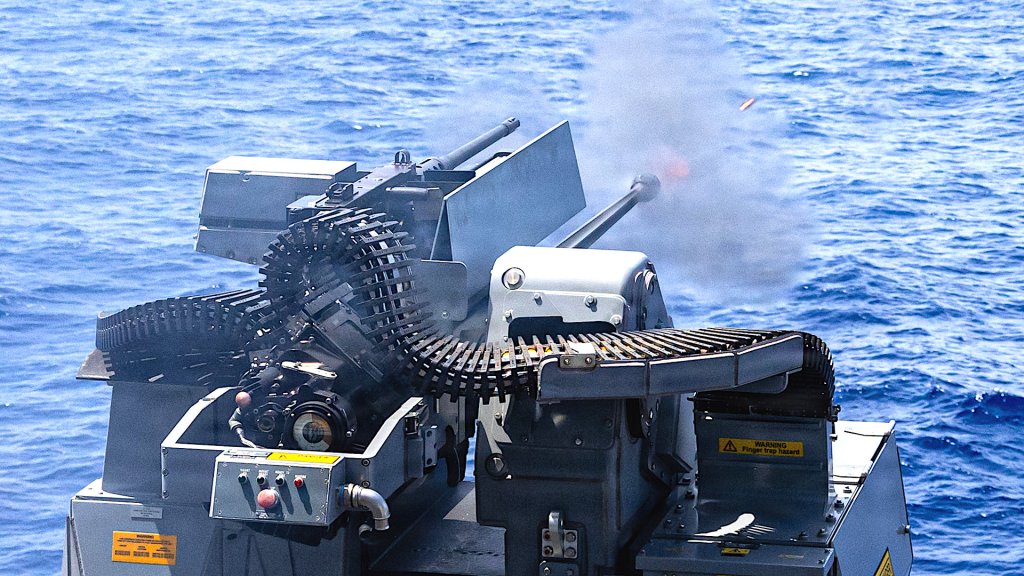
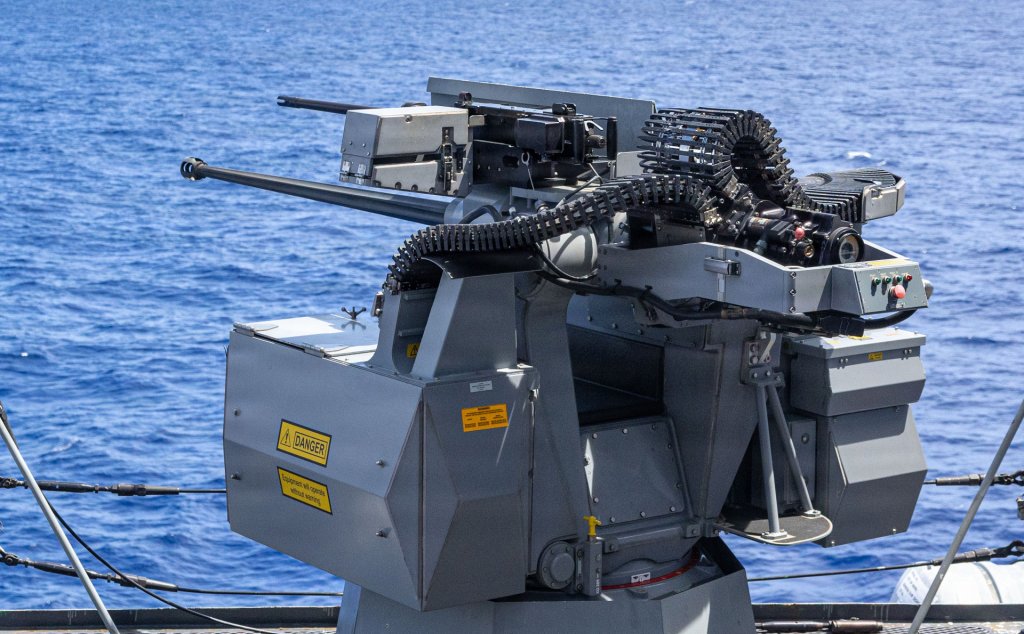
Recently released pictures have highlighted a particularly interesting feature on the U.S. Navy’s Arleigh Burke class destroyer USS Mustin: a piggy-backed point defense system with a .50 caliber machine gun mounted on top of a 30mm chain gun. The Mk 38 Mod 4 Gun Weapon System (GWS) is interesting to examine as it offers significant boosts in firepower and other capabilities, including against drones, compared to preceding Mk 38 types.
Yesterday, Destroyer Squadron 15’s (DESRON 15) public affairs office released several pictures showing USS Mustin replenishing at sea in the Indian Ocean, including one highlighting the ship’s Mk 38 Mod 4 GWS (also sometimes confusingly referred to as a Machine Gun System, or MGS). DESRON 15 had put out another group of pictures late last month showing the weapon system being fired during routine training. Mustin was the first vessel in the Navy to receive Mod 4, and still looks to be the service’s only warship with this new version.
USS Mustin fires its Mk 38 Mod 4 GWS during live-fire training in the Indian Ocean in August 2026. USNAnother view of the Mk 38 Mod 4 GWS being fired. USN
“The Mk 38 Mod 4 Machine Gun System (MGS) is an upgrade … to address deficiencies in meeting Counter Unmanned Aerial Systems (C-UAS) requirements,” the Navy has said in the past. “In addition, the upgrade will also improve performance against surface targets and maintain Anti-Terrorist / Force Protection capabilities.”
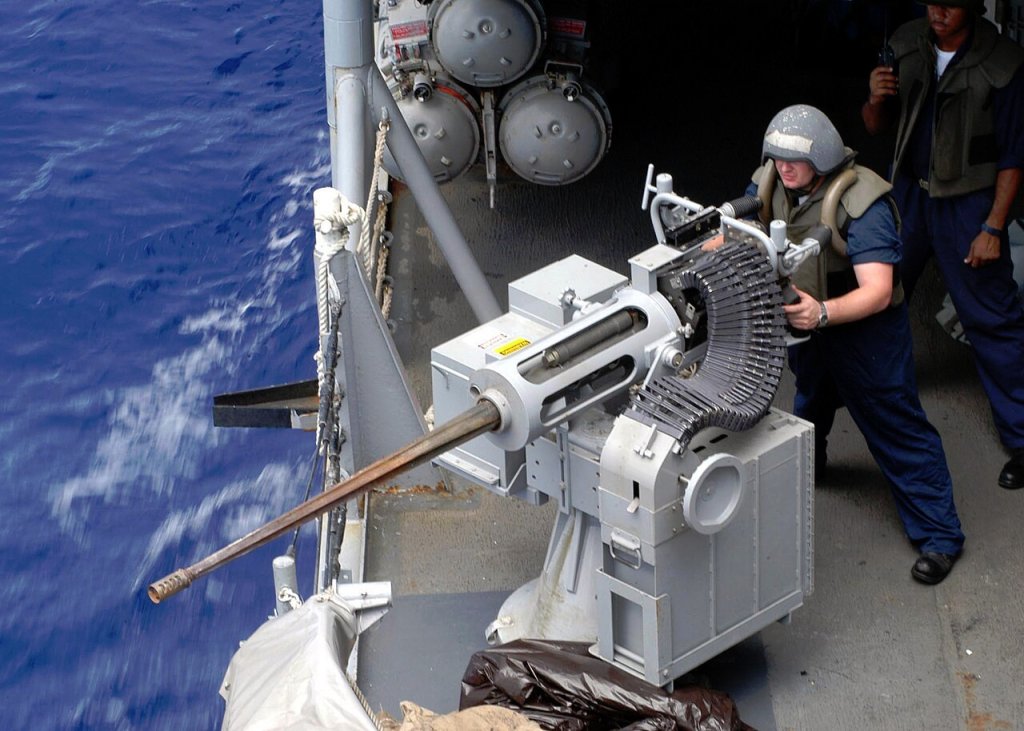
To take a step back quickly, the original Mk 38 Mod 0 was developed internally by the Navy in the late 1970s and was simply a manually operated deck-mounted 25mm M242 Bushmaster chain gun with a maximum rate of fire of 180 rounds per minute. The M242 was entering U.S. Army service at around the same time as the main armament for the Bradley Fighting Vehicle. A product improved Mod 1 version was the first Mk 38 to actually enter serial production and began to be fitted to Navy ships in the late 1980s.
A Mk 38 Mod 1 weapon system, seen here mounted on the deck of the Oliver Hazard Perry class frigate USS Ingraham in 2003. USN
Following the deadly terrorist attack on the Arleigh Burke class destroyer USS Cole in the port of Aden in Yemen in 2000, the Navy began to acquire Mk 38 Mod 2s, also known as the Typhoon Weapon System, from United Defense (later BAE Systems).
The Mod 2 “introduced remote-control operation and mount stabilization and allowed the weapon to maintain aim even as the ship pitched and rolled. It also added a new electro-optical/infrared sensor and a laser rangefinder, giving the system reliable day/night target performance,” according to the Navy. “Beyond sensors, Mod 2 brought improved ammunition handling and enhanced interfaces – resulting in faster and more reliable engagement. Testing showed it delivered two to three times the strike accuracy of its predecessor.”
The Mk 38 Mod 2 otherwise featured the same M242 gun as the Mod 0/1 types, feeding from a magazine on the mount that could be loaded with up to 168 rounds. It is worth noting here that this is less than a minute of total firing time at the weapon’s maximum rate of fire. However, it can also be fired in single-shot and three-round burst modes, as well as at a lower automatic rate of fire of 100 rounds per minute.
In the 2010s, the Navy began acquiring the Mk 38 Mod 3 from BAE Systems, which added a smaller 7.62x51mm Mk 52 Mod 0 chain gun feeding from a 750-round magazine to the complete weapon system. The Mk 52 is also a much faster-firing weapon than the M242, with a maximum rate of fire of 570 rounds per minute.
The Mod 3 “also incorporated an improved EO/IR sensor that provides 330-degree surveillance capability and multiple fields of view,” per the Navy. “This sensor is decoupled from the gun, allowing operators to scan independently of the weapon and reducing the chance of alerting an adversary that they’ve been detected.”
Over the years, Mk 38 1/2/3 types have been integrated on a wide array of Navy ships, including Ticonderoga class cruisers, Arleigh Burke class destroyers, Nimitz and Ford class aircraft carriers, as well as a host of other amphibious warfare ships and auxiliaries.
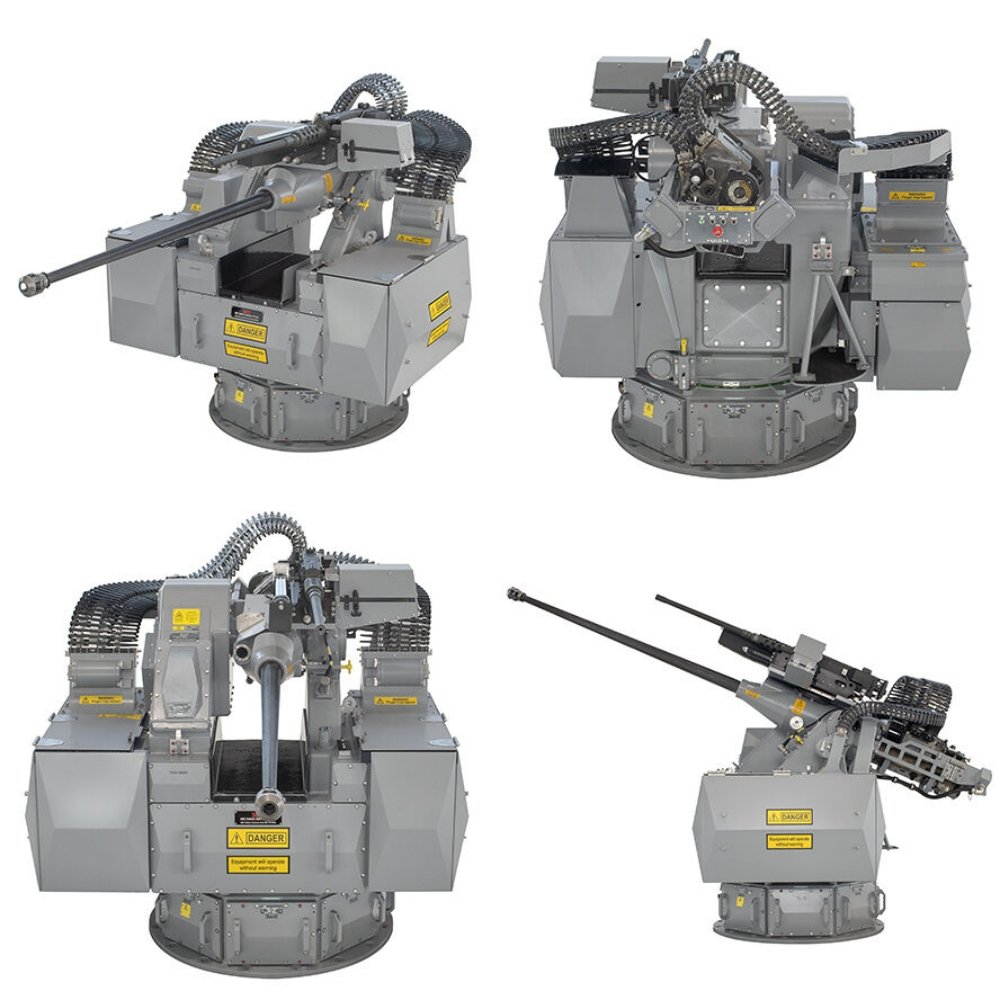
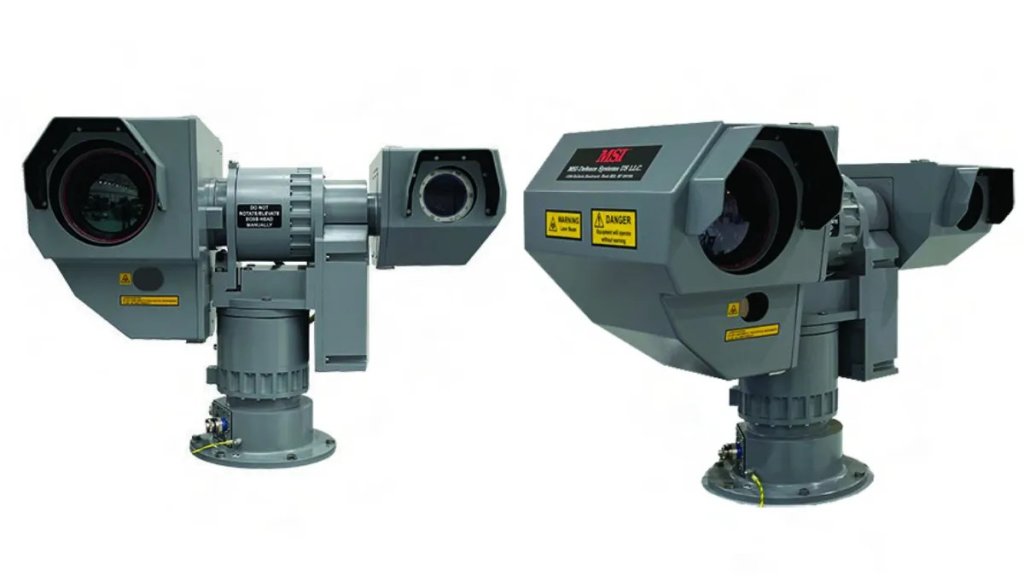
The complete Mk 38 Mod 4 also comes with a new Mk 48 Mod 2 electro-optical sight system (EOSS), which is mounted separately on the ship, and a Mk 134 Mod 0 operator console for remote operation. Furthermore, the complete system is designed to be fully integrated with the Aegis Combat System on Arleigh Burke class destroyers like USS Mustin. The optical turret appears to replace the older EOSS system mounted atop the bridge that was primarily used to target the ship’s 5-inch gun. It isn’t clear how these new mounts are individually targeted simultaneously as they don’t appear to have their own optics. Radar targeting through Aegis would be a big advancement for at least some targets types, like drones. The older Mk 38s had their own individual FLIR systems. It’s still possible these new turrets could have a basic boresighted electro-optical system as well.
Various views of the main turreted weapons component of the Mk 38 Mod 4 system. MSI Defense SystemsThe Mk 48 Mod 2 electro-optical sight system (EOSS) that is also part of the Mk 38 Mod 4, but is mounted separately on the ship. MSI Defense Systems
In a July 2022 test, a Mk 38 Mod 4 system “successfully identified, tracked and engaged both surface and aerial targets using live ammunition against fixed and moving targets,” according to the Navy. The event “also highlighted the enhanced fire-control chain, the 30 mm gun’s improved performance and its ability to counter new challenges.”
The USS Mustinreceived its Mk 38 Mod 4 in 2024 and, as noted, this destroyer still appears to be the only ship in the Navy with this new weapon system, for reasons that are not entirely clear. The service had signed a contract with MSI Defense for an initial low-rate production batch of 15 systems in 2023. Other versions of the Seahawk DS30 are in use today on several classes of naval vessels globally, including British Type 23 frigates.
“USS Mustin (DDG 89), an Arleigh Burke class Aegis guided missile destroyer, was the first U.S. Navy warship to receive the upgrade. [The Naval Surface Warfare Center] Dahlgren Division is now finalizing the configuration so the system can be introduced to a wider set of platforms as fleet requirements evolve,” according to an official news item from Naval Sea Systems Command (NAVSEA) just this past February.
Another view of the Mk 38 Mod 4 on USS Mustin. USN
The Navy’s 2027 fiscal year budget request, released earlier this year, makes clear the plan is still to integrate the Mk 38 Mod 4 at least on all Flight IIA and Flight III subvariants of the Arleigh Burke destroyer. The Mk 38 Mod 4 is also set to be a feature on future U.S. Coast Guard icebreakers, which will also have combat systems derived from Aegis.
All remaining Mk 38 Mod 2s in Navy service are being brought up to the Mod 3 standard, as well.
For the Navy’s Arleigh Burke class destroyers, specifically, the Mk 38 Mod 4 reflects broader efforts to improve and expand the shorter-range defensive capabilities of those ships, especially against growing drone threats. An increasing number of these destroyers are also being equipped with new anti-drone interceptors. In addition, the service is working to replace the 20mm Vulcan cannon-armed Mk 15 Phalanx Close-in Weapon Systems (CIWS) on all subvariants in the class with different launchers for RIM-116 Rolling Airframe Missiles (RAM) to further bolster defenses against drones, as well as incoming missiles and other aerial threats.
Mustin may not be the only Navy warship equipped with the Mk 38 Mod 4 for much longer, if the system has not already started finding its way at least onto more Arleigh Burke class destroyers.
The European Space Agency (ESA) will carry out a mission on behalf of Greece to send astronaut Adrianos Golemis to the International Space Station (ISS). 39-year-old Dr Adrianos Golemis is a medical doctor and a flight surgeon for astronaut missions. He joined the ESA astronaut training program in March 2026 (KTG reported HERE). The flight […]
The European Commission has adopted a Communication on a new Strategic Approach to Research and Innovation for competitive, resilient and sustainable agriculture, forestry, rural areas and food systems. This strategic document brings together two closely interlinked frameworks, to guide future research, innovation, deployment and uptake across the entire agri-food sector. These frameworks are AgRI 2040, focusing on agriculture, forestry and rural areas, and Food 2040, focusing on food systems, including fisheries and aquaculture.
The Communication aims to strengthen the agri-food innovation ecosystem from early-stage research and innovation to deployment and market uptake, and to accelerate the uptake of knowledge and innovation across the entire sector. It puts greater emphasis on users’ challenges and needs and on the delivery of real impact on the ground by bringing together multiple actors including end users, researchers and businesses, to co-create, test and demonstrate solutions in real-world settings. This will also help startups, scaleups and SMEs to move promising innovations closer to the market.
The Communication will help turn Europe’s scientific excellence into practical solutions for farmers, foresters, rural communities, researchers, food businesses and consumers, for a more competitive, resilient and sustainable agri-food sector. It contributes to the objectives of the Vision for Agriculture and Food and the Strategy for European Life Sciences and complements the EU Bioeconomy Strategy by supporting innovation and sustainable value creation.
By developing the AgRI 2040 and Food 2040 frameworks, a common strategic approach for EU-funded R&I that enables competitive, sustainable, resilient and fair agri-food systems will be ensured. Both frameworks will be deployed under Horizon Europe 2028-2034 and relevant parts of the European Competitiveness Fund.
Agriculture and Food Commissioner Christophe Hansen said:
"Research and innovation can make a real difference to how we farm and manage our rural areas: from crops that can better withstand drought and extreme temperatures, to faster ways of detecting plant diseases, more sustainable crop protection and digital tools for smarter use of resources like water. Our task is to make sure these ideas do not stay in the laboratory, but are tested, adapted to local conditions and turned into practical solutions that can be used and scaled up. In this way, research can have a real impact on the ground, helping farmers and foresters respond to new challenges and build a more competitive, resilient and sustainable agri-food sector."
Startups, Research and Innovation Commissioner Ekaterina Zaharieva said:
"Europe is leading in science and research, but too many breakthrough solutions still struggle to reach consumers and markets. The ultimate goal is to help innovators, start-ups and businesses turn bold ideas into innovative solutions that boost competitiveness, strengthen food security, food safety, sustainability and resilience, and deliver real benefits for people and the planet. Europe can lead with confidence, unity and ambition."
The next major milestone will be the EU AgRI 2040 Conference – “Future-proofing EU Agri-Food through research and innovation”, taking place in Brussels on 24 and 25 September. Christophe Hansen, Commissioner for Agriculture and Food, and Ekaterina Zaharieva, Commissioner for Startups, Research and Innovation, will open the conference, which will bring together key stakeholders from across the agri-food sector and the research and innovation community to contribute to shaping future EU research and innovation priorities.
Background
Vision for Agriculture and Food and Life Sciences Strategy
The new Strategic Approach brings the Vision for Agriculture and Food and the Strategy forEuropean Life Sciences together to cover agriculture, forestry, rural areas and food systems, providing long-term policy direction without prejudging the next EU budget negotiations.
The agri-food sector is strategically important for Europe’s food safety and security, jobs and skills, competitiveness and strategic autonomy. It faces increasing challenges from climate change, resource constraints, geopolitical instability, labour and skills shortages, changing consumer attitudes and global competition.
AgRI 2040 and Food 2040
AgRI 2040 will focus on agriculture, forestry and rural areas. Its eight preliminary areas of action will cover soils and agri-ecosystems, cropping and livestock systems, the bioeconomy, multifunctional forests, rural areas and stronger agri-food value chains, as well as digitalisation, artificial intelligence and robotics.
Food 2040 will focus on food systems, including fisheries and aquaculture. Its six areas of action will address place-based food systems; healthy and sustainable diets; resource efficiency and zero pollution in food systems; food environments and consumer empowerment; scaling innovations, business models and fair food systems solutions; and aquatic food.
The two frameworks are guided by six shared priorities: competitiveness, startups and scaleups; food security, resilience and preparedness; natural resources and circularity; food and feed safety, nutrition and health; fairness; and global cooperation. Common enablers include governance, technologies, and territories and communities.
Evidence and stakeholder engagement
The Commission Staff Working Document accompanying this Communication provides the evidence base for the new approach. It assesses the achievements, investments, results and implementation experience of the 2016 strategic approach to agricultural research and innovation, and the Food 2030 framework.
Stakeholder consultations highlighted the need for stronger links between research, deployment and market uptake, better alignment with users’ needs, improved monitoring and governance, and greater attention to competitiveness, resilience, sustainability, strategic autonomy, health, circularity, fairness and public trust. Their engagement will continue as AgRI 2040 and Food 2040 are implemented.
Future-proofing EU agri-food through research & innovation
Neurotechnology and artificial intelligence are increasingly converging as neurodata can be collected, combined and reused to develop AI models and applications across different contexts. This creates opportunities for healthcare, rehabilitation and scientific research, but also raises important questions for fundamental rights, democratic accountability and the public interest.
In this context, the EGE calls for a systemic and anticipatory approach to governing neuro-AI. The Statement shifts the focus from individual devices and neurodata privacy to the wider impacts of the infrastructures through which neurodata are collected, processed and reused. It also addresses questions of European technological sovereignty and public-interest infrastructures.
The EGE recommends:
Robust protection of neurodata: define and reinforce protections for neurodata and neurodata-derived inferences under EU data protection law
Responsible development of neuro-AI technologies: ensure possible development of Brain Foundation Models and related neuro-AI infrastructures
Strong Rights protection: ensure that individuals are protected against disproportionate control where neurodata and neurodata-derived data inferences are used in consequential contexts
Enhanced governance capacity: build European public-interest governance capacity for neuro-AI infrastructures
Comprehensive fitness check: conduct a targeted regulatory assessment of the EU framework governing neuro-AI systems
Background
Neuro-AI Infrastructures are interconnected systems through which neurodata are collected, processed and reused to create, deploy and manage AI-powered neurotechnology applications.
It is part of theEthics Advice Mechanism (EthAM), which provides the European Commission (EC) with high quality, independent advice on all aspects of EU legislation and policies, where ethical, societal and fundamental rights issues intersect with the development of science and new technologies.
The EU welcomes Cambodia’s decision to join the Multi-party Interim Appeal Arbitration Arrangement (MPIA) for WTO members, contributing to efforts to uphold a rules-based multilateral trading system.
With Cambodia’s participation, the MPIA now covers 62 World Trade Organization (WTO) members and 60.4% of world trade.
The MPIA brings together participants from all continents and at different levels of development, united by a shared commitment to upholding the rules-based trading system.
The MPIA preserves the right to appeal in trade disputes among participating WTO members, at a time when the WTO’s Appellate Body remains non-functioning. It helps ensure that disputes can continue to be resolved in an orderly and binding manner, avoiding appeals 'into the void'.
“I welcome Cambodia to the MPIA. The arrangement plays an important role in upholding the rules-based trading system. Each new participant helps reinforce the predictability, stability and credibility of global trade rules. I encourage other WTO members to join the MPIA,” said EU Trade and Economic Security Commissioner Maroš Šefčovič.
Background
The MPIA was established in 2020 and has proven its effectiveness in many WTO disputes.
Under the MPIA, appeals are heard by arbitrators randomly selected from a pool of 10 standing appeal arbitrators set up by the participating WTO members. These arbitrators are persons of recognised authority, with demonstrated expertise in law, international trade and WTO agreements.
The MPIA is open to all WTO members as a practical tool for appeal arbitration, pending the restoration of a reformed and fully functioning WTO dispute settlement system.
As of 1 June 2025, the MPIA has anupdated pool of appeal arbitrators to ensure that appeals continue to be heard by independent arbitrators of the highest calibre.
At the WTO Ministerial Conference that took place earlier this year, MPIA ministers stressed the importance of the MPIA for the security and predictability of the multilateral trading system.
The current MPIA participants are Australia, Barbados, Benin, Brazil, Cambodia, Canada, China, Chile, Colombia, Costa Rica, Ecuador, the European Union (and its Member States), Guatemala, Hong Kong (China), Iceland, Japan, Liechtenstein, Macao (China), Malaysia, Mexico, Moldova, Montenegro, New Zealand, Nicaragua, Norway, Pakistan, Paraguay, Peru, the Philippines, Singapore, Switzerland, Ukraine, the United Kingdom, Uruguay and Vietnam.
On 9 September, Biodiversa+ launched the BiodivFuture call to support innovative research on the biodiversity, socio-ecological consequences and future trajectories of novel ecosystems. Novel ecosystems are ecosystems that, often as a result of human influence, differ from those that prevailed historically in an area, and that are unlikely to return to previous conditions, with or without human intervention.
The funded research projects will produce actionable knowledge to drive nature-positive transformative change and reverse biodiversity decline. That knowledge will help sustain resilient and ecologically functioning ecosystems, thus contributing to thegoals of theEU Biodiversity Strategy for 2030 and the Kunming-Montreal Global Biodiversity Framework.
With a total budget of around EUR 40 million, this call will address the causes, effects and consequences of novel ecosystems in different environments across the world, supporting high-quality research projects with holistic, systemic, and integrated approaches.
The call covers three non-mutually exclusive themes that cover key aspects of novel ecosystems:
understanding the functioning of novel ecosystems
studying pathways to novel ecosystems
studying the fair and equitable sharing of biodiversity benefits in the context of novel ecosystems
Successful proposals must demonstrate significant added value at transnational level and are strongly encouraged to pursue inter- and transdisciplinary approaches, involving also non-academic stakeholders to co-produce new knowledge relevant for society.
How to apply
To be eligible for funding, transnational research consortia will have to include eligible partners from at least three different countries financially participating in the call (including from at least two EU member states or EU Associated Countries).
The complete announcement and call documents, including full eligibility and evaluation criteria, are available on theBiodiversa+ website. The Partnership also organises a general information webinar for interested researchers on 10 September 2026.
What is Biodiversa+?
Biodiversa+ is the European co-funded biodiversity partnership supporting excellent research on biodiversity with an impact for policy and society. It was jointly developed by BiodivERsA and the European Commission and was officially launched on 1 October 2021. Biodiversa+ is part of the European Biodiversity Strategy for 2030 that aims to put Europe’s biodiversity on a path to recovery by 2030. The Partnership has launched six co-funded joint research calls over the seven years of its implementation with an estimated budget of around €250 million.
European Partnerships such as Biodiversa+ bring the European Commission and private and/or public partners together to address some of Europe’s most pressing challenges through concerted research and innovation initiatives. They are a key implementation tool of Horizon Europe, and contribute significantly to achieving the EU’s political priorities. Biodiversa+ currently gathers 81 research programmers and funders and environmental policy actors from 40 European and associated countries, and aims to connect science, policy and practice for transformative change.
On 9 September, the European Commission adopted a proposal for a new Regulation to modernize and simplify the EU's public procurement framework to support effective investments in public services and infrastructure in line with the Union's policy objectives.
Drawing on extensive consultations with public buyers, businesses, trade unions, and civil society, the Commission is proposing an ambitious reform to make public procurement simpler, more flexible, and more effective. It will help complete a Single Market for public procurement, which accounts for around 15% of the EU's GDP.
Public procurement is central to both the European economy and citizens' daily lives, covering everything from transport, infrastructure, and energy systems, to schools and health care services. The proposal is expected to deliver significant administrative annual savings of €649 million, resulting from a burden reduction of €80 million for public buyers and of €570 million for economic operators.
The proposed Public Procurement Regulation builds on the strengths of the Single Market in four key ways.
Simpler and clearer rules The proposed Public Procurement Act makes the rules simpler and clearer by consolidating into one directly-applicable Regulation the three existing public procurement directives and procurement provisions currently spread across sector-specific legislation. This will create a more coherent and predictable procurement framework, reducing complexity, administrative burden, and inconsistencies in how the rules are applied with three procedures instead of five currently. It will reduce complexity and inconsistency resulting from separate legislative acts and divergent national transposition choices.
The new framework gives public buyers greater flexibility, allowing negotiations with the applicant during the procedures. It encourages better market consultation, simplifies administrative procedures and allows for negotiations, making public procurement more similar to private procurement. It also introduces an innovation procedure for the development and acquisition of innovative solutions not yet available on the market. One single platform for all procurement in the EU Key to simplification and administrative burden reduction is the creation of an integrated digital procurement marketplace consisting of interconnected and interoperable member states' eProcurement platforms.
The digital marketplace will simplify and facilitate procurement for public buyers (for example, through the automatic verification of exclusion criteria). It will allow companies to take part in procurement procedures and submit tenders across the EU through any of the connected eProcurement platforms applying the ‘once-only' principle, avoiding repeated requests for information and documentation requirements. This will promote access to new business opportunities and increase the number of offers public buyers receive, maximising the potential of the single market.
The digital marketplace will moreover streamline data exchanges between member states' eProcurement systems through the creation of a unified framework for data management, thereby strengthening transparency, accountability, and anti-fraud capabilities. Stronger support for environmental, social, and innovation goals The proposal makes the Best Price-Quality Ratio (BPQR) the standard award method, with quality criteria accounting for at least 30% (50% for labour-intensive contracts), subject to a ‘comply or explain' mechanism. Contracting authorities may deviate from this approach if they explain how quality will otherwise be ensured, for example through minimum quality requirements.
Public buyers will thus have to systematically consider not only price, but also quality, including environmental, social, innovation, security and resilience, and 'European preference' considerations. Public buyers will have full discretion over which quality criteria to apply and in which proportion in individual procurement procedures, with the proposal offering practical tools to support public buyers in this. Greater security, resilience and strategic autonomy In line with the recommendations of the Draghi report, the proposal reflects the growing geopolitical importance of public procurement. It enables, and in some cases requires, public buyers to address risks related to security and public safety of the Union or member states, sensitive information, cybersecurity, and undue third-country influence.
New provisions on resilience and security of supply would apply to contracts involving entities linked to critical infrastructures and aim to support diversification of supply chains, security of supply and crisis preparedness. Finally, the Regulation introduces a horizontal European preference framework for public procurement in line with the Union's international legal obligations. It clarifies which operators and products are covered by the Union's international procurement commitments and makes this easier to check. The Commission would be able to restrict such coverage where a market access analysis establishes that a third country has failed to grant Union operators fair market access in line with its commitments, or where restrictions are needed to avoid security of supply dependencies or protect our economic security interests.
Next steps The proposed Regulation will be negotiated by the European Parliament and the Council of the European Union before its adoption and entry into force. Background The revision was announced in President von der Leyen's Political Guidelines. It responds to long-standing shortcomings identified by the European Court of Auditors , including declining competition, limited SME and cross-border participation, and the rise of single-bid procedures. It also follows calls from the Council of the EU and the European Parliament for a strategic, simplified, and competitive framework. It also responds to the recommendations of the Draghi and Letta reports, which highlight public procurement as a strategic tool to strengthen Europe's industrial base, support innovation, advance the green and digital transitions, and reinforce economic security.
British parliamentarians, former ministers, researchers and security experts gathered at the House of Lords in London for the sixth TRENDS Annual Forum on Political Islam, focusing on Muslim Brotherhood networks in Europe, education, funding and digital influence.
The London meeting opened the first part of the forum, organized by TRENDS Global and TRENDS Research & Advisory. Proceedings will continue on September 10 at the French Senate in Paris, with a focus on legislative responses and cooperation between European and partner countries.
Opening the event, Dr. Mohammed Abdullah Al Ali, Chairman of Trends Group, argued that political Islamist movements operate across borders and can exploit the openness of democratic societies to build influence in education, media, business and the digital sphere. He stressed the distinction between Islam as a religion and Islamism as a political ideology seeking power and influence.
Dr. Khalifa Mubarak Al Dhaheri, Director of Mohammed Bin Zayed University for Humanities, focused on Britain, describing it as a longstanding centre for individuals and networks associated with the Muslim Brotherhood and political Islam. He said the organization should not be treated as representative of Muslims in Britain or elsewhere in Europe and warned that ideological loyalties placed above citizenship can create “societies within societies.”
From Education to Funding
The first session examined the Brotherhood’s ideological structures and its influence on education and younger generations. Participants also discussed the Gaza Children’s Village, established in July 2025 by Palestinian-American neurosurgeon Dr. David Hassan in cooperation with IMPACT-se, as an alternative educational model to counter incitement and extremism.
The second session turned to legislation, prevention and enforcement. Lord Walney, who moderated the discussion, urged a review of existing legal tools and warned of a “blind spot” allowing some networks and think tanks to penetrate charities and the education sector. He also advocated greater intelligence sharing and international cooperation.
Baroness Foster of Oxton addressed financial oversight, arguing for tighter scrutiny of charities, their funding and tax benefits. Former MP Daniel Kawczynski urged the Home Office to respond to parliamentary demands to ban the Muslim Brotherhood and designate it as a terrorist organization. Lady Olga Maitland warned that “soft extremism” and structures targeting young people require updated legislation.
Matthew J. Leavitt of the Labour Party described the Brotherhood as a “multi-headed beast” and urged Britain to examine evidence gathered in Austria, Germany and France. Major Jason Olson, a U.S. Navy officer and former counter-extremism official, argued that prevention should begin in schools.
Markus Sheff, CEO of IMPACT-se, identified education as the first line of defence against digital extremism, advocating critical thinking and digital literacy in school curricula.
Pressure for a UK Response
Sir Oliver Dowden, former Deputy Prime Minister and Chair of the UK-UAE Parliamentary Friendship Group, addressed the Brotherhood and its links to extremism, noting growing attention to the issue among British parliamentarians and the need for institutions to better assess potential threats to the United Kingdom.
Tom Wilson, Chairman of the Counter Extremism Group, and Dr. Alan Mendoza, Executive Director of the Henry Jackson Society, highlighted the legal and media difficulties involved in exposing front organizations. They announced the “Ban the Brotherhood” campaign and proposed using parliamentary privilege to bring evidence into the public domain.
Professor Andrew Davies of the University of Birmingham advocated carefully targeted bans on organizations that threaten social cohesion and religious pluralism. Professor David Abrahams, Senior Adviser at the Arab Global Network and former Deputy Chairman of RUSI, described political Islam as an “existential threat” while stressing the need to protect religious freedom and pluralism.
Alessandro Bertoldi, Executive Director of Italy’s Milton Friedman Institute, questioned whether a ban alone would be sufficient without confronting the Brotherhood’s operational tools. He also raised the need to monitor the use of artificial intelligence to spread its messaging.
Phil Rosenberg, President of the Board of Deputies of British Jews, advocated an international alliance against extremist ideology, noting that Muslims themselves are among its largest victims. Imam Mohammed Tawhidi, counter-extremism adviser at TRENDS, described the Brotherhood as the “parent company” of organizations including al-Qaeda, ISIS and Hamas, while stressing that the vast majority of Western Muslims reject this approach.
Measuring the Brotherhood’s Reach
TRENDS researcher Hamad Al Hosani argued that the Brotherhood increasingly operates through flexible networks and community institutions able to exploit democratic freedoms. Any response, he said, should protect national security without collectively stigmatizing Muslim communities.
Badriya Al Riyami presented figures from the 2025 Global Brotherhood Power Index. Europe ranked fourth at 17.0%, behind the Americas at 24.8%, Asia at 22.5% and Africa at 20.2%. She described Europe as an important political and media base for the organization.
Participants recommended moving beyond procedural bans by addressing networks and ideological structures, strengthening educational programs and improving capabilities to track extremist content spread through digital platforms and artificial intelligence. Citizenship and tolerance education were identified as key preventive tools.
The meeting drew a broad parliamentary and political audience, including Richard Tice, Sir Robert John Blackman, Baroness Deech, Baroness Foster of Oxton, Nadhim Zahawi, Lord Howard of Lympne, Lord Austin of Dudley, Lord Eric Pickles, Sir Michael Ellis and Sir Oliver Dowden.
Journalists attending included Marcus Donaldson of GB News, Camilla Turner of the Sunday Telegraph and Natalie Lisbona of the Daily Mail.
The forum now moves from Westminster to the French Senate, where its second part will examine legislative responses, research cooperation and measures to counter Brotherhood-linked networks while protecting religious freedom and equal citizenship.
Il parle d’histoire, conscient que le passé engage directement l’avenir. Il parle de culture comme d’une arme. Il parle de spiritualité comme d’un territoire à reconquérir. Et lorsqu’il évoque les États-Unis d’Afrique, il ne s’agit pas pour lui d’un simple slogan panafricaniste. Écrivain, essayiste et journaliste culturel, Axel Illary poursuit depuis plusieurs années un même […]
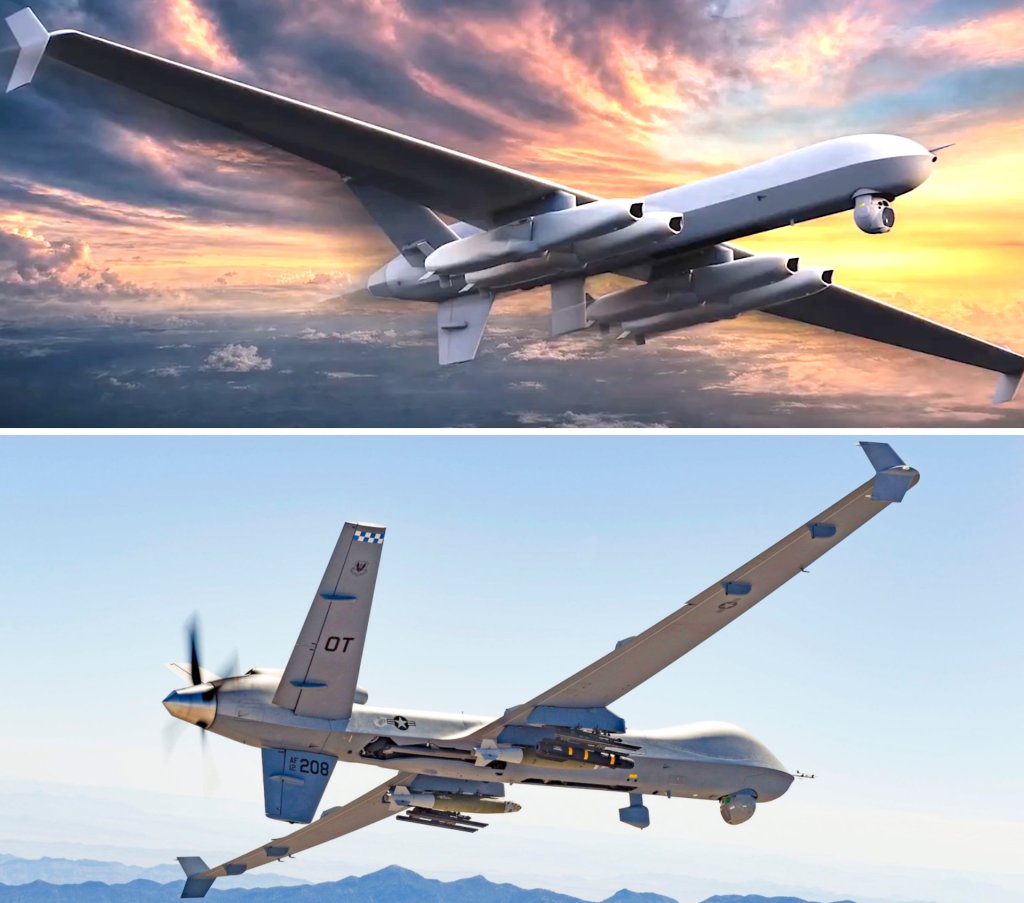
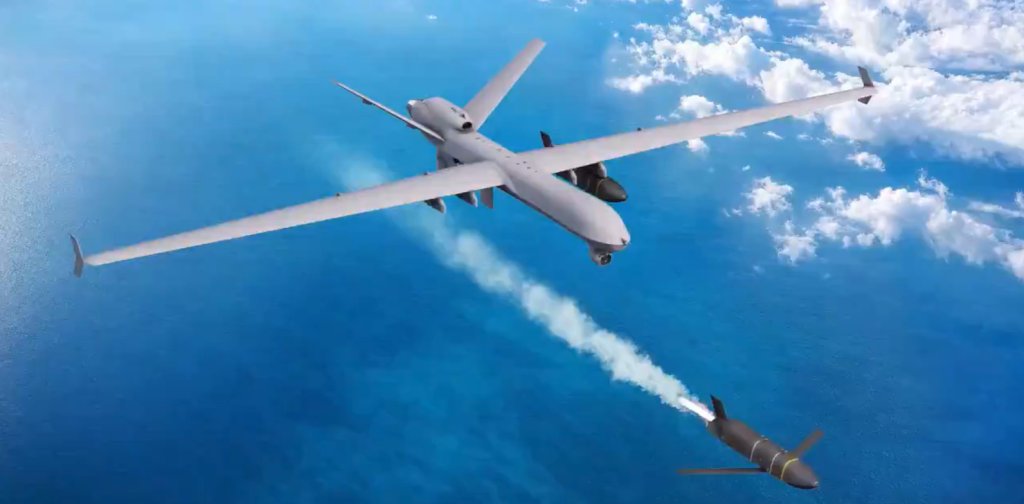
A rendering of Wildfire was included in a video montage, seen below, which General Atomics Aeronautical Systems, Inc. division (GA-ASI) released earlier today. GA-ASI first announced work on this new drone last month. The Air Force, in partnership with the Pentagon’s Defense Innovation Unit (DIU), formally kicked off its new search for a Reaper successor, currently called the Massed Modular Aircraft (MMA), in July. GA-ASI also developed the MQ-9A, which is now out of production.
— General Atomics Aeronautical Systems, Inc (GA-ASI) (@GenAtomics_ASI) September 9, 2026
Wildfire’s pusher-prop design shown is clearly an extension of the existing MQ-9 family, with an overall planform that is extremely similar to that of the Reaper. Like the latest versions of the MQ-9A, the new drone has a sensor turret under the nose and a large blade antenna under the rear fuselage.
The rendering of Wildfire, at top, seen together with a stock picture of a US Air Force MQ-9 Reaper, at bottom. General Atomics capture/USAF
Wildfire does notably lack the Reaper’s distinctive hump on top of the forward fuselage. On the MQ-9A, this feature contains the drone’s satellite communications (SATCOM) antenna. What this might mean about how Wildfire is controlled and otherwise communicates is not immediately clear, but it points to the use of a smaller, lower-cost SATCOM terminal. That, in turn, would most likely be tied to a network like Starshield, the government-focused cousin of SpaceX’s Starlink. We could also see greater semi-autonomous control here, or at least a greater reliance on it.
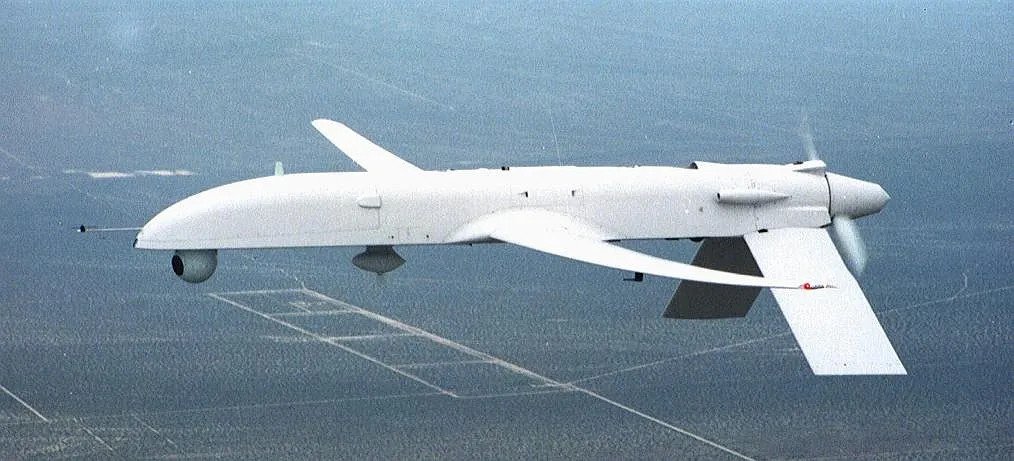
A close-up look at the nose end of Wildfire as seen in the newly released rendering. General Atomics captureA General Atomics Improved Gnat (I-Gnat) drone. General Atomics
The rendering of Wildfire also depicts the drone armed with four Joint Strike Missile (JSM) cruise missiles, with two loaded on what appears to be a single pylon under each wing. The stealthy JSM can be employed as an anti-ship or land-attack weapon. GA-ASI has released renderings of MQ-9s in the past with similar loadouts. The Air Force is already acquiring stocks of JSMs, primarily to arm its F-35A Joint Strike Fighters. Stand-off munitions like the JSM have long been seen as an increasingly important, if not critical, addition to the non-stealth Reaper’s arsenal, helping to keep the drones further away from potential threats.
A close look at two JSMs in the Wildfire rendering. General Atomics capture
TWZ has reached out to General Atomics for more details.
“General Atomics is looking at it and asking ourselves, ‘What can we really do? No kidding, no BS, actually do,’” GA-ASI spokesperson C. Mark Brinkley did tell us back in August when asked about Wildfire. “Let’s be honest with ourselves first. How do we come out of the box, day one, with a 10,000-nautical-mile ferry range? Can we carry four LRASMs [AGM-158C Long Range Anti-Ship Missiles]? Can we swarm 100 aircraft under semi-autonomous control? Can we fuse all of that data into a highly effective common operating picture? Can we do that at scalable, affordable mass?”
“So that was the assignment, and our engineers sharpened their pencils and got to work,” he added. “What came out the other side was our new Wildfire UAS. That thing is a beast, and no one who actually does this for a living, and is honestly concerned about America’s warfighting edge, can look at it and not want 100 of them as fast as we can make them.”
Wildfire “addresses all of the concerns posed by the MMA solicitation. We can deliver years earlier and maintain the same high quality. You can have everything that makes Reaper special, plus more, at a price that doesn’t break the bank,” Brinkley also told Breaking Defense for a story published last week.
“[The service] …wants the MMA drone to perform the same general intelligence, surveillance, and reconnaissance (ISR) and strike missions as the MQ-9A. To that end, stated program requirements to date include a speed of at least 200 knots true airspeed, a munition and sensor payload capacity of at least 2,800 pounds, an unrefueled combat radius of at least 2,300 nautical miles with payload, the ability to self-deploy one-way at least 8,000 nautical miles, and the ability to operate from runways no longer than 6,000 feet. The MMAs also need to be highly modular and use open architecture mission systems to make it easier to integrate new capabilities and functionality down the line.”
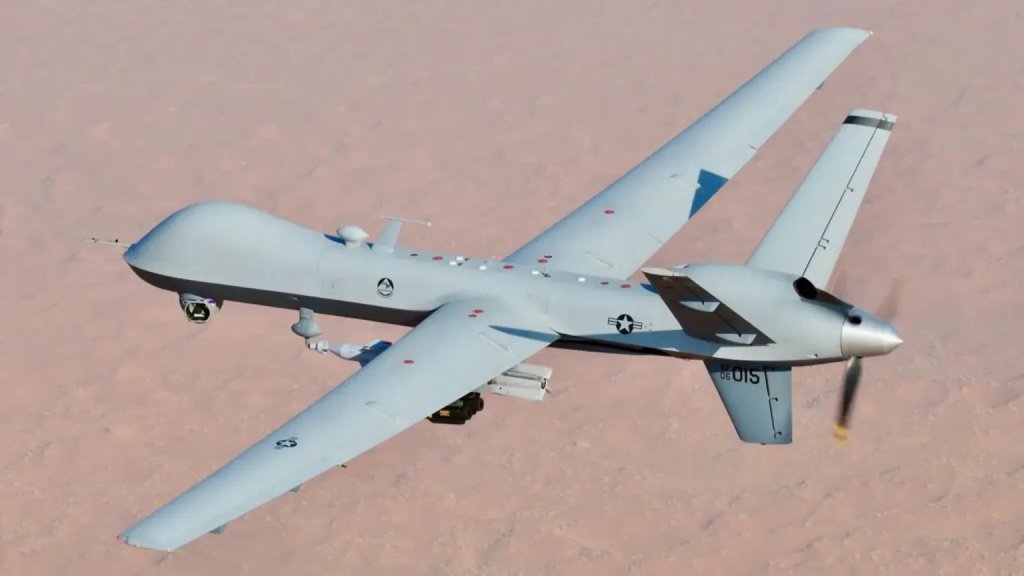
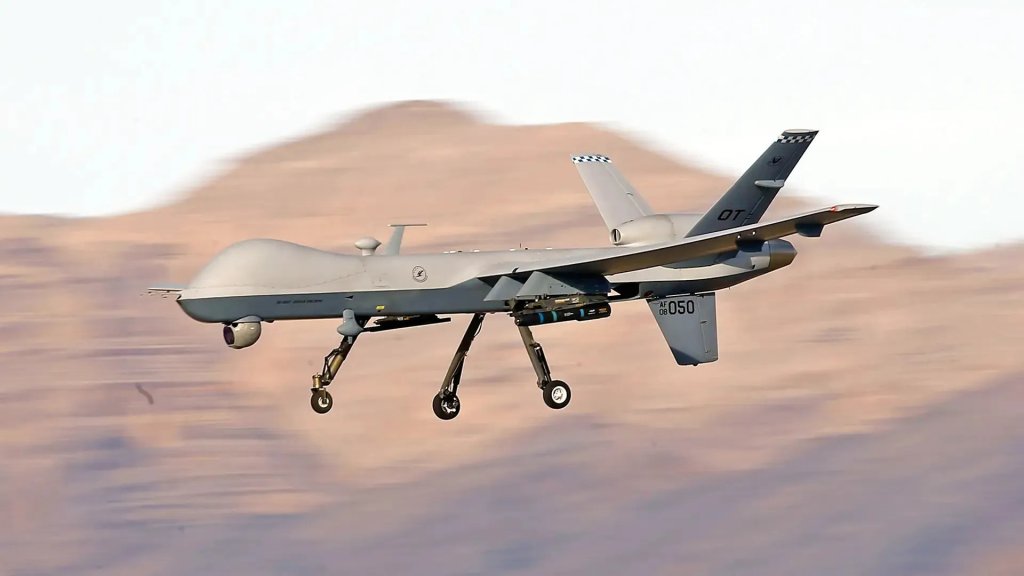
Another look at an example of a typical MQ-9A Reaper in US Air Force service now. USAF
The Air Force also shared last week that it is targeting a roughly $10 million unit cost for the MMA drones, not including sensors and certain other systems. As mentioned, the Reaper is out of production, but the price tag on a fully-equipped Reaper today is widely reported to be between $30 million and $50 million. The Air Force has itself used the $50 million figure as a reference point in discussing its latest plans for what comes after the MQ-9.
It is unclear how Wildfire might achieve this cost goal while retaining so much obvious Reaper DNA, but even a major 30 to 50 percent reduction in the price tag compared to its predecessor would be a huge deal. In the past, General Atomics’ Brinkley has openly questioned just how cheap an MMA drone could realistically be while still offering comparable capabilities to MQ-9.
The original timeline for the MMA program envisioned the Air Force reaching initial operational capability in 2031 after receiving 20 of the drones. The service is now looking to accelerate that schedule by around two years. The Air Force expects to eventually acquire around 180 MMAs.
“Although we have plenty of MQ-9As today, we are going through them at a rate that is concerning to us,” Air Force Lt. Gen. Christopher Niemi, the service’s Chief Modernization Officer, told reporters at a roundtable at the Pentagon last week, according to Air & Space Forces Magazine. “There’s not a lot of good options to immediately replace those aircraft.”
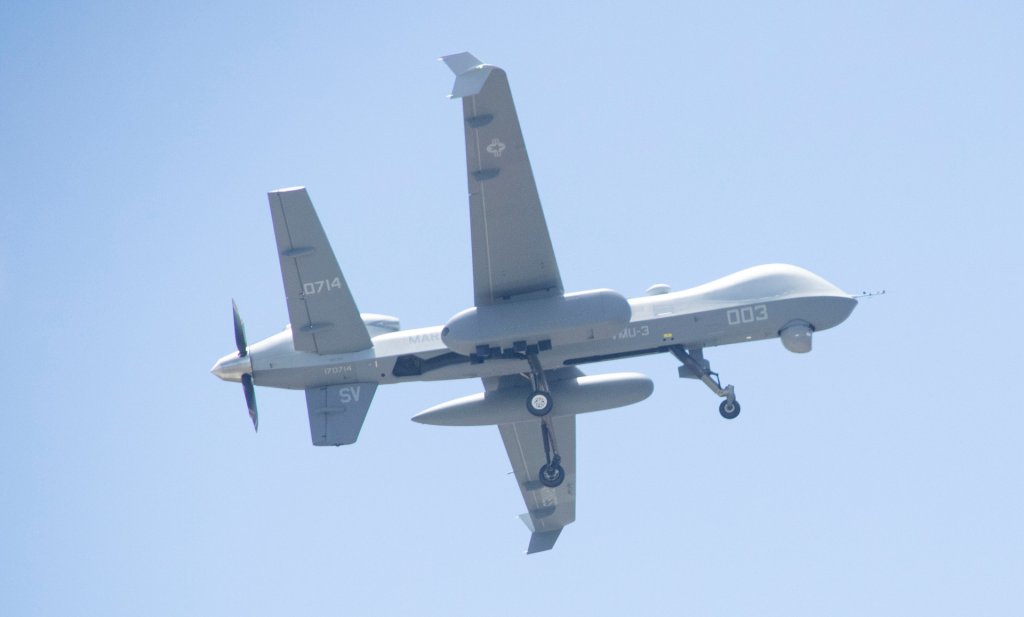
GA-ASI has long had a monopoly on MALE combat drone sales in the United States, and is clearly looking to extend that now with Wildfire. However, this market space has been expanding, and other companies are already competing for what could be a very lucrative new deal with the Air Force. Winning the MMA contract could open doors to opportunities elsewhere within the U.S. government and with foreign countries. Variants and derivatives of the MQ-9 are also in service today with the U.S. Marine Corps, the Central Intelligence Agency (CIA), U.S. Customs and Border Protection (CBP), and several additional air arms globally.
A US Marine Corps MQ-9A Reaper. USMC
More information about Wildfire, as well as its competitors, is only likely to continue emerging as the Air Force pushes ahead with new and aggressive plans to finally acquire a follow-on drone to the venerable Reaper.
Update: 2:15 PM ET –
General Atomics spokesperson C. Mark Brinkley has now shared additional details about Wildfire with TWZ.
“You’re not imagining it. These new Wildfire renders do lack the dorsal hump you see on Reaper, MQ-9B, Gray Eagle, Mojave STOL and many copycat aircraft,” Brinkley explained. “General Atomics has pushed proliferated low-earth orbit controls onto many of our existing aircraft and pioneered that integration across unmanned aerospace. That is a relatively new technology that we already have great experience integrating, and it makes sense to bring that into Wildfire.”
“Proliferated low-earth orbit” (abbreviated variously as pLEO and P-LEO) refers to distributed constellations of hundreds or potentially thousands of satellites in that orbital region. SpaceX’s constellations supporting the aforementioned Starlink/Starshield networks fall into this general category.
“Wildfire is going to leverage ongoing advancements in autonomy on Day One. We envision networking dozens of Wildfires for true combat mass,” according to Brinkley. “Again, not a hypothetical. We’ve been pioneering many advancements in autonomy, AI, and machine learning across the FQ-42A program and using our own MQ-20 Avenger as a CCA [Collaborative Combat Aircraft] surrogate connected to F-22 and F-35. That’s proven, not concept.”
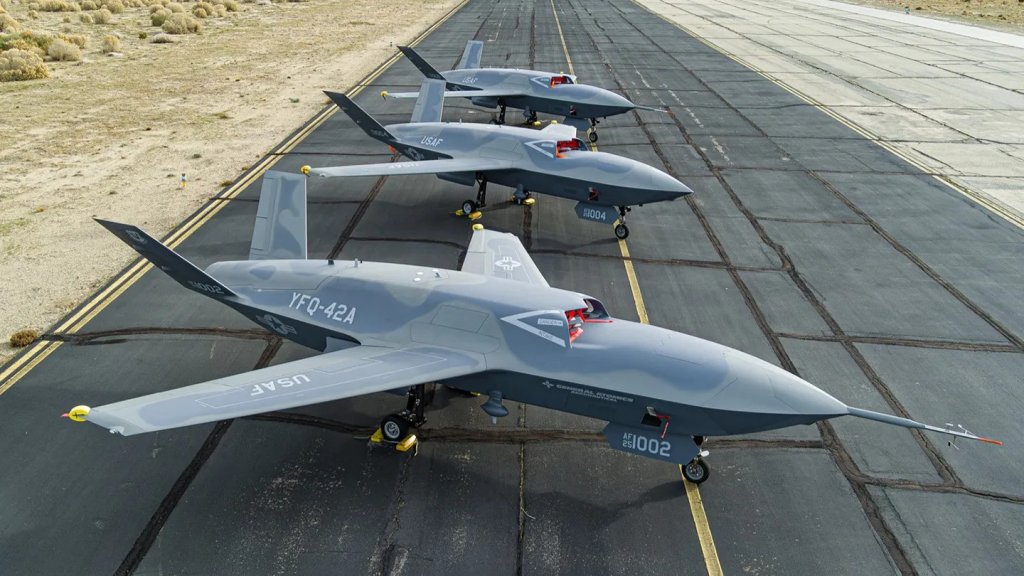
The FQ-42A, also known as the Dark Merlin, is one of two designs now in development under the first phase, or Increment 1, of the Air Force’s CCA program, the other being Anduril’s FQ-44A Fury. The service announced in June that its initial CCA force would be a mixed fleet of FQ-42As and FQ-44As.
A row of prototype YFQ-42A Dark Merlin drones. GA-ASI
“Four JSMs tells you something about Wildfire overall. We can’t just look at overall external weight limits. You have to consider individual hardpoint capacity,” Brinkley continued. “We’ve concepted four JSMs on MQ-9B before, as a concept, but we’ve never done that on Reaper. Wildfire can absolutely do that, from a hardpoint capacity and also an overall MGTOW [maximum gross takeoff weight] perspective.”
“We’re showing two LRASMs on Wildfire, which is twice as much as the DIU solicitation asked for. If you’re going to build a flying weapons truck, give it some teeth,” he added. “These longer-range missiles also give you increased standoff compared to other weapons you associate with the MQ-9, so that also gives you some flexibility. Wildfire can carry two LRASMs for meaningful combat distances.”
A rendering depicting a Wildfire drone firing an AGM-158C LRASM. General Atomics capture
Brinkley also said that Wildfire’s ferry range will exceed the MMA’s target of 8,000 nautical miles.
“We can deliver way ahead of the original FY 2031 schedule [for MMA]. We can deliver more than twice as many aircraft as requested in the same amount of time, because our manufacturing is real. Our network of suppliers, subcontractors and partners is real,” he added. “The obvious question is always cost, and I struggle to discuss costs because no one ever wants to compare apples to apples. There are stated price targets out there, and we’ll hit those. We’ll do it with an aircraft you can trust. We have nearly 10 million flight hours and more than 1,600 aircraft delivered. This is what we do.”
Speaking more generally, Brinkley also highlighted General Atomics’ extensive experience in developing and producing armed MALE drones, including the MQ-9.
Another stock shot of a US Air Force MQ-9A Reaper. USAF
“It’s important to remember that Reaper made its first flight 25 years ago and was so far ahead of everything else that it still defines the entire category of medium-altitude, long-endurance strike aircraft worldwide. When you build something new to do this kind of work, it rolls out into the Reaper’s shadow,” he said. “I don’t have to defend MQ-9 because the track record speaks for itself. It’s been called the MVP of Epic Fury [the U.S. military’s nickname for the initial phase of operations against Iran this year] for good reason, and I think it has squashed all questions about the relevance of MALE ISR and strike.”
“So that brings us to questions of affordability versus attrition, cost-per-effect, and the true price of combat operations. It also brings up questions of reliability and mission availability, and Reaper excels at both of these, so you can’t replace it with junk and expect to get the same effects,” he continued. “That’s where Wildfire comes in. Our team went to the graph paper and started sketching out what they would do differently and what they would keep the same. Where are the tradeoffs, and what do you change? No one knows this category of aircraft and missions like we do. We’re not guessing and hoping.”
“I can’t get into deep specifics on Wildfire yet, because it’s too early for that and the goalposts seem to move every time I say something publicly. What I can say is that Wildfire takes all of the known quantities of Reaper, blends them with some cutting-edge technologies and manufacturing advancements, and incorporates our more than three decades of lessons learned about large, unmanned combat aircraft to drive cost-per-effect math down.”
Greek popular singer Giorgos Mazonakis died suddenly on Wednesday at the age of 54. According to initial information, the beloved artist died in Elpis hospital in Athens from a heart attack. Media reported that the ambulance service EKAV received a call at 4:30 on Wednesday afternoon from a private doctor’s clinic in Kolonaki district of […]
The unilateral declaration of two marine parks by Turkey in international waters in the Aegean Sea has caused heavy waves and threatens to drown the “calm waters” policy between the two neighboring countries and has led to sharp rhetoric from both sides. “Any move that could lead to uncontrolled escalation must be avoided,” Foreign Minister […]
Inflation in Greece rose to 3.8% in August from 3.4% in the previous month, compared with an increase of 2.9% in August 2025, Greek Statistics Authority ELSTAT announced on Wednesday, September 9, 2026. According to ELSTAT, the development was largely driven by energy prices, as well as increases across a range of services. Price increases […]
An important medical achievement with a distinct human dimension was recorded in Athens on Wednesday: A 54-year-old woman gave birth to a healthy baby girl, weighing 3,490 grams, from an embryo that had been cryopreserved on March 17 2004. The embryo transfer took place on December 23 2025 at a private clinic. According to the […]
Greek-owned tanker “New Andros” was attacked by a drone while sailing in Iraqi territorial waters on Wednesday, September 9, 2026. According to the Greek Ministry of Maritime Affairs and Insular Policy, the two Greek nationals onboard, the captain and the chief engineer, are safe and in good health. The Panamanian-flagged, Greek-owned tanker was carrying around […]
Greece and Italy signed in Rome on Tuesday, September 8, the implementation agreement for the transfer of two Italian Navy FREMM frigates, ITS Carlo Bergamini (F 590) and ITS Virginio Fasan (F 591). The acquisition of the two former Italian Navy FREMM Bergamini-class frigates for approximately €460 million, is significantly strengthening the Hellenic Navy’s surface […]
A 60-year-old woman suffered serious head injuries and three other people were injured as well, when an electric bus drove into a bus stop in western Thessaloniki on Wednesday afternoon, September 9, 2026. The accident occurred around 13:00, when the city bus crashed into the bus stop on Andrea Papandreou Street, in Neapoli, where citizens […]
The election of Mahnaz Maimanat (pictured) to lead the People’s Mojahedin Organization of Iran highlights more than three decades of continuous female leadership within one of Iran’s principal organised opposition movements. An important development has taken place within the Iranian democratic opposition. On 6 September, the People’s Mojahedin Organization of Iran (PMOI/MEK), the principal organized component of the National Council of Resistance of Iran (NCRI), elected Mahnaz Maimanat as its new Secretary-General, at the beginning of the organisation’s 62nd year.
The election took place through three successive rounds involving PMOI members in seven countries — France, Germany, the United Kingdom, Sweden, Switzerland, the Netherlands and Albania. In the first round, Maimanat received 56% of the votes, ahead of Badri Pourtabbakh and Narges Azdanlou. The position is for a two-year term and may be renewed by the PMOI’s Central Council. Born in Tehran in 1959, Maimanat has spent most of her adult life in the movement.
She became acquainted with the PMOI as a university student and participated in demonstrations against the Shah’s dictatorship. She joined the organization following the 1979 revolution and went on to assume a succession of senior responsibilities: she became a member of the Executive Committee in 1989, the Leadership Council in 1993, the Central Council in 2014, and co-Secretary-General in 2021. Her personal history also reflects the heavy price paid by many PMOI families under the clerical regime. Her mother, Akhtar Mowlavi, a teacher, was killed by the Revolutionary Guards in 1988.
One of her brothers, Massoud, was executed in Evin Prison at the age of 19 after months of imprisonment and torture. Another brother, Mahmoud, an architecture student, was executed during the 1988 massacre of political prisoners. The significance of the election, however, goes well beyond a change of office-holder. Mahnaz Maimanat is the tenth woman to serve as Secretary-General of the PMOI. Maryam Rajavi became the first woman to hold the organisation’s top leadership position in 1989, and for more than three decades every PMOI Secretary-General has been a woman.
Eight women succeeded Mrs Rajavi before Maimanat. This is particularly significant in the Iranian context. Within the PMOI, women’s leadership is not simply a matter of ceremonial representation or political imagery. Its female Secretaries-General have exercised real executive and organisational authority, often during extraordinarily difficult periods involving clandestine activity inside Iran, severe repression, imprisonment and executions, attacks on PMOI members, displacement from Iraq and the subsequent rebuilding of the organisation.
After assuming responsibility for leading the National Council of Resistance of Iran in 1993, Maryam Rajavi ceased to hold a formal organisational position within the PMOI. Nevertheless, she remains the most prominent political figure of the Iranian Resistance and, for many Iranians, particularly women, has become a symbol of resistance to religious fundamentalism and a pioneer of women’s equality and political leadership. This model of female leadership has also had important consequences inside Iran. Women have increasingly assumed leading responsibilities within the PMOI’s underground Resistance Units, which the movement says have played an active role in successive uprisings against the regime, including the nationwide protests of January 2026.
For young Iranian women confronting compulsory veiling, institutional discrimination and a political system that treats women as second-class citizens, the sight of women exercising genuine authority within an organised opposition movement carries considerable political and cultural significance. It also helps explain the intensity of the attacks directed against the PMOI’s leadership by the Iranian regime and, increasingly, by hardline monarchist circles. Both have devoted considerable efforts to portraying the PMOI, and particularly its female leadership, as illegitimate.
Yet the central issue is that the PMOI remains a highly organised democratic opposition movement with an extensive network inside Iran and therefore represents a serious challenge to the survival of the ruling theocracy. The election of its tenth female Secretary-General should therefore be viewed in a broader perspective. It represents more than three decades of continuous female leadership and constitutes a profound ideological and cultural challenge to Islamic fundamentalism: not simply women demanding equality, but women assuming responsibility, exercising authority and leading an organised struggle against a system built upon their discrimination and subordination.

 Login