Ed Sheeran hit by viral false claims after Macklemore controversy

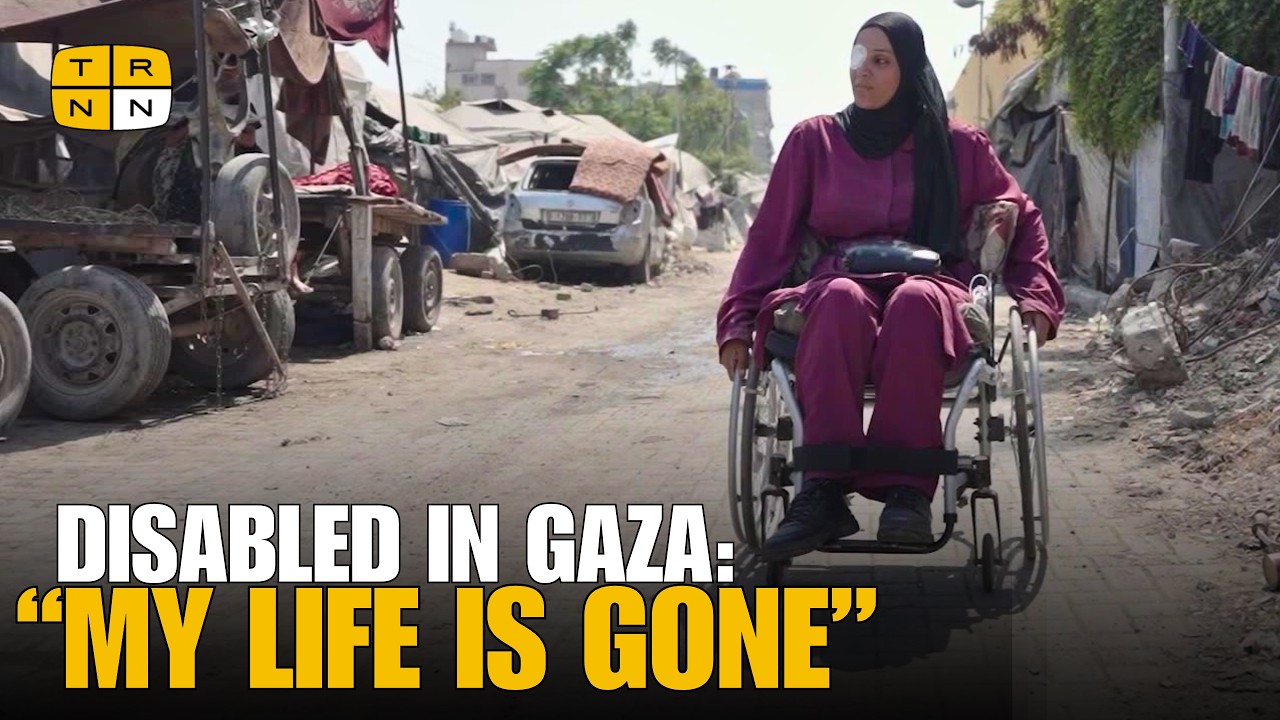
In Gaza, everyone is struggling to survive. For disabled people in Gaza, that struggle is multiplied. Rabab Nawfal and Suha Maqat, both wheelchair users, were champion athletes on Palestine’s national teams before Israel’s US-backed genocidal war. Two days before it began, they were playing qualifiers to represent Palestine abroad.
In this TRNN documentary report, they describe living through famine, fleeing bombardment in wheelchairs that no longer work, and asking for help that never comes. With 81% of Gaza’s roads damaged or destroyed and the UN documenting thousands of amputations, Israel is not only making life impossible for disabled Palestinians; it is creating a new generation of them.
Editor’s Note: This documentary report was filmed in Gaza City three weeks before the ceasefire in Gaza was shakily implemented beginning on October 10, 2025. Since the “ceasefire” began, Israeli forces have killed over 1,300 Palestinians, including 301 children, according to the Gaza Ministry of Health.
Credits:
Suha Maqat, Palestinian Athlete:
I’m in a wheelchair—how am I going to escape?
Rabab Nawfal, Palestinian Athlete:
There were days when we ate animal food, bird food.
Suha Maqat, Palestinian Athlete:
I lost my eye. What more do you want?
Rabab Nawfal, Palestinian Athlete:
My dreams have been shattered.
Narrator:
In Gaza, everyone is struggling to survive. But for people with disabilities, that struggle is multiplied. Rabab Nawfal and Suha Maqat – both wheelchair users – were champion athletes before this war.
Rabab Nawfal, Palestinian Athlete:
I’m one of those people who didn’t go to the south. I lived through famine twice. I lived it twice. No one asked after me. There were days when we didn’t eat anything. There were days when we ate animal food, bird food. We ate everything—animals, birds. Even those things were expensive, and then they were cut off. The day they were cut off, we stopped eating anything.
Ramadan came during the famine. We didn’t eat anything. A long day passed, and we didn’t eat anything. We used to crave drinking water. We used to crave a piece of bread. We were hoping that the famine would never come back. But unfortunately, it did—and it’s still coming back.
We’ve suffered a lot in life. I was abandoned. No one took responsibility for me. My mother and father used to take care of me, but they left. These days, my brother takes care of me—and he is injured. My life is ruined. No one is with me. No one cares. And the one person standing by me is injured. He can barely carry his own family.
When we were displaced, he couldn’t help us. He wasn’t able. For people with disabilities like me, it’s been difficult to live through this war. Those who are not disabled can maybe manage their lives. They can move, walk long distances—but I can’t.
Suha Maqat, Palestinian Athlete:
The closest people to me abandoned me—they didn’t stand by me. They left me to fend for myself. I feel like I live in a forest with wolves and monsters. I can’t. I try to make things work,
but I can’t. I’m mentally exhausted. The circumstances of this war are incredibly difficult. Even the word displacement is difficult for the injured and disabled.
When we left, my brother was injured and my sister was in a bad state. Even though he was injured, he was pushing my sister, as I pushed myself along. I got stuck in the sand, and they wanted to bomb the building next to us. It was the most difficult moment. I said to myself, now I’m going to be killed. It was the hardest moment of my life.
I thought—how will I escape? How will I, in my wheelchair, escape? How am I going to get out? My brother was injured and couldn’t carry me. I thought, I’m done; there’s no life for me anymore. That’s it. I’m going to be killed.
Rabab Nawfal, Palestinian Athlete:
The hardest thing I’ve experienced in this war has been displacement. I woke up one day and saw the Israelis in front of us. I was all by myself. I rushed out, but I couldn’t continue. There was a lot of shelling, shooting, bombs. It was a miracle I got out alive. It happened again and again—the same scenario repeated a thousand times.
Narrator:
Both Suha and Rabab rely entirely on their wheelchairs to move. Without them, the most basic tasks become impossible. Israel’s blockade has meant that access to this crucial item has been cut off.
Even with functioning wheelchairs, with 81% of roads in Gaza now damaged or destroyed, access and movement is extremely limited.
Rabab Nawfal, Palestinian Athlete:
There are no wheelchairs in Gaza. And without a wheelchair, I can’t move. The wheelchair takes me to my medicine, my food, my drink—I need it for everything. Right now, my chair is broken. I’ve lost all means of life.
Suha Maqat, Palestinian Athlete:
As you can see, my chair is broken. I push myself in it, I fall off all the time, I cut and bruise my legs. If someone kind is around, then I can move. Otherwise, I can’t.
We requested wheelchairs, but it was no use. We asked and asked, and they said no. Rabab Nawfal, Palestinian Athlete:
My life before the war was very beautiful. I was a champion of Palestine’s disabled national team for strength games—basketball, tennis. I used to do all kinds of sports that suited my disability. I was a success story. I was a hero. These days, I feel worthless. Nothing in life. I can’t even get from here to there. I can’t move from here to there in a wheelchair. My life is
gone. There is no life.
These days, we only dream of having the most basic things: flour, water. The simplest things—we can’t get. Drinking water—we can’t get it.
Suha Maqat, Palestinian Athlete:
Suha before is different from Suha today. I used to be a champion of Palestine. Today, I’m nothing. Today, just a daughter who needs her mother—who needs her mother to help her.
Rabab Nawfal, Palestinian Athlete:
Two days before the war, we were playing qualifiers to represent Palestine internationally. But we didn’t manage it. On the day of the championship, the war erupted. So our dreams are gone. All our dreams are gone. My dreams have been shattered.
I wanted to raise my son. I wanted to raise him well and teach him. Before the war, I wanted to enroll him in karate. I wanted him to become something. I couldn’t. I wanted him to be into sports like me—to become a doctor. I wanted him to grow up and help me in the future. But my dreams were shattered. I couldn’t do any of it. I can’t do anything.
Narrator:
According to the UN 4,800 amputations of limbs had been documented since the beginning of the war. Ten children were losing one or both legs every day. Gaza had become home to the largest group of child amputees in modern history. Not only is Israel making the lives of existing disabled people impossible, it is also creating an entirely new generation of people with disabilities.
Suha Maqat, Palestinian Athlete:
Gaza has become a city of ghosts. There is no life in Gaza. As you can see—look at how people are living. On sand! How can people live on sand? How can they occupy Gaza? How?
We want peace of mind. We don’t want to lose any more loved ones. We’ve lost enough. Is it not enough that I lost my eye? What’s left? What more do you want? I lost my eye—what more do you want? What else should I lose? Nothing’s left. There’s nothing left in this world that I can lose. My family has left. I wish I could see my mother. See my father.
Rabab Nawfal, Palestinian Athlete:
Life has become unbearable. No matter how much I talk, I can’t describe what I am feeling or the life we are living. I used to be someone. Now I am nothing.

La Germania punisce Merz e Mosca conferma Putin, ma la partita vera si gioca da mercoledì a Washington, dove Xi Jinping incontra Trump. Sotto, una crisi energetica che è ormai crisi di sistema.
A Levante questa sera, lunedì 21 settembre 2026, alle ore 19, Margherita Furlan dialoga con Vincenzo Maddaloni, giornalista e scrittore, in collegamento da Berlino; Vincenzo Lorusso, giornalista, in collegamento da Mosca; Roberto Quaglia, scrittore.
Germania: AfD primo partito in Meclemburgo-Pomerania, Berlino alla Linke, crollo della CDU. Merz: «Un disastro», ma resta al suo posto
Russia: Russia Unita vince le elezioni per la Duma. Che cosa dice il voto visto da Mosca, e che cosa non dice
Crisi energetica: sette mesi di guerra nel Golfo, petrolio sopra i 100 dollari, il conto che arriva a famiglie e imprese europee
Crisi sistemica: quando bollette, debito e urne raccontano la stessa storia
Xi Jinping da Trump: visita di Stato negli Stati Uniti dal 23 al 25 settembre. Commercio, tecnologia, sicurezza: chi tratta da posizione di forza?
LIBRI DEGLI OSPITI
Vincenzo Maddaloni, Incredibile. Bombe – Iran – USA. Tutti i rischi di una guerra nucleare, 2025
Vincenzo Maddaloni, Voglia di rivoluzione, Nexus, 2024
Vincenzo Lorusso, De russophobia, 2025
Roberto Quaglia, Guerra e pace e zombi, 2025
Roberto Quaglia, Il fondamentalismo hollywoodista, 2020
Roberto Quaglia, Il mito dell’11 settembre e l’opzione dottor Stranamore, 2006
IL LIBRO DI MARGHERITA FURLAN
BRICS Scacco Matto, disponibile in italiano, inglese e russo
SOSTIENI CASA DEL SOLE TV
Casa del Sole TV è un progetto di giornalismo indipendente autofinanziato. Per sostenerci:
IBAN: IT63P0326822300052392596590
Intestato a: La Casa del Sole Edizioni
Causale: Donazione Casa del Sole TV
Oppure attraverso le membership YouTube:
/ @casadelsoletvchannel
Analista Multipolare €5
Inviato della Verità €15
Architetto del Futuro €25
Iscriviti al canale e attiva la campanella per non perdere le dirette, dal lunedì al venerdì alle 19 #Levante #Germania #Merz #Russia #Putin #Cina #XiJinping #Trump #crisienergetica #geopolitica
L'articolo 🔴Merz crolla Putin tiene | LEVANTE LIVE proviene da Casa del Sole TV.


LA NEWSLETTER · GRATUITE
L'essentiel de l'actualité, passé au crible par les cinq plumes du Courrier. Dans votre boîte, chaque jour ouvré.
Gratuit. Vous restez libre de partir quand vous voulez.
JE M'INSCRIS lecourrierdesstrateges.frLe cadre résulte de la convention nationale des chirurgiens-dentistes signée le 21 juillet 2023 et approuvée par arrêté du 23 août 2023. Depuis 2020, tout devis prothétique doit présenter trois propositions : l'acte du panier sans reste à charge lorsqu'il existe, celui du panier à tarifs maîtrisés, celui du panier à tarifs libres.
Pour les couronnes dento-portées, la nomenclature distingue les localisations de la manière suivante.
Dans le panier sans reste à charge figurent la couronne en alliage non précieux pour toutes les dents, la couronne céramo-métallique pour les incisives, les canines et les premières prémolaires, la couronne céramique monolithique en zircone pour toutes les dents, et la couronne céramo-céramique hors zircone pour les incisives, les canines et les premières prémolaires.
Dans le panier à reste à charge modéré figurent la couronne céramo-métallique sur deuxième prémolaire et la couronne céramique monolithique hors zircone sur deuxième prémolaire et molaires.
Dans le panier à tarifs libres figurent la couronne céramo-céramique pour toutes les localisations, la couronne en alliage précieux, la couronne céramo-métallique sur molaire, et la couronne sur implant pour toutes les localisations.
La même logique s'applique aux bridges. Le bridge entièrement métallique et le bridge céramique zircone relèvent du panier sans reste à charge pour toutes les localisations ; le bridge céramo-métallique n'y relève que pour le remplacement d'une incisive. Le remplacement d'une autre dent par un bridge céramo-métallique relève du panier à reste à charge modéré.
Il en résulte que la zone dite antérieure — incisives, canines, premières prémolaires — bénéficie, pour les matériaux à rendu esthétique, d'un traitement distinct de celui appliqué aux secteurs postérieurs. Cette distinction ne figure sous aucune dénomination officielle. Elle est inscrite dans la liste des actes, dent par dent.
ABONNEMENT
Deux grands formats par jour. Les cinq plumes du Courrier. La série Sécession, le dimanche.
Le monde commente. Vous, vous comprenez.
S'ABONNER lecourrierdesstrateges.frTrois mesures sont entrées en vigueur au 1er janvier 2026.
Les honoraires limites de facturation des actes des paniers sans reste à charge et à reste à charge modéré ont été revalorisés de 3 %. La couronne céramique zircone sur molaire, jusqu'alors classée dans le panier à reste à charge modéré, a été intégrée au panier sans reste à charge ; le bridge zircone, acte nouveau, y a été intégré également. Le plafond de l'inlay-core a été ramené de 175 à 150 euros, et la pose d'un mainteneur d'espace interdentaire unitaire scellé a été versée au panier à reste à charge modéré.
L'effet de la deuxième mesure est direct sur la question traitée ici : depuis le 1er janvier 2026, un patient peut obtenir une couronne céramique sans reste à charge sur une molaire, ce qui n'était pas le cas auparavant. La distinction par localisation subsiste pour la céramo-métallique, qui demeure limitée aux incisives, canines et premières prémolaires dans le panier sans reste à charge, et bascule en tarifs libres sur molaire. Elle a disparu pour la zircone.
La base de remboursement d'une couronne est fixée à 107,50 euros. L'Assurance Maladie en rembourse 70 %, soit 75,25 euros, quel que soit le panier et quel que soit le prix facturé.
In this personal essay at The New Yorker, Anna Holmes writes about growing up in Davis, California, a college town near Sacramento; the financial challenges her mixed-race family faced; and what it means to come from a family without the generational wealth that can make homeownership, and the financial security that comes with it, possible.
It’s hard to hear people who own property grumble about how little money they have. One friend who regularly moans about money has a four-bedroom home on the West Coast and a vacation house in New England. I’m unmoved by the financial lamentations of another friend, who owns a town house in New York with an apartment for a nanny or an in-law. Stuff like this makes me want to scream. Demonstrate some modicum of self-awareness! Read the fucking room! When a friend told me that her parents were going to help her buy a second home, I made a pointed remark that it must be nice to have access to that sort of capital. She conceded the point, graciously, and we moved on.
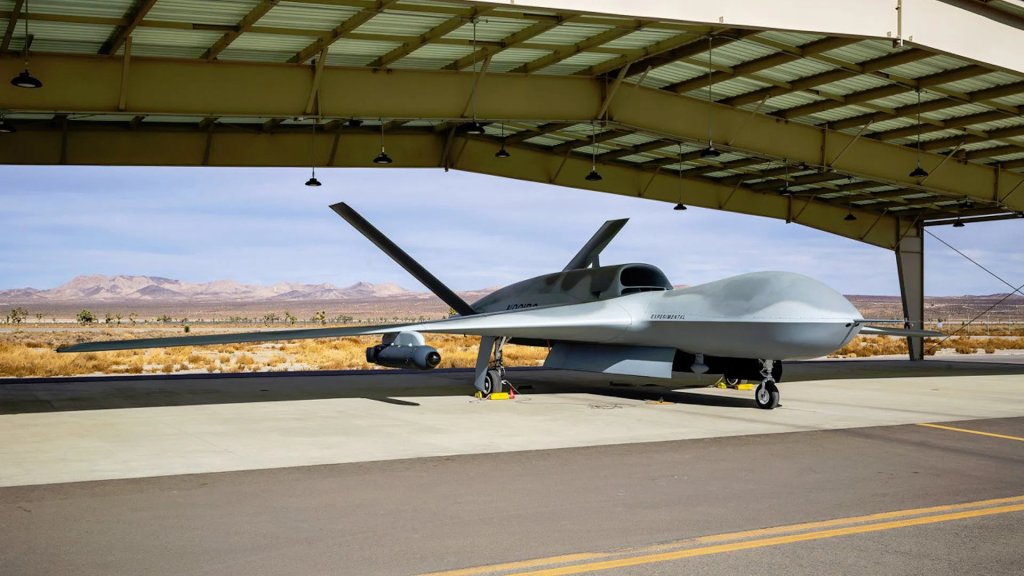
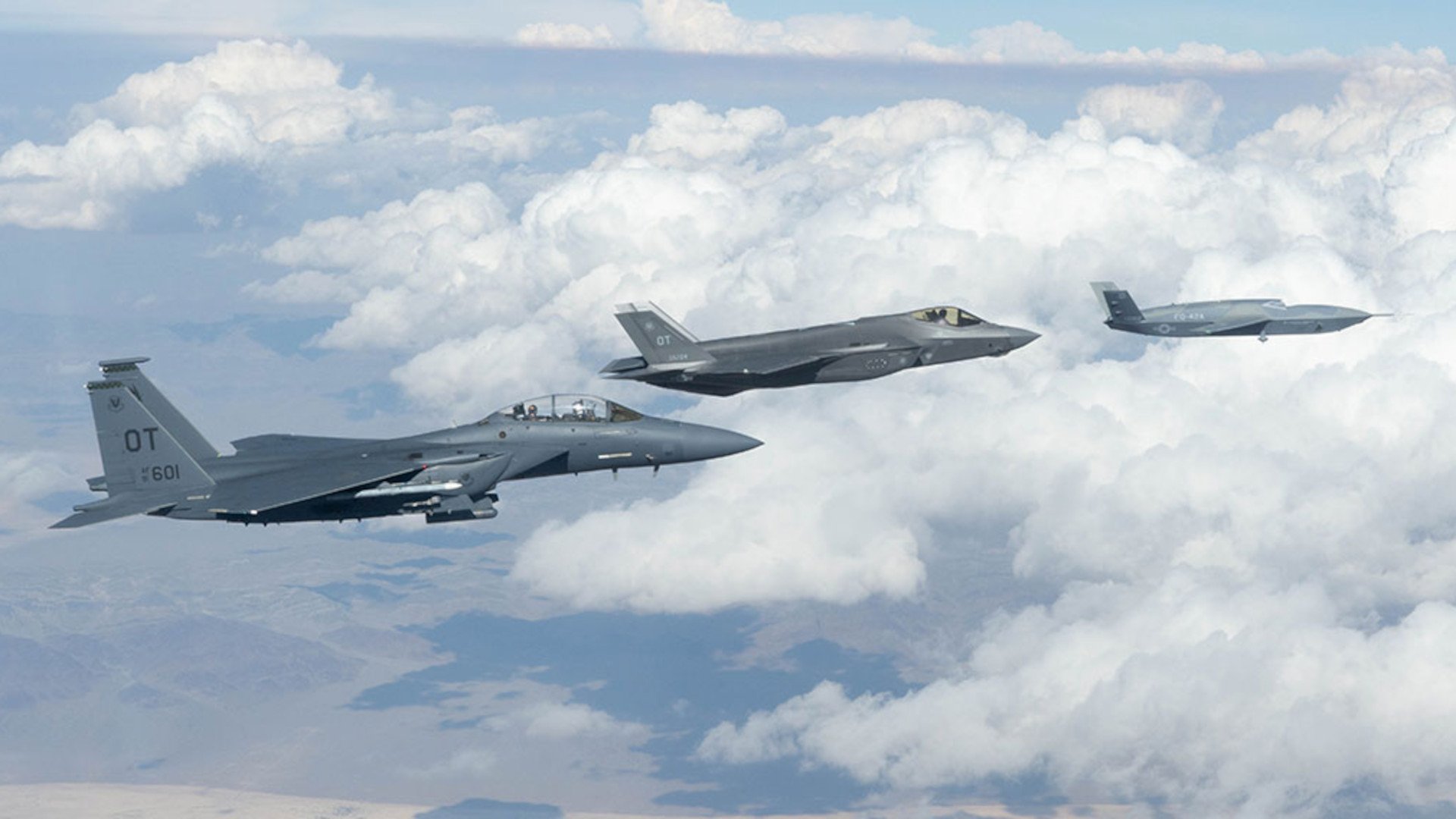
General Atomics has given us the first look at its FQ-42 Vengeance Collaborative Combat Aircraft (CCA) drone flying in formation with crewed fighters. The U.S. Air Force is continuing to expand crewed-uncrewed teaming and other testing of the FQ-42, as well as Anduril’s FQ-44 Fury, as it aims to start fielding both types around the end of the decade.
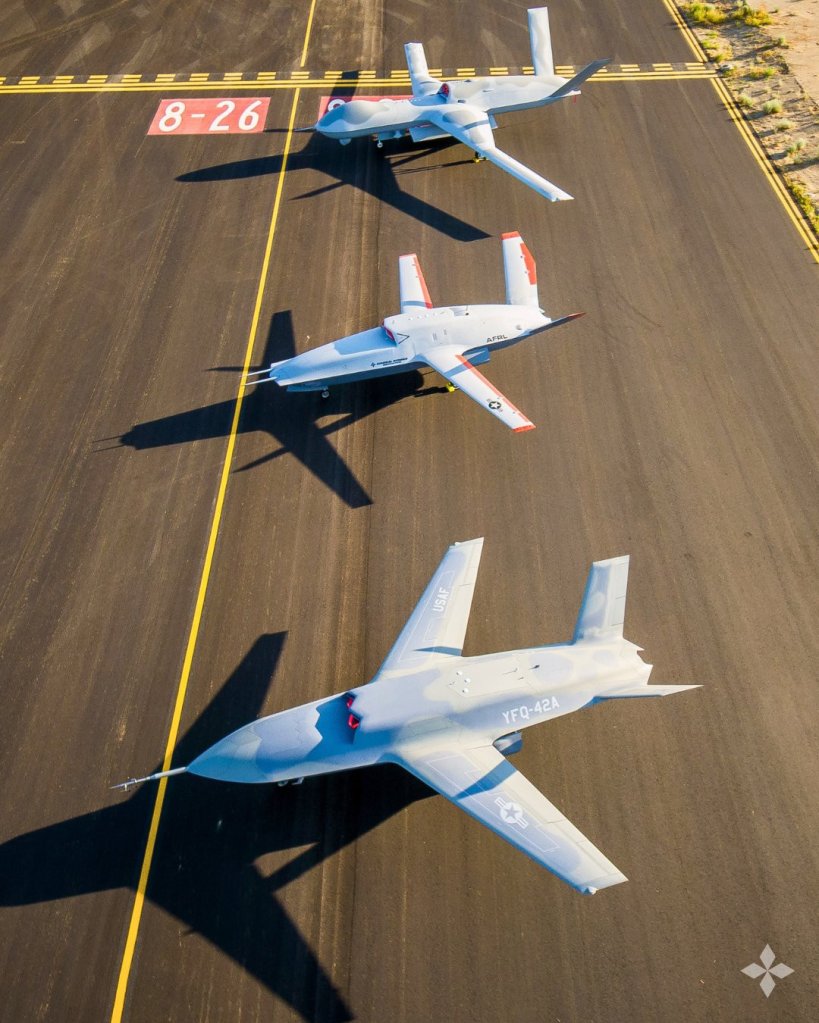
The newly released picture from General Atomics’ Aeronautical Systems, Inc. division (GA-ASI), seen at the top of this story, shows an FQ-42 in flight together with an F-35A Joint Strike Fighter and an F-15E Strike Eagle. The company has also disclosed the delivery of another Vengeance drone to the Air Force, this time to the service’s main drone operations hub at Creech Air Force Base in Nevada.
“The FQ-42 that arrived at Creech will continue regular test and evaluation operations with the Air Force aimed at experimentation with the new aircraft,” according to a press release GA-ASI put out today. “Previous efforts with Vengeance and other GA-ASI jets, including [the] XQ-67A Off-Board Sensing Station and MQ-20 Avenger – have found the trio of combat jets flying in various scenarios that push the boundaries of combat aviation. GA-ASI’s jets have flown semi-autonomously and autonomously with various AI pilots and under collaborative control of human fighter pilots operating F-22 Raptor and F-35 Lightning II jets.”

GA-ASI has previously confirmed that the XQ-67A, an earlier experimental drone TWZ was first to report on, served as a prototype for the development of the FQ-42. The Air Force’s F-22s also look set to be the first operational airborne controllers for USAF CCAs.
As mentioned, the Air Force is steadily working to broaden the scale and scope of testing involving the FQ-42 and FQ-44 to include more and more operationally relevant scenarios. Both types are set to make their first appearance at a large-force employment (LFE) exercise in December, offering a valuable new opportunity for deeper and more realistic integration with crewed fighters.
The Air Force otherwise continues to lay the groundwork for future CCA operations, including through a major round of testing at Creech in July, which TWZ was first to report on. The service is heavily focused now just on figuring out how the drones will be deployed, launched, recovered, supported, and otherwise operated on a day-to-day basis. A dedicated test squadron called the Experimental Operations Unit (EOU), established at Nellis Air Force Base in Nevada, has been leading those efforts.
Work is also underway to demonstrate tactical capabilities, such as the FQ-44 launching an AIM-120 Advanced Medium-Range Air-to-Air Missile (AMRAAM) for the first time earlier this year.
New test footage: first missile shot from YFQ-44A.
— Anduril Industries (@anduriltech) July 15, 2026
YFQ-44A executed an end-to-end, beyond-line-of-sight strike against a simulated target.
The test, executed out of @EdwardsAFB, represents an important step in turning CCA into an operational capability. pic.twitter.com/70cRIs6uXJ
“We’re on path right now to do our air-to-air shot coming up here in the near future,” Mike Shortsleeve, Vice President for Strategy Business Development at GA-ASI, told TWZ‘s Jamie Hunter on the floor of the Air & Space Forces Association’s (AFA) 2026 Air, Space & Cyber Conference last week.
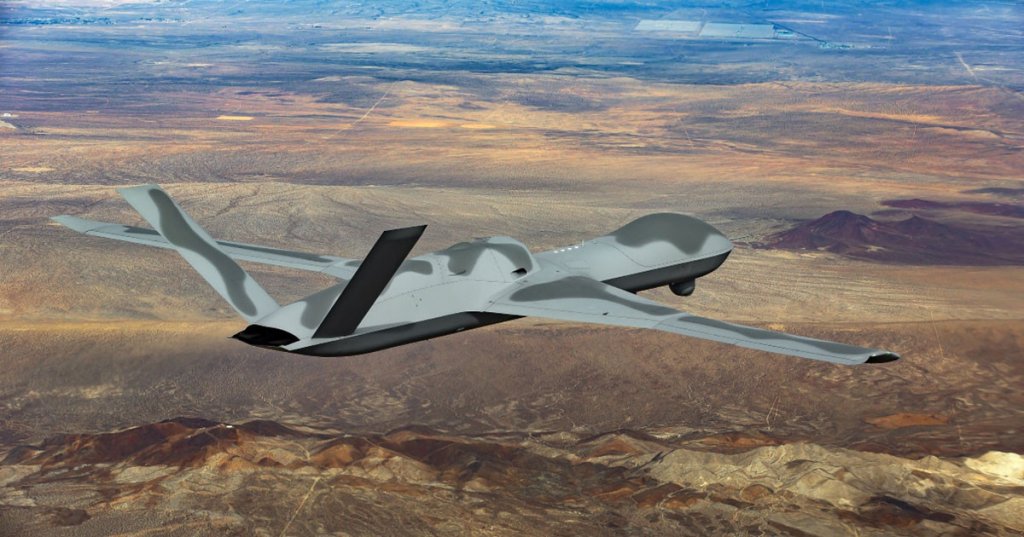
Last week, GA-ASI separately announced a new demonstration of semi-autonomous air-to-air combat capability involving crewed F-5AT Advanced Tiger jets belonging to private adversary air contractor Tactical Air Support, Inc. and an unspecified “CCA test aircraft.” The company did use a picture of an Avenger drone to illustrate the press release. The F-5s and the CCA surrogate were equipped with infrared search-and-track sensors (IRST) during the testing.

“The live exercise proved that a CCA and a manned fighter can collaborate to fuse sensor data from AMS-GRA-compliant sensors to track, engage, and eliminate an airborne target while using a Beyond Line of Sight (BLOS) data link to accomplish seamless coordination between the two aircraft,” according to the GA-ASI release.
“The demonstration utilized BLOS communication between the CCA and the airborne F-5, enabling the Advanced Tiger to send data about targets from an AMS-GRA-compatible system. These commands were relayed to the CCA’s TacACE [Tactical Autonomy Ecosystem software] system,” the release added. “This flight showed that many companies’ platforms can interoperate using the plug-and-play government reference architectures ecosystem. The U.S. Air Force isn’t locked into using a single vendor or system.”
GA-ASI has previously demonstrated the ability of MQ-20s flying with podded IRSTs to detect and track aerial targets semi-automatically. Generally speaking, IRSTs look set to be an important sensor for future CCAs, and are particularly relevant in the air-to-air role. As we have written in the past:
IRSTs are especially valuable for helping spot stealthy targets with features designed to reduce their radar cross-sections since they detect and track infrared emissions. By extension, IRSTs are also immune to radio frequency electronic warfare jamming. As passive sensors, they do not emit their own signals that could alert a target to the fact they are being tracked, either. IRSTs can still be used to cue or otherwise be linked to other sensors, including active electronically-scanned array radars. Fusing data from multiple sources can provide higher fidelity tracks of multiple targets, as well as improved situational awareness overall.

Air-to-air combat is expected to be the primary mission set, at least initially, for Air Force CCAs. At the same time, an air-to-ground role for the FQ-42 and FQ-44, and/or other future CCA-type drones the Air Force might acquire, is emerging on the horizon. Anduril has already fit-checked a variety of air-to-ground ordnance on Fury.
As it stands now, the Air Force is looking to have its first operational CCAs in service toward the end of the decade. The service is also presently aiming to have a total fleet of at least 500 CCAs of all types by 2032.
“If we can’t be ready, then certainly you’re not going to have the forces that you need and the numbers that you need going forward. This signifies that mass is certainly important again, but also autonomy is just as important,” General Atomics’ Shortsleeve told us last week in talking about the Air Force’s CCA fleet size target. “So the ability to have these autonomous systems, whether they’re bringing in additional weapons, sensing capability, whatever it is, all of those working in a collaborative environment, whether it’s manned, unmanned teaming, or unmanned and unmanned capabilities, that right there is what’s going to help the warfighter in the future.”
“And when we say autonomy, it’s not just strictly this is going to go off and do its own thing. It’s going to be directed,” he added. “Whether it’s on the ground, in the air, [it] makes no difference to the system itself. It’s going to work hand-in-hand [with humans]. So that human-machine teaming, that’s what they’re really focusing on. There is figuring out how to best use this capability in the advancement of actually having to employ it in [the] real world.”
Though just flying in formation is very different from collaboration with a high degree of autonomy, the new picture of the FQ-42 together with the F-35A and the F-15E is a window into the future teamed operations the Air Force is hoping to build.
Contact the author: joe@twz.com
The post General Atomics FQ-42A Vengeance CCA Now Flying Together With USAF Fighters appeared first on TWZ.


The Jamaica–179th Street subway stop in Queens is only about a 10-minute walk from Wareham Place. But an abyss separates the two places. From the crowded low-rise blocks of busy shops, where spotting a white resident is difficult, to single-family homes with manicured yards on quiet streets where cars rarely pass. “Different parts of Queens were rough; this was an oasis,” Donald Trump said in a 2015 New York Times interview. This “oasis” is where the man who is now president of the United States lived as a child, in a house an anonymous family has just bought for $1.93 million.

© Luis Doncel

Um grave acidente de viação ocorrido na manhã desta segunda-feira provocou um ferido grave na EN 258-1. A colisão rodoviária, que envolveu um motociclo e um veículo pesado de mercadorias, deu-se por volta das 09h45.
Do impacto resultou um ferido grave, um jovem de 17 anos, que necessitou de assistência médica urgente no local e acabou por ser helitransportado para o Hospital de Santa Maria, em Lisboa. O condutor do veículo pesado de mercadorias também recebeu apoio e assistência médica no local do acidente. segundo o corpo de bombeiros local.
Para o socorro e assistência às vítimas foram mobilizados 11 operacionais e 4 veículos do corpo de bombeiros locais, contando ainda com o apoio da Guarda Nacional Republicana (GNR), da Viatura Médica de Emergência e Reanimação (VMER) de Beja e do Helicóptero do Instituto Nacional de Emergência Médica (INEM), sediado em Évora.
Se gostou do que leu e ainda não é seguidor, siga a nossa página para ver mais conteúdos!
————————————————–
© 2026 Os Monhacas. Todos os direitos reservados.
Este é um projeto independente de criação de conteúdos.
Se gostou do que leu e ainda não é seguidor, siga a nossa página para ver mais conteúdos!
————————————————–
Por: Dino Frazão
21 de setembro de 2026
O conteúdo Colisão Entre Motociclo e Pesado Provoca Ferido Grave de 17 Anos na EN 258-1 aparece primeiro em OS MONHACAS.

LA NEWSLETTER · GRATUITE
L'essentiel de l'actualité, passé au crible par les cinq plumes du Courrier. Dans votre boîte, chaque jour ouvré.
Gratuit. Vous restez libre de partir quand vous voulez.
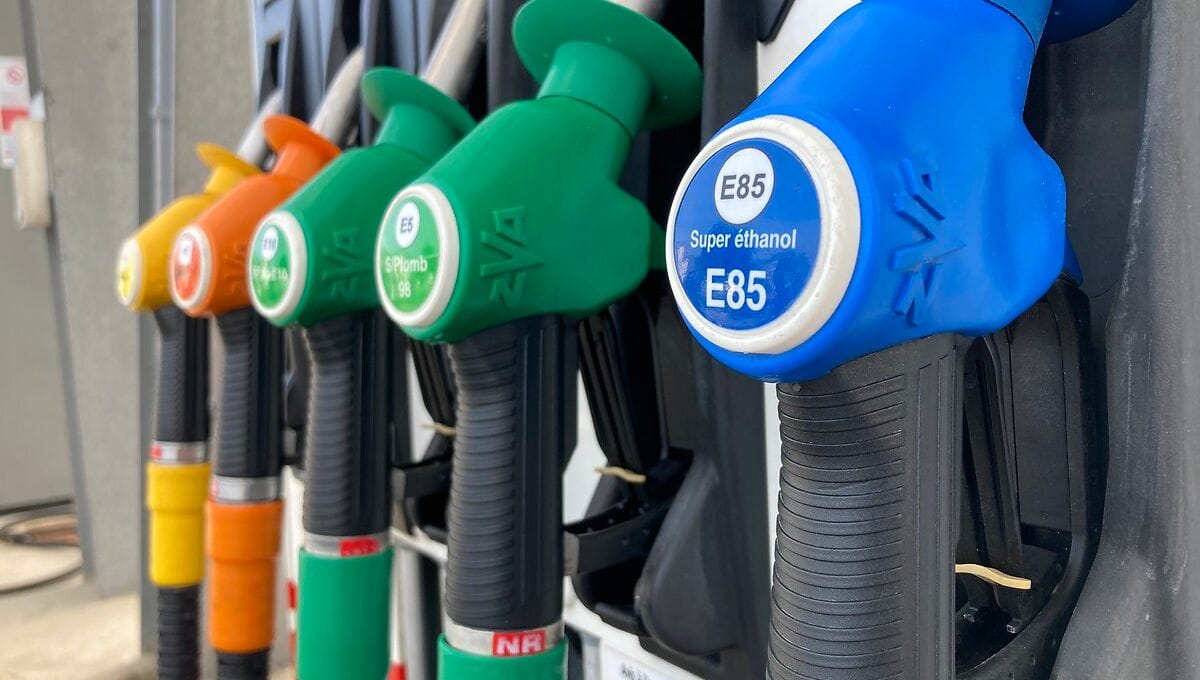
JE M'INSCRIS lecourrierdesstrateges.frEn octobre 2018, le litre de gazole valait un euro cinquante-deux, le sans-plomb 95 un euro cinquante-six. Le gouvernement avait programmé pour le 1er janvier suivant une hausse de la composante carbone : six centimes et demi sur le gazole, deux centimes neuf sur l'essence. Six centimes et demi. Le pays s'est couvert de gilets jaunes, les ronds-points ont été tenus pendant des mois, la hausse a été annulée, et l'on discute encore de ce que cet épisode a fait à la Ve République.
Le gazole est aujourd'hui à deux euros trente-neuf. Quatre-vingt-sept centimes de plus qu'en 2018 — treize fois la hausse qui avait mis le feu. Il n'y a pas de ronds-points.
Voilà le vrai sujet. Mais puisque la question porte sur trois euros, répondons-y d'abord, sérieusement, parce que personne ne le fait.

ABONNEMENT
Deux grands formats par jour. Les cinq plumes du Courrier. La série Sécession, le dimanche.
Le monde commente. Vous, vous comprenez.
S'ABONNER lecourrierdesstrateges.frTrois euros le litre, c'est soixante et un centimes au-dessus du prix d'aujourd'hui. Il y a trois routes pour y arriver, et elles n'ont rien à voir entre elles.
Par le baril. Ôtez la TVA : soixante et un centimes au détail font cinquante centimes de produit. Un baril contient cent cinquante-neuf litres ; à l'euro actuel, cela représente environ quatre-vingt-treize dollars de brut supplémentaires. Le Brent cote aujourd'hui autour de cent trois dollars, dans une fourchette qui oscille entre quatre-vingts et cent vingt depuis l'escalade iranienne de février. Il faudrait donc un Brent à cent quatre-vingt-quinze dollars — près du double d'aujourd'hui, et le tiers au-dessus du record historique de l'été 2008, qui n'a jamais été approché depuis.
Par la monnaie. À baril inchangé, il faudrait que l'euro tombe autour de soixante cents pour un dollar. Ce n'est pas une dépréciation, c'est un effondrement, et si nous en sommes là le prix du gazole ne sera pas notre préoccupation principale.
Par l'impôt. C'est la route courte, et elle ne dépend de personne d'autre que de nous. Cinquante centimes d'accise supplémentaires suffiraient — l'accise sur le gazole est aujourd'hui de soixante centimes et demi ; il s'agirait donc de la doubler, à peu près.
Retenez les deux chiffres et mettez-les côte à côte. Six centimes et demi ont suffi à arrêter la France en 2018. Il en faudrait cinquante pour atteindre trois euros.
TELEGRAM · L'INFO EN CONTINU
La newsletter vous donne le matin. Le fil vous donne l'instant.
Gratuit, et en continu.
REJOINDRE LE FIL t.me/resterlibreAlors, que se passerait-il ?
Rien. C'est la réponse honnête, et je voudrais qu'on la regarde en face avant de la refuser.
Aucun gouvernement ne prendra la route fiscale. Non par sagesse : par réflexe. 2018 les a vaccinés, et la vaccination a été si profonde qu'aucun ministre depuis huit ans n'a osé toucher à l'accise autrement que pour la baisser temporairement. La route fiscale est morte, et elle est morte d'une peur, pas d'une conviction.
Reste le choc extérieur. Et là, nous savons précisément ce qui se produirait, parce que cela s'est déjà produit en 2022 : l'État emprunterait, et il paierait. Remise à la pompe, chèque ciblé, plafonnement négocié avec les distributeurs, indemnité conditionnée à un seuil de revenu et à un nombre de kilomètres — le catalogue est écrit, il est prêt, il a déjà coûté plus de huit milliards d'euros que nous n'avions pas. À trois euros le litre, il coûterait le double, et nous ne l'aurions pas davantage.
Ce qui se passerait, donc : une ligne de plus au déficit, un formulaire de plus à remplir, et un pays qui s'ajuste en silence.
Car il s'est déjà passé quelque chose, et nous n'y avons pas pris garde.
Entre octobre 2018 et septembre 2026, le prix du gazole a augmenté de cinquante-sept pour cent. Dans le même temps, la réaction a diminué. En 2018, une hausse annoncée de six centimes et demi a produit une insurrection. En 2026, une hausse réalisée de quatre-vingt-sept centimes produit une démarche en ligne sur impots.gouv.fr, à effectuer avant le 30 septembre sous peine de forclusion — et dont la date limite a déjà dû être repoussée deux fois, faute de demandeurs assez empressés.
Le prix a monté. Le seuil de tolérance a monté plus vite.
C'est cela, le fait de la décennie, et il ne concerne pas le pétrole.
On me dira que je vais vite, et que l'appel du 17 octobre est précisément là pour me contredire. Une vidéo publiée le 7 septembre sur un réseau social, trois cent mille mentions d'approbation, des appels qui se multiplient, un gouvernement qui a tenu ce lundi deux réunions de crise à Matignon. La colère serait donc intacte, simplement plus lente à s'organiser.
L'objection est bonne et je ne vais pas la balayer d'un revers de main. Il est parfaitement possible que je me trompe, et je n'ai aucun moyen de le savoir avant la date.
Mais je note une chose. En 2018, le mouvement est né sur des ronds-points, c'est-à-dire dans un lieu. On s'y rendait, on y restait, on y rencontrait des gens qu'on ne connaissait pas et avec qui l'on découvrait avoir quelque chose en commun. Un rond-point produit une durée et une assemblée. Une vidéo produit une audience. Ce n'est pas la même chose, et ce n'est pas une nuance : c'est toute la différence entre un mouvement et un chiffre.
Elle n'a pas disparu. Elle a changé de destination.
Devant une dépense qui devient insupportable, un homme dispose de deux ressources : la voix et la sortie. Il peut protester, s'organiser, exiger — ou bien partir, contourner, se retirer de l'échange. La France de 2018 a choisi la voix. La France de 2026 choisit massivement la sortie, et elle le fait sans le dire à personne.
Cela ne se voit pas, parce que la sortie est silencieuse par nature. On ne bloque pas un dépôt pétrolier : on refuse le poste à quarante kilomètres, on renonce au déplacement chez les parents, on regroupe les courses sur une seule sortie, on déménage plus près, on achète une occasion plus sobre, on passe indépendant pour facturer ses trajets. Chacun de ces arbitrages est rationnel. Aucun n'est collectif. Et un million d'arbitrages rationnels et solitaires ne font pas un rapport de force — ils font un pays qui se replie sans bruit et qu'aucun ministre n'entend, puisque personne ne crie.
Il y a là une liberté réelle, et je ne vais pas la mépriser : sortir vaut mieux que subir, et c'est même, à mes yeux, le commencement de tout. Mais il faut voir l'autre face. Un peuple qui n'use plus que de la sortie a désarmé la voix. Il ne négocie plus rien. Il s'adapte à tout. Et un pouvoir qui ne rencontre plus d'obstacle finit par confondre l'absence de résistance avec l'assentiment.
TIPS · SANS ABONNEMENT
Un média libre vit de ses lecteurs. Un pourboire ponctuel, sans compte ni engagement, quand le cœur vous en dit.
Vous donnez ce que vous voulez. Vous restez libre.
LAISSER UN POURBOIRE merci !Il serait commode de s'arrêter ici, le lecteur bien rangé du bon côté.
Mais nous l'avons fait, ce calcul. Moi compris. Nous avons regardé le prix affiché, nous avons soupiré, et nous avons modifié discrètement notre semaine. Nous n'avons écrit à personne. Nous n'avons signé aucune pétition, appelé aucun élu, rejoint aucune assemblée. Nous avons ajusté, et nous nous en sommes plutôt bien tirés — ce qui est exactement le problème : nous nous en tirons, individuellement, assez bien pour n'avoir jamais à nous en occuper ensemble.
Et pendant ce temps, quatre-vingt-sept centimes.
En 2018, le seuil était connu de tous, y compris du gouvernement qui l'a franchi par mégarde : six centimes et demi de trop.
Aujourd'hui, personne ne sait où il est. Ni Bercy, qui empile des dispositifs en espérant ne pas le trouver. Ni ceux qui appellent au 17 octobre, et qui le sauront le jour même. Ni nous, qui répondons chaque mois à la question par un ajustement privé, sans jamais nous demander à quel prix nous cesserions d'ajuster.
C'est peut-être trois euros. C'est peut-être quatre, et c'est peut-être qu'il n'y en a plus. Je ne le sais pas, et je me méfie beaucoup de ceux qui affirment le savoir.
Ce que je sais, c'est qu'un pouvoir qui ignore où se trouve le seuil continuera d'avancer vers lui.

O município de Santarém encerrou o primeiro semestre de 2026 com um resultado líquido positivo de 366 mil euros, embora a dívida total tenha aumentado 5,6%, para 31,3 milhões de euros, segundo o relatório e contas semestral da autarquia. De acordo com o documento, o resultado positivo foi alcançado após o município registar rendimentos de 34 milhões de euros e despesas de 33,6…
For Orion Magazine, Seth Kaplan writes of turning to his tomato plants as a way to decompress after a long day at work. In this brief but beautiful essay, he revels in the tactile pleasures of trimming leaves and pinching suckers, of tending beings that make no demands.
The tomatoes do not have opinions, or so I tell myself, though it is mostly a lie. For they do lean toward the sun and then, perversely, away from it. They sulk when I overwater and they sulk when I forget, and they have firm convictions about how much attention is too much. But whatever they want, they show me plainly. A leaning plant wants turning. A pale, unhappy one wants trimming. A bushy one wants care. There is no tone in it—no door slamming or softly clicking shut upstairs, no message that says fine in a way that is clearly not fine. When a tomato is unhappy with me, it tells me in a language I can actually answer. And it does tell me. Skip a few days—a work trip, a long weekend, some obligation that drags me out of the side yard—and they turn unruly, almost insolent.
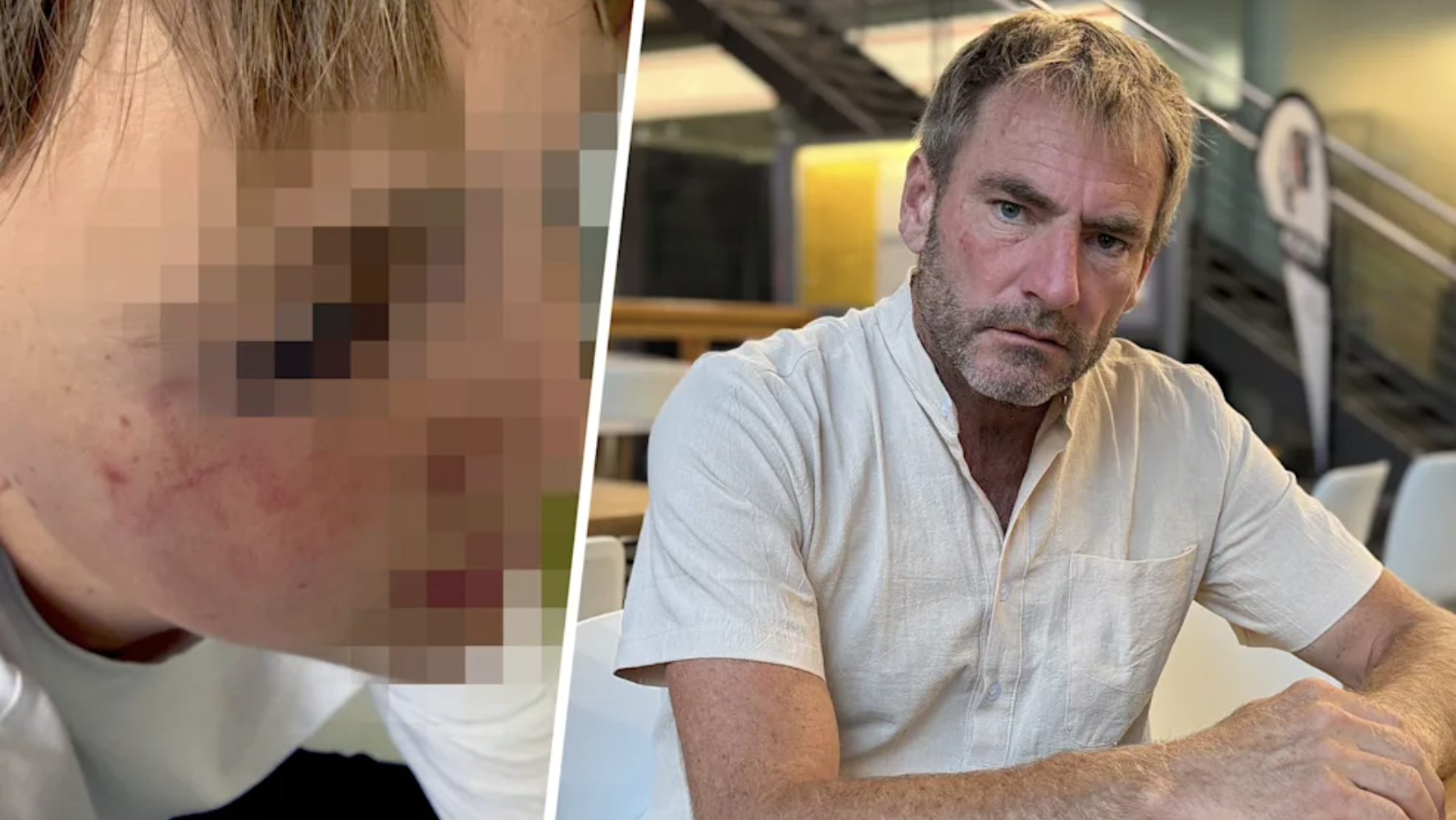
A planned father-son fishing weekend ended in disaster when Leon, 14, was attacked at the Freiburg train station in Germany by a 41-year-old Ethiopian migrant who tried to gouge the young boy’s eyes out. The father describes his son suffering serious psychological harm from the incident, including waking up every night screaming.
Leon had just stepped off a train from Heilbronn on Sept. 9 and was waiting on a staircase for his father, 54-year-old Roland H., when an Ethiopian man punched him in the face without warning. The blow knocked Leon’s head against a stone step and left him dazed.
The attacker then bent over him, reached for his eye and shouted, “I’ll kill you!”
Cafe owner, 46-year-old Pino R., said he saw the assault and intervened.
“I saw the boy sitting by the stairs. At that moment, I saw and heard the perpetrator running towards the boy shouting: ‘I’ll kill you,”‘ Pino R. told Bild newspaper.
He added, “Then, the man reached for the boy’s eye and threatened to tear out his eyeball. Then, I jumped on the attacker and pulled him down.”
Only then, Pino R. said, did he see that the man was holding a carpet knife. He called staff for help and alerted police.
Roland H. arrived shortly afterward and found his injured son on the stairs. Leon was taken to a hospital with injuries to his face and eye. Doctors diagnosed the victim with a jaw contusion and injuries to his eyes. According to the father, the boy additionally suffered from nausea and dizziness from the attack.
The father of Leon said that the injury on Leon’s cheek looks remarkably like a swastika, raising questions of whether the Ethiopian migrant tried to carve the symbol in the boy’s face.
“Thank God he missed the eye when he tried to grab it,” Roland H. said.
He credited the cafe owner with preventing a worse outcome.
“I am so grateful to Pino. He saved my son’s life,” said Roland.
The Federal Police Inspectorate Weil am Rhein confirmed an investigation is underway against a 41-year-old man from Ethiopia on suspicion of assault. Officers found pepper spray and a utility knife in the man’s pants pocket. The suspect allegedly told police he had mistaken the boy for someone else.
— Remix News & Views (@RMXnews) May 12, 2026
A migrant was awarded with German citizenship after stabbing this German comedian 5 times inside the Bremen central train station.
Nikita Miller expressed disbelief that the migrant who nearly killed him received German citizenship. Not only that, but he was released on the… pic.twitter.com/NcxMabWeIO
The violent suspect has already been released.
Leon remains in pain and is taking painkillers. He is also receiving psychiatric treatment following the random attack.
“He is now very introverted and has said he will never take the train again,” his father said. “Since the attack, he wakes up every night screaming.”
Remix News reported this year that foreigners are responsible for 44 percent of all violent crime in German train stations, with violent crime doubling since 2020.
Specifically, the data shows there were 27,800 violent crimes in German train stations and on trains in 2025, a slight increase from the already very high 27,160 cases in 2024. The data also shows that 44 percent of all of these cases involved a foreigner in 2025, a slight decrease from the 46 percent recorded in 2024.
When the data was first released, AfD leader Weidel took to X to decry the rise in violence on German public transport.
“In 2025, the Federal Police recorded 27,819 violent crimes at train stations, with foreign suspects being significantly overrepresented, particularly in cases of sexual offenses and knife crimes. Under CDU leadership, the situation in Germany is worsening day by day. Only the AfD can provide a remedy,” she wrote.
The post ‘Since the attack, he wakes up every night screaming’ – Ethiopian migrant tries to gouge 14-year-old German boy’s eyes out in Freiburg train station appeared first on Remix News.
Five men wearing reflective vests marked “POLICIA” dragged a bloodied, partially undressed man from a car on a busy highway outside Barcelona on Saturday evening and forced him into another vehicle, Catalan police said, as they investigate what they believe may be a score-settling between criminal groups.
The incident unfolded around 7:30 p.m. on the AP-7 motorway between Montornès del Vallès and Vilanova del Vallès. Witnesses said two vehicles boxed in a third car after what appeared to be a minor collision. Five men in black clothing and balaclavas then approached, pulled the man from the back seat and shoved him into one of their cars before driving away, according to Spanish news outlet Moncloa.
— Remix News & Views (@RMXnews) September 20, 2026
JUST IN: Armed men posing as police officers kidnapped a victim in the middle of the AP-7 highway outside Barcelona.
Five men in black clothing wearing “POLICIA” reflective vests dragged a bloodied, partially undressed man out of a car near Montornès del Vallès.
They then… pic.twitter.com/bshm8lLzKW
Video recorded by other drivers shows the men, some wearing high-visibility vests that resembled those used by Spain’s National Police, struggling with the victim on the roadway as traffic backed up around them. One motorist who filmed the scene and called emergency services can be heard saying, “There’s a kidnapping on the AP-7,” and telling operators the men were carrying pistols.
Mossos d’Esquadra officers later located the man in another part of Catalonia. Police sources told the newspaper Ara he was “safe and sound.” Authorities said his facial injuries were not serious and that there was no indication a ransom had been paid. The vehicle used to take him away was found abandoned a short time later.
The Mossos’ Criminal Investigation Division has opened a case for alleged illegal detention and is examining whether the suspects committed impersonation of police officers. No arrests have been announced.
Police have not officially confirmed a motive, but investigators and sources familiar with the case have pointed to a dispute between criminal groups, possibly tied to drug-related debts or drug heist. Spanish media reported that the victim had recently been released from prison but this detail has not been independently confirmed by police.
Such a brazen abduction in daylight on one of Catalonia’s main highways is unusual, though robberies targeting motorists have occurred on the AP-7 in the past.
The post Spain: 5 men posing as police officers kidnap victim on major highway appeared first on Remix News.
A Universidade Politécnica de Santarém esteve presente na final nacional da 22ª edição do Concurso Poliempreende, que decorreu este ano na Universidade do Algarve, com o projeto DailyPharma. O projeto contou com a orientação da docente Sandra Costa, tutora da equipa, e teve ainda a colaboração de Rogério Palmeiro e João Samartinho. DailyPharma é uma caixa automática de medicação com…