❌

Reading view

Germany: AfD roars into first, but CDU looks set to crash out of parliament for the first time ever

In a historic first since the founding of the Federal Republic of Germany, the Christian Democrats (CDU) have failed to enter a state parliament after falling below 5 percent in Mecklenburg-Vorpommern. In Sunday’s election, the Alternative for Germany (AfD) finished first with 38.2 percent.

“The result is a disaster,” Chancellor Friedrich Merz said shortly after polls closed in Mecklenburg-Western Pomerania and Berlin. He made the remark before public broadcasters ARD and ZDF projected that the CDU would drop below 5 percent in the northeastern state. That threshold is decisive in German politics: parties that fall short do not enter parliament.

The preliminary result is now in. The CDU finished at 4.9 percent, down 8.4 points from 2021. It is the party’s worst state-election result in postwar German history. The outcome is likely to revive calls for Merz to resign. He has given no sign that he will, and he also refuses to give up the CDU chairmanship.

Instead, Merz spoke of reforms that require “backbone, steadfastness and patience,” adding: “I will bring this up, as party chairman of the CDU and above all as chancellor of our country.”

No further pivotal state elections are imminent, and Merz is betting that debt-financed spending will start to show in the economy. He hopes that by 2027 he can point to two years of growth.

The problem is that fuel prices keep rising, health-insurance costs remain high, and large parts of German industry are under pressure from tariffs, input inflation, and competition from China.

The AfD is increasing that pressure. It finished well short in Berlin, below 17 percent, but took first place in Mecklenburg-Vorpommern with 38.2 percent — more than double its 2021 result of 16.7 percent. That follows its victory in Saxony-Anhalt, where it won 43.8 percent. The AfD will not govern in Schwerin, the capitol of Mecklenburg-Vorpommern, however. The Social Democrats (SPD) came second with 35.5 percent. Together with the Left (6.5 percent) and the Greens (5.7 percent), the SPD has enough seats for a coalition and is expected to stay in power.

AfD co-leader Alice Weidel called her party the new “people’s party” and said the CDU had been displaced in that role.

“We are the strongest force and have arrived in the middle of the population,” she said on ZDF.

Voters had wanted “a change of policy,” she added, declaring the firewall of other parties against working “a failure.” Her long-term goal, she said, is coalition talks with the CDU.

Co-leader Tino Chrupalla claimed a “clear government mandate” and said the AfD would offer talks to all parties. The other parties in the new Mecklenburg-Vorpommern parliament have already ruled that out.

The post Germany: AfD roars into first, but CDU looks set to crash out of parliament for the first time ever appeared first on Remix News.

  •  

Israel Completes Registration of Candidates for the Knesset

Anton Ivanov Israel’s election campaign has entered its decisive stage. By early September, the main political forces had completed their candidate lists for the October 27 elections, and the central question is whether the opposition can deprive Benjamin Netanyahu of a majority in the Knesset. According to the latest polls, the incumbent prime minister’s coalition […]
  •  

Difficult Choices and Faltering Alliances: Saudi Arabia’s Path to Overcoming Blockade Threats

In September, the Middle East witnessed a series of rapid and dangerous developments that underscored the fragility of regional security architectures. Among the most consequential was the Iran-backed Ansar Allah (Houthi) movement not only repelling the advance of Saudi-backed Yemeni government forces toward Sanaa but also turning the attack into a devastating counteroffensive. In doing so, they seized control of strategically vital coastal positions. Houthi forces captured the port of Mocha on Yemen’s western coast, Mayyun Island (Perim) in the Bab al-Mandab Strait, and the coastal city of Dhubab, overlooking the strategic waterway. Within the framework of regional alliances, this signifies one thing: Iran now exerts influence over the Bab al-Mandab Strait—one of the most vital maritime chokepoints in the world, through which approximately 12% of global trade and 7% of worldwide petroleum product supplies pass annually.

The implications especially for Saudi Arabia are profound and dire, as Ansar Allah’s military spokesperson announced that maritime navigation in the Red Sea remains safe for all international shipping companies, with the explicit exception of Saudi-flagged or Saudi-linked vessels. While the Iranian Revolutionary Guard considered the Houthi advance a “divine victory,” Mohammad Mokhber, the advisor to the Supreme Leader, stated that: “their advance has placed America and its allies in a tactical and strategic dilemma.” These developments extend beyond the region, potentially impacting the broader Asia-Pacific geopolitical landscape, particularly affecting India and China due to the strategic importance of the Strait of Hormuz and the Bab al-Mandab. Instability in these waters threatens oil flows and global trade. The threats are forcing ships to reroute around the Cape of Good Hope, resulting in higher costs and extending voyage times by approximately a month. Meanwhile, surging global oil and shipping prices are exerting additional pressure on the economies of both nations.

The conflicts extended beyond Yemen’s borders, reaching into neighboring Saudi Arabia. The Houthis targeted key strategic locations, including Abha International Airport, an Aramco facility, and King Khalid Air Base. Additionally, they launched an attack on the largest oil refinery in Jizan, resulting in injuries to 73 Saudi nationals.

Within the framework of Iran’s strategy to activate the “unity of fronts”, expanding the scope of their actions from Iraq, targeting strategic infrastructure that Saudi Arabia relied upon as an alternative route as the Strait of Hormuz is inaccessible. Specifically targeted the East-West Pipeline (Petroline), which transports oil from the Kingdom’s eastern regions to its western areas. As a result of these attacks, the Saudi Ministry of Energy announced the temporary closure of the pipeline as a precautionary measure. The Saudi Ministry of Foreign Affairs attributed the attack to Iraq—an assertion acknowledged by the Iraqi government—prompting Iraqi Prime Minister Ali Falah al-Zaidi to dismiss a military commander in Maysan Governorate and implement measures that included forming an investigative committee and closing three border crossings between Iraq and Iran.

The closure of the East-West pipeline raises concerns about the potential loss of up to 4% of global oil supplies, at a time when markets are already facing supply shortages, escalating fuel prices, and inflationary pressures.  The International Energy Agency (IEA) reported that Saudi oil production levels declined to their lowest point in over three decades in August, primarily due to diminished flow through the Strait of Hormuz and the Red Sea. Furthermore, the IEA projected a global oil supply reduction of approximately 5.7 million barrels per day, or nearly 6%, within this year.

This escalating sequence of events did not emerge spontaneously nor from a single moment of impulse; rather, it resulted from a series of developments that accumulated like an ice ball, culminating in a rapid descent with immense force. On July 20, the Houthi announced the imposition of a naval blockade on Saudi Arabia, framing it as a “siege for siege” strategy.  This declaration followed a series of provocative actions, including an incident on July 13, when Saudi-supported Yemeni government forces targeted the runway of Sanaa Airport to prevent an Iranian aircraft from landing. The Houthis claimed that the aircraft was carrying Yemenis who had participated in the funeral of Ayatollah Ali Khamenei in Iran. the Saudi-aligned forces at Sanaa Airport refused to permit the Iranian plane to land and subsequently struck the airport runway. The Houthis retaliated by targeting Saudi ships attempting to traverse the Red Sea. Feeling increasingly threatened by both aerial and maritime assaults, Saudi Arabia decided to strike back at Sanaa, the Houthi-controlled capital and strategic headquarters.

This series of escalations marked a turning point, transforming the conflict into a two-front confrontation: an internal struggle against the forces of the legitimate Yemeni government backed by Saudi Arabia and an external campaign against Saudi Arabia. The confrontation thus evolved into a complex and layered conflict with regional implications, reshaping the dynamics of the ongoing crisis.

On July 28, a coordinated US-Saudi military operation targeted facilities and weapons depots operated by Iranian-backed militias in eastern Iraq. This action was in direct response to over 30 drone attacks carried out by the Iranian Revolutionary Guard Corps (IRGC) within a 72-hour period, which targeted US military personnel as well as Saudi Arabia’s energy and oil infrastructure. The explicit and active involvement of Saudi forces in conducting strikes within Iraqi territory represented a notable development and signified a strategic shift in the Kingdom’s military policy.

During this critical time, as Saudi-backed government forces faced significant setbacks and disintegration amid the advancing Houthi forces, the Saudi Crown Prince sought assistance from the U.S. President Donald Trump to carry out military strikes against the Houthis, aiming to counter their attacks and halt their territorial expansion. However, President Trump declined to provide support in this regard.

This scene delineates Saudi Arabia’s engagement with a series of intricate and multifaceted strategic dilemmas. Despite its aerial capabilities, Riyadh encounters significant constraints in exerting decisive influence over ground operations in Yemen through airpower alone; the deployment of ground forces remains a politically and militarily sensitive option that the Saudi leadership appears reluctant to pursue. Concurrently, the Saudi-led coalition has been embroiled in an internal crisis since December 2025, involving the United Arab Emirates and the Southern Transitional Council forces (STC). It seems that the Yemeni government’s request for the UAE’s withdrawal has undermined both its defensive and offensive operational capacity on the ground, which has contributed to the coalition’s rapid retreat in the face of Houthi advances.

Furthermore, the proposed joint defense mechanism—under the umbrella of the “Mecca Alliance”—remains inactive, highlighting a lack of clarity regarding operational aspects. Sajjad Haider, the spokesperson for the Pakistani Ministry of Foreign Affairs, explicitly stated that no decisions have yet been made regarding the launch of military action under the “Mecca Agreement,” affirming: “There is no such matter currently under discussion… and when the time comes, we will act in accordance with the agreement.” This reflects a state of strategic ambiguity and conditional readiness rather than an actual, immediate commitment.

This confluence of factors underscores a broader crisis within Saudi Arabia’s regional and international alliances across three interconnected tiers: domestically, with the Gulf Cooperation Council exemplified by the UAE’s role in Yemen; regionally, with the Mecca Defense Alliance, which remains in a state of procedural limbo pending formal activation; and globally, with its alliance with the United States, now increasingly tested by evolving circumstances and shifting geopolitical priorities.

At the level of international organizations, the Kingdom of Saudi Arabia’s recourse to the UN Security Council highlights the shortcomings and underlying breakdowns of the current international system and its organizations; the Council’s response was limited to rhetorical statements emphasizing the importance of de-escalation, while it clearly failed to adopt any substantive resolution capable of addressing or mitigating the underlying tensions and conflicts.


What strategic options remain available to Saudi Arabia?

Although it was announced that a conference involving Gulf foreign ministers and Iran would be held on September 14 in Oman to discuss arrangements in the Strait of Hormuz, the Iranian Tasnim News Agency has stated that “the Strait of Hormuz will not be reopened under the Iranian-Omani understanding.” The statement underscored that the reopening of the Strait is contingent solely upon the United States’ fulfillment of Iran’s stipulated conditions. Iran has effectively consolidated “unity of fronts” to coordinate offensive strikes against neighboring countries, thereby positioning itself proactively rather than defensively. This strategic escalation is designed to exert diplomatic and military pressure on the American administration and its allies, with the objective of compelling them to reconsider their stance, lift sanctions and economic siege posed on Iran, and prevent any potential military actions targeting Kharg Island.

It appears that President Trump, by consciously refraining from targeting the Houthis, sought to leverage diplomatic pressure on Saudi Arabia to encourage its participation in the Abraham Accords and the normalization of relations with Israel. Concurrently, this strategic restraint may have been motivated by a desire to avoid opening a new regional front, particularly in light of his previous challenges in addressing issues related to Iran and the Strait of Hormuz.

From another perspective, if Saudi Arabia’s acquiescence to Iranian coercive tactics it could be interpreted as a tactical success for Iran’s strategy of utilizing proxies in both Yemen and Iraq. Such a development suggests that Iran’s use of these proxies has effectively created a lever of pressure, compelling Saudi Arabia to adopt a cautious, mutually beneficial approach: facilitating Iran’s efforts to normalize relations with Gulf states and fostering a path toward resolving tangled issues with the United States—despite the unlikelihood of Trump making any concessions—in exchange for easing the pressure exerted by Iranian-backed proxy networks in the region.

This scenario poses considerable challenges not only for Saudi Arabia but also for the broader Gulf Cooperation Council (GCC) member states. Such concessions could potentially lead to a paradoxical situation of “empowering the adversary,” thereby prompting a critical strategic dilemma: will Saudi Arabia be compelled to choose between normalization with Iran or with Israel?

Alternatively, Saudi Arabia might choose to realign its diplomatic course by strengthening ties with the United Arab Emirates; such a strategic reassessment would align its political objectives with those of the UAE. This rapprochement would also reflect shared strategic interests—most notably the involvement of Emirati-backed Yemeni forces in the conflict against the Houthis—a matter of critical importance within the broader regional strategic landscape where Emirati and Saudi interests converge, at least for the time being.

Saudi Arabia finds itself at a critical juncture marked by escalating regional tensions, faltering alliances, and complex strategic dilemmas. The recent Houthi advances, Iran’s expanding proxy network, and the limitations of international and regional support have exposed vulnerabilities in the regional and Riyadh’s security architecture. The Kingdom faces the daunting task of balancing its military and diplomatic options amid shifting geopolitical dynamics, including the potential for rapprochement with Iran or strengthening ties with regional partners like the UAE. As the international community’s response remains largely rhetorical, Saudi Arabia finds itself  navigating an increasingly fragmented landscape, in front of  difficult choices that will shape the future stability of the Gulf and the broader Middle East. Ultimately, the coming phase is difficult for the region and  will be decisive in determining whether Riyadh can forge a resilient strategy to counter external pressures and challenges or whether it will succumb to the pressures of an evolving and unpredictable regional environment.

  •  

How Real Is the Impact of Western Sanctions on Israel?

Europe is getting tougher on Israel in rhetoric and sanctions, but its latest measures may be designed to create political distance from Israel without creating enough economic pain to make Israel change course in the West Bank or anywhere in Palestinian territories. The Arithmetic of Punishment On September 8, Britain, France, Canada and a group […]
  •  

Mike Huckabee is a huge embarrassment to America, the Trump administration, and the human race

Mike Huckabee is a huge embarrassment to America, the Trump administration, and the human race https://www.nytimes.com/2026/09/15/us/universities-ai-warnings-enthusiasm.html?campaign_id=190&emc=edit_ufn_20260918&instance_id=182130&nl=from-the-times&regi_id=319886775&segment_id=226689&user_id=16e8eb830e4bd362dd416f1daa9d25b1
  •  

Quatre mois de pronostics géopolitiques : ce que j'ai écrit, ce qui est arrivé

Par Thibault de Varenne

Le 17 juin, j'ai écrit que la trêve d'Ormuz tiendrait probablement ses soixante jours. Elle en a tenu vingt. Le 3 juillet, que l'on ne fermait plus un marché. Le baril a repassé les cent dollars le 11 septembre. Voilà pour l'entrée en matière : un chroniqueur qui ne relit que ses réussites n'est pas un chroniqueur, c'est un avocat.

Quatre mois de pronostics géopolitiques : ce que j'ai écrit, ce qui est arrivé
LE COURRIER
DES STRATÈGES
Restez libre !
LA NEWSLETTER · GRATUITE

Le Courrier,
chaque matin.

Quatre mois de pronostics géopolitiques : ce que j'ai écrit, ce qui est arrivé

L'essentiel de l'actualité, passé au crible par les cinq plumes du Courrier. Dans votre boîte, chaque jour ouvré.

Gratuit. Vous restez libre de partir quand vous voulez.

JE M'INSCRIS lecourrierdesstrateges.fr
lecourrierdesstrateges.fr
Restez libre !

Ce journal a pris, avec la rubrique qu'il appelle La Clause, dans le secret de la rédaction, l'habitude d'écrire à l'avance ce qui lui donnerait tort. Il est juste d'appliquer la règle à ce qui a déjà été écrit. J'ai donc repris mes papiers depuis le début de juin — la signature n'existe pas avant —, j'en ai extrait chaque phrase qui annonçait quelque chose, et je l'ai mise en face de ce qui s'est produit, avec la date et avec la source, prise comme toujours ici chez ceux qui ne sont pas nos alliés. Le lecteur trouvera le tableau ci-dessous. Je n'y ai rien retranché, et j'ai laissé de côté ce qui ne se vérifie pas — les jugements de valeur, les pronostics à vingt ans, les phrases qui sonnent bien.

DatePapierCe que j'annonçaisCe qui s'est passéBilan
5 juinLes BRICS à l'âge de raisonLe club cesse de grossir : une mue, pas une pause. « Nous verrons, au sommet indien, si la forme tient. »New Delhi, 12-13 sept. : déclaration adoptée à l'unanimité malgré la fracture Iran / Émirats ; aucun élargissement.Quatre mois de pronostics géopolitiques : ce que j'ai écrit, ce qui est arrivé
8 juinCe qu'on appelle un cessez-le-feuUne trêve qui ne traite pas les causes ne suspend pas la guerre : « elle la met au repos ».Mémorandum signé le 17 juin ; frappes américaines sur 80 cibles le 8 juillet ; blocus rétabli le 14 ; texte caduc mi-août.Quatre mois de pronostics géopolitiques : ce que j'ai écrit, ce qui est arrivé
13 juinCette guerre que nous ne savons plus lire« Les Russes grignotent ; ils ne percent pas. » Une guerre d'usure qui ne se résout pas.Septembre : Sloviansk-Kramatorsk toujours tenue, quinzième échéance russe fixée au 31 décembre ; chacun affirme que l'offensive de l'autre a échoué.Quatre mois de pronostics géopolitiques : ce que j'ai écrit, ce qui est arrivé
17 juinLa paix de soixante jours« Que la trêve tienne ses soixante jours : c'est probable, et même vraisemblable. » Qu'elle devienne une paix : « je n'y crois guère ».La trêve a tenu vingt jours. Aucune paix.◐
durée ✘ / issue Quatre mois de pronostics géopolitiques : ce que j'ai écrit, ce qui est arrivé
20 juinVersailles, ou la paix par soustractionSoixante jours qui « ressemblent moins à une convalescence qu'à un sursis ». L'allié couvert à Versailles « pourrait bien » faire sauter l'accord.Sursis confirmé. Mais l'accord a sauté entre Washington et Téhéran, sur la police du détroit — pas par Israël.◐
mécanisme Quatre mois de pronostics géopolitiques : ce que j'ai écrit, ce qui est arrivé / déclencheur ✘
27 juinLa guerre redevenue industrie« L'essaim qui défend Kiev aujourd'hui menacera demain d'autres capitales. »1er sept. : Kiev menace toute compagnie aérienne dans le ciel russe ; 13 sept. : drones russes sur un train à 5 km de la Pologne.Quatre mois de pronostics géopolitiques : ce que j'ai écrit, ce qui est arrivé
3 juilletLe baril sous 90 $« On peut fermer un détroit ; on ne ferme plus un marché. » Pétrole « structurellement baissier ».Deuxième détroit menacé (mer Rouge, 10-12 sept.) ; baril au-dessus de 100 $ depuis le 11 septembre.✘
18 juilletSommes-nous au début d'une escalade ?Trois échéances : mi-août, caducité ou ambiguïté du mémorandum ; septembre, New Delhi et les offres de médiation ; octobre, reprise des frappes sur l'énergie.Mémorandum expiré mi-août, chacun accusant l'autre. À New Delhi, Xi et Modi ont offert leurs services pour l'Ukraine (Kremlin). Octobre : à venir.Quatre mois de pronostics géopolitiques : ce que j'ai écrit, ce qui est arrivé Quatre mois de pronostics géopolitiques : ce que j'ai écrit, ce qui est arrivé Quatre mois de pronostics géopolitiques : ce que j'ai écrit, ce qui est arrivé
18 juilletidemLe pourrissement est « la pente la plus probable, parce qu'elle ne demande de décision à personne » ; l'escalade sera horizontale, non verticale.Ni guerre déclarée ni paix ; Houthis en mer Rouge, drone près de La Mecque, frappes aux frontières polonaise et moldave ; aucune montée de catégorie entre grandes puissances.Quatre mois de pronostics géopolitiques : ce que j'ai écrit, ce qui est arrivé
18 juilletidemLa colère du Sud « trouvera sa traduction politique à New Delhi en septembre, si personne n'a rendu le détroit à la mer d'ici là ».Le détroit n'a pas été rendu. La déclaration de New Delhi appelle à la « retenue » sans nommer un seul pays.✘
18 juilletidemRelais des communiqués russes — qualifiés de communiqués — sur une « progression méthodique » vers Sloviansk et à Soumy : « un front qui glisse ».Été sans percée ; l'analyste de RT concède que l'offensive ukrainienne « a ralenti l'avance russe » ; Kiev revendique Dobropillia et Lyman, Moscou des « lignes ».◐
23 juilletRégionalisation de la guerre ?« La guerre d'un État contre sa région » ; les guerres qui franchissent ce seuil « ne reviennent pas d'elles-mêmes en deçà ».31 août : bases en Jordanie ; 8-16 sept. : terminaux saoudiens frappés ; côte yéménite prise ; Koweït touché ; Riyad demande des intercepteurs à quatre pays.Quatre mois de pronostics géopolitiques : ce que j'ai écrit, ce qui est arrivé
29 juilletL'Iran franchit un cap en Jordanie« La guerre continuera, je le crains, par paliers — chaque pause préparant la surenchère suivante. »Pause de fin juillet ; palier du 31 août (Larak / Jordanie) ; « vers la fin de la guerre » (Trump, 17 sept.) sans pourparlers confirmés.Quatre mois de pronostics géopolitiques : ce que j'ai écrit, ce qui est arrivé
1er aoûtL'ordre sans serment« D'ici à la Toussaint, le Sud tiendra trois conciles » : Bichkek, New Delhi, Moscou.Bichkek 1er-2 sept. Quatre mois de pronostics géopolitiques : ce que j'ai écrit, ce qui est arrivé ; New Delhi 12-13 sept. Quatre mois de pronostics géopolitiques : ce que j'ai écrit, ce qui est arrivé ; Moscou 28-29 oct. Quatre mois de pronostics géopolitiques : ce que j'ai écrit, ce qui est arrivé.Quatre mois de pronostics géopolitiques : ce que j'ai écrit, ce qui est arrivé Quatre mois de pronostics géopolitiques : ce que j'ai écrit, ce qui est arrivé Quatre mois de pronostics géopolitiques : ce que j'ai écrit, ce qui est arrivé
22 aoûtLe pacte de La MecqueLa peur « d'être abandonné, ou frappé, par son propre protecteur n'est pas près de se dissiper ». Le pacte « peut se défaire ».16-18 sept. : drone près de La Mecque, pacte invoqué en paroles, non activé ; Riyad cherche des munitions antiaériennes à l'étranger.Quatre mois de pronostics géopolitiques : ce que j'ai écrit, ce qui est arrivé / Quatre mois de pronostics géopolitiques : ce que j'ai écrit, ce qui est arrivé
4 sept.Ormuz : la facture des nôtres« Le 10 septembre, Francfort montera ses taux. Le 30, le gouvernement déposera un budget provisoire. »BCE : +25 points de base le 10 septembre, dépôt à 2,5 %, « le conflit au Moyen-Orient continue de générer des pressions inflationnistes ». Le 30 : à venir.Quatre mois de pronostics géopolitiques : ce que j'ai écrit, ce qui est arrivé Quatre mois de pronostics géopolitiques : ce que j'ai écrit, ce qui est arrivé
10 sept.Pourquoi la Russie n'a pas gagné« Elle avance — lentement, mais elle avance. »Kiev revendique 85 km² repris à Lyman ; Moscou des « nouvelles lignes » près de Droujkivka. Les deux cartes se contredisent.◐
contesté
12 sept.Moka est tombée à l'aubeLe « aucun danger » houthi pour la navigation n'est pas une garantie : « l'énoncé d'un levier ». Le Pakistan « pourrait entrer » dans la guerre.Mascate, 12-13 sept. : les Houthis promettent d'épargner les navires américains — sauf les saoudiens. Le Pakistan promet « physiquement » ; aucune troupe de plus.Quatre mois de pronostics géopolitiques : ce que j'ai écrit, ce qui est arrivé / Quatre mois de pronostics géopolitiques : ce que j'ai écrit, ce qui est arrivé
16 sept.Gilets jaunes : l'État ne peut plus payer« Le 17 octobre dira peut-être quelque chose, ou rien du tout. » L'hiver sans rien à offrir : « certain ».Clause n° 1 : question posée, critère fixé (5 villes le samedi 24 octobre), verdict le 26.Quatre mois de pronostics géopolitiques : ce que j'ai écrit, ce qui est arrivé
18 sept.La Clause n° 2« Si le budget abaisse le forfait au point de faire descendre la bascule sous 1 500 euros par mois, je changerai de réponse et je l'écrirai. »Budget déposé le 30 septembre.Quatre mois de pronostics géopolitiques : ce que j'ai écrit, ce qui est arrivé
19 sept.Ukraine, Iran : les risquesRisque vertical « faible » ; extension « élevée » ; accélération « certaine ».À cocher dans ce même tableau.Quatre mois de pronostics géopolitiques : ce que j'ai écrit, ce qui est arrivé

Compte : 21 lignes, 28 énoncés datés — 14 tenus, 4 tenus en partie, 2 démentis, 8 échéances à venir (certaines lignes portent plusieurs énoncés). Les sources de la colonne « ce qui s'est passé » sont en pied de papier, toutes non occidentales.

Quatre mois de pronostics géopolitiques : ce que j'ai écrit, ce qui est arrivé
LE COURRIER
DES STRATÈGES
Restez libre !
ABONNEMENT

Allez au fond
des choses.

Deux grands formats par jour. Les cinq plumes du Courrier. La série Sécession, le dimanche.

Le monde commente. Vous, vous comprenez.

S'ABONNER lecourrierdesstrateges.fr
lecourrierdesstrateges.fr
Restez libre !

Ce que le tableau dit

Trois choses, et je les donne dans l'ordre inverse de ma vanité.

D'abord, je me trompe sur les dates et sur les prix. Soixante jours de trêve : vingt. Un marché qu'on ne ferme plus : menacé deux fois, à Ormuz puis en mer Rouge, et le baril a repris une vingtaine de dollars. Un Sud qui trouverait à New Delhi sa traduction politique : une déclaration sans un seul nom propre. Ces trois erreurs ont une racine commune, et je préfère la nommer moi-même. Chaque fois, j'ai lu un texte — un mémorandum, une courbe, un ordre du jour — comme s'il engageait ceux qui l'avaient écrit. Un texte n'engage que jusqu'au jour où l'un des signataires trouve la rupture moins coûteuse que la parole. Je l'avais d'ailleurs écrit le 17 juin, dans le papier même où je donnais soixante jours à la trêve. On peut avoir la règle et rater l'application.

Ensuite, je me suis trompé sur le front russe, par un excès qu'il faut dire. Le 18 juillet, j'ai relayé, en les qualifiant de communiqués, des annonces de progression que l'été n'a pas confirmées — pas même dans les cartes russes, puisque l'analyste le plus lu de RT concède aujourd'hui que l'offensive ukrainienne a ralenti l'avance. Nommer un communiqué communiqué ne suffit pas : il faut encore ne pas lui prêter la tendance qu'il prétend. Le 13 juin, avant ces annonces, j'avais écrit plus juste : ils grignotent, ils ne percent pas. C'est la phrase de juin qui tient, non celle de juillet.

Enfin — et c'est la seule chose dont je tirerai quelque chose —, je me suis peu trompé sur les pentes. Que la guerre d'Iran serait longue ; qu'elle se régionaliserait par contagion et non par décision ; que l'escalade serait horizontale plutôt que verticale ; que le pourrissement était la pente la plus probable parce qu'il ne demandait de décision à personne ; que le club des BRICS tiendrait sa forme sans grossir ; que la peur des monarchies du Golfe ne se dissiperait pas : tout cela s'est produit, à peu près dans l'ordre. Ce ne sont pas des prophéties. Ce sont des lectures de structure, et les structures ont ceci de commode qu'elles bougent moins vite que ceux qui les commentent.

La leçon n'est pas flatteuse, et elle est utile : je vois les pentes mieux que les dates, et les structures mieux que les prix. Le lecteur fera donc bien de m'écouter quand je dis vers où va une chose, et de vérifier ailleurs quand je dis quand elle y sera.

Reste ce qui n'est pas encore tranché, et qui est daté : le budget du 30 septembre et le seuil de 1 500 euros que j'ai posé sur les retraites ; le 17 octobre et le samedi qui le suivra ; le concile de Moscou des 28 et 29 octobre ; l'échéance de novembre sur les terres rares ; et les trois risques — faible, élevé, certain — que j'ai qualifiés le 19 septembre. Je reviendrai les cocher. Ceux qui me donneront tort figureront dans le même tableau, à la même taille de caractère. C'est le seul crédit qu'une signature puisse demander : non qu'on la croie, mais qu'on puisse la vérifier.

Quatre mois de pronostics géopolitiques : ce que j'ai écrit, ce qui est arrivé
LE COURRIER
DES STRATÈGES
Restez libre !
TELEGRAM · L'INFO EN CONTINU

Entre deux éditions,
le fil.

La newsletter vous donne le matin. Le fil vous donne l'instant.

Gratuit, et en continu.

REJOINDRE LE FIL t.me/resterlibre
t.me/resterlibre
Restez libre !
Quatre mois de pronostics géopolitiques : ce que j'ai écrit, ce qui est arrivé
LE COURRIER
DES STRATÈGES
Restez libre !
TIPS · SANS ABONNEMENT

Offrez-nous
un café.

Un média libre vit de ses lecteurs. Un pourboire ponctuel, sans compte ni engagement, quand le cœur vous en dit.

Vous donnez ce que vous voulez. Vous restez libre.

LAISSER UN POURBOIRE merci !
lecourrierdesstrateges.fr
Restez libre !
  •  

Cumbre del BRICS+: entre promesas y contradicciones

Read in English here

La 18va Cumbre del BRICS, celebrada en Nueva Delhi del 12 al 13 de septiembre, tuvo lugar en medio de una intensificación excepcional de las contradicciones internacionales. Las guerras en Asia Occidental, las sanciones unilaterales, las barreras arancelarias y el uso de las finanzas y la tecnología como armas han puesto de manifiesto el carácter fundamentalmente desigual del orden internacional dominado por el imperialismo. En este contexto, la continua expansión del BRICS refleja el deseo de los países en desarrollo de alcanzar una mayor autonomía estratégica y un sistema más democrático de gobernanza global. Al mismo tiempo, la cumbre demostró que el BRICS+ sigue siendo una agrupación heterogénea cuyos miembros difieren sustancialmente en sus alineamientos políticos e intereses económicos.

La Declaración de Nueva Delhi, resultado de la cumbre, reiteró la exigencia de una reforma de las Naciones Unidas, las instituciones financieras internacionales y el sistema comercial multilateral. Se opuso a las sanciones unilaterales no autorizadas por el Consejo de Seguridad de las Naciones Unidas y abogó por un mayor comercio en monedas nacionales. La declaración también respaldó una mayor representación de los países en desarrollo en instituciones cuyas normas siguen siendo determinadas principalmente por los Estados Unidos y sus aliados. Estas posturas tienen una importancia objetiva en un momento en que Washington recurre cada vez más a sanciones, aranceles, controles a la exportación y control sobre los sistemas de pago para disciplinar a los países que se niegan a aceptar sus dictados.

Ambigüedad

Sin embargo, el lenguaje cuidadosamente negociado de la declaración también reveló las limitaciones de la formación ampliada. El BRICS+ incluye ahora a países sometidos a una presión occidental sostenida, como Rusia e Irán, así como a los Emiratos Árabes Unidos y otros Estados que mantienen amplios vínculos económicos y de seguridad con Occidente. En consecuencia, el consenso solo puede mantenerse mediante formulaciones que reconozcan los conflictos sin identificar siempre sus causas políticas. Esta ambigüedad fue especialmente evidente en el tratamiento que se dio en la cumbre a la guerra cada vez más extensa en Asia Occidental y a la postura adoptada por Irán.

El presidente iraní, Masoud Pezeshkian, aprovechó la cumbre para denunciar las sanciones unilaterales y la guerra de agresión contra Irán llevada a cabo por los Estados Unidos e Israel. Destacó acertadamente que la resiliencia económica no puede separarse de la paz, la soberanía y la seguridad. Irán también abogó por el comercio en monedas nacionales, un mayor uso del Nuevo Banco de Desarrollo y la construcción de corredores independientes de transporte y energía (tal como ya lo ha hecho a través de Pakistán, que ha proporcionado seis rutas terrestres para que las mercancías chinas y rusas ingresen a Irán). Para un país sometido a décadas de sanciones, a la exclusión de las redes financieras occidentales y a repetidas amenazas de cambio de régimen, la pertenencia al BRICS+ representa una importante oportunidad diplomática y económica.

La postura de Irán, sin embargo, presenta una marcada ambigüedad. Teherán presenta al BRICS+ como un instrumento para resistir el unilateralismo y defender la soberanía. Al mismo tiempo, debe buscar un acuerdo con los estados vecinos del Golfo, varios de los cuales están profundamente integrados con el capital occidental y los acuerdos de seguridad.

Irán firmó una declaración en la que se pedía moderación y desescalada, al tiempo que acusaba a los Estados Unidos e Israel de agresión y defendía sus propias acciones de represalia. Su postura combativa frente a la presión hiperimperialista se combina, por lo tanto, con un esfuerzo pragmático por evitar el aislamiento regional, asegurar el alivio de las sanciones y preservar los canales de negociación.

Esto no debe interpretarse simplemente como una inconsistencia. Irán se enfrenta a una coalición militar y financiera muy superior y debe maniobrar dentro de severas limitaciones. Pero también ilustra el problema más amplio al que se enfrenta el BRICS+. La oposición a la dominación occidental no genera automáticamente un programa antiimperialista coherente. Los Estados participantes son Estados capitalistas que persiguen sus respectivos intereses nacionales. Sus clases dominantes pueden resistirse a aspectos particulares de la hegemonía estadounidense, al tiempo que se mantienen dispuestas a llegar a acuerdos con las finanzas globales o con potencias reaccionarias regionales. En consecuencia, el BRICS+ es un escenario de lucha dentro del orden mundial en transformación, no una alternativa ya constituida al hiperimperialismo.

Socios

El acontecimiento político más trascendental de la cumbre para Asia fue la reunión entre el primer ministro Narendra Modi y el presidente chino Xi Jinping. La primera visita de Xi a la India en siete años confirmó la mejora gradual de las relaciones desde los acuerdos de retirada militar iniciados en 2024. Los dos líderes coincidieron en que la India y China deben considerarse socios en lugar de rivales y abordar las relaciones bilaterales desde una perspectiva estratégica a largo plazo. También discutieron la cuestión fronteriza, el comercio, el acceso a los mercados y los problemas de la cadena de suministro.

Cualquier mejora duradera en las relaciones entre la India y China debe ser bienvenida. La prolongada confrontación tras el enfrentamiento en el valle de Galwan de 2020 perjudicó a ambos países, aumentó el gasto militar y fortaleció los esfuerzos de los Estados Unidos por incorporar a la India a su estrategia indopacífica. Washington ha buscado constantemente convertir a la India en un contrapeso estratégico frente a China a través del Quad y la expansión de la cooperación militar y tecnológica. Por lo tanto, una confrontación continua entre la India y China beneficia mucho más a la estrategia de los Estados Unidos que a los intereses de los pueblos indio o chino.

La paz y la tranquilidad a lo largo de la Línea de Control Efectivo siguen siendo indispensables. Los acuerdos sobre la retirada deben ir seguidos de un compromiso sostenido a nivel diplomático y militar, la aclaración de las zonas en disputa y la observancia estricta de los acuerdos existentes. No se debe permitir que ni la retórica nacionalista ni la construcción competitiva de infraestructura desencadenen otra confrontación. Las diferencias sobre la frontera no pueden ignorarse, pero pueden y deben gestionarse sin subordinar toda la relación a una rivalidad militarizada.

Las relaciones económicas presentan una contradicción igualmente difícil. China es uno de los mayores socios comerciales de la India y una importante fuente de maquinaria, componentes electrónicos, productos químicos, equipos de energía renovable y otros insumos industriales. Sin embargo, el enorme déficit comercial de la India con China refleja tanto la debilidad del sector manufacturero indio como los obstáculos que enfrentan las exportaciones indias en el mercado chino. Para abordar este desequilibrio se requiere un mejor acceso al mercado, inversión china en condiciones transparentes y, sobre todo, una política industrial india capaz de desarrollar la capacidad productiva nacional. Durante los últimos seis meses, el comercio bilateral se ha disparado.

El enfoque del Gobierno de Modi ha alternado entre la dependencia de las importaciones chinas y las restricciones, motivadas políticamente, a la inversión y la tecnología chinas. Su retórica de “China más uno” no puede ocultar el fracaso de sus propias políticas para generar una industrialización de base amplia. Tampoco una alineación estratégica más estrecha con los Estados Unidos puede proporcionar a la India una base manufacturera independiente. Los Estados Unidos busca un acceso privilegiado al mercado indio, al tiempo que recurre a aranceles, restricciones tecnológicas y presión política cada vez que las políticas indias se apartan de sus intereses. La incoherencia del Gobierno de Modi se pone de manifiesto, sobre todo, en su incapacidad para elaborar realmente una agenda nacional de desarrollo que aproveche el dinamismo de la economía china y se distancie de unos Estados Unidos más orientados hacia el nacionalismo económico.

China, por su parte, debe reconocer que unas relaciones estables requieren sensibilidad ante las preocupaciones legítimas de la India. Entre ellas se encuentran la cuestión fronteriza sin resolver, el acceso desigual al mercado y el desequilibrio comercial. La considerable asimetría entre las dos economías hace que la reciprocidad sea particularmente importante. El llamado de Pekín a la colaboración solo cobrará sentido cuando vaya acompañado de medidas prácticas que permitan el ingreso de bienes y servicios indios al mercado chino y eviten que las tensiones fronterizas acaben repetidamente por opacar el diálogo político.

La cooperación entre la India y China otorgaría al BRICS+ un peso mucho mayor en la lucha por la democratización del orden internacional. Juntos, ambos países representan más de un tercio de la humanidad.

Su cooperación podría impulsar la reforma de las instituciones internacionales, el financiamiento climático, el intercambio de tecnología, las iniciativas de salud pública y un sistema comercial más justo. Por el contrario, una nueva confrontación paralizaría al BRICS+ y permitiría que potencias externas se aprovecharan de las divisiones en toda Asia. Por lo tanto, la India debe seguir una política exterior independiente basada en la coexistencia pacífica, y no participar en un proyecto estadounidense destinado a contener a China.

La cumbre de Nueva Delhi generó propuestas para la continuidad institucional, una cooperación financiera más sólida y una mayor resiliencia entre las economías en desarrollo. Sin embargo, las declaraciones tendrán un valor limitado a menos que se traduzcan en acuerdos concretos. El Nuevo Banco de Desarrollo debe ampliar los préstamos en monedas nacionales y dar prioridad a la infraestructura socialmente necesaria, en lugar de reproducir las condiciones y la orientación corporativa del Banco Mundial. Los mecanismos de pago transfronterizos deben desarrollarse de manera transparente, sin crear nuevas formas de dominación por parte de las economías más fuertes del BRICS. Las enérgicas declaraciones en apoyo de la Revolución Cubana y de las aspiraciones de autodeterminación del pueblo palestino deberán tener una aplicación práctica. ¿Encontrará el BRICS+ una manera de romper el cruel e ilegal embargo de Estados Unidos contra Cuba, y brindará el BRICS+ apoyo para la reactivación de la vida política palestina?

El BRICS+ encarna tanto el movimiento hacia un nuevo equilibrio mundial como todas las contradicciones de ese movimiento. El cauteloso acercamiento entre India y China es un ejemplo de dicha contradicción, ya que combina el reconocimiento de la dependencia mutua con una desconfianza estratégica sin resolver. El futuro del BRICS+ dependerá de si dichas contradicciones se gestionan de manera pacífica y de si la cooperación genera beneficios tangibles para los trabajadores, en lugar de limitarse a ampliar el margen de maniobra de las clases dominantes nacionales.

Para la India, el camino a seguir es claro: restablecer relaciones normales y pacíficas con China, resistirse a ser incorporada a la estrategia militar de los Estados Unidos, oponerse a la agresión y a las sanciones unilaterales contra Irán, y trabajar por un orden multilateral genuinamente democrático. Solo habrá un nuevo equilibrio mundial cuando se restrinja la dominación hiperimperialista y se amplíen la soberanía y las posibilidades de desarrollo de los pueblos. La cumbre de Nueva Delhi marcó un paso más en esa transición controvertida, pero la dirección y el contenido social del orden emergente siguen siendo objeto de lucha política.

Vijay Prashad es un historiador y periodista indio. Es autor de cuarenta libros, entre los que se incluyen Balas de Washington, Una estrella roja sobre el Tercer Mundo, Las naciones oscuras: una historia del Tercer Mundo; Las naciones pobres: una posible historia del Sur Global y How the International Monetary Fund Suffocates Africa, escrito con Grieve Chelwa. Es el director ejecutivo de Tricontinental: Instituto de Investigación Social, corresponsal jefe de Globetrotter, y el editor jefe de LeftWord Books (Nueva Delhi). También ha hecho apariciones en las películas Shadow World (2016) y Two Meetings (2017).

Este artículo fue elaborado por Globetrotter.

  •  

BRICS+ Summit: between promises and contradictions

Lee en español aquí

The 18th BRICS Summit, held in New Delhi on September 12–13, occurred amid an exceptional intensification of international contradictions. Wars in West Asia, unilateral sanctions, tariff barriers, and the weaponization of finance and technology have exposed the fundamentally unequal character of the imperialist-dominated international order. Against this background, the continued expansion of BRICS reflects the desire of developing countries for greater strategic autonomy and a more democratic system of global governance. At the same time, the summit demonstrated that BRICS+ remains a heterogeneous grouping whose members differ substantially in their political alignments and economic interests.

The New Delhi Declaration, the outcome of the summit, reiterated the demand for reform of the United Nations, international financial institutions, and the multilateral trading system. It opposed unilateral sanctions not authorized by the United Nations Security Council and advocated greater trade in national currencies. The declaration also supported increased representation for developing countries in institutions whose rules continue to be determined primarily by the United States and its allies. These positions have objective significance at a time when Washington increasingly employs sanctions, tariffs, export controls, and control over payment systems to discipline countries unwilling to accept its dictates.

Read more: BRICS nations call for end of US blockade on Cuba, condemn Israeli and US violations in Iran

Ambiguity

Yet the declaration’s carefully-negotiated language also revealed the limitations of the expanded formation. BRICS+ now includes countries subjected to sustained Western pressure, such as Russia and Iran, as well as the United Arab Emirates and other states retaining extensive economic and security ties with the West. Consensus can consequently be maintained only through formulations that acknowledge conflicts without always identifying their political causes. 

This ambiguity was especially apparent in the summit’s treatment of the widening war in West Asia and the position adopted by Iran.

Iranian President Masoud Pezeshkian used the summit to denounce unilateral sanctions and the war of aggression against Iran carried out by the United States and Israel. He correctly stressed that economic resilience cannot be separated from peace, sovereignty, and security. 

Iran also advocated trade in national currencies, greater use of the New Development Bank, and the construction of independent transport and energy corridors (as it has already created through Pakistan, which has provided six roadways for Chinese and Russian goods to enter Iran). For a country subjected to decades of sanctions, exclusion from Western financial networks, and repeated threats of regime change, membership of BRICS+ provides an important diplomatic and economic opening.

Iran’s position, however, contains a marked ambiguity. Tehran presents BRICS+ as an instrument for resisting unilateralism and defending sovereignty. Simultaneously, it must seek accommodation with neighboring Gulf states, several of which are deeply integrated with Western capital and security arrangements. Iran signed a declaration calling for restraint and de-escalation even while accusing the United States and Israel of aggression and defending its own retaliatory actions. Its militancy against hyper-imperialist pressure is therefore combined with a pragmatic effort to avoid regional isolation, secure sanctions relief, and preserve channels of negotiation.

Read more: No new talks with the US until the previous conditions are met, says Iran

This should not be understood simply as inconsistency. Iran confronts a vastly superior military and financial coalition and must maneuver within severe constraints. But it also illustrates the broader problem facing BRICS+. Opposition to Western domination does not automatically produce a coherent anti-imperialist program. The participating states are capitalist states pursuing their respective national interests. Their ruling classes may resist particular aspects of US hegemony while remaining prepared to reach accommodations with global finance or with regional reactionary powers. BRICS+ is consequently an arena of struggle within the changing world order, not an already constituted alternative to hyper-imperialism.

Partners

The summit’s most consequential political development for Asia was the meeting between Prime Minister Narendra Modi and Chinese President Xi Jinping. Xi’s first visit to India in seven years confirmed the gradual improvement in relations since the military disengagement arrangements initiated in 2024. The two leaders agreed that India and China should regard each other as partners rather than rivals and approach bilateral relations from a long-term strategic perspective. They also discussed the boundary question, trade, market access and supply-chain problems.

Any durable improvement in India–China relations must be welcomed. The prolonged confrontation following the Galwan Valley clash of 2020 damaged both countries, increased military expenditure and strengthened the efforts of the United States to incorporate India into its Indo-Pacific strategy. Washington has consistently sought to turn India into a strategic counterweight to China through the Quad and expanding military and technological cooperation. A continuing India–China confrontation therefore serves US strategy far more than it serves the interests of the Indian or Chinese peoples.

Peace and tranquillity along the Line of Actual Control remain indispensable. Agreements on disengagement must be followed by sustained diplomatic and military-level engagement, clarification of disputed areas and strict observance of existing arrangements. Neither nationalist rhetoric nor competitive infrastructure construction should be allowed to trigger another confrontation. Differences over the boundary cannot be wished away, but they can and must be managed without subordinating the entire relationship to militarised rivalry.

Economic relations present an equally difficult contradiction. China is one of India’s largest trading partners and an important source of machinery, electronic components, chemicals, renewable-energy equipment and other industrial inputs. India’s enormous trade deficit with China, however, reflects both the weakness of Indian manufacturing and the obstacles faced by Indian exports in the Chinese market. Addressing this imbalance requires improved market access, Chinese investment under transparent conditions and, above all, an Indian industrial policy capable of developing domestic productive capacity. Over the past six months, two-way bilateral trade has soared.

The Modi government’s approach has alternated between dependence on Chinese imports and politically motivated restrictions on Chinese investment and technology. Its “China-plus-one” rhetoric cannot conceal the failure of its own policies to generate broad-based industrialisation. Nor can closer strategic alignment with the United States supply India with an independent manufacturing base. The US seeks privileged access to the Indian market while using tariffs, technology restrictions and political pressure whenever Indian policies diverge from its interests. The incoherence of the Modi government is best demonstrated in its inability to actually produce a national development agenda that takes advantage of the buoyancy of the Chinese economy and disengages from a United State more geared towards economic nationalism.

China, for its part, must recognize that stable relations require sensitivity to India’s legitimate concerns. These include the unresolved boundary, unequal market access and the trade imbalance. The considerable asymmetry between the two economies makes reciprocity particularly important. Beijing’s call for partnership will acquire substance only when accompanied by practical measures enabling Indian goods and services to enter the Chinese market and preventing border tensions from repeatedly overwhelming political dialogue.

Cooperation between India and China would give BRICS+ far greater weight in the struggle for democratization of the international order. Together, the two countries represent more than a third of humanity. Their cooperation could advance reform of international institutions, climate finance, technology sharing, public-health initiatives, and a fairer trading system. Conversely, renewed confrontation would paralyse BRICS+ and permit outside powers to exploit divisions throughout Asia. India must therefore pursue an independent foreign policy based on peaceful coexistence, not participate in a US project to contain China.

The New Delhi summit produced proposals for institutional continuity, stronger financial cooperation, and greater resilience among developing economies. But declarations will have limited value unless translated into material arrangements. The New Development Bank must expand lending in national currencies and prioritize socially necessary infrastructure rather than reproduce the conditionalities and corporate orientation of the World Bank. Cross-border payment mechanisms must be developed transparently, without creating new forms of domination by the strongest BRICS economies. The strong statements on behalf of the Cuban Revolution and the Palestinian people’s aspirations for self-determination will need practical application. 

Will the BRICS+ find a way to break the cruel and illegal US embargo on Cuba, and will the BRICS+ provide support for the revival of Palestinian political life?

BRICS+ embodies both the movement towards a new world equilibrium and all the contradictions of that movement. The cautious India–China rapprochement is one example of the contradiction, combining recognition of mutual dependence with unresolved strategic distrust. The future of BRICS+ will depend upon whether such contradictions are peacefully managed and whether cooperation delivers tangible gains to working people rather than merely expanding the room for maneuver of national ruling classes.

For India, the necessary course is clear: restore normal and peaceful relations with China, resist incorporation into the United States’ military strategy, oppose aggression and unilateral sanctions against Iran, and work for a genuinely democratic multilateral order. A new world equilibrium will only be when it restricts hyper-imperialist domination and enlarges the sovereignty and developmental possibilities of peoples. The New Delhi summit marked another step in that contested transition, but the direction and social content of the emerging order remain matters of political struggle.

Vijay Prashad is an Indian historian and journalist. He is the author of forty books, including Washington Bullets, Red Star Over the Third World, The Darker Nations: A People’s History of the Third World, The Poorer Nations: A Possible History of the Global South, and How the International Monetary Fund Suffocates Africa, written with Grieve Chelwa. He is the executive director of Tricontinental: Institute for Social Research, the chief correspondent for Globetrotter, and the chief editor of LeftWord Books (New Delhi). He also appeared in the films Shadow World (2016) and Two Meetings (2017).

This article was produced by Globetrotter.

  •  

Iceland’s Polite “Nei”: Cod, Krona, and a Small Nation Rejecting the EU Rush

Unlike the British “Brexit”, with which journalists are so eager to compare this referendum, Iceland’s “Nei” signifies not a vote to leave the EU, but a vote against resuming accession negotiations for full-fledged membership. Fishing sovereignty, currency independence, and the reluctance to become a «donor» to the EU budget carried more weight than the arguments […]
  •  

European Parliament backs EU health workforce crisis plan

The European Parliament has backed calls for an EU-wide strategy to tackle worsening shortages of healthcare professionals, including an ambition to increase the health workforce by one million, as doctors, nurses, pharmacists and dentists urged the European Commission to turn the recommendations into concrete action.

The own-initiative report, led by MEPs Loucas Fourlas (EPP, Cyprus) and Ruggero Razza (ECR, Italy), warns that shortages of doctors, nurses, carers and other professionals are becoming structural, driven by ageing populations, rising demand for care and persistent burnout...

  •  

Descendants of Chinese forced laborers sue Japanese companies for reparations

A group of 50 family members and descendants of wartime forced laborers in China filed a lawsuit against six companies on Wednesday, September 16, demanding compensation for their suffering during the Japanese occupation. 

In their lawsuit at a local court in Hebei, southwest of the capital, Beijing, the group is seeking around $55,000 in compensation for each member, along with an apology published in at least 10 Japanese and Chinese media outlets.

The plaintiffs accuse six Japanese firms of being beneficiaries of the forced labor, causing long-term pain, suffering, and the deaths of their family members, Kyodo News reported. 

According to Kyodo News, the six Japanese firms named in the lawsuit include construction firm Taisi Corp, mining firm Nittetsu Corp, and heavy industry manufacturer IHI Corp. 

Japan occupied large parts of China, the Korean Peninsula, and other parts of Southeast Asia at various times between the last decade of the 19th century to the end of the Second World War.

The Japanese military committed systemic torture, sexual exploitation, forced labor, and other cruelties against Chinese and other Asian peoples during the occupation, all which have been well documented.

Millions had to do forced labor in the territories occupied by Japan, including hundreds of thousands of Chinese people. Some Chinese forced laborers were also sent to Japan to work in mining and other industries. Thousands of these forced laborers were killed due to harsh working conditions and torture inflicted by their employers. 

Compensation and apology for crimes during occupation

The survivors of Japanese atrocities and their descendants have in different moments raised demands for compensation and apologies.

In 2014, a similar lawsuit was filed by hundreds of people in a Chinese court against Mitsubishi Materials Corp and others. The case ended in an out-of-court settlement, with Mitsubishi offering an apology and compensation to the plaintiffs.

In China, survivors cite their lack of faith in the Japanese system as the reason for filing the suit in a domestic court. 

Japanese courts have dismissed all such lawsuits. A 2007 Japanese Supreme Court’s judgment stated that all such claims were settled when Japan and China established their diplomatic relations in 1972.

However, China has maintained that the 1972 documents did not denounce an individual’s right to seek legal action. China has also often invoked Japan’s failure to acknowledge its repressive and atrocious colonial period and apologize to its victims in the region.

Reacting to the news on Wednesday, the official spokesperson of China’s Ministry of Foreign Affairs Guo Jiakun underlined that “forced recruitment and enslavement of laborers is one of the serious crimes committed by Japanese militarists during their foreign aggression and colonial rule.”

He urged “Japan to look history in the eye, reflect on past crimes, earnestly heed and respond to the just calls and legitimate claims of the people of victims countries in Asia, and properly resolve relevant issues left over from history with a responsible attitude.”

  •  

Pentagon Cuts New AIM-260 Air-To-Air Missile Production Deal, Testing Accelerating

The Pentagon has reached an agreement with Lockheed Martin to lay the groundwork for stepped-up production and delivery of new AIM-260 Joint Advanced Tactical Missiles (JATM) to the U.S. military and allied air arms in the coming years. The AIM-260 is still in development, but the head of the Air Force Test Center also touted efforts to further accelerate that work just earlier this week. From the start, the U.S. military has presented JATM as especially critical for ensuring China, with its own growing array of longer-range air-to-air missiles, does not gain an edge in future air combat.

The new framework agreement announced today “is critical to ensuring long-term demand signals flow to key suppliers, allowing Lockheed Martin and the munitions supply chain to invest in manufacturing capacity, workforce, and production efficiencies,” according to a Pentagon press release. “It establishes a framework for future Multi-Year Procurement (MYP) of JATM, executing congressional authority to secure the nation’s highest-priority missile systems.”

“This agreement forms the foundational agreement for a multiyear procurement contract, pending Congressional approval, that provides long-term demand to strengthen and expand the defense industrial base for the program,” according to a separate release from Lockheed Martin.

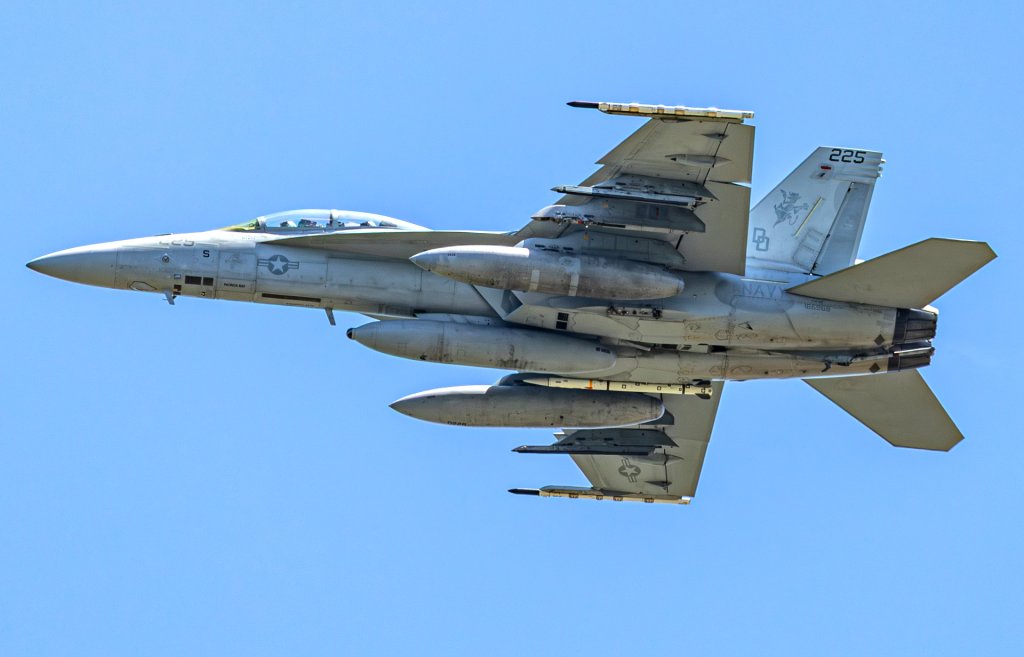
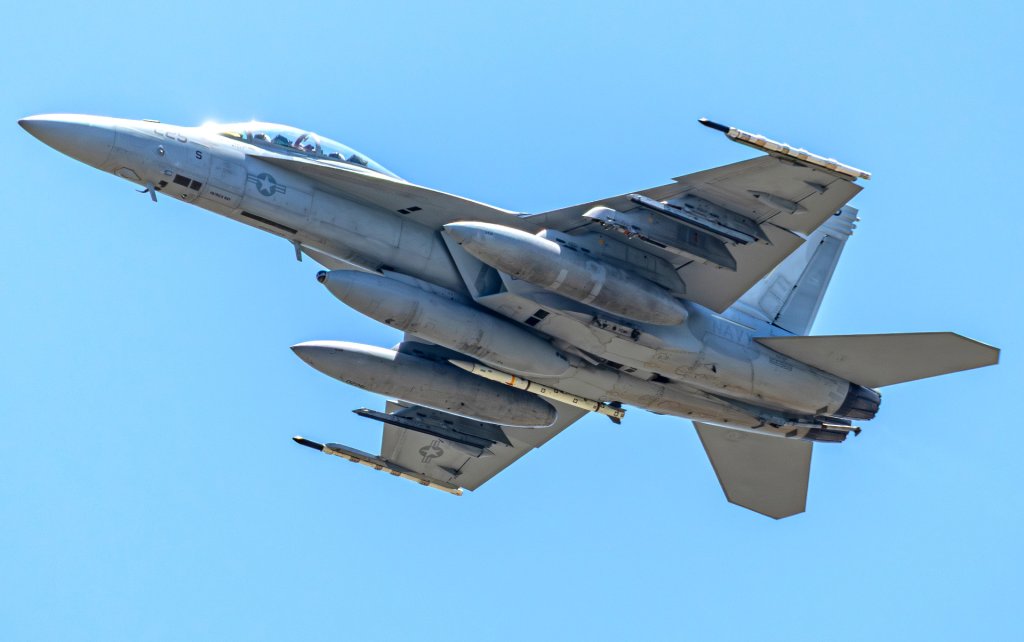
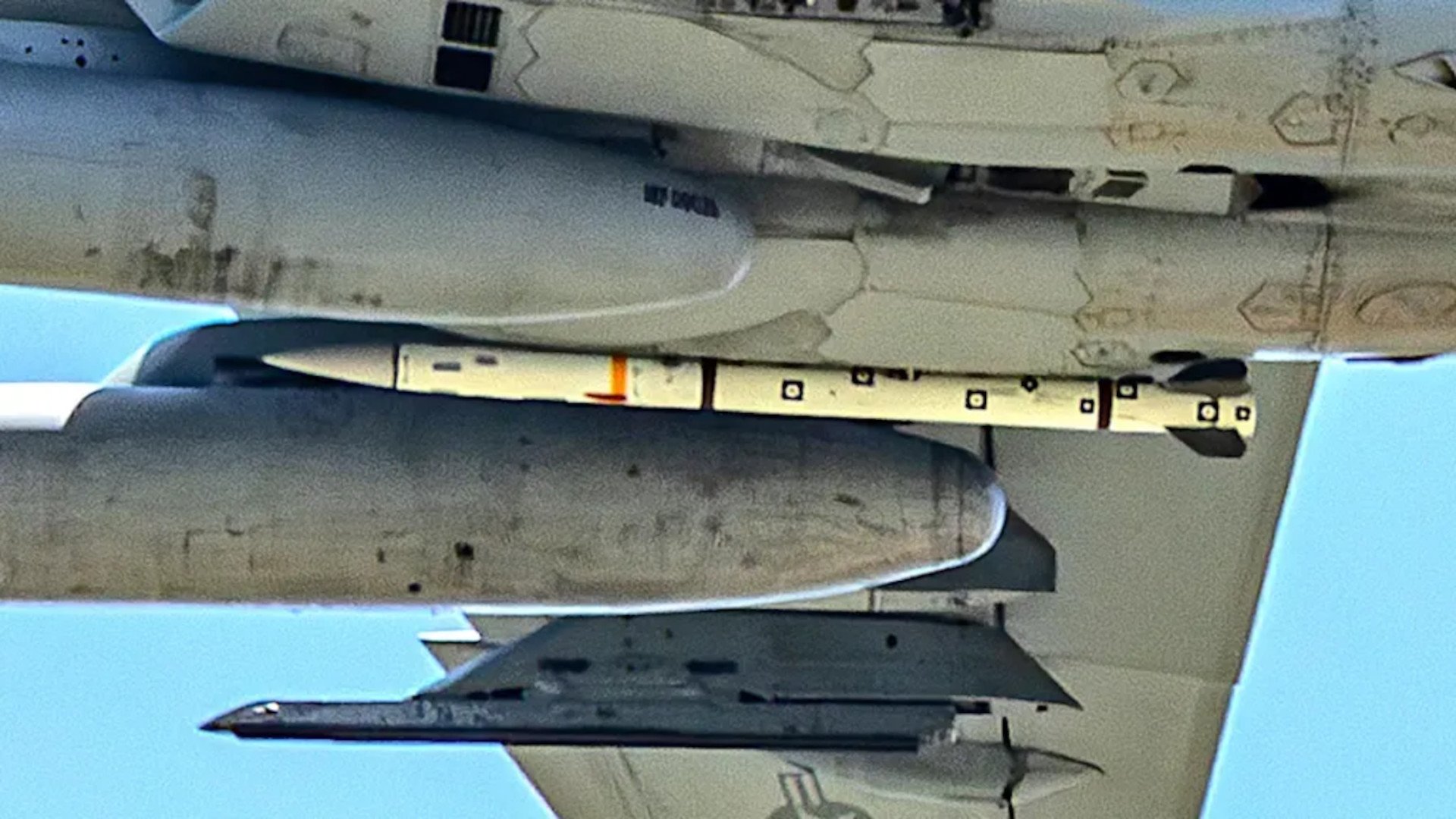
A US Navy F/A-18F Super Hornet seen carrying an AIM-260 Joint Advanced Tactical Missile (JATM). Jonathan Tweedy/ @flightline_visuals

In response to questions from TWZ, the Pentagon declined to comment on the projected number of JATMs covered under this agreement, as well as estimated costs and delivery schedules.

U.S. Navy F/A-18E/F Super Hornets and U.S. Air Force F-22 Raptors are expected to be the first types to fly operationally armed with AIM-260s. Integration on other platforms, such as variants of the F-35 Joint Strike Fighter and the Air Force’s forthcoming F-47 sixth-generation fighter, is expected to follow. JATM, which is designed to have the same general form factor as the existing AIM-120 Advanced Medium Range Air-to-Air Missile (AMRAAM), has been discussed as part of the arsenal for the Air Force’s future Collaborative Combat Aircraft (CCA) drones, as well.

A rendering depicting an F-22 Raptor firing an AIM-260 JATM. USAF

The releases today from the Pentagon and Lockheed Martin confirm that the new framework deal also includes planned foreign military sales of AIM-260s. Australia, one of America’s top allies, is the first confirmed international customer for the JATM, and plans to integrate the missiles on its F/A-18Fs, F-35As, and EA-18G Growler electronic warfare jets. The Royal Australian Air Force’s MQ-28 Ghost Bat CCA-type drones, initial versions of which are already capable of firing AIM-120s, might be another AIM-260 launch platform in the future.

The AIM-260 remains in development, with the Navy and Air Force test communities supporting that work.

“We are accelerating weapons development from high-end air dominance weapons like the JATM to hypersonic strike systems like the Hypersonic Attack Cruise Missile,” Air Force Brig. Gen. Mark Massaro, head of the Air Force Test Center (AFTC) at Edwards Air Force Base in California, told TWZ and other outlets at a media roundtable yesterday. The roundtable took place at the Air & Space Forces Association’s (AFA) 2026 Air, Space & Cyber Conference.

“We’re actively testing JATM, and it’s progressing along its program path. In test, we are working through the development stages there,” Massaro added. “So, we’re testing it in [sic] the ground with models, like I mentioned. We’re testing it in the air on aircraft. So, from a performance standpoint, I’ll hold on to that from an operational security perspective. But we’re happy seeing where it’s going, and we expect that to be a key piece of capability for our warfighters to have.”

“Just from a testing perspective, we’re always looking at making sure that we’ve got the throughput,” he added when asked if he could talk about challenges or other issues AFTC has run up against in work on the AIM-260. “So, from a test perspective only, infrastructure and throughput to make sure that we can get things out … and make the testing happen. But I’m not, from a capabilities perspective, worried about the system.”

Another look at the AIM-260 loaded on the Navy Super Hornet. Jonathan Tweedy/ @flightline_visuals

It is unclear when the first operational AIM-260s may begin entering the U.S. inventory. When the program was first disclosed to the public in 2019, the stated goal was to start fielding the missiles in 2022. There were also reports in late 2025 that funding issues had caused a three-month delay, based on a fact sheet distributed to some members of the U.S. House Committee on Armed Services. The committee later said that the information was incorrect.

Work to date on JATM has been conducted under a heavy veil of secrecy, with the existence of the program only being announced in 2019. The first public glimpse of the missile only emerged in May of this year. Beyond the aforementioned size requirement and that the new missile will offer significantly greater engagement range over the AIM-120, details remain limited. Readers can learn more about what we do know so far here.

What is clear is that the growing reach of Chinese air-to-air missiles has been a key driver behind the JATM program, with Air Force officials having explicitly mentioned the PL-15 in the past. China continues to pursue even longer-ranged and otherwise more advanced air-to-air missiles, as you can learn more about in this past TWZ feature. The Air Force has previously raised the prospect of a general threat ecosystem that includes anti-missiles with ranges of up to 1,000 miles emerging by 2050.

The AIM-260 is not the only longer-ranged air-to-air missile known to be in development in the United States, either. In 2024, the Navy revealed it had begun fielding an air-launched version of the surface-launched Standard Missile-6 (SM-6), called the AIM-174B Gunslinger, at least on a limited level. Just in August of this year, the service disclosed the existence of another very long-range air-to-air missile, the AIM-424 Malice, which has already reached the flight testing phase of development.

A US Navy F/A-18F Super Hornet test jet with four AIM-174B missiles under its wings. point_mugu_skies
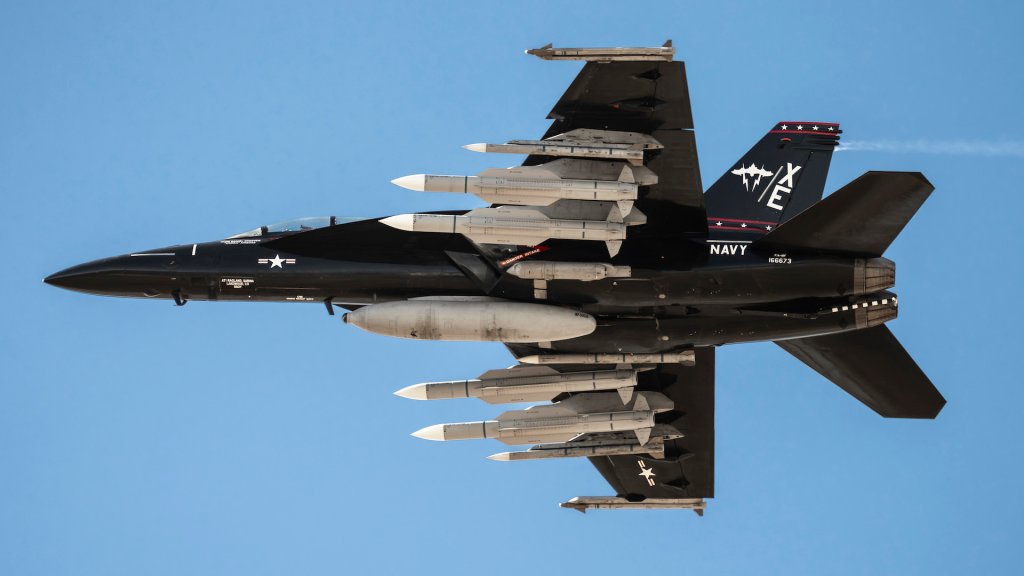
A US Navy Super Hornet test jet carrying a load of AIM-424 Malice missiles. USN

An Air Force spokesperson told Air & Space Forces Magazine last month that the service was “closely following” the Navy’s work on the AIM-424. In June, the Air Force itself shared details about another potential future air-to-air missile, dubbed the Air Force Long Range Weapon (AFLRW), including a target requirement for a maximum range of at least 1,000 nautical miles.

Based on past experiences with public disclosures about the AIM-260, AIM-174B, and AIM-424 programs, additional work on advanced longer-range air-to-air missiles is certainly ongoing in the classified realm.

Today’s announcement about the new framework agreement, together with Brig. Gen. Massaro’s brief update yesterday, makes clear there is a continued commitment to JATM amid a still-growing field of new, longer-range air-to-air missiles.

Contact the author: joe@twz.com

The post Pentagon Cuts New AIM-260 Air-To-Air Missile Production Deal, Testing Accelerating appeared first on TWZ.

  •  

Hostage to His Own Premiership: How Netanyahu Traded Israel for Himself

He promised security—he brought isolation. He spoke in the name of the state—he put its very future in question. And now even those who were called allies only yesterday are saying, more and more loudly: this can’t go on. Benjamin Netanyahu is the longest-serving prime minister in Israel’s history. Eighteen years in power, three comebacks, […]
  •  

South Africa’s shackdweller movement secures court order against evictions

Abahlali baseMjondolo has secured another court order preventing the forced relocation of residents of an informal settlement in Shaka’s Head, KwaZulu-Natal, until the Municipality complies with the conditions previously set by the Pietermaritzburg High Court.

On Friday, September 11, the Pietermaritzburg High Court issued a consent order directing the KwaDukuza Municipality to comply with an October 2025 court order before it can relocate residents in Shaka’s Head, on the Dolphin Coast.

The latest order was agreed to by both parties and effectively maintains the conditions imposed by the court last year. Residents will remain in the occupation until the municipality provides the basic services and meets the other requirements ordered by the court.

“This is no doubt another victory for Abahlali bakwaDukuza and all people facing evictions in South Africa,” Abahlali baseMjondolo said following the court proceedings.

Read more: “A declaration of war against the poor”: AbM leads resistance against South Africa’s anti-occupation bill

The movement has opposed attempts to evict residents from the settlement since the municipality initiated the process. The dispute has also involved the Dolphin Coast Residents’ Association, representing affluent homeowners in the area.

Court blocks eviction without basic services

The latest development follows a landmark ruling by the Pietermaritzburg High Court in October 2025, when the court halted the municipality’s attempt to forcibly evict hundreds of residents from Erf 1410.

The court found that the municipality could not proceed with the relocation unless it first met a number of conditions designed to ensure that residents would not be moved to an area without adequate services and facilities.

Among the requirements was that the municipality provide basic services, including roads, sanitation, waste removal, water, and temporary electricity.

The municipality was also required to demarcate individual stands for households and ensure that the relocation site had access to essential facilities, including schools, healthcare, and public transport.

The court ultimately adopted a draft order prepared by Abahlali’s legal team rather than the municipality’s proposed order, effectively preventing the eviction until the conditions had been fulfilled.

Municipality pursued eviction despite outstanding conditions

According to Abahlali baseMjondolo Secretary-General Thapelo Mohapi, speaking to BreakThrough News, the municipality had not fulfilled the requirements imposed by the October 2025 judgment.

Thapelo said the municipality had instead sought to proceed with eviction proceedings despite not providing the basic services required at the proposed relocation site.

“Only when they have provided those basic services, only then the people of Shaka’s Head will be relocated to the new piece of land,” Thapelo said.

He said that because the municipality had not yet provided the required services, residents would remain in the occupation.

The organization has long framed the dispute as part of a broader struggle over access to urban land and housing, particularly for working-class and Black residents living alongside more affluent communities.

Thapelo accused the municipality and sections of the area’s affluent residents of seeking to remove working-class people from areas close to economic opportunities and relocate them to the urban periphery.

The September order follows an earlier setback for the municipality in March 2025, when another attempt to advance the eviction process was blocked.

Read more: Abahlali baseMjondolo secures victory against forced evictions

For now, the position established through the court proceedings is that residents cannot be relocated until KwaDukuza Municipality complies with the requirements contained in the October 2025 order.

  •  
❌