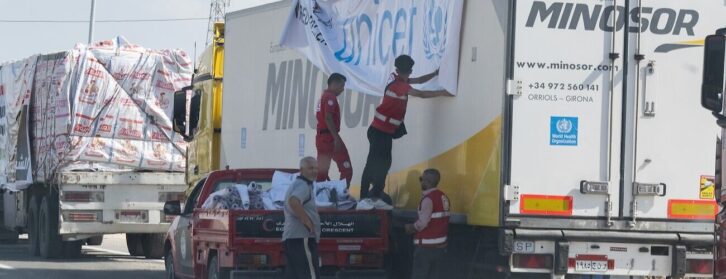
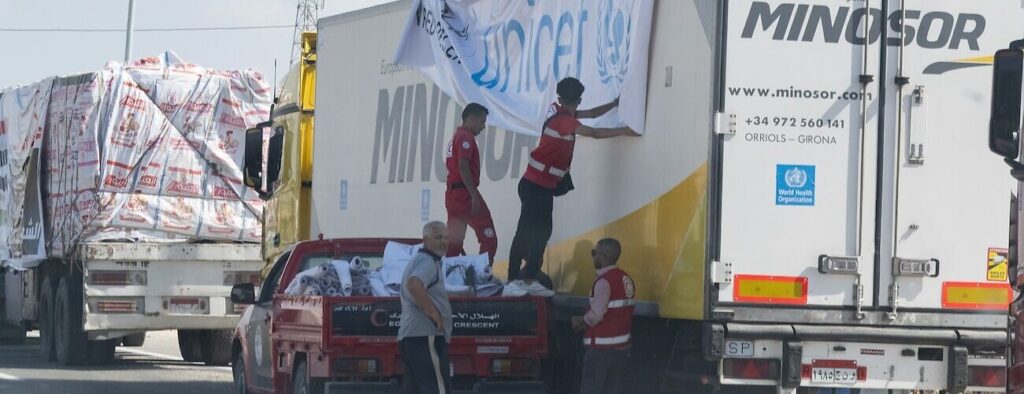
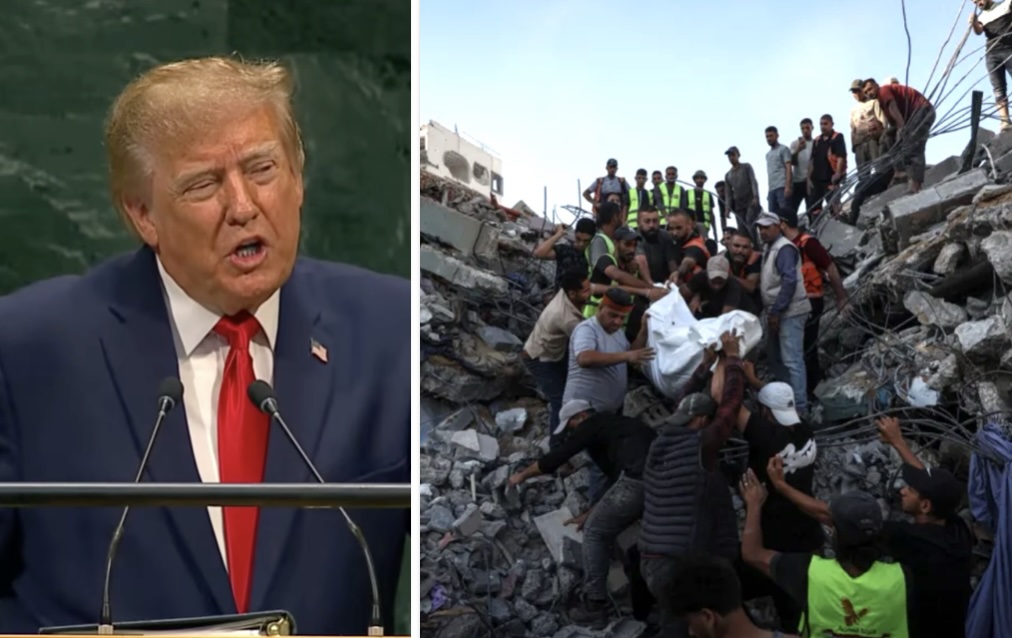
Board of Peace enables Israel to block desperately needed items to Gaza; Trump doesn't want trouble in West Bank – but won't do anything to stop it; not to mention $2.8B arms deal with Israel. Much more. Get caught up here.
An Israeli strike hit a vehicle in Gaza City on Thursday, killing at least one Palestinian, as the IDF continues its constant violations of the US-backed ceasefire deal. The Palestinian news agency WAFA reported that the car was hit south of Gaza City and the victim’s body was transferred by relatives to another vehicle, which […]
A government can face allegations over assistance to another military without its own troops conducting the attacks. Germany disputes the claims, and the court has not resolved its responsibility.
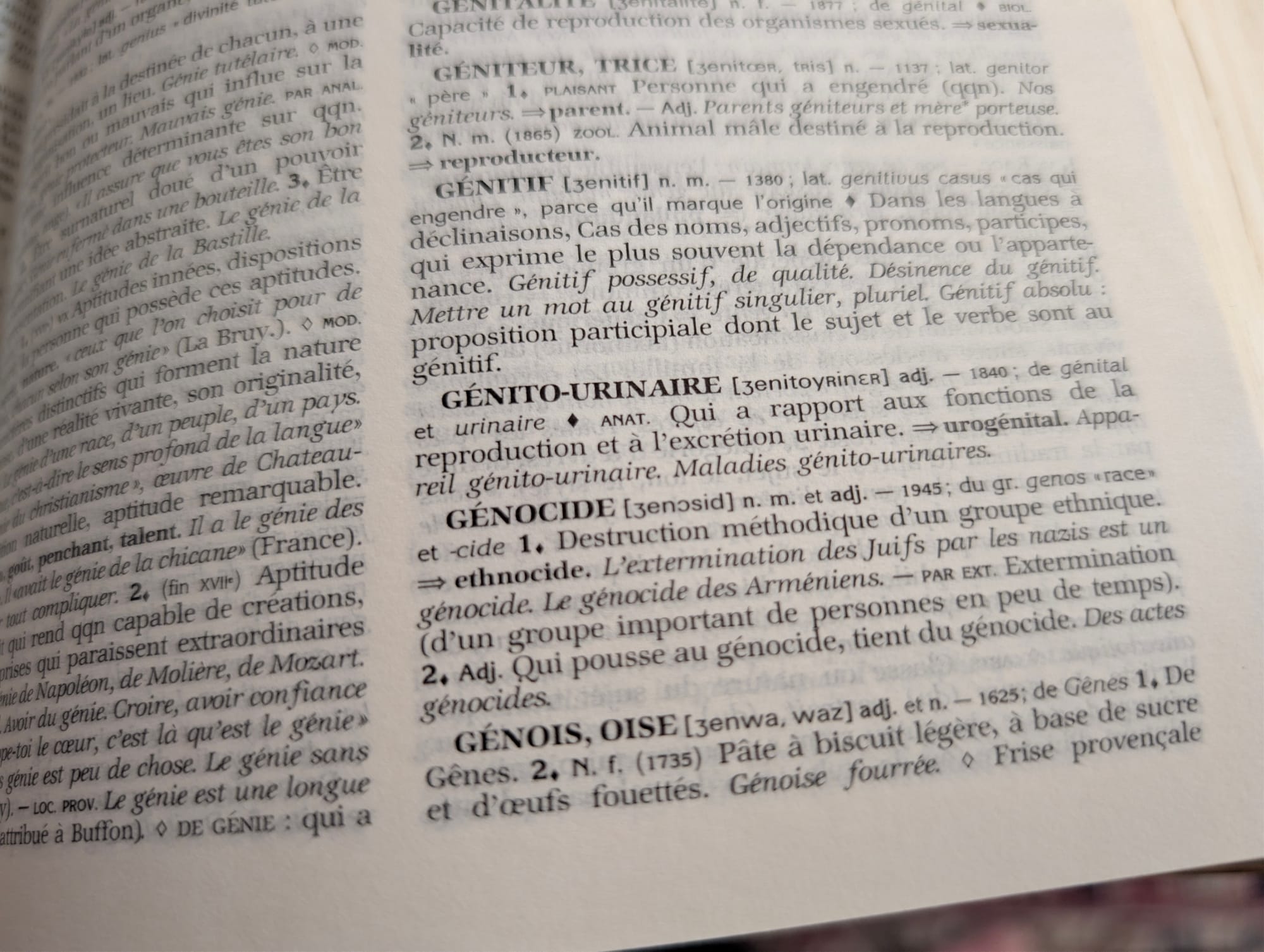
En janvier 2022, Raphaël Glucksmann saluait le vote reconnaissant « le génocide des Ouïghours ». Hier, face à Ségolène Royal, il refusait encore le mot pour Gaza. Entre les deux, une commission de l'ONU a conclu au génocide. Lui, non. Il faudrait savoir ce qui a changé : les faits, ou l'accusé.
LE COURRIER DES STRATÈGES
Restez libre !
LA NEWSLETTER · GRATUITE
Le Courrier, chaque matin.
L'essentiel de l'actualité, passé au crible par les cinq plumes du Courrier. Dans votre boîte, chaque jour ouvré.
Gratuit. Vous restez libre de partir quand vous voulez.
Le 20 janvier 2022, l'Assemblée nationale adopte une résolution qui « reconnaît » les violences infligées aux Ouïghours comme constitutives d'un génocide. Aucune juridiction n'a statué. Aucun organe des Nations unies n'a prononcé le mot. Raphaël Glucksmann, alors député européen, s'en félicite sur X : « Tous les groupes ont voté pour la résolution reconnaissant et condamnant le génocide des Ouïghours […] : c'est un message fort envoyé au régime chinois. » Le mot est posé, et il est applaudi.
Mars 2024. Le même homme, interrogé sur Gaza : « J'ai un emploi extrêmement précautionneux du terme génocide. » Il parle de carnage.
Septembre 2025. La commission d'enquête internationale indépendante mandatée par le Conseil des droits de l'homme conclut qu'Israël commet un génocide à Gaza. Elle retient quatre des cinq actes énumérés par la Convention de 1948 et nomme Netanyahou, Herzog et Gallant. Elle est présidée par Navi Pillay, ancienne présidente du Tribunal pénal international pour le Rwanda, ce qui ne manque pas de sel pour le coréalisateur de Tuez-les tous !.
Hier soir enfin, sur LCI, Ségolène Royal lui lance : « Si les mots sont importants, il faut reconnaître le génocide. » Il refuse. Crimes de guerre, crimes contre l'humanité, tout ce qu'on voudra — le mot, non.
Posons les deux dossiers côte à côte, sans rien y ajouter.
Xinjiang, janvier 2022 : pas de juge, pas de conclusion onusienne. Le rapport du Haut-Commissariat, publié sept mois plus tard, parlera de possibles crimes contre l'humanité — pas de génocide. Verdict Glucksmann : génocide, et bravo.
Gaza, septembre 2026 : une commission de l'ONU conclut au génocide, une procédure est pendante devant la Cour internationale de justice. Verdict Glucksmann : précaution.
Si le critère était le juge, les Ouïghours n'auraient pas eu droit au mot. Si c'était le poids des conclusions internationales, Gaza l'aurait obtenu la première. Si c'était l'ampleur des morts, la question ne se poserait même pas. Reste une variable, une seule, qui couvre les deux cas sans en laisser un de côté : l'identité de l'accusé. Contre Pékin, le mot circule librement. Contre un allié, il devient précautionneux.
Je ne sais pas ce qui se passe dans la conscience de M. Glucksmann, et je suppose qu'il est sincère dans les deux cas. Le tableau n'a pas besoin de ses intentions. Il suffit qu'on le lise.
L'intention, justement
La meilleure défense de Glucksmann tient en un mot, et c'est un mot de juriste : l'intention. Le génocide exige la preuve d'une volonté de détruire un groupe comme tel. Au Xinjiang, les camps et les stérilisations forcées documentaient une politique d'État ; à Gaza, il y a une guerre, un ennemi armé, un 7 octobre, et l'intention se discute. C'est un argument sérieux, et il mérite mieux qu'un haussement d'épaules.
Il a pourtant deux défauts. Le premier : c'est précisément sur l'intention que la commission Pillay s'est prononcée, en s'appuyant sur les déclarations publiques des dirigeants israéliens. On peut contester sa conclusion. On ne peut pas prétendre qu'elle n'a pas regardé. Le second : cette exigence probatoire, si scrupuleuse aujourd'hui, personne ne l'a vue à l'œuvre en 2022, quand il s'agissait d'applaudir un vote sans juge. La rigueur qui ne s'exerce que d'un côté n'est pas de la rigueur. C'est un tri.
Le Courrier n'a pas besoin de trancher la qualification juridique de Gaza pour constater ceci : l'étalon a changé en cours de route, et personne n'a été prévenu.
Le plus inconfortable reste à dire, et il ne concerne pas seulement Glucksmann. Ceux qui trouvaient grotesque la résolution de 2022, et qui exigent aujourd'hui le mot pour Gaza, font exactement la même opération, en miroir. Chaque camp tient son registre : ici des génocides, là des carnages, ailleurs des « opérations ». Nous avons fait du terme le plus lourd du droit international un signe de reconnaissance entre gens du même bord. Qui l'emploie dit moins ce qu'il a vu que de quel côté il se tient.
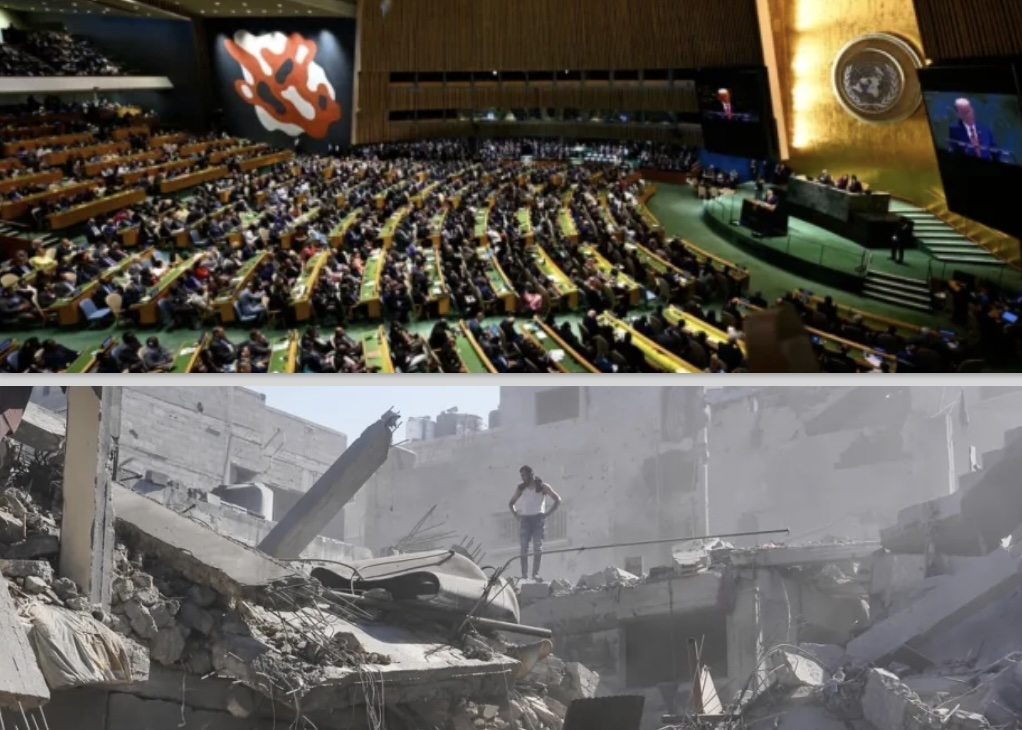
Ce n'est pas nouveau, et c'est bien le problème. Mais d'un éditorialiste, on peut s'en accommoder. D'un candidat à la présidence de la République, non. Celui qui entrera à l'Élysée votera à l'ONU, signera des ventes d'armes, choisira ses silences au Conseil de sécurité. On sait désormais avec quel dictionnaire il le ferait.
LE COURRIER DES STRATÈGES
Restez libre !
TELEGRAM · L'INFO EN CONTINU
Entre deux éditions, le fil.
La newsletter vous donne le matin. Le fil vous donne l'instant.
Un mot qu'on accorde selon l'accusé n'est plus une qualification. C'est une allégeance.
M. Glucksmann a bâti sa réputation sur l'idée que nommer les crimes est le premier devoir d'un homme libre. Il a raison. Il lui reste à nous expliquer pourquoi ce devoir, impérieux à Pékin, devient facultatif ailleurs.
Précautionneux, donc.
LE COURRIER DES STRATÈGES
Restez libre !
TIPS · SANS ABONNEMENT
Offrez-nous un café.
Un média libre vit de ses lecteurs. Un pourboire ponctuel, sans compte ni engagement, quand le cœur vous en dit.
Vous donnez ce que vous voulez. Vous restez libre.
Israeli forces launched attacks across Gaza on Wednesday, killing at least five Palestinians, according to reports from the Strip, as the IDF continues its constant violations of the US-backed ceasefire deal. Medical sources told Reuters that an Israeli airstrike hit a vehicle west of Khan Younis, killing two Palestinians, identified as Osama Abu Khater and […]
Hamas had negotiated with Israel for an end to the 17-year siege strangling Gaza, an increase in food entering Gaza, & release of Palestinian political prisoners. The Israeli army advised Netanyahu respond to these demands with an all-out attack on the Gaza. Al-Aqsa Flood was an attempt to preempt this attack.
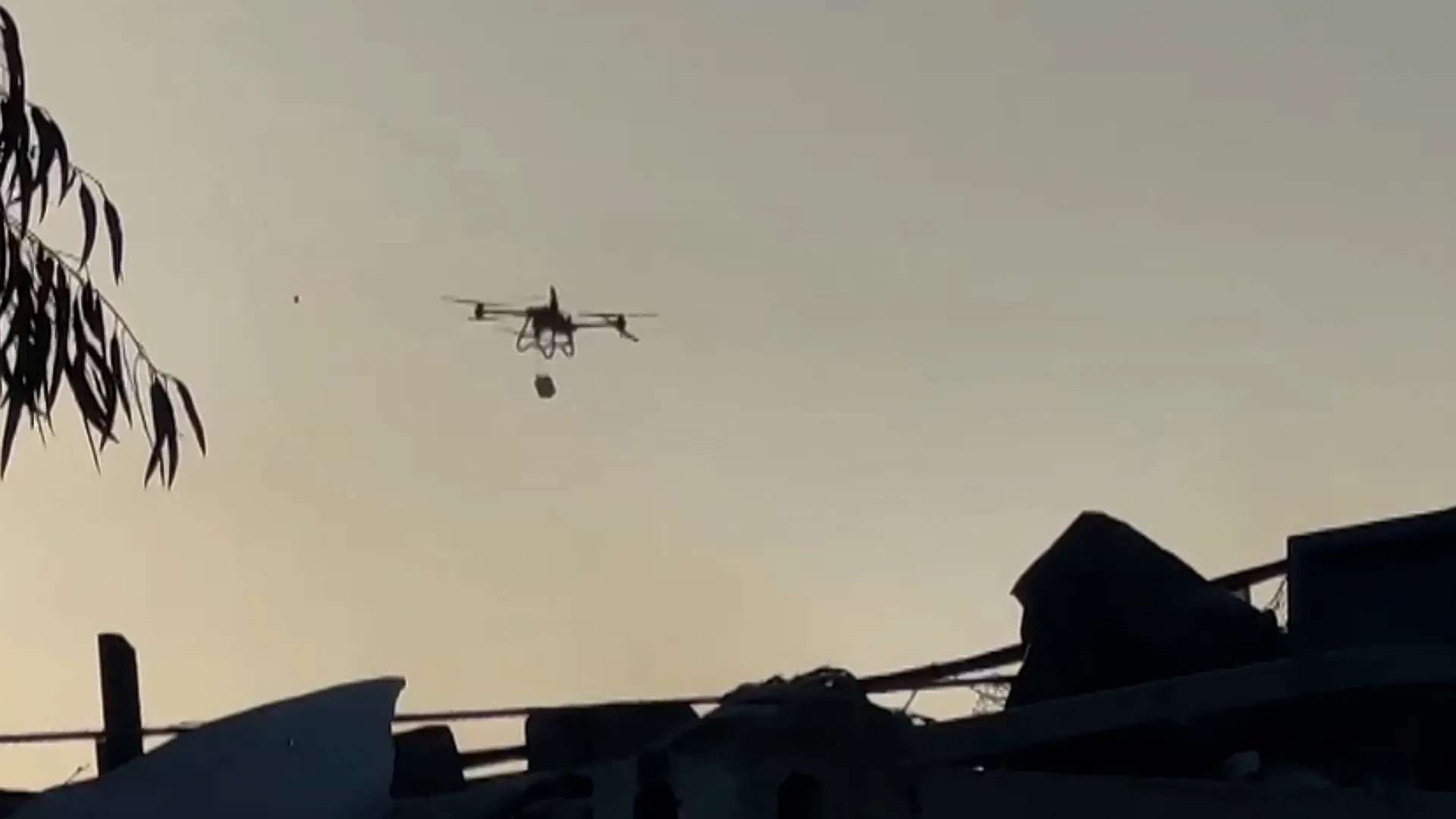
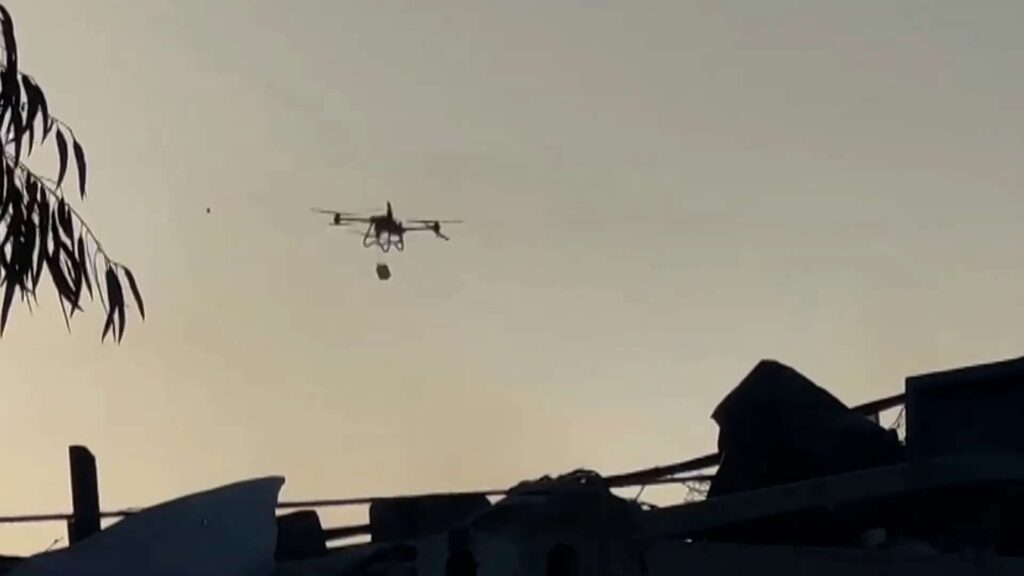
Israel employs military technology capable of identifying specific individuals, tracking their movements, and striking them with precision, despite the clear civilian status of those targeted and their non-participation in hostilities or posing of any imminent threat to Israeli forces or others.
Israel's machinery of cruelty never rests. We've been tracking the news you need to know – concise, accurate, relevant, and with context that makes sense of it all
For the last several days, Israeli forces have blocked the main entrances and exits to the central West Bank governorate of Ramallah and Al-Bireh, further restricting Palestinian movement.
The punitive measure was taken after a Palestinian man carried out a shooting attack near the illegal settlement of Halamish, located to the northwest of Ramallah in the Occupied West Bank, on Sunday, September 20.
The attack resulted in the killing of an Israeli settler. The assailant was also injured and later identified as Qadri Samara (37). Samara was shot at by Israeli soldiers stationed at an army post near the site of the attack.
Although Samara managed to withdraw from the scene, later in the day Israeli forces carried out a raid at the HClinic Hospital in Ramallah and arrested him.
Following his arrest, the Israeli army also stormed Samara’s town of Biddu, northwest of Jerusalem, on Sunday evening, raiding his home and surrounding worshippers inside a mosque.
Ben-Gvir calls for implementation of death penalty law for the first time on Samara
In a security meeting held on Monday, September 21, Israeli National Security Minister Itamar Ben-Gvir called for the controversial death penalty law, mandated in March, to be used against Qadri Samara.
The law has faced widespread condemnation from international human rights groups for multiple reasons, mainly because it applies exclusively to Palestinians, while exempting Israelis convicted of the same offenses from the same penalty.
Both Israeli soldiers and illegal settlers have enjoyed total impunity despite murdering thousands of Palestinians over the past two decades in the occupied West Bank, a territory regarded under Palestinian jurisdiction in accordance with international law.
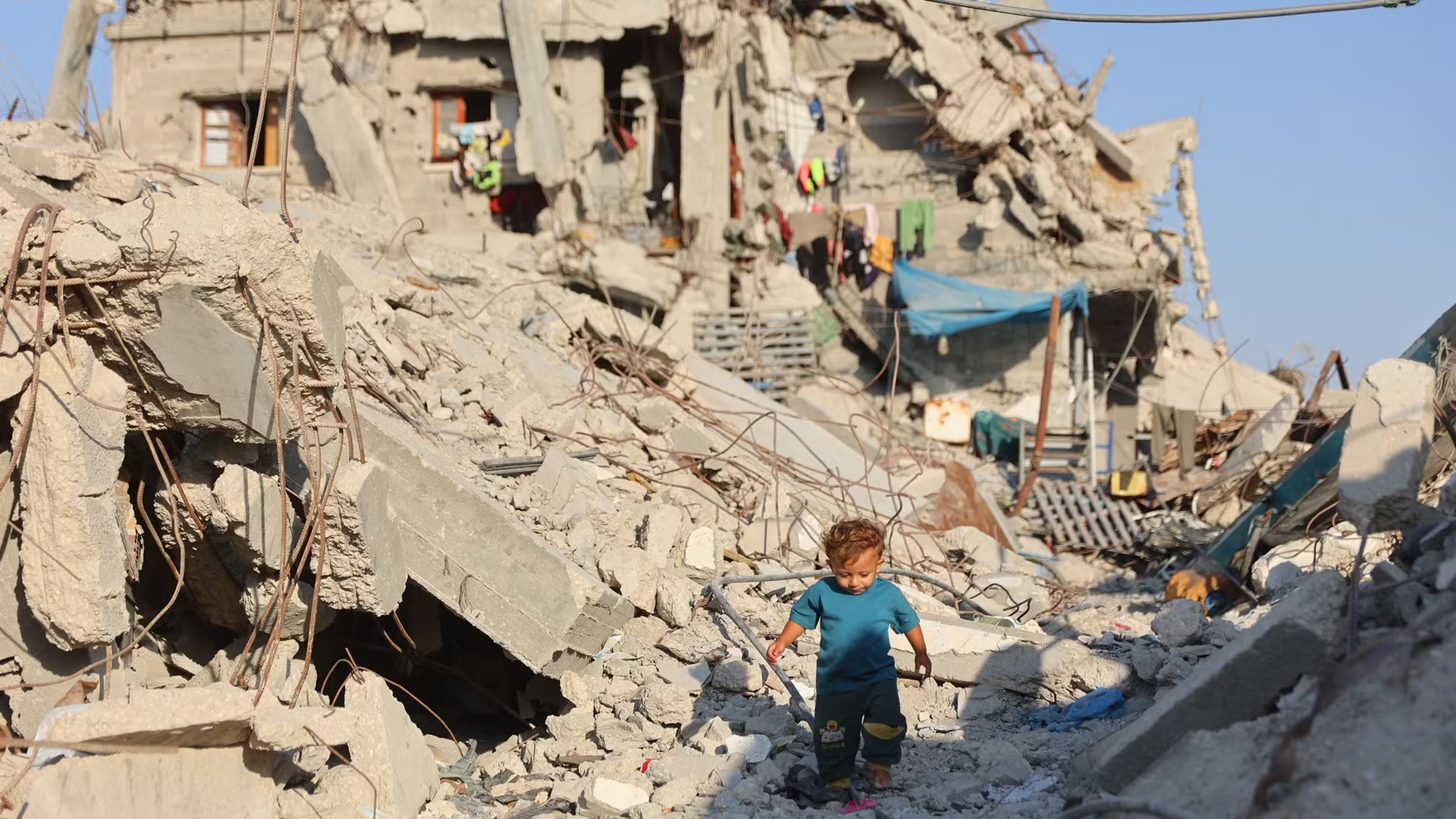
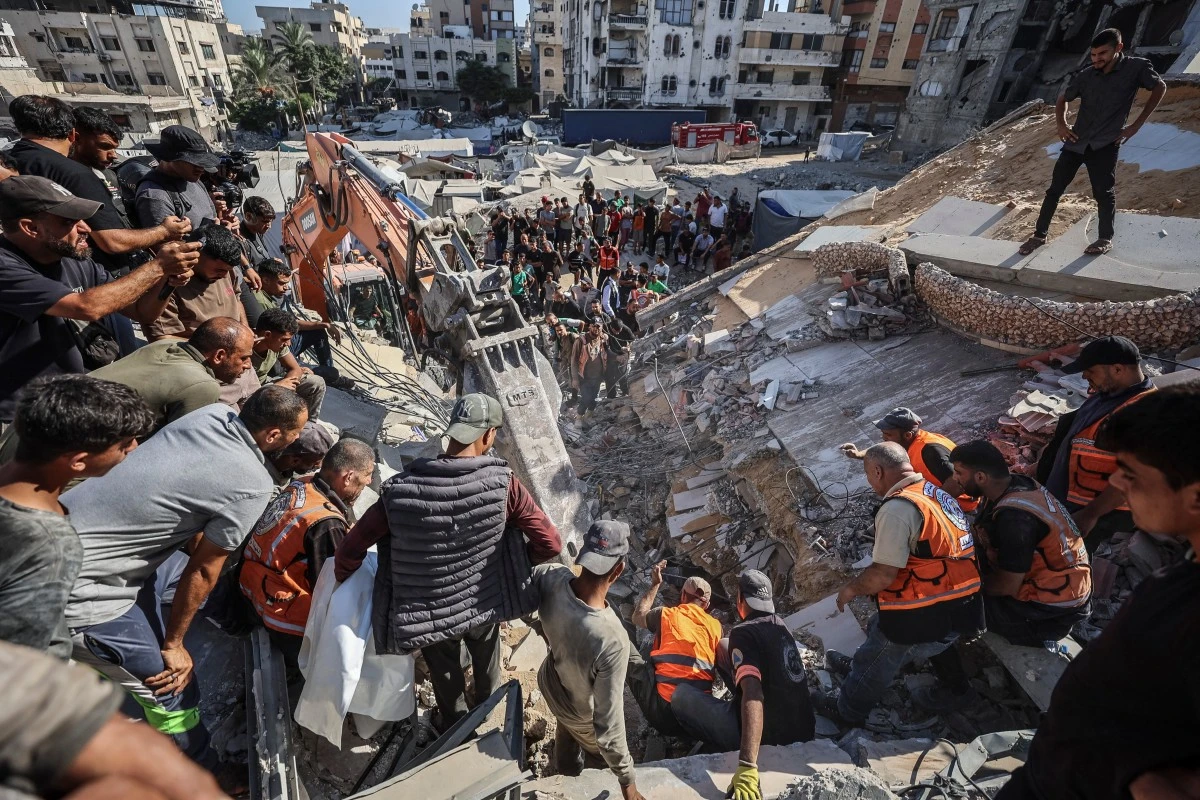
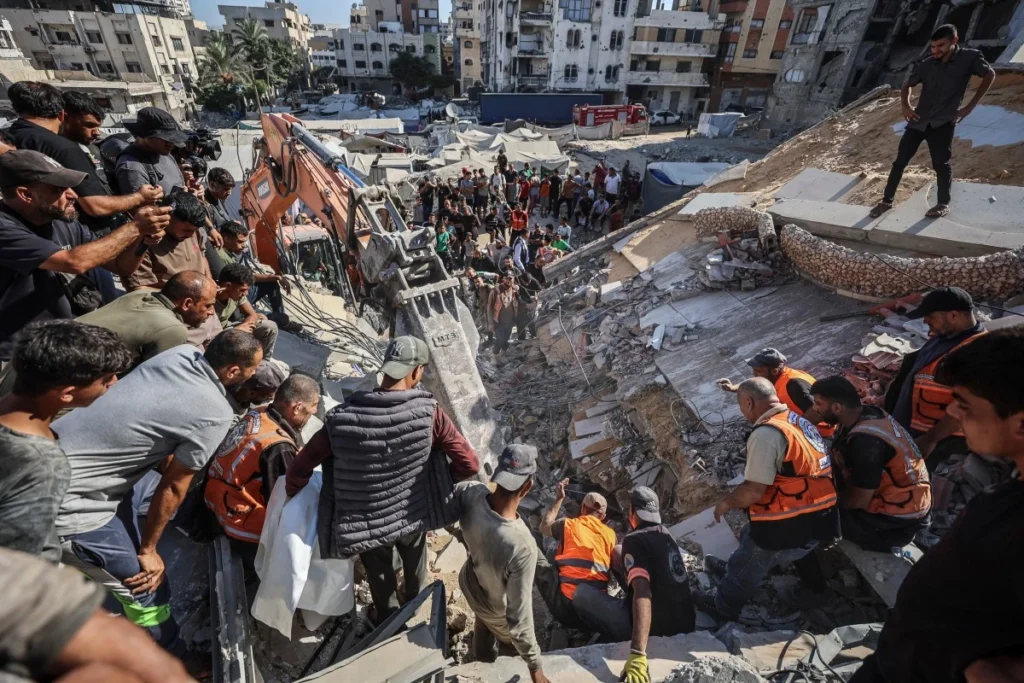
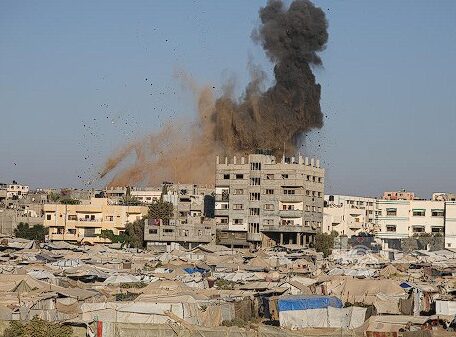
Israeli on Tuesday perpetrated airstrikes, artillery shelling, gunfire, and the demolition of homes and residential buildings. The attacks also targeted areas sheltering displaced Palestinians amid worsening humanitarian conditions
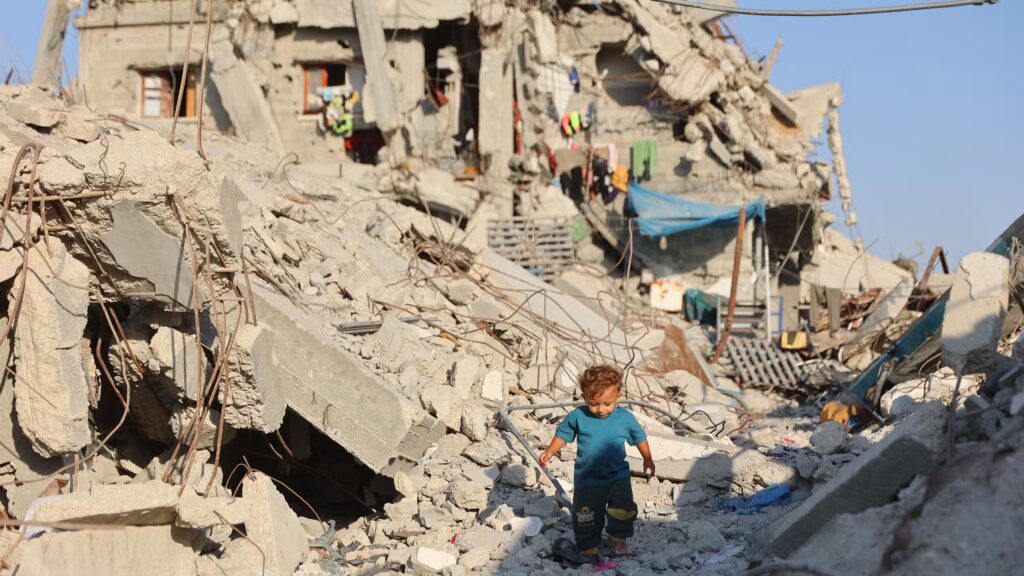
More than 11,000 children have severe life-changing injuries, including thousands who have had limbs amputated as a result of Israel’s assault on Gaza.
An Israeli strike hit Gaza City’s al-Tuffah neighborhood on Tuesday, killing at least two Palestinians, as the IDF continues daily attacks in the Strip in violation of the US-backed ceasefire deal. According to the Palestinian news agency WAFA, an Israeli drone hit a group of people near the Muscat school. In addition to the two […]
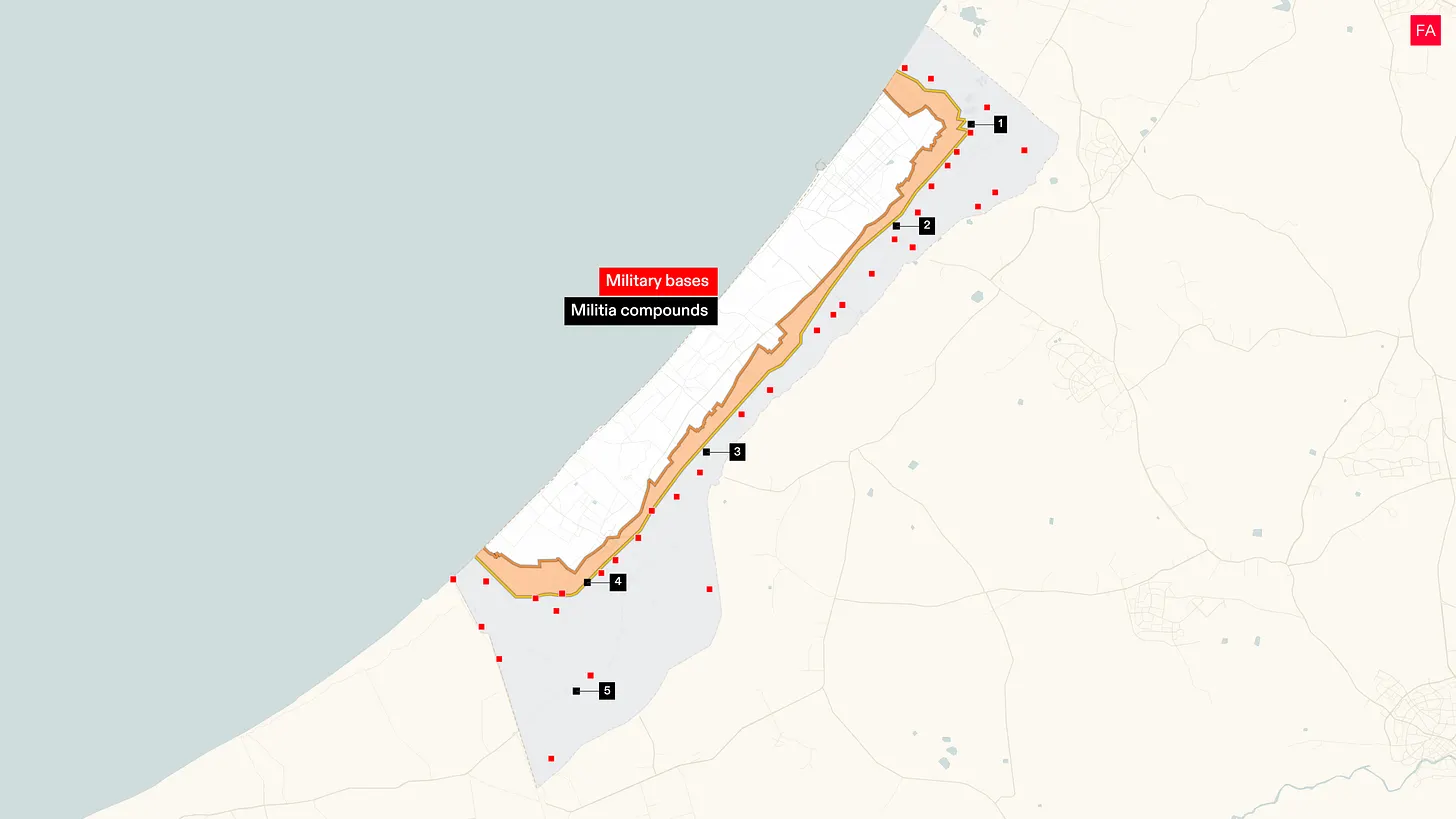
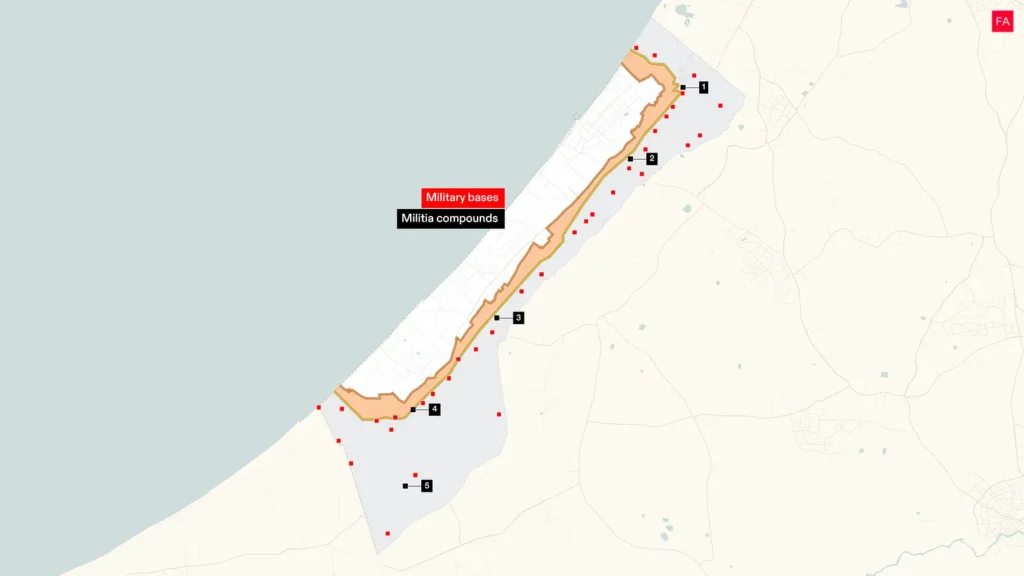
At least five Israeli-backed Palestinian militias are operating out of compounds close to Israeli military bases across the Gaza Strip in areas east of the yellow line.
Thousands of articles have been published about Palestine, Israel, and related topics in the last 24 hours. Here are the most important headlines, curated for you.
Fida’ Khader Totah, 31, was killed after Israeli soldiers shot her in the head in central Gaza, and a child, Ismael al-Bardawil, was killed after Israeli military vehicles fired at Palestinians in southern Gaza. Since the so-called ceasefire deal was signed in October 2025, the IDF has killed 1,393 Palestinians in Gaza
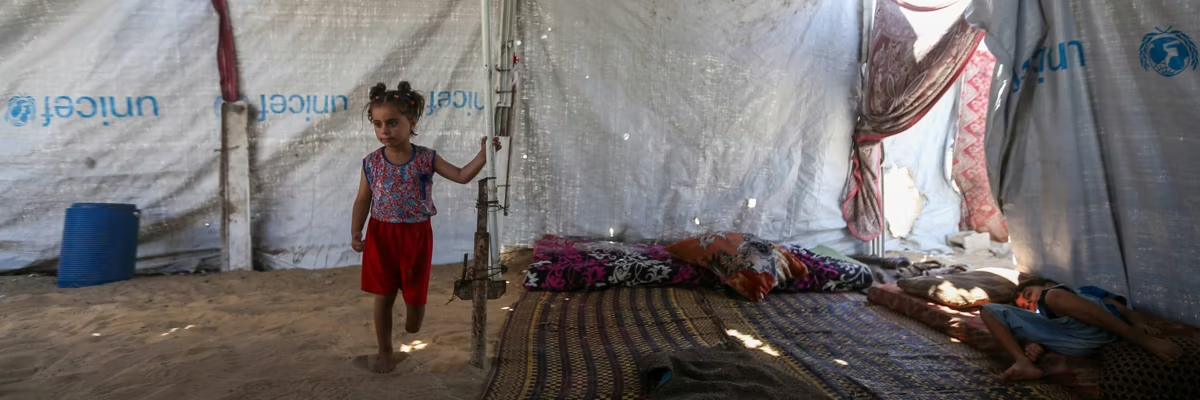
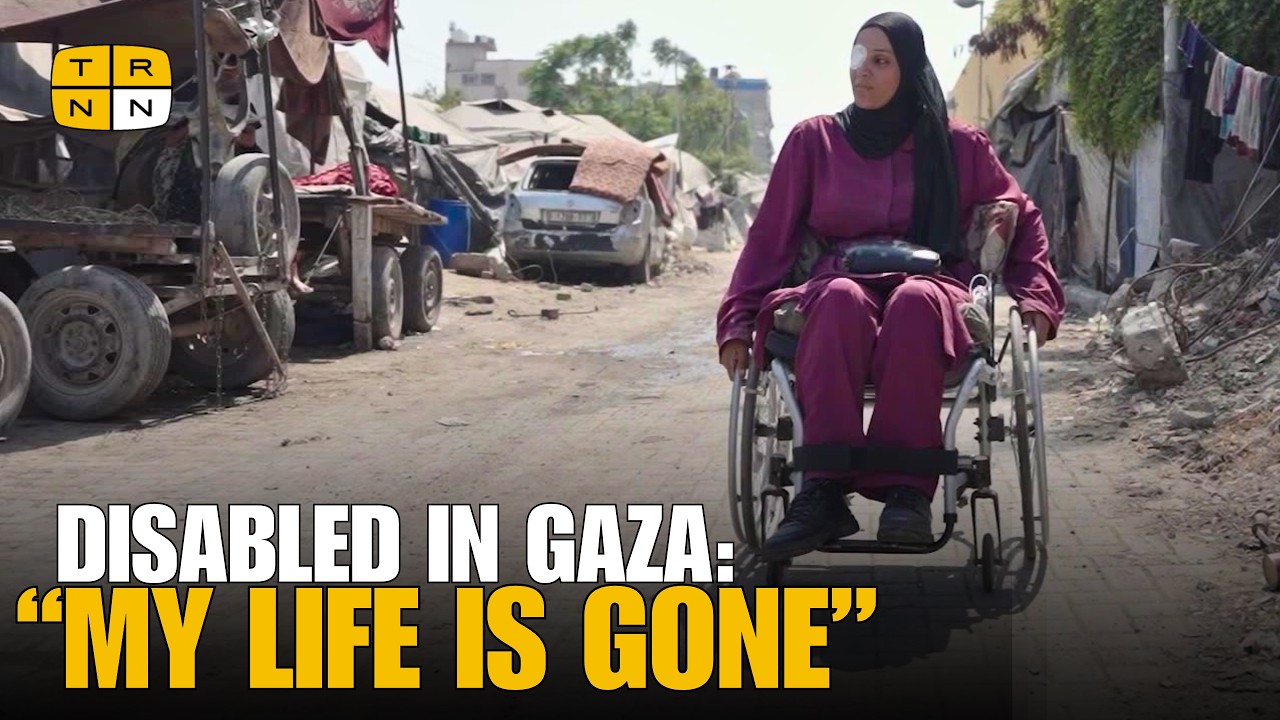
In Gaza, everyone is struggling to survive. For disabled people in Gaza, that struggle is multiplied. Rabab Nawfal and Suha Maqat, both wheelchair users, were champion athletes on Palestine’s national teams before Israel’s US-backed genocidal war. Two days before it began, they were playing qualifiers to represent Palestine abroad.
In this TRNN documentary report, they describe living through famine, fleeing bombardment in wheelchairs that no longer work, and asking for help that never comes. With 81% of Gaza’s roads damaged or destroyed and the UN documenting thousands of amputations, Israel is not only making life impossible for disabled Palestinians; it is creating a new generation of them.
Editor’s Note: This documentary report was filmed in Gaza City three weeks before the ceasefire in Gaza was shakily implemented beginning on October 10, 2025. Since the “ceasefire” began, Israeli forces have killed over 1,300 Palestinians, including 301 children, according to the Gaza Ministry of Health.
Credits:
Producers: Belal Awad, Leo Erhardt
Videographers: Ruwaida Amer, Mahmoud Al Mashharawi
Video Editor: Leo Erhardt
Transcript
Suha Maqat, Palestinian Athlete:
I’m in a wheelchair—how am I going to escape?
Rabab Nawfal, Palestinian Athlete:
There were days when we ate animal food, bird food.
Suha Maqat, Palestinian Athlete:
I lost my eye. What more do you want?
Rabab Nawfal, Palestinian Athlete:
My dreams have been shattered.
Narrator:
In Gaza, everyone is struggling to survive. But for people with disabilities, that struggle is multiplied. Rabab Nawfal and Suha Maqat – both wheelchair users – were champion athletes before this war.
Rabab Nawfal, Palestinian Athlete:
I’m one of those people who didn’t go to the south. I lived through famine twice. I lived it twice. No one asked after me. There were days when we didn’t eat anything. There were days when we ate animal food, bird food. We ate everything—animals, birds. Even those things were expensive, and then they were cut off. The day they were cut off, we stopped eating anything.
Ramadan came during the famine. We didn’t eat anything. A long day passed, and we didn’t eat anything. We used to crave drinking water. We used to crave a piece of bread. We were hoping that the famine would never come back. But unfortunately, it did—and it’s still coming back.
We’ve suffered a lot in life. I was abandoned. No one took responsibility for me. My mother and father used to take care of me, but they left. These days, my brother takes care of me—and he is injured. My life is ruined. No one is with me. No one cares. And the one person standing by me is injured. He can barely carry his own family.
When we were displaced, he couldn’t help us. He wasn’t able. For people with disabilities like me, it’s been difficult to live through this war. Those who are not disabled can maybe manage their lives. They can move, walk long distances—but I can’t.
Suha Maqat, Palestinian Athlete:
The closest people to me abandoned me—they didn’t stand by me. They left me to fend for myself. I feel like I live in a forest with wolves and monsters. I can’t. I try to make things work,
but I can’t. I’m mentally exhausted. The circumstances of this war are incredibly difficult. Even the word displacement is difficult for the injured and disabled.
When we left, my brother was injured and my sister was in a bad state. Even though he was injured, he was pushing my sister, as I pushed myself along. I got stuck in the sand, and they wanted to bomb the building next to us. It was the most difficult moment. I said to myself, now I’m going to be killed. It was the hardest moment of my life.
I thought—how will I escape? How will I, in my wheelchair, escape? How am I going to get out? My brother was injured and couldn’t carry me. I thought, I’m done; there’s no life for me anymore. That’s it. I’m going to be killed.
Rabab Nawfal, Palestinian Athlete:
The hardest thing I’ve experienced in this war has been displacement. I woke up one day and saw the Israelis in front of us. I was all by myself. I rushed out, but I couldn’t continue. There was a lot of shelling, shooting, bombs. It was a miracle I got out alive. It happened again and again—the same scenario repeated a thousand times.
Narrator:
Both Suha and Rabab rely entirely on their wheelchairs to move. Without them, the most basic tasks become impossible. Israel’s blockade has meant that access to this crucial item has been cut off.
Even with functioning wheelchairs, with 81% of roads in Gaza now damaged or destroyed, access and movement is extremely limited.
Rabab Nawfal, Palestinian Athlete:
There are no wheelchairs in Gaza. And without a wheelchair, I can’t move. The wheelchair takes me to my medicine, my food, my drink—I need it for everything. Right now, my chair is broken. I’ve lost all means of life.
Suha Maqat, Palestinian Athlete:
As you can see, my chair is broken. I push myself in it, I fall off all the time, I cut and bruise my legs. If someone kind is around, then I can move. Otherwise, I can’t.
We requested wheelchairs, but it was no use. We asked and asked, and they said no. Rabab Nawfal, Palestinian Athlete:
My life before the war was very beautiful. I was a champion of Palestine’s disabled national team for strength games—basketball, tennis. I used to do all kinds of sports that suited my disability. I was a success story. I was a hero. These days, I feel worthless. Nothing in life. I can’t even get from here to there. I can’t move from here to there in a wheelchair. My life is
gone. There is no life.
These days, we only dream of having the most basic things: flour, water. The simplest things—we can’t get. Drinking water—we can’t get it.
Suha Maqat, Palestinian Athlete:
Suha before is different from Suha today. I used to be a champion of Palestine. Today, I’m nothing. Today, just a daughter who needs her mother—who needs her mother to help her.
Rabab Nawfal, Palestinian Athlete:
Two days before the war, we were playing qualifiers to represent Palestine internationally. But we didn’t manage it. On the day of the championship, the war erupted. So our dreams are gone. All our dreams are gone. My dreams have been shattered.
I wanted to raise my son. I wanted to raise him well and teach him. Before the war, I wanted to enroll him in karate. I wanted him to become something. I couldn’t. I wanted him to be into sports like me—to become a doctor. I wanted him to grow up and help me in the future. But my dreams were shattered. I couldn’t do any of it. I can’t do anything.
Narrator:
According to the UN 4,800 amputations of limbs had been documented since the beginning of the war. Ten children were losing one or both legs every day. Gaza had become home to the largest group of child amputees in modern history. Not only is Israel making the lives of existing disabled people impossible, it is also creating an entirely new generation of people with disabilities.
Suha Maqat, Palestinian Athlete:
Gaza has become a city of ghosts. There is no life in Gaza. As you can see—look at how people are living. On sand! How can people live on sand? How can they occupy Gaza? How?
We want peace of mind. We don’t want to lose any more loved ones. We’ve lost enough. Is it not enough that I lost my eye? What’s left? What more do you want? I lost my eye—what more do you want? What else should I lose? Nothing’s left. There’s nothing left in this world that I can lose. My family has left. I wish I could see my mother. See my father.
Rabab Nawfal, Palestinian Athlete:
Life has become unbearable. No matter how much I talk, I can’t describe what I am feeling or the life we are living. I used to be someone. Now I am nothing.
Champion athletes Rabab Nawfal and Suha Maqat, two of Gaza's disabled people now in broken wheelchairs, on famine, displacement, and being forgotten by the world.
After seeing it, I can understand why Israel finds it so threatening. Its subjects described factory-scale targeting, enabled by artificial intelligence, in which little effort was made to avoid enormous numbers of civilian casualties. The Israeli military made a series of choices that ensured Gaza would become a killing field
 Login