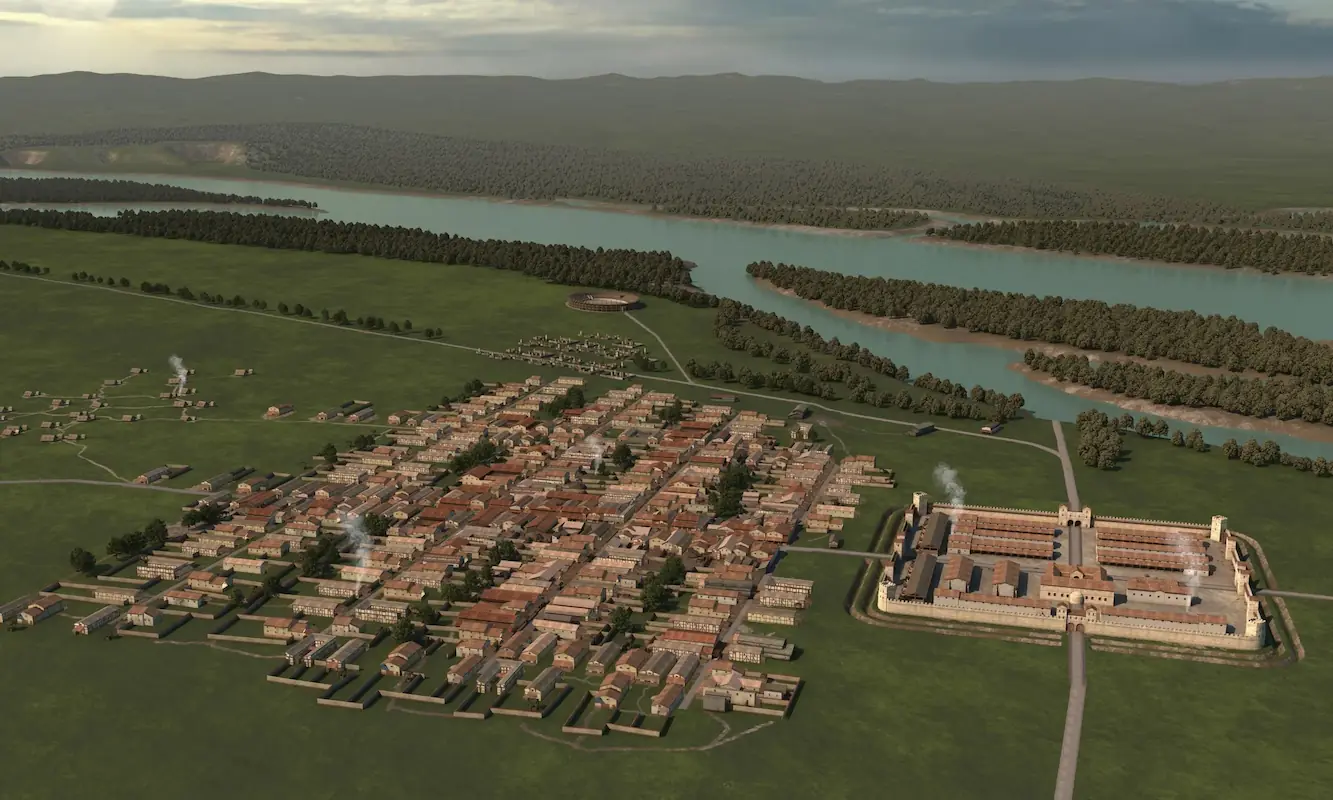
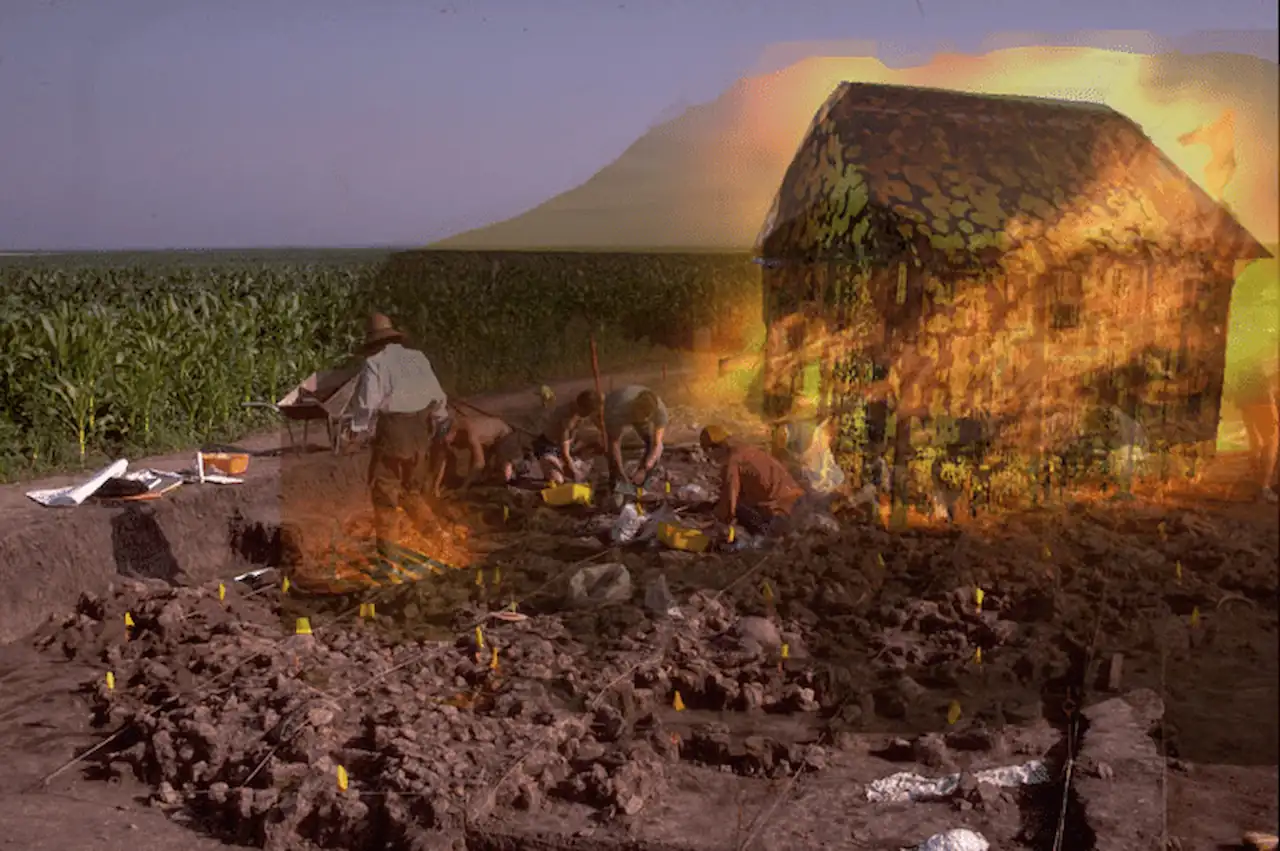
En los años setenta, el pequeño núcleo de Stein, en la Baja Austria, estuvo a punto de convertirse en el emplazamiento de la segunda central nuclear del país. El proyecto se abandonó y el lugar quedó como una franja más de tierra de labor junto al Danubio. Medio siglo después, esos mismos campos han revelado […]
Entre el 5 % y el 10 % de las personas enterradas en cada una de las comunidades griegas de la Edad del Bronce que se han analizado no se había criado en el lugar donde murió. Es uno de los resultados de un trabajo publicado en la revista PLOS One por un equipo del […]
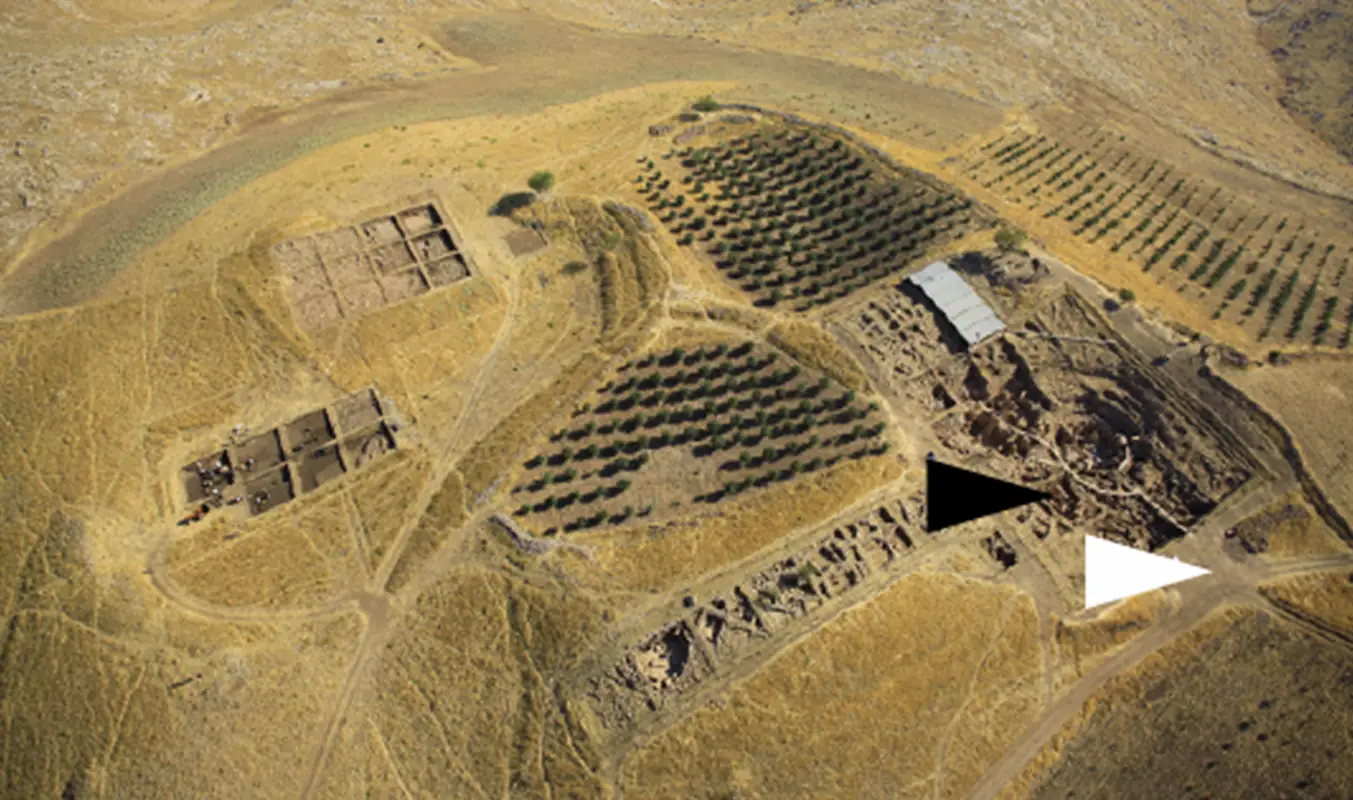
Un equipo de investigadores ha publicado en la revista PLoS One los resultados del estudio de los dos primeros enterramientos completos descubiertos en Göbekli Tepe, un yacimiento arqueológico del Neolítico Precerámico situado en el sureste de Turquía. El trabajo, firmado por Julia Gresky y Lee Clare, ofrece por primera vez una explicación plausible al enigma […]
In the 1970s, the small settlement of Stein, in Lower Austria, came close to becoming the site of the country’s second nuclear power plant. The project was scrapped, and the land went back to being another stretch of farmland beside the Danube. Half a century later, those same fields have revealed what they’d been hiding […]
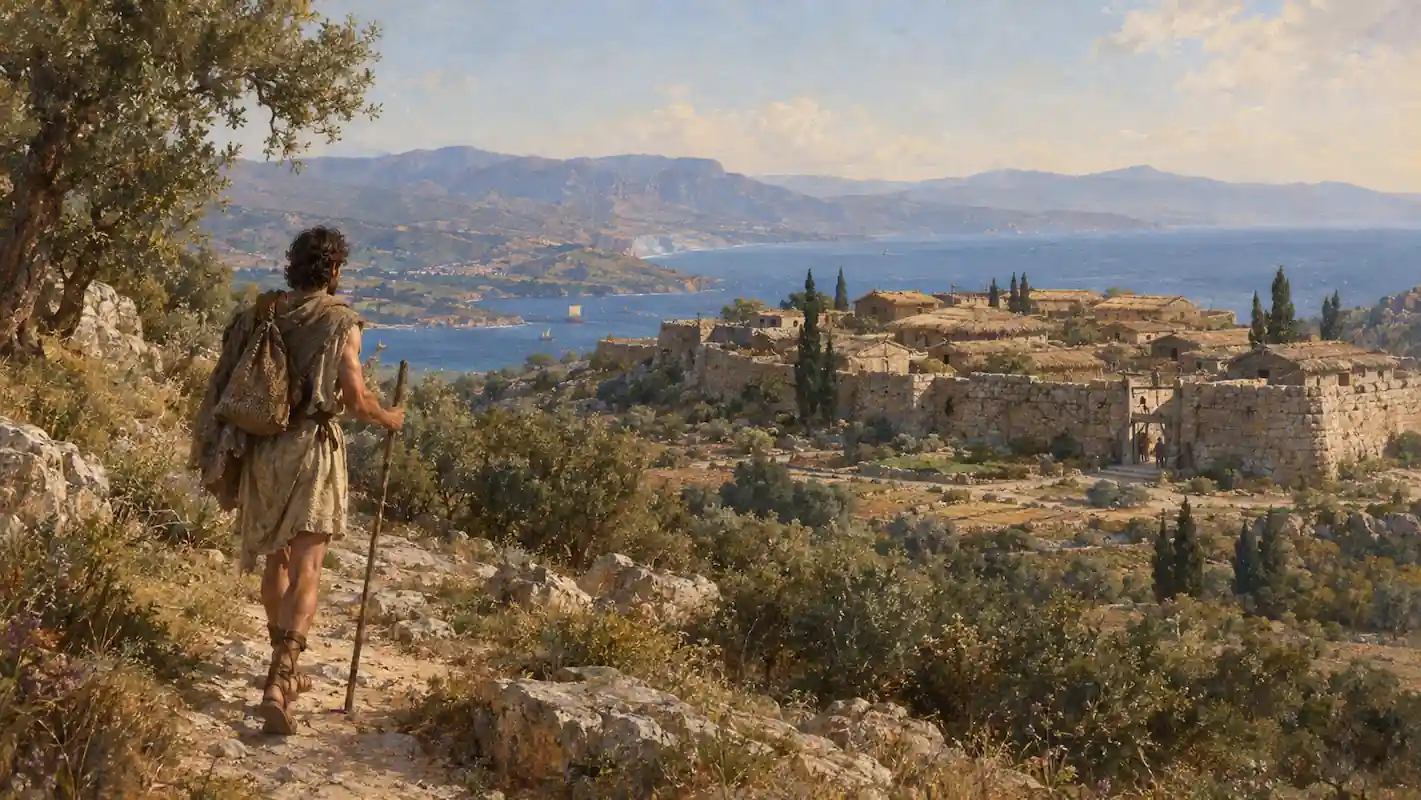
In each of the Bronze Age Greek communities analyzed, between 5% and 10% of the people buried had not grown up where they died. That is one of the findings of a study in PLOS One by a team that includes archaeologists Serena Sabatini and Kristian Kristiansen of the University of Gothenburg in Sweden. Anja […]
Archaeologists have spent thirty years puzzling over an unusually grim detail at Göbekli Tepe, the roughly 11,600-year-old site often called the world’s oldest temple. Since excavations began in 1995, diggers have pulled more than 900 individual fragments of human bone out of the earthen fill packed into and around its monumental stone buildings — skull […]
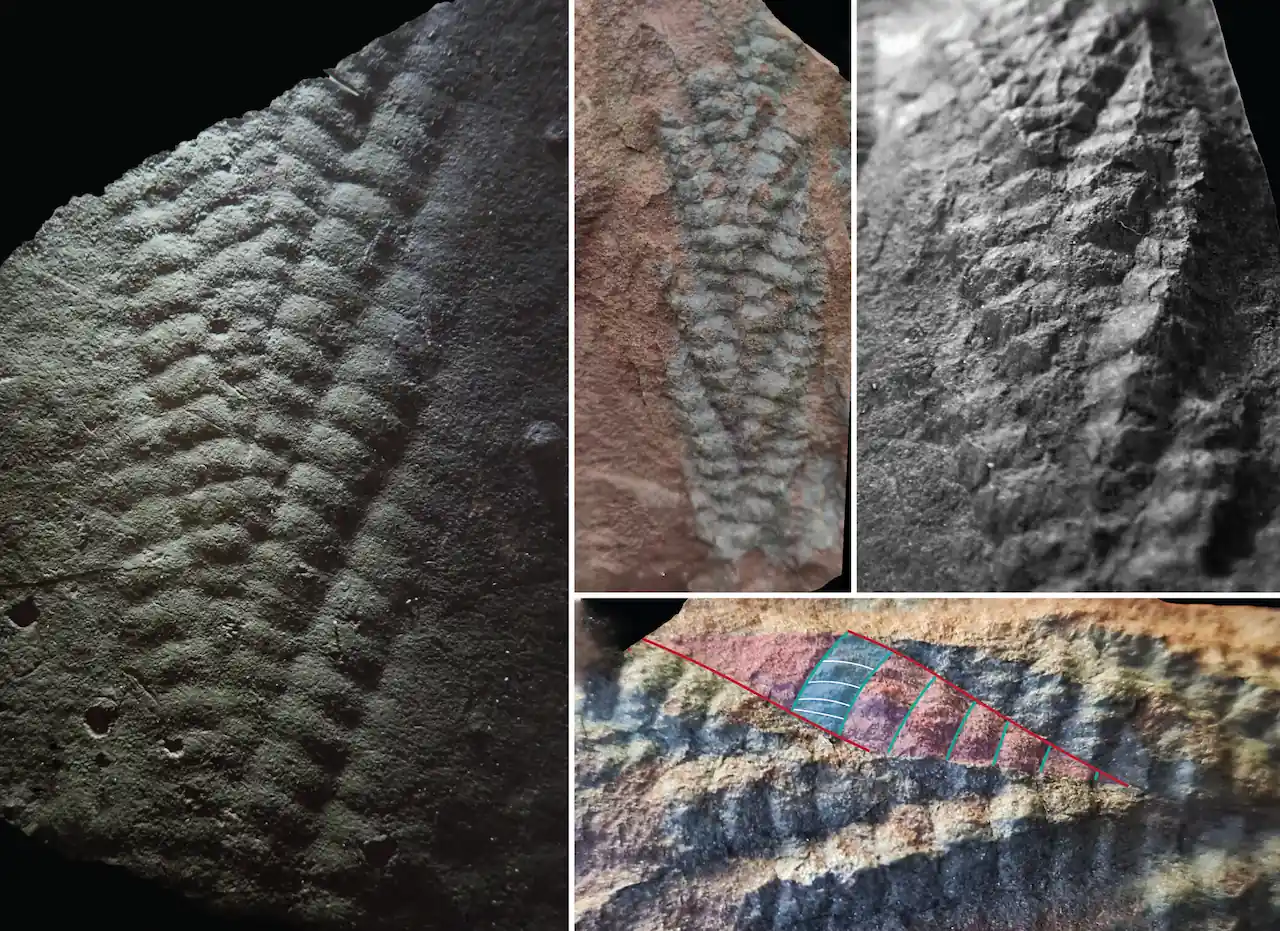
Finding fossils usually means months of fieldwork, a hammer, and a lot of patience. In Finnmark, Norway’s northernmost region, it took none of that. According to the University of Cambridge, a cluster of rocks had broken loose from a cliff above a sheep field. When they split open on landing, they exposed a fossil of […]
Buscar fósiles suele significar meses de trabajo de campo, martillo y paciencia. En Finnmark, la región más septentrional de Noruega, esta vez no hizo falta tanto. Según la Universidad de Cambridge, varias rocas se habían desprendido de un acantilado en un prado de ovejas y, al partirse en la caída, dejaron a la vista un […]
A principios de los años ochenta, un equipo yugoslavo y estadounidense abrió una trinchera de 16 por 20 metros en una loma cercana a la localidad serbia de Opovo. Entre 1983 y 1989 sacó a la luz seis casas neolíticas, total o parcialmente, y de ahí salió un retrato que ha durado hasta hoy: un […]
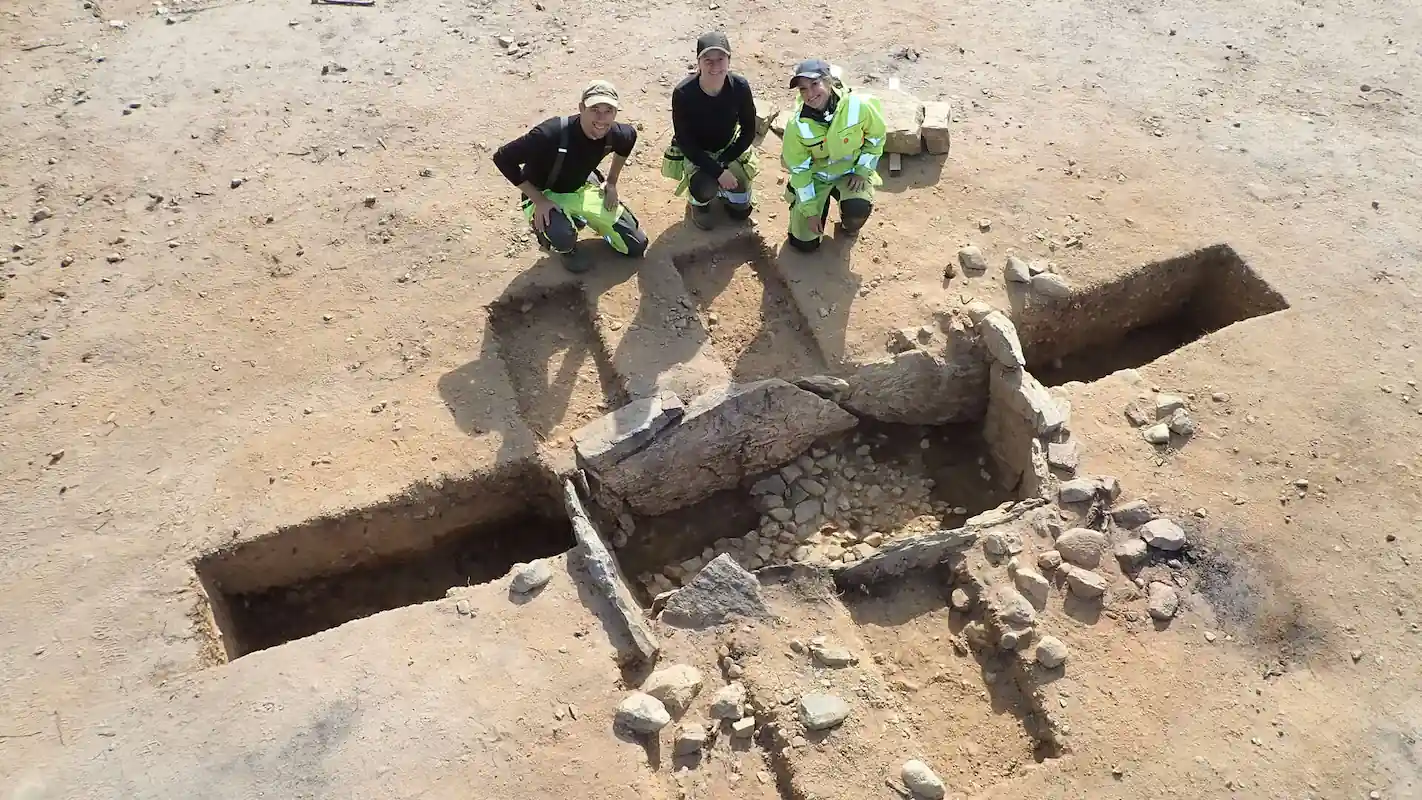
Todo empezó con un poco de carbón. En la excavación de Kongefaret 8, en la meseta de Svinesund (Halden, sureste de Noruega), la directora del proyecto, Kjersti Væge, se fijó durante sus rondas diarias en restos de carbón y piedras agrietadas por el fuego que asomaban del suelo. El equipo del Museo de Historia Cultural […]
In the early 1980s, an American-Yugoslav team dug a trench roughly the size of a tennis court — 16 by 20 meters (52 by 66 feet) — into a low hill near the village of Opovo, in northern Serbia. Between 1983 and 1989, they uncovered six houses, whole or partial, from a settlement dating to […]
The team wasn’t even looking for a grave. Kjersti Væge, project director at the Museum of Cultural History at the University of Oslo, was overseeing a dig at Kongefaret 8, on the Svinesund plateau near Halden, in southeastern Norway — a few kilometers from the Swedish border. The site was thought to hold a Stone […]
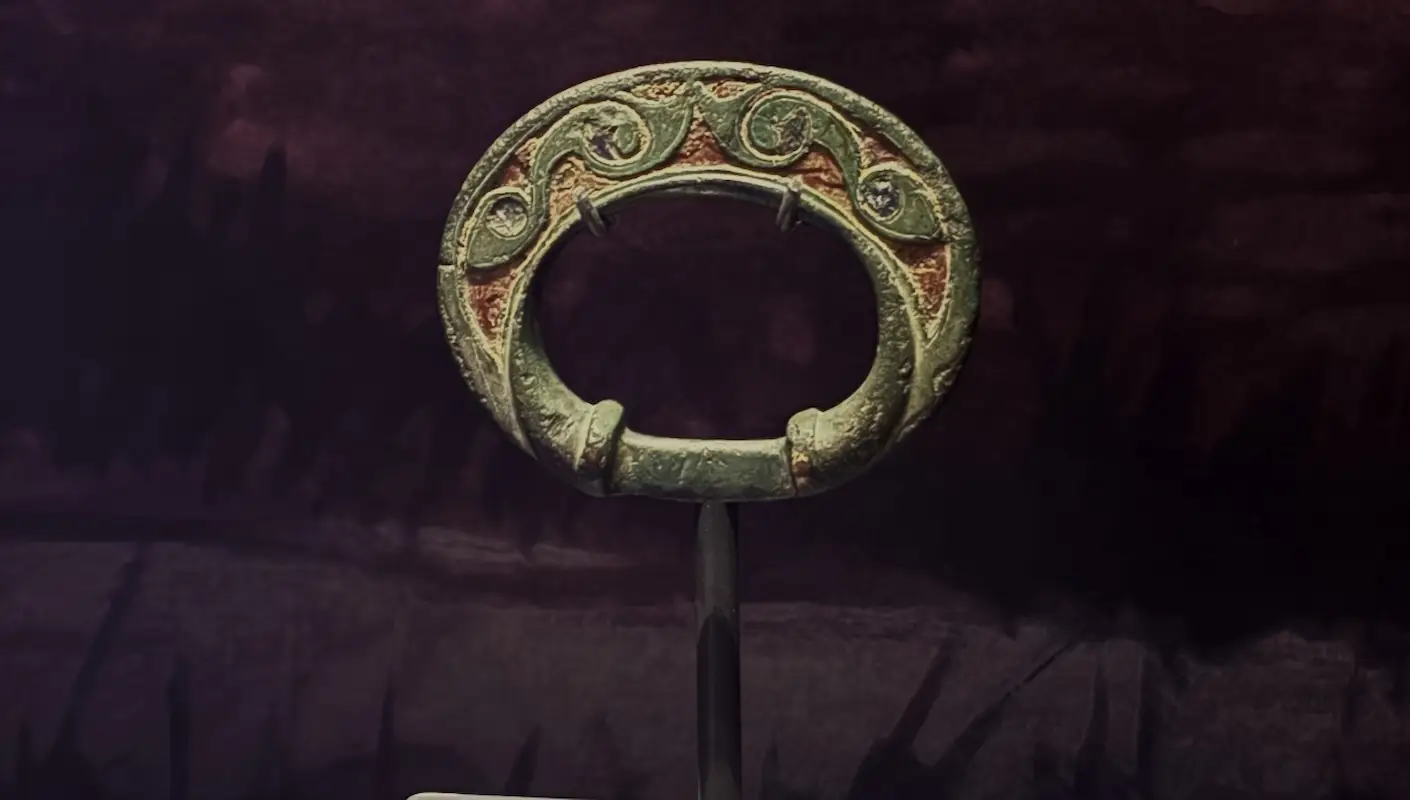
In late 2025, conservators from Oxford’s Ashmolean Museum brought an unassuming object to the Diamond Light Source synchrotron in Oxfordshire: a terret, a small bronze loop that Iron Age chariots used to keep a horse’s reins from tangling. It looked modest. It was nearly 2,000 years old. And under X-ray analysis, it turned out to […]
A finales de 2025, un equipo de conservadores del Museo Ashmolean de Oxford llevó hasta las instalaciones del sincrotrón Diamond Light Source, en Oxfordshire, un objeto de apariencia modesta pero de casi 2.000 años de antigüedad: un terret, la anilla de bronce que en los carros de la Edad del Hierro guiaba las riendas del […]
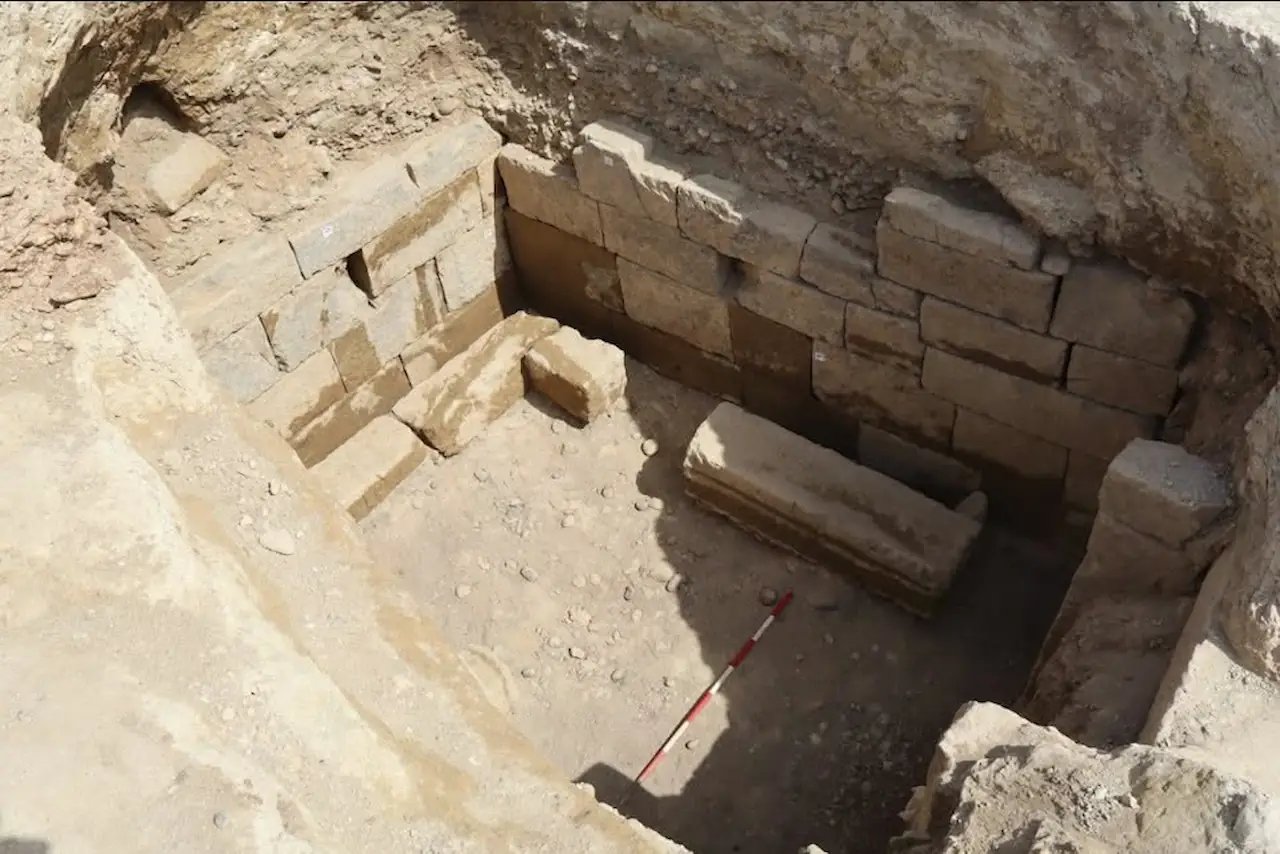
In 1889, a team from the École française de Rome reached a circular earthen mound roughly 30 meters (about 98 feet) across, in the Polledrara necropolis on the southern edge of the ancient Etruscan city of Vulci, in central Italy. They identified it, named it the Tumulo Gsell after French archaeologist Stéphane Gsell, and left […]
En 1889, un equipo de la École française de Rome llegó hasta un montículo circular de unos 30 metros de diámetro en la necrópolis de la Polledrara, al sur de la antigua Vulci. Lo identificaron, le dieron nombre —Tumulo Gsell, por el arqueólogo francés Stéphane Gsell— y lo dejaron ahí. Nunca lo excavaron por completo. […]
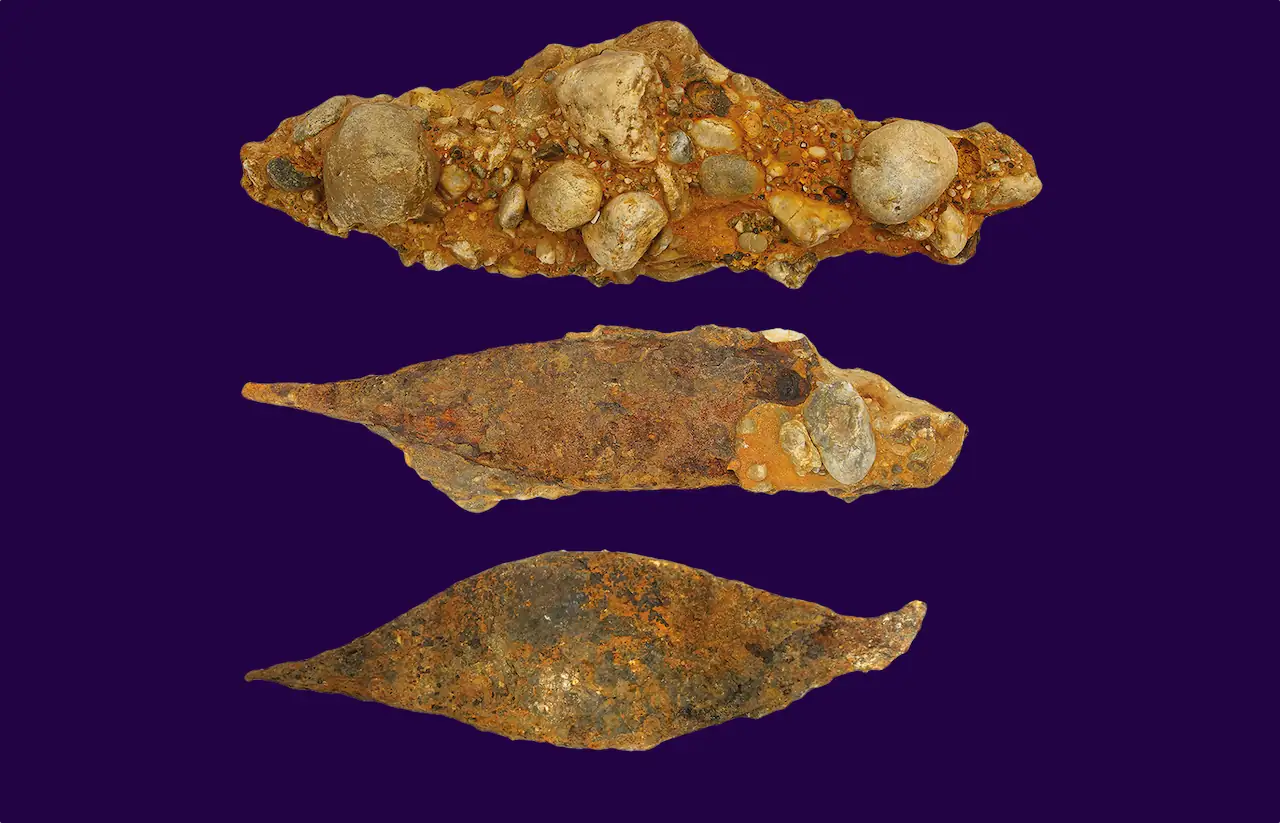
In the spring of 2019, workers dredging gravel at Deinham, a site on the Danube in Upper Austria, kept snagging strange double-pointed iron objects in the excavator’s bucket. Instead of tossing them into the scrap pile — the usual fate of corroded iron pulled from riverbeds, since it rarely looks as recognizable as bronze — […]
En la primavera de 2019, unos trabajadores que extraían grava en Deinham, en el municipio de Hartkirchen an der Donau (Alta Austria), notaron que la excavadora sacaba numerosos objetos de hierro de doble punta. En lugar de desecharlos, avisaron a la Oficina Federal de Monumentos. Aquel gesto permitió recuperar el mayor conjunto de barras de […]
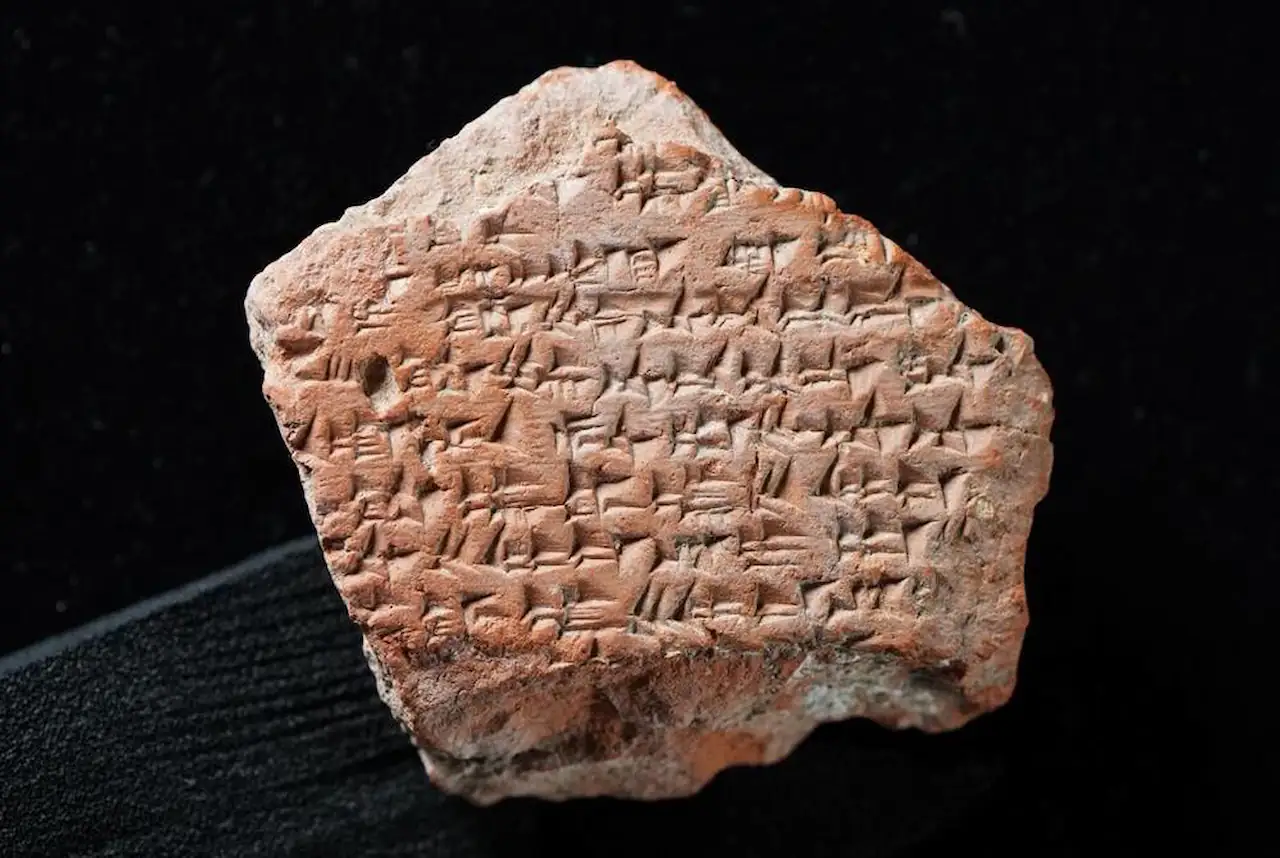
A small piece of clay, not much bigger than a matchbox, took nearly a year for archaeologists to identify. When they finally did, it turned out to belong to one of the most famous documents in the ancient world: the peace treaty that closed out a war between two Bronze Age superpowers, sealed more than […]
Entre las ruinas de Büyükkale, la colina fortificada que albergaba el palacio real de los reyes hititas, un equipo de arqueólogos ha desenterrado un pequeño fragmento de arcilla que ha tardado casi un año en revelar su identidad. Los especialistas han confirmado que ese trozo de tablilla, hallado cerca de los restos del llamado «Edificio […]

 Login