❌

Reading view

‘An incomplete happiness’: An activist wins his freedom after nearly two years of medical neglect at an ICE facility

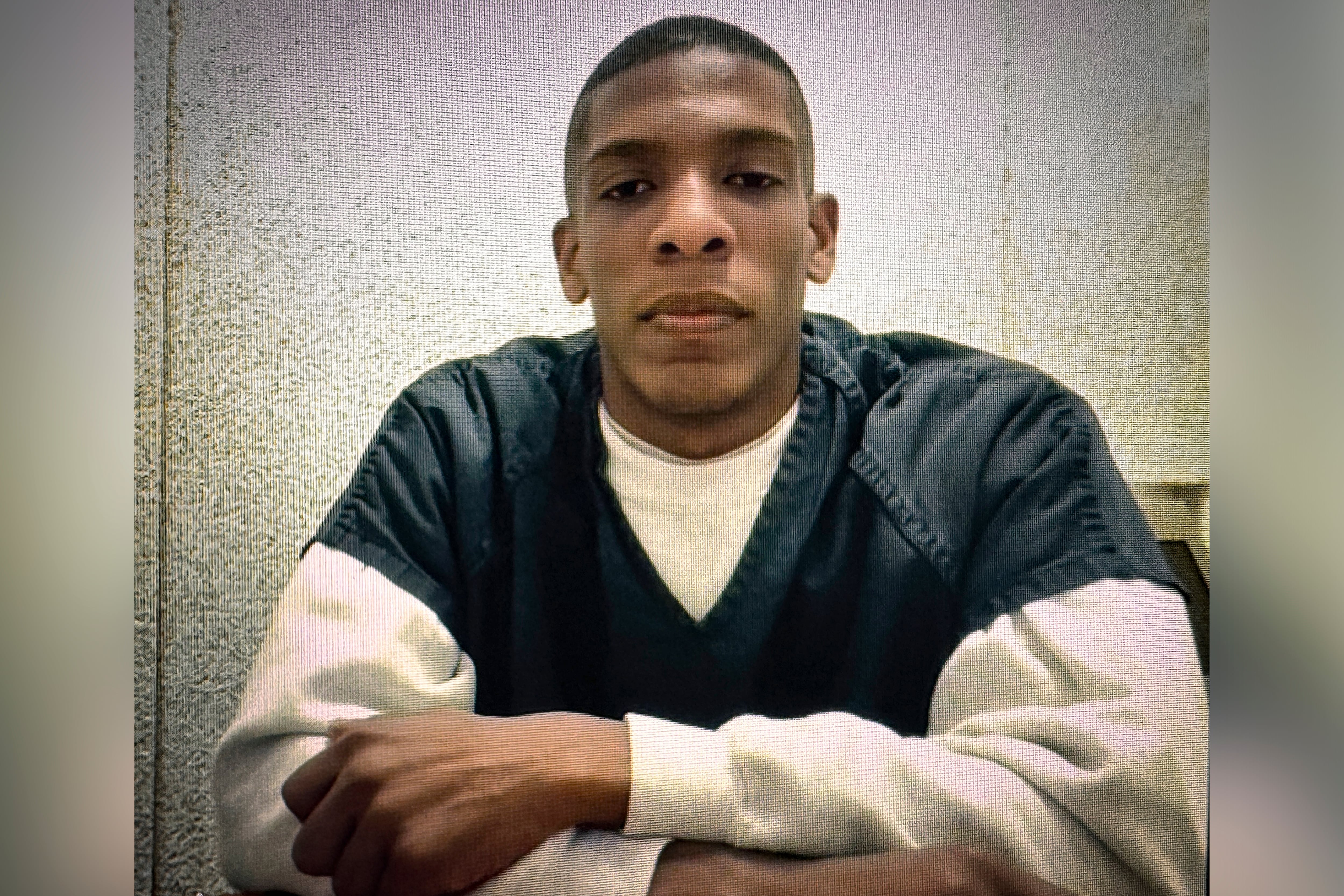
Julián Palacios at the ICE center in Tacoma on August 11, 2026.

Colombian Julián Palacios Obregón spent 650 days in immigration detention in the United States. He was sick for most of that time. A month after being transferred to the Northwest ICE Processing Center in Tacoma, Washington state, he began vomiting and suffering diarrhea with fecal incontinence that forced him to wear diapers. Although he was prescribed antibiotics that temporarily improved symptoms caused by the bacterium Helicobacter pylori, the underlying problem repeatedly returned: he remained exposed to cloudy water and to food he often described as raw or foul-smelling.

Seguir leyendo

  •  

Miami’s fairy godmother for undocumented domestic workers

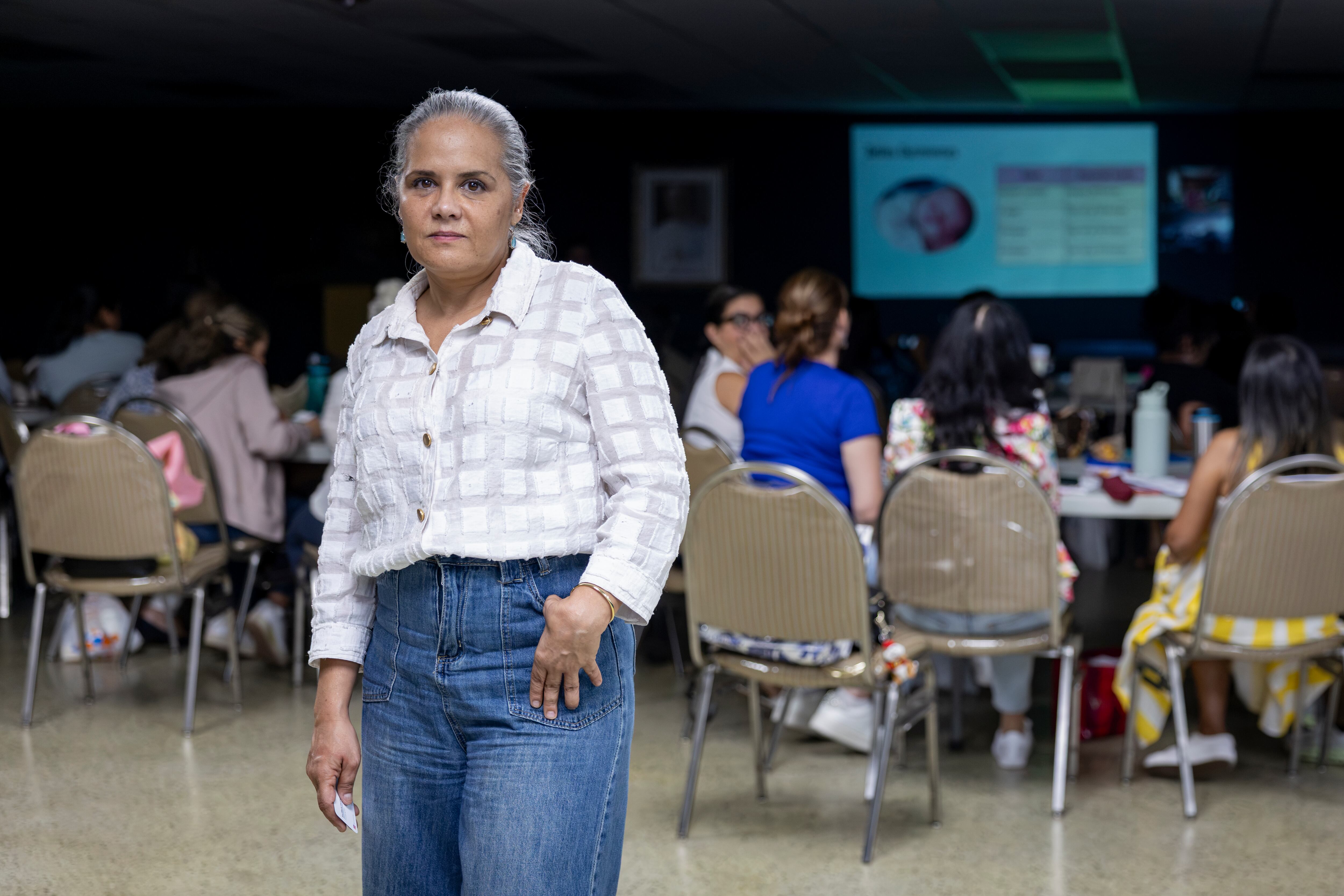
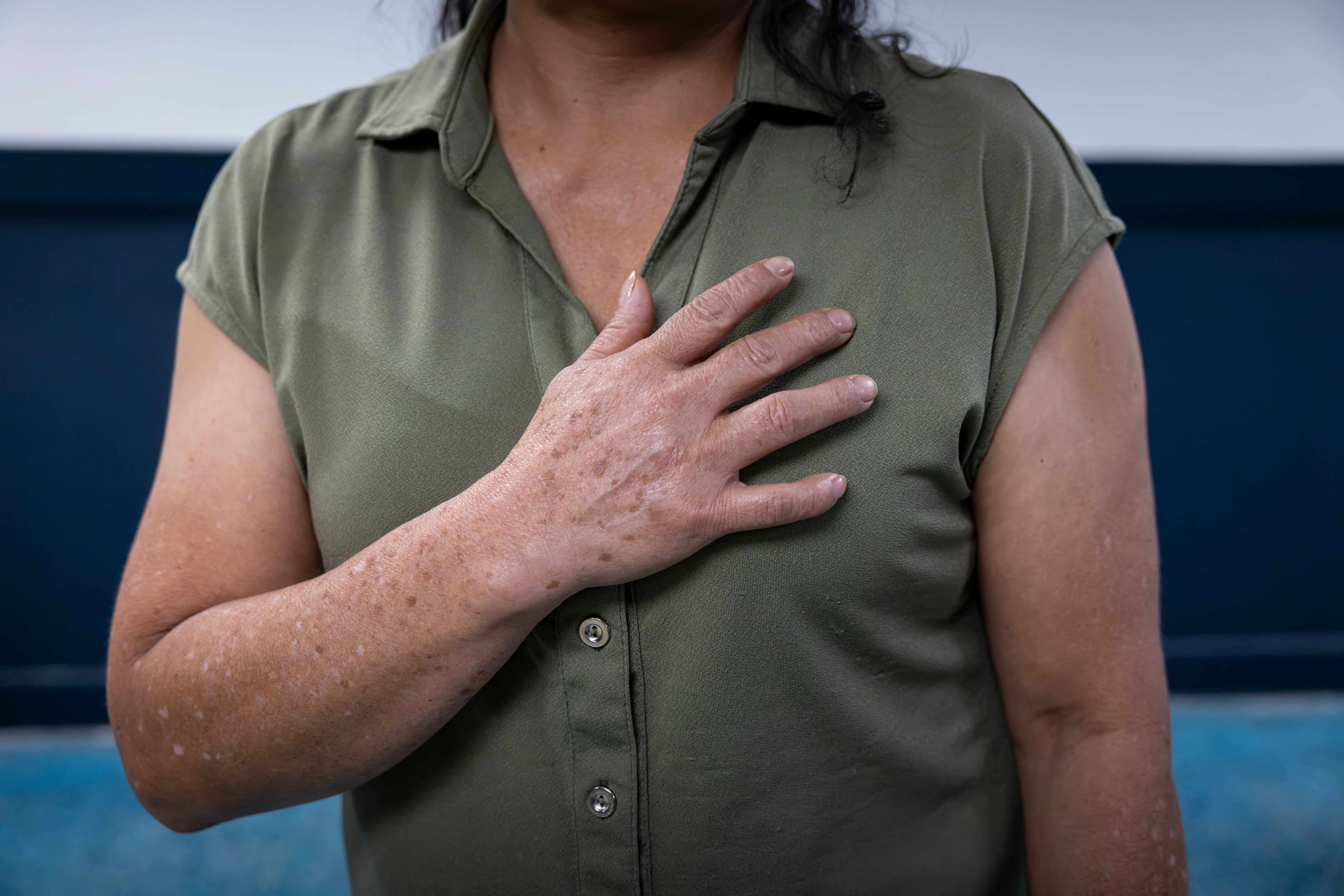
Karla De Anda in Miami, Florida, on September 6.

It is around 9:00 p.m. and Karla De Anda’s phone rings. The number is unknown to her. On the other end, connected to the free Wi‑Fi at a Miami airport terminal, a woman is sobbing uncontrollably. Her name is Rosa. She has just had her bags packed for her. A coworker told the family they both worked for that Rosa had been secretly talking to a stranger about the wages she was owed. The family would not hear any more: they bought her a one‑way ticket to her country of origin and put her in a taxi to the airport. Karla, who barely knows her, asks a single question: “Do you want to stay or not? Just answer me.” Between sobs the woman says yes. She hangs up, gets out of the departure line, and an hour later Karla is waiting for her at the arrivals gate with another activist, ready to take her to her home that same night.

Seguir leyendo

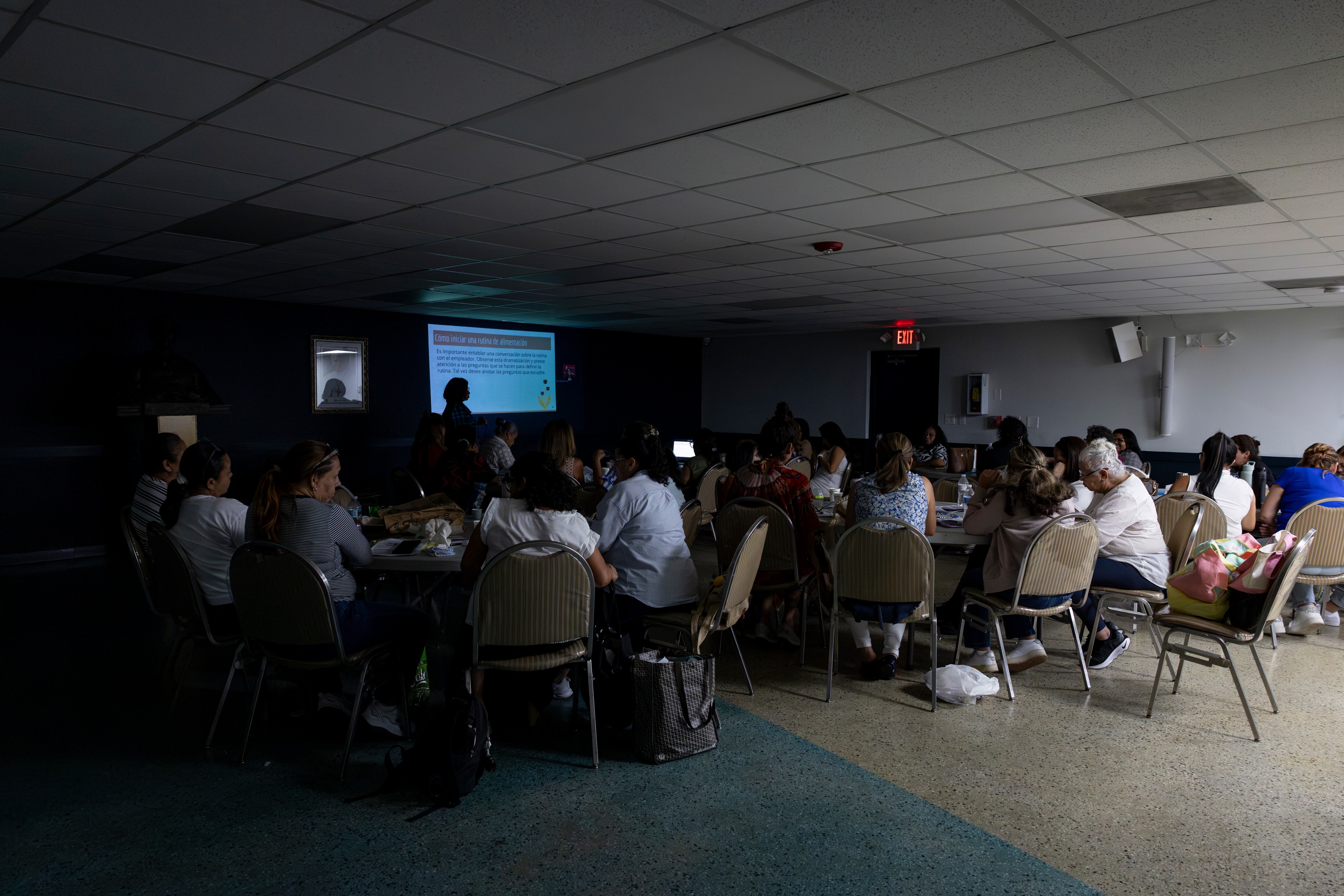
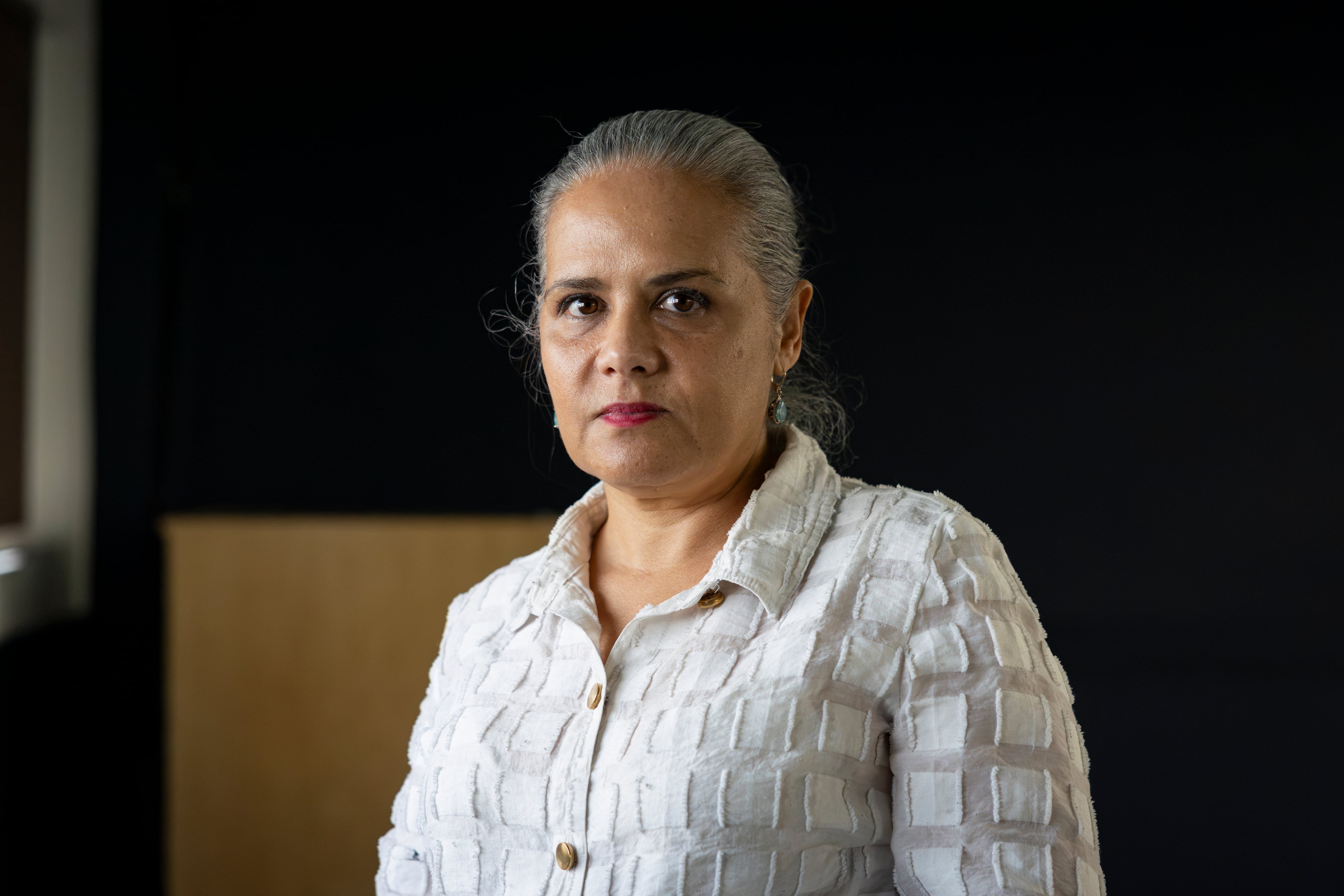
Training course for women organized by The Right to Freedom Network in Miami.Mónica poses for a photo in Miami.A member of The Right to Freedom Network, in Miami, on September 6.Karla De Anda during an interview on September 6, in Florida.
  •  

Held in hotels or detained for a year after being deported to Africa: ‘This is called human trafficking’

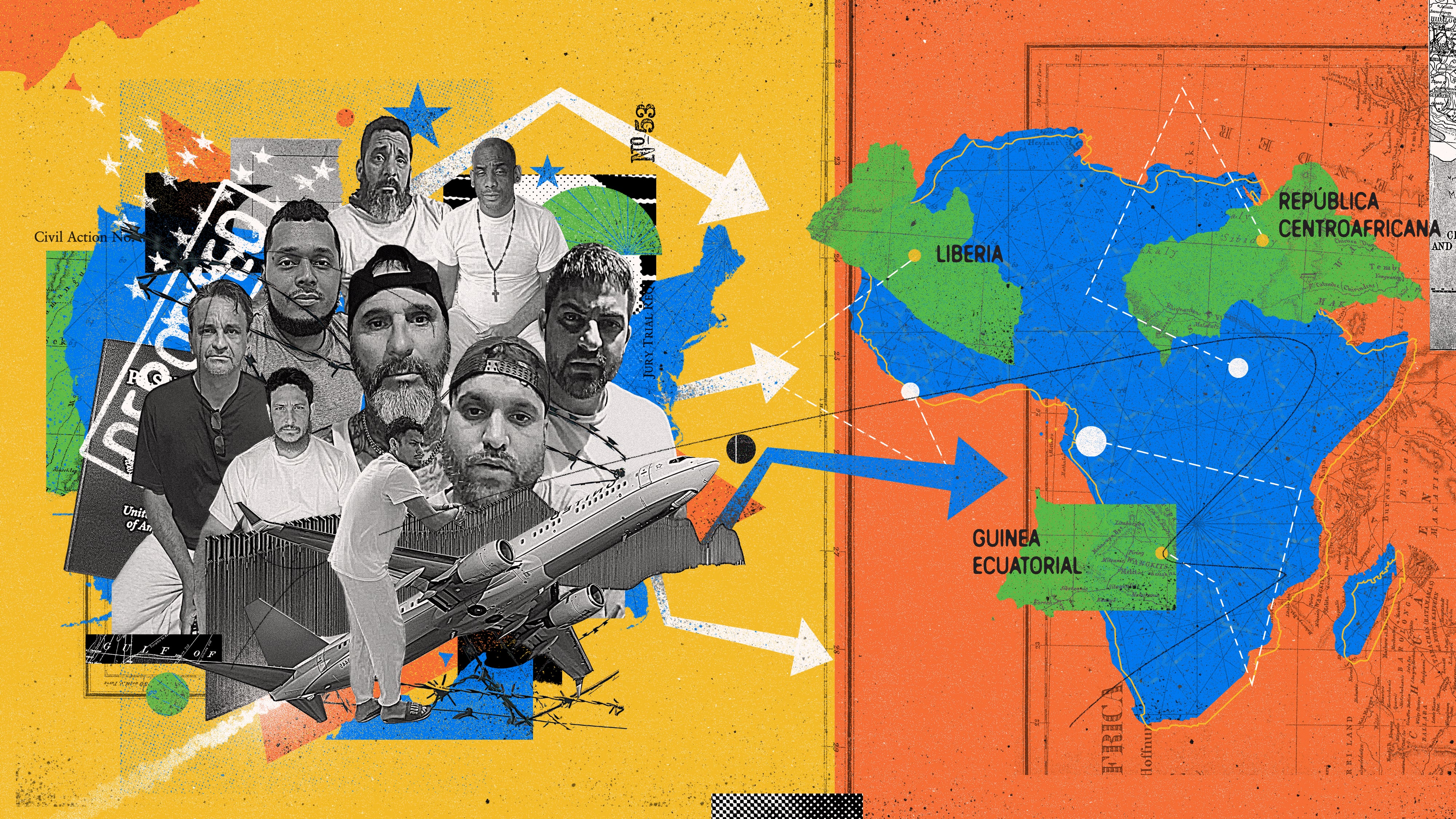
Among so many faces, Roberto Mosquera remembered one in particular the day he arrived in Eswatini, a small country tucked away in southern Africa. He kept seeing that face over the following 14 months, which passed slowly and unbearably in the compressed world between the white and gray walls of the maximum-security cell at Matsapha prison. The man is serious, tall, dark-skinned and wears round glasses. His name is Jabulani Kunene and he is the prison official in charge. For more than a year, Mosquera has asked him the same question every time he passes by: “How long are you going to keep me locked up here?” Kunene has always given him the same answer: “I don’t know, Roberto, I don’t know.”

Seguir leyendo

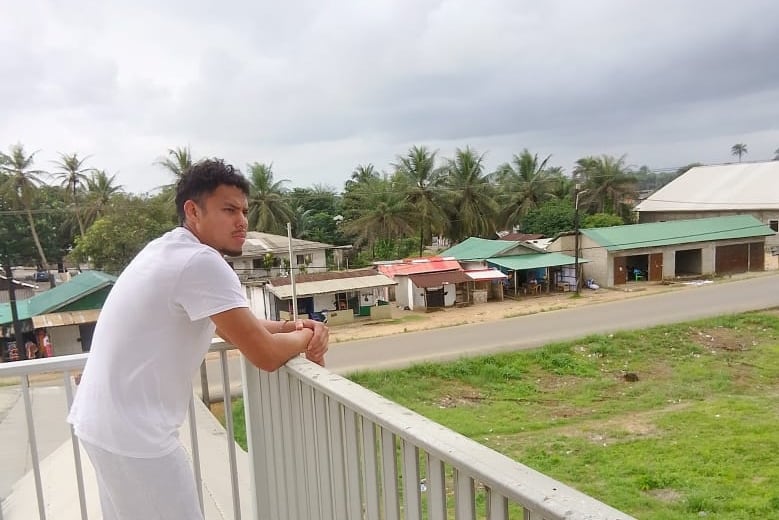
Arín García Yepes in Liberia.

© Eduardo Ramón Trejo

  •  

Colombian president ends university autonomy policy, granting police access to campuses

A little over a month into his term, far-right President Abelardo de la Espriella continues to advance a security agenda that often conflicts with certain rights historically won by Colombians.

This time, De la Espriella has signed a decree allowing police access to university campuses. In several Latin American countries, the prohibition of police access to universities has been established through student struggle to prevent abuses by authorities against student movements.

Thus, universities have historically become places where students seek refuge from repression, arrest, and regroup during times of intense social mobilization.

This was evident during the 2021 protests, known as the “National Strike,” in which students, workers, left-wing political parties, young people, and others took to the streets to protest against the right-wing government of Iván Duque. The mobilization, which lasted several months, was considered a true “social upheaval,” and many experts have seen in it the consolidation of a democratic alternative (the government of Gustavo Petro) to decades and decades of right-wing rule.

During these protests, universities became hubs of popular mobilization, driven primarily by the youngest members of society. On university campuses, protesters were able to regroup, defend themselves against police repression, and coordinate new demonstrations – among other things – always protected by the fact that police are barred from entering university grounds.

De la Espriella calls popular protests “terrorism”

Clearly, De la Espriella seeks to nip this possibility in the bud – that is, to prevent universities from once again becoming coordination centers for the protests. Many have speculated that the president is signing this decree precisely because he knows that his radical neoliberal agenda could spark major protests, and in this way, he hopes to proactively undermine the protest movement.

Read more: One month of De la Espriella’s administration in Colombia

Whether or not this is De la Espriella’s primary intention, only time will tell. What is certain is that the president views university autonomy as an obstacle to the implementation of his security agenda, which also includes curtailing the ability of informal opposition political groups to participate in public life.

“Under no circumstances will I allow public universities to continue to be sanctuaries of violence. I respect and guarantee peaceful protest, but I will not allow universities to continue to be used as sanctuaries of vandalism and crime,” said De la Espriella on X.

Furthermore, true to his combative rhetoric, he compared social protests to terrorism – a common trope in the historical discourse of the Colombian right: “University autonomy is not a blank check for impunity: I have issued precise instructions for a national protocol of action that allows us to distinguish between the legitimate exercise of protest and acts of violence, flagrant offenses, danger, or extraordinary disturbances of public order that require intervention by the authorities. The university is for knowledge and ideas, not to serve as a refuge for violence and terrorism.”

A violation of the Constitution

However, the opposition has viewed this decision as a serious attack on university autonomy. Ana Erazo, a member of the House of Representatives from Valle del Cauca, wrote: “It is an ATTACK ON UNIVERSITY AUTONOMY and a direct threat to the young people at the country’s public universities. With this, Mr. Abelardo de la Espriella is beginning to reveal what could become a BRUTAL RETALIATION against the student movement, against its ability to organize and mobilize, and against thousands of young people who historically have not supported his political agenda.”

Some universities have joined in this criticism. One of them is the National Pedagogical University, whose academic council stated that in the past, “the serious consequences of resolving conflicts within public universities through militarization have been demonstrated on repeated occasions.” Furthermore, the council stated that university autonomy is one of the pillars of Colombian democracy, along with freedom of thought and research, among other things. Losing autonomy means jeopardizing these values of the republic, it stated.

For his part, former presidential candidate Iván Cepeda said that De la Espriella’s measure contradicts Article 69 of the Constitution, which guarantees university autonomy. Regarding the announcement, Cepeda also said: “Such an announcement is not only an affront to university autonomy. It also demonstrates, once again, the authoritarian and despotic nature of De la Espriella, who seeks to stigmatize, persecute, and violate the rights of Colombian youth and the university community. Colombia has not forgotten the victims of police abuse during the National Strike, nor the history of security forces intervening on university campuses, resulting in student deaths. Young people cannot once again be persecuted or treated as an internal enemy and an enemy of the state.”

  •  

A pro-neoliberal security strategy returns to Latin America

Right-wing and far-right governments in Latin America have adopted a very similar discourse regarding insecurity. The leaders share a narrative that describes how in the 1980s and 1990s, a sort of neoliberal panacea reigned supreme, but then, as if speaking of a biblical plague, the progressive governments of the early 21st century arrived. Then, their story goes, through rampant corruption, they destroyed paradise on earth and brought about various evils such as insecurity, migration, and the destruction of traditional values.

Thus, several of these new – and not-so-new – right-wing governments have won the presidency, almost always in elections where they prevailed by a narrow margin, asserting that the solution to the “disaster” is to return to radical neoliberalism and implement a security policy that restores an order which, they claim, existed before the “original sin.” This “salvation,” no doubt, will come hand in hand with military, intelligence, and operational oversight from Washington – an ally that, they say, was alienated by regional center-left governments. The most serious consequence of this distance was the infiltration of drug trafficking into all strata of society.

It matters little or not at all to these new governments that during the era of progressivism, the region enjoyed a certain positive level of security, as argued by critics of the far right. In the case of Ecuador, this supposedly only happened due to an alleged peace pact between the center-left governments and criminal groups. So that peace was, in reality, merely the prelude to what would later erupt.

A US-backed regional security program

In light of this, the region’s security policy appears to be nearly identical across all countries governed by the Latin American right and far right: 

  • Expand the executive branch’s power to declare states of emergency and prolong them over time (sometimes for years, as has happened in El Salvador and Ecuador, with the consequent erosion of individuals’ constitutional guarantees); 
  • Sign security agreements with the United States and become part of its hemispheric military and security policy (such as the well-known “Shield of the Americas”); 
  • Attempt to facilitate US military and intelligence operations within each country’s territory (whether or not there are military bases on the ground); 
  • Promote extradition proceedings to the United States; 
  • Increase security spending while cutting spending in other areas such as health care, education, and housing; 
  • And various other measures.

However, with the exception of El Salvador and, to some extent, Chile, the results these governments promise – to reduce organized crime and insecurity in the region through the quasi-militarization of daily life and security agreements with Washington (which many accuse of undermining sovereignty) – have not materialized.

Read more: Shield of the Americas, military operations, and decorations: Rubio’s fruitful visit to South America

Ecuador, which is facing the most serious security crisis in its history, has failed to reduce violence as promised by the executive branch, even though the country is currently under a nearly permanent state of emergency and foreign military operations are underway. According to some experts, 2026 could become the second most violent year in the country’s history, with nearly 5,000 homicides in just six months. The Noboa administration says that positive results take time and that better days are ahead. The local elections at the end of the year will surely provide a better gauge of the government’s credibility than any speculation.

In Chile, Kast managed to rally support to win the election by focusing on his security policy, which asserts that the rise in insecurity in Chile is largely due to migration from other South American countries. In response, he promised to build various infrastructure projects that would prevent new migrants from entering the country, similar to the US border wall. For now, the government is celebrating a reduction in certain crime rates, although several polls indicate that the public still feels concerned.

In Colombia, the recently inaugurated government of Abelardo de la Espriella has declared that the time for peace talks with certain insurgent groups is over and has resumed the country’s long-standing policy of waging war against insurgent and drug-trafficking groups. So far, there have already been several dozen deaths, with the bodies displayed as war trophies that the president showcases in his addresses to the nation. It is still too early to tell whether De la Espriella’s war will have a direct impact on reducing insecurity, which, according to the executive branch, spiked during Petro’s administration – a claim that Petro categorically denies.

For now, Washington has expressed its support both verbally and by providing funds to many of these countries to bolster their security, while also carrying out actions in the region, such as those already mentioned in Ecuador or operations in the Caribbean Sea. Furthermore, during a recent visit by Rubio to Peru, the secretary of state stated that US forces will act wherever invited by local governments, which foreshadows new military operations in South America.

Read more: The ugliness of Latin America’s angry tide

Without a doubt, the growth of US influence and presence in South America is undeniable. But it would be a mistake to think that this is something new. The history of Latin America in the 20th century has shown how Washington has managed to steadily increase its military presence in the region by invoking various justifications that have proven very effective in winning public support, especially those concerning the security of the population.

Decades of US intervention in Latin America

During World War II, the United States significantly increased its military presence in the region under the pretext of defense against potential military actions by the Axis powers, specifically Japan and Germany. Thus, the United States and its powerful fleet established several military bases in South America and succeeded in getting virtually all governments to align themselves with Washington’s geopolitical interests.

Shortly thereafter, Washington justified increasing its military presence in the region to halt the dangerous “communism” that, they claimed, would sweep through the region and had become a cause for concern not only for US security but also for the internal security of each country, where “dangerous” revolutionaries would destroy the social foundations of each nation. Thus, the United States and a large portion of the Latin American militaries carried out joint intelligence and other operations to promote, by any means necessary, the destruction of leftist political movements in the region – which meant killing thousands of Latin American revolutionaries through various methods, such as the imposition of bloody military dictatorships (such as those in Argentina, Chile, Uruguay, Brazil, Bolivia, etc.) and/or boycott and conspiracy operations against anti-imperialist governments, such as Castro’s Cuba, Allende’s Chile, or so many other political movements violently aborted through the active participation of US and local forces.

However, the socialist bloc collapsed in the 1990s and brought on a crisis within the revolutionary left. Right-wing governments, incidentally, took advantage of these events to promote ultraliberal economic policies, but began to lack a new justification for expanding military and police forces, and the US presence in the region. 

One exception to this was Colombia, where the internal war served as a justification for the establishment of several US bases during the 21st century.

Read more: The ‘War on Drugs’ has always been more about war than drugs

Now that drug trafficking has become the region’s primary security threat, Latin American right-wing forces, alongside Washington, have once again raised the alarm about the threat of insecurity to promote securitist policies and an increased US military presence. Nazis, communists, and now narco-terrorists seem to be the lineage of a political strategy designed not only to promote a greater military presence in social life but also to advance neoliberal policies that are often accompanied by the aggressive influx of international capital, which typically appropriates the economic resources of this part of the Third World. 

For we must not forget that every cycle of increased security-oriented policies has been followed by lucrative and substantial profits for the wealthiest in Latin America and around the world.

  •  

One month of De la Espriella’s administration in Colombia

Abelardo de la Espriella has now been in office for one month. The far-right president won the election by a narrow margin over leftist Iván Cepeda (less than 1% of valid votes), despite allegations of irregularities made by then-President Gustavo Petro.

However, De la Espriella dismissed the allegations of irregularities and began his administration by attempting to demonstrate military strength, an overt religious faith (for which he had to issue a public apology), and a clear alignment with Washington’s political doctrine.

The earthquake and the return to a state policy of war

However, just three days after he took office, a powerful earthquake struck the western part of the country, leaving more than 300 dead and nearly 5,000 injured. The government’s actions drew controversy. His supporters applauded the government’s response, while critics accused the administration of exploiting the tragedy to boost his public image and giving certain countries – such as Israel – priority in search-and-rescue efforts, while denying entry to rescue teams from other countries.

Added to this is the rhetoric of a return to all-out war against subversive armed groups and criminal organizations that De la Espriella already put forward during his election campaign. But this has not been merely a matter of rhetoric. Since taking office, the executive branch has ordered a series of attacks against positions held by these groups, some of which were engaged in peace talks aimed at their demobilization.

In fact, De la Espriella canceled the peace negotiations, which had been resumed by the Petro administration as part of his “total peace” policy.

Read more: President De la Espriella cancels peace talks in Colombia

In addition, the government’s death-defying political communication strategy has caused quite a stir. In some videos, the president can be seen walking among the bodies of alleged “bandits and terrorists” (as the government calls them), which, according to the Executive Branch, number 40, in addition to the capture of nine people allegedly linked to illegal organizations.

But the bombings have also drawn significant domestic criticism. In the Guaviare Department, three minors were reported killed following the bombings ordered by the president, which were part of a series of attacks that left a total of about ten people dead. And while De la Espriella said that armed groups are responsible for the deaths of the minors, he has not been able to escape criticism from human rights organizations that view indiscriminate bombing as a dangerous threat to innocent people and the civilian population.

A return to neoliberalism

Ultimately, the contrast between Petro’s and De la Espriella’s administrations seems so evident that many wonder whether it is precisely this political distancing that serves as the compass guiding the new government – or whether Colombia is, in fact, attempting to establish a new form of state.

To understand this transformation, BreakThrough News spoke with Danilo Urrea, philosopher at the Universidad Nacional de Colombia, who sees in this first month a clear shift toward a return to a state policy of war – one that had previously been implemented with negative results: “In Colombia, this was historically known as the era called ‘La Violencia,’ which was one of the worst periods the country has ever experienced in terms of the barbarity it generated.”

“The president presents the killing of people to the country as a success,” he added. “But he also does so with an aesthetic and a semiotics that portray death, murder, and the like as a possibility for the country. And in a context like Colombia’s – where we have the highest death toll on the entire continent, surpassing even the combined death tolls of all the region’s dictatorships – this shows us that it is a step backward in terms of the possibility of building a country based on dialogue and reconciliation.”

Urrea also says the current government is trying to push the idea that the country it has inherited is in a disastrous financial situation, which is why it must promote a radical neoliberal policy: “We’ve identified efforts to promote a supposed economic turnaround for the country through old formulas that have already been tried and proved disastrous for social cohesion, for the territories, and for the relationship between humans and nature – with negative impacts on the communities living in the very places where this return to an extractive economy is once again being proposed.”

Furthermore, he warns that in the short time De la Espriella has been in office, there has been a setback in environmental and labor matters: “He has also come under attack during this first month, as he has begun to dismantle the gains made in terms of wages, recovery, overtime pay, and certain labor protections … which had been restored under President Petro’s administration through reforms and which this administration is now once again rapidly undoing with the stroke of a pen, supposedly to improve economic conditions. That, in very general terms, is what we’re seeing and what’s projected: the deregulation of all social benefits, of all the hard-won gains; the complete dismantling of all reforms; and the surrender of the country – in the areas of health, education, food, and all fundamental rights – to privatization processes primarily for the profit of transnational corporations.”

A new (old) geopolitical doctrine

Following the Petro administration’s attempts to defend the Palestinian people against Israel’s onslaught, as well as its various clashes with Washington’s hemispheric geopolitical agenda, Urrea asserts that Colombia has joined a regional strategy of control orchestrated by Washington: “The rise of the far right, which is well known … Through this administration, Colombia has become yet another outpost of U.S. imperialism’s advance across the region. And obviously, this has far-reaching consequences for the geopolitics of Latin America and the Caribbean in particular.”

WATCH: Colombia’s new president declares ‘colonial allegiance’ to US & Israel

Furthermore, Urrea highlights the historical importance Colombia – a country with access to both the Pacific Ocean and the Caribbean Sea – has held in the United States’ geopolitical strategy to control natural resources: “From a geopolitical standpoint, conditions are being created for Colombia to once again become one of the countries that facilitates U.S. military control – but above all, control over the natural resources and assets that are so coveted in this era of challenges for the United States in terms of its economic capacity, its dispute with China, and everything related to critical minerals.”

What is the opposition doing?

Urrea notes that, for now, the opposition parties have not managed to formulate a clear response to De la Espriella’s project. First, he points to a certain caution regarding a state policy that promotes violence and war: “There is obviously a great deal of fear regarding the actions I mentioned earlier – this language of violence, death, and murder. And obviously, in a country like Colombia, this has repercussions for the ability of those opposed to the current regime to act. Furthermore, because there has been an increase in the targeted killings of social leaders in various parts of the country, especially in areas most affected by geopolitical disputes as well as conflicts over economic and commercial control, illegal economies, and so on.”

However, Urrea notes that a coordinated opposition to the popular sectors could emerge, and the people might offer a peaceful and better-coordinated response: “We should consider an opposition that stems more from the popular sector, and there, I believe, there is also fear about how to react in the face of a violent scenario, a dangerous scenario, and manipulation. But I believe that organizations are now focusing on analyzing what the main peaceful and strategic causes might be to address the current situation. It seems to me that one of these fundamental aspects will undoubtedly be, and is already taking shape in the country through popular organization and mobilization, the defense of the environment, the defense of territories that are already being targeted for the control and exploitation of natural resources by transnational corporations, and the issue of fracking.”

  •  

EU welcomes Cambodia to WTO appeal arrangement

The EU welcomes Cambodia’s decision to join the Multi-party Interim Appeal Arbitration Arrangement (MPIA) for WTO members, contributing to efforts to uphold a rules-based multilateral trading system. 

With Cambodia’s participation, the MPIA now covers 62 World Trade Organization (WTO) members and 60.4% of world trade.  

The MPIA brings together participants from all continents and at different levels of development, united by a shared commitment to upholding the rules-based trading system. 

The MPIA preserves the right to appeal in trade disputes among participating WTO members, at a time when the WTO’s Appellate Body remains non-functioning. It helps ensure that disputes can continue to be resolved in an orderly and binding manner, avoiding appeals 'into the void'. 

“I welcome Cambodia to the MPIA. The arrangement plays an important role in upholding the rules-based trading system. Each new participant helps reinforce the predictability, stability and credibility of global trade rules. I encourage other WTO members to join the MPIA,” said EU Trade and Economic Security Commissioner Maroš Šefčovič. 

Background 

The MPIA was established in 2020 and has proven its effectiveness in many WTO disputes.  

Under the MPIA, appeals are heard by arbitrators randomly selected from a pool of 10 standing appeal arbitrators set up by the participating WTO members. These arbitrators are persons of recognised authority, with demonstrated expertise in law, international trade and WTO agreements.  

The MPIA is open to all WTO members as a practical tool for appeal arbitration, pending the restoration of a reformed and fully functioning WTO dispute settlement system. 

As of 1 June 2025, the MPIA has an updated pool of appeal arbitrators to ensure that appeals continue to be heard by independent arbitrators of the highest calibre. 

At the WTO Ministerial Conference that took place earlier this year, MPIA ministers stressed the importance of the MPIA for the security and predictability of the multilateral trading system.  

The current MPIA participants are Australia, Barbados, Benin, Brazil, Cambodia, Canada, China, Chile, Colombia, Costa Rica, Ecuador, the European Union (and its Member States), Guatemala, Hong Kong (China), Iceland, Japan, Liechtenstein, Macao (China), Malaysia, Mexico, Moldova, Montenegro, New Zealand, Nicaragua, Norway, Pakistan, Paraguay, Peru, the Philippines, Singapore, Switzerland, Ukraine, the United Kingdom, Uruguay and Vietnam.

More information

MC14: Supporting the rules-based multilateral trading system: the role of the MPIA

  •  
❌