❌

Reading view

US, China should treat AI risk like a pathogen, not a missile

Donald Trump and Xi Jinping wrapped up their Washington summit on September 25 with a two-month extension of the trade truce and warm words about friendship. On artificial intelligence, the leaders mostly ratified what their deputies had sketched in New York days earlier: a formal US-China dialogue on AI, plus an American proposal for a […]

The post US, China should treat AI risk like a pathogen, not a missile appeared first on Asia Times.
  •  

From Mamdani’s veto to enthusiasm in Estonia: Schools around the world are grappling with the use of AI

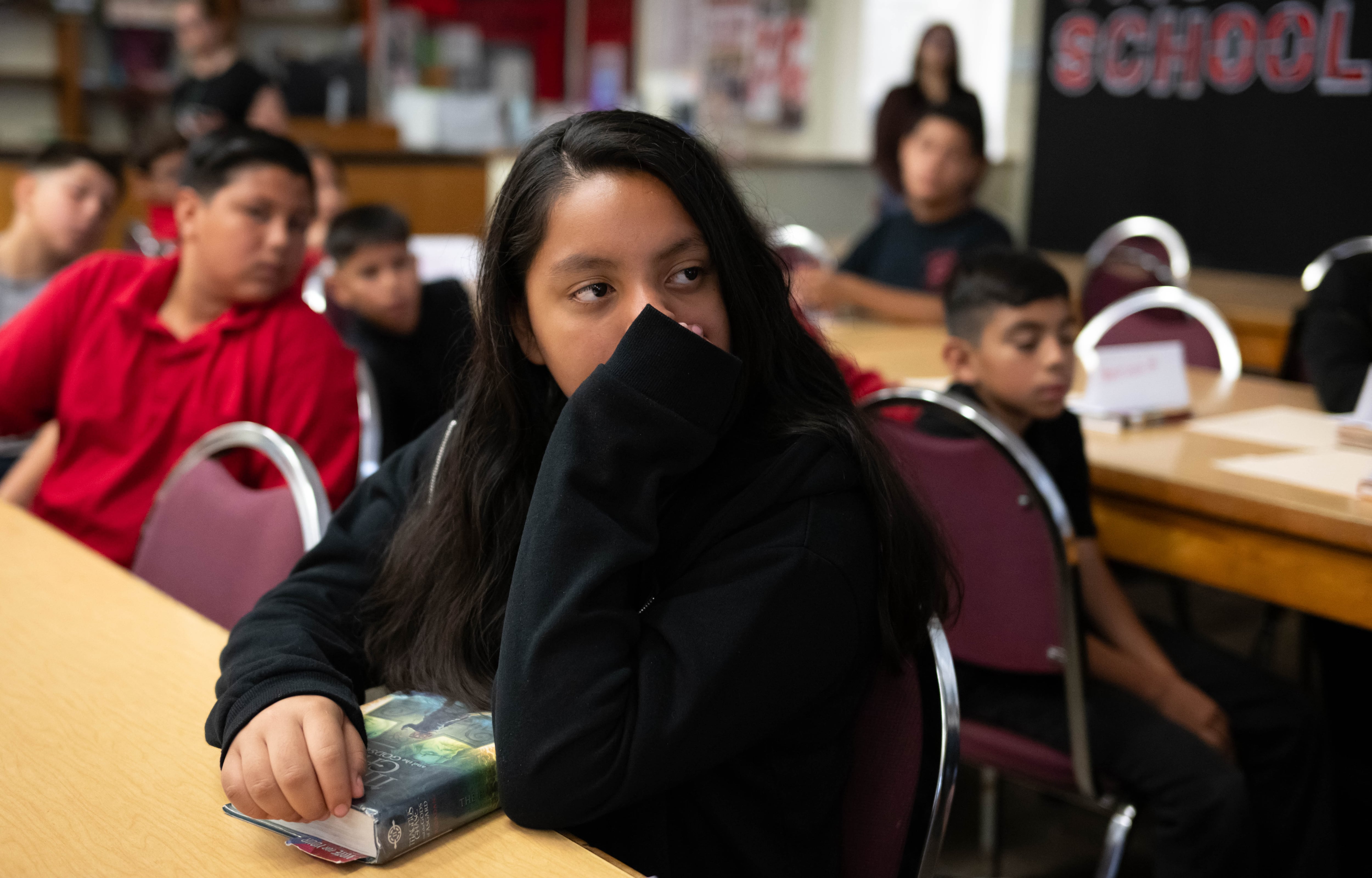
Sandra Martinez Roe, a mother in Los Angeles, hopes that her son will never use artificial intelligence (AI) in school. “I’m not going to let my children be guinea pigs,” she tells EL PAÍS over the phone. The city’s school board granted her wish, at least temporarily, a couple of weeks ago: the Los Angeles Unified School District (LAUSD) has banned AI from public classrooms this school year.

Seguir leyendo

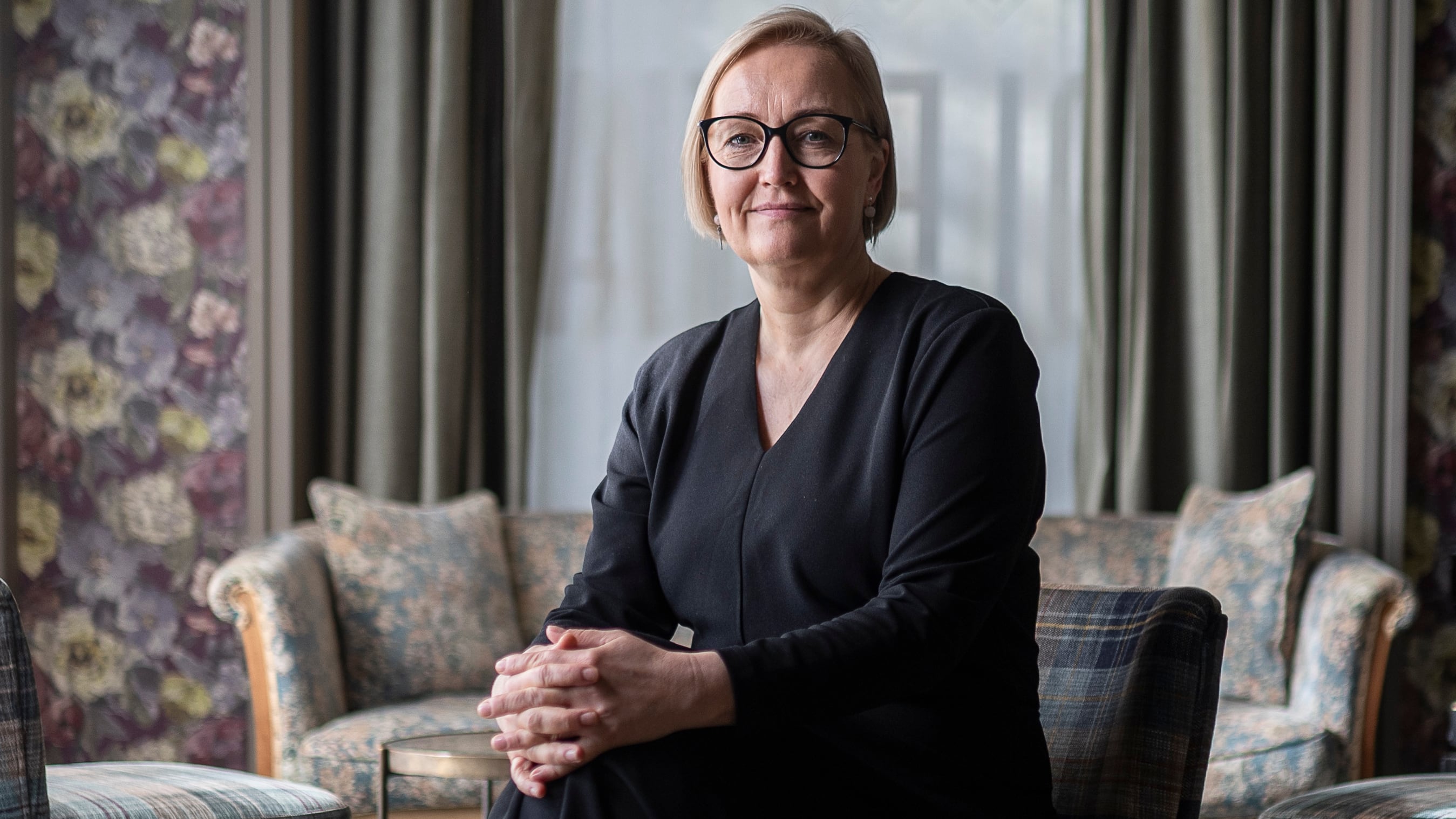
Kristina Kallas, Estonia’s minister of education, pictured at the Duquessa de Cardona hotel in Barcelona on April 10, 2026.

© MediaNews Group/Los Angeles Daily News via Getty Images (MediaNews Group via Getty Images)

A sixth-grade student at Pacoima Middle School, in Los Angeles, California, on September 11, 2026.
  •  

Is there a 10% chance that AI will kill us all?

In 2024 I sketched a map to situate what experts and commentators expected from artificial intelligence. It had two axes: how much will it advance? and will it be beneficial or dangerous? People fell into every quadrant, even the inconsistent one —“it’s nothing special and it’s extremely dangerous.” I was clearly on the “wow” side of the power axis and moderately optimistic. Two years later, the consensus has shifted in one direction: more power and more fear.

Seguir leyendo

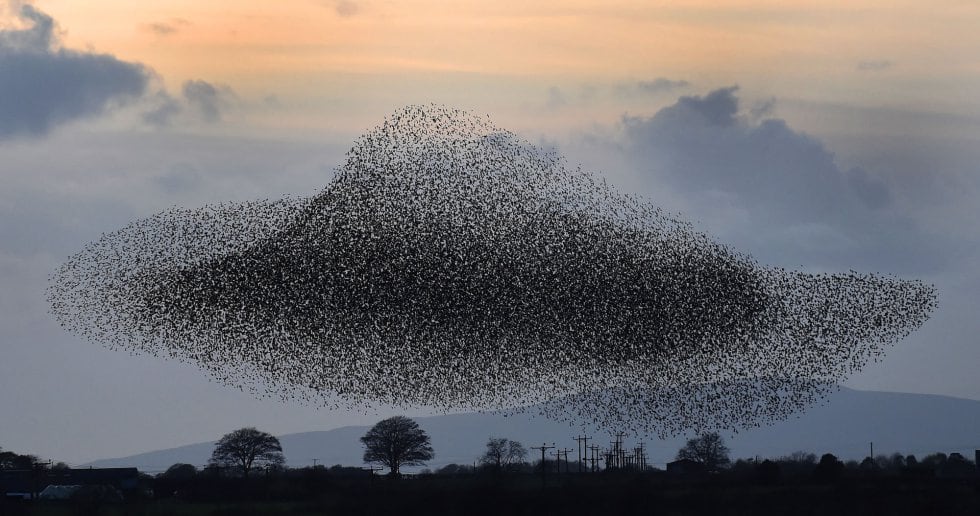
© Owen Humphreys (AP)

Bandada de estorninos en Gretna, Escocia.
  •  

You fear it, I love it: the Trump–Xi summit will address AI with opposite mindsets

Artificial intelligence will be one of the central subjects at the White House summit on Thursday between U.S. President Donald Trump and Chinese President Xi Jinping, the leaders of the two most powerful countries in the world and the ones that have made the most progress with that technology. Both governments view advances in these models as crucial to their economic and military competitiveness. The differences are not only geopolitical, but also in their nations’ mindsets. Their populations hold very different perceptions about the risks and benefits of AI: while a majority in the United States regard them with concern, in China they are embraced with enthusiasm.

Seguir leyendo

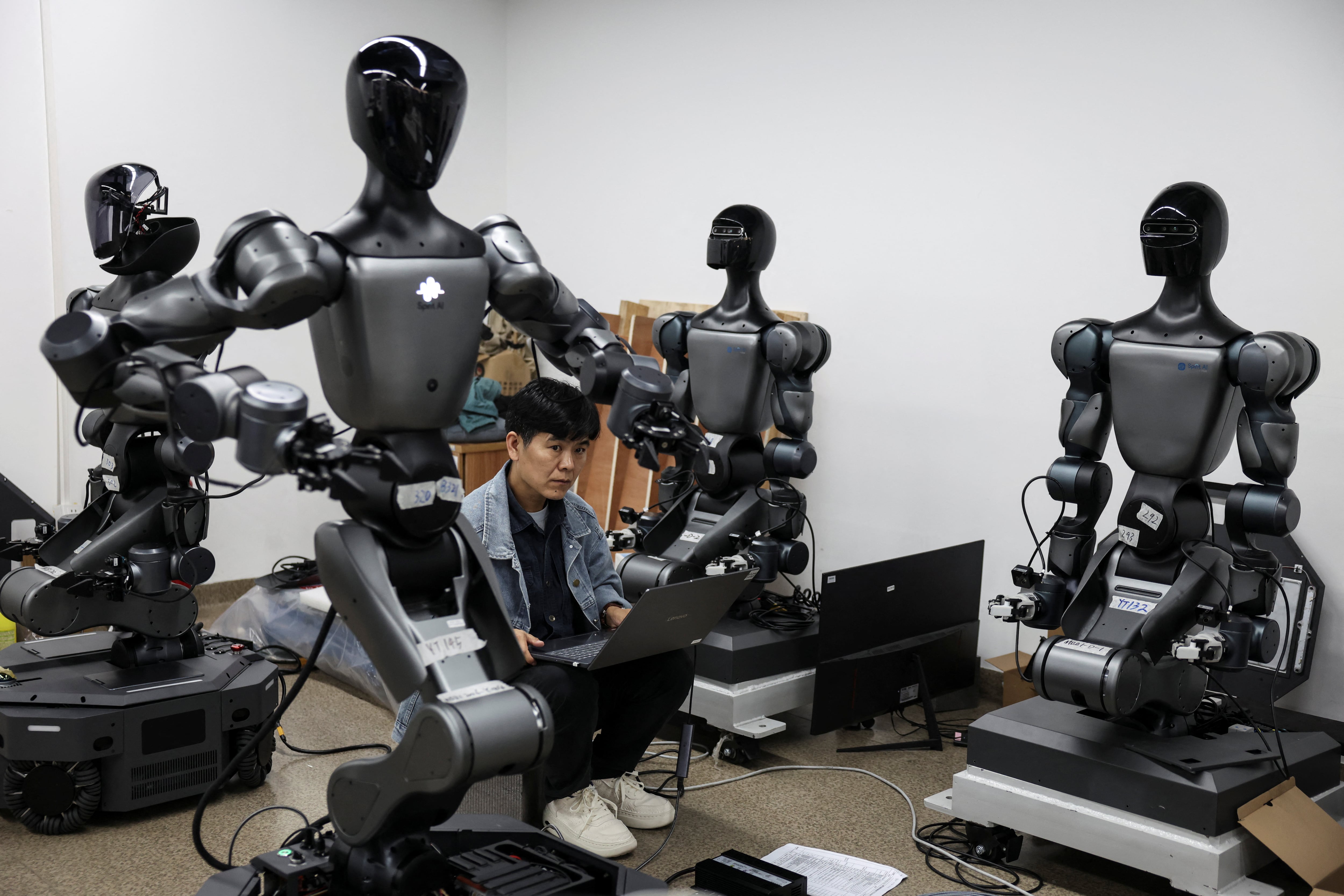
© Tingshu Wang (REUTERS)

An engineer inspects robots at a training data center of AI company Spirit AI in Beijing
  •  
❌