❌

Reading view

‘Dangerous for democracy’: White House airs more pro-Trump propaganda on taxpayer dime

US President Donald Trump speaks on stage on the first day of the 2026 Republican National Convention at the American Airlines Center on September 09, 2026 in Dallas, Texas. Photo by Brandon Bell/Getty Images
Common Dreams Logo

This story originally appeared in Common Dreams on Sep. 28, 2026. It is shared here under a Creative Commons (CC BY-NC-ND 3.0) license.

The White House recycled material from President Donald Trump’s 2024 campaign for a new taxpayer-funded ad that aired nationwide this past weekend, just weeks before the high-stakes November midterms.

The 30-second black-and-white ad features Trump walking down a hallway to audio of him vowing to “demolish the deep state” and “expel the warmongers from our government,” even as the president wages an illegal and deeply unpopular war on Iran that has killed thousands and driven up prices at home and around the world. During the final 10 seconds of the ad, white text appears at the bottom of the screen stating, “Paid for by the US government.”

The ad is just the latest taxpayer-funded, explicitly pro-Trump spot that the White House has launched in recent days, prompting alarm from lawmakers and government watchdog organizations who say the administration is using public funds to flood airwaves with the president’s campaign ads shortly before an election.

Watch the newly aired ad:

The U.S. Government is up on TV with this spot —

It aired nationally on FOX yesterday during Illinois at #7 Ohio State and also during Fox News Sunday this morning pic.twitter.com/8PP9FPzUZk

— Medium Buying (@MediumBuying) September 27, 2026

Richard Painter, who served as the White House’s chief ethics lawyer in the George W. Bush administration, said the taxpayer-funded campaign ads “could be an impeachable offense,” noting that “Congress has expressly prohibited government-sponsored political propaganda, which is dangerous for democracy.”

The federal government appears to have spent more than $1 million on pro-Trump ads in recent days, The New York Times reported on Sunday, citing an estimate from AdImpact.

Last week, as Common Dreams reported, the White House launched a taxpayer-funded ad in which Trump declares that “America will never be a communist country” and promotes tax cuts he signed into law, delivering a massive windfall to the rich and large corporations.

Norm Eisen, former White House special counsel for ethics and government reform, told the Times on Sunday that “the president and his administration have gone from breaking the law to trampling it.”

“The prior ad was bad enough,” said Eisen, “but this one openly repurposes prior political conduct.”

US Sen. Chris Murphy (D-Conn.) wrote on social media that Republicans shouldn’t be taken seriously when they claim to care about “waste, fraud, and abuse” as the president and leader of their party runs campaign ads with taxpayer money.

“What a cult this party has become,” Murphy added.

  •  

The Crisis of American Exceptionalism: A Look at the Election Campaign

Amidst a deep socio-economic crisis and acute political confrontation in the US, President Donald Trump is trying to turn around negative forecasts ahead of the congressional elections through populist measures and aggressive rhetoric, which only deepens the rift in American society and undermines the country’s standing on the world stage. Over the past few weeks, […]
  •  

What Follows Trump After the Dems Win in November?

With the US mid-terms in November looking like being somewhere between a heavy defeat and a bloodbath for the Republicans, Mark Littlewood looks at what comes after Trump and which are the bets worth taking.

The post What Follows Trump After the Dems Win in November? appeared first on The Daily Sceptic.

  •  

Processing error could disenfranchise tens of thousands of voters in Texas

Residents of El Paso, Texas cast their ballot for president of the United States in early voting, October 23, 2000. Photo by Joe Raedle/Newsmakers

This article was originally published by Truthout on Sept. 25, 2026. It is shared here under a  Creative Commons (CC BY-NC-ND 4.0) license.

A massive backlog of voter registration applications in Texas could affect the outcome of local and state elections, including a contentious election involving a U.S. Senate seat.

Public officials in the Republican-controlled state have not yet acknowledged what the error actually is. It’s also possible that the error could have affected elections from before the primary elections in March 2026, officials have acknowledged.

“Texas county voter registrars across the state have received a flood of new voter registrations and updates to voter registration records submitted through the Texas Department of Public Safety,” said Chris McGinn, executive director of the Texas Association of County Election Officials. “Some of these submissions date as far back as October 2025.”

It’s unclear how many voters could be affected by the error. McGinn acknowledged that “counties have received anywhere from several hundred to tens of thousands of records to process.” In Bexar County alone, around 45,000 registrations that have been submitted have not yet been processed.

All 254 counties in the state appear to be affected. The Texas Secretary of State’s office alerted all counties to the issue in an email last week, writing:

Counties have alerted us to the fact that some older [Department of Public Safety] registrations are now appearing on their dashboard. We are actively investigating this issue to determine the source of these historical records.

The situation is dire, as the registration deadline for Texan voters for the upcoming general election is October 5. County officials have until October 19 to process registrations, which is the same date that early voting begins.

James Talarico, a Democrat and state representative who is running in the Senate election against State Attorney General Ken Paxton (R), called the situation “unacceptable,” and encouraged all voters to check their registration status.

“Less than two weeks before the voter registration deadline, thousands of Texans are now in the dark about their voter registration status — even more aren’t aware of this error at all,” Talarico said in a statement. “This is what a broken, corrupt political system looks like: Texans follow the rules, register to vote before the deadline, and still risk losing their God-given right to the ballot box because their government failed to do its job.”

The Senate race between Talarico and Paxton is a close one, and even a small error that goes unaddressed before the November election could affect the outcome.

A longtime Republican stronghold, Talarico is currently ahead in the polls with a slim lead against Paxton. According to an average of surveys collected by the polling aggregate site FiftyPlusOne, Talarico secures around 47.9 percent of the vote, while Paxton receives around 44.6 percent.

  •  

Si vis pactum, para bellum: Trump’s war-first path to a deal

The Romans advised that to secure peace, you must prepare for war. The preparation was the point: weapons kept ready so they need not be used, readiness standing in for the fight. Their word for peace, pax, came from pacisci — to strike a bargain. Peace was a pactum, a deal, before it was anything […]

The post Si vis pactum, para bellum: Trump’s war-first path to a deal appeared first on Asia Times.

  •  

Brazil’s intelligence agency warns of high risk of US interference in Brazilian elections

A giant balloon depicting US President Donald Trump holding Brazil's President Luiz Inacio Lula da Silva is seen as supporters of Brazilian presidential candidate Flavio Bolsonaro, of the Liberal Party (PL), take part in a rally during the Independence Day parade at Paulista Avenue in Sao Paulo, Brazil, on September 7, 2026. Photo by Miguel SCHINCARIOL / AFP via Getty Images

This story originally appeared in Panamerican Dispatch on Sep. 21, 2026, and is shared with permission.

The Brazilian Intelligence Agency (ABIN) has raised the risk of external influence and interference by the United States in Brazil’s 2026 elections to a “critical level.” The confidential report was sent to the Presidency, the Supreme Electoral Court, and the Ministry of Justice. In it, the agency points to escalating pressure from the administration of Donald Trump on Brazil. It ties Washington’s actions to a broader strategy to politically reorient Latin America.

The document is titled, “Threats to the 2026 electoral process.” It was forwarded to authorities in late August, and its contents were revealed this Saturday, Sept. 19, by journalist Mônica Bergamo’s column in the Folha de S.Paulo newspaper.

According to the report, there is a “trend of escalating pressure on Brazil” and a “selective intensification and reconfiguration of the pressure exerted by the United States,” albeit within a historic pattern of U.S. influence over the region.

The report’s assessment does not mention ballot tampering or altering the election results. The intelligence agency’s warning addresses the possibility that political, economic and diplomatic pressures could interfere with the institutional environment and with public debate during the electoral process.

The agency places these actions within the strategy adopted by the second Trump administration to reaffirm U.S. hegemony in Latin America.

According to the analysis, strategic documents released by the U.S. government between November 2025 and May of this year point to its objectives as reducing the influence of powers considered rivals and preventing their access to the region’s “strategic assets, natural resources and infrastructure.”

ABIN identifies China as one of the primary targets of this policy. In the agency’s assessment, Washington seeks to expand its direct or indirect control over these resources, whether through the U.S. government or the country’s private investment.

Support for conservative governments

The report pays special attention to the actions of U.S. Secretary of State and National Security Advisor Marco Rubio. According to ABIN, his policy toward Latin America has an ideological bent and he seeks to “influence and reorient the foreign policy of countries in the region.”

According to the document, this strategy involves steering Latin American countries away from China and promoting a domestic political shift “by supporting the rise of conservative governments.”

The agency cites a U.S. Senate hearing held in June, during which Rubio linked the restoration of U.S. hegemony in Latin America to the presence of governments aligned with Washington.

At the time, Rubio stated that the region had come to rely on several governments “friendly” to the United States during Trump’s second term. He singled out Brazil, Colombia, Cuba, Nicaragua, and Venezuela as exceptions.

The document also noted statements in which Rubio held Brazilian President Luiz Inácio Lula da Silva responsible for U.S. tariffs on Brazilian products, alleging that Brazil had not negotiated “in good faith.”

In ABIN’s view, this approach personalizes the pressure exerted on the country and has the potential to impact public debate in Brazil during the electoral period.

Brazil targeted for defending autonomy, says ABIN

The intelligence agency assessed that Brazil holds a unique position in U.S. strategy, because it has a government with “greater political will and the means to defend its strategic autonomy” in the face of Washington’s pressure for concessions and geopolitical realignment.

The report states that, despite periods of easing tensions between Lula and Trump, actions taken by the United States since May indicate a trend of increasing pressure.

Among the actions cited is the U.S. designation of Brazilian criminal organizations as terrorist groups and sanctions announced in July against two Brazilians and companies based in Brazil and Portugal. The U.S. government accused them of ties to money-laundering networks linked to the Primeiro Comando da Capital (PCC) drug gang. For ABIN, these sanctions represented a “transition” because they caused U.S. pressure to have concrete effects on Brazilian individuals and companies.

“As a result, U.S. external interference now directly impacts financial relationships, corporate reputation, access to the dollar, international operations, and the exposure of third parties to the risk of secondary sanctions,” states an excerpt from the report released by Folha de S. Paulo.

According to the analysis, the U.S. strategy is happening in a “gradual, combined and adaptive” manner, linking Brazilian organizations to threats against U.S. national security. This is then followed by measures capable of affecting the country’s companies, banks and other institutions.

The Brazilian Intelligence Agency warns that these types of sanctions could prompt Brazilian and foreign economic actors to alter their decisions out of fear of losing access to the U.S. financial system or being impacted by secondary sanctions.

U.S. Makes Demands Over Brazilian Election

The report has also emerged amid tensions between Brasília and Washington directly related to the 2026 elections.

During negotiations held in 2025, the Trump administration presented Brazil with a draft joint statement that outlined a Brazilian commitment to not “arbitrarily” detain, arrest or limit the participation of “political dissidents” in the electoral process. The proposal stated that Brazil should commit to holding “free and fair” elections and ensure the participation of such individuals in the vote.

On Thursday. Sept. 17, Lula stated in an interview with Rádio Itatiaia that the proposal had become a “dead issue” for the Brazilian government. The president also rejected the possibility of granting the United States preferential access to the country’s mineral resources.

The confidential agency report delves deeper into the concerns previously raised in public analyses by the Brazilian Intelligence Agency. In a document released this year regarding intelligence challenges for 2026, the agency identified foreign interference as a threat to sovereignty. It warned that a combination of technological dependence, disinformation, espionage, and coercion could enable foreign actors to influence public debate and decision-making processes in Brazil.

Edited by Geisa Marques. This article was originally published by Brasil de Fato. It can be read in its original form, in Portuguese, here.

  •  

DSA leads the blue wave — will it bend to the thin blue line?

An NYPD officer provides security during the Inauguration for a New Era Block Party in New York City on January 1, 2026 as Mayor Zohran Mamdani takes office. Photo by Leonardo Munoz / AFP via Getty Images

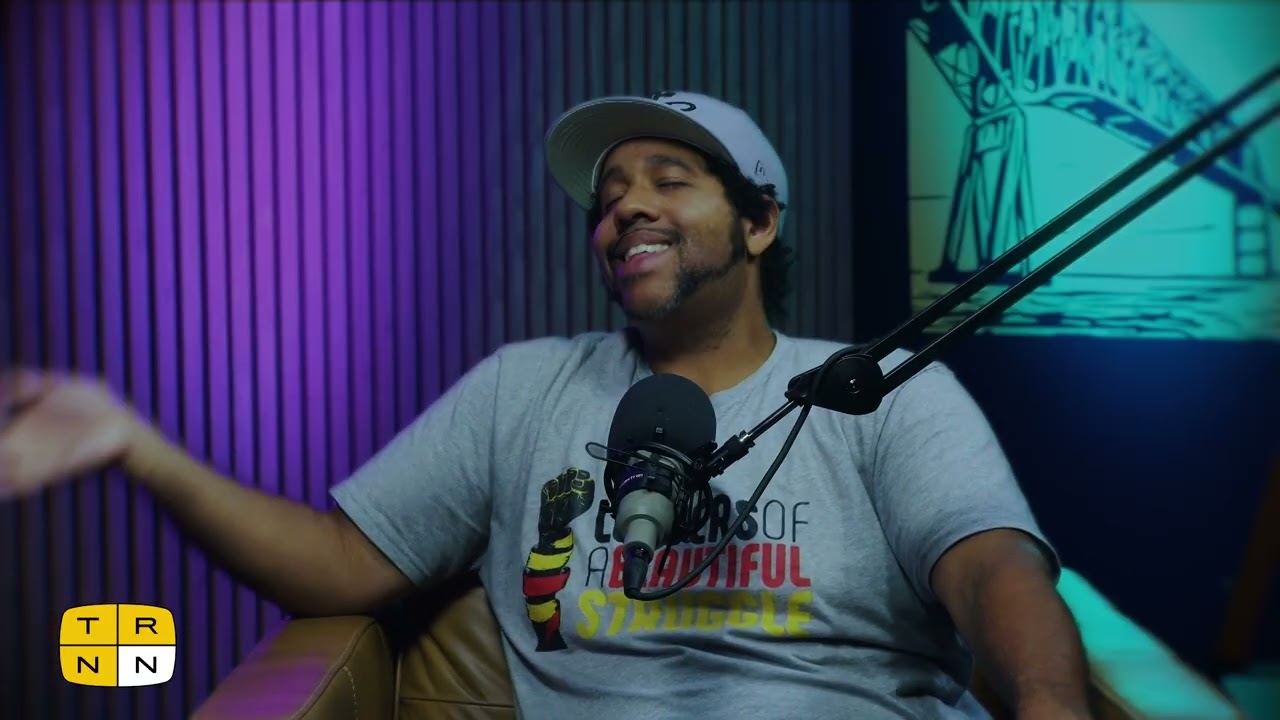
What will a DSA-led state look like — will it back defund and community control of police, or bow to the powers that block affordability? Lawrence Grandpre, political commentator for Leaders of a Beautiful Struggle, explores this question in his recent Baltimore Times article, “The Dangers of ‘Law and Order’ Leftism: Toward a Black Power Public Safety,” asking whether DSA will embrace the outmoded Law and Order politics that fueled America’s prison boom. As officials like AOC and Mamdani backtrack on defunding police — one of the biggest carceral drains on housing, healthcare, and education funding — Grandpre sits down with former political prisoner and Rattling the Bars host Mansa Musa to unpack these contradictions ahead of the midterms, where Democrats hope to retake the House and Senate. Tune in for an unflinching look at the Left’s relationship to the state and to law and order.

Related Links:

Credits:

  • Production/Post-production: Cameron Granadino
Transcript

The following is a rushed transcript and may contain errors. It will be updated.

Mansa Musa:

Welcome to Rattling the Bars. I’m your host Mansa Musa. Today I’m joined by Lance Grandpre, political commentator with Leaders of a Beautiful Struggle, to discuss his recent article for Baltimore Times, “The Dangers of ‘Law and Order’ Leftism—Toward a Black Power Public Safety.” Thank you for joining me, Lance.

Lawrence Grandpre:

Thank you for having me.

Mansa Musa:

Alright, so let’s start like this here. At one point we had in 2020 where you had a push for the abolishment of prisons and to dismantle the police system as we see it during that period. But immediately you had a pushback and the pushback came in the form of saying that this was woke. Now we look at the United States and mass incarceration, armed policing, and you juxtapose that with the lack of funds for healthcare, lack of funds for education and lack of funds for housing and the fact that the criminal injustice system is in itself painful when it comes to poor and oppressed people, mainly people of color. Let’s start with your article.

Lawrence Grandpre:

So this article stems out of a protest I went to because sometimes people say if you talk about police reform or defunding police, you don’t care about victims. And this protest was the opposite. This was a Black elder, a former member of the Baltimore Black Panther Party who was assaulted by many teenagers and it was caught on film. So of course Fox News, our local Fox News is showing this over and over again saying, “Lock them up, what’s wrong with these kids?” And these were community advocates, many of them women, Queen Mother Victorious who lost her son to gun violence, Mama Gwen, who was formerly incarcerated, coming together with community and saying these young people, what they did was a problem, not because it just violated the law, because it violated our community respect for elders. And we don’t want to just throw the cops at these kids and throw away the book, but if people know who these young people are, turn them into us, the Black community, so we can make sure that they are held accountable but not railroaded by the criminal legal system.

And I though the sophistication and intelligence of that response and even Baba Ade, the elder who was hurt, saying the Black Panther’s argument was that capitalism and racism breed criminality in the community.

Mansa Musa:

Right.

Lawrence Grandpre:

And it’s not for us as the vanguard to educate ourselves and use political consciousness to eliminate criminality, not just from a material standpoint, but from a psycho-spiritual standpoint. And it was really interesting because this was a few days after AOC went on the news and said, “Nobody’s talking about defund anymore. Woke 1.0 was crazy.” So it was really interesting that the people who were supposed to be talking about social justice, Alexandra Ocasio-Cortez, some of these other so-called leftists,

Mansa Musa:

Right.

Lawrence Grandpre:

Even they were saying, “Defund—that was just people on Twitter trying to look woke. Nobody really talks about defund in real life.” And these Black elders, Black people in West Baltimore, were saying things like, “We have a $700 million police budget in Baltimore. How are we going to have that and schools and investments in the Black youth?” So these Black people who the left is telling us are conservative are actually more progressive than the DSA.

And I thought that was very telling that, in this moment, going into the midterms, there are these leftist democratic socialists who are trying to get elected, and because they want to get elected, they want to push away from radical rhetoric because they think it’s turning off voters. And I think that that goes to show you that when it comes to Black people, we need to have our own vision of public safety, because what’s being offered by even the left, the Democratic Socialists, is willing to push our issues aside, because they have a misunderstanding of our issues. They think it’s just a bunch of radicals on Twitter as opposed to Black folks been talking about Defund since the ’50s. And our visions of Defund are very different than what you saw on Twitter in 2020, but these folks wouldn’t know that.

Mansa Musa:

So how do you see the DSA in terms of how they look at the budget, just police budget and the fact that it’s undercutting the services of the very people they supposed to be representing?

Lawrence Grandpre:

It’s interesting because I think if you are a democratic socialist, it’s obvious you believe police are a tool to protect capitalism. So a world where if you’re a socialist, the idea that you wouldn’t talk about [how] protecting capitalism getting more money is a problem for you—it’s weird.

Mansa Musa:

Right.

Lawrence Grandpre:

But these folks are a particular brand of socialist. Many of them were very much pro-Bernie Sanders. So when Hillary Clinton and Kamala Harris used conversations about identity to attack Bernie, now a lot of these folks see all conversations about race as just distraction from class issues.

So, even when Black people talk about police, they say, “Well, it’s not serious. No one really talks about Defund. So you’re really just trying to attack the socialist candidates.” And it’s like, no, Black folks have been the community control of the police platform.

It wasn’t just invented by the Black Panther Party. It was talked about by Black activists in the ’40s and ’50s, in part because the understanding that if the police were seen as a solution to all social problems… it’s not just police, it’s police-ism: the idea that policing is the only solution to the problems facing all poor people, but especially Black poor people, that’s going to push money away from all the other programs we need in the Black community. So Black folks have been saying that, really, since the Northern migration.

So when we talk about community control of the police, part of that is having community control boards control the police themselves, hold them accountable. And we’ve worked on that as LBS, but it’s also community control of the institutions that produce public safety beyond police. So, housing, addiction, education. I mean, I love to point out that Bobby Seal, he was in AmeriCorps before he was a Panther. So he would be shooting dice with the Black kids trying to school them on AmeriCorps’ time. And part of his frustration is these nonprofits don’t let us actually do the training we need to do with these youth, but we got to get the money from the nonprofit because that’s the only job we got. So even the Black Panthers program was a push for Black control of resources to socialize our youth, specifically around things like violence prevention. And again, the idea that all of that is just under this large framework of “woke”… And again, the right wing hates woke, we know that, but even some of the Bernie folks—they really hate “woke,” because they associate it with the attacks on Bernie and they see all conversations about police as woke.

Mansa Musa:

Let’s unpack some more about DSA because we see upheaval of DSA type activity and we see in terms of midterm elections, some of the candidates that ran on DSA platform have made it through the primary. And so at the same token, what is their appeal? Because they vacillating when it come to social issues.

Lawrence Grandpre:

The federal government, in theory, can print money. So there’s this belief that if we just spent more money, things will get better, and the Democrats have been afraid to spend money. I think that in the DSA, it’s like, “Let’s really focus on, in theory, cut the military budget, invest in community through things like Medicare for Al”l. Now, if you don’t have the integrity to stand up for “Defund the Police,” why do you think we would believe that you have the integrity to stand up to “Cut the Military Budget? If you don’t see the connections between the violence of policing and the violence of militarism, why would we expect you to be able to push the military budget to community?” 

Lawrence Grandpre:

These are intelligent, college-educated voters who feel like the government needs to spend more money, in part, because it’s a job program for people like them. So they have an interest in fighting the austerity of the Democratic Party, in part, because they want to see conditions improve for the community, but also in part because it’s a business model for the voters of DSA. And that’s a big concern for us, because even with Medicare for All, there’s no world in which healthcare should be a for-profit enterprise. But it’s not just that doctors are racist. When you look at things like Black women get more cesarean sections than other women, So, literally, they’re getting cut open in these dangerous surgeries. Black women, if you have a child in the hospital, you are going to get a drug test. And even if you pop for that drug test from the epidural, the drugs they give you for the pain, they might take your kid away. So engagements with the medical system are not just imperfect for Black people; they are places of surveillance and violence.

So we, as Black people, need systems like a birthing center, like nutrition, upstream investments that are different than what the DSA crowd cares about. So the idea that we should just accept not talking about Defund to get Medicare for All ignores the fact that Black people—we don’t just need healthcare to not give us a bill. We need to change the vision of healthcare so we control it. And the DSA is not interested in that. They don’t really think that way. And they honestly believe the only way anything will get passed if it goes to everybody. Universal programs prevent racial backlash. Because we know any spending in America is seen as giving money to welfare queens. So we just got to give the same thing to everybody and that’ll deal with racial backlash.

And what we know is anything you do that gives out any tax money will deal with racial backlash, but also do things that don’t give Black people the power we need to build for ourselves. It will just put us in systems that really are built by other people that, even if it’s good for them, can often be violent for us.

Lawrence Grandpre:

But I think that, again, when you have a class-based vision of the world, that has become in some ways hostile to thinking about race because you had negative experiences with people weaponizing race against people like Bernie Sanders. You’re not thinking about what a political agenda would look like when you actually invest in… because we should do both. We should have a class-based redistribution of wealth, but that restribution should also be invested in community institutions that reflect the culture and history of specific communities, not just Medicare for All, but clinics that use the history and culture of the community to provide that healthcare. Nutrition that reflects the culture and the way communities like to be fed so that they can have upstream nutrition so they don’t need to go to the doctor in the first place.

These things should go hand in hand. And I think it’s concerning that it feels like, because DSA is becoming electorally viable in some spaces, that [they] only talk about affordability issues, only talk about Medicare for all, only talk about ending the war in Iran, without really thinking intelligently about a platform that would meet people’s needs for community control of public safety, broadly defined. So not just policing, but again, youth programming, schooling, getting nutrition. Our kids are literally hungry.

Mansa Musa:

Yeah.

Lawrence Grandpre:

They’re fed junk food, but they’re undernourished. So we actually do have serious nutritional needs as we have obesity in the inner city. So what does it look like to build a food sovereignty ecosystem, whether it’s Black Yield, Black Church Food Security Network that can actually feed ourselves as opposed to just the DSA, it’s like, well just make sure they get food stamps. And food stamps are cool, but food stamps are not the vision of liberation for us.

Mansa Musa:

But talk about, because when we look at DSA, and it’s misnomer even to use the name socialist because when you look at. We got examples in Cuba and when they first took over, the literacy rate in the countryside was 90%. 90% of the people could not read or write. They organized, it’s a book out called Vincent Ramos. We were trying, that’s the name of it. And they organized all the college kids, all the intelligence and made them go in the countryside and stay to educate the people, to get them to read and write.

They didn’t say, “Oh, we’re going to create a system where they can come out the country, live in a project style housing dwelling and get them public schools that’s not going to teach them nothing.” They actually educated the people and a lot of that education led to what we see today in Cuba, got best medical, despite all the things going on. So when we talk about DSA, and I think this is a danger, and maybe you want to weigh in on it. I think it’s a danger that confronts that notion that this is a socialist party and because the right wing is going to put them right in the category like communists and they can resurrect that notion.

Lawrence Grandpre:

Socialism, to me, the key word is social. You either have the market making decisions about planning for the world or you have people doing it socially. It’s clearly better to do it socially, but there are divisions within that larger social body. And my concern is that even amongst some of the people in the DSA crowd, the leftists, some of the visions of what they would socially plan may like and lean on policing partially because they are afraid of being looked at as communist. So they might, for example, even in very, very progressive Bernie Crat, DSA San Francisco, there’s this push to, well, we got people homeless, they have mental illness. So they as individuals may not be rational, so we are going to use policing to bring them into drug treatment.

Mansa Musa:

Right.

Lawrence Grandpre:

And again, this is like even Bernie people sometimes say this. So there are elements of even the less progressive mindset that are like, we as a society can’t let you be out here damn bad. We have to help you lift yourself up. And if that means we have to involuntarily commit you to treatment, and if we have to use police to do that, then we’ll do that. While one thing that we talk about here in Baltimore is, and Baltimore’s been a heroin town since the 60s and 70s. And it’s been really hard for us, but we’ve also had systems of informal community care that have been designed to address some of the worst exigencies of drug abuse. Nika Namdi from a program called Fight Light said that grandma’s basement was the first halfway house. We had systems where elders, you would be able to stay with family and you would be able to get certain stabilizing influences through your social network so you wouldn’t be out on the streets.

So in that worldview, we would look at something like making sure these abandoned homes get rehabbed and given to Black people in community. That’s partially an anti-homelessness effort.

That’s an anti-addiction effort. That’s a crime fighting effort. So it’s not just social housing, it’s not just public housing. It’s also making sure that Black people in communities can pass down their family homes

And they have a way to make sure that they’re affordable so they can stay housed because that produces capacities for people who do suffer from addiction to not be on the streets committing crime. And again, the DSA vision is so limited to what they see and what they know, they sometimes end up using police where it’s like, if we just had networks of people in community that could care for each other, we wouldn’t need police for that. But I also do think folks are afraid. I know academics are very afraid and some folks are afraid of looking too radical, looking like the rhetoric of 2020 was burn down the police station.

Mansa Musa:

And

Lawrence Grandpre:

I think that’s also part of what they want to distance from when they talk about we not doing defund no

Mansa Musa:

More. Part

Lawrence Grandpre:

Of it is the direct antagonism with the state, the cost of that has increased for them. What we know is that the cost is high for us, whether we’re openly antagonistic or not, we are politically antagonistic by making demands upon the state to recognize our humanity. So we’ve always had to deal with that potential backlash. And I think now for some folks they’re saying, oh, I can’t use that. We’re not trying to do that radical rhetoric no more

Mansa Musa:

Because

Lawrence Grandpre:

People are losing jobs, people are potentially getting deported. So it’s like the ’70s, marginally away from the rhetoric of the ’60s and leaving the Black radicals out to dry after the draft ended. I think the white radicals moved away from radicalism and that we’re seeing a similar

Mansa Musa:

Dynamic. Okay, but we know that this is the 60th year of the anniversary of the Black Panther Party. And I was talking to somebody about just like we’re not anti-police. The party wasn’t anti-police. One of the things they did, one initiative they took was, and this is a revolutionary suicide by Huey Newton, where they had this particular intersection that didn’t have no stoplight and it was in the Black community and kids was getting hit. So somebody came and said, “Man, they not doing nothing about this. We’ve been complaining.” So they went down there and became traffic guards, the members of the Black Panther Party. They held up the traffic, let the kids walk by, you know what I’m saying? And this is what they did. And they had guns with them because they had one part of their program was policing the police. The police in turn came and told them they stop.

Now you guys stop this. They said, “Well, we’ll stop this when y’all put a traffic light up there or y’all stop directing traffic. We don’t care which one you’re going to do, but you do or we going to continue to do.” They wind up putting the traffic light up there. So in terms of that particular example, what are the core aspects of the Black Power Public Safety?

Lawrence Grandpre:

I like your example because the party was a little bit different in different cities, but I think one thing that stands out to me is that they had questions about police, but the Black Panthers in some ways were law and order. It was law and order within the party. You cannot show up high, very much about discipline, law and order in the community. If you’re selling drugs, if you’re a parasite in our community, we’re going to deal with you. And I think that’s a perception, because this is something that happened in 2020, that there were white leftists being like, “Let’s just run wild and be anarchist and burn stuff down.” It’s always been Black people that’s been like, “We’re not doing that.” So the idea that somehow that is tied to Black issues, no, we’ve always been extremely serious about our liberation.

So when the Black Panther Party talks about doing a plebiscite in order to get Black sovereignty, I think that’s an example of why we need to think about community control of the police in terms of we have in Maryland, substantial police reform is nowhere near enough, but we need to have the ability for the community to have investigative power to be able to investigate police. We need to have community resources to be able to flow to community institutions so the community decides who’s doing public safety in that community. So when we talk about who’s funded to do violence prevention work, it shouldn’t just be the people who are tied into the police or the people that are tied into the nonprofit world. We got tons of people in community that have been doing work that have not

Mansa Musa:

Been funded.

Lawrence Grandpre:

And the fact that they are getting a little bit of money now, I think is part of why we’re seeing these unprecedented declines in violent crime. So Black power public safety isn’t just people getting grants. It is the community having the power to determine what the grant making criteria are. It’s the community being able to tax institutions in their community that they see as producing crime. And by that I mean Johns Hopkins. That’s

Mansa Musa:

Right.

Lawrence Grandpre:

Because Johns Hopkins gentrified the whole area of the

Mansa Musa:

City. The big colonial king in Baltimore.

Lawrence Grandpre:

And when you gentrify a whole part of the city, you’re moving people to different hoods and that creates a lot of possibility for conflict. My father was a cop for 20 years, so he talked about East Baltimore used to be called the country club because it was so quiet up there. But when Hopkins gentrified all those people out of the Middle East Baltimore, a lot of them moved to Northeast, which creates a ton of conflict, pretty much increased the murder rate in that part of the city. Hopkins should have to pay for that. They got a $13 billion endowment. So Black Power Public Safety is about us not tying in our future to gentrification, which is what the police really are a tool for. They’re a tool to produce gentrification. That’s good for that business model because gentrification needs policing.

Mansa Musa:

We

Lawrence Grandpre:

Should be able to put tax on the gentrifier so we can secure our communities so they can’t gentrify them, own our own property, stabilize our communities, but then invest in the capacity to take care of our youth, to do violence prevention, to take care of our health. All the things they stripped from us, they should have to pay us to be able to do for ourselves. In that world, I think we would have Black Power

Mansa Musa:

Public Safety. Right. And that’s basically what the Black Panther Party was doing because they had the survival program. Exactly. And the concept was Survival Pending Revolution. The Survival Program wasn’t like us being in a basement, taking guns apart in the dark with blindfolds, then putting them back together, making bombs, reading Ann Archer’s cookbook. No, survival program was the free breakfast program, free medical, sickle cell anemia, taking prison families to prison to visit them, alternative education. This was a survival program, survival pending revolution. And what the goal was, going back to your point, the goal was to stabilize the community for self to be able to be self-determined. So if I’m self-determined, I got self-determination. A great example for Baltimore would be the Clean Block because when they had Clean. And I remember I was locked up and I used to read the Afro. Afro had a big thing about Clean.

The sense of community that came out of that, the Clean Block, when they was able to say, “We recognizing this neighborhood for Clean Block.” But more importantly, that neighborhood not only had a clean block, but that neighborhood had policing. That neighborhood had a sense of identity that if I seen you, I know you Meryl’s son or Meryl’s daughter. I know you Tommy’s son or Tommy’s daughter. You know me and you know that if I see you doing something that you ain’t supposed to be doing, then I’m going to tell your parents the minute you see me, you’re going to alter your behavior because that became the sense of community. But like you say, once Hopkins got in the equation, and not only Hopkins, I remember when Shafer started when he did the Inner Harbor and they started pushing people out of certain areas in order to get to Inner Harbor and they pushed people into.

Either they pushed them out into the county or they pushed them into the interior of Baltimore in neighborhoods they wasn’t familiar with or neighborhoods they was familiar with and had issues with and would automatically create a conflict. But talk about how do you see, because what you just outlined is in fact a model that is one, inexpensive because it becomes self-contained. So the monies that you’re putting towards astronomical police budget can go towards stabilizing some of the projects that deal with housing, deal with substance, the people that’s actually doing the work.Like you say, you got people that actually going around taking people and putting them in a place and letting them drown. So we talk about how you see DSA and the gains that they’re getting and the models they’re using. How do they fit into this narrative? Are they rewriting the script and say they’re going to invest in this type of thinking or their model is, like you said earlier, we creating a cadre of intelligent people that can grant write and that’s going to become our funding source and not only our funding source, but create an infrastructure for doing case studies and then marketing these case studies, the new Jim Crow.

Lawrence Grandpre:

Yeah. I think it’s to be determined. We’re going to see a huge increase in DSA affiliated leftist people in Congress. Now, whether they’re going to be able to write bills, whether they’re just going to vote on stuff that comes from the Republicans, we’re going to see. I think the real test is going to be 2028 when it’s possible the Democrats will take the White House, Senate and the Congress. So it’s really going to be important for us these next two years for people that believe in the possibility of these folks doing good to push them. What is your actual proposal on how you can use the power of the federal government to enhance the ability of people On the ground locally to have more ownership and power and control over the institutions that impact their lives. Because policing is a state and local issue. Feds actually have relatively little control

Mansa Musa:

Over it,

Lawrence Grandpre:

Except given a few grants here or there. So really it is, do you have a vision for whether it’s through food sovereignty policy, whether it’s through manufacturing policy? The metric for us at least is again, local self-determination and the ability for local people on the ground to own the institutions that are doing this work. I think part of even going back to the New Deal, the frustration with these progressives is that sometimes they do these top down technocratic re-imaginings of what solutions look like that don’t involve community. Mamdani, people have called him a technocratic socialist.

Mansa Musa:

And

Lawrence Grandpre:

I think that’s not on some right wing stuff, but that’s scary from a Black power

Mansa Musa:

Perspective

Lawrence Grandpre:

Because technocracy oftentimes views Black peoples as widgets and inputs in someone else’s equation for progress and liberation. And I think part of the value of the Black Panther Party is they called themselves socialist, but in many places, in many ways they were also Pan-Africanist and Black nationalists. And they were combining them all to say that, yes, we will fight capitalism, but we will not just make the people this abstract proletariat to fit within a Eurocentric version

Mansa Musa:

Of

Lawrence Grandpre:

What a class centric revolution will look like. We are going to lead our people on our vision of what we think fighting capitalism looks like. And again, I think it’s going to be our job to force the DSA to not see that as woke, to actually recognize that that is just what black people demand. And that’s the cost of us being in political coalition is you respecting our self-determination.

Mansa Musa:

And I agree it’s to be determined because one, you gain electoral office through coalition building. That’s really where it come out of. And you’re able to get a common identity out of the coalition, common identity being what we want change, the change that we want to see. Harold Washington in Chicago, he was successful at building a coalition. And to his credit, he tried to maintain the standard, but they fought him tooth and nail at the state government. So he wasn’t able to get a lot of things done. But the fact of the matter, what we’re asking or we’re talking about is not really hypothetical because we see this in Europe and we see examples where police don’t have guns. They call in, if it’s a violent situation where a gun, they got a unit that comes in to deal with that. But outright, the police walk around with no weapons because the lack of fear towards the society.

Lawrence Grandpre:

You mentioned New Zealand, I think in that as

Mansa Musa:

Well.

Lawrence Grandpre:

But in New Zealand as well, the Aboriginal communities actually have really pushed a model for youth justice that places tribal elders and tribal institutions at the heart of restorative justice programming

Mansa Musa:

For

Lawrence Grandpre:

Youth who are engaged in acts of criminality. And so that’s been a big fight for Aboriginals in New Zealand and Australia to really demand tribal sovereignty over their youth as opposed to putting them into the juvenile justice system.

Mansa Musa:

But

Lawrence Grandpre:

Again, given the legacy of the private schools where they beat the Indian out of you and stuff like that. And again, I think it’s jarring for white people to think that we as black people are asking for something similar here in America because the joke is white people are so settled in America, they don’t even see themselves settler colonists no

Mansa Musa:

More.

Lawrence Grandpre:

And I think unfortunately that’s part of what’ happened with the DSA. It’s like the idea of black sovereignty is just jarring to them in a way that you’re an Australian, you know you took over Australia and there are people here that are really dark skinned, you’re not.

Mansa Musa:

But

Lawrence Grandpre:

I think in America, that basic concept of having to negotiate with people who have their own sovereign agendas is not something that they’re used to conceiving as anything other than a tool for the centrist to undermine the Bernie’s of the world.

Mansa Musa:

And

Lawrence Grandpre:

I just think the reality is if DSA is going to get Black support, it’s going to really have to reckon with the visions of the world that come from Black people, including our visions of public safety.

Mansa Musa:

Right. And before we close, you got any closing remarks?

Lawrence Grandpre:

I really appreciate this. Please check out our podcasts and search of Black Power and Political Commentary Corner. So those are on YouTube. Check us out at lbsbaltimore.com. We have all of our email updates about the work we’re doing in Annapolis to push criminal justice policy, reparations policy, which

Mansa Musa:

I’ve

Lawrence Grandpre:

Never seen DSA has been skeptical on, but we’re very adamant about its practical utility as a framework to invest in Black sovereignty here in Maryland. And you can find me on any social media at Neil Nubian, N-E, the number zero, Nubian, N-U-B-I-A-N. Right.

Mansa Musa:

And we ask our audience to really take deep thought on this particular subject matter. It’s not like say it loud, I’m Black and I’m proud. It’s not when Stokley Carmichael in the ’60s, they called Black Power, James Brown, Song and Song. We’re not in that state. We’re not trying to go back into that state of mind, that conditions created that state of mind. We’re talking about an analysis of having Black political power as it relates to our safety. We’re talking about because we’re the ones that’s unsafe, we’re the ones that this astronomical budget is being doled out to, to make us feel unsafe, to lock us up. Then we believe, as the brother was talking about Lawrence, that we believe that we have a right to define what is safe for us and what is not safe for us. And making that definition or defining that, we see the necessity to make an analysis and implement it.

And in this case, this is an analysis that we want to, I think the Gullah Geechee in South Carolina got a thing where they do restorative justice. And so the fact that you infringe on the community, that they might not put you out the community, but they’re going to put you in such a shameful state of mind and the fear of what you’re getting ready to lose or make you get the person to come back or people come back and lie in accordance with the social system that they set up. We ask that you continue to support the real news and rattling bars because guess what? We’re actually the real news. Thank you.

💾

“When it comes to Black people, we need to have our own vision of public safety, because what's being offered by even the left, the Democratic Socialists, is willing to push our issues aside…”
  •  

New online database tracks pro-Israel political donations in the United States

A searchable record of pro-Israel political money drawn primarily from US Federal Election Commission filings and public disclosures. It lists 11,168 donors, tracks funding linked to 523 members of Congress, details spending against 49 candidates targeted for defeat, etc

  •  

Germany: AfD roars into first, but CDU looks set to crash out of parliament for the first time ever

In a historic first since the founding of the Federal Republic of Germany, the Christian Democrats (CDU) have failed to enter a state parliament after falling below 5 percent in Mecklenburg-Vorpommern. In Sunday’s election, the Alternative for Germany (AfD) finished first with 38.2 percent.

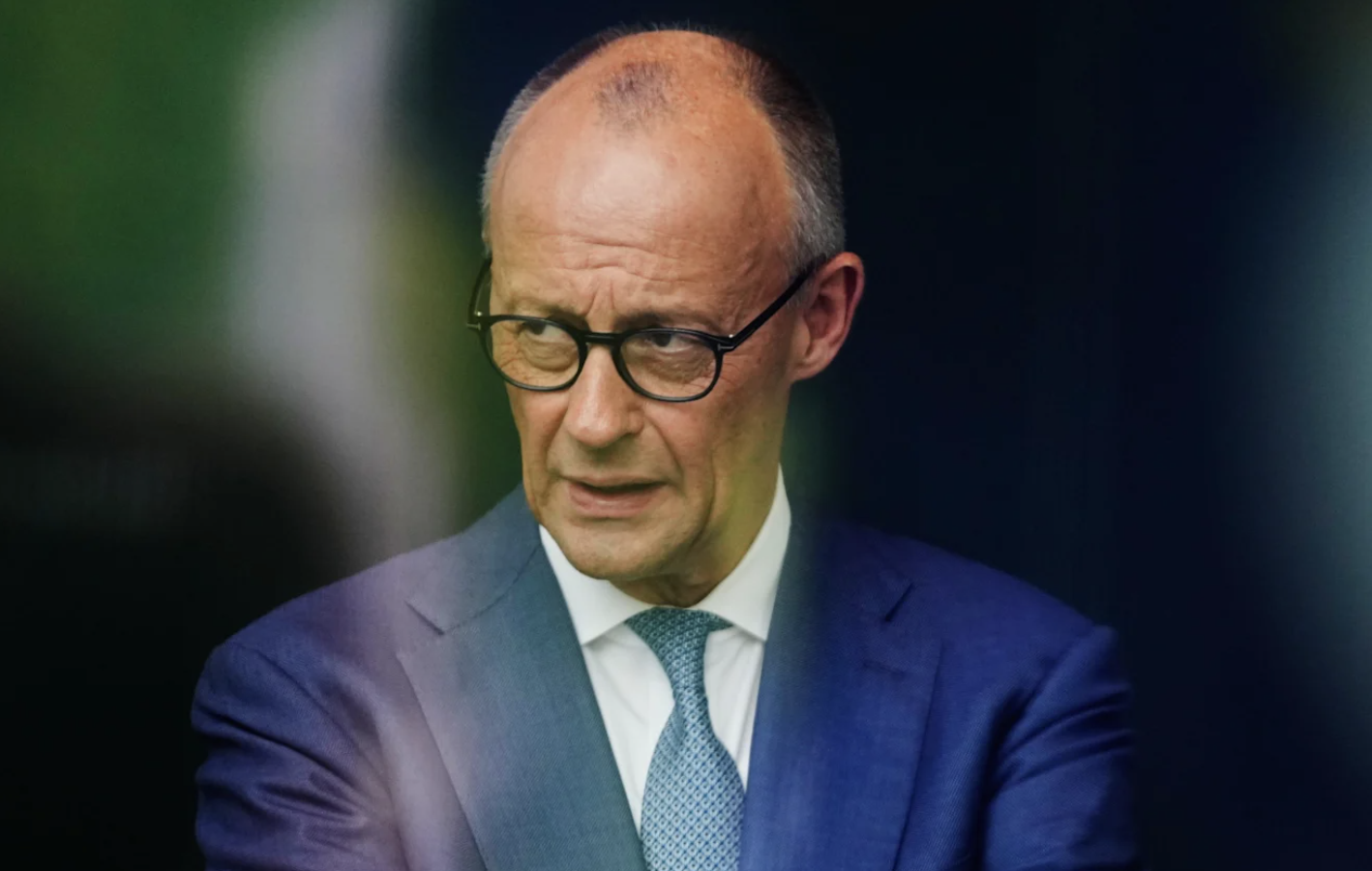
“The result is a disaster,” Chancellor Friedrich Merz said shortly after polls closed in Mecklenburg-Western Pomerania and Berlin. He made the remark before public broadcasters ARD and ZDF projected that the CDU would drop below 5 percent in the northeastern state. That threshold is decisive in German politics: parties that fall short do not enter parliament.

The preliminary result is now in. The CDU finished at 4.9 percent, down 8.4 points from 2021. It is the party’s worst state-election result in postwar German history. The outcome is likely to revive calls for Merz to resign. He has given no sign that he will, and he also refuses to give up the CDU chairmanship.

Instead, Merz spoke of reforms that require “backbone, steadfastness and patience,” adding: “I will bring this up, as party chairman of the CDU and above all as chancellor of our country.”

No further pivotal state elections are imminent, and Merz is betting that debt-financed spending will start to show in the economy. He hopes that by 2027 he can point to two years of growth.

The problem is that fuel prices keep rising, health-insurance costs remain high, and large parts of German industry are under pressure from tariffs, input inflation, and competition from China.

The AfD is increasing that pressure. It finished well short in Berlin, below 17 percent, but took first place in Mecklenburg-Vorpommern with 38.2 percent — more than double its 2021 result of 16.7 percent. That follows its victory in Saxony-Anhalt, where it won 43.8 percent. The AfD will not govern in Schwerin, the capitol of Mecklenburg-Vorpommern, however. The Social Democrats (SPD) came second with 35.5 percent. Together with the Left (6.5 percent) and the Greens (5.7 percent), the SPD has enough seats for a coalition and is expected to stay in power.

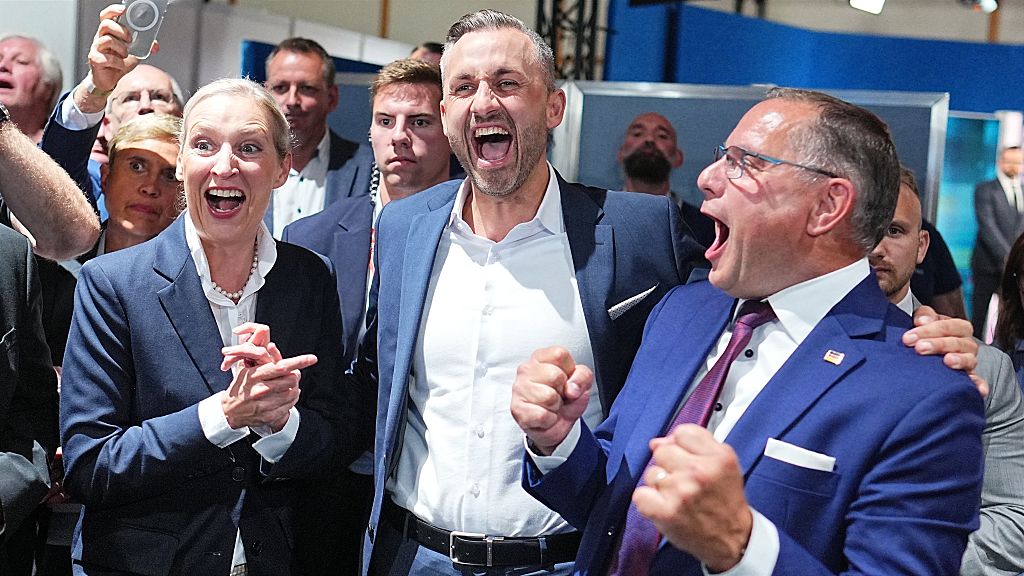
AfD co-leader Alice Weidel called her party the new “people’s party” and said the CDU had been displaced in that role.

“We are the strongest force and have arrived in the middle of the population,” she said on ZDF.

Voters had wanted “a change of policy,” she added, declaring the firewall of other parties against working “a failure.” Her long-term goal, she said, is coalition talks with the CDU.

Co-leader Tino Chrupalla claimed a “clear government mandate” and said the AfD would offer talks to all parties. The other parties in the new Mecklenburg-Vorpommern parliament have already ruled that out.

The post Germany: AfD roars into first, but CDU looks set to crash out of parliament for the first time ever appeared first on Remix News.

  •  

Israel Completes Registration of Candidates for the Knesset

Anton Ivanov Israel’s election campaign has entered its decisive stage. By early September, the main political forces had completed their candidate lists for the October 27 elections, and the central question is whether the opposition can deprive Benjamin Netanyahu of a majority in the Knesset. According to the latest polls, the incumbent prime minister’s coalition […]
  •  

Iceland’s Polite “Nei”: Cod, Krona, and a Small Nation Rejecting the EU Rush

Unlike the British “Brexit”, with which journalists are so eager to compare this referendum, Iceland’s “Nei” signifies not a vote to leave the EU, but a vote against resuming accession negotiations for full-fledged membership. Fishing sovereignty, currency independence, and the reluctance to become a «donor» to the EU budget carried more weight than the arguments […]
  •  

Hostage to His Own Premiership: How Netanyahu Traded Israel for Himself

He promised security—he brought isolation. He spoke in the name of the state—he put its very future in question. And now even those who were called allies only yesterday are saying, more and more loudly: this can’t go on. Benjamin Netanyahu is the longest-serving prime minister in Israel’s history. Eighteen years in power, three comebacks, […]
  •  

Un pluralisme en trompe-l'œil

Les Iraniens sont régulièrement invités à se déplacer dans les bureaux de vote pour élire leur maire, leur député et le président de la République. Mais, outre l'interdiction de partis politiques indépendants, le système demeure verrouillé en raison de l'implacable filtrage des candidats par le Conseil des gardiens de la Constitution.

JPEG - 83.9 kio
Jean Gaumy //// Agriculteurs près de Rasht, province de Guilan, Iran, 1986
© Jean Gaumy/Magnum Photos

@IMAGE 3516.HR.ai

Bien que la République islamique d'Iran se distingue de nombre de régimes autoritaires voisins par son origine révolutionnaire et par le maintien d'institutions électives, ses dirigeants semblent aujourd'hui guidés par deux impératifs que ne renieraient pas certains autocrates arabes. Le premier est d'empêcher la remise en cause du système institutionnel (voir la carte « Institutions de la république islamique ») et d'assurer à n'importe quel prix la pérennité de la Jomhuriye Eslamiye Iran (« République islamique d'Iran »), instaurée après la révolution de 1979. Cela se traduit par l'absence de véritables partis politiques indépendants, par l'interdiction et la répression de nombreuses organisations d'opposition, ainsi que par des vagues d'arrestations et d'exécutions de leurs militants. Ces restrictions concernent aussi les organisations syndicales et les médias.

Dans ce cadre très contraint, le second impératif relève quant à lui de la nécessité de veiller aux apparences en admettant un certain pluralisme mais uniquement au sein d'un périmètre idéologique bien défini. Ce qui exclut, par exemple, un changement des institutions. Officiellement, la « voix du peuple » compte puisque les Iraniennes et les Iraniens désignent au suffrage universel leur président, leurs députés et leurs conseillers municipaux. Mais, en réalité, le système dominé par le clergé et placé sous l'autorité du Guide suprême oriente à son gré la vie publique grâce à plusieurs mécanismes de contrôle. À cet égard, l'élection, tous les quatre ans, d'un président de la République illustre à la perfection ce formalisme démocratique puisque personne ne peut être candidat sans l'aval du Conseil des gardiens de la Constitution (texte fondateur adopté par référendum le 3 décembre 1980, et modifié le 28 juillet 1989). Composé de six clercs et de six juristes, le Conseil, ou Shora-ye negahban-e qanun-e assassi, vérifie la conformité des lois avec la Constitution ou les préceptes de l'islam, et c'est lui qui décide qui peut se présenter sans avoir à fournir d'explications publiques sur le rejet de tel ou tel postulant. En somme, cette structure joue à la fois le rôle de Conseil constitutionnel et de commission de contrôle des listes électorales.

En 2013, année de l'élection du modéré Hassan Rohani, ce Conseil fit beaucoup parler de lui en rejetant la totalité des candidatures liées au camp des réformateurs, généralement plus favorables à l'ouverture vers l'Occident, à un assouplissement des restrictions sociétales et aux privatisations (les conservateurs, quant à eux, défendent davantage les normes religieuses et se montrent plus méfiants envers l'Occident, tout en soutenant des intérêts économiques puissants liés aux oligarques). C'est ainsi qu'Ali Akbar Hachemi Rafsandjani, pourtant lui-même ancien président de la République (1989-1997), fut empêché de concourir. Dans le même temps, et peut-être par souci d'équilibre, le Conseil refusa aussi de permettre au vice-président sortant, l'ultraconservateur Esfandiar Rahim Mashaei, très proche du président Mahmoud Ahmadinejad (2005-2013), de se présenter. En 2017, tandis que M. Rohani allait être réélu, ce fut au tour de M. Ahmadinejad de subir l'affront d'un refus de validation de sa candidature. À l'époque, les observateurs se perdirent en conjectures. Était-ce dû à la volonté du Guide suprême de la révolution Ali Khamenei d'empêcher le retour aux affaires d'un homme aux déclarations intempestives et dont les deux mandats (2005-2009 puis 2009-2013) furent marqués par un raidissement du régime et, surtout, par la dégradation des relations avec la plupart des pays occidentaux ? Quoi qu'il en soit, M. Ahmadinejad est, depuis cette date, systématiquement candidat aux scrutins présidentiels (2017, 2021 et 2024) sans jamais pouvoir obtenir le feu vert du Conseil.

Jeunes et femmes écartés

En 2021, il ne fut pas le seul à être écarté, puisque, comme en 2013, la majorité des candidats réformateurs furent priés de rester chez eux, y compris M. Mohsen Hachemi Rafsandjani, le fils de l'ancien président. Le Conseil provoqua aussi une polémique de grande ampleur en décidant de changer les règles officielles d'admission (âge, niveau d'études, etc.) à quelques jours seulement de la clôture des listes. Seuls ceux ayant entre 40 et 75 ans étant habilités à se présenter, cette manœuvre fut interprétée par les médias proches des réformateurs comme la volonté d'exclure le très jeune ministre sortant de l'information Mohammad-Javad Azari Jahromi.

Un autre aspect du tri des candidats à l'élection présidentielle illustre le caractère non démocratique de la République islamique. À ce jour, aucune femme n'a pu obtenir l'aval du Conseil. Cette fermeture intransigeante semble même dissuader les impétrantes. En 2017, elles étaient 137, toutes orientations politiques confondues, à déposer leur candidature. Ce nombre est tombé à 40 pour le scrutin de 2021 et… à 4 pour 2024, dont la députée de Téhéran Zohre Elahian. Pourquoi une telle exclusion alors que des Iraniennes sont élues au Majlis, l'Assemblée consultative islamique, même si, en moyenne, elles n'y constituent qu'entre 4 % et 6 % de l'ensemble des députés ? La question est posée avec insistance depuis la fin des années 1980 avec l'irruption, dans le champ politique, d'Iraniennes se revendiquant à la fois de la République islamique et du féminisme. Mme Faezeh Rafsandjani, fille cadette de l'ancien président et favorable à un rapprochement avec les États-Unis, a ainsi très tôt défendu l'idée que la loi ne pouvait empêcher les femmes de se présenter à la magistrature suprême : « Quelle est la différence entre la présidence de la République et la direction d'une administration [dirigée par une femme]  ? Aucune, déclarait-elle dans les colonnes du Monde diplomatique en 1996 (1) alors qu'elle venait d'être élue députée de Téhéran. Dans les deux cas, il s'agit d'une responsabilité exécutive. Alors pourquoi une femme ne pourrait-elle pas diriger le pays si elle peut être à la tête d'une administration ? (…) Ce n'est pas l'islam mais l'interprétation par le clergé de ses préceptes qui est à l'origine de l'interdiction des femmes à la magistrature. » Mme Azam Taleghani, ancienne députée et fille de l'ayatollah Mahmoud Taleghani, figure importante de la révolution de 1979, a combattu, elle aussi, cette restriction. Première Iranienne à déposer une candidature à l'élection présidentielle, en 1997, elle renouvela cette démarche à plusieurs reprises afin de contraindre le Conseil des gardiens à clarifier sa position. En 2017, elle résumait ainsi son combat : « Les femmes représentent 50 % de la population iranienne ; le pays mérite donc au moins une candidate. »

La bataille pour la licéité des candidatures féminines à l'élection présidentielle tourne autour de l'article 115 de la Constitution, qui exige que le président soit choisi parmi les rajol-e siasi. La traduction littérale de ces termes arabes équivaut à « homme(s) politique(s) ». Mais de nombreuses personnes en Iran, y compris des religieux, estiment que c'est sa définition plus large, autrement dit « personnalité(s) politique(s) », qui doit primer. Quoi qu'il en soit, le 13 septembre 2020, M. Abbas-Ali Kadkhodaei, alors porte-parole du Conseil, admettait dans une déclaration qu'il n'existe pas de disposition juridique formelle interdisant l'accès des femmes à la fonction suprême (2) : « Il ne s'agit pas à proprement parler d'interdictions légales, mais plutôt de considérations culturelles. Une femme pourrait accéder à la présidence un jour (3).  » Le scrutin de 2024 n'a pas confirmé cette prédiction. Peut-être sera-ce le cas en 2028 ?

« Où est mon vote ? »

Malgré les limites politiques de l'exercice (absence de partis politiques et d'organisations indépendantes, tri des candidats, absence des femmes), les dirigeants de la République islamique ont toujours présenté l'élection présidentielle comme une preuve de la légitimité du régime. Il est vrai que le déroulement des campagnes, avec profusion d'articles, des débats parfois musclés entre candidats et une multitude de sondages, tranche souvent avec les plébiscites peu surprenants auxquels on peut assister au Proche-Orient, notamment à l'époque des régimes baasistes en Irak et en Syrie, avec des présidents élus à plus de 95 % des suffrages… Mais au fil du temps, cet argument de la légitimité s'avère à double tranchant. En 2009, c'est pour protester contre le trucage du scrutin que des millions d'Iraniens ont défilé dans la rue malgré la répression, qui, selon un bilan officiel, a provoqué la mort de 109 personnes (plusieurs milliers, selon l'opposition à l'étranger). « Où est mon vote ? », clamaient les manifestants, accusant le régime d'avoir frauduleusement œuvré à la réélection de M. Ahmadinejad, ce dernier affirmant que le scrutin avait été « totalement libre » et qualifiant ses contempteurs de « racailles ».

Ce « mouvement vert », de la couleur de M. Mir Hossein Moussavi, principal adversaire de M. Ahmadinejad, a démontré les limites du système puisque ce dernier n'a pas eu d'autre choix que de truquer le scrutin pour empêcher la défaite du président sortant. Par son usage des réseaux sociaux, notamment Twitter (aujourd'hui X), il a inspiré d'autres vagues à travers le monde : les occupations populaires de places publiques à Madrid, New York ou Athènes, sans oublier les « printemps arabes » de 2011. Mais il a surtout constitué le point de départ d'une séquence qui demeure ouverte et qui se traduit souvent par le même enchaînement dramatique : colère populaire et manifestations — souvent liées à la dégradation de la situation économique —, répression sanglante, arrestations et jugements expéditifs parfois suivis d'exécutions. L'élection présidentielle de 2009 a aussi dégoûté un grand nombre d'Iraniens de la politique. Cette année-là, le taux de participation fut de 85 %. Au second tour du scrutin de 2024, cet indicateur que les autorités ont longtemps brandi comme une preuve de légitimité du régime atteignait à peine 50 %, et seulement 40 % pour le premier.

Voir en ligne : /mav/209/BELKAID/69944

(1) Lire Azadh-Thiebaut Kian, « Islamistes et laïques pour la première fois unies », Le Monde diplomatique, novembre 1996.

(2) Cf. Raz Zimmt, « Will Iran let a woman run for president in 2021 ? », Atlantic Council, 15 octobre 2020.

  •  

Sweden’s left narrowly wins national elections, 70% of Swedes with non-European background backed the left

For years, the right across the West has noted that mass immigration has been a boon for left-wing parties, which are essentially importing a new voting base. Sweden’s latest election appears to once again affirm this view, with the left narrowly winning the election, in large part due to their overwhelming support from those with a non-European background in Sweden.

Sweden’s 2026 election produced one of the narrowest results in recent memory. With roughly 94.7 percent of votes counted, the center-left opposition holds 176 seats against 173 for the parties backing outgoing Prime Minister Ulf Kristersson.

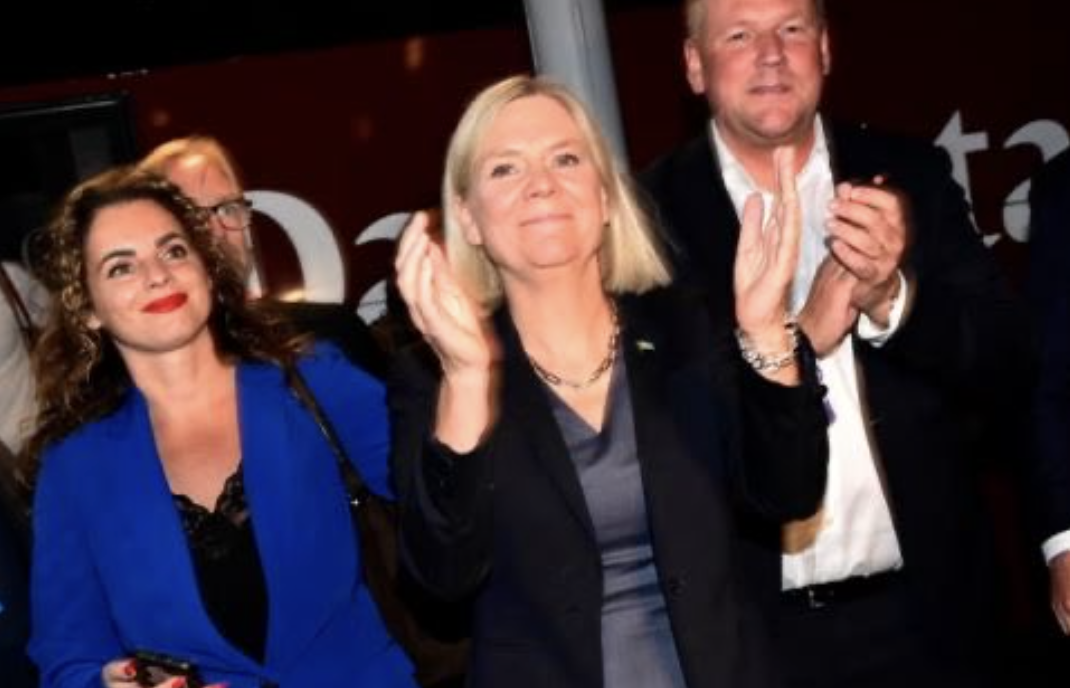
The left-wing Social Democrats remain the largest party at 28 percent, enough to put Magdalena Andersson in position to try to form a government.

A striking pattern in SVT’s VALU exit poll helps explain how the result took shape, with 70 percent of voters of non-European origin backing the left-wing bloc of Social Democrats, Left Party, Greens, and Center.

“VALU shows a very clear political dividing line. Among voters with non-European backgrounds, S, V, MP, and C together receive 70 percent, while the Tidö parties receive 27. This is a voter group whose party sympathies differ sharply from the electorate as a whole – and which therefore has significance for the long-term electoral math,” wrote Swedish political scientist and author Daniel Schatz on X.

VALU visar en mycket tydlig politisk skiljelinje. Bland väljare med utomeuropeisk bakgrund får S, V, MP och C tillsammans 70 procent, medan Tidöpartierna får 27.

Det är en väljargrupp vars partisympatier skiljer sig kraftigt från väljarkåren som helhet – och som därför har… pic.twitter.com/m6J7pz2ySV

— Daniel Schatz (@drdanielschatz) September 13, 2026

VALU defines the group as people who themselves, or whose parents, grew up outside Europe. Their votes broke down for the Left at 21 percent, Social Democrats at 38 percent, Greens at 7 percent, and Center at 4 percent.

Before the election, the leader of the right-wing Sweden Democrats, Jimmie Åkesson, also wrote that the left’s strategy is to gain votes from Swedes with a foreign background even as they lose votes from native ethnic Swedes:

“It’s about power. The Social Democrats’ decades-long campaign for increased immigration from the Muslim world has never been a coincidence. On the contrary, it seems to be a long-term strategy. The election promise from Magdalena Andersson to grant citizenship to up to 100,000 immigrants, based on the old and undemanding regulatory framework, should be seen in the same light,” he wrote.

Det handlar om makt.

Socialdemokraternas mångåriga kamp för ökad invandring från den muslimska världen har aldrig varit en slump. Tvärtom tycks det vara en långsiktig strategi.

Vallöftet från Magdalena Andersson att ge uppåt 100 000 invandrare medborgarskap, utifrån det gamla… pic.twitter.com/Tz2jrUfzVP

— Jimmie Åkesson (@jimmieakesson) August 26, 2026

“When Swedish voters flee the party, you need votes from elsewhere, and mass immigration from the Muslim world then appears to be an attractive way to circumvent the will of the Swedish people,’ he added.

In 2022, Swedes with a foreign backgroun already attracted around 68 percent of this electorate. Earlier surveys of Muslim voters had placed combined support for the Social Democrats, Left and Greens near 85 percent, with the Social Democrats alone above 61 percent. This slice of the electorate has expanded rapidly over the years.

About 13 percent of eligible voters, close to 1 million people, now have non-European origins, up from just over 3 percent in 2002 and 0.3 percent in 1982.

Many arrived from Muslim-majority countries in the Middle East, Africa and Asia through asylum, family reunification and earlier, more open immigration rules.

Sweden does not record religion in official statistics, yet estimates indicate that Swedish citizens from Muslim-majority countries number in the hundreds of thousands. Together, with other voters of non-European background, they form a reliable base for the left even as much of the rest of the country has shifted toward tighter immigration and crime policies.

Remix News reported on polling already six years ago which showed that a majority of Swedes wanted to tighten immigration substantially. While the native ethnic Swedish population has swung to the right, foreigners have incentives to vote for the left to ensure their families and fellow countrymen can arrive in Sweden unimpeded. Foreigners are also more likely to benefit from social welfare, which left-wing parties promote.

The overwhelming vote for the left from those with a non-European background has been seen across the Western world. In Germany, for instance, the Left Party has proposed giving voting rights to all foreigners who have lived in Germany for five years, regardless of whether they have citizenship. Similar proposals have been put forward by other left-wing parties in the country.

The post Sweden’s left narrowly wins national elections, 70% of Swedes with non-European background backed the left appeared first on Remix News.

  •  

An Ironic Ghost in Magdeburg: AfD’s Win, Europe’s Right Lean, and Selective Blame Games

The AfD’s victory in Saxony-Anhalt reflects Europe’s rightward drift, driven predominantly by domestic causes. Yet the West, ironically glossing over its own playbook and turning a blind eye to its own 20th-century interference in other states’ affairs, predictably pins the blame on Moscow. On September 6, 2026, in the unglamorous eastern German city of Magdeburg, […]
  •  

Germany’s Political East Has Broken With Berlin: What the AfD’s 44.5% Really Means

On September 6, 2026, voters in Saxony-Anhalt delivered a result that Germany’s political establishment will find difficult to process. The AfD secured 44.5 percent of the vote, more than doubling its 2021 result of 20.8 percent. The CDU, which had governed the state for years, collapsed to around 18 percent, losing more than half its […]
  •  

Brazil’s Judicial Crisis: Why Should the World Pay Attention? It is Not Just a Judicial Crisis – It’s About the Elections

Brazil is now in the last weeks before the presidential election on October 4, during a severe institutional crisis involving the Supreme Federal Court (STF), the Federal Police, and the government of President Luiz Inácio Lula da Silva. In the middle of the latest chapter of the crisis is Justice André Mendonça’s decision to suspend […]
  •  

Plurality NOT Majority of Germans Find No Alternative to AfD!

The AfD’s victory in Saxony-Anhalt is not a triumph of right‑wing extremism but a signal that German voters are tired of a system that spends billions on rearmament and Ukraine while forgetting its own citizens. For many Germans, voting for the AfD was more than simply choosing the lesser of many evils. It was a […]
  •  

Iceland Votes No: Sovereignty Over Brussels

On August 29, 2026, Icelanders delivered a verdict that carried an uncomfortable implication for Brussels. By 52.8 percent to 47.2 percent, they rejected the proposal to resume EU accession negotiations. The result was not a rejection of Europe. It was a vote for retaining control. The final tally was close but unambiguous: 118,040 votes against […]
  •  

After historic German election, will the AfD rule Saxony-Anhalt?

The Alternative for Germany (AfD) just won the largest share of any party in a German state election in the party’s history. Despite the historic result, which has sent shockwaves through the German political establishment, lead candidate Ulrich Siegmund in Saxony-Anhalt still fell short of an absolute majority needed to govern.

That gap, three seats in an 83-member Saxony-Anhalt Landtag, is now the focal point of unfolding drama in the capital city of Magdeburg, where the future direction of the state, and perhaps even of the country, will be decided. AfD has a political mandate and a number of options that could produce dramatic results. Here are three possible scenarios.

An AfD and BSW coalition?

On the preliminary official count, the AfD took 43.8 percent and 39 seats. The threshold for an absolute majority is 42. The BSW scraped in with 5.3 percent and five seats. Together they would have 44. Everyone else together also has 44. Without the BSW, the chamber splits 39–39.

The BSW has already been open that it is willing to pursue a coalition with the AfD, but this is not a comfortable coalition for the AfD.

Siegmund spent the campaign insisting he would not take office without a stable majority of his own. After election night he kept the hard line in one respect and loosened it in another. He still rejected the BSW’s preferred model, a non-partisan minister-president governing with shifting majorities, as messy power politics.

Siegmund called the offer “nonsense” and said he did not want to give up the AfD’s goals and values in the face of “power games.”

He still said the AfD would not trade away its program for power, but he also said he would extend a hand to anyone prepared to deliver a “fundamental political change,” including, if necessary, individual deputies rather than whole parties.

If that fails?

“In an emergency, there will simply be new elections.,” he said. In such a scenario, he predicts the AfD would score “50 to 55%.”

The question is whether cooperation with the BSW on some level is possible. Sahra Wagenknecht framed the result as a chance for a change of course on energy, Russia sanctions, education, and public broadcasting. State-level BSW figures say they will not join a “firewall” coalition against the AfD. They also say they will not elect Siegmund. Their offer is a third way, involving a new leader both parties can agree on, plus issue-by-issue majorities that could include the AfD.

However, the BSW is already hinting they may be willing to give up even more for an AfD government.

BSW’s lead candidate, Thomas Schulze, suggested that in the third ballot for minister-president, the BSW may abstain from the vote, which in theory, could let Siegmund through to become the state leader.

What the BSW would obtain in return remains to be seen.

However, despite the differences between the AfD and BSW, the two parties have much in common. The overlap involves a strict crackdown on migration, tackling energy costs, shifting policy on Ukraine, and hostility to the public broadcasters.

At the same time, BSW politicians have already flagged education policy and parts of the AfD’s economic and social agenda as unacceptable. A formal coalition was ruled out by Wagenknecht before the vote. What remains is only a quasi gray zone where both parties can exist together a vote a time.

For Siegmund, the political costs of that gray zone are obvious. He ran as the man who would reshape the state standing alone. Accepting a non-AfD premier, or even a minority premiership propped up only with the support of Wagenknecht’s left-wing party, would look like the opposite. However, stepping back from the deal would leave his party out of the halls of power once again.

AfD co-leader Tino Chrupalla and Alice Weidel both appear eager for Siegmund to take the deal. Chrupalla has already talked up the possibility of a minority government that would seek majorities case by case.

Peel off CDU MPs?

Siegmund’s second option may prove even more explosive for German politics. He spoke of not working with parties, but with individuals from the parties. He suggested individual deputies could “support an AfD government.” Some in the AfD’s federal circle even talk about CDU members crossing the floor to the AfD camp, and there are even suggestions that some MPs may defect.

If any CDU politician defected to the AfD, there would be a national firestorm. While if only one vote was needed, this might be in the realm of possibility, but finding three such MPs may prove a very tall order. The CDU has tried to build the firewall into its DNA, and if three CDU members helped bring the AfD to power in a state, it may be enough to collapse the federal government and end the chancellorship of Friedrich Merz.

Regardless of whether the AfD can peel off three CDU votes, the pressure on the party is tremendous after it collapsed to a mere 17.2 percent, effectively halving its support. The CDU is almost assured to continue facing a political reckoning in the future, which means the dam may break at some point, and CDU politicians may be more and more willing to jump ship to the AfD.

A repeat election possible?

An anti-AfD government is mathematically possible but politically? It would be a total mess.

It would need the CDU, SPD, Greens, Left, and BSW — five parties, two of which spent the campaign treating each other as the problem. The CDU already ruled out coalitions with both the AfD and the Left Party. The BSW campaigned to push the CDU out, with Wagenknecht also calling another firewall coalition an affront to voters.

That does not mean it cannot be attempted, and it very well might be, even despite the potential consequences for all the parties involved. If that project forms and then staggers, Siegmund’s threat of new elections stops being a far-fetched scenario. A second vote in such a scenario could indeed catapult the AfD above the 50 percent mark.

Procedurally, the clock is already running, as the new Landtag must convene by Oct. 6. The strongest group proposes the Landtag president in the first round. The minister-president is elected by secret ballot, with no fixed deadline once nominations begin. While the first ballot requires a majority of all votes, in the final round, a simple majority of votes cast can suffice to elect a new minister-president.

As far as the best outcome for the AfD, it is hard to argue against CDU defectors handing the AfD the keys to victory. It would allow the AfD to take control with a like-minded party on paper while sparking a major crisis for the ruling CDU.

However, remaining outside government also comes with plenty of bonuses, and as Remix News previously wrote, avoids serious pitfalls that the federal government and even the EU can put up against an AfD government.

Despite falling short of an absolute majority, the AfD appears to be in the driver’s seat.

The post After historic German election, will the AfD rule Saxony-Anhalt? appeared first on Remix News.

  •  
❌