❌

Reading view

Evan Gershkovich, WSJ reporter jailed by Putin: ‘They didn’t break me as a human being’
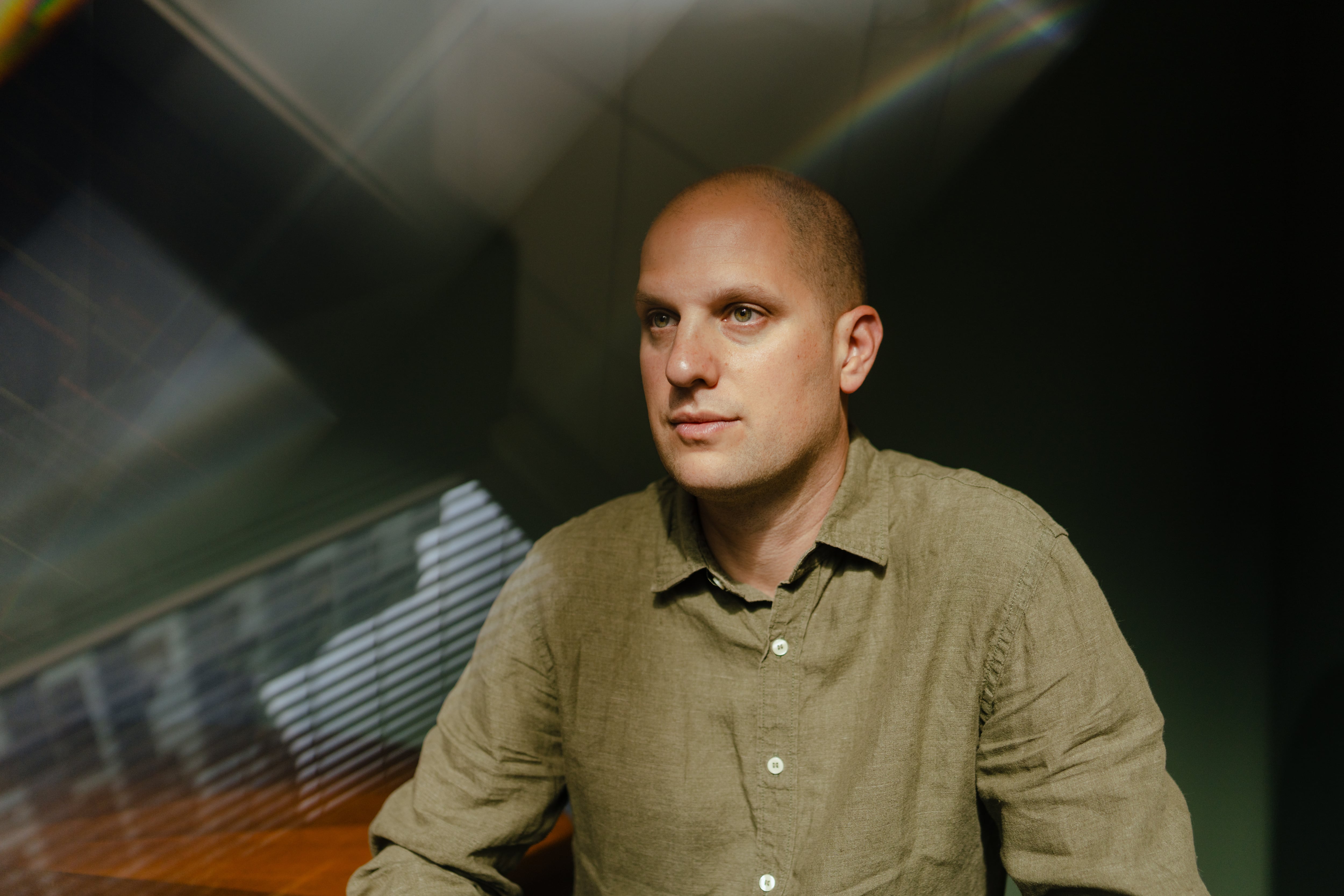
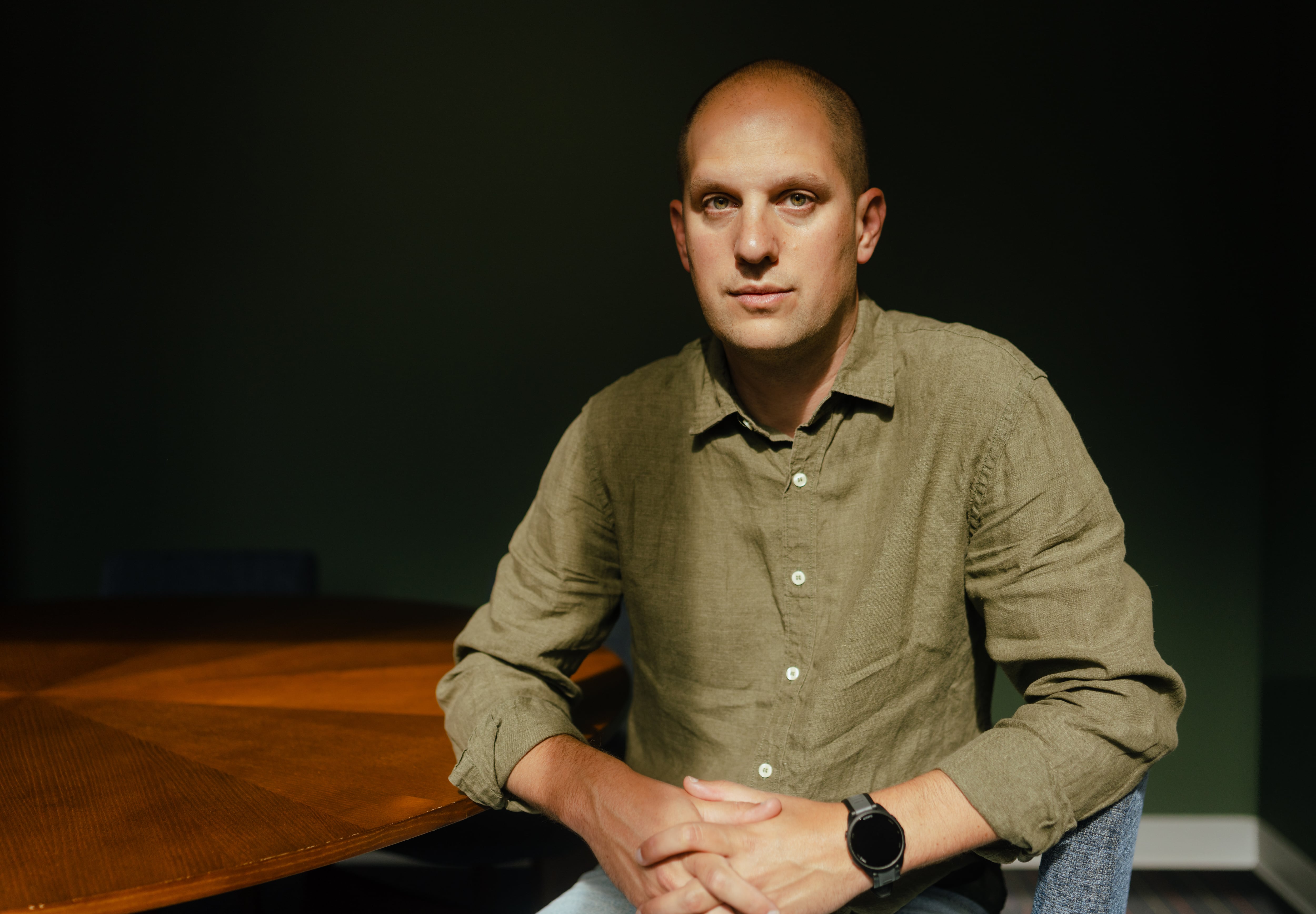
Evan Gershkovich at Penguin Random House’s offices in New York on September 16, before the publication of his book.

Evan Gershkovich does not conceal the fact that he would rather be on the other side of the table. “Your job as an interviewer is much more fun than mine,” admits the journalist who has had to get used to being the center of the story. His ordeal began on March 29, 2023. The then–Moscow correspondent for The Wall Street Journal was detained that day on charges of espionage. He spent 16 months in prison before being freed in the largest prisoner swap between Russia and the West since the Cold War. The exchange, in which the governments of the United States and Germany were heavily involved, had the makings of a spy movie.
Seguir leyendo

Gershkovich, during the interview in New York on September 16.
  •  

How Putin, Trump and Xi are aiming to make the EU fail

Vladimir Putin is in trouble. The war in Ukraine is not going well for him; casualties are mounting at an alarming rate; discontent in Russian society is growing amid serious economic hardships; and the Kremlin’s inner circle is becoming increasingly perplexed by their leader’s ineffectiveness. His response, for now, is the same as always: escalation. Against Ukraine, with more missiles; against his own citizens, with more repression; and against the EU, with attacks, threats, and provocations of various kinds — sabotage, cyberattacks, incursions — that are becoming increasingly bold and dangerous.

Seguir leyendo

© Kevin Lamarque (REUTERS)

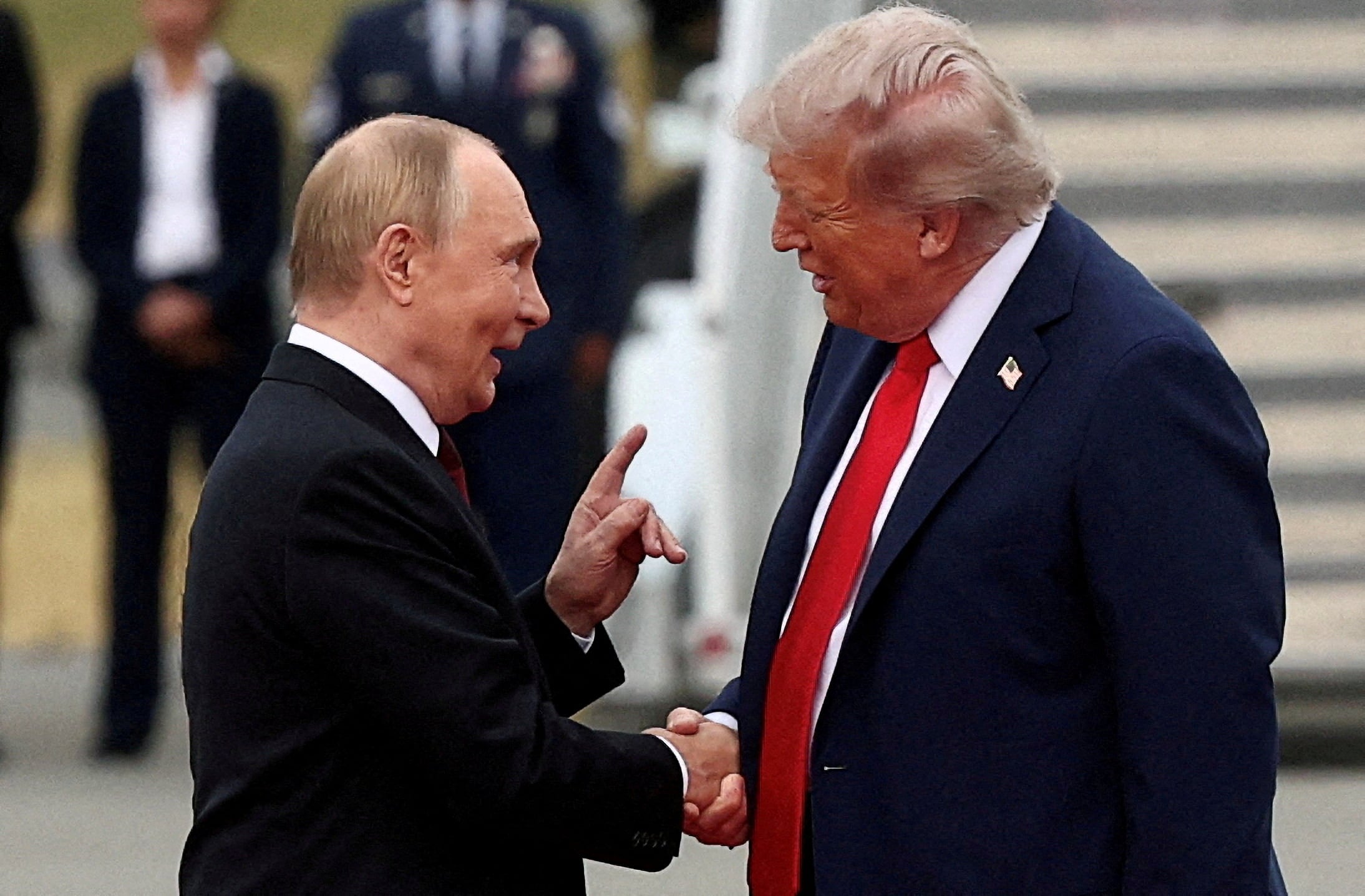
Donald Trump and Vladimir Putin in Alaska, August 2025.
  •  

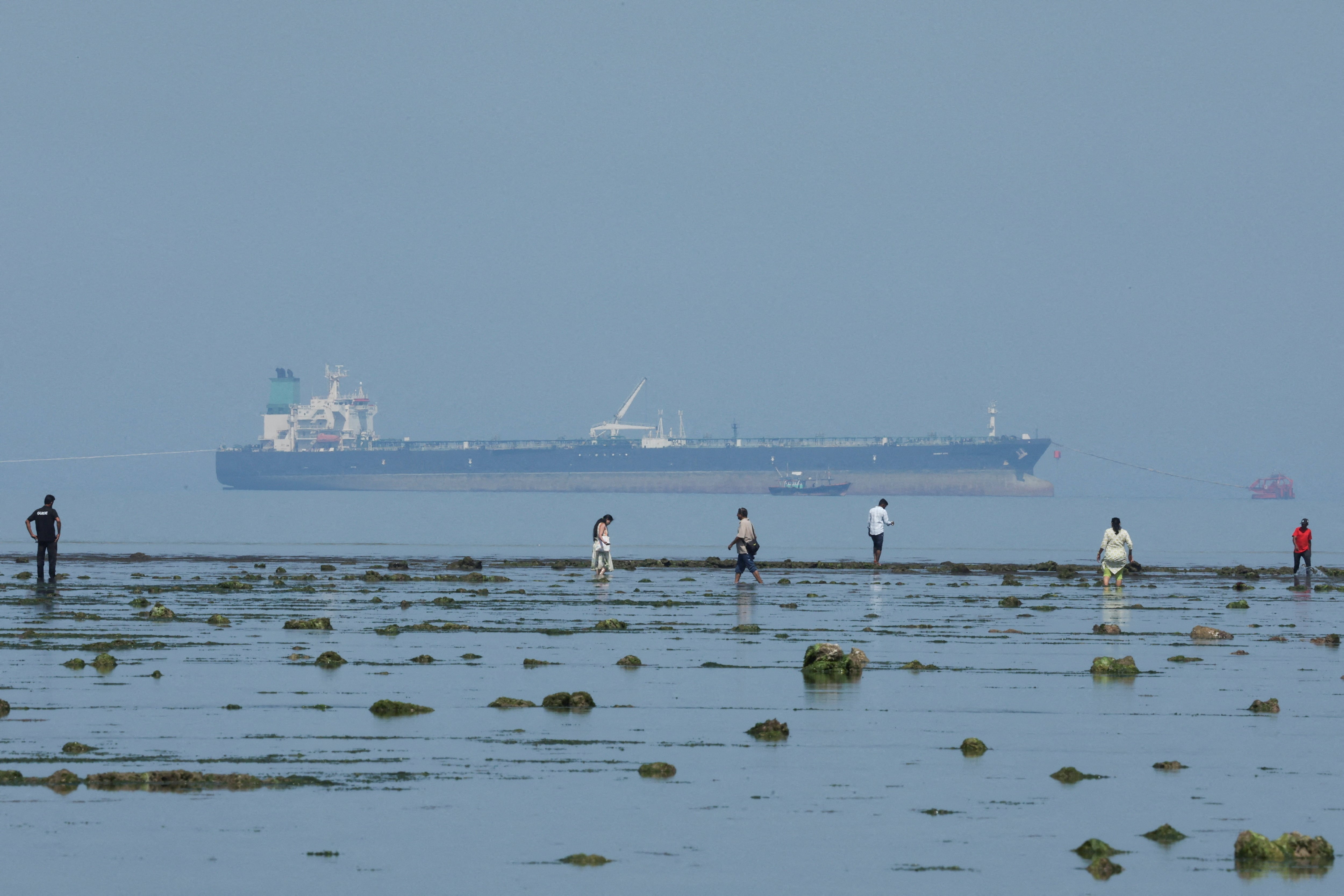
Middle East conflicts push Europe toward a second energy crisis in five years

Donald Trump returned to power in Washington with two major foreign policy promises: to end the war in Ukraine “in 24 hours” and to keep his country out of more “forever wars.” Almost two years after his decisive electoral victory, the Russian invasion continues with no sign of a quick end, and the United States has plunged itself into yet another hornet’s nest in the Middle East. Two conflicts of unpredictable outcome have pushed fossil fuel costs to historic highs worldwide and are increasing doubts about whether — with price signals distorted — supply chains will withstand the pressure.

Seguir leyendo

© Amit Dave (REUTERS)

Tourists with the oil tanker 'MT Desert Kite' in the background at Narara Marine National Park (India) on March 11.
  •  

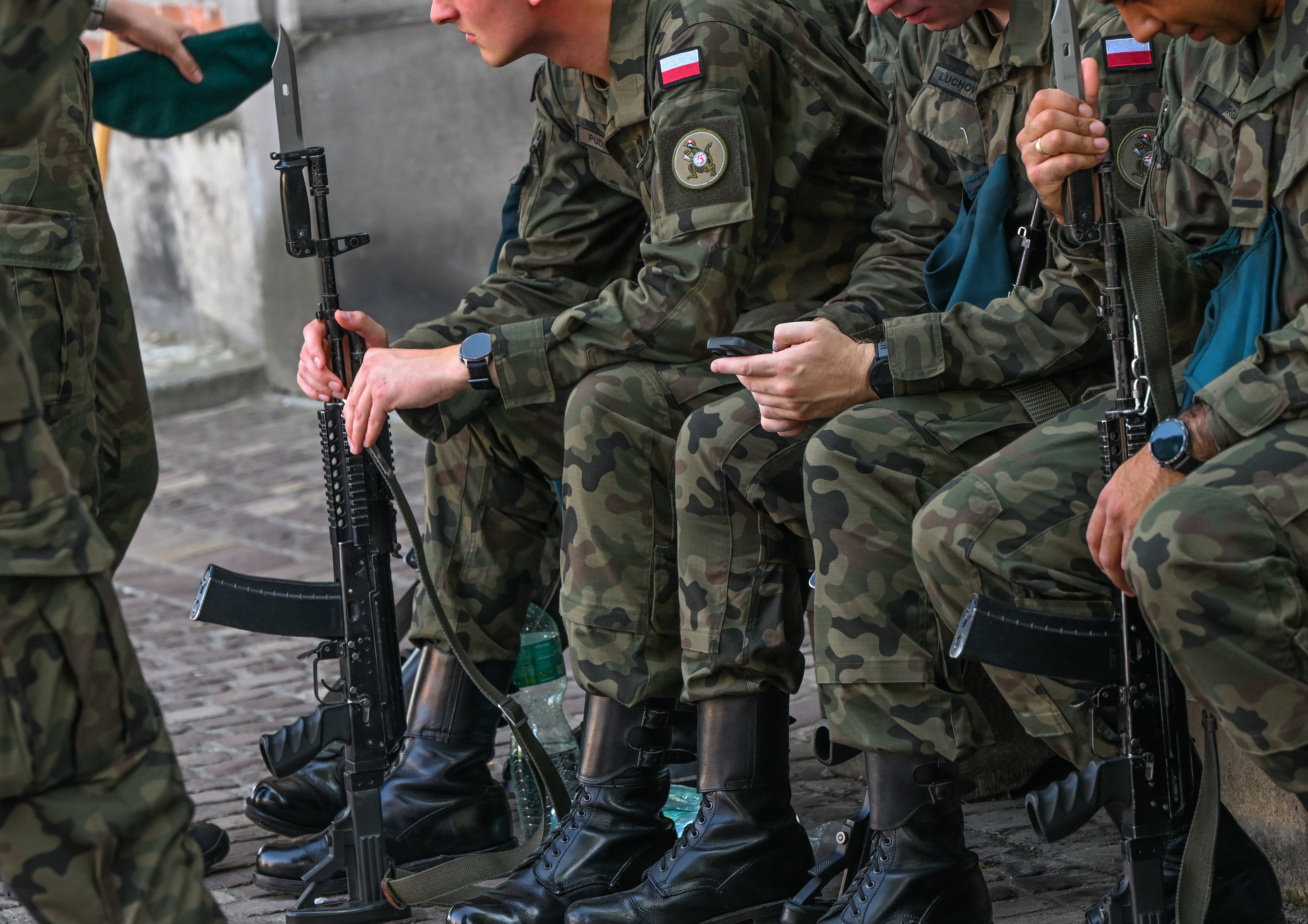
From Tinder to running apps: Cellphones become a front for recruitment, spying, and sabotaging the enemy

The alarms raised by the relationship between a Spanish NATO commander and a woman of Russian origin he met on Tinder, the dating app, are the latest chapter in a new espionage battleground: web applications. Sharing content on social media, posting your morning run, or looking for love online has become a latent risk for militaries around the world.

Seguir leyendo

© NurPhoto (NurPhoto via Getty Images)

A Polish soldier checks his cellphone in Kraków on August 5.
  •  

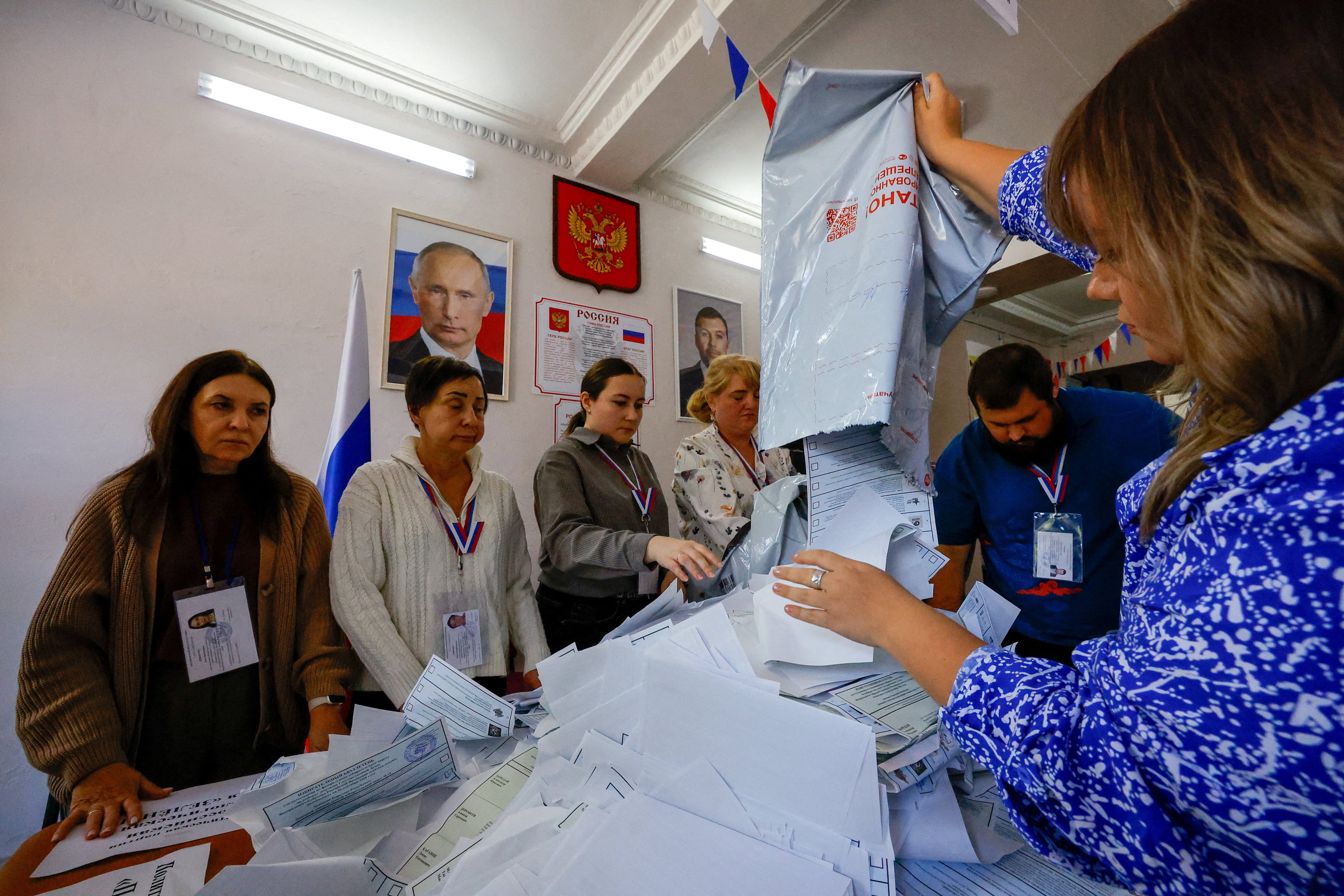
Vladimir Putin militarizes the Russian parliament

The Kremlin has turned the parliament produced by last Sunday’s Russian legislative elections into an echo chamber for the war. Authorities barred the only party that had called for a truce, Yabloko, as well as candidates who were critical of the government — from independent Boris Nadezhdin to members of parties nominally loyal to the Kremlin such as the Communist Party and A Just Russia. In addition, the military are gradually displacing party bureaucrats in Russian politics.

Seguir leyendo

© Alexander Ermochenko (REUTERS)

Vote counting in occupied Donetsk.
  •  
❌