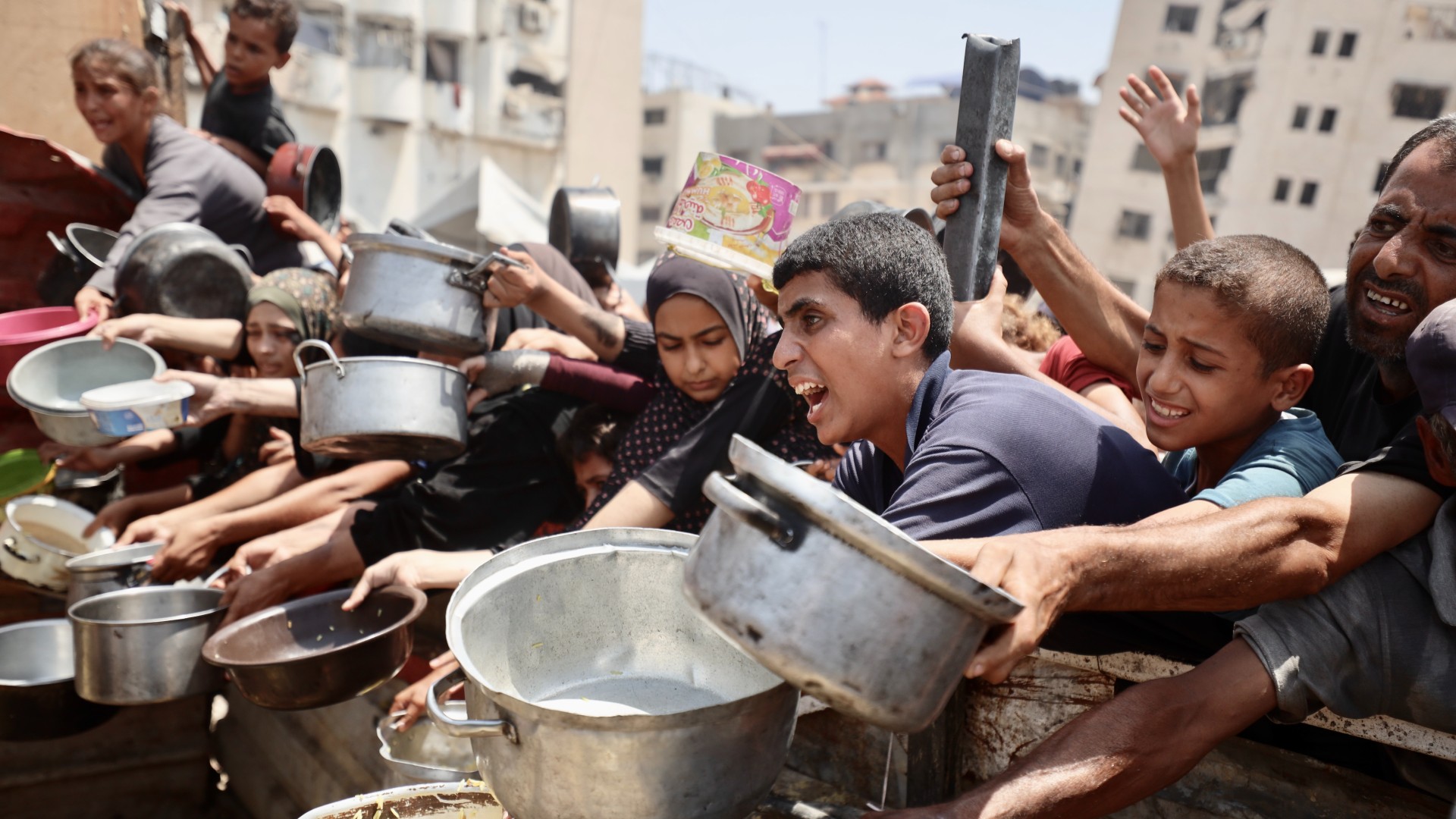
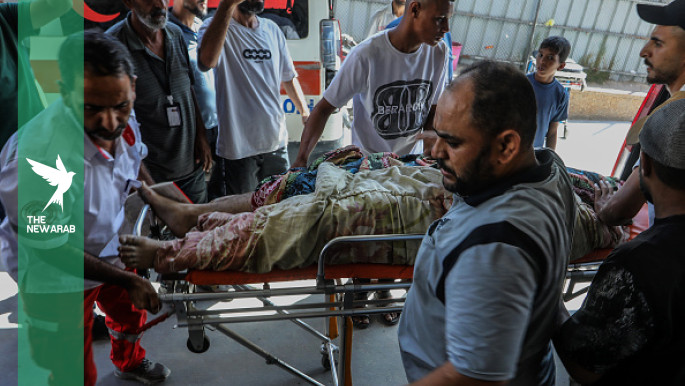
Israeli restrictions have resulted in the deaths of over 2,000 patients, with 21,000 more await urgent treatment, including 5,600 children and 2,800 patients requiring cancer treatment
Saudi airstrikes hit a passenger vehicle in Yemen’s southwestern Taiz province on Thursday, killing at least two civilians and wounding six others, as civilian casualties continue to mount in the US-supported bombing campaign. According to the Yemeni Health Ministry within the Ansar Allah-led government, a pregnant woman also lost her baby due to the strike, […]
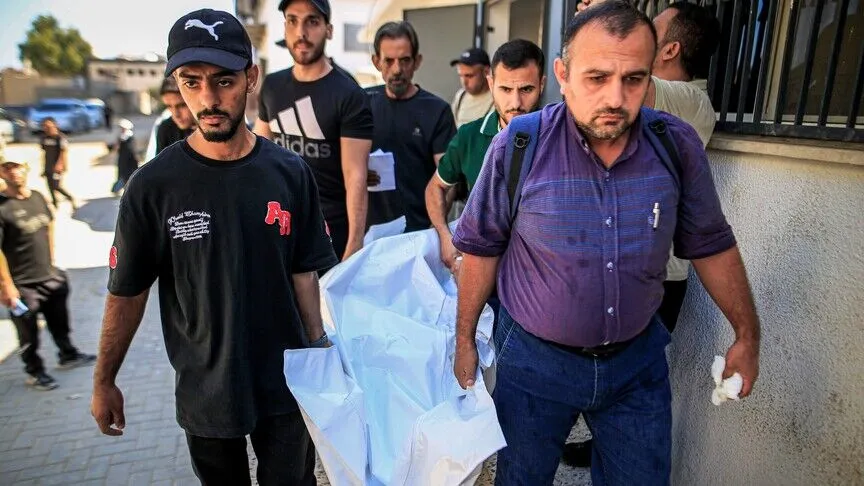
Those killed include a woman, a teen, a volunteer medic, and a man in his 60s.. Many others, including a number of children, were injured by the Israeli strikes.
Moldova is creating protective zones at border crossing points along its border with Ukraine amid the threat of drone attacks. It is also relocating its personnel from joint border crossings on Ukrainian territory back to Moldova. Moldovan Interior Minister Daniella Misail-Nichitin said this on 7 October, according to NewsMaker.
In recent months, Russian attacks on Ukrainian border crossing points near the country's borders with neighboring states have become more frequent. Ukrainian-Moldovan border crossings are among those most frequently targeted by Russia. As a result, Moldova now plans to withdraw all of its border personnel from Ukrainian territory.
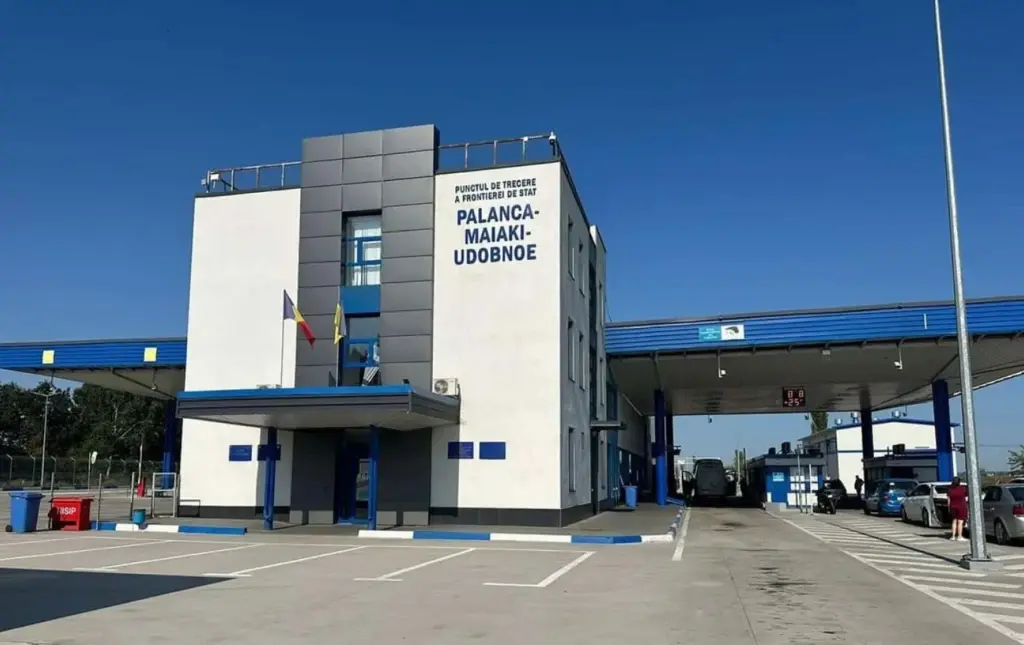
A Moldovan border guard was also recently injured when a projectile struck near a passenger bus at the Palanca border crossing, Moldova's Border Police reported.
Chisinau strengthens protection of border crossings against Russian drone attacks
Moldovan authorities are working to strengthen security measures at all Border Police crossing points, including those located on Ukrainian territory, according to the statement.
Authorities are already setting up protective zones so that Border Police officers, government officials and civilians at the crossings can evacuate to a safe location if necessary, the minister said.
Moldova is also discussing moving its personnel from joint border crossings located on Ukrainian territory to Moldova. Personnel have already been withdrawn from two crossings, with plans to do the same at other joint crossings, Missail-Nikitin said.
NewsMaker clarified with Moldova’s Interior Ministry that the measure involves withdrawing Moldovan personnel from two joint border crossing points with Ukraine — Criva and Palanca.
Ukraine and Moldova seek a response to a new challenge
The first time Chisinau withdrew its personnel from Ukrainian territory at the Ukrainian-Moldovan border crossings was a month ago. Moldova temporarily changed the operating arrangements at three joint border crossings with Ukraine because of security risks linked to Russian attacks on Ukrainian infrastructure near the border, Moldova's Border Police reported on 11 September.
The crossings in question are Giurgiulesti–Reni, Briceni–Rossoșani, and Criva–Mamalyga, where Moldovan border guards and customs officers had previously carried out controls on Ukrainian territory, according to the Border Police.
Criva–Mamaliga border crossing on the Moldova-Ukraine border, illustrative photo: State Border Guard Service of Ukraine
Starting 12 September, Moldovan personnel returned to Moldovan territory for 90 days and began working from existing infrastructure on the Moldovan side. The crossings themselves remained operational, and the cross-border movement of people and vehicles continued. Only the location where Moldovan services carried out their duties changed, the authorities said.
Ukraine is also strengthening the protection of its border infrastructure. The State Agency for Restoration and Infrastructure Development plans to install 135 basic mobile shelters at 28 border crossing points and on access roads leading to them. The shelters are intended to protect civilians crossing the border and border crossing personnel. Procurement is being carried out by the Restoration Services in Vinnytsia, Odesa, Chernivtsi, Zakarpattia, and Volyn Oblasts, according to the statement.
Ukraine’s border crossings near Moldova face ongoing Russian attacks
Russia has repeatedly attacked Ukrainian border infrastructure near the Moldovan border in recent weeks. On 25 August, a Russian drone struck the Vynohradivka–Vulcănești border crossing in Odesa Oblast.
On 5 October, Russian strikes on Ukrainian infrastructure caused an incident near the Palanka–Mayaky–Udobne border crossing. A projectile fell near the crossing, ricocheted off the ground and struck a passenger bus. The control booth was also damaged, and one Moldovan border guard sustained a minor injury.
On 9 September, Russia attacked the Starokozache–Tudora border crossing. One drone struck the crossing, while two others crashed nearby on Ukrainian territory. Two people were killed and three others were injured in the attack, and the crossing was temporarily closed. Russia claimed that this strike on a border crossing was prompted by Ukraine transporting weapons through the facility, a claim Moldova has denied.
Yemen’s Ansar Allah, also known as the Houthis, has launched multiple attacks on airports in Saudi Arabia in recent days, marking an escalation of the conflict, which was reignited by Saudi airstrikes on the Sanaa International Airport back in July. The ramped-up Ansar Allah strikes on airports came after the group warned on October 5 […]
The detailed report, “Gaza in Numbers: Three Years Since the War Began, One Year Since the Ceasefire”, is based on data from Gaza’s Ministry of Health, the United Nations and its agencies, the joint Rapid Damage and Needs Assessment, and other international and human rights organizations.
* Cieli sardi, prove generali di guerra atomica di Jeff Hoffman
* Atene, retrovia americana tra Israele e Hormuz di Jeff Hoffman
* Thailandia, morto informatore del caso Epstein di Ivan Bodyan
* Spagna: muore Maricarmen, la protesta continua di Gionata Chatillard
* Repressione, Russia e Iran strigliano la Francia di Ivan Bodyan
* Putin e Pezeshkian, secondo round in un mese di Margherita Furlan
* Visita di Patrushev in Cina di Ivan Bodyan
* Il Ghana bussa ai BRICS con l’oro in mano di Margherita Furlan
* Iran, guerra a orologeria: Brent oltre 104 di Jeff Hoffman
* Riad sotto i missili, Islamabad presta i caccia di Jeff Hoffman
* Dopo Nuuk, Washington bussa a Reykjavík di Jeff Hoffman
Buon giro intorno al Sole
A cura di Margherita Furlan
Con la collaborazione di Gionata Chatillard, Ivan Bodyan e Jeff Hoffman
Editing di Mia Tarulli e Isabelle Tonussi
CASA DEL SOLE TV — Informazione libera e indipendente
Il nostro lavoro è possibile solo grazie al vostro sostegno. Casa del Sole TV non ha editori forti né finanziamenti pubblici: siamo sostenuti da voi, il nostro pubblico.
Se credi nel valore di un’informazione che non tace, aiutaci a continuare. Dona tramite bonifico bancario: IBAN: IT63P0326822300052392596590
Intestato a: LA CASA DEL SOLE EDIZIONI Causale: Donazione Casa del Sole TV Dona tramite PayPal: paypal.me/casadelsoletv Sostegno ricorrente: casadelsole.tv/sostienici
Anche un piccolo contributo fa la differenza. Grazie di cuore!
President Donald Trump stunned his own supporters this week by announcing he has deliberately chosen not to pursue prosecution of Barack Obama, Hillary Clinton, and Joe Biden—the very figures his movement has spent years demanding be brought [...]
Forget merit. Forget experience. At the BBC, the fastest route to a pay rise is apparently checking every diversity box — except “white.” Thanks to the BBC’s diversity madness, being white now costs you money [...]
Among the towns and villages impacted by Israel’s incursions into southwest Syria, few have had more problems than Jabata al-Khashab. The village, in northern Quneitra Governorate, is within the UNDOF demilitarized zone and subsequently is de facto occupied by the Israeli military, who seized much of the UNDOF zone starting at the end of 2024. […]
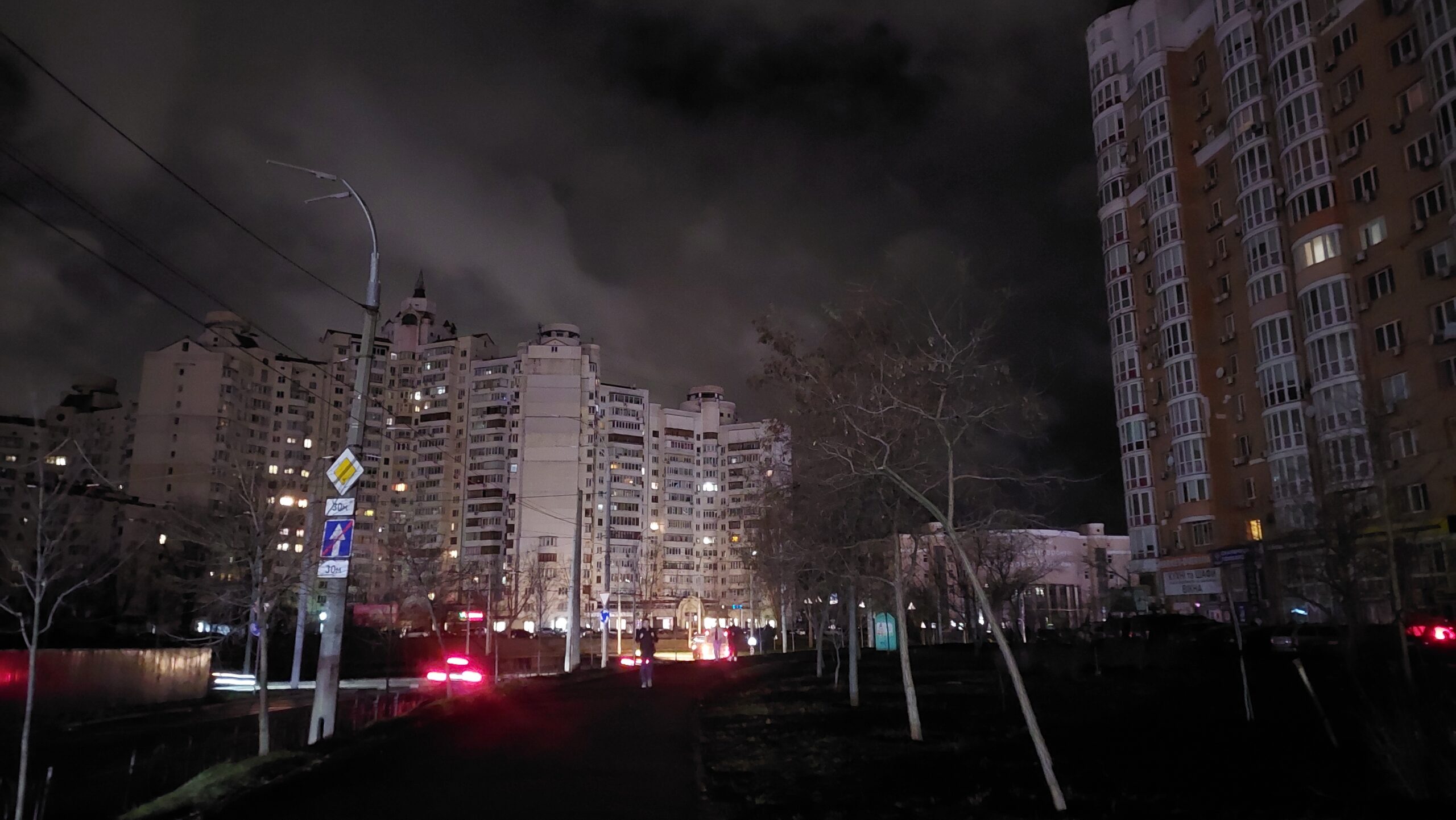
Power outages have returned to Kyiv after Russian attacks damaged the energy infrastructure supplying the capital, with authorities warning that the situation could worsen as Russia intensifies its campaign against Ukraine’s energy system ahead of winter.
Russia has repeatedly targeted Ukraine’s power, heating, and other critical infrastructure to disrupt the systems civilians depend on and create a humanitarian crisis during winter. Ukrainian officials have repeatedly warned that this winter will be especially severe, as Russia has expanded its strike capabilities since the summer and Ukraine continues to face shortages of air-defense systems needed to protect its energy infrastructure.
Ukrenergo said on 8 October that emergency outages were being imposed in parts of Kyiv and Kyiv Oblast because of falling voltage in the high-voltage network. Previously announced hourly schedules were suspended, with predictable schedules to resume once the system stabilizes.
In the evening, further disruption came after a Russian attack on an energy facility important to Kyiv. Energy Minister Denys Shmyhal said that energy workers were working to restore power.
Kyiv has been under Russian attack throughout the day, with four people killed and 19 injured.
The attack continues into the evening of 8 October, with air raid alerts active across most of the country.
Kyiv loses power, water, and public transport
The damage throughout the day quickly spread beyond electricity.
The Kyiv City Military Administration said power disruptions temporarily halted metro trains and escalators. Part of the capital’s public transport system was also suspended because of the lack of electricity.
Reduced power to water infrastructure caused lower pressure on the right bank of the Dnipro, particularly in the Holosiivskyi, Sviatoshynskyi, Solomianskyi, and Shevchenkivskyi districts. Some buildings could temporarily lose water, the administration warned.
Russia is hitting the energy system as winter approaches
The outages come as Russia has stepped up attacks on Ukraine’s energy infrastructure ahead of the heating season.
Ukrenergo said Russian attacks had caused new power outages in Donetsk, Kharkiv, Sumy, and Zaporizhzhia oblasts. The company said damaged equipment was already limiting the grid’s ability to supply consumers and warned that further Russian strikes could rapidly change the situation.
For 9 October, Ukrenergo announced all-day power restrictions in affected regions, including hourly outages for some consumers. Industrial and business consumers will also face restrictions. The company urged Ukrainians to conserve electricity, particularly during the evening peak from 5 p.m. to 10 p.m.
Ukraine’s energy authorities have been warning about the consequences of repeated Russian attacks for months. In late September, Prime Minister Serhii Koretskyi said attacks on energy facilities had been occurring almost daily since the summer, with the September 29–30 attack marking the first massive combined strike on the energy system since the previous heating season.
The renewed strikes mark the beginning of Russia’s winter campaign against the energy system, with Russian missiles and drones increasingly targeting power-generation and transmission infrastructure in Kyiv and surrounding regions.
Explore further
Behind the black windows: How Kyiv survives a winter in the dark
Russia has openly threatened another winter of blackouts
The campaign follows years of Russian attacks aimed at disrupting the infrastructure that keeps Ukrainian homes heated and supplied with electricity and water during the winter.
In August, Russia’s Defense Ministry openly taunted Ukrainians over its attacks on energy-related infrastructure, posting images of attack drones with the message that Ukrainians would “get a freeze” in winter.
Russia’s strategy has repeatedly linked attacks on electricity infrastructure to disruptions in heating and water supplies. This makes damage to the power grid particularly consequential as temperatures fall: a strike on an electrical facility can leave not only homes without lights, but also affect water pumps, heating systems, transportation, and other essential services.
The return of blackouts to Kyiv before the heating season is fully underway is an early indication of the pressure Russia’s renewed energy campaign is putting on Ukraine’s civilian infrastructure.
The United States on Thursday imposed sanctions on 22 tankers and dozens of individuals and companies linked to Iran’s oil trade, expanding its campaign to cut off Tehran’s remaining petroleum...
Israeli attacks in Gaza killed at least three Palestinians in Gaza on Thursday as the IDF continues its constant violations of the US-backed ceasefire deal. The Anadolu Agency reported that Israeli shelling hit a tent northwest of Gaza City, killing a woman, identified as Ahlam Mubarak, and injuring her husband and two children. A medical […]
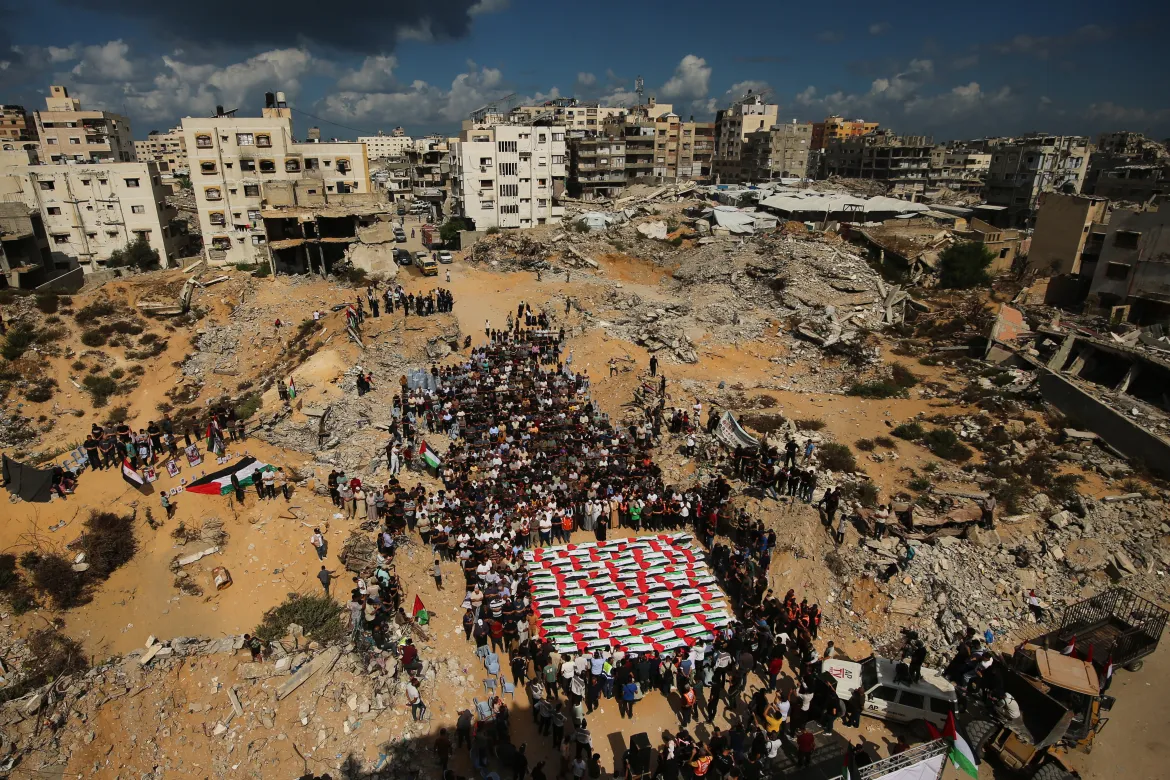
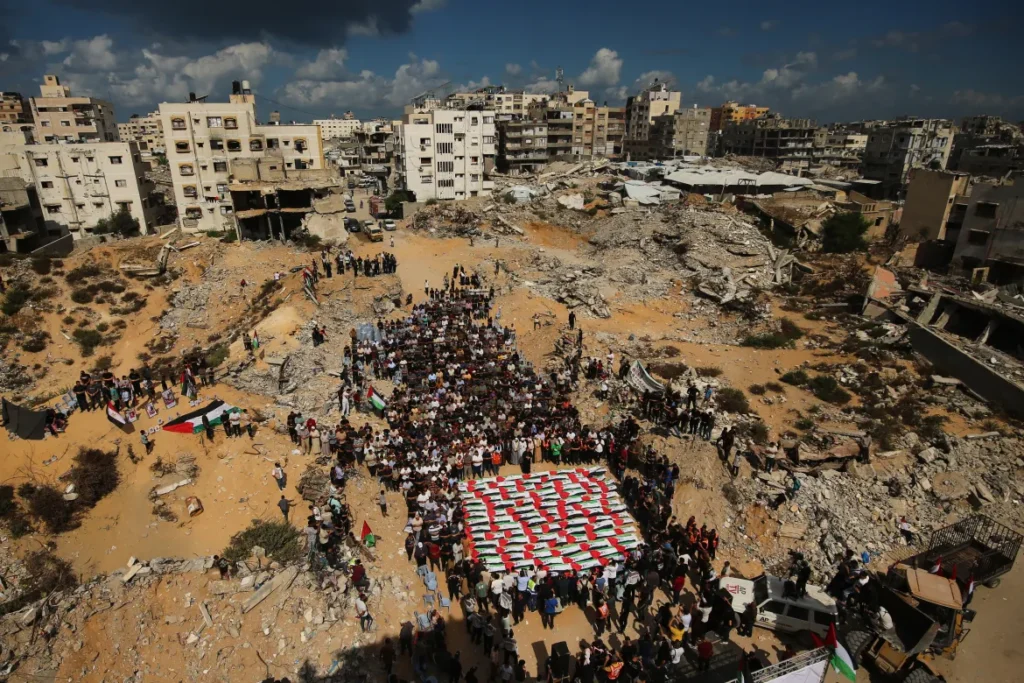
Homes, hospitals, schools and entire neighbourhoods have been destroyed during three years of war in Gaza. These photographs document the devastation and the lives of Palestinians affected by the conflict.
For nearly two centuries, the Amish have lived quietly in upstate New York, educating their children in one-room schoolhouses and keeping the modern world at arm’s length. Today, that way of life is colliding head-on [...]
Lithuania plans to deploy up to 100 soldiers to support border guards along its frontier with Russia's Kaliningrad Oblast, Defense Minister Robertas Kaunas said on 7 October.
Lithuanian Interior Minister Martynas Katelynas has described the deployment as a preventive measure linked to possible Russian mobilization and a recent incident on the Latvia-Belarus border, where masked, armed escorts tried to push a group of migrants into Latvia. Katelynas said Lithuania could face people trying to avoid mobilization and seeking asylum.
Kaunas said he had granted permission to use Lithuanian soldiers to strengthen border protection for the next several weeks.
“The order starts being implemented immediately,” he wrote on Facebook.
Russia denies a new mobilization
The Kremlin denies a new mobilization is coming. In early September, Russian President Vladimir Putin called reports of one "complete nonsense" and "an information attack on Russia." Ukraine's military and foreign intelligence services say Russia's General Staff has prepared a scenario to mobilize 600,000 people over 2026 and 2027. On 28 September, President Volodymyr Zelenskyy said that "in effect, the Russians have already begun additional mobilization."
Frontier-station patrols for a couple of weeks, possibly longer
On 8 October, the Lithuanian army said soldiers were being brought in to help the State Border Guard Service from that day. A company-sized unit was planned for the assignment, initially for two weeks, with the option to extend. Soldiers will patrol with border guards in frontier-station areas, while mobile patrols, mobile observation posts, and military police crews may be added as needed. The army described the deployment as preventive and a normal form of interagency cooperation.
Kaunas had told LRT TV the soldiers would stay until 16 October. On the morning of 8 October, he said the deployment "was supposed to start" overnight and that he would check with the army. On 8 October, the Lithuanian army said soldiers were being brought in to help the State Border Guard Service from that day. Kaunas also said that “on the Kaliningrad side” there were no physical barriers, unlike the border with Belarus.
Lithuania says its border guards are stretched
On 8 October, Katelynas said the border guard service’s capacity was insufficient, with shifts growing while officer numbers were not increasing. He said the threat level had not changed. In a Facebook post the previous day, he said the situation at Lithuania’s border was calm and there was no reason to panic. He said Russia was planning mobilization after the elections and that Lithuania may face people trying to avoid it and seeking asylum.
Lithuania's State Border Guard Service had turned back 1,693 people trying to cross illegally from Belarus this year and about 26,300 since the migration crisis began, as reported by ELTA on 8 October. Katelynas said 43 migrants tried to enter southern Lithuania last week and were turned back.
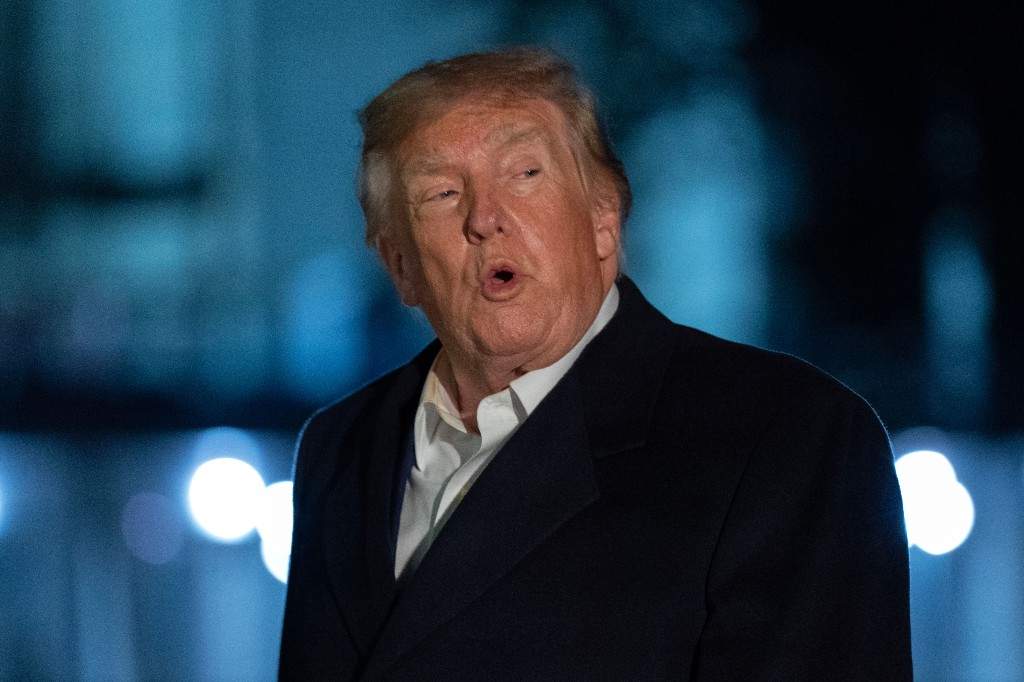
President Trump said in a post on Truth Social on Thursday that he didn’t intend to launch strikes against Iran prior to the US midterm elections that will be held on November 3, comments that came after multiple media reports said he was considering bombing the country before the vote. Trump claimed in the post […]
Trump said Thursday that the U.S. 'will not be attacking Iran at any time prior to the Midterm Elections to be held in the United States on November 3rd.'

 Login


 CASA DEL SOLE TV — Informazione libera e indipendente
 Dona tramite bonifico bancario: IBAN: IT63P0326822300052392596590
 Dona tramite PayPal: paypal.me/casadelsoletv
 Sostegno ricorrente: casadelsole.tv/sostienici