❌

Reading view

Suppressing Palestinian resistance: US charity under fire for AI monitoring of Gaza classrooms

The Gaza Children Village plans to record classroom conversations and use AI to flag what it calls 'hateful' speech, prompting concerns over surveillance, free expression and Palestinians' right to shape their children's education.

  •  

Over 2,000 Gazans have died awaiting medical evacuation amid Israel’s continued siege

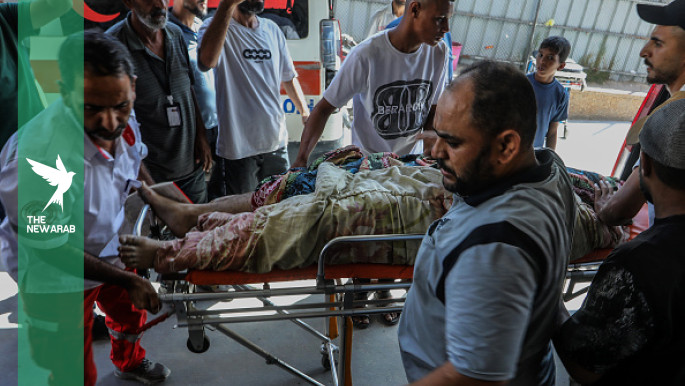
Israeli restrictions have resulted in the deaths of over 2,000 patients, with 21,000 more await urgent treatment, including 5,600 children and 2,800 patients requiring cancer treatment

  •  

Three years of death and devastation: Israel’s war on Gaza in pictures

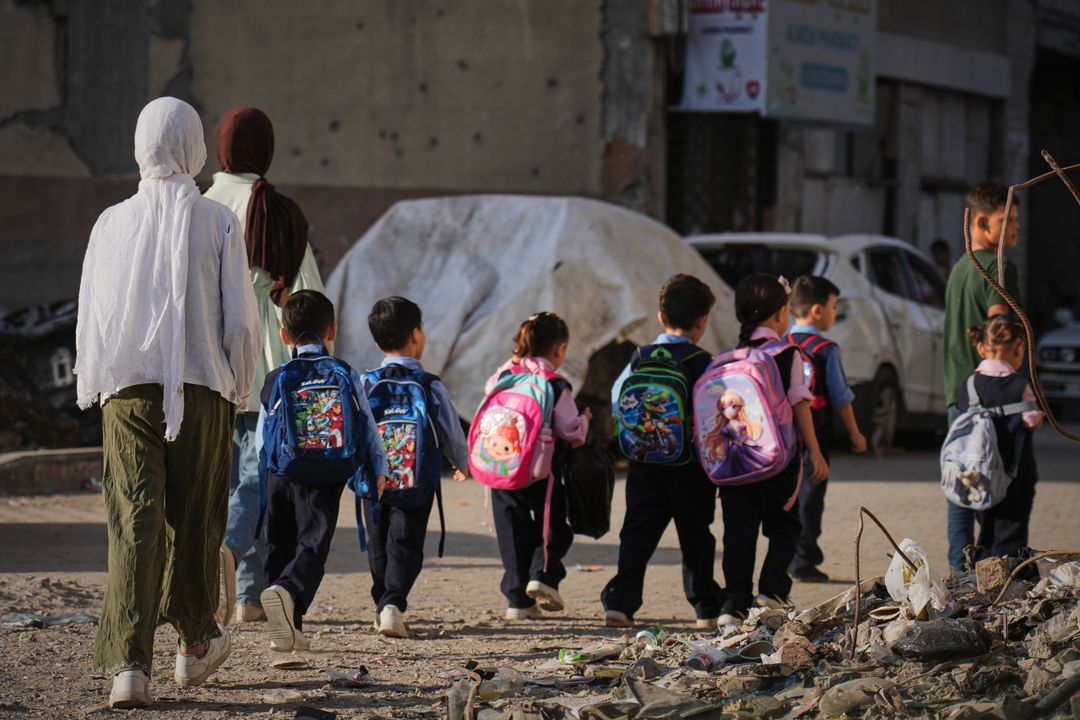
Homes, hospitals, schools and entire neighbourhoods have been destroyed during three years of war in Gaza. These photographs document the devastation and the lives of Palestinians affected by the conflict.

  •  

Two 14-year-old boys killed by an explosive device in a field in Sumy Oblast

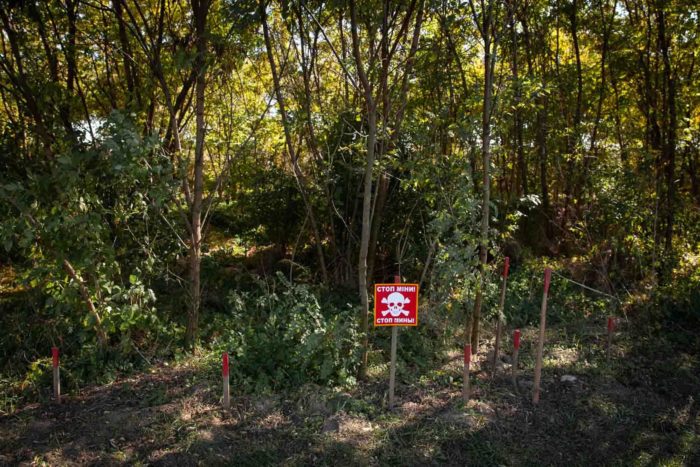
warning signs landmines kyiv oblast brovary

Two 14-year-old boys were killed when an explosive device detonated in the evening in the Konotop district of Sumy Oblast, according to the statement by Oleh Hryhorov, head of the Sumy Regional Military Administration. The children encountered the dangerous device in a field, suffered severe injuries, and died at the scene, the statement said.

In 2022, Russian forces occupied parts of Sumy Oblast, but Ukraine liberated the region in April. Russia intensified its offensive again in 2025. Today, mines, unexploded ordnance and Russian drones shot down over the region pose a danger, as their warheads can detonate after falling. Overall, 146 children in Ukraine have suffered mine-related injuries, former Interior Minister Ihor Klymenko reported in April. For example, two months ago, an 11-year-old boy and a 15-year-old boy in Sumy Oblast were injured when an explosive device detonated.

Hryhorov expressed his condolences to the parents and relatives of the victims and urged people to remain cautious:

“Please be as careful as possible and remind children: do not approach unknown or suspicious objects, touch them, or try to move them. Take care of yourselves and your loved ones,” Hryhorov said.

Demining efforts continue in Sumy Oblast

On 24 February 2022, Russian forces entered the territory of Sumy Oblast. The first battles in the region took place that same day. In particular, Russian forces attempted to break through to Sumy, but Ukrainian troops repelled the offensive. On 11 April 2022, Ukraine restored control over the entire Sumy region.

As early as 7 June 2022, deminers were working in the Konotop, Sumy, and Okhtyrka districts, according to the Government Portal. That day, they surveyed areas and neutralized explosive devices.

The work of deminers remains deadly dangerous. In September 2024, two pyrotechnicians from Dnipropetrovsk Oblast were hit by a mine while demining Sumy Oblast: one died, while the other was hospitalized. In July 2025, deminer Oleh Petrenko was killed during humanitarian demining operations in Shostka District when a Russian FPV drone detonated, the State Emergency Service of Ukraine reported. Another pyrotechnician was injured, the statement said.

Nevertheless, the work continues despite the danger. In 2025, State Emergency Service deminers in the Sumy Oblast found and neutralized 5,283 explosive devices, the agency said in April. Sumy Oblast ranked sixth among all Ukrainian regions by this figure.

Twenty-two percent of Ukraine’s territory is potentially contaminated with explosive devices — more than 133,000 square kilometers, former Interior Minister Ihor Klymenko reported in April this year. Since the beginning of the full-scale invasion, State Emergency Service and National Police deminers have surveyed more than 248,000 hectares of territory and found more than 1 million 112 thousand explosive devices, the statement said.

  •  

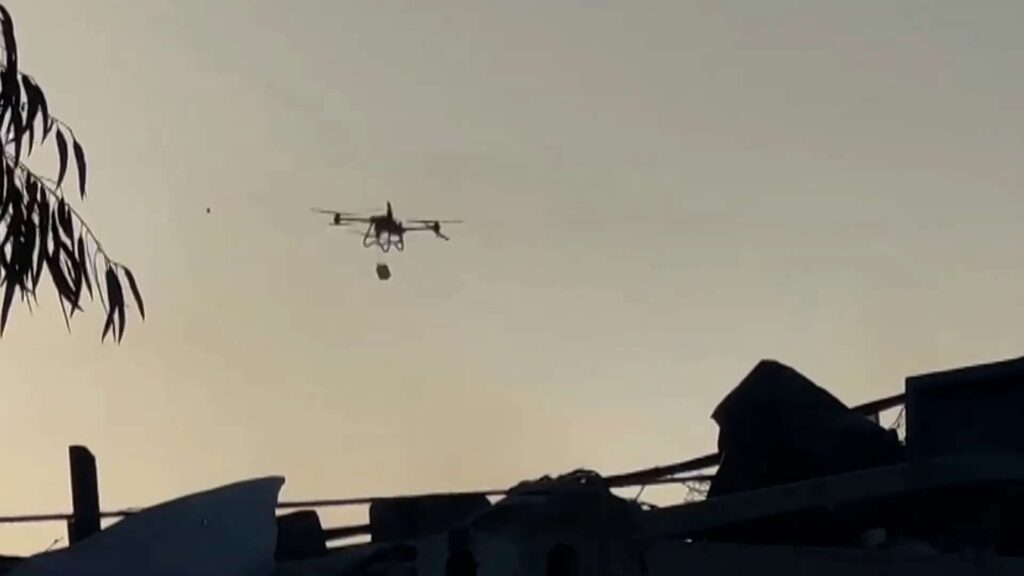
They see them, then kill them: Israeli quadcopters track, deliberately target civilians in Gaza

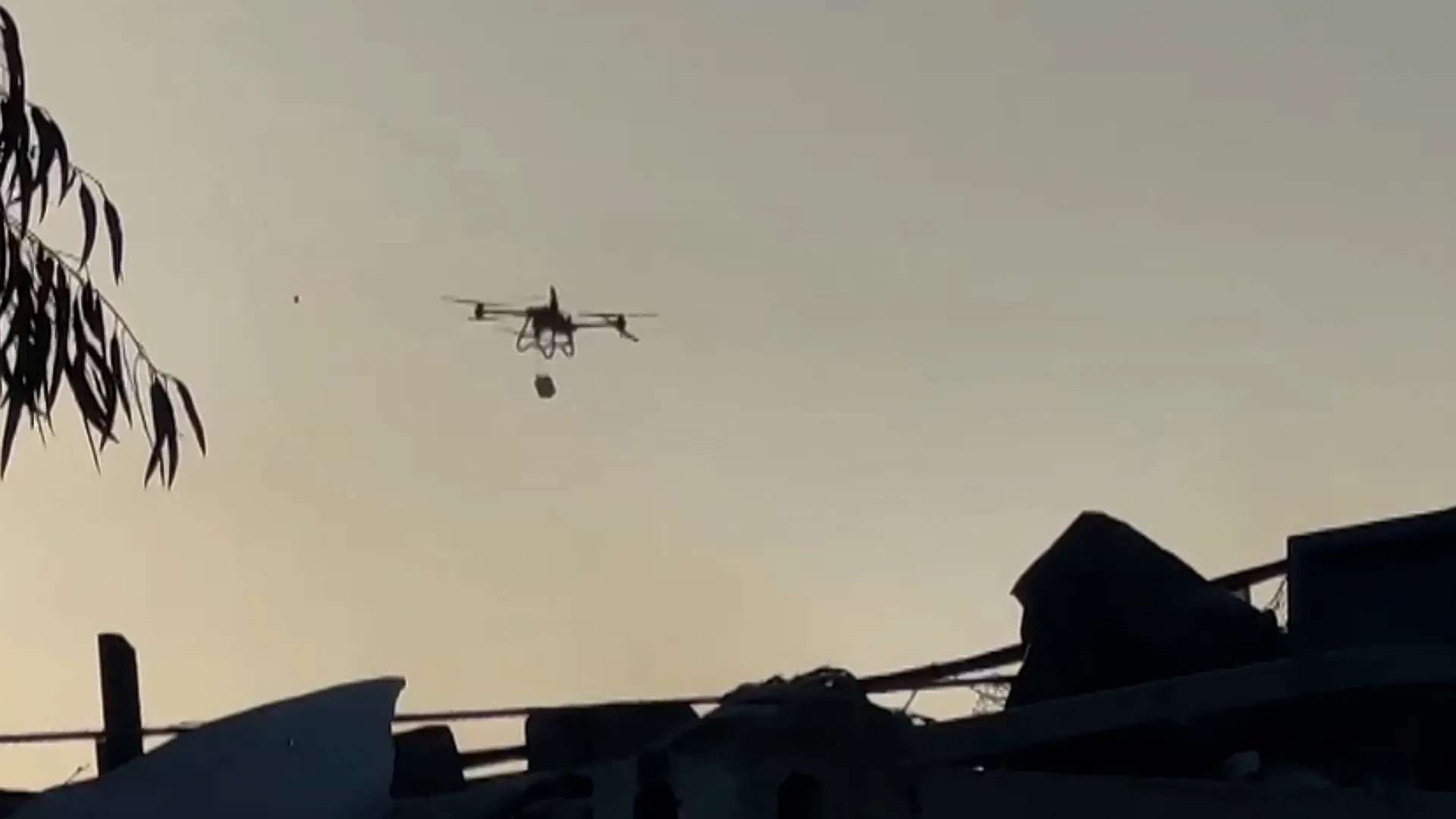
Israel employs military technology capable of identifying specific individuals, tracking their movements, and striking them with precision, despite the clear civilian status of those targeted and their non-participation in hostilities or posing of any imminent threat to Israeli forces or others.

  •  

EU Kids Act targets social media’s impact on children’s mental health

The European Commission unveiled its EU Kids Act on Thursday (17 September), proposing sweeping restrictions on children’s access to social media and new obligations on technology companies to address growing concerns over young people’s mental health and online safety.

The proposal would prevent children under 13 from accessing social media, while 13- and 14-year-olds could use restricted “mini accounts” under parental supervision. From the age of 15, teenagers would be able to open their own social media accounts. The legislation also requires platforms to prove their services are safe for minors, reversing the burden of proof from regulators to technology companies....

  •  

What Happens When a Kid’s Robot Best Friend Dies?

In this story for MIT Technology Review, Sara Harrison explores the field of social robotics and the growing use of robot companions as therapy for autistic and other neurodivergent kids. These playful machines show promise: Research suggests that they can help children practice social skills and offer something overworked therapists and exhausted parents can’t—a patient companion, available 24/7. But Harrison also reports on their limitations and risks. Does this approach truly work? What about all the data gathered on the child? And what happens when a robot friend suddenly stops working and “dies”? A fascinating and unsettling look at tech that has moved into the most intimate corners of a family’s home.

While Moxie found herself in more and more people’s homes, Embodied still struggled to make money. In 2024, the company announced it would cease operations. Its robots—which depended on external servers that the company could no longer pay for—would descend into a deep slumber. 

Videos of bereft children who seemed to have become deeply attached to the blue bot began to circulate online. “I don’t want her to leave,” wailed one child in a TikTok video. Desperate parents posted on TikTok, Instagram, and Reddit looking for solutions. “My autistic child is devastated and I’m pissed,” wrote one parent. “Hope Embodied gives us a couple days to say goodbye,” wrote another. 

  •  

The Ferry Boat Children

With no secondary school in the southern half of the Isle of Mull, children must leave home for the mainland at the age of eleven, living in a youth hostel during the school week. It’s a system that has existed for generations—but what does sending children away so young do to a community? Fernando Pinho gently follows the families who must navigate this rite of passage, and explores the political decisions that have kept this structure in place.

You know that Monday morning dread, she said, when you hate your job and you can’t face going back? The children get that on a Sunday.

Sunday is the day of washing, drying and ironing, because the clothes that came home on Friday have to be packed again for Monday. And then the bag sits at the bottom of the stairs. You come down, and you see it, she said, and it’s this little reminder of what’s coming.

Sometimes there’s an invitation, a barbecue at someone’s house, all of them welcome, just a couple of hours, you’ll be home in time. But her son doesn’t want to leave the house on a Sunday, and she won’t leave him. How do I say I can’t go, she told me.

  •  
❌