❌

Reading view

Russia sells cheaper fuel abroad and pays to keep its own pumps running amid Ukraine’s refinery strikes, but crude money still flows

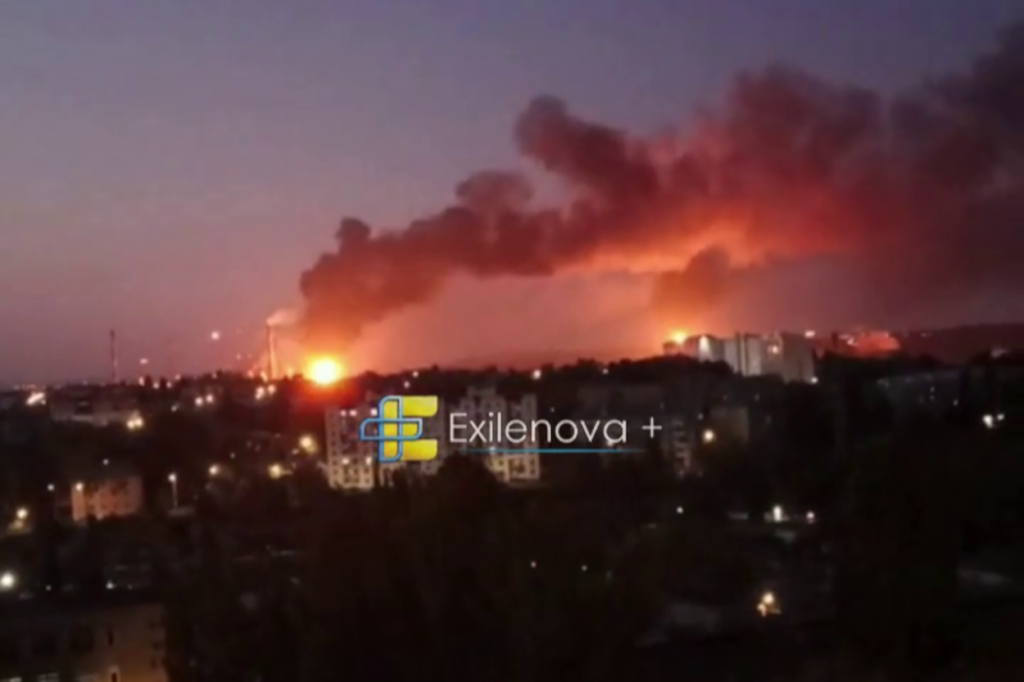
ukraine says its strikes have knocked out 51% russia's oil refining capacity · post flames saratov refinery after reported ukrainian drone strike 2 2026 image_2026-08-02_14-32-39 news reports

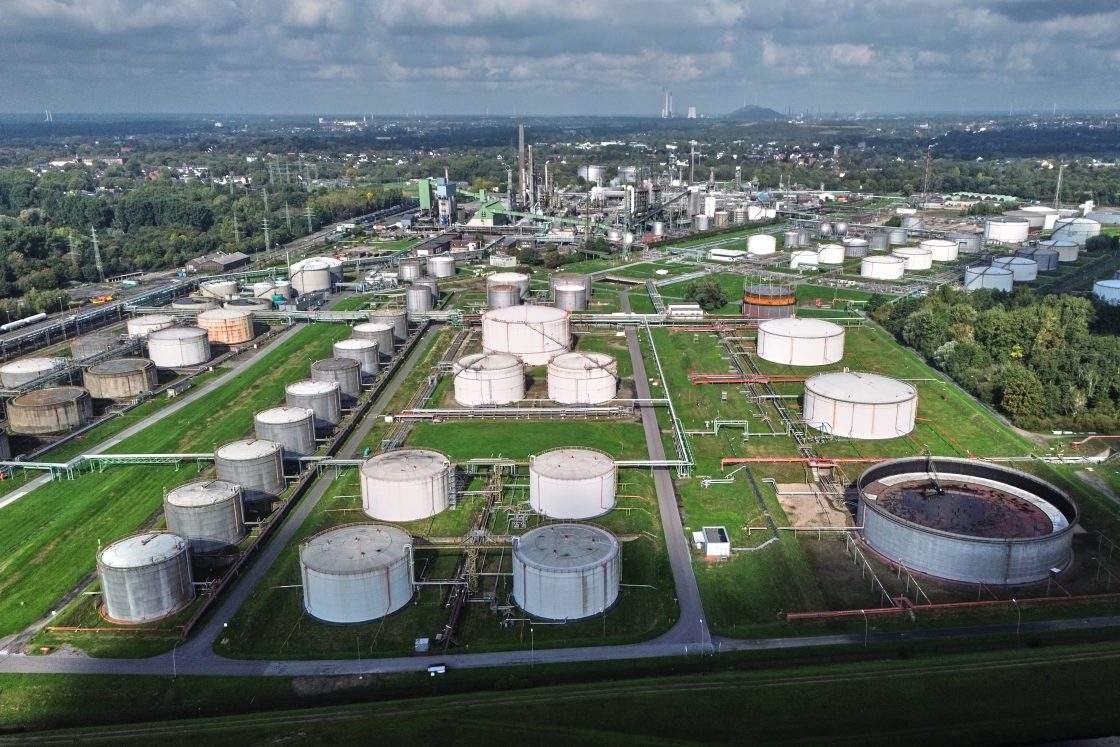
Russia's seaborne exports of refined oil products rose to a three-month high in September, but the growth came from cheaper fuel oil and naphtha as diesel shipments fell to their lowest in more than a decade, Bloomberg reported, citing Vortexa data. Russia kept diesel at home after Ukrainian refinery strikes and paid oil companies to supply its pumps, while high crude prices lifted its crude export earnings.

During the ongoing deep-strike campaign, Ukraine's long-range drones have knocked out more than half of Russia's oil refining capacity, Kyiv says, and Russia's budget oil revenues are falling even as it raises war spending. High global crude prices are softening that blow.

Cheaper fuel out

Total seaborne product exports reached about 1.17 million barrels a day in September. Fuel oil shipments rose 6% to about 613,000 barrels a day, the highest since April. Naphtha, a feedstock for petrochemicals, jumped 35% to 363,000 barrels a day. Exports of refinery feedstocks, including vacuum gasoil, rose to about 32,000 barrels a day, according to Bloomberg.

The trade has moved north. Almost 80% of fuel oil cargoes left from Baltic ports, and naphtha loadings there rose almost 50% as Ukrainian attacks disrupted Black Sea infrastructure. In September, Ukraine reported hitting an oil terminal in Novorossiysk, Russia's main Black Sea oil port—one in a string of attacks on Russia's Black Sea ports and oil sites.

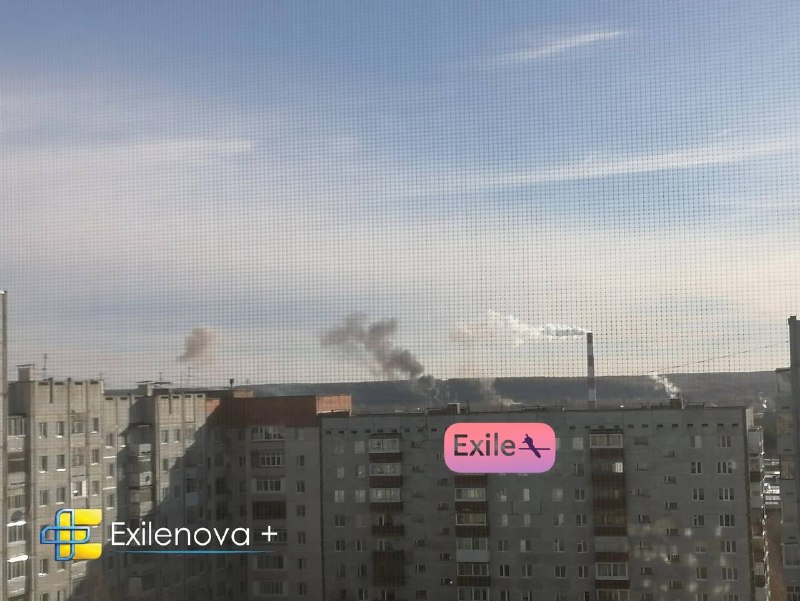
more than 500 drones moscow’s count kh-101 fuel plant second yandex data center far-north refinery hit · post smoke over ukhta komi republic after reported drone attack lukoil 9 2026
Explore further

More than 500 drones by Moscow’s count: Kh-101 fuel plant, second Yandex data center, and a far-north refinery hit

Diesel kept at home

Diesel and gasoil exports fell 28% to 144,000 barrels a day, the lowest monthly volume in Vortexa data going back more than a decade. Russia has restricted diesel exports to protect domestic supply after Ukrainian attacks on its refineries. Drones kept hitting them into October, from a Lukoil refinery in Volgograd to Gazprom's Salavat complex in Bashkortostan.

In September, Russia paid oil companies the biggest subsidy in more than four years to keep road fuel on the domestic market. It also imported about 350,000 tonnes of motor fuel by sea, mostly gasoline from India, Morocco, and Türkiye, Reuters calculations showed. Officials are considering letting some producers resume diesel exports in October to avoid overstocking, according to Interfax.

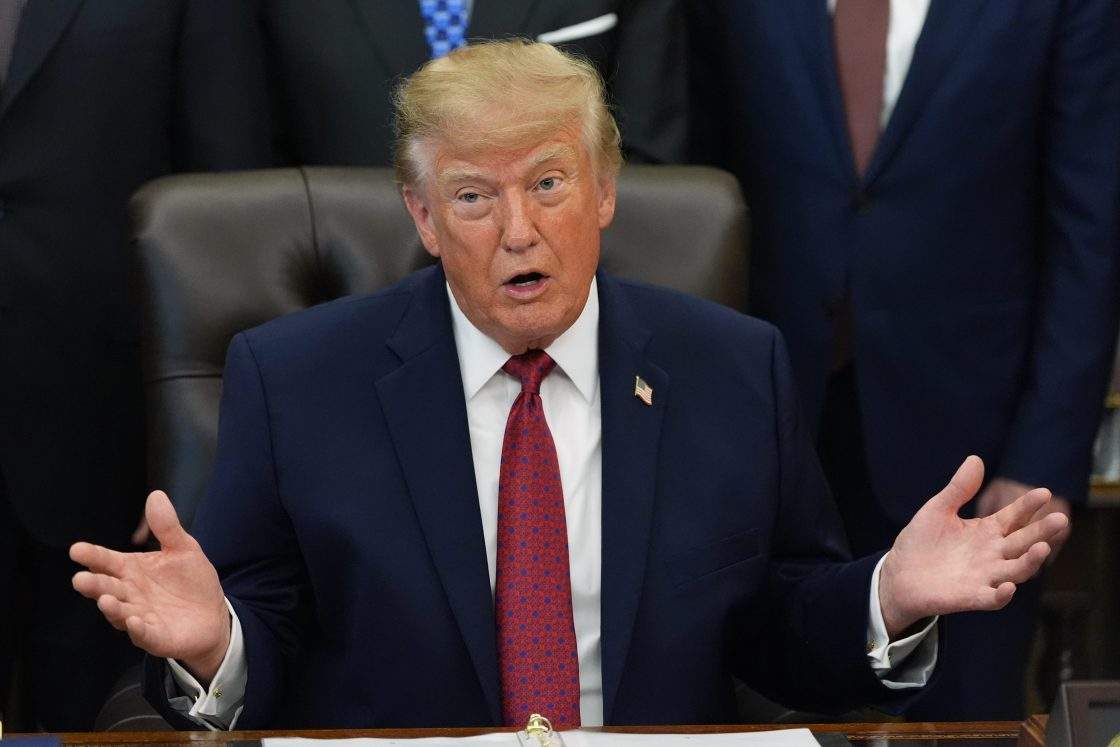
The diesel squeeze has reached the White House. US President Donald Trump stated on 30 September that diesel was hurt "not by the Middle East, but by what's going on in Russia, because those diesel refineries are being knocked out at a pretty alarming rate."

Crude carries the revenue

Russia's crude exports reached about 3.99 million barrels a day in the week to 27 September, and the estimated value of its seaborne crude shipments neared its highest since the full-scale invasion began, Bloomberg reported. Brent crude traded at about $102.60 a barrel on 9 October, according to Trading Economics data.

  •  

Europe Faces Prolonged Diesel Price Pressure Despite Fall in Oil Prices

Brent crude retreated on Friday after President Donald Trump signalled a pause in further attacks on Iran, but European governments remain concerned about diesel supplies, refining capacity and the continuing disruption of shipping through the Strait of Hormuz.

European fuel markets remained under pressure on Friday, 9 October, despite a decline in international oil prices following comments by President Donald Trump suggesting that Washington would refrain from further military strikes against Iran before the November midterm elections.

Brent crude fell by $1.37 to $102.91 a barrel, while US West Texas Intermediate declined by $1.09 to $90.40. The retreat reflected expectations of renewed diplomatic negotiations with Tehran, although oil prices remained considerably higher than before the disruption of shipping through the Strait of Hormuz.

According to the latest oil-market developments, Iran is examining an American proposal that could allow the strategic waterway to reopen within a week. There is, however, no confirmed agreement on restoring maritime traffic.

For the European Union, the immediate concern extends beyond crude oil prices. A prolonged shortage of refined petroleum products, particularly diesel and aviation fuel, is threatening to increase costs across transport, agriculture, manufacturing and logistics.

Brussels Coordinates Emergency Measures

The European Commission has already established a closer system of coordination with member states and the International Energy Agency to address the pressure on fuel markets.

At an Energy Union Task Force meeting on 2 October, officials confirmed that European diesel supplies remained stable, although prices continued to reflect severe constraints in global markets.

The Commission’s assessment distinguished between the physical availability of fuel and the cost of obtaining it. European refineries have maintained high production levels, while importers have sought alternative suppliers to replace disrupted shipments from the Middle East.

A further assessment of European oil supplies published on 29 September found that refineries were operating close to maximum capacity and that stocks in the Amsterdam-Rotterdam-Antwerp trading hub remained below their five-year average.

Although emergency reserves remained available, officials warned that continuing disruption could place additional pressure on the market during autumn and winter.

The next scheduled meeting of the EU Oil Coordination Group is 15 October, although the Commission has indicated that it could convene an earlier meeting if conditions deteriorate.

G7 Plans Major Release of Emergency Stocks

The international response has moved beyond the coordination of existing reserves.

On 2 October, G7 leaders agreed to implement a coordinated release of 100 million barrels through the International Energy Agency framework over four months.

The agreement includes an accelerated release of diesel during the first 20 days, reflecting the difficulties facing markets for refined fuel.

The G7 also called for improved coordination of refinery maintenance schedules and higher utilisation rates where possible, to prevent temporary shutdowns from aggravating shortages.

These measures follow an earlier international commitment, announced in March, to make approximately 400 million barrels of oil available to the market.

Questions remain over how the October measures will be accounted for alongside the March commitments. During a Commission briefing on 7 October, officials said that the International Energy Agency would oversee the process and that Brussels would seek a coordinated European position.

The Commission did not provide figures showing how much oil individual EU countries had released.

European Transport and Industry Face Higher Costs

Diesel has become particularly important to the European response because it remains central to commercial road transport, agricultural machinery and parts of the industrial economy.

Even when crude oil prices fall, the price of diesel may remain elevated if refining capacity is constrained or supplies of finished products are insufficient.

European refiners cannot automatically compensate for shortages elsewhere. Their capacity depends on crude oil availability, technical configurations, maintenance schedules and the profitability of different refined products.

The situation also complicates efforts to contain inflation. Higher freight charges eventually affect the cost of food, construction materials and other goods transported across the European single market.

Member states are therefore considering how to protect vulnerable consumers without introducing measures that would distort fuel distribution or encourage additional consumption.

The Commission has not declared a general shortage of diesel within the EU, and the available evidence does not support suggestions that European fuel supplies are close to exhaustion.

Nevertheless, the current pressure demonstrates the limits of relying on emergency reserves when disruption affects both international shipping and the refining system.

Strait of Hormuz Remains Central

The prospect of diplomatic progress between Washington and Tehran provided some relief to markets on Friday.

However, the physical restoration of shipping through the Strait of Hormuz will depend on security conditions, commercial insurance arrangements and the willingness of shipping companies to resume normal operations.

Oil prices may respond immediately to political statements, but restoring established supply routes and rebuilding commercial confidence can take considerably longer.

For European governments, the forthcoming decisions will concern the management of emergency stocks, refinery production and the costs imposed on consumers and businesses.

Even if negotiations between the United States and Iran produce a temporary reduction in hostilities, the European diesel market will remain exposed until the disruption to international energy trade is substantially reduced.

  •  

Oil Prices Fall as Europe Agrees to Release Emergency Diesel Reserves

Oil prices fell on Friday after European governments backed the release of emergency diesel stocks as part of a wider G7 intervention intended to ease pressure on fuel markets and avert possible US restrictions on diesel exports.

Oil prices fell on Friday after European governments agreed to release emergency diesel reserves, bringing additional supplies onto a market strained by disruption in the Middle East and shortages of refined fuel.

Brent crude futures fell $1.80, or 1.76 per cent, to $100.50 a barrel during trading on 2 October, while US West Texas Intermediate dropped $2.02, or 2.18 per cent, to $90.85, according to market data reported during Friday’s trading.

The fall came as the Group of Seven agreed to release 100 million barrels of oil and petroleum products from emergency stocks over four months. The package includes a substantial release of diesel during the first 20 days.

The G7 leaders’ statement on energy security and market stability said the releases would be co-ordinated through the International Energy Agency and would take account of commitments already made earlier this year. G7 governments will also discuss whether additional diesel releases are required.

The agreement marks a rapid development from the negotiations reported earlier on Friday. As EU Today reported before the G7 meeting, Washington had been pressing European governments, particularly France and Germany, to make more of their strategic diesel stocks available.

President Donald Trump had also raised the possibility of restricting US diesel exports as his administration sought to reduce domestic fuel prices. Such a restriction would have had significant consequences for Europe because the United States has become an important supplier of diesel to the European market.

A French proposal discussed by EU governments earlier on Friday envisaged European countries releasing around 50 million barrels of diesel, alongside another 50 million barrels of crude oil from International Energy Agency members.

The eventual G7 agreement also addresses the risk of export restrictions directly. The seven governments committed themselves to avoiding restrictions on energy and energy-product exports between G7 countries and called on other producers to refrain from measures that could worsen market shortages.

For Europe, the intervention comes as diesel supplies remain physically available but prices are being pushed higher by tight conditions on international markets.

The European Commission’s Energy Union Task Force met on Friday to examine diesel supplies and prices. The Commission said EU diesel supplies remained stable for the time being, but acknowledged that prices were high because of tight global markets.

The latest intervention follows a much larger emergency action earlier this year. In March, the International Energy Agency agreed its largest-ever co-ordinated stock release, making 400 million barrels available after the Middle East conflict severely disrupted international oil markets.

Europe’s contribution to that March operation consisted largely of refined petroleum products rather than crude oil, reflecting the particular pressure facing the continent’s fuel markets.

The pressure is part of a wider European energy problem. EU Today reported this week that the Middle East conflict has added more than €100 billion to Europe’s energy import bill, despite the continent receiving no corresponding increase in the physical amount of oil and gas purchased.

European governments have already committed €17.9 billion this year to measures intended to protect households and businesses from the rise in energy costs, according to an EU Today assessment of national support measures.

Diesel represents a particular vulnerability. It remains essential for road freight, agriculture, construction and large parts of European industry, meaning sustained increases in wholesale prices can feed into transport and production costs across the economy.

The present shortage also reflects changes in Europe’s refining sector. Refining capacity has fallen over the past two decades as plants have closed, increasing dependence on imported diesel and other refined petroleum products. That dependence has become more visible since the EU sharply reduced purchases of Russian fuel following Russia’s full-scale invasion of Ukraine.

The G7 nevertheless made clear that the emergency intervention would not be accompanied by a relaxation of measures against Moscow. Leaders said they would maintain sanctions against Russia while working with the IEA and other partners to limit the effect of market disruption on fuel and commodity prices.

The EU has separately continued to tighten measures targeting Russia’s energy revenues and its so-called shadow fleet, including restrictions connected with the maritime transport of Russian oil and petroleum products. The EU’s latest sanctions package targeting Russian energy revenues was adopted in July.

Friday’s fall in oil and diesel futures indicates that traders expect the additional stocks to relieve some of the immediate pressure on supplies. European gasoil futures, the main regional diesel benchmark, also fell sharply during the day as details of the proposed releases emerged.

The G7 has asked the IEA to monitor implementation and report within 20 days, including on whether further action is required and how emergency stocks should eventually be replenished.

For Europe, the immediate objective is to contain diesel prices without compromising security of supply. The broader issue remains unchanged: reduced domestic refining capacity and heavy dependence on imported fuel leave the European economy exposed when international supply routes are disrupted.

  •  

EU and US Seek Diesel Agreement as Washington Presses Europe to Release Reserves

European governments and the United States are negotiating over emergency diesel reserves as a global shortage of refined fuel places increasing pressure on transport, agriculture and industry.

The Trump administration has urged France and Germany to release diesel from their strategic stocks, while raising the possibility of restricting American diesel exports if European governments fail to put additional supplies on the market.

Washington has asked Europe to release about 120 million barrels over six months, according to people familiar with the talks.

The demand puts European governments in a difficult position. Releasing reserves could help reduce prices in the short term, but it would also reduce the emergency buffer available if disruption to Russian or Middle Eastern supplies becomes more severe.

The European Commission, France, Italy, Ireland and Britain held discussions on 1 October over possible diesel stock releases. Germany has been involved separately in discussions with Washington.

France and Germany hold a substantial share of Europe’s emergency diesel reserves.

Under the EU’s Oil Stocks Directive, member states must maintain emergency crude oil or petroleum-product stocks equivalent to at least 90 days of net imports or 61 days of domestic consumption, whichever is higher.

The requirement exists to provide a buffer against major supply interruptions rather than normal market fluctuations.

Europe’s dependence on imported oil remains substantial. Oil accounted for around 38 per cent of the EU energy mix in 2024, while approximately 95 per cent of crude oil consumed in the bloc was imported.

The latest dispute follows months of mounting pressure in the diesel market.

EU Today reported in September that President Donald Trump had urged Ukraine to reduce attacks on Russian refining infrastructure as global diesel supplies tightened.

Moscow has since extended restrictions on diesel exports. At the same time, disruption to Middle Eastern refining and shipping has constrained another major source of supply, while China moved on 1 October to suspend most fuel-product exports outside Hong Kong and Macau.

The result has been a particularly sharp problem for Europe because its refining capacity has declined over the past two decades and it has become increasingly dependent on imported middle distillates.

European dependence on outside energy supplies was already becoming more expensive before the latest diesel shortage. Recent Eurostat figures showed that the value of EU petroleum-oil imports increased by 55.8 per cent in the second quarter of 2026, even though the physical volume imported rose by only 1.2 per cent.

The United States has become an increasingly important diesel supplier since Europe sharply reduced imports of Russian refined products following Moscow’s full-scale invasion of Ukraine.

That means a US export restriction would have an immediate impact on the European market.

EU Trade Commissioner Maroš Šefčovič said after discussions with US Trade Representative Jamieson Greer that Brussels wanted a coordinated transatlantic approach to lowering diesel prices.

He said restrictions on US diesel exports would damage Europe’s economic performance and that both sides had agreed to remain in close contact.

Šefčovič also noted that the EU had exceeded its commitment to purchase US energy under the trade agreement reached at Turnberry in 2025.

US Energy Secretary Chris Wright, meanwhile, said he was “highly confident” European governments would release additional stocks.

Wright argued that coordinated action was particularly important as the northern hemisphere moved into the harvest season and towards winter, when demand for diesel and heating fuels normally increases.

Emergency releases have already been used on an exceptional scale this year.

In March, the 32 members of the International Energy Agency agreed to make 400 million barrels of oil from emergency reserves available to the market after disruption caused by the Middle East conflict.

It was the largest coordinated stock release in the organisation’s history.

A further European release would therefore come only months after governments had already drawn on strategic reserves to stabilise markets.

The pressure is increasing as oil prices again move higher. Brent crude settled above $102 a barrel on 1 October amid concerns over Chinese fuel exports and further US military deployments to the Middle East.

EU energy officials are now considering whether the immediate risk of high diesel prices outweighs the value of keeping fuel in reserve against a potentially more serious supply disruption later in the year.

  •  

Iran War Adds More Than €100bn to Europe’s Energy Import Bill

European Union countries have paid more than €100 billion extra for energy this year without receiving additional oil or gas, according to EU Energy Commissioner Dan Jørgensen, as disruption linked to the Iran war drives another energy shock through the European economy.

Speaking ahead of an informal meeting of EU energy ministers in Dublin, Jørgensen said Europe had “surpassed €100 billion” in additional spending.

“We have now surpassed €100 billion that we’ve paid extra for our energy this year without receiving one extra molecule of gas or oil,” he said in the European Commission’s recording of his remarks.

The figure puts a direct cost on the price shock which has followed disruption to oil and liquefied natural gas supplies associated with the conflict involving Iran.

The effective closure of the Strait of Hormuz has disrupted one of the world’s most important energy corridors. Under normal conditions, the waterway handles roughly one fifth of globally traded oil and significant LNG volumes.

Europe remains heavily exposed because most of the oil it consumes and about 80 per cent of its gas requirements come from outside the EU.

The consequences were already visible in trade figures published before the latest ministerial meeting.

Last week, EU Today reported that the EU’s oil import bill had risen 55.8 per cent in the second quarter compared with a year earlier, even though the physical volume of crude imported increased by only 1.2 per cent.

Europe was therefore paying substantially more without materially increasing the amount of energy it purchased.

The pressure has intensified as winter approaches.

EU gas storage is around 70 per cent full, roughly 12 percentage points below the level recorded at the same stage last year. Jørgensen has warned governments to continue filling storage or consider reducing demand if required.

Possible measures include limiting temperatures in public buildings, restricting outdoor heating and switching off unnecessary public lighting, according to recommendations circulated to governments ahead of the Dublin meeting.

The informal meeting of EU energy ministers focused on energy affordability, security of supply and Europe’s continuing exposure to international fossil-fuel markets.

Irish Energy Minister Darragh O’Brien described the situation as the second major fossil-fuel shock Europe had faced in four years and argued that domestic clean-energy production was essential if the EU wanted to reduce its vulnerability to future crises.

Europe is in a stronger physical position than during the 2022 energy crisis.

It has expanded LNG import infrastructure, increased renewable electricity generation and reduced gas demand. It has also sharply reduced its dependence on Russian pipeline gas.

But that restructuring has created different dependencies.

European buyers now compete more directly for LNG on global markets, meaning events in the Gulf, Asia or the United States can rapidly affect the price paid by European consumers.

EU Today reported earlier this month that reduced LNG availability and disruption around Hormuz had left European gas storage at historically weak seasonal levels.

Diesel presents another problem.

Europe became more dependent on imported refined products after reducing purchases from Russia, with the United States now supplying approximately half of EU diesel imports.

Washington has considered restrictions on diesel exports as domestic US prices rise. European officials have urged the Trump administration not to introduce such measures, warning that they would increase pressure on international markets.

Emergency reserves provide some protection.

EU countries are required to maintain strategic oil stocks, while the International Energy Agency coordinated a release of 400 million barrels from member-country reserves earlier this year.

France and Germany hold a particularly large share of Europe’s strategic diesel inventories. Further releases remain possible if international markets deteriorate, although no new coordinated decision has yet been taken.

The current crisis is also feeding into the EU’s longer-term energy debate.

Spain, Portugal and Luxembourg are now pressing for an EU renewable-energy target for 2040, arguing that increasing domestic electricity generation would reduce dependence on imported fossil fuels.

The security argument extends beyond climate policy. An EU Today Research Desk paper published in June examined how concentrated fossil-fuel supply routes and maritime chokepoints can transmit geopolitical shocks into European prices, infrastructure and industry.

The current disruption provides a practical example.

Europe has not bought substantially more fuel, but it is paying tens of billions of euros more because the international price of the energy it imports has risen.

The immediate concern is whether supplies and gas inventories will be sufficient through the coming winter without another sharp increase in prices.

The longer-term question is how much of Europe’s energy demand can be moved away from imported fossil fuels before another geopolitical crisis produces the same result.

For EU governments, Jørgensen’s €100 billion figure provides a measure of the cost of that dependency.

  •  

Prezzo della benzina tra percezione e realtà

È vero che il prezzo alla pompa sale rapidamente e scende lentamente di fronte a uno shock. Ma è un fenomeno che si riassorbe in pochi giorni. È poi un settore più trasparente di altri. E anche più reattivo nel passaggio tra ingrosso e dettaglio.

L'articolo Prezzo della benzina tra percezione e realtà proviene da Lavoce.info.

  •  

Prezzo dei carburanti, benzina a 2.029, diesel a 2.260. La regione più cara è la Basilicata

Ogni giorno dalle 8.30 del mattino, QuiFinanza vi informa sul costo dei carburanti in tutte le regioni italiane. Il costo medio attuale è di 2.029 per la benzina, 2.260 per il diesel, 0.797 per il gpl, 1.977 per il metano. Per sapere il prezzo esatto nella tua regione scorri in basso per tutti i dettagli di costo. Il costo medio si riferisce al prezzo mostrato dai distributori di carburanti presenti sulle strade comunali, provinciali e statali.

Abruzzo

Questo è il prezzo di benzina, diesel, gpl e metano di oggi 22 ottobre 2026 nella regione Abruzzo.

TIPOLOGIA EROGAZIONE PREZZO MEDIO
Gasolio SELF 2.253
Benzina SELF 2.032
GPL SERVITO 0.781
Metano SERVITO 1.927

Basilicata

Questo è il prezzo di benzina, diesel, gpl e metano di oggi 22 ottobre 2026 nella regione Basilicata.

TIPOLOGIA EROGAZIONE PREZZO MEDIO
Gasolio SELF 2.311
Benzina SELF 2.073
GPL SERVITO 0.774
Metano SERVITO 1.881

Bolzano

Questo è il prezzo di benzina, diesel, gpl e metano di oggi 22 ottobre 2026 nella provincia autonoma di Bolzano.

TIPOLOGIA EROGAZIONE PREZZO MEDIO
Gasolio SELF 2.267
Benzina SELF 2.043
GPL SERVITO 0.868
Metano SERVITO 1.961

Calabria

Questo è il prezzo di benzina, diesel, gpl e metano di oggi 22 ottobre 2026 nella regione Calabria.

TIPOLOGIA EROGAZIONE PREZZO MEDIO
Gasolio SELF 2.292
Benzina SELF 2.054
GPL SERVITO 0.820
Metano SERVITO 1.947

Campania

Questo è il prezzo di benzina, diesel, gpl e metano di oggi 22 ottobre 2026 nella regione Campania.

TIPOLOGIA EROGAZIONE PREZZO MEDIO
Gasolio SELF 2.290
Benzina SELF 2.062
GPL SERVITO 0.748
Metano SERVITO 1.855

Emilia Romagna

Questo è il prezzo di benzina, diesel, gpl e metano di oggi 22 ottobre 2026 nella regione Emilia Romagna.

TIPOLOGIA EROGAZIONE PREZZO MEDIO
Gasolio SELF 2.252
Benzina SELF 2.020
GPL SERVITO 0.769
Metano SERVITO 1.960

Friuli Venezia Giulia

Questo è il prezzo di benzina, diesel, gpl e metano di oggi 22 ottobre 2026 nella regione Friuli Venezia Giulia.

TIPOLOGIA EROGAZIONE PREZZO MEDIO
Gasolio SELF 2.260
Benzina SELF 2.024
GPL SERVITO 0.765
Metano SERVITO 2.067

Lazio

Questo è il prezzo di benzina, diesel, gpl e metano di oggi 22 ottobre 2026 nella regione Lazio.

TIPOLOGIA EROGAZIONE PREZZO MEDIO
Gasolio SELF 2.244
Benzina SELF 2.018
GPL SERVITO 0.764
Metano SERVITO 1.986

Liguria

Questo è il prezzo di benzina, diesel, gpl e metano di oggi 22 ottobre 2026 nella regione Liguria.

TIPOLOGIA EROGAZIONE PREZZO MEDIO
Gasolio SELF 2.239
Benzina SELF 2.007
GPL SERVITO 0.863
Metano SERVITO 1.973

Lombardia

Questo è il prezzo di benzina, diesel, gpl e metano di oggi 22 ottobre 2026 nella regione Lombardia.

TIPOLOGIA EROGAZIONE PREZZO MEDIO
Gasolio SELF 2.247
Benzina SELF 2.011
GPL SERVITO 0.764
Metano SERVITO 1.904

Marche

Questo è il prezzo di benzina, diesel, gpl e metano di oggi 22 ottobre 2026 nella regione Marche.

TIPOLOGIA EROGAZIONE PREZZO MEDIO
Gasolio SELF 2.241
Benzina SELF 2.018
GPL SERVITO 0.795
Metano SERVITO 1.996

Molise

Questo è il prezzo di benzina, diesel, gpl e metano di oggi 22 ottobre 2026 nella regione Molise.

TIPOLOGIA EROGAZIONE PREZZO MEDIO
Gasolio SELF 2.274
Benzina SELF 2.040
GPL SERVITO 0.807
Metano SERVITO 1.947

Piemonte

Questo è il prezzo di benzina, diesel, gpl e metano di oggi 22 ottobre 2026 nella regione Piemonte.

TIPOLOGIA EROGAZIONE PREZZO MEDIO
Gasolio SELF 2.250
Benzina SELF 2.014
GPL SERVITO 0.759
Metano SERVITO 1.939

Puglia

Questo è il prezzo di benzina, diesel, gpl e metano di oggi 22 ottobre 2026 nella regione Puglia.

TIPOLOGIA EROGAZIONE PREZZO MEDIO
Gasolio SELF 2.275
Benzina SELF 2.043
GPL SERVITO 0.761
Metano SERVITO 1.941

Sardegna

Questo è il prezzo di benzina, diesel, gpl e metano di oggi 22 ottobre 2026 nella regione Sardegna.

TIPOLOGIA EROGAZIONE PREZZO MEDIO
Gasolio SELF 2.253
Benzina SELF 2.025
GPL SERVITO 0.863

Sicilia

Questo è il prezzo di benzina, diesel, gpl e metano di oggi 22 ottobre 2026 nella regione Sicilia.

TIPOLOGIA EROGAZIONE PREZZO MEDIO
Gasolio SELF 2.271
Benzina SELF 2.037
GPL SERVITO 0.812
Metano SERVITO 2.113

Toscana

Questo è il prezzo di benzina, diesel, gpl e metano di oggi 22 ottobre 2026 nella regione Toscana.

TIPOLOGIA EROGAZIONE PREZZO MEDIO
Gasolio SELF 2.249
Benzina SELF 2.022
GPL SERVITO 0.779
Metano SERVITO 2.048

Trento

Questo è il prezzo di benzina, diesel, gpl e metano di oggi 22 ottobre 2026 nella provincia autonoma di Trento.

TIPOLOGIA EROGAZIONE PREZZO MEDIO
Gasolio SELF 2.248
Benzina SELF 2.025
GPL SERVITO 0.806
Metano SERVITO 2.130

Umbria

Questo è il prezzo di benzina, diesel, gpl e metano di oggi 22 ottobre 2026 nella regione Umbria.

TIPOLOGIA EROGAZIONE PREZZO MEDIO
Gasolio SELF 2.243
Benzina SELF 2.021
GPL SERVITO 0.791
Metano SERVITO 2.015

Valle d’Aosta

Questo è il prezzo di benzina, diesel, gpl e metano di oggi 22 ottobre 2026 nella regione Valle d’Aosta.

TIPOLOGIA EROGAZIONE PREZZO MEDIO
Gasolio SELF 2.256
Benzina SELF 2.013
GPL SERVITO 0.869

Veneto

Questo è il prezzo di benzina, diesel, gpl e metano di oggi 22 ottobre 2026 nella regione Veneto.

TIPOLOGIA EROGAZIONE PREZZO MEDIO
Gasolio SELF 2.251
Benzina SELF 2.019
GPL SERVITO 0.780
Metano SERVITO 1.985

Fonte: Osservatorio prezzi Mimit

  •  
❌