❌

Reading view

One Of These Missiles Is Set To Be The Army’s Next Mid-Tier Anti-Air Interceptor

Lockheed Martin and a team made up of Boeing and Anduril are now facing off head-to-head to supply a new middle-tier surface-to-air missile to the U.S. Army. The service wants a second interceptor for its new Enduring Shield system, which can already fire AIM-9X Sidewinders, to expand its capabilities, especially against incoming cruise missiles.

Boeing and Anduril announced their offering had been selected to move ahead to the next phase of the competition to develop what is formally called the Integrated Fires Protection Capability Increment 2 (IFPC Inc 2) Second Interceptor on Wednesday. The Army subsequently confirmed to Breaking Defense that Lockheed Martin advanced to phase 2 of this program. Rafael Systems Global Sustainment, a U.S. subsidiary of Israeli defense contractor Rafael, had also been in the running, but was not down-selected.

The Army’s search for a second interceptor for Enduring Shield traces back to at least 2023. The system, developed by Leidos’ subsidiary Dynetics, is entering operational service now paired with the AIM-9X. It is designed to provide short-to-medium range defense against a variety of aerial threats, including drones. The Army has not had any kind of mid-range air defense capability since it retired its Hawk surface-to-air missile systems in the 1990s.
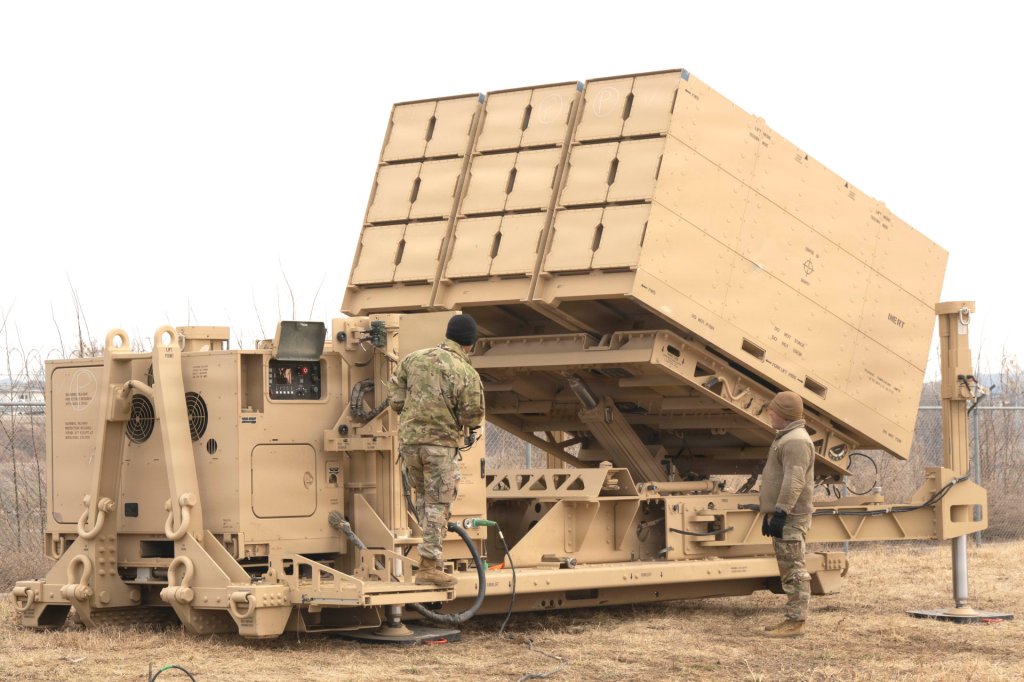
A US Army Enduring Shield launcher seen deployed in South Korea. USAF Pfc. Sang Woo Choi

A model of the missile Boeing and Anduril have put forward was only shown publicly for the first time earlier this year. Boeing says it is a clean-sheet design and it uses a solid-fuel rocket motor provided by Anduril.

A model of the Boeing/Anduril interceptor seen on display at the 2026 Space & Missile Defense Symposium in August of this year. Jamie Hunter

In its announcement about the Army’s down-selection, Boeing shared a previously unreleased rendering of the design, which notably had two sets of fins toward the tail end of the body. The model that has been shown so far only has one set of fins at the very rear of the body. Whether the rendering reflects a newer or older version of the design is unclear. What is seen in the rendering may also be an additional booster rocket motor not seen on the model, which could be necessary for ground-launched applications.

The rendering that Boeing released this week as part of the announcement of its selection to proceed in the IFPC Inc Second Interceptor competition. Boeing

Boeing has also said that the new interceptor is being developed with an emphasis on lower cost and producibility. Modularity and open-architecture systems to enable “faster, lower-cost upgrades by allowing seeker, avionics or software blocks to be swapped without redesigning the entire weapon” have also been particular focus areas, according to the company.

Other details about the missile’s design and capabilities, including how it is guided, remain limited.

“Our scalable production approach is designed to provide a reliable, affordable layer of defense against a range of aerial threats to protect the warfighter with practical, dependable capability when it matters most,” Bob Ciesla, vice president of Boeing Precision Engagement Systems, had said in a statement earlier this week.

Lockheed Martin first showed a rendering of its design last year, but has also shared relatively specific details about it since then. For what has been seen so far, it is visually reminiscent, at least in broad strokes, of a compact air-to-air missile concept called Cuda, which the company previously promoted for a time in the 2010s.

A rendering depicting Lockheed Martin’s proposed interceptor being fired from Enduring Shield launchers. Lockheed Martin

The design is “not new,” Chris Murphy, senior manager of Business Development for Integrated Air and Missile Defense Advanced Programs at Lockheed Martin’s Missiles and Fire Control division, confirmed to TWZ in October 2025.

“There are technologies that we already have that we’re leveraging,” Murphy added at the time. “But the requirements for the missile are such that they’re going to be new technologies, and there’s going to be some level of development in order to get those integrated.”

“So you know that our [PAC-3] MSE missile [for the Patriot surface-to-air missile system] is a hit-to-kill system, right? We have great confidence in that technology,” he also said when asked specifically about whether the interceptor would have a traditional warhead. “We also work [on] blast-frag[mentation warheads] on other programs. So we will look at everything. That’s part of the trade space the Army has asked us to look at.”

The PAC-3 Missile Segment Enhancement (MSE) is generally presented as a hit-to-kill weapon, meaning that it is designed to destroy its target through sheer force of impact. However, it is actually something of a hybrid design that includes a high-explosive “lethality enhancer” charge to increase its chance of scoring a hit, something you can learn more about here.

A breakdown of the PAC-3 MSE’s key features, including the “lethality enhancer.” Lockheed Martin

For its part, the Army has talked in the past about wanting its second interceptor for Enduring Shield to offer roughly comparable capabilities to the AIM-120D Advanced Medium Range Air-to-Air Missile (AMRAAM), but in the same form factor as the AIM-9X. A key driving factor behind the size requirement is retaining magazine depth. The system’s existing palletized launchers can currently be loaded with up to 18 Sidewinders in individual canisters.

Magazine depth, together with more flexibility to engage different threats in different envelopes, is exactly in line with the stated purpose of the Enduring Shield system. The ongoing conflict with Iran, as well as other recent crises in the Middle East and the war in Ukraine, have underscored the threats posed by large-scale complex barrages that blend together long-range one-way-attack drones and cruise missiles. Ballistic missiles are also a very worrisome part of the equation, though Enduring Shield is not capable of engaging them. We will come back to this in a moment.

“I do want to highlight a couple of things that I think are very critical gaps that we have. I don’t think – I cannot add anything to the emphasis on magazine depth for currently fielded systems, or for the need for cheaper and [a] wide-ranging mix of interceptors,” Lt. Gen. John Rafferty, head of the Army’s Space and Missile Defense Command (SMDC), told TWZ and other attendees in a keynote address at the 2026 Space & Missile Defense Symposium last month. “That couldn’t be made more loud and clear from the highest levels of our government.”

At that time, Rafferty also stressed the need to further expand the Army’s ability to provide multi-layered air and missile defense capabilities. Enduring Shield, as the Army’s first middle-tier air defense system in decades, is already a key component of that broader effort.

The Army also more specifically sees Enduring Shield as central to reducing over-reliance on its Patriot surface-to-air missile systems. The immense strain on the service’s Patriot force and its inadequacy to meet existing operational demands are well established at this point, and have only been reinforced by the latest conflict with Iran. The Army is notably in the process of establishing its first new Patriot battalion in years, on Guam, which will actually be a composite unit also equipped with Enduring Shield. Pairing the two systems together helps free up Patriot batteries to engage higher-tier threats, especially ballistic missiles, which may themselves be targeting air defenders directly.

Additional efforts are underway now to further expand the Army’s array of available lower- and higher-end air and missile defense interceptors, as well as new and improved sensors and networks to go with them. This will only help further distribute capability and capacity, giving air defenders more operational space to employ systems when and where they are likely to be most effective.

There is still a question of whether the Army will actually start receiving new interceptors for Enduring Shield. A major issue that has emerged in recent years is being able to produce key munitions in a timely manner to bolster stocks ahead of conflicts and keep them replenished during sustained operations. To use the example of the Army’s Patriot units again, strain there has been further exacerbated by massive expenditures of interceptors in the course of operations in the Middle East in recent years, as well as demand emanating from Ukraine. There have been a succession of reports in recent months about stockpiles of Patriot interceptors, as well as other critical munitions, becoming ever more critically low. The Pentagon has been working with several companies to dramatically step up production of munitions, including existing and new designs, but it will still take time for those agreements to translate into physical results.

The Army has now at least moved to the next phase of the competition for a second interceptor for the Enduring Shield system, demand for which is already growing.

Contact the author: joe@twz.com

The post One Of These Missiles Is Set To Be The Army’s Next Mid-Tier Anti-Air Interceptor appeared first on TWZ.

  •  

Ukraine’s New Shershen SAM Can Fire A Wild Mix Of Adapted Air-To-Air Missiles

Ukraine has unveiled a new domestically developed surface-to-air missile system designed to turn a diverse collection of air-to-air missiles into a flexible ground-based air defense capability. Called Shershen, Ukrainian for hornet, the system combines a locally-developed command-and-control architecture, a dedicated surveillance radar, and multiple launchers that can employ both Ukrainian and Western missiles.

The system was displayed at the MSPO defense exhibition in Kielce, Poland, by the National Association of Ukrainian Defense Industries (NAUDI). The example shown is reportedly the second operational prototype and is described as being close to its production configuration.

At the ongoing MSPO-2026 defense and industrial exhibition in Poland, the launcher of the Ukrainian Shershen air defense system, developed by Radionix, has been presented for the first time, along with the R-120K surface-to-air guided missile specially developed for it (second… pic.twitter.com/5RfZWHWuxl

— 𝔗𝔥𝔢 𝕯𝔢𝔞𝔡 𝕯𝔦𝔰𝔱𝔯𝔦𝔠𝔱 🦩🇬🇪🇺🇦🇺🇲🇬🇷 (@TheDeadDistrict) September 9, 2026

The appearance of Shershen comes as Ukraine continues to develop an increasingly diverse family of indigenous air defense systems, while simultaneously adapting older missiles and foreign-supplied weapons to address a severe shortage of interceptors.

That effort has produced some distinctly unconventional combinations. Ukraine’s so-called FrankenSAM programs have paired existing Soviet-era launchers and radars with Western missiles, while other systems have adapted Soviet R-73 air-to-air missiles for ground launch. The United Kingdom and Denmark have also worked with Ukraine on the containerized Gravehawk system, another concept built around repurposed air-to-air missiles.

The Buk/Sea Sparrow FrankenSAM combines the Soviet-era Buk transporter-erector-launcher with U.S.-supplied RIM-7 Sea Sparrow missiles. Operational Command East

Shershen takes that philosophy a step further by making missile interchangeability a central feature of the system.

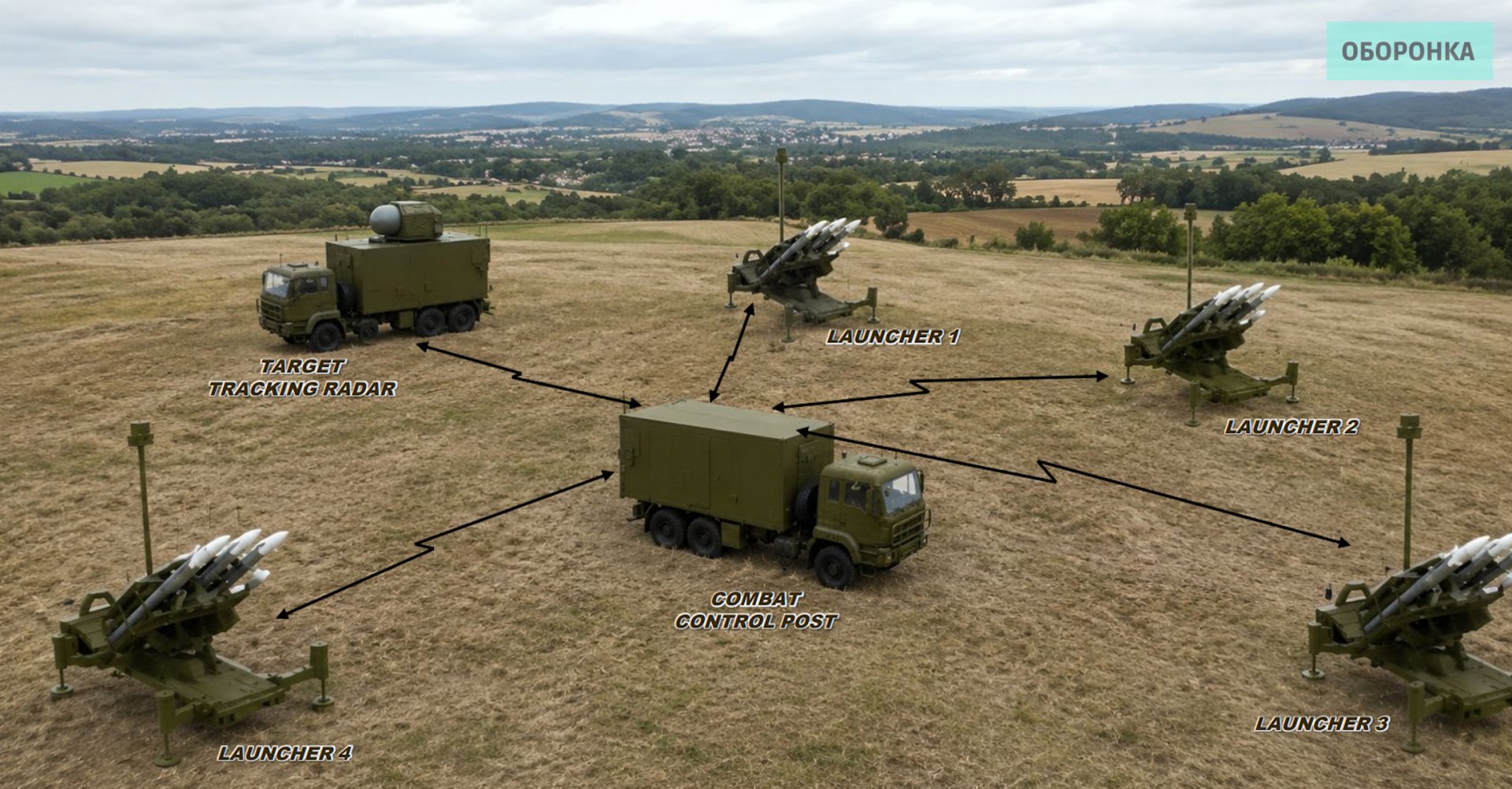
The Shershen battery consists of a Perun command-and-control vehicle, an Athena radar, and four Borei launchers.

A graphic shows a typical Shershen battery. via Oboronka

According to the developer, the system’s architecture is deliberately open. This allows it to use different missiles from different manufacturers and also permits the integration of third-party surveillance and guidance radars.

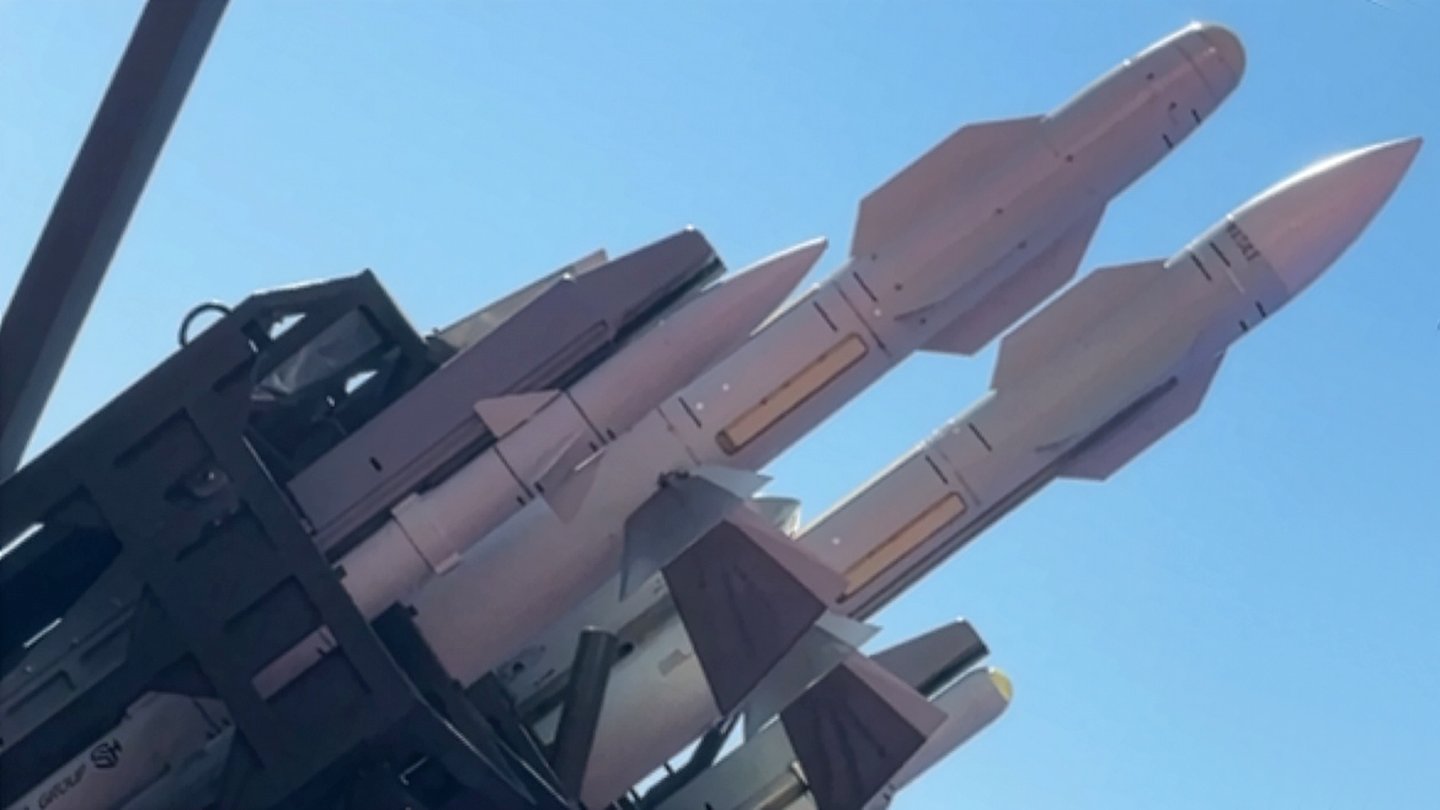
The company says Shershen can currently employ the R-27 (AA-10 Alamo), R-73 (AA-11 Archer), AIM-9 Sidewinder, and AIM-132 ASRAAM, while compatibility with the R-60 is also being explored. These weapons come with a mix of semi-active radar or infrared homing seeker heads.

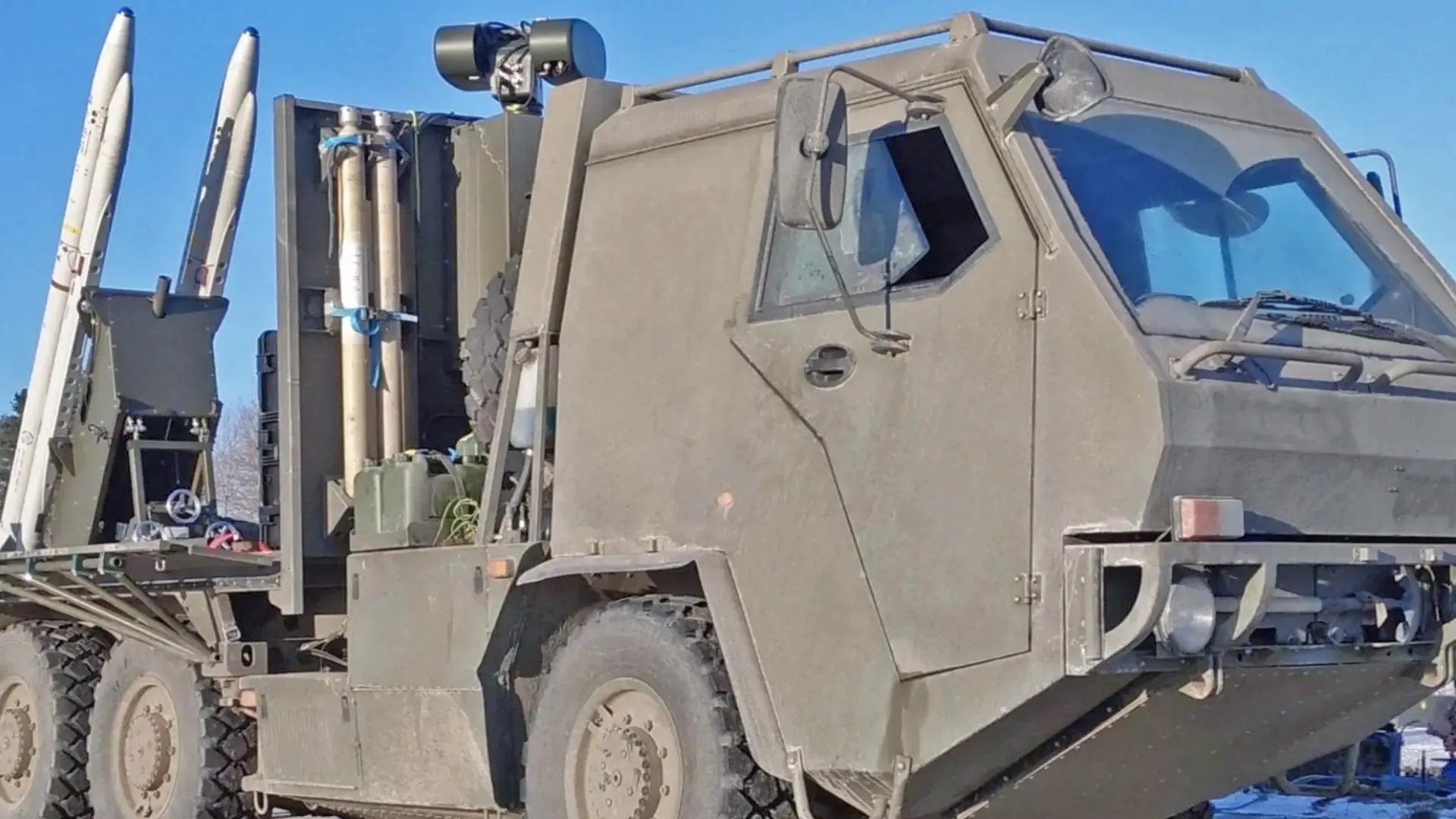
One of the ASRAAM/Supacat air defense systems supplied to Ukraine. Ukrainian Armed Forces

Air-to-air missiles are already available in considerable variety across Ukraine’s arsenal and those of its foreign partners. Being able to employ several types from a common ground-based system provides much more flexibility than a conventional SAM designed around one dedicated interceptor.

It also offers a way to exploit missiles that were never originally intended to be fired from the ground. That means Shershen’s launcher and fire-control system are meant to be interceptor agnostic, at least to a certain degree.

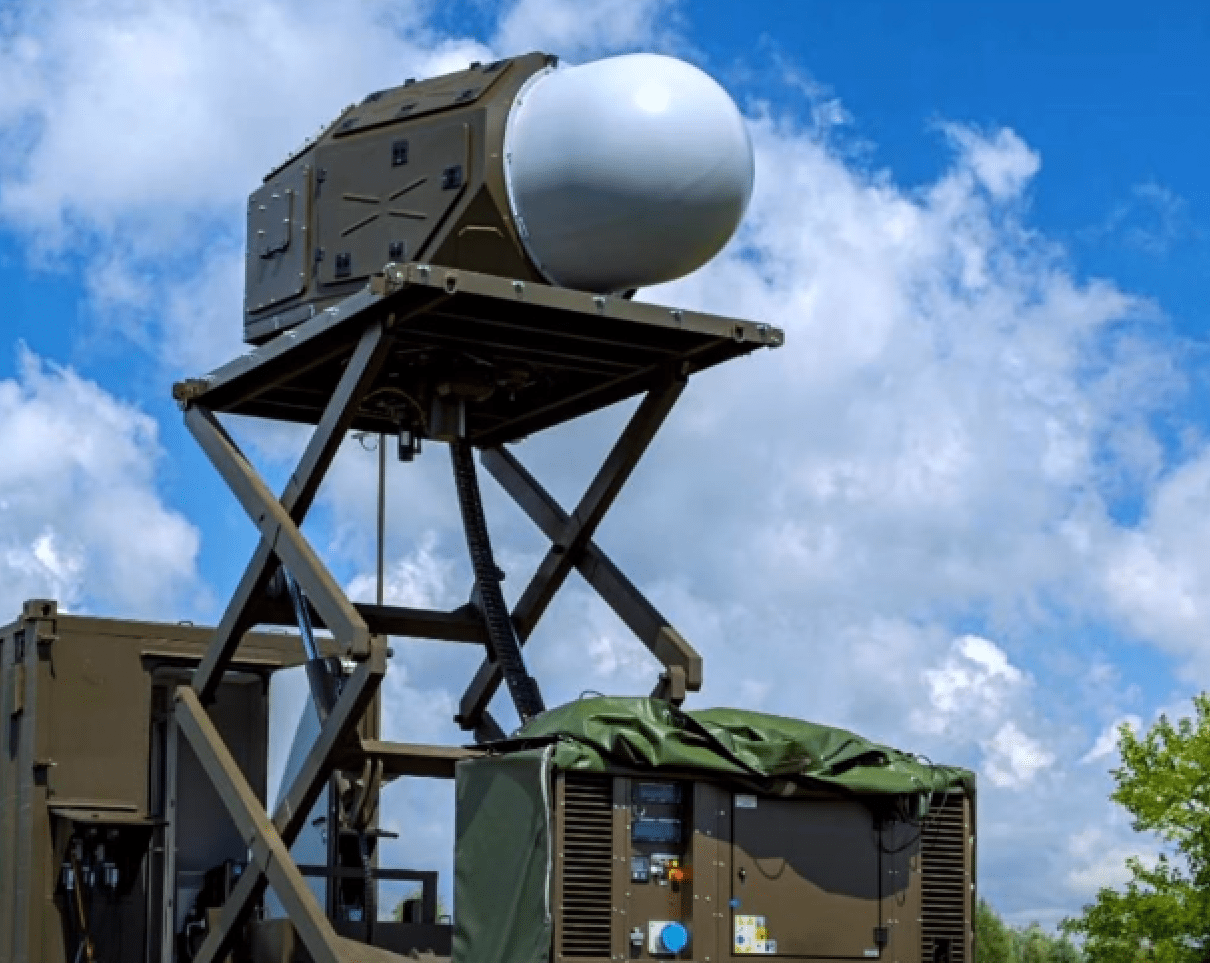
Shershen’s Athena radar is reported to be capable of detecting targets at ranges of up to 85 kilometers (53 miles).

The Athena radar for the Shershen. NAUDI screencap

In terms of the engagement envelope, Shershen is claimed to be capable of engaging aircraft, cruise missiles, and drones at ranges of up to 25 kilometers (16 miles) and altitudes of up to 10,000 meters (32,800 feet). Clearly, these figures will vary widely depending on the type of interceptor.

When employing radar-guided missiles, the system’s engagement architecture can reportedly guide as many as six missiles simultaneously.

The advertised performance figures have not been independently verified, and it remains unclear what target types and engagement conditions were used to establish them.

🇺🇦 Україна представила складові мультикаліберного зенітного ракетного комплексу «Шершень» на міжнародній виставці MSPO 2026 у польському місті Кельце.
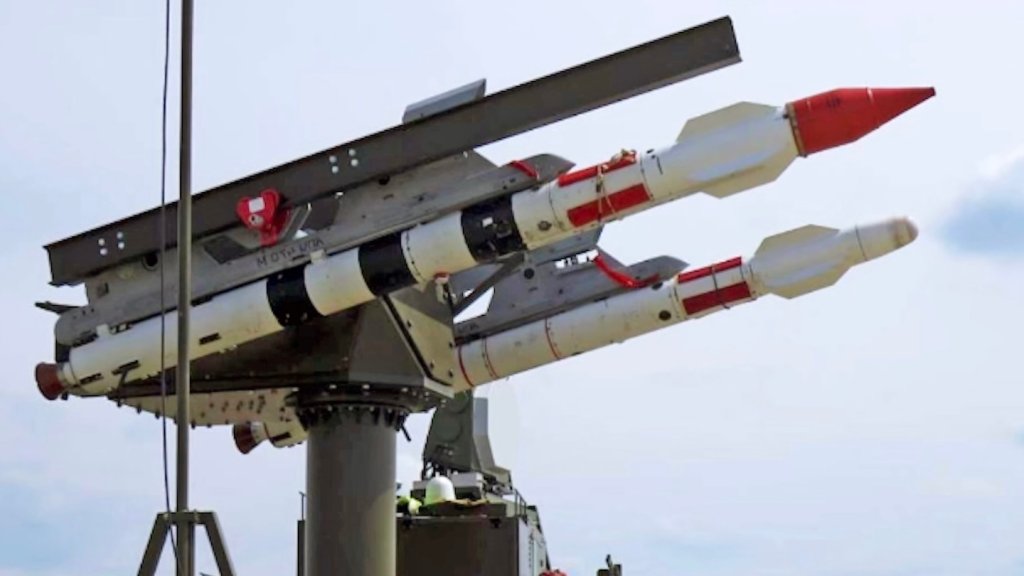

Міжнародний консорціум компаній Shershen Group, який створює ЗРК в інтересах України представив, показав командний пункт,… pic.twitter.com/9wAS7ewxzg

— Мілітарний (@mil_in_ua) September 10, 2026

The developer says the second prototype has completed initial testing, including successful interceptions at a test range.

One of the Borei launchers displayed at MSPO were armed with an R-120K, a new Ukrainian missile equipped with a radar seeker and is intended to be capable of both air-to-air and surface-to-air employment.

The R-120K remains under development, however. Work is reportedly continuing on its rocket motor, meaning that its eventual performance and production status remain uncertain. Still, having the option of including the R-120K on the Shershen system in the future is significant.

Ukraine has unveiled a new surface-to-air missile system designed to turn a diverse collection of air-to-air missiles into a flexible ground-based air defense capability. Called Shershen, or “Hornet,” the system combines a Ukrainian command-and-control architecture, a dedicated surveillance radar, and multiple launchers that can employ both Ukrainian and Western missiles.
A test launcher used for the Shershen program, armed with a radar-homing (nearest camera) and an infrared-guided R-27 missile. The latest prototype features a cage-type container launcher. NAUDI screencap NAUDI screencap

Rather than relying indefinitely on stocks of Soviet and Western air-to-air missiles, Ukraine could eventually have a domestically produced interceptor specifically tailored to its growing family of ground-based air-defense systems. That will become increasingly important as stocks of legacy missiles are depleted. Earlier this year, it was reported that Ukrainian F-16s were running low on their air-to-air missiles, which include the same AIM-9s that are used in some FrankenSAM systems, as well as being compatible with Shershen. But even before that, it was clear that Western-supplied missile stocks in Ukraine across the board were diminishing, in some cases drastically, with critical interceptors like the AMRAAM and Patriot being badly affected.

A live AIM-9L/M Sidewinder launched from the wingtip rail of a Ukrainian F-16. Ukrainian Air Force screencap

Ukraine’s need for additional surface-to-air missiles has become increasingly acute during the full-scale war, especially as Russian drone and missile barrages have stepped up.

The shortage has encouraged Ukraine to pursue a combination of indigenous development and unconventional adaptations.

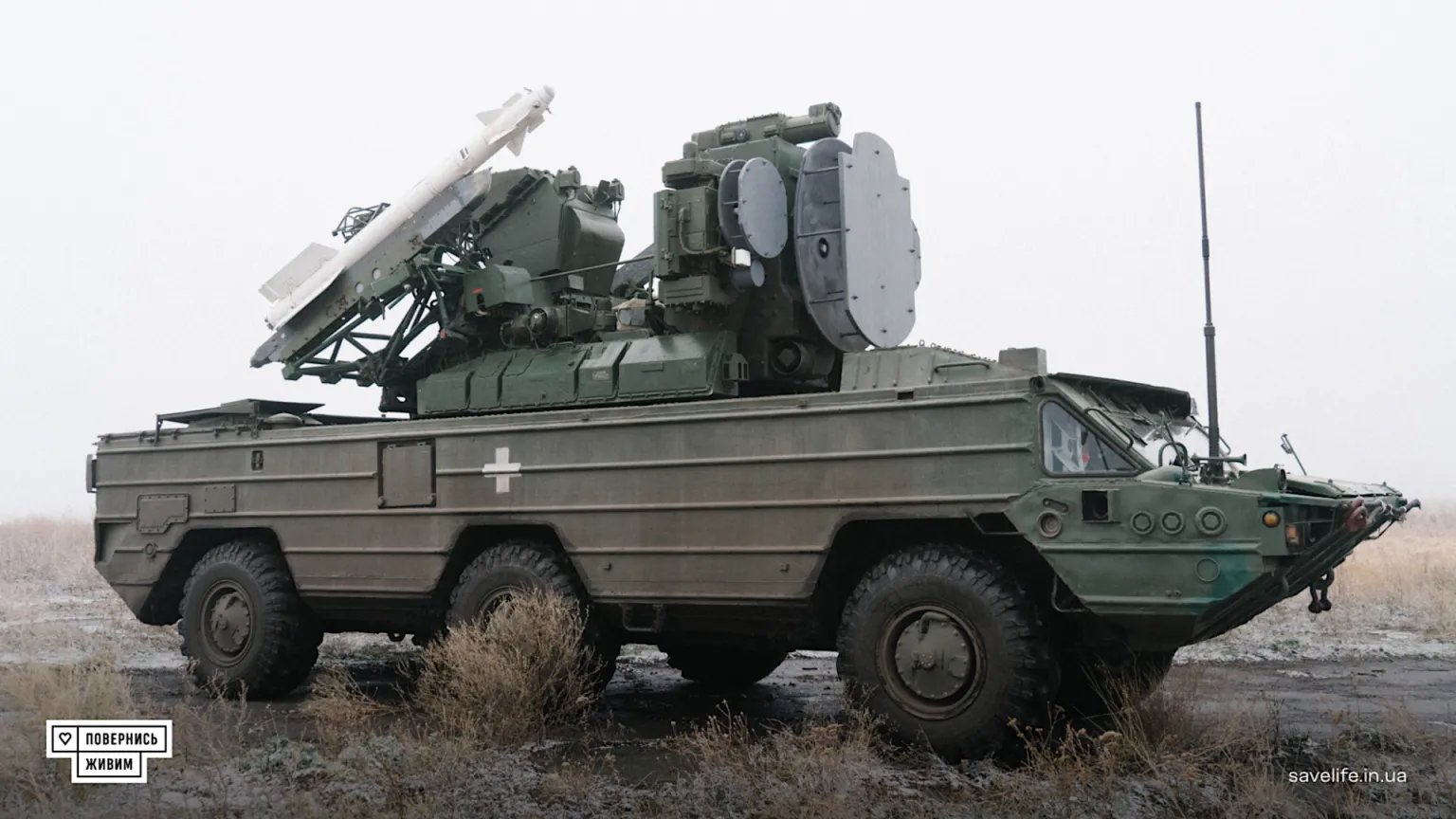
The FrankenSAM initiative, conducted with U.S. support, demonstrated how existing Ukrainian systems could be combined with foreign missiles to rapidly create additional air-defense capacity. Ukraine has also fielded modified Osa systems armed with R-73 air-to-air missiles rather than their original 9M33 interceptors. Other R-73-based concepts have even been demonstrated aboard Ukrainian uncrewed surface vessels.

An R-73 missile loaded on an Osa-AKM SHORADS vehicle. Come Back Alive

Shershen appears to reflect the next logical step in that evolution: rather than creating a one-off FrankenSAM combination, build an architecture from the outset that can accept multiple missiles. Additionally, with so many different ground-based air defense systems now being fielded, it comes with the significant advantage of a standardized launcher and control interface that can accommodate a range of interceptors.

At the same time, Ukraine is pursuing substantially more ambitious indigenous SAM projects.

Earlier this year, a previously secretive Ukrainian missile identified as the Koral made what appeared to be its first public appearance. The program dates back to at least 2021, when Ukraine’s Luch design bureau presented a concept for a medium-range surface-to-air missile.

A missile is launched from a Koral air defense system, based on a Czech Tatra truck chassis. Ukroboronprom

Koral is intended to provide a much longer-range capability, potentially filling some of the gap left by Ukraine’s aging Soviet systems and supplementing the Western-supplied Patriot and SAMP/T.

Shershen, by contrast, is clearly focused on the short-range layer.

Together, the programs illustrate the breadth of Ukraine’s emerging domestic air-defense effort: from relatively inexpensive systems built around repurposed air-to-air missiles to new, purpose-designed interceptors intended to replace or augment Soviet-era systems.

Ukraine’s experience with FrankenSAM has demonstrated the value of getting unconventional air defense combinations into service quickly.

Once fielded, Shershen, with its architecture capable of accepting different Soviet-origin and Western-made interceptors, and eventually a Ukrainian one, gives Ukraine another way to stretch its missile inventory and enhance its air defense capabilities.

Contact the author: thomas@thewarzone.com

The post Ukraine’s New Shershen SAM Can Fire A Wild Mix Of Adapted Air-To-Air Missiles appeared first on TWZ.

  •  

Site Expansions Underpin Lockheed Martin’s Munitions Production Ramp

As spades went into the ground to signal the start of construction of the new Building 47 at Lockheed Martin’s Munitions Production Center in Troy, Alabama, it marked a significant development in accelerating production of the company’s Terminal High Altitude Area Defense interceptor, better known as THAAD. The expansion of factory space in Troy is a key element of the company’s $8-9-billion commitment to expand its munitions production footprint across the United States.

The Department of War’s Acquisition Transformation Strategy is part of a long-term plan that signals clear demand for critical munitions and it enables industry to confidently invest in facilities and workforce development, along with supply chain expansion and advanced manufacturing capabilities. In addition to enlarging the facility in Troy, Lockheed Martin is also growing its plant in Camden, Arkansas, which is another site that’s vital for building more munitions at a faster pace.

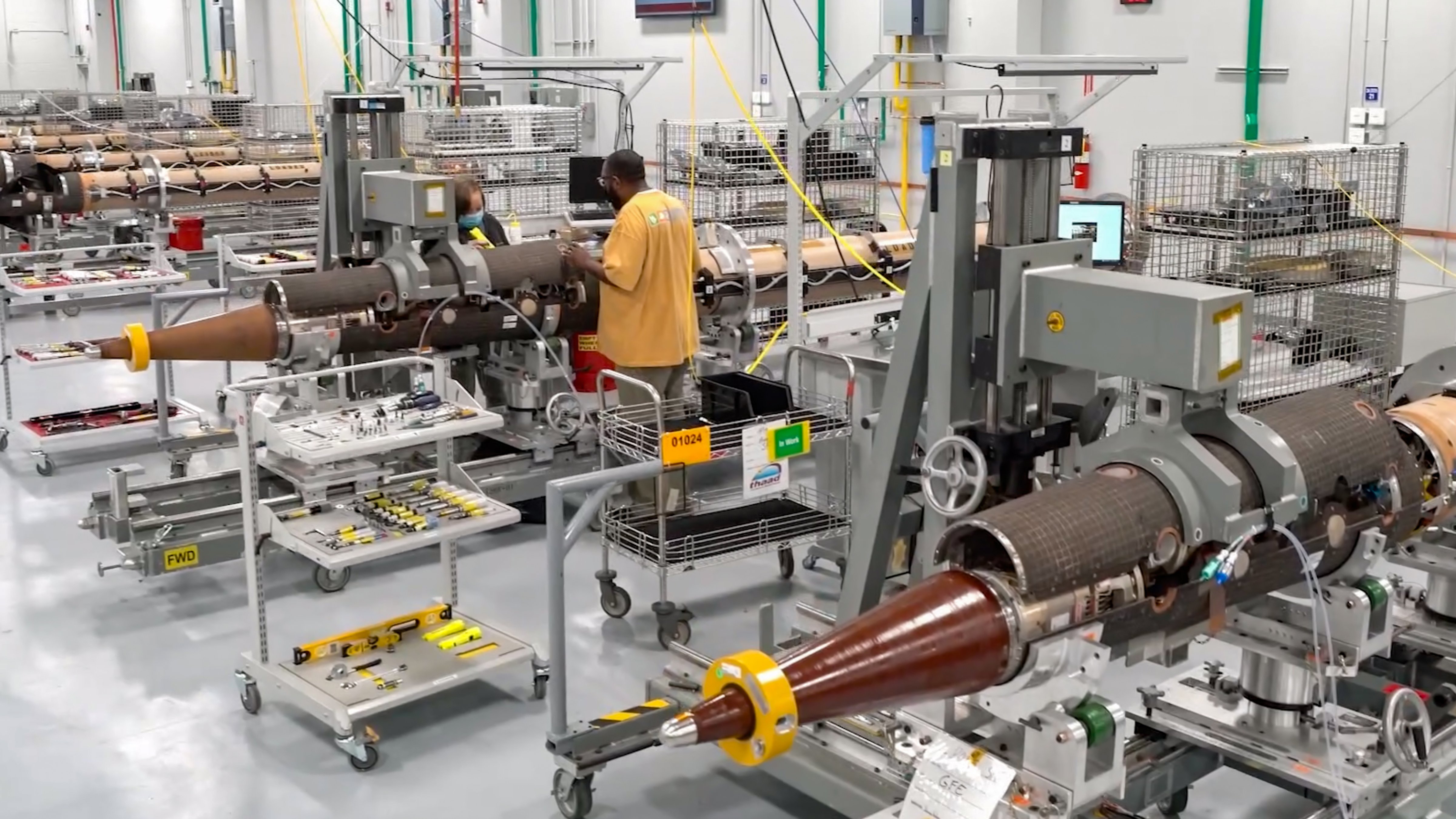
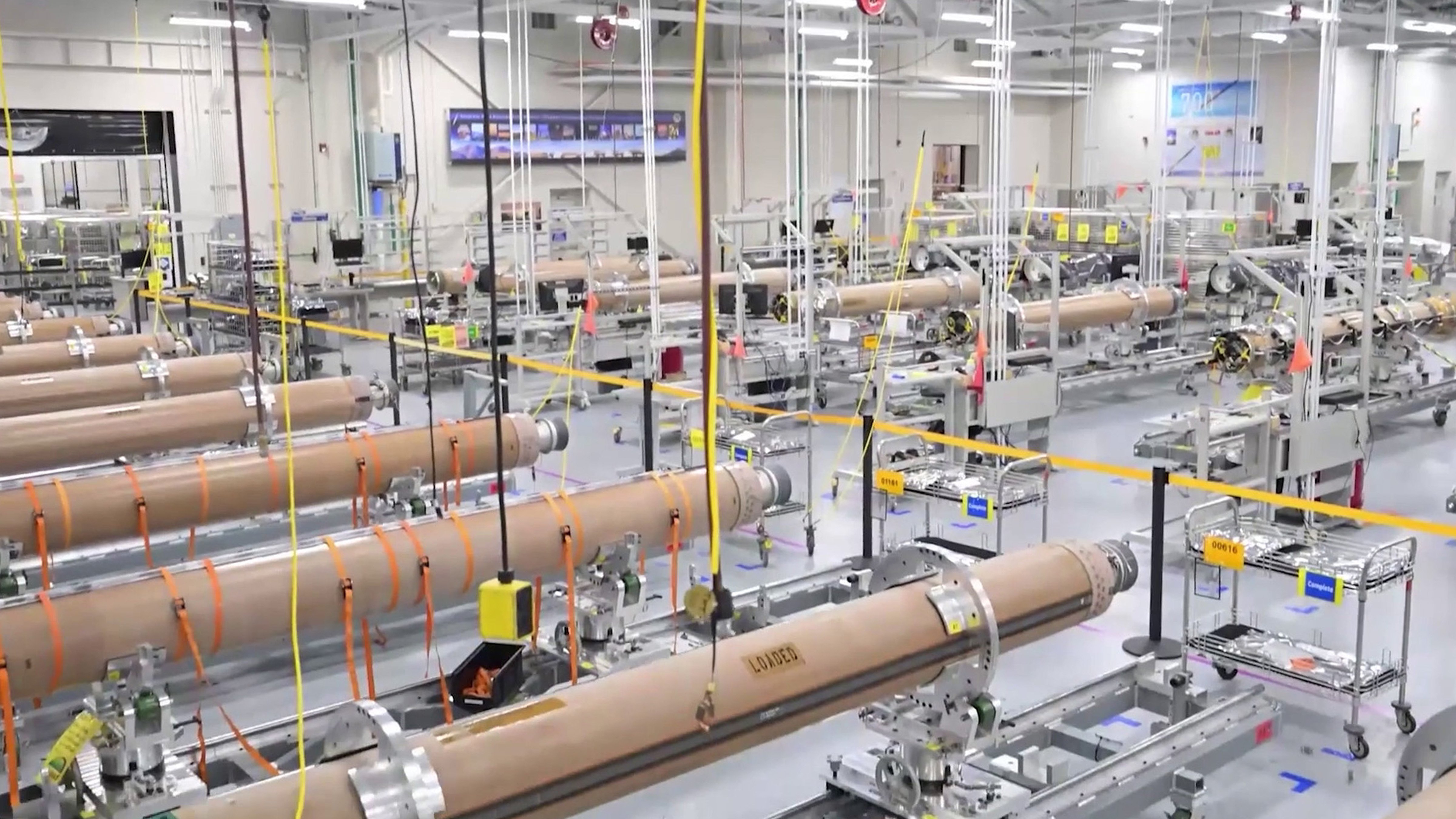
The THAAD production line in Troy, Alabama. Lockheed Martin

“My job is to interface and collaborate with the Department of War in achieving the call to action to produce these critical munitions, not only at speed but also at scale, multiplying the current production rates by two, three, or even four times the current rates,” Dan Nimblett, Lockheed Martin’s vice president for Munitions Acceleration Integration told TWZ on the ground in Troy during the groundbreaking event.

“Fundamentally what’s occurred changes how acquisition works [with] long term demand agreements. These long term procurement agreements enable Lockheed Martin and our supply base to make the necessary investments with confidence of the future demand. This allows us to make the investments not only in our people and our facilities, but in the technology necessary to build [these munitions] at a scale and a speed that’s relevant to the threat today,” explained Nimblett.

Lockheed Martin was the first company in the U.S. defense industry to announce a framework agreement with the DoW for munitions acceleration of high-demand missiles – initially tripling production capacity of the PAC-3 Missile Segment Enhancement (MSE) interceptor, followed by a second agreement to quadruple the production capacity of advanced THAAD interceptors. These two defensive missiles are cornerstones of a layered air and missile defense system, and both have been integrated together via Joint All-Domain Operations, including with the U.S. Army’s Integrated Air and Missile Defense Battle Command System (IBCS).

In response to the DoW’s call to action, the company has already invested more than $2 billion in its production facilities and in the related tooling, its key suppliers, and its workforce in order to accelerate production rates.

PAC-3 MSE in production in Camden, Arkansas. Lockheed Martin

Lockheed Martin plans to effectively double the factory footprint in Troy and dramatically increase the workforce. “We’re going to increase that [workforce] by drawing in college students, high school students, veterans, everybody’s welcome,” explains Jason Reynolds, vice president and general manager for integrated air and missile defense. “When they come to Lockheed Martin, they receive training, they get opportunity, and because these programs are on a ramp and in production in such high demand, this is where you come to start your career and you [can] work here for a long time.”

Lockheed Martin currently employs around 1,100 workers at its Camden site, but this is also growing. The Camden training center is seen as being critical in providing the swift increase in skilled operators needed to support this acceleration. “We work closely with the state of Arkansas as well on looking at what else we can do in the community and the infrastructure in that community to support people moving, hopefully into Camden as we ramp up,” says Reynolds.

“People here [in Troy] really know their work matters. It’s meaningful for both the community as well as for our national defense. So, we’re really proud of our employees and we’re on a growth trajectory. We’re hiring and we want as many qualified people to come join our team as possible.”

The Camden site is also accelerating its work on the long-range Precision Strike Missile (PrSM), which is also set to quadruple production over the next few years. Reynolds added that building missiles faster using automation and advanced manufacturing technologies, plus increasing the production line capacity, are some of the vital means for success.

Lockheed Martin is developing the new PAC-3 Adapted Capability Effector (ACE) to help build ammunition reserves faster. Lockheed Martin

“PAC-3 MSE and THAAD are the most capable air defense interceptors on the planet. They’re in extreme demand [and] we’re doing everything possible,” says Reynolds. “With PAC-3, we have been doubling that production over the last four years and now, like I said, we’re going to triple it. We’re working very carefully with our suppliers, with the U.S. government and with our partners and allies all around the world to get all the parts in and get them into factories like you see behind us today to assemble them and get them out to the warfighter as quickly as possible.”

Another way Lockheed Martin is accelerating the delivery of advanced air defense capabilities is the through the introduction this summer of the PAC-3 Adapted Capability Effector, or PAC-3 ACE. This new missile leverages the PAC-3 fire-control system and provides for full integration with the Patriot weapon suite.

The main differentiator of PAC-3 ACE is that it would be produced at less than half the unit cost of MSE and first flight could occur within 18 months. A core part of the rapid fielding strategy is an international, joint-development model. Lockheed Martin is partnering with both American and European industry, sharing production lines, supply chains and expertise.

Lockheed Martin says PAC-3  ACE provides a “cost-effective, multi-threat solution.” The interceptor is engineered to engage a broad spectrum of air-breathing threats, cruise missiles, and both short and medium-range ballistic missiles. By offering a low-cost “kill” per-engagement, it is designed to address the current climate that demands deeper ammunition reserves without compromising on performance.

The keys to munitions acceleration

This year, Lockheed Martin has made significant progress in a series of production acceleration projects for munitions programs under its Missiles and Fire Control division. “I was supposed to retire last year. I’m here because this is the most exciting time in the 30 years I’ve been in this industry,” says Dan Nimblett. “These long-term agreements provide us the certainty to enable us to make these investments.”

“What recent conflicts have demonstrated is that Lockheed Martin and the American defense industrial base never lost the technological edge. The technology and the capability has always been there – we have the best systems in the world. We’ve proven that through real world performance.”

Nimblett explained that Lockheed Martin’s supply chain is following suit, and that they are all now investing in similar ways to ensure they meet the demand signals. “We’re evaluating how we produce and increase additive manufacturing and robotics. We’re also looking at how we develop, which I think is a fundamental part of getting capability into the warfighters’ hands at a speed and scale that’s relevant to the threat.”

A PrSM test firing during the missile’s development. Lockheed Martin

Having received Milestone C approval from the U.S. Army in July 2025, PrSM manufacturing has relied on a high level of automation. PrSM was engineered from the start for automated, robot-driven production – automating tasks once done by hand – and that early-stage streamlining is paying dividends as Lockheed Martin seeks to accelerate output.

“We have a lot of robotics built into our munitions production,” explains Gaylia Campbell, vice president, Tactical Missiles. “A lot of times we use robotics to help increase the safety of the assembly, like an explosive charge that has to be integrated into a munition, and we have a robotic arm that places that and tests the placement. We also robotically paint and coat [PrSM]. So, we have a lot of robotics already in Camden and that’s really going to help us with this ramp-up in production – the fact that so much of it is [already] automated.”

Campbell emphasizes that PrSM entered production with a mindset of acceleration. “We got PrSM through preliminary and critical design reviews, and into first flight in times roughly half of what it would normally have taken us. We’ve been amazingly successful on all these flights. Those early [test] flights went off one after the other during the COVID-19 pandemic, at a time when there were a lot of challenges for all of us in our daily lives, and yet we were able to continue to fly and prove the operational performance.”

Lockheed Martin is reshaping the munitions supply chain with an unprecedented slate of manufacturing initiatives that pull together new facilities, strategic partnerships, and workforce development. The company is also expanding a number of its other production facilities, such as a $60-million investment in its complex in Archbald, Pennsylvania, that will add 700 jobs in support of high‑priority programs including PrSM, THAAD, PAC‑3, and Apache sensors. In Orlando, Florida, three legacy paint bays have been merged into a high‑performance shop that can retool a work cell in hours rather than weeks, while Ocala’s new Progressive Work Smart Assembly Line has cut seeker and mission control unit build times by roughly 50 percent.

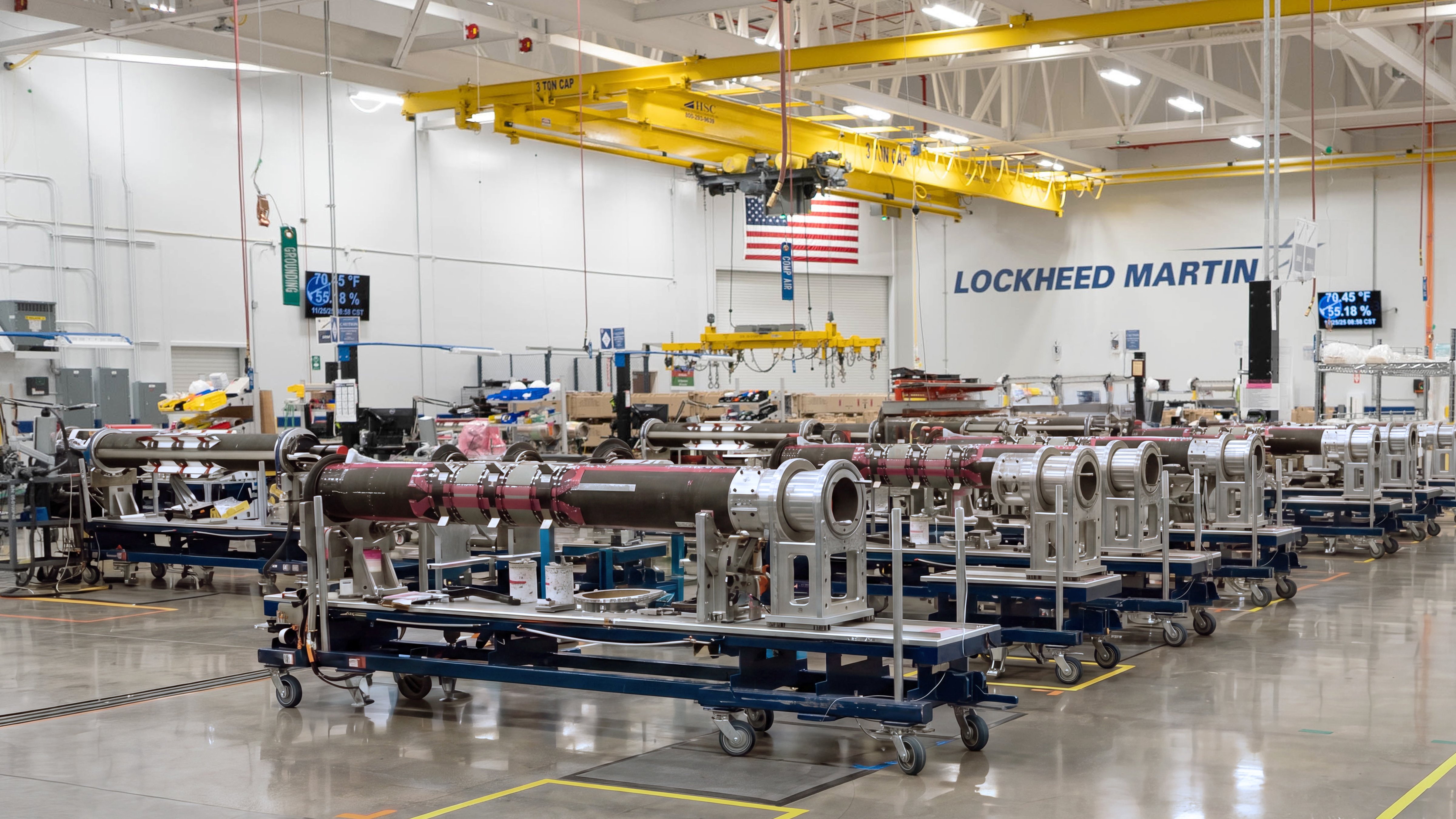
Production capacity for THAAD is expanding in Troy, Alabama. Lockheed Martin

A partnership with General Motors will bring high‑rate commercial manufacturing expertise into Lockheed Martin’s production processes, and the new Rapid Fielding Center in Grand Prairie, Texas, is tasked to reduce traditional manufacturing development timelines. What once took years of design, testing and tooling is aimed to be prototyped, fabricated and validated in a matter of months.

Echoing endorsement of the DoW’s initiative, Campbell underscores that knowing what the demand signal will be is a critical differentiator when it comes to production ramp-up. “We can plan for some of those really critical rare earth minerals that we need, the batteries for example in our munitions, we need certain rare earth minerals for that. We need to know the total demand signal and that means we can negotiate with the suppliers and guarantee that we have access. That can really help us accelerate.”

To support the wider munitions efforts Lockheed Martin is also investing in solid rocket motor development and production, as well as lower-tier parts that go into solid rocket motors. “We’re working with different suppliers to develop new sources of supply for solid rocket motors,” says Campbell. “We’re investigating heavily right now in designing and prototyping several motors that we plan to test and take to production, and that really will develop a whole new supply chain and will really be critical for all munitions production.”

Having a five-year contract instead of annual contracts allows the manufacturer to have far more buying power to secure sub-components for a far better price point. “I can go and invest. Invest in more capacity, invest in my supplier’s capacity,” explains Campbell.

“Production is all about velocity. Keeping the line moving and not having to stop because we don’t have a part. Being able to order bigger quantities of things up front is really huge when it comes to acceleration.”

Contact the author: Jamie.Hunter@teamrecurrent.io

The post Site Expansions Underpin Lockheed Martin’s Munitions Production Ramp appeared first on TWZ.

  •  
❌