❌

Reading view

At the epicenter of the mysterious health alert in Siberia: ‘Plague? There’s no panic, people are calm’
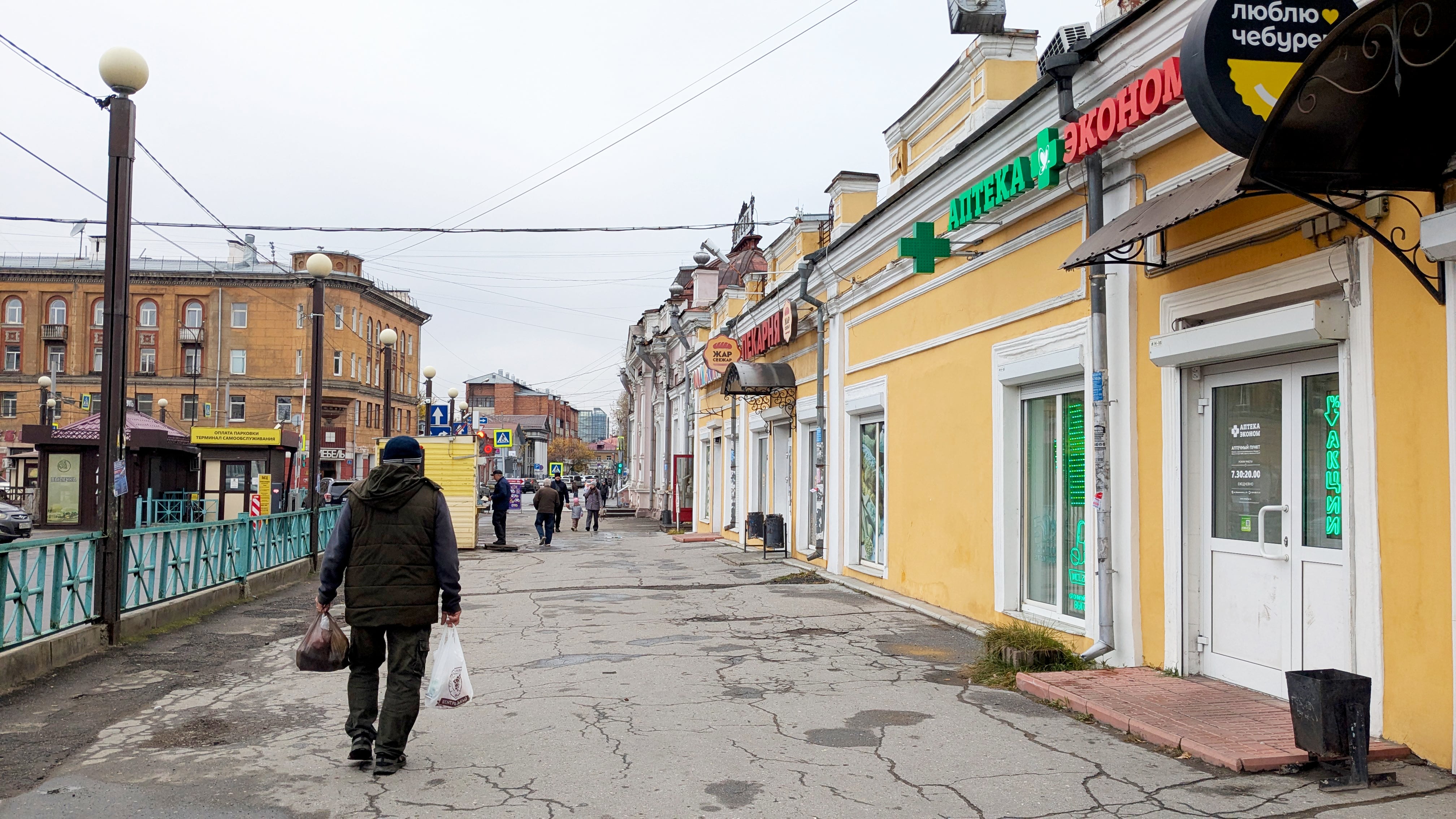
A street in Irkutsk, Siberia, where a woman died of pneumonia suspected to be related to plague.

“What plague?” an Irkutsk resident exclaims when the epidemiological crisis that has put this small Siberian city near Mongolia on the front pages over the past week is mentioned. “Do you see me wearing a mask?” the annoyed clerk at a pharmacy retorts when asked whether she has noticed any concern over reports of quarantines and the death of a laboratory worker. “Whatever the authorities say, we’ll obey. We all obey the authorities,” say two elderly women, carefree as they sit on swings in a park in Shelekhov, the suburb that their own governor advised people not to visit due to “a particularly dangerous infection.”

Seguir leyendo

  •  

The uncertainty of families of the 280,000 people missing in the war between Russia and Ukraine: ‘They must live with silence’

At least 280,000 people are missing due to the war between Russia and Ukraine, according to the vast list maintained by the International Committee of the Red Cross (ICRC). It includes Ukrainians and Russians, without distinction, and the true figure is likely higher because the list contains only requests registered with the organization. The vast majority are soldiers. Although many have probably died, some parents and wives still set a meal at an empty chair and leave their rooms unchanged in case the person suddenly returns home. They carry a pain psychologists call ambiguous loss.

Seguir leyendo

© Stringer (REUTERS)

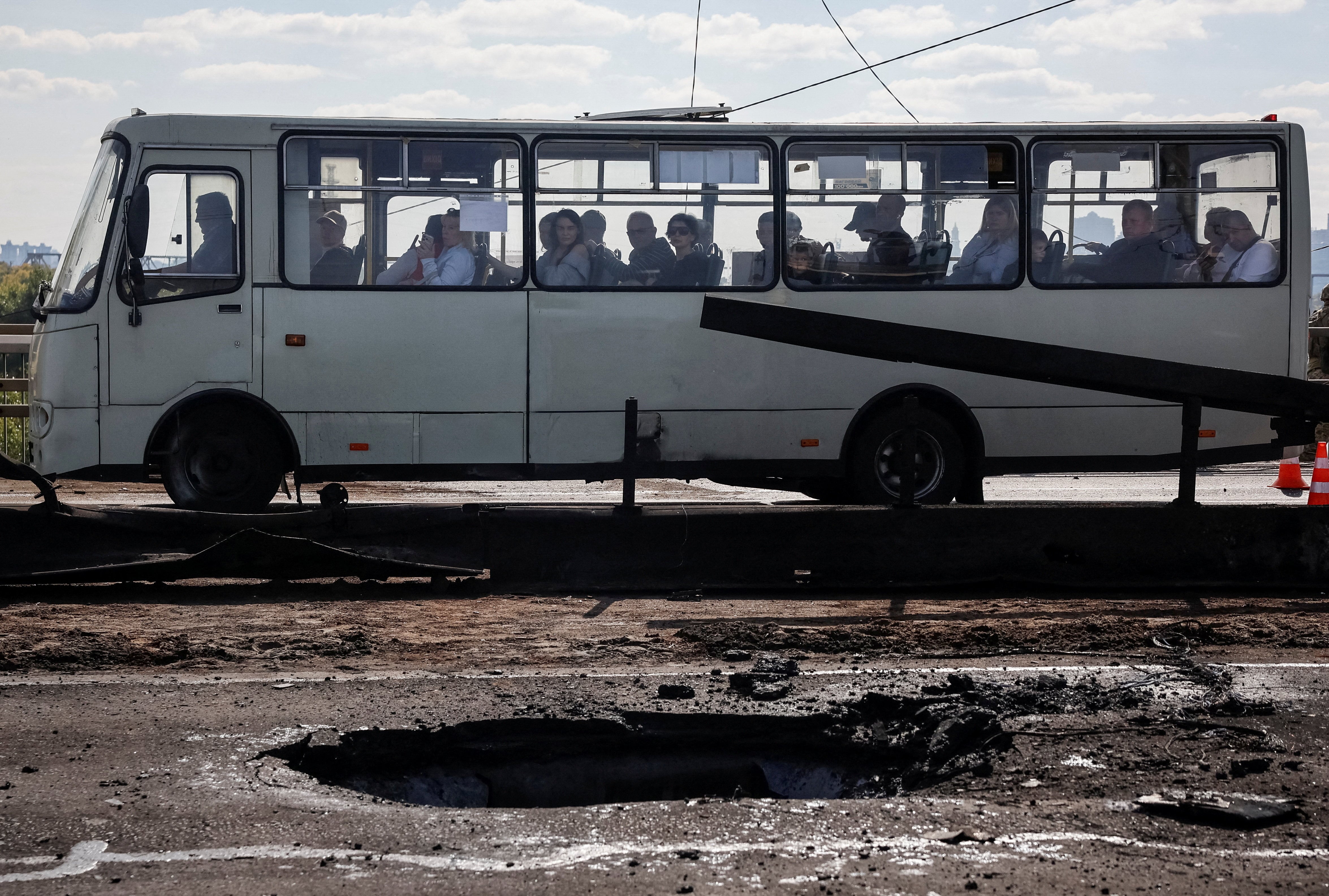
One of the bridges damaged by Russian attacks on Kyiv last Sunday.
  •  

Should AI pay taxes? The debate is gaining traction in the US

As the controversy over AI safety grows, another debate is emerging. Bill Gates, the founder of Microsoft, has said that artificial intelligence should pay taxes to compensate for the jobs that will be destroyed by the deployment of this technology.

Seguir leyendo

© EvgeniyShkolenko (Getty Images)

A systems administrator works in a server room.
  •  

Key points from the Supreme Court in the case against the oil companies. What is being judged? What are the repercussions?

The first hearing of the Supreme Court’s new term on Monday addressed one of the most consequential cases for the U.S. energy sector: The City of Boulder v. Suncor Energy, a lawsuit regarded as one of the major battles over liability for climate change. Framed by many as a David-and-Goliath dispute, the City of Boulder, Colorado, sued two oil companies seeking accountability for climate change. Justices heard the parties’ arguments for roughly two hours and questioned lawyers on technical and jurisdictional matters. These are the key points in one of the most important court battles expected in the coming months.

Seguir leyendo

© Kevin Wolf (AP Photo/Kevin Wolf)

A protest outside the Supreme Court against the oil companies.
  •  

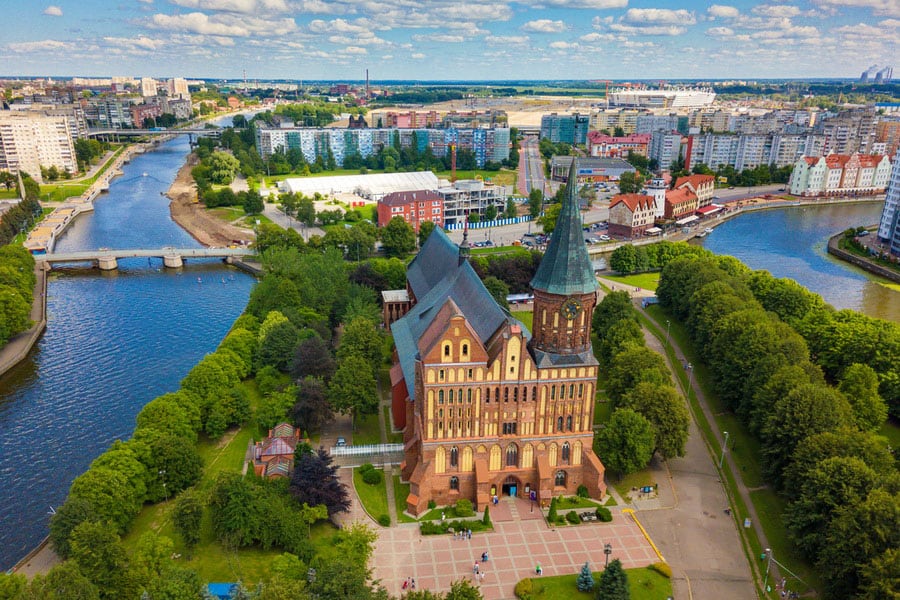
Kaliningrad, the Russian militarized exclave surrounded by NATO that triggered Putin’s nuclear threat

Aerial view of Königsberg cathedral in Kaliningrad, 2023.

Kaliningrad, the militarized Russian exclave wedged between NATO and EU members Poland and Lithuania and a constant flashpoint between the Kremlin and the Atlantic Alliance, has become the center of Vladimir Putin’s nuclear threat against Europeans. Last week Moscow accused NATO of seeking to block Kaliningrad and threatened to use nuclear weapons if the military organization moves forward with that alleged plan. For the Kremlin, the exclave, which gives it a strategic outlet to the Baltic Sea (it is the only port it can use year-round) and is a key node in its hybrid war against Europe, is an advanced bastion. For NATO, it is a piece on the board that shapes any crisis in the Baltic because it could hinder allied military movements.

Seguir leyendo

  •  

Shell companies, Kyrgyz firms, and cryptocurrencies: The Kremlin’s phantom network to evade sanctions

The Russian invasion of Ukraine is approaching its fifth year. Since February 24, 2022, Europe and the United States have rolled out a battery of sanctions intended to strangle the Russian economy to the point where regime change would be the only viable outcome for the Kremlin. The wave of restrictions, however, has several loopholes — some deliberately left by the West to preserve certain exchanges, such as a limited purchase of hydrocarbons.

Seguir leyendo

© Vyacheslav Prokofyev (Vyacheslav Prokofyev/Pool Sputni)

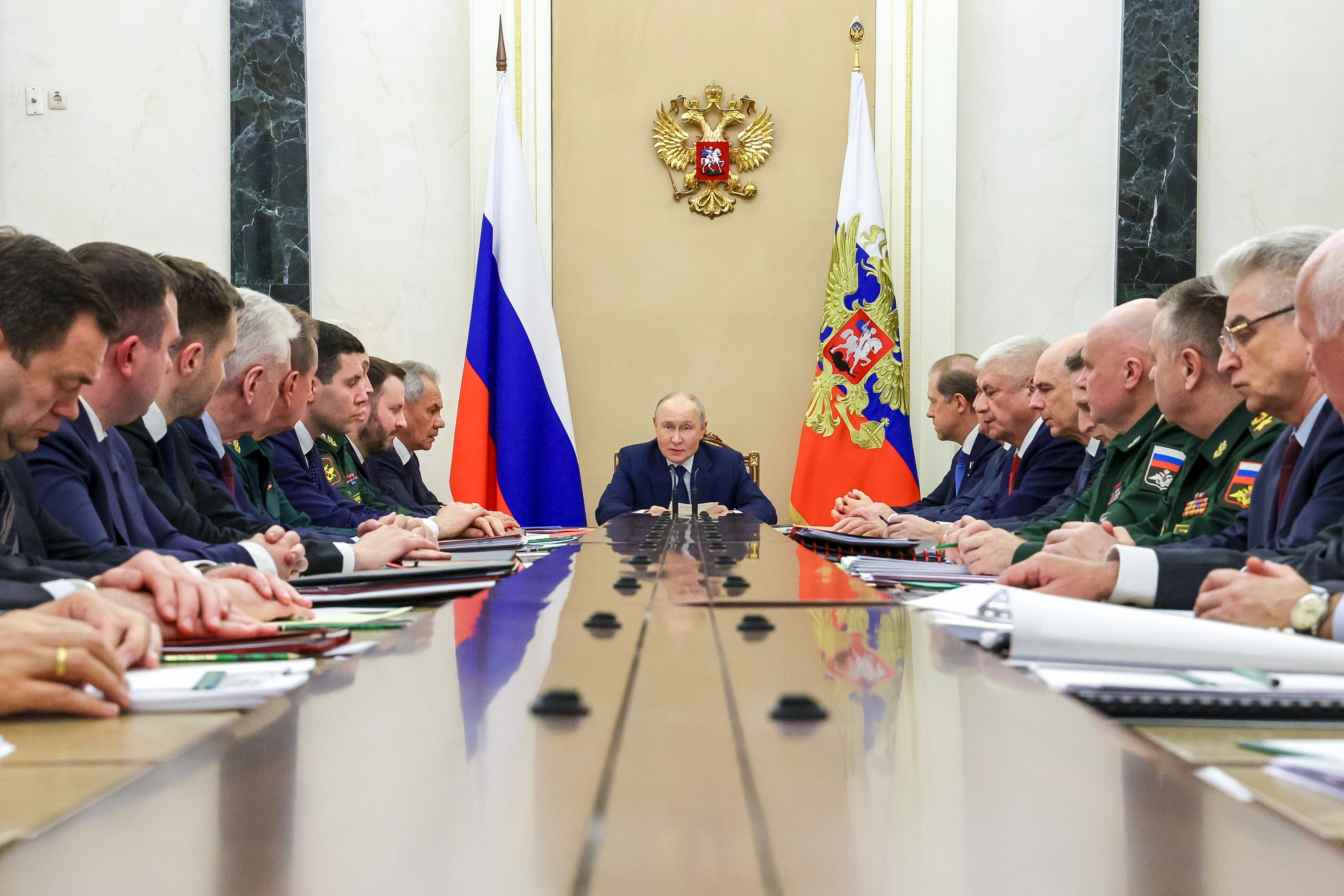
Russian President Vladimir Putin in mid-September in Moscow.
  •  

The yield on the US 10-year Treasury reached its highest level in two decades. Why should you care?

The U.S. Treasury bond market is scorching hot and this should worry you because of the consequences for your bottom line. Your mortgage rate, car loan, credit card interest or business loan rates could rise driven by the state of government debt securities.

Seguir leyendo

© ANGELA WEISS (AFP)

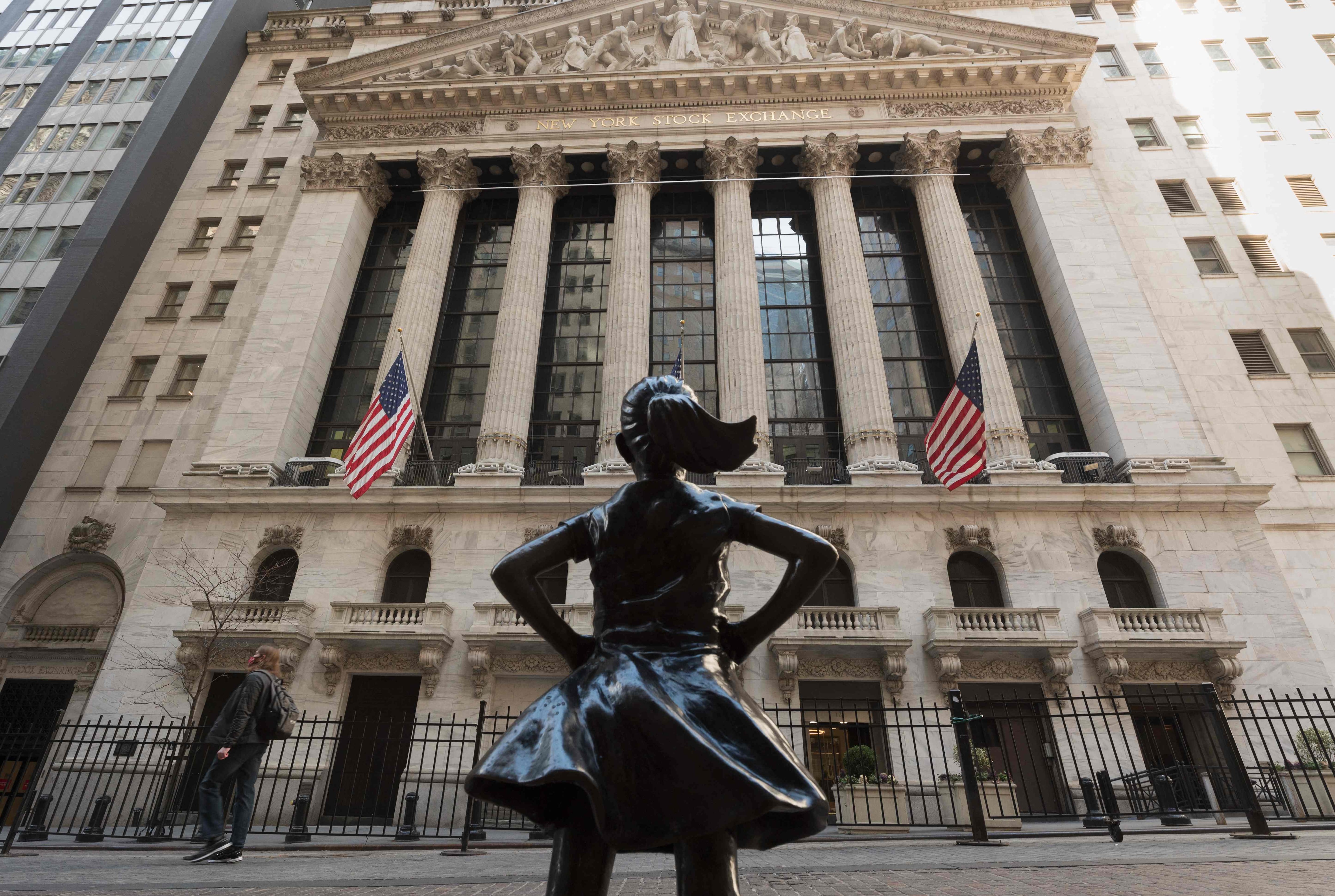
The New York Stock Exchange (NYSE) on Wall Street.
  •  

Six Flags closes the ‘X2’ roller coaster in California following reports of a potential risk of brain damage

Six Flags Magic Mountain, located in California, announced on Tuesday the permanent closure of the X2 roller coaster. Considered one of the park’s main attractions for two decades, the ride’s safety was called into question after CNN published an investigation reporting that more than a dozen people suffered serious brain injuries after riding it.

Seguir leyendo

© MattGush (Getty Images)

El parque de diversiones Six Flax, en California.
  •  

If you fire missiles at me, I’ll cut off your water supply: The cyberattacks attributed to Iran that showed the US is vulnerable

Water service failed in at least 300,000 Atlanta households on July 27. Taps ran, but only a trickle came out. After receiving several consumer alerts, the water company found that a pumping station had stopped functioning, affecting that city and others in the state. The loss of pressure led authorities to advise boiling water before drinking it to reduce the risk of contamination, sparking some panic among the population. It was not a technical fault: everything points to it having been orchestrated from a computer almost 7,000 miles away, in Iran.

Seguir leyendo

Message displayed on devices attacked by CyberAv3ngers in Aliquippa (Pennsylvania) during the 2023 campaign.

© Rebecca Cook (REUTERS)

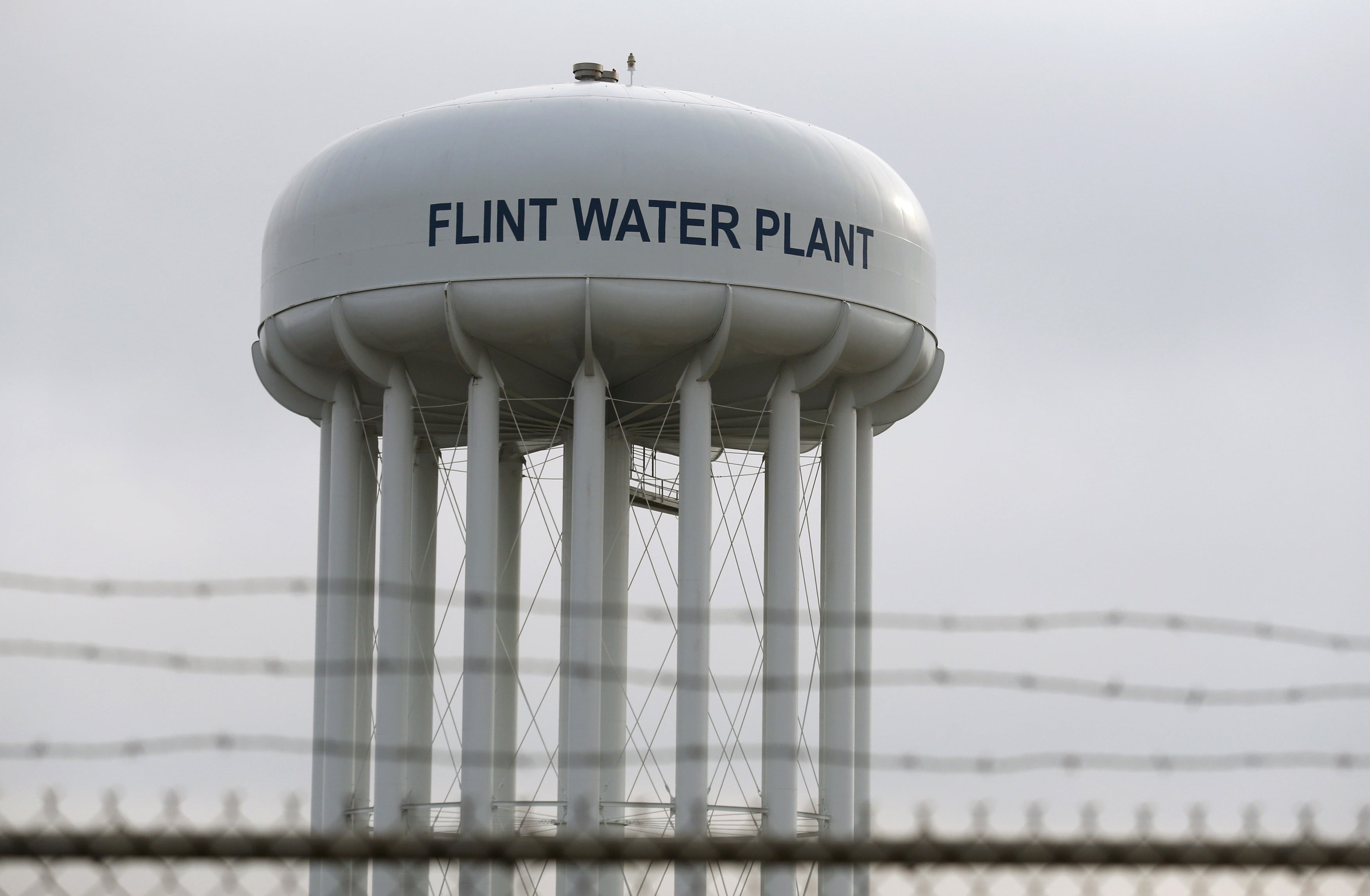
Flint in Michigan, one of the states whose water-supply infrastructures were attacked this summer.
  •  

Trump’s broken promise on crypto: a gold mine for his empire, multimillion-dollar losses for investors

“I made a fortune with Trump’s memecoin, but I lost it all the following month,” a user on X admits. “It’s a perfect Ponzi scheme,” says another. “It’s a scam, a fraud.” On other social platforms there are thousands of comments like these, ranging from investors asking “What did you expect?” to others who watched their savings vanish after chasing the promise of quick gains.

Seguir leyendo

© SOPA Images (SOPA Images/LightRocket via Gett)

A Donald Trump crypto advertisement.
  •  

English-speaking, Texan and from vulnerable backgrounds: The Americans still accessing abortion thanks to Mexican feminists

The year 2023 was pivotal for understanding the effects of abortion restrictions in the United States. A year earlier, in June 2022, the U.S. Supreme Court issued the decision known as Dobbs v. Jackson Women’s Health Organization (JWHO), which overturned the abortion-rights protection established by a previous ruling from 1973: Roe v. Wade. Since then, thousands of American women have ended pregnancies with help from Mexican feminist collectives. Several recent studies put a face to those seeking abortions: a large share come from states such as Texas, where abortion is banned, and live in neighborhoods with high levels of poverty.

Seguir leyendo

Protest for abortion rights in Mexico, in September 2025.

© J. Scott Applewhite (AP)

Jane Roe and her lawyer Gloria Allred, in Washington in April 1989.
  •  

Renovating the White House or banning journalists: Trump invokes national security to push through his most controversial plans

Donald Trump’s Swiss Army knife is national security. He uses it for everything. If judges block his plan to remodel the East Wing of the White House to build a ballroom that dwarfs the presidential residence, he cites national security to keep the work going. When obstacles arise to building a gigantic triumphal arch in Washington to honor himself, he says national security reasons justify it. If a judge questions him about deploying the National Guard in American cities, it’s for national security. Sued for banning certain media outlets, the answer is the same. And if he can’t find other grounds to impose tariffs, he invokes national security.

Seguir leyendo

© Julia Demaree Nikhinson (AP Photo/Julia Demaree Nikhinson)

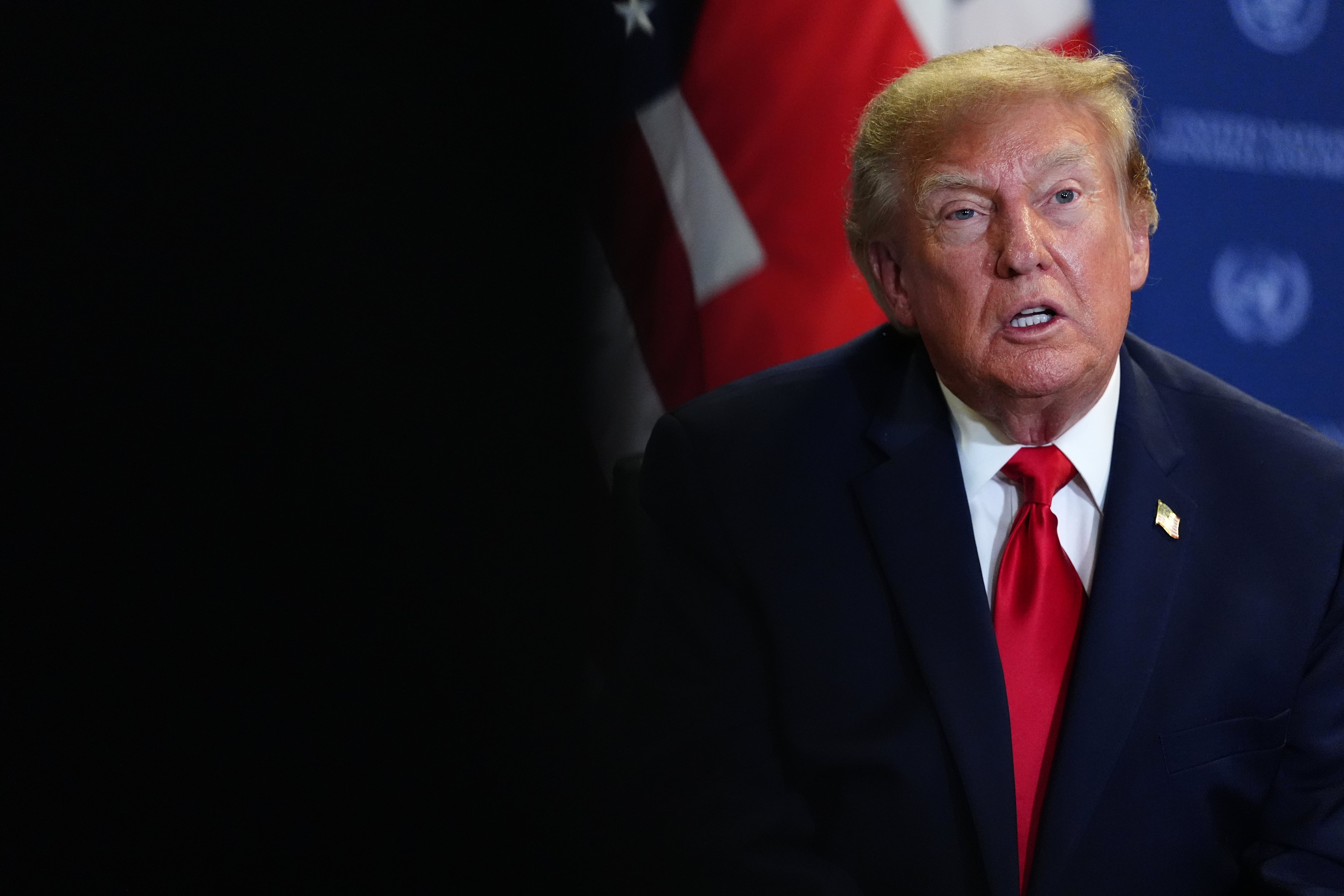
Donald Trump in New York, September 23.
  •  

Vladimir Putin militarizes the Russian parliament

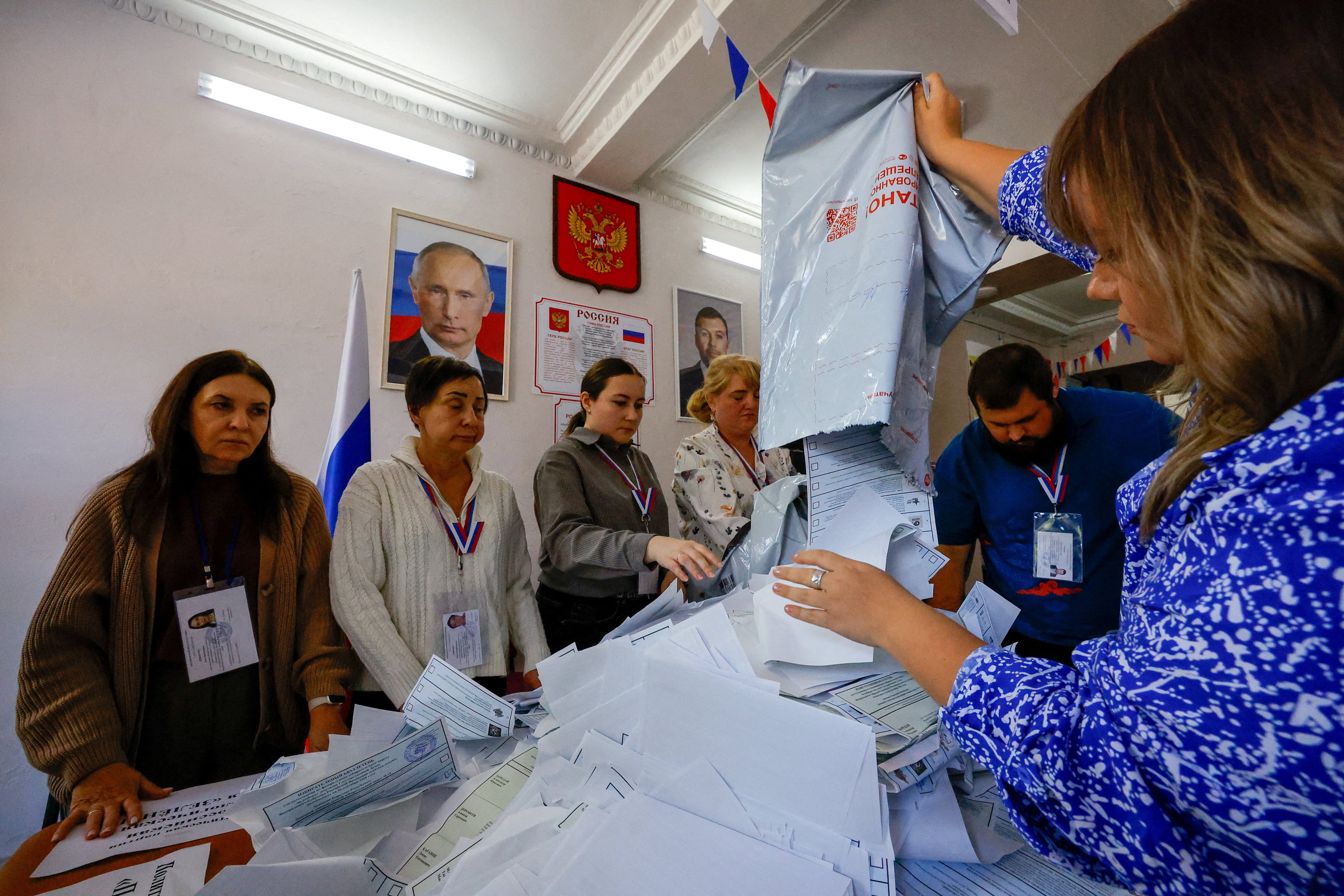
The Kremlin has turned the parliament produced by last Sunday’s Russian legislative elections into an echo chamber for the war. Authorities barred the only party that had called for a truce, Yabloko, as well as candidates who were critical of the government — from independent Boris Nadezhdin to members of parties nominally loyal to the Kremlin such as the Communist Party and A Just Russia. In addition, the military are gradually displacing party bureaucrats in Russian politics.

Seguir leyendo

© Alexander Ermochenko (REUTERS)

Vote counting in occupied Donetsk.
  •  

Claudia Tacoronte murió en una ciudad tomada por la criminalidad

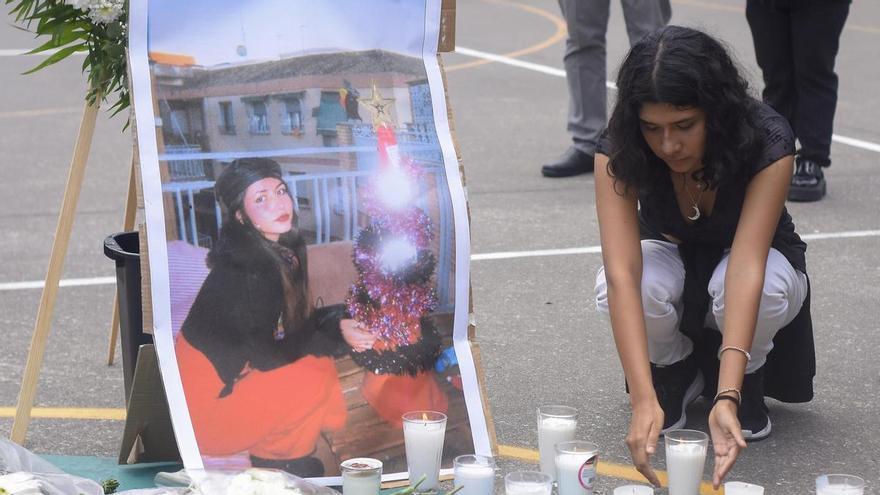
Claudia Tacoronte Aguilera, natural de Santa Brígida, llegó al municipio de Cuautla, en el estado mexicano de Morelos, el 17 de agosto. Lo hizo para cursar un cuatrimestre de su último año de Educación Infantil. Sin embargo, lo que prometía ser la experiencia de su vida terminó convirtiéndose para la joven de 21 años en un presunto feminicidio.

  •  

Renfe achaca el paso por el taller de los nuevos trenes de Cercanías Madrid a "ajustes" habituales tras los primeros trayectos

Dos semanas después de haber entrado en servicio, las primeras unidades de los nuevos trenes de Cercanías de Madrid fabricados por Stadler han necesitado pasar por el taller. Renfe atribuye este movimiento a los "ajustes" habituales que se realizan después de los primeros trayectos de un modelo recién estrenado. La compañía resta importancia a las incidencias detectadas y sostiene que forman parte del proceso normal de puesta a punto antes de que se complete la incorporación progresiva de las nuevas unidades a la red madrileña.

  •  

La mutación del espacio político canario

En las elecciones autonómicas de 2019 se rompió la centralidad de Coalición Canaria, la condición que desde 1995 había permitido al nacionalismo moderado gobernar inclinándose hacia la derecha (el Partido Popular) o hacia la izquierda (el PSOE). La centralidad no guardaba relación directa con posiciones ideológicas, sino que derivaba del sistema político-electoral, que impedía e impide que ninguna fuerza política alcance la mayoría absoluta. Es la circunscripción insular la que, de facto, impide a nadie llegar a los 36 diputados. Ya antes de la reforma electoral incluida en el Estatuto de Autonomía de 2018, ocurrió algo: entraron a la Cámara dos nuevos partidos, Podemos, con siete diputados, y la Agrupación Socialista Gomera, con tres, mientras Nueva Canarias aumentaba su presencia hasta cinco escaños. Fue en las elecciones de 2015. Quedó demostrado, pese a la petulancia de algunos egregios toletes, que el sistema electoral canario no era una foto fija secuestrada por una élite y tenía sus propias dinámicas.

  •  

"Estaba empezando a vivir": el recuerdo de Claudia Tacoronte, la estudiante canaria asesinada en México

Familia, amigos y naturaleza. Eran algunos de los pilares de Claudia Tacoronte Aguilera, la estudiante grancanaria asesinada en el estado mexicano de Morelos. La joven, originaria de Santa Brígida, tenía 21 años y estudiaba el cuarto curso de Educación Infantil en la Universidad de Granada (UGR), aunque anteriormente había iniciado el grado de Educación Primaria en la Universidad de Las Palmas de Gran Canaria (ULPGC), durante 2022-2023. En el país de Centroamérica se encontraba haciendo un intercambio académico Erasmus.

  •  

La ULPGC llora a Claudia Tacoronte: "No solo era una estudiante española, era una estudiante nuestra"

La Universidad de Las Palmas de Gran Canaria (ULPGC) guardó este lunes un minuto de silencio a la entrada de su sede institucional en memoria de Claudia Tacoronte, la estudiante grancanaria de 21 años asesinada el pasado fin de semana en el estado mexicano de Morelos, donde realizaba una estancia de intercambio universitario.

  •  
❌