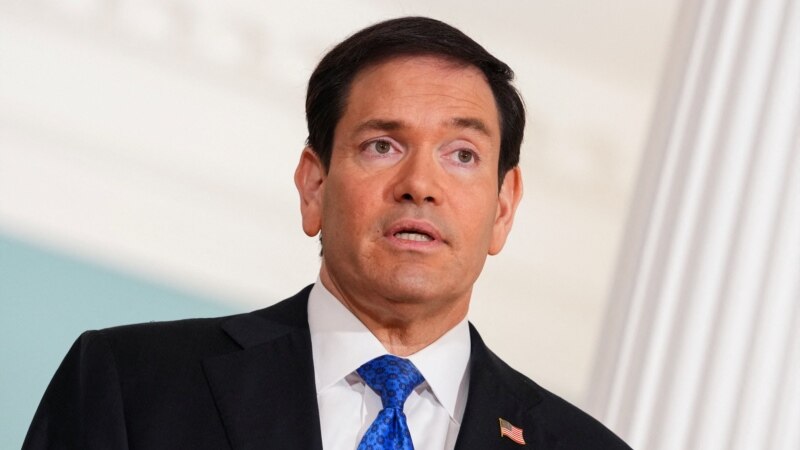
Marco Rubio afirmó este martes que el régimen cubano no impulsará las reformas que necesita el pueblo mientras siga contando con el respaldo de la comunidad internacional, en el marco de una conversación con el presidente salvadoreño Nayib Bukele sobre cooperación bilateral.
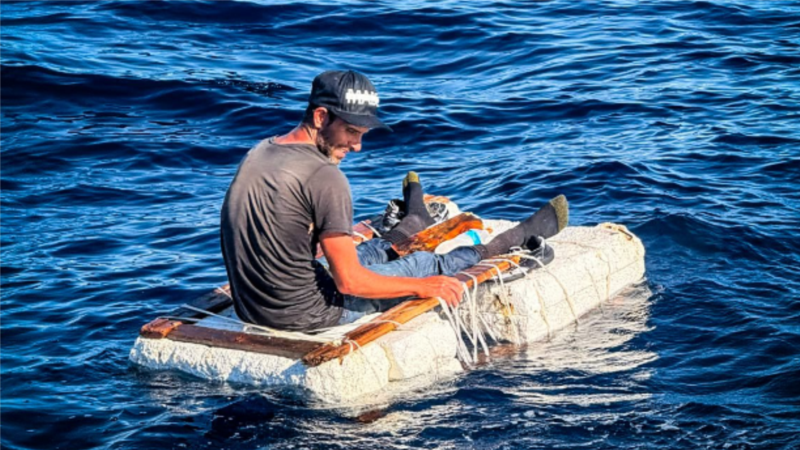
Un migrante cubano fue rescatado este lunes cuando flotaba a la deriva en una balsa improvisada al este de Key Biscayne, Florida, en un operativo de la CBP y la Guardia Costera de Estados Unidos.
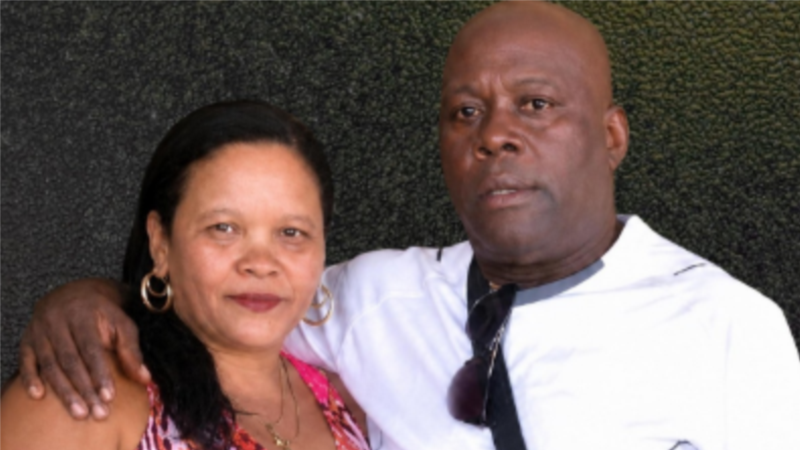
Pérez Paseiro y Hernández García cumplen condenas de ocho y siete años, respectivamente, por su participación en las protestas del 11 de julio de 2021 en Placetas; no se ha informado un país de destino ni una fecha de salida.
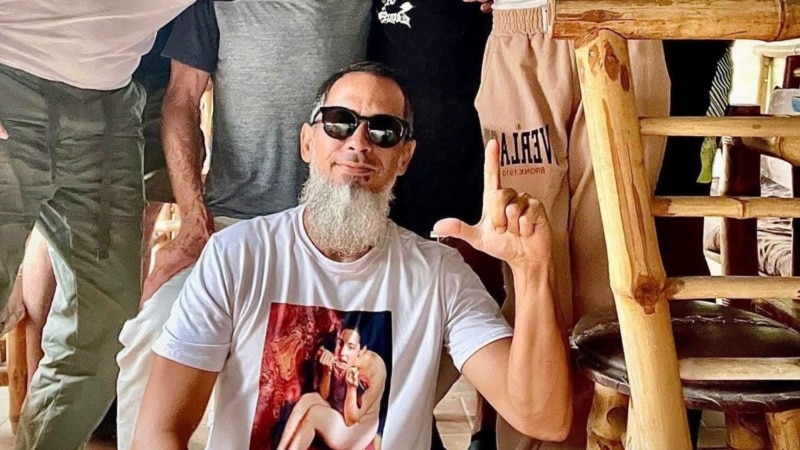
El artista continúa en prisión provisional en el penal 1580, sin fecha de juicio, mientras su familia y allegados alertan por el deterioro de su salud.
Defensores de derechos humanos y amigos cercanos denunciaron que Fernández Cruz padeció por años un constante acoso y persecución por parte de la Seguridad del Estado cubana debido a su postura crítica con el gobierno.
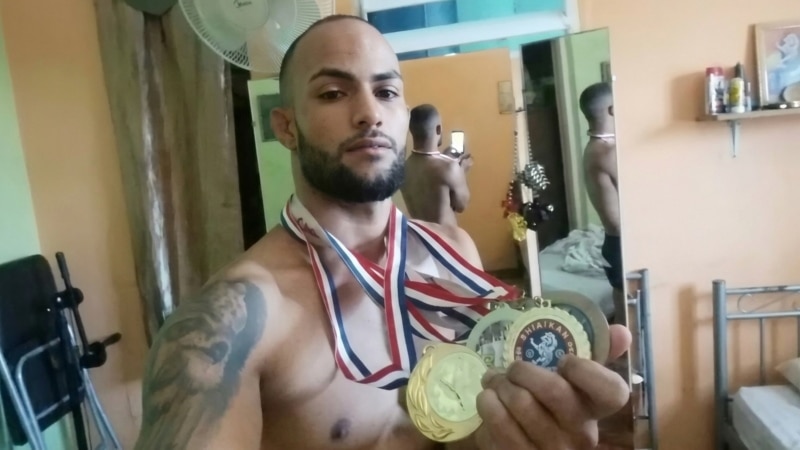
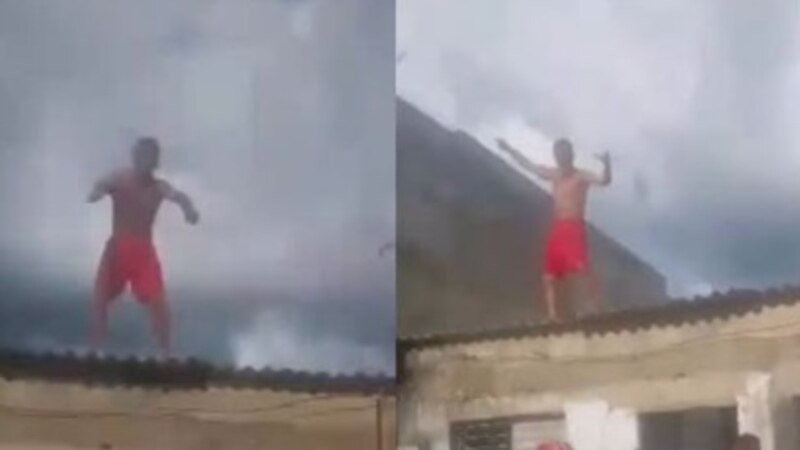
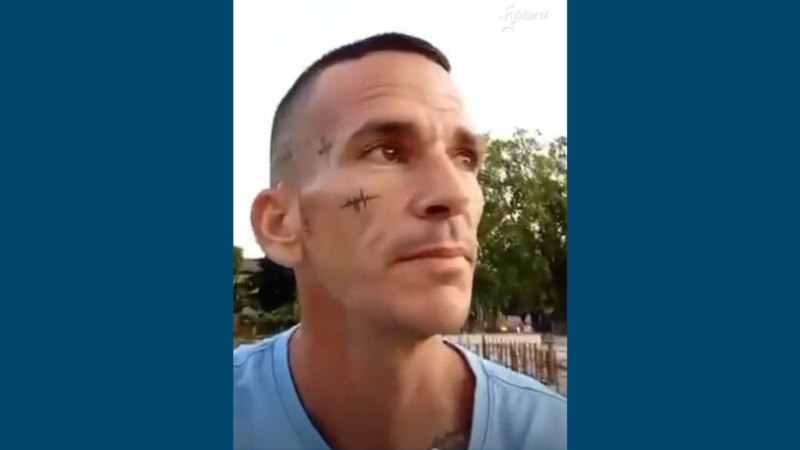
Con consignas antigubernamentales coreadas desde la azotea de su propia casa, en Sancti Spíritus, el tatuador Oscar Echevarría Rubio alzó la voz contra el sistema comunista en un grito de desesperación que terminó con su arresto.
El preso político Yandi Dita Rodríguez fue brutalmente golpeado, en un episodio que evidencia el uso sistemático de la violencia física, el aislamiento arbitrario y los tratos crueles como métodos de castigo.
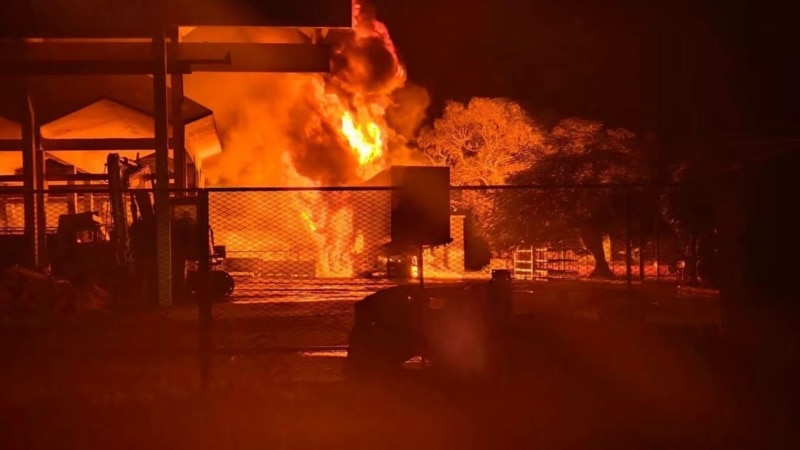
Un incendio ocurrido la noche del domingo en un contenedor de combustible en Manzanillo dejó cinco lesionados, dos de ellos hospitalizados en estado crítico y grave.
State Security, Cuba’s feared counterintelligence agency, arrested Ernesto Ricardo Medina in front of his three-year-old daughter. Agents knocked on the house’s front door at 6 a.m. It was Friday, February 6. At that same hour the power went out in Holguín, in the island’s east. Nothing unusual in a city used to blackouts. “Tico, it’s the police,” his wife, Doris Santiesteban, warned him after looking out the window. Medina went downstairs and opened the gate. “It’s only a search order,” he said after the operation’s commander showed him the document.
Digital surveillance and data leaks may seem far removed from everyday life, but they are becoming increasingly common. In Venezuela, for example, authorities blocked messaging apps and social media platforms including Signal, X, TikTok and Telegram, as well as YouTube, VPN services and websites. In Nicaragua, independent media outlets had their domains blocked. In Paraguay, a leak from the electoral authorities exposed the data of nearly seven million people. And in Argentina, more than 665,000 medical records were put up for sale.
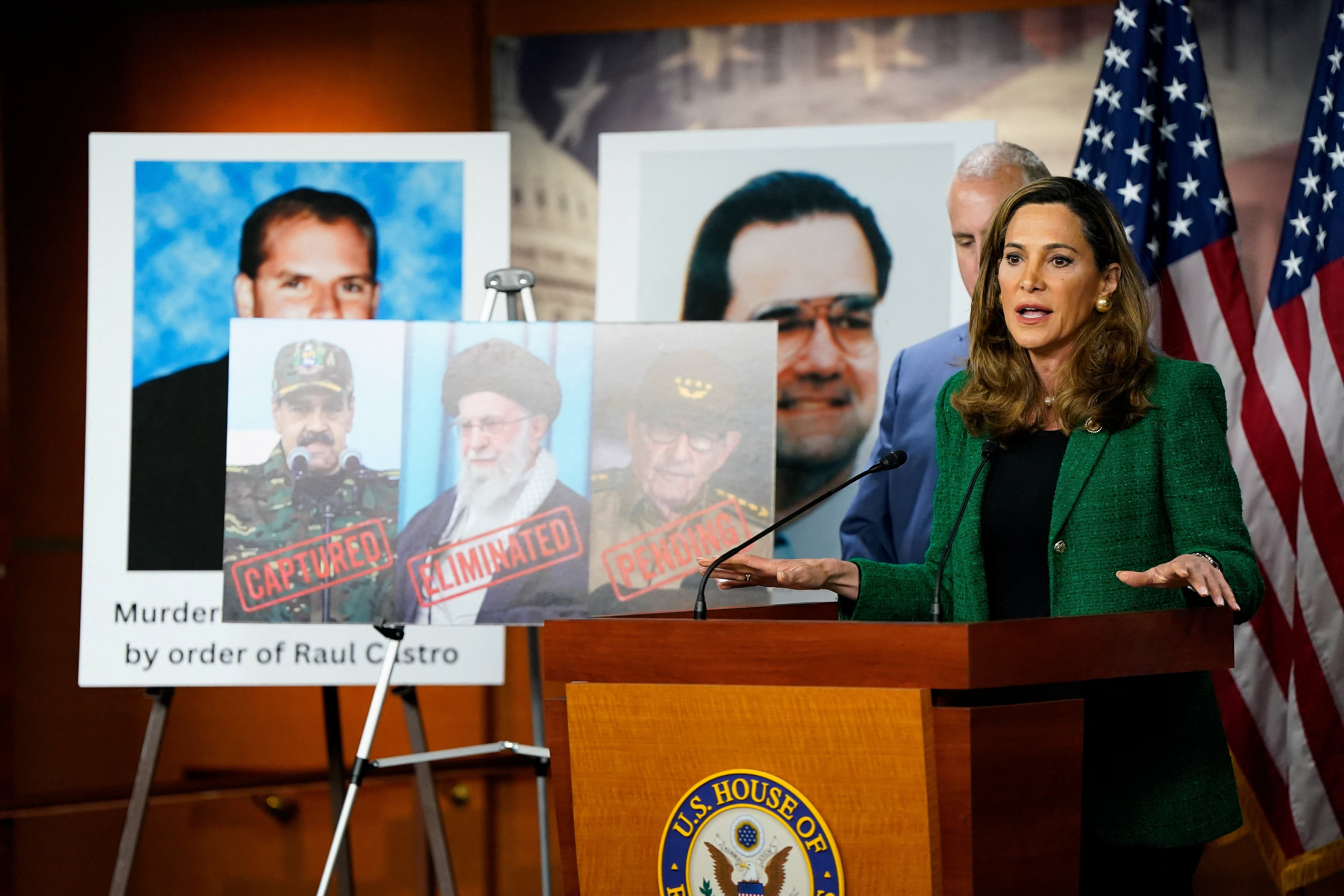
The leader of the Venezuelan opposition in exile, María Corina Machado, has decided to intervene in the United States midterm elections. She did so by publicly endorsing Republican congresswoman María Elvira Salazar, who is seeking a fourth term in the House of Representatives for Florida’s 27th District. The statement, released Wednesday via video, comes at a particularly sensitive moment for the Cuban-American lawmaker, who has clashed with Donald Trump over her criticism of the White House’s immigration policy and who faces an increasingly tight race in Miami.
The US Coast Guard said Friday that its forces intercepted a ship that was attempting to bring fuel to Cuba, as the US continues to enforce a ramped-up oil embargo on the country, which has caused a devastating humanitarian crisis. The Coast Guard said that the incident occurred in early September, when a “Coast Guard […]
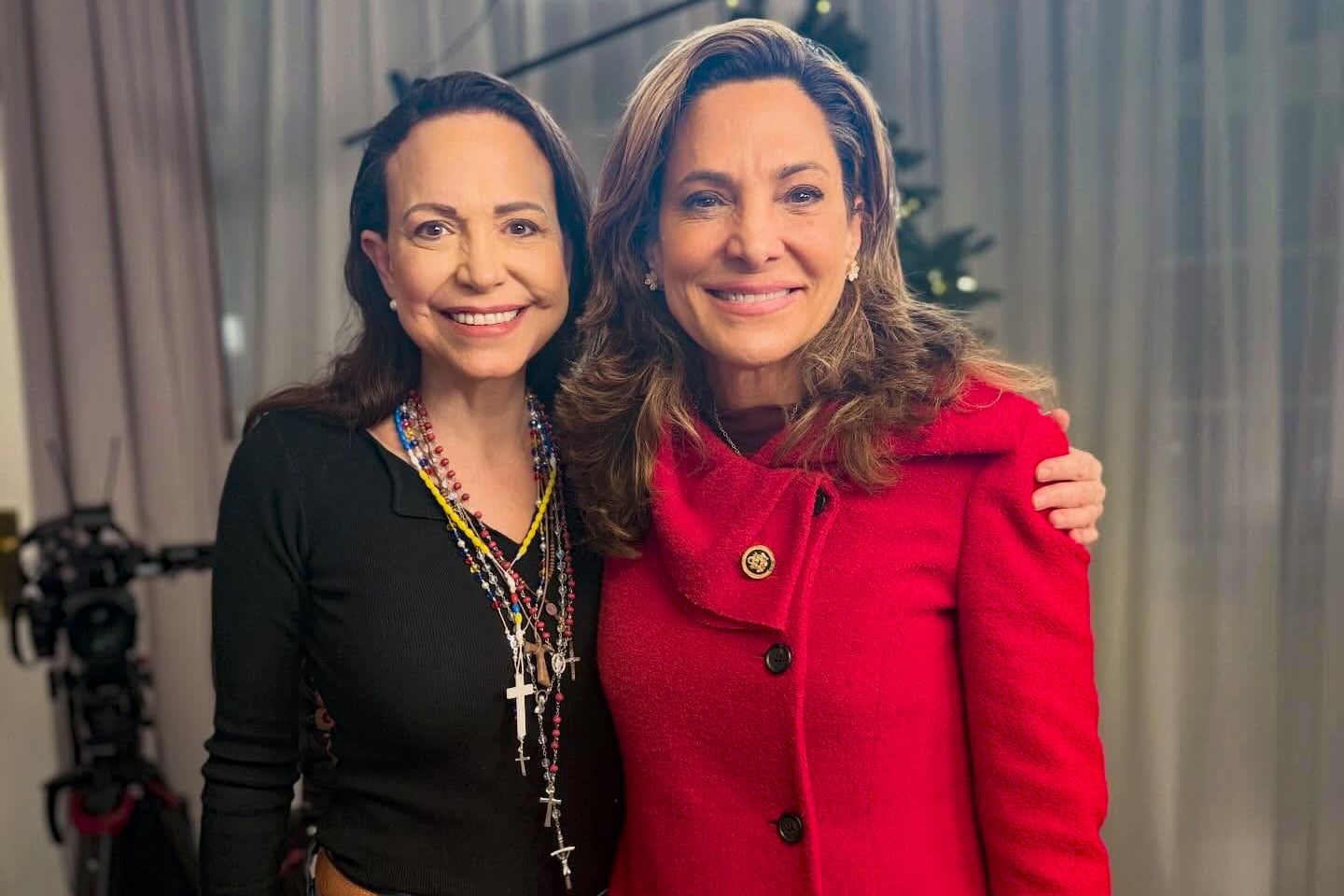
María Elvira Salazar wore a dark blouse and a striking pearl necklace when she arrived at journalist Juan Manuel Cao’s studio in Miami. She took a seat, tucked her hair behind her ears, made sure she had good lighting and found the best camera angle. She’s well trained in the ways of television.
The U.S. Coast Guard has intercepted a vessel carrying fuel to Cuba after an international enforcement operation found large quantities of fuel concealed inside the ship’s ballast tanks. The Coast Guard...
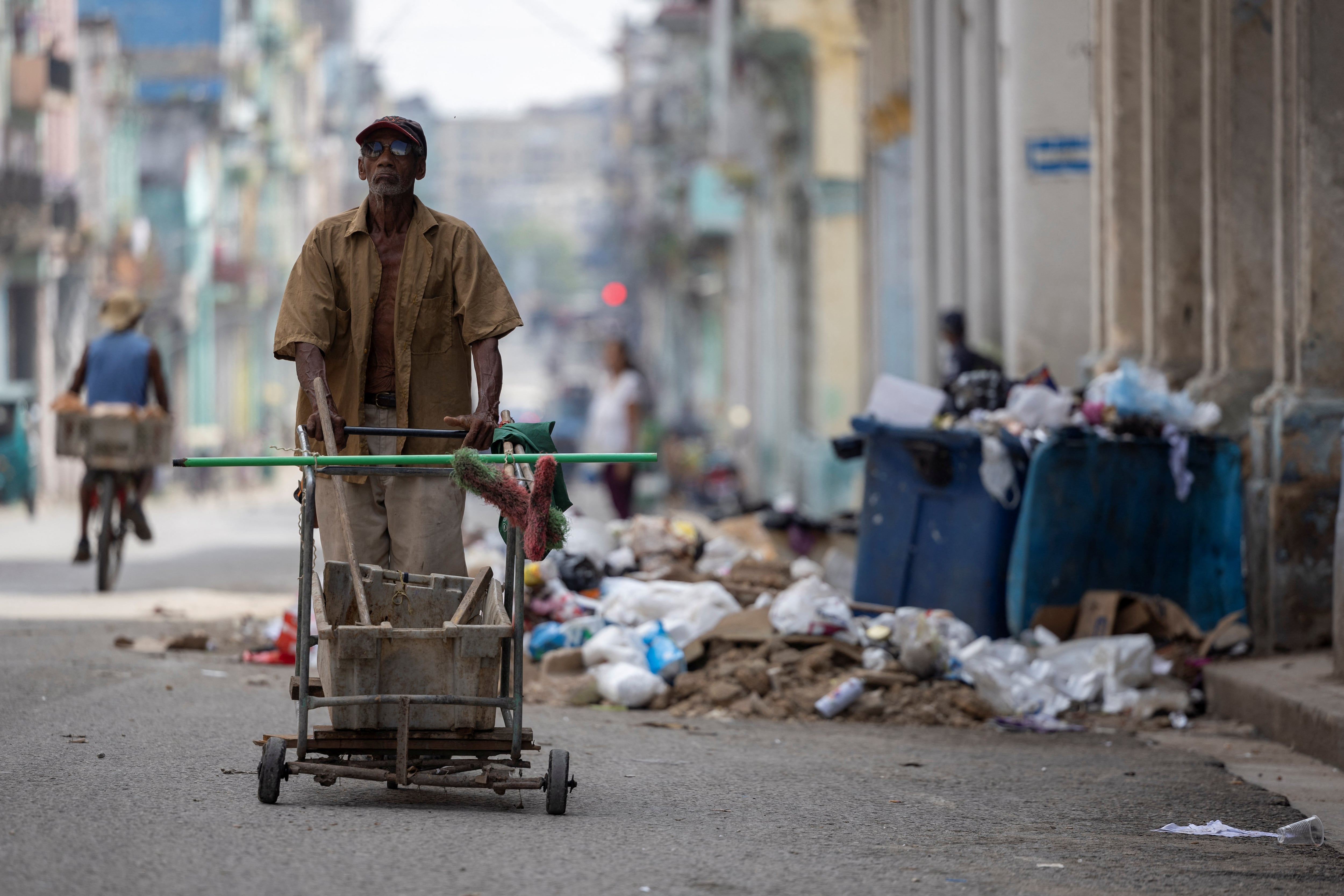
Sandro Castro, Fidel’s influencer grandson who runs several Havana nightclubs, was asked a question on Instagram a few days ago that was seen by his more than 165,000 followers. “When will change come to Cuba?” The young Castro posted a photo of himself with a Cuban flag draped over his back while gazing at Havana’s cracked skyline from afar: “Cuba is already changing, or haven’t you noticed?” he replied. Certainly, the country that existed in January is not the same nine months later: most people still watch life slip away amid shortages and long power outages, but a new private class is taking on roles that used to belong to the state — supplying pharmacies, importing and distributing diesel, and ensuring food sales.
CBS News reported on Saturday that the US Military has been working to establish “the groundwork for potential action around Cuba.” According to the report, CBS reviewed an internal US Army Reserve message sent to subordinate commands. The message requested an assessment on the feasibility of providing several types of units to US Southern Command […]
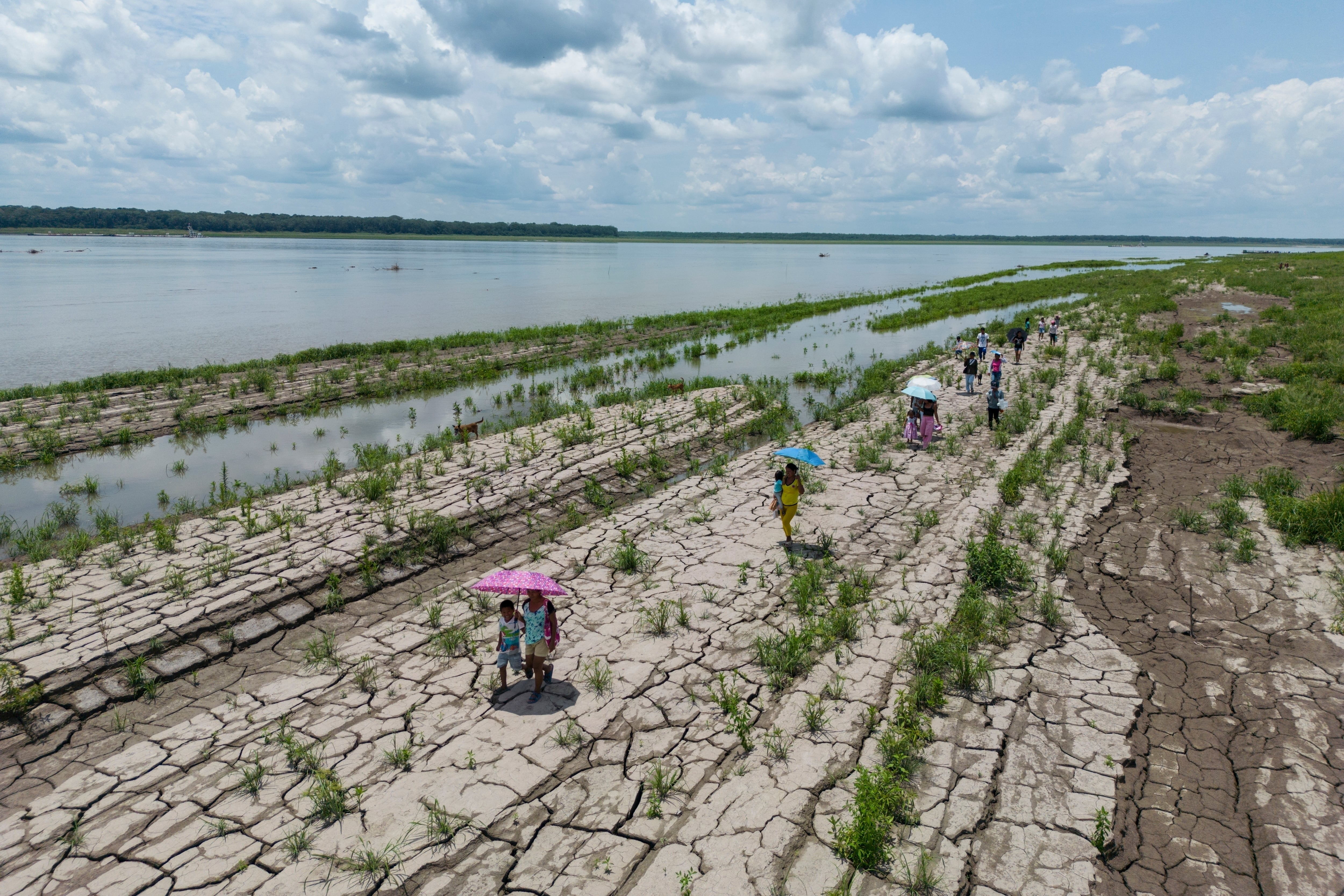
This is the driest year on record in Tegucigalpa. Eighty percent of Honduran territory is on red alert, and the capital has had a potable water rationing system every 12 days for a month. The lack of rain is making maize and bean crops in Guatemala — the main food source in a country with the region’s highest rate of chronic child malnutrition — even more vulnerable. The Panama Canal has begun restricting vessel traffic because of water stress in the basin, and the parched Amazon rivers are isolating dozens of riverside communities in Brazil and hampering fishermen’s work.
China called on Saturday for an immediate end to the blockade on Cuba, in a speech to the UN General Assembly that stopped short of naming the United States.
Vice President Han Zheng urged the “relevant country” to “immediately stop using the threat of force against Cuba” and to “immediately and completely lift the blockade and sanctions.”
He also pushed back against the US on Iran, saying “China holds that the sovereignty and security of countries in the Middle East, including the Gulf, should be respected,” though he did not mention the US at any point in his remarks.
The comments come as a US pressure campaign has largely cut off oil supplies to Cuba. The US oil blockade began in January and has deepened blackouts, with the island’s electrical grid suffering a total collapse earlier this month that left millions without power.
Equality among states
Han said major countries carry special responsibility for international peace and security and should lead by complying with the rules, upholding the rule of law, and “doing what’s right.”
He also cast China as a reliable partner and a steadfast defender of developing nations, saying all countries, “big or small, are equal members of the international community” and that world affairs should be handled through consultation.
Russian Foreign Minister Sergey Lavrov spoke at the UN shortly after and made a similar appeal, urging Washington to end its siege of Cuba and ease trade restrictions on the island.
He also said the US should remove Cuba from its list of state sponsors of terrorism.
Trump-Xi summit
US President Donald Trump hosted Chinese President Xi Jinping at the White House earlier this week, welcoming him with military flyovers and a lavish state dinner, according to Reuters.
During the talks, Trump told Xi that China should refrain from providing support to Iran in the US war on Iran. The US ambassador to China claimed on Friday that Trump received assurances from Xi that Beijing would not do so.
This followed reports that China had supplied Iran with shoulder-fired air-defense missile launchers and that Tehran had found ways to evade sanctions on its oil sales with Chinese help.
Beijing has repeatedly rejected the US sanctions campaign against Iran. In August, the Foreign Ministry said that sanctions and pressure “will not help resolve the issue” and that China opposes “illegal unilateral sanctions” lacking a basis in international law.
Chinese support for Cuba
Cuba was the first Latin American country to establish diplomatic ties with the People’s Republic of China, and 2025 marked 65 years of relations.
China’s practical support has centered on energy. Reuters reported that Beijing financed 55 solar projects in Cuba in 2025, including a 21-megawatt plant near Jatibonico, with 37 more planned by 2028. Cuban media reported that a shipment of 5,000 solar panels arrived in September, the third of its kind in recent months.
Beijing has also committed 90,000 tonnes of rice to Cuba in 2026, of which 30,000 tonnes have been delivered and 60,000 tonnes pledged.
 Login