On October 10, thousands of Ecuadorians took to the streets to protest against the government of right-wing President Daniel Noboa. The demonstration was organized by the Autonomous Front of Organized Resistance (FARO) under the slogan “Government vs. People.”
A esta hora, una marcha de rechazo al Gobierno de Daniel Noboa recorre las calles de Quito. La movilización está marcada por carteles de protesta y consignas contra el mandatario y su gestión. Los manifestantes atraviesan en este momento el paso deprimido del Guambra y avanzan… pic.twitter.com/WKPfT8D9jF
Saturday’s demonstration followed a protest on October 8, organized by labor unions also in Quito, to protest the security, energy, health, and employment crises facing the country. They also protested government cuts to education and health care, as well as alleged mistreatment of workers, according to Edwin Bedoya, president of the United Workers’ Front (FUT).
For its part, the October 10 demonstration – which consisted mainly of high school and college students – set out from the Central University and marched through Quito. Slogans such as “If the people have no peace, neither does the government” and “Out with Noboa, out with him!” were heard along the streets occupied by the demonstrators.
The president of the Catholic University Student Federation, Jatari Ulcuango, told protesters: “Four years ago, this government promised us electricity; two years ago, too – and now the blackouts have returned. Two months ago, the government told us it would provide us with medicine, and yet we’re only receiving 60% of the supply. They’re taking us for fools.”
He added: “We’re dying outside the hospitals. Criminals are kidnapping us, murdering us, and robbing us. That’s why we’ve come out this morning. They plan to dismantle public institutions to force us to hire private security. Who has gotten rich off the health crisis? The private healthcare sector, while the people are getting poorer and poorer.”
The peaceful march headed back to the Central University, where the students gathered. Later, the students reported on social media that they had been harassed and repressed by the police, who had accompanied the entire march.
Likewise, several media outlets reported that the police were aggressive toward them. This was reported by the outlet La Barra Espaciadora, which released a video showing police officers pushing journalists.
TeleSur journalist Elena Rodríguez also reported that law enforcement officers broke the microphone she was using and struck her on the head: “I’m sick and tired of having to recount, time and time again, police attacks against the press. Today, while I was trying to document the violence with which officers were beating young protesters, I was struck on the head from behind with a baton. I turned around, showed my Telesur microphone to identify myself as a journalist, and the response was another baton strike that ended up breaking it.”
She added: “If they think that by beating me up they’re going to get me to stop documenting police brutality, to put my microphone away, or to back off several blocks so I can report from a place where I won’t be a nuisance, they’re wrong. It is not we journalists who should distance ourselves from the events. It is the police who must stop attacking us. The right to report cannot be negotiated at the point of a baton.”
The protests are taking place against the backdrop of a widespread crisis in the country, which includes the worst security crisis in its history (tens of thousands of deaths due to violence between drug trafficking gangs), a very serious health crisis (a lack of supplies and medicines in the public health system), and other major crises such as those in education, public investment, and employment.
Local elections will be held in November, which will reveal the extent of support – or lack thereof – for President Noboa and his neoliberal government agenda, which aligns with the hemispheric security strategy led by the Trump administration.
Indiscriminate, disproportionate bombing killed massive numbers of Gazans (as Palestinian reporters have said for 3 years); new levels of Israeli settler barbarity; more
Settler violence turns West Bank harvest into a nightmare ■ More Israeli testimony implicates IDF for massive civilian casualties ■ Israel's detention, torture of Syrians ■ More
The man charged with murdering Ann Widdecombe and targeting Nigel Farage, Joshua Kerry, had "an extreme Left-wing mindset" and hostility to Reform, a court has heard.
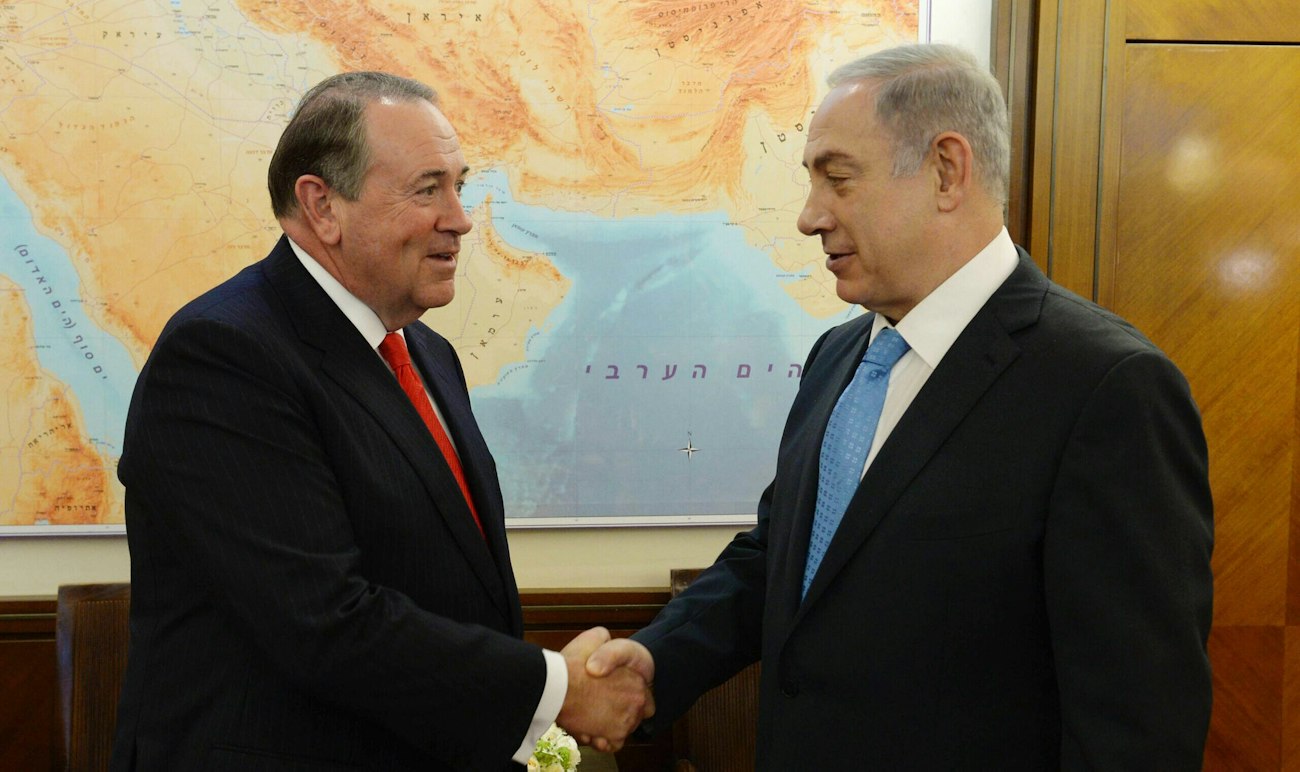
NYT: David Milstein, a top aide to Ambassador Mike Huckabee, has repeatedly suppressed or significantly revised embassy reporting on Israeli activities. Milstein is the stepson of right-wing radio host Mark Levin
The horrific story of Jane Doe and the Cornell Seven has spurred nationwide outrage and revived contentious debates around prevention and education. But one question is going unasked: Who really pays after a sexual assault? In terms of actual dollars and cents? The answer, Cosmopolitan finds, isn’t good:
Leah received an email from the first hospital. It was a bill for $3,338, including $663 for lab work and a pregnancy test she hadn’t asked for. She hadn’t been charged for the rape kit, but the price of just checking into the ER was $2,241. After her parents’ insurance was applied, she owed $451.06.
“I was so unbelievably angry,” she says. “I lost it. I was like, ‘You mean it cost me $450 to get raped?!’”
Most people don’t realize this care might not be covered, says Vega, who has worked as an emergency room nurse, emergency room director, and a SANE. But that’s actually common: KFF analyzed a sample of insurance claim data from 2016 to 2018 (the most up-to-date data KFF has) and found that 83 percent of women who received a sexual violence diagnosis were billed for treatment. Another analysis of emergency room department data from 2019 found that the average bill for sexual assault survivors was $3,551, according to the New England Journal of Medicine.
While mainstream media covered the flydubai incident ad nauseum, Israeli settlers and soldiers in the West Bank were killing Palestinians and marauding their land
Then, Zaid said, the beatings began. “It hurt so much I couldn’t breathe, and it’s then that I told them what they wanted to hear," - that he had been throwing stones
Domestic violence is on the decline but court orders separating 'violent' fathers from their children have skyrocketed in NSW. The weaponisation of courts against dads is a warning for Britain, says Bettina Arndt.
Israeli soldiers have demolished an entire West Bank village and killed two teenagers, continuing a surge of violence against Palestinians in the occupied territory
Violent settlers raided land owned by a Palestinian family on Rosh Hashanah and attacked the father with spiked clubs. When his sons rushed to his aid, one of them suffered a shattered leg, cracked ribs and damage to his lungs
On September 30, the Archdiocese of Athens and the Greek Ministry of Social Cohesion and Family signed a memorandum of cooperation aimed at preventing domestic violence. The document was signed by Bishop Varnavas of Christoupolis—Protosyncellus of the Archdiocese of Athens and representative of Archbishop Ieronymos—and Deputy Minister Elena Rapti. This new agreement expands the existing […]
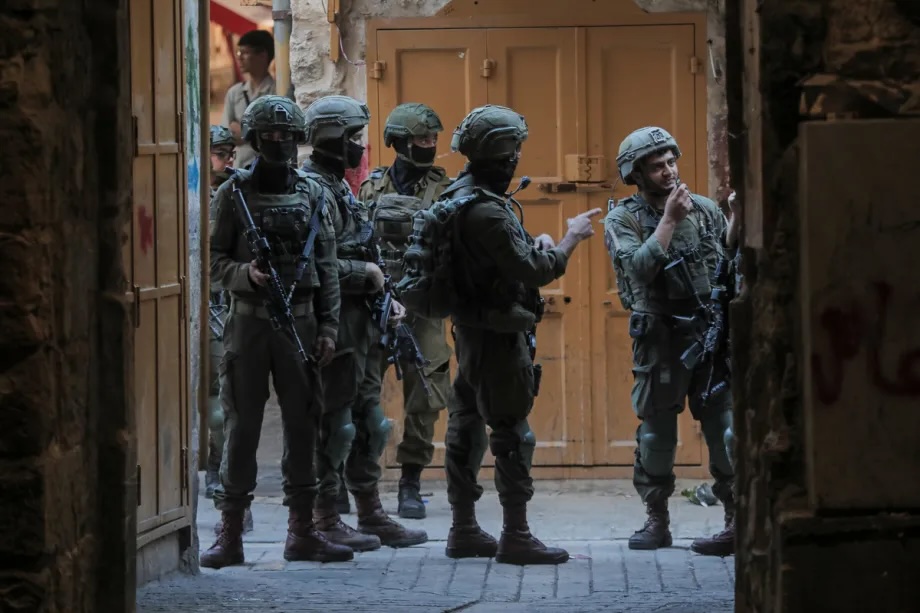
Israeli soldiers invaded communities across the West Bank on Wednesday, abducting at least 22 Palestinians, including 3 children and 2 employees of the Islamic Association for Orphan Care. Soldiers also broke into homes, assaulted residents, & fired gas bombs
 Login