❌

Reading view

New Housing Law in Cuba Expands Rights and Eases Access to Housing
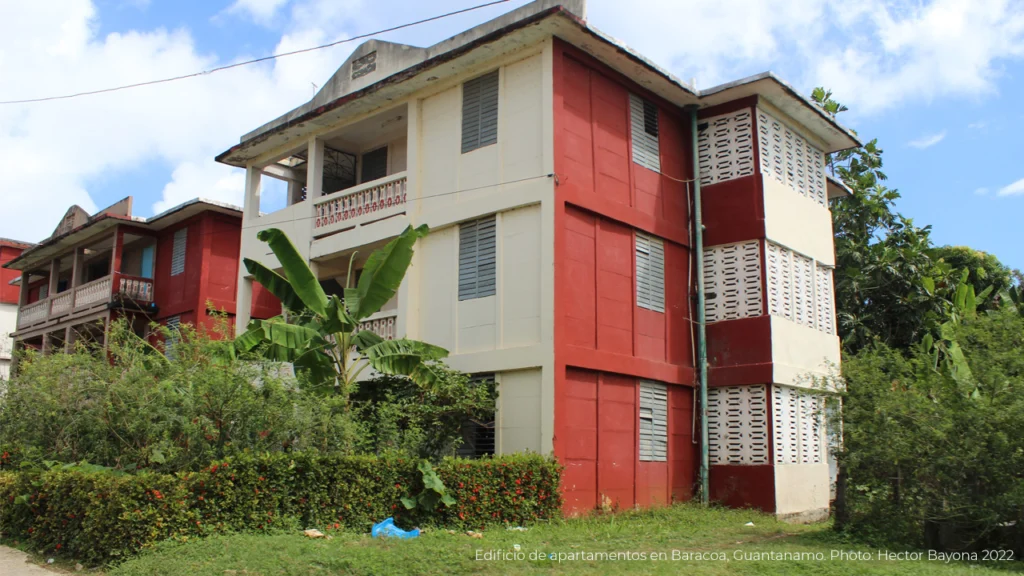
Housing Law 187, published this Wednesday in the Ordinary Official Gazette No. 86, expands property rights in Cuba and diversifies mechanisms for building, financing, and accessing housing, with measures aimed at protecting vulnerable individuals.

RELATED:

INNOVA 2026: Youth-Led Science Weaving Cuba’s Future

The new regulation is part of the economic and social transformations approved in the country and will enter into force seven days after its publication. Its release coincides with the 66th anniversary of the Urban Reform Law—a pioneering measure in the sector—which aimed to transfer home ownership to the families living in them, prohibit evictions, and guarantee a home for every citizen.

At a press conference, Marvelis Velázquez Reyes, Director of Legal Housing Affairs at the Ministry of Construction, explained that individuals may own up to two homes. This provision extends to foreigners, who will have the same rights and responsibilities in this regard as Cuban citizens.

The official detailed that property owners may grant the use of their home free of charge via a loan agreement, transfer rooms or part of the built structure to an adjoining property owner, and transfer their residence to individuals or legal entities through donation, among other flexible options.

Administrative authorization is also no longer required to transfer—whether for a fee or free of charge—partial or total ownership of rooftop space for the purpose of expanding or constructing living areas, nor for the transfer of privately owned vacant lots.

📑🏘️🇨🇺| Nueva Ley de la Vivienda: más derechos y nuevas formas de gestión. 📌 Con esta normativa #Cuba cuenta con un marco jurídico integral que busca hacer efectivo el derecho a una vivienda adecuada.

Infórmese más aquí: https://t.co/lFERyUQyEw pic.twitter.com/jbedphlErt

— Adrián Fonseca Quesada (@AFCanalCaribe) October 14, 2026

The text reads, “New Housing Law: more rights and new management models. With this legislation, #Cuba has a comprehensive legal framework that seeks to make the right to adequate housing a reality.”

Key aspects of Law 187 include the elimination of housing confiscation due to emigration and the guarantee of inheritance rights. Furthermore, in purchase-and-sale agreements, the parties may agree on as many terms, clauses, and conditions as they wish, provided they do not violate legal provisions, social order, or the nature of the contract itself.

The regulations establish that the Municipal Administration Council may finance the cost—or a portion thereof—of housing built and allocated to vulnerable individuals unable to afford it. In this way, the law reinforces the protective approach toward sectors facing the greatest difficulty in accessing adequate housing.

Law 187 introduces real estate agencies and housing cooperatives as new, fully guaranteed management models. These modalities aim to diversify participation in the production, maintenance, and management of the housing stock, in line with the country’s economic transformations.

The regulation also reaffirms the State’s responsibility for developing construction programs designed to address the housing shortage. According to authorities, the law governs the production, quality, financing, distribution, access, use, maintenance, and transfer of housing.

The publication of Housing Law 187 is accompanied by General Regulations, as well as specific rules regarding horizontal property ownership and housing cooperatives.

🇨🇺 Cuba’s economy continues to navigate challenges while pursuing growth and development.

Despite external pressures and economic difficulties, the island is strengthening key sectors and pursuing new opportunities to boost production, investment, and social development.

📈… pic.twitter.com/n5bsOkG53V
— teleSUR English (@telesurenglish) October 8, 2026
  •  

Ethiopia and the U.S. Discuss Bilateral Cooperation Amid Ongoing Fighting in Tigray

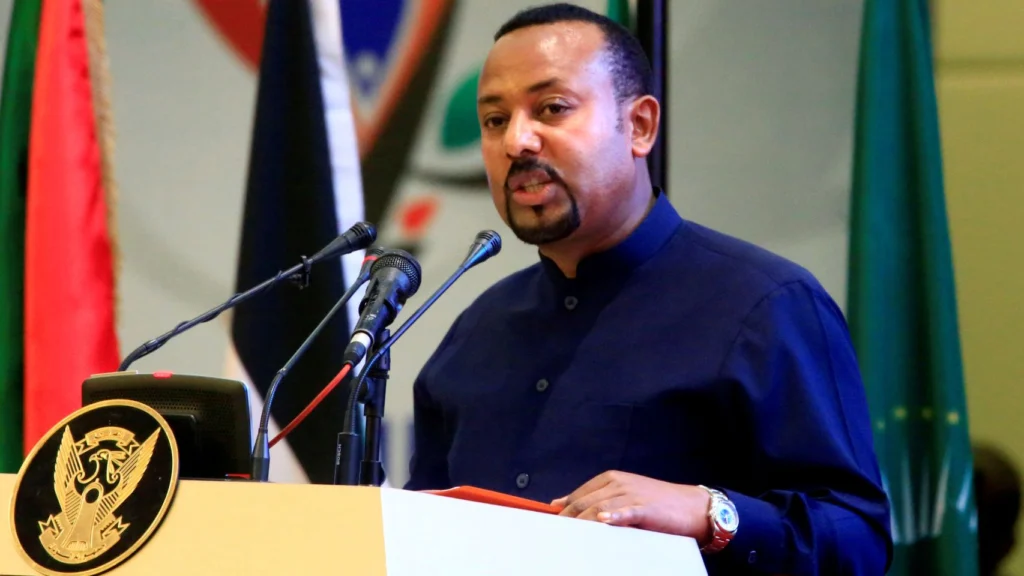
Ethiopian Prime Minister Abiy Ahmed held a telephone conversation on Wednesday with U.S. Secretary of State Marco Rubio to discuss bilateral, regional, and multilateral issues, against the backdrop of the ongoing conflict in the northern region of Tigray.

RELATED:

Ethiopian Army Allies Say They Have Reconquered a City After an Eritrean Incursion

“Our discussion is a testament to both countries’ commitment to transforming the enduring relationship between Ethiopia and the United States into a more strategic and practical partnership,” Abiy Ahmed stated in a message posted on his X account.

The Ethiopian leader added: “I welcome the assurance of continued U.S. support for Ethiopia and our shared commitment to advancing bilateral cooperation and addressing regional and multilateral priorities.”

The contact took place as the Ethiopian army and its allied militia, the Tigray Peace Forces (TPF), clash with rebels from the Tigray People’s Liberation Front (TPLF) for control of the region.

Eritrean soldiers have reportedly been seen driving through northern Ethiopia. Eritrea denies that its troops have crossed the border town of Zelambessa.

Al Jazeera’s Malcolm Webb reports. pic.twitter.com/b0pnKkysHq

— Al Jazeera English (@AJEnglish) October 8, 2026

Addis Ababa has reported gains in Tigray following months of escalation and recurring drone strikes. The TPLF announced a “defensive war” on September 23, following the outbreak of heavy fighting.

The situation is further complicated by the formation of an alliance comprising seven rebel and opposition groups—including the TPLF—aimed at overthrowing the Ethiopian government.

These developments have reignited concerns regarding a potential new large-scale conflict, similar to the 2020–2022 war that left at least 600,000 people dead.

  •  

Panama Thanks Venezuela for Assistance Following the 7.7-Magnitude Earthquake.

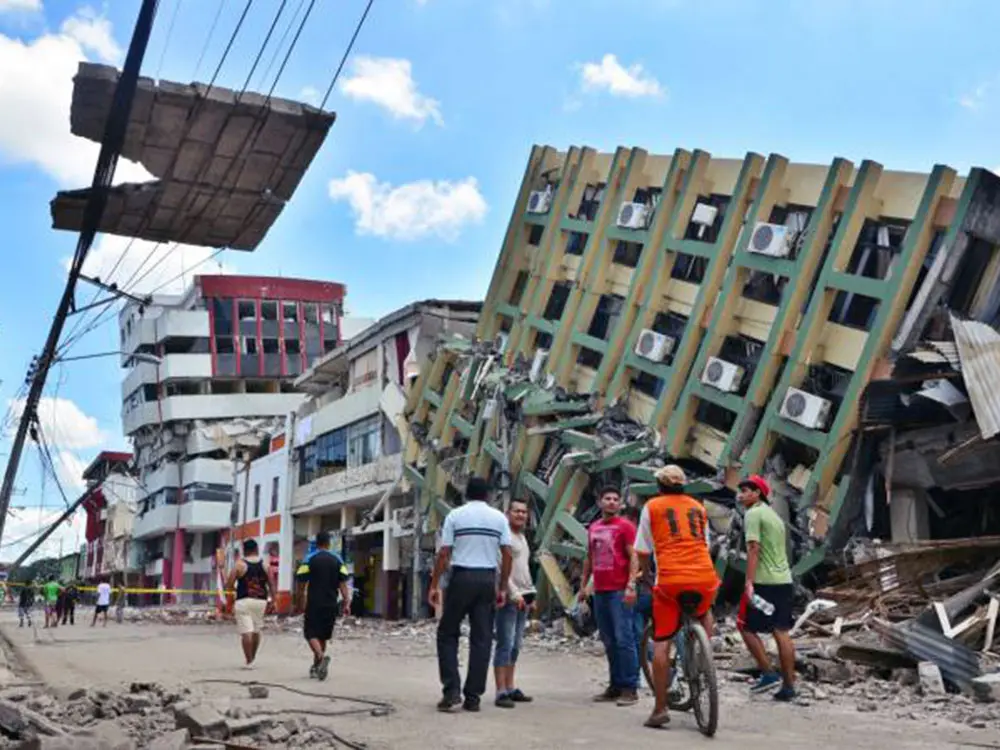
Panamanian President José Raúl Mulino thanked the Venezuelan government on Wednesday for sending 51 infrastructure assessment specialists to support the technical response following the earthquake that struck the country last Friday. The quake damaged over 3,000 structures and injured nearly thirty people, though there were no fatalities.

“I thank the Government of Venezuela for sending 51 infrastructure assessment experts. It will be a great help,” Mulino stated in a message posted on the social network X.

RELATED:

Venezuela Offers Assistance to Panama Following Magnitude 7.7 Earthquake

The Venezuelan specialists arrived at Tocumen International Airport—Panama’s main air terminal—in two groups: the first comprising 34 experts, and the second consisting of 17 professionals.

The delegation was welcomed by Panamanian Deputy Foreign Minister Carlos Hoyos, alongside the Ministry of Education’s Deputy Minister of Infrastructure, Delia Marcela Herrera, and Yessica Cáceres, a representative from the Presidential Goals Secretariat.

According to the Panamanian Foreign Ministry, the first group of 34 specialists will focus on assessing and rehabilitating educational centers and other affected infrastructure. The second team will concentrate on diagnosing and restoring roads, churches, and heritage sites damaged by the earthquake.

The mission comprises professionals specializing in critical infrastructure assessment, inspection of at-risk structures, recovery, debris management, and service restoration. It also includes members of the Presidential Commission for Habitability Assessment, experts in geology and geotechnics, post-earthquake inspectors, and personnel dedicated to structural vulnerability research.

Venezuela’s Sectoral Vice President for Public Works and Services, Juan José Ramírez, had previously announced that the assistance would focus on inspecting at-risk structures and carrying out recovery efforts. Ramírez also recalled the support Panama provided to Venezuela following the earthquake that struck the latter country in June and reiterated the willingness to collaborate with Panamanian authorities during the emergency.

#Venezuela | Acting President Delcy Rodriguez offered assistance to Panama following the earthquake, confirming contact with Panamanian authorities to coordinate emergency relief efforts.
“Panama is not alone,” she said.#Panama #Earthquake #teleSUREnglish pic.twitter.com/H29CG74g31

— teleSUR English (@telesurenglish) October 9, 2026

Bilateral coordination

The Venezuelan aid followed expressions of solidarity and offers of assistance to Panama from Venezuelan Executive Vice President Delcy Rodríguez after the quake. The following day, Rodríguez held a telephone conversation with Mulino, as confirmed by the Panamanian leader.

This cooperation is part of a coordinated international assistance framework between the two countries, aimed at strengthening the technical assessment of affected structures and accelerating the restoration of essential services.

Last Friday’s earthquake reached a magnitude of 7.7, according to the United States Geological Survey (USGS), while the University of Panama’s Institute of Geosciences placed it at 7.5. The tremor affected more than 11,500 people, according to official records.

Reported damage includes at least 3,390 homes—727 of which were destroyed—and more than 2,800 people housed in 33 temporary shelters.

Also recorded were 619 affected educational centers—35 of which suffered total collapse—as well as damage to more than 60 government buildings, 44 churches, 67 health centers, 11 hotels, and a dozen roads, thoroughfares, and bridges across the country.

#Panama | A 7.7-magnitude earthquake struck Panama on Friday. 🌊 Its shallow depth (10 km) intensified the seismic waves, causing the quake to be felt strongly throughout the country and along the border with Costa Rica. Rescue teams have already conducted assessments in… pic.twitter.com/CTGGdxCjzz

— teleSUR English (@telesurenglish) October 10, 2026

  •  

Lula’s Digital Campaign Restructures its Communications Leadership in Brazil

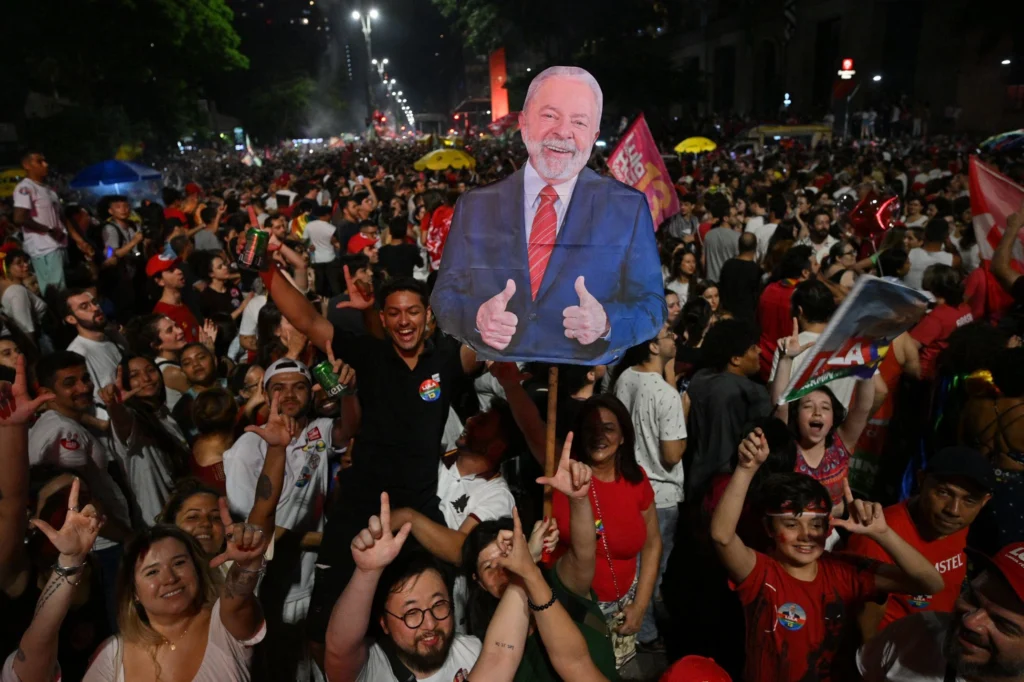
Brazilian President Luiz Inácio Lula da Silva’s campaign restructured its political and communications leadership, implementing a digital strategy centered on grassroots mobilization, relatable content, and community organization ahead of the October 25 runoff.

RELATED:

Brazil’s Lula Announces MEI 12.6 Billion Reais Debt Relief

In the first round on October 4, Flávio Bolsonaro of the Liberal Party secured 47.03% of valid votes, while Lula of the Workers’ Party (PT) garnered 45.16%, according to the Superior Electoral Court (TSE). The margin between them was 1.87 percentage points.

Following that result, the president’s campaign faced the challenge of mobilizing the more than 33 million people who had abstained from voting and vying for the votes of the undecided. Between October 5 and 9, students, social movements, artists, influencers, and fan communities launched initiatives—both on the streets and across digital platforms—to boost voter turnout.

To course-correct, Lula’s team brought in political figures such as Rafael Fonteles, Camilo Santana, Rui Costa, and Jerônimo Rodrigues, alongside lawmakers and influential social media figures—including Erika Hilton, Sâmia Bomfim, Jones Manoel, and Guilherme Cortez.

This strategic shift moved away from a strictly institutional aesthetic, adopting a “creator-as-person” format: selfie-style videos, casual street conversations, and simpler audiovisual productions. Guided by Congressman André Janones’s mantra of “more street, less helicopter,” the campaign disseminated dozens of native posts specifically targeting young voters.

Between October 4 and 11, the total number of social media interactions for both candidates resulted in a statistical dead heat: 266.5 million actions for Lula and 268.2 million for Flávio Bolsonaro. However, the president held an advantage on key platforms, garnering 24.3% more interactions than his rival on Facebook and 13.7% more on TikTok.

The architecture of this digital comeback relied on the “Exército do Lula” (Lula’s Army) channel, managed by Janones, which grew from 50,000 followers to over 3.3 million in a single week. The channel operates as a distributed coordination hub, sending daily audio messages, tasks, and “missions” to supporters to help make content go viral and counter attacks.

Flávio Bolsonaro’s campaign petitioned the TSE (Superior Electoral Court) to review the channel, alleging the dissemination of falsehoods. On October 12, the court ruled that the content in question did not contain the alleged falsehoods.

Another strategic pillar was the “Fandoms com Lula” (Fandoms for Lula) coalition, comprising over 250 fan clubs for artists such as Anitta, Taylor Swift, BTS, BLACKPINK, and Beyoncé. These communities applied their experience with massive streaming campaigns to tasks such as creating memes and AI-generated montages, producing guides for engaging with non-voters over the age of 60, and participating in in-person rallies, including the one held on Avenida Paulista.

The contest also extended to platform policies. The PT filed a complaint with the TSE regarding an unjustified drop in the algorithmic reach of Lula’s content on Meta’s apps. The company attributed the issue to global “technical problems” and denied any political bias.

Despite disagreements regarding social media bias, the most significant digital surge in Lula’s favor coincided with the major rallies on Sunday, October 11; on that day, his campaign recorded 31.8 million interactions, compared to 18.1 million for Flávio Bolsonaro’s campaign. Analysts highlight that the Brazilian experience demonstrates that communication success does not depend solely on official party accounts, but rather on the ability to build organic communities capable of taking ownership of the message, transforming it, and distributing it within their everyday circles ahead of the October 25 runoff.

Speaking on national economic strategy, President Luiz Inácio Lula da Silva emphasized that a country cannot succeed unless capital circulates across its entire population. Lula highlighted his core economic policy principle: placing wealth into the hands of the working majority… pic.twitter.com/5ATbGtTcuv

— teleSUR English (@telesurenglish) October 13, 2026
  •  

Unscheduled Blackouts Across Several Ecuadorian Provinces

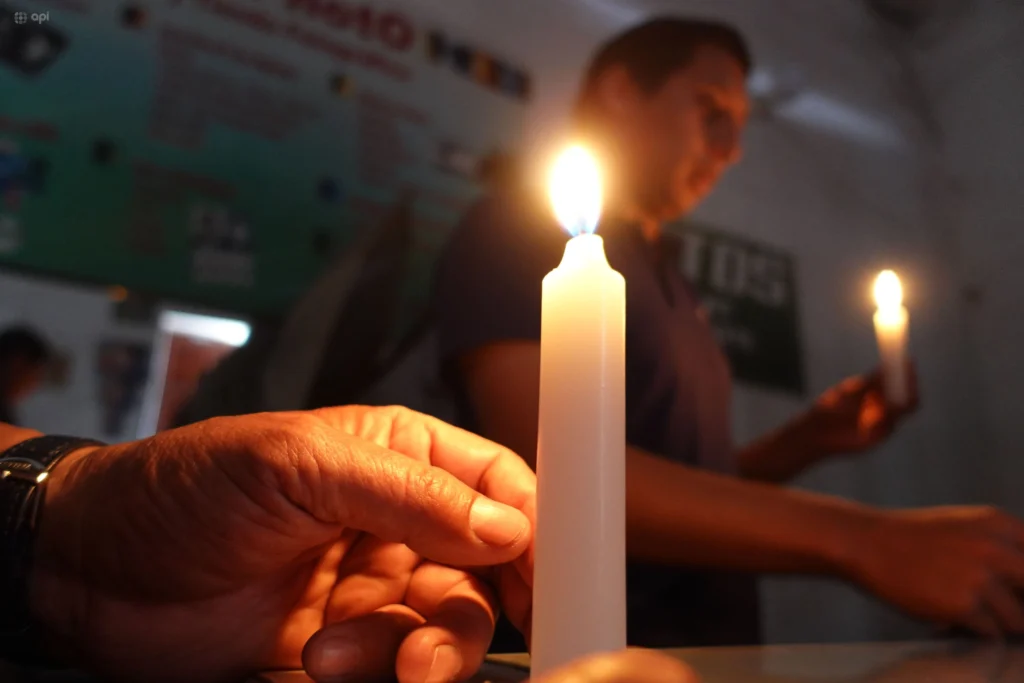
Quito, Guayaquil, and other Ecuadorian provinces experienced unscheduled blackouts during the night of Tuesday, October 13, and the early hours of Wednesday, October 14, with no official statements explaining the causes or scope of the outages.

RELATED:

Ecuadorian Youth Call Protest Over Healthcare and Insecurity

In Quito, the interruptions began around 11:00 PM on Tuesday in neighborhoods such as Ponceano Bajo, La Concepción, La Magdalena, Guamaní, Guajaló, Sangolquí (El Carmen), and the Atahualpa roundabout. According to reports shared on social media, the outages lasted more than six consecutive hours in several zones.

Meanwhile, in Guayaquil, users reported power cuts in the north and south of the city, including Sauces 4, areas near the main bus terminal (Terminal Terrestre), Durán, and Playas Villamil. Citizen reports indicated outages that, in some locations, lasted for several hours.

The impact was not limited to the two major cities. Users in the Sierra region reported cuts in Ambato and Riobamba; on the Coast, outages were recorded in cantons within Manabí, Esmeraldas, and Santo Domingo de los Tsáchilas; while in the Amazon region, failures were reported in Zamora Chinchipe.

“There is no warning, no schedule, and we are left in the dark across the country. We demand that the electric utility companies explain what is happening,” citizens stated, addressing Empresa Eléctrica Quito, CNEL EP, and CELEC.

As of the early hours of Wednesday, neither the Ministry of Energy nor the regional distribution companies had issued an official report regarding the causes of the outages or potential measures to restore service.

📈#Economía | Los cortes de energía de hasta 72 horas semanales y los costos de autogeneración preocupan a los sectores camaronero y bananero por las posibles repercusiones en sus operaciones.#LaRadioDeLasNoticias
Los detalles⤵️https://t.co/f9jHO4mMzW pic.twitter.com/D5UyeQosEt

— Radio Pichincha (@radio_pichincha) October 14, 2026

The text reads, “Power outages lasting up to 72 hours a week and the costs of self-generation are causing concern within the shrimp and banana sectors due to the potential impact on their operations.”

The blackouts come just days after President Daniel Noboa had assured the public that “no Ecuadorian family will experience power cuts.” The leader maintained that power plants such as Toachi Pilatón and the leasing of power barges would help avert rationing.

Industry specialists warn that Ecuador is grappling with a deficit of between 1,300 and 1,800 megawatts (MW).

Electricity situation

Ecuador is facing renewed strain on its electrical system during the dry season, characterized by a marked drop in water levels at strategic reservoirs and an increased reliance on thermal power generation. This situation particularly affects the Paute hydroelectric complex, which is vital for the national power supply.

The Mazar reservoir, located in the Paute River basin across the provinces of Azuay, Cañar, and Morona Santiago, is one of the most critical pieces of infrastructure in Ecuador’s electrical system. Its storage capacity sustains the operation of the Paute complex—comprising the Mazar, Paute-Molino, and Sopladora plants—which has a combined installed capacity of 1,756 megawatts (MW).

Reduced water availability in this basin can directly impact hydroelectric generation and, by extension, the country’s electricity supply.

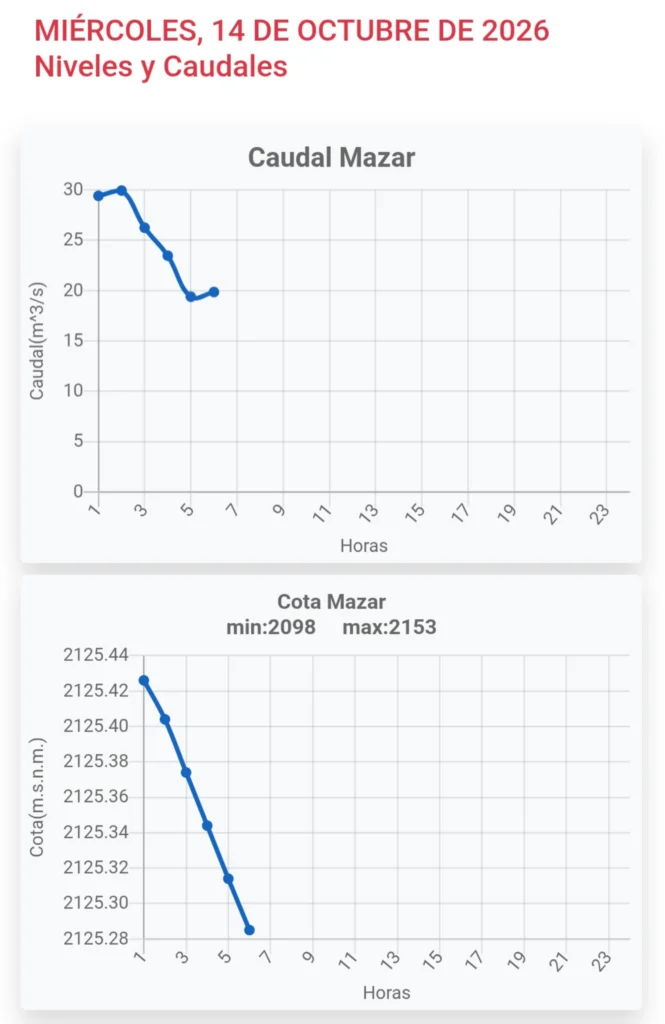
On Tuesday, the Mazar hydroelectric plant remained offline for a 24-hour period spanning Monday and Tuesday, during which time its reservoir level recovered by at least one meter.

Reported data shows that the Mazar water level rose from 2,124 to 2,125 meters above sea level (masl) on October 14. Despite this recovery, the reservoir remained just 10 meters above its minimum operating level, reflecting the extreme pressure on the hydroelectric system.

Values ​​of the Marzar reservoir, flow rate and elevation

Due to the drop in hydroelectric generation, thermal power plants met 27% of the national electricity demand. The increased use of thermal power plants aims to partially offset the deficit resulting from falling reservoir levels and reduced generation capacity at the Paute complex.

Energy expert Alejandro Jaya noted that the Amaluza reservoir recorded a drop of 7.61 meters—an unprecedented figure in available historical records.

Although the Molino power plant kept nine turbines running near their rated capacity for nearly eight hours, the loss of hydraulic head ultimately reduced its generation capacity. Against this backdrop, the Mazar plant took on the critical load and began releasing water through its turbines to feed the Amaluza reservoir and sustain production at the Paute complex.

The combination of the dry season, falling reservoir levels, and a generation deficit continues to place the Ecuadorian electrical system under strain. The situation at Mazar and Amaluza highlights the country’s reliance on hydroelectric power and the energy matrix’s vulnerability to hydrological fluctuations.

Petroecuador reported an oil spill in the Cupa River in Quinindé canton, Esmeraldas province, Ecuador, on Monday, October 12, after a crude leak in the SOTE pipeline.

Army troops contained the leak after detecting it. As a preventive measure, the water company ordered the… pic.twitter.com/5tXzfCry8p

— teleSUR English (@telesurenglish) October 13, 2026
  •  

Spanish Sociologists Confirm Ruling Party’s Lead in Upcoming Elections

The Spanish Socialist Workers’ Party (PSOE) leads the projected vote share with 34%, while the People’s Party (PP) stands at 22.2%, according to the October barometer from the Center for Sociological Research (CIS), conducted between October 1 and 6 with 5,025 interviews.

RELATED:

Marches in Spain Honor Maricarmen, the Evicted Woman Who Died Amid the Housing Crisis

The poll, carried out following the eviction of Maricarmen Abascal and amidst the ongoing debate over housing in Spain, gives the Socialists a projected 34% of the vote—three points higher than in September. The People’s Party dropped 3.3 points to 22.2%, widening the gap between the two parties to 11.8 points as the pre-campaign period for the November 29 general election begins.

Meanwhile, the ultra-conservative party Vox has solidified its position as the third-largest political force with 17.1% support, up half a point from the previous barometer. For its part, Frente Amplio reaches 6.1% and Podemos obtains 3.1% of the estimated vote.

The survey was published following the eviction of Maricarmen Abascal on September 23 and the elderly woman’s death on October 7. The case sparked protests and encampments advocating for the right to housing in several Spanish cities.

Housing remains the primary concern for Spaniards, cited by 55.7% of respondents. It is followed by immigration (20.9%) and the economic crisis (20.3%).

📊 El 82,3% de los españoles coincide en que hay que priorizar “el derecho a la vivienda como un derecho constitucional”

👉 Este y otros datos, están recogidos en el barómetro de octubre: https://t.co/BW9SF9tJy4 pic.twitter.com/dxCku36Hr4

— Centro de Investigaciones Sociológicas (@CIS_Institucion) October 14, 2026

The text reads, “82.3% of Spaniards agree that priority must be given to “the right to housing as a constitutional right.” This and other data are included in the October barometer”

Additionally, 82.3% of those surveyed believe that the right to housing should be prioritized as a constitutional right. An earlier CIS barometer, published on October 8, already showed that 91% of respondents called for more public housing and 76% supported state intervention in the sector.

88.9% of those surveyed stated they had heard about Maricarmen’s case. Among those aware of the eviction, 57.1% maintained that the protection of vulnerable people is the most important aspect.

The government introduced two housing decree-laws, but they were rejected in Congress by conservative parties. That parliamentary defeat precipitated the call for early elections announced by Prime Minister Pedro Sánchez on October 5.

Mobilizations regarding access to housing will continue with a general housing strike scheduled for November 11, amidst a climate where the housing crisis sits at the center of the political and electoral agenda.

The barometer also reflects heightened concern regarding the war in the Middle East: 72.6% of respondents described themselves as “very” or “quite” concerned—an increase of 2.5 points compared to the previous survey. The Russian invasion of Ukraine is a source of concern for 68.4%, while 73.6% are worried about climate change.

#Spain | From one eviction to a nationwide political reckoning.
Mari Carmen's death comes as Spain heads toward snap elections, with housing rights and rising rents at the center of a growing national debate.#HousingCrisis #teleSUREnglish pic.twitter.com/OhiGM0VBMU

— teleSUR English (@telesurenglish) October 8, 2026
  •  

Women Shine at 2026 World Skate Games in Paraguay

The 2026 World Skate Games, taking place in Paraguay through October 18, bring together 2,004 women among more than 8,000 athletes, showcasing both established stars and rising talents in the world of skating. Now in its fifth edition, the event features 11 sports, one esports title, and 40 skating-related disciplines.

RELATED:

Paraguay Hosts World Skate Games with Over 8,000 Competitors

After ten days of competition, Aina Florenza, Gabriela Rueda, Mizuho Hasegawa, and Nicolly Candeu are leading the way for women in disciplines such as rink hockey, speed skating, skateboarding, and roller freestyle.

Spaniard Aina Florenza, 24, was a key figure on the women’s rink hockey team that secured its ninth world title—and second consecutive one—after defeating Argentina 3–1.

The Catalan forward competed in her fourth World Championship in Paraguay and finished as Spain’s top scorer with six goals, in a tournament where the Spanish squad achieved a perfect winning record. With this result, Spain reaffirmed its status as the most decorated team in the sport’s history.

Florenza has amassed three world titles and three European titles in eight years with the Spanish national team. Additionally, she was named Best Athlete of 2025 by the Royal Spanish Skating Federation and has won five “Golden Ball” awards as the top scorer in the OK Liga Femenina.

Así va el medallero de los Juegos Mundiales de Patinaje.

La velocidad mundial le ha dado 10 oros a Colombia. https://t.co/PXdIUbRaBI pic.twitter.com/eJcLDng3ac

— Óscar David Ríos Gil |🎙️✍️📹 Periodista Deportivo (@OriosDeportes) October 13, 2026

The text reads, “Here is the medal tally for the World Roller Skating Games. World speed skating has given Colombia 10 golds.”

Meanwhile, Colombian skater Gabriela Rueda—known as “La Gaviota” (The Seagull)—won two gold medals in speed skating: the 5,000-meter points race and the 10,000-meter elimination race. At 26 years old, she has now reached a total of 17 world titles.

Rueda arrives in Paraguay after winning gold in the 5,000 meters at the Santa Fe South American Games in September and another title at the 25th Central American and Caribbean Games in July. Her record also includes three golds and two silvers at the 2025 World Games in Chengdu, the 1,000-meter sprint title at the 2023 Pan American Games in Santiago, and three golds at the 2021 Junior Pan American Games in Cali.

Meanwhile, 15-year-old Japanese skater Mizuho Hasegawa won two gold medals at the World Skate Games. On October 3, she triumphed in vert skateboarding, and seven days later, she won the park event with a score of 91.00 points, finishing ahead of Britain’s Sky Brown.

Hasegawa had previously won the park title at the World Skate World Cup in Rome in June and repeated that success at the 2026 Aichi-Nagoya Asian Games, held in Japan in September. The young skater has amassed 13 medals over the course of her X Games career.

At the same time, 15-year-old Brazilian Nicolly Candeu was crowned champion in roller freestyle street, becoming the only woman from her country to win gold at these Games so far. Brazil claimed 9 of the 12 medals up for grabs in that discipline.

Candeu is cementing her international standing after winning bronze in the junior women’s park event at the 2024 World Skate Games in Italy.

#Paraguay | Rising Paraná River waters are forcing evacuations in riverside communities, threatening homes and livelihoods.
Emergency teams are assisting affected residents as flooding continues.#Flooding #ParanaRiver #teleSUREnglish pic.twitter.com/7ScWUuK0tF

— teleSUR English (@telesurenglish) October 13, 2026
  •  

Mexican Indigenous Artists Use Rap to Defend Their Languages ​​and Identity

On Sunday, as part of the Indigenous Resistance Day commemoration, the Indigenous Hip Hop Festival second edition held at the Casa Refugio de la Memoria in Mexico City. The event highlighted how Indigenous artists in Mexico are finding rap to be a tool for defending their languages, asserting their identities, and sharing their peoples’ stories.

RELATED:

Codex Azcatitlan Returns Temporarily to Mexico

The gathering featured concerts, handicraft sales, photo exhibitions on the movement’s origins, and an open-mic session where artists improvised in languages ​​such as Zapotec, Mayan, and Mazatec. According to the participants, the genre allows them to adapt contemporary expressions to the realities of Indigenous peoples and expand their reach beyond traditional circuits.

“I think the interesting thing about hip-hop culture is that it doesn’t respond to a specific era, but rather to a need within the context where it originates,” noted Mare Advertencias, a rapper with a 23-year career. For the artist, the festival confirms the strength of Indigenous rap across the continent, following an event held last year in the Bronx and with an upcoming edition scheduled for Lima, Peru.

“For me, hip-hop was a way to seek out my identity,” Advertencias added in comments to EFE, recalling how the art form served as a refuge during her adolescence, helping her define her own path.

The musicians highlighted their native languages’ ability to convey the reality of their communities and break down the barriers that have historically marginalized them from the music industry. Mayan rapper Pat Boy denounced the persistent discrimination they face and criticized the fact that, even within the movement itself, Indigenous hip-hop artists are often set apart from other hip-hop artists.

🎤 #AlMomento | El rap y el hip hop toman la Alhóndiga de Granaditas en el @cervantino.

Desde el Valle de México, las raperas de “Mujer en Cypher” encienden al público con sus rimas y versos en #Guanajuato.@mauenelonce en #OnceNoticias 🔻 pic.twitter.com/vwCLvwL9jd

— Once Noticias (@OnceNoticiasTV) October 13, 2026

The text reads, “Rap and hip hop take over the Alhóndiga de Granaditas at the
@cervantino. From the Valley of Mexico, the rappers of “Mujer en Cypher” light up the crowd with their rhymes and verses in #Guanajuato.”

Meanwhile, Mazatec rapper Xéti NdáJnió stated that singing in his language about the traditions of the highlands allows them to connect with people on a level that goes beyond mere words. Her presentation highlighted the role of rap as a medium for bringing Indigenous languages ​​to diverse audiences.

Speaking for the organizing team, Ángeles Solís—festival co-producer and activist with The Action Lab—emphasized the need to create autonomous spaces for outreach. “It is an opportunity to build independent platforms where our voices and languages ​​can be heard,” she stated.

The festival took place just before the traditional Day of the Race (in spanish Día de la Raza)—reclaimed here as the Day of Indigenous Resistance—marking a day of critical reflection and the defense of Indigenous peoples’ rights.

The next stop for the Indigenous Hip Hop Festival will be on October 17 in Lima, Peru, continuing the work of this network of artists who use urban rhythms to raise awareness of, promote, and preserve the continent’s Indigenous languages.

Mexican President Claudia Sheinbaum inaugurated a new campus of the National Rosario Castellanos University in Nicolás Romero, State of Mexico, on Sunday, as her government pushes to expand access to public higher education. The campus will open with 800 students, half attending… pic.twitter.com/RlLWCV54xR

— teleSUR English (@telesurenglish) October 12, 2026
  •  

The Cuban Bolero Loses a Shining Star: Manolo del Valle

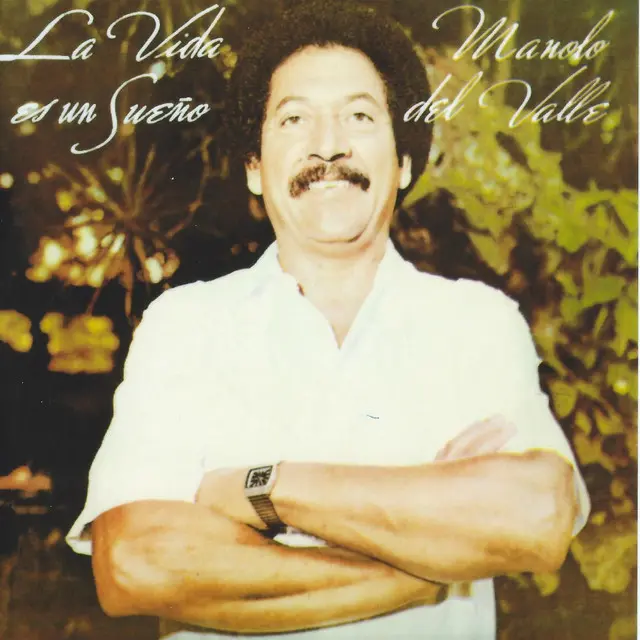
Cuban singer and composer Manolo del Valle—whose real name was Manuel Batista Salgado—passed away this Sunday at the age of 84. The news was announced by the Cuban Music Institute (ICM) and the Orquesta Original de Manzanillo, a group with which the artist maintained a long professional relationship. The news prompted expressions of sorrow within the music community and among fans of the Cuban bolero, both in Cuba and abroad.

RELATED:

Juana Bacallao: Cuban Music Legend and Show-Woman Dies

Del Valle was one of the island’s most recognized voices in romantic song. His career, spanning more than six decades, was closely tied to the bolero genre; he delivered performances that resonated with several generations of listeners, including songs such as “Es mejor vivir así” and “Celos del viento y el mar.”

His early artistic steps were linked to local groups such as the trios Ideal and Los Bohemios. In 1964, he joined the Orquesta Original de Manzanillo, an ensemble with which he remained associated for 14 years and with which he recorded songs he had composed himself.

Portada del Disco: La Vida es un Sueño.

The group highlighted the singer’s contribution to a sound that blended son and popular dance music with romantic song. Following that period, Del Valle settled in Havana to pursue a solo career.

Manolo del Valle’s repertoire included bolero classics as well as compositions that became synonymous with his name, such as “No renunciaré a tu amor,” “Celos del viento y el mar,” “Ni tu cama ni tu almohada,” “Será la última carta,” “Solo mía y basta,” and “Este es mi último adiós.”

His discography includes productions such as Es mejor vivir así (1981), alongside numerous performances at bolero festivals held in Cuba and other countries. Throughout his career, he received various cultural honors and maintained a close bond with audiences both on and off the island.

News of his passing prompted reactions from musicians, colleagues, and admirers. Singer Lourdes Libertad expressed her sorrow on social media and recalled years of friendship and professional collaboration with Del Valle, whom she described as one of the great exponents of the bolero.

With his passing, Cuban music loses a performer whose legacy endures through his recordings and the bolero repertoire. His songs remain part of the musical memory of several generations, both in Cuba and among Cuban communities abroad.

#Cuba | The Recording and Music Publishing Company (Egrem) is celebrating the nominations for the Cubadisco 2026 Awards, which will be announced on May 16 during the awards ceremony of the Cuban Record Festival.https://t.co/iOAteQYMqn pic.twitter.com/s7rpZFOLBy

— teleSUR English (@telesurenglish) May 4, 2026
  •  

Albanian Students Clash With Police Outside the Education Ministry

Hundreds of university and high school students clashed with Albanian police on Monday outside the Ministry of Education in Tirana during a protest over university conditions, tuition costs, and a lack of financial support.

RELATED:

French Student and Teacher Protests More Than Double in Participation

The demonstration began at 2:00 p.m. local time, when the young people blocked the street in front of the Ministry and threw paint, eggs, and firecrackers at the façade. Subsequently, some protesters tore up barriers and paving stones to hurl at the building, shattering its windows, according to local media reports.

Police detained 23 protesters, and at least six officers—as well as one journalist—were injured, the Ministry of the Interior reported, as cited by the Albanian public broadcaster RTSH. None of the injuries are life-threatening.

According to the official statement, police units intervened proportionately to neutralize those responsible for the incidents and restore order. Police responded with tear gas and a high-pressure water cannon before advancing on the crowd.

🚨🇦🇱 LIVE FROM TIRANA: Police assault a student who refuses to back down, confronting six officers before being arrested

✊ STAND WITH THE STUDENTS! STOP POLICE BRUTALITY!#Albania #Tirana #StudentProtest #ACAB pic.twitter.com/pHguk3N3ym

— Anonymous TV 🇺🇦 (@YourAnonTV) October 13, 2026

The students, primarily from the University of Tirana and the Polytechnic University, are demanding improvements to university facilities and student dormitories, as well as greater financial support for the student body. They are also calling for the resignation of the Minister of Education, Mirela Kumbaro.

During the protest, demonstrators chanted: Without youth, there is no Albania. According to the newspaper Gazeta Shqip, the mobilization was prompted by the poor condition of the country’s universities, the cost of education, and the lack of public financial aid.

The protest is part of the so-called “Flamingo Revolution,” an opposition movement against the government and the political system that began in May in response to a luxury tourism project in the protected Vjosa-Narta lagoon—a project linked to Jared Kushner, son-in-law of U.S. President Donald Trump.

Since then, the movement has expanded its demands, calling for the formation of a technocratic government and the ousting of Edi Rama and veteran conservative leader Sali Berisha from power.

#Albania | The police violently cracked down on citizens protesting outside Parliament in Tirana, where they were demonstrating against Prime Minister Edi Rama and a tourism project linked to the family of U.S. President Donald Trump.

The clashes occurred during the final… pic.twitter.com/caorFLU1jP

— teleSUR English (@telesurenglish) July 23, 2026
  •  

Worldwide Prayer Chain for the Health of Pope Leo XIV

On Tuesday, Pope Leo XIV was admitted to the Gemelli Polyclinic in Rome to undergo surgery to remove a pulmonary nodule that had been detected at an early stage. The procedure is taking place on the tenth floor of the medical center; the Pontiff arrived shortly after 1:00 p.m. and is being treated in an area adjacent to his usual quarters.

RELATED:

Pope Leon XIV Ends Lebanon Visit with Mass Before More Than 150,000 in Beirut

The procedure is being led by thoracic surgeon Stefano Margaritora, who has headed the hospital’s specialized department for ten years. Holy See sources estimated a seven-day postoperative period and indicated that the Vatican expects to issue a medical bulletin following the operation.

All his appointments have been cancelled through October 20, including a major Mass on Wednesday marking the conclusion of a global assembly on the family; Cardinal Luis Antonio Tagle will stand in for him at that event.

Vatican Secretary of State Cardinal Pietro Parolin highlighted the serenity with which the Supreme Pontiff announced the procedure, although he acknowledged his own surprise at the diagnosis. The Holy See clarified that there would be no transfer of authority, as that only occurs in the event of a vacant see.

British specialist Marco Scarci noted that it is not a particularly risky operation, though he estimated that a full recovery of physical fitness could take up to three months. Meanwhile, Federico Venuta explained that, as a general rule, it is recommended to avoid flying for about twenty days following this type of surgery.

The Pope is scheduled to travel to South America in November, with visits to Uruguay, Argentina, and Peru; his clinical progress will determine the final confirmation of the itinerary. Marco Scarci, a thoracic surgery specialist in the UK, told AFP that the procedure is not particularly high-risk and that he expects the Pope to recover soon, although it could take up to three months for him to regain his pre-surgery level of physical fitness.

Il cardinale #Parolin ha parlato con #LeoneXIV: "È un esempio di grande serenità". Il segretario di Stato auspica che tutto si risolva al più presto: "Siamo fiduciosi e naturalmente lo accompagniamo tutti con la nostra preghiera e con il nostro affetto".https://t.co/C6z8lzHUf2 pic.twitter.com/pYPtgcHoJ4

— Vatican News (@vaticannews_it) October 13, 2026

International solidarity

The pontiff’s hospitalization sparked a wave of international solidarity, involving the faithful gathered in St. Peter’s Square as well as episcopal conferences in Poland, Uruguay, Argentina, and Peru. Religious communities across various countries organized prayer chains for the Pope’s health and speedy recovery.

In Rome, Auxiliary Bishop Baldassare Reina is set to lead a rosary service at 6:00 PM in the chapel of the Gemelli Polyclinic as part of efforts to provide spiritual support.

Cuban President Miguel Díaz-Canel wrote on X that “the Cuban people stand with the pontiff with respect and appreciation” and wished him a speedy recovery.

Colombian President Gustavo Petro described the Pope as a great defender of humanity and a dignified life. Petro linked the papal figure to the need to confront the manipulations of artificial intelligence and the rivalries between major tech corporations.

From Brazil, President Lula da Silva sent his warmest regards to the Pope and joined in prayers for the surgery’s success.

The Gemelli Polyclinic is once again the focus of global attention for treating a pontiff, following the cases of John Paul II and Francis. John Paul II famously joked that the hospital had become “Vatican III.”

A reinforced security protocol has been implemented at the entrance to the medical facility, while the Vatican maintains a policy of discretion regarding the pontiff’s health status.

Pope Leo XIV has arrived at Gemelli University Hospital in Rome to undergo a scheduled low-risk lung surgery. Crowds of faithful and reporters gathered outside the hospital as the Pontiff arrived. Medical experts confirm the procedure is low-risk.#PopeLeoXIV #Vatican #Rome… pic.twitter.com/uYF1r1F6np

— teleSUR English (@telesurenglish) October 13, 2026
  •  

INNOVA 2026: Youth-Led Science Weaving Cuba’s Future

The 2026 edition of the INNOVA Innovation for Society Competition brought together 11 projects from Cuban companies, institutions, and MSMEs this Tuesday, presented in a hybrid format before a experts panel. The event showcased applications of science, technology, and innovation across sectors such as energy, health, business management, tourism, and cybersecurity.

RELATED:

International InnoLabs Project Strengthens Innovation at Cuban University

The Informatics and Communications Business Group (GEIC) organized the event, combining in-person participation in Havana with virtual presentations from various provinces. According to organizers, this format allowed participants to showcase homegrown solutions to real-world problems and highlighted the talent of young people driven to innovate and develop.

A key project was TECXOL—the “National Ecosystem for the Intelligent Management of Photovoltaic Parks”—presented by Darien Armenteros Fernández of XETID. The platform is already implemented at the Mariel site and enables data capture and processing for autonomous decision-making.

Designed as an open, scalable system, TECXOL can be extended to microsystems and other forms of energy storage. It features constant monitoring and early warning systems, aligning with the goal of energy sovereignty.

Similarly, the MSME TECNOPRO SRL, based in Santiago de Cuba, presented LOCALLIGHT PLUS, a backup power monitoring system that integrates temperature, voltage, and efficiency controls. The project envisions future integration with solar panels under a circular innovation model.

The University of Camagüey contributed two research projects focused on applying Artificial Intelligence (AI) to specific social issues.

Grupo Empresarial de la Informática y las Comunicaciones celebró la edición 2026 del Concurso de Innovación para la Sociedad INNOVA. El evento, se consolidó no solo como una vitrina de premios, sino como un espacio de confluencia. pic.twitter.com/yI1Y46pRVC

— Empresa Comercializadora Camilo Cienfuegos (@CamiloEmpresa) October 13, 2026

The text reads, “The Informatics and Communications Business Group held the 2026 edition of the INNOVA Innovation for Society Competition. The event established itself not merely as a showcase for awards, but as a space for convergence.”

Additionally, Brian Jesús Ávila Sánchez presented the intelligent digitization of historical records regarding monoclonal antibody production at the Center of Molecular Immunology (CIM). The project employs open-source tools and predictive modeling to recover handwritten documents and create a digital twin capable of classifying and optimizing production batches. Its goal is to boost efficiency in a strategic area of ​​Cuban public health.

José Enrique Domínguez presented a web-based system for predicting water potability, developed in collaboration with the Provincial Center for Hygiene, Epidemiology, and Microbiology. The tool digitizes and automates sample analysis, classifies potability using AI, generates statistics, and issues critical alerts to support health-related decision-making.

ETECSA showcased a dashboard for effective cost management, leveraging the smart use of office software like Excel. The proposed solution is designed to be applicable to any organization in the country.

In the tourism sector, the Specialized Services Company GET presented the Tourism Intelligence Platform, which centralizes data on reservations, occupancy rates, and market trends. Already in use at two tourist hubs, the tool is set to expand into nautical and transport sectors, incorporating behavioral prediction and historical analysis capabilities.

DAPISOFT RG S.L.R., based in Granma, presented three solutions: SISMOS, a real-time seismic monitoring platform using low-cost sensors that can integrate with official infrastructure; CxCobrar, a tool for managing accounts receivable that utilizes predictive algorithms and requires minimal resources; and ISISCAI, an IT asset control and security system featuring automated audits.

🇨🇺 Cuba’s economy continues to navigate challenges while pursuing growth and development.

Despite external pressures and economic difficulties, the island is strengthening key sectors and pursuing new opportunities to boost production, investment, and social development.

📈… pic.twitter.com/n5bsOkG53V
— teleSUR English (@telesurenglish) October 8, 2026
  •  

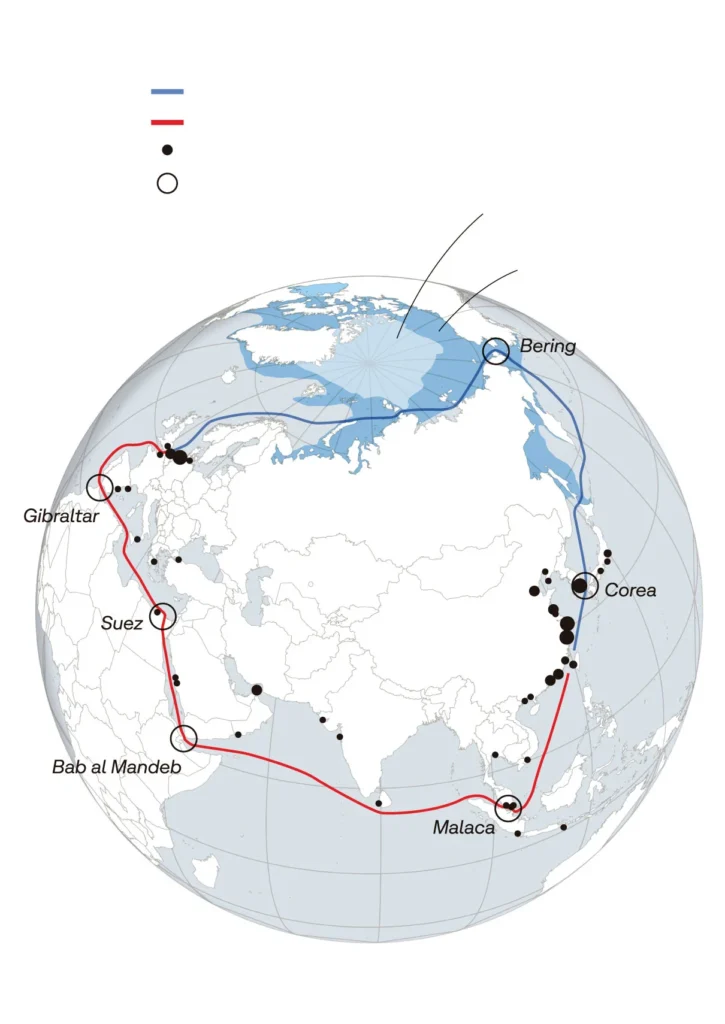
South Korea Promotes Arctic Trade Route

South Korean President Lee Jae-myung reaffirmed his country’s commitment on Tuesday to developing a new trade route via the Arctic Ocean, following the first voyage to Europe completed by a South Korean container ship.

The leader stated that the initiative aims to diversify Asian maritime routes and strengthen Busan as an international logistics hub.

RELATED:

Putin and Tokayev Meet at SCO Summit to Boost Kazakhstan-Russia trade

During a ceremony in Busan to welcome the vessel PanStar Acro, Lee affirmed that South Korea would open the Arctic route with the confidence of the international community. “I will strive to ensure that the new route does not serve the exclusive interests of any single country, but rather leads to mutual prosperity,” the president declared, according to the Yonhap news agency.

The PanStar Acro, with a capacity of 2,758 TEUs (standard 20-foot containers), returned to Busan this Sunday after completing a 50-day voyage through the Arctic via Russian waters. The vessel made stops in the United Kingdom, the Netherlands, and Poland before returning to the South Korean port.

The voyage marked the first time a South Korean container ship completed a round trip to Europe via the Arctic route. The South Korean government believes the operation provided valuable experience in polar navigation and technical data to assess the corridor’s commercial viability.

South Korean Container Ship Completes Landmark Northern Sea Route Return Trip

The ‘PanStar Acro’ vessel set sail from Busan on August 22 to the UK through the NSR, stopping in Rotterdam and Gdansk – returning home to South Korea on October 11. (Yonhap citing 🇰🇷's Ministry of… pic.twitter.com/0VCRrqjj9B

— RT_India (@RT_India_news) October 12, 2026

2030 Plan

In May, South Korea’s Ministry of Oceans unveiled a plan using this trial run as a first step toward establishing a regular service along the Arctic route by 2030. The strategy seeks to revitalize Busan—the country’s second-largest city—and other southern localities, while also consolidating more efficient trade links between Asia and Europe. Lee linked the project to the development of a southern maritime hub region, integrating Busan’s ports and maritime finance, Ulsan’s shipbuilding and green energy sectors, and South Gyeongsang’s marine equipment industry.

The project has raised concerns because the route runs largely through Russian waters; some analysts warn this could allow Moscow to mitigate the impact of international sanctions imposed following the “Special Operation” in Ukraine. In response, Lee emphasized that Seoul would strictly adhere to international regulations and the sanctions principles established by the global community.

The initiative is also a response to the crisis in the Red Sea, which led numerous shipping companies to avoid the Suez Canal, drove up shipping costs, and forced the rerouting of voyages between Asia and Europe.

Although some companies have begun to gradually resume transit via that route—aided by improved security conditions—South Korea is positioning the Arctic route as a strategic alternative to potential disruptions on traditional shipping lanes.

Logistical and financial obstacles

Meanwhile, Eve Barré, a sector economist at Coface, noted that Arctic shipping routes are attracting attention because they shorten distances. However, commercial interest remains very limited for the foreseeable future and is concentrated primarily on raw materials.

Aurora García, of Ocean Infrastructures Management, identified further hurdles: incompatibility with existing logistics networks; the loss of intermediate port calls—a key revenue source for major shipping lines; high seasonality; and a lack of rescue capabilities. Navigation is permitted only during the warmer season, which conflicts with the annual contracts used by shipping companies.

Costs are also a factor: shipowners face higher insurance risk premiums and greater amounts of tied-up capital. Polar-class vessels are between 25% and 60% more expensive due to the extra steel thickness in the hull.

If the route were to become a viable alternative, certain European ports reliant on Suez traffic could be affected. In Spain, García noted that Algeciras would be the most exposed facility due to its high volume of transit traffic, whereas Valencia would face a lesser impact, as its import and export traffic would not be directly affected.

Chinese Foreign Minister Wang Yi met with his South Korean counterpart, Cho Tae-yul, in Seoul to discuss strengthening bilateral ties and regional stability.

Beijing urged Seoul to maintain an independent foreign policy, and both sides laid the groundwork for a potential summit… pic.twitter.com/o3uHG7vU1q

— teleSUR English (@telesurenglish) August 20, 2026
  •  

Formula 1 to Return to Africa with a Grand Prix in Rwanda Starting in the Early 2030s

Formula 1 will return to Africa with the addition of the Rwanda Grand Prix to its calendar in the early 2030s, event organizers announced in a statement this Monday. A ten-year agreement will end the sport’s more than three-decade absence from the continent. The last race took place on March 14, 1993, at the Kyalami circuit in South Africa, where Frenchman Alain Prost won.

RELATED:

Formula 1 Confirms Türkiye Grand Prix Return for 2027

The race will be held on a new circuit to be built in Bugesera, approximately 40 kilometers south of Kigali, the Rwandan capital. According to Formula 1, the facilities are expected to be ready by the beginning of the next decade, the scheduled time for the Grand Prix’s debut on the global calendar.

The track will be designed to meet the International Automobile Federation (FIA) Grade 1 standards, a requirement for hosting top-tier motorsport competitions. The project is part of a broader initiative for sports, tourism, infrastructure, and commercial development led by the Rwanda Development Board.

The venue will not be used solely for the race. Formula 1 stated that the complex will host international motorsport competitions, major events, conferences, and shows throughout the year, aiming to foster economic growth and long-term investment in the region.

In recent years, Rwanda has positioned itself as an African sports hub by hosting events such as the Cycling World Championships, the 2023 FIFA Congress, and the Basketball Africa League.

Africa, we’re back. 🌍

From the early 2030s, the African Grand Prix will join the calendar and take place in Bugesera, Rwanda 🇷🇼#F1 pic.twitter.com/c5gSRl7FNt

— Formula 1 (@F1) October 13, 2026

Rwandan President Paul Kagame highlighted that the agreement represents a long-term investment for the country. “This ten-year partnership is also an investment in Rwanda’s future. The Bugesera circuit, alongside the new international airport, will generate jobs, training, tourism, and new business opportunities for our country and our region for decades to come,” he stated.

For Formula 1 President and CEO Stefano Domenicali, the return to Africa marks a historic moment, as it will allow the competition to have a presence on every continent. “Africa has always been part of Formula 1’s future, and from the start, we were determined to return in the right way—with the right partner, a long-term commitment, and a clear vision to create a meaningful impact,” he declared.

The championship organizers maintain that Africa represents “one of the most promising growth opportunities for the sport,” with over 100 million fans. Furthermore, nearly 60 percent of followers in key sub-Saharan African markets are under the age of 35.

#Sports | George Russell (Mercedes) set the fastest time in the only free practice session for the Singapore Grand Prix, the seventeenth round of the Formula One World Championship and the season’s final sprint race.https://t.co/gRM4MmvLfV

— teleSUR English (@telesurenglish) October 12, 2026
  •  

Researchers Reveal New Studies on Peru’s Caral Culture

On Monday, Peru’s Ministry of Culture reported the Caral civilization—considered the oldest culture in the Americas—developed technologies, knowledge, and organizational methods to adapt to a diverse landscape and maintain trade with distant peoples 5,000 years ago.

RELATED:

Peru Recovers 342 Pieces of Cultural Heritage From Abroad

Archaeologist Ruth Shady, the Caral Archaeological Zone director, presented these findings during a press conference marking 32 years of archaeological work on the civilization. According to the specialist, research conducted at the site’s 12 urban centers offers insight into how the inhabitants lived in harmony with one another and with nature.

Caral is located along the Peruvian coast, 185 kilometers north of Lima. Archaeological evidence shows that its inhabitants managed resources, utilized various ecosystems, and established relationships with communities in distant regions.

The society integrated agricultural resources from the valleys with marine resources from the coast, complemented productive activities, and developed knowledge to manage water in alignment with natural cycles. These strategies reflect planning aimed at adapting to an environment subject to climatic variations.

Notable among their technological contributions are shicras—bags made of plant fibers and filled with stones—which were used as fill material for platforms and other architectural structures.

“Experimental studies indicate this system helps reduce the impact of seismic activity on the structures, demonstrating solutions adapted to the characteristics of the terrain,” Shady noted during the press conference.

🔴 La Ciudad Sagrada de Caral conmemora 32 años de investigaciones arqueológicas.

En esta fecha, la arqueóloga Ruth Shady destacó los conocimientos de esta antigua civilización y su respeto por la naturaleza.

Para celebrar este aniversario, el 23 y 24 de octubre se realizará el… pic.twitter.com/cM5XdWbu3z

— TVPerú Noticias (@noticias_tvperu) October 12, 2026

The text reads, “The Sacred City of Caral commemorates 32 years of archaeological research. On this date, archaeologist Ruth Shady highlighted the knowledge of this ancient civilization and its respect for nature. To celebrate this anniversary, the Caral Raymi will take place on October 23 and 24, with cultural activities and tours of the archaeological site.”

The construction of large public buildings, circular plazas, and residential complexes also demonstrates the society’s capacity for planning and collective labor. Furthermore, the orientation of certain buildings provides information regarding the observation of celestial cycles and the understanding of time—knowledge linked to agricultural and ceremonial activities.

Research indicates that Caral populations maintained ties with communities along the coast, in the Andes, and in the Amazon, as well as with regions in present-day Ecuador. Findings include objects made from Spondylus shells—sourced from the Ecuadorian coast—as well as macaw feathers and Amazonian snail shells.

“These findings reveal interaction networks that facilitated the exchange of goods, knowledge, technologies, and cultural practices via land, sea, and river routes,” the archaeologist stated.

Minister of Culture Alberto Beingolea highlighted the need to continue researching the legacy of Caral and to recognize the insights it can offer contemporary Peruvian society.

“Caral has left us with a wealth of examples that we must begin to heed today. That is why the events of over three decades ago—when its scientific recognition began—were so significant. Today, we must continue to find sources of knowledge and value in this civilization that can benefit all Peruvians,” the minister remarked.

#FromTheSouth News Bits | Peru held the 2026 regional and municipal elections. pic.twitter.com/u6b7N7YZ2x

— teleSUR English (@telesurenglish) October 7, 2026
  •  

Brussels Seeks to Keep Russia Isolated From International Sports

The European Union will present measures to prevent the Russian and Belarusian athletes´s return to international competitions, Kaja Kallas, the High Representative for Foreign Affairs and Security Policy, announced on Monday following a meeting of the Foreign Affairs Council in Luxembourg. The initiative could move forward alongside new sanctions regarding damage to Ukraine’s cultural heritage.

RELATED:

World Aquatics Lifts Restrictions on Russian and Belarusian Athletes

During a press conference, Kallas explained that the ministers discussed how to prevent Russian and Belarusian athletes from returning to international sports competitions. The discussion is part of the isolation measures promoted by the bloc in response to Russian aggression against Ukraine.

“The ministers also discussed how to prevent the return of Russian and Belarusian athletes to international sports competitions,” the European representative stated. She added that a similar situation exists in the cultural sphere and maintained that sport and culture must not become instruments to mask Russian aggression.

The EU’s foreign policy chief indicated that her team would work with the European Commission to prepare the proposals. “Based on today’s discussion, my team, together with the Commission, will present proposals on how to maintain Russia’s isolation in the global sports arena,” she noted.

The European Union approved the 22nd package of anti-Russian sanctions and blacklisted about 1,600 companies and individuals related to the defense sector, EU diplomacy chief Kaja Kallas said.

TASS has collected key details of new restrictions:https://t.co/p0iEEeXV0o pic.twitter.com/dErqW0ZCc1

— TASS (@tassagency_en) October 12, 2026

Kallas added that the sports-related measures could be developed in parallel with new sanctions against those destroying Ukraine’s cultural heritage. She did not detail the content of the proposals or specify when they would be presented.

The possibility of restricting the participation of Russian athletes in tournaments and other international events had already been raised by various EU officials.

In April, the European Commissioner for Intergenerational Fairness, Youth, Culture and Sport, Glenn Micallef, described the decision by World Aquatics—the international swimming federation—to admit Russian and Belarusian swimmers to its competitions as a serious mistake. This Monday’s debate once again places international sport—alongside culture—among the areas where the EU seeks to maintain isolation measures regarding Russia.

For now, Kallas’s announcement concerns the drafting of proposals by her staff and the European Commission; the announcement did not specify how these measures would be implemented or which sports bodies might be affected.

The European Union High Representative for Foreign Affairs and Security Policy, Kaja Kallas, said EU foreign ministers adopted nearly 1,600 new sanctions targeting Russia’s military-industrial complex.

She said more than half of the new listings were linked to the ballistic… pic.twitter.com/QVCYvSeU2X

— teleSUR English (@telesurenglish) October 12, 2026
  •  

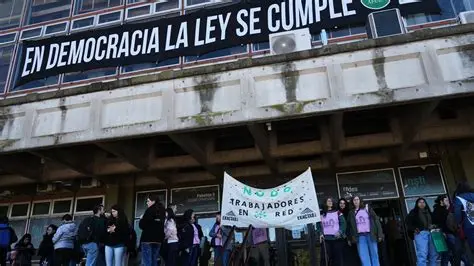
Argentines to March to Demand University Funding

On Tuesday, Argentine political leaders, workers, students, and social activists will march to the Congress in Buenos Aires to demand compliance with the University Financing Law and urge the Chamber of Deputies to reject Decree of Necessity and Urgency (DNU) 70/23. The gathering is scheduled to take place in front of Parliament, where demands regarding the Land Law and the Rental Law will also be voiced.

RELATED:

Argentine Prosecutors Seek Up to 12 Years in Prison for Doctors Over Maradona’s Death

The mobilization will bring together faculty, non-teaching staff, students, university officials, labor confederations, tenants’ organizations, Malvinas war veterans, and political leaders. Participants will call on the government to implement the University Financing Law and on the Chamber of Deputies to repeal DNU 70/23, which has already been rejected by the Senate.

The protest was decided upon weeks ago, following strikes and public teaching sessions organized by faculty and non-teaching staff unions. The organizations maintain that the law must guarantee the sustainability of national universities and demand that the Executive branch comply with existing regulations.

The Buenos Aires University (UBA) issued a message supporting the call to action: “Let us not normalize non-compliance with the law. Laws must be obeyed. Always.” The university called for participation in the fifth Federal University March to demand adherence to the law and to defend public higher education.

#Argentina | A federal court struck down President Javier Milei’s decree blocking the University Financing Law and ordered the government to immediately release funds for public universities.
The ruling follows more than a year of disputes over university funding.#Education… pic.twitter.com/SbD2Nswu3P

— teleSUR English (@telesurenglish) October 7, 2026

These demands were also voiced last week at the Palacio Pizzurno, the headquarters of the Secretariat of Education. There, student unions from the Buenos Aires Metropolitan Area staged a sit-in and asked the Secretary of Education, Carlos Torrendell, to increase scholarships in accordance with the University Financing Law.

According to the statement regarding the event, the meeting lasted three minutes before authorities forcibly removed the students from the building. Later, the Ministry of Human Capital announced it would file a formal complaint regarding the incident. Buenos Aires Province Governor Axel Kicillof confirmed he would participate in the march.

During an event marking the 150th anniversary of the implementation of Law 988 on Common Education, he stated that the national government does not respect the law and maintained that its representatives would be “in the streets on the 15th, defending public universities.” Kicillof also noted that the 26 national universities located within the province are the responsibility of the federal government.

Meanwhile, students will march in groups organized by student unions or independently, just as they did during the four previous mobilizations. Some university faculties are preparing measures to support the protest. At the UBA’s Faculty of Philosophy and Letters, an assembly voted to occupy the building at Puan 480 from 7:00 PM on Tuesday until Thursday, the day of the mobilization.

Emergency Decree (DNU) 70/23 and the legislative debate

The march also aims to pressure the Chamber of Deputies to reject Emergency Decree (DNU) 70/23, signed by President Javier Milei. The lower house is scheduled to debate the decree, although achieving a quorum to hold the session remains uncertain.

The legislative debate was called after the Supreme Court overturned a ruling that had declared Article 154 of the decree—which concerned the repeal of the Land Law—unconstitutional. As of this writing, that law remains in effect. Nevertheless, the organizers are proceeding with the mobilization, maintaining that the protest should not depend on judicial decisions.

The La Plata Center for Malvinas War Veterans (Cecim), which had filed the legal challenge, confirmed it would be present at Plaza de los Dos Congresos, stating: “The homeland is not for sale. We are marching on the 15th regardless, because DNU 70 is a crime against the people.”

The two CTA labor confederations also announced their participation. The CTA Autónoma announced it would return to the streets to demand that the Chamber of Deputies repeal the decree and move forward with declaring it unconstitutional.

"El decreto 70/23 no es ni más ni menos una forma de LIQUIDAR SOBERANÍA NACIONAL, no hay forma de verlo desde otro lugar"

Hay que impedir que vendan el país entero, porque dejaron en claro que no les importa pic.twitter.com/je4wq44qQD

— 💛🇦🇷 🅟🅐🅜🅟🅐 🇦🇷💙 (@Pampa139) October 11, 2026

Emergency Decree (DNU) 70/23 repealed the Rental Law, which had mandated three-year contracts and six-monthly rent adjustments. Consequently, tenants’ organizations will join the march to demand the decree’s rejection. The group Organized Tenants (Inquilinos Agrupados) called for a gathering outside Congress, declaring: “Down with Decree 70. We will have a rental law.”

Peronist and leftist leaders also confirmed their participation. Gabriel Solano—a former Buenos Aires City legislator representing the Workers’ Party (Partido Obrero) within the Left and Workers’ Front-Unity (FIT-U)—called for intensified mobilization to reject the decree and secure an increase in the university budget.

The rally will thus bring together demands for higher education funding and opposition to the repeals enacted by the decree regarding land and rental regulations. The outcome of the debate on the decree will rest with the deputies, while protesters seek to voice their grievances outside Congress.

  •  

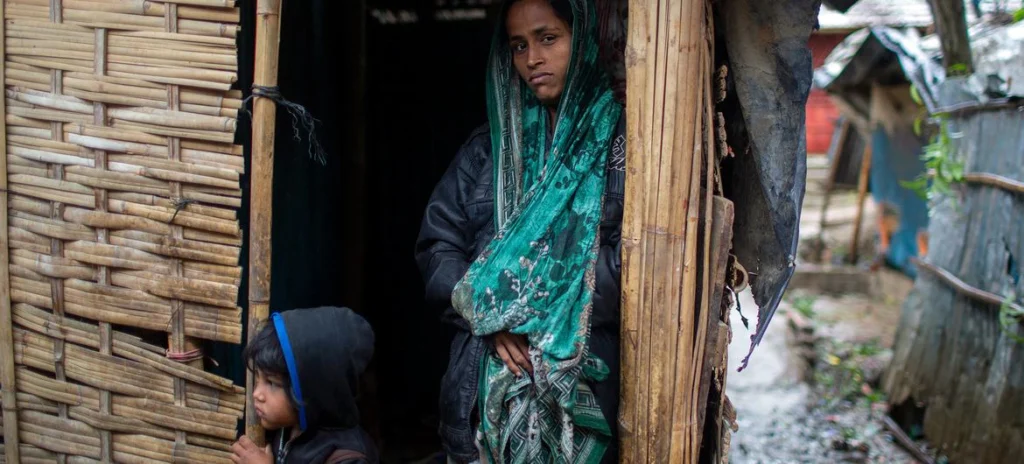
Myanmar: Attacks in Rakhine Prevent the Return of the Rohingya

On Monday, Nicholas Koumjian, head of the UN Independent Investigative Mechanism for Myanmar, warned that violence against civilians in western Myanmar is preventing the return of the Rohingya—a Muslim-majority community that has faced persecution and displacement to Bangladesh.

“The Mechanism is investigating allegations of very serious international crimes currently being committed in Rakhine State by perpetrators of various ethnicities, religions, and political affiliations,” Koumjian said in a statement upon concluding a six-day official visit to Bangladesh.

RELATED:

China-Myanmar Corridor: Strategic Benefits Unveiled in State Visit Agreements

During his visit, the investigator met with Rohingya individuals who had fled the violence. “Many Rohingya shared their recent, traumatic experiences that drove them to seek refuge in Bangladesh, and these testimonies are crucial for advancing our investigations,” he stated.

According to UN data cited in the report, more than 154,000 Rohingya have arrived in the country since the beginning of 2024, following an escalation of violence linked to the conflict between the Burmese military and the Arakan Army. The latter is a Buddhist guerrilla group active in Rakhine that, according to available information, also discriminates against the Muslim minority. The Burmese military seized power in a 2021 coup.

Attacks on civilians in Rakhine State keep the Rohingya population at risk and hinder their safe return to Myanmar, even as UN investigators document allegations of international crimes.

In 1971, #India welcomed millions of refugees from Bangladesh with humanity. Today, Rohingya refugees in #Bangladesh struggle for food and clean water despite millions in international aid. Where is the money going? #Rohingya deserve dignity, not neglect! @vonbrauckmann pic.twitter.com/iVwaZNeFbU

— Aditya Tiwari (@adityatiwarizz8) October 12, 2026

Airstrike in Rakhine

Two weeks prior to Koumjian’s statement, at least 50 people were killed and another 58 injured in an airstrike on a market in Rakhine, according to UN figures. The Arakan Army attributed the shelling to the Burmese military. The incident took place in an area inhabited by the Rohingya population.

Koumjian called for an end to violence against civilians and maintained that ensuring those responsible are held accountable is crucial for Rohingya communities to return safely to their homes.

This new wave of displacement follows the exodus of over 720,000 Rohingya during the military campaign launched in August 2017. Currently, more than 1.2 million Rohingya live in refugee camps in Cox’s Bazar, Bangladesh—home to the world’s largest network of refugee camps, according to UN data cited in the text.

Established in 2018, the UN mechanism has provided evidence to the International Criminal Court, to Argentine authorities—who opened proceedings in 2024 under the principle of universal jurisdiction—and to the International Court of Justice, in connection with investigations into possible genocide against the Rohingya people.

#Myanmar | Malaysia welcomed military-backed leader Min Aung Hlaing as concerns grow over plans to repatriate thousands of Myanmar nationals.
Rights groups warn returnees could face persecution, forced conscription and violence amid the civil war.#Malaysia #HumanRights… pic.twitter.com/Ls0gW40rsy

— teleSUR English (@telesurenglish) October 8, 2026

  •  

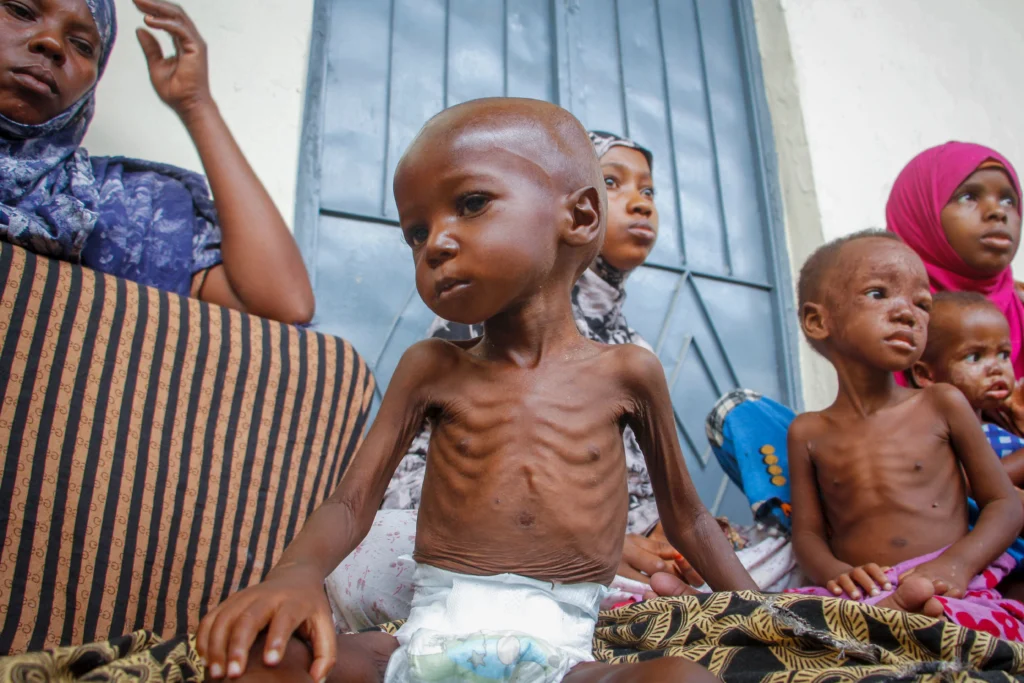
40.9 Million People are Suffering from Hunger in East Africa: OCHA

Nearly 40.9 million people in East Africa are facing hunger at crisis levels or worse, the UN Office for the Coordination of Humanitarian Affairs (OCHA) reported on Monday. This figure is up from the 40.5 million recorded in the previous quarter, according to the report covering the third quarter of 2026.

RELATED:

W.H.O. Warns Over Spreading Ebola Outbreak in East Africa

OCHA noted that humanitarian needs remained high during that period due to conflict, food insecurity, disease outbreaks, drought, and displacement. It also warned that high food and fuel prices, combined with funding constraints, increased the strain on vulnerable communities.

The situation could deteriorate in the coming months due to El Niño, a phenomenon linked to changes in atmospheric dynamics caused by rising Pacific Ocean temperatures. According to OCHA, experts predict the phenomenon will be significantly more intense this year than in previous years.

Among those affected, more than 208,000 are suffering from hunger at a catastrophic level—the highest tier of the Integrated Food Security Phase Classification (IPC)—indicating a risk of famine. Sudan, South Sudan, Somalia, and Kenya are among the countries most affected by food insecurity.

🔴 #Sudan 🇸🇩

Conflict, displacement and drought are driving an increased risk of Famine in parts of Greater Darfur and Greater Kordofan.

An immediate, significant scale-up of assistance is urgently needed. Without this, catastrophic food insecurity, acute malnutrition, and… pic.twitter.com/84bqzbnUSn

— The Integrated Food Security Phase Classification (@theIPCinfo) October 12, 2026

Acute malnutrition also continues to take a heavy toll on children: approximately 9.7 million children under the age of five require treatment, including 2.3 million suffering from severe acute malnutrition. The agency attributed the deterioration to factors including prolonged drought and limited food availability. In Karamoja, a sub-region of northeastern Uganda, at least 16 people died from causes linked to food shortages.

The report estimates that East Africa recorded 16.5 million internally displaced persons and 6.1 million refugees and asylum seekers during the third quarter of 2026. In Ethiopia, renewed fighting between federal forces and rebels continued to drive displacement and humanitarian needs.

Burundi and Djibouti saw new arrivals of refugees fleeing conflicts in the Democratic Republic of the Congo and Yemen, respectively. Regarding health, nearly 23,000 cases of cholera, 2,255 measles infections, and close to 670 cases of mpox were recorded between January and September.

The humanitarian response also faces financial constraints. OCHA expressed concern that funding cuts by the United States and other donor countries—initiated last year—pose a significant challenge. To date, only 39% of the humanitarian funding required for East Africa in 2026 has been received.

#Kenya | Kenya has confirmed its first-ever Ebola case after a citizen who traveled from the DRC died in Nairobi.
Authorities are tracing contacts and passengers as the DRC battles a major outbreak across several provinces.#Ebola #DRC #teleSUREnglish pic.twitter.com/pfvEFsAMvz

— teleSUR English (@telesurenglish) October 6, 2026
  •  

Galatasaray Prepares an Attacking Plan Against Barcelona in the Champions League

Galatasaray manager Okan Buruk stated on Monday that his team would not limit itself to defending against FC Barcelona in the Champions League Matchday 2 fixture scheduled for Tuesday in Istanbul. The coach noted that the Turkish side would look to press, win back possession, and create scoring chances.

RELATED:

Kylian Mbappé Highlights Migrant Crisis in Spain with Jersey Protest

“We won’t just defend; we will also attack,” Buruk said during the pre-match press conference. He added that his players must apply maximum pressure all over the pitch and show determination when the opposition has the ball. In the attacking phase, he called for composure and the retention of possession.

The coach acknowledged Barcelona’s quality, describing them as one of the teams in the best form—capable of scoring goals and bolstered by new signings. He also admitted that the Catalan side is considered the favorite by many, though he reiterated that Galatasaray’s goal is to win. “When we play at our best, we have achieved great things in this stadium,” he stated.

Buruk indicated that his team needs to capitalize on opportunities against an opponent that plays with a high defensive line. The manager maintained that, regardless of the chosen system, Galatasaray must be aggressive and aim to keep a clean sheet. “We also need to score goals,” he pointed out.

🗣️ Okan Buruk: Hangi Şampiyonlar Ligi maçına çıksak zor maç diyecektik ama rakip Barcelona olunca.. Şu anda dünyanın en formda takımı. Gol sayısı çok yüksek, kazanan bir takım. Rakibimizin ne kadar iyi olduğunu biliyoruz. Transferleriyle çok güçlendiler. Rakibimizi biliyoruz. Bu… pic.twitter.com/039d4j4tGh

— FCN Blog (@fcnblog) October 12, 2026

The text reads, “Okan Buruk: No matter which Champions League match we were facing, we would have called it a tough game—but with Barcelona as the opponent… They are currently the team in the best form in the world. They score a lot of goals; they are a winning team. We know just how good our opponent is. They have strengthened significantly with their new signings. We know our opponent well. That is an advantage; it helps with our preparation.”

Regarding squad availability, the coach confirmed that Ivorian defender Wilfred Singo would be unavailable. He noted that the international players are the most fatigued, though he highlighted that the team had time to rest before the match. He also spoke about Barış Alper Yılmaz—who has played as a full-back—and praised his performance in that position.

The press conference also touched upon comments made by former Barcelona player İlkay Gündoğan, who expressed his frustration after failing to get playing time against Kasımpaşa. When asked if he was ready to face his former team, the midfielder replied: “I’m not going to play, so why should I be ready?”

Buruk downplayed the incident and defended the player’s reaction. “Players are human, not robots,” he maintained, noting that it is understandable to feel upset after warming up and not getting onto the pitch. The coach urged everyone not to attach too much importance to the player’s words.

Uruguayan midfielder Lucas Torreira joined Buruk at the press conference and also highlighted the demanding nature of the match. “We are facing one of the best teams in the world. We have to put in our best performance,” he declared. He acknowledged that Barcelona can dominate through possession but insisted that Galatasaray would stick to its style of play.

#Portugal | Cristiano Ronaldo has reportedly been provisionally suspended after leaving the national team's training camp without authorization.
The 41-year-old could face a ban of up to six months, pending a final disciplinary decision.#CristianoRonaldo #Football… pic.twitter.com/NrnrZVwv8s

— teleSUR English (@telesurenglish) October 10, 2026
  •  
❌