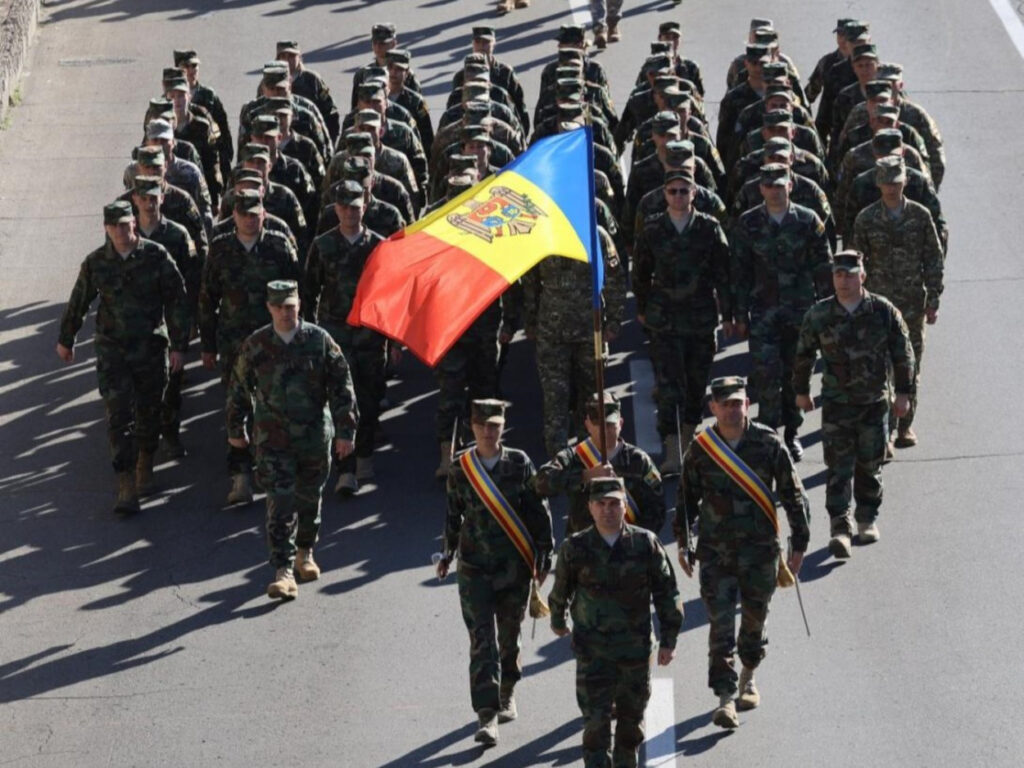
More than 80% of Moldovans believe the country is not prepared to withstand external aggression, according to a CBS AXA poll presented ahead of the Moldova Security Forum 2026, NewsMaker reports.
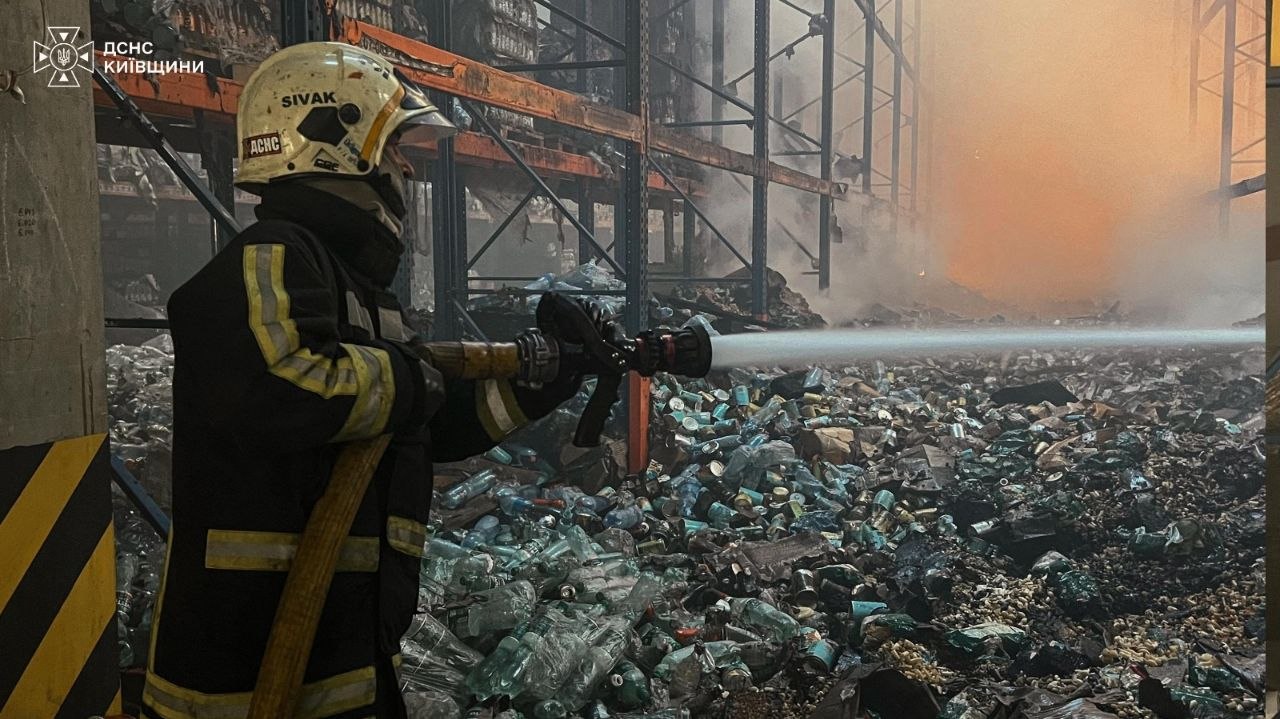
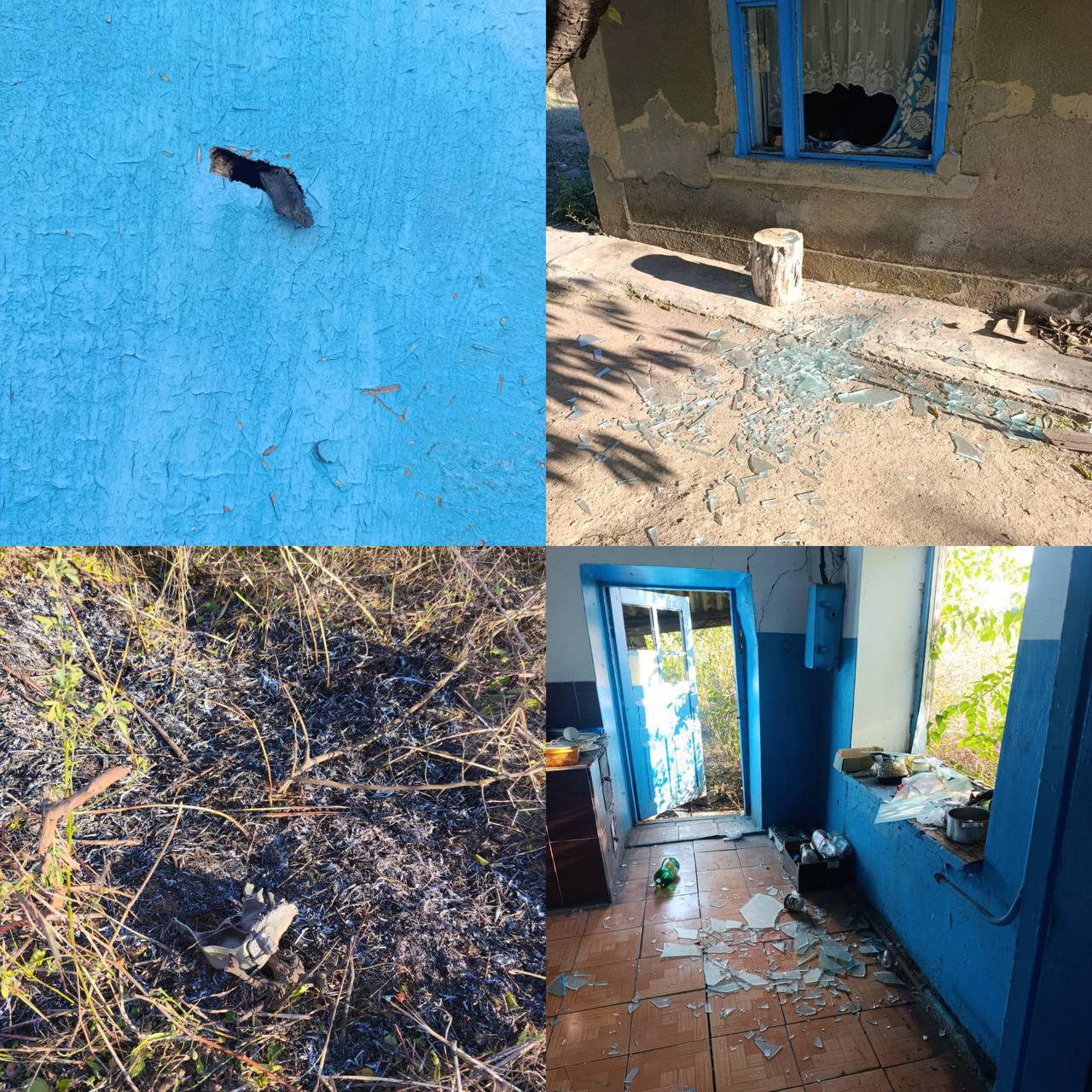
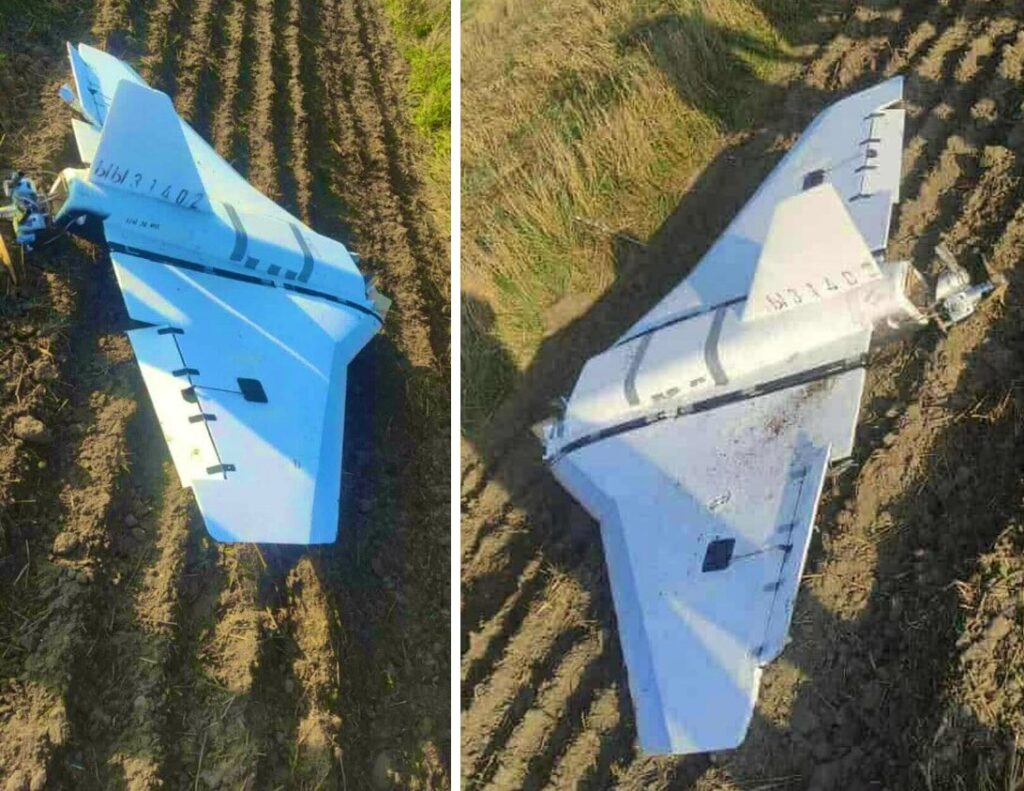
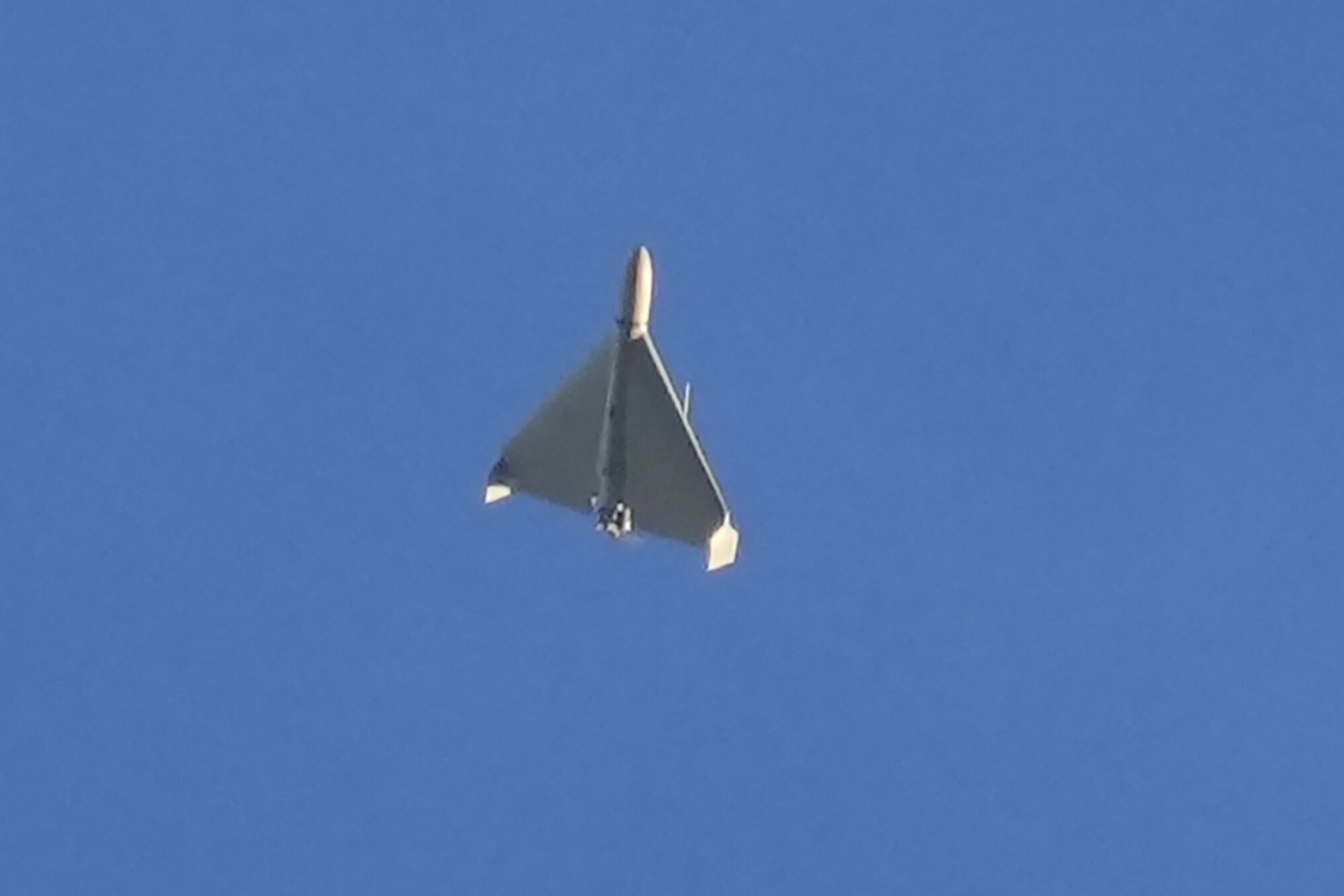
The findings come as Moldova has faced a sharp increase in Russian drone incursions linked to Russia’s war against Ukraine. Moldova recorded 44 airspace-violation incidents in the first nine months of 2026, compared with 17 in all of 2025. Authorities have reported Russian drones crossing Moldovan airspace, while drone and missile debris has also fallen on Moldovan territory.
According to NewsMaker, more than 60% of those surveyed said Moldova is completely unprepared for a possible armed attack, while nearly 24% described its preparedness as weak.
Moldovans see country as unprepared for attack
The survey found that 82% of respondents also do not feel sufficiently informed or prepared to know what to do in a major crisis. According to CBS AXA Deputy Director Vasile Cantarji, respondents tend to trust specialized emergency institutions more than Moldova’s main state institutions.
More than half said they trust Moldova’s General Inspectorate for Emergency Situations, while 35% expressed trust in the church. Trust in the government, parliament, and courts was much lower, at roughly 4–6%.
The findings come as Moldova faces a security environment shaped by Russia’s war against Ukraine, hybrid threats, energy dependence, and disinformation. Moldova’s government has supported Ukraine and strengthened security cooperation with European partners, while repeatedly condemning Russia’s war and its spillover effects.
The repeated drone incursions are now increasingly exposing Moldova to risks from the war next door.
Explore further
Three Russian missiles and two drones strike Moldovan territory in morning attacks on neighboring Ukraine. Moldova is increasingly exposed to the risks of Russia’s war next door
Most favor neutrality over NATO membership
Despite the widespread perception that Moldova is poorly prepared for external aggression, only about 4% of respondents said joining NATO would be the right way to make the country safer.
Around 45% instead favored maintaining Moldova’s neutrality. At the same time, six in 10 respondents said Moldova needs continued external support to strengthen its security and defense.
Nearly two-thirds considered cooperation with the European Union and Romania important for Moldova’s development.
Moldova’s constitution establishes permanent neutrality, while the country has been deepening security and defense cooperation with European partners.
EU seen as preferred source of emergency assistance
The poll also asked whom Moldova should turn to for help during a major disaster such as an earthquake or flood.
About 33% selected EU countries, followed by Russia at roughly 16% and Romania at 15%. The CIS, NATO, UN, and Ukraine each received support from 4% or fewer respondents.
War in Ukraine is one of several security concerns
Respondents identified a range of threats to Moldova’s security, with internal problems ranking alongside external risks.
Corruption was cited by more than 15% of respondents, while poverty was named by 13.5%. Just over 13.5% identified the war in Ukraine as a security risk. Energy dependence and disinformation were each cited by nearly 10%.
Other concerns included economic instability, crime, and external aggression.
CBS AXA conducted the survey from August 25 to September 9 among 2,009 Moldovans aged 18 and older. The reported margin of error is 2.2%. NewsMaker published the findings on October 7.
Moldova strengthens protection at Ukrainian border
Moldovan authorities are now responding to the Russian drone threat by creating protected areas at border crossings with Ukraine where border guards, officials, and civilians can shelter during potential drone attacks, Interior Minister Daniela Misail-Nikitin said on October 7, according to NewsMaker.
Authorities are also moving Moldovan personnel from joint checkpoints located on Ukrainian territory back to Moldova. The measures follow an incident at the Palanca–Maiaki–Udobne crossing in which a Moldovan border guard was injured by a falling projectile.
Transnistria adds another security challenge
Moldova also faces a longstanding security problem in Transnistria, a breakaway region along the country’s eastern border with Ukraine. The region declared independence from Moldova in 1990 and has remained outside Chisinau’s control since a brief war in 1992.
Transnistria is not internationally recognized as an independent state. Russia maintains a significant troop presence there and has long supported the separatist authorities, making the region a persistent source of tension between Chisinau and Moscow.

 Login



 (@andrii_sybiha)