❌

Reading view

Blame Russia, Not Zelenskyy, for the Ukraine War's Endless Slog
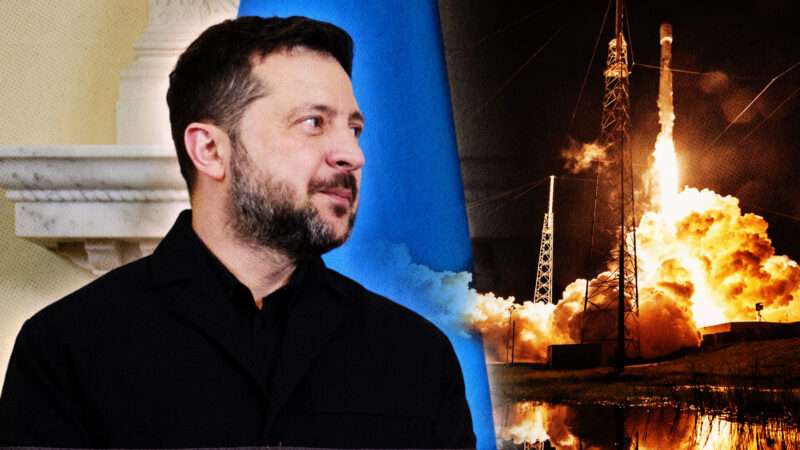
Zelenskyy | Press Service Of The President Of Ukraine/picture alliance/SvenSimon-Press Service Of The P/Newscom/spacex.com

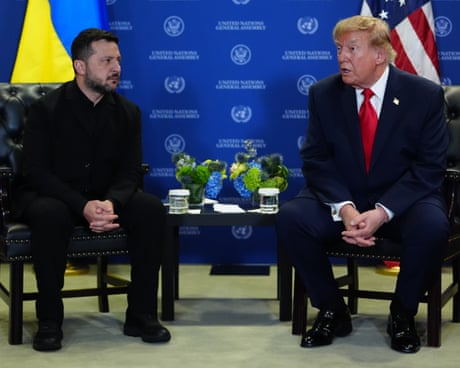
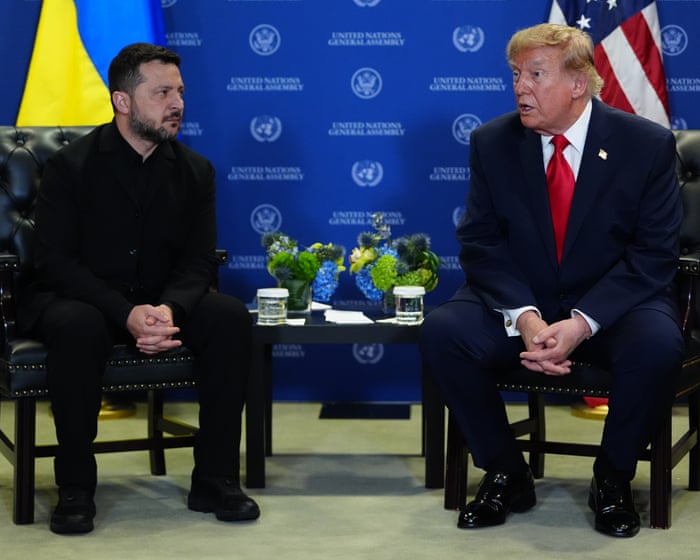
President Donald Trump is plainly frustrated that the Ukraine War continues to drag on. This is understandable. Trump came into office pledging to end this conflict on day one, and succeeded in resetting the expectations of Ukrainian President Volodymyr Zelenskyy. Trump also met with Russian President Vladimir Putin in 2025, in hopes of bringing the war to a close. Yet no peace deal emerged.

In recent weeks, Trump has complained ceaselessly that the war is impacting global energy prices, and thus indirectly hurting the American economy and damaging Republicans' midterm prospects. Earlier this week, the president arbitrarily declared an "energy ceasefire" and instructed both countries to stop targeting each other. Neither side had been given forewarning of this, but Ukraine went ahead and complied; Russia did not. With no actual ceasefire in place, Ukraine resumed hostilities.

Unfortunately, it appears that Trump has decided to punish Zelenskyy rather than the responsible party: Putin. It's not Ukraine that wants war—it's Russia. It's not Zelenskyy prolonging this conflict—it's Putin. Ukraine is willing to accept an immediate ceasefire and negotiations. Russia is not. Putin's action suggest that the goal is to subjugate Ukraine, and regardless of the impression he gives Trump, Putin is not willing to stop.

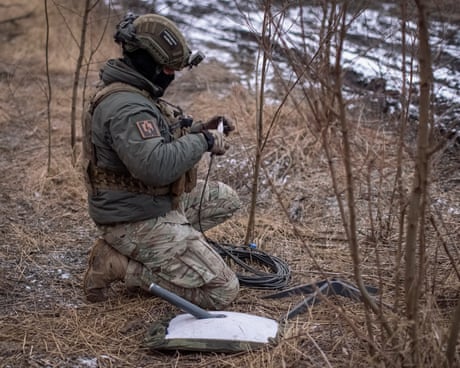
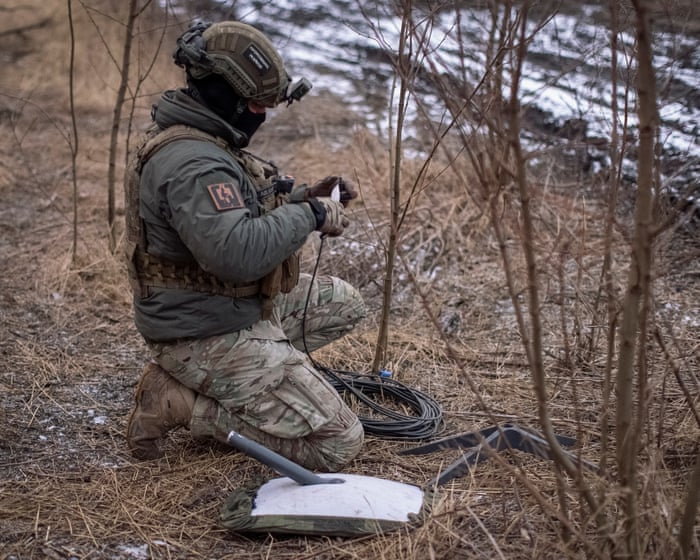
Given this, the rational course of action for the U.S. is to continuing supporting Ukraine until Russia—the invading party—is willing to negotiate. And yet, the U.S. is seemingly (suddenly) sabotaging Ukraine. This week, the Ukrainians discovered that use of Starshield, the U.S.-run satellite system they use to defend themselves against Russian forces inside Ukrainian territory, had been restricted; Starshield is a division of SpaceX, but according to Elon Musk, it is operated independently by the U.S. government. If it's not functioning properly, the most likely reason is that Trump made such a call.

Trump also signaled a willingness to cut off the Ukrainians from routine intelligence sharing with regard to Russia's bombing targets, though the administration insists that no such decision has been made. Such intelligence is extremely important for the Ukrainians, and vital for civilian safety. Ukrainians rely on air raid sirens to let them know that Russian strikes will soon take place and they should seek shelter. (I learned this firsthand during my trip to Ukraine in June, which was sponsored by a pro-Ukrainian aid group.) It's malicious of the U.S. to deliberately keep the Ukrainians in the dark when we could save lives by letting them know what we know.

None of this means that the U.S. is obligated to send even more tax dollars to Ukraine or to supply them with weapons. We have already spent $185 billion, after all.

But the U.S. should not deliberately undermine the Ukrainian position by failing to share intelligence or by hamstringing already existing military systems. Of course Trump would be within his rights to work to constrain Zelenskyy if Zelenskyy were the barrier to a peace deal, but this is simply not the case at all. We can't blame the Ukrainians for defending themselves in the face of invasion when Putin is the one refusing to negotiate.

Given all this, Zelenskyy has admitted that he feels "betrayed" by Trump and is concerned that Ukraine is losing the U.S. as a partner. The war will continue regardless, with Europe stepping in to fill whatever void the U.S. leaves behind. It's proper for Europe to shoulder more of the responsibility for protecting Ukraine, since this war is ultimately a Europe problem—the U.S. cannot be solely responsible for the security of the entire free world.

But there's a difference between thinking Europe should do more and the U.S. should do less, and thinking that the U.S. should actively hurt Ukraine to help Russia so that energy prices briefly (maybe?) improve. That's not in the long-term best interests of anyone, including and especially the U.S.

Rather than bullying Ukraine into agreeing to put up less resistance as Russia conquers it, Trump should put his negotiating skills to work on Putin.


This Week on Free Media

The latest episode of Freed Up will be available later this afternoon, so subscribe here and check back soon!


Worth Watching

Here's something exciting: I am participating in another Reason Versus debate—this time alongside the boss, Katherine Mangu-Ward! We will be up against Mehdi Hasan and Jason Stanley, who posit that "authoritarianism is a right-wing problem." It should be an entertaining, spicy debate, and (if we're being honest) probably not quite as friendly as the last one I was involved in. Get your tickets here!

The post Blame Russia, Not Zelenskyy, for the Ukraine War's Endless Slog appeared first on Reason Magazine.
  •  

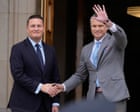
Wes Streeting urges US to back Ukraine on Washington visit after Starlink row

UK defence secretary says he has been ‘reassured directly’ counterpart Pete Hegseth that Starlink system has been restored as he seeks to cool tensions

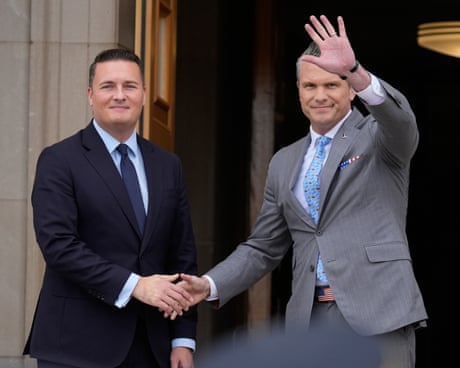
Wes Streeting urged the US to stand by Ukraine on his visit to the American capital and sought to cool tensions between the two countries in the wake of the Starlink row that is threatening to set back Kyiv’s war effort.

The British defence secretary, giving a speech before a meeting with his US counterpart, Pete Hegseth, argued that supporting Ukraine was in the long-term interests of Washington, and a business opportunity.

Continue reading...

© Photograph: Manuel Balce Ceneta/AP

© Photograph: Manuel Balce Ceneta/AP

© Photograph: Manuel Balce Ceneta/AP

  •  

Even Blue-Collar Workers Have Turned Against Trump's Unpopular Tariffs

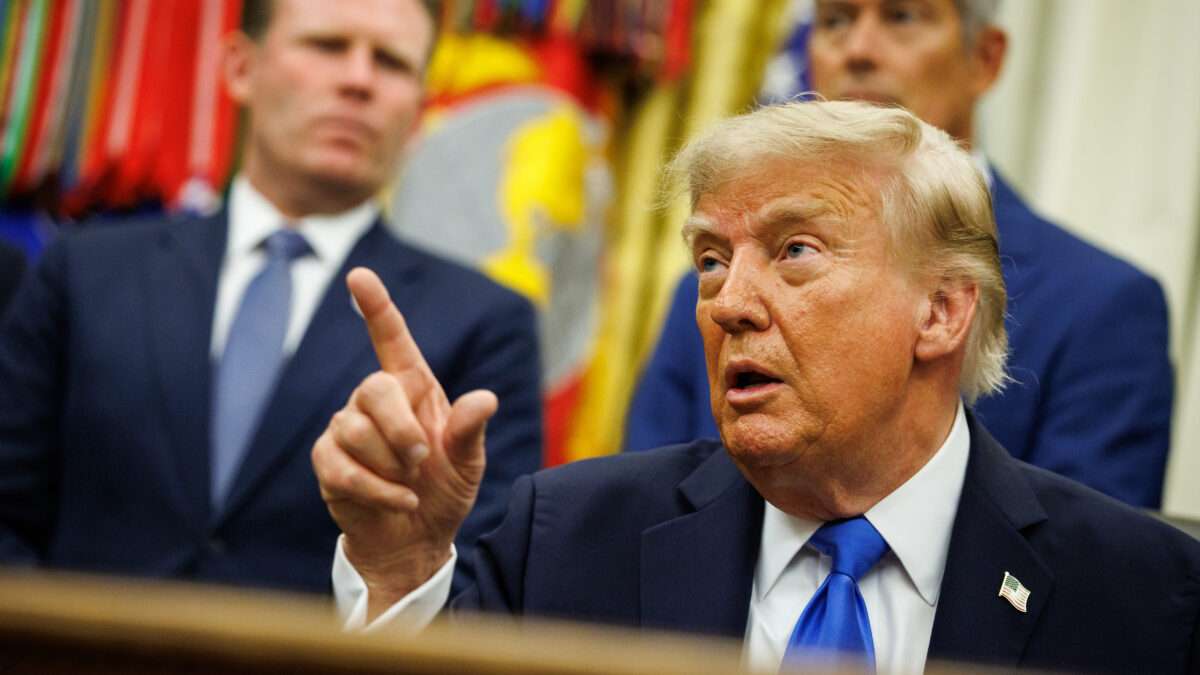
President Donald Trump in the Oval Office | Samuel Corum - Pool via CNP/picture alliance / Consolidated News Photos/Newscom

President Donald Trump promised that his tariffs would usher in a "golden age" by prioritizing the interests of American workers.

Those workers, however, are now turning against Trump's tariffs.

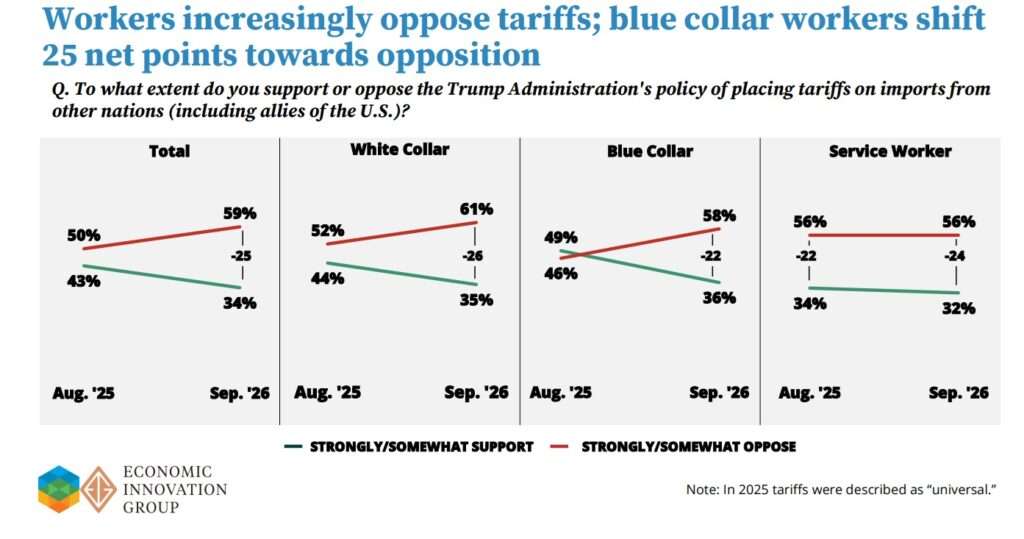
Support for the Trump administration's tariff policies has fallen by 25 percentage points among blue-collar workers over the past year, according to new polling data from Echelon Insights and the Economic Innovation Group (EIG).

A poll conducted by the two groups in August 2025 found that blue-collar workers supported the tariffs by a narrow margin. Now, that same segment of the population has turned decisively against Trump's tariffs: 58 percent oppose them, compared to just 36 percent who support them.

Source: Economic Innovation Group / Echelon Insights (https://eig.org/wp-content/uploads/2026/10/EIG-State-of-the-American-Worker-2026.pdf)

Overall, support for the tariffs has declined from about 43 percent last year to only 34 percent. Opposition to the tariffs has grown from 50 percent to 59 percent. Elsewhere in the same survey, 68 percent of respondents said the tariffs have made the cost of living higher.

It's not hard to figure out why people have turned against the tariffs: They have contributed to rising prices across the economy.

The annualized inflation rate ticked upward to 3.7 percent in September, according to new data from the Bureau of Labor Statistics (BLS). More BLS data released Thursday morning shows that the producer price index, which often operates as a precursor to inflation, is up 6.3 percent over the past year.

America's war with Iran has been a major factor in rising inflation, but the tariffs have played a significant role as well. In a study released last week, the New York Federal Reserve concluded that consumer prices would have declined slightly over the past year if not for the economic effects of the tariffs.

The tariffs have become so unpopular that not even partisanship can save them. "Among GOP-voting workers, only 3 percent select tariffs as their top priority," note Jordan McGillis and John Lettieri, policy experts from the EIG, in their write-up of the poll.

Other parts of Trump's economic agenda are not faring much better. The Trump administration has bought or seized shares of more than 30 private businesses over the past two years—ranging from major firms such as U.S. Steel to small mining companies with few customers. "The federal government's state corporatism is unprecedented," reports the Cato Institute in a new analysis of those deals.

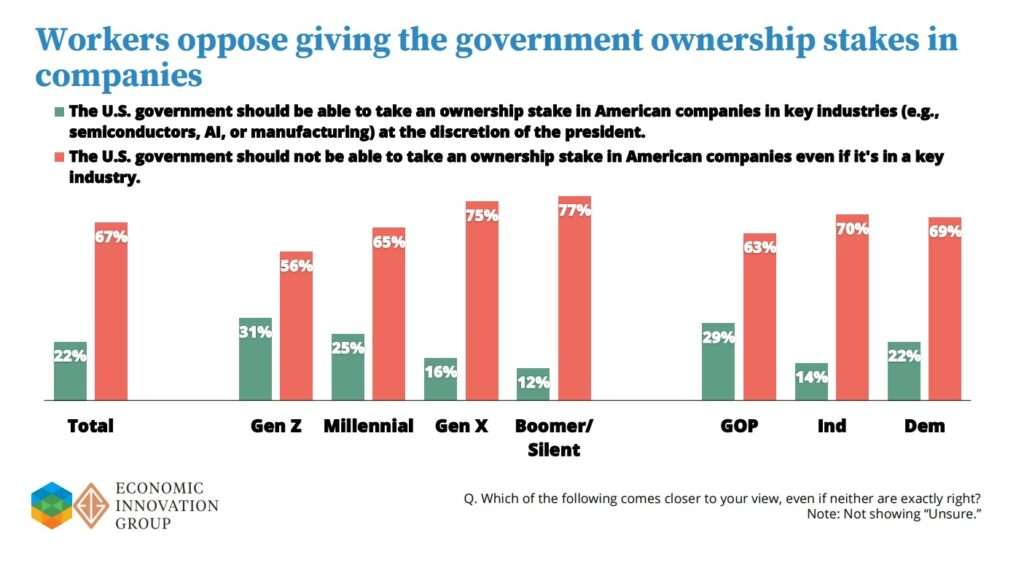
Large majorities of workers across both major parties and all generations said they opposed the federal government taking equity stakes in American companies in the Echelon/EIG poll.

Source: Economic Innovation Group / Echelon Insights (https://eig.org/wp-content/uploads/2026/10/EIG-State-of-the-American-Worker-2026.pdf)

In short: This economic populism sure isn't very popular.

All of this is likely to be a major factor in next month's midterm elections. Regardless of how that shakes out, however, there are lessons to be drawn from this poll for both sides of the political divide.

For conservatives, these polling data should end the tariff experiment. It has proven economically damaging, and it is no longer a political winner (if it ever was).

Remember, the idea to hike tariffs and start trade wars with all of America's biggest trading partners was not some grand plan backed by careful study and thoughtful analysis. It sprung, half-baked, from the head of one man. Yes, there have been various attempts to support, in a post hoc way, Trump's desire for tariffs. All of that can, and should, be easily discarded. There is no reason to allow a lame duck president to continue to set such a politically and economically destructive path for the country.

Undoing the tariffs might also put a meaningful dent in rising prices. That should be a no-brainer after the midterms, no matter which party controls Congress.

On the left, this poll should be a reminder that Americans do not look favorably on the mixing of government and business. Democrats should promise to unwind the "equity stakes" that the federal government has taken under Trump's watch. Heading toward the 2028 presidential cycle, Democrats might want to borrow some old Republican talking points about how government shouldn't be picking winners and losers—they may find that message is still quite popular.

Yes, it's probably right to be skeptical that those things will happen. Trump's efforts to centralize economic power in the executive branch are likely to outlive his presidency—that's how these things always seem to go.

But there is a glimmer of hope here. Americans are soundly rejecting the Trump administration's big government policies.

The post Even Blue-Collar Workers Have Turned Against Trump's Unpopular Tariffs appeared first on Reason Magazine.

  •  

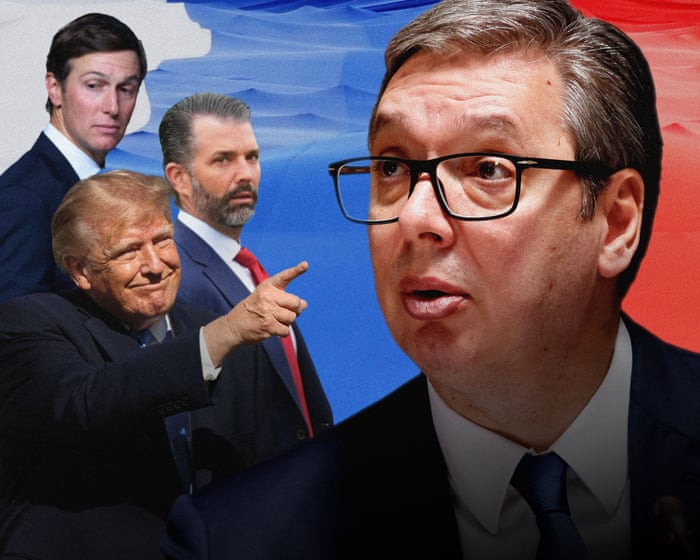
Revealed: Serbian ruler’s secret role in ‘illegal’ effort to help Trump business

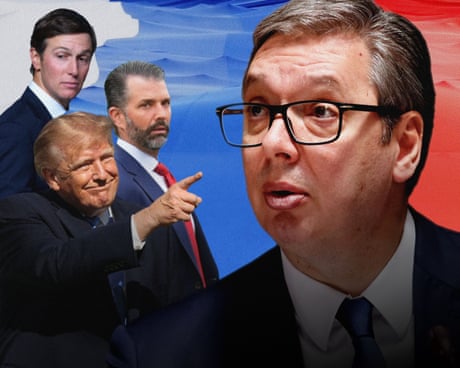
Exclusive: Aleksandar Vučić personally intervened to push plans for controversial $500m Trump Tower in Belgrade, which sparked protests and a criminal case

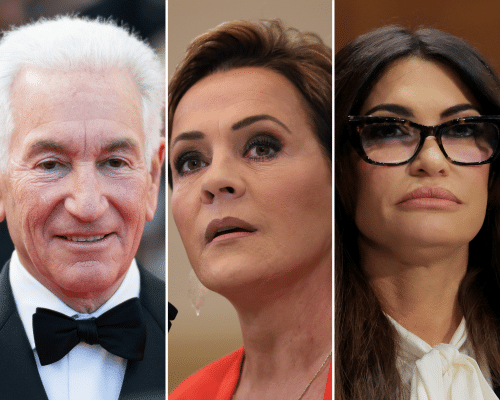
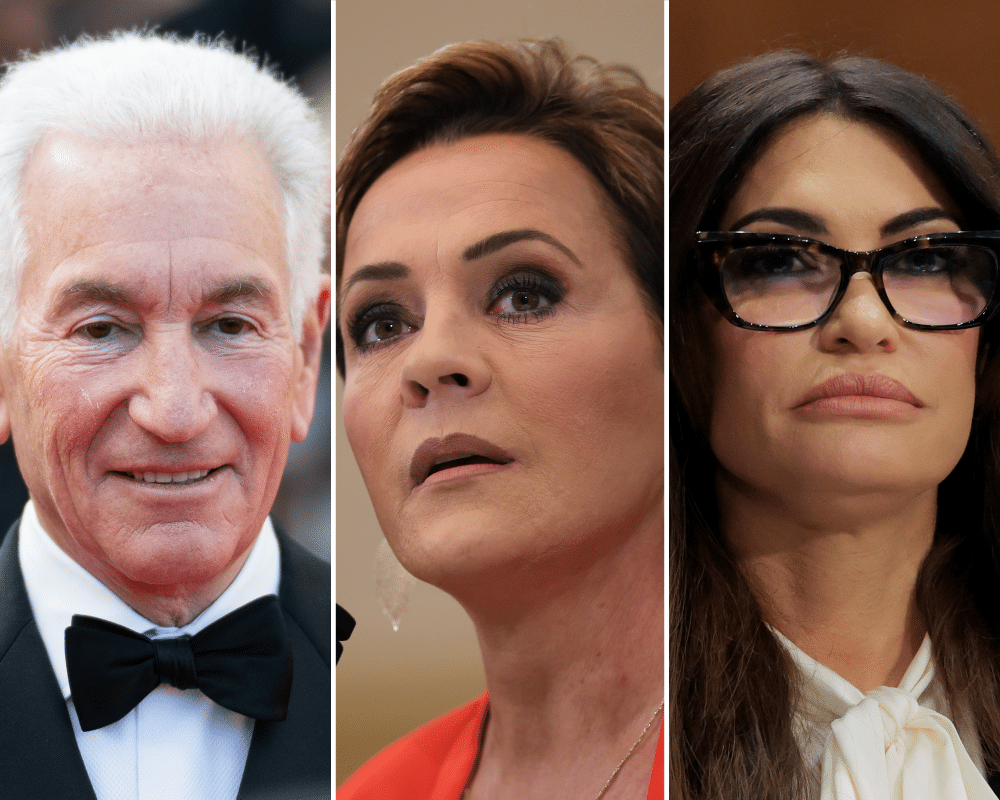
Serbia’s authoritarian ruler personally intervened to advance an allegedly illegal scheme to hand over a protected site in Belgrade for a Trump tower, the Guardian can reveal.

Aleksandar Vučić summoned officials to a meeting at his presidential offices about the project, which has culminated in a landmark indictment of senior figures from his regime on charges of abuse of public office.

Continue reading...

© Composite: Guardian Design/PA/EPA/AP/Getty Images

© Composite: Guardian Design/PA/EPA/AP/Getty Images

© Composite: Guardian Design/PA/EPA/AP/Getty Images

  •  

Russia and Ukraine trade strikes as Trump ‘energy ceasefire’ collapses

Moscow sends swarms of drones to attack infrastructure in central Ukraine as Zelenskyy says Kyiv will restart strikes on Russian oil refineries

The White House’s unilateral effort to negotiate an energy ceasefire between Russia and Ukraine has collapsed as Moscow sent a record swarm of drones overnight to attack infrastructure in central Ukraine and Kyiv appeared to resume strikes on Russian oil refineries despite warnings from Donald Trump.

Moscow accused Ukraine of launching a strike against a Russian oil refinery in the Ryazan region, its first since Trump abruptly declared an “energy ceasefire” that neither Russia nor Ukraine said they had agreed to.

Continue reading...

© Photograph: Reuters

© Photograph: Reuters

© Photograph: Reuters

  •  

Trump’s ambassadors: the loyalists and allies at the center of controversy

Kimberly Guilfoyle’s departure has renewed scrutiny of the president’s picks for diplomatic posts, from France to Jamaica

Donald Trump has appointed family members, friends and loyal political allies to represent the US on the world stage, dispatching an extraordinary array of characters to embassies across the world.

While presidents of both parties have long rewarded donors and allies with plum ambassadorships, Trump has chosen loyalists willing to go to bat for him regardless of the implications for US-foreign relationships.

Continue reading...

© Photograph: Getty Images

© Photograph: Getty Images

© Photograph: Getty Images

  •  

Trump Keeps Coming Up With Legally Dubious Tariff Justifications

Donald Trump | Photo, middle: Geopix/Alamy

When a president starts with a predetermined policy and then goes looking for a statutory pretext to justify it, he is building on shaky ground. President Donald Trump illustrated that point once again in July, when he announced a third round of broad tariffs after his first two attempts ran into legal trouble.

Shortly after taking office in 2025, Trump claimed to have discovered a previously unnoticed delegation of extensive tariff authority in the International Emergency Economic Powers Act (IEEPA), a 1977 law that does not mention import taxes and had never been used to impose them. That claim was rejected by every court that considered it.

Last February, the Supreme Court ruled that IEEPA does not authorize tariffs at all. But Trump had a backup plan: Hours after that decision, he announced another sweeping set of tariffs, this time relying on Section 122 of the Trade Act of 1974.

That provision allows tariffs in response to "fundamental international payments problems" caused by "serious United States balance-of-payments deficits." In May, the U.S. Court of International Trade (CIT) ruled that the new tariffs were illegal because Trump had failed to "identify balance-of-payments deficits within the meaning of Section 122."

Although that decision was stayed pending appeal, Trump's Section 122 tariffs, which were subject to a 150-day statutory limit, expired on July 24. Trump then switched to Plan C, invoking Section 301 of the Trade Act, which authorizes tariffs in response to a foreign "act, policy, or practice" that is "unreasonable or discriminatory" and "burdens or restricts" U.S. commerce.

Trump's Section 301 tariffs supposedly targeted countries that had failed to "impose and effectively enforce a prohibition on the importation of goods produced with forced labor." The alleged offenders included 86 economies that accounted for nearly all U.S. imports.

In separate complaints, the Liberty Justice Center (LJC) and the law firm Akin Gump, which had played leading roles in challenging Trump's prior tariffs, immediately asked the CIT to block the new import taxes. By and large, they noted, the government had failed to explain how the targeted countries had fallen short, how their alleged failures burdened U.S. commerce, or why the new tariffs could be expected to ameliorate the problem they were supposed to address.

The LJC argued that the forced-labor issue was "simply a pretext" for reinstating Trump's "invalidated global tariff regime." It added that Trump's reading of Section 301, like his interpretation of IEEPA, would violate the "major questions" doctrine, which requires clear congressional authorization for policies of "vast economic and political significance."

This was Trump's "third attempt" to "impose essentially the same set of sweeping global tariffs," Akin Gump's lawyers wrote. "The third time's not the charm."

The post Trump Keeps Coming Up With Legally Dubious Tariff Justifications appeared first on Reason Magazine.

  •  

Thursday briefing: Thanks to an erratic Trump, peace in Ukraine is still far away

In today’s newsletter: As Russia resists a ceasefire and Trump’s shifting priorities unsettle allies, an end to the conflict isn’t getting any closer

Good morning. In his usual asinine unconventional approach to international relations, Donald Trump announced on Sunday (via Truth Social, how else) an “ENERGY CEASEFIRE in the War between Russia and Ukraine”, apparently without checking with either side. Volodymyr Zelenskyy, who said any such deal was “news to me,” nonetheless declared he was “ready and we will accept it”. Vladimir Putin responded by blowing up some Ukrainian power plants.

This has been the tenor of much diplomacy during Trump’s tenure: false starts, U-turns, incoherent positions (and some playful flirting with Vlad). Meanwhile fighting continues, and America’s allies attempt to manage the fallout. Andy Burnham hosted Zelenskyy at Downing Street yesterday, stating the UK is doubling down on its support for Ukraine, and pointedly calling on others to “follow suit”.

UK | Sally Rooney has said she is being forced to withdraw her books from sale in the UK because of her support for the banned organisation Palestine Action.

Gaza | Israel is refusing to allow a key military outpost project for Donald Trump’s Board of Peace to proceed in Gaza, the Guardian has learned.

EU | Britain will benefit from much closer trading relations with the EU even if that means giving up its ability to negotiate free trade agreements, the Scotland secretary has said.

Ukraine | Ukraine’s military has suddenly had its access to Starlink satellite internet terminals restricted as the Trump administration has increased pressure on Ukraine to immediately halt long-range strikes on Russia’s oil industry.

Vaccine | Guinea-Bissau has not approved the controversial hepatitis B study in newborns that would be funded by the US government and private partners, the African country’s minister of health said.

Continue reading...

© Photograph: Julia Demaree Nikhinson/AP

© Photograph: Julia Demaree Nikhinson/AP

© Photograph: Julia Demaree Nikhinson/AP

  •  

Trump's $90 Checks to Seniors Look a Lot Like Vote Buying

Trump speaks to a reporter | Ron Sachs - Pool via CNP/CNP / Polaris/Newscom

With less than three weeks until Election Day and Republican approval numbers down, President Donald Trump is taking unorthodox measures to drum up support for the GOP.  Last week, Trump sent out $90 payments to over 20 million Americans on Medicare Part B—which covers doctor visits and regular checkups. The money was made available to help seniors "pay for their Medicare Part B premiums," which cost $202 per month.  

In a Truth Social post, Trump said the money is coming from "a pointless 'Slush Fund'" known as the Medicare Improvement Fund, which, though bombastic, is an accurate telling of how lawmakers have used the account. 

The fund was created in 2008 "to improve program management" of Medicare. However, as a 2023 report from the Congressional Budget Office (CBO) points out, this fund has really served one purpose far above supporting Medicare: sneaky government accounting.

As the CBO wrote, "No funds have been spent by [Centers for Medicare & Medicaid Services] from either improvement fund since their establishment in 2008." Instead of using the fund to support Medicare programs, Congresses have filled up the fund with money scheduled for use only in the distant future, then siphoned that money away to other legislation. Under CBO accounting rules, canceling or redirecting future spending is a "credit" to the bill's total cost—a helpful trick for legislators who want to couch their initiatives as being affordable. This trick was used to finance nearly $21 billion of the Affordable Care Act and has been used for a scattering of legislation since. 

While Trump says this disbursement is needed to help enrollees pay premiums, the timing of the announcement—weeks before the midterms—and Trump's history of using taxpayer money to win over senior citizens make the claim dubious. In the One Big Beautiful Bill Act, for instance, seniors were given a $6,000 tax deduction. Trump has also consistently defended senior-focused entitlement programs like Social Security and Medicare, which are both facing a funding cliff in the coming years. Trump siphoning off public money to turn out the electorate hasn't been limited to senior citizens either. Last month he promised to hand out $5,000 checks to all Americans—conditional upon Republican victory in the midterms. 

Despite grumbling by some Democrats about Trump's decision to empty the Medicare Improvement Fund, it seems unlikely the choice will detract from Medicare's ability to provide services. The bigger concern is that the president is using his office to hand out personally signed checks to voters weeks before an election. Pre-election vote grabbing through irresponsible spending is not unprecedented, but it has rarely been so characteristic. 

The fiscal ramifications of Trump's unorthodox spending are also concerning. Medicare is already teetering toward insolvency, and entitlement spending continues to balloon. Neither Congress' playbook of deceptive accounting nor Trump's vote buying will address these problems. Without raising taxes or lowering benefits, these programs cannot continue as they are.

But raising taxes and cutting benefits is no way to win an election. Trump knows this and seems perfectly willing to sacrifice America's fiscal stability for a quick boost in the polls.

The post Trump's $90 Checks to Seniors Look a Lot Like Vote Buying appeared first on Reason Magazine.
  •  

In Ukraine, civilian casualties were already rising. Restrictions on Starlink will only worsen the death toll

Throttling of mobile internet system will affect Kyiv’s air defences more than its strikes on oil refineries. Now Zelenskyy must be hoping that US intel holds

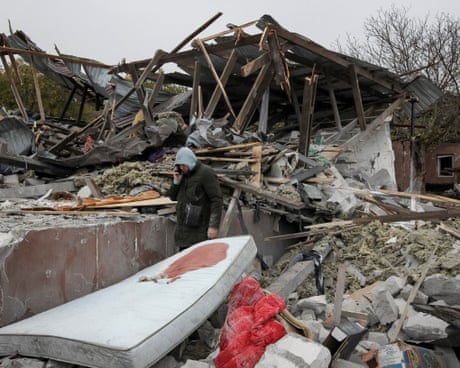
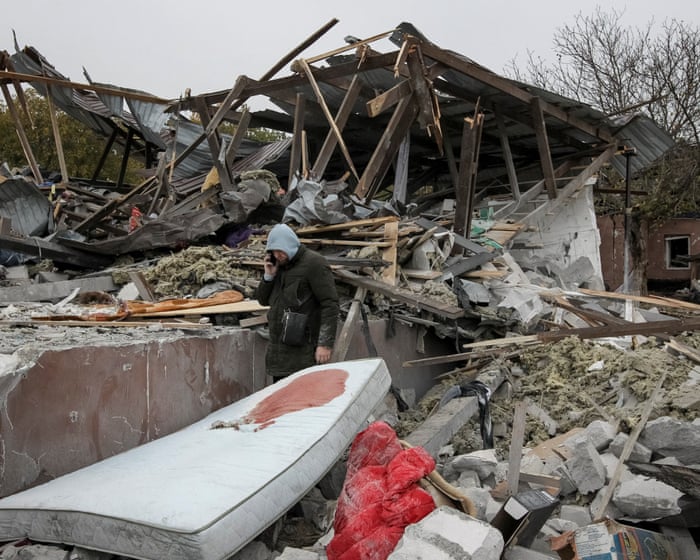
In Ukraine the situation was already jittery enough. Donald Trump has been inventing ceasefires and buying Russian diesel to shore up his flagging popularity, while a sinister new wave of faster, jet-powered drones are breaking through Kyiv’s stretched air defences. Casualties are rising as the weather turns.

Overnight, Russia bombed three power plants that supply Kyiv, aiming to cut off heating and electricity to the city. According to the president, Volodymyr Zelenskyy, for a second night in a row no warning came from Ukraine’s western allies of the incoming ballistic missiles – and so no air raid alert was issued.

Continue reading...

© Photograph: Evgeniy Maloletka/AP

© Photograph: Evgeniy Maloletka/AP

© Photograph: Evgeniy Maloletka/AP

  •  

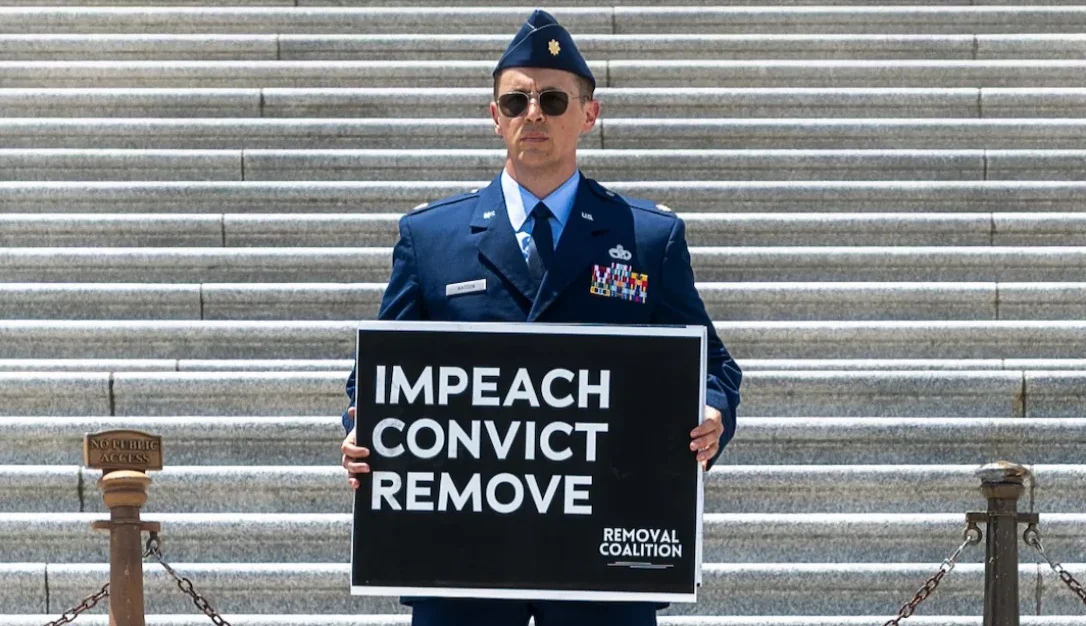
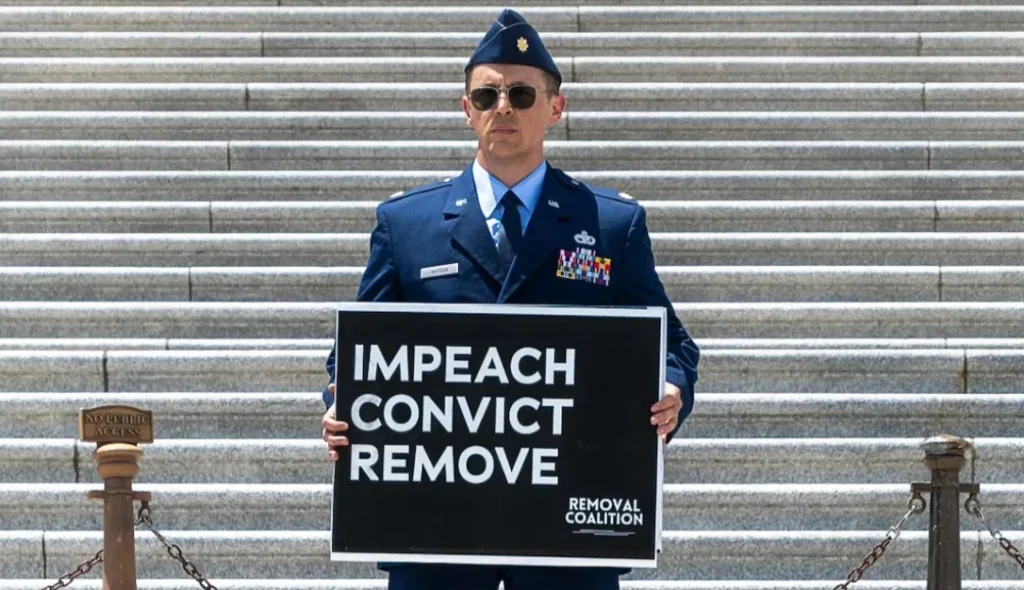
Air Force Major Who Called for Trump’s Impeachment Held in Solitary Confinement

Maj. Jason Watson was arrested after he participated in a news conference calling for Trump to be removed from office over his launching of military actions against Iran, Cuba, and Venezuela without congressional authorization

  •  

A Trump Appointee Says the President Likely Violated the First Amendment by Banishing Disfavored Journalists

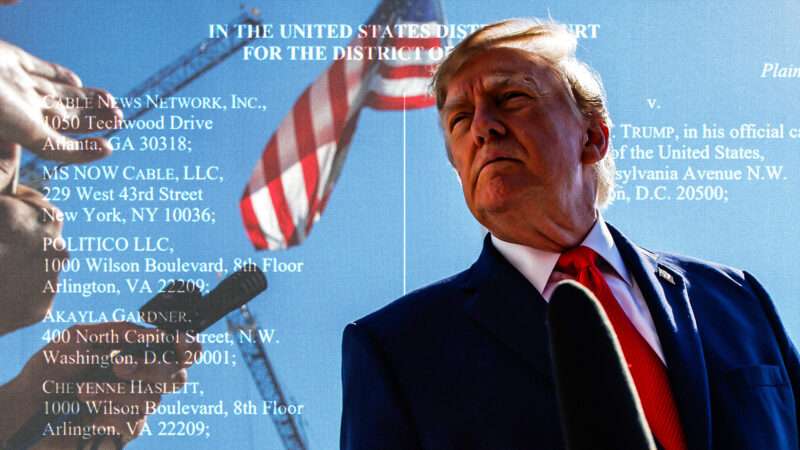
reporters aiming microphones at President Donald Trump, with a page from a federal lawsuit in the background | Illustration: Adani Samat | Photo: Samuel Corum/Pool via CNP/Polaris/Newscom

Last month, a federal judge in Washington, D.C., issued a temporary restraining order (TRO) that required restoration of press passes for 78 journalists employed by three news outlets that President Donald Trump peremptorily banned from the White House on September 18. U.S. District Judge Timothy J. Kelly, a Trump appointee, extended that order on Tuesday, granting a preliminary injunction to CNN, MS NOW, and Politico.

While Kelly's TRO was based on CNN et al.'s claim that their sudden banishment violated the Fifth Amendment's guarantee of due process, his justification for the preliminary injunction also addresses their argument that revocation of their press passes violated the First Amendment by retaliating against them for constitutionally protected speech and discriminating against them based on viewpoint. Kelly concludes that the plaintiffs "are likely to succeed not only on their due process claim, but also on their two First Amendment claims."

A retaliation claim requires showing that the plaintiff engaged in conduct protected by the First Amendment, that the defendant's action was "sufficient to deter a person of ordinary firmness" from "speaking again," and that there was "a causal link between the exercise of a constitutional right and the adverse action." Although the government's lawyers did not dispute that the CNN et al.'s journalism is constitutionally protected, they argued that the plaintiffs had failed to satisfy the two other elements.

Kelly disagrees. The "hard passes" at issue in this case, he notes, give journalists unescorted access to the White House "press area," which includes "the briefing room, the press offices, and certain other locations in and around the White House that are open to correspondents." CNN et al. argued that "a hard pass is an important credential because it 'allows a reporter to react to fast-developing news' and gives them 'swift and easy access to key official sources.'" Since "the revocation of Plaintiffs' hard passes matters a lot as to how, whether, and to what extent they can do their jobs," Kelly says, "it is likely that the open-ended ban here would chill a reporter's work."

Trump's "own comments suggest that he intended the revocation of Plaintiffs'
hard passes to alter their reporting on him, bolstering the case that his action here is sufficient to deter a reporter of ordinary firmness from reporting in the same way she had before," Kelly adds. The day he announced the ban, Trump complained that CNN et al. "purposely write negative news" to "try and diminish the Republicans and a Republican administration." Although "the ban would go as far as you can," he added, "I'd love it" if "they could straighten themselves out."

The plaintiffs also have shown "there is likely a causal link between the exercise of their First Amendment rights and the revocation of their hard passes and exclusion from the White House press area," Kelly writes. "President Trump likely banned Plaintiffs from the White House because he believes that their reporting is generally inaccurate and biased against him."

Again, Trump's public comments amply support that conclusion. He explicitly said he was banning CNN, MS NOW, and Politico "as a result of their constant 'reporting' [of] FAKE NEWS," adding that journalists "shouldn't be able to constantly write or report FICTION and LIES when they're covering the President of the United States, the Trump Administration, or the United States of America." When asked whether his decision was motivated by a "particular reason" or "particular story," Trump replied: "No, no. It's really just cumulative stories over the last two years." The problem, he said, was "purposely negative stories."

In a Truth Social post three days later, Trump likewise condemned "Fake News" that he said was "corrupt, purposeful, pervasive, fully coordinated, and totally out of control." CNN et al.'s reporters are "Third Rate Clowns" who "purposefully distort, twist, and degrade with everything they write or publish," he added that evening. "Virtually every story about me, or anything having to do with me, is negative, wrong and, in many cases, DANGEROUS for our Country! No matter how GREAT my Achievements, they trivialize and demean."

Trump offered a similar defense of the ban in a September 28 interview with Time. "It's just bad story after bad story," and "most of them are fake," he complained. "I don't think anybody should be forced to bear fake news, constantly bad stories, because I've done great things." Although "I can name 100 great things I've done," he added, "I never get good press. I never get fair press."

The government's lawyers maintained that Trump or another official "would have reached the same decision" based on the "alternative ground" that CNN et al. had violated "minimum professional journalistic standards" by "publishing classified and national security information." Kelly was not impressed by that belated rationale, which no one mentioned until after the news outlets gave the government a copy of their lawsuit.

"There is no evidence in the record that President Trump made the decision to revoke
Plaintiffs' hard passes on national security grounds," Kelly writes. "Nor at any time has he directly stated that national security was the reason for his decision. When he announced the ban with his post on September 18, he did not mention national security. When he was asked later that day about the 'particular reason' for his action, he did not mention national security."

Trump did mention "national security" in Truth Social posts he wrote the day that CNN et al. filed their lawsuit. But "that expression appears to have been simply another way for him to describe Plaintiffs' alleged inaccuracies and unfairness in their reporting about topics like his achievements or electoral success," Kelly says. "All this suggests that 'national security' was merely a post-hoc justification for the decision, which greatly undermines" the claim that Trump would have "taken the same action in the absence of Plaintiffs' protected speech."

The government also cited letters to CNN, MS NOW, and Politico from the White House Press Office, which were sent four days after Trump banned them. Those letters averred that the three news outlets had violated "the standards of professionalism and decorum expected of those given access to the White House Complex" by "publishing sensitive or classified information" and "trafficking in verifiable falsehoods about national security and other issues."

The letters "hardly move the needle" on the question of why Trump banned CNN et al. from the White House, Kelly says. They "appear to conflate concerns about otherwise protected speech" with "national security concerns," he notes, and they do not even explicitly say that Trump "made the decision for national security reasons."

Each letter lists specific stories to which the White House objected. But Kelly notes that two reporters "had their hard passes renewed after publishing articles that Defendants cite in their September 22 letters as supporting the potential revocation of their hard passes."

The Trump administration tried to shore up its "national security" justification by submitting a declaration from Pentagon Press Secretary Kingsley Wilson. While Wilson explains "how the publication of classified and sensitive information can undermine national security," Kelly notes, she "says little to nothing about President Trump's decision to revoke Plaintiffs' hard passes" and does not say "anything about White House press practices or operations."

The defendants "have not really tried to support" the claim that CNN et al.'s reporting "damaged national security," Kelly says, noting that news stories based on "sensitive or classified information" are "commonplace, for better or worse." If Trump "would have banned Plaintiffs from the White House even in the absence of their protected speech," he suggests, "Defendants would not have had to scramble to make their case with unsigned letters and a declarant who does not even work there."

The evidence of retaliation also supports the claim that Trump discriminated against CNN et al. based on viewpoint, which is presumptively unconstitutional. The U.S. Court of Appeals for the D.C. Circuit, Kelly notes, has held that "the White House Press Area" qualifies as a "nonpublic forum," meaning journalists cannot be excluded because of the views they have expressed.

"It is likely that Plaintiffs were selected by President Trump for revocation of their access to the White House press area because he believes their coverage of him and his administration is generally inaccurate and biased," Kelly writes. "In other words, it was 'an effort to suppress the speaker's activity due to disagreement with the speaker's view,' rather than to vindicate any other purportedly 'compelling governmental interest,' including maintaining professional standards for journalists or protecting national security. Simply put, that is unlawful viewpoint discrimination."

Kelly's decision "is a stinging defeat for Trump's assault on the free press and a powerful vindication of the First Amendment," Caitlin Vogus, senior adviser for advocacy at the Freedom of the Press Foundation, said in an emailed press release. "As Kelly rightly recognized, presidents don't get to use their power to purge journalists because they don't like what they report."

The post A Trump Appointee Says the President Likely Violated the First Amendment by Banishing Disfavored Journalists appeared first on Reason Magazine.
  •  

Universities fire dozens amid pressure from Zionist billionaires

Major drivers of the repression include pressure from wealthy pro-Israel donors, government interference, and the political loyalties of university administrators and trustees, according to a new report.

  •  

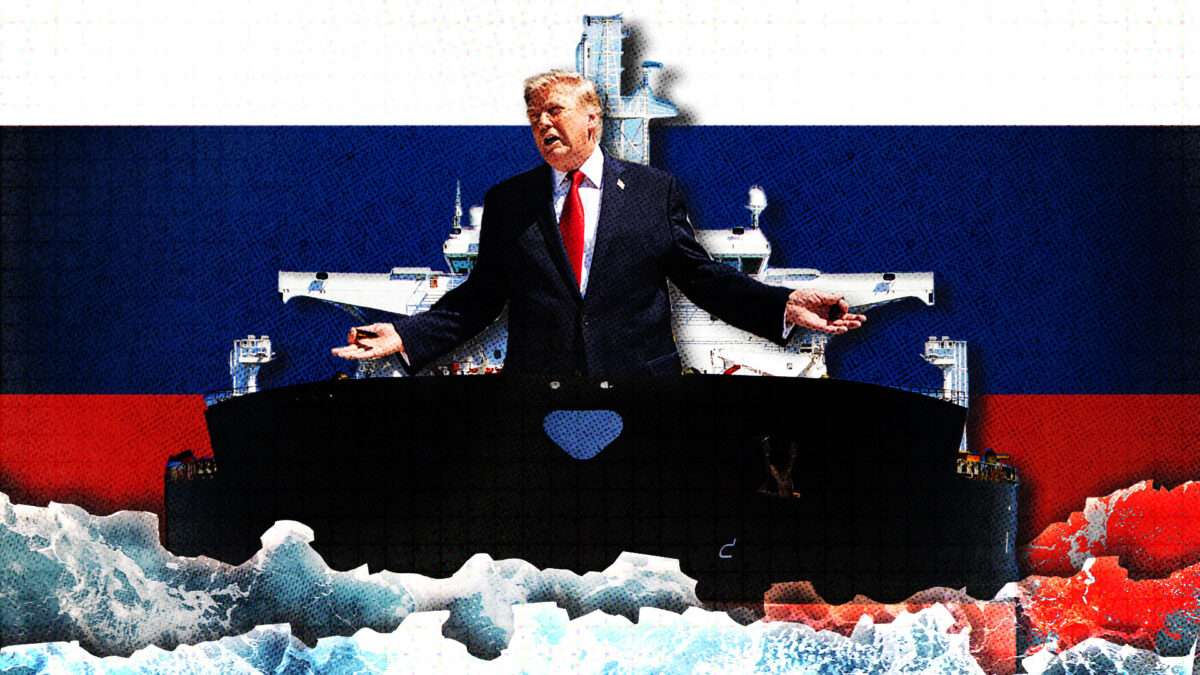
Trump's Plan To Buy Russian Diesel Would Violate Federal Law

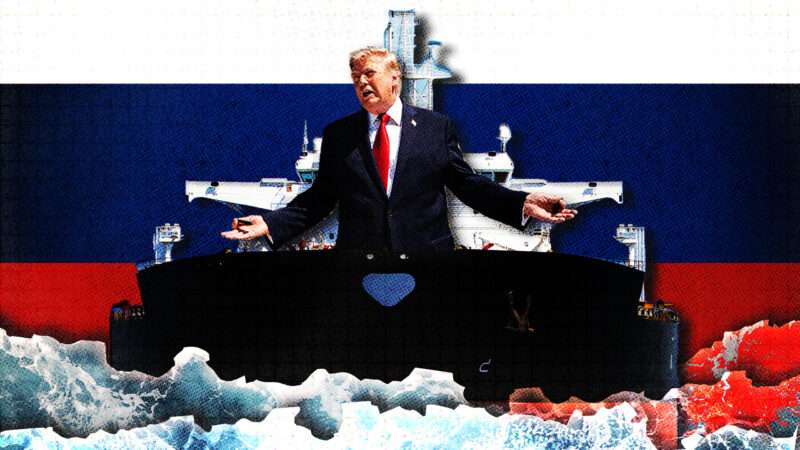
Donald Trump and a Russian fuel tanker | Xpix/Ivansmuk/Dreamstime/Al Drago-Pool/ZUMAPRESS/Newscom/Fatima Ruiz.

President Donald Trump says he has struck a deal with Russian President Vladimir Putin to import large amounts of diesel fuel into the United States—apparently hoping to lower fuel prices in the weeks before the midterm elections.

The exact terms of that agreement remain somewhat unclear. The White House has not said when the purchases will be made, what prices will be paid, or who will be paying (private companies or taxpayers), though the Treasury announced that it would be issuing a "temporary general license to allow the supply of Russian diesel to the global market." Reporting by The New York Times suggests that investors with ties to the administration are most likely to profit. Because diesel prices are determined by a global market, it's also far from certain that the Russian gas would make much of a dent in American prices.

However, this much is clear: If Trump follows through with this "deal," he will have violated two federal laws recently passed by Congress—one of which he signed just weeks ago.

The more significant of those two laws is the Ending Importation of Russian Oil Act, which passed the House with a 413–9 vote and was unanimously approved by the Senate. President Joe Biden signed that bill into law on April 8, 2022. The law is an outright ban on Russian energy products, including diesel fuel.

The law also lays out the process for lifting the ban on imports. The president must tell Congress that Russia has "reached an agreement to withdraw Russian forces and cease military hostilities in Ukraine" and has recognized "the right of the Ukrainian people to independently and freely choose their own government."

There is also a clear timeline for lifting the ban. Any termination of the ban requires a 90-day waiting period, during which time Congress has the opportunity to block the change.

Obviously, Russia has not withdrawn from Ukraine. Even if it had, the White House has not gone through the necessary process to notify Congress, nor waited the necessary 90 days.

The law does not allow a president to ignore it if fuel prices are high and an election is approaching. It does not allow a president to ignore it if he starts an illegal war in another part of the world that causes fuel prices to spike.

Trump's attempt to disregard that law has drawn a bipartisan rebuke from members of Congress. A group of seven senators—three Democrats and four Republicans—issued a joint statement this week saying that Trump's deal "runs directly counter to" the 2022 law.

Sen. Thom Tillis (R–N.C.), one of the senators who joined that statement, said on Sunday that there is "a legitimate case for saying the president's not following the law."

The second law at play is the Lindsey O. Graham Sanctioning Russia and Iran Act, named for the late senator and passed earlier this year. Among other things, it authorizes the president to levy tariffs of up to 100 percent against countries that buy Russian crude oil and natural gas. The intent is clear: to prevent Russia from being able to finance its war against Ukraine by selling energy commodities onto the global market. Trump signed it into law last month.

Lawmakers on both sides of the aisle have also pointed to that law in the days since Trump announced his deal to buy Russian diesel.

"Now is the time to use those sanctions to squeeze Putin's war machine, not reward a dictator by putting more money in his hands while he continues targeting and killing Ukrainian civilians," Rep. Don Bacon (R–Neb.) posted on X this week. Rep. Steny Hoyer (D–Md.) said it was "outrageous" for Trump to be buying energy from Russia after signing a bill that could be used to punish other countries for doing the same.

The White House could argue that, in this case, Trump is merely violating the spirit of the law rather than the letter of it. Even so, this is blatantly hypocritical.

The hypocrisy runs deep. The Trump administration has spent much of its second term trying to restrict trade and downplay the advice of economists who have warned that doing so would raise prices. Now, Trump is once again seeking imports as a means to ease high prices—as he has done with beef and other products. Perhaps the White House should apply this general principle more broadly, and in circumstances where doing so would not violate federal laws.

Some of the president's allies are now trying to downplay these violations of federal law. Conservative pundit Mollie Hemingway says Trump is merely trying to "put the American people first" by addressing rising gas prices.

Sorry, but no. The president is not allowed to disregard federal laws because he believes it will lower gas prices in swing states.

You can, of course, criticize those laws for being misguided. Trade is generally good, and erecting barriers to the flow of goods tends to be costly. Trump could ask Congress to repeal these laws. He cannot deliberately ignore them.

If the "deal" with Russia comes to fruition, it will further erode what little power Congress retains within America's democratic system. If a president is not bound by the laws Congress has passed, then the legislature might as well not exist at all.

The post Trump's Plan To Buy Russian Diesel Would Violate Federal Law appeared first on Reason Magazine.
  •  

Anti-government student protests in Albania turn violent – video

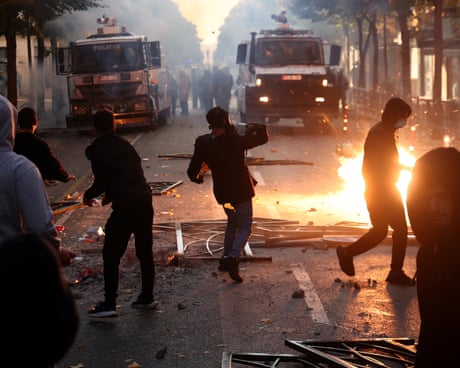
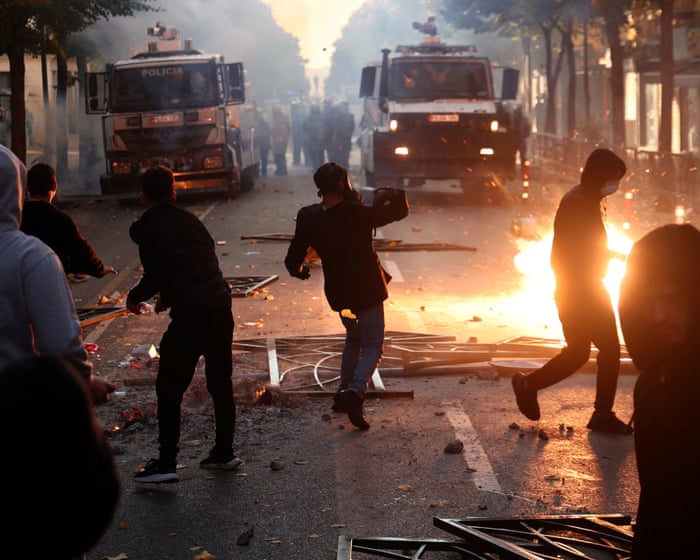
Student protests in Albania turned violent overnight, with demonstrators smashing shop windows and rioting as police used teargas and water cannons to disperse crowds. Protesters were rallying against a luxury development project linked to Donald Trump’s son-in-law, Jared Kushner. The protests are part of an anti-government movement known as Flamingo, which is calling for the resignation of the prime minister, Edi Rama, over allegations of widespread corruption

Continue reading...

© Photograph: Reuters

© Photograph: Reuters

© Photograph: Reuters

  •  

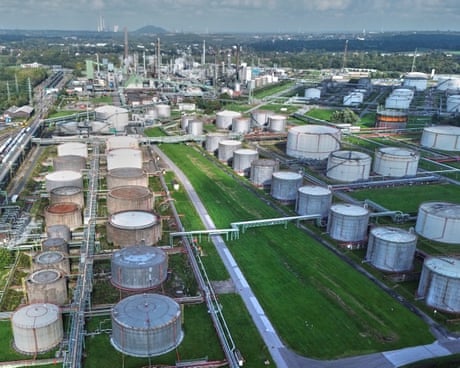
‘From liabilities to goldmines’: refineries eye record profits from diesel shortage

Firms turning crude oil into the ‘workhorse’ fuel stand to gain most despite economic fallout from record prices

Days after Donald Trump announced a deal to import Russian diesel into the US in an effort to lower soaring pump prices, the world’s energy watchdog has warned that the global fuel shortage will drag into 2027.

Trump’s temporary sanctions reprieve was criticised for offering “too little, too late” to temper the sky high pump prices triggered by the shutdown of war-damaged refineries in the Middle East and Russia – once the world’s second-largest diesel exporter behind the US.

Continue reading...

© Photograph: Martin Meissner/AP

© Photograph: Martin Meissner/AP

© Photograph: Martin Meissner/AP

  •  

Ukrainian military’s access to Starlink satellite internet suddenly restricted

Launch of Russian ballistic missiles on Ukraine, with no US warning, coincides with outage of Starlink managed by Musk’s SpaceX

Ukraine’s military has suddenly had its access to Starlink satellite internet terminals restricted as the Trump administration has increased pressure on Ukraine to halt long-range strikes on Russia’s oil industry immediately.

The terminals, which are produced by Elon Musk’s SpaceX but managed by the US government, are a key component of Ukraine’s military operations and the sudden restrictions on the terminals travelling at high speeds on Tuesday evening led to the failure of several combat missions, said an adviser on military technology to Ukraine’s president, Volodymyr Zelenskyy.

Continue reading...

© Photograph: Reuters

© Photograph: Reuters

© Photograph: Reuters

  •  

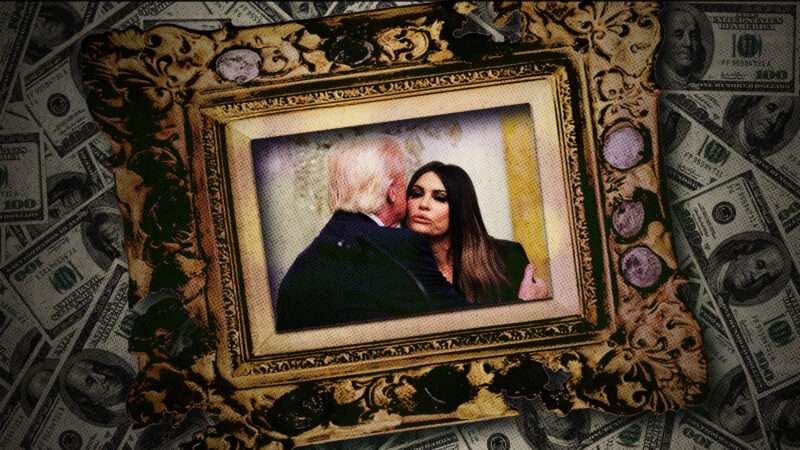
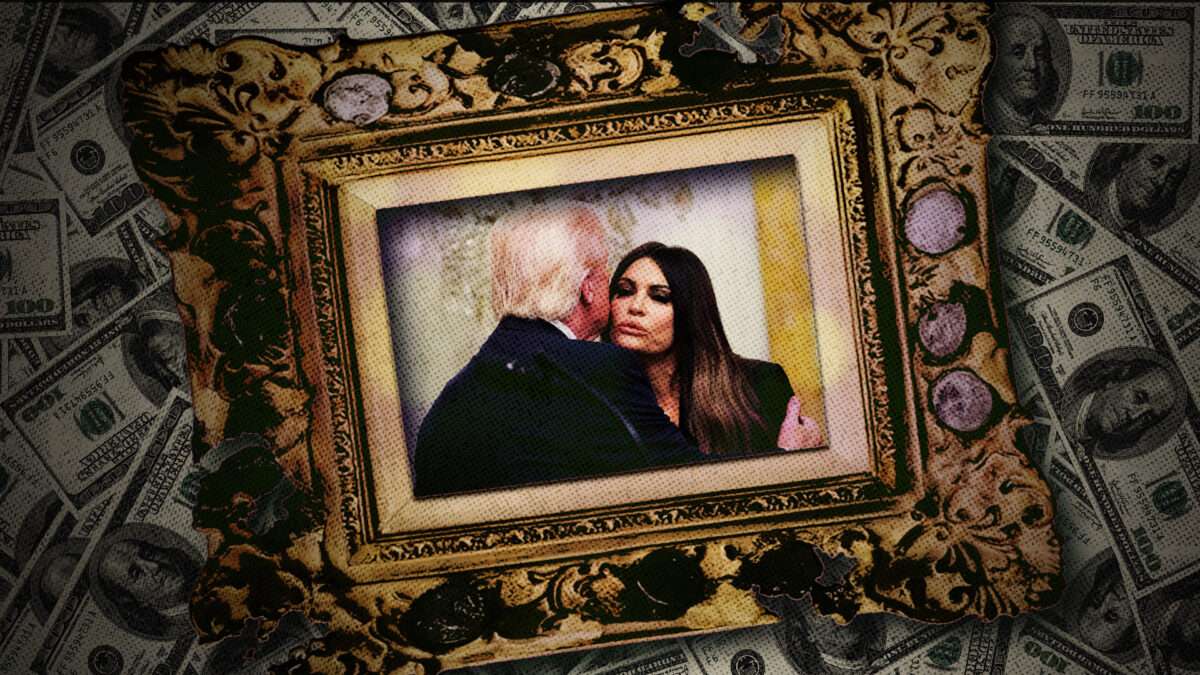
Trump Fired Kimberly Guilfoyle for Influence Peddling That Pales Next to His Presidential Profiteering

President Donald Trump embraces Kimberly Guilfoyle with a pile of cash under the picture | CNP/AdMedia/Newscom/Altinosmanaj/Gearstd/Dreamstime/Midjourney/Fatima Ruiz

Kimberly Guilfoyle today resigned from her position as the U.S. ambassador to Greece shortly after the White House confirmed that President Donald Trump had asked her to do so. The main provocation seems to have been Guilfoyle's alleged influence peddling, which reportedly featured a request that Republican donor Eric Deters pay off her $100,000 American Express bill, in exchange for which she promised him special access to "Trump world."

The president signaled his displeasure on Monday, saying "we're looking at" axing Guilfoyle, his son's former girlfriend, because "we're not happy." On Tuesday, Trump added that "we didn't like what we were reading." That reaction is not surprising, since Guilfoyle would have been horning in on Trump's territory by trying to sell access and use her office for personal gain. That's his thing.

Consider Trump's attempts to promote the memecoin that he launched three days before beginning his second term. That April, the top 220 $TRUMP holders were invited to "an intimate private dinner" with the president on May 22. The "top 25 coin holders" were promised "an Exclusive Reception before Dinner with YOUR FAVORITE PRESIDENT," plus a "Special VIP Tour" of the White House the next day. The coin's price, which after an initial surge had fallen dramatically since Inauguration Day, rose by more than 50 percent immediately after that announcement.

"Since the announcement, crypto investors around the world have raced to expand their holdings of $TRUMP," The New York Times reported 10 days before the dinner. "Certain buyers, in interviews and statements, have said they bought the coins or entered the dinner contest with the intention of securing an action by Mr. Trump to affect United States policy."

NBC reported that the coin investors who attended the dinner, which was held at the Trump National Golf Club in Sterling, Virginia, had collectively spent $394 million on $TRUMP. On average, that worked out to about $1.8 million a plate.

"This is my president that we're talking about, but I am willing to say that this gives me pause," Sen. Cynthia Lummis (R–Wyo.) said a few weeks before the dinner. "In abstract," Sen. Thom Tillis (R–N.C.) allowed, the event "is hard to understand." Sen. Lisa Murkowski (R–Alaska) drew an analogy: "I don't think it would be appropriate for me to charge people to come into the Capitol and take a tour."

Donald Sherman, executive director of Citizens for Responsibility and Ethics in Washington, was blunter. "This is one of the most blatant and appalling instances of selling access to the presidency I've ever seen," he said.

Compared to that episode, the controversy over the income that Trump's hotel in Washington, D.C., received from influence seekers during his first term might seem tame. But it raised similar ethical questions, albeit in a slightly more subtle way.

The Trump International Hotel's customers included Republican political organizations and a long list of trade groups, such as the National Mining Association, the Independent Petroleum Association of America, the National Confectioners Association, and the Vapor Technology Association, whose interests might be served by currying favor with the president. The hotel also attracted business from the governments of foreign countries, such as Kuwait, Bahrain, Saudi Arabia, Azerbaijan, Malaysia, and Romania, that likewise may have been investing in Trump's good will.

"Believe me, all the delegations will go there," a "Middle Eastern diplomat" told The Washington Post after Trump's election. "Why wouldn't I stay at his hotel blocks from the White House, so I can tell the new president, 'I love your new hotel!'" an "Asian diplomat" said. "Isn't it rude to come to his city and say, 'I am staying at your competitor'?" The Embassy of Kuwait, which had previously held its annual National Day celebration at the Four Seasons, reportedly canceled its reservation there and switched to the president-elect's hotel under pressure from the Trump Organization.

Trump saw no problem with any of this. "The law is totally on my side," he told The New York Times in November 2016. "The president can't have a conflict of interest." He reiterated that take at a press conference nine days before his inauguration. "I have a no-conflict situation because I'm president," he said.

Trump nevertheless said he would donate the profits from money spent by foreign governments at his hotels to the U.S. Treasury. But that solution did not address the money he was taking in from various domestic interest groups or his ability to enrich himself by encouraging Republican organizations or other federal officials to patronize his businesses.

One example of the latter: Vice President Mike Pence and his party stayed at Trump's golf resort in Doonbeg, Ireland, during an official trip in 2019. Although Trump insisted he "had nothing to do" with that decision, critics perceived a violation of the Domestic Emoluments Clause, which says the president may not receive additional compensation from the federal government beyond his official salary.

Trump later said he regretted his attempts to address conflicts of interest during his first term, including his promise that the Trump Organization would avoid new foreign business deals. "I prohibited [my sons] from doing business in my first term, and I got absolutely no credit for it," he told The New York Times 12 days before his second inauguration. "I didn't have to do that, and it's really unfair to them." The lesson he drew was that "nobody cared."

Consistent with that assessment, Trump has thrown all caution to the wind during his second term, capitalizing on his position to rake in millions of dollars by hawking all manner of presidentially branded merchandise, ranging from bibles to cologne; obtain a $400 million "palace in the sky" from the government of Qatar; extort $1 billion in pro bono legal work from disfavored law firms; earn billions from the same cryptocurrency industry he was simultaneously deregulating; and arrange a sweet IRS immunity deal that could save him more than $100 million in back taxes, interest, and penalties. Any worries about unseemly profiteering by Trump's family are long gone, as evidenced by federal contracts with businesses backed by his sons and highly lucrative foreign deals negotiated by his son-in-law.

Compared to all of that, the $100,000 that Guilfoyle allegedly sought in exchange for using her influence with the Trump administration to help Deters looks like pocket change. Her real sin, one suspects, was failing to offer her boss a piece of the action.

The post Trump Fired Kimberly Guilfoyle for Influence Peddling That Pales Next to His Presidential Profiteering appeared first on Reason Magazine.
  •  
❌