❌

Reading view

To Avoid Criticizing Trump's Tariffs and War, Vivek Ramaswamy Takes on Data Centers

Vivek Ramaswamy | Gage Skidmore/ZUMAPRESS/Newscom/Kenneth A Sponsler/Dreamstime

When Vivek Ramaswamy ran for president in 2024, he liked to describe himself as a "national libertarian" whose worldview included skepticism of new Middle Eastern wars and support for free trade (provided it wasn't with China). 

In a midterm election season in which voters are increasingly angry about higher prices born of protectionist tariffs and high gas prices caused by a new Middle Eastern war, that would seemingly give Ramaswamy, now running for governor of Ohio, a straightforward story to tell about how he'd bring costs down. 

Unfortunately for the Republican gubernatorial candidate, the person responsible for the tariffs and the war is President Donald Trump, whose support he's counting on to get him over the finish line in a surprisingly close race against Democrat Amy Acton. 

The latest polls show Ramaswamy slightly ahead of Acton, with many voters still undecided. 

Other Republican midterm candidates, most prominently Mike Rogers in Michigan, are escaping this bind by criticizing the tariffs and the war without explicitly naming the president who's responsible for both. 

Ramaswamy has chosen a different tactic: Shift the conversation to other sources of voters' cost-of-living anxiety that can't be directly laid at Trump's feet. 

In the last weeks of this election campaign, Ramaswamy has focused like a laser on two proposals he says will deliver cost relief to Ohio voters. The first is his proposed rollback of homeowners' property taxes. The second is a moratorium on new data center construction. 

Like many Midwestern and Western states, Ohioans' property tax bills have shot up in recent years, driven by a pandemic-era spike in home values. 

That's in turn sparked a full-blown property tax revolt in the state. The Republican-controlled Legislature passed a raft of property tax relief measures in 2025. Activists are also collecting signatures to place a full abolition of taxes on real property on the statewide ballot next year. 

Ramaswamy hasn't endorsed full property tax abolition, but he is promising voters that he will roll back property tax assessments for homeowners to pre-pandemic levels. 

On the data centers, he has staked out a very restrictionist position. 

Ohio is currently one of the leading states for data center development. Pew Research counts 57 projects currently in the pipeline there, attracted by cheap land and a robust power grid. 

The state's data center boom has caused a backlash in rural communities, where voters have objected to data centers' consumption of land and electricity and the special tax incentives some projects have received. 

On the ballot in 10 Ohio localities this November are initiatives that would impose additional restrictions on data center development. 

Ramaswamy has proposed to go further with a statewide moratorium that will remain in effect until the Legislature passes laws that not only require data centers to cover the full costs of the power infrastructure they need, but also provide property tax rebates and free electricity to nearby homeowners. 

Local property tax cuts paired with local reductions in spending would, of course, be well in line with a small government worldview. 

But the residential property tax rollback Ramaswamy has proposed doesn't directly do that. 

Instead, it would reduce property tax revenues and then leave it up to localities to make up for the lost revenue somehow. That could result in spending cuts. 

It could also result in localities shifting tax burdens onto commercial properties, raising non-property taxes (like sales taxes), or relying on the state government for more of their revenues. 

In the former two scenarios, local tax regimes would become more hostile to growth, given that property taxes are considered one of the most "efficient" taxes. In the latter scenario, the link between people who pay taxes and the people who consume taxpayer-funded local services would become more distant.  

Neither is ideal. 

While some data centers in Ohio have received tax subsidies, Ramaswamy's proposed solution is to block new data centers until they're legally required to subsidize their neighbors with free electricity and other community benefits. 

All of that is to say that it's a shame to see Ramaswamy adopt increasingly non-libertarian positions to avoid making critiques of Trump's cost-increasing tariffs and Iran war that would align with his erstwhile "national libertarian" worldview. 

It's ironic, too, that, in trying to avoid making those critiques, Ramaswamy has wound up being more restrictionist on data centers than Trump himself. 

In an August Truth Social post, the president famously urged local communities to "let Data Reign" and welcome data center development. Those that did would become "rich and successful," he predicted. Those that didn't would remain "poor and backward." 

At a rally in Vandalia, Ohio, over the weekend for Ramaswamy and Republican Senate candidate John Husted, Trump reiterated his support for data centers, saying, "We want them. Look, there's so much money to be made for Ohio. You can't just turn them off. They'll go to China."

Rather than criticize the president's statist interventions, Ramaswamy is talking up his own instead. Ohio will be poorer as a result.

The post To Avoid Criticizing Trump's Tariffs and War, Vivek Ramaswamy Takes on Data Centers appeared first on Reason Magazine.

  •  

NATO Secretary Advises Ukraine to Uphold the Energy Ceasefire

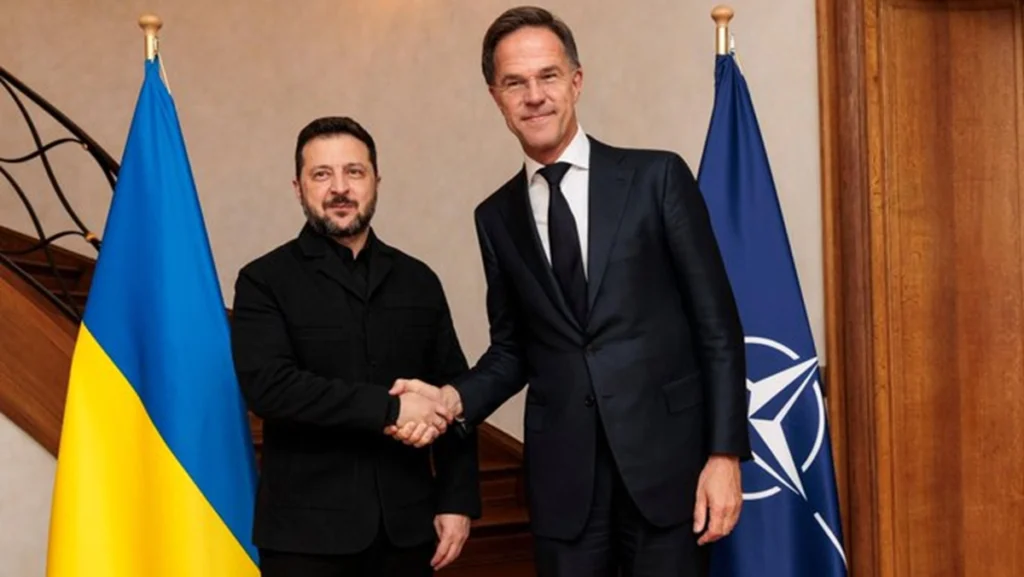
Mark Rutte meets Vodolymyr Zelensky in Brussels ahead of European Union summit.

During a meeting on Thursday, NATO Secretary-General Mark Rutte tacitly asked Ukrainian President Volodymyr Zelensky to implement the “energy ceasefire” announced by U.S. President Donald Trump.

RELATED:

Ukraine Resumes Strikes on Russian Refineries: Zelensky

“Good to see President Zelensky in Brussels. We talked about the importance of implementing an energy ceasefire,” Rutte said in a social media message accompanied by a photograph with the Ukrainian leader, who is in the Belgian capital to attend a European Union summit on Friday as a guest.

Rutte also said they discussed “NATO allies’ continued support for Ukraine,” among other things through the Prioritized Ukraine Requirements List (PURL) mechanism, launched by the alliance so that allies can buy U.S. military materiel to send to Kyiv.

Through social media, Zelensky said the meeting with Rutte served to continue coordinating with NATO “greater protection and security for Ukraine.” He took the opportunity to blame Russia for having broken the energy ceasefire through attacks on energy infrastructure.

⚡️ On October 15 in Baku, Russian Foreign Minister Sergey Lavrov directly rejected any potential ceasefire in Ukraine, explicitly countering US President Donald Trump’s October 11 announcement of an energy truce. pic.twitter.com/CB4Md9VTkN

— UNITED24 Media (@United24media) October 15, 2026

He also complained about restrictions on Starlink satellite operations in Ukraine, asked that arms supplies to Ukraine continue, and insisted on the need to receive ballistic missile interceptors and ammunition for F16 aircraft.

The Brussels meeting comes a day after Russia launched an attack against three thermal power plants operating in the Kiev region and an attack against energy facilities in Kharkiv.

In statements to the Financial Times, Zelensky reaffirmed his willingness to continue the conflict and announced that “the ban (on attacking Russian refineries) has been lifted. That is enough.”

On Thursday, Russia confirmed that Ukraine attacked a refinery in Ryazan, a region 200 kilometers from Moscow. Yesterday, Russian authorities also denounced Ukrainian attacks on two other refineries in the Saratov and Ryazan regions.

The Kremlin assured that Russia has not violated any agreement given that the energy truce between Russia and Ukraine was never finalized.

teleSUR/ JF

Source: EFE

  •  

Associação Vicentina apresenta Centro de Interpretação do Património Arqueológico Rural de Bensafrim

Sessão de apresentação do CIPAR contou com forte representação institucional e uma sobremesa criativa de doce fino inspirada na Escrita do Sudoeste. A vila de Bensafrim acolheu, no passado dia 13 de outubro, a apresentação do CIPAR – Centro de Interpretação do Património Arqueológico Rural de Bensafrim. O evento reuniu sócios, representantes de entidades locais […]

  •  

UK to resupply Ukraine with more Storm Shadow missiles to strike Russia, Bloomberg reports

In a meeting in London on Oct. 14, President Volodymyr Zelensky and U.K. Prime Minister Andy Burnham agreed on a new shipment of missiles, Bloomberg reported, citing people familiar with the matter. No official public announcement of this resupply has been made.

  •  

COP propõe intervenção em 22 matérias para modernizar o desporto português

O Comité Olímpico de Portugal (COP) já apresentou ao Governo os seus contributos para a revisão da Lei de Bases da Atividade Física e do Desporto e de outros diplomas estruturantes do setor, defendendo uma atualização do enquadramento legal do desporto português, quase duas décadas depois da aprovação da atual Lei de Bases. A proposta […]

  •  

When the US slows down Starlink in Ukraine

The drone has become the signature weapon of the Russo-Ukraine war. On any day in Ukraine, tens of thousands of drones are out hunting the battlefield for targets. These could be individual enemy soldiers or vehicles, or they could be larger targets such as depots, headquarters, bridges or power plants. Yet, this drone war has […]

The post When the US slows down Starlink in Ukraine appeared first on Asia Times.

  •  

Segurança Social ainda tem apoios por pagar este mês de outubro

Conjuntamente com a sua newsletter de outubro, a Segurança Social divulgou o calendário de pagamentos em curso, incluindo as datas para subsídios, pensões e outras prestações que se encontram alinhadas.
Se é beneficiário, conheça as datas e planeie melhor o seu orçamento.

Ao tomar conhecimento do calendário de pagamentos, fica imediatamente a saber quando é que vai receber os subsídios, o que pode ajudar a planear melhor o seu orçamento familiar deste mês e antecipar o início do próximo com maior facilidade

Os pagamentos de outubro que ainda faltam

No final desta semana, amanhã, a 16 de outubro, será pago o 1º pagamento desemprego / doença / parentalidade / ação social, bem como as Prestações Familiares.
A 21 de outubro é pago o Fundo de Garantia de Alimentos Devidos a Menores.

Mais para o final do mês, a 23 de outubro, serão pagos: o Rendimento Social de Inserção, o Fundo de Garantia Salarial e o Subsídio por Suspensão da Atividade Cultural.

O calendário de pagamentos fica concluído a 28 de outubro, altura em que a Segurança Social procede ao 2º pagamento desemprego / doença / parentalidade / ação social.
Note que neste dia também será pago o Subsídio de Apoio ao Cuidador Informal.

  •  

Blame Russia, Not Zelenskyy, for the Ukraine War's Endless Slog

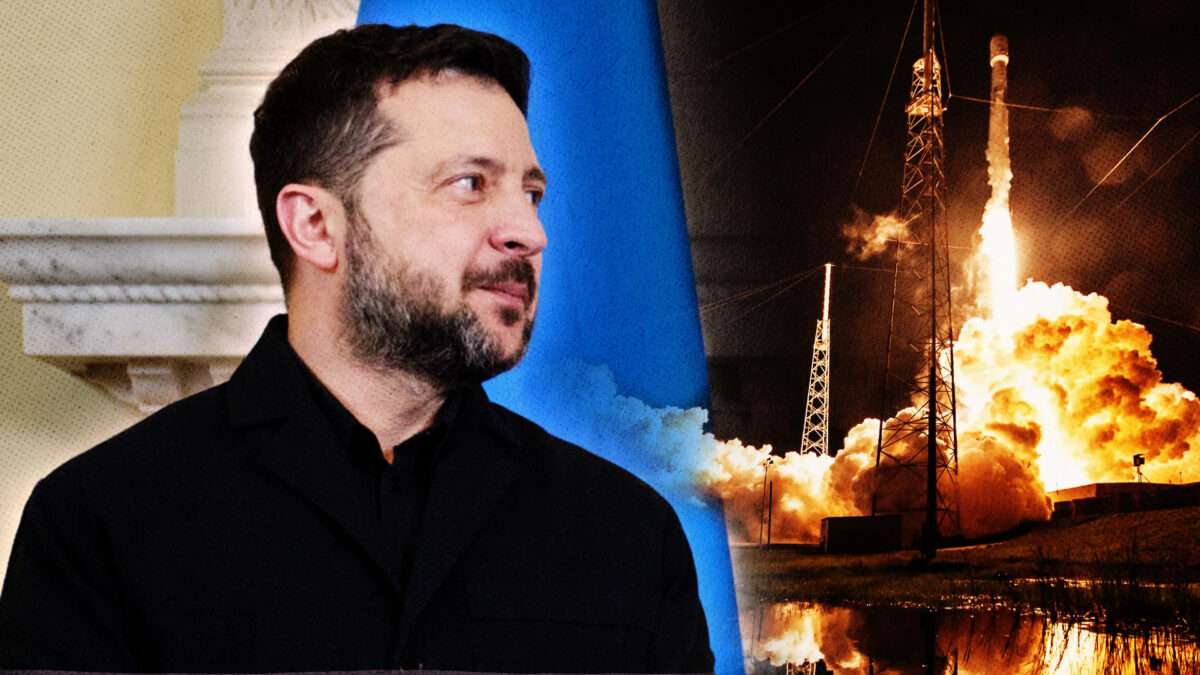
Zelenskyy | Press Service Of The President Of Ukraine/picture alliance/SvenSimon-Press Service Of The P/Newscom/spacex.com

President Donald Trump is plainly frustrated that the Ukraine War continues to drag on. This is understandable. Trump came into office pledging to end this conflict on day one, and succeeded in resetting the expectations of Ukrainian President Volodymyr Zelenskyy. Trump also met with Russian President Vladimir Putin in 2025, in hopes of bringing the war to a close. Yet no peace deal emerged.

In recent weeks, Trump has complained ceaselessly that the war is impacting global energy prices, and thus indirectly hurting the American economy and damaging Republicans' midterm prospects. Earlier this week, the president arbitrarily declared an "energy ceasefire" and instructed both countries to stop targeting each other. Neither side had been given forewarning of this, but Ukraine went ahead and complied; Russia did not. With no actual ceasefire in place, Ukraine resumed hostilities.

Unfortunately, it appears that Trump has decided to punish Zelenskyy rather than the responsible party: Putin. It's not Ukraine that wants war—it's Russia. It's not Zelenskyy prolonging this conflict—it's Putin. Ukraine is willing to accept an immediate ceasefire and negotiations. Russia is not. Putin's action suggest that the goal is to subjugate Ukraine, and regardless of the impression he gives Trump, Putin is not willing to stop.

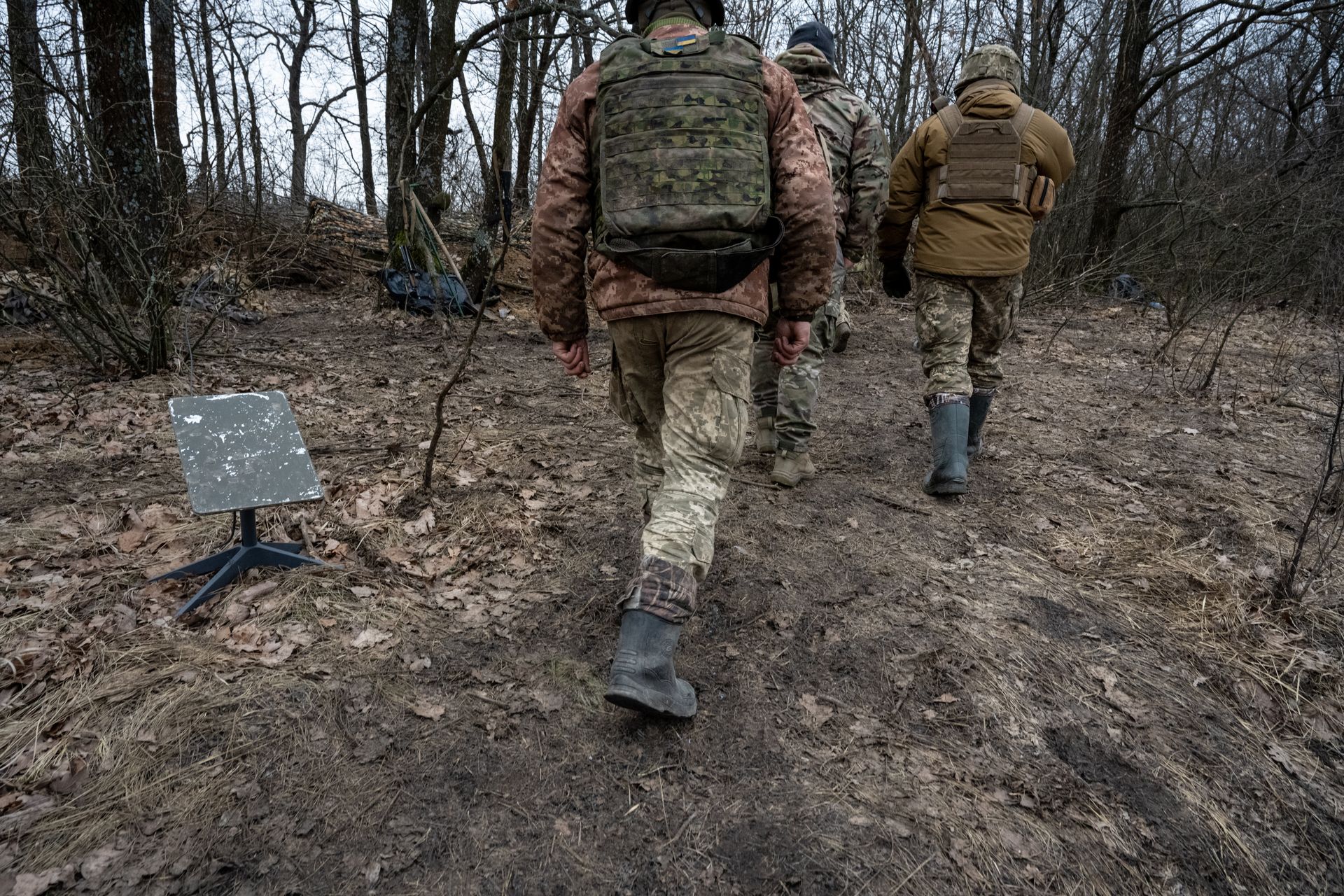
Given this, the rational course of action for the U.S. is to continuing supporting Ukraine until Russia—the invading party—is willing to negotiate. And yet, the U.S. is seemingly (suddenly) sabotaging Ukraine. This week, the Ukrainians discovered that use of Starshield, the U.S.-run satellite system they use to defend themselves against Russian forces inside Ukrainian territory, had been restricted; Starshield is a division of SpaceX, but according to Elon Musk, it is operated independently by the U.S. government. If it's not functioning properly, the most likely reason is that Trump made such a call.

Trump also signaled a willingness to cut off the Ukrainians from routine intelligence sharing with regard to Russia's bombing targets, though the administration insists that no such decision has been made. Such intelligence is extremely important for the Ukrainians, and vital for civilian safety. Ukrainians rely on air raid sirens to let them know that Russian strikes will soon take place and they should seek shelter. (I learned this firsthand during my trip to Ukraine in June, which was sponsored by a pro-Ukrainian aid group.) It's malicious of the U.S. to deliberately keep the Ukrainians in the dark when we could save lives by letting them know what we know.

None of this means that the U.S. is obligated to send even more tax dollars to Ukraine or to supply them with weapons. We have already spent $185 billion, after all.

But the U.S. should not deliberately undermine the Ukrainian position by failing to share intelligence or by hamstringing already existing military systems. Of course Trump would be within his rights to work to constrain Zelenskyy if Zelenskyy were the barrier to a peace deal, but this is simply not the case at all. We can't blame the Ukrainians for defending themselves in the face of invasion when Putin is the one refusing to negotiate.

Given all this, Zelenskyy has admitted that he feels "betrayed" by Trump and is concerned that Ukraine is losing the U.S. as a partner. The war will continue regardless, with Europe stepping in to fill whatever void the U.S. leaves behind. It's proper for Europe to shoulder more of the responsibility for protecting Ukraine, since this war is ultimately a Europe problem—the U.S. cannot be solely responsible for the security of the entire free world.

But there's a difference between thinking Europe should do more and the U.S. should do less, and thinking that the U.S. should actively hurt Ukraine to help Russia so that energy prices briefly (maybe?) improve. That's not in the long-term best interests of anyone, including and especially the U.S.

Rather than bullying Ukraine into agreeing to put up less resistance as Russia conquers it, Trump should put his negotiating skills to work on Putin.


This Week on Free Media

The latest episode of Freed Up will be available later this afternoon, so subscribe here and check back soon!


Worth Watching

Here's something exciting: I am participating in another Reason Versus debate—this time alongside the boss, Katherine Mangu-Ward! We will be up against Mehdi Hasan and Jason Stanley, who posit that "authoritarianism is a right-wing problem." It should be an entertaining, spicy debate, and (if we're being honest) probably not quite as friendly as the last one I was involved in. Get your tickets here!

The post Blame Russia, Not Zelenskyy, for the Ukraine War's Endless Slog appeared first on Reason Magazine.
  •  

Bombs for Tel Aviv, Promises for Riyadh

By Muhammad Hamid ad-Din – New Eastern Outlook – October 15, 2026

The Gaza Ceasefire Is Falling Apart. And So Is the American Plan to Expand the Abraham Accords.

The Gaza Ceasefire That Is Killing Palestinians

The ceasefire in Gaza, which took effect on October 10, 2025, was supposed to stop a two-year war. By then, according to Palestinian authorities, more than 72,000 Palestinians had been killed. A year after the document was signed, the picture was no more peaceful. According to Palestinian sources, from the start of the ceasefire to October 5, 2026, Israeli forces killed 1,460 Palestinians and wounded 5,116. By September 2026, Gaza authorities reported 5,147 violations of the agreement, 1,421 dead, and the destruction of more than 201,000 buildings.

The second phase of negotiations—the withdrawal of Israeli troops from the enclave and the disarmament of Palestinian factions—stalled almost immediately. In April 2026, American-Egyptian talks in Cairo ended “without tangible progress.” Hamas links disarmament to the end of the occupation. Israel demands disarmament as a precondition for any further step. Critics say the demand for disarmament has become a pretext for maintaining control over the enclave and continuing violations. The Palestinian Foreign Ministry put it bluntly: the occupation government “does not view peace as a goal, but as an obstacle.”

Diktat Instead of Diplomacy

Against this backdrop, the Trump administration is forcing the expansion of the Abraham Accords. In May 2026, the U.S. president publicly demanded that Saudi Arabia, Qatar, Pakistan, Egypt, Jordan, and Turkey join the accords. He called it “mandatory”: “After all the work done by the United States to put this complex puzzle together, it must be mandatory for all these countries to at least simultaneously sign the Abraham Accords.” Pakistan publicly refused. The others remained silent.

Washington’s main interest is Saudi Arabia. Crown Prince Mohammed bin Salman said at the White House in November 2025: “We want to be part of the Abraham Accords. But we also want to be sure that we secure a clear path to a two-state solution.” Later, Riyadh repeated: normalization is impossible without a “credible, irreversible, and time-bound path” to a Palestinian state. The Israeli government rejects this prospect. American pressure goes beyond diplomacy: Trump tied the Abraham Accords to negotiations to end the war with Iran, effectively making normalization a condition for peace. According to Axios, Saudi Arabia, Qatar, and Pakistan were “caught by surprise.”

Mutual Influence: Gaza as Leverage and as an Obstacle

Gaza and the reshaping of alliances are directly connected. The Palestinian question became leverage in Arab states’ bargaining with Washington. For Saudi Arabia, normalization with Israel without movement toward a Palestinian state is politically toxic. Riyadh is using the fragile ceasefire to postpone an unpopular step. Qatar, a key mediator, took an equally tough position. Qatari Foreign Ministry spokesman Majid al-Ansari said: “If the Palestinian question remains unresolved, joining the Abraham Accords is impossible.” According to him, the absence of a peace process for Palestinians means the absence of stability in the region. Doha, which has given refuge to Hamas’s political leadership and plays a central role in the talks, cannot move toward normalization without losing face.

There is also a reverse dependency. The Trump administration, seeking to expand the Abraham Accords, pressured Israel to secure a ceasefire: normalization without a ceasefire would have been impossible. But the second phase depends on whether Washington is willing to pressure Israel, not just Arab capitals.

Bombs Instead of Peace

The result of U.S. and Israeli policy looks increasingly contradictory. Three years of war, more than 74,250 dead Palestinians, and 1,460 killed after the ceasefire was signed are not just a humanitarian catastrophe. They are a verdict on America’s strategy in the Middle East. Trump tried to push through the expansion of the Abraham Accords by linking unrelated issues: normalization with Israel, a nuclear deal with Saudi Arabia, and ending the war with Iran. In July 2026, he stated directly that a U.S.-Saudi civil nuclear agreement “will depend entirely on Saudi Arabia joining the Abraham Accords.” Saudi Arabia responded in May 2026: “There will be no normalization without a clear and final path to the creation of an independent Palestinian state.” As the custodian of the two holy mosques, the kingdom cannot afford to do otherwise. Qatar refused. Pakistan publicly rejected it. Egypt, Jordan, and Turkey remained silent.

Criticism of Washington goes far beyond diplomatic missteps. The U.S. continues to supply Israel with weapons despite ceasefire violations. In September 2026, the Trump administration proposed a $2.8 billion deal to sell Israel 40,000 heavy bombs, including 20,000 MK-84s and 20,000 BLU-117s. Senator Chris Van Hollen vowed to block the transfer: “Trump is sending $2.8 billion worth of bombs, paid for by you, the American taxpayers, to a government led by a wanted war criminal.” Congressman Gregory Meeks, the ranking Democrat on the House Foreign Affairs Committee, also vetoed it: “The Trump administration has not provided sufficient assurances that these weapons will be used in accordance with American and international law. Therefore, I will not approve this sale.” Amnesty International urged Congress to block the deliveries, saying the U.S. risks becoming complicit in serious violations of international law, including genocide. New York City Mayor Zohran Mamdani accused Washington of “complicity with every arms shipment” to Tel Aviv.

What Next: The Results of U.S. and Israeli Policy Against the Arab Region

Washington’s paradox is that it wants to expand the Abraham Accords but continues to support the Israeli occupation, which makes normalization politically impossible for Arab states. The U.S. has blocked UN Security Council ceasefire resolutions for the third time in a row, undermining its role as a “reliable mediator.” Public opinion in the Arab world is sharply opposed to normalization. Polls show that 89% of Moroccans oppose recognizing Israel. Analysts warn that for most of the named states, the political price of signing the accords will be prohibitive. The war in Gaza has strengthened this sentiment, not weakened it.

The main question is whether the ceasefire will hold. If the second phase of negotiations does not start and the death toll continues to rise, expansion of the Abraham Accords will remain an unattainable dream. Saudi Arabia will wait. Qatar will mediate. The UAE will increase oil production. Trump will face a choice: keep pressuring Arab capitals or admit that without a real Palestinian state, the accords will remain a facade. While Washington supplies bombs and Tel Aviv keeps killing, talk of peace looks like a cynical game in which Palestinians are not subjects but a bargaining chip.


Muhammad Hamid ad-Din is a well-known Palestinian journalist.

Follow new articles on our Telegram channel.

  •  

No one's owning up to throttling Ukraine's military Starlink, and that's telling

Nearly 48 hours after Ukraine's Starshield terminals started mysteriously malfunctioning, nobody in Washington, nor at SpaceX, has taken responsibility for the apparent decision to hobble Ukrainian military communications.

Starshield terminals — the militarized version of SpaceX's Starlink satellite internet system — began losing connectivity as they

  •  

Vicentina apresentou Centro de Interpretação em Bensafrim

Projeto visa potenciar património rural e arqueológico

A sessão de apresentação do CIPAR – Centro de Interpretação do Património Arqueológico Rural de Bensafrim, que decorreu na passada terça-feira, 13 de outubro, contou com forte representação institucional e uma sobremesa criativa de doce fino inspirada na Escrita do Sudoeste.

O evento reuniu sócios, representantes de entidades locais e municipais, e convidados ligados à cultura e à arqueologia num ambiente festivo, numa sessão que começou com um almoço volante marcado por uma surpresa cultural e gastronómica: uma sobremesa de doce fino tradicional algarvio moldada com as formas da Estela de Bensafrim (representativa da Escrita do Sudoeste), do disco de ouro da Idade do Ferro e dos menires da região, celebrando a história local de forma criativa.

A sessão contou com as intervenções de Hugo Pereira (Presidente da Câmara Municipal de Lagos), Vítor Campos (Presidente da Associação Vicentina), Aura Fraga (Coordenadora do DLBC 2020) e Manuel Canelas (Presidente da A3PR).

Ganhou particular relevância a participação de Manuela Silva, Diretora do Museu Municipal Santos Rocha, e do arqueólogo Marco Penajóia, que viajaram da Figueira da Foz para partilhar conhecimento sobre o espólio arqueológico documentado pelo CIPAR e conservado institucionalmente no museu figueirense.

A sessão contou também com os contributos de Pedro Barros, consultor científico do projeto, e de Sónia Felicidade, coordenadora-geral do projeto Rotas Rurais. Destacamos a presença, entre os convidados, de Sofia Santos e Carlos Vieira, presidentes das Juntas de Freguesia de Odiáxere e Bensafrim, respetivamente.

Esta iniciativa resulta de uma parceria entre a Associação Vicentina e a A3PR — Associação para a Proteção e Promoção do Património Rural. O projeto foca-se na criação de dois percursos integrados: a Rota Arqueológica Rural e a Rota das Quintas Agrícolas.

O grande objetivo é valorizar e dar a conhecer o património arqueológico e rural de Bensafrim, Barão de São João e Odiáxere, destacando elementos únicos como os menires, a Escrita do Sudoeste e a herança das explorações agrícolas. Esta estratégia pretende reforçar a valorização histórica e cultural do território, aproximando a comunidade de um legado que constitui também uma oportunidade para o desenvolvimento da economia local.

Instalado na sua sede, o CIPAR passa a integrar de forma estratégica a atividade da Associação Vicentina, que assumiu a coordenação global da iniciativa, a aquisição de equipamentos, a recolha documental e a produção de conteúdos multimédia.

Com a apresentação desta estrutura, inicia-se agora uma nova etapa de consolidação, focada no aprofundamento dos conteúdos interpretativos e no desenvolvimento de novos materiais de divulgação e plano de atividades.

Para a Associação Vicentina, este Centro de Interpretação afirma-se como um espaço permanente de conhecimento, divulgação e valorização da identidade local, com vista a alargar futuramente a iniciativa a outros pontos do território, através de novas oportunidades de financiamento.

  •  

Município de Almodôvar aprova taxas e impostos municipais para 2027

Derrama, IRS, direitos de passagem e IMI entre as  matérias aprovadas pela Assembleia Municipal

A Assembleia Municipal de Almodôvar aprovou na sessão ordinária de 30 de setembro de 2026 as taxas e medidas de fiscalidade municipal a aplicar em 2027, abrangendo a tributação das empresas, a participação municipal no IRS e o Imposto Municipal sobre Imóveis (IMI).

No que respeita à derrama municipal, foi aprovada a aplicação de uma taxa de 1,5% sobre o lucro tributável sujeito e não isento de IRC das empresas com um volume de negócios superior a 150 mil euros. As empresas cujo volume de negócios no ano anterior não ultrapasse este montante beneficiarão de isenção, nos termos do Regulamento de Isenção de Impostos Municipais e Outros Tributos.

A participação variável do Município no Imposto sobre o Rendimento das Pessoas Singulares (IRS) foi fixada em 3%, relativamente aos rendimentos auferidos em 2026.

Foi igualmente aprovada a fixação da Taxa Municipal de Direitos de Passagem (TMDP) em 0,25% para 2027. Esta taxa incide sobre as empresas que desenvolvem atividade no âmbito das redes e serviços de comunicações eletrónicas acessíveis ao público, em local fixo, bem como dos serviços conexos, na área do concelho.

Em matéria de IMI, a Assembleia Municipal aprovou a manutenção da taxa de 0,3% para os prédios urbanos avaliados nos termos do Código do IMI. A deliberação inclui ainda a majoração de 30% da taxa aplicável a prédios urbanos degradados, procurando incentivar a realização das obras necessárias à garantia de condições de segurança e salubridade.

Foi também aprovada a aplicação de reduções de IMI para famílias com dependentes a cargo, correspondentes a 30 euros para um dependente, 70 euros para dois dependentes e 140 euros para três ou mais dependentes, nos termos legalmente previstos.

A autarquia diz que as deliberações definem os parâmetros da fiscalidade municipal para 2027 nas matérias abrangidas, constando do Edital n.º 11/2026 da Assembleia Municipal de Almodôvar, relativo à sessão ordinária de 30 de setembro.

  •  
❌