❌

Reading view

Parolin: “Se necessario Papa Leone rimodulerà il suo pontificato. Domenica potrebbe guidare l’Angelus dal Gemelli”

Non è escluso che domenica a guidare l’Angelus, dal Policlinico Gemelli e non da piazza San Pietro, sia Papa Leone in persona. A figurare questa possibilità è il cardinale Pietro Parolin, segretario di Stato vaticano, a margine di un evento all’ambasciata irachena a Roma. “Dipenderà dal decorso della convalescenza. Se entro fine settimana starà meglio, penso che farà l’Angelus e lo farà da lì” ha spiegato Parolin. Sarebbe il segno di una guarigione che procede spedita, confermata dallo stesso cardinale che, interrogato sulle condizioni del Santo Padre, ha sottolineato di averlo trovato bene dopo l’operazione per rimuovere un tumore maligno al polmone.

Il segretario di Stato vaticano si è poi espresso sul futuro del pontificato di Papa Leone: “Sono appena due giorni che è stato ricoverato. Non si possono fare previsioni. Si tratta di vedere adesso quando tornerà e cosa diranno i medici. In base a tutti questi elementi, se necessario, il Papa rimodulerà il suo pontificato“. I viaggi e le attività del pontefice saranno, dunque, parametrati all’evolvere del quadro clinico. Lo stesso Parolin si è espresso con cautela in merito al viaggio in America Latina che attenderebbe il Santo Padre agli inizi di novembre e che, vista la situazione, sembra essere destinato a essere rimandato (probabilmente in primavera): “Dipenderà da come vanno le cose. Il Papa ancora non si è pronunciato su questo tema”.

L'articolo Parolin: “Se necessario Papa Leone rimodulerà il suo pontificato. Domenica potrebbe guidare l’Angelus dal Gemelli” proviene da Il Fatto Quotidiano.

  •  

Leone XIV, parla Parolin: “Se sarà necessario dopo il ricovero rimodulerà il pontificato”

Papa Leone XIV, Parolin: “Se necessario rimodulerà il pontificato”

Il ricovero di Papa Leone XIV potrebbe portare a una revisione degli impegni e delle modalità con cui proseguirà il pontificato. A chiarirlo è il segretario di Stato vaticano, il cardinale Pietro Parolin, che invita ad attendere il decorso della degenza e le indicazioni dei medici prima di fare previsioni sulle prossime decisioni del Pontefice.

“Sono appena due giorni che il Papa è stato ricoverato, non si possono fare previsioni di nessun tipo. Si tratta di vedere adesso quando tornerà, in che situazione tornerà, cosa diranno i medici. E, in base a tutti questi elementi poi il Papa anche rimodulerà il suo pontificato, se sarà necessario rimodularlo“. Lo ha affermato Parolin parlando con i giornalisti a margine di un evento all’ambasciata irachena a Roma, rispondendo a una domanda sulle possibili conseguenze del ricovero per il futuro del pontificato.

Il viaggio in America Latina e l’Angelus

Tra gli appuntamenti da valutare c’è anche il viaggio in America Latina, inizialmente confermato e ora subordinato alle condizioni di salute del Papa. “È un viaggio lungo e impegnativo, dipenderà dai medici”, ha spiegato Parolin. “Dipenderà da come vanno le cose – ha osservato -. Il Papa ancora non si è pronunciato su questo tema e quindi dobbiamo attendere prima di tutto che torni dall’ospedale e poi in base a quello che diranno i medici ecco se lui potrà viaggiare o meno e quindi affrontare un viaggio, affrontare un viaggio così lungo impegnativo come quello che si prospetta in America Latina”.

Il segretario di Stato ha ricordato che, al momento del ricovero, il programma non era stato modificato: “la decisione iniziale quando il Papa è stato ricoverato era che il viaggio si sarebbe mantenuto nella sua forma prevista, quindi immagino che se tutto va bene, se, diciamo, la situazione si sviluppa come avevano previsto all’inizio, il viaggio si farà se poi ci sono delle novità questo non lo possiamo prevedere ora“.

Anche la possibilità che Leone XIV pronunci l’Angelus di domenica dal Policlinico Gemelli dipenderà dall’evoluzione della convalescenza. “Dipenderà un po’ dal decorso della convalescenza. Mi pare che hanno dato cinque giorni, no? Quindi adesso, se entro fine settimana, starà meglio penso che lo farà l’Angelus e lo farà di là, se poi rimane ancora… Però sono tutte illazioni che faccio”, ha precisato Parolin.

Le condizioni del Pontefice

Il cardinale ha inoltre riferito di aver ricevuto aggiornamenti sulle condizioni del Papa attraverso mons. Paolo Rudelli, sostituto alla Segreteria di Stato vaticana, che lo ha incontrato al Gemelli. “Le notizie che mi ha portato corrispondono esattamente a quanto hanno detto i comunicati”, ha dichiarato Parolin, confermando poi che il Pontefice sta bene.

Infine, il segretario di Stato ha espresso apprezzamento per il modo in cui Leone XIV ha reso pubblica la propria malattia. “È bellissimo” il modo in cui il Papa ha comunicato la sua malattia, ha sottolineato, aggiungendo: “Sono molto molto lieto che ci sia stato, in modo tale che non ci sono dietrologie, ecco, cose che i giornalisti cercano sempre”.

LEGGI LE NOTIZIE DEL CANALE NEWS

L'articolo Leone XIV, parla Parolin: “Se sarà necessario dopo il ricovero rimodulerà il pontificato” proviene da Affaritaliani.it.

  •  

Raivis Melnis, Latvia’s defense minister: ‘We are preparing to fight’

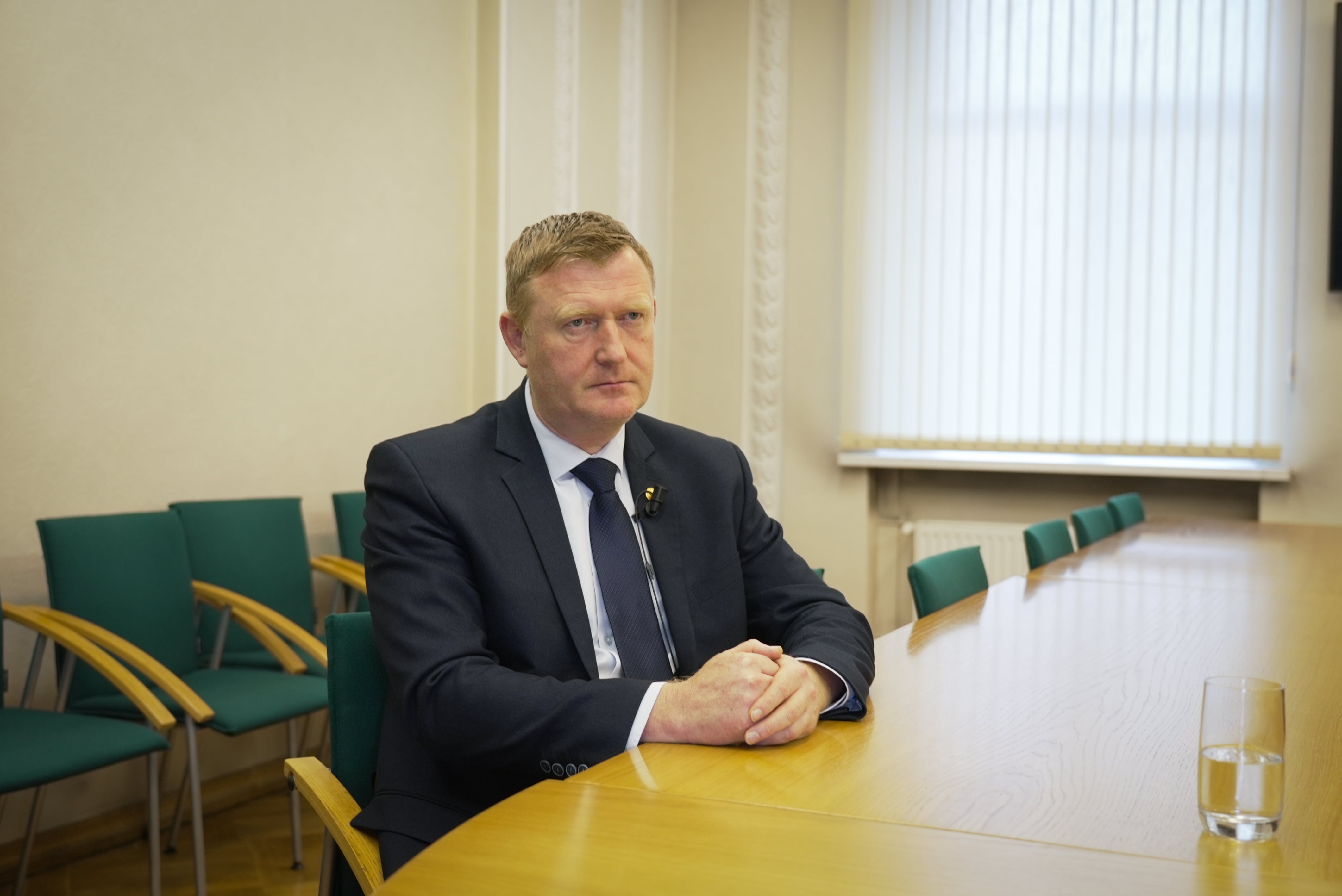
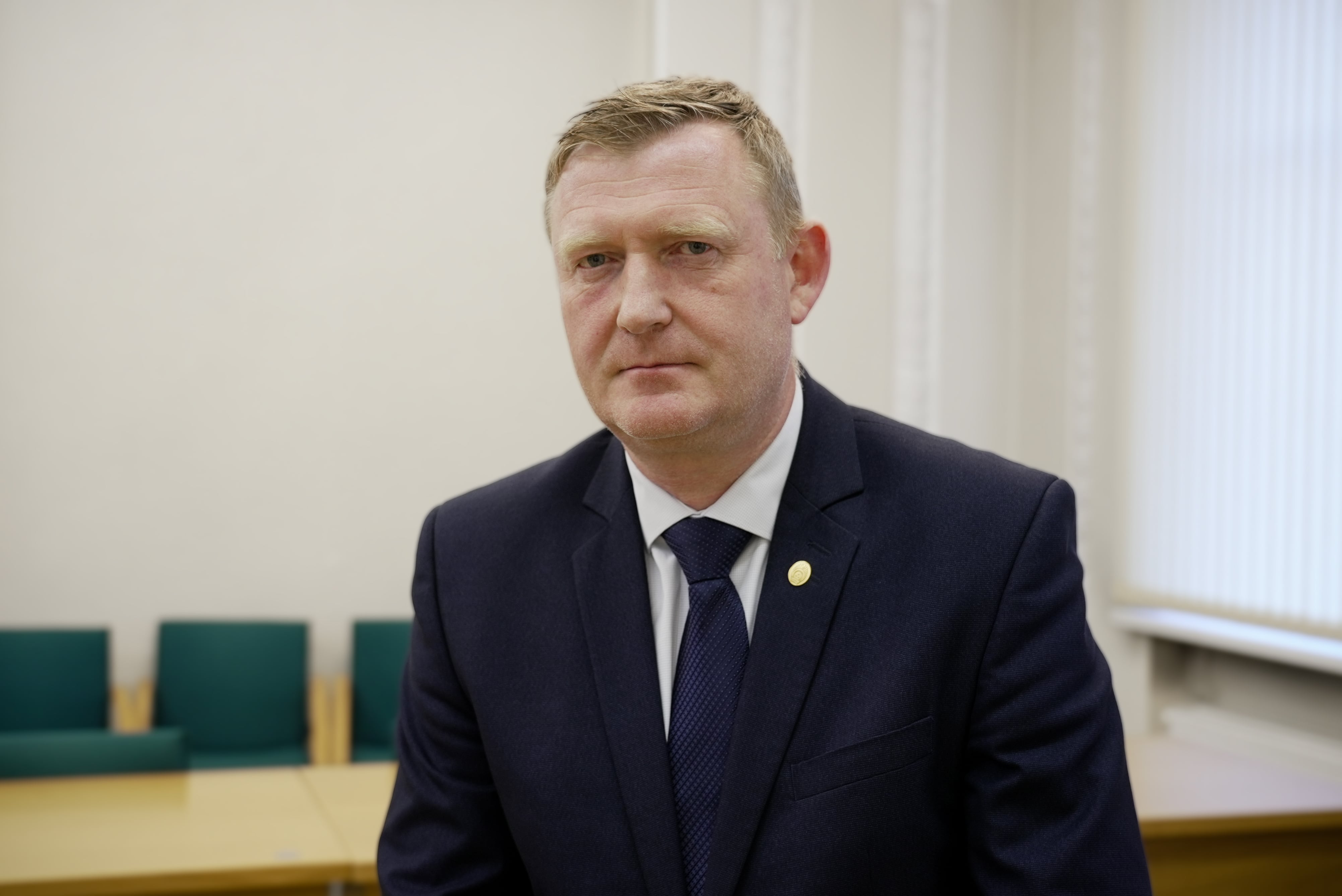
Raivis Melnis walks down a long corridor inside Latvia’s Ministry of Defense, located in an aging building in central Riga, the capital. He shows up all alone, a striking oddity for someone with government responsibility. Born 48 years ago in the Balvi municipality, about 20 kilometers (12 miles) from the Russian border, the Latvian army colonel has held the defense portfolio since late May. That was when several attack drones penetrated the Baltic country’s airspace without encountering any opposition. Two struck near an empty fuel depot. The crisis prompted then–prime minister Evika Silina to dismiss the defense minister and turn to Melnis.

Seguir leyendo

The Latvian defence minister, Raivis Melnis, during the interview in Riga.

💾

© MARÍA PAGE

Latvian Defense Minister Raivis Melnis at the ministry in Riga on October 7.
  •  

Germany detains two Turkish nationals suspected of torching a Polish Starlink station that helps route internet to Ukraine

Officers of Poland's Internal Security Agency (ABW).

German services detained two Turkish citizens on 12 October over the 23 September arson attack on a Starlink ground station in Wola Krobowska, near Warsaw, Poland’s Internal Security Agency (ABW) said. Both are suspected of arson, and Polish officials blame Russian intelligence. RMF24 later reported that German police also detained two more people who may be connected to the attack.

Poland is one of the main corridors for Western aid to Ukraine, and Polish Foreign Minister Radosław Sikorski has said Poland spends about $50 million a year on Ukraine's Starlink service. That puts Polish infrastructure in the path of a Russian campaign that already hacks cameras to track arms heading east.

Fingerprints, DNA, and a route out

The men were held under European arrest warrants and now await transfer to Poland. Interior Minister Marcin Kierwiński wrote that the suspects would face charges of “subversion, sabotage on behalf of a foreign intelligence service” after their transfer to Poland. Polish authorities issued European arrest warrants for the suspects, who were subsequently detained in Germany.

Działania @PolskaPolicja i @ABW_GOV_PL we współpracy ze służbami niemieckimi (BKA) doprowadziły
do zatrzymania na terenie Niemiec 2 obywateli Turcji odpowiedzialnych za podpalenie stacji Starlink w Woli Krobowskiej. Zarzut-dywersja, sabotaż na rzecz obcego wywiadu. @CBSPolicji

— Marcin Kierwiński (@MKierwinski) October 12, 2026

Police chief Marek Boroń said investigators reconstructed how the suspects prepared the attack and fled. “We have secured recordings pointing to this specific action. We have fingerprints, the perpetrators’ DNA, how they moved, when they came to Poland, and when they were evacuated from our country,” he said. One suspect lives in Germany, and the other had been ordered to leave the country, he added.

Warsaw points at Moscow

Prime Minister Donald Tusk called the fire another act of Russia's hybrid war and promised the saboteurs will answer to Polish justice.

Na zlecenie polskich służb niemiecka policja zatrzymała dwóch obywateli tureckich podejrzanych o podpalenie stacji Starlink na Mazowszu. To kolejny akt wojny hybrydowej. Sprawcy sabotażu odpowiedzą przed polskim wymiarem sprawiedliwości.

— Donald Tusk (@donaldtusk) October 12, 2026

“We have no doubt that Russian intelligence services are behind this act of sabotage,” said Tomasz Siemoniak, the minister coordinating Poland’s special services.

Those services increasingly turn to people tied to the criminal world, he added.

Two more possible links

German counterterrorism officers detained a woman in Berlin, and a man is also in German custody, Polish radio RMF FM reported, citing its reporter. Both may be linked to the arson. The woman allegedly picked up the Turkish men near Łódź after they entered Poland from Germany, then drove them to Wola Krobowska. The man’s role is still being examined.

  •  

The WHO searches for a new leader as US funding dries up and trust in science wanes

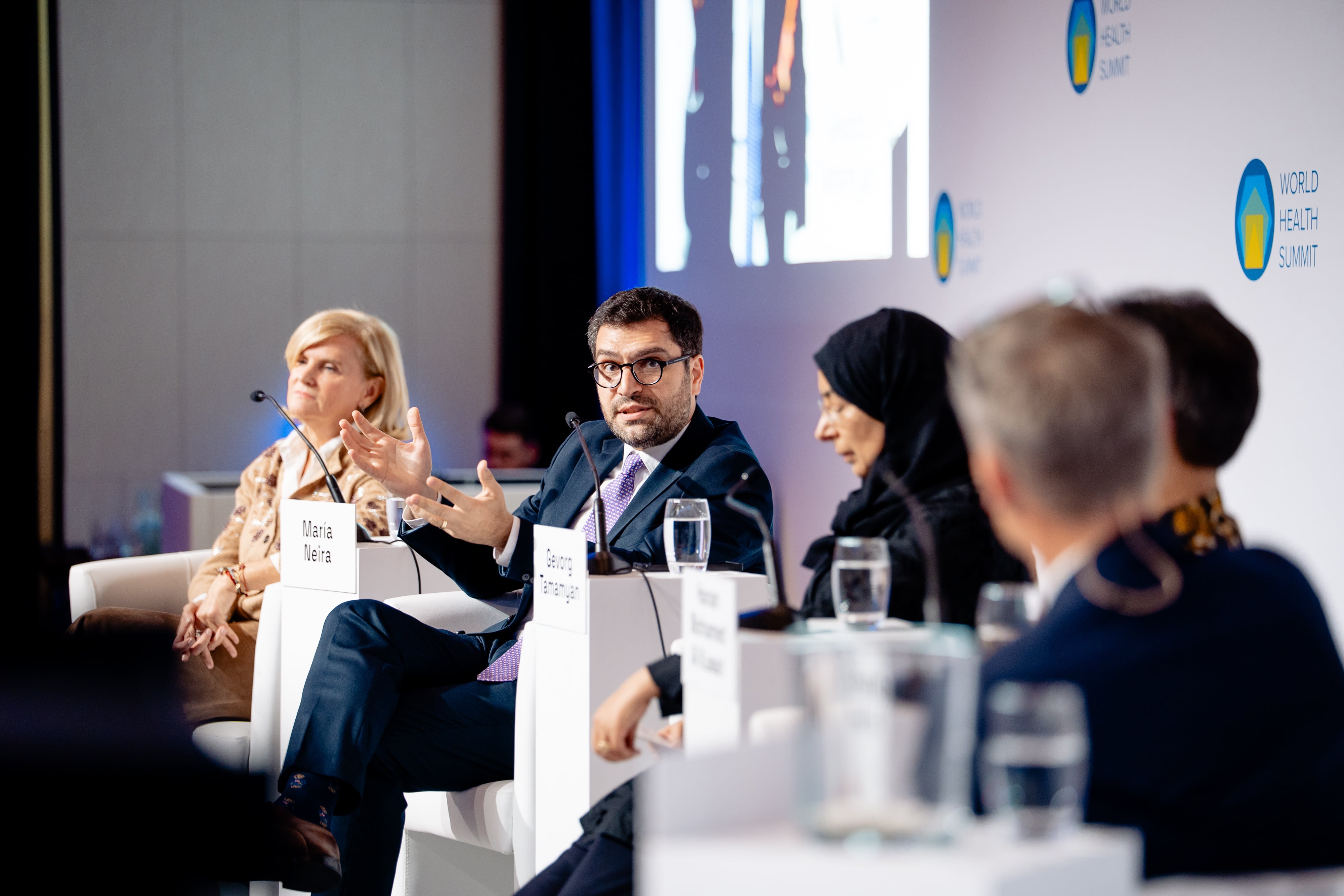
From left to right: María Neira, Gevorg Tamamyan, and Hanan Mohamed al Kuwari, three of the candidates to lead the World Health Organization.

A woman in her 70s holds a sign against the World Health Organization (WHO) in the rain outside the World Health Summit in Berlin, one of the main international forums on global health. The image catches the eye of Gevorg Tamamyan, an Armenian physician and candidate to lead the agency. “When I was a child, the WHO meant trust. Why has that trust become so fragile?” he asks hours later during the first debate among several of the seven contenders to succeed Tedros Adhanom Ghebreyesus.

Seguir leyendo

  •  

August Hanning, the German spy who sold his services to the highest bidder

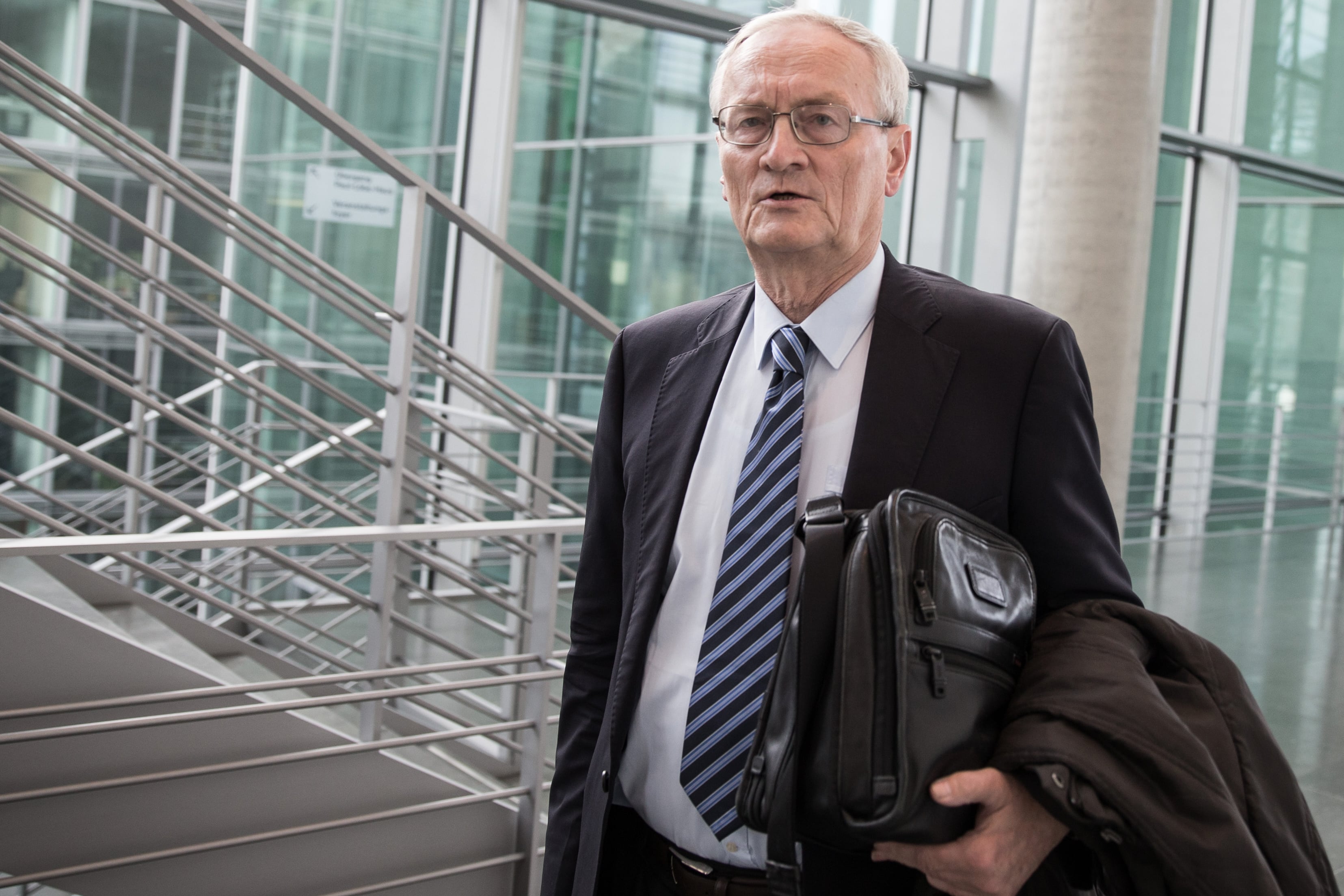
“What makes a good intelligence officer is that they do not attract attention.” This was one of the mottos that August Hanning repeatedly invoked in public appearances during his tenure as head of Germany’s intelligence services. Hanning, now 80, has been in custody since October 6 precisely for attracting too much attention. The former president of Germany’s foreign intelligence service, the BND, earned a reputation for being available to the highest bidder, whoever that might be. Germany’s federal prosecutor is investigating him on suspicion of treason and espionage on behalf of foreign countries.

Seguir leyendo

© Michael Kappeler (DPA via AP)

August Hanning arrives at the German parliament, the Bundestag, in Berlin on Oct. 2, 2015.
  •  

What’s happened with Joseph Stalin’s wine collection

The Georgian government has placed the wine collection that belonged to Soviet leader Joseph Stalin up for auction, Reuters reported on May 29. Authorities intend to use the proceeds from the sale to establish a winemaking school in Georgia. Stalin’s collection comprised approximately 40,000 bottles of rare French and Georgian wines, some dating back to […]

  •  

Ten years on, Britain’s prime minister says Russia meddled in the Brexit vote—and warns Germany and France

ten years britain’s prime minister says russia meddled brexit vote—and warns germany france · post andy burnham britain's new 29 2026 hl-8sqawgaax0se ukraine news ukrainian reports

UK Prime Minister Andy Burnham said Russia interfered in the 2016 referendum that took Britain out of the European Union, in podcast excerpts released on 11 October, the Associated Press reported. His remarks are believed to be the first time a British prime minister has publicly acknowledged such meddling.

Russia’s information war keeps running through Europe’s ballots. German security sources said in August that Moscow was escalating disinformation before state elections, and Ukraine’s Center for Countering Disinformation found more than 200 Russian fake news sites aimed at France last year.

One question, one clear answer

Burnham told The Rest Is Politics podcast that he asked his advisers whether Russia had interfered in the 2016 vote. He asked after taking office in July.

“I’ve had the clear answer that yes, there was,” he said.

He argued that such things must now be put clearly on the record. He did not say how Russia interfered or offer evidence, and Moscow has long denied interfering in foreign votes.

Burnham said he had discussed Russian interference with German Chancellor Friedrich Merz in Berlin the previous week. “You know he was saying to me that the AfD are clearly linked to Russia, funded I believe,” Burnham said, referring to Germany’s far-right Alternative for Germany party. Putting such interference on the record would help “voters in Germany and France understand that some of this politics is instigated via our enemies, namely Russia,” he added.

Years of silence

In 2020, Parliament’s Intelligence and Security Committee found that the government had actively avoided investigating whether Russia meddled in the referendum. The report noted open-source signs of Russian attempts to sway the Brexit campaign. The government, it said, had never looked for hard evidence.

The government rejected the committee’s call for a review.

“We have seen no evidence of successful interference in the EU Referendum,” it said.

That same year, London said Russian actors had almost certainly tried to interfere in the 2019 general election. The government said they did it by amplifying leaked UK-US trade documents online.

From 2019 to 2016

Three weeks ago, Burnham stopped short of this. At the UN General Assembly on 22 September, he said the Kremlin spends around £1.3 billion each year on manipulating information. That is roughly $1.7 billion at recent exchange rates. He cited evidence that Russian agencies tried to interfere in the 2019 general election, but he did not mention 2016.

In the same speech, he said Britain had already helped Moldova protect its elections from Russian interference.

  •  

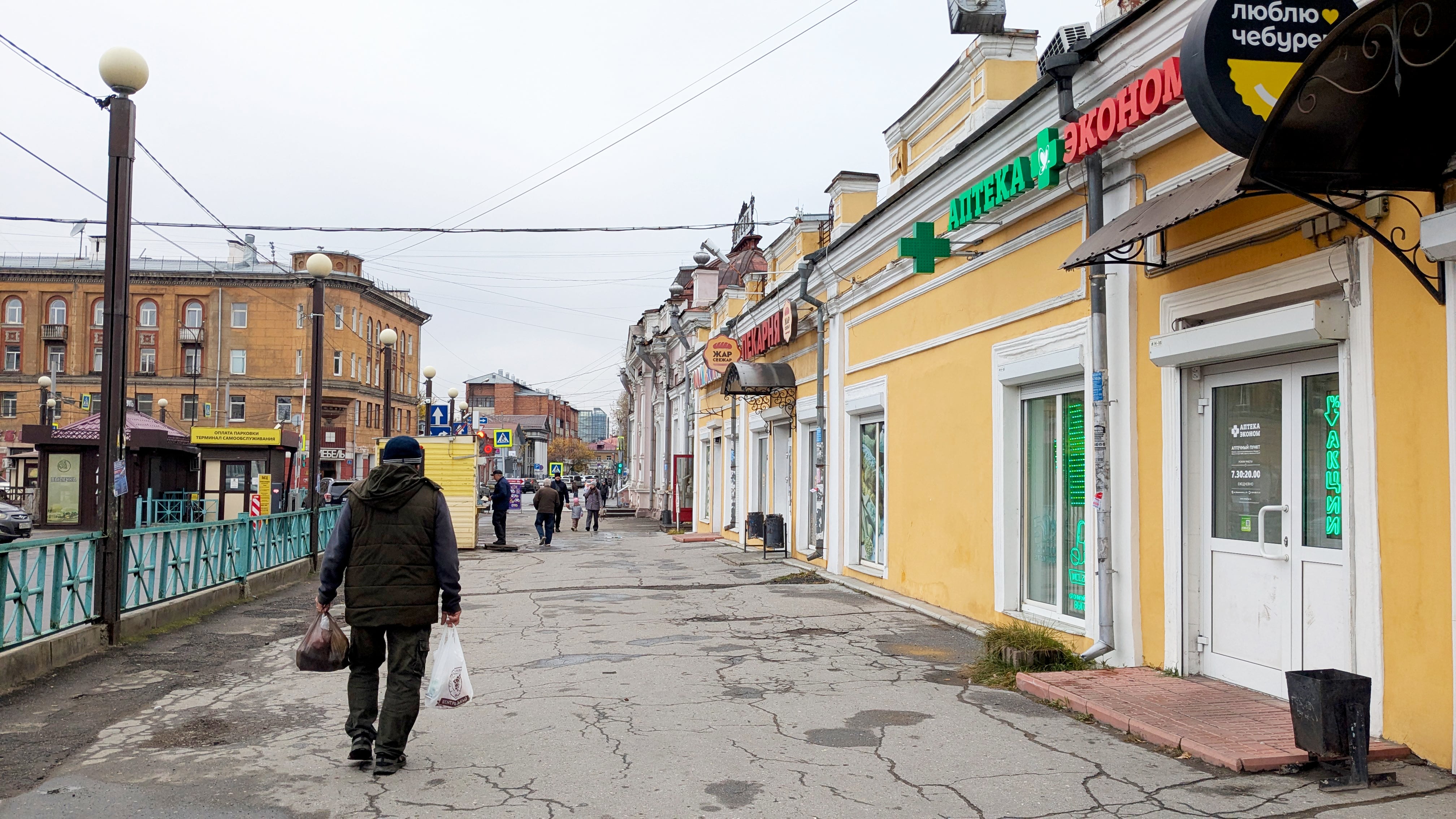
At the epicenter of the mysterious health alert in Siberia: ‘Plague? There’s no panic, people are calm’

A street in Irkutsk, Siberia, where a woman died of pneumonia suspected to be related to plague.

“What plague?” an Irkutsk resident exclaims when the epidemiological crisis that has put this small Siberian city near Mongolia on the front pages over the past week is mentioned. “Do you see me wearing a mask?” the annoyed clerk at a pharmacy retorts when asked whether she has noticed any concern over reports of quarantines and the death of a laboratory worker. “Whatever the authorities say, we’ll obey. We all obey the authorities,” say two elderly women, carefree as they sit on swings in a park in Shelekhov, the suburb that their own governor advised people not to visit due to “a particularly dangerous infection.”

Seguir leyendo

  •  

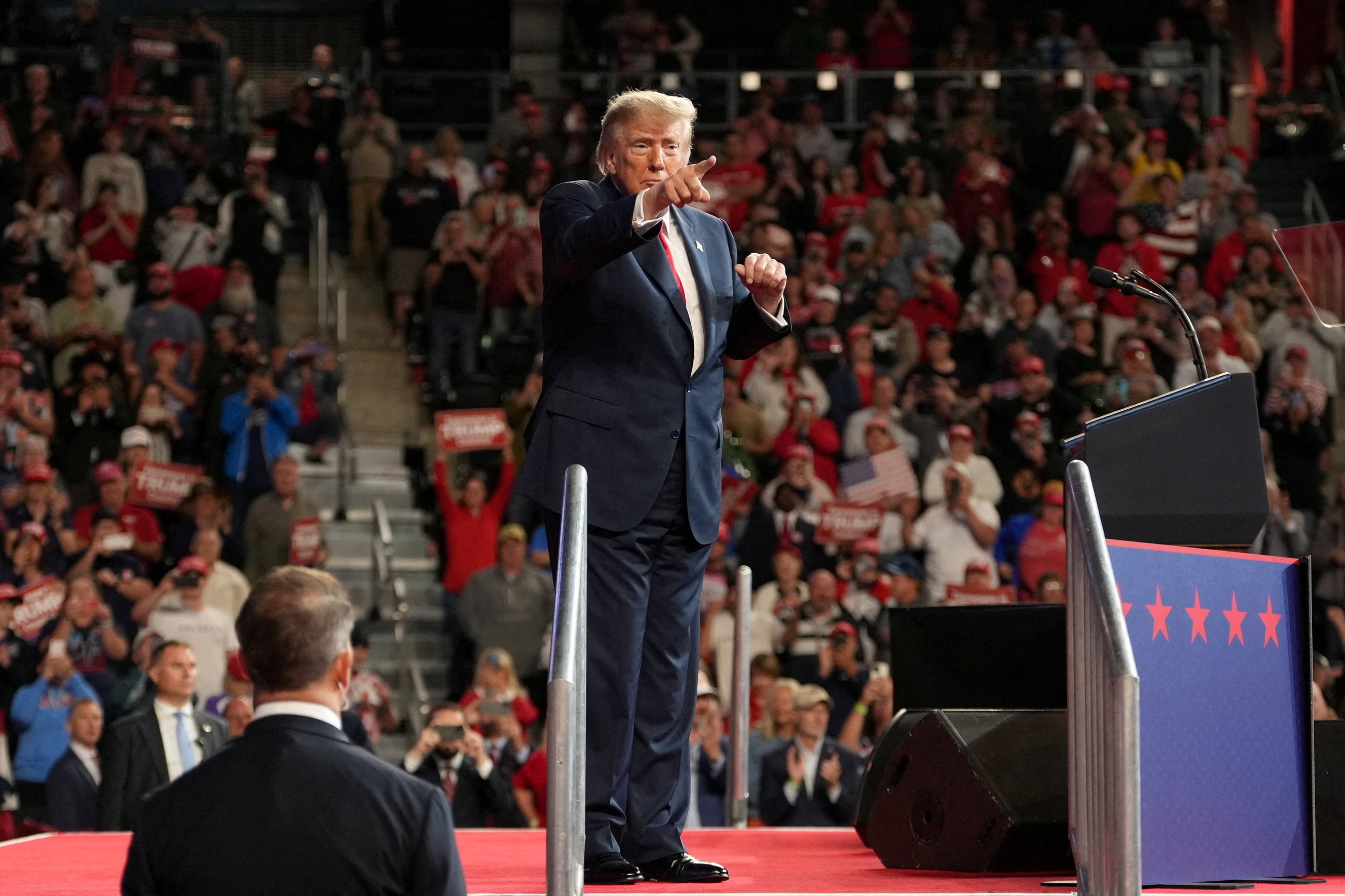
Trump: On the defensive in the polls, uncontrolled at rallies

U.S. President Donald Trump was halfway through his speech at a campaign rally in Clarksville, Tennessee, this Saturday, surrounded by his usual supporters: mostly white, dressed in red, wearing MAGA hats, and displaying messages of support for the Republican. “It’s amazing. I could say the stupidest things and you’d clap me,” he boasted. On cue, the crowd, amid laughter, applauded.

Seguir leyendo

© Eric Lee (REUTERS)

US President Donald Trump at a rally Saturday in Clarksville, Tennessee.
  •  

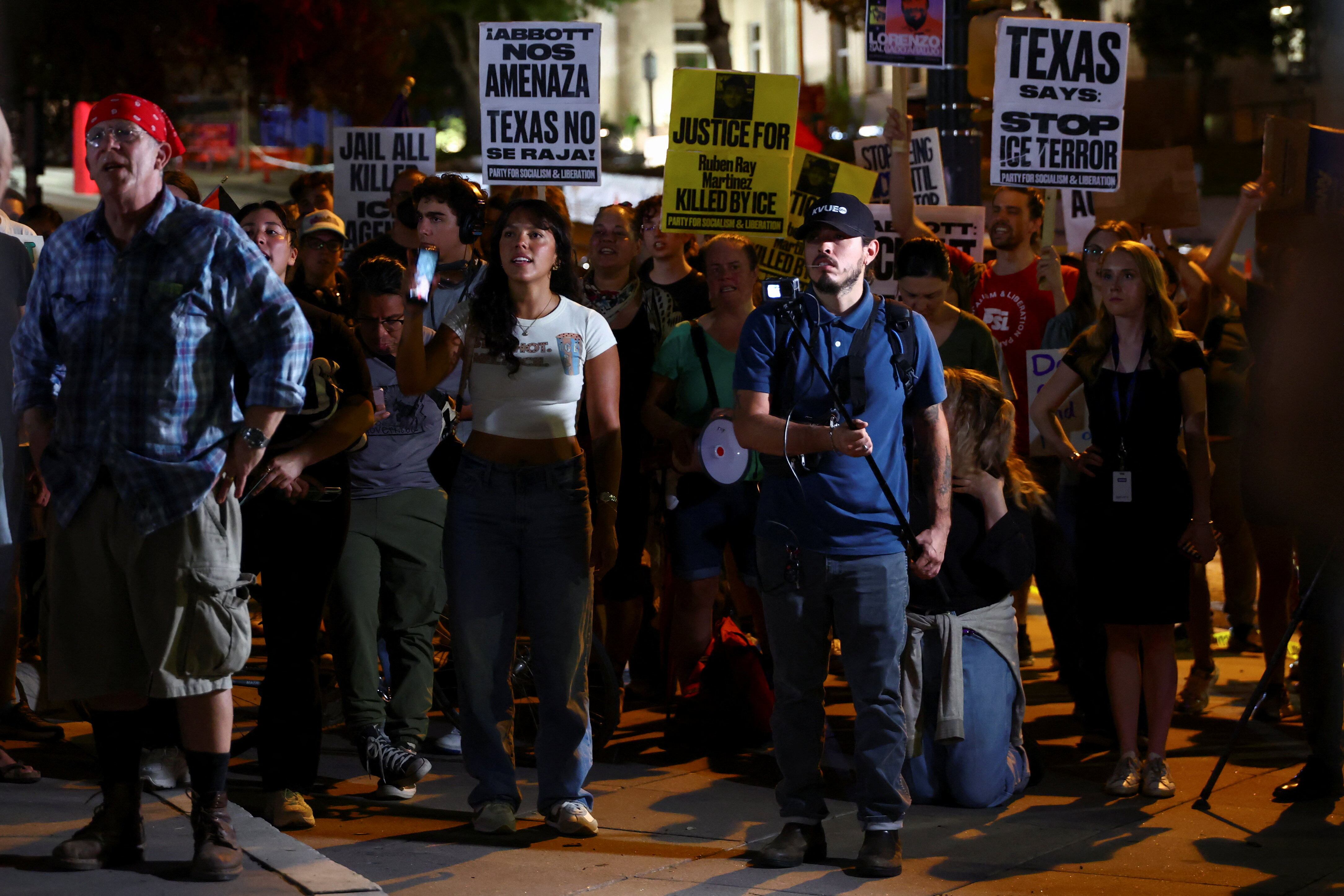
More than 100 feet away and no whistles: Activists train to respond to ICE at the midterms

From the government, officials speak of unnecessary “alarmism,” but thousands of citizens are not convinced. They are training to respond to any potential interference in the upcoming midterm elections. Many were previously active in efforts to protect migrants from raids by Immigration and Customs Enforcement (ICE), and their focus has now shifted to defending democracy against possible threats.

Seguir leyendo

© Kaylee Greenlee (REUTERS)

Protest against ICE outside the Texas Capitol in Austin on September 21.
  •  

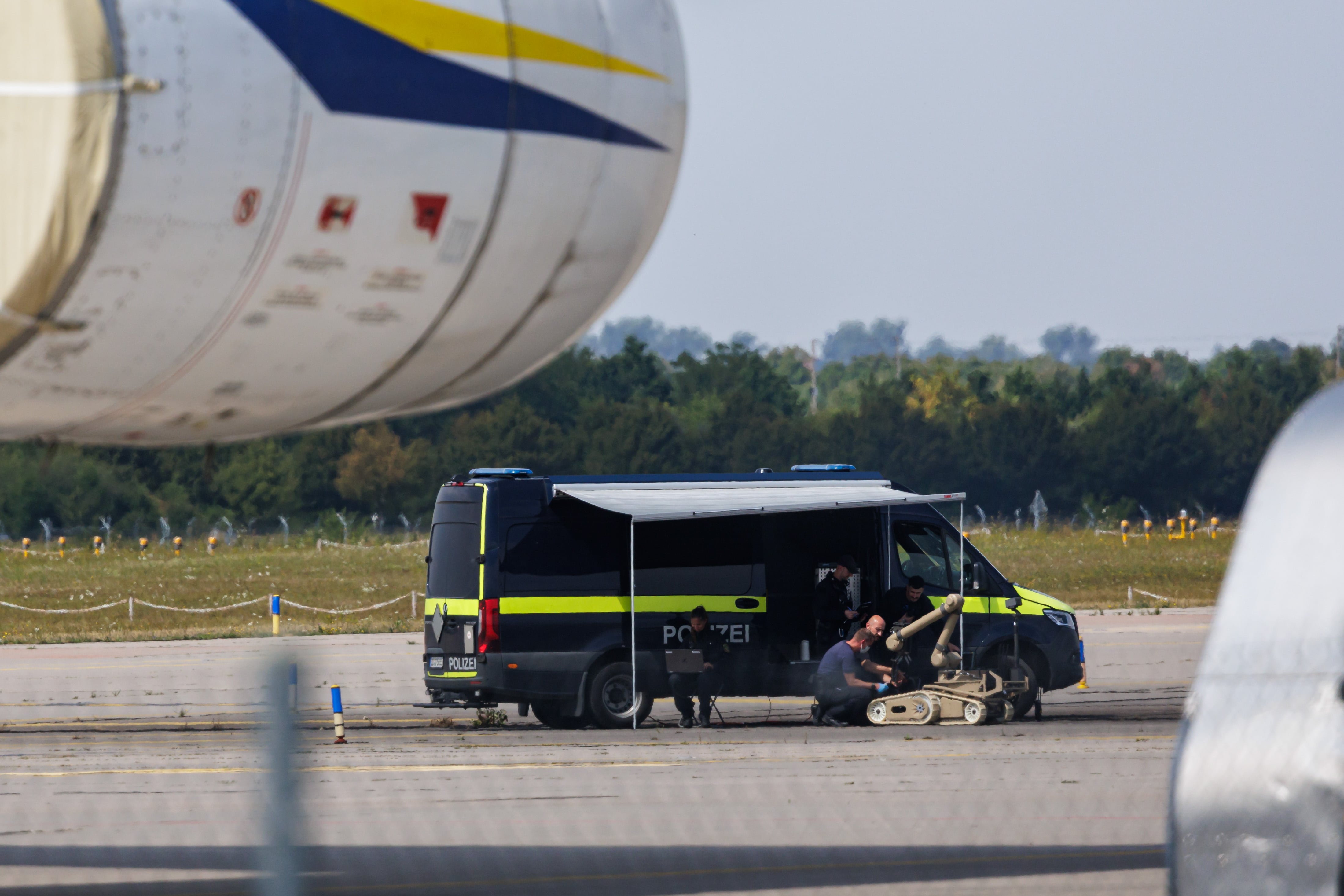
Students recruited via Telegram, amateur saboteurs and hitmen: How Russia outsources its operations in Europe

On the night of March 20, 2024, unusually humid and mild in London, three people in their twenties pulled up at an industrial estate in the east of the city in a cherry-red Kia Picanto. They went inside, set fire to a warehouse, and filmed the blaze on a cellphone. The video of the flames consuming the premises ended up in the hands of another 20-year-old, Dylan Earl, who was reached via the Telegram messaging app by the Russian paramilitary organization Wagner, linked to the Kremlin, which had in turn recruited others to do the dirty work. One of the burned units contained humanitarian aid and Starlink satellite equipment destined for Ukraine. According to the British investigation, the three young men who lit the fuse did not know they were actually working for Russia.

Seguir leyendo

© Jens Schlueter (Getty Images)

German police on August 5 after the failed attack on Leipzig airport.
  •  

Russian drones harass Moldova

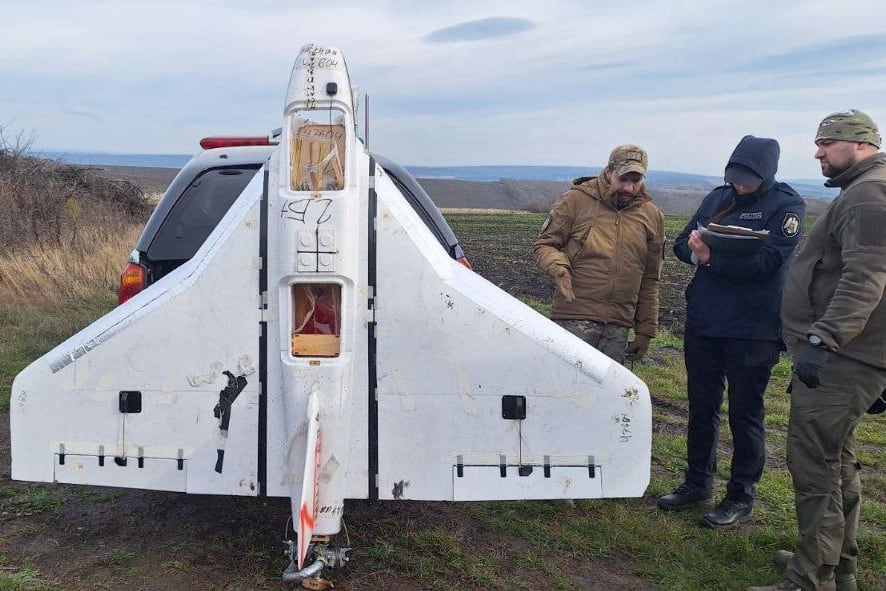
A powerful explosion shook Colonita, a small village in the municipality of Chișinău, at 4.20 a.m. on September 18. Residents saw a blinding flash and heard a terrifying blast that made houses tremble. Six hours later, emergency teams found the remains of a Russian drone — including its engine — scattered across agricultural land. The device had fallen about four miles from the center of the Moldovan capital, which is home to more than 700,000 people. It had not been detected by surveillance systems, which the Defense Ministry attributed to the speed and low altitude at which it was flying.

Seguir leyendo

© AP

Police inspect a drone in the Moldovan village of Cuhureștii de Jos.
  •  

‘ICE out!’: New Yorkers protest shooting of a migrant in the city

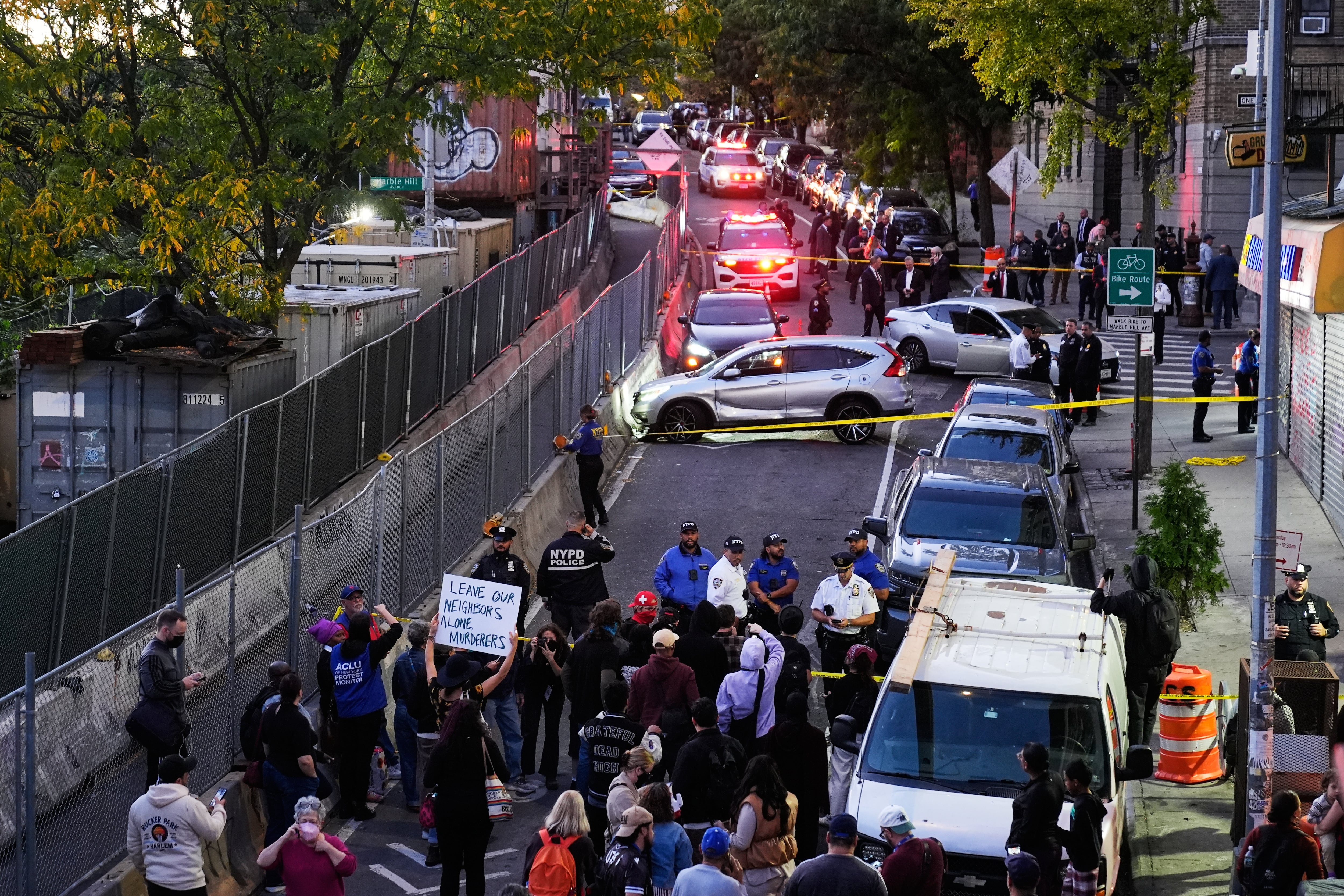
A man was shot and wounded during an arrest operation by U.S. Immigration and Customs Enforcement (ICE) agents in New York on Thursday. The shooting occurred in the Marble Hill neighborhood of the Bronx at about 4.00 p.m. local time, the police said. Besides the wounded man, there was a five-year-old child inside the vehicle who was reportedly unharmed.

Seguir leyendo

© Seth Wenig (AP Photo/Seth Wenig)

The scene of an ICE shooting in New York on October 8, 2026.
  •  

Voters or capital: Who rules Berlin?

On September 20, 2026, Die Linke achieved a historic result. With 25.7% of the vote, the party became the largest in the Berlin parliament for the first time. The traditional parties of power (the CDU, the SPD, and the Greens) are left standing. A left-wing government with Elif Eralp as governing mayor is, in theory, within reach.

The reason for this success is no mystery. It is substance. During the campaign, thousands of Die Linke volunteers went out into the neighborhoods. Door to door. Building to building. Up one stairwell, down the next. They came not with shiny brochures, but with one fundamental question: what keeps people awake at night?

For hundreds of thousands of Berliners, the answer is painfully clear: rent. The envelope that lands on the doormat every month. The knowledge that an ever-larger share of their wages flows straight into the bank account of some anonymous slumlord.

Die Linke wants to make rents affordable, break the power of listed real estate giants, and finally implement the outcome of the referendum. In that 2021 referendum, more than one million Berliners voted for the socialization of large housing stock.

Berliners consider no other party as competent on housing. The figures speak for themselves: after the election, 37% of all Berliners say Die Linke has the best solutions for affordable housing.

The establishment strikes back: the great reversal of the debate

Die Linke won on material issues: housing, rent, ownership. But within no time, the press and the talk shows have all but stopped talking about any of it. Suddenly the political debate is dominated by accusations of antisemitism. By stories about the Rote Hilfe, a left-wing solidarity organization that provides legal support to activists and prisoners. By alleged connections to criminal “clans.” By the suggestion that parts of the party lie outside the acceptable democratic framework. Suddenly, the burning question in the media is no longer how to lower rents, but whether Die Linke is “even fit to govern at all.”

It is the great reversal of the debate. Center stage no longer belongs to the unaffordable rents, the power of real estate corporations, and the housing crisis, but to the legitimacy of the party that won precisely on those issues. Meanwhile, the federal establishment works hard behind the scenes to make any possible socialization of real estate giants, the so-called Vergesellschaftung, legally impossible. Yet Article 15 of the German Constitution makes such socialization possible in principle.

What we see here is an organized counterattack from established economic and political power blocs. They open multiple fronts simultaneously – economic, legal, political, and ideological. Let us take a closer look at the nine forces that have now mobilized against Die Linke in Berlin.

1. Real estate capital

The most direct clash is with real estate capital. Die Linke wants to expropriate profit-driven housing companies that own more than three thousand units each. That concerns a total of over 200,000 housing units in the city. Among them is Europe’s largest real estate company Vonovia, which alone owns 138,000 units in Berlin.

On September 21, the morning after the election, BFW Berlin-Brandenburg, the lobby club of private project developers, pulls the emergency brake. The real estate group warns of “a step backward in housing policy.” Expropriation would slow new construction. Private capital would flee. The BBU, the association of housing companies in Berlin-Brandenburg, also springs into action. In Handelsblatt, Welt, Die Zeit, and Tagesspiegel it warns of “massive investment risks.” In short, as soon as its property and profit model is even slightly threatened, the real estate lobby pulls out all the stops and lets the organ roar.

Here you see class struggle in its most material form. Die Linke wants to shift power from large real estate owners to tenants and public ownership. The real estate sector wants to preserve the existing regime of private property, rental income, and investment returns.

What is at stake is concrete: who owns the apartments, who controls rental income, where does public money go, and who may decide politically about it?

2. Financial capital

Where there is real estate, there are banks. On that same September 21, Die Deutsche Kreditwirtschaft, the powerful umbrella organization of the German banking sector, issues an official warning. Socialization of housing would deter private capital. It would make real estate financing more difficult. It would drive risk premiums sky-high. It would – for hypocrisy knows no bounds – “reduce funds for education and social policy,” as if the German banking sector had ever been guided by such concerns in past decades.

Financial markets also react immediately. Vonovia’s stock price takes a hit and falls 1.7% against the trend, to its lowest level since June 2023. Deutsche Wohnen takes a beating too. Why? Because for these guys, housing in Berlin are not places where people live, love, and raise children. For big capital, housing units are investment vehicles and collateral for gigantic mountains of debt. If you remove those homes from the private market, you hit not only the slumlord but also the wealth manager, the banker, and the speculator behind the entire parasitic ecosystem of Frankfurt. That too is class struggle.

3. The Berlin business establishment

Traditional Berlin capital had already dug in before the election. The four major employer organizations – the Chamber of Commerce (IHK Berlin), the Handwerkskammer, the VBKI, and the UVB – closed ranks in their so-called Wahlarena der Berliner Wirtschaft, a joint election forum where the main parties had to defend their economic programs before organized Berlin business.

Their lobbying does not stop on election day. After Die Linke’s victory, VBKI chairman Harald Christ mounts his warhorse. His message? “Anyone who wants to expropriate private property in this city puts our future at stake.” The VBKI is one of the most elite clubs of Berlin businessmen, of the sort that lives more on returns from property and the labour of others than on their own labour. According to Harald Christ, who himself holds no elected public mandate, a party “that does not clearly distance itself from antisemitism” should not govern either.

Here you see how the two lines of attack of the establishment merge perfectly. On one hand, defence of sacred private property. On the other, moral blackmail. Die Linke must be treated as a pariah as long as it does not jump through all the hoops of the establishment.

4. The arms industry

A second economic front is the arms industry. For the militarists, Berlin must become a hub in the arms industry. Die Linke sees it differently. The party wants no expansion of military industry in the city, no military propaganda on the streets, and no army recruiters in schools.

That is blasphemy in the church of German militarism. In its hunger for new billion-dollar contracts, the German military-industrial complex of Berlin-Brandenburg wants to create a cluster for defence and aviation. Martina Klement, Minister of Economic Affairs in Brandenburg, already threatened that her state would “continue alone if necessary” if the Berlin government blocked its plans. She points an accusing finger at Die Linke’s critical attitude towards the Rüstungsindustrie, the arms industry. That too is class struggle: will Berlin become a cog in the booming war economy, or will the city build a dam against it?

5. The federal state and the institutional veto

Pressure on Die Linke comes not only from banks, real estate groups, and lobbies. Parts of the state apparatus are also intervening directly into the conflict.

The decision that Die Linke must under no circumstances lead the formation of a Berlin government seems to have been decided even before the polling stations closed on September 20. A few minutes after 6 pm, with the polls barely closed, Federal Chancellor Friedrich Merz gave a speech with one clear message: he continues his course, whatever the election result.

A day later, Merz announced he wants to fast-track with a federal law against the socialization of large real estate companies. His coalition had previously made agreements about this, but after Die Linke’s victory it suddenly became urgent. Germany, according to Merz, had to make it clear to international investors that private property remains safe and is not simply expropriated. That it is Merz, of all people, who brings this message is not without meaning. Before his return to politics, he chaired the supervisory board of the German branch of asset manager BlackRock from 2016 to 2020, one of the largest financial players in the world.

What is at stake is Article 15 of the German Constitution.Since 1949, it has explicitly stated that land, natural resources, and means of production can be transferred to common ownership or other forms of communal economy by law, provided compensation is regulated by law. That provision has never been applied. The struggle in Berlin is precisely about whether it can be used for the first time against large real estate companies.

Other statesmen also do not hold back. For example, Bavarian Minister-President Markus Söder (CSU) threatens to question financial transfers to Berlin if the city pursues too leftward a course. Bavaria is one of the richest states and a major net contributor to Germany’s system of redistribution. Bavaria is rich, Bavaria pays. And so Söder wants to dictate what Berlin votes. A dangerous Lega-Nord-ization of German federalism: the rich region buying off democracy in the poorer region.

Individual ministers also intervene via their official function. Federal Minister of Economic Affairs Katherina Reiche used her ministry’s Instagram account to attack Die Linke over expropriations, antisemitism, and alleged ties to organized crime. Die Linke has taken legal action against this, invoking the duty of neutrality that binds state institutions.

Even the judiciary has been drawn into the debate. Berlin Attorney General Margarete Koppers warned, amidst the controversy over alleged ‘clan’ contacts around Die Linke, that criminal networks deliberately seek out politicians. She did not accuse Die Linke directly, but her intervention gave additional institutional weight to the image built around the election winner.

Merz and his Vice Chancellor and Finance Minister Lars Klingbeil (SPD) know well what is at stake: if socialization of large real estate companies succeeds in Berlin, it could also raise expectations elsewhere – in the automotive industry, energy sector, or other strategic sectors.

It is precisely this precedent that must be stopped. An electoral victory for Die Linke must under no circumstances grow into an infringement of the existing order of property, let alone into an example that sparks other social struggles.

6. The police and security apparatus

A sixth pressure line comes from the police apparatus. After the election, certain police unions in Berlin warned that a government led by Die Linke could weaken the police by restricting its powers, its surveillance, and its capacity for repression. The Gewerkschaft der Polizei (GdP) went further and warned SPD and Greens that “the security of this city is at stake.” It also suggested officers might leave Berlin to work in other German states.

That threat quickly gained a practical dimension. CDU-led governments in Baden-Württemberg and Brandenburg openly invited Berlin police officers to transfer and explicitly linked that recruitment campaign to the prospect of a government led by Die Linke.

That is organized pressure and blackmail from certain police unions and conservative state governments: accept our vision of police and security, or we will drain your force dry.

7. The Israeli Embassy

And then there is the elephant in the room: the campaign around antisemitism. On September 26, ARD, the major German public broadcasting corporation, found that the controversy over antisemitism had by then “overshadowed all other topics since the election victory.”

Ambassadors are normally not supposed to interfere directly in the host country’s domestic political decision-making. That did not prevent Israeli Ambassador Ron Prosor from warning after Die Linke’s victory of an “immediate existential threat” to Jewish life in Berlin. Prosor, a Netanyahu loyalist and critic of the International Criminal Court, accuses parts of Die Linke of “unrestrained antisemitism” and hostility toward Israel.

Virtually simultaneously, Josef Schuster, Chairman of the Central Council of Jews in Germany, addressed the SPD and the Greens directly: anyone who helps Die Linke into the Rote Rathaus, the Berlin City Hall, is, in his view, putting social cohesion and Jewish life at risk.

Within the SPD and the Greens, that Israeli pressure finds a willing ear. SPD politician Martin Hikel calls cooperation impossible with a party that, in his words, “tolerates antisemitic statements.” Antisemitism and the defence of Israel have now become central topics in initial talks between Die Linke, the SPD, and the Greens. In this way, the Israeli intervention weighs directly on the political climate in which a new Berlin government is being negotiated.

Behind that lies a broader strategic entanglement. Despite the genocide in Gaza, Germany and Israel continue expanding their military-industrial cooperation. Israeli arms producer Elbit Systems signed new strategic cooperation agreements this year with companies including TKMS and Diehl Defence, among other things for naval weapons systems and drones for the Bundeswehr. Elbit wants to build up to eight new facilities in Germany over the coming years.

That makes the struggle over Israel material as well. It’s not just about Gaza, apartheid, and Israeli settler colonialism, but also about increasingly close military and industrial interconnection. In such a context, the label “antisemitism” takes on particularly political charge when used against forces opposing the Israeli government, German rearmament, or that growing military-industrial cooperation.

8. ELNET: the international lobby network

Beyond the Israeli embassy lies a much broader lobby infrastructure. What stands out is how the theme of antisemitism repeatedly comes to centre stage whenever a consistent left force achieves electoral breakthroughs.

In Great Britain, three major newspapers declared jointly in 2018 that a government under Jeremy Corbyn would constitute an “existential threat” to Jewish life. Corbyn had to be politically delegitimized because he broke with the consensus on Israel, openly supported the Palestinian cause, and simultaneously defended a socio-economic program that collided head-on with British establishment. The accusation of antisemitism thus became a weapon in a broader struggle to declare him unfit for governmental power.

The same pattern surfaced in France. In 2024, Yonathan Arfi, chairman of the umbrella organization of Jewish institutions in France (CRIF), declared that “La France Insoumise (LFI) has no place in government.” Again the accusation was: “antisemitism.” In reality, it was about left criticism of the genocide in Gaza. For recent French municipal elections, French security service Viginum exposed a massive Israeli disinformation campaign run by the shadowy Blackcore. With fake sites, false profiles, fake news, and AI bots, LFI candidates were systematically smeared.

In Berlin, attention focuses mainly on ELNET Deutschland, a lobby organization that seeks to strengthen Israeli-European ties. The money for this little party comes mainly from the US. The German office received over one million euros from ELNET US in a single year.

ELNET financed trips to Israel for at least 51 Bundestag members and brought six IDF officers to the capital for talks with politicians, the Bundeswehr, and media shortly before the Berlin election. Thus ELNET forms an important link between Israeli security circles and the German political establishment, and possesses considerable financial resources and direct access to decision-makers. In the current Berlin debate, that infrastructure strengthens a political climate in which attitude toward Israel increasingly serves as a touchstone for the question who may and may not govern.

9. The United States

Finally, there is American interference. The United States has made no secret in its official National Security Strategy that it actively supports far-right and nationalist forces in Europe – such as the Rassemblement National in France or the AfD in Germany. For Trump, such Europe offers a double advantage: allies who stand closer to Washington, but simultaneously an EU that remains internally divided and less able to act as an independent international power.

American heavyweights like Elon Musk, Donald Trump, JD Vance, Marco Rubio, and former ambassador Richard Grenell have intervened openly in German politics in recent years, typically in ways giving AfD more legitimacy and political space. When AfD scored in Saxony-Anhalt, Trump, Musk, and Grenell were in the front row to cheer. Trump publicly celebrated the result, Musk wrote “Gut gemacht!” (Well done!), and Grenell spoke of “a great victory and a new day in Germany.” That was barely two weeks before the Berlin election.

Meanwhile, the American embassy in Germany set aside approximately $400,000 this summer for German civil society organizations, among other things for projects around “countering antisemitism.” They use diplomatic funds to determine domestic political agendas. On Washington’s instructions, American embassies in Europe feed the witch hunt against the left, while helping the far right into the saddle.

A desperate move

Add all these forces together (banks, real estate companies, employers, arms industry, judiciary, federal government, embassies, and international capital) and you see what really happens in Berlin: different factions of the ruling class defend their own interests but find each other as soon as existing property and power relations are touched.

The first front is material. Real estate capital defends its rents and land ownership, banks their credits and collateral, investors their returns, the arms industry its billion-dollar contracts and state orders. Their interests differ, but on one point they converge: Die Linke must not undermine the grip of private capital on housing, investments, and public funds.

The second front is political and ideological. As soon as those material interests come under pressure, the debate shifts to antisemitism, extremism, Rote Hilfe, and alleged clan connections. The goal then is no longer only to block concrete reforms. Die Linke itself must be pushed outside the boundaries of the politically acceptable.

But let’s be honest: that smear campaign is nothing but a desperate move. The elites play dirty because they lack arguments. No one can look Berliners in the face and claim €1,500 per month for a shack is a good thing. The housing crisis is not an extreme position, but daily reality for the absolute majority of the population, including many voters of the SPD, the Greens, or the right.

Because the establishment cannot win that debate, it tries to impose another one. The smoke bombs go off one after another: “antisemitism!” “clans!” “Islamists!” “Rote Hilfe!” The less of an answer there is to the social question, the louder the noise about Die Linke’s supposed unfitness to govern at all.

The real extremism in this world is not a party that organizes tenants. The real extremism is a society in which millions of people are driven out of their city because a handful of vultures demand their returns. The real extremism is a system that reduces housing to speculation and war to a profit model.

Die Linke won on the fundamental question: whose city is Berlin? Who sets the rules, who controls the bricks, and whom should the city serve? The answer from Berliners was clear. The intensity of the counterattack shows how well the other side understands what is at stake.

Nobody should fear that polarization. It is simply the noise of class struggle: economic powers defending their property and capital, state powers trying to guard the boundaries within which an election result may change something. The scent of panic hangs in the corridors of power. There is no reason to turn defensive or to retreat. There is all the more reason to rely on the people and to mobilize. Because in the end, that is where the decisive question lies: who truly forms the majority in Berlin, and who holds the power to stand in its way?

Peter Mertens is a writer and the Secretary General of the Workers’ Party of Belgium (PTB/PDVA).

  •  

The Trump administration will both detain migrant children and defend them in court

The Donald Trump administration is creating a team of federal attorneys to represent unaccompanied migrant children (UACs) in their asylum cases. Few details have been released about how the unit will be staffed or operate, but independent organizations that have provided such legal services until now see a clear conflict of interest. Although the new division within the Department of Health and Human Services (HHS) is being presented as independent, the same administration responsible for the children’s custody — and that is pursuing policies aimed at increasing deportations of minors — would also be tasked with defending their cases before immigration judges.

Seguir leyendo

© Eric Gay (AP)

Asylum-seeking migrants walk hand in hand near the ICE Family Residential Center in southern Texas, in August 2019.
  •  

The desperate effort to send food via drones to a Ukrainian city starving under Russian occupation

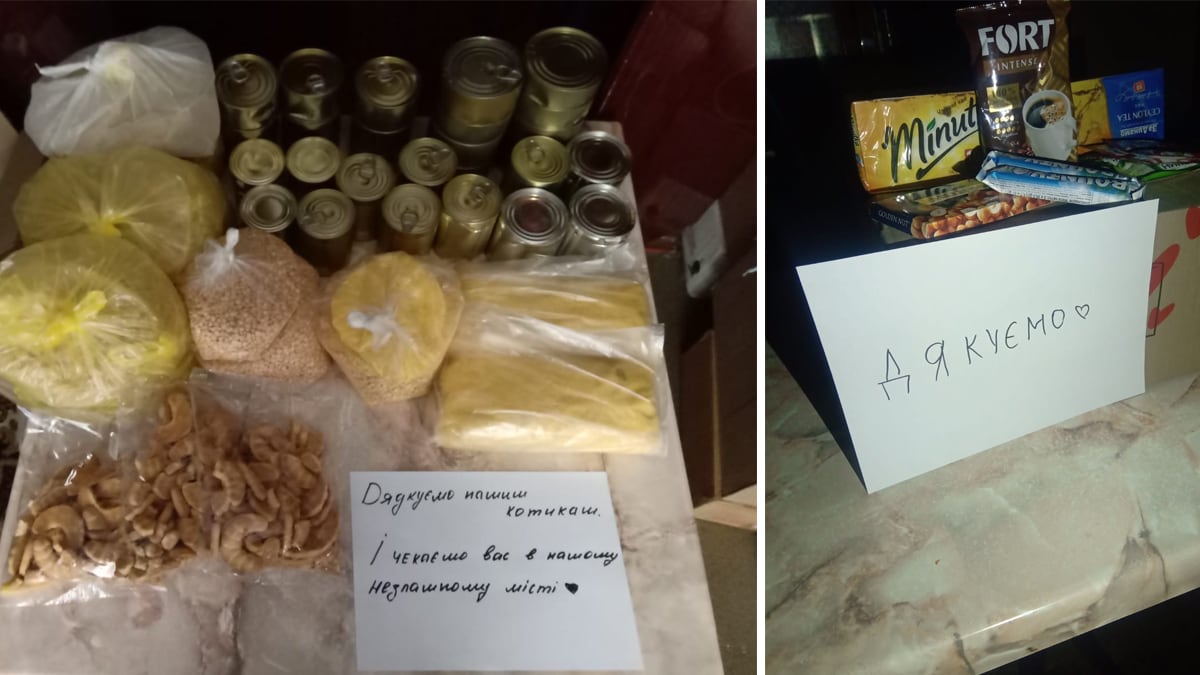
“Thanks to our beloved soldiers. We await you in our unbreakable city,” reads a handwritten note beside cans and other foodstuffs received to stave off hunger in Oleshky, a city occupied by Russia. “Thank you,” echoes another note next to a shipment of coffee, herbal teas, and chocolate bars. Photos of these messages and others showing various tokens of gratitude have reached the phone of Roman Chuhalov, 44, one of the Ukrainian servicemen who, by sending aid with drones, are trying to break the blockade in this town in the southern Kherson region, where about 2,000 people are holding out.

Seguir leyendo

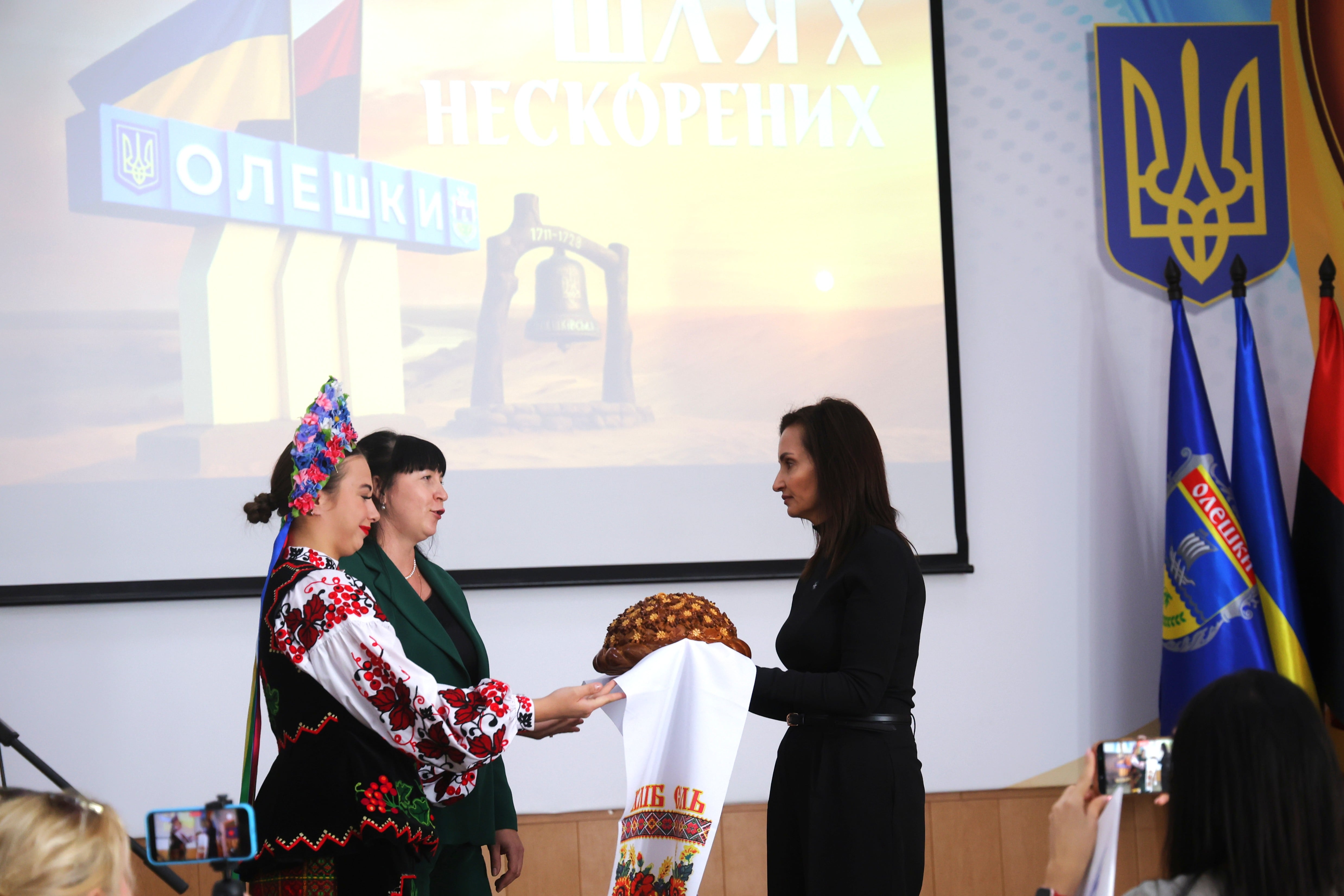
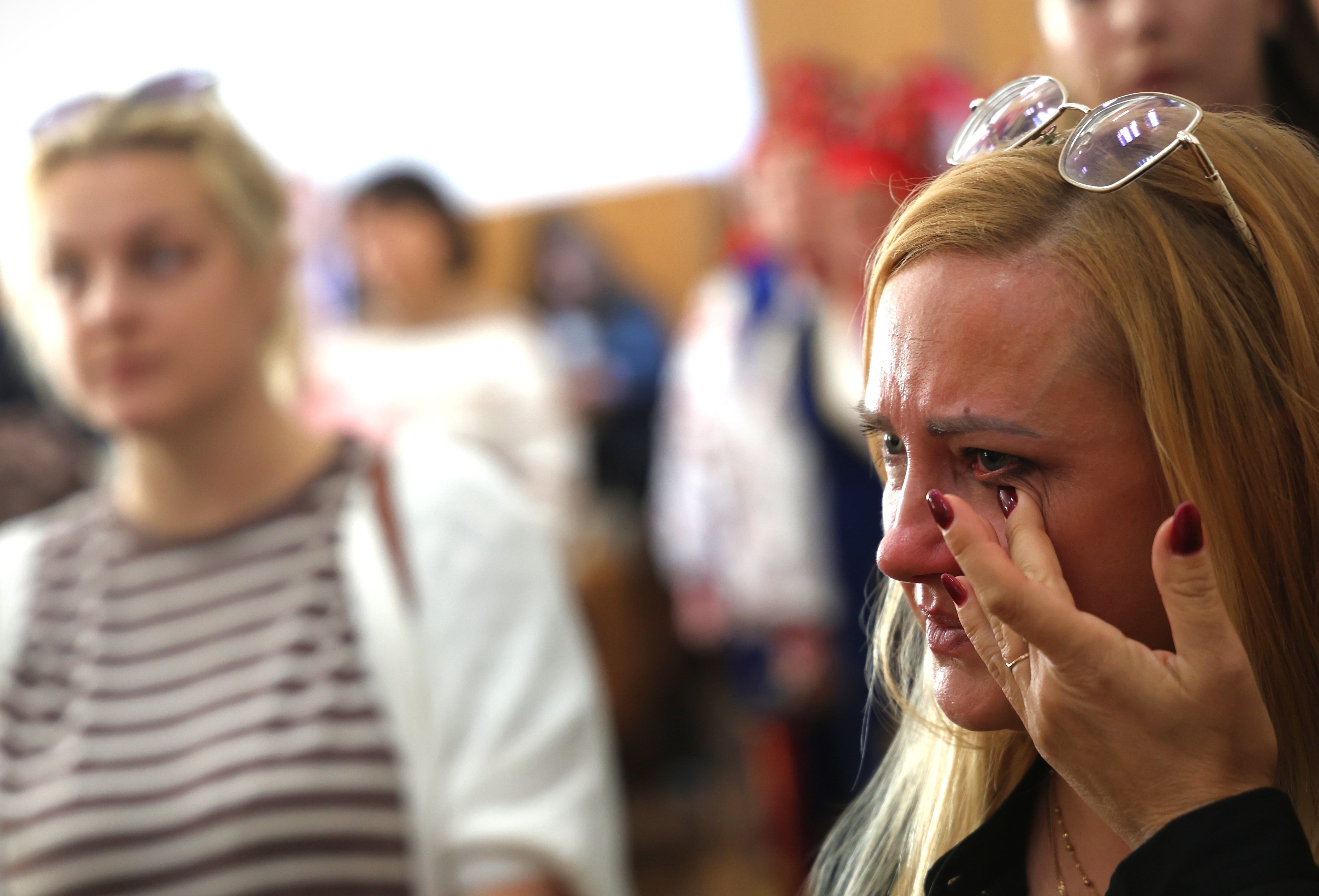
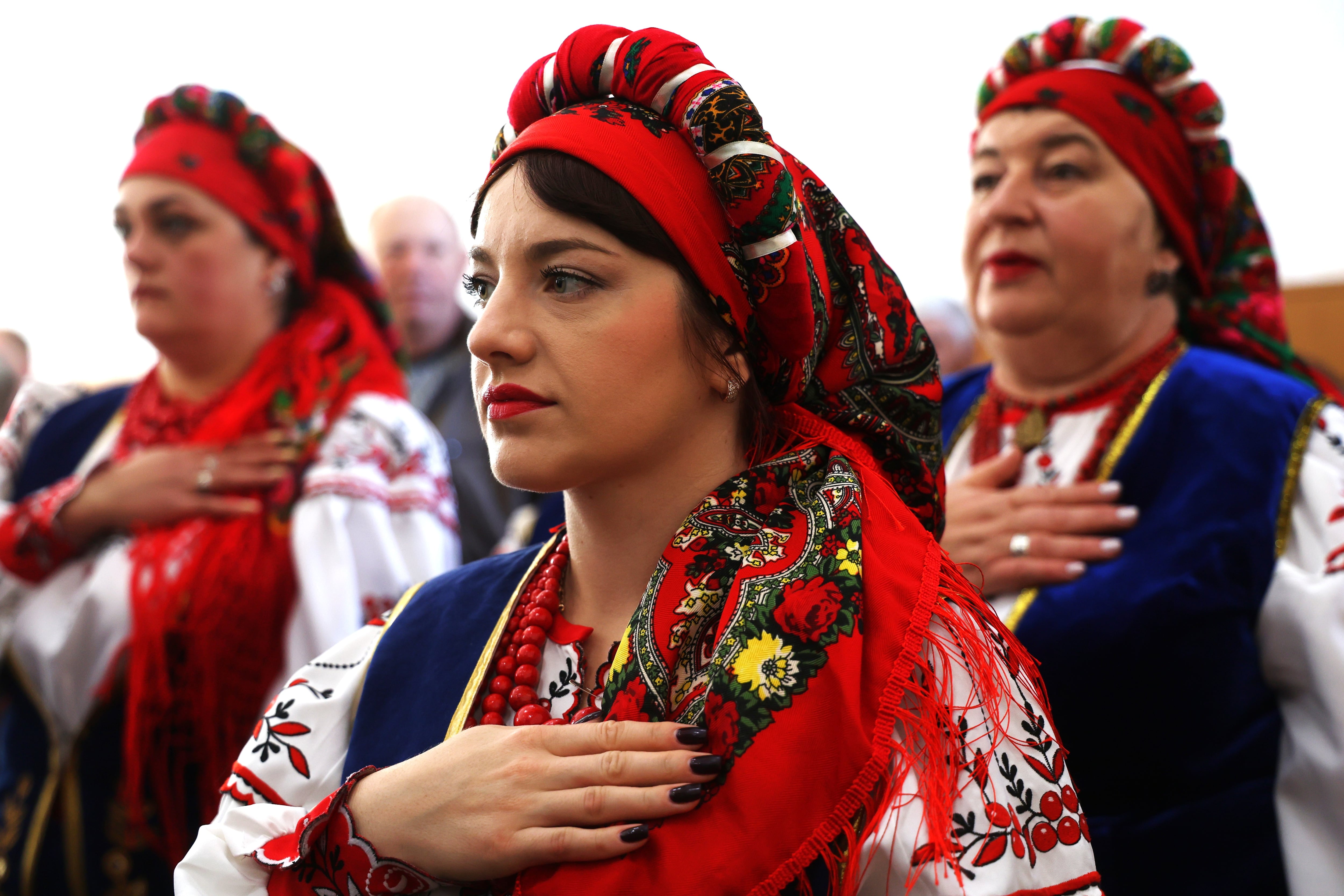
Olena Halushka (right), a resident of Oleshky until she fled the Russian invasion in 2022 and the mother of Vitali, a soldier who was killed at age 21 while defending Kherson in 2023.A cat next to a food parcel that arrived in Oleshky in a photo provided by Ukrainian servicemen.Tetiana Hasanenko (right), head of the military administration of Oleshky, during the festival honoring that city, held on October 3 in Uman, Ukraine.Attendees at the tribute held in honor of Oleshky in the city of Uman on October 3.Members of a choir during the festival honoring the city of Oleshky, held in Uman on October 3.

“Thanks to our beloved soldiers. We await you in our unbreakable city,” reads the left-hand photo, one of the messages of thanks from the people of Oleshki (Ukraine) beside the food they receive via drones.
  •  

The uncertainty of families of the 280,000 people missing in the war between Russia and Ukraine: ‘They must live with silence’

At least 280,000 people are missing due to the war between Russia and Ukraine, according to the vast list maintained by the International Committee of the Red Cross (ICRC). It includes Ukrainians and Russians, without distinction, and the true figure is likely higher because the list contains only requests registered with the organization. The vast majority are soldiers. Although many have probably died, some parents and wives still set a meal at an empty chair and leave their rooms unchanged in case the person suddenly returns home. They carry a pain psychologists call ambiguous loss.

Seguir leyendo

© Stringer (REUTERS)

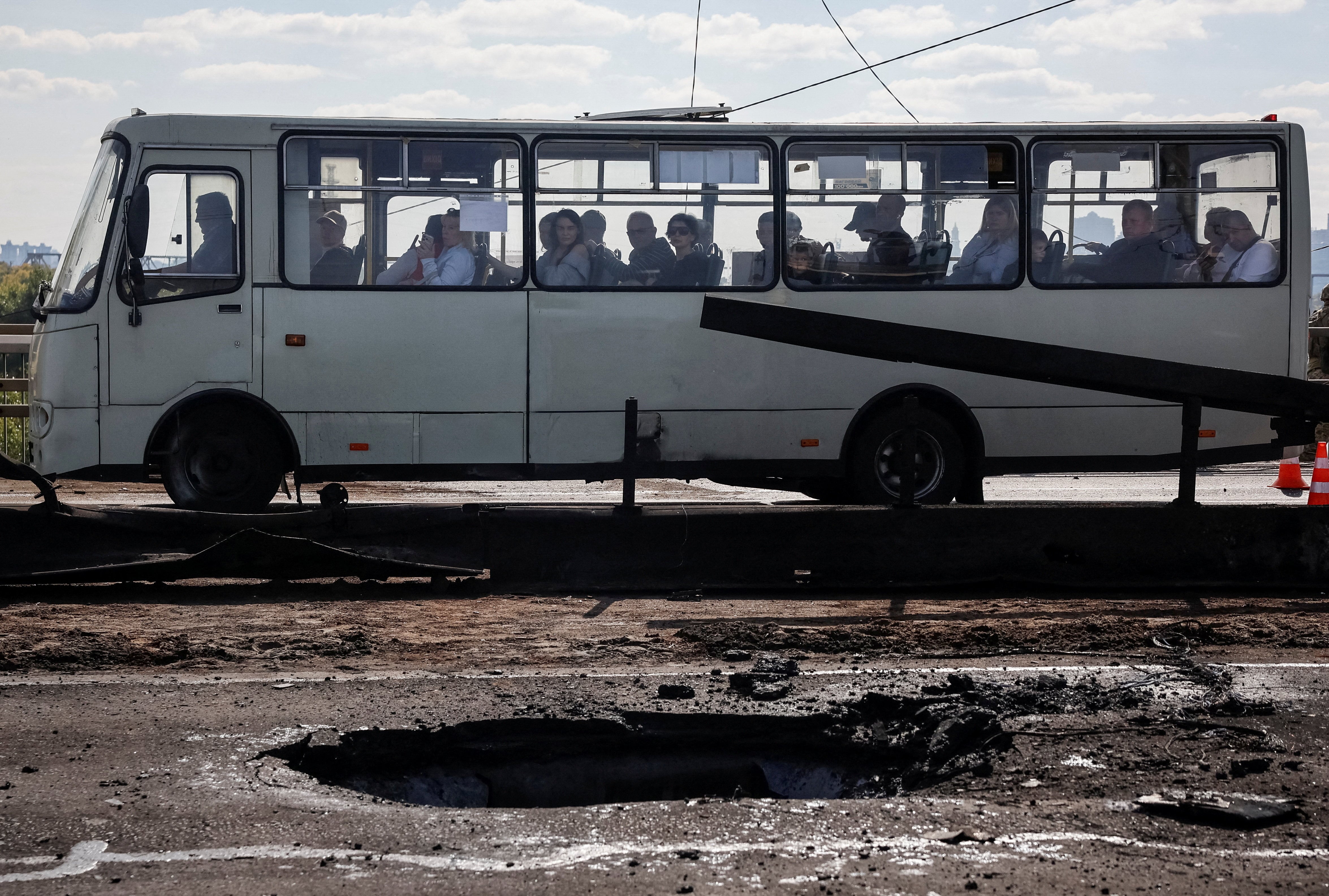
One of the bridges damaged by Russian attacks on Kyiv last Sunday.
  •  
❌